Skip to content
Mermaid Dress Development
Production-ready mermaid silhouettes built through pattern, fit, fabric and construction control for global fashion brands and established apparel programs.
- 2 sample rooms supporting first, fit, revised, PP and Golden sample development.
- 7+ senior pattern makers focused on fit-sensitive womenswear, proportion correction and production-ready patterns.
- 20+ sample machinists supporting complex satin, mesh, lace, sequin, corset and occasionwear structures.
- Standard dress samples are commonly planned around 10–15 days; complex corset, lace, mesh, sequin or special-trim developments commonly require 15–25 days once materials are ready and the project is confirmed.
- 15+ QC inspectors support material, cutting, sewing, measurement, finished-garment and packing checks before shipment.
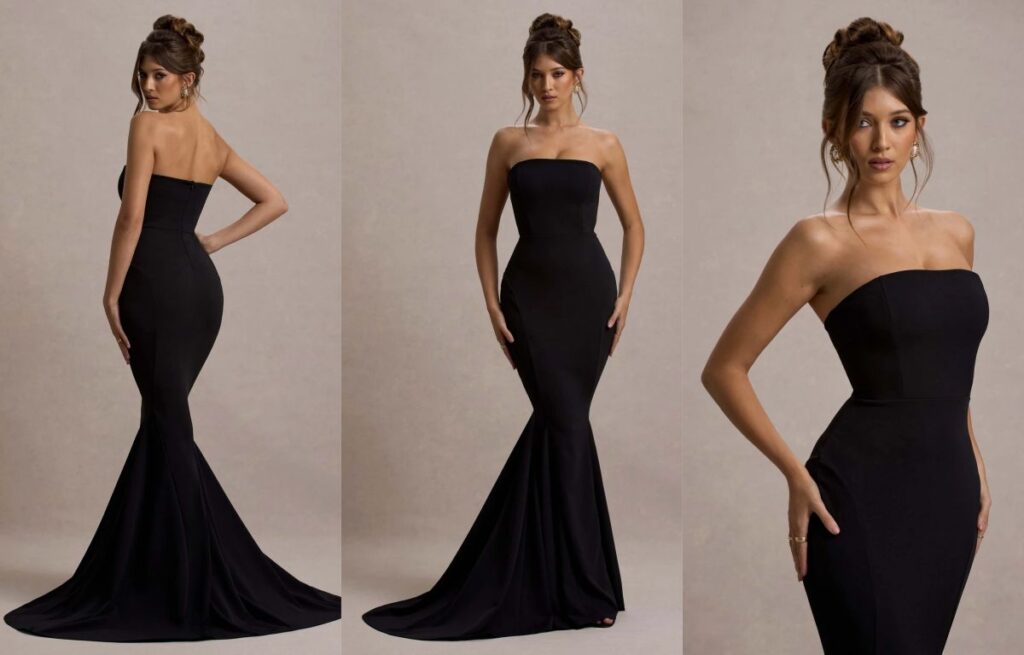
A mermaid dress succeeds when the upper body remains controlled, the hip line reads cleanly, the knee break sits at the intended visual level, and the flare opens without restricting movement. Jinfeng Apparel develops the garment as one connected system rather than treating the skirt flare as a late styling detail.
Mermaid Development for Established Fashion Programs
Occasionwear Brands
Prom & Evening Programs
Premium Ecommerce Collections
Sourcing & Product Teams
Development Capacity Behind Fit-Sensitive Dresses
2 Sample Rooms
7+ Pattern Makers
20+ Sample Machinists
15+ QC Inspectors
18+ Sewing Lines
100,000+ Monthly Capacity
What Mermaid Dress Development Actually Involves
A mermaid silhouette is engineered from the upper-body fit down to the hem. Successful development connects design proportion, body movement, material behavior, pattern geometry and production repeatability instead of adding extra width below the knee after a fitted dress has already been drafted.
From Visual Shape to Production Geometry

A reference image may show a narrow torso, a smooth hip line and a dramatic flare, but the factory still needs measurable construction decisions before the idea becomes a garment. The pattern must define where the waist sits, how much contouring occurs through the hip, how the thigh narrows, where the flare begins, how many panels carry the flare, and how the front, side and back hems balance when worn. A satin version may rely on cleaner panels and controlled drape; a stretch crepe version can use recovery to hold the body; lace, mesh or sequin styles may need additional lining or structural layers. Pattern decisions therefore start with the intended silhouette and fabric behavior at the same time.
From Fit Approval to Repeatable Production

Development is not complete when one sample looks good on a fitting model. Comments must be translated into revised patterns, updated measurements, fabric and trim approvals, sewing instructions and QC checkpoints before production. Mermaid dresses are less forgiving than loose silhouettes because small deviations can move the apparent knee point, create drag lines over the hip, twist side seams, expose lining at the hem or make the flare open unevenly. Jinfeng Apparel uses first, revised and PP stages to resolve those variables before the approved standard is handed to bulk production. Golden sample records then provide a physical reference for QC and later repeat orders.
Engineering the Mermaid Silhouette from Bust to Hem
The visual strength of a mermaid dress comes from controlled transitions rather than one dramatic point. Every zone affects the next. The upper body establishes posture and support, the waist and hip create the fitted line, the thigh controls mobility, and the knee-to-hem geometry decides whether the flare looks deliberate or accidental.
Bodice Support and Waist Placement

Mermaid dresses often appear simple below the neckline because attention is drawn toward the lower flare, yet bodice balance determines whether the entire silhouette reads correctly. Strapless, corset, halter, deep-V, mesh-panel or fitted satin versions may require different levels of cup support, boning, neckline stabilization, grip tape, lining or seam shaping. The waist position must also match the design intention and target market. A waist that sits even slightly high or low can shorten the torso visually and change where the hip begins to curve. During fitting, Jinfeng Apparel reviews bust coverage, upper-bust tension, under-bust placement, side seam direction and waistline level together instead of correcting each point in isolation. When support materials change, the team rechecks fit because stronger boning, a different cup, a heavier lining or a less elastic shell can alter circumference and posture.
Hip Contour and Thigh Ease

The hip section needs enough contour to produce the signature fitted line while preserving a clean surface. Too much reduction produces horizontal drag lines, zipper strain, seam distortion and restricted movement. Too much ease removes the sculpted shape and can make the flare appear disconnected from the body. Fabric stretch and recovery change the answer: a stable woven crepe needs pattern ease and seam shaping, while stretch satin, ponte or jersey can use controlled negative ease if recovery remains stable. Jinfeng Apparel evaluates hip circumference, high-hip balance, seat shaping, side seam position and thigh movement during fit samples. Walking, sitting and turning are considered because a garment that photographs well while standing still may fail during real wear. Any correction affecting hip or thigh is carried into the revised pattern and measurement record before PP approval.
Knee Break and Flare Transition

The break point is one of the most recognizable mermaid design decisions. A flare starting above the knee produces more movement and a softer commercial fit; a lower break creates a more dramatic body-contoured look but increases mobility risk. The correct point also depends on model height, intended dress length, fabric stiffness and the style of the train or back hem. Jinfeng Apparel reviews the break visually from front, side and back while checking whether the side seam remains vertical. The flare can be developed through shaped panels, godets, inserted wedges, circular extensions or layered materials. Each method changes fabric consumption, seam behavior, weight and packing volume. A clean transition should look continuous, not as if a second skirt was attached below a fitted tube.
Hem Sweep, Back Balance and Movement

A larger hem sweep adds drama, but more width is not automatically better. Excessive sweep can increase weight, fabric usage, pressing difficulty and packing volume, while an undersized flare can collapse around the legs. Front and back lengths also need different treatment when the design includes a train, high heel allowance or pronounced seat shaping. Jinfeng Apparel checks center front, center back, side lengths and flare symmetry after the garment hangs and during fitting. Satin, chiffon, tulle and bias-influenced fabrics may settle differently after cutting and sewing, so hem review must consider fabric relaxation before final finishing. The objective is a hem that opens evenly, clears movement, preserves the intended train and remains measurable for bulk QC.
Mermaid Dress Directions Ready for Brand Development

Classic Panel Mermaid

Corset Mermaid

Strapless Mermaid

Halter Mermaid

Mesh Mermaid

Lace Mermaid

Satin Mermaid

Sequin Mermaid
Fabric Engineering for Mermaid Shape and Movement
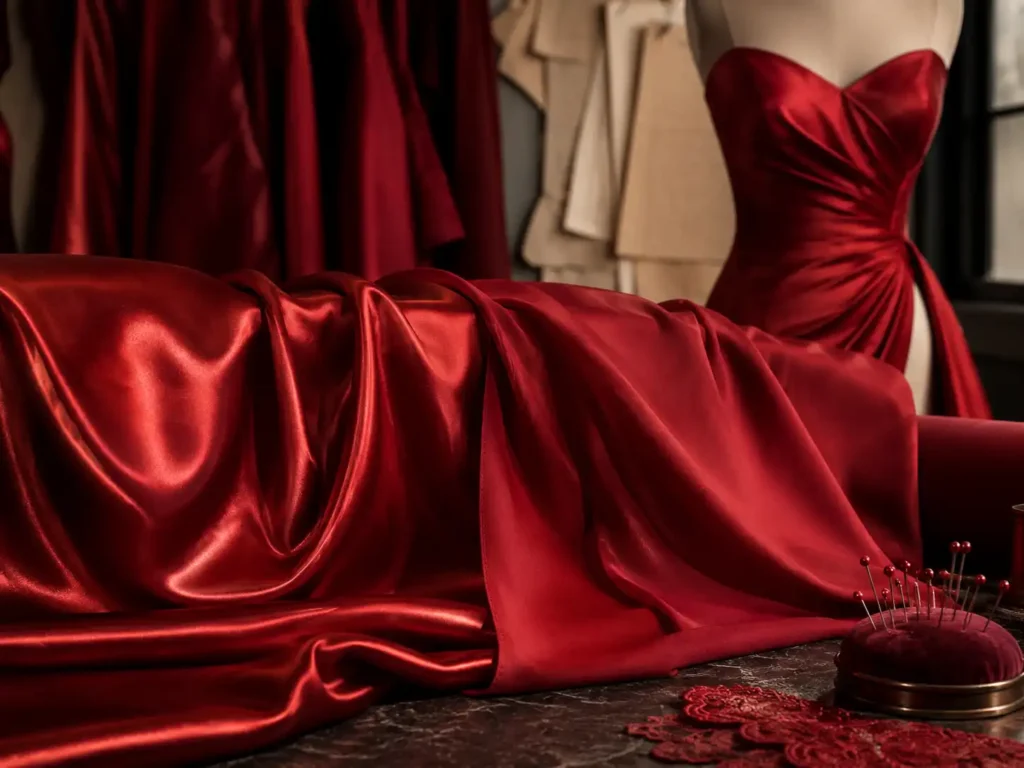
Satin & Stretch Satin
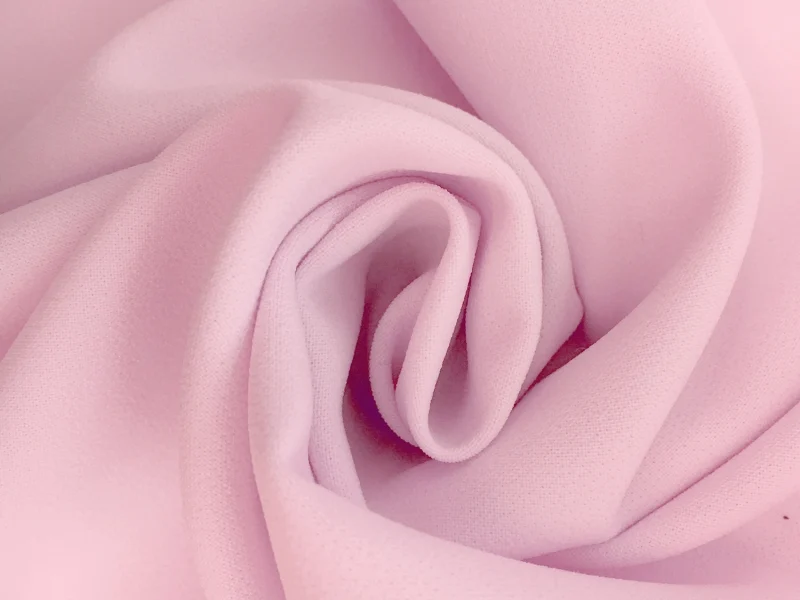
Crepe & Stretch Crepe

Mesh & Power Mesh
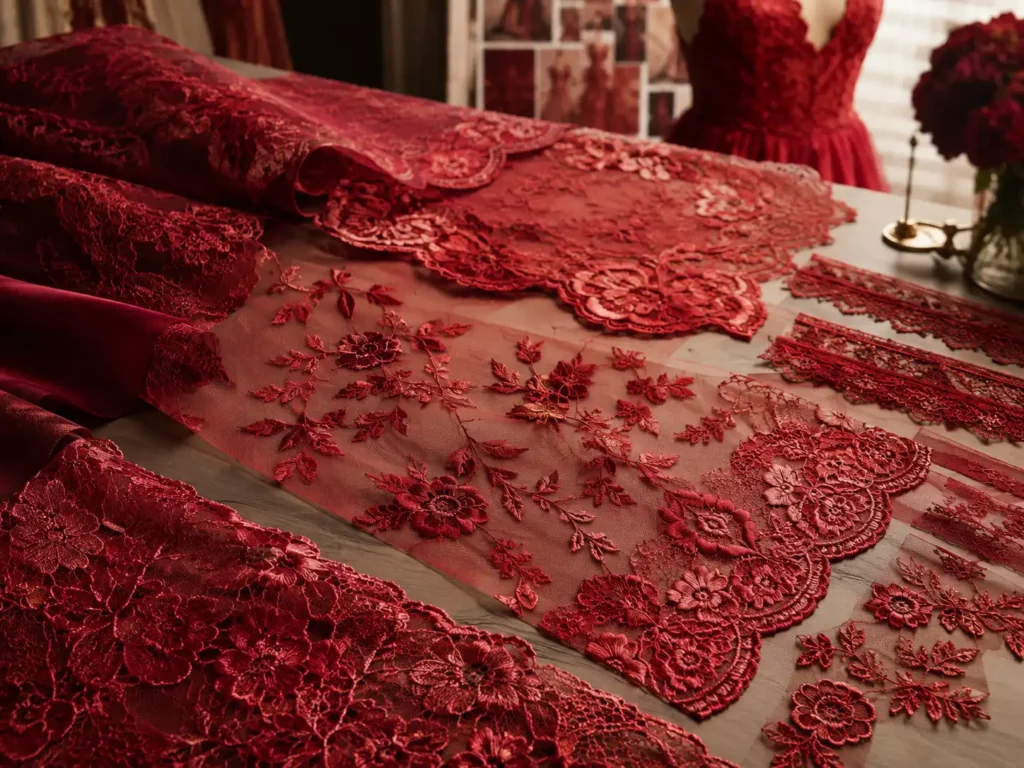
Lace & Embroidered Lace
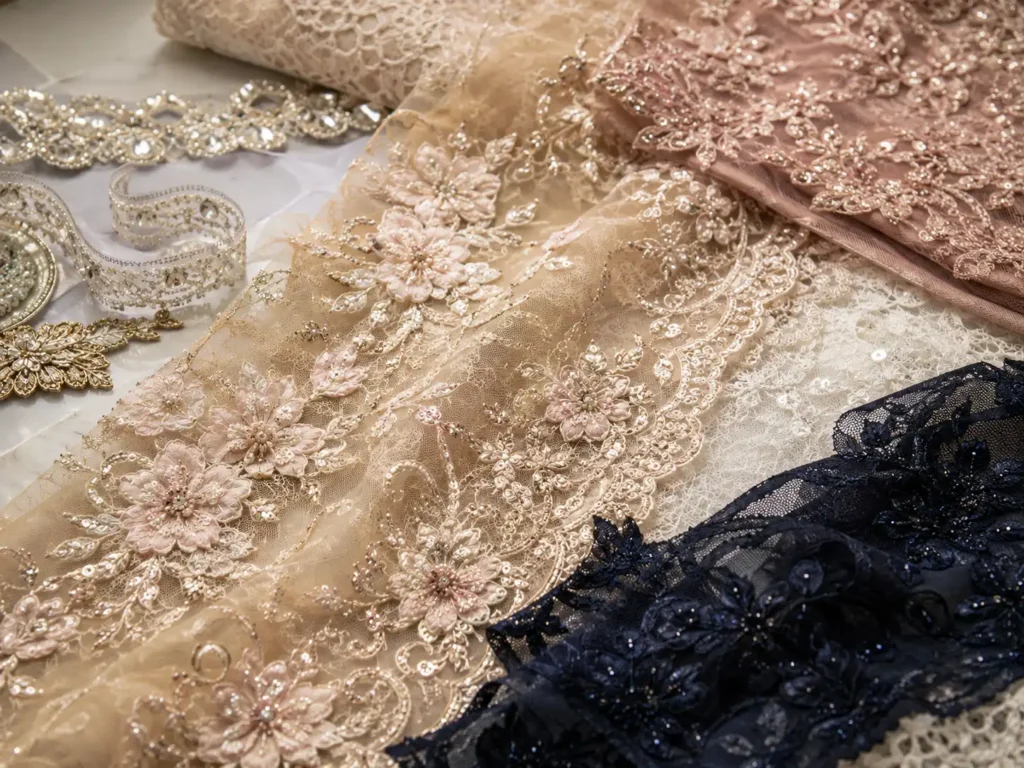
Sequin & Embellished Fabric

Tulle & Organza
Pattern Development Built Around the Mermaid Proportion
Paper patterns convert the visual idea into a repeatable production system. Jinfeng Apparel can begin from a tech pack, reference photo, original sample, sketch, size chart or line sheet, then test the intended proportion through sewn samples before locking the final pattern.
Structure Review Before Drafting

Before the first pattern is finalized, the team reviews the silhouette as a sequence of control zones: neckline and bust, waist placement, high hip, full hip, thigh, knee break, flare and finished length. The same sketch may require a different pattern approach depending on whether the shell is non-stretch satin, stretch crepe, jersey, lace over lining or layered mesh. Internal elements such as cups, boning, grip elastic, lining and zipper construction are included in the review because they change thickness, tension and available ease. Reference images are treated as visual direction rather than exact technical instructions; the development team identifies unclear areas and aligns them with the target market, brand size chart and expected wear condition before sample cutting.
Initial Pattern and First Sample

The initial pattern establishes the first measurable interpretation of the design. Jinfeng Apparel’s 7+ senior pattern makers work with the sample rooms to translate body proportion and fabric behavior into panels that can be sewn, fitted and measured.
The first sample is used to verify whether the mermaid idea works in real material: whether the bodice sits correctly, whether the waist visually narrows, whether the hip line stays smooth, whether the thigh has adequate movement, whether the knee break appears at the intended height and whether the flare opens cleanly. A first sample is not treated as the final bulk standard. Its value lies in exposing structural problems early enough for controlled revision.
Pattern Correction from Fit Feedback

Fit comments become useful only when they are converted into specific pattern actions. A note such as ‘too tight at the hip’ may require circumference adjustment, seam redistribution, fabric change or a different ease strategy depending on the cause. ‘Flare starts too low’ can involve moving the break point, changing panel geometry or modifying godet length. Jinfeng Apparel records sample version, comment location, measurement change, pattern impact, fabric impact, trim impact, construction impact and next action. Updated information is transferred into revised patterns, size charts, BOM, sewing instructions and QC checkpoints rather than remaining only in email or chat messages.
Final Pattern Before Bulk Production

After the design, fit, fabric, trims and construction are approved, the final pattern becomes part of the bulk-production standard. Grade rules are applied according to the client’s size system, while sensitive Mermaid points such as hip, thigh, knee transition and length are reviewed for proportional consistency. The PP sample then verifies the final combination of shell fabric, lining, trims, measurements, sewing method, labels and packing direction.
Golden sample sealing provides a physical reference for production, QC and later repeat orders. The aim is a pattern that can be reproduced across the confirmed size and color plan without losing the intended silhouette.
Knee Point, Flare Volume and Walking Ease
Mermaid dresses are defined by where the fitted line releases into the flare. The break point, amount of sweep and material behavior must work together; otherwise the dress may look dramatic in a still image but feel restrictive, twist during movement or lose symmetry in production.
Choosing the Break Point
A higher break point generally gives more stride and a softer transition, while a lower break point increases visual drama and keeps the body-contoured line longer.
Neither choice is universally correct. The team considers model height, target size range, heel allowance, thigh circumference, fabric stretch and planned train length. The selected point must also remain visually coherent when graded. During fitting, front, side and back views are compared because the same horizontal level can appear different around the body due to seat projection and panel shaping. The break point is recorded through pattern landmarks and measurements rather than judged only by eye.
Building Flare Volume
Flare can be introduced through shaped panel extensions, godets, wedges, circular sections or layered materials. Each method creates a different silhouette and different production behavior. Panel extensions produce cleaner continuous lines; godets can add volume without changing the fitted upper section; circular lower sections increase sweep but can consume more fabric and may hang differently on the bias. Tulle or organza layers add structure, while satin and crepe rely more on drape. Development balances visual impact, material consumption, seam count, weight, pressing and packing. The preferred construction is chosen before PP so bulk operators follow one defined method rather than adjusting the flare informally on the sewing line.
Protecting Movement
Walking ease is evaluated alongside appearance. A very narrow thigh combined with a low break point can limit stride and place high stress on side seams or the center-back zipper. Stretch fabric can compensate only when recovery remains stable and the pattern uses the stretch intentionally. Slits are another option, but slit height, facing, lining and reinforcement require separate control. Jinfeng Apparel uses fit samples to observe sitting, stepping and turning instead of approving the garment only from static measurements. When movement is insufficient, the team can adjust thigh ease, break position, panel shape, slit structure or material direction while preserving the visual target.
Balancing the Hem and Train
Long mermaid hems need stable front, side and back balance. A train adds asymmetry by design, but the side transition still needs to look continuous and the front must clear the intended footwear. Fabrics may relax after hanging, pressing or steaming, especially when sections include bias grain or circular flare. Hem balance is therefore checked after the garment has settled.
The final standard records center front, side and center back lengths, train geometry and lining relationship so bulk QC can measure repeatably. Packing is also considered because a long structured flare can crease or collapse if folded without regard to the fabric.
Construction Details That Hold the Mermaid Shape
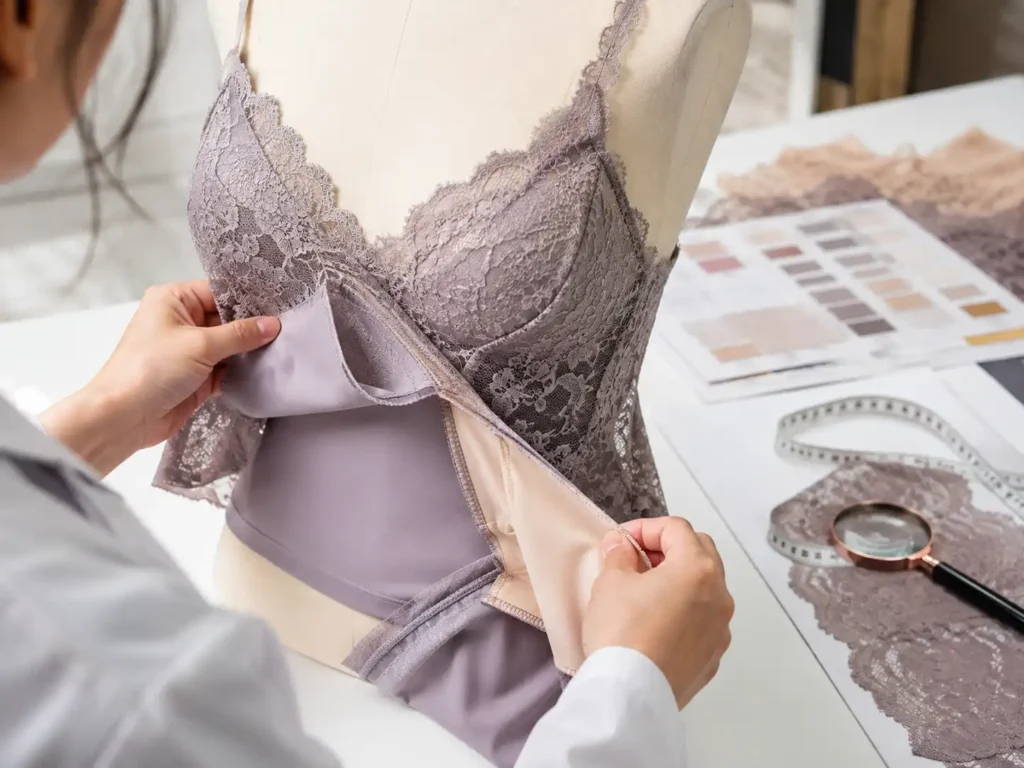
Lining Control

Cup & Bust Support

Boning & Grip Support
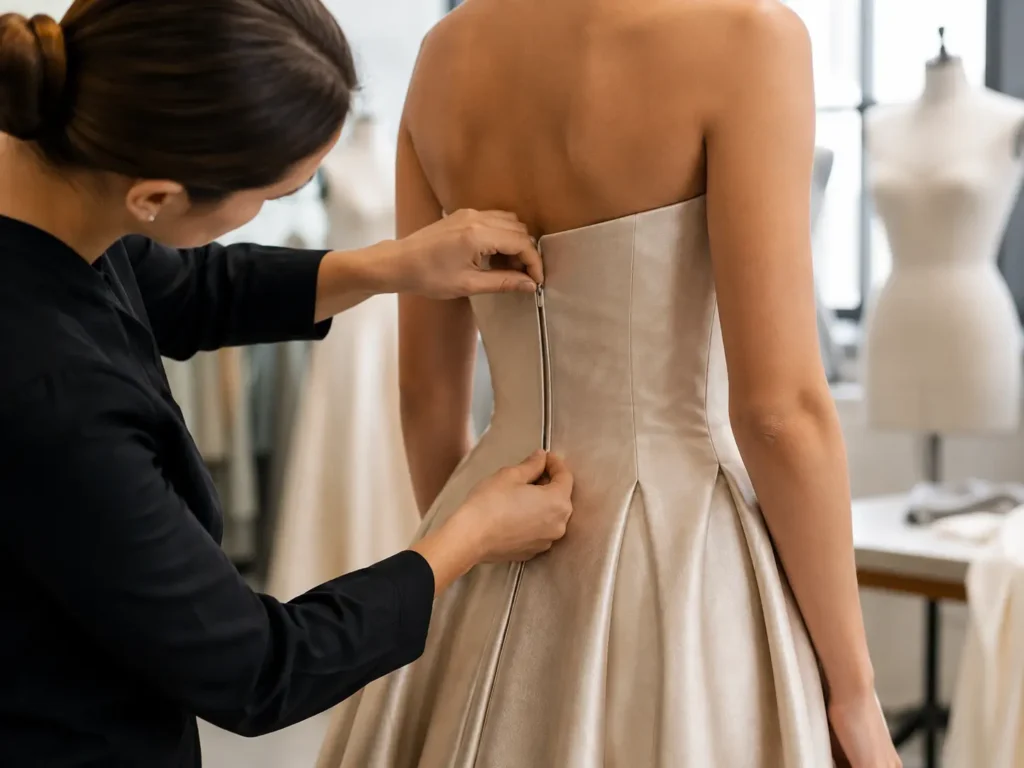
Zipper & Closure

Panel & Godet Seams

Hem & Pressing Finish
Sampling from First Fit to Production Approval
First Sample
Fit & Revised Samples
PP Sample
Golden Sample
Fit Correction Before PP Locks the Bulk Standard
A Mermaid sample should not enter bulk with unresolved fit problems. Small errors around the bust, waist, hip or knee can become large consistency issues once repeated across thousands of garments. Jinfeng Apparel records the cause, correction and production impact before the project advances.

Diagnosing the Cause, Not Only the Symptom
Visual comments such as ‘hip looks tight,’ ‘flare feels weak,’ or ‘waist looks high’ need technical diagnosis. Tightness may come from insufficient circumference, incorrect seam distribution, lining restriction or low fabric stretch. A weak flare can come from the break point, panel angle, fabric weight or insufficient lower sweep. Jinfeng Apparel compares client comments with garment measurements, fitting images, mannequin observations and fabric behavior before choosing a correction. The revision record identifies the affected pattern area, measurement change and whether fabric, trim or construction must also change. This approach reduces repeated adjustments that solve one symptom while creating another problem nearby.

Updating the Pattern and Measurement Record
Once the correction is approved, the change is entered into the revised pattern and size chart rather than kept as an informal sewing instruction. Bust, waist, hip, length, strap, neckline, slit and lining changes are recorded as needed; Mermaid-specific adjustments can include thigh ease, knee transition, panel shape, flare extension and train length. If a fabric replacement changes weight, stretch or transparency, the team rechecks whether the pattern still performs correctly.
Updates can also affect the BOM, sewing instruction, QC checklist, sample comments and cost sheet. Production should not begin from an old pattern with new comments layered on top.

Rechecking Fit on the Revised Sample
The revised sample verifies whether the correction produces the intended on-body result. Front, side and back views are reviewed together. The team checks whether the side seams remain balanced, whether the hip surface is smooth, whether the thigh allows movement, whether the knee point is symmetrical and whether the lower flare opens evenly. For strapless or corset styles, support and upper-bust stability are also rechecked because a lower-body adjustment can change how the dress settles on the torso. If the correction changes the construction significantly, another revised sample may be more appropriate than pushing the garment into PP too early.

Moving into PP Only After the Core Variables Are Stable
PP preparation begins when the style structure, key measurements, shell fabric, lining, color, trims, workmanship direction and core fit are sufficiently stable for production planning. The team then confirms the final pattern, grade direction, sewing standard, labels, packing and QC requirements. A locked PP process protects both brand and factory from late changes that can trigger material waste, rework or inconsistent batches. For fit-sensitive Mermaid dresses, disciplined PP approval is one of the most important controls between an attractive development sample and a repeatable commercial garment.
Size Grading Without Losing the Mermaid Proportion
A base-size Mermaid sample can look correct while larger or smaller sizes drift away from the intended silhouette. Jinfeng Apparel can develop US, UK, EU and AU sizing, alpha sizing from XS–XL, extended ranges, plus-size standards and petite/tall adjustments according to the brand’s approved measurements.
Grading Controls for Fit-Sensitive Mermaid Dresses
| Control Area | What Must Stay Proportional | Bulk Verification |
|---|---|---|
| Bust & Waist | Support, neckline level, waist placement and suppression should follow the brand block rather than scale mechanically. | Size-chart measurement, fit review on selected sizes, inline and final measurement checks. |
| Hip & Thigh | Ease strategy needs to follow fabric stretch and target fit so larger sizes do not become restrictive and smaller sizes do not lose contour. | Pattern grade rule, circumference checks, side-seam balance and movement review. |
| Knee Break | Break position should remain visually consistent relative to body proportion and finished dress length. | Pattern landmark, dress-length relationship and size-set visual comparison. |
| Flare & Sweep | Lower flare must preserve the intended drama without becoming disproportionately heavy or narrow as sizes change. | Panel/godet dimensions, flare symmetry and finished hem comparison. |
| Length & Hem | Front, side, back and lining lengths need to reflect target market, model height and heel allowance. | Measurement record, hanging review, pressing check and final QC. |
| Extended / Petite / Tall | Body proportion, waist position, knee level and total length may require dedicated adjustment rather than simple length changes. | Client-approved size standard, selected fit samples and separate grade notes where needed. |
MOQ and Cost Drivers for Mermaid Dress Programs
Jinfeng Apparel’s standard MOQ starts from 200 pieces per style/color. MOQ is calculated by style and color, not by total order quantity. Special fabrics, dyeing, printing, trims and packaging can carry separate supplier requirements. Final costing is built from the approved construction rather than one generic dress price.
| Cost / MOQ Driver | Why It Changes the Program | Mermaid-Specific Impact | How to Control It |
|---|---|---|---|
| Shell Fabric | Weight, width, stretch, finish, supplier MOQ and color development affect material cost and availability. | Large flare sweep can increase consumption; satin, lace, mesh and sequin each need different cutting and handling. | Approve fabric early and compare alternatives against drape, recovery, transparency and appearance. |
| Flare Construction | Panel count, godets, circular sections and train length alter fabric usage and sewing time. | More sweep or layered flare can increase material, pressing and packing requirements. | Set the target silhouette before final quotation and PP approval. |
| Internal Support | Cups, boning, grip elastic, lining and reinforcement add materials and operations. | Corset or strapless Mermaid styles may require more fitting and sample revisions. | Confirm support level during sampling rather than adding structure after price lock. |
| Surface Details | Lace placement, sequins, beads, rhinestones and special trims increase labor and material risk. | Embellished lower flares may be heavier and need seam/packing protection. | Define placement and trim standard in the approved sample and BOM. |
| Size / Color Mix | More colors and size splits increase material, cutting, labeling and packing complexity. | Fit-sensitive silhouettes require accurate grade and measurement control across the mix. | Provide the expected ratio early so production and costing can be planned correctly. |
| Private Label & Packing | Woven labels, care labels, hangtags, barcodes, polybags and carton marks add supplier and handling requirements. | Long dresses and structured flares may need folding methods that reduce crease or shape damage. | Approve artwork, SKU logic and packing method before PP lock. |
Transferring the Approved Sample into Bulk Production
The sample room and bulk factory must work from the same approved standard. Jinfeng Apparel converts development decisions into formal production files so pattern corrections, materials, workmanship and packing instructions do not disappear during handover.

Final Pattern, Size Chart and Grade Rule
The final pattern incorporates approved fit corrections from the sample stage. The corresponding size chart identifies the measurements that production and QC will use, while the grade rule defines how the silhouette moves across the confirmed size range. Mermaid-specific landmarks such as waist level, hip circumference, thigh ease, knee break and dress length need to remain aligned with the approved visual. If the program includes petite, tall or extended sizing, separate notes are maintained where required. Production does not rely on memory from the sample fitting; the released pattern version and measurement files become the working source.

Fabric, Trim and Construction References
Approved shell fabric, lining, zipper, cups, boning, elastics, lace trims, embellishments and private-label components are carried into bulk through the BOM and reference records. Construction notes cover seam methods, lining attachment, panel and godet assembly, closure details, support structure, hem finish and pressing direction. Any substitute material is reviewed for composition, weight, stretch, transparency, MOQ, cost and lead-time effect before use because a seemingly minor change can alter the hip fit or flare movement. The production team therefore receives an approved combination rather than a list of independent materials.

PP Sample and Golden Sample as Physical Standards
The PP sample confirms the final combination of fabric, color, trims, measurements, construction, labels and packing direction. Once approved, late changes are controlled because they can affect purchasing, costing and scheduling. The Golden sample then serves as the reference garment for sewing, QC, packing comparison and future repeat orders. For a Mermaid style, QC can compare the actual hip line, knee transition, flare symmetry, zipper behavior and hem appearance against a physical standard rather than interpreting a flat specification alone.

Production Handover and QC Checklist
The production handover combines pattern files, size chart, grade rule, fabric references, trim card, sewing instruction, label placement, packing instruction and QC checklist. The QC list highlights style-specific risks such as neckline stability, hip measurement, side-seam twisting, knee position, flare symmetry, lining length and final hem. Production timing is confirmed after PP approval, materials, quantities, size/color ratios, packaging and quality requirements are locked. The schedule is therefore tied to actual project readiness rather than a generic promise detached from the garment.
Bulk Controls That Preserve the Approved Mermaid Fit
Material Batch Check
Cutting Direction
Sewing Balance
Measurement Control
Pressing & Hem Review
Packing Verification
Mermaid Dress QC Focused on Fit, Symmetry and Finish
Quality control follows the approved pattern, measurements, materials and Golden sample. The inspection logic is adapted to the Mermaid silhouette because fit and flare problems can remain hidden on a hanger and become obvious only when the garment is measured, dressed or viewed from several angles.
Fit and Measurement Checkpoints
Core measurements follow the client-approved size chart and tolerance. Bust, waist, hip, dress length, neckline, strap or slit points are checked where relevant, with Mermaid-specific attention to thigh ease and the location of the flare transition. Measurement alone is not enough: side seams should remain balanced, the fitted body should not show abnormal drag lines, and the garment should retain usable movement. For structured bodices, cup, boning and neckline support are also compared with the approved sample. Selected sizes can receive additional visual review when the program includes an extended range or a particularly tight silhouette.
Flare, Hem and Symmetry Checkpoints
The lower body is checked for left/right symmetry, smooth panel transitions, consistent godet insertion and balanced front/side/back lengths. A shifted godet point or unequal panel angle can make one side open more than the other. Long hems are reviewed after finishing and fabric relaxation, especially when satin, chiffon, tulle or circular sections are involved.
Trains are checked for smooth transition into the side seam and for consistent relationship with the lining. The objective is a repeatable flare rather than a visually acceptable average across the batch.
Surface, Closure and Workmanship Checkpoints
Fabric-specific inspection is layered onto the fit review. Satin receives attention for snagging, shade, seam puckering, zipper ridges and press marks. Mesh is checked for holes, stretched edges and lining placement. Lace needs placement, damage and edge review. Sequin garments are checked for missing or damaged decoration, rough contact areas and protection near closures. Zippers, hooks, cups, boning and other internal components are compared with approved references. Workmanship is judged against the construction standard, not only by whether stitches are present.
Packing and Pre-Shipment Checkpoints
Final inspection includes pressing condition, labels, care information, hangtags, barcode or SKU stickers, polybags, size identification, carton marks and packing ratio according to the client requirement. Jinfeng Apparel can support AQL-based inspection and client-appointed or third-party inspection by project. AQL sampling is not described as 100% full inspection; the inspection method follows the agreed standard. For long Mermaid dresses, packing also checks whether folding or compression creates severe creasing, crushed flare volume or exposed embellishment risk.
Anonymous US Occasionwear Mermaid Development Program
A representative multi-style program shows how fit correction, material planning and bulk handover work together. Client identity, proprietary artwork, original tech packs, prices and internal order references remain confidential under Jinfeng Apparel’s NDA and design-protection approach.
Program Scope
An anonymous US occasionwear brand planned an 18-style fitted evening capsule totaling approximately 36,000 pieces. The assortment combined satin Mermaid dresses, stretch-crepe Mermaid dresses, mesh-panel versions and corset-led statement styles across several commercial colors. The brand required a recognizable fitted-to-flare identity across the line while allowing each fabric and neckline to perform differently. Development input included tech packs, reference images, brand size charts and launch timing. The project was managed as a collection rather than 18 isolated garments so material decisions, sample priority, size logic and packing direction could be reviewed together.
Development Challenges
The first sample round exposed three recurring issues: the hip contour looked too tight on several woven styles, the flare break sat too low on two non-stretch dresses and a mesh/corset version showed unstable upper-bust fit after movement. One satin style also developed visible center-back zipper ridging because lining and seam bulk were not balanced with the shell. Instead of applying the same correction to every garment, the team separated the issues by cause. Woven hip patterns received controlled ease and seam redistribution; stretch styles kept a closer fit but used recovery-based review. Two flare patterns were raised and reshaped, while the corset version received cup and boning adjustments.
Sampling and Approval
The program used first samples, revised samples, PP samples and Golden samples. Most medium-complexity styles moved through one or two revised rounds, while the corset/mesh styles required additional attention before PP. Comments were converted into updated patterns, measurement charts, BOM records, sewing instructions and QC checkpoints. The brand reviewed front, side and back fit images together with measurement feedback. Before PP, shell fabrics, linings, zippers, support components, labels and packing directions were aligned to the approved construction. The goal was not to force all 18 styles through the same sample count, but to reach a stable production standard for each construction family.
Bulk Handover and Control
After approval, the collection moved into bulk through final pattern files, grade rules, trim references, Golden samples and style-specific QC lists. The 36,000-piece order was planned across multiple production batches to manage fabric availability, color groups and style complexity. QC focused on hip measurement, side-seam direction, knee transition, flare symmetry, zipper flatness, lining length and long-hem balance. Satin styles received added surface and pressing review; mesh and lace styles received material-condition checks; corset styles received cup, boning and neckline-support checks. Packing standards were unified across the collection while long flare shapes were folded to reduce severe creasing.
Commercial Outcome
The project created a repeatable Mermaid development framework the brand could use for later colors and related fitted evening shapes.
Pattern files, measurements, fabric references, trim details, sample comments, packing requirements and Golden sample records were retained for future production. When a repeat style changes color or fabric, Jinfeng Apparel still rechecks material behavior, MOQ and fit impact rather than assuming an old approval automatically covers the new version.
The value of the program came from turning one seasonal development cycle into organized technical records that can support future launches and replenishment.

Built for Seasonal Mermaid and Occasionwear Programs
Seasonal Collections
Repeat Orders
New Color Development
Fabric Updates
NDA & Design Protection
Multi-Batch Production
Mermaid Dress Development Frequently Asked Questions

Send Your Mermaid Dress Development Brief
- Reference image, sketch, original sample photos or tech pack.
- Target quantity by style and color; standard MOQ starts from 200 pcs per style/color.
- Preferred shell fabric, lining, stretch level, color direction or fabric swatch.
- Brand size chart, target market and required range such as US / UK / EU / AU, XS–XL, extended, plus, petite or tall.
- Construction notes for corset, cups, boning, mesh panels, lace placement, sequins, slit, train or special flare details.
- Label, hangtag, barcode, polybag, carton-mark or warehouse requirements when private-label packing is part of the program.
- Target launch date, required sample type and any internal fit or QC standards your team needs Jinfeng Apparel to follow.