...

Maxi Dress Length Complaint Solutions

Turn recurring length complaints into measurable pattern, grading, sampling and bulk-production corrections.

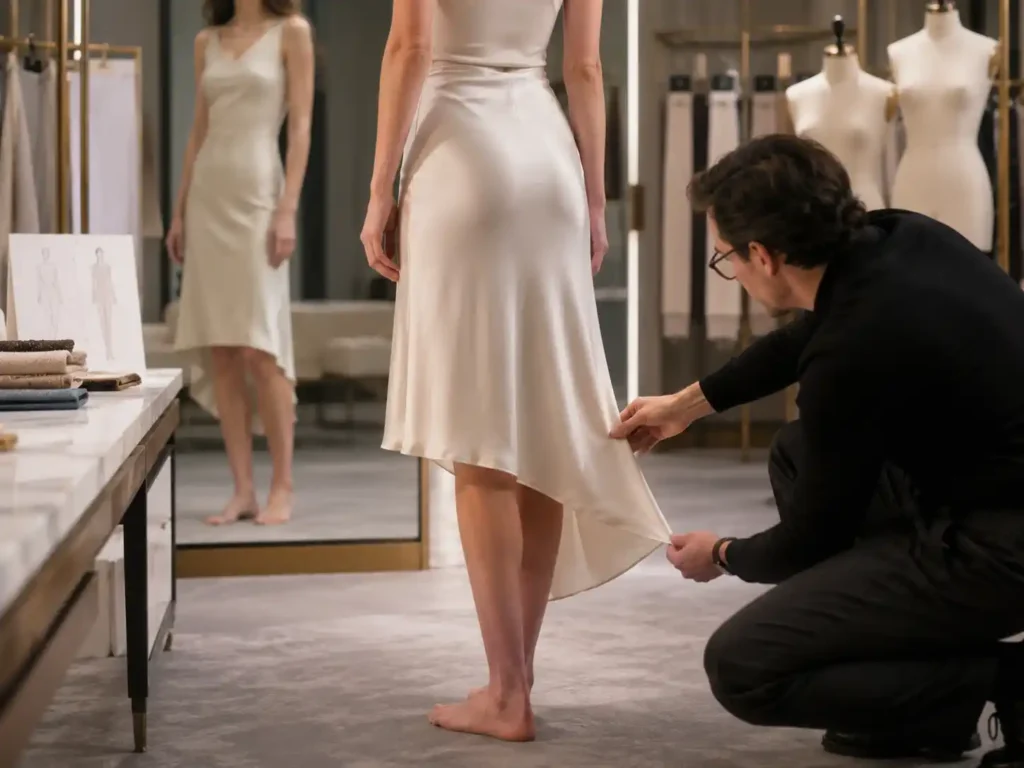
A maxi dress can look correct on one fit model and still generate repeated “too long,” “too short,” or “not as shown” feedback after launch. Jinfeng Apparel helps established fashion brands trace the problem back to garment measurements, body proportion, fabric behavior, grade rules, lining relationships, slit placement and production consistency.

  • 7+ senior pattern makers review front length, back length, waist position, slit height and hem balance.
  • 2 sample rooms and 20+ sample machinists convert review data into revised samples and PP standards.
  • Length control can cover the outer shell, lining, straps, waist seam, side seam and floor clearance.
  • Bulk inspection follows approved measurements rather than visual judgment alone.

Built for Brands Managing Maxi Dress Fit Complaints

Length-related returns rarely come from one measurement alone. The strongest results come when brand, technical and manufacturing teams review the same evidence and agree on a measurable correction plan.

Premium Ecommerce Brands

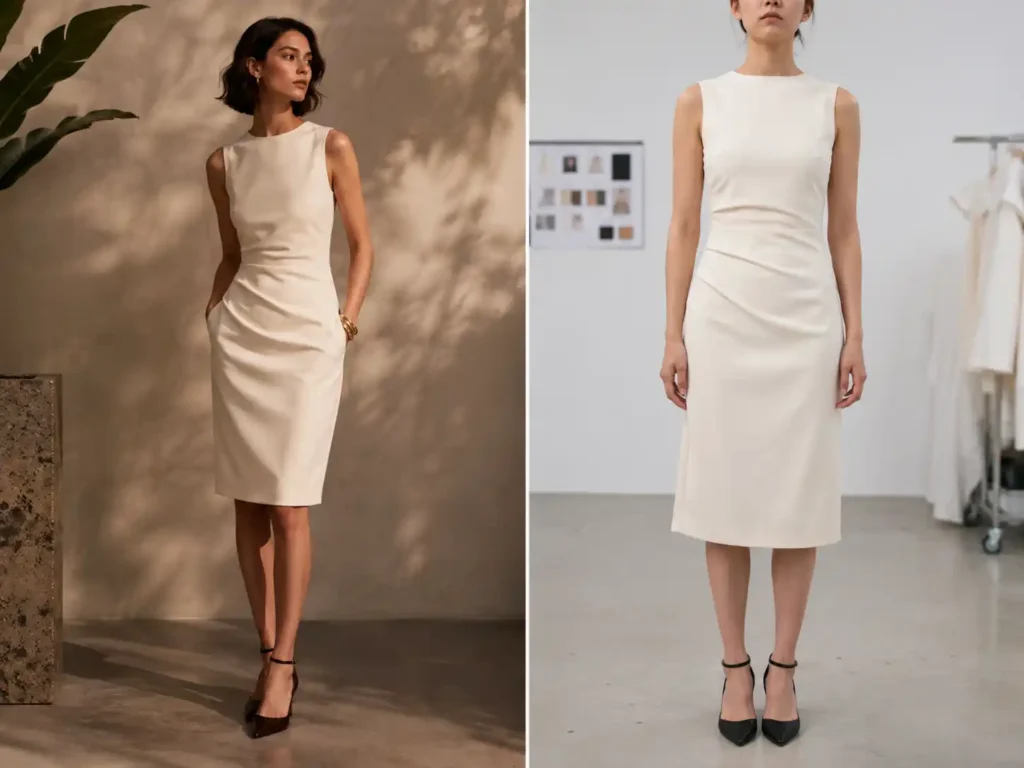
Product images create a precise expectation for hem position and overall proportion. Support focuses on photo-sample appearance, model height disclosure, approved garment measurements, size consistency and the gap between campaign styling and the delivered garment.

Resortwear Brands

Lightweight maxi dresses are commonly worn with flats, sandals or low heels. Development must account for fabric drape, travel use, lining coverage, print direction, hem balance and the way rayon, viscose or chiffon can change after hanging or care treatment.

Occasionwear Labels

Floor-skimming satin, chiffon and lace dresses need a clear relationship between outer length, lining, slit height and intended heel height. A small error can affect movement, elegance and event-ready presentation.

Wedding Guest Programs

Multi-color and multi-size launches require stable length grading, shade control, lining accuracy and reliable delivery. Length corrections must be locked before bulk production because wedding and event calendars leave little room for rework.

Product Development Teams

Reference images, current tech packs, review summaries and fit comments can be converted into pattern notes, revised measurements, sample changes and final production standards. The focus stays on measurable actions rather than subjective phrases.

QA and Sourcing Teams

Length tolerance, measurement method, inspection frequency, size-set coverage and corrective action should be agreed before production. Clear standards reduce disputes between the approved sample, inline inspection and final shipment.

Dress Development Capacity Behind Length Corrections

The data below relates directly to pattern correction, sample validation and bulk measurement control for fit-sensitive women’s dresses.

Since 2008

Long-term experience in custom women’s fashion development, sampling, bulk production and export coordination for overseas fashion programs.

7+ Pattern Makers

Senior womenswear pattern makers support length balance, waist placement, strap proportion, slit position, lining relationship and size grading.

2 Sample Rooms

Dedicated development space for first samples, fit samples, revised samples, photo samples, PP samples and Golden Sample management.

20+ Sample Machinists

Sample specialists test construction, fabric handling, seam behavior and whether corrected details can be repeated in production.

15+ QC Inspectors

Inspection coverage can include incoming materials, cutting, sewing, inline checks, finished garments, pressing, packing and final review.

200 Pcs Per Style/Color

MOQ starts from 200 pcs per style/color, depending on fabric availability, color development, trims, construction and the production schedule.

Length Complaints Cost More Than One Return

A recurring length issue affects conversion, service workload, inventory value and brand confidence. The commercial impact often continues long after the first refund is processed.

Lower Product Confidence

Repeated comments such as “runs too long,” “not maxi on me,” or “needs alteration” make future shoppers hesitate. Even strong photography cannot compensate when review language suggests unpredictable fit.

Higher Operating Cost

Returns create inbound freight, inspection, repacking, markdown and service costs. Alteration requests also increase message volume because the team must explain whether the problem comes from sizing, height, shoes or product construction.

Weak Repeatability

A style may pass one sample review yet fail across sizes or later reorders. Without corrected patterns, grade rules, Golden Samples and measurement records, the same complaint can return in new colors, replenishment orders or next-season adaptations.

What Wearers Mean by “Wrong Length”

The phrase “wrong length” covers several different fit and production failures. Each complaint needs its own diagnostic path before a pattern is shortened or extended.

Too Long With Flats

The base length may have been approved with heels, on a taller model or without a defined floor-clearance target. Waist position and shoulder-to-hem length also need review before changing only the bottom edge.

Too Short for Tall Wearers

A regular pattern may not provide enough vertical proportion for taller consumers. Simply increasing the hem can leave the waist, slit and overall silhouette in the wrong positions.

Uneven Front and Back

Back hem drag can come from hip projection, back length balance, seam stretch or incorrect hanging. Front-to-back difference must be evaluated on the body and on a level surface.

Lining Length Mismatch

A lining that is too short may look unfinished or reveal too much. A lining that is too long can show below the shell after movement, pressing or hanging.

Slit Position Feels Wrong

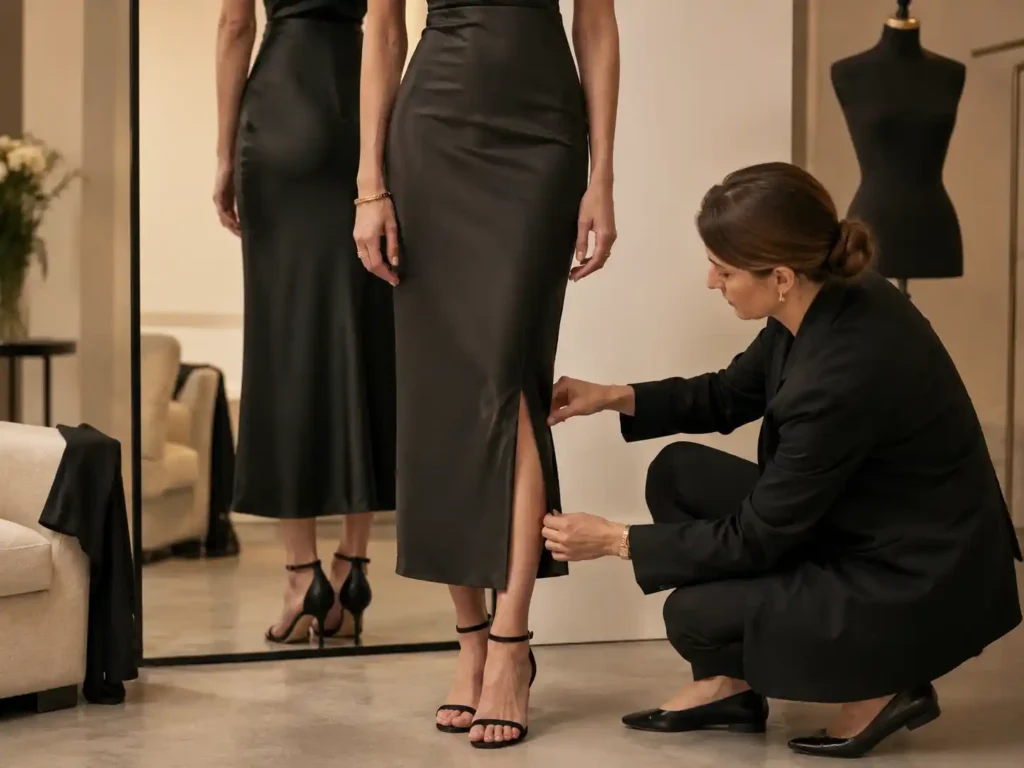
Changing dress length without repositioning the slit can make the opening too low, too high or visually disconnected from the wearer’s leg line.

Larger Sizes Look Longer

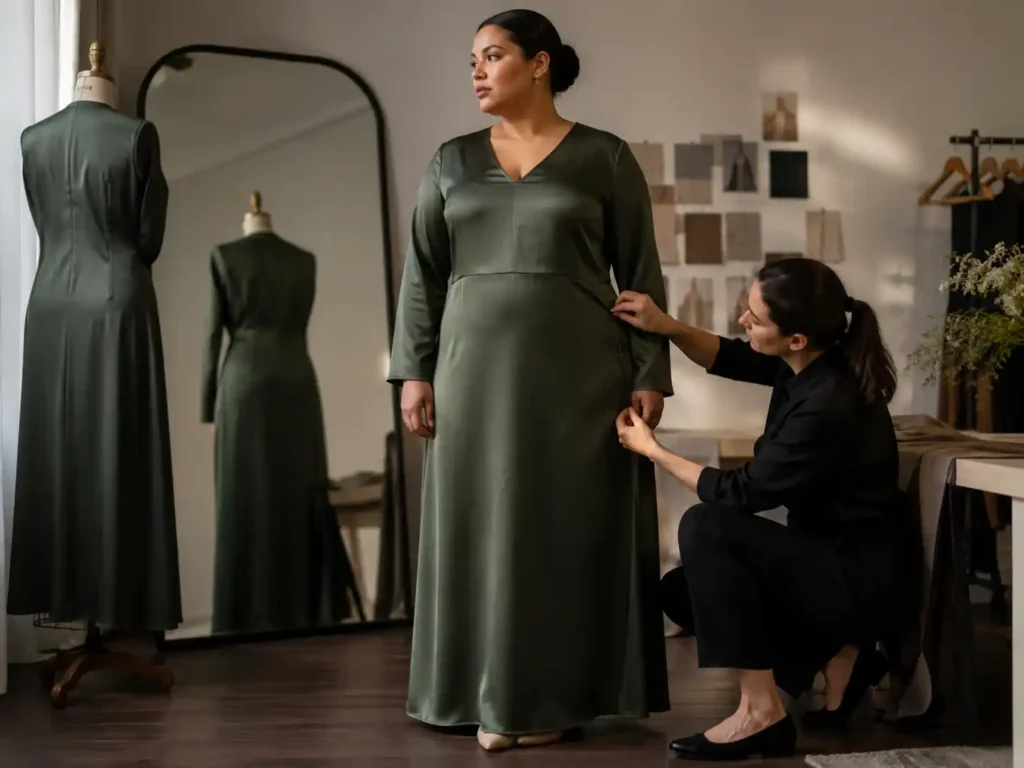
A grade rule may increase length too quickly, or the larger body may shift the waist and side seam. Size-set measurements help separate grading problems from fit balance problems.

Image and Garment Disagree

Model height, shoe height, pose, camera angle and sample size all influence visual expectation. Product information should align with the approved sample and production measurements.

Length Changes After Care

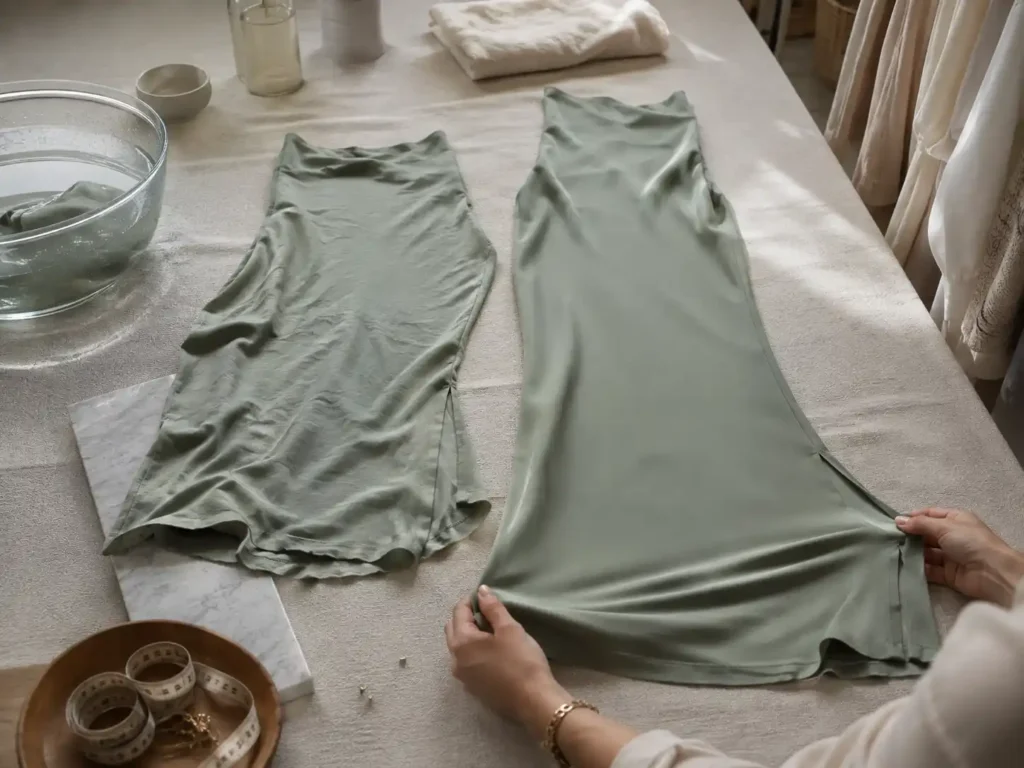
Rayon, viscose, knits and bias-cut fabrics may shrink, relax or extend. Fabric behavior must be evaluated before final length standards are locked.

Diagnose the Cause Before Changing the Hem

A reliable correction begins with evidence. Review comments, garment measurements, fit photos, fabric behavior and size-set results together before editing the final pattern.

Complaint PatternLikely CauseRequired CheckCorrection Direction
Too long with flatsBase length or styling assumptionFit wearer height, shoe plan, HPS-to-hem measurementSet an approved floor-clearance target and revise base length
Too short for tall wearersNo tall proportion or insufficient vertical gradeTall fit review, waist position, slit height and total lengthCreate a tall proportion instead of adding hem only
Back hem dragsBack balance, hip shape or seam stretchCenter-back length, side seam and level hem reviewCorrect back pattern balance and stabilize the seam
Lining shows below shellIncorrect lining relationship or shell movementOuter and lining lengths after hanging and pressingRevise lining length, attachment and tolerance
Slit looks misplacedDress length changed without slit correctionSlit height from waist, hem and floorReposition slit with the final proportion
Larger sizes look longerLength grade grows too quicklySize-set measurements and grade ruleReduce or reshape the length increment by size
Length changes after careShrinkage, relaxation or bias extensionPre-production fabric test and sample remeasurementAdjust pattern allowance and care specification
Product image feels misleadingSample, model and production data are not alignedModel height, shoe height, sample size and bulk measurementsAlign product information with approved production standards

Petite, Regular and Tall Need Proportion Changes

Length architecture should follow body proportion, not a single hem adjustment. Waist position, vertical balance and design details must move together.

Petite Development

A petite version may need a shorter shoulder-to-waist distance, higher waist placement, shorter straps, adjusted armholes, a repositioned slit and a revised lining length. Removing the same amount from every hem can leave the bodice too long and the design visually heavy. Sample review should focus on where the waist, slit and widest skirt area sit on the body.

Regular Development

The regular block becomes the control standard for fit, photography, grading and bulk inspection. The brand should define the intended wearer profile, base size, shoe plan and hem position. Pattern, size chart, PP Sample and QC sheet must all use the same measurement origin and approved tolerance.

Tall Development

A tall version often needs more length above and below the waist. Waist placement, strap length, neckline depth, slit position and skirt sweep may need adjustment before extra hem is added. A true tall proportion protects the original silhouette instead of creating a regular dress with an extended bottom panel.

Fabric Behavior Can Change Finished Dress Length

Length approval is incomplete until fabric weight, drape, stretch, shrinkage and hanging behavior have been considered. Different materials need different controls.

Rayon and Viscose

Rayon and viscose are widely used for soft resort maxi dresses, but moisture, washing and relaxation can change garment length. Fabric batches should be reviewed for shrinkage risk, handfeel, weight and drape. The development team may compare measurements before and after an agreed test, then update the pattern or care instruction before PP approval. Long bias sections and heavy gathered skirts deserve extra attention.

Chiffon and Lightweight Wovens

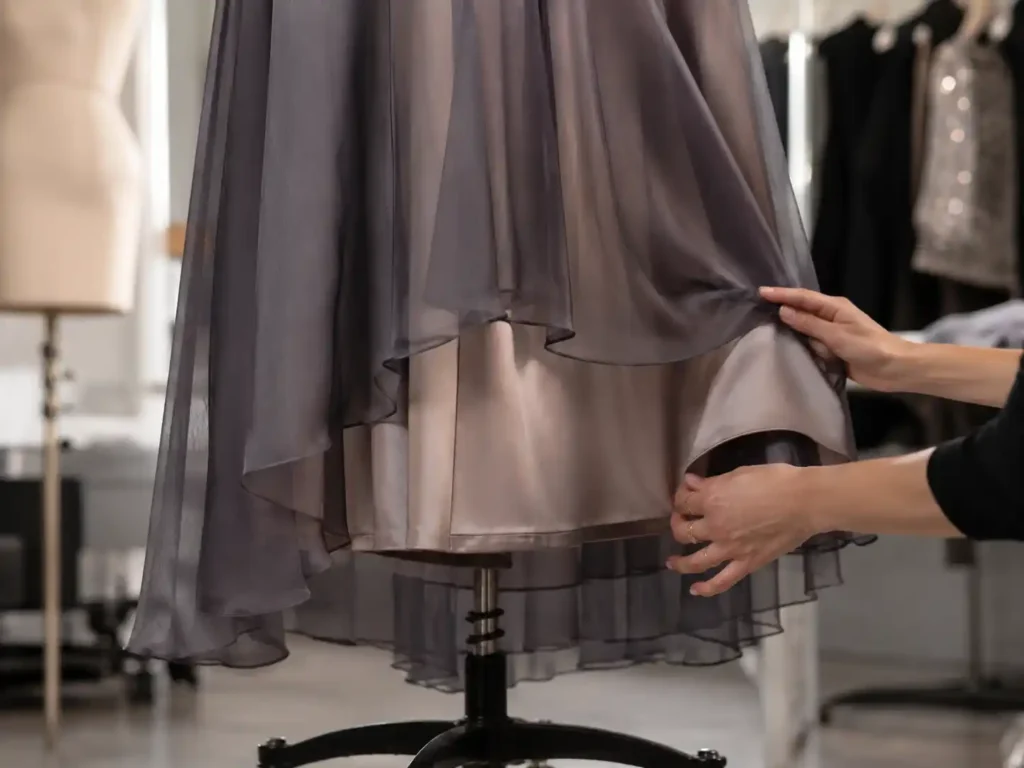
Chiffon and lightweight printed wovens can move during spreading, cutting and sewing. Layered hems may settle at different rates, and an uneven cut becomes more visible in a long silhouette. Control should include fabric direction, panel alignment, print direction, lining relationship, seam handling and a final hanging review before hemming or shipment.

Satin and Bias-Cut Fabrics

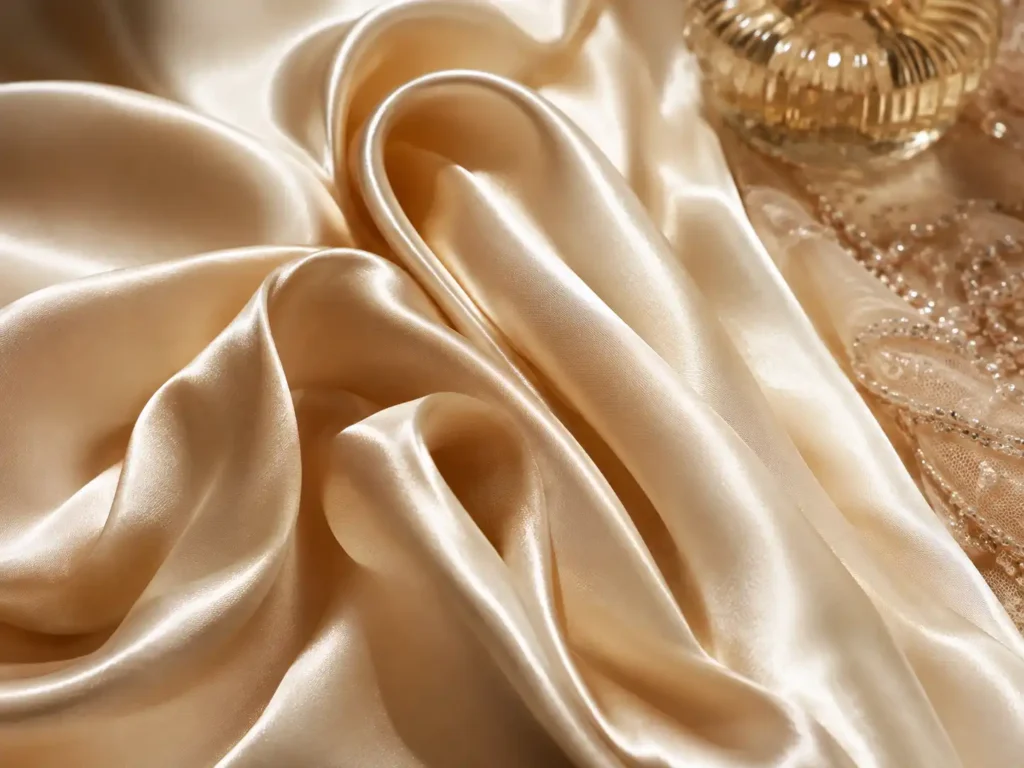
Satin shows every imbalance through shine, ripple and hem movement. Bias-cut panels can extend after hanging, especially when the skirt carries weight. Sample development should review grain direction, seam stretch, zipper stability, pressing and the time allowed for the garment to settle before the final hem is confirmed. Packaging must also reduce hard folds that distort the long line.

Jersey and Stretch Knits

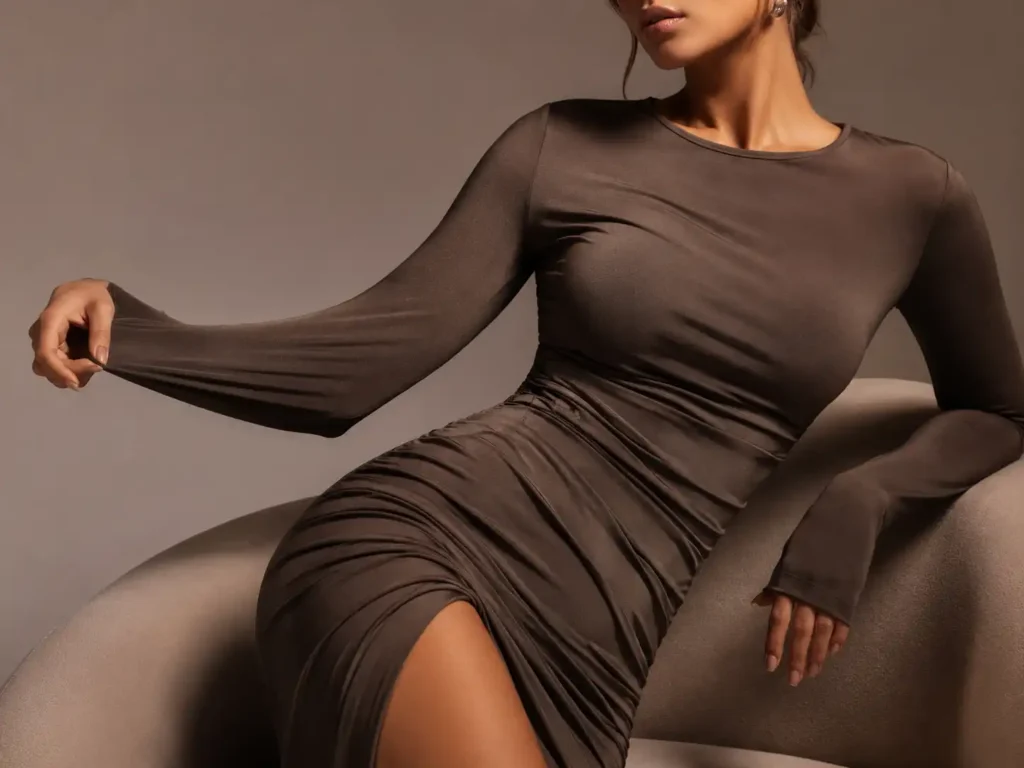
Jersey, rib and stretch fabrics respond to garment weight, recovery and wash treatment. Shoulder-to-hem length may increase when the dress hangs, while poor recovery can create side-seam twisting or an uneven bottom edge. Stretch direction, fabric relaxation, shrinkage, seam stabilization and measurement tolerance should be confirmed before production.

Turn Wearer Feedback Into Pattern Corrections

A useful complaint report must become a controlled technical change. Jinfeng Apparel translates fit comments into revised measurements, pattern updates and new approval samples.

  • Organize the Evidence
    Group reviews by size, stated height, shoe type, market and complaint wording. Separate “too long overall” from “back hem drags,” “waist sits too low,” “lining shows,” or “slit starts in the wrong place.” Add garment measurements, fit photos and any returned sample available. One isolated comment may not justify a pattern change, while a repeated pattern across sizes requires a structured review.
  • Compare the Approved Standard
    Measure the current sample or returned garment against the latest tech pack, size chart and approved sample. Confirm whether the issue comes from production variation or from the original specification. Review high point shoulder length, waist position, center-front and center-back lengths, side seam, lining and slit height. Fabric behavior should be considered before assigning responsibility.
  • Correct the Final Pattern and Grade Rule
    The pattern maker decides where the length should change and which connected points must move. A correction may affect the bodice, waist seam, skirt panels, slit, lining or shoulder straps. For a multi-size problem, the grade rule also needs review. Every change should be documented in the pattern version, measurement chart and sample comments.
  • Lock the Change Before Bulk
    A revised sample confirms whether the correction works on the body. Size-set review checks whether the new rule remains balanced across the range. The final pattern, size chart, PP Sample and Golden Sample become the production reference. Bulk should not begin while length comments remain open or while different teams are working from different pattern versions.

Validate Length Before Bulk Production Starts

Each sample stage answers a different question. A controlled sequence prevents a visually acceptable sample from becoming an unstable bulk standard.

First Sample

Confirms the initial silhouette, construction path and basic measurement direction. Length issues are identified early, but the first sample is not the final production standard.

Fit Sample

Checks body proportion, waist position, front-to-back balance, floor clearance, lining and slit placement on the agreed fit wearer.

Revised Sample

Shows whether pattern corrections have solved the documented issues. New comments are measured and recorded rather than discussed only through photos.

Photo-Ready Sample

Confirms visual presentation for campaign or product imagery. Model height, shoe height and styling should be recorded so the image does not create a false length expectation.

PP Sample

Locks the approved fabric, construction, measurements, labels and appearance before bulk production. Major length changes should not be introduced after PP approval.

Golden Sample

Provides a physical reference for production, QC, repeat orders and dispute review. Pattern, BOM, size chart and finishing details should match the approved standard.

Control Length Across the Full Size Range

A correct base size does not guarantee a stable size run. Grade rules, connected design points and size-set review must protect the approved proportion.

Control ItemBase-Size DecisionSize-Set CheckBulk QC Reference
Total dress lengthApproved origin and hem targetConfirm increments at selected sizesHPS/CF/CB length by size
Waist positionLocation on fit wearerCheck vertical proportion across rangeWaist seam measurement
Front/back balanceLevel appearance on bodyCheck larger-size hip and back balanceCF-CB relationship
Slit heightPlacement for movement and coverageConfirm the slit scales with lengthSlit from waist and hem
Lining lengthCoverage and shell relationshipCheck opacity and movement by sizeLining length and tolerance
Strap lengthBodice support and neckline positionCheck whether strap grade changes lengthStrap measurement and symmetry
Petite/tall ruleSeparate proportion plan where requiredReview target-height fit samplesDedicated size chart/version
Fabric effectApproved test and settling conditionRemeasure relevant sizes after testTest record and final allowance

Keep Approved Length Consistent in Bulk Production

The approved sample only protects the brand when production teams repeat the same material condition, pattern version, measurement method and finishing process.

Material and Cutting Control

  • Incoming fabric is checked for color, handfeel, weight, visible defects, stretch, print direction and batch variation. Knits and stretch materials may require relaxation before cutting. Cut plans must use the approved pattern version and correct grain or stretch direction. Long skirt panels, asymmetric hems and printed sections need clear panel identification to prevent mixed direction or uneven assembly.

Inline Length and Balance Checks

  • Length should not be left until final inspection. Inline checks can review waist position, side seam, center-front and center-back measurements, lining, slit and key construction points before the garment is fully finished. Early measurement catches pattern, seam or assembly drift while correction is still possible. Fit-sensitive sizes may receive additional attention according to the agreed inspection plan.

Pressing, Hanging and Final Hem Review

  • Pressing can change seam shape and fabric fall, while bias, rayon, viscose and lightweight layered skirts may settle after hanging. The final hem should be checked under the agreed condition, with the garment fully finished and naturally suspended. QC should review level appearance, outer/lining relationship, loose threads, rippling, puckering and any panel longer than the approved range.

Tolerance, Final Inspection and Records

  • Bulk garments cannot be promised at zero variation. Length tolerance should follow the brand standard, product type and fabric behavior. Out-of-range garments require remeasurement and corrective handling. Final inspection may cover garment measurements, appearance, labels, packaging and carton accuracy. PP Samples, Golden Samples, patterns, BOMs, QC sheets and packing requirements support traceable repeat orders.

From Complaint Data to Corrected Bulk Production

A defined eight-step path keeps service feedback, technical development and factory execution connected.

Complaint Review

Collect return reasons, review language, fit photos and affected sizes.

Segment Analysis

Separate issues by height, size, market, shoe plan and wearing occasion.

Garment Measurement

Measure the approved sample, returned garment or current production piece.

Pattern Diagnosis

Identify whether the cause is base length, balance, proportion, fabric or grading.

Revised Sample

Test documented changes on the agreed fit wearer and garment condition.

Size-Set Validation

Check the corrected rule across selected sizes and height architecture.

PP Approval

Lock fabric, pattern, measurements, construction, labels and appearance.

Bulk QC Records

Inspect production against approved standards and preserve files for repeats.

What to Send for a Length Complaint Review

Complete information shortens the diagnostic cycle and helps the development team distinguish a specification problem from a production or wearer-proportion problem.

Existing Complaint Style

Send the current tech pack, measurement chart, grade rule, approved sample photos, model height, shoe height, review summary, return reasons and affected size data. Garment measurement photos should show the tape origin and the garment condition. A returned sample or current production sample provides stronger evidence when available.

New Maxi Dress Program

Send reference images or sketches, target market, intended wearer profile, size range, petite/regular/tall plan, fabric direction, desired hem position, shoe styling, lining requirement, slit direction, quantity plan, launch date and private-label details. A clear product brief allows pattern, sample and production teams to build the length standard before the first sample is cut.

Representative Maxi Dress Length Correction Program

The following anonymized project structure reflects the scale and technical depth commonly required by an established fashion brand. Brand identity and proprietary files remain protected.

  • Program Scope
    An anonymous U.S. premium ecommerce brand prepared an 18-style maxi dress program totaling approximately 42,000 pieces. The range included chiffon resort dresses, rayon printed maxis, satin occasion dresses and lined wedding-guest styles. Sizes, colors and fabric groups were split across multiple launches, so length control had to remain consistent without forcing every silhouette into one measurement rule.
  • Complaint Pattern
    Earlier styles had generated mixed feedback: selected regular sizes dragged with flat shoes, taller wearers described several styles as not truly maxi, and a layered chiffon style showed inconsistent front-to-back hem balance. A few reviews also mentioned lining length and slit placement. The brand supplied review summaries, fit photos, current measurement charts and existing samples for technical review.
  • Development Response
    Jinfeng Apparel separated issues by silhouette and fabric. Pattern review covered high point shoulder length, waist position, center-front and center-back balance, slit height, lining and size grading. Rayon and viscose styles received shrinkage-risk review; chiffon styles were checked for panel settling and lining relationship; satin styles were evaluated for grain direction, seam stretch and final pressing. Revised samples and selected size sets were completed before PP approval.
  • Bulk Control Plan
    Final patterns, measurement charts, PP Samples and Golden Samples were issued as production references. Incoming materials, cutting direction, inline length measurements, lining, slit height, pressing and finished hem balance were included in the QC plan. Packing instructions protected long skirts from hard folds and mixed-size errors. Pattern, fabric, color and QC records were retained for replenishment and future seasonal extensions. No unsupported return-rate percentage was used as proof; the project evidence remained the approved files, samples and production records.

Maxi Dress Length Frequently Asked Questions

Common causes include an unsuitable base length, undefined shoe plan, low waist placement, inaccurate front-to-back balance, excessive grade increments, fabric extension or production variation. Review the garment, wearer profile, fabric and current pattern together before reducing the hem.
Yes. Jinfeng Apparel can review an existing tech pack, sample, measurement chart, fit photos and complaint summary. Pattern changes are documented and validated through revised samples, size-set review and PP approval before bulk production.
No. Petite development may involve shoulder-to-waist length, waist placement, straps, armholes, slit height, lining and overall vertical proportion. Shortening only the hem can leave the bodice and design details in the wrong positions.
Some brands use one architecture, while others need a separate tall rule. The decision depends on the product block, target height range, silhouette and fit standard. Tall development should protect waist, slit and overall proportion rather than add length at the bottom only.
The tech pack should define the measurement origin, such as high point shoulder to hem, and add center-front, center-back, side seam, waist-to-hem, lining and slit measurements where needed. Every sample and QC report must use the same method.
Rayon and viscose may shrink or relax; bias satin can extend after hanging; chiffon can shift during cutting and sewing; knits can grow under garment weight. Fabric tests, settling conditions and final allowances should be confirmed before PP approval.
The sequence may include first sample, fit sample, revised sample, photo-ready sample, PP Sample and Golden Sample. The exact number depends on style complexity and the quality of the starting information. Complex styles often need 15-25 days after materials and structure are confirmed.
The base-size pattern and grade rule are checked through selected size sets. Total length, waist position, front/back balance, slit, lining and straps should scale as a connected system. Bulk QC then follows the final size chart and approved tolerance.
MOQ starts from 200 pcs per style/color. Fabric availability, custom colors, trims, construction complexity, packaging and production scheduling may affect the final requirement.
Yes. Jinfeng Apparel supports NDA-based cooperation and protects tech packs, patterns, samples, labels, packaging files, unpublished designs, quantities, pricing information and launch plans throughout development and production.

Review Your Maxi Dress Length Issues

Send the information already available, even when the current file is incomplete. Jinfeng Apparel will first identify whether the concern is linked to base length, body proportion, fabric behavior, grading, sample approval or bulk measurement control.

The review creates a clearer path for pattern correction, sampling and production planning without promising an accurate solution from one image alone.

  • Current tech pack, size chart or grade rule
  • Review summary and return reasons
  • Fit photos with wearer height and shoe plan
  • Garment measurements or returned sample details
  • Fabric, lining and slit requirements
  • Style count, color plan, size range and quantity plan
  • Launch date, packaging and private-label requirements
  • NDA request, testing needs or inspection standard
Tell Us About Your Dress Project

Share your product details, estimated quantity and development requirements. Our team will review your project and provide practical OEM/ODM production feedback.

Premium Women’s Apparel Production for Fashion Brands

From dress sample development to bulk production, JF Apparel supports fashion brands with confidential OEM/ODM manufacturing, reliable quality control and scalable production support.

START YOUR DRESS PROJECT

Ready to Develop Your Next Dress Collection?

Share your design concept, product requirements or sourcing plans with our team. We’ll review your project and provide practical feedback on development, materials, MOQ and production.

7-10 Days

Sample Development

200 PCS

Starting MOQ

Fast Response

Professional Follow-Up