Skip to content

Margin Protection for Seasonal Occasionwear
Protect planned garment margin by controlling the manufacturing decisions most likely to create avoidable cost, late changes, quality loss and seasonal delivery pressure.
- MOQ starts from 200 pcs per style/color, subject to fabric, trims, construction, packaging and production schedule.
- Multi-style development supports seasonal programs of 10-30 styles with real production quantities and coordinated sample priorities.
- 2 sample rooms, 7+ senior pattern makers and 20+ sample machinists support fit correction before bulk approval.
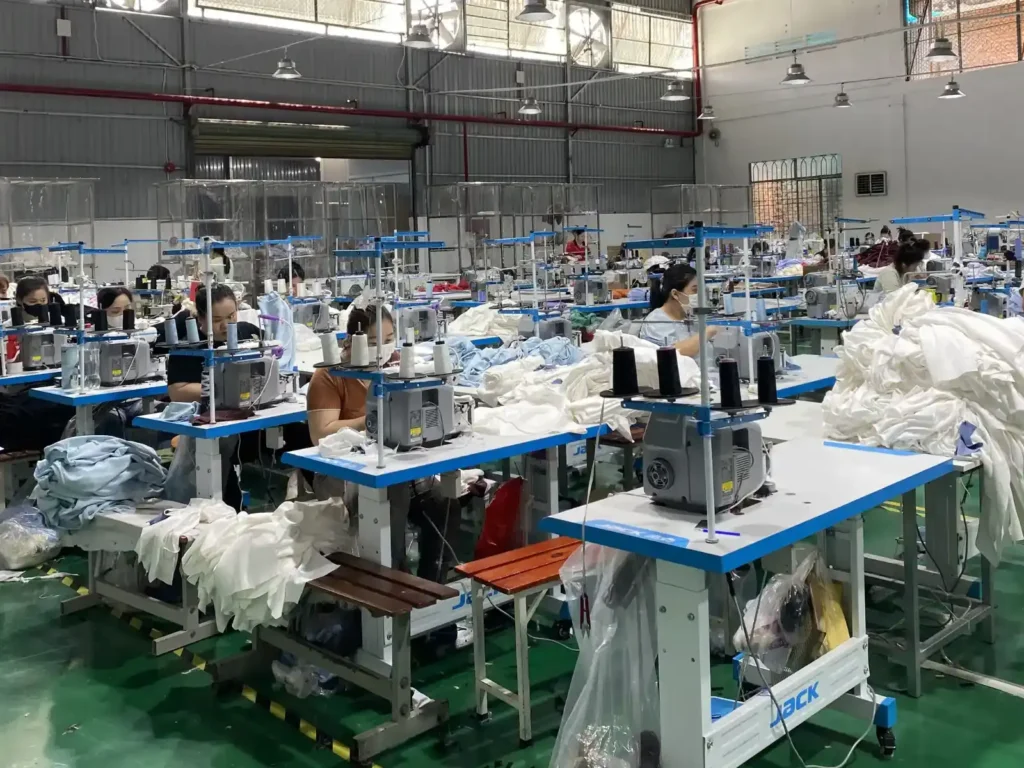
- 6 owned women’s fashion factories and 10+ long-term satellite production partners support style-based production allocation.
- 15+ QC inspectors support material, cutting, sewing, finished-garment and packing control across bulk programs.
- Regular monthly womenswear capacity exceeds 100,000 pcs, depending on style complexity, fabric type, order structure and schedule.
Built for Seasonal Occasionwear Teams Managing Margin
Merchandising Teams
Sourcing Teams
Product Development Teams
Six Places Seasonal Margin Commonly Leaks
Material Over-Specification
Construction Overload
Color Fragmentation
Late Sample Changes
Bulk Quality Loss
Seasonal Timing Pressure
Choose a Supplier Beyond the Lowest FOB Quote
Product Development
Fabric Judgment
Pattern and Sampling
Bulk Consistency
Packing and Delivery
Repeat Readiness
Occasionwear Risk Changes with Product Construction
Seasonal occasionwear cannot be costed or controlled as one generic dress category. Satin, mesh, lace, sequins and structured silhouettes behave differently in cutting, sewing, fitting, pressing and packing. The commercial value of each style depends on protecting its visible selling features while controlling the operations that create unnecessary cost or instability.

Satin Occasion Dresses
Satin gives a clean, elevated surface, yet the same surface makes production mistakes easy to see. Typical weights for satin in Jinfeng’s fabric knowledge base range roughly from 80-220 gsm, while stretch satin is commonly around 120-250 gsm. Weight, shine direction and stretch must match the intended silhouette before pattern work is locked. Slip dresses need controlled neckline and strap placement; fitted midi styles need smooth side seams and zipper insertion; ruched satin needs even gathering without pulling the surface off grain.
Color control also deserves more attention than on matte fabrics. A physical color reference, Pantone reference when supplied, lab dip or approved swatch may be used depending on the project. Lining color, thread and invisible zipper should be reviewed under the same appearance standard. Pressing and packing matter because heat, pressure and folding can leave marks. Margin protection comes from choosing an appropriate satin route early, confirming the surface and fit in samples, then preventing avoidable fabric replacement, zipper rework and packing damage in bulk.

Mesh and Sheer Dresses
Mesh is often inexpensive by weight but demanding in execution.
Common mesh ranges can sit around 40-120 gsm, while power mesh may be around 100-250 gsm depending on structure and stretch. Cost changes quickly once lining, double-layer sections, elastic recovery, binding, support panels or complex cut-outs are added. Coverage must be defined by product zone rather than treating transparency as one garment-wide decision.
Pattern balance is critical around neckline, armhole, bust and cut-out edges because small distortions are highly visible. Stretch recovery needs review when mesh is combined with woven lining or rigid trims. Production control focuses on hole prevention, seam stress, neckline deformation, symmetry, lining placement and clean finishing. A stable solution may use stronger mesh only in high-stress areas or a different lining strategy rather than upgrading every layer. The aim is controlled visual transparency without paying for complexity where it adds no selling value.

Lace and Wedding-Guest Styles
Lace carries cost beyond the quoted price per meter. Motif direction, usable width, border placement, matching, cutting wastage, scalloped edges and lining choice can all influence consumption and sewing time.
Typical lace resources may range from around 60-250 gsm, but weight alone does not predict difficulty. A lower-priced lace with a difficult motif repeat can cost more to use than a cleaner, better-planned option.
For wedding-guest and cocktail dresses, lace placement should be defined during sampling, especially around center front, bodice seams, sleeves, neckline and hem.
Lining color changes the perceived depth of the lace and may alter the entire retail look. When a custom lace MOQ creates pressure, an available lace with a similar visual language can be assessed, but similarity must be verified by swatch and sample.
Substitution should never be presented as identical when composition, hand feel, motif or stretch differs.

Sequin and Embellished Dresses
Sequin fabric can range broadly, with common constructions around 180-450 gsm.
Added weight changes support, seam allowance, needle wear, pressing approach and packing. Sequin removal around seam lines, skin-contact protection, lining, hand finishing and damaged-piece handling increase labor beyond what a flat fabric cost suggests. Rhinestone chains and other trims add separate MOQ, durability and placement considerations.
The first cost-control question is not how to remove decoration; it is where decoration creates the most visual value. Concentrating embellishment on a focal area can be more efficient than spreading it over low-impact zones, provided the approved design allows the change. Bulk QC checks shedding, sharp edges, missing pieces, seam comfort and placement consistency. Protective packing can prevent surface abrasion during transit, avoiding a cheap packing decision from damaging a high-value garment finish.

Corset and Structured Dresses
Corset-inspired occasionwear combines fashion appearance with internal engineering. Bra cups, boning, anti-slip tape, lining, underbust shape, back closure, neckline tension and waist suppression must work together.
A fitted sample may look correct on a mannequin but fail on body if bust volume, cup position or boning length is wrong. Those changes can affect multiple pattern pieces and the sewing sequence.
Cost engineering starts by separating support features from decorative structure. Boning should exist where it contributes stability; extra channels, layers or heavy interlining add labor and bulk if they do not improve fit. Strapless styles need upper-bust control and anti-slip review, while deep necklines need coverage and support evaluation. Major structural changes after PP approval require cost and timing re-evaluation, so the fitting stages carry direct financial value before bulk production begins.

Party, Holiday and Event Dresses
Party and holiday dresses often combine several risk categories at once: short lengths, fitted shapes, shiny fabrics, cut-outs, ruching, sequins, mesh panels or unusual trims.
The launch window is also less forgiving because marketing activity is tied to a specific season.
A style can be commercially strong yet operationally expensive when every visible feature requires a different specialty operation.
Jinfeng reviews such styles around fabric behavior, bust stability, waist and hip fit, length safety, trim durability, lining, zipper, pressing and packing protection.
A seasonal range should not make every SKU equally complex. Hero pieces can carry higher construction intensity while volume styles use cleaner structures and shared fabric groups. Such hierarchy helps protect assortment character while keeping production planning and cost exposure more controlled.
What Actually Builds an Occasionwear Garment Cost
A dress quotation is built from more than fabric and sewing. Materials, development, construction complexity, production handling, quality requirements, packing and schedule all contribute. Looking at the complete structure makes cost discussions more useful than forcing every style toward one unit-price target.
| Cost Area | What Changes the Cost | Margin-Control Approach |
|---|---|---|
| Fabric | Weight, width, composition, surface, stretch, custom dye/print, lace or sequin supplier MOQ | Compare approved visual/fit requirements against available and custom routes; confirm consumption and usable width |
| Lining & Support | Full or partial lining, double layers, cups, boning, anti-slip tape, interlining | Keep coverage and support where function requires it; remove redundant layers only after fit review |
| Trims | Zippers, hooks, sliders, rhinestones, bead chains, lace trims, labels | Standardize specifications across related styles where appearance allows; verify supplier MOQ and bulk availability |
| Pattern & Sampling | Pattern complexity, fit rounds, revised samples, photo sample, PP sample | Resolve structure and fit before PP approval; document revisions rather than repeating unresolved comments |
| Sewing & Construction | Ruching, corset channels, lace placement, sequin handling, cut-outs, pleating, hand finishing | Simplify low-value operations while preserving visible design identity and garment stability |
| Cutting & Wastage | Directional shine, lace motif, print placement, narrow usable width, defect removal | Plan marker and cutting direction around fabric behavior rather than quoting only nominal meter price |
| QC & Finishing | Product-specific inspection, measurements, pressing sensitivity, AQL/client inspection | Define critical points before production; use PP/Golden references and in-line control |
| Packing | Labels, hangtags, barcodes, polybags, tissue, protective packing, carton rules | Confirm retail/warehouse requirements before production finishes; avoid late relabeling or repacking |
| Quantity & Schedule | MOQ, colors, sizes, urgency, multi-batch needs, material lead time | Consolidate commercially important colors and plan approvals backward from required delivery |
Fabric Cost Engineering Without Weakening Retail Appearance
Fabric substitution works only when the replacement is judged as a garment material, not as a cheaper swatch. Composition, weight, width, stretch, drape, transparency, shine, hand feel, shrinkage, dye lot, lining interaction, MOQ and lead time can all change the way a dress fits, photographs and performs in bulk.
Match the Selling Effect First
A cost discussion should begin with the effect the style must keep. Satin may need fluid drape and a controlled sheen; a bodycon style may need recovery and surface smoothness; chiffon may need movement without excessive transparency; lace may depend on motif scale and border; mesh may need stretch with stable neckline recovery. Once the selling effect is written clearly, alternative materials can be compared against it instead of chasing the lowest meter price.
Jinfeng records fabric name, supplier, composition, weight, width, stretch, hand feel, drape, transparency, color, dye lot, MOQ, price record, lead time, shrinkage risk, color-fastness notes, approval photos and swatch references for confirmed projects. Those records support faster repeat review and make it easier to see when a substitute may require a new pattern, revised sample or different lining.
Use Available Fabrics Strategically
Custom dyeing or exclusive material development can be commercially justified when color and texture are central to the range. In other situations, a close available color or existing fabric construction can reduce development time and supplier MOQ pressure. Satin, crepe, lace and lining alternatives should be assessed side by side in the intended garment zone, not approved from a supplier photo alone.
An available lace may reduce MOQ but alter motif placement. A heavier satin may improve body but increase consumption, pressing sensitivity or sewing difficulty. A more stable blended fabric may reduce wrinkling but change hand feel. A stretch satin may improve bodycon fit while requiring pattern adjustment. Every trade-off should be visible before approval, so material savings do not reappear later as sample revisions or bulk quality issues.
Treat Lining as a Product Decision
Lining is frequently treated as a hidden cost, yet it controls coverage, comfort, static, drape and inside finish. White graduation dresses, light chiffon, lace, mesh and pale satin often need more careful lining selection than darker or heavier styles. Full lining is not automatically better: partial lining, bodice-only lining or a more appropriate lining weight can sometimes deliver the required coverage with less bulk.
Color matching matters as much as weight. A lining slightly warmer or cooler than the shell can change the apparent tone of lace or sheer fabric. Stretch mismatch can distort mesh and fitted garments. During sampling, lining length, attachment, stretch and color are reviewed together with the shell fabric so cost decisions do not compromise fit or coverage.
Lock Bulk Fabric Before Production
A sample made from one fabric lot does not guarantee identical bulk behavior. Bulk fabric approval may require checking color, weight, hand feel, width, stretch, surface direction, transparency and shrinkage according to the material. Satin and velvet can show directional color changes; printed fabrics require pattern and base-color review; repeats may use a different dye lot even when the color name is unchanged.
Material control is one of the earliest places to protect margin because errors travel downstream. Wrong stretch changes the pattern, wrong color affects trims and lining, wrong width changes consumption, and delayed fabric compresses the entire production calendar. Early approval keeps those costs from becoming sewing, rework or freight problems later.
Simplify Construction Where Shoppers Will Not Miss It
Construction optimization is not value stripping. It is the discipline of identifying where sewing time, material layers or trim complexity add little visible or functional value, then redesigning those areas while protecting fit, support, coverage, durability and the features responsible for the style’s retail appeal.
Reduce Redundant Layers
Occasionwear can accumulate layers quickly: shell, lining, modesty layer, support layer, facing, interlining and decorative overlays. Every additional layer affects material consumption, cutting, alignment, seam bulk, pressing and sewing minutes. Removing a layer is only valid when coverage, support and inside finish remain acceptable. A sheer bodice and a fitted satin skirt, for example, may require different lining strategies inside the same dress.
During development, the team can compare full versus partial lining, facing depth, bodice support placement and seam finishing. The objective is not the fewest layers; it is the minimum structure needed to hold the approved fit and appearance through wear and bulk production.
Control Ruching and Gathering
Ruching creates strong visual value but also consumes fabric and sewing time. Excess gathering can add thickness at side seams, distort zipper insertion or create inconsistent left-right appearance in bulk. The amount, direction, anchor points and seam allowance need to be established during sampling.
Cost can sometimes be controlled by concentrating ruching in the visible front or side zone rather than extending it through hidden areas. Any reduction must preserve the intended body-shaping effect. A Golden sample or approved PP sample should show the target density so production teams have a physical reference for bulk consistency.
Engineer Corset Support, Not Decoration
Cups, boning, anti-slip tape, underwire, facing and internal elastic should have clear functions. Extra boning channels or heavy support materials increase labor and can reduce comfort without improving stability. Strapless and low-neckline designs need enough support to remain wearable, while decorative seam lines do not always require full structural reinforcement.
Pattern and fit review determines where the structure earns its cost. Bust point, cup position, upper-bust tension, waist shaping and closure behavior are checked before bulk. A corset dress with efficient internal construction can feel more premium than a heavily engineered garment that is stiff, uncomfortable or difficult to reproduce.

Plan Color, Size and MOQ Before Cost Locks In
MOQ is only one part of collection economics. Color count and size ratio affect fabric, trims, labels, cutting, packing, QC and inventory complexity. Jinfeng’s standard MOQ starts from 200 pcs per style/color, while special fabrics, dyeing, printing, trims or packaging may carry separate supplier requirements.
| Planning Decision | Cost and Production Effect | Better Manufacturing Approach |
|---|---|---|
| 1 style / 1 color / 200 pcs | Meets standard starting MOQ when fabric and trim conditions are workable | Use for commercially committed styles with confirmed production intent |
| 1 style / 2 colors | Normally 200 pcs per color; separate color materials and QC apply | Prioritize proven core colors before expanding the palette |
| 10-30 style collection | Multi-style development is supported, but MOQ remains per style/color | Group styles by fabric, construction and launch priority; stage sample development |
| Many custom colors | More lab dips, dye lots, lining/zipper/thread matching and material MOQs | Consolidate color families where the assortment can share approved materials |
| Wide size range | More grading, measurement checkpoints, packing ratios and SKU combinations | Confirm size chart and commercial size ratio before bulk cutting |
| Special lace/sequin/print | Supplier MOQ may exceed garment MOQ; wastage and placement affect consumption | Review supplier conditions early and compare available alternatives when appropriate |
| Split delivery | Can protect launch priorities but adds logistics and coordination cost | Reserve for meaningful commercial need, such as priority styles or urgent launch units |
Organize 10-30 Styles as One Seasonal Program
Group by Fabric
Prioritize by Launch Value
Control Versions Centrally
Sampling Is the Financial Gate Before Bulk Production
Sampling is where expensive mistakes should become visible while quantities are still small. Jinfeng separates first, fit, revised, photo-ready, PP and Golden sample purposes so design, fit, materials and production standards are not mixed into one approval. Development timing depends on complexity and material readiness.
From Reference to First Sample
Development can begin from a tech pack, reference image, sketch, original sample or line sheet. The first review covers structure, target fabric, trims, coverage, support, fit points, construction difficulty, MOQ and likely bulk risks. A standard dress sample commonly requires around 10-15 days when materials and requirements are clear. Complex corset, sequin, lace or mesh styles commonly require around 15-25 days or project-specific confirmation, while custom fabrics and special trims can extend timing.
The first sample is used to expose assumptions. A neckline may sit differently once satin weight changes; lace placement can affect seam positions; mesh stretch can shift bust coverage; a corset cup can change the waist balance. Early sample feedback has the highest value when it is specific enough to drive measurable corrections.
Turn Fit Comments into Pattern Changes
Comments such as “too loose” or “not flattering” are not production instructions.
Fit feedback needs conversion into bust, waist, hip, length, neckline, strap, armhole, slit, back coverage or support adjustments. Jinfeng’s pattern-development team includes 7+ senior pattern makers, supported by 2 sample rooms and 20+ sample machinists. Revised patterns and measurement records are updated when changes affect bulk reproduction.
Material changes also need pattern review. A non-stretch satin replaced by stretch satin can alter ease; power mesh can behave differently from decorative mesh; lining can restrict an otherwise elastic shell. When a change affects drape or recovery, a revised sample may be required instead of approving only a swatch.
Use Photo Samples for Selling Appearance
Photo-ready samples have a different purpose from PP samples. Photography may prioritize visual drape, styling and launch timing, while PP approval must confirm a repeatable production standard. A photo sample should not silently become the bulk reference when materials, measurements, trims or construction are still changing.
Keeping those roles separate prevents last-minute production pressure. Marketing can receive the required garment for imagery while product and production teams continue documenting the final bulk standard. Any differences between photo and PP samples should be explicit before orders move forward.

Fit Control Protects Both Appearance and Repeatability
Occasionwear margin can be damaged when a visually strong design produces unstable fit across sizes or bulk batches. Pattern review focuses on the points most likely to affect appearance, comfort, coverage and returns: bust, waist, hip, length, neckline, straps, armholes, slit, back coverage, lining and support.

Bust and Neckline Stability
Low necklines, strapless bodices, halters and corset shapes require more than a correct chest circumference. Bust point, neckline tension, cup volume, center-front length, upper-bust grip and side coverage affect whether the garment stays in position. A small pattern change can improve stability without adding heavy internal construction.
For strapless styles, anti-slip tape may help, but tape cannot compensate for a poorly balanced bodice. Corset designs may use cups and boning, yet the placement and rigidity need to match the silhouette. Fit samples should check movement, not only a static front photo.

Waist, Hip and Side-Seam Balance
Bodycon and fitted satin dresses expose balance problems quickly. Incorrect waist suppression can pull the side seam forward; insufficient hip ease can cause zipper stress; excess ease can create horizontal folds. Stretch recovery must be considered when comparing jersey, ponte, power mesh or stretch satin.
Pattern correction should define measurable changes instead of relying on sewing-room adjustment.
Once approved, the size chart, grade rules and key measurement tolerances become part of the production standard used during bulk QC.

Length, Slit and Lining Control
Mini, midi and maxi dresses each carry different length risks. Mini styles need movement-safe coverage; midi styles depend on proportion and slit placement; maxi dresses need hem balance, lining length and packing control. A slit that looks correct on one sample can become uncomfortable or revealing if grading shifts its start point.
Lining should follow the intended outer silhouette without dropping below the shell or pulling it upward. Sheer and light-color garments need extra attention to coverage. Length decisions should be locked before bulk because late hem changes can affect consumption, sewing and pressing across the entire order.

Size Grading for Bulk
Multiple sizes can be produced within the confirmed style/color quantity using the client’s approved size chart and size ratio. Grading should preserve silhouette, neckline coverage, strap position, waist location, slit proportion and support, not merely add circumference evenly.
Fit risk increases when a design contains corsetry, cut-outs, deep necklines or highly elastic materials. Those areas deserve grade review and measurement checkpoints before bulk cutting. Stable grading turns one approved base size into a more reliable size range instead of multiplying fit problems across SKUs.
Build the Production Plan Backward from Launch
Launch Date
Shipment Window
Final QC and Packing
Bulk Sewing
PP Approval
Material and Sample Development
Allocate Each Style to the Right Production Resource
Woven Occasionwear
Stretch and Bodycon
Complex Formal Styles
Bulk Consistency Begins Before the Final Inspection
Quality control protects margin when it prevents repeated errors, not when it only records defects at the end. Jinfeng uses product-specific checks across incoming materials, cutting, sewing, in-line production, finished garments, pressing and packing, supported by 15+ QC inspectors and client-inspection cooperation where required.
Incoming Material Control
Bulk quality begins with the materials approved for production. Fabric color, weight, width, stretch, hand feel, surface direction, transparency and visible defects may need checking according to the material. Trims are reviewed for specification, color, size, comfort, durability and bulk availability. A zipper, lining or boning change can alter fit or appearance even when the shell fabric remains unchanged.
Satin and velvet require attention to surface direction and shade appearance. Lace and sequins need defect and placement awareness. Stretch fabrics need recovery review. Detecting the wrong material before cutting protects both fabric cost and the production calendar.
Cutting and Component Control
Cutting turns an approved pattern into thousands of irreversible fabric pieces. Grain, nap or shine direction, motif placement, print direction, pair matching and component identification can all affect appearance. Directional fabrics need consistent marker orientation; lace and placement prints may require more selective cutting than plain crepe.
Cut components should also remain traceable by style, color and size in multi-style programs. Mixing a revised pattern piece with an older version is a costly error, so production files and pattern versions are part of margin protection as much as sewing workmanship.
In-Line Sewing Checks
In-line control focuses on the product’s visible failure points while operators can still correct the process. Satin may be checked for zipper waviness and seam marks; mesh for holes, stretch distortion and neckline shape; lace for placement and edge finishing; sequins for shedding and skin-contact protection; corset styles for cups, boning and support position.
Measurement checks during sewing can reveal systematic deviations before a full batch is completed. Ruching density, strap length, slit position and lining alignment can also be compared against approved samples. Early correction prevents the same defect from multiplying across a long run.
Finished Garment and Pressing
Finished-garment inspection covers measurements, appearance, stitching, closures, trims, lining, symmetry, contamination and product-specific details. Pressing is a separate control point because heat and pressure can damage satin, velvet, sequins and structured sections even when sewing is correct.
A clean finish matters commercially. Zipper bulging, shine marks, crushed velvet pile or distorted boning lowers perceived retail value without changing the garment’s nominal specification. Workmanship and finishing therefore belong in the same margin discussion as raw material cost
Packing and Final Inspection
Private-label packing can include woven labels, size labels, care labels, hangtags, barcode stickers, SKU labels, polybags, carton marks and packing lists.
The correct garment in the wrong labeled bag can create warehouse rework as easily as a sewing defect creates factory rework.
Final inspection and AQL sampling may be arranged according to project requirements, alongside client or third-party inspection support. AQL is not a substitute for in-process control; it is one part of the release decision after production standards have been managed throughout the order.
Prevent Hidden Costs Before They Become Urgent
Sample Revisions
Special Material MOQ
Testing and Compliance
Rush Production
Air Freight
Packing Corrections
Reorder Winners Without Rebuilding the Style from Zero
Repeat the Approved Style
Develop New Colors
Extend the Collection

12-Style US Occasionwear Program Before Seasonal Launch
An anonymous US occasionwear brand worked with Jinfeng Apparel on a 12-style satin mini and midi dress program of around 20,000 pieces. The range combined matte satin, stretch satin and light lining for wedding-guest and cocktailwear delivery. Margin protection centered on preventing color, fit and construction problems from moving into multi-color bulk production.
The Commercial Risk
Satin created several connected risks. A small color variation became more visible because of surface shine; an incorrect lining tone changed the apparent shell color; invisible zipper waviness reduced the clean fitted appearance; waist and hip balance affected how the dresses photographed. With several colors moving toward the same launch period, inconsistent approval standards could have produced repeated correction work across multiple styles.
The development sequence used first sample, revised sample, PP sample and Golden sample stages. Satin weight, lining color and zipper specification were confirmed alongside waist-hip fit. The objective was not to make the sample look good once, but to define decisions that could be repeated in bulk.
What Was Locked Before Bulk
- Fabric review covered satin weight, surface direction and color approval.
- Lining color was matched to avoid an obvious tone shift under the shell.
- Zipper specification and insertion appearance were checked because fitted satin exposes puckering and bulging easily.
- Pattern changes focused on waist and hip balance rather than relying on sewing adjustment during production.
PP approval established the production-ready standard, followed by Golden sample reference and product-specific QC in bulk. The production team focused on color consistency, zipper flatness, lining comfort, measurements and pressing. Keeping those points visible through development reduced the chance of discovering them only during final inspection.
The Repeat Value
The completed program supported a wedding-guest and cocktailwear launch and later new-color repeats. The repeat route could draw on confirmed patterns, measurement records, fabric and color references, trim specifications, packing details and QC notes, while each new color and fabric batch still required renewed approval.
The case shows the manufacturing-side meaning of margin protection: not a promise of retail profit, but a disciplined sequence that reduces avoidable cost, late correction and bulk inconsistency in a time-sensitive occasionwear program.
Frequently Asked Questions About Occasionwear Margin Protection
No. Retail margin depends on selling price, demand, marketing, returns, markdowns and other commercial factors outside a manufacturer’s control. Jinfeng focuses on manufacturing-side variables such as fabric selection, construction, MOQ planning, sampling, fit, bulk consistency, packing and delivery planning that can create avoidable cost or execution risk.
MOQ starts from 200 pcs per style/color. It is calculated by style and color rather than the total number of garments across different styles. Special fabrics, dyeing, printing, certified materials, trims and custom packaging can have separate supplier MOQs.
Yes. Jinfeng supports multi-style development for real production programs. Styles can be grouped by fabric, construction, sample priority, production route and launch timing. Each style/color still needs to meet its applicable MOQ and material conditions.
A standard dress sample commonly takes around 10-15 days when requirements and materials are clear. Complex corset, sequin, lace or mesh styles commonly require around 15-25 days or project-specific confirmation. Custom fabrics, special trims or additional revision rounds can extend timing.
Yes, when a suitable alternative exists. Fabric substitution is reviewed for composition, weight, width, stretch, drape, transparency, hand feel, appearance, MOQ, lead time and pattern impact. Alternatives are similar options, not automatic identical replacements, so swatch and sample approval may be required.
The first options reviewed include fabric route, lining strategy, unnecessary layers, construction complexity, trim specification, cutting layout, color consolidation, size ratio, MOQ planning and shipment structure. Fit, support, coverage, durability, zipper quality and brand-level appearance are protected boundaries.
PP approval confirms the final pattern, fabric, trims, measurements, construction, labels, packing and QC standard before bulk. Major changes afterward require a new assessment of cost, lead time, sample need and production risk rather than being introduced informally during sewing.
Yes. Jinfeng can cooperate with client factory audits and project-specific inspection or testing arrangements. AQL sampling and third-party testing can be supported according to agreed requirements. Certification or testing scope depends on the project, supplier, material, batch, color and applicable documentation.
Often yes because confirmed patterns, measurements, fabric references, trims, packing details and QC notes are retained. Every repeat still requires current confirmation of fabric availability, dye lot, trim supply, quantity, schedule and any new color or material changes.
Multi-batch delivery and mixed logistics can be assessed by project. In some cases priority units may move earlier while the balance follows another shipment method. The decision depends on quantity, readiness, destination, warehouse rules, commercial urgency and freight cost.

Review Your Seasonal Occasionwear Program Before Cost Locks In
A useful margin review starts with real product information. Send the styles, quantities, target materials and required delivery window so Jinfeng can assess where fabric, construction, sampling, MOQ, fit, production or packing choices may create avoidable cost or seasonal pressure. The review is built around a production-ready plan rather than a generic low-price quotation.
Please include:
- Tech pack, line sheet, reference images or original sample photos
- Expected quantity per style and per color
- Color list and target size range
- Preferred fabric, hand feel, stretch, weight or visual reference
- Key construction requirements such as lining, corset support, ruching, sequins or lace placement
- Private-label, barcode, polybag, carton or warehouse requirements
- Target market and required delivery window
- Target price range when available, so material and construction choices can be evaluated against the intended product position