 Skip to content
Low Waist Dress Manufacturer
Custom low-waist and drop-waist dress development for fashion labels requiring balanced proportions, reliable fit approval, and consistent bulk production.
- Low-waist seam positions planned from HPS, natural waist, high hip, and full-hip reference points.
- Five vertical controls reviewed before grading: front torso, back torso, waist drop, hip depth, and finished length.
- Fit sample, revised sample, and PP sample approval gates protect the intended silhouette before bulk cutting.
- MOQ starts from 200 pcs per style/color, with multi-style collection programs supported across an established factory network.
Development Capacity Built Around Fashion Dress Programs
Since 2008
6 Owned Factories
10+ Production Partners
2 Sample Rooms
7+ Pattern Makers
100,000+ PCS Monthly
One Manufacturing Chain From Concept to Delivery
OEM Development
ODM Support
Fabric Sourcing
Pattern Making
Sample Revision
Bulk Production
Quality Control
Private Label
Built for Structured Fashion Development Programs
Fashion Labels
Product Teams
Sourcing Teams
Ecommerce Brands
Partywear Labels
Private Labels
What Is a Low Waist Dress?
Low Waist Structure
Drop Waist Language
Why Low Waist Dress Development Often Goes Wrong
Waistline Sits Too Low
Hips Look Wider
Torso Becomes Too Long
Mini Length Feels Unsafe
Grading Loses Proportion
Bulk Differs From Sample
Custom Low Waist Dress Styles We Manufacture

Low Waist Mini Dress
- Best for: partywear, Y2K edits, ecommerce launches
- Key checks: waist drop, hip ease, finished length, hem level

Drop Waist Midi Dress
- Best for: resort, occasion, contemporary collections
- Key checks: skirt weight, seam support, drape, hanger balance

Y2K Low Waist Dress
- Best for: trend drops, online fashion, clubwear
- Key checks: curved seam matching, cut-out stability, stretch compatibility

Low Waist Party Dress
- Best for: eventwear, partywear, evening capsules
- Key checks: surface damage, lining, zipper, seam smoothness

Low Waist Corset Dress
- Best for: premium partywear and occasionwear
- Key checks: cup position, boning, panel balance, seam bulk

Low Waist Resort Dress
- Best for: vacation and warm-weather collections
- Key checks: shrinkage, opacity, print matching, pack recovery

Two-Piece Effect Dress
- Best for: fashion-forward sets and coordinated ranges
- Key checks: alignment, seam flatness, color consistency

Denim Low Waist Dress
- Best for: structured casual and seasonal denim edits
- Key checks: wash shrinkage, seam bulk, topstitching, hip ease
Silhouette Engineering for Different Low Waist Shapes

Fitted Flared Shape
- Control: bodice stretch, hip ease, skirt weight
Straight Drop Shape
- Control: torso balance, side shaping, movement ease

Body-Skimming Shape
- Control: stretch percentage, recovery, seam elasticity

Corset Drop Shape
- Control: support placement, panel symmetry, seam thickness

Pleated Low Waist
- Control: pleat depth, spacing, pressing, weight

Bubble Skirt Shape
- Control: shell-to-lining ratio, gathering balance, hem level
Design Details Developed Around the Lowered Waist

Curved Waist Seam

Corset Panels

Cut-Out Placement

Gathered Skirt Join

Pleat Transitions

Contrast Fabric Block

Strap and Neckline

Hem and Slit
Fabric Options for Low Waist Dress Collections

Stretch Jersey
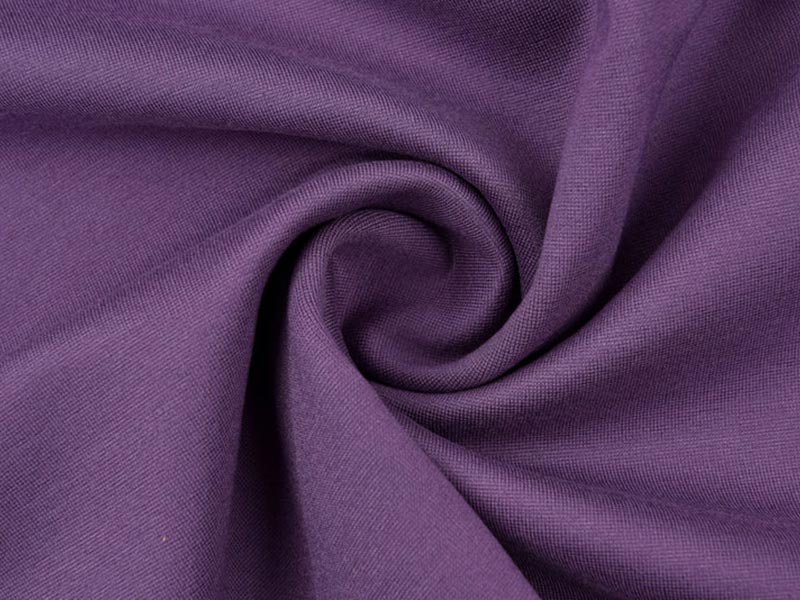
Ponte Knit
Rib Knit

Satin
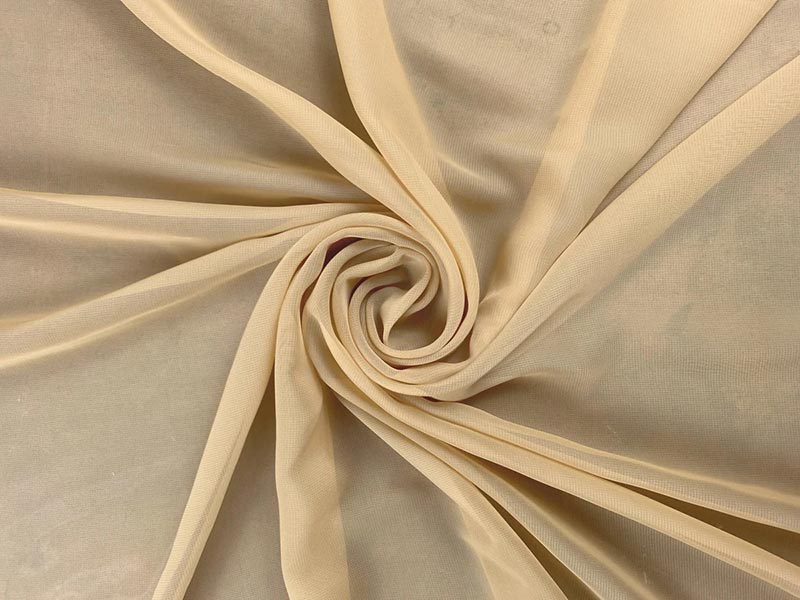
Chiffon
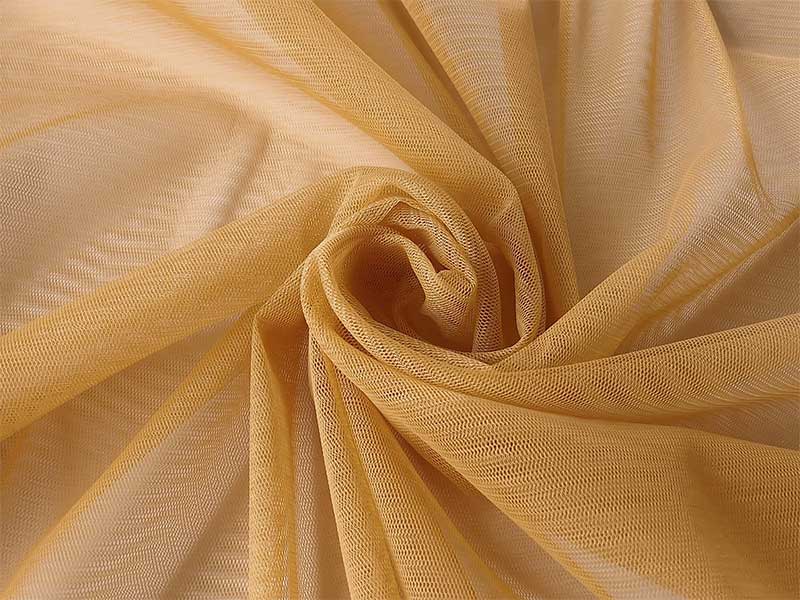
Mesh

Lace

Sequin Fabric

Cotton Poplin
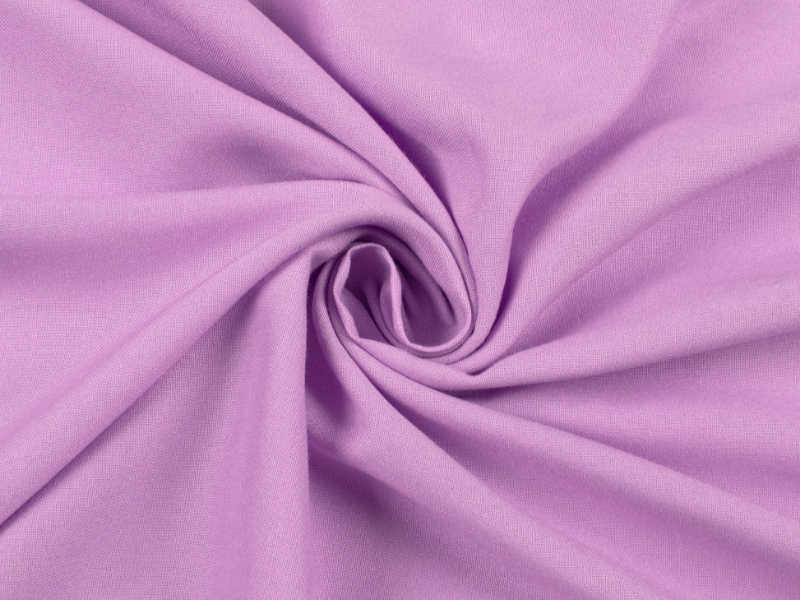
Viscose Rayon

Linen Blends
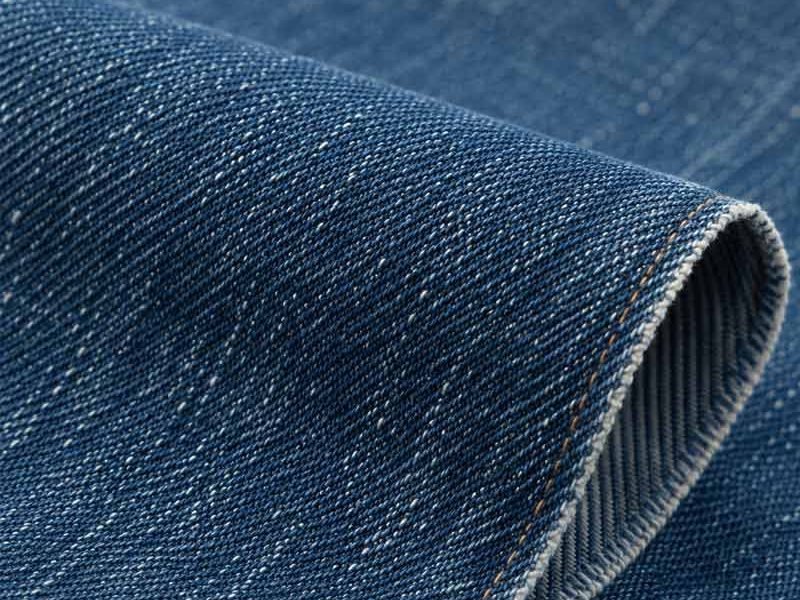
Denim and Twill
Lining and Internal Support for Stable Proportions
Full Lining
Partial Lining
Power Mesh
Stay Tape
Boning Support
Cup and Padding
Closures, Trims, and Branded Components

Invisible Zippers

Exposed Zippers

Hook and Eye

Adjustable Straps

Decorative Trims

Private Labels

Low Waist Proportion Control Before Pattern Approval
A flattering result depends on relationships between vertical and horizontal measurements. The low seam must align with the intended body zone while preserving movement, visual balance, and garment length.
- Reference the Waist From Multiple Points
A single “drop 8 cm” instruction is not enough for reliable development. Waist placement should be related to HPS-to-natural-waist, HPS-to-high-hip, HPS-to-full-hip, and center-front or center-back torso length. Curved seams need additional low points and side positions. Measurements are confirmed on the approved sample and transferred into the specification file for bulk inspection. - Balance Front and Back Torso Length
Bust volume, shoulder slope, posture, and back shaping can change where the lowered seam sits around the body. Front and back lengths should be developed separately, then checked at side seams. A level side seam and stable waistline reduce twisting, drag lines, and uneven skirt attachment. - Control Hip Ease and Movement
A low seam often sits close to the high hip or full hip. Woven styles require enough ease for sitting and walking, while stretch styles need controlled negative ease based on recovery. Test points include hip circumference, thigh opening, slit opening, skirt entry, and zipper access. Movement checks help prevent a visually correct sample from feeling restrictive during wear. - Protect Finished Length Across Sizes
Lowering the waist reduces skirt depth if total length remains unchanged. Mini styles need special review for sitting and back coverage. Grading should define how much length is added through the torso, skirt, or both. The approved method needs consistency across all sizes rather than simply adding length at the hem.
Critical Measurements for Low Waist Dress Development
The measurement chart should describe the lowered seam and the body relationship behind it. Exact points depend on the design, but the following controls form a reliable starting structure.
| Measurement Point | Why It Matters | Development Check | Bulk Control |
|---|---|---|---|
| HPS to Natural Waist | Establishes the wearer’s base waist reference | Compare against fit model and brand block | Verify approved tolerance by size |
| HPS to Low Waist | Defines the visible lowered seam position | Measure front, back, and side when curved | Check at inline and final measurement |
| Natural Waist to Low Waist | Shows the exact drop below the base waist | Confirm design proportion and grade rule | Keep drop relationship consistent |
| HPS to High Hip | Prevents the seam from crossing the wrong body zone | Compare with brand size chart | Review across size set |
| Full Hip Circumference | Protects movement and avoids compression | Test seated and walking comfort | Check finished garment measurement |
| Front Torso Length | Controls bust-to-waist balance | Review bust volume and seam level | Compare to PP standard |
| Back Torso Length | Prevents back riding or seam tilt | Review posture and shoulder slope | Measure center back and side seam |
| Finished Dress Length | Protects intended mini, midi, or maxi proportion | Review standing and movement coverage | Measure after final pressing |
| Skirt Depth Below Seam | Controls leg proportion and style balance | Set front, back, and side values | Check hem level and symmetry |
| Side Seam Alignment | Reveals front/back balance problems | Confirm underarm-to-hem alignment | Inspect before and after pressing |
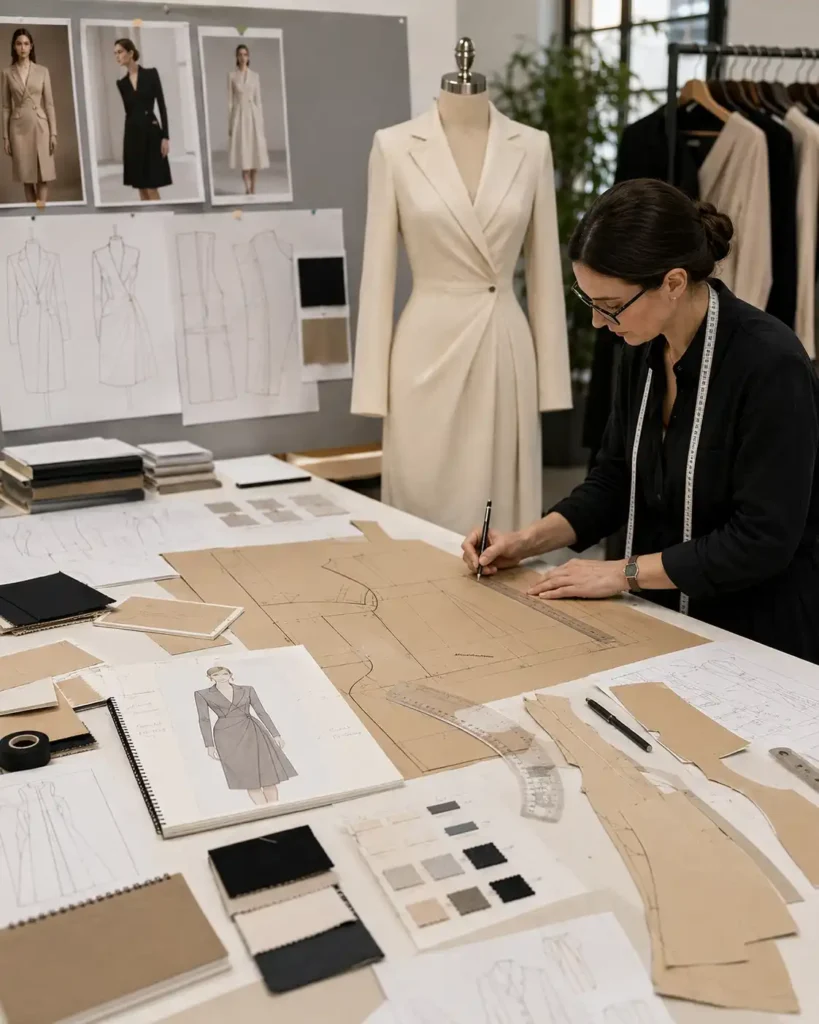
Pattern Development From Reference to Production Block
Pattern work converts the desired silhouette into measurable construction. Each pattern decision considers fabric behavior, body balance, grading, seam finish, and bulk sewing repeatability.
- Reference Review and Construction Mapping
Development begins by identifying garment sections, seam direction, closure method, lining, internal support, skirt volume, and material transitions. Reference images are checked for hidden construction details and likely fit risks. Tech packs are reviewed for missing measurements, conflicting callouts, or material choices likely to change the silhouette. A construction map creates a shared basis for pattern making and sample sewing.
- Base Pattern and Low Seam Placement
The base block is selected according to size range, fit direction, and fabric category. The natural waist, high hip, and full hip are marked before shaping the lowered seam. Dart rotation, panel lines, side shaping, and closure placement are adjusted to preserve balance. Curved or asymmetric seams are walked carefully so adjoining pattern lengths match without forced stretching.
- Skirt Transition and Volume Distribution
Skirt patterns are developed according to flare, gathers, pleats, bubble volume, or straight shape. Fullness is distributed around front, side, and back panels to control hip appearance. Pattern notches guide sewing alignment, while seam allowance widths reflect fabric behavior and intended finish. Heavy skirts may need reinforcement or reduced fullness to protect the bodice position.
- Production Preparation and Grade Rules
After sample approval, the pattern is cleaned for production with grain lines, notches, drill points, seam allowances, panel labels, and quantity references. Grade rules link torso length, waist drop, hip width, skirt depth, and closure length. A size set can verify whether the low-waist proportion remains stable before bulk cutting.
Sample and Production Planning Milestones
Timing depends on fabric availability, custom color, trim development, complexity, revision rounds, order quantity, and production schedule. Early file review provides a more accurate plan.
| Stage | Typical Working Range | Main Output | Approval Focus |
|---|---|---|---|
| Project Review | 1-3 working days | Feasibility notes and missing-file list | Style structure, fabric direction, quantity, launch date |
| Material Sourcing | 3-10 working days | Fabric and trim options | Color, handfeel, weight, stretch, cost, availability |
| First Sample | 7-15 working days | Initial development sample | Proportion, waist placement, fabric response, construction |
| Sample Revision | 5-10 working days | Corrected fit or design sample | Measurement changes and visual corrections |
| PP Sample | 7-12 working days | Pre-production standard | Final materials, labels, construction, measurements, finish |
| Bulk Production | 20-35 working days | Finished order | Material readiness, line schedule, quantity, complexity |
| Final QC and Packing | 3-7 working days | Shipment-ready goods | AQL plan, measurement, appearance, labels, packing |
Fit Review and Sample Revision Standards
Front Balance
Back Balance
Side Profile
Movement Test
Measurement Record
Photo Confirmation
Size Grading That Keeps the Low Waist Proportion
Vertical Grade Rules
Hip Growth
Curve Consistency
Cup and Bust Scale
Mini Length Safety
Size-Set Review
Workmanship Standards for Clean Low Waist Construction

Matched Seam Intersections
- Check: panel matching, notch accuracy, side symmetry

Flat Waist Seam
- Check: seam bulk, waviness, press marks, comfort

Controlled Stretch Sewing
- Check: seam extension, recovery, skipped stitches, waviness

Clean Invisible Zipper
- Check: smooth opening, seam matching, tape exposure

Consistent Topstitching
- Check: stitch density, distance, thread shade, symmetry

Refined Interior Finish
- Check: comfort, durability, appearance, label security
Construction Techniques Matched to Fabric and Shape

Stay Stitching

Seam Taping

Understitching

Panel Pressing

Pleat Setting

Gathering Control
Pressing, Finishing, and Shape Retention

Pressing Sequence
Seams are pressed during construction rather than only at the end. A staged process improves seam flatness and panel definition.

Material Settings
Temperature, steam, pressure, and contact time follow fabric response. Satin, velvet, sequins, and coated surfaces need special care.

Shape Recovery
Hanger testing or relaxation time may be used for bias, viscose, heavy skirts, or layered constructions before final length checks.

Packing Folds
Fold position, tissue, hanger packing, or flat packing are selected to protect the low-waist seam and surface appearance during transit.
Quality Control From Fabric Receipt to Shipment
Fabric Inspection
- Record: lot, shade group, usable width, defect notes
Trim Verification
- Record: approved sample, supplier lot, placement file
Cutting Control
- Record: marker, bundle ID, cut audit
First-Piece Review
- Record: comments, corrections, line approval
Inline Inspection
- Record: defect type, line action, recheck
Measurement Audit
- Record: size, tolerance, pass or correction
Appearance Check
- Record: visual standard and defect classification
Packing Check
Verify labels, hangtags, barcode, size-color ratio, polybag, warning print, carton mark, carton quantity, and packing list.
- Record: SKU, carton number, ratio, sign-off
Pre-Shipment Review
Final inspection follows the agreed sampling plan or client requirement. Third-party inspection can be coordinated when requested.
- Record: inspection result, corrective action, release status
Keeping Bulk Production Consistent With the PP Sample
PP Standard
Material Lot Control
Pattern Version
Line Briefing
Inline Correction
Final Comparison
Production Planning for Multi-Style Dress Orders
Factory Matching
Style Grouping
Capacity Review
Batch Delivery
Collection Development Across 10 to 30 Styles
Style Matrix
Shared Fabric Routes
Color Coordination
Parallel Sampling
SKU Management
Repeat Orders
Private Label and Retail-Ready Packaging
Main Labels
Size Labels
Care Labels
Hangtags
Barcode Labels
Protective Packing
Individual Polybags
Carton Marks
Compliance and Documentation Support by Project
Factory Documents
Material Records
Label Information
Inspection Files
NDA Support and Unreleased Design Protection
Protected Development Files
Controlled Brand Assets
Anonymous References
Delivery Planning From Factory to Destination
Express Delivery
Air Freight
Sea Freight
Split Shipment
Shipping Documents
Warehouse Labels
Low Waist Dress Collection Case Studies

United States Y2K Partywear Program
- Program scale: 18 styles, 46,800 pcs total
- Size range: XS-XL across 4-6 colors per key style
- Main correction: low-waist position variation reduced from 2.4 cm to within the approved tolerance
- Delivery model: staged shipment aligned with three launch dates
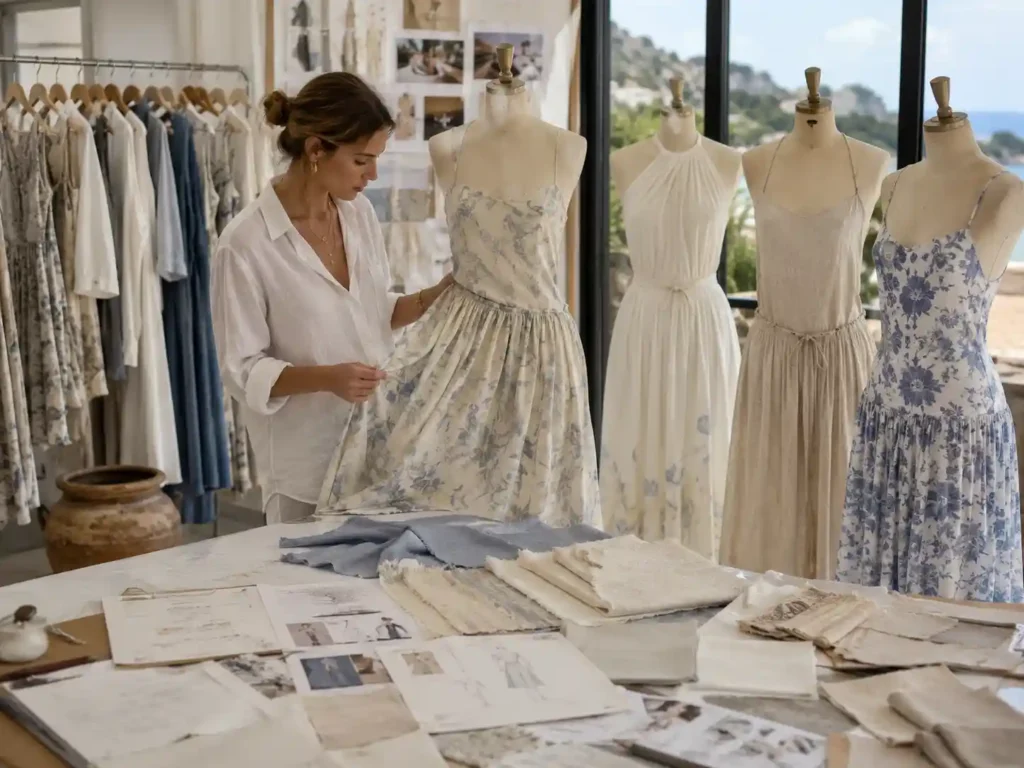
European Resort Dress Collection
A European resort label placed 12 low-waist dress styles using cotton poplin, printed viscose, linen blends, and lightweight satin.
Main risks involved shrinkage, print placement, opacity, and skirt weight. Fabric relaxation and shrinkage information were incorporated into pattern approval. Printed panels used placement markers, and lightweight colors received lining or opacity review. Shared trim and label specifications simplified the final packing process across the collection.
- Program scale: 12 styles, 28,400 pcs total
- Size range: EU 34-44 with two delivery batches
- Main correction: finished length and waist drop stabilized after shrinkage allowance adjustment
- Packing: branded labels, hangtags, barcode stickers, individual polybags, ratio cartons

Australian Occasionwear Program
An Australian occasionwear label developed 24 low-waist corset, satin, lace, and mesh dresses for a seasonal event calendar.
The program required parallel sampling, cup and boning review, surface protection, and consistent panel intersections. High-risk styles moved through fit sample, revised sample, and PP sample before bulk release. Satin lots were grouped by shade, lace motifs received placement instructions, and zipper crossings at the low seam were included in first-piece and inline inspections.
- Program scale: 24 styles, 72,000 pcs total
- Size range: AU 6-16 across structured and stretch constructions
- Main correction: zipper seam offsets and panel mismatch addressed before line approval
- Outcome: multi-style production completed through coordinated factory allocation
Why Fashion Teams Choose Jinfeng Apparel
Dress Specialization
Pattern Judgement
Material Integration
Multi-Factory Support
Documented Quality
Long-Term Programs
Low Waist Dress Manufacturer Frequently Asked Questions

Start Your Low Waist Dress Development
Jinfeng Apparel will evaluate garment structure, low-waist placement, fabric direction, internal support, sample complexity, quantity, size range, private-label needs, and delivery timing before preparing the next-step plan. Clear project information allows pattern, material, cost, and schedule risks to be identified early. Kelly coordinates the initial review with the development and production teams.
- Reference images, sketches, tech pack, line sheet, or original sample
- Target quantity by style and color
- Size range and measurement chart
- Preferred fabric, color, lining, trims, and construction details
- Main label, care label, hangtag, barcode, and packing requirements
- Target delivery date and destination market


