 Skip to content
Long-Term Womenswear Manufacturing Partner
Seasonal womenswear development, sampling, bulk production and repeat-order support for established fashion brands.
Jinfeng Apparel helps fashion brands build stable womenswear production programs from first development to repeat delivery. Based in Guangdong, China, our team supports custom dresses, skirts, jumpsuits, matching sets and private-label collections with fabric sourcing, pattern development, sample revision, PP approval, bulk production, quality control, packing and export coordination.
- Since 2008— long-term women’s fashion manufacturing experience for overseas apparel programs.
- 6 owned factories + 10+ satellite partners— production structure for seasonal collections, repeat orders and multi-style programs.
- 2 sample rooms + 7+ senior pattern makers + 20+ sample machinists— sample, fit, pattern and PP approval support before bulk.
- MOQ from 200 pcs/style/color— suitable for organized custom womenswear programs, not stock resale or single-item fulfillment.
- Anonymous long-term program range: 18–24 styles / 38,000–64,000 pcs— recurring womenswear programs across US, European and Canadian markets.
Production Facts for Long-Term Brand Programs
Since 2008
- Women’s fashion manufacturing experience since 2008.
- Custom dresses, skirts, jumpsuits, sets and private-label womenswear.
- Development references can support future seasons and repeat orders.
6 Owned Factories
- Owned factory support for core womenswear production.
- Factory allocation by fabric, product structure and order rhythm.
- Stronger continuity for complex styles and repeat programs.
10+ Partner Factories
- Capacity support for larger seasonal programs.
- Partner allocation follows Jinfeng production and QC standards.
- Multi-style orders can be planned by product group and timing.
MOQ 200 pcs
- MOQ reviewed by each style and each color.
- Fabric, trim and packing minimums may affect planning.
- Suitable for organized brand programs with real bulk intent.
OEM / ODM
- OEM execution from tech packs or original samples.
- ODM support from reference images and design direction.
- Sampling, production and packing handled under one project flow.
Private Label
- Woven labels, care labels, size labels and hangtags.
- Barcode stickers, SKU labels, polybags and carton marks.
- Packing records retained for future programs when needed.
Who Needs a Long-Term Womenswear Partner?
Fashion Brands
- Seasonal style development.
- Approved sample reference.
- Fabric and trim records.
- Repeat-order continuity.
Sourcing Teams
- Factory capability review.
- MOQ and lead time discussion.
- Style allocation planning.
- Export delivery coordination.
Product Developers
- Style feasibility review.
- Pattern and fit correction.
- Fabric suitability advice.
- Sample revision records.
Merchandising Teams
- Collection structure planning.
- Multi-style sample tracking.
- Color and size planning.
- Production calendar support.
Private Label Programs
- Woven and care labels.
- Hangtag and barcode setup.
- Polybag packing standards.
- Carton mark records.
Retail Programs
- Size range coordination.
- QC and measurement checks.
- Packing list preparation.
- Multi-batch delivery support.
A Clear Fit for Brand-Level Womenswear Production
Best Fit For
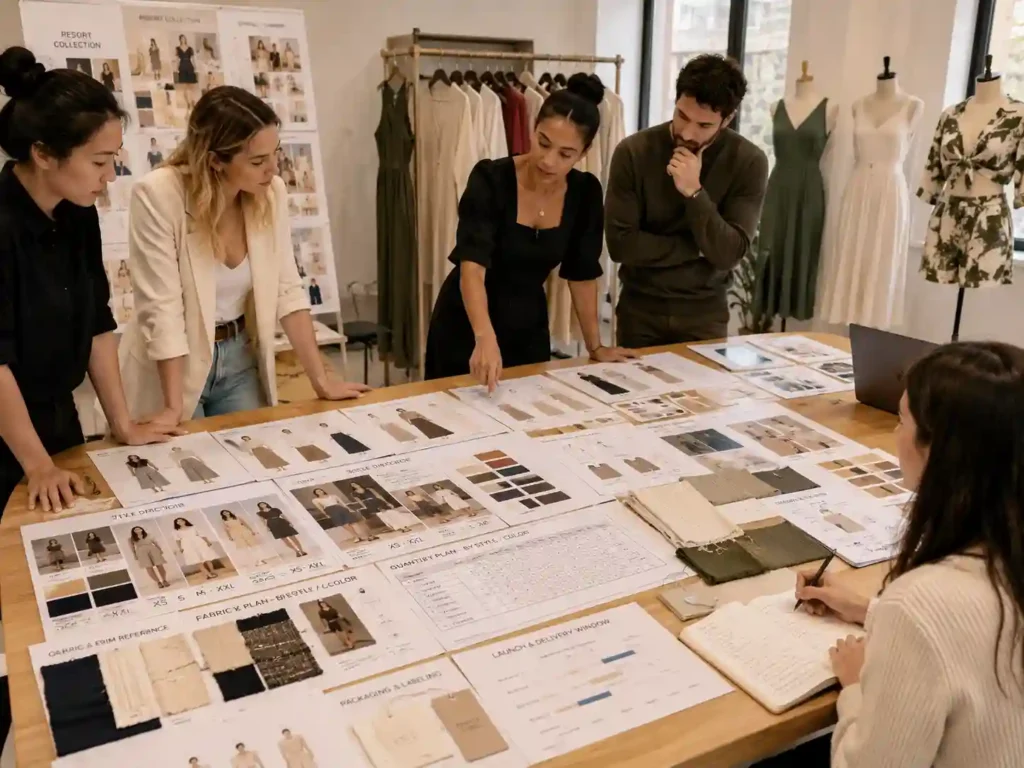
Production cooperation is strongest when a brand can provide:
- Product category and style direction.
- Quantity plan per style/color.
- Fabric or handfeel preference.
- Size range and fit target.
- Label and packing requirements.
- Launch or delivery window.
Not Designed For

Projects may not fit when the request only involves:
- Stock garment resale.
- Single-item fulfillment.
- Unclear style direction.
- No sample budget.
- No bulk production plan.
- Lowest-price-only comparison.
Stable Manufacturing Protects Seasonal Womenswear Growth
Fashion brands lose time and margin when every season starts with a new supplier search. Pattern files disappear, fabric references change, sample comments are not recorded, and repeat orders begin from zero again. Long-term cooperation turns production knowledge into brand assets.
Why Continuity Matters
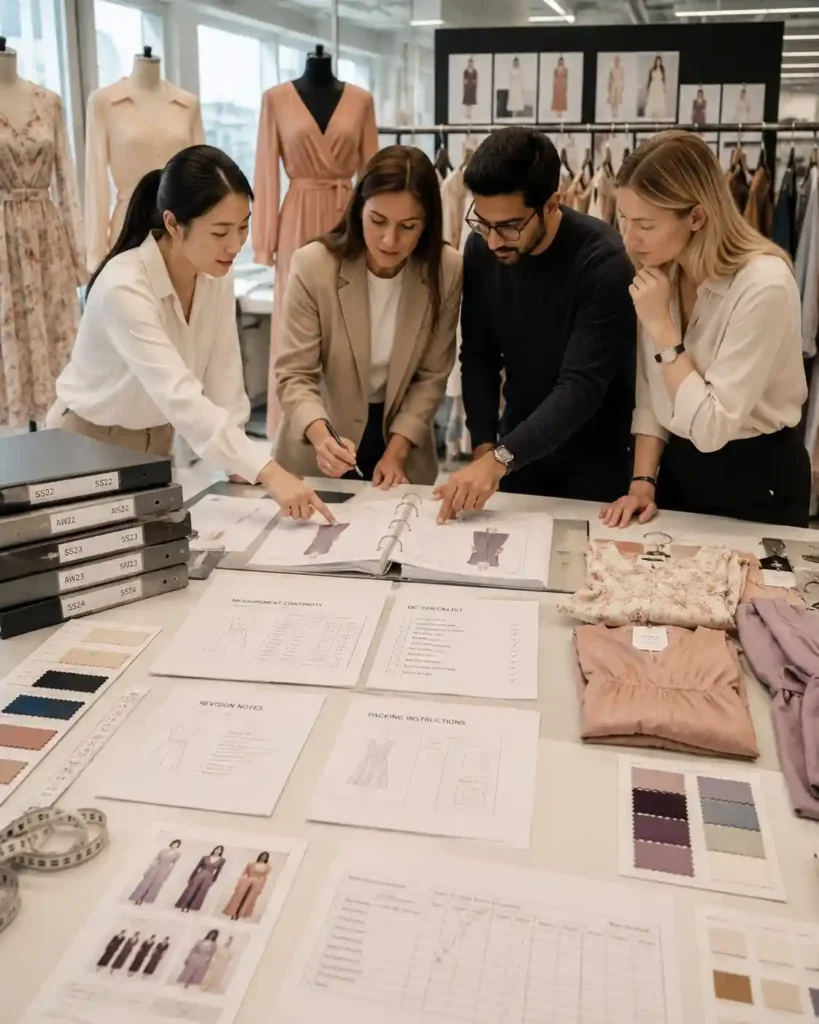
Jinfeng Apparel helps brands build a manufacturing relationship where each approved sample, fabric reference, trim detail, measurement file, revision note, packing instruction and QC comment can support the next program. Over time, repeated cooperation can reduce avoidable sampling confusion, improve garment consistency and make seasonal production planning more controlled.
For womenswear, continuity matters because fit and fabric behavior are not simple line items. Satin can pull or crease, mesh can stretch differently between lots, lace placement can change the garment look, and bodycon sizing depends on recovery, tension and seam control. A long-term production partner keeps these details connected across seasons.
Key development value:
- Easier repeat-order preparation.
- Better pattern and measurement continuity.
- More stable fabric and trim communication.
- Faster recognition of brand fit preferences.
- Lower risk of packing mistakes during recurring programs.
- Stronger alignment between sample approval and bulk execution.
From First Program to Repeat Production
Jinfeng Apparel uses a long-term cooperation model built around review, development, approval, production, record keeping and repeat production. The goal is not only to complete one order, but to create a production base for future womenswear launches.
Step 1|Review
The team reviews reference images, tech packs, line sheets, original samples, fabric direction, size range, target quantity and private-label requirements before sampling. Early review helps identify construction risks, fabric risks, trim requirements and cost-sensitive details.
- Project files checked before sample work.
- Style, fabric and construction risks identified.
- MOQ and delivery feasibility reviewed early.
Step 2|Develop
Pattern makers, sample machinists and merchandisers coordinate style development. Fabric sourcing, trim matching, lining choices, zipper placement, cup structure, boning position, slit height, strap width and garment length are reviewed according to the style.
- Fabric and trim direction confirmed.
- Pattern and sample route prepared.
- Construction details converted into sample actions.
Step 3|Approve
Fit samples, revised samples and PP samples are used to define production standards. Sample comments, measurements, fabric details, trim selection and packing instructions are recorded before bulk production begins.
- Fit and revision notes recorded.
- PP sample sets bulk reference.
- Label and packing details confirmed before production.
Step 4|Produce
Bulk production follows the approved sample, production file, fabric lot, size breakdown, packing ratio and shipment plan. Inline checks and final inspection help control visible construction, measurement, label placement and packing accuracy.
- Approved sample guides cutting and sewing.
- QC checks align with known garment risks.
- Packing records linked to style and size data.
Step 5|Record
Pattern files, measurement files, fabric references, trim details, approved sample comments, QC notes and packing instructions can be retained for future repeat orders and seasonal development.
- Pattern, measurement and fabric notes retained.
- Trim, label and packing files organized.
- QC notes support future production focus.
Step 6|Repeat
Repeat orders can restart faster when records remain clear. Same-style reorder, new-color development, fabric substitution or expanded size range can be reviewed against previous production standards instead of starting from zero.
- Reorders reviewed against previous records.
- New colors and fabrics checked before restart.
- Repeat production keeps approved standards visible.
Womenswear Categories for Long-Term Production Programs
Mini Dresses

- Party, club, birthday and social-led programs.
- Satin, mesh, jersey, lace and sequin options.
- Length, lining and zipper control before bulk.
Midi Dresses

- Midi length and waist placement review.
- Slit height, hem balance and drape control.
- Suitable for occasionwear and premium ecommerce lines.
Maxi Dresses

- Long-length pattern and hem control.
- Print direction and lining length review.
- Fold method planned for export delivery.
Party Dresses

- Fit, stretch and surface review.
- Ruching, corset and cut-out development.
- Final appearance checked before packing.
Cocktail Dresses

Cocktail dresses require balanced structure and comfort. Jinfeng can support off-shoulder, one-shoulder, strapless, corset, lace, satin and tailored cocktail styles. Development attention includes bust shaping, neckline stability, lining feel, zipper position and garment recovery after sitting or movement.
- Neckline and bust shaping.
- Zipper, lining and recovery review.
- Polished finish for retail and ecommerce programs.
Evening Dresses

- Long-length and drape review.
- Lining, slit and inner support control.
- PP approval before bulk release.
Bodycon Dresses

- Stretch recovery and tension control.
- Bust, waist and hip fit review.
- Measurement checks for bulk consistency.
Corset Dresses

Corset dresses require structure, not only styling. Jinfeng can review cup shape, boning position, panel balance, lining support, zipper stress, neckline stability and waist shaping. Sample review is important before bulk production because millimeter-level structure changes can affect fit.
- Cup, boning and bodice control.
- Zipper stress and neckline stability.
- Structured sample review before production.
Mesh Dresses

- Transparency and lining control.
- Stretch recovery and panel placement.
- Edge and seam finishing review.
Satin Dresses

Satin dresses need careful fabric direction, cutting, seam control and pressing. Jinfeng can support satin slip dresses, satin midi dresses, satin corset dresses, satin maxi styles and satin eventwear where shade consistency, crease handling and seam puckering control are important.
- Satin shade, shine and surface protection.
- Seam puckering and pressing review.
- Packing method planned to reduce creases.
Lace Dresses

- Lace motif and edge placement.
- Lining shade and transparency control.
- Cutting consistency before bulk.
Sequin Dresses

- Sequin density and surface protection.
- Lining comfort and seam allowance review.
- Packing method selected for reduced friction.
Jumpsuits

- Torso, rise and waist balance.
- Movement and sitting comfort.
- Size grading before bulk cutting.
Matching Sets

- Top-bottom fit coordination.
- Color and fabric consistency.
- SKU pairing and packing records.
Skirts and Tops

- Skirts and tops for collection depth.
- Fabric and color alignment with dresses.
- Private-label packing by SKU.

Collection Development for Recurring Launch Calendars
Long-term womenswear manufacturing is strongest when product planning connects fabric, silhouette, order volume and launch timing. Jinfeng can help brands organize seasonal programs across core styles, trend styles, event styles and repeatable silhouettes.
Seasonal Program Planning
A typical fashion program may include 10–30 styles across dresses, sets, skirts and jumpsuits. Total production volume can range from 20,000–80,000 garments depending on color count, size range, production schedule and market plan. Jinfeng can support program-level planning by grouping styles according to fabric type, construction difficulty, sample urgency and bulk production timing.
For spring and summer ranges, lightweight woven fabrics, satin, chiffon, mesh, printed fabrics and resort-inspired silhouettes may need early fabric direction. For partywear and holiday programs, sequin, velvet, stretch satin, mesh, lace and corset structures require earlier sampling because construction details affect fit and workmanship.
Collection planning support includes:
- Mini, midi and maxi length balance.
- Core, trend and statement style grouping.
- Fabric group planning for cost and delivery control.
- Color story and size range coordination.
- Photo-sample priority for marketing schedules.
- PP sample planning before bulk release.
- Repeat-order potential review after first delivery.
Fabric Choices That Shape Fit, Cost and Delivery
Satin

- Shine, shade and drape review.
- Seam puckering and crease risk control.
- Lining and pressing notes before bulk.
Stretch Satin
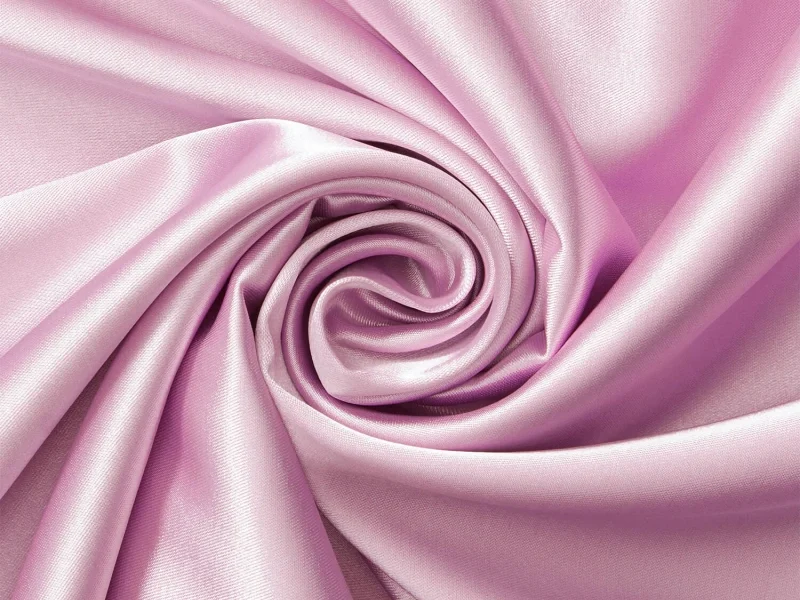
- Stretch direction and recovery check.
- Zipper and seam tension review.
- Suitable for fitted and body-shaping styles.
Mesh
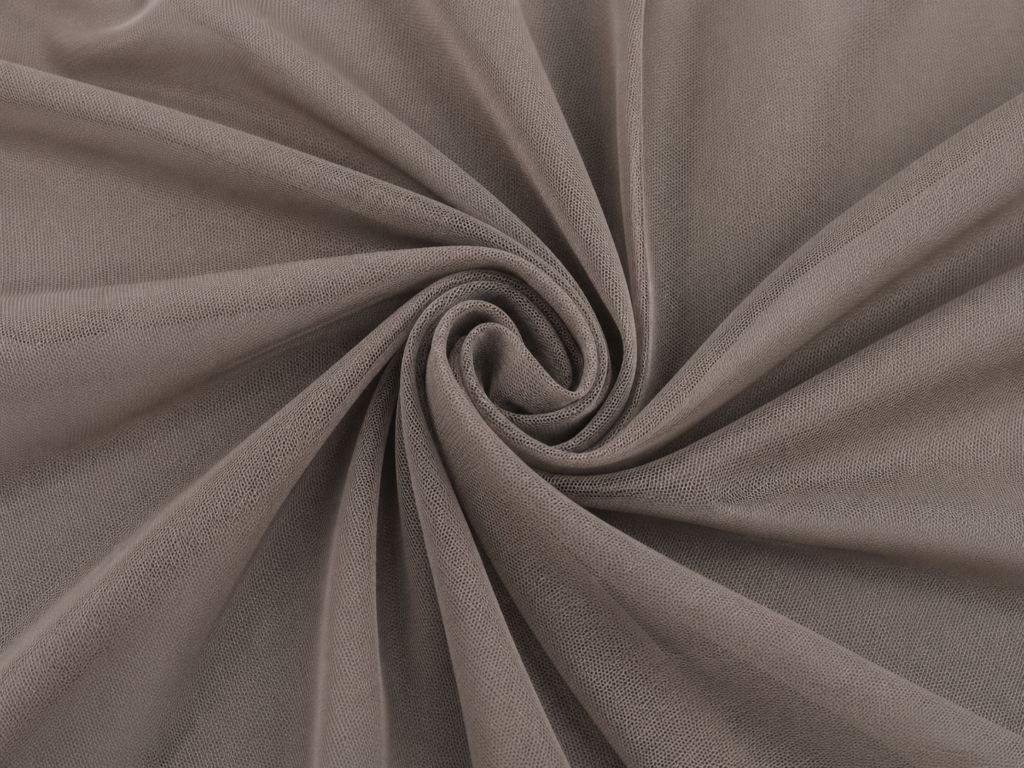
- Transparency and lining relationship.
- Stretch behavior and print placement.
- Measurement control for fitted styles.
Lace

- Motif direction and edge treatment.
- Lining color and transparency review.
- Placement rules confirmed before cutting.
Sequin Fabric

- Sequin density and base fabric review.
- Lining comfort and zipper area control.
- Extra sewing and packing inspection.
Chiffon

- Transparency and lining review.
- Hem, pleat and pressing method.
- Cutting stability before sewing.
Jersey

- GSM, stretch ratio and recovery.
- Seam wave and shrinkage review.
- Suitable for bodycon and casual styles.
Ponte
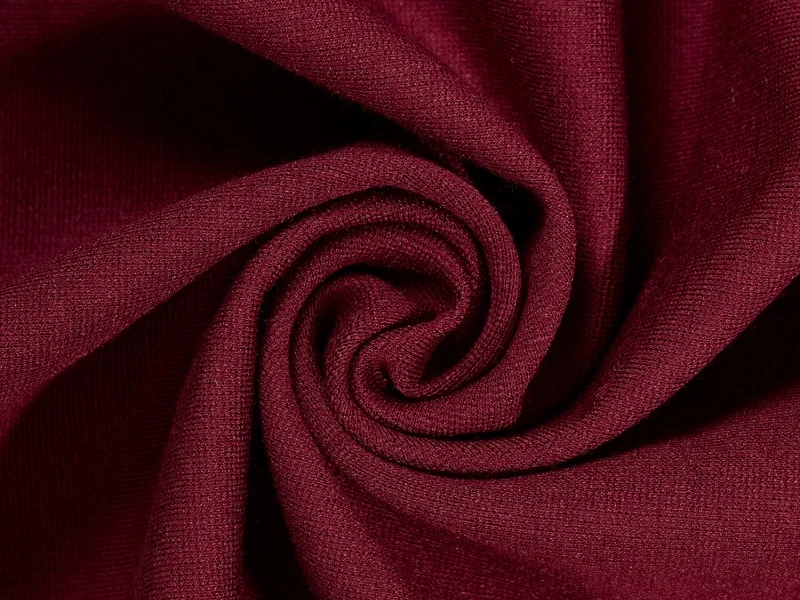
- Thickness and structure review.
- Stretch recovery and seam bulk control.
- Shape retention for fitted silhouettes.
Crepe
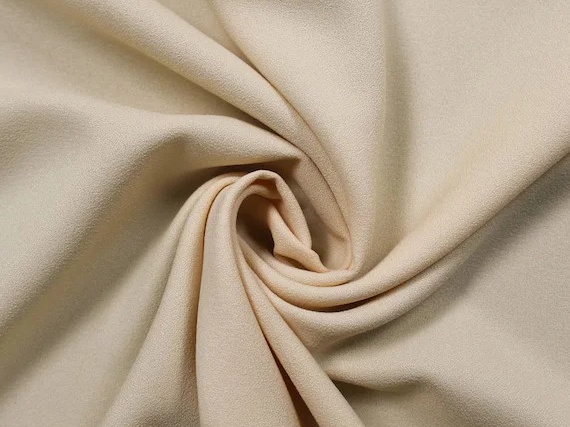
- Drape, opacity and wrinkle behavior.
- Cutting direction and seam cleanliness.
- Suitable for midi, jumpsuit and set programs.
Velvet
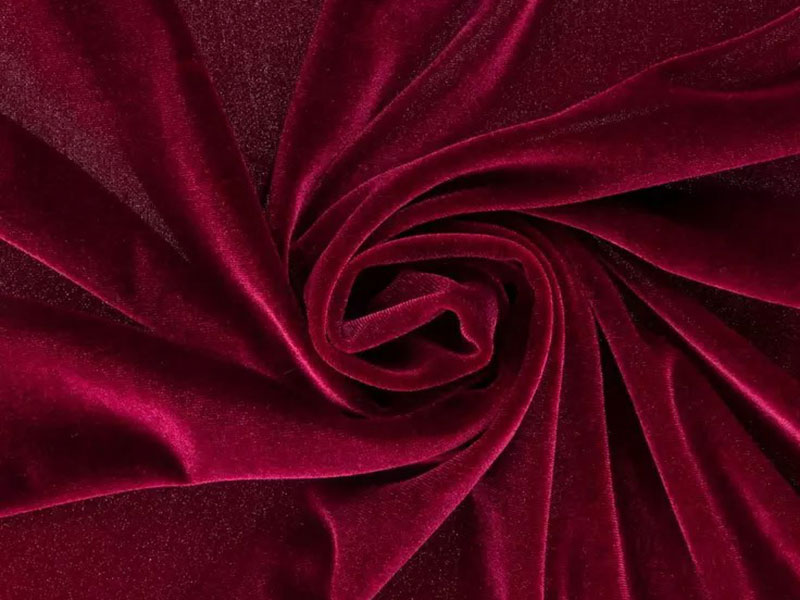
- Pile direction and shade control.
- Pressing and packing method review.
- Suitable for event and holiday styles.
Printed Fabric
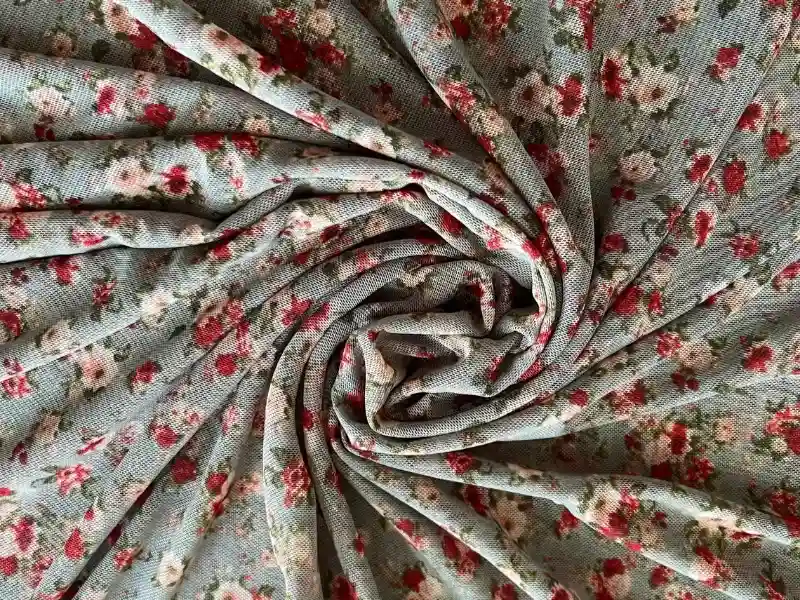
- Artwork scale and repeat direction.
- Print base, shrinkage and cutting rules.
- Panel placement and bulk consistency.
Lining Fabric

Lining affects comfort, opacity, support and garment finish. Jinfeng reviews lining weight, color, stretch compatibility, breathability, static risk and seam behavior. For satin, lace, mesh, chiffon and sequin styles, lining selection can determine wearability and perceived quality.
- Lining color, weight and comfort.
- Stretch compatibility and static risk.
- Opacity and seam behavior review.
Trim Details That Decide Bulk Consistency
Zippers
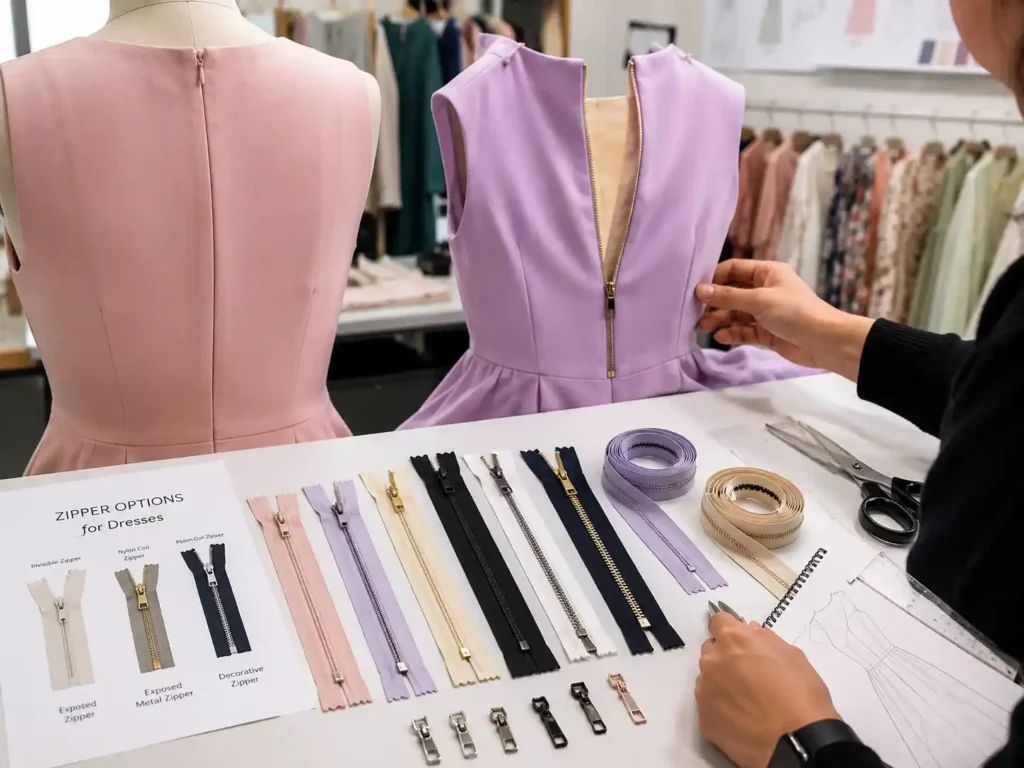
- Zipper tape color and length.
- Puller finish and seam stress.
- Back seam alignment before bulk.
Buttons

- Button size, color and finish.
- Attachment strength and spacing.
- Spare-button needs when required.
Cups

- Cup size, shape and thickness.
- Placement and lining compatibility.
- Fit sample review before bulk.
Boning
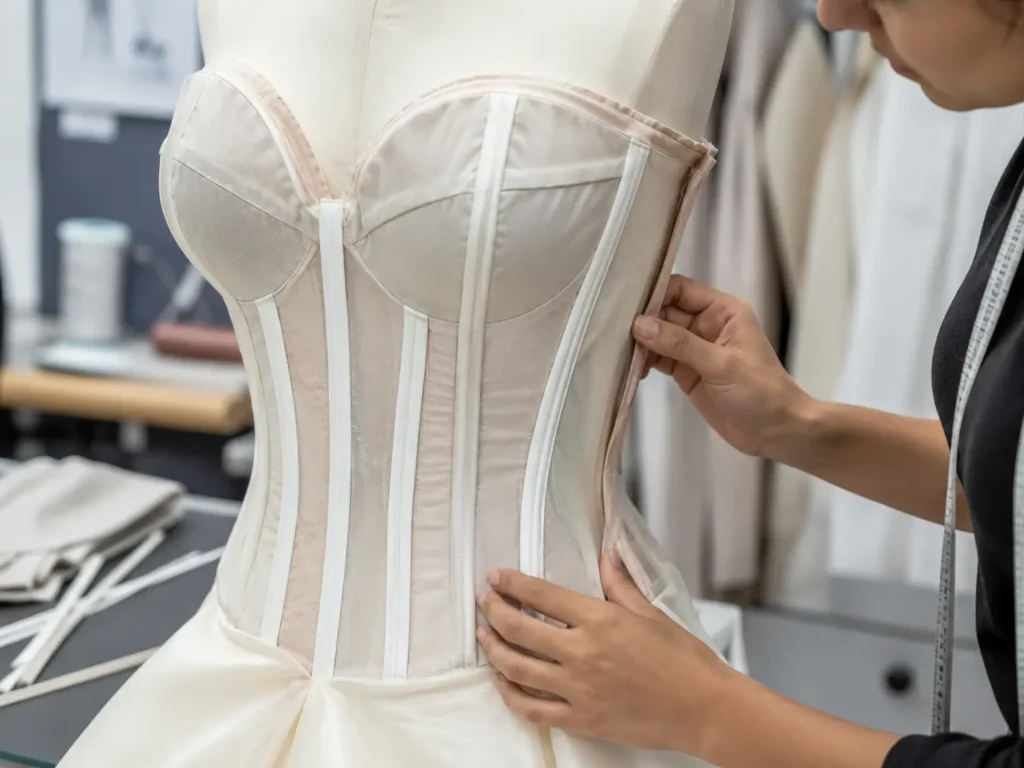
- Boning width, flexibility and length.
- Casing and seam allowance review.
- Approved sample position followed in bulk.
Elastic

- Elastic width and tension.
- Recovery and stitching method.
- Comfort review for fitted areas.
Lining

- Color, opacity and stretch match.
- Softness and seam finish.
- Hem length and comfort review.
Labels
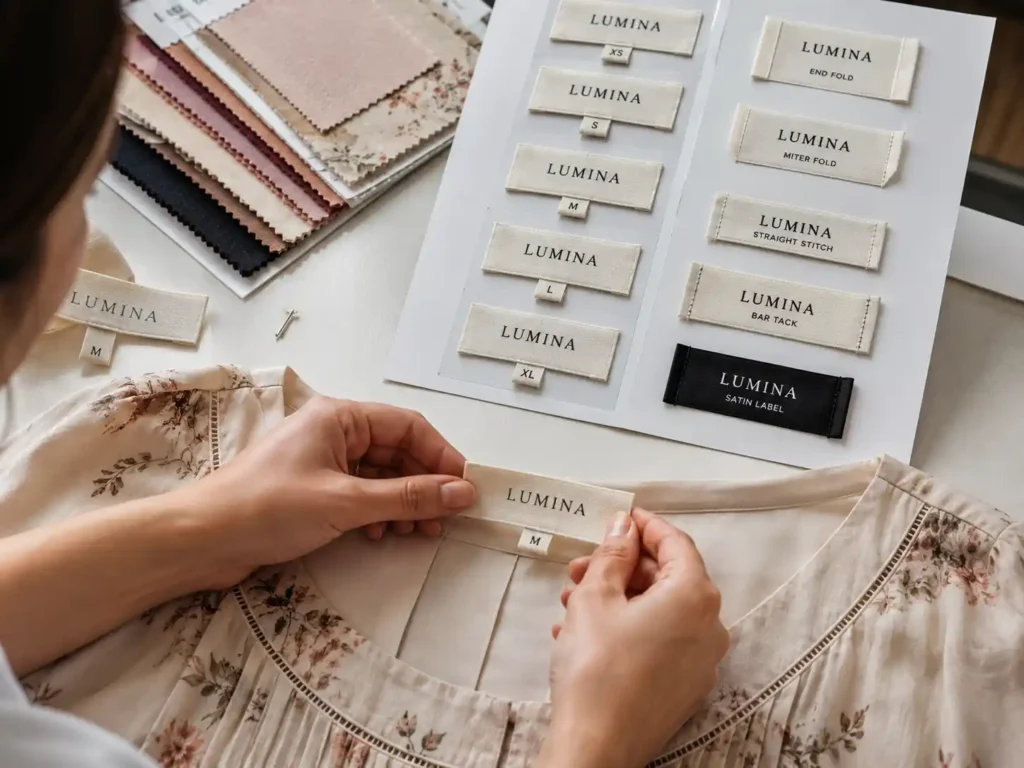
- Woven, size and care label support.
- Placement checked by garment type.
- Label records retained for repeat orders.
Hangtags
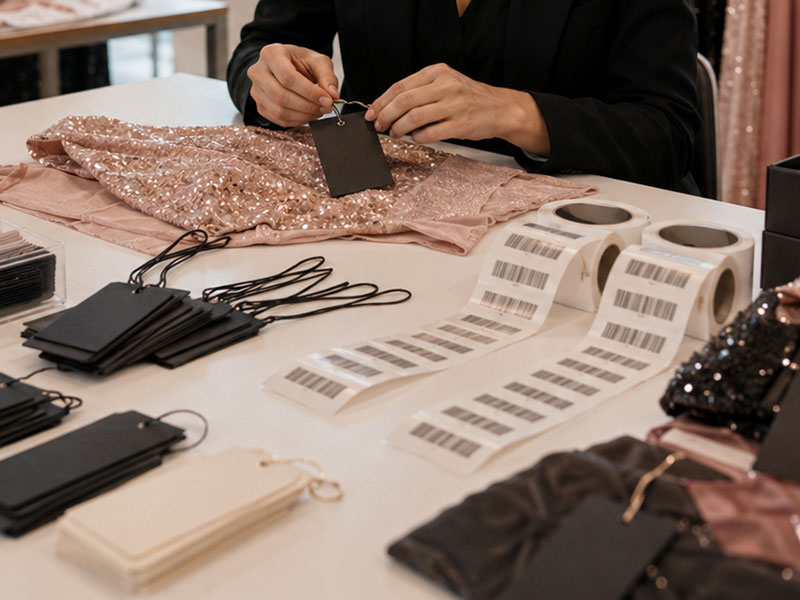
- Hangtag size and paper finish.
- String type and attachment position.
- Barcode placement when needed.
Polybags

- Polybag size and warning text.
- Barcode and SKU label application.
- Carton packing by approved instruction.
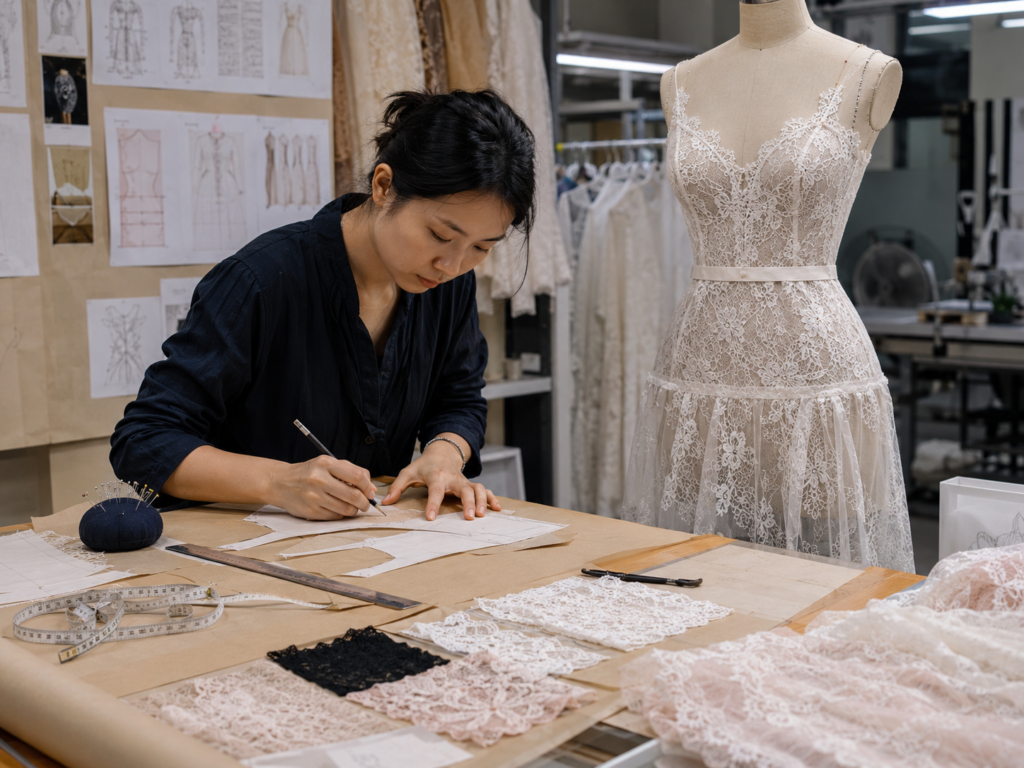
Fit Control for Dresses, Jumpsuits and Sets
Womenswear production depends on fit accuracy. A dress can use the correct fabric and still fail if the bust point, waistline, hip tension, strap length, neckline angle or hem balance is wrong. Jinfeng supports pattern development and fit correction for custom fashion garments before bulk production.
Pattern and Fit Development
The team reviews design intention, fabric behavior, measurement chart, garment structure and reference sample details. Pattern work may involve bust shaping, waist curve, hip allowance, sleeve opening, slit placement, back opening, strap width, crotch length for jumpsuits, lining length and overall garment balance. For fitted silhouettes, stretch and recovery must be reviewed together with measurement tolerance.
Fit work is especially important for bodycon dresses, corset dresses, strapless dresses, halter dresses, jumpsuits and two-piece sets. A long-term partner can remember approved fit preferences and carry them into future programs instead of rebuilding standards every season.
Fit development focus:
- Bust, waist and hip proportion.
- Neckline shape and strap placement.
- Length balance for mini, midi and maxi styles.
- Torso and crotch length for jumpsuits.
- Cup, boning and lining position.
- Stretch recovery and measurement tolerance.
- Size grading across ordered size ranges.
Design Details Converted Into Production Standards
Neckline Shape
- Neckline depth and symmetry.
- Fabric behavior and lining support.
- Wearing stability before bulk.
Strap Position
- Strap width, length and angle.
- Attachment strength and adjuster needs.
- Bust support and arm movement review.
Ruched Structure
- Gathering ratio and seam position.
- Fabric elasticity and body measurement.
- Size and color consistency in bulk.
Slit Height
- Slit placement and reinforcement.
- Lining interaction and hem finish.
- Size grading review for long styles.
Cut-Out Details
- Opening shape and seam reinforcement.
- Fabric recovery and lining edge.
- Fit and measurement review.
Corset Panels
- Panel width and boning location.
- Cup shape and lining support.
- Zipper stress and waist shaping.
Sleeve Shape
- Armhole balance and movement.
- Fabric stretch and seam finish.
- Sleeve shape review before photo sample.
Hem Finish
- Hem method selected by fabric.
- Lining and edge finish review.
- Long-length hem balance.
Sampling Control for 10–30 Style Programs
Style Grouping
- Product category grouping.
- Shared fabric and trim review.
- Sample room workload planning.
Fabric Grouping
- Fabric handfeel and stretch review.
- Transparency and cutting risk check.
- Supplier availability before sample approval.
Sample Priority
- Photo sample and launch priority.
- Complex style review first when needed.
- Core styles grouped for repeat potential.
Revision Tracking
- Measurement and fit comments recorded.
- Trim, lining and zipper updates tracked.
- Packing notes connected to sample version.
PP Approval
- Final sample standard before bulk.
- Labels and packing instructions checked.
- Production file aligned with PP sample.
Bulk Handover
- Pattern and measurement files handed over.
- Fabric and trim records attached.
- QC and packing notes prepared.

From Approved Sample to Controlled Bulk Production
Bulk womenswear production requires a clear bridge between sample approval and factory execution. A beautiful sample does not guarantee stable production unless pattern files, measurement standards, fabric lots, trims, sewing instructions and packing requirements are transferred properly.
Bulk Production Management
Jinfeng coordinates bulk production through project files, approved samples, fabric confirmation, trim confirmation, size breakdowns, production allocation, cutting checks, inline sewing checks, measurement review, finishing control, packing inspection and shipment coordination. For long-term clients, previous records can help reduce repeated explanation and keep production habits aligned with the approved standard.
When a program includes 20,000–80,000 garments across multiple styles, production planning must balance capacity, style complexity and delivery window. Fitted dresses, satin pieces, sequin garments, corset structures, jumpsuits and multi-fabric styles may require different factory allocation and QC focus.
Bulk production control points:
- PP sample approval before production release.
- Fabric lot and color confirmation.
- Trim, label and packing material confirmation.
- Cutting and bundling control.
- Inline sewing quality checks.
- Measurement and fit-related review.
- Final garment inspection.
- Packing list and carton mark coordination.
Sewing Details That Protect Brand Reputation
Seam Cleanliness
Clean seams are essential for satin, mesh, lace, jersey, crepe and velvet garments. Jinfeng reviews seam tension, seam allowance, thread color, stitch density and seam wave risk according to fabric type. Bulk inspection checks visible areas and stress points before packing.
- Seam tension and allowance.
- Thread color and stitch density.
- Visible seam review before packing.
Seam Strength
Fitted womenswear places pressure on side seams, zippers, straps, bust seams, waist seams and slits. Jinfeng reviews seam type and reinforcement needs before production. Party dresses, bodycon styles and jumpsuits often require stronger seam attention because movement creates stress.
- Stress point reinforcement.
- Seam type selected by garment use.
- Stronger review for fitted and movement-heavy styles.
Edge Finishing
Edge finishing affects garment comfort and quality perception. Jinfeng reviews binding, overlock, narrow hem, rolled hem, facing, lining cover and raw edge risk according to fabric and style. Mesh, chiffon, satin and sequin garments need fabric-specific finishing decisions.
- Edge method by fabric type.
- Raw edge and comfort review.
- Clean finish for visible areas.
Lining Attachment
Lining must stay smooth and comfortable. Jinfeng reviews lining length, attachment points, seam bulk, opacity, static risk and movement. For lace, mesh, satin and sequin styles, lining attachment directly affects wearability and inside appearance.
- Lining length and attachment.
- Opacity and movement control.
- Inner comfort before bulk.
Zipper Sewing
Zipper sewing can create waves, pulling or misalignment if fabric tension is not controlled. Jinfeng checks zipper tape color, placement, top stop position, seam balance, slider movement and back seam alignment. Invisible zippers need special attention on satin and bodycon dresses.
- Zipper placement and tape color.
- Slider movement and top stop.
- Seam balance during sewing.
Strap Reinforcement
Straps may look decorative but often carry garment weight. Jinfeng reviews strap width, stitch method, attachment strength, adjuster placement and lining support. Thin straps, halter straps and cross-back styles require extra checking before shipment.
- Strap width and attachment strength.
- Adjuster placement and lining support.
- Extra review for halter and thin straps.
Pressing Standard
Pressing changes the final look of satin, crepe, velvet, chiffon and structured dresses. Jinfeng reviews pressing temperature, seam flattening, crease control, fabric shine risk and packing fold method. A good pressing standard helps garments arrive closer to brand presentation needs.
- Pressing temperature and seam flattening.
- Fabric shine and crease control.
- Fold method connected with packing.
Thread Trimming
Loose threads reduce perceived quality. Jinfeng includes thread trimming in finishing control before packing. Visible seams, labels, zipper areas, hems, straps and inside linings are checked so retail-ready garments do not require avoidable cleanup after arrival.
- Visible seam thread review.
- Label and zipper area trimming.
- Inside lining check before polybag packing.

Quality Checks From Fabric to Final Packing
Fabric Check
- Color, handfeel and defect review.
- Stretch, recovery and shade direction check.
- Print and lining compatibility review.
Cutting Check
- Grainline and layer alignment.
- Lace, print and nap direction.
- Size and color bundling control.
Inline Check
- Seam, zipper and neckline review.
- Strap and lining attachment check.
- Early correction during production.
Measurement Review
- Bust, waist, hip and length.
- Sleeve, strap and neckline.
- Jumpsuit crotch length and movement.
Final Garment Check
- Appearance and sewing review.
- Stains, threads and trim placement.
- Pressing and measurement check.
Packing Inspection
- Label, hangtag and barcode check.
- SKU, polybag and size ratio review.
- Carton mark and packing list accuracy.
Private-label Garments Ready for Brand Delivery
Woven Labels
- Label size and fold type.
- Sewing position and comfort.
- Records retained for future programs.
Size Labels
- Size range and format review.
- Placement by garment type.
- Size records matched with packing data.
Care Labels
- Care wording and symbol layout.
- Language and material records.
- Sewing method and placement review.
Hangtags
- Attachment method and string type.
- Barcode position when needed.
- Repeat program hangtag records.
Barcode Stickers
- Barcode sticker placement.
- Hangtag, polybag or carton application.
- Warehouse receiving accuracy support.
SKU Labels
- Style, color and size mapping.
- SKU records checked before packing.
- Carton plan aligned with packing list.
Polybags
- Individual polybag support.
- Size and barcode sticker application.
- Fold method matched with bag size.
Carton Marks
- Style, color and size information.
- Carton number and quantity.
- Destination notes when supplied.
Packing Records
- Label and hangtag records.
- Polybag and carton mark references.
- Size ratio and shipment document history.
Records That Make Repeat Production Easier
Long-term cooperation becomes valuable when production knowledge is saved. Jinfeng can keep key project records so future batches, new colors, expanded size ranges or related styles can be reviewed against approved standards.
| Record Type | What Jinfeng Keeps | Why It Matters for Repeat Orders |
|---|---|---|
| Pattern Records | Style pattern, structure notes, revision references | Helps future production restart from approved shape instead of rebuilding from memory |
| Measurement Files | Size chart, tolerance points, fit comments | Keeps bust, waist, hip, length and key fit points aligned across batches |
| Fabric Records | Fabric type, handfeel, weight reference, color notes | Supports repeat material matching and fabric substitution review |
| Trim Records | Zipper, button, cup, boning, elastic, lining, thread | Helps maintain garment construction and visual consistency |
| Sample Comments | Revision notes, approval comments, PP sample decisions | Prevents old issues from returning during bulk or reorder production |
| Label Files | Woven label, size label, care label, hangtag artwork | Keeps private-label presentation consistent across programs |
| Packing Details | Polybag, barcode, SKU label, carton mark, folding method | Reduces packing mistakes and warehouse receiving confusion |
| QC Notes | Key quality risks, inspection focus, measurement points | Helps future batches follow known control priorities |

Clear Communication for Multi-Style Programs
Long-term production depends on organized communication. Jinfeng coordinates project information through style files, sample comments, fabric records, quantity breakdowns, packing instructions and shipment planning. The goal is to reduce fragmented messages and keep development, production and packing teams aligned.
Project Communication and Delivery Planning
For new projects, brands can send tech packs, line sheets, reference images, target quantity, fabric preference, size range, color plan and launch schedule. For ongoing cooperation, previous pattern records, sample comments and packing records can support faster review. Kelly coordinates initial inquiries, information collection and project communication with the internal team.
Common planning references:
- Sample development — commonly 7–15 days depending on complexity.
- Production entry — from 200 pcs per style/color.
- Program scale — often 10–30 styles per seasonal order.
- Program volume — commonly 20,000–80,000 garments per brand program.
- Product range — dresses, skirts, jumpsuits, sets and tops.
- Delivery method — export shipment coordination according to order plan.
Complex styles such as corset dresses, sequin garments, structured jumpsuits, lace placement styles and multi-fabric partywear may need longer sample review than simple silhouettes. Clear early files help the team provide more accurate feasibility advice.
Confidential Development for Unreleased Womenswear
Design Protection
- Tech packs and sketches.
- Reference images and original samples.
- Pattern files and unpublished styles.
Brand Material Protection
- Label artwork and hangtag files.
- Barcode information and SKU structure.
- Polybag layout and carton marks.
Anonymous Case Use
- Anonymous market and project structure.
- No brand logos or private files without approval.
- Confidential prices and launch details protected.
How Jinfeng Fits Long-Term Manufacturing Needs
Different supplier types suit different apparel strategies. Fashion brands planning recurring custom womenswear programs need to evaluate development ability, repeat-order records, private-label control and production consistency before choosing a long-term partner.
| Supplier Type | Better Fit | Common Limitation | Jinfeng Apparel Position |
|---|---|---|---|
| Stock Garment Seller | Fast purchase of existing styles | Limited custom development, weak exclusivity | Jinfeng focuses on custom womenswear, not stock resale |
| Basic Sewing Factory | Simple garment sewing after full files are ready | Limited fabric, pattern and private-label support | Jinfeng supports development, sampling, bulk, QC and packing |
| Trading Company | Broad supplier access and order coordination | Factory control and records may vary by source | Jinfeng combines owned factories with long-term partners |
| Large Global Group | Huge volume and multi-country sourcing | Less flexible for style-level development needs | Jinfeng suits multi-style fashion programs with direct project handling |
| Jinfeng Apparel | Custom dresses, sets, jumpsuits and private-label womenswear | Requires clear project files and realistic production planning | Best fit for seasonal collections, repeat orders and brand-level garment programs |
Long-Term Womenswear Programs Managed by Jinfeng Apparel

US Occasionwear Brand
A US occasionwear brand needed a long-term partner for satin, mesh and corset-inspired party dresses across spring and holiday drops. The program included 18 styles, 46 color-size combinations and around 38,000 garments. Main challenges included satin crease control, corset structure consistency, invisible zipper smoothness and photo-sample timing.
- 18 styles / 38,000 pcs / 46 color-size combinations — project data: satin, mesh and corset-inspired party dresses; technical difficulty: satin crease control, mesh fit and corset support required different standards; solution: Jinfeng grouped styles by fabric and construction difficulty before sampling.
- 4 technical focus points — project data: bust support, strap placement, waist shaping and lining position were reviewed; technical difficulty: structured styles needed stable fit across sizes; solution: pattern makers converted fit notes into PP sample records.
- PP sample and bulk handover — project data: fabric lots, trim files, measurements and packing instructions were connected with production files; technical difficulty: photo samples could not replace bulk standards; solution: PP approval became the production reference.
- Repeat order expansion — project data: two best-performing silhouettes moved into new colors; technical difficulty: color updates could change satin shade and mesh behavior; solution: previous pattern, fabric and QC records guided reorder review.

European Resortwear Label
A European resortwear label planned a summer collection with printed maxi dresses, chiffon overlays, matching sets and lightweight skirts. The program included 24 styles and around 52,000 garments. The main risk was keeping print direction, lightweight fabric handling, lining opacity and size consistency under a tight seasonal calendar.
- 24 styles / 52,000 pcs / 4 category groups — project data: printed maxi dresses, chiffon overlays, matching sets and lightweight skirts; technical difficulty: soft fabrics shifted during cutting and packing; solution: Jinfeng separated flowy silhouettes from fitted styles for sampling and production.
- Print and fabric controls — project data: artwork scale, fabric base, print direction and lining needs were reviewed; technical difficulty: print placement and transparency could affect visual quality; solution: print direction and lining opacity were confirmed before bulk.
- Long-length production review — project data: maxi dresses needed hem finish and packing fold control; technical difficulty: long garments can distort after pressing and transport; solution: hem finish and fold method were checked during sample and packing stages.
- Repeat planning records — project data: selected resort styles were prepared for future reorder; technical difficulty: later print updates could change fabric behavior; solution: Jinfeng retained fabric, pattern and packing records for next resort season.

Canadian Retail Program
A Canadian womenswear retailer needed private-label dresses, jumpsuits and matching sets for store and ecommerce delivery. The order included 21 styles and around 64,000 garments. Main concerns included SKU accuracy, size labeling, carton marks, polybag stickers, measurement consistency and repeatable production standards across future batches.
- 21 styles / 64,000 pcs / 3 product groups — project data: private-label dresses, jumpsuits and matching sets; technical difficulty: garment categories required different fit and packing controls; solution: Jinfeng separated measurement and packing records by product group.
- 6 private-label packing items — project data: woven labels, care labels, hangtags, barcode stickers, SKU stickers and polybags were required; technical difficulty: packing errors could disrupt retail and ecommerce receiving; solution: brand files were checked against style-color-size records.
- 4 QC focus points — project data: measurement review, label placement, zipper quality and thread trimming were prioritized; technical difficulty: future batches needed repeatable standards; solution: QC notes were saved for reorder reference.
- Second multi-style reorder — project data: the first program records supported another production round; technical difficulty: new delivery required consistent packing and carton references; solution: prior carton marks, size ratios and packing list formats were reused after review.
Frequently Asked Questions
[CTA Button: Ask Kelly]
[CTA Button: Send Project]

Build a Long-Term Womenswear Production Program With Jinfeng Apparel
Jinfeng Apparel supports fashion brands needing recurring custom womenswear development, sample-to-bulk execution, private-label delivery and repeat-order control. From first style review to seasonal production records, our team helps organize the details that keep fashion programs moving: fabric direction, pattern work, sample revision, PP approval, bulk sewing, QC, packing and export coordination.
For faster project review, please prepare:
- Tech packs, line sheets or reference images.
- Target quantity per style/color.
- Product category and style list.
- Fabric preference or handfeel direction.
- Size range and measurement requirements.
- Color plan and launch schedule.
- Label, hangtag, barcode and packing needs.
- NDA requirements, if applicable.


