
Linen Resort Dresses
Custom linen and linen-blend resort dress development for fashion brands building breathable, polished vacation collections with repeatable bulk quality.
- Fabric review covers composition, weight, hand feel, drape, transparency, shrinkage, wrinkle behavior and lining before bulk decisions are locked.
- Mini, midi and maxi resort silhouettes can be developed from reference images, sketches, original samples, line sheets or tech packs.
- Sample development follows controlled approval stages rather than moving directly from a first sample into bulk production.
- Standard MOQ starts from 200 pcs per style/color; custom dyeing, exclusive prints, special trims and packaging can carry separate supplier requirements.
Built for Resort Collections That Need Production Discipline
Since 2008
6 Owned Factories
18+ Sewing Lines
2 Sample Rooms
7+ Pattern Makers
15+ QC Inspectors
Developed for Fashion Brands With Seasonal Resort Programs
Resortwear Brands
Premium Ecommerce
Fashion Retailers
DTC Fashion Brands
Sourcing Teams
Product Development Teams
Linen Resort Dress Styles Ready for Collection Development

Linen Mini Dresses

Linen Midi Dresses

Linen Maxi Dresses

Linen Shirt Dresses

Linen Wrap Dresses

Linen A-Line Dresses

Linen Halter Dresses

Linen Tiered Dresses
Match Resort Occasions With the Right Dress Structure

Beach Resort Day
Lightweight mini, midi and relaxed A-line dresses work well when breathability and easy movement lead the design. Transparent fabric, short hemlines and open armholes need careful review because bright daylight exposes coverage problems quickly.

Poolside Lunch

Destination Brunch

Vacation City Walk

Resort Dinner

Cruise and Hotel Evening
Choose Linen by Drape, Structure and Bulk Behavior
Fabric selection should begin with the intended silhouette and retail position, not with the fiber name alone. Jinfeng Apparel reviews linen and resort-ready alternatives through composition, weight, hand feel, drape, transparency, shrinkage, wrinkle behavior, lining requirement, color and production risk before a fabric direction is approved.
100% Linen for Natural Structure

Pure linen is useful when a collection needs visible natural texture, breathable wear and a more authentic dry hand. The same characteristics that create its appeal also require disciplined approval. Wrinkle character should be accepted intentionally, especially around the waist, seat and packed folds. Lightweight constructions may need lining or partial lining, while heavier linen can create too much stiffness for gathered or highly fluid silhouettes. Fabric width, shrinkage and cutting direction also affect consumption and garment balance, so the material should be reviewed as part of the pattern rather than selected independently from it.
For mini and shirt dresses, a crisper linen can support plackets, collars and clean A-line shapes. For maxi dresses, excessive rigidity can make wide skirts feel heavy and can magnify crease lines. Color also matters: natural, ivory and white shades show slubs, transparency and stains more readily, while deep shades need attention to rubbing and wash fastness. Approval should establish which natural irregularities are accepted as part of the fabric character and which defects are not acceptable for bulk production.
Linen-Viscose and Linen-Rayon for Softer Drape

Linen-viscose and linen-rayon directions are especially useful for midi, maxi, wrap and tiered resort dresses where movement matters. A softer blend can reduce the boxy appearance of pure linen and help gathered skirts fall closer to the body.
The trade-off is greater sensitivity to shrinkage, distortion and handling during cutting, pressing and washing. The material should be checked for recovery after handling and for whether the approved sample still reflects the desired silhouette after care testing.
Drape also changes pattern requirements. A wrap neckline may need different overlap, a tiered skirt may need adjusted gather ratios, and a bias-influenced panel may grow differently from a stable woven linen. Sample comments therefore need to identify whether an issue comes from pattern shape or fabric behavior.
Substituting a softer blend late in development without revisiting the pattern can create inconsistent measurements, altered hem length and unexpected lining exposure.
Linen-Cotton for Balanced Body and Wearability

Linen-cotton can offer a useful middle ground for shirt dresses, relaxed A-line dresses and casual resort silhouettes. Cotton can soften the dry feel of linen while retaining enough structure for plackets, sleeves and pockets. The exact ratio still matters because weight, weave and finishing determine how much the fabric wrinkles, shrinks and holds shape. A blend should not be approved only from a small swatch; garment-level testing is more useful when the design contains gathered areas, curved seams, sleeves or a long skirt.
For lighter colors, opacity is checked against the intended lining plan. For printed or yarn-dyed versions, color fastness and pattern direction become part of the production decision. When a brand wants a structured but not formal resort look, linen-cotton often provides enough body without the stiffness that can appear in heavier pure linen.
Other Resort Blends and Printed Wovens

Not every resort dress in one collection needs the same linen composition. Rayon, viscose, cotton blends and printed woven fabrics can be grouped with linen styles to create a range with different price points, movement and visual density. Material substitution can also be considered when an original fabric creates unacceptable transparency, shrinkage, MOQ, cost or lead-time pressure.
Exclusive prints, custom-dyed colors and special woven textures require separate supplier confirmation because fabric MOQ, repeat size, color development and printing method can change the project conditions. Jinfeng Apparel can review printed woven and linen-blend directions alongside the dress structure so print scale, cutting orientation, seam placement and bulk color grouping are addressed before fabric is released for production.
Compare Pure Linen and Resort-Ready Linen Blends
Material choice changes not only hand feel but also pattern shape, lining decisions, cutting behavior, pressing and cost. The comparison below is designed for development planning rather than ranking one composition as universally better.
| Fabric Direction | Hand Feel and Drape | Wrinkle / Shrinkage Consideration | Transparency | Best Resort Uses | Bulk Control Focus |
|---|---|---|---|---|---|
| 100% linen | Dry, natural, structured to moderately fluid depending on weave | Natural creasing is visible; shrinkage must be confirmed by fabric and finish | Light colors may require partial or full lining | Shirt dress, A-line, structured midi, premium natural resort styles | Fabric approval, shrinkage, shade, pressing, defect grading |
| Linen-viscose | Softer, more fluid, easier movement | More sensitive to shrinkage and distortion than a firm linen | Depends on weight and color | Wrap, midi, maxi, tiered, flowy resort silhouettes | Drape, relaxation, wash behavior, hem growth |
| Linen-rayon | Soft hand with vacation-ready drape | Requires care around shrinkage and handling | Often needs review in pale shades | Relaxed maxi, tie-front, gathered and printed styles | Cutting stability, measurements, print direction, pressing |
| Linen-cotton | Balanced body, comfortable and more structured | Shrinkage and color fastness depend on construction and finishing | Variable by weight and weave | Shirt dress, casual midi, day resort, A-line | Wash testing, placket stability, seam appearance |
| Linen-rich blend | Can be tuned for target hand feel, price and structure | Behavior depends on composition and finish | Project-specific | Multi-style resort collections and commercial volume programs | Composition confirmation, batch consistency, MOQ and lead time |
Control Wrinkles, Shrinkage and Transparency Before Bulk
Natural texture is part of linen’s appeal, but uncontrolled creasing, wash shrinkage or transparency can turn a desirable resort look into a return risk. Development should define what the brand accepts as fabric character and what becomes a quality issue before bulk fabric is cut.
Define the Approved Wrinkle Character
Wrinkling should not be judged as a simple pass-or-fail property. Resort linen is often expected to look relaxed and natural, yet deep uncontrolled creases around plackets, waist seams, pocket openings or packed folds can reduce perceived value. Sample review should establish the intended pressed appearance and how the garment is expected to look after normal movement.
For pure linen, a perfectly crease-free result is unrealistic; the objective is controlled presentation, stable construction and a wrinkle character consistent with the product concept.
Pressing temperature and handling need to match the fabric because aggressive pressing can create shine, seam impressions or shape distortion. Packing trials are also relevant for long dresses and pale colors. A garment that leaves the factory looking clean can arrive with heavy compression lines if folding and carton pressure are not considered.
Confirm Shrinkage Before Measurements Become Production Standards
Linen, rayon, viscose and cotton-based fabrics can change after washing or steam exposure. A shrinkage issue does not only shorten a dress; it can move the waist, change sleeve length, reduce bust ease and expose lining. Fabric behavior should therefore be reviewed before final pattern measurements are treated as bulk standards. Where care testing is required, the approved care method should align with the care label rather than relying on assumptions from fiber content alone.
Fabric relaxation before cutting is another control point. Long maxi panels, bias-influenced areas and wide skirts can respond differently if the fabric is cut under tension. Pattern and measurement review should consider whether the material needs additional settling time or revised cutting handling before the first production bundles are released.
Engineer Transparency Instead of Hiding It Late
White, ivory, natural and pastel linen can look opaque on a cutting table and become visibly transparent under daylight or photography lighting. Coverage should be checked on body and in movement. Solutions may include full lining, partial lining, double-layer bodice construction, a denser fabric, a closer lining color or revised seam placement. The objective is not to line every linen dress automatically; unnecessary lining can make a warm-weather garment heavier and less breathable.
For halter, low-back, wrap and slit styles, opacity must be considered together with movement exposure. A safe lining length while standing may not be sufficient while walking or sitting. The sample stage should therefore test garment behavior rather than only measuring static dimensions.
Control Shade, Print Direction and Surface Defects
Natural and blended linen surfaces can show slubs, barre, yarn variation and small weave irregularities. The brand and manufacturing team should agree on acceptable natural character versus rejectable defects. Solid colors need batch consistency; printed wovens need repeat direction, scale and panel placement control. Large maxi panels make shade and print-direction differences especially visible because more fabric appears in one uninterrupted area.
Incoming material inspection should identify color, hand feel, width, obvious defects and relevant surface differences before cutting. When exclusive prints or custom colors are used, lab dip or print approval adds another decision point and can affect MOQ and schedule.
Pattern Development for Relaxed but Controlled Resort Fit
A linen resort dress should feel easy without looking shapeless. Pattern work has to account for fabric body, drape, transparency, garment length and movement. Jinfeng Apparel develops womenswear patterns around bust, waist, hip, length, neckline, armhole, strap, back coverage, slit and lining relationships, with revisions recorded before an approved standard moves into bulk production.
Mini and Midi Balance

Shorter resort dresses need secure coverage while retaining a light silhouette. Pattern checks include bust shaping, armhole depth, waist position, hip ease and finished length. A few centimeters of change can alter the visual proportion or sitting coverage noticeably, so feedback should identify the exact measurement or balance point rather than using general comments such as “make it looser.” Midi dresses add more skirt weight, which can pull on the waist or change side-seam hang if the fabric is soft and heavy.
For fitted waists, linen’s limited stretch means ease should be deliberate. For elastic or smocked waists, the elastic recovery and gathered fabric volume need to be reviewed together. A visually relaxed sample can still feel restrictive if the waist treatment is not matched to the size chart.
Maxi Hem and Movement Control

Maxi dresses create a larger pattern and fabric surface, making small imbalances easier to see. Front and back length, side seam drop, slit height and hem sweep should be checked while the garment hangs naturally.
Soft linen blends can grow or drop after hanging, while structured linen can create uneven flare if panels are not balanced.
The sample should also be walked in; an attractive static hem can become difficult to wear if the sweep is excessive or the slit does not provide enough movement.
When a collection includes several maxi styles, pattern records help keep approved length and balance decisions consistent across repeat colors or related silhouettes.
Halter, Strap and Open-Neckline Security

Halter, strappy and low-back resort dresses require a different level of coverage control from relaxed shirt dresses. Strap length, armhole depth, neckline width, back opening and bust placement need to work as one system. A strap adjusted by only one component can change the neckline or expose the underarm. Where sliders, ties or elastic are used, hardware and trim position should be included in fitting comments rather than added after the fit is approved.
Partial bodice lining, facing, tape or internal support can be used when the design requires more stability without turning the garment into heavy occasionwear.
Wrap, Shirt and Relaxed Silhouettes

Wrap dresses need secure overlap and tie placement; shirt dresses need stable plackets and collars; relaxed silhouettes need enough shape to keep the garment intentional. Fabric behavior should guide how much ease, darting, paneling or gathering is used. A soft linen-viscose dress can carry more drape and volume, while a crisp linen may need cleaner seams and less gathering.
Fit comments should lead to recorded pattern changes. Bust, waist, hip, length, strap, armhole, neckline and slit measurements are checked against the brand’s size chart rather than replaced by a factory-only size standard.
Design Details That Change Linen Dress Production

Adjustable Straps

Waist Ties

Button Fronts

Side Slits

Smocking and Elastic

Ruffles and Tiers

Functional Pockets

Full or Partial Lining
Build Color and Print Stories for Resort Selling

Natural Linen Tones

White and Ivory

Earth and Coastal Colors

Soft Pastels

Seasonal Brights

Floral and Botanical Prints
Sampling Turns a Resort Concept Into a Production Standard
A first sample is a development checkpoint, not a promise that bulk production can start unchanged. Linen resort dresses often require coordinated decisions on fabric hand feel, opacity, waist placement, skirt balance, wrinkle character, lining, trims and finishing before the garment is ready for PP approval. Sample timing is confirmed after fabric availability, pattern complexity, trims, print development and revision scope are reviewed.
Start With a Complete Development Input
A project can begin from a tech pack, reference image, sketch, original sample, line sheet or annotated design file. The development team first identifies the silhouette, key measurements, fabric direction, openings, trims, lining and areas that may create risk. When information is incomplete, assumptions are recorded for confirmation rather than silently built into the sample.
For linen resortwear, the initial review also asks whether the brand expects crisp natural linen, soft drape, visible texture, low transparency, print development or a specific travel-friendly finish. Those choices influence fabric sourcing and pattern work from the beginning.
Approve Fabric Before Fit Comments Become Final
Fabric affects almost every fit decision. Replacing a crisp linen with a softer linen-viscose can change drape, waist behavior, hem length and overlap.
A fabric change during sampling therefore triggers a review of pattern, lining, cost, MOQ and lead time rather than being treated as a color-only substitution.
Fabric approval should record composition, weight or construction reference, hand feel, drape, transparency, color, shrinkage considerations and any relevant supplier conditions. Photos and video can support remote review, but physical swatches or sample garments may still be needed where hand feel is commercially important.
First Sample and Revision Work
The first sample tests whether the design can work as an actual garment. Fit comments should identify specific issues: bust too loose, armhole too deep, waist too low, skirt too heavy, wrap overlap too narrow, lining too short, strap too long or fabric too transparent. Pattern revisions are recorded so a revised sample addresses the approved comment list rather than relying on memory from messages.
Several issues can require different solutions. A dress that looks too bulky may need a lighter fabric, less gathering or a revised seam construction. A transparent white style may need different lining rather than a heavier outer fabric. Development decisions should preserve the intended resort look while making the garment repeatable in production.
PP Approval Creates the Bulk Reference
Before bulk production, the approved standard should lock the relevant fabric, color, trims, measurements, construction, labels and packing requirements. A PP sample is not the same as a photo sample or an early fit sample. Major design changes after approval can affect cost, materials, pattern and production scheduling, so they need a new review rather than being pushed into the line informally.
Approved sample records, measurement files and construction notes become the basis for production instruction, in-line inspection and final comparison. Where a Golden Sample is used, it provides a physical reference for repeatability alongside the written specification.
Correct the Issues That Usually Delay PP Approval
Fabric Too Stiff
Dress Too Transparent
Waist Position Feels Wrong
Maxi Hem Is Uneven
Long hems can drop differently across panels, especially in softer blends. The garment may need hang review, pattern correction, fabric relaxation control or revised cutting handling before the hem is finalized.
Strap or Armhole Exposes Too Much
Wrinkle Appearance Is Not Approved
Move From PP Approval to Repeatable Bulk Production
Bulk production should reproduce an approved standard through controlled materials, documented construction and in-line checks. Linen resort programs can include several fabric types, lengths and colors, so production allocation and instruction need to reflect the actual style differences rather than treating every dress as one generic sewing process.
Lock Materials, Measurements and Construction

Before production release, the relevant PP sample, fabric approval, trim references, size chart, color reference, label artwork and packing instruction are confirmed. Production files should specify seam method, seam allowance, stitch requirements, zipper or button position, lining construction, strap details, slit height and any style-specific instruction that could vary in bulk.
For linen styles, fabric behavior becomes part of the production standard. If relaxation, pre-production shrinkage review or special pressing is required, the instruction should be communicated before cutting begins. An approved sample alone is not enough if the line does not receive the information needed to reproduce it.
Inspect and Prepare Fabric Before Cutting

Incoming material inspection checks relevant characteristics such as color, hand feel, width, obvious defects and style-specific risks. Linen and linen blends may require attention to surface slubs, shade grouping, print direction, transparency and relaxation. Fabric rolls should be identified so shade differences are not mixed randomly within the same garment or shipment group.
Cutting control verifies fabric face, direction, print orientation, size bundle, panel quantity and defects before bundles move into sewing. For wide maxi panels, tiered skirts and directional prints, early cutting control prevents expensive correction after the garment is already assembled.
Use In-Line Checks to Stop Repeated Errors

In-line inspection focuses on problems while correction is still manageable: neckline shape, strap length, placket flatness, button position, waist seam, slit height, lining attachment, side-seam twisting, gather distribution and stitch quality. A small mistake repeated across hundreds of units becomes a production problem, so feedback should be issued before the same operation continues across the full quantity.
Style groups can have different checkpoints. A shirt dress may focus on collar and placket stability, while a halter maxi requires neckline, back coverage and hem balance. Product-specific inspection creates more useful control than a single generic checklist.
Finish, Inspect and Pack to the Approved Standard

Completed garments move through measurement review, appearance inspection, pressing and packing checks. Linen pressing should improve presentation without flattening the intended natural texture or creating shine. White and pastel dresses require clean handling because small stains are highly visible.
Packing confirms labels, hangtags, barcodes, SKU stickers, folding, polybags, carton marks and quantity breakdown where required. For long resort dresses, fold lines and carton compression are considered so garments arrive in a condition suitable for retail or ecommerce preparation.
Linen Resort Dress QC From Fabric to Packing
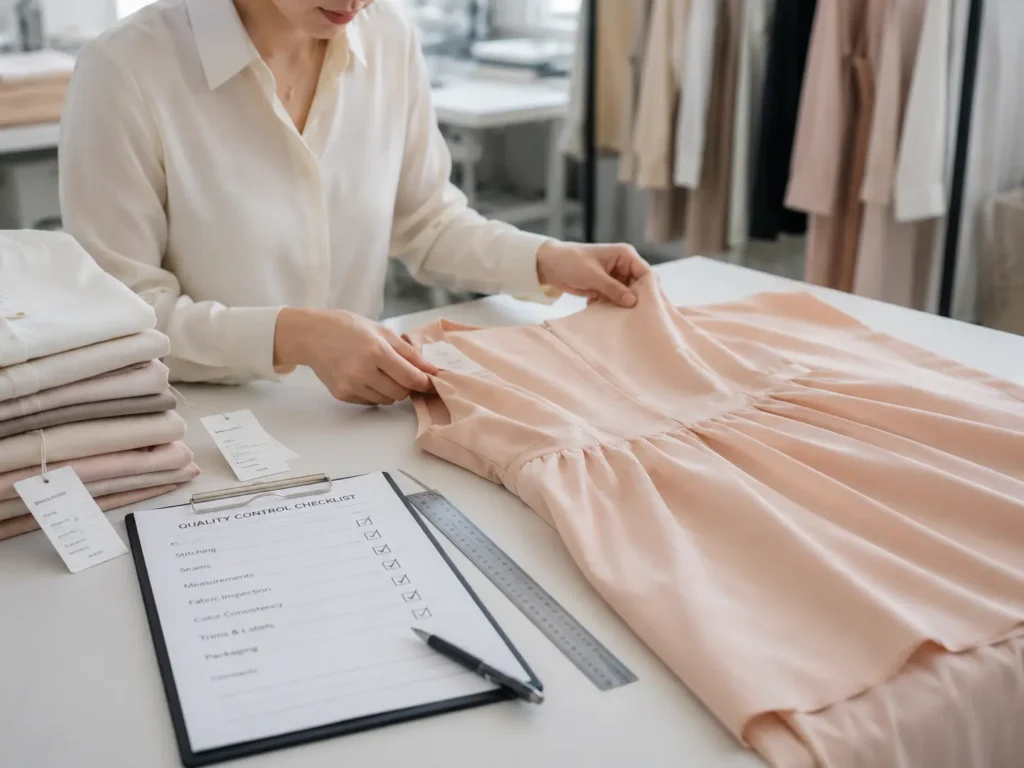
Quality control for resort linen needs to follow the risks of the fabric and silhouette. Jinfeng Apparel uses incoming material, cutting, sewing, in-line, garment, pressing, packing and final inspection stages, with AQL and client inspection support available according to project requirements. The objective is traceable process control rather than a single end-of-line “strict QC” statement.
Material and Cutting Control
Fabric inspection checks color, surface defects, hand feel, width and relevant risks before cutting. Linen and blended wovens are reviewed for visible slubs or defects, shade differences, transparency and print orientation where applicable. Cutting then verifies pattern pieces, grain or direction, size bundling, panel quantity and defects. Directional botanical prints, stripes or wide maxi panels receive extra attention because errors become visually obvious after sewing.
Material-related rejection standards should distinguish natural linen character from unacceptable damage. A controlled slub can be part of the approved look; a hole, major weaving defect, oil mark or severe shade mismatch is not.
Sewing and In-Line Control
In-line checks focus on measurements and construction before an error spreads. Typical resort dress points include neckline symmetry, strap length, armhole shape, placket flatness, button position, waist seam, elastic recovery, tie position, slit height, lining attachment, gather distribution and side-seam hang.
Seam puckering is especially visible on lightweight solid linen and should be corrected at operation level rather than pressed aggressively at the end.
Where several sizes are in production, inspection checks the graded result against the approved size chart instead of judging fit from one sample size alone.
Finished Garment and Pressing Review
Finished garments are checked for measurements, overall balance, stains, holes, loose threads, zipper or button function, lining exposure, hem consistency and appearance.
Pressing is reviewed because too little leaves the garment looking unfinished, while too much pressure or heat can create shine, seam impressions or distorted shape.
For maxi dresses, hanging balance and long-hem appearance deserve specific attention. For pale linen, clean handling and opacity review remain important until packing is complete.
Packing, AQL and Shipment Readiness
Packing inspection confirms label position, care label content, hangtags, barcode or SKU stickers, folding method, polybag, carton marks and packing ratio when supplied by the brand. AQL inspection can be arranged according to project requirements, and client or third-party inspection can be supported where specified.
QC records are useful for repeat orders because the next production run can reference previous measurements, construction notes, packing instructions and known risk points. Fabric batch and color changes still need fresh confirmation rather than assuming every repeat will behave identically.
Build a Resort Assortment Instead of Isolated Styles

Mini to Maxi Ladder

Solid and Print Mix

Day to Dinner Range

Dress and Matching Set

Core Color and Seasonal Color

Repeat and New-Color Planning
Plan Resort Launches Backward From the Required Delivery Window
Development Kickoff
Reference files, size chart, quantity plan, fabric direction, color plan, branding and target launch timing are reviewed together.
Missing decisions are identified before they become hidden schedule risks.
Fabric and Sample Tracking
PP and Production Release
Bulk scheduling starts from an approved production standard.
PP approval, fabric, trims, colors, labels, packing and production files are confirmed before the relevant order is released to the line.
In-Line and Final QC Window
Inspection time is included in the schedule rather than treated as spare time after sewing.
Correcting problems during production is faster and safer than discovering repeated errors when the full quantity is completed.
Packing and Warehouse Preparation
Freight Planning
Understand MOQ and Cost Before Locking the Collection
Jinfeng Apparel’s standard MOQ starts from 200 pcs per style/color. Final commercial conditions depend on fabric availability, color development, trims, construction, print requirements, packaging and production scheduling. Linen resort dress pricing is built from real material use and production work rather than a single base price applied to every silhouette.
| Cost or MOQ Driver | What Changes | Development Response |
|---|---|---|
| Fabric composition and weight | Material price, drape, consumption, shrinkage behavior | Compare suitable linen, linen-viscose, linen-rayon or linen-cotton options before sample approval |
| Fabric width and maxi sweep | Cutting yield and total consumption | Review marker efficiency, panel direction and skirt volume |
| Lining | Material use, heat comfort, transparency and sewing time | Use full, partial or bodice lining according to opacity and structure |
| Custom color | Dyeing MOQ, lab dip, shade control and schedule | Confirm Pantone direction, supplier MOQ and approval route early |
| Exclusive print | Print MOQ, artwork, repeat size and placement | Confirm base fabric, print method, repeat and cutting orientation before bulk |
| Buttons, sliders and special trims | Trim MOQ, lead time, sewing operations and QC | Lock trim specification and supplier conditions during sampling |
| Tiering, gathering and ruffles | Fabric consumption, seam length and sewing time | Balance visual volume with commercial consumption and line efficiency |
| Size range and ratio | Pattern grading, marker planning, QC workload | Confirm size chart and quantity ratio before production planning |
| Color count | Material allocation and production changeovers | Consolidate color strategy where commercially suitable |
| Private-label packing | Label, barcode, polybag, carton and warehouse requirements | Review packaging supplier MOQ and final packing instruction with the order |
Private Label Finishing and Travel-Ready Resort Packing
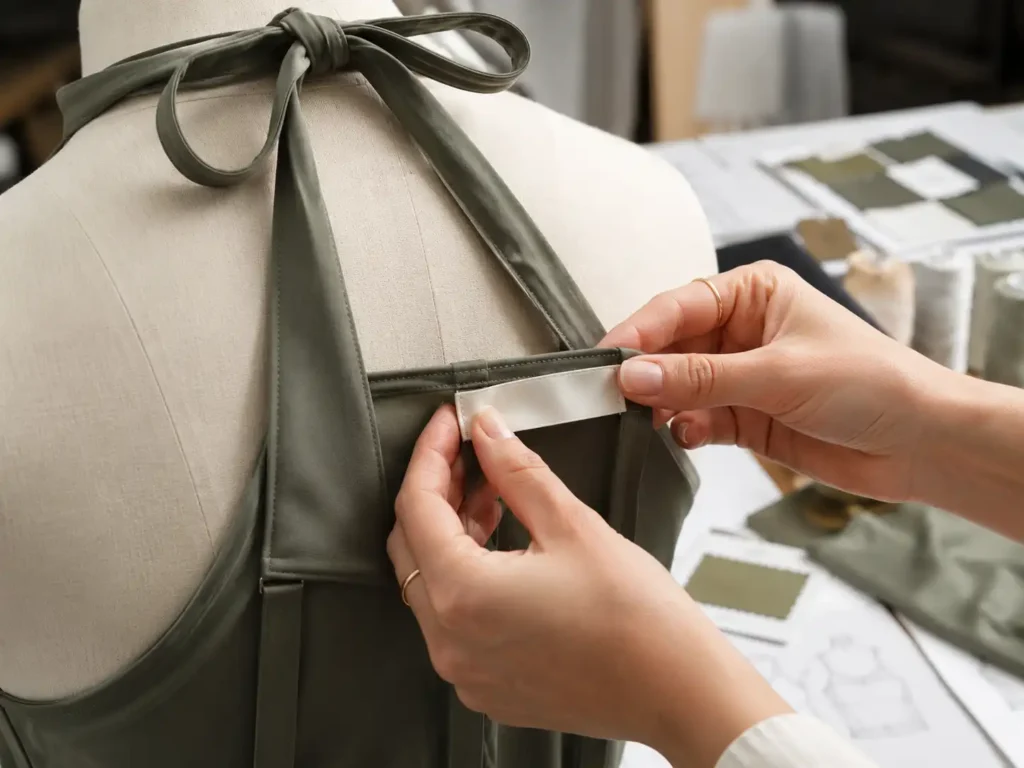
Woven Brand Labels

Size and Care Labels
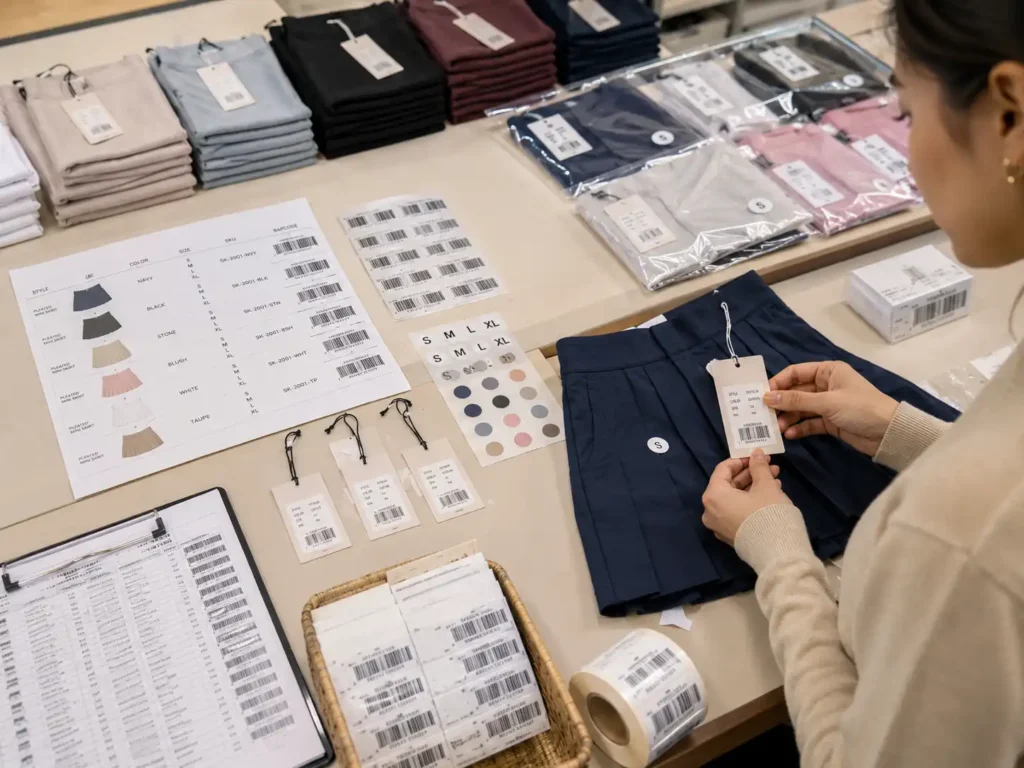
Hangtags and Brand Trim
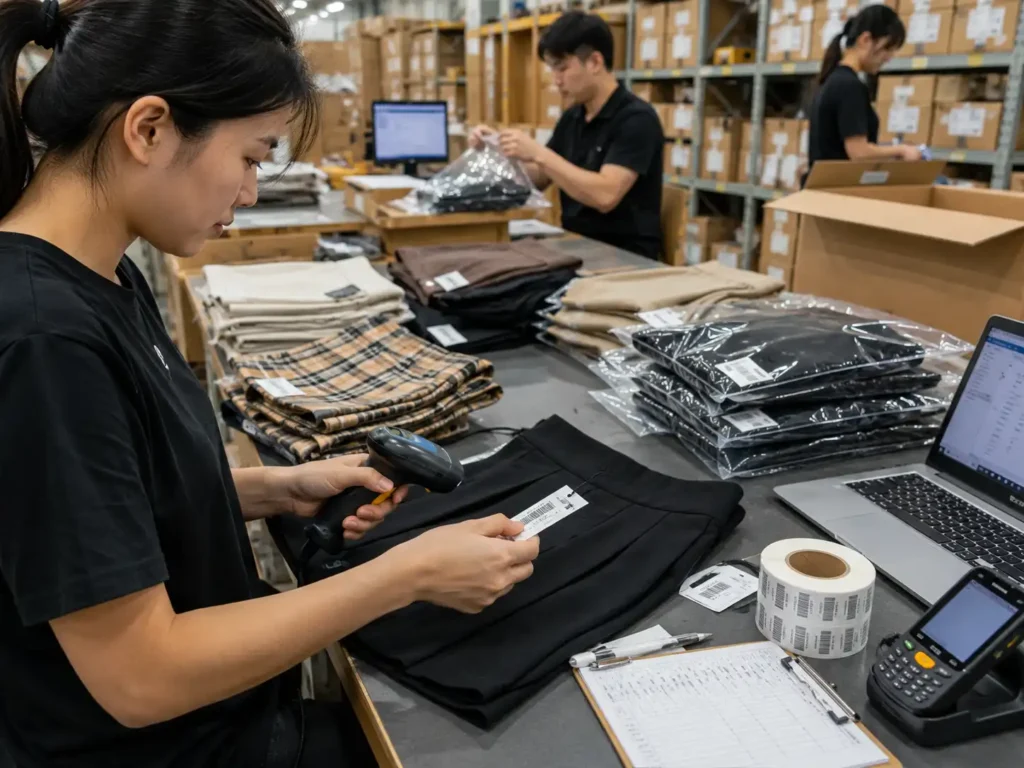
Barcode and SKU Control

Polybag and Folding
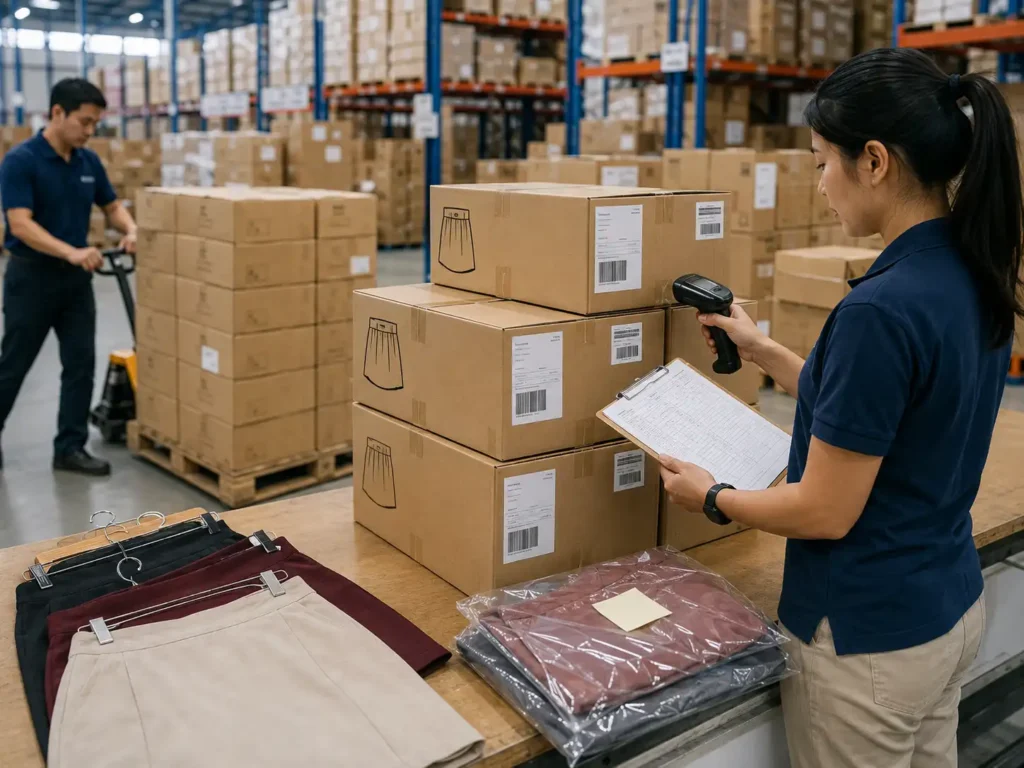
Carton and Warehouse Marks
An Anonymized Linen Resort Program at Commercial Scale
A representative anonymized resortwear program based on Jinfeng Apparel’s current order profile can involve 10-30 styles and approximately 20,000-80,000 pieces per brand order. The example below uses a mid-range planning profile to show how a multi-style linen resort collection can be managed without implying that every order follows the same quantity, fabric mix or development route.
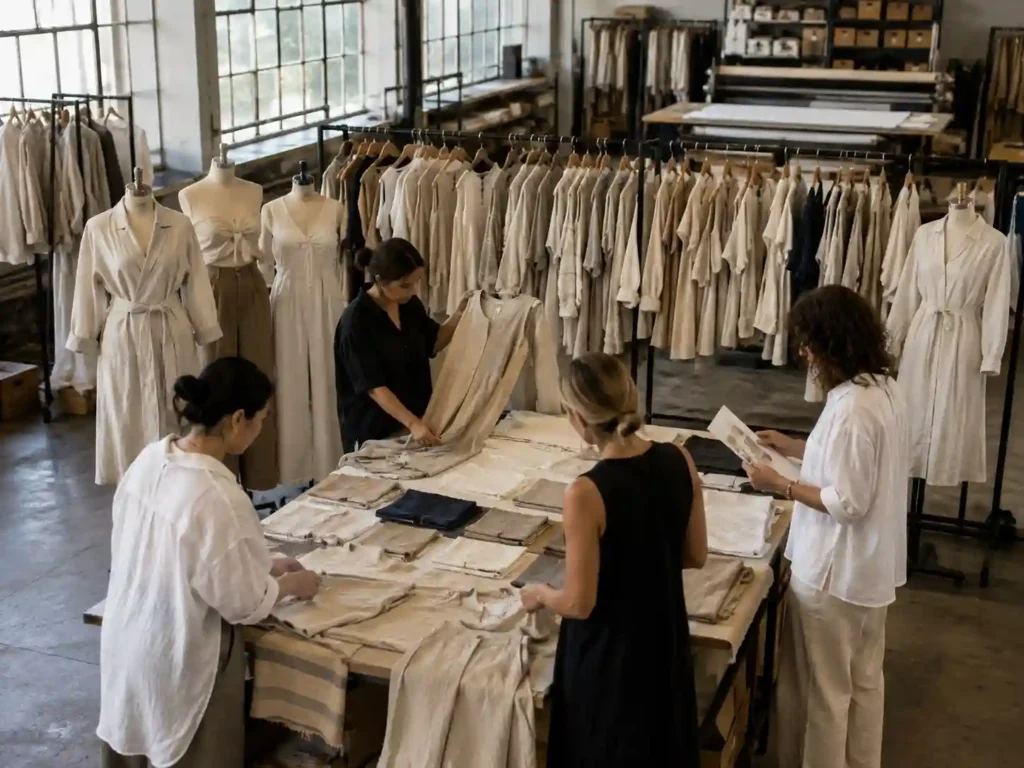
Program Profile: 20 Styles / About 40,000 Pieces
The collection combines linen-blend midi and maxi dresses, viscose vacation dresses, printed woven styles and several related resort silhouettes.
Core constructions include button fronts, waist ties, side slits, partial lining, adjustable straps and floral prints.
Order planning separates styles by fabric family and construction so a relaxed linen shirt dress is not managed with the same sewing and QC priorities as a soft printed maxi.
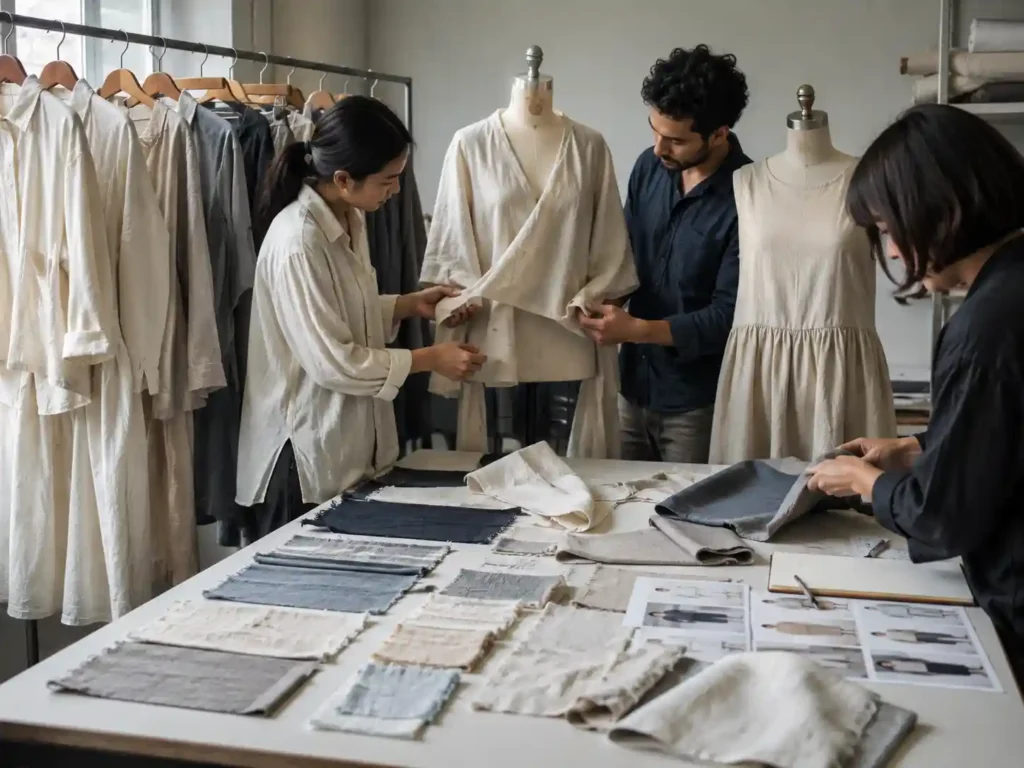
Development Challenge: Fabric Character Across One Collection
The main challenge is consistency of commercial appearance while the materials behave differently. Linen blends need approved wrinkle character and opacity; viscose directions need shrinkage and drape review; printed woven styles need orientation and color grouping. Sample comments are therefore tracked by style and fabric rather than combining the whole range into one generic feedback list.
A controlled development route moves from reference files and fabric review into first samples, revisions, photo or salesman requirements where needed, and PP approval. Pattern, lining and construction changes are locked before the related bulk group is released.
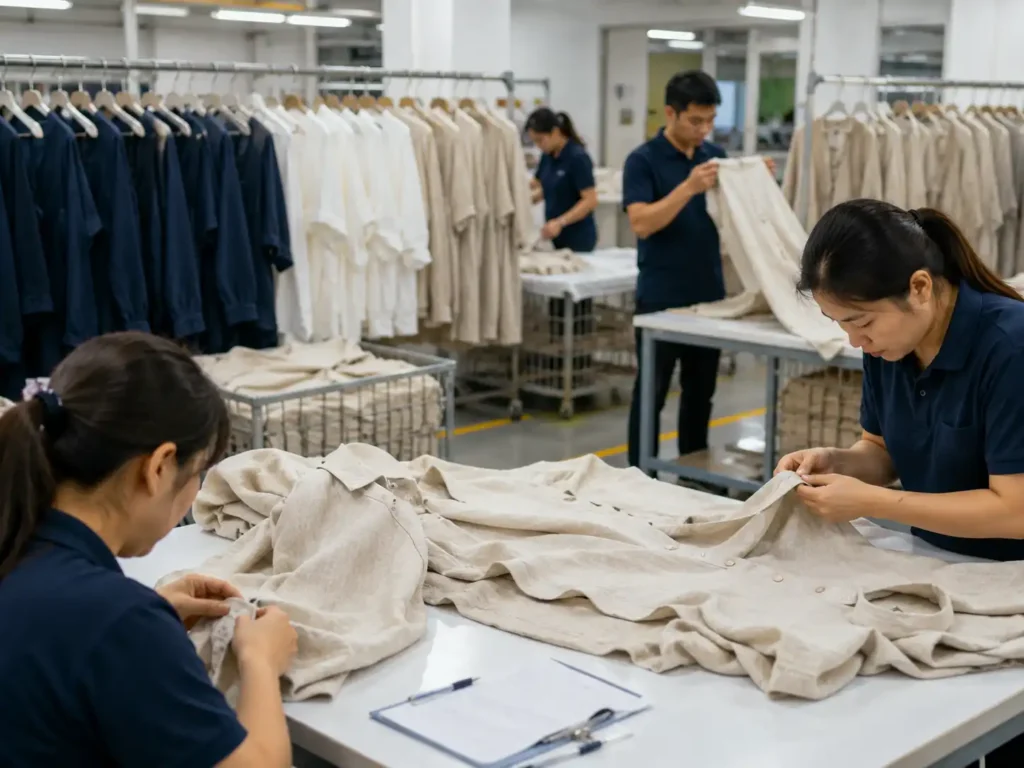
Production Control: Grouped by Risk, Not Only by Style Number
Fabric intake is checked before cutting, with attention to shade, visible defects, print direction and style-specific material behavior. Cutting bundles are managed by size and style. In-line inspections focus on details that can repeat quickly across production: placket flatness, strap length, slit height, waist seam, lining length, side-seam hang and gather consistency.
Long dresses receive additional hem and packing review. White and pale styles are handled with added cleanliness attention, while printed styles are checked for direction and panel consistency.
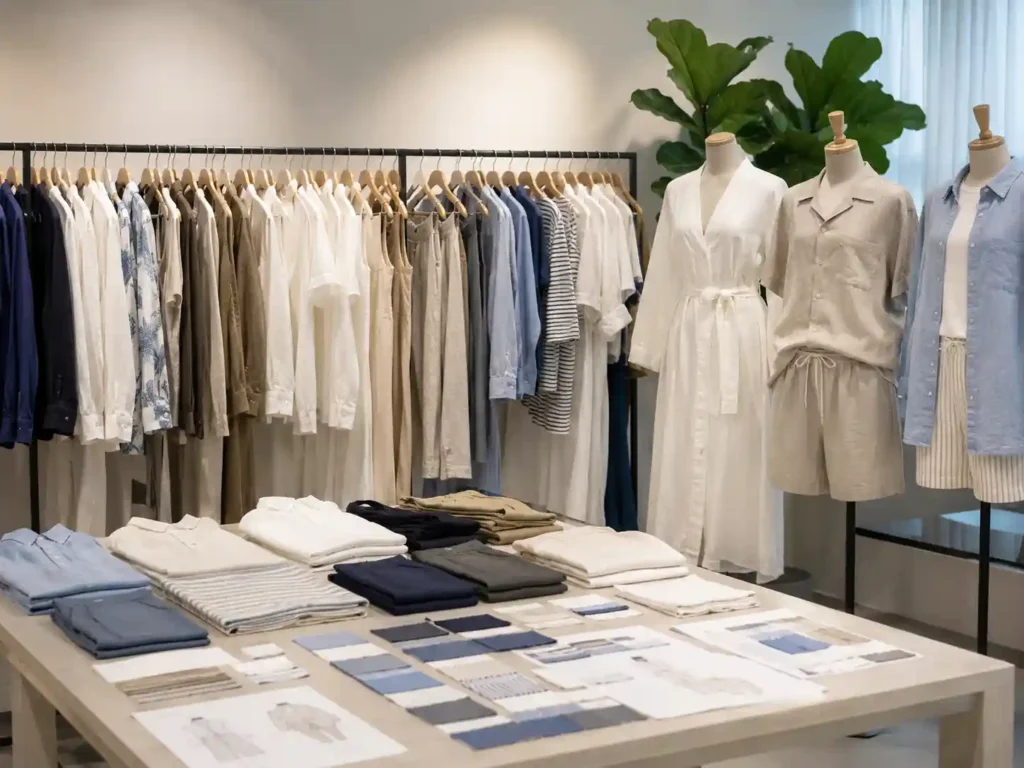
Commercial Result: A Repeatable Resort Framework
The value of the project is not only completing one shipment.
Pattern records, approved material references, measurement files, sample comments, QC notes and packing instructions create a usable base for later new colors, related silhouettes or repeat orders.
New fabric batches and new prints are still rechecked rather than assumed to match previous production automatically.
Why Fashion Brands Shortlist Jinfeng for Resort Dresses
Womenswear Pattern Depth
Linen and Resort Fabric Direction
Sample Infrastructure
Multi-Style Production System
6 owned women’s fashion factories, 10+ long-term production partners and 18+ sewing lines provide a structured base for allocating different silhouettes and construction groups within larger seasonal programs.
Process-Based QC
15+ QC inspectors support material, cutting, sewing, in-line, garment, pressing and packing checks, with AQL and client inspection coordination available according to project requirements.
Private Label and Export Coordination
Linen Resort Dresses Frequently Asked Questions
Start Your Linen Resort Dress Development
If your team is planning a linen resort collection, send enough information for a meaningful development review rather than a generic price request. Jinfeng Apparel can assess the style structure, fabric direction, size requirements, sample path, bulk feasibility, private-label needs and delivery plan before the project moves forward. Clear inputs help the development team identify where pure linen is appropriate, where a softer blend may perform better, and which construction or packing decisions should be resolved before sampling.
Please include:
- Reference images, sketches, tech packs, line sheets or original sample photos
- Planned style count and target quantity by style/color
- Preferred linen composition, hand feel, weight or fabric reference
- Color plan, print artwork or Pantone direction where applicable
- Size chart, size range and quantity ratio
- Lining, buttons, straps, ties, pockets or other construction requirements
- Woven labels, care labels, hangtags, barcode and packaging instructions
- Target launch window, inspection requirements and preferred shipping arrangement


