 Skip to content
Lace-Up Dress Manufacturer
Custom front, back, side and corset-laced dresses engineered for reliable fit, controlled tension and repeatable bulk production.
- 4 lacing directions: front, back, side and corset-back structures developed around the intended visual effect and adjustment function.
- 200 pcs per style/color: standard MOQ for custom production, subject to fabric, trim, color and construction requirements.
- 10-30 styles per program: multi-style developments can be grouped by fabric, pattern complexity, lacing system and launch priority.
- 20,000-80,000 pcs per brand cycle: production planning can cover multiple colors, size ranges, private-label packing and phased delivery.
Lace-Up Dress Development Built on Measurable Capacity
Since 2008
6 Owned Factories
10+ Production Partners
2 Sample Rooms
7+ Pattern Makers
15+ QC Inspectors
Review Factory Fit Discuss Production Plan
Lace-Up Dresses Are Defined by Structure, Not Lace Fabric
Clear product language prevents development errors. A lace-up dress uses a cord, ribbon, tape or chain threaded through eyelets, loops or channels; a lace dress is defined by lace fabric or lace decoration.
Lace-Up Structure
A lace-up detail may be decorative, adjustable or load-bearing.
- Decorative lacing can sit over a stable underlayer and carry little tension.
- Adjustable lacing changes the opening width, bust support, waist compression or visual exposure.
- Load-bearing corset lacing transfers force through reinforced eyelets or loops and therefore changes pattern, lining, interfacing and seam design.
Development begins by deciding what the lacing must accomplish. A visual-only side detail should not be engineered like a corset back. A back opening intended to adjust fit requires a defined open width, modesty panel coverage, lacing path, top and bottom stop positions, and a reliable dressing method.
Lace Fabric
Lace fabric may be used with or without lacing. Floral lace, stretch lace and embroidered lace introduce separate controls: motif direction, panel matching, edge finishing, lining color, stretch compatibility and hole inspection. Combining lace fabric with a lace-up closure raises both appearance and engineering requirements.
Clear specifications should state “lace fabric,” “lace-up closure,” or both. Drawings should identify the exact lacing position, component type, opening dimension and whether the feature adjusts fit or only creates a visual focal point.
Built for Brands Managing Real Dress Programs
Lace-up collections suit fashion teams that need repeatable fit, controlled finishing and reliable delivery across several styles, colors and size ratios rather than isolated sample making.
Global Fashion Brands
Premium Ecommerce
Occasionwear Labels
Partywear Programs
Product Developers
Sourcing Offices
Private Label Lines
Retail Collections
A Manufacturing Model Designed for Structured Brand Orders
Best Fit For
- Seasonal and repeat collections
- Multi-style dress programs
- Private-label packaging
- Professional sampling and PP approval
- Long-term production planning
Not Designed For
- Ready-stock purchasing
- Single-piece fulfillment
- Personal custom garments
- 1-50 piece projects
- Lowest-price-only sourcing
Send the Right Inputs for Faster Project Review
Reference or Tech Pack
Lacing Position
Fabric Direction
Quantity Plan
Size Range
Trim Requirements
Packing Standard
Launch Date
Custom Lace-Up Dress Product Directions

Lace-Up Mini Dress

Lace-Up Midi Dress

Lace-Up Maxi Dress

Corset-Back Dress

Front Lace-Up Dress

Side Lace-Up Dress

Lace-Up Bodycon Dress

Satin Lace-Up Dress

Mesh Lace-Up Dress

Lace-Up Party Dress

Lace-Up Evening Dress

Lace-Up Resort Dress
Choose Lacing Placement by Function and Force Direction

Center Front

Center Back

Side Waist

Double-Side

Neckline

Shoulder or Strap
Control Mini, Midi and Maxi Proportions

Mini Length
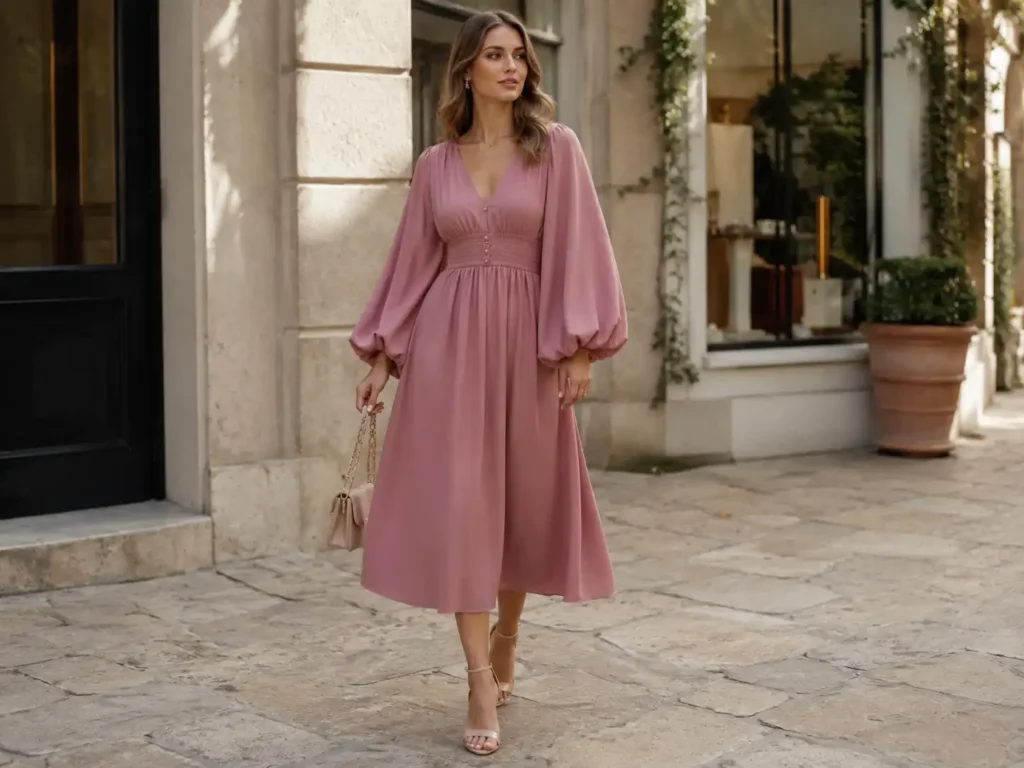
Midi Length

Maxi Length
Select Fabrics That Support Lacing and Garment Fit

Satin
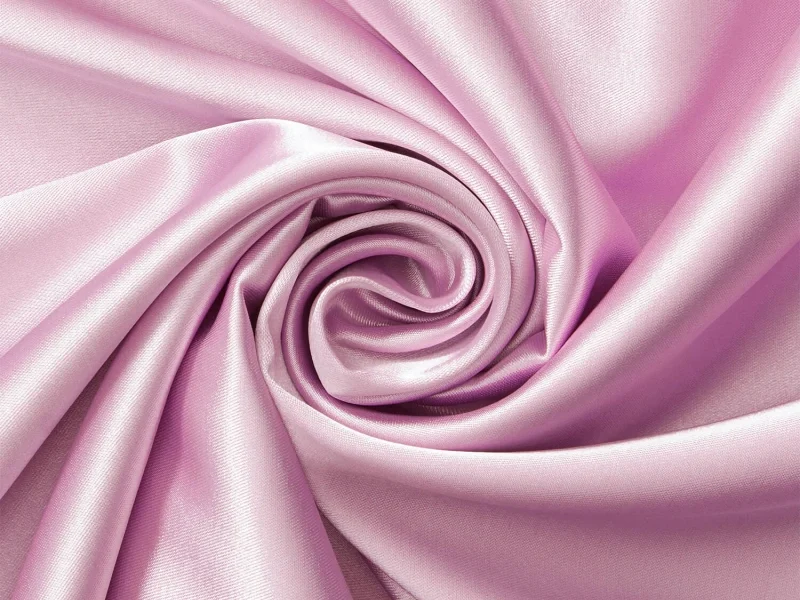
Stretch Satin

Mesh

Power Mesh

Jersey
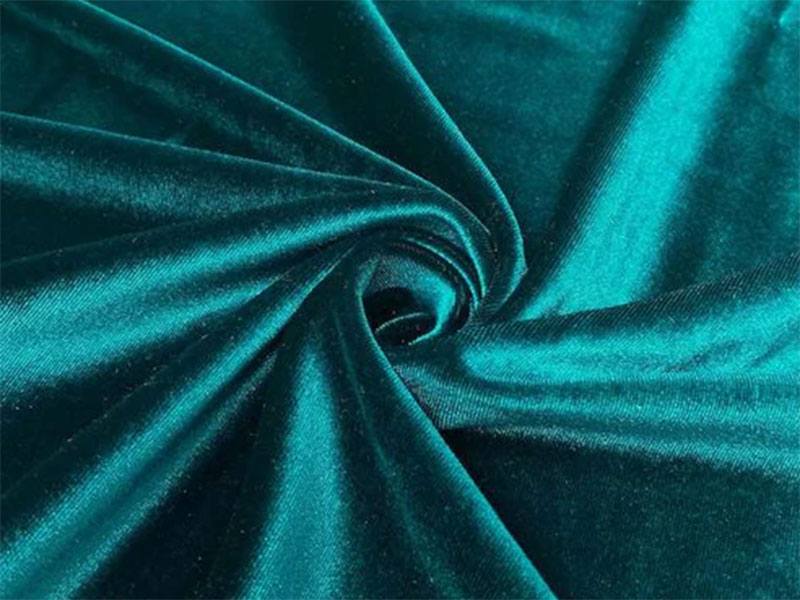
Velvet
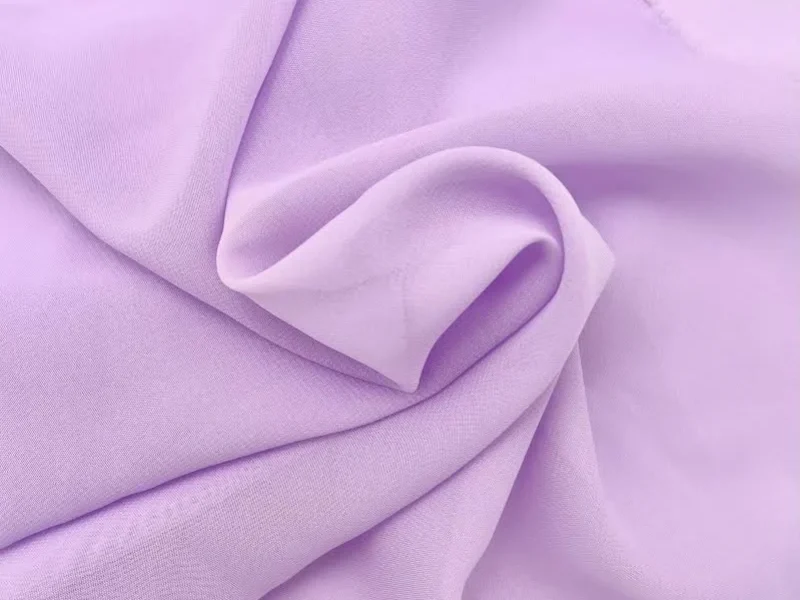
Chiffon
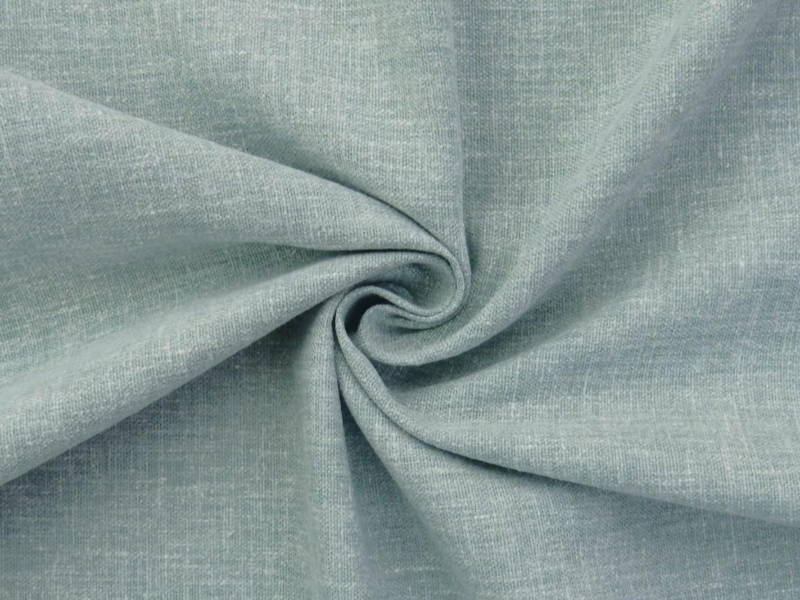
Structured Woven
Match Fabric, Lacing System and Reinforcement
The matrix links product direction with a workable lacing method. Final selection still depends on actual fabric weight, stretch, color, supplier batch and approved sample construction.
| Dress Direction | Recommended Fabric | Lacing System | Reinforcement | Primary Control |
|---|---|---|---|---|
| Corset mini | Structured satin / woven | Two-piece eyelets or strong loops | Interfacing + woven support strip | Opening width and bust support |
| Stretch bodycon | Jersey / stretch satin | Loops or light eyelets over support panel | Stable knit support + bar tacks | Recovery and side seam balance |
| Mesh party dress | Mesh + lining / power mesh | Loops or eyelets on bonded panel | Double layer + stable facing | Transparency and edge distortion |
| Velvet evening | Velvet + smooth lining | Fabric loops or protected eyelets | Non-bulky support facing | Nap pressure and surface marks |
| Chiffon resort | Chiffon + lining | Soft fabric loops / tie channel | Facing integrated with lining | Tearing and lightweight comfort |
| Cotton day dress | Cotton poplin / sateen | Eyelets, loops or self-fabric ties | Local fused or woven patch | Shrinkage and wash stability |
| Side-laced mini | Ponte / structured knit | Eyelets or flat tape loops | Reinforced side panel | Symmetry and skin comfort |
| Sequin party dress | Sequin fabric + lining | Loops or eyelets on clean inset | Separate stable panel | Scratch protection and seam bulk |
Build Support with Boning, Cups and Lining
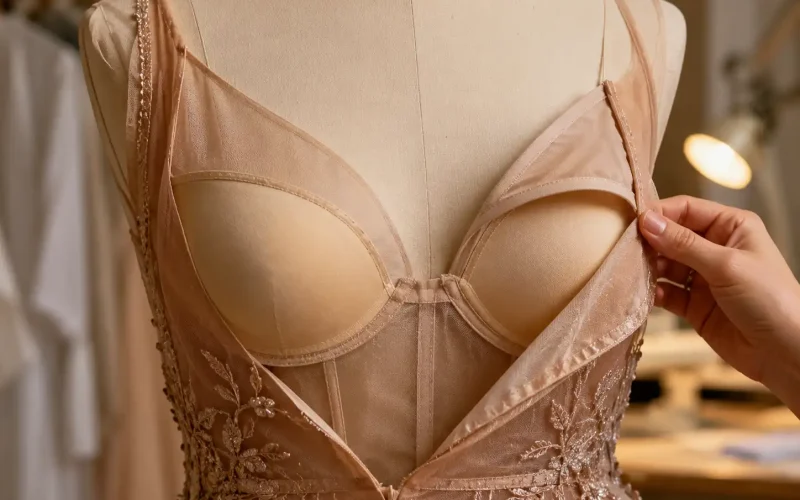
Internal structure should shape the body, carry lacing tension and protect skin without feeling bulky. Every layer needs a defined purpose and position.
Boning Placement and Comfort
- Boning may stabilize the center front, side front, side seam, back opening or underbust area. Length should stop clear of seam intersections and body pressure points. Ends need protection so they do not push through the channel or irritate skin.
- Hardness should fit the garment. A light fashion corset may use flexible plastic boning; a more structured bodice may need firmer support. Channel width, stitch accuracy and matching left-right length affect final symmetry. Fit review should include sitting, bending and arm movement.
Bra Cup Shape and Position
- Cup size, curvature, thickness and placement must match the pattern, fabric and target size block. A cup that looks correct on a flat sample may sit too high, too wide or too shallow when worn. Cup edges should remain invisible through satin and should not create a ridge under mesh.
- Cup position should be recorded through notches, measurement points or template references. Grading may require cup and underbust adjustments rather than simply enlarging the whole bodice.
Lining and Modesty Layers
- Lining provides coverage, comfort, structure and a clean internal finish. Stretch should be compatible with the outer fabric. A stable woven lining behind stretch material can restrict movement, while a highly elastic lining behind a corset edge may allow distortion.
- Skin-contact areas around eyelets, loops, boning and zipper ends need smooth coverage. Modesty panels should remain centered and wide enough through the approved fit range. White, ivory and light colors also require review under daylight and photography lighting.
Combine Lacing with Reliable Closure Systems
Lacing does not need to carry every opening and fit function. A coordinated closure can improve dressing speed, support, appearance and repeatable sizing.
Lace-Up Only
Lacing Plus Zipper
Lacing Plus Hooks
Decorative Lacing
Elastic Support Panel
Modesty Panel System
Control Measurements and Grading Around the Laced Opening
Adjustability does not replace accurate sizing. Opening width, panel coverage and lacing placement must be graded with the body measurements and garment structure.
Core Garment Measurements
Bust, upper bust, underbust, waist, high hip, full hip, front length, back length and strap length define the base fit. Mini dresses also need safe center-back and side length. Maxi dresses need finished length and hem balance after hanging.
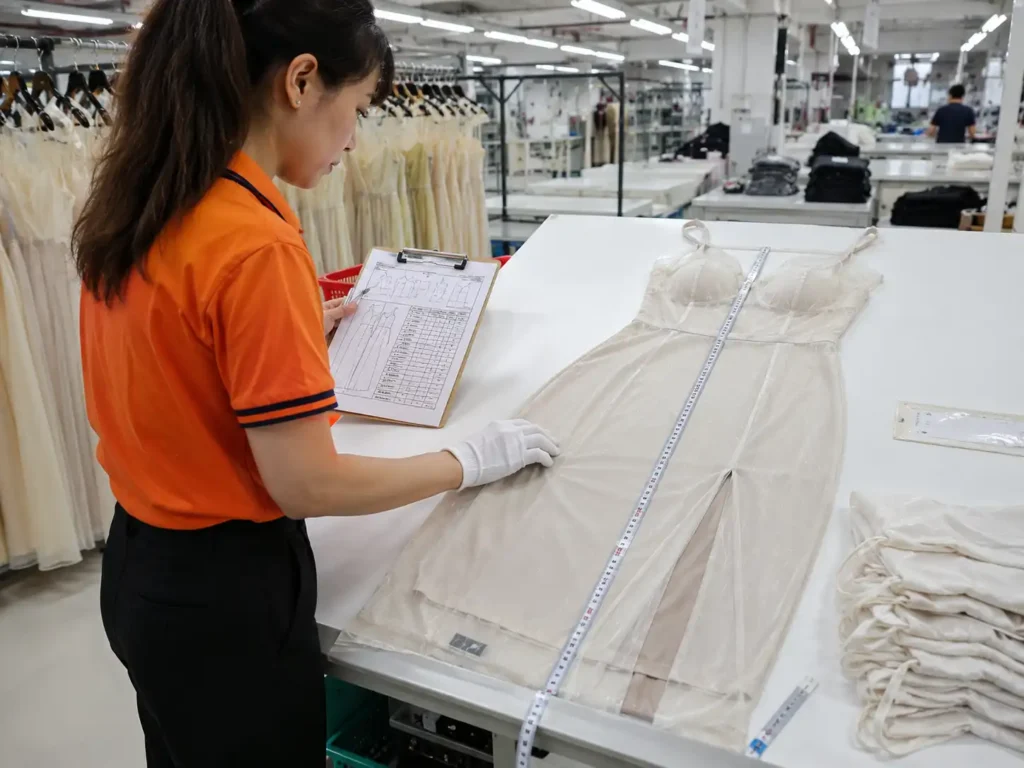
Measurements should be taken under a defined condition: garment laid flat, lacing relaxed or set to the approved opening, zipper closed and fabric unstretched unless the spec states otherwise. Without a standard measurement condition, two inspectors can report different results on the same garment.
Lacing-Specific Measurements
Important points include open width at top, bust, waist and bottom; distance between eyelet rows; vertical eyelet pitch; distance from edge; modesty panel width; total lacing length; free tie-end length; loop extension; boning length and zipper length.
A corset back may use a nearly constant visual gap, or the gap may grade by size. Both approaches can work, but the rule must be defined. A larger size cannot simply receive wider body panels while eyelet placement remains unchanged if the intended opening shape must stay balanced.
Tolerance and Escalation
Reasonable garment tolerance depends on fabric stretch, measurement point, construction and the brand standard. A stretch bodycon waist behaves differently from a structured satin bust. Sensitive measurements should receive tighter control where technically achievable.
Production files should identify the applicable tolerance and the action for out-of-tolerance garments: remeasure, review lacing condition, correct assembly, rework or segregate. Zero variation is not a credible manufacturing standard; controlled and documented variation is.
Include the Right Lace-Up Details in Your Tech Pack
Technical Drawings
Placement Dimensions
Eyelet Specification
Cord or Ribbon
Reinforcement
Internal Support
Measurement Chart
Brand and Packing
Review Feasibility Before Starting Pattern Work
Project Review
Risk Advice
Sampling Plan
Use the First Sample to Test Structure and Direction

Overall Silhouette
Confirm length, body proportion, waist position, skirt volume and visual balance before focusing only on trim details.

Lacing Placement
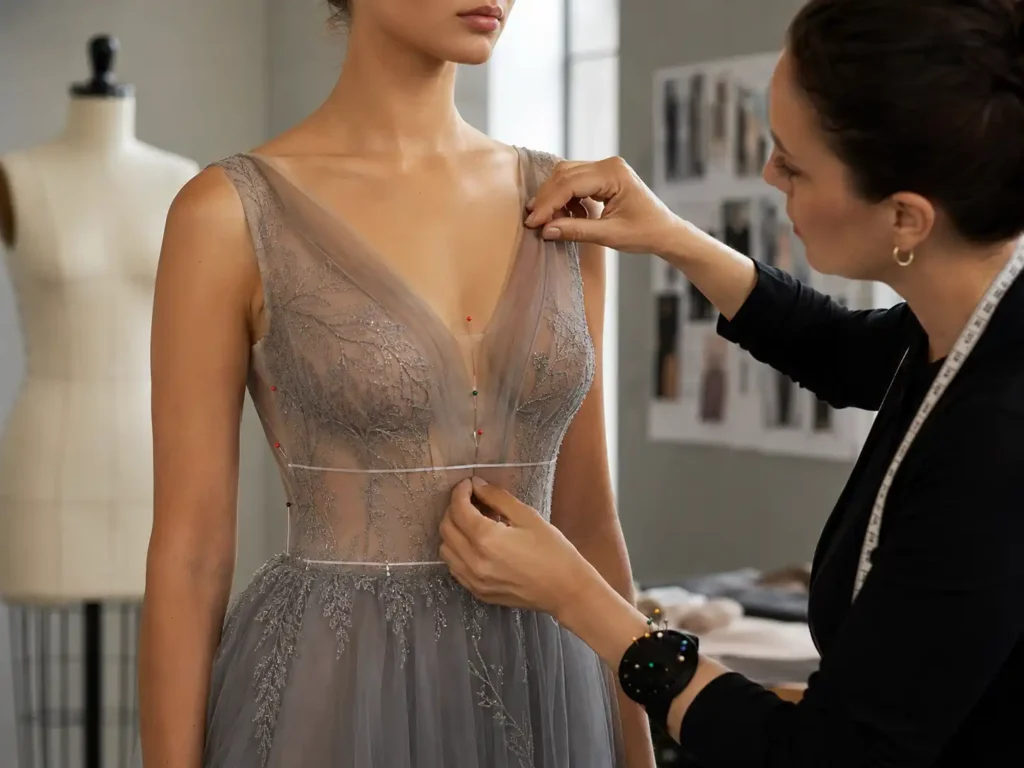
Bust and Waist Fit
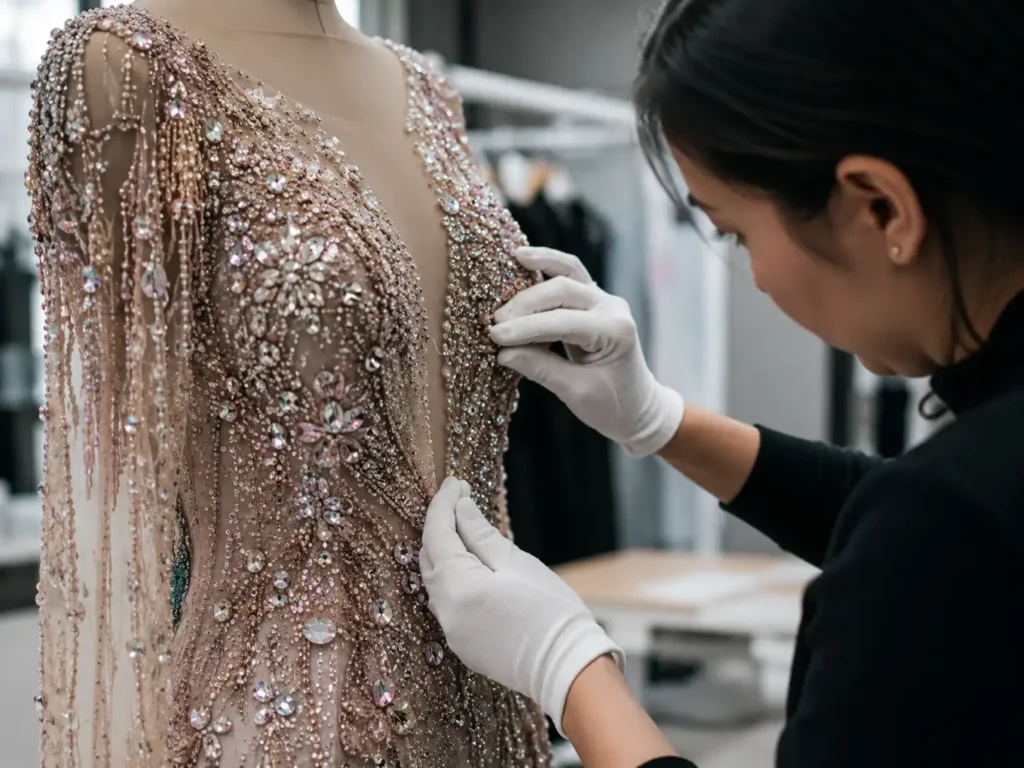
Material Behavior
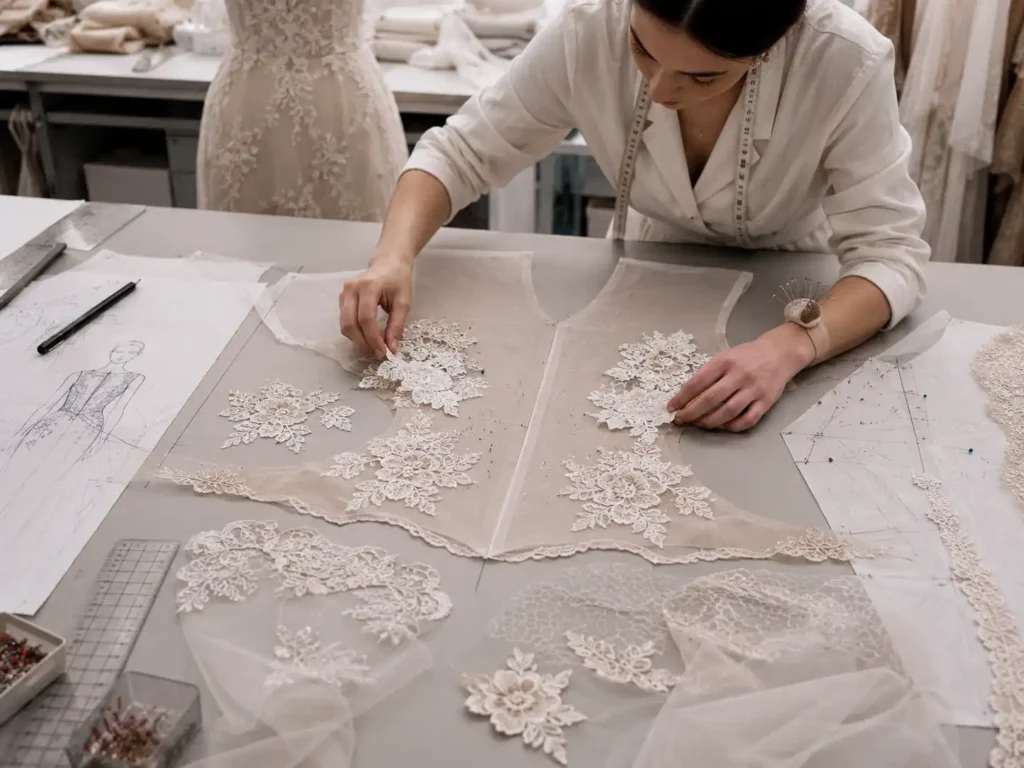
Dressing Method
Production Feasibility
Turn Fit Comments into Controlled Sample Revisions
Important comments should enter pattern, measurement, BOM, trim and sewing files rather than remain in chat threads. Revision control protects later PP and bulk execution.
Record the Cause Before Revising
A fit issue may come from factory execution, incomplete initial information, fabric substitution, newly added requirements or a design change after sample completion. Cause classification helps determine the correct action, timing and cost impact.
Typical lace-up comments include opening too wide, bust gaping, eyelet rows not parallel, cord too short, modesty panel shifting, boning discomfort, waist compression, side exposure or fabric puckering. Each issue should be linked to a pattern, material or assembly action.
Update Every Affected File
A change in opening width may affect pattern pieces, measurement chart, modesty panel, cord length and grading. A new eyelet can affect reinforcement, template and BOM. A different fabric can change fit, interfacing and pressing.
Revised files may include pattern, size chart, BOM, fabric approval, trim approval, sewing instruction, label file, packing instruction, QC checklist and PP comments. The next sample should carry a version name so all teams refer to the same standard.
Confirm the Next Approval Gate
Not every comment requires another full sample, but structural, fit, fabric and visible trim changes normally need physical confirmation. Minor internal corrections may be approved through a local sample or clear evidence when acceptable to the brand team.
The next gate should be stated: revised sample, fit sample, photo sample, salesman sample or PP sample. A photo sample serves visual content needs; it should not automatically replace PP approval for bulk construction.

Lock Bulk Standards Through PP and Golden Samples
PP Sample
Golden Sample
Size Set
Production File
Workmanship Details That Separate Reliable Bulk Production
The first sample is a development tool, not the final bulk standard. It should expose fit, material and construction issues early enough to correct them efficiently.
Accurate Eyelet Placement
Both rows should be parallel or follow the approved shaped opening. Vertical pitch, edge distance and top-bottom position should match the template. A small shift changes the crisscross pattern and causes uneven tension.
Production checks can compare a selected garment against the approved sample and placement reference before a large quantity progresses. Incorrect placement should be stopped early because re-punching usually damages the panel.
Clean Hole and Hardware Finish
Fabric should not split, fray or bunch around the opening. Eyelet flanges should sit flat, washers should seat correctly, and backs should have no sharp points. Plating should match the approved finish without scratches or color variation.
Delicate face fabrics may need a hidden support panel so hardware pressure does not create visible circles. The installation result should be checked on both outside and inside surfaces.
Even and Secure Fabric Loops
Loop length, width, spacing and projection should remain consistent. Uneven loops create an irregular lacing path and can change the opening width. Attachment ends should be captured securely inside the seam or support panel.
For satin or lightweight fabric, turning and pressing must avoid seam ridges. The loop fabric should not twist unless the design calls for it. Tension testing should confirm attachment security.
Stable Boning Channels
Channels should remain straight, smooth and wide enough for the selected boning. Boning ends need protection and enough clearance from seam intersections. Unequal lengths cause visible asymmetry or pressure points.
The channel should integrate with cups, lining, waist seam and lacing edge.
Bulk checks should verify placement and end position, not only whether boning is present.
Smooth Lining Attachment
Lining should cover support components and hardware backs without pulling the outer garment.
At the opening, it must remain flat and avoid rolling to the outside. Stretch compatibility is especially important in bodycon styles.
Seam allowances around eyelets, loops, cups and boning should be controlled to limit thickness. Clean internal finishing supports comfort and premium presentation.
Balanced Lacing Installation
Cord or ribbon should follow the approved route with equal free ends and no twists.
The garment should be presented at the approved opening width for final inspection and packing.
Tie ends may require heat sealing, aglets, folded stitching or another finish depending on material.
End finishing must remain secure and appropriate for skin contact.
From Approved Materials to Packed Lace-Up Dresses
Fabric Inspection
Fabric Relaxation
Marker Confirmation
Cutting
Cut Panel Check
Support Preparation
Sewing Assembly
Lacing Installation
Inline Inspection
Pressing and Finishing
Final Inspection
Private-Label Packing
Keep Bulk Production Consistent with Approved Samples
Golden Sample Reference
First-Piece Approval
Placement Templates
Trim Approval Set
Measurement Records
Inline Issue Log
Shade and Batch Control
Packing Standard
Inspect Lace-Up Dresses at Product-Specific Quality Points
Quality control should follow the risk profile of the garment. Lace-up structures require material, placement, tension, fit and comfort checks beyond general sewing inspection.
Incoming Material QC
Fabric is checked for shade, surface defects, width, stretch, hand feel and approved reference. Eyelets, washers, cords, ribbons, loops, boning, cups, zippers and labels are compared with approved specifications.
Special attention goes to hardware finish, sharp edges, cord fraying, color transfer risk and material availability across the full production quantity. A visually similar trim should not be substituted without approval when size, finish or function changes.
Cutting and Component QC
Cut panels are checked for direction, damage, shade grouping, accurate notches and correct quantity by size. Support layers, modesty panels and lining pieces must correspond to the outer pattern.
For mesh, lace and sequin combinations, hole damage, motif direction, transparent coverage and edge protection are checked before assembly. Early detection prevents costly rework after eyelets or loops are installed.
Inline Construction QC
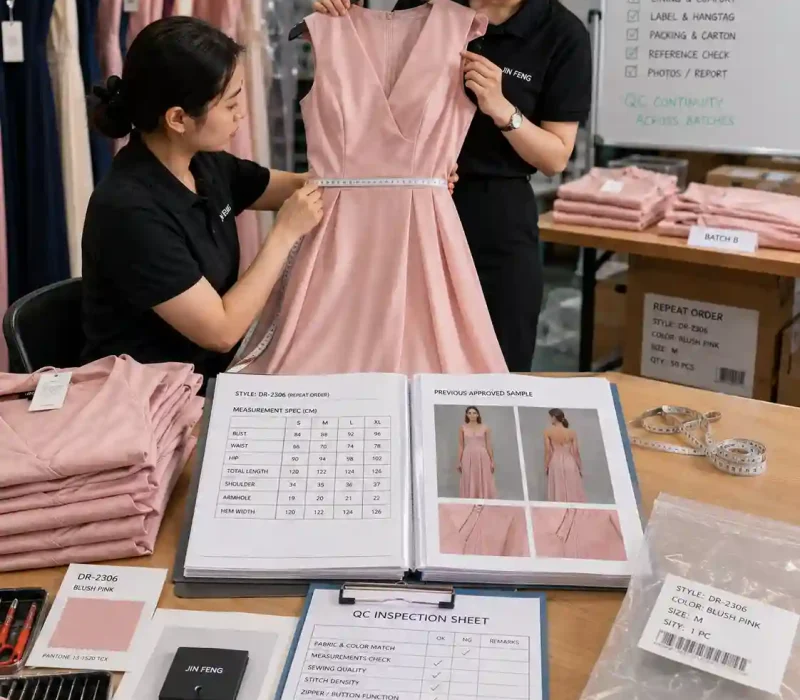
Inline inspection covers opening width, left-right alignment, eyelet or loop pitch, support placement, cups, boning, zipper, seam quality, lining, waistline and critical measurements. The lacing route is checked on a sample of garments during production.
Any repeated defect triggers a stop-and-correct action rather than waiting for final inspection. Corrected garments are rechecked, and the instruction is reinforced for remaining production.
Finished Garment QC
Final checks include appearance, symmetry, garment measurements, lacing function, tie length, hardware finish, skin-contact comfort, closures, stains, surface damage, pressing and loose threads. The opening is set to the approved condition for measurement and visual review.
Where project requirements call for strength, color fastness, shrinkage or other testing, the test scope, method and third-party arrangement should be agreed by market and product requirement rather than assumed for every order.
Packing and Shipment QC
Labels, care information, hangtags, barcodes, SKU stickers, polybags, folding, protective layers and carton marks are checked before sealing. Cords should be organized to avoid tangling, and metal components should not rub against delicate fabric.
Shipment files can include packing list, commercial invoice, carton dimensions, gross and net weight, style-color-size breakdown and coordination with the appointed forwarder.
MOQ and Cost Drivers for Lace-Up Dress Programs
MOQ starts from 200 pcs per style/color. Final quotation reflects fabric, trims, pattern work, construction, QC, packing and production planning rather than one universal dress price.
| Project Variable | How It Affects MOQ or Cost | Control Direction |
|---|---|---|
| Style and color quantity | MOQ is calculated by style and color; mixed styles do not combine into one MOQ. | Consolidate color plan where commercially suitable. |
| Fabric availability | Stock fabric may support lower supplier thresholds; custom weaving, dyeing or printing can raise MOQ and lead time. | Review stock, near-match and custom options. |
| Eyelet or hardware finish | Custom plating, logo hardware or special dimensions may carry supplier MOQ and development cost. | Use approved standard finish or plan volume early. |
| Lacing material | Custom ribbon color, woven tape, faux leather or end hardware may require separate minimums. | Coordinate across styles when the same trim is suitable. |
| Corset structure | Cups, boning, lining, modesty panel and reinforced openings add material and sewing work. | Keep support where fit requires it; simplify nonessential decoration. |
| Size range | Broader ranges increase pattern, grading, size-set and ratio-planning work. | Confirm commercial size range and size ratio early. |
| Number of styles | 10-30 styles require grouped sampling, material planning and separate approvals. | Prioritize hero styles and shared fabric/trim groups. |
| Private-label packing | Custom labels, barcodes, polybags, inserts and carton rules add material and handling. | Lock packaging before production and group shared items. |
| Testing and compliance | Testing, certified materials or audit documentation may add supplier MOQ, cost and time. | Define market requirements before quotation. |
Plan Sampling and Production Around Real Approval Gates
A reliable calendar starts with material readiness and approval discipline. Complex lace-up dresses need more development time than basic dresses, and bulk timing should be confirmed only after PP, materials and packing are locked.
Sample Timing by Complexity
Simple dress samples may take about 7-10 days when fabric and regular trims are available. Regular first samples commonly require about 10-15 days. Complex corset, lace, mesh, sequin, strapless or evening structures usually require about 15-25 days, depending on pattern work, material sourcing and internal support.
Revision timing depends on the scale of change. A measurement correction differs from changing fabric, cups, boning, lacing system or whole silhouette. Photo samples, salesman samples, PP samples and golden samples serve different commercial needs and should be scheduled separately when required.
Bulk Calendar After PP Approval
Bulk scheduling is issued after fabric, color, trims, size chart, PP sample, labels, packaging and order quantity are confirmed. The calendar should show material arrival, inspection, cutting, sewing, inline QC, finishing, final inspection, packing and shipment handover.
Special dyeing, custom hardware, certified materials, broad color ranges or peak-season production can extend the timeline. A smaller quantity is not automatically faster when unique materials or complex approvals remain open.
Launch and Delivery Planning
For launch-led collections, plan backward from warehouse receipt, not only factory completion. Include freight booking, cut-off dates, transit, customs, receiving and launch preparation. Photo sample and sales meeting dates may occur much earlier than bulk delivery.
Large programs can use phased delivery when agreed: hero styles, core colors or priority sizes may ship first, followed by the remaining bulk. Carton and packing lists must clearly separate each phase.

Manage 10-30 Styles as One Organized Collection
Style Grouping
Sample Priority
Material Coordination
Revision Tracking
Bulk Allocation
Repeat-Order Records
Deliver Private-Label Lace-Up Dresses Ready for Distribution
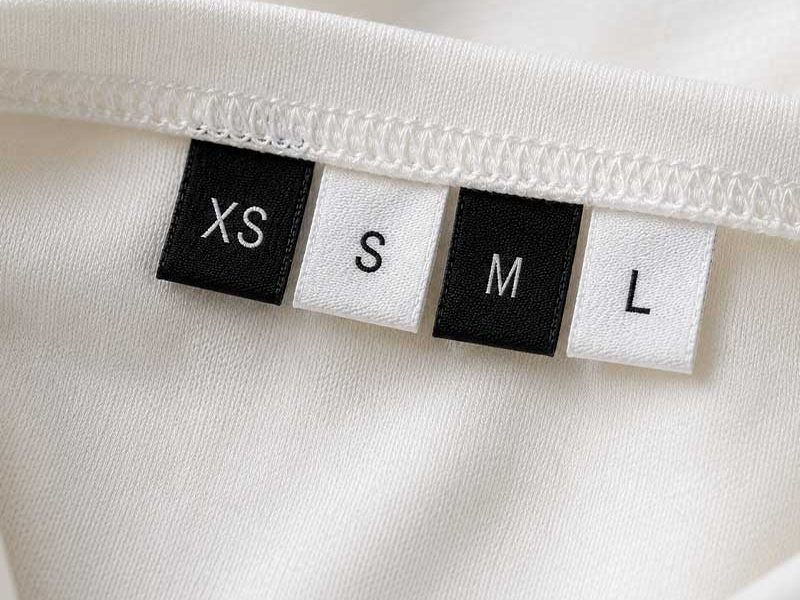
Woven and Size Labels

Care and Content Labels
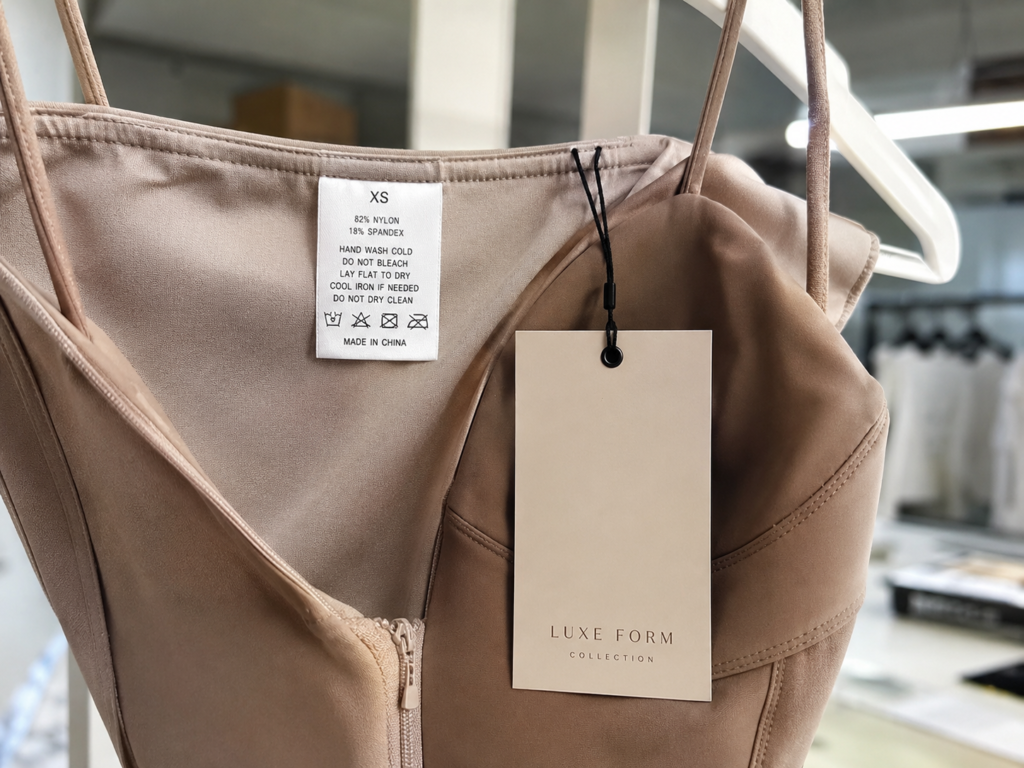
Hangtags and Strings
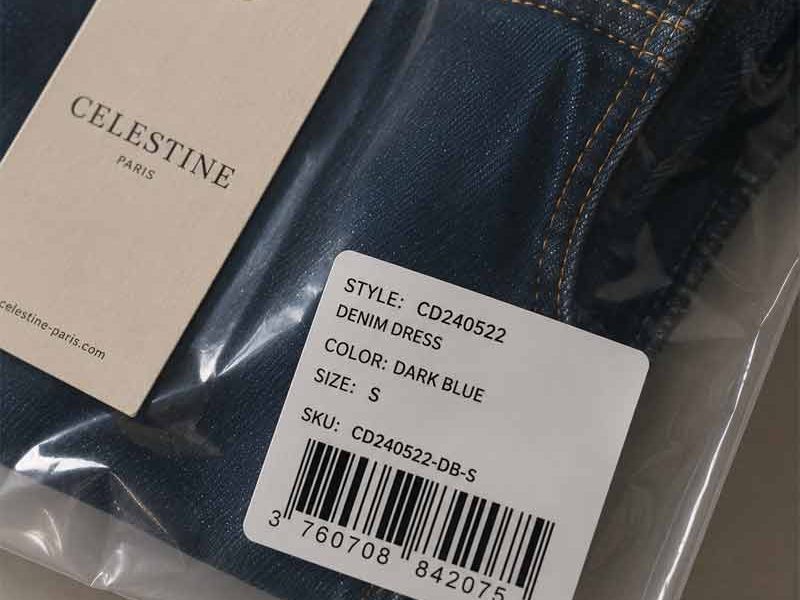
Barcode and SKU Labels
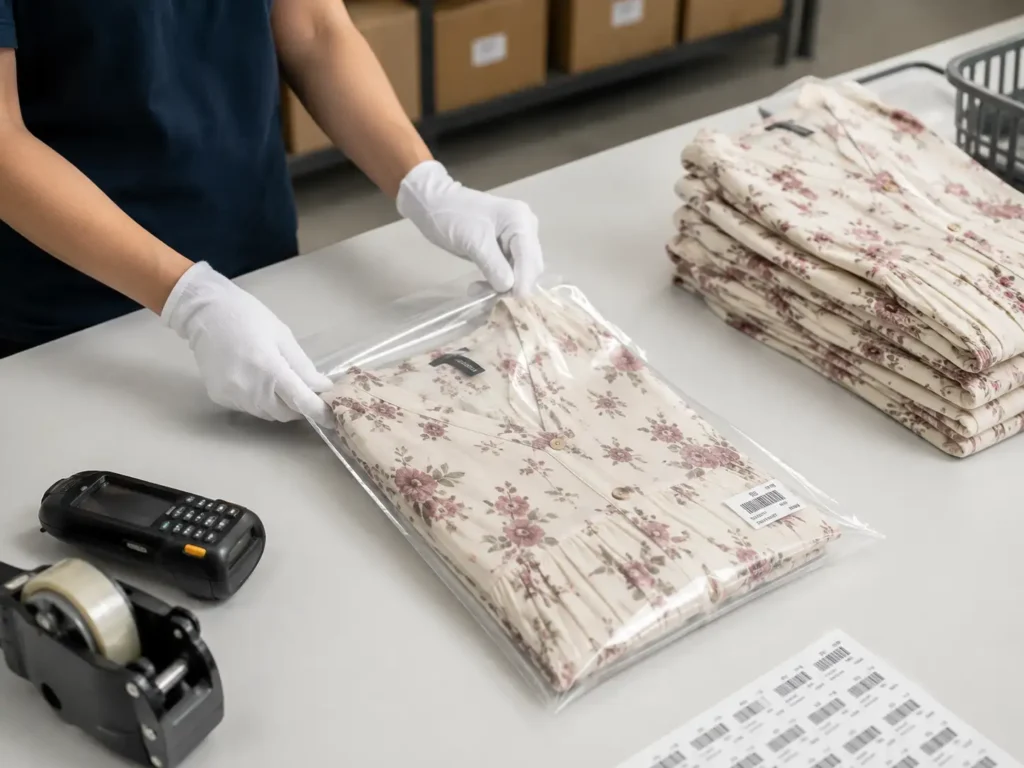
Polybag and Size Stickers
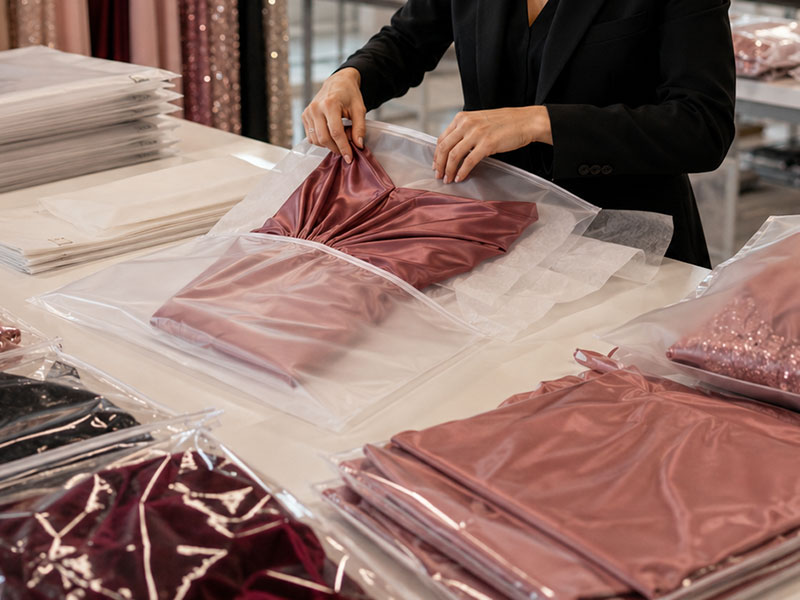
Garment Protection
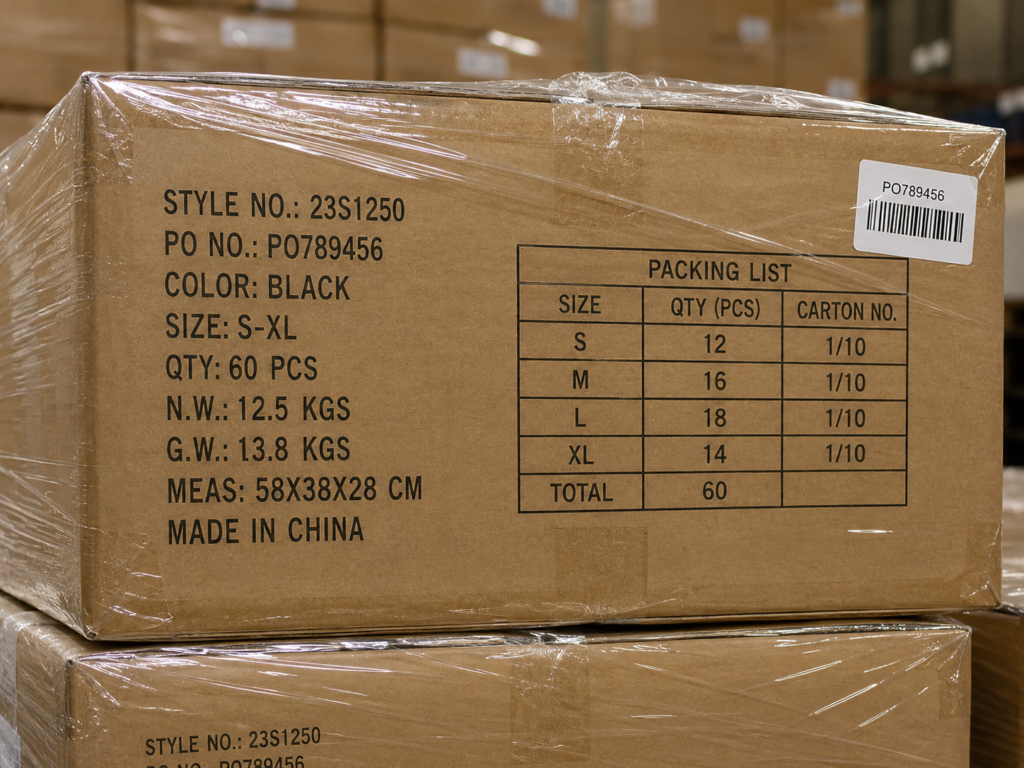
Carton Marking

Shipment Documents
Lace-Up Dress Programs Built for Multi-Style Brand Orders

United States Partywear Program

United Kingdom Occasionwear Collection

Australian Resort Dress Program
Program: 12 lace-up midi and maxi styles in printed woven, cotton, rayon and linen-blend directions. Total order: 21,600 pcs across warm-weather colors. Lacing used self-fabric ties, soft loops and light decorative channels rather than heavy corset hardware. Main challenge: wash shrinkage and soft-fabric distortion changed waist opening and hem balance. Fabric relaxation, shrinkage review and revised pattern allowances were introduced before PP. Loop placement and tie length were standardized by style.
Bulk control: shade grouping, print direction, waist and opening measurements, hem inspection, tie-end finishing and travel-friendly folding. Records were retained for repeat colors and next-season pattern extensions.
Lace-Up Dress Manufacturing Frequently Asked Questions
MOQ starts from 200 pcs per style/color. One style in two colors normally requires 200 pcs per color. Special fabrics, dyeing, printing, custom metal parts and private-label materials may carry separate supplier minimums.
Yes. A reference image can begin structure analysis, fabric direction and initial feasibility review. Accurate quotation and sampling still require quantity, color, size, material, trim, label and timing details.
Yes. Front, back, side, waist, neckline and shoulder lacing can be reviewed by project. Placement, opening width, load direction, coverage, reinforcement and dressing method are developed separately.
Metal eyelets, two-piece grommets, sewn fabric loops and hidden channels can be sourced or developed according to fabric and tension. Finish, size, washer, color, loop length and bulk availability need approval.
Yes. Boning, cups, lining, underbust shaping and modesty panels can be integrated where the design requires support. Position, hardness, comfort and grading should be confirmed through samples.
Simple styles may take about 7-10 days, regular dresses about 10-15 days, and complex corset, lace, mesh, sequin or evening styles about 15-25 days. Material sourcing and revision scope can change timing.
Yes. A side or back zipper can improve dressing speed while lacing controls appearance or fit. Zipper placement must avoid support layers and remain flat after tension.
The approved opening condition is recorded through measurements, placement references, PP and golden samples. First-piece and inline checks verify row position, width, tie length and related body measurements.
Yes. Woven labels, size labels, care labels, hangtags, barcodes, SKU labels, polybags, stickers, cartons and warehouse marks can be managed with garment production.
Yes. NDA-based cooperation can protect design files, tech packs, patterns, samples, trims, private-label information, unpublished styles and order details.

Start Your Lace-Up Dress Manufacturing Project
Send your tech pack, reference image, original sample or line sheet for an initial review. Kelly and the development team will evaluate lacing position, opening function, fabric behavior, eyelet or loop direction, reinforcement, cups, boning, lining, size range, MOQ, sample route and bulk-production risks before confirming the next step.
- Reference image, sketch, original sample or tech pack
- Target fabric, color plan and approved swatches if available
- Quantity per style/color and expected size range
- Lacing placement, eyelet or loop preference and support details
- Brand labels, barcode, polybag and carton requirements
- Target sample, PP, warehouse and launch dates


