Ivory Dress Manufacturer
Custom ivory dresses developed for fashion, occasionwear, resort and private-label collections, from fabric direction and shade approval to production-ready delivery.
- 6 core ivory fabric directions: satin, chiffon, lace, crepe, mesh or tulle, and linen or viscose blends.
- 8 light-color control points: shade, transparency, lining tone, stains, snagging, pressing, batch grouping and protective packing.
- MOQ starts from 200 pieces per style and color, subject to fabric, trim, construction and production planning.
- 7+ senior pattern makers and 2 sample rooms support fit-sensitive mini, midi, maxi, slip, corset and occasion dresses.
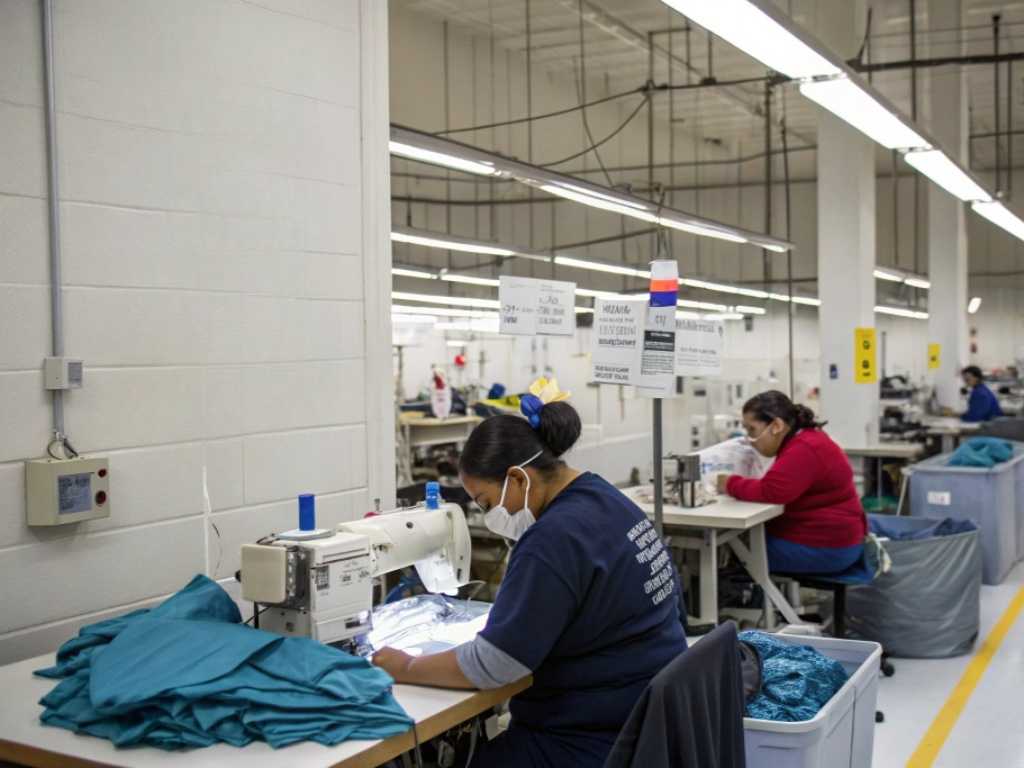
Jinfeng Apparel supports global fashion brands and established apparel programs with custom ivory dress development, OEM, ODM, private-label production, structured quality control and export coordination from Guangdong, China.
Ivory Dress Manufacturing Built on Measurable Capability
Since 2008
Six Owned Factories
Ten Plus Partners
Two Sample Rooms
Seven Plus Pattern Makers
MOQ From 200 Pieces
Designed for Established Fashion and Occasionwear Programs
Strong Project Fit
- Custom design or reference-based development
- Sample review before bulk production
- Multi-style and multi-size planning
- Private-label and warehouse-ready packing
- Repeat orders and seasonal collection support
Clear Production Scope
- OEM, ODM and private-label workflows
- Fabric and trim sourcing by project
- Production allocation by style complexity
- QC from incoming material to final packing
- Export documentation and shipment coordination
Ivory Requires More Control Than Standard White
Shade Interpretation
Fabric Appearance
Bulk Exposure
Ivory Dresses Developed Across Commercial Categories
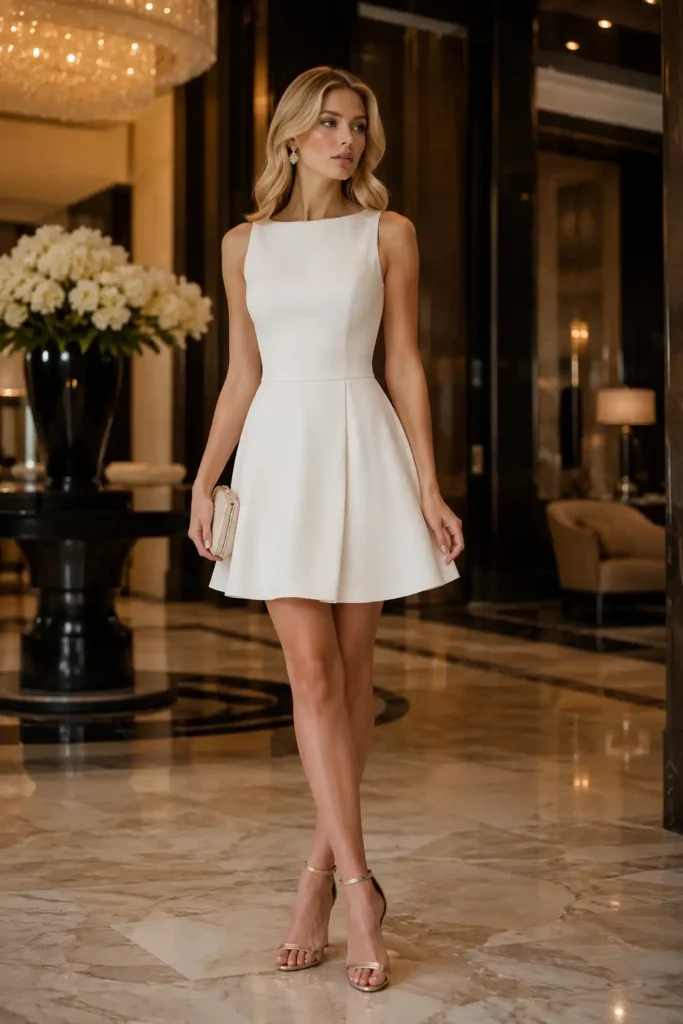
Ivory Mini Dresses

Ivory Midi Dresses
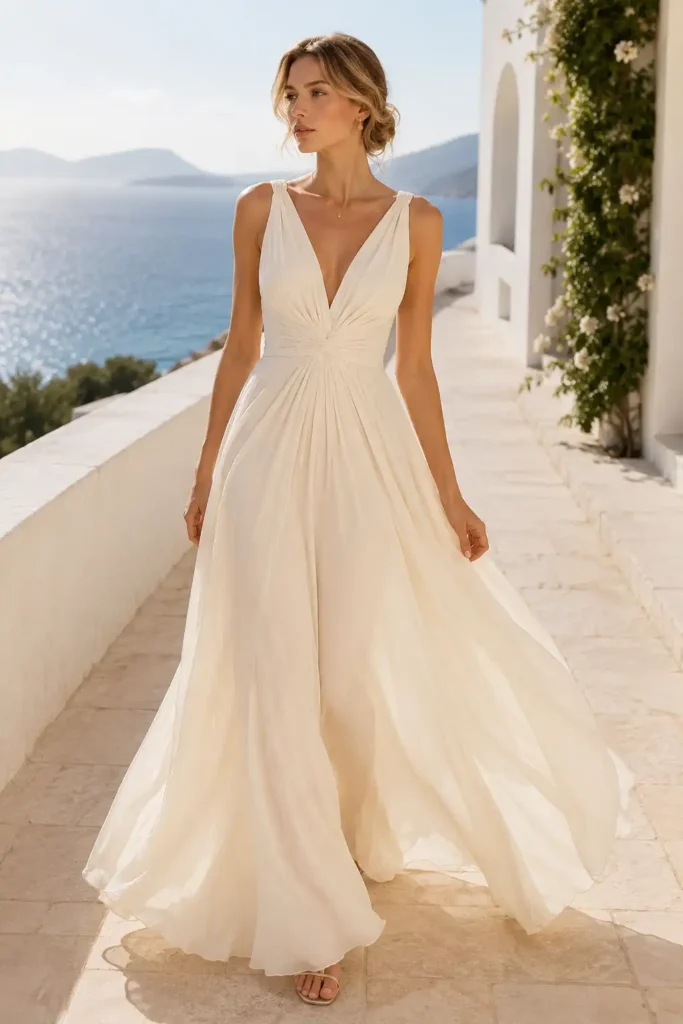
Ivory Maxi Dresses
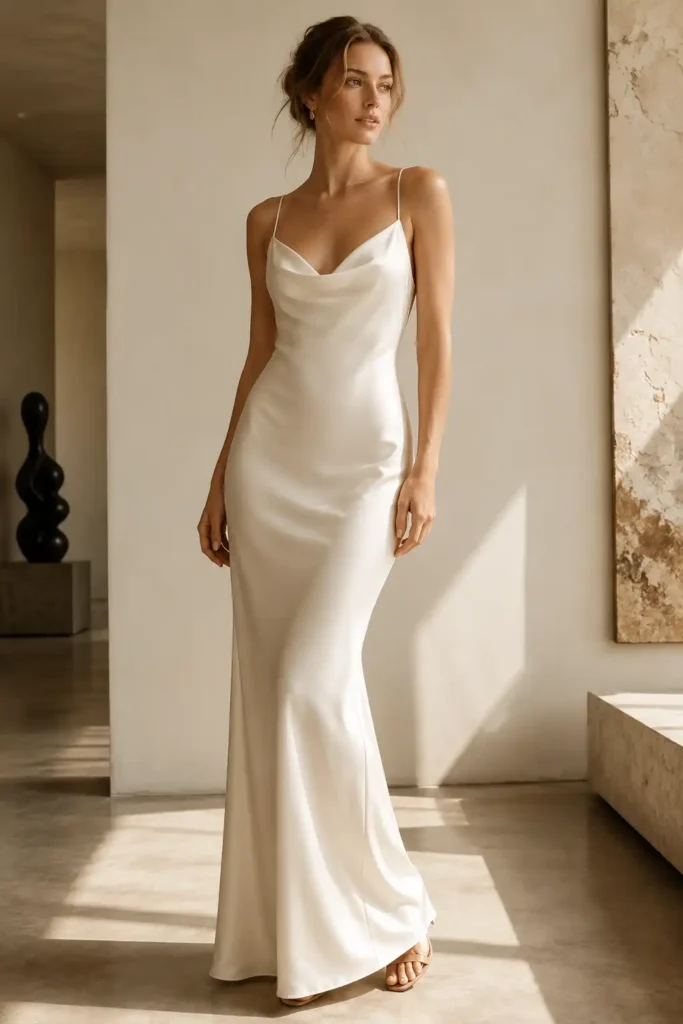
Ivory Slip Dresses
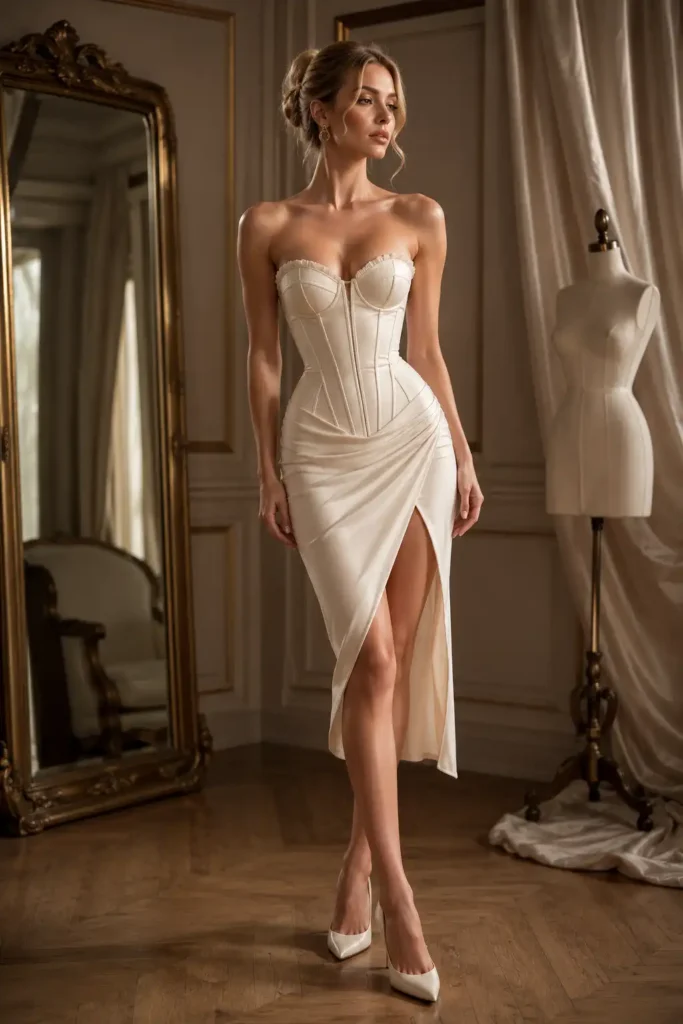
Ivory Corset Dresses

Ivory Wedding Guest Dresses
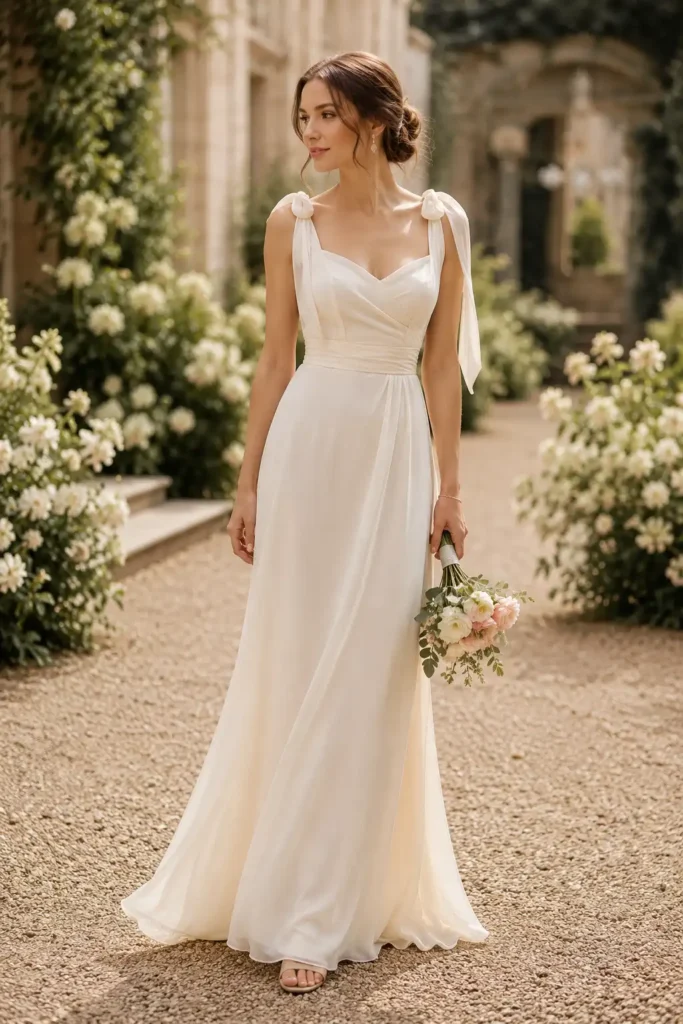
Ivory Bridesmaid Dresses

Ivory Resort Dresses
Ivory Dress Direction by Selling Occasion
Color alone does not define the product. Occasion, length, fabric, support level and delivery season determine the right construction. The matrix below gives a working direction for early product planning before final specifications are confirmed.
| Selling Occasion | Common Silhouettes | Fabric Direction | Main Development Controls |
|---|---|---|---|
| Wedding Guest | Midi, maxi, one-shoulder, draped | Satin, crepe, lace, chiffon | Coverage, slit, lining tone, waist placement, pressing |
| Bridesmaid | A-line, wrap, cowl, soft corset | Chiffon, satin, crepe | Shade consistency, grading, adjustable features, hem options |
| Graduation | Mini, A-line, lace, halter | Crepe, lace, satin, woven blends | Opacity, photo appearance, seat coverage, launch timing |
| Reception | Mini, corset, fitted midi | Satin, crepe, mesh overlay | Support, mobility, cup position, clean top edge |
| Cocktail | Midi, slip, asymmetric, ruched | Satin, crepe, lace, velvet by season | Fit, zipper flatness, slit, surface finish |
| Resort | Maxi, halter, cut-out, tiered | Linen blend, rayon, chiffon, crepe | Shrinkage, wrinkle behavior, transparency, travel packing |
Fabric Systems for Refined Ivory Dress Collections
Material selection controls far more than appearance. Drape, stretch, surface reflection, transparency, seam performance, lining, pressing and packing change across every ivory fabric group. Jinfeng Apparel evaluates fabric against silhouette, target market, construction, desired hand feel, quantity and price position before sample cutting.
Ivory Satin for Light and Movement
Satin creates one of the strongest commercial associations with ivory occasionwear. The surface can look fluid and premium, but reflected light makes shade variation, grain direction and pressing defects easier to detect. A selected satin should be reviewed for weight, width, drape, shine level, snag resistance, crease recovery and opacity. Lightweight satin may need lining or double-layer construction, while heavier satin can create seam bulk around ruching, cups or concealed zippers.
Cutting direction matters because adjacent panels can reflect light differently even when the dye lot is consistent. Marker planning, face-side protection and bundle control reduce mixed direction. Sewing teams monitor skipped stitches, puckering, seam impressions and needle marks. Pressing temperatures and protective cloths are selected to avoid glazing or water spots. Packing needs enough support to reduce fold lines without compressing the garment excessively.
Suitable products include slip dresses, cowl-neck midis, corset minis, bridesmaid dresses, reception dresses and occasion maxis.
Ivory Chiffon for Layered Softness
Chiffon supports bridesmaid, resort, wedding guest and summer collections where light movement is central to the design.
The material is usually semi-transparent, so face fabric and lining must be evaluated together under daylight and strong indoor lighting. Lining that is too white can cool the shade; lining that is too warm can push the garment toward cream or champagne.
Cutting requires control because chiffon shifts easily. Grain, direction, print or texture, layer count and cut quantity are checked before bundling. During sewing, seam puckering, pulled yarns, uneven gathering and stretched edges can affect the final silhouette.
Narrow hems, rolled hems and layered hems require stable execution, particularly across long maxi skirts. Final inspection focuses on opacity, snags, holes, lining length, hem level, shade and pressing.
Suitable products include soft A-line dresses, wrap dresses, layered maxis, bridesmaid ranges and resort capsules.
Ivory Lace for Placement and Depth
Lace introduces pattern, texture and visual depth to ivory dresses. The finished shade depends on thread color, ground color, motif density and the lining beneath.
One lace may look neutral on a roll but turn warmer when placed over beige lining. Approval therefore includes the complete face-and-lining combination.
Pattern placement affects both appearance and cost. Large motifs may require matching at center front, bust, waist, side seams or sleeve joins.
Border lace can influence hem length and marker efficiency.
Development reviews motif position, seam visibility, scallop use, edge finishing and reinforcement. Production inspection checks holes, broken threads, uneven matching, raw motif edges, seam bulk and color variation between lace and lining.
Suitable products include cocktail dresses, wedding guest styles, graduation dresses, romantic minis and lace-overlay midis.
Ivory Crepe for Controlled Structure
Crepe offers a more matte and controlled appearance than satin, making it useful for minimal occasionwear, tailored midis, clean maxis and structured silhouettes. Weight, stretch, recovery and surface texture vary widely across crepe qualities. A soft crepe can drape well but show seam impressions; a heavier crepe can hold shape but increase bulk around folds, pockets or lined areas.
Sampling tests neckline stability, waist shaping, zipper behavior, slit construction and hem fall. Some crepes require stay tape or interfacing at key edges. Pressing must preserve texture without flattening the surface. Bulk checks cover shade, surface lines, seam puckering, measurement stability, lining balance and final appearance.
Suitable products include column maxis, fitted midis, one-shoulder dresses, clean A-line silhouettes and formal day-to-evening collections.
Ivory Mesh and Tulle for Controlled Sheerness
Mesh and tulle are used for sleeves, panels, overlays, corset bodies, skirts and illusion details. Ivory mesh can shift noticeably when stretched, layered or placed over different skin-tone linings. Stretch percentage, recovery, transparency and hand feel need evaluation at the intended garment tension rather than only in a relaxed swatch.
Development checks neckline edges, armholes, cup coverage, seam reinforcement, cut-out stability and lining boundaries. Power mesh may support shaping, while soft mesh provides appearance without structure. Cutting and sewing teams inspect holes, runs, pulled edges and uneven tension. Packing protects delicate surfaces from hooks, zippers and abrasive trims.
Suitable products include corset dresses, sheer-sleeve midis, layered skirts, party dresses and structured occasion styles.
Ivory Linen and Viscose Blends for Resort Collections
Linen, rayon and viscose blends suit ivory resort, vacation and summer collections where natural texture and movement are more important than formal shine. Fiber composition affects shrinkage, wrinkling, opacity, drape and seam stability. A blend may reduce wrinkling while keeping a breathable appearance, but sample washing and pressing behavior should still be reviewed before bulk commitment.
Light colors may require lining in bodices, skirts or specific coverage zones. Pattern allowances should account for shrinkage and fabric relaxation. Production checks focus on shade, slubs or surface variation, seam distortion, pocket shadows, lining, hem balance and pressing. Packing should limit hard folds while allowing the fabric to retain a relaxed resort character.
Suitable products include halter maxis, tiered dresses, wrap styles, cut-out resort dresses and relaxed midi silhouettes.
Defining the Ivory Shade Before Sampling
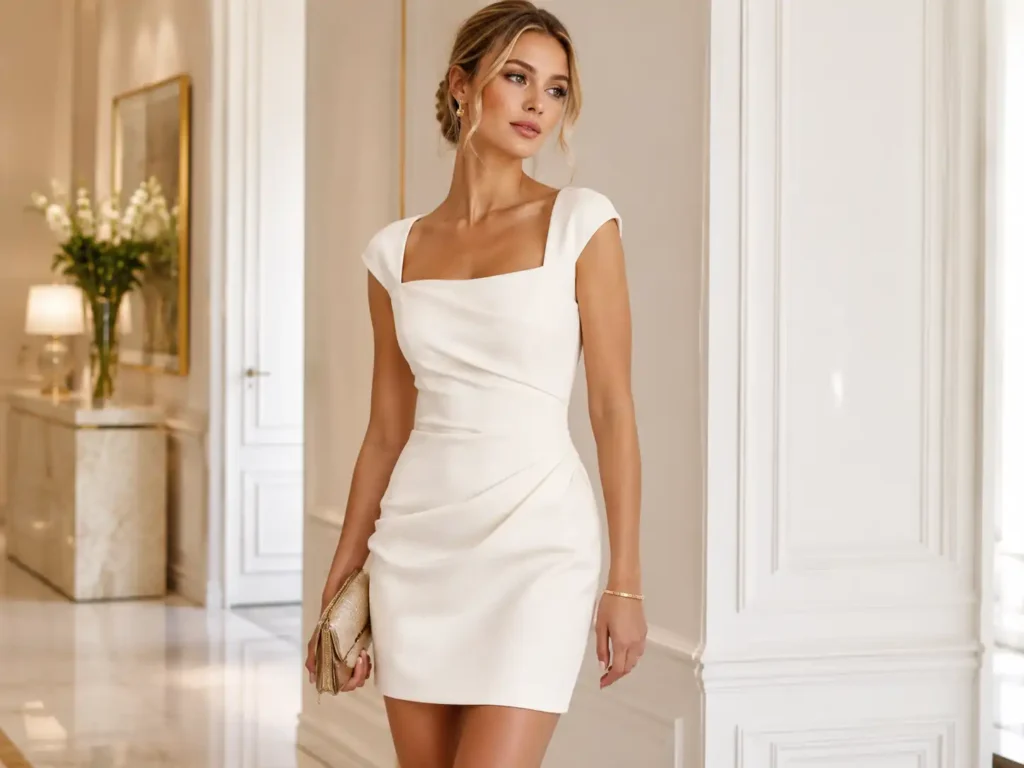
Bright Ivory
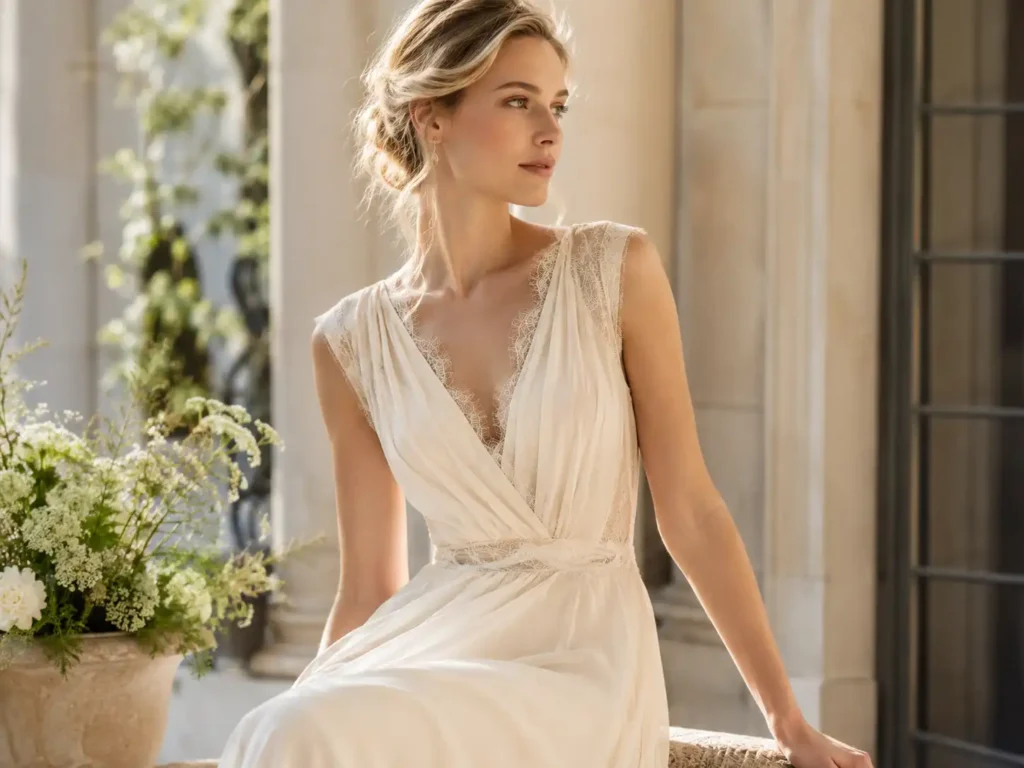
Pale Ivory

Neutral Ivory
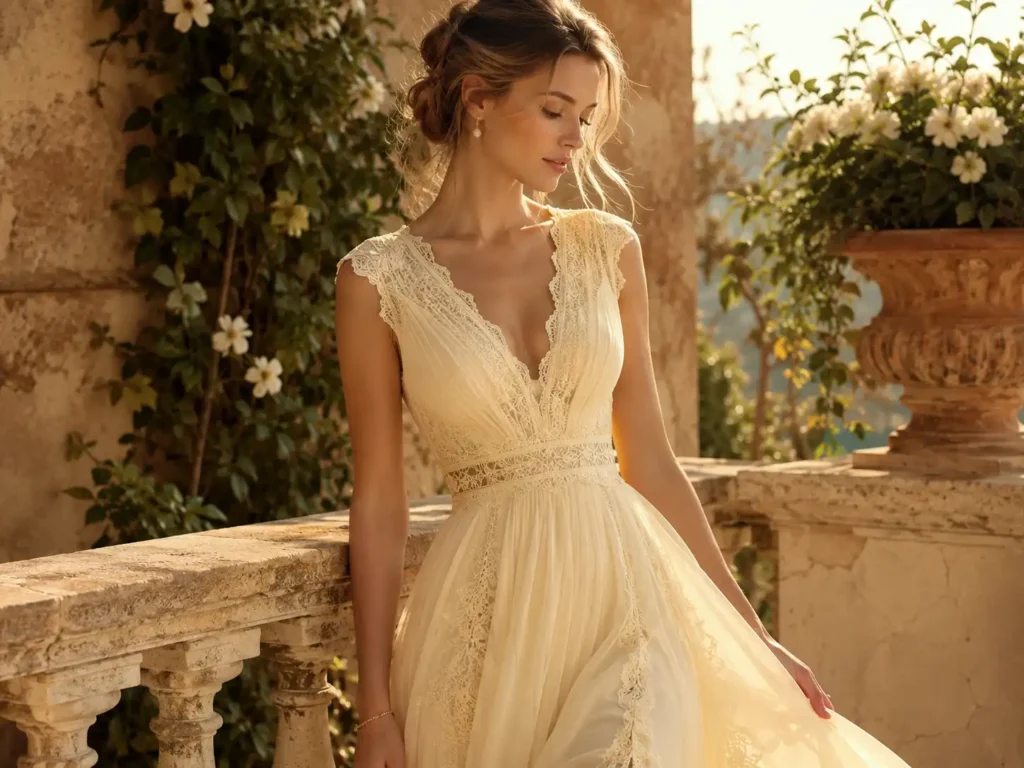
Warm Ivory
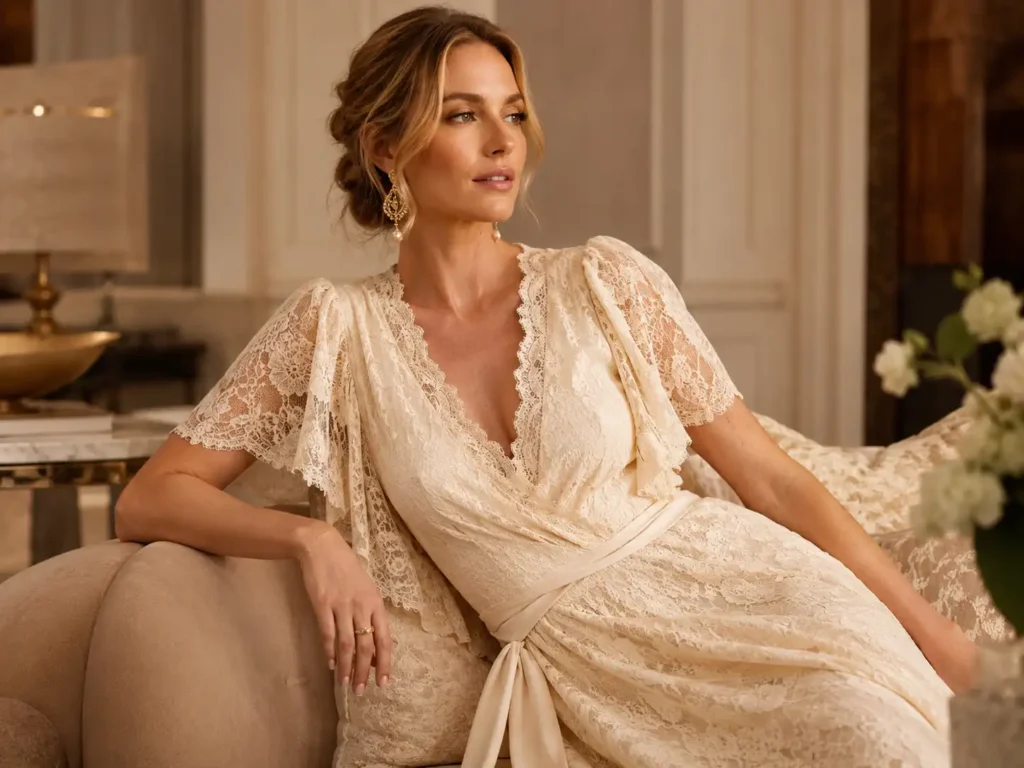
Cream Ivory

Light Champagne
From Color Reference to Bulk Shade Approval
Reference Intake
Fabric Direction
Swatch Comparison
Lining Match
Sample Garment
PP Approval
Batch Grouping
Final Comparison
Fit Engineering Across Ivory Dress Silhouettes
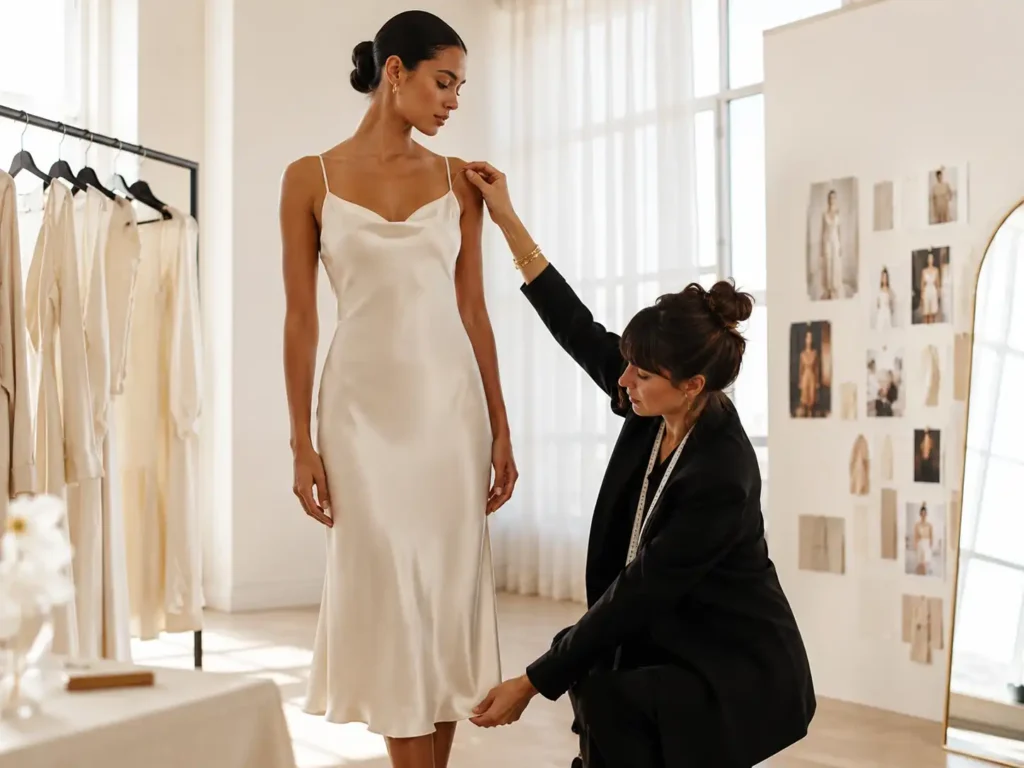
Slip Dress Fit
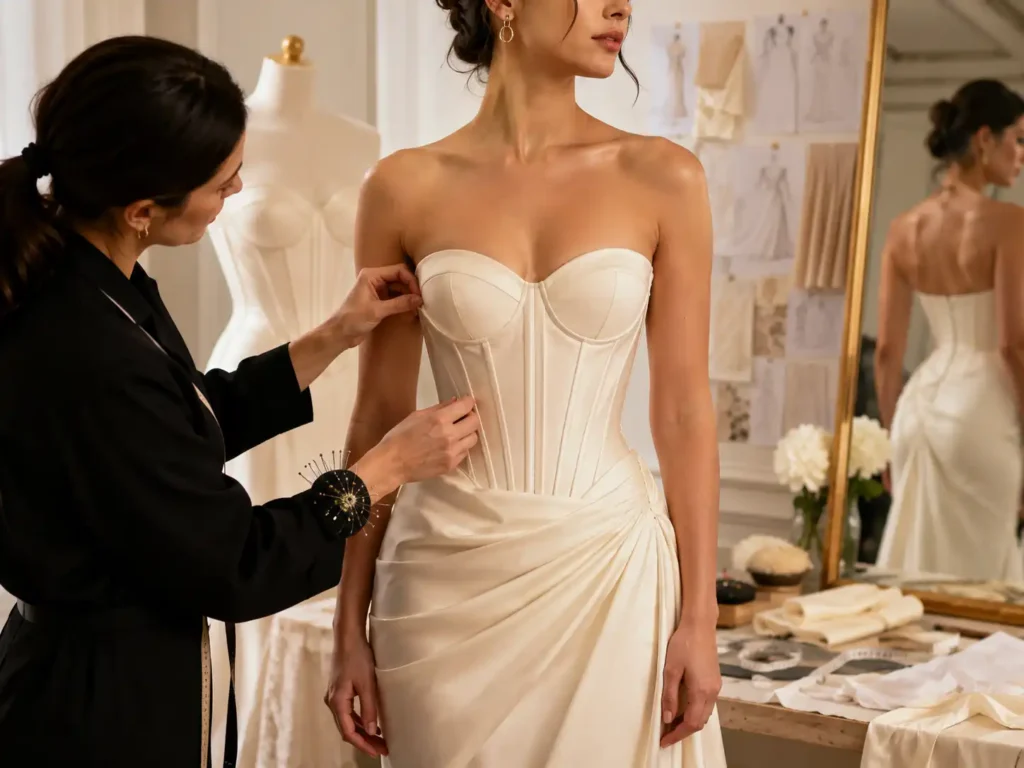
Corset Dress Fit
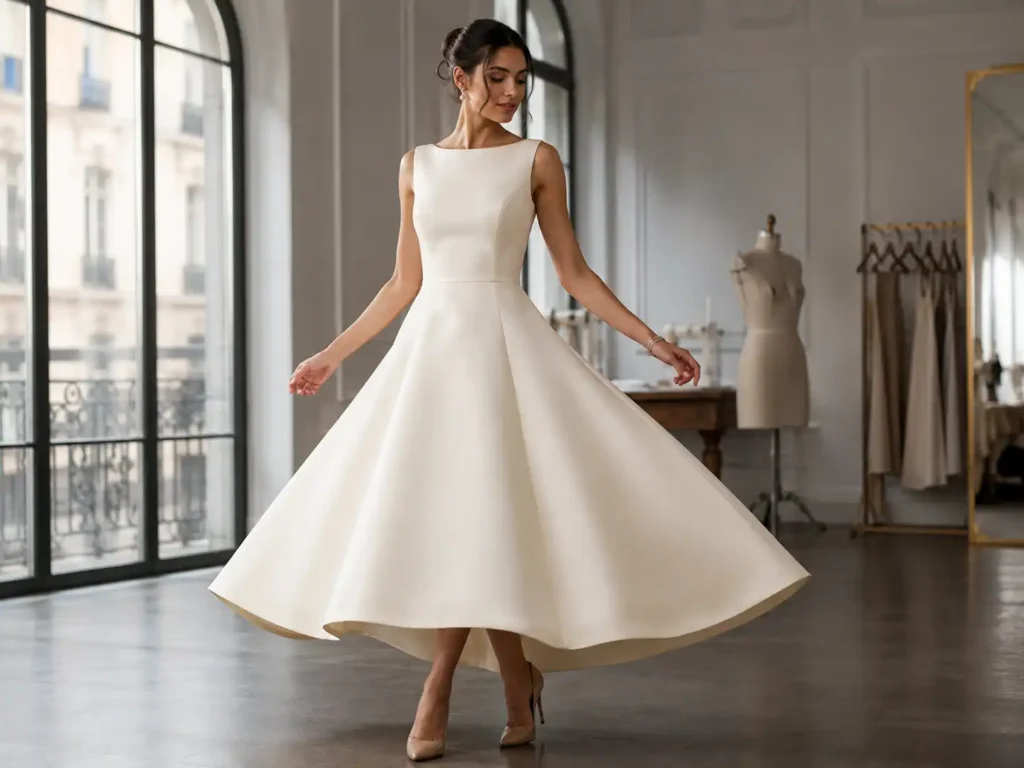
A-Line Dress Fit
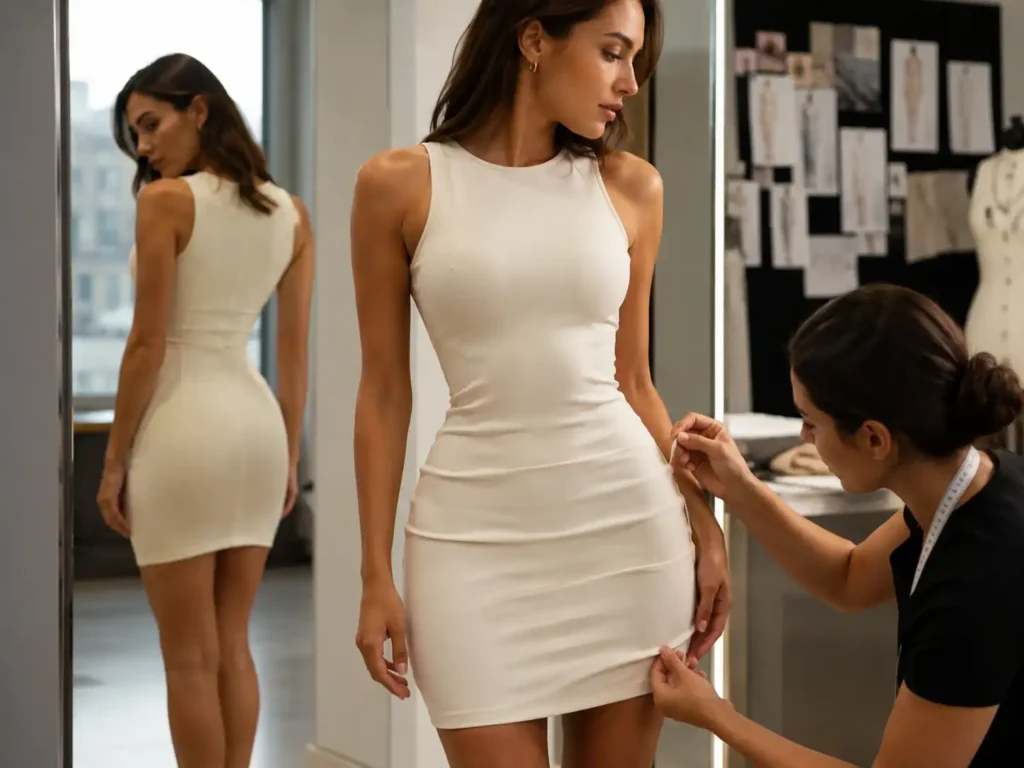
Bodycon Dress Fit
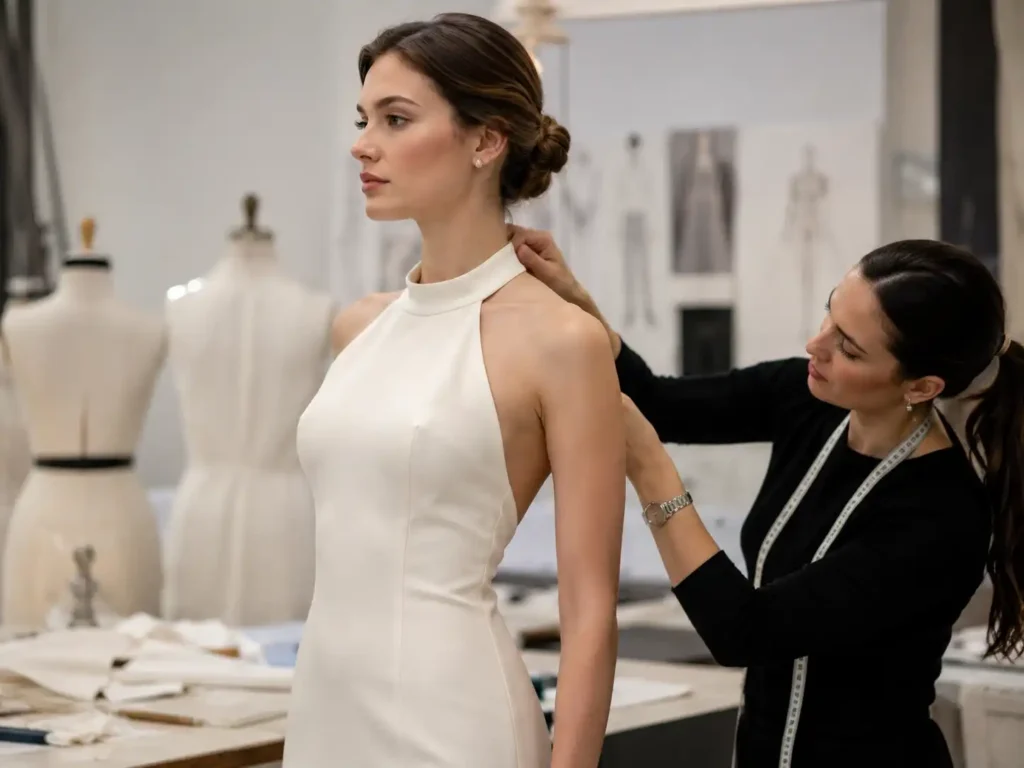
Halter Dress Fit
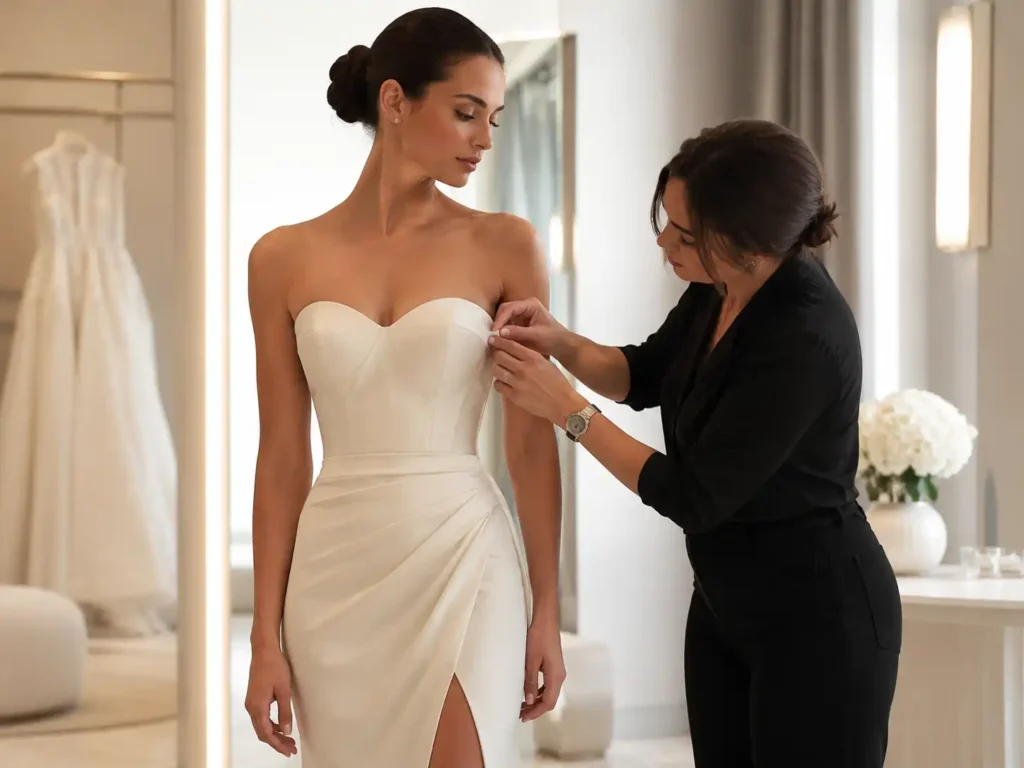
Strapless Dress Fit
Design Details That Change Production Performance
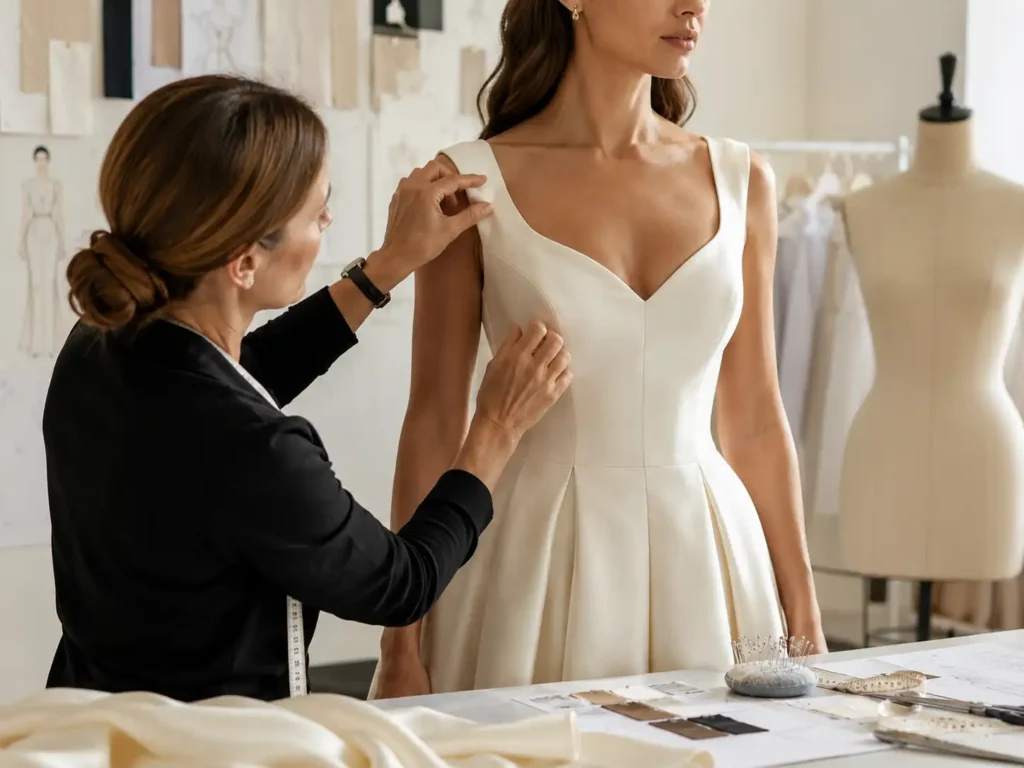
Neckline Coverage
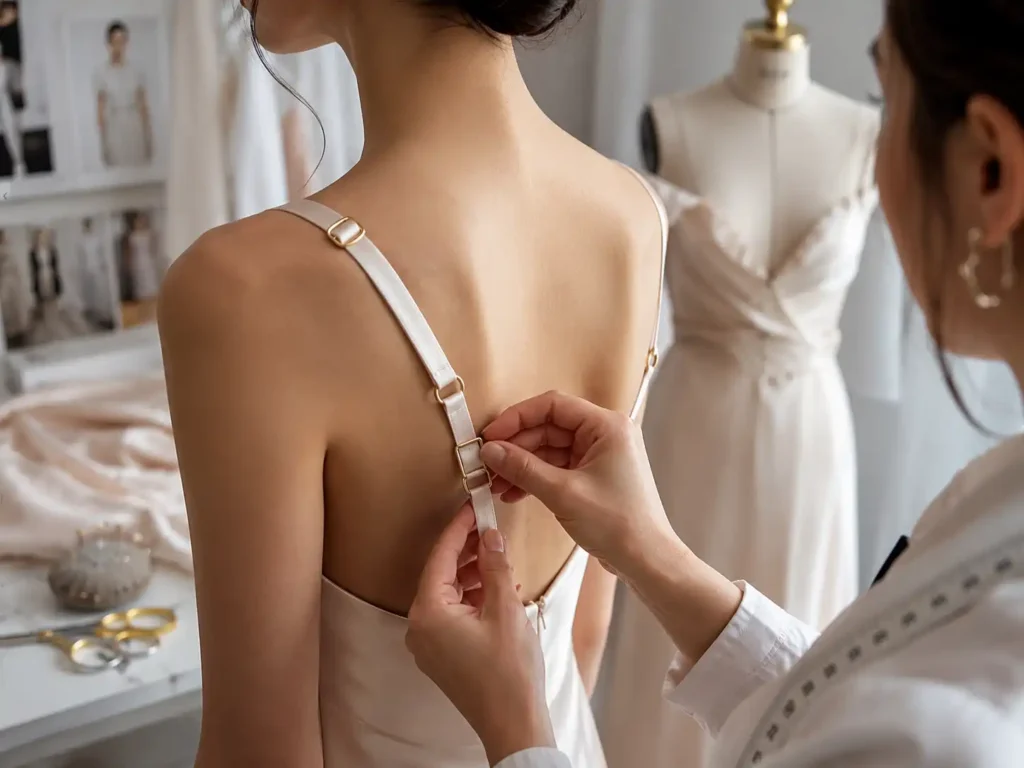
Adjustable Straps
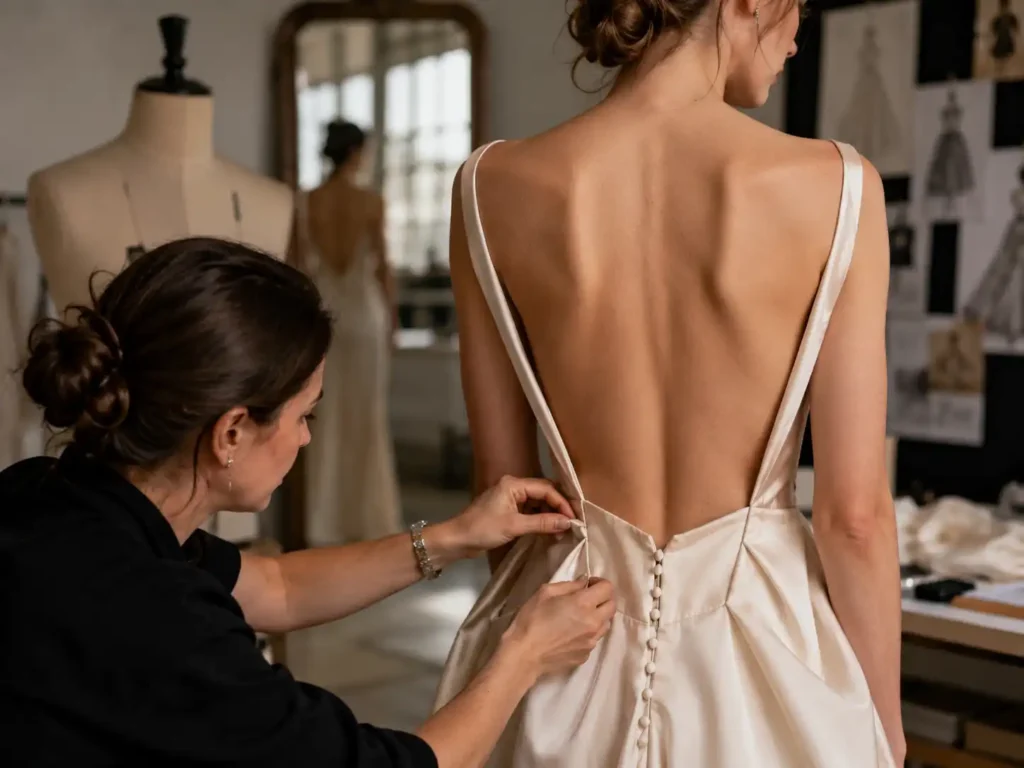
Backless Structure

Slit Height
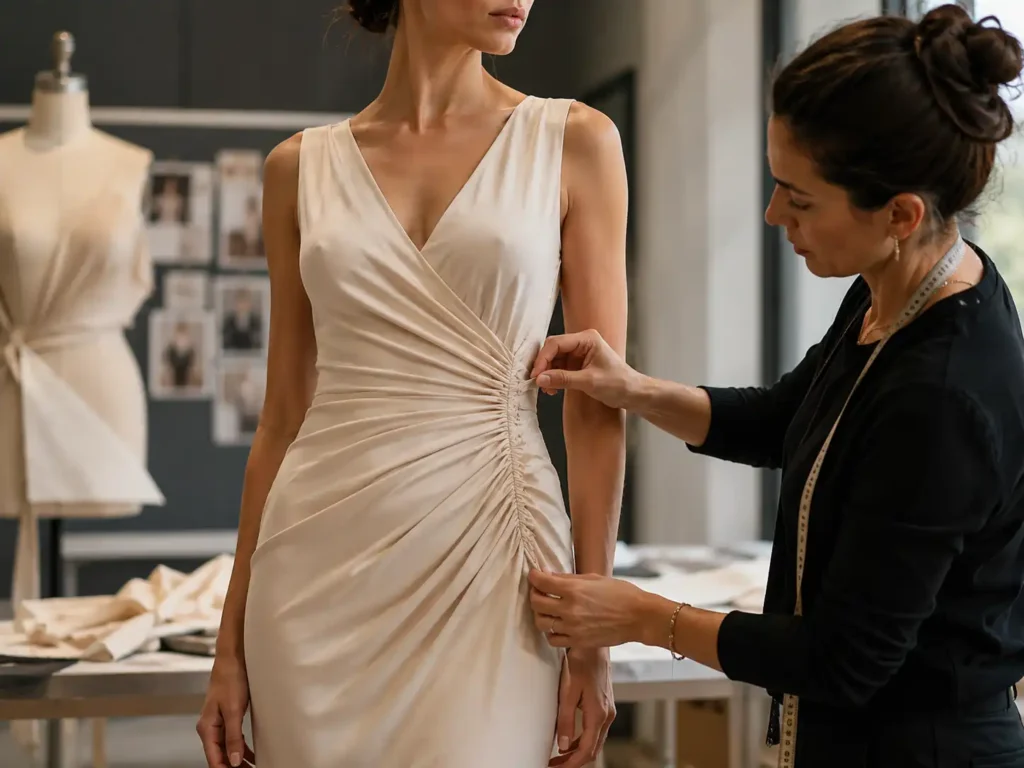
Ruching Direction
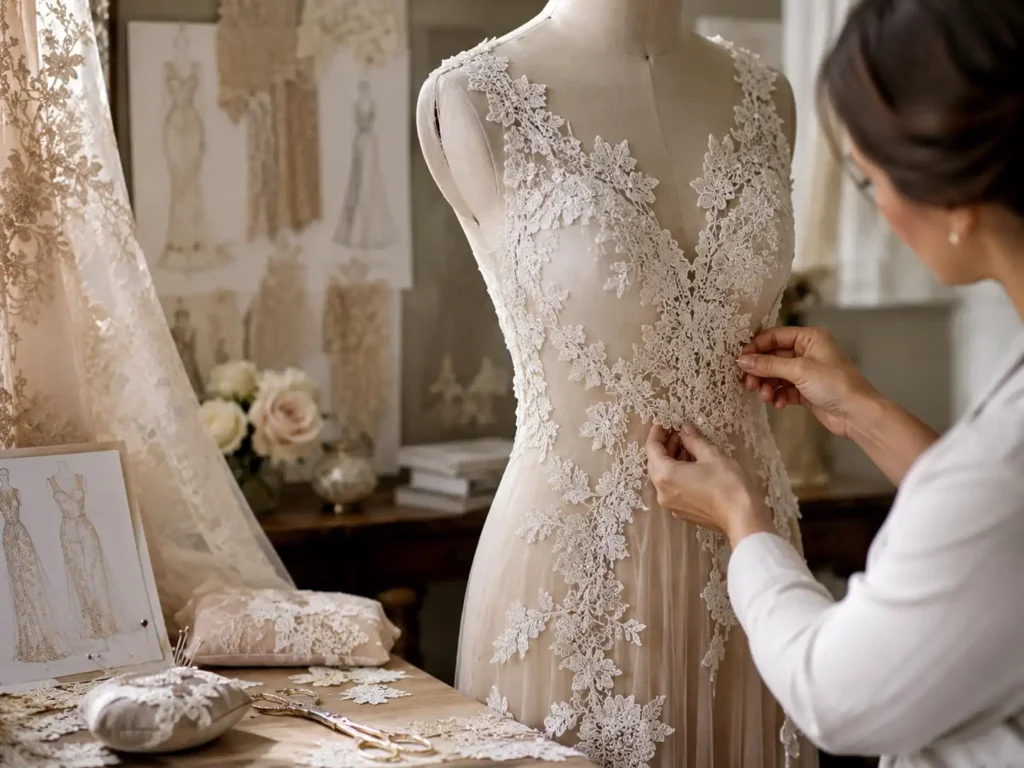
Lace Placement
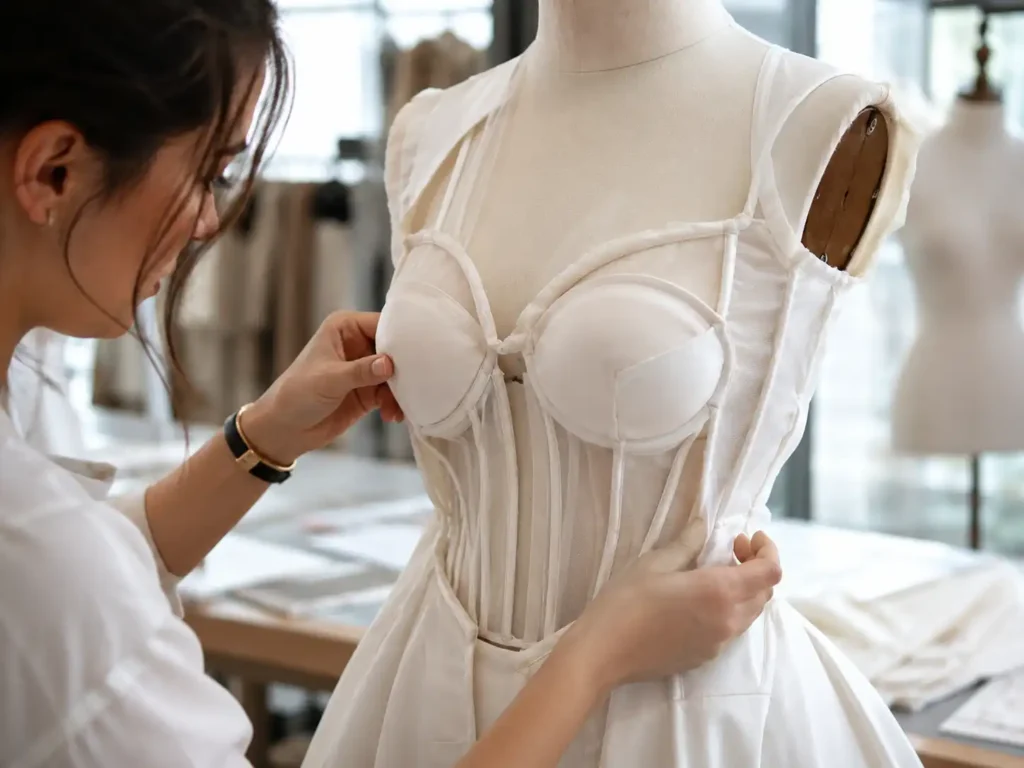
Cups and Boning
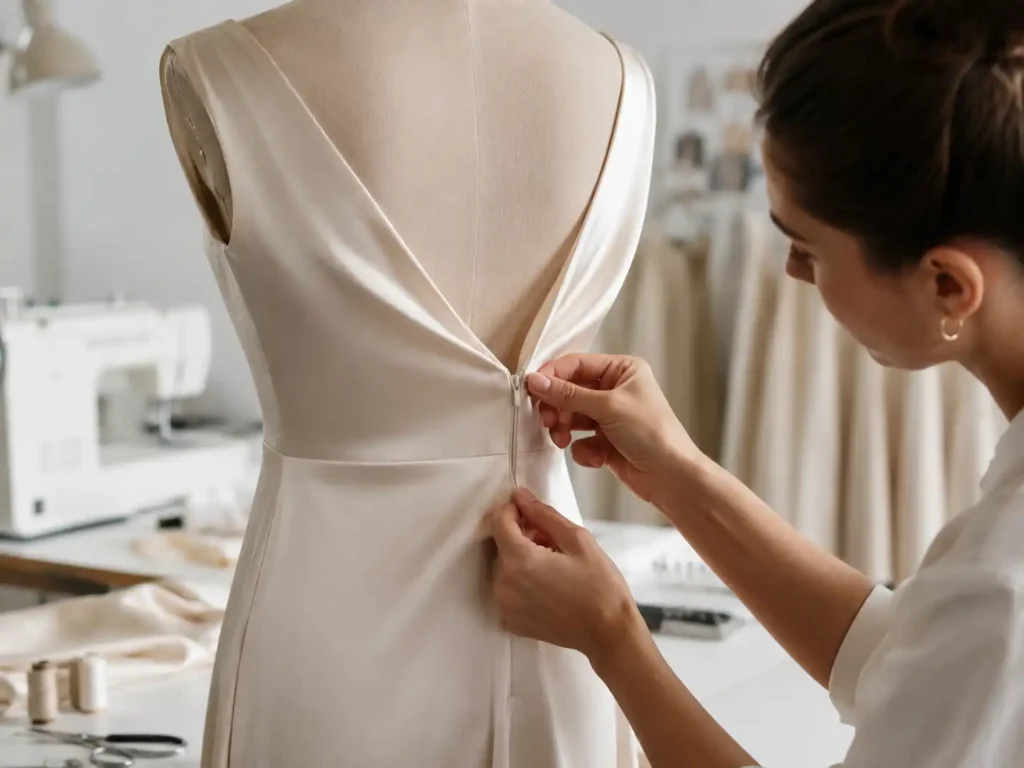
Hidden Zippers
Sampling Builds the Standard for Bulk Production
A successful ivory dress sample must prove color, fabric, fit, structure, transparency, finishing and wearability. Sample approval is not limited to visual similarity; it establishes the reference used by pattern, production, QC and packing teams.

Technical Review Before Cutting
The development team reviews reference images, tech pack, measurements, fabric direction, lining, closures, trims, label needs and planned quantity before pattern work begins. Missing information is identified early. A corset mini may require cup, boning and top-edge decisions, while a chiffon maxi requires lining, hem and length direction. Early clarification reduces repeated sample changes caused by incomplete structure.
Fabric availability and color route are evaluated before firm bulk costing. Existing fabric options can speed development, while custom dyeing or exclusive trims may change MOQ and timing. The initial review also identifies photo-sensitive areas such as satin shine, lace placement, neckline coverage and pale-fabric transparency.
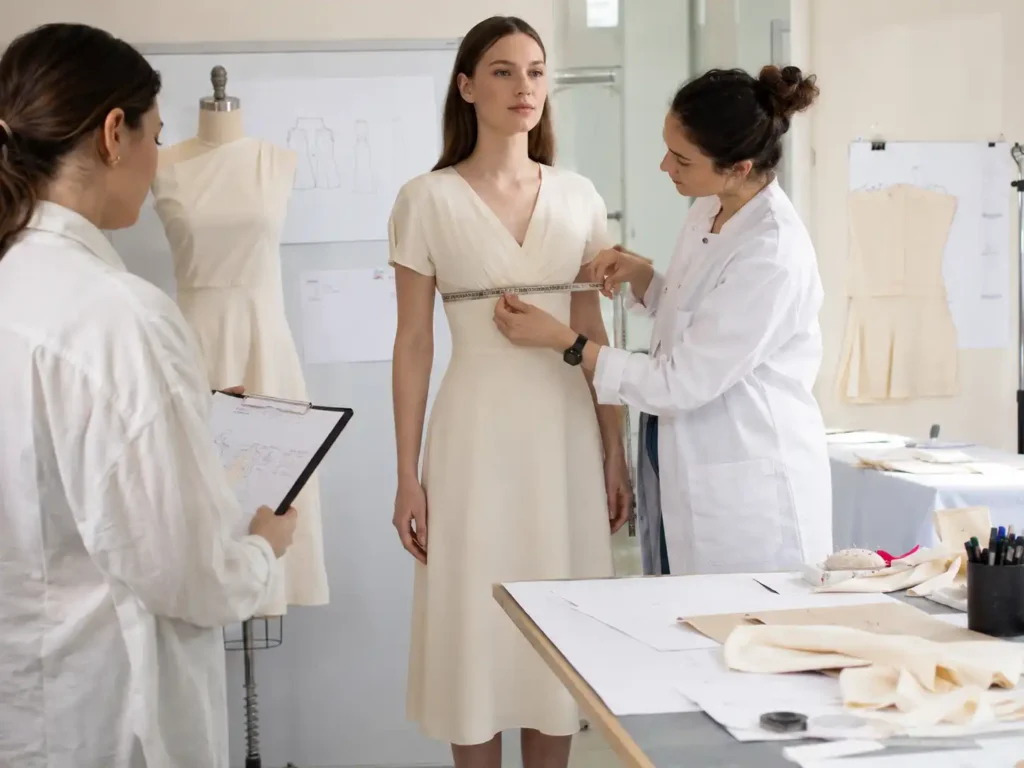
First Sample and Measurement Review
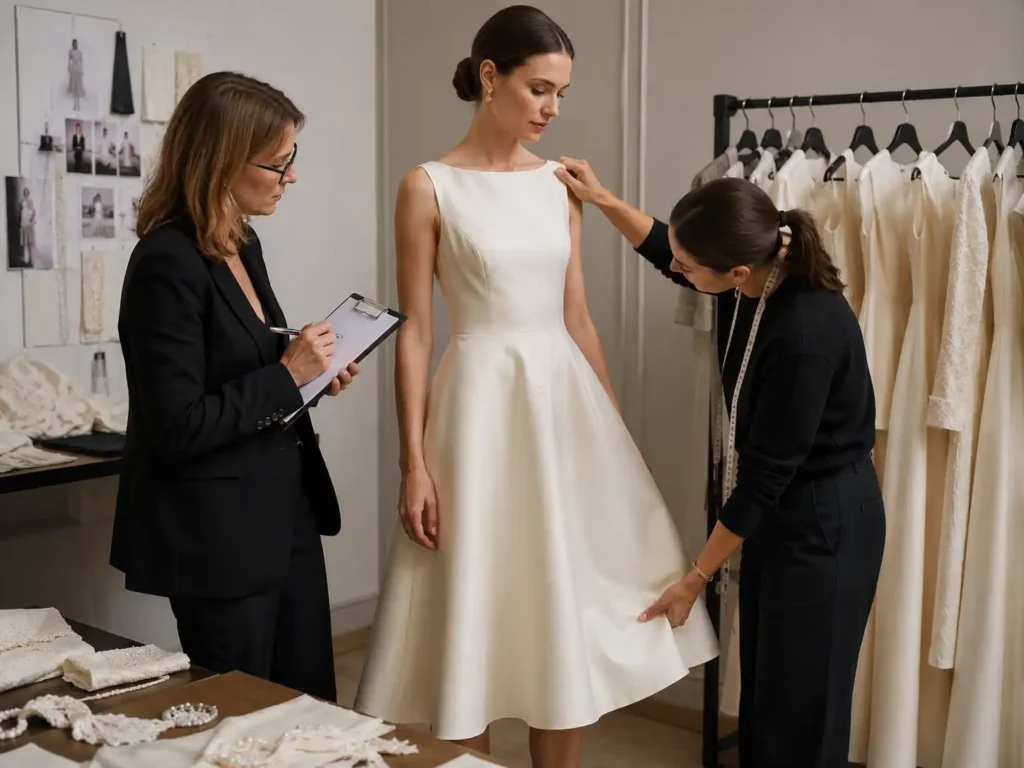
The first sample establishes silhouette and construction. Review covers bust, waist, hip, neckline, armhole, strap, back depth, slit, outer length and lining length according to the style. Fabric behavior is observed on body or mannequin, including drape, stretch, recovery, wrinkle, surface reflection and movement.
Images and measurements are recorded alongside comments. Fit problems are separated from styling preferences so pattern corrections remain clear. For multi-style programs, key fits can be prioritized to create shared blocks where appropriate, reducing repeated work without forcing unrelated silhouettes into one pattern system.
Revision and Pre-Production Approval
Revision samples confirm pattern changes, fabric replacements, trim adjustments and construction updates.
Each change should be traceable to a comment and approval status. When the selected material changes, fit and opacity are reviewed again because weight, stretch and drape can alter the garment even when the design is unchanged.
The pre-production sample locks the production reference: approved fabric, shade, lining, measurements, construction, trim positions, labels and finishing.
Complex styles may also require a golden sample or sealed reference for production and QC teams. Bulk cutting should not begin before material and approval status are aligned.

Indicative Development and Production Planning
Development windows vary by complexity and material readiness. A clean mini or midi using available fabric can move faster than a corset, lace-placement dress or multi-layer chiffon maxi. For planning purposes, a first sample is commonly scheduled after the complete brief, material direction and sample payment are confirmed; revision rounds are then arranged around consolidated comments.
Bulk timing is confirmed only after PP approval and material booking. Order size, number of styles, custom dyeing, trim development, production allocation, QC window, packing and shipping method all influence the final calendar. For multi-style collections, priority samples and launch-critical styles are scheduled first rather than pushing every style through one deadline.
Construction Choices Shape Cost and Lead Time
Ivory dress quotations are built from fabric, lining, trims, pattern work, sampling, cutting, sewing, pressing, QC, packing, wastage and order quantity. The matrix below shows how common design decisions influence production rather than presenting a fixed price without specifications.
| Design Choice | Main Cost or Timing Effect | Development Option |
|---|---|---|
| Full bias-cut satin body | Higher fabric use, relaxation time and hem control | Use selective bias panels or semi-bias construction where suitable |
| Custom-dyed ivory fabric | Mill MOQ, lab dip review, dyeing and shade approval | Review approved stock shades before choosing custom dyeing |
| Full double-layer body | More fabric, sewing time, weight and seam bulk | Apply double layers only in coverage-critical zones |
| Large lace motif matching | Increased cutting loss and manual placement | Reserve exact matching for center front and key visual seams |
| Corset cups and boning | Pattern complexity, components and fitting rounds | Select support level based on market and garment purpose |
| Hand-applied embellishment | Labor, inspection and packing protection | Replace selected areas with engineered trims or machine methods |
| Extended size range | Additional grading, sample validation and measurement control | Confirm size architecture early and test priority sizes |
| Special retail packing | Custom materials, labels, barcode control and packing time | Consolidate shared packaging across the collection |
From Design Reference to Retail-Ready Delivery
Project Intake
Feasibility Review
Fabric Sourcing
Pattern Development
First Sample
Sample Revision
PP Approval
Material Inspection
Cutting and Sewing
Inline Quality Control
Final Inspection
Packing and Delivery
Clean Handling Standards for Ivory Garments
Protected Fabric Rolls
Clean Cutting Surfaces
Machine Maintenance
Controlled Garment Movement
Pressing Area Checks
Protected Final Packing
Private-Label Finishing for Ivory Dress Collections

Woven Brand Labels

Care and Size Labels

Hangtags and Fasteners
Barcode and SKU Control

Protective Garment Packing
Carton and Warehouse Rules
MOQ and Quotation for Ivory Dress Programs
Information Needed for Assessment
How Quotation Is Built
Built for Seasonal Collections and Repeat Orders
Multi-Style Grouping
Shared Color Direction
Pattern Record Retention
Material Reference Retention
Repeat-Order Control
Multi-Batch Delivery
Ivory Dress Manufacturing Case Studies
The following anonymized cases represent different ivory dress development programs, covering bridesmaid collections, premium occasionwear projects and large private-label seasonal productions. Brand identities, original designs and commercial information remain confidential.
Case 1: Ivory Bridesmaid and Wedding Guest Collection
Project Scope
A premium occasionwear brand developed an ivory dress collection for bridesmaid, wedding guest and romantic event markets.
- Collection size: 22 dress styles
- Product categories: ivory chiffon bridesmaid dresses, satin slip dresses, lace midi dresses, draped occasion dresses and soft A-line styles
- Materials: chiffon, matte satin, crepe, lace, mesh and lightweight lining systems
- Construction details: halter necklines, cowl dresses, wrap silhouettes, flowing skirts and elegant midi structures
- Requirement: consistent ivory tone across different silhouettes with reliable fit and coverage
Development Challenges
Ivory bridesmaid programs require strong coordination because several fabrics must appear visually connected.
Key challenges included:
- Matching ivory shades between chiffon, satin and lace
- Preventing pale fabrics from becoming transparent
- Controlling lining tone under different lighting
- Maintaining hem balance across long dresses
- Keeping multiple sizes visually consistent
Manufacturing Approach
The development team created a complete ivory color and fit management process.
Key controls included:
- Physical ivory shade reference approval
- Face fabric and lining comparison
- Fabric-specific transparency testing
- Fit review for bust, waist and length
- PP sample approval before production
Additional attention was given to:
- Adjustable straps
- Neckline stability
- Lace placement
- Chiffon layer control
- Size grading accuracy
Manufacturing Value
The collection achieved a coordinated ivory wedding-event appearance while allowing different fabrics to maintain their own commercial characteristics.
Case 2: Ivory Premium Occasion and Formal Dress Collection
Project Scope
A premium fashion label developed an ivory formalwear collection focused on high-end events, receptions and evening occasions.
- Collection size: 18 dress styles
- Product categories: ivory corset dresses, satin gowns, tulle formal dresses, lace evening dresses and structured occasion styles
- Materials: satin, tulle, organza, lace, mesh and structured lining
- Construction details: corset bodices, layered skirts, fitted silhouettes, draped panels and formal gown structures
- Requirement: luxury appearance with strong internal support and repeatable workmanship
Development Challenges
The main challenge was balancing elegant appearance with production stability.
Key risks included:
- Corset support differences between sizes
- Visible internal components through light fabric
- Tulle and organza volume control
- Lace placement accuracy
- Pressing marks on smooth ivory surfaces
Manufacturing Approach
The project focused on structural engineering and premium finishing.
Key controls included:
- Reviewing cup shape and boning position
- Testing lining and support combinations
- Approving ivory shade on final production fabrics
- Controlling lace motif placement
- Developing protective packing methods
Production controls included:
- Seam thickness review
- Zipper stability checks
- Layer balance inspection
- Surface cleanliness control
- Final appearance approval
Manufacturing Value
The collection demonstrated the ability to produce ivory formal dresses combining refined appearance, internal structure and commercial production consistency.
Case 3: Large Private Label Ivory Dress Collection Program
Project Scope
An established fashion brand required a complete ivory dress assortment covering different retail occasions, silhouettes and fabric groups.
- Collection size: 30 dress styles
- Production scale: 70,000+ pieces
- Product categories: ivory mini dresses, midi dresses, maxi dresses, slip dresses, corset dresses, wedding guest dresses and resort styles
- Materials: satin, chiffon, lace, crepe, mesh, tulle, organza and linen-viscose blends
- Requirement: consistent quality across multiple SKUs, sizes and delivery batches
Development Challenges
The program required coordination across multiple ivory directions and garment structures.
Major challenges included:
- Managing bright ivory, neutral ivory, warm ivory and light champagne tones
- Maintaining visual consistency between different fabrics
- Controlling lining requirements
- Managing size grading across silhouettes
- Preventing SKU and packing errors
Manufacturing Approach
The collection was divided according to product structure and production risk.
Soft Ivory Occasion Group
Focused on:
- Chiffon and lace styles
- Bridesmaid silhouettes
- Transparency control
- Lining coordination
Premium Ivory Formal Group
Focused on:
- Satin and structured dresses
- Corset construction
- Internal support systems
- Pressing protection
Manufacturing Value
The program demonstrated that large ivory dress collections require both manufacturing capacity and detailed control of color, transparency, fabric, fit, quality and retail delivery.
Frequently Asked Questions About Ivory Dress Manufacturing
Jinfeng Apparel develops mini, midi and maxi dresses across slip, corset, A-line, bodycon, halter, strapless, one-shoulder, wedding guest, bridesmaid, reception, cocktail, graduation and resort directions. Product feasibility depends on the selected fabric, support structure, lining, trims, size range, quantity and delivery plan. The strongest focus is fashion-led and occasionwear-led custom manufacturing rather than traditional couture bridal gowns.
No single universal ivory standard exists. Ivory normally sits between soft white and cream, but undertone and brightness vary. Bright ivory may look nearly white, while warm ivory may move toward cream or light champagne. Satin reflection, lace density, chiffon transparency and lining color can change the finished appearance, so physical fabric and garment review are recommended before bulk approval.
A physical swatch or approved garment is the strongest reference. Jinfeng Apparel can review available fabric shades, custom color routes and lining combinations against the reference. Exact feasibility depends on fiber, fabric construction, dyeing route, quantity and supplier capability. A visual match on one material does not guarantee identical appearance on satin, chiffon, lace and crepe, so each fabric group should be approved separately.
Control begins with an approved physical standard and selected fabric. Bulk rolls are inspected and grouped by lot or shade condition before cutting. Cutting bundles remain identified by style, size, color and shade group. Face fabric, lining and visible trims are reviewed together. Finished garments are compared with the approved reference after pressing, since surface and steam can influence the final appearance.
Jinfeng Apparel’s fabric system includes satin, stretch satin, chiffon, lace, mesh, power mesh, crepe, organza, tulle, rayon, viscose, linen and other women’s fashion materials. Availability, exact shade, certification, MOQ, price and lead time are confirmed by project. Fabric recommendations consider drape, stretch, hand feel, transparency, lining, silhouette and bulk production risk.
Transparency is tested with the intended face fabric, lining and garment tension. Review covers daylight, indoor light and photography where relevant. Full lining, partial lining, double layers, tonal lining or localized coverage may be used depending on silhouette. Bust, hip, seat, slit, cut-out and stretched areas receive additional attention because opacity can change during wear.
MOQ starts from 200 pieces per style and color. Final minimums depend on fabric availability, custom dyeing, lace or trim supplier requirements, construction complexity, color and size breakdown, private-label packing and production planning. A multi-style order may be assessed by fabric group and style structure so material minimums and production allocation remain clear.
Both routes are supported. A complete tech pack allows faster technical review, while reference images can begin an ODM development discussion. For image-based development, the team still needs direction on neckline, length, fabric, lining, closure, fit, size range, quantity, labels and target market. Protected designs should be owned or authorized by the submitting brand.
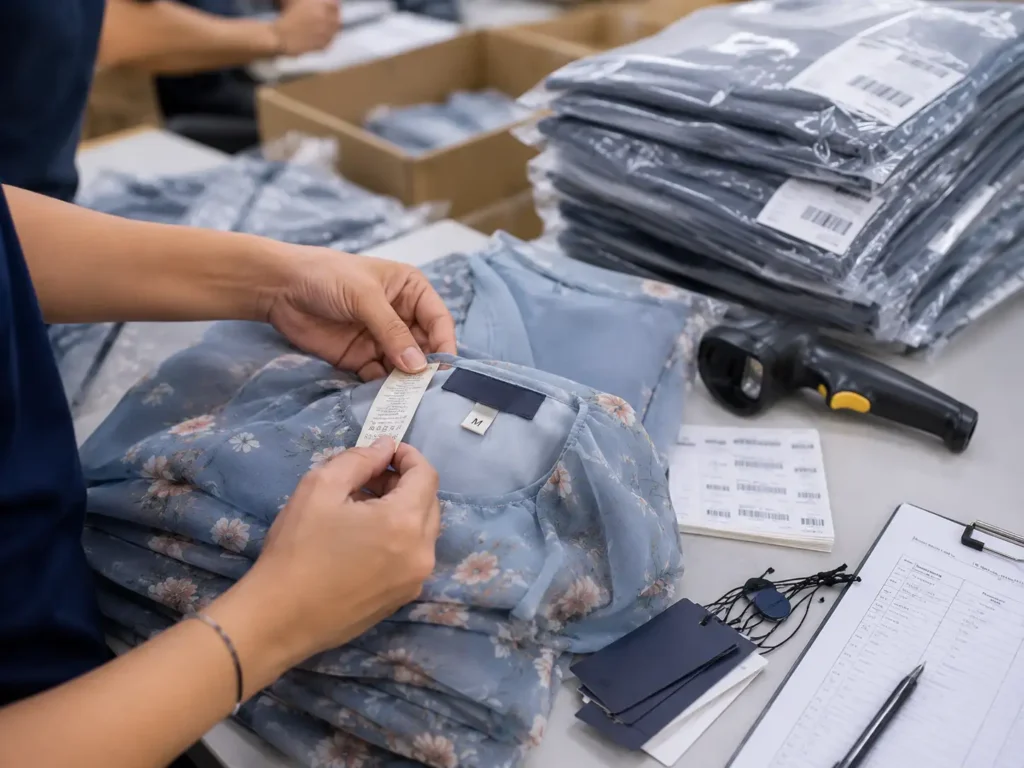
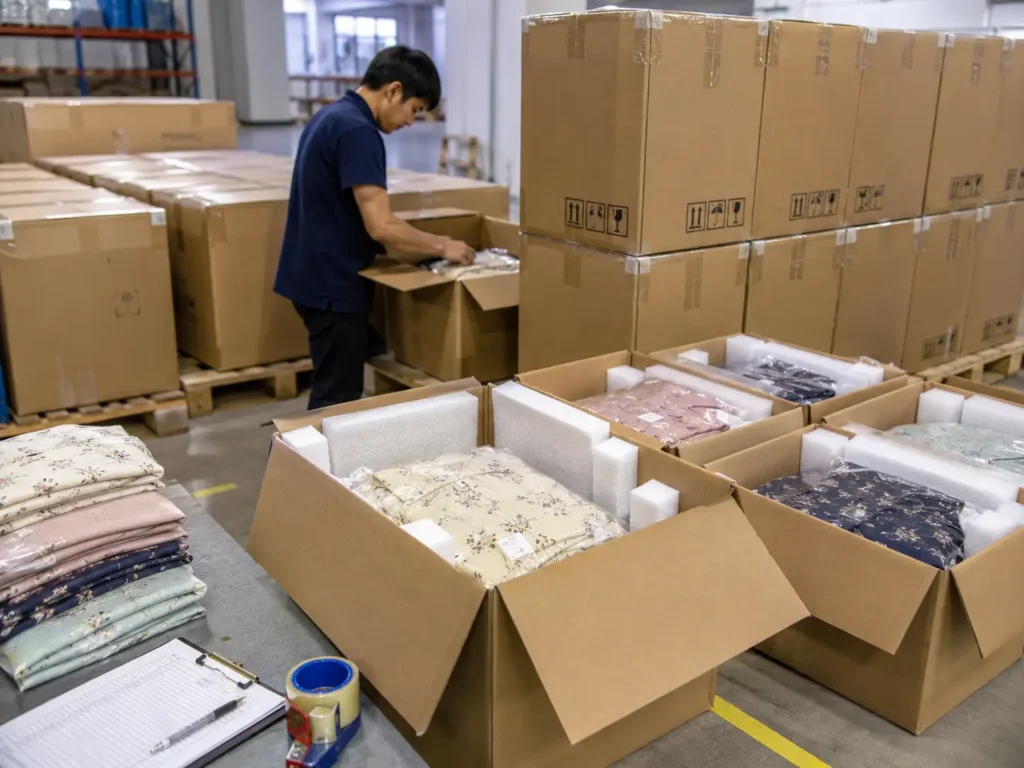
Private-label support includes woven labels, size labels, care labels, hangtags, barcode stickers, SKU labels, polybags, carton marks and packing lists. Packing can be adapted for retail or ecommerce receiving requirements. Pale and delicate garments may need tissue, zipper protection, controlled folding or structured support to reduce snagging, transfer and pressure marks.
Jinfeng Apparel supports NDA-based cooperation and protects tech packs, samples, patterns, measurements, fabric plans, trims, labels, packaging, pricing, quantities and unpublished designs. Public images and case materials should remove brand names, barcodes, purchase order details and unreleased artwork unless written permission has been provided.

Start Your Ivory Dress Manufacturing Project
Send Jinfeng Apparel the information already available, whether it is a completed tech pack, line sheet, reference image, physical sample or early product direction.
Kelly and the development team will organize the brief, identify missing technical details and review fabric, shade, fit, construction, MOQ, sampling and bulk-production feasibility before the next step is confirmed.
For a faster assessment, include:
- Reference images, sketches, tech packs or original sample photos
- Quantity per style and color
- Preferred ivory shade or physical color reference
- Fabric, lining and trim direction
- Size chart and intended size range
- Brand labels, hangtags, barcode and packing requirements
- Target market, launch date and delivery window
- Any inspection, testing, warehouse or shipping instructions