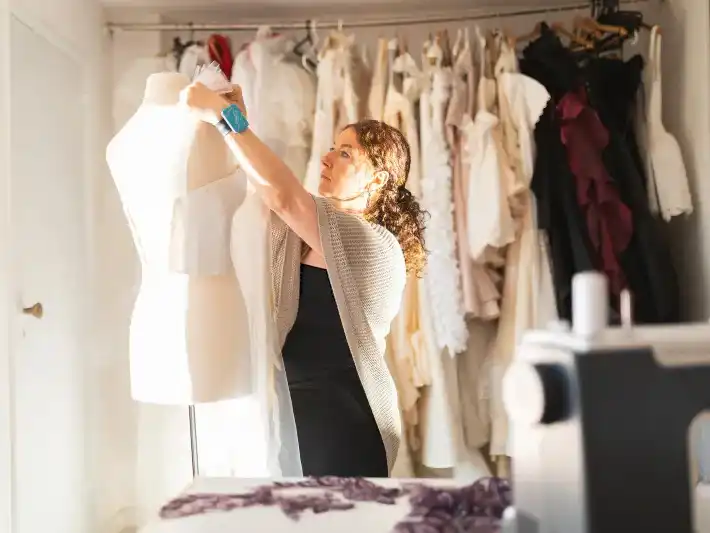
Internal Dress Support Structures
Hidden bust, waist and neckline support engineered for structured dresses requiring secure fit, clean appearance and repeatable bulk production.
Jinfeng Apparel develops internal support as part of the garment pattern, not as an afterthought. Structured dress programs can combine cups, boning, underwire, anti-slip tape, structured lining, elastic support and controlled closures according to silhouette, fabric and fit goals.
- Since 2008: focused on custom women’s fashion development and production.
- 2 sample rooms for first, fit, revised, PP and Golden sample development.
- 7+ senior pattern makers working on bust, underbust, waist, neckline and structure placement.
- 20+ sample machinists for complex bodices, corset-inspired styles and occasionwear samples.
- 15+ QC inspectors covering measurement, component position, symmetry and workmanship in bulk.
- 100,000+ pcs regular monthly capacity across multi-style women’s fashion programs.
Development Capacity Behind Structured Dress Programs
2 Sample Rooms
7+ Pattern Makers
Senior pattern makers review bust volume, upper-bust fit, underbust position, waist shaping, neckline geometry, side coverage and closure placement.
20+ Sample Machinists
15+ QC Inspectors
18+ Sewing Lines
6+ Flexible Lines
What Internal Dress Support Structures Actually Control
Shape
Support
Stability
Clean Appearance
Dress Designs Requiring Internal Support
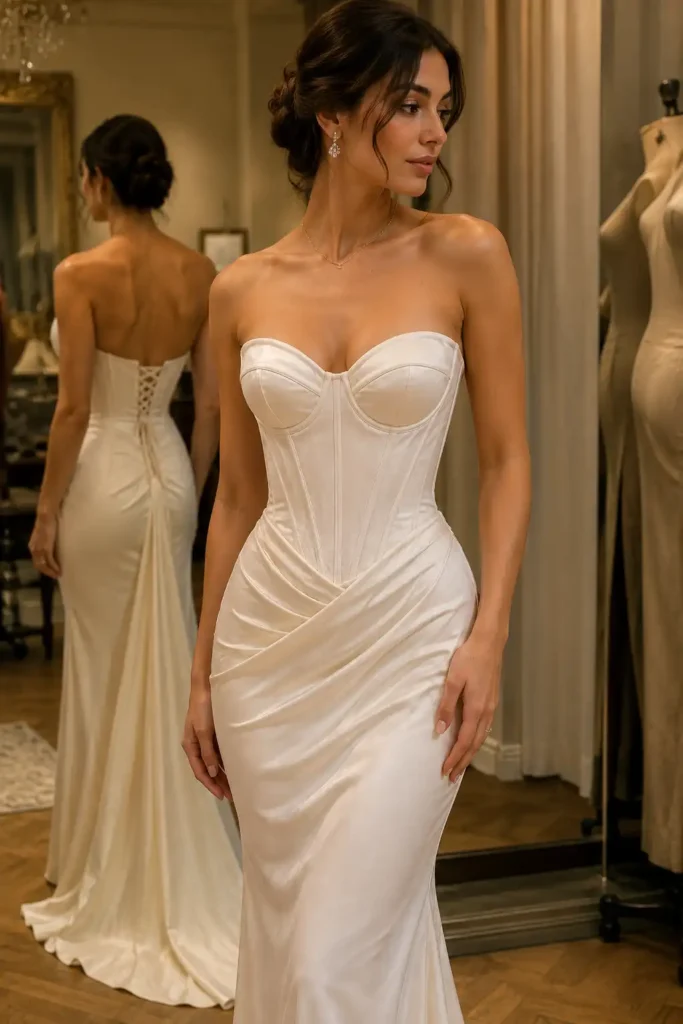
Corset Dresses
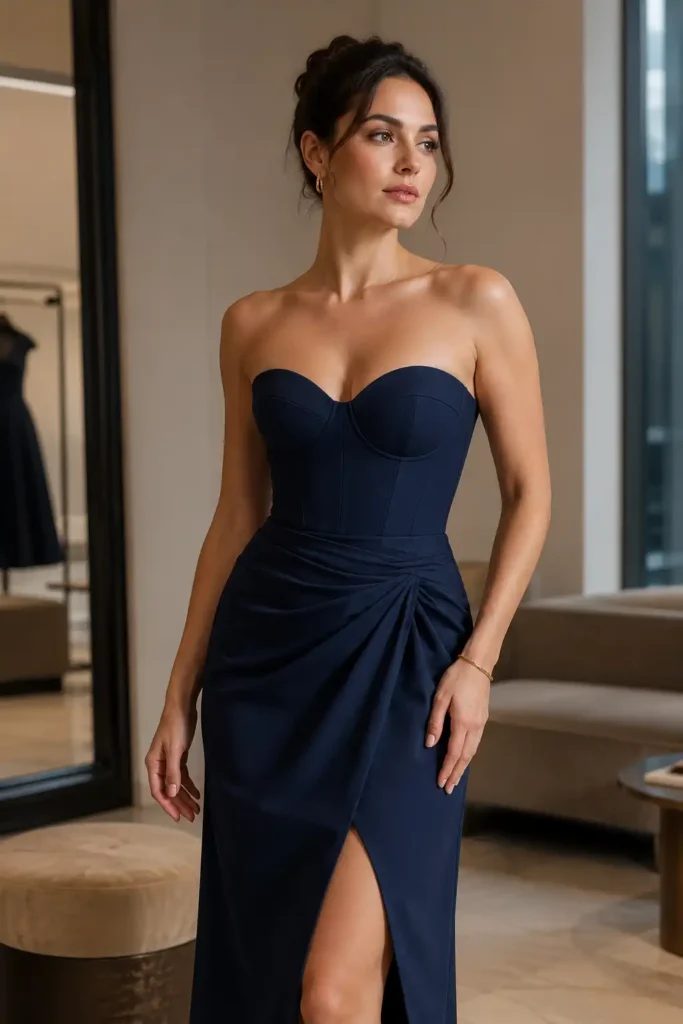
Bustier Dresses
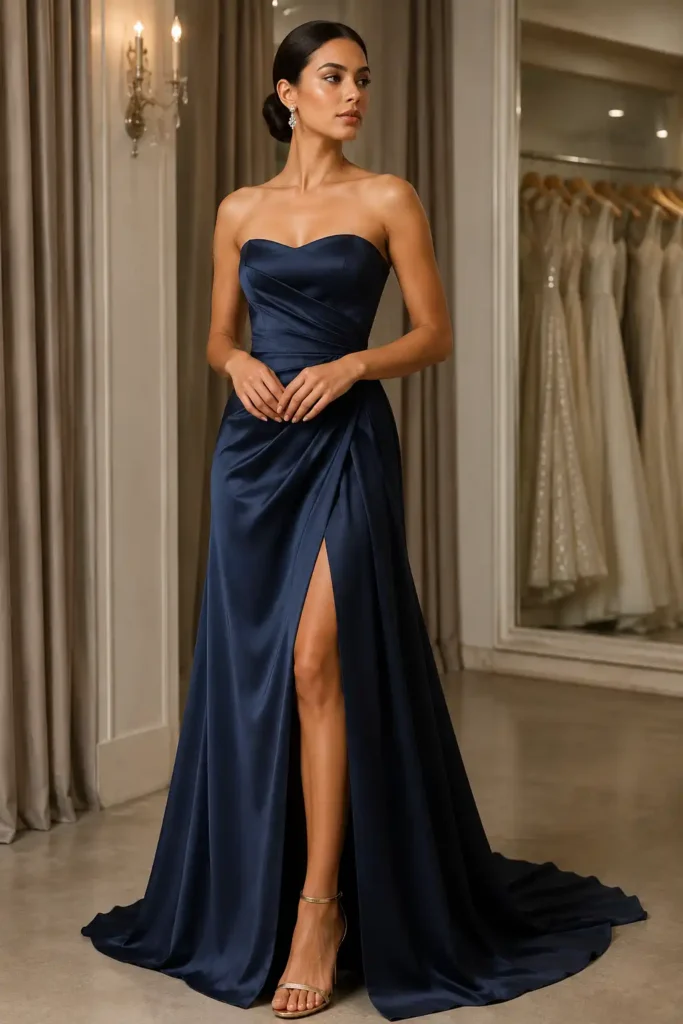
Strapless Dresses
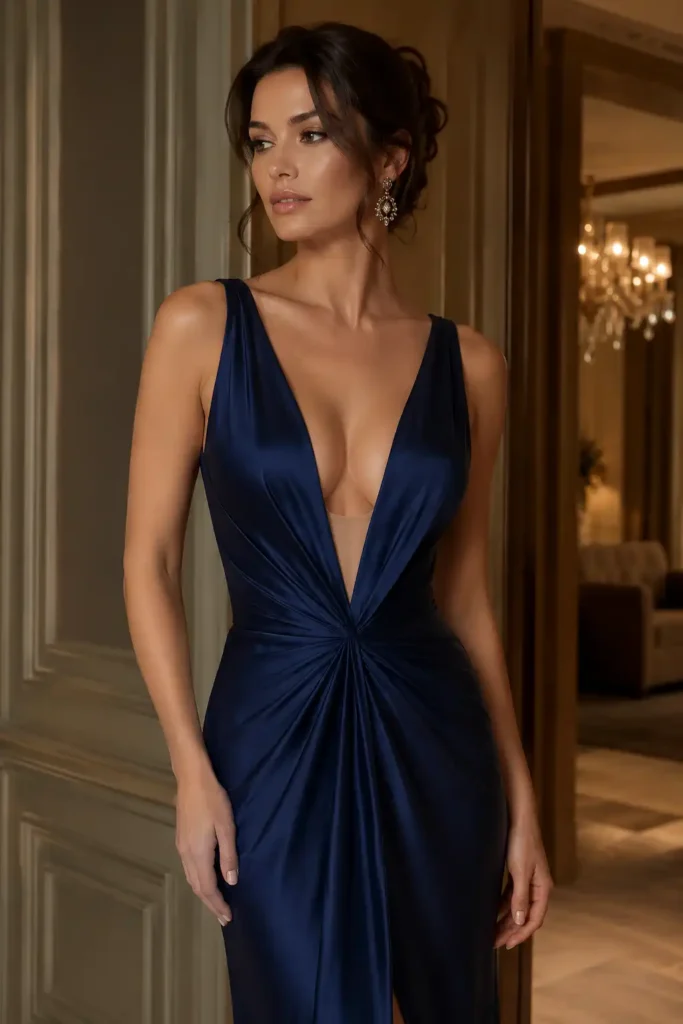
Deep-V Dresses
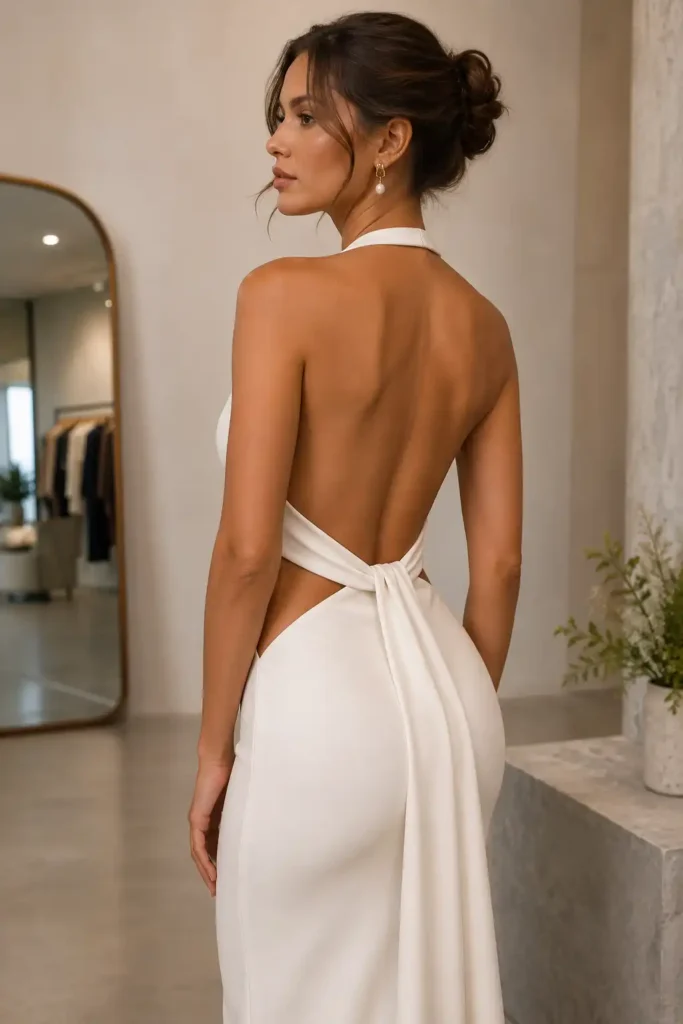
Backless & Cut-Out
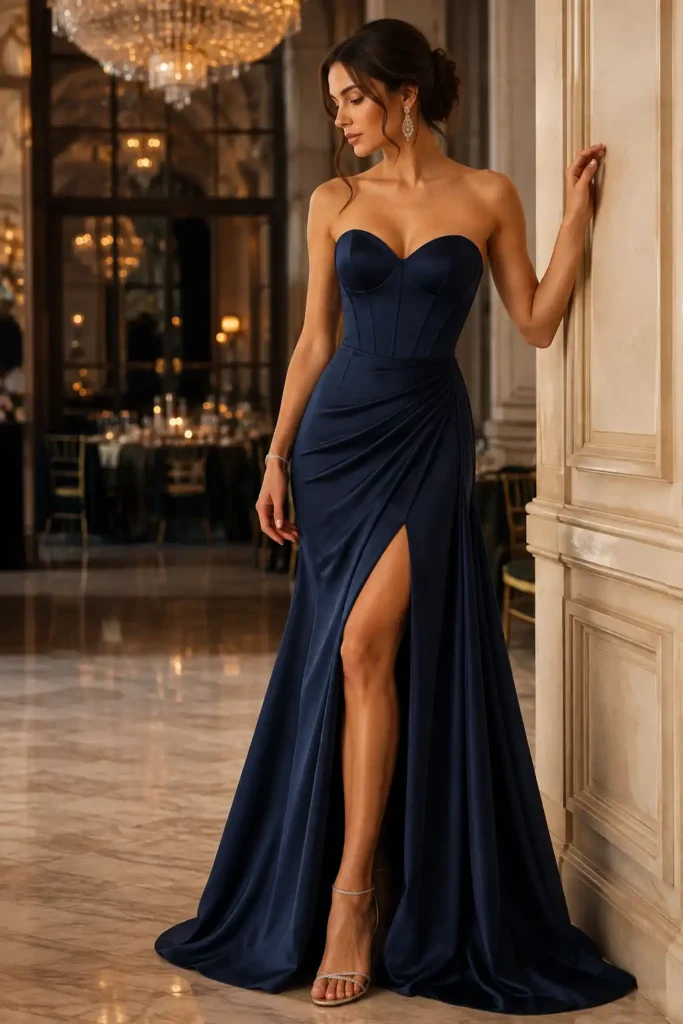
Structured Occasion
Support Failures We Check Before Bulk Production
Strapless Slipping
Empty Cup Volume
Neckline Gaping
Bodice Collapse
Zipper Bulging
Visible Structure Lines
Internal Support System Map for Structured Dresses
Support components work as a system. Selection starts with silhouette, body coverage, shell fabric, lining strategy and target feel. The table below shows common functions and the development risks Jinfeng reviews before approving construction.
| Support Element | Primary Function | Common Applications | Development Risk |
|---|---|---|---|
| Bra Cups | Bust shape, coverage and controlled volume | Corset, bustier, strapless, deep-V | Wrong depth, height or spacing distorts neckline and bust shape. |
| Boning | Vertical support, anti-collapse and waist shaping | Corset, bustier, strapless, structured occasion | Poor route, sharp ends or excessive stiffness creates discomfort or visible ridges. |
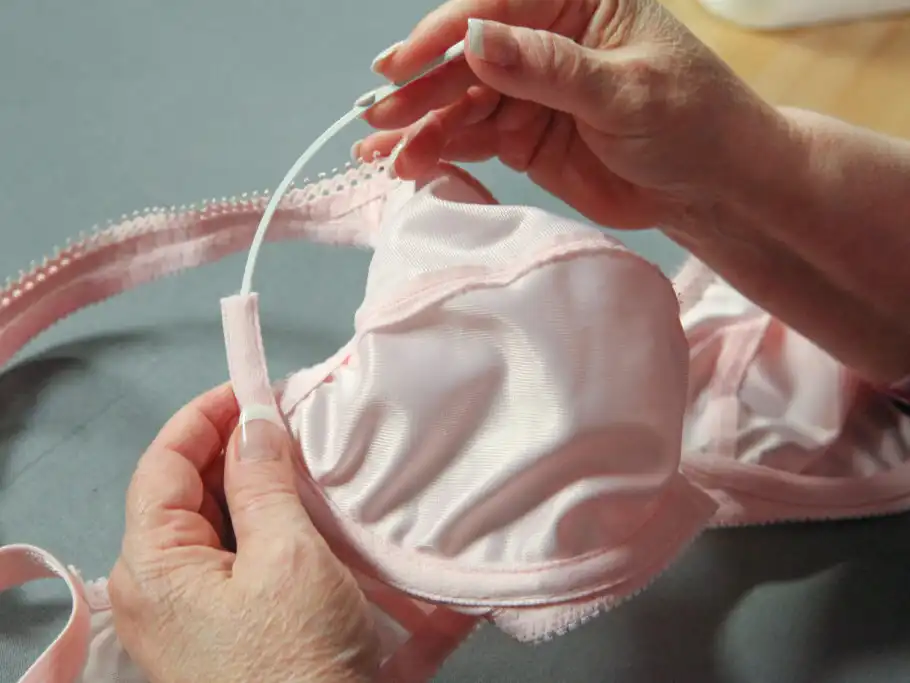
| Underwire | Defined underbust anchoring and stronger cup support | Selected bustier, corset and lingerie-inspired dresses | Wire shape must match cup and underbust curve; endpoints need stable, comfortable channels. |
| Structured Lining | Foundation stability, opacity and tension distribution | Structured satin, lace, mesh and formal dresses | Lining too soft reduces support; lining too firm can distort drape or increase bulk. |
| Power Mesh / Elastic | Flexible hidden support and edge control | Cut-out, open-back, fitted and low-neckline styles | Incorrect stretch or tension creates pressure, puckering or weak recovery. |
| Anti-Slip Tape | Upper-edge grip for strapless stability | Strapless, bustier and selected corset styles | Placement and tension need wear testing; excessive grip can irritate skin or distort the edge. |
| Hooks / Zippers | Closure, tension control and stable entry | Fitted structured bodices | Closure position must work with boning, lining and seam tension to remain flat. |
| Underbust / Waist Structure | Load distribution and torso anchoring | Corset, bustier, strapless and formal styles | Wrong vertical position causes pressure, waist migration or weak upper-body support. |
Bust Fit Engineering Comes Before Added Support
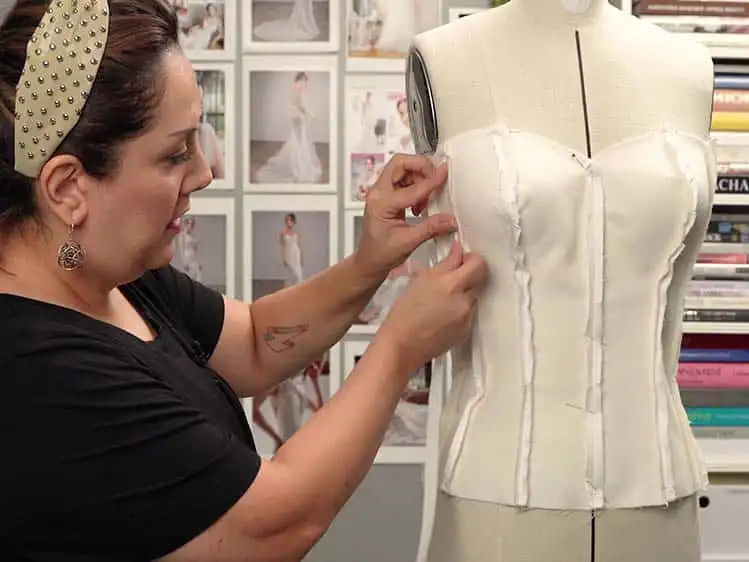
A secure bodice begins with pattern geometry. Cups, boning and anti-slip tape cannot rescue a pattern missing upper-bust, bust-point, underbust or side-body relationships. Jinfeng reviews the body zones carrying support before finalizing component placement.
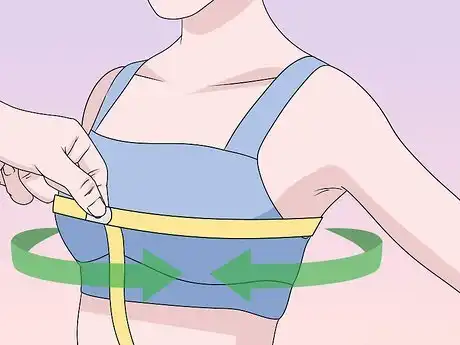
Upper Bust, Full Bust and Underbust
Upper-bust control decides whether a strapless or low-neckline edge stays close to the body. A measurement can look acceptable on a flat specification can still fail when the neckline is curved, angled or partly on bias. Full-bust volume then determines projection through the front panels and the amount of space required around the cup. Underbust position supplies a more stable horizontal reference for many structured silhouettes. When these three zones are treated as one circumference, the bodice can become tight in one area and hollow in another. Pattern review therefore separates coverage, volume and anchoring.
Princess seams, darts, underbust seams and side panels are shaped around the intended silhouette rather than tightened uniformly. For structured satin or clean woven shells, seam allowance and inner-layer thickness are also considered because added bulk can change the finished circumference. Fit samples are used to check neckline contact, bust projection, side coverage and breathing comfort before structural details are locked. A strong result should feel secure without relying on excessive compression.
Cup Position, Side Coverage and Back Height
Cup position needs to follow the approved bust point and neckline geometry. A cup set too high can push the neckline upward and flatten the lower bust; a cup set too low can create empty volume above the bust.
Side coverage controls the transition from cup area to underarm and side seam, especially in strapless, bustier and deep-V dresses. Back height also changes how tension travels around the torso.
Lower backs reduce the area available for support, while higher backs can provide stronger anchoring but may alter the intended design line. Jinfeng uses fit comments to adjust pattern lines, cup placement, back balance and seam tension together.
Size grading receives separate review because a fixed cup position shift across every size can move the support away from the body. Approved measurement records and final patterns are kept aligned before bulk production so the support system can be reproduced rather than recreated by sewing operators.
Built-In Cup Development and Positioning
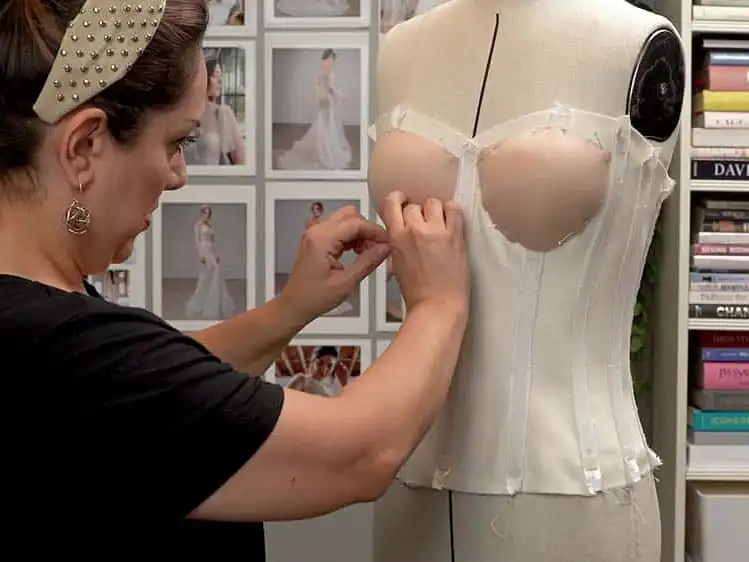
Built-in cups affect shape, coverage, neckline height and wearing security. Jinfeng selects and positions cups in relation to the actual pattern, shell fabric, lining and support level rather than adding a standard insert after the bodice is finished.
Cup Shape, Depth and Edge Transition
Cup selection starts with the silhouette. A shallow cup can support a clean fashion shape where strong projection is not required, while a deeper profile may be needed for a more defined bustier line.
Thickness and softness influence both comfort and the way the cup edge transitions into surrounding fabric. Smooth satin can reveal a hard cup boundary, while lace or textured fabric may hide the edge more easily. Jinfeng reviews cup width, depth, lower curve, top edge and side profile against the pattern before attachment.
The cup should support the intended shape without forcing the outer bodice into a different contour. Fixed cups can be sewn or secured within the lining system according to construction; removable solutions require a stable pocket and enough internal space to prevent movement. During sample fitting, cup coverage and visible neckline balance are checked together. An attractive flat sample is not enough if the cup collapses, floats or becomes obvious once worn.
Vertical Position, Spacing and Bulk Consistency
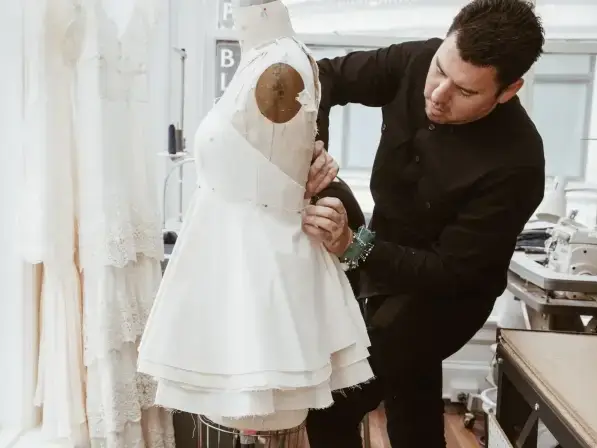
Vertical position is measured against bust point, underbust seam, neckline and waist reference rather than judged only by eye. Cup spacing also affects center-front shape and cleavage exposure. On asymmetric or deep-V designs, left and right positions may interact with different neckline angles even when the body remains symmetrical. Jinfeng records approved cup type and placement for production handover so bulk sewing follows the same reference. Position control matters across sizes because grading can change bust width, vertical length and neckline coverage at different rates. Bulk inspection therefore checks left-right symmetry, vertical position, attachment security, edge visibility and relationship to boning or underwire. If the outer shell is smooth, pressing and seam-layer transitions are reviewed to reduce cup-edge show-through. Cup development is complete only when shape, comfort, coverage and production repeatability all agree.
Boning Placement for Support Without Excess Stiffness
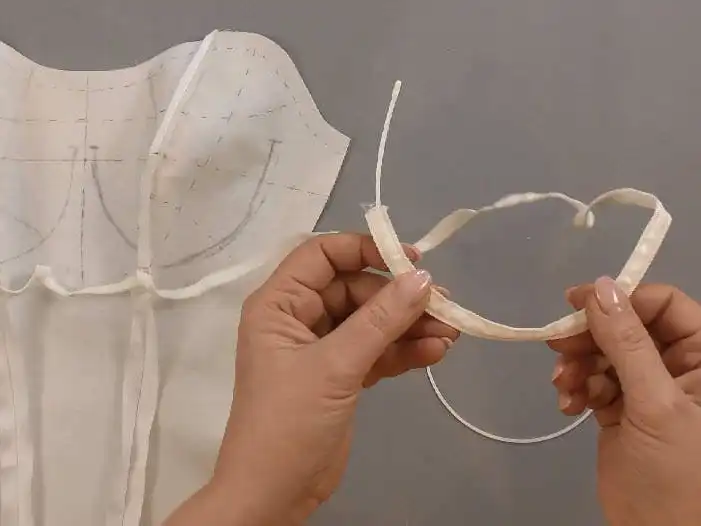
Boning should follow the support path of the bodice. Quantity alone does not create better structure. Jinfeng reviews where panels fold, where waist tension is carried, where the neckline needs stability and where the outer fabric is sensitive to ridges.
Support Lines, Channels and Waist Shaping
Boning can follow princess seams, selected panel seams, side seams or dedicated internal channels depending on the pattern. The goal is to resist collapse and guide the bodice through the torso without forcing a rigid shape onto areas needing movement.
Corset-inspired fashion dresses often use lighter structural support than traditional corsetry, so placement matters more than simply increasing stiffness. Jinfeng checks channel width, seam allowance, boning length and the relationship between bone route and waist line. A bone ending too high can leave the lower torso unsupported or become visible near the bust; one ending too low can press into the hip or bend during sitting.
Boning near a zipper must leave enough space for clean installation and closure movement. In smooth satin, channel thickness and seam bulk are controlled because strong internal lines can print through the shell. Sample fitting shows whether the support line holds the intended silhouette without creating local pressure.
End Protection, Comfort and Production Control
Boning ends need protection because repeated movement can create concentrated pressure against lining or skin. End finishing, channel closure and internal seam handling are therefore part of the workmanship standard, not hidden details left to individual operators. Jinfeng checks whether the selected boning bends appropriately for the design, whether the wearer can sit and turn comfortably, and whether the channel remains stable after handling.
Approved bone type, length and position are transferred into trim references and sewing instructions before bulk production. QC then checks position, left-right symmetry, channel stitching, end security and visible ridging. A structured dress should hold shape during wear while still allowing natural movement. Excessively rigid construction can increase discomfort, distort the neckline and create unnecessary labor without improving stability.
Hidden Foundation Layers Supporting the Outer Design
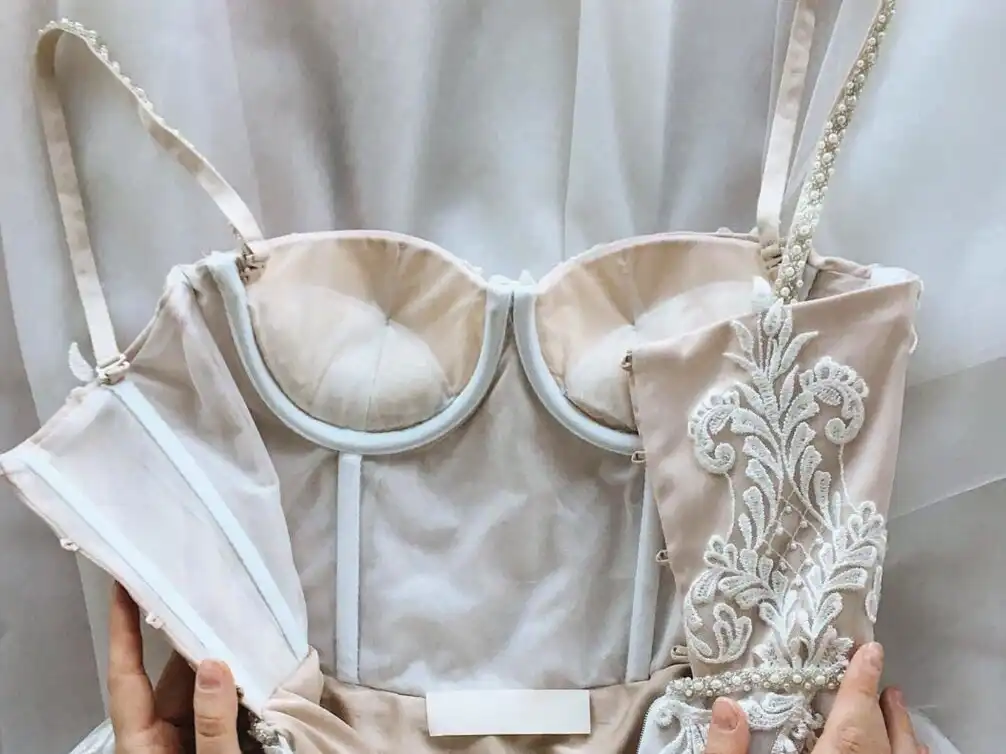
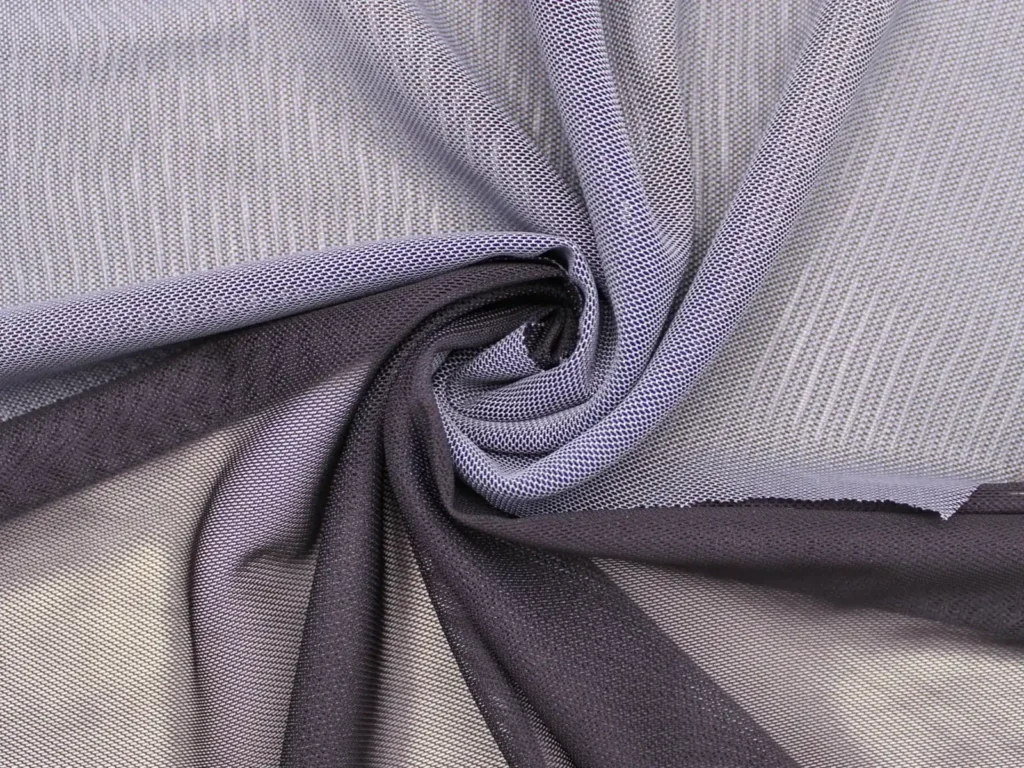
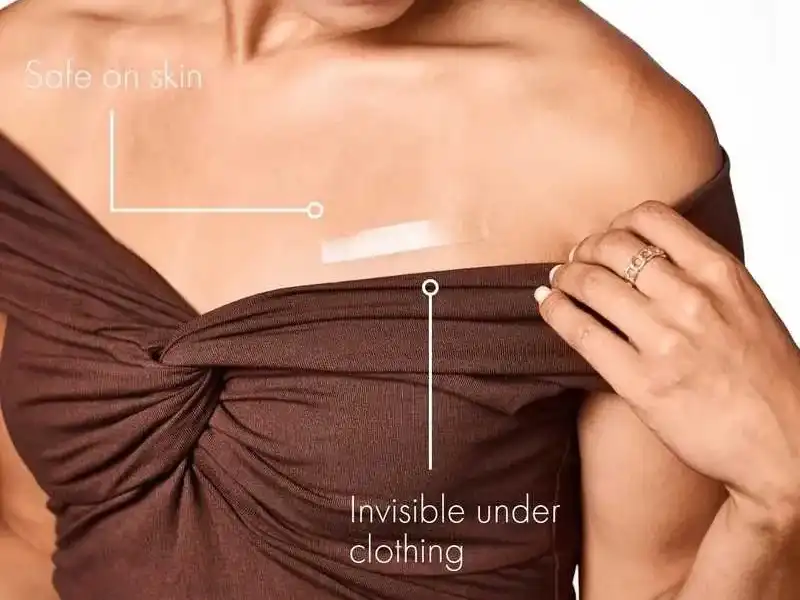
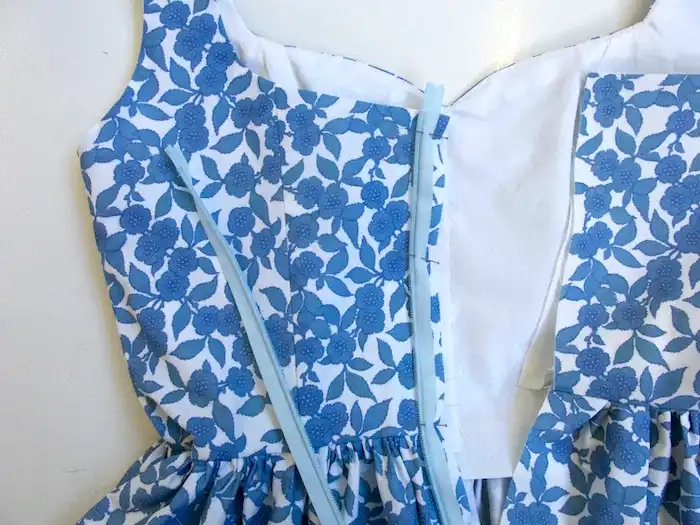
Many structured dresses depend on flexible layers rather than visible corsetry. Lining, mesh, elastic, anti-slip tape, facing and selected underwire can stabilize open or fitted designs while keeping the fashion surface clean.
Structured Lining
Power Mesh
Elastic Support
Anti-Slip Tape
Facing and Tapes
Underwire
Waist Anchoring, Closures and Tension Distribution
Underbust Control
Waist Structure
Back Closures
Side Support
Fabric and Internal Support Must Be Developed Together
The same cup, boning or lining plan can behave very differently under satin, mesh, lace, velvet or stretch fabrics. Jinfeng reviews handfeel, stretch, recovery, transparency, surface sensitivity and seam bulk before finalizing support construction.
| Fabric Direction | Support Concern | Suitable Structure Direction | Visual / Production Risk |
|---|---|---|---|
| Satin | Smooth surface reveals internal ridges and seam pressure. | Cups with controlled edge transition, selected boning, clean lining, careful zipper tension. | Cup edges, boning lines, pressing marks, snagging and shine distortion. |
| Stretch Satin | Support competes with fabric stretch and recovery. | Stable lining zones, controlled boning, cup support, tension-balanced seams. | Side-seam pulling, stretched neckline, puckering and recovery mismatch. |
| Mesh | Transparency makes internal structure visible. | Power mesh, strategic lining, clean cup coverage, hidden reinforcement. | Visible channels, uneven transparency, edge strain and seam tearing. |
| Lace | Open structure and motifs complicate support attachment. | Lining foundation, controlled cup placement, hidden channels, motif-aware seams. | Visible reinforcement, broken motifs, bulky seams and inconsistent placement. |
| Velvet | Pile and thickness increase seam bulk and marking risk. | Stable lining, moderate support, careful channel and zipper construction. | Crushed pile, seam ridges, pressing marks and bulky waist joins. |
| Structured Woven | Firm shell can carry shape but may resist body movement. | Cups, selected boning, shaped seams, stable lining and clean closures. | Over-rigidity, pressure points and sharp panel transitions. |
| Sequin | Decorative surface adds weight and seam thickness. | Stable lining, protected internal support, reinforced closures and selective boning. | Skin scratch, broken sequins, thick channels and zipper distortion. |
| Jersey / Ponte | Stretch can support comfort but reduce edge stability. | Elastic control, stable lining zones, selective cups or light boning where needed. | Stretch-out, rolling edges, twisting and inconsistent recovery. |
Pattern Development for Structured Bodices
Support is built into the pattern long before bulk sewing begins. Jinfeng uses pattern review to define body proportion, panel geometry, seam paths and component positions so the internal structure has a repeatable foundation.
From Design Line to Support Architecture
A sketch can show a sweetheart neckline, narrow waist and sculpted bust, but production patterns must translate those visual ideas into measurable curves and seams. Jinfeng reviews bust point, upper bust, underbust, waist, torso length, side seam, back height and neckline depth before choosing the final support path. Princess seams and panel lines can carry shaping, while internal channels may add support where visible seam placement does not allow enough structure. Deep necklines, asymmetry, cut-outs and low backs reduce available anchoring area and may require hidden mesh, selected elastic or adjusted closure placement. Pattern makers also account for shell-fabric behavior and lining thickness because support components change seam bulk and finished circumference. If a reference garment or approved sample is supplied, construction can be measured and analyzed while respecting brand ownership and project confidentiality. The goal is not to copy an internal layout blindly; the goal is to rebuild a reliable structure around the brand’s measurements, fit block and design requirements.
Grading the Support, Not Only the Circumference
Size grading needs more than adding equal increments to bust and waist. Neckline depth, cup position, cup width, torso length, boning position, side coverage and back height may require separate rules so support remains in the correct anatomical area. A placement working on the base size can drift after grading if every structural point follows the same horizontal or vertical shift. Jinfeng reviews final patterns, size charts and trim positions before production handover. Brand-specific fit blocks can be used when supplied, allowing different markets or product families to follow their established proportion standards. Size-set review is especially valuable for strapless and corset-inspired styles because small position changes can affect security and comfort. Approved grading becomes part of the production reference rather than a late adjustment made on the sewing floor.

Sampling and Fit Validation for Complex Support
Jinfeng uses sample rounds to prove structure before bulk production. With 2 sample rooms, 7+ senior pattern makers and 20+ sample machinists, complex bodices can move through measured fit corrections rather than informal sewing adjustments.
First Sample to Revised Fit
The first sample checks whether the design can be built with the proposed fabric, lining and support components. The team reviews bust volume, neckline coverage, cup profile, boning route, waist position, zipper behavior and overall silhouette. Fit comments are recorded by location so pattern corrections can address the cause rather than hide the symptom. An empty cup may require volume or placement changes; a slipping neckline may involve upper-bust shape, back height, anti-slip placement or waist stability; a bulging zipper may indicate excess tension around the back or waist. Revised samples then confirm whether changes work together. Complex structured styles may require more than one correction round because changing cup position can also alter neckline, boning and lining relationships. Sample timing is confirmed after fabric and trim availability, construction review and required revision rounds are clear. Jinfeng does not treat every structured style as having the same development cycle.
PP and Golden Sample Lock
Before bulk production, the approved structure needs a fixed reference. PP approval can lock shell fabric, lining, cup type, boning type and position, zipper, hooks, anti-slip tape, measurements, sewing construction and private-label details. A Golden sample can serve as the physical comparison standard when required by the project. Production handover then uses final pattern files, size charts, trim references, sewing instructions and QC checkpoints. Late changes to cup, boning or lining after PP approval can affect material purchasing, cost, sewing sequence and delivery schedule, so changes are reviewed before implementation. A disciplined lock protects both design accuracy and bulk consistency across larger programs.
Support Must Stay Stable Through Real Movement
Standing
Sitting
Raising Arms
Turning & Walking
Workmanship Details Behind a Clean Structured Dress
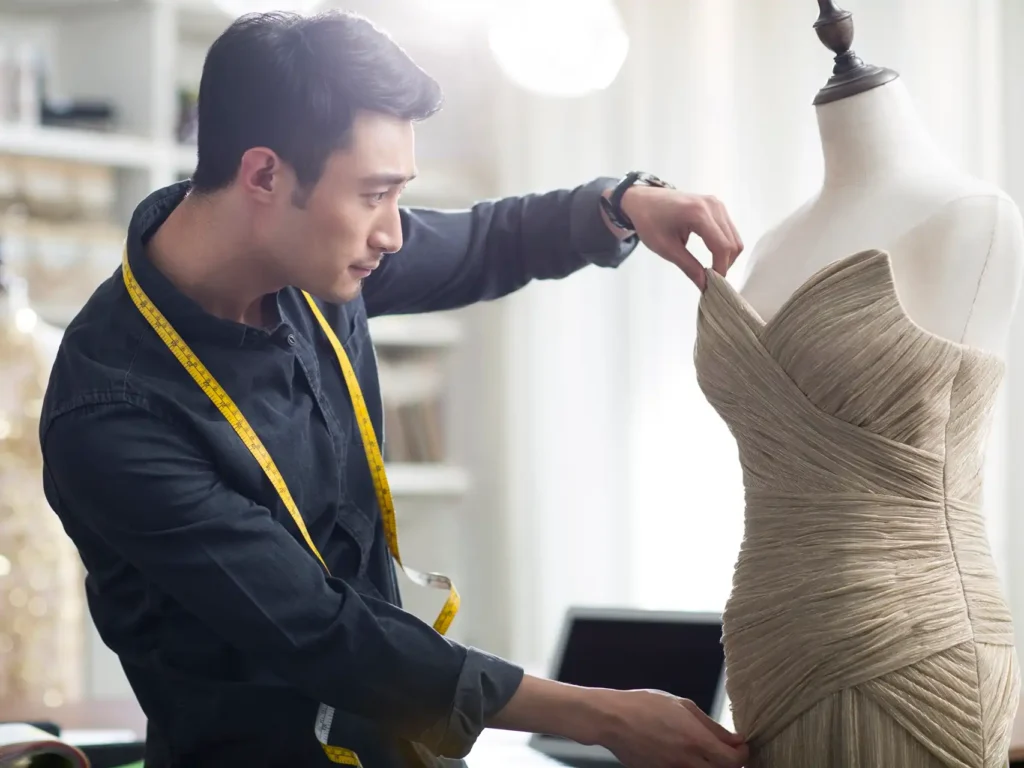
Internal support is judged by the finished exterior and the unseen sewing inside. Clean channels, secure cup attachment, protected boning ends, stable lining and flat closures are required for a structured dress to feel refined rather than overbuilt.
Channels, Cups and Internal Attachment
Boning channels need consistent width, straight stitching and secure ends so bones do not twist or migrate. Cup attachment must hold the approved position without creating hard ridges around the edge. If underwire is used, channel curvature and endpoints need enough protection to prevent pressure against the body. Lining attachment should support the structure without pulling the shell off grain or creating extra bulk at the waist and neckline. Jinfeng reviews seam allowance, internal trimming, topstitching and reinforcement according to fabric thickness. Satin and stretch satin demand especially clean transitions because internal thickness can appear on the surface. Mesh and lace require controlled attachment points so hidden reinforcement does not become visually dominant. Sewing sequence is planned around the structure; attaching a lining too early or closing a channel before fit confirmation can make later correction difficult and increase rework.
Closures, Symmetry and Finish Control
Back zippers, hooks and lace-up elements must close cleanly while carrying the intended bodice tension. A zipper installed into an unstable or over-tight back panel can wave even when the zipper itself is correct. Left-right symmetry is checked across cups, panel seams, boning channels and neckline edges because structured silhouettes make small deviations visible. Anti-slip tape needs even application and smooth edge finishing so grip does not distort the shell. Final pressing follows fabric-specific limits; strong heat or pressure can mark satin, flatten velvet or create impressions over internal components. Workmanship standards are transferred into production instructions and QC points before bulk sewing. The target is a dress looking clean from the outside, feels controlled on the body and remains consistent when repeated across thousands of garments.
From Approved Structure to Bulk Production
Final Pattern
BOM & Trim Card
Sewing Standard
PP Reference
QC Checklist
Production Allocation
Bulk QC for Internal Support Structures
Structured dresses need inspection beyond basic garment measurements. Jinfeng combines measurement, component-position and workmanship checks so support remains consistent across sizes, colors and production batches.
Measurement and Position Control
Bulk checks begin with approved garment measurements such as bust, upper-bust where specified, waist, back height and key neckline dimensions. Structural placement is then compared with production references: cup height, cup spacing, boning position, anti-slip tape, zipper line, hook placement and lining coverage.
Left-right symmetry matters because a few millimeters of visible drift can affect neckline balance or cup appearance on fitted dresses. Size grading is checked against approved patterns rather than judged only from the base size. When multiple colors or shell fabrics are used, the team also reviews whether material behavior changes the finished measurement or tension.
Jinfeng has 15+ QC inspectors supporting inline and garment inspection, with structure-sensitive checkpoints added according to style. The goal is to detect position or fit drift before large quantities accumulate.
Workmanship, Comfort and Exterior Appearance
Support components are inspected for secure attachment and clean finishing. Boning channels should remain straight and closed, endpoints protected, cups secure, lining attached without twisting and zippers flat. Anti-slip tape should remain even and comfortable against the upper edge. Inspectors also look at the exterior: cup edges showing under satin, boning ridges, puckered neckline edges, distorted side seams and zipper bulging can signal hidden construction problems. Comfort risks such as sharp bone ends or underwire pressure are escalated because a garment can pass dimensional inspection and still fail in wear. Packing begins only after the garment meets the approved appearance and construction standard. For repeat programs, pattern, trim, measurement, packing and order records are retained so later production starts from established references rather than rebuilding the structure from memory.
Structured Occasionwear Program: 18 Styles, 48,000 Pieces
An anonymized U.S. occasionwear program combined corset minis, strapless midis, bustier dresses and structured evening styles. The project covered 18 styles and approximately 48,000 pieces, with satin, stretch satin, lace, mesh and structured woven fabrics across multiple colors and sizes.
Development Challenge
The collection shared a visual language of defined bust shape and narrow waists, but the internal construction could not be copied from one style to another. Some satin strapless styles needed clean upper-bust grip with minimal visible structure. Lace bustier styles needed support hidden behind motif placement and lining. Mesh-accented dresses needed stable bust coverage without making the transparent areas look heavy. Early fit comments focused on cup height, empty upper-cup volume, boning pressure near the waist, back zipper waves and inconsistent underarm contact. Jinfeng separated the issues into pattern, component and sewing causes. Base patterns were revised around upper bust, full bust, underbust and waist. Cup profiles and positions were adjusted by silhouette. Boning routes were shortened or moved where pressure appeared during sitting, while anti-slip tape was reserved for styles where upper-edge grip improved stability. Shell fabric and lining combinations were reviewed before PP approval so support did not print through smooth surfaces.
Sample Lock and Bulk Control
Development moved through First Sample, Fit Sample, Revised Sample and PP approval, with Golden samples retained for structure-sensitive references. Final handover included approved patterns, size charts, cup specifications, boning positions, trim references, sewing instructions and QC points. The 48,000-piece program was planned in controlled production allocations instead of treating all 18 styles as one sewing method. Satin styles received extra exterior checks for cup-edge and boning visibility; mesh and lace styles received lining and placement checks; strapless styles received upper-bust, anti-slip and back-height review. Bulk QC compared structure position and finished measurements against approved references before packing. Client identity, original tech packs, labels, prices and unpublished designs remain protected under Jinfeng’s anonymized case policy and NDA-based cooperation approach.
How to Evaluate a Structured Dress Manufacturer
Pattern & Fit
Component Integration
Complex Sampling
Fabric Judgment
Bulk Transfer
QC & Confidentiality
Frequently Asked Questions About Internal Dress Support
No. Boning is used when the pattern and silhouette need vertical support, anti-collapse control or waist shaping. Some designs can rely on shaped seams, structured lining, mesh or elastic support. Component choice follows fabric, neckline, fit and comfort goals.
Cup shape, width, depth, thickness and softness are reviewed against bust volume, neckline, lining and target silhouette. Fit samples confirm coverage, projection, spacing and edge visibility before the cup specification is locked.
Often yes, but smooth satin reveals internal thickness easily. Cup-edge transitions, boning position, channel bulk, seam allowance, lining and pressing all need control. Sample review confirms whether structural lines remain acceptable on the outer surface.
Upper-bust fit, back height, cup position, boning, anti-slip tape, structured lining, zipper stability and waist anchoring are reviewed together. Excessive tightness at the top edge is not treated as the only solution.
Underwire can be considered when the design requires stronger underbust definition. Wire curve, channel shape, cup relationship, endpoint protection and comfort need sample validation before bulk approval.
Placement follows approved pattern grading and fit rules. Cup position, boning route, neckline, torso length and side coverage may require separate grading logic rather than moving every point by the same increment.
Fit review can include standing, sitting, arm movement and turning to check neckline security, waist pressure, boning endpoints, underwire contact, back closure and overall mobility.
After PP approval, final patterns, measurements, fabric, cup type, boning type and position, anti-slip placement, closures, sewing methods and QC checkpoints are transferred into production references. Golden samples can be retained when required.
Reference images or tech packs, target fabric, neckline, cup or boning requirements, size range, quantity per style/color, private-label needs and target delivery window help the team assess development scope and quotation.
MOQ starts from 200 pcs per style/color. Final MOQ depends on fabric availability, color development, trims, construction complexity, private-label packaging and production schedule. Special or custom materials may carry separate supplier requirements.

Send Your Structured Dress Project for Review
Share the information already available for your collection, even when the internal structure is not fully resolved. Jinfeng can review the design direction, fabric, fit-sensitive areas, cup or boning requirements, lining strategy, trims and expected order structure before sampling. Clear inputs help the development team identify support risks, confirm material direction, estimate sample scope and prepare a more useful quotation.
Complex structured styles are evaluated by construction rather than priced from a reference image alone. Sample and bulk timing are confirmed after fabric availability, trim readiness, revision needs, PP approval and packing requirements are understood. NDA-based cooperation is available for tech packs, unpublished styles, labels, samples and project files.
- Reference image, sketch, tech pack, line sheet or original sample.
- Dress type, neckline, back design and intended level of bust or waist support.
- Shell fabric, lining direction and any required cups, underwire, boning or anti-slip details.
- Quantity per style/color, color count and target size range.
- Private-label, barcode, packing or retail-ready requirements.
- Target delivery window and preferred shipping arrangement.
- Upload any fit comments, measurement charts or existing construction notes useful for review.