Skip to content

Midi dresses sit at the intersection of elegance and practicality, making them one of the most commercially stable categories in modern women’s fashion. Yet behind every well-fitted silhouette, smooth drape, and balanced hemline is a highly structured manufacturing system that blends design engineering, fabric science, and production discipline. Many brands underestimate how complex this category is—small errors in fabric selection, grading, or stitching tension can completely change the final look and market acceptance of the product.
Midi dress manufacturing is a multi-stage process that transforms a design concept into a finished garment through structured steps including tech pack development, fabric selection, sampling, pattern making, bulk cutting, sewing, and quality control. Each stage ensures consistency in fit, drape, and construction, allowing the final product to meet commercial production standards.
The journey of a midi dress often begins as a sketch or reference image, but what happens next is far more technical than most expect. A slight shift in seam allowance or fabric weight can change the entire silhouette. In real factory environments, production teams treat each midi dress not as a creative idea alone, but as a system of measurable data—fabric behavior, stitch density, shrinkage rate, and even machine compatibility. Understanding this process is key to reducing sampling failure and production risk. Let’s walk through how this transformation actually happens inside a professional garment manufacturing system.
What Is the Manufacturing Process of a Midi Dress?
A midi dress in manufacturing terms refers to a garment with a hem position typically between 10 cm below the knee and mid-calf range. However, in factory execution, definition goes beyond length. Production teams evaluate proportion balance, skirt flare angle, waist positioning, and fabric behavior as core classification points. A bodycon midi and an A-line midi follow completely different construction logic even if both share the same length category.
In real production practice, midi dresses are classified into three technical groups:
| Category | Structure Focus | Production Difficulty | Typical Fabric Behavior |
|---|---|---|---|
| Bodycon Midi | Tight contour shaping | Medium–High | High stretch control required |
| A-line Midi | Gradual flare shaping | Medium | Stable drape needed |
| Slip Midi | Bias-cut fluid structure | High | Slip and movement control critical |
This classification directly affects pattern engineering, sampling rounds, and machine setup. Even small differences in silhouette definition can lead to different production routes inside the factory system.
What stages are included in dress manufacturing flow?
The manufacturing process of a midi dress follows a structured but highly controlled sequence. Each stage is dependent on measurable outputs rather than subjective judgment. In professional production environments, the workflow is divided into clear operational blocks to minimize risk and maintain repeatability across bulk orders.
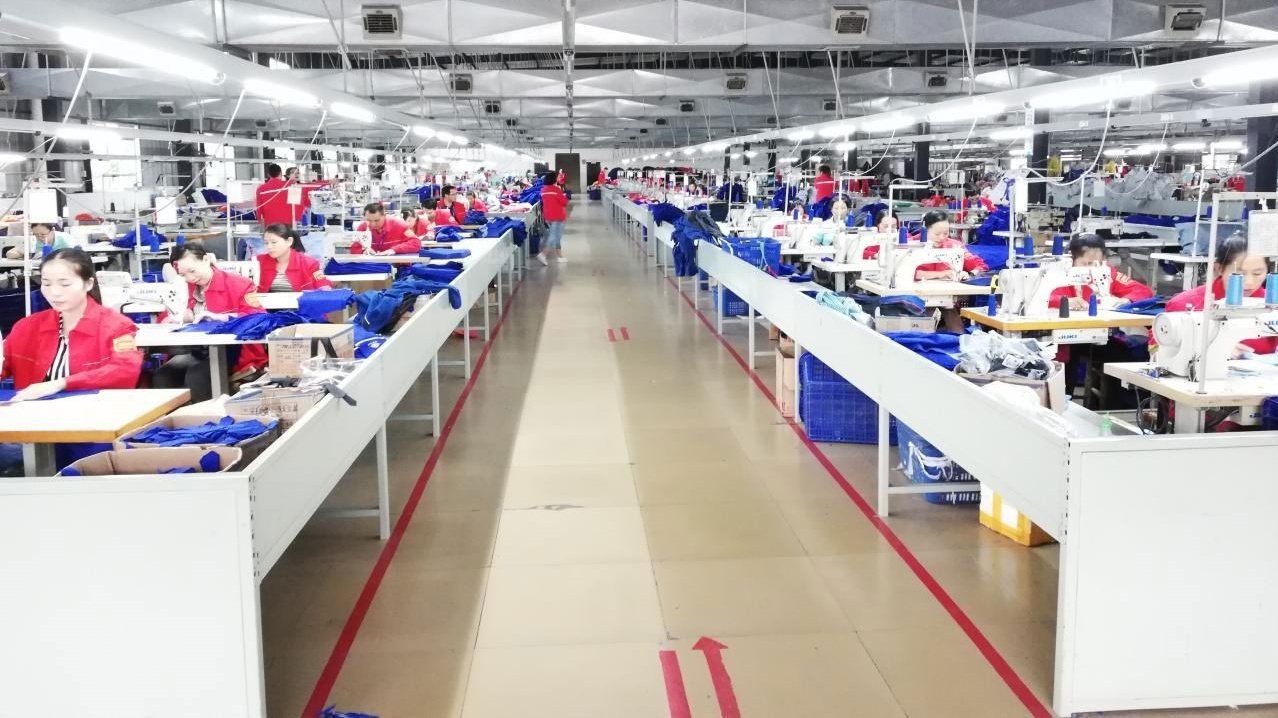
Typical flow includes:
- Design interpretation stage – converting sketch or reference image into technical understanding
- Tech pack development stage – defining measurements, stitch type, fabric, trims
- Fabric and trim sourcing stage – selecting materials based on GSM, elasticity, shrinkage rate
- Pattern making stage – building 2D/3D structure for garment shaping
- Sampling stage – first physical prototype creation and fit evaluation
- Fit correction stage – adjusting pattern and construction errors
- Bulk production stage – cutting, sewing, assembly at scale
- Finishing stage – pressing, trimming threads, labeling
- Quality inspection stage – measurement and defect control
- Packing and shipment stage – folding standards and export preparation
A key reality in production is that most delays occur between stages 3–6. Fabric mismatch, unclear tech packs, or inaccurate pattern grading often extend timelines by 5–12 working days per revision cycle.
Which factors affect production accuracy from design to sample?
Production accuracy in midi dress manufacturing depends on three core control systems: specification clarity, fabric stability, and pattern execution precision. Each factor directly influences whether the first sample is production-ready or requires multiple revisions.
Key influencing factors:
- Measurement completeness: missing even 1–2 key dimensions (waist drop, hip curve, skirt length split) can create structural deviation
- Fabric shrinkage rate: woven fabrics may shrink 2–5%, knits up to 8% depending on composition
- Elasticity control: stretch fabrics require controlled stitch tension to prevent distortion
- Pattern grading logic: incorrect scaling between sizes can cause proportion imbalance in bulk production
- Sewing tolerance control: most factories operate within ±1 cm tolerance for critical points
- Construction complexity: layered skirts, lining systems, or pleating increase error probability by 15–30% compared to basic styles
In real production data, over 60% of first-sample corrections are linked to fabric behavior mismatch rather than sewing defects. This is why experienced factories always run fabric pre-tests before cutting samples.
Mini Production Flow Snapshot (Factory Control View)
| Stage | Input Required | Output | Risk Level |
|---|---|---|---|
| Tech Pack | Measurements + sketch | Production blueprint | Medium |
| Fabric Testing | GSM + shrinkage data | Approved fabric list | High if skipped |
| Pattern Making | Tech pack + fabric data | 2D structure | Medium |
| Sampling | Cut fabric + trims | Physical sample | High |
| Fit Review | Sample garment | Revised pattern | Medium |
| Bulk Production | Approved sample | Mass garments | Controlled |
How Is a Midi Dress Designed Before Manufacturing?
The design stage of a midi dress begins with a visual idea—hand sketch, digital illustration, or reference garment image. In professional garment development, however, sketches alone are not enough for production. They must be translated into measurable technical specifications that define exact garment behavior.
This conversion process includes breaking down the visual design into structured data:
- Shoulder width vs. bust ratio calculation
- Waist position mapping (high waist / natural waist / dropped waist)
- Skirt flare control (A-line angle, pleat depth, or bias cut direction)
- Hem length positioning based on height grading rules
- Seam placement and dart positioning for shaping accuracy
A key technical point in midi dress design is proportion control. A deviation of even 1.5–2 cm in waist drop can change the entire silhouette balance, especially in fitted or structured styles.
In factory environments, sketch-to-spec conversion is treated as a risk-control step. The goal is not interpretation freedom, but measurable repeatability across sizes and production batches.
What role do tech packs play in midi dress production?
A tech pack is the operational instruction document that drives the entire manufacturing process. It is not a design presentation file—it is a production control system.
A complete midi dress tech pack usually includes:
| Component | Content Detail | Production Impact |
|---|---|---|
| Measurement Sheet | Body + garment specs per size | Determines fit accuracy |
| Fabric Specification | GSM, composition, stretch rate | Controls drape and comfort |
| Construction Details | Stitch type, seam allowance | Affects durability |
| Trim List | Zippers, buttons, lining type | Ensures assembly consistency |
| Color Standard | Pantone or lab dip reference | Prevents color deviation |
In real production data, incomplete tech packs increase sampling revision cycles by 1–3 rounds on average, which can extend development time by 7–15 days.
Factories rely on tech packs to eliminate ambiguity. When measurement tolerance, fabric behavior, and construction instructions are clearly defined, first-sample success rates increase significantly, often above 75–85% in well-prepared projects.
Which design details impact final garment structure?
In midi dress manufacturing, small design decisions directly influence structural stability and production efficiency. Unlike loose creative interpretation, production systems evaluate design through physical constraints.
Key structural design factors include:
- Waist positioning: determines body proportion balance; a 2 cm shift can visually shorten or elongate torso ratio
- Skirt volume design: affects fabric consumption and cutting efficiency; high flare designs may increase fabric usage by 20–35%
- Neckline depth and shape: impacts pattern complexity and sewing precision requirements
- Sleeve integration method: set-in sleeves require higher alignment accuracy compared to raglan or sleeveless designs
- Lining structure choice: full lining increases stability but also adds 10–18% production time
A common production challenge occurs when design aesthetics conflict with fabric behavior. For example, a highly structured sketch applied to soft chiffon fabric often results in loss of shape unless additional internal reinforcement is added.
Mini Design-to-Tech Pack Comparison Table
| Stage | Input | Output | Common Risk |
|---|---|---|---|
| Sketch Interpretation | Visual reference | Structural breakdown | Misread proportions |
| Measurement Definition | Body sizing logic | Size chart system | Incorrect grading |
| Fabric Assignment | Material selection | Fabric spec sheet | Mismatch with design intent |
| Construction Planning | Sewing logic | Tech pack final version | Missing technical details |
How Are Fabrics and Trims Selected for Midi Dresses?
Fabric selection determines how a midi dress behaves in real wear—its drape, movement, comfort level, and even perceived price positioning. In production practice, fabric choice is not based on appearance alone but on measurable parameters such as GSM, stretch ratio, shrinkage rate, and weave density.
Common fabric systems used in midi dress manufacturing include:
| Fabric Type | Weight (GSM) | Key Behavior | Suitable Midi Styles |
|---|---|---|---|
| Satin (poly/spandex blend) | 120–180 | Smooth surface, soft shine | Slip midi, evening midi |
| Chiffon | 60–100 | Lightweight, airy drape | Layered or flowy midi |
| Crepe | 150–220 | Slight texture, stable structure | Workwear midi, A-line midi |
| Jersey knit | 180–260 | High stretch, body fit | Bodycon midi |
| Cotton blends | 140–200 | Breathable, casual structure | Daywear midi |
In real factory selection, fabric is tested for three core behaviors before approval:
- Shrinkage control (2–5% acceptable range depending on fiber)
- Colorfastness under wash and friction tests
- Elastic recovery rate for stretch fabrics (usually above 85%)
A common production issue occurs when fabric is selected visually without testing drape compatibility. For example, using high-weight crepe for a bias-cut slip midi often results in stiffness and loss of fluid movement.
How do fabric properties affect drape and silhouette?
Fabric behavior directly controls how a midi dress appears on the body. Even identical patterns can produce completely different silhouettes when fabric properties change.
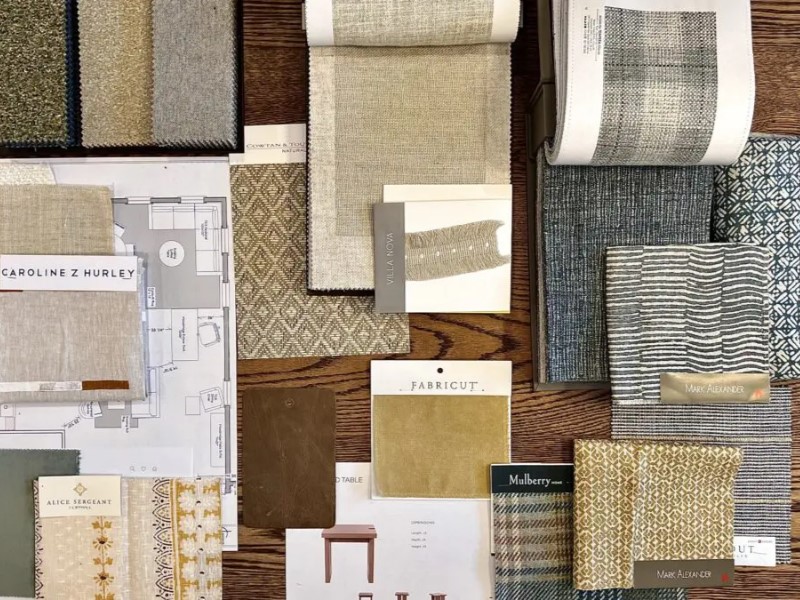
Key physical properties influencing drape:
- Fabric weight (GSM): heavier fabrics create structure, lighter fabrics create flow
- Elasticity: determines body fit stability in fitted midi styles
- Fiber composition: polyester provides stability, viscose enhances softness, elastane adds recovery
- Weave structure: satin weave creates shine and smooth fall, twill adds stability
In production terms, a 20–40 GSM difference can shift a dress from a soft flowy silhouette into a semi-structured form. This is critical in midi dresses because hem movement and waist alignment are highly sensitive to fabric response.
For example:
- A 140 GSM chiffon midi will move freely with wind and walking motion
- A 220 GSM crepe midi will hold shape closer to the body
- A 200+ GSM knit midi will emphasize body contouring and reduce flare effect
Factories usually run drape tests using standardized mannequins before confirming bulk fabric usage to avoid silhouette deviation in production.
Which trims and accessories are required for production readiness?
Trims in midi dress manufacturing are not decorative add-ons—they are functional components that directly affect durability, usability, and finishing quality.
Common trim systems include:
| Trim Type | Function | Production Consideration |
|---|---|---|
| Invisible zipper | Seam closure for fitted styles | Must match fabric weight to avoid puckering |
| Elastic bands | Waist flexibility control | Requires stretch recovery testing |
| Lining fabric | Structure stability & comfort | Must match shrinkage rate of main fabric |
| Buttons & hooks | Functional closure points | Must pass pull strength test |
| Labels & care tags | Branding + compliance | Must follow export market regulations |
Trim selection must be synchronized with fabric behavior. A mismatch between zipper strength and fabric tension is one of the most common causes of production defects in fitted midi dresses.
Key technical checkpoints:
- Zipper tape must match fabric thickness (too rigid causes seam distortion)
- Elastic recovery should maintain shape after 50+ stretch cycles
- Lining shrinkage rate must not exceed outer fabric by more than 1.5%
- Button pull strength should withstand minimum 5–8 kg force depending on placement
In professional production systems, trims are validated together with fabric before sampling begins. Skipping this coordination step often leads to misalignment issues such as wrinkling at seams, uneven tension lines, or garment distortion after washing.
How Is a Midi Dress Sample Developed?
Midi dress sampling is the first physical validation stage where design intent is converted into a wearable prototype. In factory practice, sampling is not a single action but a controlled sequence that verifies structure, fabric behavior, and construction logic before bulk production.
Typical sampling workflow includes:
- Pattern development stage – base pattern is drafted from tech pack or sketch
- Fabric cutting stage – approved fabric is cut based on pattern markers
- Initial sewing assembly – garment is constructed using industrial machines
- Temporary finishing stage – zipper, lining, and trims are attached for first evaluation
- Fit assessment stage – garment is checked on standard model or mannequin
- Correction marking stage – pattern adjustments are recorded for revision
- Second sample iteration – revised version is produced if required
In real production environments, first samples achieve approval only when measurement deviation stays within ±1–1.5 cm range across critical points such as bust, waist, and hip.
How many revisions are normally required before approval?
The number of sampling rounds depends on design complexity, fabric stability, and clarity of technical data. Simple jersey midi dresses often require only one round, while structured or multi-layer designs may require multiple corrections.
| Dress Complexity | Average Sampling Rounds | Development Time | Risk Level |
|---|---|---|---|
| Basic knit midi | 1 round | 5–7 days | Low |
| Standard A-line midi | 1–2 rounds | 7–10 days | Medium |
| Structured / lined midi | 2–3 rounds | 10–15 days | High |
| Design with pleats or corset | 3+ rounds | 15–20+ days | Very high |
Each revision cycle usually adds 3–7 working days depending on fabric availability and factory workload. Delays often occur when measurement corrections require pattern re-engineering rather than simple stitching adjustments.
What common sampling issues affect fit and finish?
Sampling issues in midi dress development are rarely random—they usually originate from gaps in technical preparation, fabric behavior mismatch, or construction logic errors.
Most frequent issues include:
- Waist misalignment: incorrect positioning changes overall proportion balance
- Hem unevenness: caused by inaccurate pattern grading or cutting tension
- Bust fit distortion: often linked to missing dart control or incorrect easing
- Zipper ripple effect: occurs when fabric tension does not match zipper stiffness
- Lining shrink difference: inner and outer layers react differently after stitching
- Armhole tightness or looseness: due to inaccurate sleeve cap shaping
In production data, around 55–65% of first sample corrections are linked to pattern and measurement issues, while 25–35% are related to fabric behavior, and the remaining portion comes from sewing execution inconsistencies.
A key reality in sampling is that small measurement errors can scale into production-wide defects. For example, a 1 cm waist shift in sample stage can result in visible proportion imbalance across hundreds of units in bulk production.
Sample Development Control Points Table
| Control Area | Check Item | Standard Range | Impact if Incorrect |
|---|---|---|---|
| Measurement | Bust/Waist/Hip accuracy | ±1–1.5 cm | Fit distortion |
| Fabric behavior | Shrinkage rate | ≤5% woven / ≤8% knit | Size inconsistency |
| Stitch quality | Seam density | 8–12 stitches per inch | Durability issues |
| Zipper alignment | Center back balance | Symmetrical tolerance | Visual deformation |
| Lining integration | Layer alignment | 100% match required | Internal twisting |
How Does Bulk Production of Midi Dresses Work?
Bulk production of midi dresses starts with a structured planning system that converts confirmed samples into scalable manufacturing schedules. In real factory operations, planning is not only about timing—it is about balancing fabric availability, line capacity, and style complexity across multiple orders.
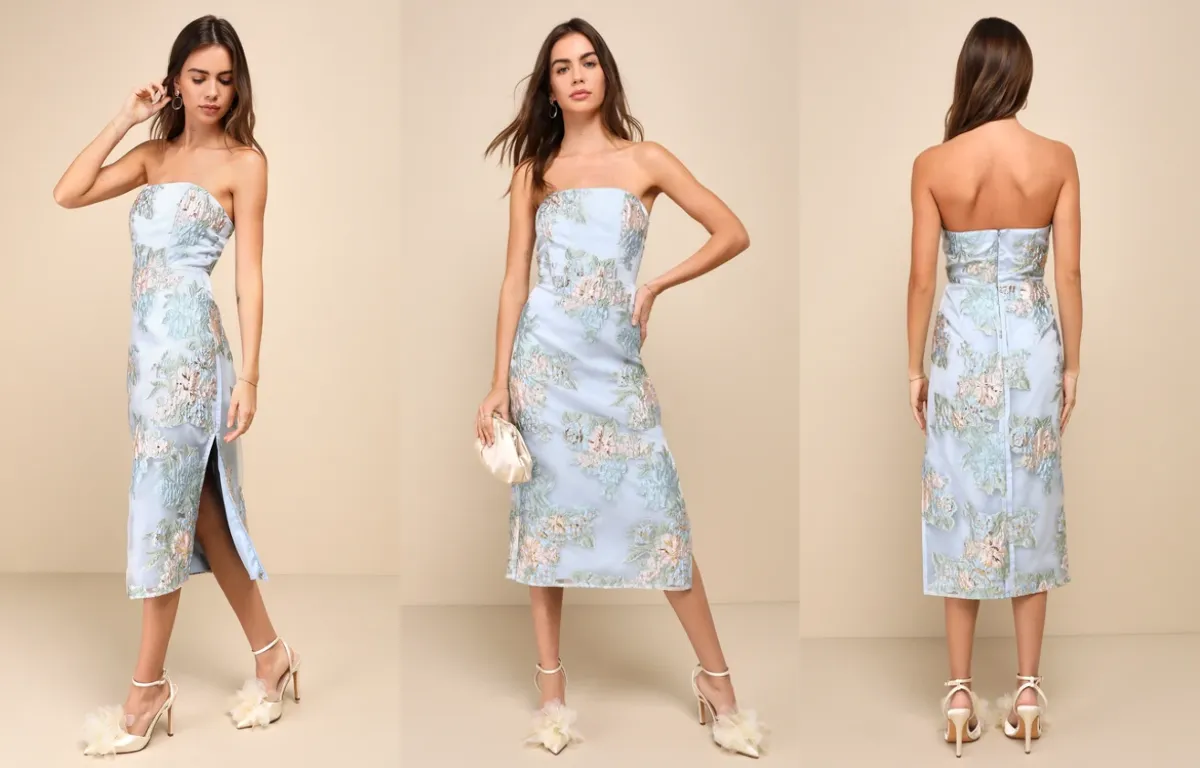
The planning process typically includes:
- Order breakdown by style and size ratio
- Fabric booking and bulk dyeing scheduling
- Production line allocation based on complexity
- Cutting plan optimization to reduce fabric waste
- Delivery timeline alignment with shipping windows
For midi dresses, production planners pay special attention to size curve distribution. A standard ratio often looks like:
| Size | Ratio (%) | Production Impact |
|---|---|---|
| XS | 10–15% | Low volume cutting |
| S | 20–25% | High demand size balance |
| M | 25–30% | Core production focus |
| L | 20–25% | Standard grading stability |
| XL | 10–15% | Pattern stress testing |
Incorrect planning at this stage can cause line congestion or fabric shortage, which may delay entire production batches by 5–10 days.
What machines and techniques are used in mass production?
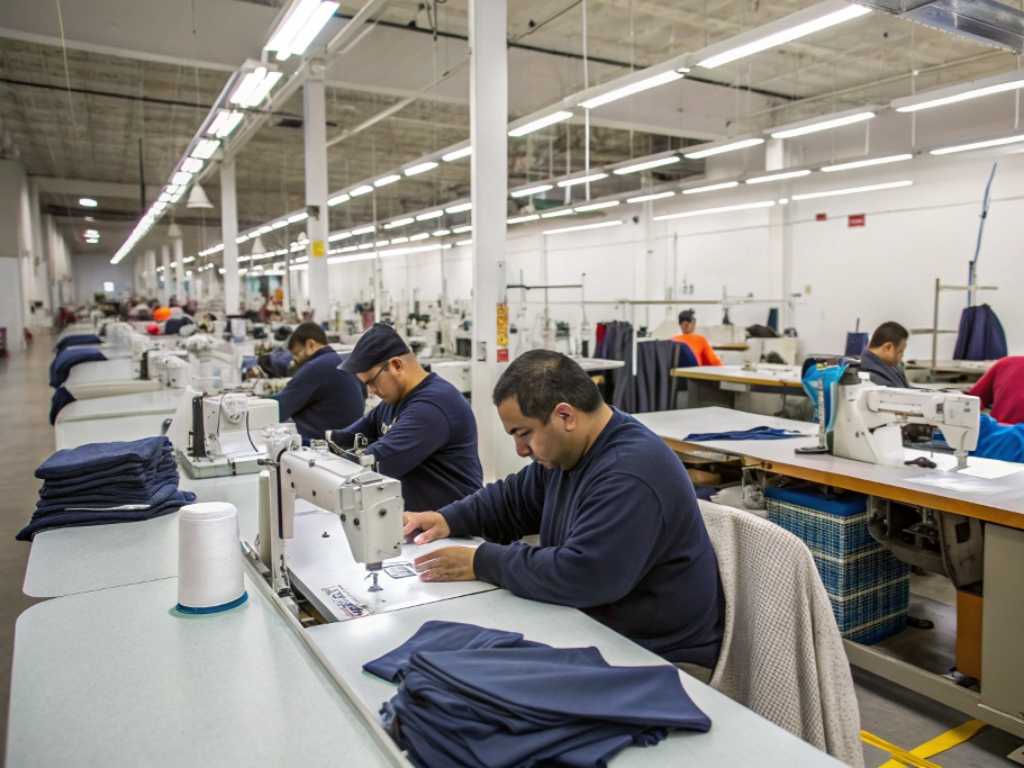
Midi dress bulk production relies on a combination of industrial machinery and standardized sewing techniques designed for speed and consistency. Each machine plays a specific role in ensuring structural accuracy.
Key equipment used in production lines:
- Single needle lockstitch machines – for main seams and structure lines
- Overlock machines (3/4/5 thread) – for edge finishing and stretch control
- Coverstitch machines – for hems and elastic applications
- Cutting machines (manual + automated CNC systems) – for fabric precision cutting
- Steam pressing machines – for shaping and final garment appearance
For more complex midi dresses (pleated, corset, or layered designs), additional techniques are used:
- Heat-setting for pleat stability
- Reinforced stitching at stress points (waist, zipper area)
- Bias cutting alignment for fluid silhouettes
- Lining synchronization to prevent fabric twisting
In production efficiency data, automated cutting systems can reduce fabric waste by 8–15% compared to manual cutting, especially in large-scale midi dress orders where pattern repetition is high.
How is consistency maintained across large quantities?
Consistency control is one of the most critical challenges in midi dress bulk production. Once production scales from sample to hundreds or thousands of units, even small deviations can create visible quality gaps.
Factories maintain consistency through multiple control layers:
- Standard Operating Procedures (SOPs) for each sewing operation
- Inline inspection every 20–30 pieces during sewing
- First-piece approval system before each production line starts
- Measurement checkpointing at critical stages (cutting, mid-sewing, finishing)
- Operator skill segmentation based on garment complexity
Key control metrics in production:
| Control Area | Standard Practice | Acceptable Tolerance |
|---|---|---|
| Bust/Waist/Hip measurement | Random batch checking | ±1–1.5 cm |
| Seam alignment | Inline inspection | Visual symmetry standard |
| Color consistency | Batch dye control | ΔE ≤ 1.5 |
| Stitch density | Machine calibration | 8–12 SPI (stitches per inch) |
| Fabric shrinkage | Pre-production testing | ≤5% woven / ≤8% knit |
Another important system is first-piece confirmation. Before bulk sewing begins, one complete garment is produced and approved as the “production benchmark.” All operators must replicate this standard exactly.
In real production environments, factories that apply strict inline inspection systems reduce defect rates by 20–35% compared to end-only inspection systems.
How Is Quality Control Managed in Midi Dress Manufacturing?
Quality control in midi dress manufacturing is not a single final check—it is a continuous control system embedded across every production stage. The objective is to prevent defects early rather than detect them at the end.

Key inspection points include:
- Fabric incoming inspection (before cutting)
- Cutting panel accuracy check
- Inline sewing inspection (during assembly)
- Semi-finished garment review (before finishing)
- Final AQL inspection (before packing)
Each stage focuses on different risk types. For example, fabric inspection targets defects like weaving flaws, color variation, or shrinkage inconsistency, while inline inspection focuses on stitching accuracy and structural alignment.
Typical defect distribution in midi dress production:
| Stage | Common Risk | Detection Method | Impact if Missed |
|---|---|---|---|
| Fabric inspection | Color shading, holes, uneven GSM | 4-point system | Entire batch rejection risk |
| Cutting stage | Panel misalignment | Manual measurement check | Size distortion |
| Sewing stage | Seam skipping, uneven tension | Inline QC check | Structural failure |
| Finishing stage | Loose threads, label errors | Visual inspection | Brand quality downgrade |
| Final inspection | Measurement deviation | AQL sampling | Shipment rejection |
In real production environments, over 60% of quality issues originate before sewing even starts, making early-stage inspection the most critical control point.
How are measurement tolerances controlled?
Measurement control in midi dress production is based on predefined tolerance ranges that ensure consistency across sizes and batches. Unlike sample development, bulk production relies on repeatable measurement accuracy rather than individual fitting adjustments.
Standard tolerance system used in production:
- Bust / Waist / Hip: ±1.0–1.5 cm
- Dress length (hem accuracy): ±1.5–2.0 cm
- Sleeve length (if applicable): ±1.0 cm
- Neckline depth: ±0.5–1.0 cm
- Side seam balance: ≤1.0 cm deviation allowed
Factories apply multiple control methods:
- First-piece measurement approval before mass sewing starts
- Inline measurement checks every 20–30 garments
- Random batch sampling during finishing stage
- Final AQL inspection using statistical sampling models
A key reality in midi dress production is that small deviations in waist or hip measurements create visible silhouette imbalance due to the mid-length proportion. A 1.5 cm error in waist positioning can shift the entire visual balance of the garment.
Factories with strict measurement control systems typically achieve 90%+ pass rates in final inspection, while uncontrolled systems often drop below 75%.
Which defects are most common in midi dress production?
Midi dresses combine fitted and flowing structures, making them sensitive to both fabric behavior and stitching precision. Defects often appear in areas where tension, alignment, and fabric response intersect.
Most frequent defect types include:
- Uneven hemline curvature caused by inaccurate pattern grading or fabric tension during sewing
- Zipper waviness or puckering, often due to mismatch between zipper stiffness and fabric elasticity
- Waist asymmetry, usually linked to incorrect pattern alignment during cutting
- Seam twisting, especially in lightweight fabrics like chiffon or satin
- Lining mismatch, where inner and outer layers shrink or stretch differently
- Color variation between panels, often due to inconsistent dye batches
Defect occurrence rate (typical production data):
| Defect Type | Frequency Range | Root Cause Category |
|---|---|---|
| Hem unevenness | 8–12% | Pattern + cutting |
| Seam issues | 10–15% | Sewing operation |
| Zipper defects | 5–8% | Trim mismatch |
| Fabric shading | 3–6% | Dyeing inconsistency |
| Measurement deviation | 6–10% | Process control |
One important insight from real production systems is that most defects are not random—they are process-driven. Around 70% of quality issues can be traced back to early-stage decisions in fabric selection, pattern making, or cutting accuracy.
Which Factors Influence Cost, Lead Time, and MOQ?
Fabric selection is one of the strongest cost drivers in midi dress manufacturing because it directly impacts material pricing, cutting efficiency, and sewing difficulty. In real production, fabric cost often accounts for 40–65% of total garment cost depending on design complexity.

Cost-influencing fabric factors include:
- Fiber composition: polyester blends are usually 20–40% cheaper than natural fibers like viscose or cotton
- Fabric weight (GSM): heavier fabrics require more material per garment, increasing cost per unit
- Surface treatment: satin finish, pleating, or special coating increases processing cost by 10–25%
- Stretch ratio control: high-elastic fabrics require more precise sewing, increasing labor time
- Defect rate risk: delicate fabrics like chiffon often increase sampling waste and production loss rate
Cost impact comparison:
| Fabric Type | Relative Cost Level | Production Difficulty | Waste Risk |
|---|---|---|---|
| Polyester knit | Low | Easy | Low |
| Crepe | Medium | Medium | Medium |
| Satin | Medium–High | High | Medium–High |
| Chiffon | High | High | High |
| Premium viscose | High | Medium–High | Medium |
In practical factory systems, fabric selection alone can shift final garment cost by 15–35% even for the same midi dress design.
What determines lead time in dress manufacturing?
Lead time in midi dress production is not fixed—it is a combination of material readiness, sampling status, production capacity, and order complexity. Most delays occur before actual sewing begins.
Key lead time drivers:
- Fabric availability: ready stock fabric reduces lead time by 5–10 days compared to custom dyeing
- Sample approval speed: each additional revision adds 3–7 working days
- Production line scheduling: peak season congestion can extend queue time by 7–15 days
- Design complexity: pleats, lining systems, or corset structures increase assembly time
- Order quantity: larger volumes require staged production planning
Typical lead time structure:
| Stage | Time Range | Key Dependency |
|---|---|---|
| Sample development | 7–15 days | Design + fabric readiness |
| Fabric sourcing | 3–12 days | Stock vs custom dye |
| Bulk cutting & sewing | 10–25 days | Order volume |
| Finishing & QC | 3–7 days | Inspection standard |
| Packing & shipment | 2–5 days | Logistics method |
A key operational reality: even when sewing capacity is available, delayed fabric confirmation alone can push total lead time beyond 30–45 days for complex midi dress styles.
How is MOQ calculated for midi dress styles?
MOQ (Minimum Order Quantity) is defined by production efficiency thresholds, material economics, and setup cost distribution. It is not arbitrary—it is linked to how factories optimize fabric usage, labor scheduling, and machine setup.
Main factors affecting MOQ:
- Fabric dyeing requirements: custom-dyed fabrics require minimum yardage orders
- Production line efficiency: switching styles increases setup time and labor cost
- Trim sourcing minimums: zippers, labels, and buttons often have supplier MOQ rules
- Cutting optimization ratio: fabric yield efficiency improves at higher volumes
- Sampling amortization: sample development cost is distributed across bulk quantity
Typical MOQ structure for midi dresses:
| Production Type | MOQ Range | Reason |
|---|---|---|
| Basic knit midi | 100–150 pcs/style | Low complexity, easy fabric sourcing |
| Standard woven midi | 150–300 pcs/style | Balanced production efficiency |
| Structured / lined midi | 300–500 pcs/style | Higher labor + setup cost |
| Special fabric / custom dye | 500+ pcs/style | Fabric supplier constraints |
In real manufacturing systems, reducing MOQ below factory efficiency threshold often increases unit cost by 15–40%, because fixed setup costs are spread over fewer units.
What Makes a Reliable Midi Dress Manufacturer?
A reliable midi dress manufacturer is defined first by production stability, not marketing claims. In real manufacturing environments, capability is measured by whether a factory can consistently turn approved samples into repeatable bulk output without deviation in fit, fabric behavior, or finishing quality.
Core production capabilities include:
- Integrated workflow control: sampling, cutting, sewing, finishing, and QC handled under one system
- Multi-category sewing lines: ability to handle knit, woven, and structured garments on separate optimized lines
- Fabric handling expertise: stable performance across chiffon, satin, crepe, and stretch materials
- Pattern engineering strength: accurate grading from XS to XL with ≤1–1.5 cm tolerance control
- Capacity stability: ability to maintain output consistency during peak and off-season periods
Operational benchmark comparison:
| Capability Area | Basic Factory | Reliable Manufacturer Standard |
|---|---|---|
| Sampling accuracy | 1–2 revisions | 0–1 revision for standard styles |
| Lead time control | 30–45 days unstable | 20–35 days structured |
| Size consistency | ±2–3 cm deviation | ±1–1.5 cm controlled |
| Fabric handling range | Limited (2–3 fabrics) | Multi-fabric system (5–10+ types) |
| Daily output stability | Fluctuating | Planned + line-balanced |
A key indicator is how the factory performs when complexity increases. Reliable systems maintain stability even when handling layered midi dresses, bias-cut styles, or mixed fabric constructions.
How is communication and sampling efficiency evaluated?
Communication efficiency is often a hidden production risk factor. In midi dress development, unclear feedback loops directly increase sampling cycles and delay bulk confirmation.
Key evaluation points include:
- Response speed on technical questions (ideal within 12–24 hours)
- Clarity of pattern revision notes (measurement-based instead of subjective comments)
- Sample tracking system (clear version control from 1st sample to final approval)
- Ability to interpret sketches into production logic without repeated clarification
- Speed of problem resolution during fit correction stage
Sampling efficiency indicators:
| Indicator | Weak System | Reliable System |
|---|---|---|
| First sample success rate | 40–60% | 70–85% |
| Average revision rounds | 3–5 rounds | 1–2 rounds |
| Feedback clarity | Descriptive only | Measurement + structural notes |
| Development delay risk | High | Controlled |
| Pattern correction speed | Slow | Same-day or 24–48h |
In real production workflows, efficient communication reduces total development time by 20–35%, especially in structured midi dress categories where small adjustments have large visual impact.
Which certifications and systems indicate manufacturing reliability?
Certifications and internal systems reflect whether a factory can maintain consistent production standards across multiple orders and seasons. However, in garment manufacturing, system execution is more important than certificates alone.
Key indicators include:
- ISO 9001 quality management system: ensures standardized production control
- Fabric testing compliance (AATCC / ASTM standards): verifies material stability
- Inline QC system (AQL inspection levels): controls defect acceptance thresholds
- ERP production tracking system: monitors order progress in real time
- Fabric traceability system: tracks material source and batch consistency
Practical reliability checklist:
| System Area | What It Ensures | Production Impact |
|---|---|---|
| ISO 9001 | Standardized workflow | Lower process variation |
| AQL inspection | Defect control logic | Controlled shipment quality |
| Fabric testing | Shrinkage & color stability | Reduced return risk |
| ERP tracking | Real-time order visibility | Faster decision making |
| Sample archive system | Version control | Consistent repeat orders |
A strong manufacturer does not rely on inspection at the end stage. Instead, quality control is embedded from fabric intake to final packing. In midi dress production, where proportion and drape are highly sensitive, system-level control directly determines whether bulk output matches approved samples.
Conclusion
Midweight silhouettes like midi dresses require precision across every production stage—from fabric behavior to final stitching alignment. Jinfeng Apparel supports brands with structured OEM/ODM development, fast sampling cycles, and scalable production capacity for global fashion lines.
For custom midi dress development, fabric sourcing, or full production support, inquiries are welcome. Provide your design reference or tech pack, and the development team will convert it into production-ready samples with controlled quality and timeline management.