 Skip to content
Homecoming Dress Manufacturer
Custom short formal dress development for fashion brands building seasonal homecoming, partywear, occasionwear and private-label dress collections.
Jinfeng Apparel helps fashion brands develop custom homecoming dresses from design references, tech packs, original samples or line sheets. Our team supports fabric sourcing, pattern development, sample making, fit correction, PP sample approval, bulk production, QC, private-label packing and export delivery. Homecoming programs often combine satin, sequin, tulle, lace, mesh, corset construction, short lengths and photo-ready details, so every style needs clear control before bulk production.
- Since 2008— custom womenswear manufacturing experience for overseas dress programs.
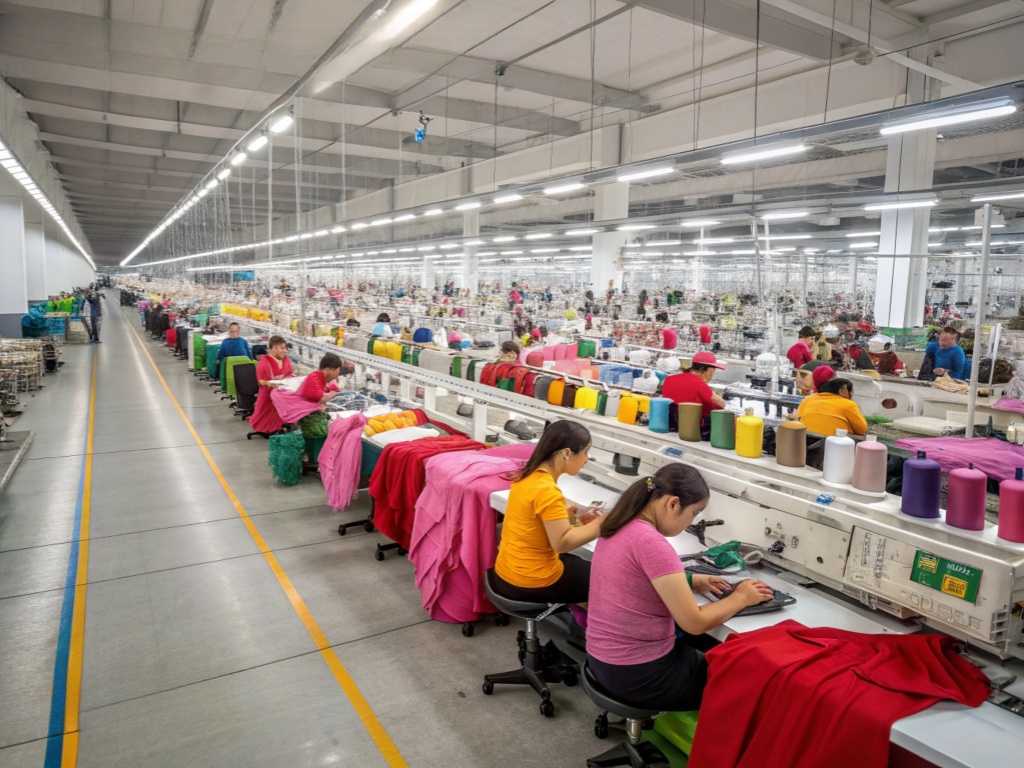
- 6 owned women’s fashion factories— production support for homecoming, partywear, occasionwear and private-label dresses.
- 2 sample rooms / 20+ sample machinists— first sample, fit sample, revised sample, photo-ready sample, PP sample and Golden sample support.
- 7+ senior pattern makers— bust, waist, hip, mini length, neckline, strap, lining and grading review.
- 15+ QC inspectors— fabric, cutting, sewing, measurement, pressing, label and packing checks.
- Anonymous case range: 12–26 styles / 28,000–76,000 pcs— homecoming dress programs across North America and private-label fashion markets.
Homecoming Dress Manufacturing Backed by Real Capacity
Since 2008
- Custom womenswear manufacturing experience.
- Dress-led development and bulk production support.
- Export project communication for overseas fashion teams.
6 Owned Factories
Jinfeng Apparel operates 6 owned women’s fashion factories in the Guangdong apparel supply region. Owned factories help control sampling handover, production planning, sewing standards, QC feedback and packing confirmation. For homecoming dresses, factory matching is based on fabric type, silhouette, construction complexity, quantity plan and delivery schedule rather than a single production route.
- Owned production control for core dress categories.
- Factory allocation by fabric, style and workmanship risk.
- Stronger sample-to-bulk handover after PP approval.
10+ Partner Factories
Jinfeng Apparel works with more than 10 long-term satellite production partners. These partners support seasonal capacity, repeat programs, regular styles, multi-batch production and selected bulk sections under Jinfeng’s project management and QC requirements.
Complex first-time styles, corset structures and high-risk fabrics stay under tighter sample and production control.
- Seasonal capacity support.
- Multi-batch production planning.
- Additional resources for approved bulk programs.
Sample Room Support
- First sample and fit sample support.
- Revised sample and PP sample preparation.
- Sample comments retained for production handover.
QC Team Structure
- Fabric, trims and cutting checks.
- In-line sewing and measurement review.
- Final garment and packing inspection.
Private Label Delivery
- Labels, hangtags and barcode stickers.
- Polybags, carton marks and packing lists.
- Export delivery coordination by project.
A Better Fit for Developed Dress Programs
Best Fit For
- Brand-level product direction.
- Sample development requirement.
- Bulk order planning.
- Private-label packing needs.
- Multi-style seasonal launch.
- Long-term repeat potential.
Not Designed For
Jinfeng Apparel is not positioned for single-piece fulfillment, public stock resale, no minimum production, personal-use custom dresses or lowest-price-only sourcing. Our process starts from project review, fabric and structure evaluation, sampling, PP approval and bulk planning. Homecoming dresses involve fit, fabric, lining, trims, size grading and packing control, so professional development cannot be treated like single-item checkout. Strongest results come from style files, quantity planning and realistic approval steps.
- Single dress production.
- Dropshipping fulfillment.
- Ready-stock purchasing.
- Dozens-only testing.
- No sample budget.
- Lowest-price-only requests.
Built for Homecoming Dress Decision Teams
Fashion Brands
- Silhouette and fabric direction reviewed before sampling.
- Fit, lining and trim risks checked early.
- Bulk standards prepared after PP approval.
Occasionwear Labels
Occasionwear labels often require short formal dresses with satin shine, sequin sparkle, lace texture, tulle volume, corset shaping and photo-ready details. Jinfeng Apparel helps evaluate whether each design suits bulk production and retail use. Key checks include neckline security, bust support, mini length, lining coverage, comfort against the skin, fabric recovery, color consistency and packing behavior after pressing.
- Satin, sequin, lace, tulle and corset styles supported.
- Event-ready comfort and coverage reviewed.
- Photo sample details converted into production notes.
Formalwear Boutiques
Boutique chains and formalwear retailers often need a balanced assortment across bodycon, A-line, corset, halter, strapless, tulle and sequin mini dresses.
Jinfeng Apparel supports multi-style development with private-label packing, SKU labels, size stickers, carton marks and packing lists.
Each style is reviewed for showroom appearance, try-on comfort, stock handling and repeat-order potential.
- Multi-style boutique assortment support.
- Retail-ready packing and carton information.
- Repeat style records prepared by project.
Premium Ecommerce
- Photo-ready sample review.
- Size, strap and lining control.
- Barcode, polybag and SKU packing support.
Private Label Teams
- Brand labels, care labels and size labels.
- Hangtags, barcode stickers and polybags.
- Packing records prepared for future repeat programs.
Sourcing Offices
- MOQ, cost and sample path reviewed before production.
- Fabric, trim and packing requirements organized.
- Delivery coordination supported by project.
Homecoming Dress Styles We Can Develop

Satin Mini Dress
Satin mini dresses need smooth fabric handling, balanced shine and clean pressing. Jinfeng Apparel reviews satin weight, surface snag risk, color variation, lining choice, seam tension, zipper smoothness and packing creases before bulk production. A good satin homecoming dress should look polished on camera while still allowing movement, sitting comfort and stable neckline coverage.
- Satin weight and shine direction reviewed.
- Seam tension and zipper smoothness checked.
- Packing method planned to reduce crease marks.

Sequin Dress
- Sequin direction and base fabric checked.
- Lining coverage and edge comfort reviewed.
- Packing protection planned before shipment.

Corset Mini Dress
Corset mini dresses need structure without making the garment uncomfortable. Jinfeng Apparel reviews cup position, boning placement, waist shaping, side seam balance, back closure, lining strength and neckline security. PP sample approval is important because small changes in cup height, waistline or boning angle can change the whole fit.
- Cup and boning placement reviewed.
- Waist shaping and neckline security checked.
- PP sample locks structure before bulk.

Tulle Skater Dress
- Layer count and lining length reviewed.
- Waist seam bulk and hem balance checked.
- Packing compression controlled by style.

Halter Dress
- Neck tie and strap strength checked.
- Front coverage and armhole curve reviewed.
- Bulk measurements protect same body proportion.

Strapless Dress
- Anti-slip tape and inner structure reviewed.
- Cup option, boning and zipper checked.
- Neckline stability tested before PP approval.

Lace Dress
- Motif placement and lace scale reviewed.
- Lining coverage and transparency checked.
- Edge protection planned before bulk cutting.

Mesh Party Dress
- Sheerness and lining length reviewed.
- Mesh recovery and seam stability checked.
- On-body comfort reviewed before PP sample.

Ruffle Mini Dress
- Ruffle width and gathering ratio reviewed.
- Seam bulk and layer direction controlled.
- Pressing method matched to fabric behavior.

Ruched Bodycon Dress
- Fabric recovery and lining stretch checked.
- Ruching distribution reviewed by size.
- Measurement standards prepared before bulk.

A-Line Dress
A-line homecoming dresses work well for classic short formal assortments. Jinfeng Apparel reviews waist seam position, skirt flare, lining length, zipper finish, fabric drape and hem balance. For satin, tulle or organza versions, hem symmetry and layer balance are checked before packing.
- Waist seam and skirt flare reviewed.
- Lining length and zipper finish checked.
- Hem symmetry controlled during QC.

Bow Detail Dress
- Bow size and support reviewed.
- Attachment method checked for durability.
- Packing recovery planned before shipment.
Product Structure Points for Homecoming Dresses
Homecoming dresses are short formal garments with seasonal use, social-event styling and photo-driven design details. Jinfeng Apparel reviews each style through length, silhouette, fabric, structure, comfort and production risk before sampling.
| Structure Area | Common Direction | Manufacturing Focus |
|---|---|---|
| Length | Mini, short, above-knee, high-low | Sitting comfort, hem balance, lining length, movement control |
| Silhouette | Bodycon, A-line, skater, corset, fit-and-flare | Bust-waist-hip proportion, skirt volume, waistline position |
| Neckline | Strapless, halter, deep V, sweetheart, off-shoulder | Coverage, support, strap pressure, neckline stability |
| Fabric | Satin, sequin, tulle, lace, mesh, jersey, velvet | Snagging, stretch, transparency, shine, layer control |
| Support | Boning, cups, lining, anti-slip tape, zipper | Upper-body hold, comfort, closure strength, bulk thickness |
| Decoration | Ruffle, bow, rhinestone, lace edge, sequin placement | Attachment method, symmetry, skin comfort, packing risk |
| Size Range | XXS–XL, US 0–16, or brand size system | Grade rule, tolerance, garment length, body proportion |
| Program Type | 10–30 styles, 20,000–80,000 pcs by project | Style grouping, fabric planning, QC standard, packing plan |
Fabric Risks Controlled Before Bulk Production
Fabric choice decides how a homecoming dress looks, fits, photographs, packs and performs after transport. Jinfeng Apparel reviews fabric direction before sampling so structure, lining, trims, cost and QC can be planned together.
| Fabric Type | Best Use | Main Risk | Jinfeng Control Focus |
|---|---|---|---|
| Satin | Mini, strapless, halter, slip, corset | Snagging, wrinkles, shade variation | Weight review, lining match, seam tension, pressing test |
| Stretch Satin | Bodycon, ruched, fitted mini | Overstretch, shine distortion, seam pulling | Recovery check, pattern balance, lining stretch, size grading |
| Sequin Fabric | Party, statement, camera-ready styles | Missing sequins, scratchy edges, heavy seams | Lining coverage, seam allowance, edge comfort, packing protection |
| Mesh | Ruched, layered, cut-out, fitted styles | Transparency, seam twist, stretch direction | Sheerness review, lining coverage, recovery, tension control |
| Lace | Feminine formal dresses, sleeves, panels | Broken motifs, uneven placement, fragility | Pattern placement, applique position, seam protection, QC check |
| Tulle | Skater, layered, volume styles | Uneven layers, edge damage, compression | Layer count, hem balance, steaming, carton packing plan |
| Organza | Ruffle, sleeve, structured skirt | Press marks, stiffness, edge fraying | Layer test, edge finishing, fold control, pressing method |
| Jersey | Fitted, ruched, comfort-focused styles | Stretch instability, thin appearance | GSM review, recovery test, lining choice, measurement control |
| Velvet | Winter homecoming, premium looks | Nap direction, pressure marks, color depth | Cutting direction, seam control, steaming method, packing care |
| Chiffon | Soft overlays, flowy short dresses | Sheerness, fraying, uneven hem | Lining length, edge finish, layer balance, handling control |
Fit Control for Short Formal Dresses
Homecoming dresses must look strong on camera and remain wearable during movement, sitting, dancing and event photography. Jinfeng Apparel reviews fit from body proportion, pattern balance, fabric stretch, support structure and size grading.
Bust, Waist and Hip Balance
Short formal dresses often show fit problems faster than longer evening gowns because less fabric hides proportion issues. Jinfeng Apparel reviews bust coverage, waist placement, hip allowance, side seam balance and garment length during sample development. For corset, strapless and bodycon styles, the pattern must support the body without creating discomfort or pulling. Satin and sequin fabrics also need structure control because seams can become visible under tension.
During sample review, our team checks:
- Bust height, cup position and neckline depth.
- Waistline position compared with reference image.
- Hip ease for fitted mini dresses.
- Side seam straightness and zipper balance.
- Mini length for standing, walking and sitting.
- Fabric tension around bust, waist and hip.
Strap, Neckline and Back Control
Homecoming dresses often use halter, spaghetti strap, strapless, backless, off-shoulder or deep neckline structures. These details drive sales appeal, but they can also create fit complaints if not controlled during sampling. Jinfeng Apparel reviews strap length, neckline angle, underarm curve, back opening, closure position and lining attachment. For adjustable straps, hardware size and strap width are checked for strength and comfort. For strapless styles, anti-slip tape, boning and inner lining must work together.
Sample attention includes:
- Neckline coverage for different size grades.
- Strap pressure and adjustment range.
- Back opening stability.
- Underarm comfort.
- Closure strength.
- Lining exposure control.
Size Grading for Bulk Orders
A homecoming dress program may use brand size systems such as XXS–XL, US 0–16 or extended size ranges by project. Jinfeng Apparel does not treat grading as simple enlargement.
Each size must keep the intended proportion, especially for mini length, bust height, waistline, hip ease, strap length and hem width. A bodycon dress, A-line dress and corset dress should not follow the same grading logic. Size chart review helps avoid bulk issues after sample approval.
Bulk grading review covers:
- Base size selection.
- Grade rule by garment type.
- Bust-waist-hip adjustment.
- Length grading.
- Strap and neckline grading.
- Measurement tolerance planning.
Design Details We Control During Production
Homecoming dresses rely on small details: corset lines, straps, bows, ruffles, lining, zippers and hemlines. Jinfeng Apparel reviews each detail before bulk so finished garments can match brand expectations.

Corset Structure
- Cup and boning placement checked.
- Waist shaping and lining support reviewed.
- PP sample locks structure notes before bulk.

Strapless Support
Strapless styles need inner support, secure neckline tension and closure strength. Jinfeng Apparel reviews anti-slip tape, boning, lining fabric, cup option and zipper placement. The upper edge must remain smooth and secure across sizes. A weak strapless structure can cause returns even when fabric and silhouette look attractive.
- Anti-slip tape and boning reviewed.
- Cup option and zipper placement checked.
- Upper edge tension controlled across sizes.

Halter Neckline
Halter necklines need correct strap angle, neckline depth and neck pressure. Jinfeng Apparel checks whether the halter shape can support the front body without pulling the neckline too high or too low. Satin and stretch styles need extra attention because fabric movement can distort the front panel during wear.
- Strap angle and neckline depth checked.
- Neck pressure and bust support reviewed.
- Stretch distortion monitored during fitting.

Backless Shape
- Back depth and side coverage reviewed.
- Strap attachment and zipper length checked.
- Inner structure decision made during sample stage.

Ruffle Layers
Ruffle details need balanced volume, even gathering and clean attachment. Jinfeng Apparel reviews ruffle width, gathering ratio, seam bulk and edge finishing. Too much gathering can make a mini dress heavy; too little can make the design look flat. Bulk production notes define layer direction and seam sequence.
- Ruffle width and gathering ratio reviewed.
- Seam bulk and edge finishing checked.
- Layer direction recorded for bulk.

Ruched Panels
- Side seam tension reviewed.
- Elastic and lining stretch checked.
- Approved sample used for QC comparison.

Bow Detail
- Bow size and fabric stiffness reviewed.
- Attachment strength and support checked.
- Packing recovery planned before shipment.

Lace Edge
- Motif direction reviewed.
- Edge cutting and lining coverage checked.
- Placement instructions prepared before bulk.

Sequin Placement
- Sequin direction and seam zones reviewed.
- Zipper and underarm comfort checked.
- Missing sequin and rough edge QC included.

Zipper Finish
- Zipper length and tape strength checked.
- Seam allowance and top hook placement reviewed.
- Closure function checked before packing.

Lining Coverage
Lining controls comfort, modesty, structure and garment finish. Jinfeng Apparel reviews lining color, stretch, opacity, length and attachment method. Mesh, lace, tulle and sequin styles usually require careful lining planning. A short dress must avoid exposed seams, transparent areas and lining shift during movement.
- Lining color and opacity reviewed.
- Lining length and attachment checked.
- Movement comfort tested before approval.

Hem Balance
- Hem length and layer alignment checked.
- Pressing method matched with fabric.
- Measurement records used during QC.
Workmanship Built Around Bulk Repeatability
A good sample is not enough for a homecoming dress program. The production method must be repeatable across styles, colors, sizes and batches. Jinfeng Apparel controls workmanship through sample notes, PP approval, sewing standards, in-line checks and packing review.
Sewing Standards for Delicate Fabrics
Satin, lace, mesh, chiffon, sequin and tulle all react differently during sewing. Jinfeng Apparel reviews stitch tension, seam allowance, needle choice by fabric behavior, lining attachment, zipper insertion and pressing response during sample development. Satin can pucker when tension is wrong. Mesh can stretch or twist. Lace can break near curved seams. Sequin fabric can become too thick near closures. These risks are easier to correct before bulk production than after the full order is finished.
Production control covers:
- Stitch tension and seam straightness.
- Fabric handling by material type.
- Lining attachment method.
- Zipper and hook placement.
- Edge finishing.
- Pressing and steaming method.
From PP Sample to Sewing Line
After PP sample approval, Jinfeng Apparel transfers garment standards into production references. The sewing team works from approved sample, measurement file, fabric record, trim record, construction notes and packing requirements. For homecoming dresses, details such as corset lines, strap length, bow placement, ruffle direction, lining length and zipper height must be locked before cutting. Production cannot rely on verbal memory because multi-style programs involve many similar but different details.
Handover files may include:
- Approved PP sample.
- Pattern file.
- Measurement chart.
- Fabric and trim record.
- Construction notes.
- Label and packing record.
- QC checklist.
Finishing and Pressing Review
Finishing has a strong effect on homecoming dress appearance. Satin needs smooth pressing without shine damage. Tulle needs steaming without flattening volume. Sequin garments need careful handling to avoid damage. Lace needs gentle pressing to keep motif texture.
Jinfeng Apparel reviews pressing method, hanging method, fold method, polybag size and carton arrangement based on fabric and design structure. The goal is to protect retail appearance during transport and unpacking.
Finishing review focuses on:
- Press marks.
- Wrinkles and fold lines.
- Bow and ruffle shape.
- Layered skirt volume.
- Sequin and lace surface.
- Packing recovery.
Sampling Built for Production Decisions
Jinfeng Apparel uses sample development to verify structure, fit, fabric behavior, trim selection, cost impact and bulk feasibility. Homecoming programs need a clear sample path because one collection may include satin, sequin, lace, mesh, tulle and corset styles.
First Sample and Fit Review
The first sample turns design direction into a physical garment. Jinfeng Apparel reviews reference image, tech pack, original sample, size chart, fabric direction and construction requirement before sample work starts. The first sample is used to evaluate proportion, fabric behavior, sewing method and early cost risk. For homecoming dresses, first-sample review often checks bust coverage, waistline, mini length, neckline stability, lining coverage and overall silhouette.
Fit review usually answers:
- Does the style match the intended body shape?
- Does the fabric support the design?
- Is lining coverage enough?
- Are straps, zipper and closure secure?
- Does the mini length work for movement?
- Can the style move into revision or PP planning?
Revised Sample and Photo-Ready Sample
Homecoming dress brands often need photo-ready samples for campaign shoots, launch planning and internal approval. Jinfeng Apparel manages revision notes so sample changes are not lost between versions. Revisions may include neckline height, cup position, waist shaping, skirt length, ruffle volume, bow placement, lace position or sequin comfort. Photo-ready samples focus on visual appeal while still checking production feasibility.
Revision control includes:
- Change list by style.
- Pattern correction record.
- Fabric or trim replacement note.
- Measurement update.
- Approval status.
- Photo sample comments.
PP Sample and Golden Sample Control
PP sample approval confirms the standard for bulk production. Jinfeng Apparel uses PP sample and Golden sample records to align production teams, QC inspectors and packing workers. For homecoming dresses, PP approval should lock the garment body, key measurements, fabric batch, lining, trim, closure, labels, packing and QC points. Without a clear PP standard, bulk pieces can drift away from the approved sample.
PP control covers:
- Confirmed fabric and color.
- Final pattern and measurement chart.
- Approved trims and lining.
- Confirmed labels and packing.
- QC checklist.
- Production handover notes.

Managing 10–30 Style Homecoming Programs
A homecoming dress program usually includes many styles with different fabrics, silhouettes, colors and levels of difficulty. Jinfeng Apparel organizes multi-style projects by fabric group, pattern complexity, sample priority, trim requirement and launch schedule.
Style Grouping Before Sampling
For 10–30 style programs, Jinfeng Apparel groups styles before sampling to avoid confusion and delays. Satin mini dresses, sequin bodycon styles, tulle skater dresses, lace A-line dresses and corset structures each require different sample handling. Grouping helps the sample room, fabric team, pattern makers and merchandisers work from a clearer plan. It also helps brands understand which styles are straightforward, which need more development time and which may affect cost or delivery.
Style grouping may consider:
- Fabric type.
- Structure complexity.
- Trim requirement.
- Photo sample priority.
- Launch timing.
- Bulk quantity plan.
Priority for Hero Styles
Not all styles in a homecoming collection carry the same sales role. Jinfeng Apparel helps clients prioritize hero styles for earlier sample review, photo-ready sample preparation and PP confirmation. A satin corset mini, sequin statement dress or signature bow design may need more sample attention than a simple A-line dress. Prioritizing key styles helps protect campaign timing and bulk production planning.
Priority factors include:
- Launch calendar.
- Hero SKU status.
- Fabric readiness.
- Fit risk.
- Trim availability.
- Bulk quantity.
- Photo shoot requirement.
Approval Tracking Across Styles
Multi-style programs can lose control when revisions, samples and approvals are scattered across emails. Jinfeng Apparel manages revision records, approval status, fabric notes, trims and packing requirements by style. These records help reduce repeated questions and prevent approved details from being changed accidentally during bulk production. For long-term cooperation, retained records also support repeat orders, new colors and seasonal updates.
Tracking points include:
- Style code.
- Sample version.
- Revision notes.
- Fabric and trim status.
- Measurement update.
- PP approval.
- Packing requirement.

MOQ Planning for Homecoming Dress Orders
Style and Color MOQ
- MOQ reviewed by style and color.
- Fabric supplier rules checked before confirmation.
- Color consolidation discussed when needed.
Multi-Style Quantity Plan
- Style quantity and color count reviewed together.
- Hero styles and lower-risk styles separated.
- Size ratio connected with packing records.
Bulk Review Before Quote
A meaningful quotation needs more than one reference photo. Jinfeng Apparel reviews style image, tech pack or sample, target quantity per style/color, size range, fabric direction, trim details, label requirement, packing request and target delivery window. Once project information is clear, our team can evaluate MOQ fit, cost drivers, sample difficulty, production risk and possible next steps. Clear files lead to better project decisions.
- Style image, tech pack or sample reviewed.
- Fabric, trims and labels checked.
- Delivery window connected with production plan.
How Homecoming Dress Pricing Is Built
Homecoming dress pricing depends on fabric, construction, trims, sampling, pattern work, sewing time, pressing, QC, packing, wastage, logistics and project requirements. Jinfeng Apparel helps control cost without weakening brand-level appearance.
Fabric and Construction Cost
Fabric often controls a large part of homecoming dress cost. Satin weight, sequin coverage, lace placement, mesh stretch, tulle layer count, lining choice and organza structure all affect material usage and sewing difficulty. Construction also changes cost: corset panels, boning, cups, double layers, ruching, ruffles, hand-applied details and shaped hems require different labor time. Jinfeng Apparel reviews whether the desired look can be achieved with the selected fabric or whether a fabric substitution can improve cost stability.
Cost review may cover:
- Fabric GSM and width.
- Layer count.
- Lining requirement.
- Sequin or lace coverage.
- Corset structure.
- Ruching and ruffle volume.
- Cutting layout.
Trim and Private Label Cost
Homecoming dresses often require invisible zippers, metal zippers, hooks, cups, boning, anti-slip tape, strap sliders, lace trims, rhinestones, sequins, woven labels, size labels, care labels, hangtags, barcode stickers, polybags and cartons. Each item affects development time, MOQ, cost and QC risk. Jinfeng Apparel helps match trims according to fabric, structure, wearing occasion, target price and private-label requirement. A small trim change can improve comfort, durability or packing efficiency.
Trim review may include:
- Closure type.
- Support trims.
- Decoration trims.
- Label set.
- Barcode requirement.
- Polybag and carton need.
- Warehouse labeling.
Quantity and Delivery Cost
Quantity affects material purchasing, cutting efficiency, sewing flow, QC planning, packing material usage and logistics choices. A 20,000-piece program and an 80,000-piece program need different production planning, even when the style count looks similar. Urgent launch needs may require split shipment, while replenishment orders may be more suitable for sea freight. Jinfeng Apparel reviews air, sea, split shipment, carton plan and delivery window by project.
Quantity and delivery review may include:
- Style count.
- Quantity per style/color.
- Size ratio.
- Delivery window.
- Shipment method.
- Carton volume.
- Warehouse receiving needs.
Private Label Packing for Homecoming Dresses

Woven Labels
- Label size and fold type reviewed.
- Placement matched with garment structure.
- Comfort checked for fitted styles.
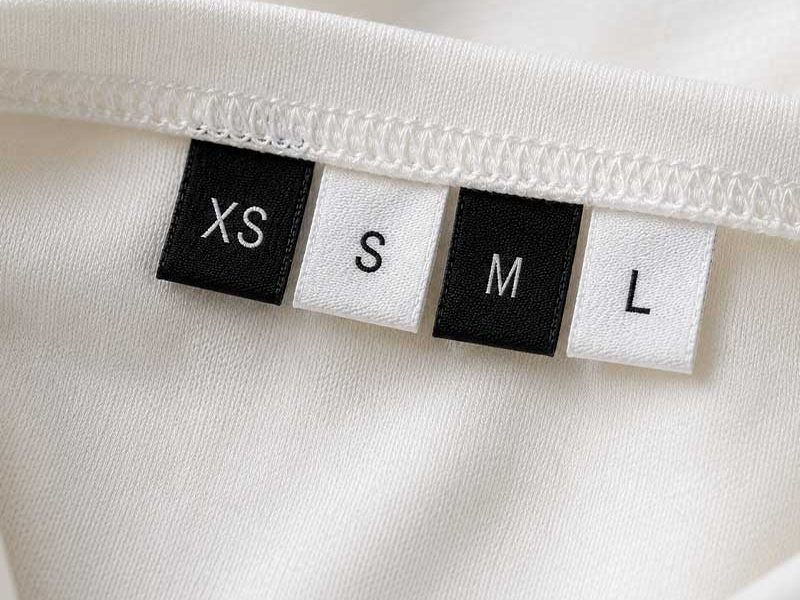
Size Labels
- Size range confirmed before bulk.
- Size expression matched with brand file.
- Packing list aligned with size labels.

Care Labels
- Fiber content and care wording reviewed.
- Placement checked for comfort and visibility.
- Care label file connected with fabric record.
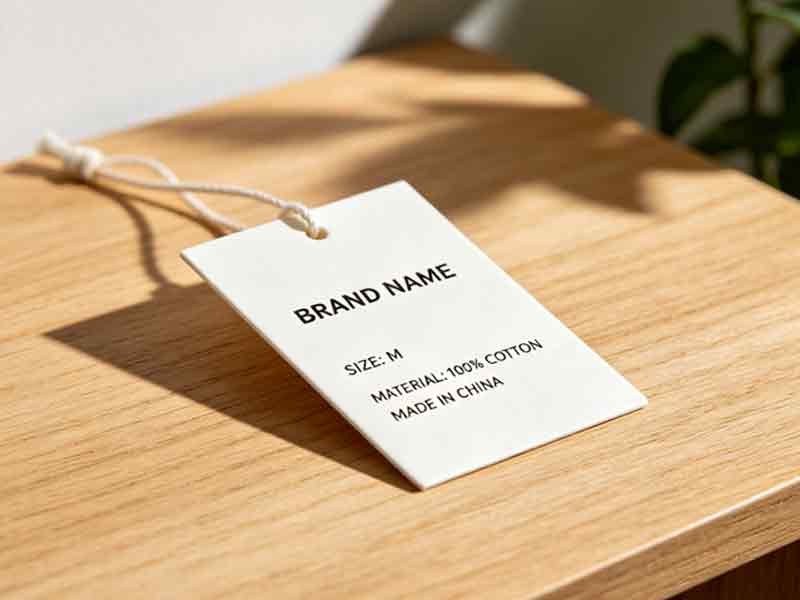
Hangtags
- Hangtag artwork and string method reviewed.
- Attachment point matched with fabric sensitivity.
- Barcode relation confirmed when supplied.
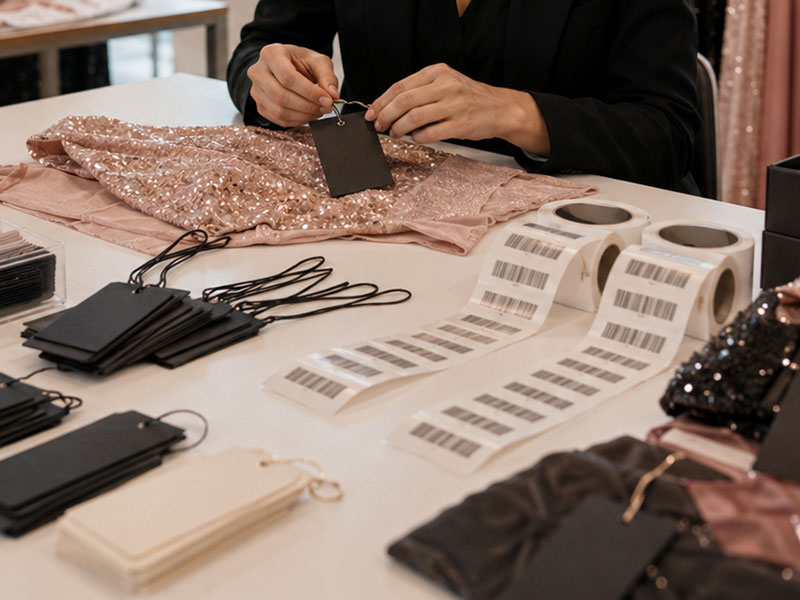
Barcode Stickers
- SKU files matched with style data.
- Barcode placement confirmed before packing.
- Scan and packing accuracy checked.

Polybags
- Polybag size matched with garment fold.
- Sticker placement checked for warehouse use.
- Packing method selected by fabric and detail.
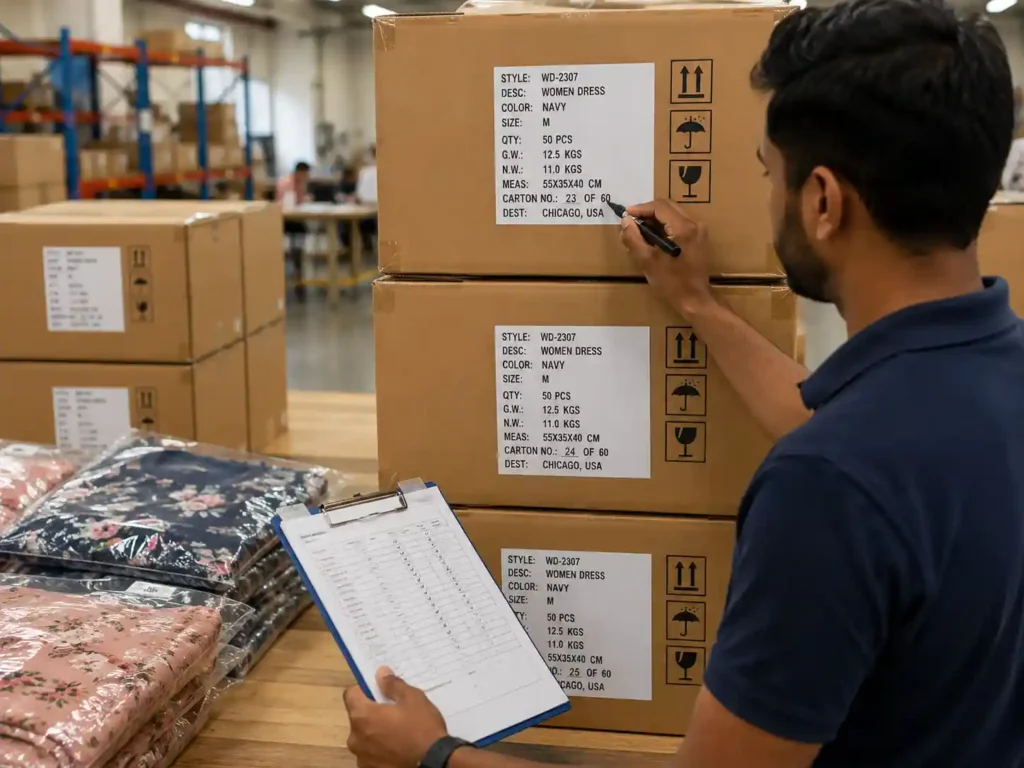
Carton Marks
- Style-color-size data included.
- Carton number and destination reviewed.
- Packing list aligned with carton marks.

Packing Records
- Label and packing files retained by project.
- Repeat-order packing rules supported.
- Warehouse requirements recorded for future use.
QC from Fabric to Final Packing
Homecoming dress QC must begin before sewing and continue through fabric, cutting, in-line checks, measurement review, garment inspection, pressing and packing. Jinfeng Apparel uses brand-level QC to keep approved sample standards visible during production.
Incoming Material and Cutting QC
Incoming material QC helps identify fabric and trim issues before they enter production. Satin may show color difference, snagging or pressure marks. Sequin fabric may show missing pieces or uneven direction. Lace may show broken motifs. Mesh may show stretch or transparency variation. Jinfeng Apparel checks fabric batch, color, surface condition, trims, lining and key material risks before cutting. Cutting QC then reviews direction, panel accuracy, layer control and size separation.
Material QC may check:
- Fabric batch and shade.
- Surface defects.
- Stretch direction.
- Lining color and opacity.
- Trim specification.
- Cutting accuracy.
- Panel direction.
In-Line Sewing and Measurement Checks
In-line inspection helps detect problems while garments are still being sewn. For homecoming dresses, QC focuses on neckline stability, strap length, zipper placement, side seam balance, waistline, lining coverage, ruching distribution, ruffle direction and sequin edge comfort. Measurement checks include bust, waist, hip, dress length, strap length, hem width and garment-specific control points. Early feedback prevents repeated errors across large quantities.
In-line QC may review:
- Bust and waist measurement.
- Side seam balance.
- Zipper function.
- Lining exposure.
- Strap and neckline.
- Hem length.
- Decorative placement.
Final Inspection and Packing Review
Final inspection checks garment appearance, measurement, trims, pressing, labels, hangtags, barcode stickers, polybags, carton marks and packing records before shipment. For satin and sequin homecoming dresses, packing review is especially important because folds, pressure marks and rough contact can reduce retail appearance. Jinfeng Apparel also supports client inspection and third-party inspection by project when required.
Final review may include:
- Garment appearance.
- Measurement tolerance.
- Trim and closure function.
- Pressing quality.
- Label and barcode check.
- Carton quantity.
- Packing list consistency.

Return-Risk Details We Review Early
Poor Fit
- Bust, waist and hip reviewed during sampling.
- Strap, neckline and length checked before PP approval.
- Grade rules prepared for bulk size range.
Weak Zipper
Zipper problems can appear when fabric is thick, sequins are heavy or body fit is too tight. Jinfeng Apparel reviews zipper type, zipper length, seam allowance, hook placement and closure smoothness. Bulk QC includes function checks so garments are not packed with stuck, twisted or weak closures.
- Zipper type and length reviewed.
- Seam allowance and hook placement checked.
- Closure function tested before packing.
Sheer Lining
Mesh, lace, tulle and light satin can become too transparent if lining is not planned correctly. Jinfeng Apparel reviews lining color, length, opacity, stretch and seam attachment during sampling. A dress should keep the intended design while avoiding uncomfortable or unintended exposure.
- Lining color and opacity checked.
- Lining length matched with garment structure.
- Seam attachment reviewed for movement.
Sequin Discomfort
- Contact points reviewed during sample stage.
- Lining and seam allowance adjusted when needed.
- Missing sequins and rough edges checked in QC.
Color Variation
Homecoming colors such as blush, champagne, ivory, emerald, navy and burgundy can vary by fabric batch, lighting and dye lot. Jinfeng Apparel reviews color cards, fabric batches and bulk shade consistency by project. For multi-color programs, color confirmation should happen before fabric cutting.
- Color cards and bulk shade checked.
- Fabric batch records prepared.
- Multi-color programs reviewed before cutting.
Packing Creases
Satin, organza, bow details, tulle layers and ruffles can show creases after shipping. Jinfeng Apparel reviews pressing method, folding method, polybag size and carton arrangement based on garment structure. Proper packing protects retail appearance and reduces extra steaming work after arrival.
- Pressing and folding method reviewed.
- Polybag size selected by garment shape.
- Carton arrangement checked before shipment.
Production Allocation by Style Complexity
Jinfeng Apparel does not place every garment into the same production route. Homecoming dress programs are reviewed by fabric, structure, quantity, fit risk, trim requirement and launch timing before factory and line allocation.
Owned Factory Support
Jinfeng Apparel’s 6 owned women’s fashion factories support dresses, skirts, jumpsuits, matching sets and private-label womenswear. For homecoming dresses, owned factory resources help manage complex first-time styles, key photo styles, corset structures, sequin pieces, satin programs and private-label packing requirements. The goal is to keep sample handover, production standards, QC feedback and packing instructions under clear control. Owned factory support is especially important when a new program has many fabrics and design details.
Allocation review includes:
- Product category.
- Fabric type.
- Pattern complexity.
- QC sensitivity.
- Bulk quantity.
- Packing requirement.
- Delivery window.
Satellite Factory Coordination
Jinfeng Apparel’s 10+ long-term satellite production partners support regular styles, selected repeat orders, seasonal capacity and multi-batch production. These partners are managed through Jinfeng’s project records, sample standards, QC notes and packing requirements. They help extend capacity during busy homecoming, prom, graduation and partywear seasons while keeping project control centralized. Complex first-time structures are reviewed carefully before any production distribution decision.
Partner coordination focuses on:
- Long-term cooperation.
- Clear production scope.
- Approved sample standard.
- QC requirement.
- Packing record.
- Project follow-up.
- Batch consistency.
Sewing and Flexible Line Planning
Jinfeng Apparel has 18+ sewing lines and 6+ flexible production lines supporting different womenswear structures. Sewing line selection depends on garment type, fabric behavior, construction complexity and order rhythm. Stretch bodycon styles, woven satin dresses, tulle layers, lace panels, sequin garments and corset mini dresses each need different sewing attention. Flexible line planning helps multi-style programs move through production without treating all styles as simple basics.
Line planning may consider:
- Woven or stretch construction.
- Delicate fabric handling.
- Sequin or lace work.
- Corset or support structure.
- Private-label packing.
- Batch sequence.
- QC checkpoint setup.
Production Planning for Homecoming Launches
Homecoming dress programs need calendar control from sample to warehouse receiving. Jinfeng Apparel helps brands align sample review, photo-ready sample, PP approval, fabric readiness, bulk production, QC, packing and shipment planning.
Sample Deadline and Photo Sample
Homecoming styles often need photo-ready samples before bulk production starts. Jinfeng Apparel helps plan which hero styles need early sample priority, which styles can follow after fabric confirmation and which complex details need more revision time. A satin corset mini, sequin statement dress or bow-detail style may require more sample review than a basic A-line dress. Early sample planning protects campaign shoots and internal buying meetings.
Planning points include:
- Hero style priority.
- Fabric readiness.
- Sample version control.
- Photo sample need.
- Fit review date.
- Revision deadline.
- PP approval target.
PP Approval and Bulk Start
Bulk production should begin after PP sample, fabric, trims, label files, packing instructions and QC standards are confirmed. Jinfeng Apparel organizes PP sample approval so production teams understand final measurements, construction, fabric batch, trims, pressing and packing requirements. For multi-style programs, PP approval can be staged by style group so ready styles can move forward while complex styles continue refinement.
Bulk start planning covers:
- PP sample approval.
- Fabric in-house status.
- Trim and label confirmation.
- Size ratio.
- Color breakdown.
- Production schedule.
- QC checkpoint setup.
Air, Sea and Split Shipment
Delivery planning depends on launch date, warehouse schedule, order quantity and budget. Jinfeng Apparel can coordinate express courier for samples, air freight for urgent launch needs, sea freight for planned bulk replenishment and air-sea split shipment by project. For 20,000–80,000 piece programs, split shipment can help protect launch timing while controlling total logistics cost. Trade terms and DDP options are reviewed by project.
Shipment planning may include:
- Sample courier.
- Air freight for urgent SKUs.
- Sea freight for main bulk.
- Split shipment.
- Packing list.
- Commercial invoice.
- Carton marks.

Homecoming Dress Program Examples

US Occasionwear Ecommerce Program
An established online occasionwear brand in the United States developed an 18-style homecoming program of around 42,000 pcs. The product direction included satin mini dresses, sequin bodycon styles, corset mini dresses, halter dresses and bow-detail pieces. The brand needed photo-ready samples for campaign planning while keeping bulk styles production-ready. Several styles used satin with corset structure, while sequin pieces required lining comfort and zipper stability.
- 18 styles / 42,000 pcs / 5 product groups — project data: satin mini dresses, sequin bodycon styles, corset mini dresses, halter dresses and bow-detail pieces; technical difficulty: satin corset structures and sequin surfaces required different sample controls; solution: Jinfeng grouped styles by fabric and construction before sampling.
- Hero style priority / photo-ready samples — project data: campaign styles needed earlier review; technical difficulty: photo samples had to look polished while staying producible; solution: hero satin and sequin styles received earlier sample priority.
- 6 development control points — project data: cup position, boning angle, mini length, lining coverage, sequin comfort and zipper placement required correction; technical difficulty: small errors changed fit and wearing comfort; solution: revised sample notes were converted into PP sample standards.
- Private-label packing / repeat color use — project data: care labels, hangtags, size stickers, polybags and carton marks were included; technical difficulty: later color expansion needed consistent records; solution: pattern and packing records were retained for follow-up color planning.

North America Boutique Chain Collection
A formalwear boutique chain in North America developed a 12-style collection of around 28,000 pcs. The product direction included A-line short dresses, tulle skater dresses, lace mini dresses, strapless satin dresses and ruffle styles. The boutique chain needed a balanced homecoming assortment with clear size handling, retail packing and consistent try-on appearance across store locations. Several tulle and lace styles had layer balance and transparency concerns.
- 12 styles / 28,000 pcs / boutique retail program — project data: A-line short dresses, tulle skater dresses, lace mini dresses, strapless satin dresses and ruffle styles; technical difficulty: the assortment needed consistent try-on appearance across locations; solution: Jinfeng reviewed fabric options, lining coverage and size handling during sample development.
- Tulle and lace review / transparency risk — project data: layered tulle and lace styles had visibility and balance concerns; technical difficulty: layer count, lining and motif placement affected appearance; solution: tulle layer count, lace placement and lining coverage were checked before PP approval.
- Retail packing / size records — project data: labels, size stickers, barcodes, polybags, carton marks and packing lists were required; technical difficulty: store-level receiving needed organized size breakdown; solution: packing records were prepared by style, color and size.
- Repeat planning / new colors — project data: selected silhouettes were considered for new color options; technical difficulty: color changes could affect lining and fabric behavior; solution: sample, pattern and packing records were retained for repeat review.

Private-Label Dress Program
A private-label fashion operator serving the United States and Canada developed a 26-style homecoming program of around 76,000 pcs. The product direction included mesh ruched dresses, stretch satin bodycon dresses, corset minis, sequin party dresses and lace-trim styles. The program included many similar black, ivory, red and navy dresses, creating risk of label mix-ups, size confusion and inconsistent detail execution. Mesh and stretch satin styles also required fit control across size grades.
- 26 styles / 76,000 pcs / 4 color families — project data: mesh ruched dresses, stretch satin bodycon dresses, corset minis, sequin party dresses and lace-trim styles; technical difficulty: similar colors created label and packing confusion; solution: Jinfeng created style-level records for fabric, trims, patterns, measurements, labels and packing instructions.
- Mesh and stretch satin fit control — project data: fitted styles needed grading across several sizes; technical difficulty: mesh recovery and stretch satin tension changed fit; solution: sample review checked bust-waist-hip proportion, strap length, lining opacity and hem stability.
- Complex style in-line QC — project data: corset and sequin styles required stronger sewing checks; technical difficulty: sequin edges, zipper areas and corset support carried higher return risk; solution: added in-line checks were used during production.
- Staged production / future repeat program — project data: bulk moved by style and packing group; technical difficulty: multi-style records needed disciplined control; solution: retained pattern, fabric and packing records supported later repeat discussions.
NDA-Based Cooperation for Dress Programs
Design File Protection
Jinfeng Apparel protects tech packs, design sketches, reference images, line sheets, measurement charts, pattern files and unpublished style details.
Internal use is limited to development, sampling, quotation, production planning and QC execution. When project case content is needed, descriptions can be anonymized by region, garment type, fabric, challenge and solution without exposing brand identity.
- Tech packs and measurement files protected.
- Unpublished style details handled as project-confidential.
- Anonymous case format used when needed.
Sample and Pattern Records
- Original samples and revised versions protected.
- Pattern and measurement records retained for repeat use.
- Future color or fabric changes reviewed against approved standards.
Private Label Protection
Private-label programs often include brand labels, care labels, hangtags, barcode stickers, SKU labels, polybags, carton marks and packing standards.
Jinfeng Apparel treats these files as confidential project materials.
Label artwork, packaging files, order quantities, launch plans and pricing details are not disclosed without written approval.
- Label artwork remains project-specific.
- Packing files handled under client requirements.
- Order and pricing details remain confidential.
How Strong Brands Select Dress Manufacturers
Development Ability
- Reference image and tech pack review.
- Fit and construction risk notes.
- MOQ and bulk feasibility discussion.
Fabric Knowledge
- Fabric behavior reviewed before sampling.
- Lining, pressing and packing risks checked.
- Supplier fabric options discussed by project.
Pattern and Fit
- Bust, waist, hip and mini length reviewed.
- Strap and neckline control checked.
- Size grading prepared before bulk.
Sample Process
- First, revised and PP sample support.
- Photo-ready sample planning for hero styles.
- Golden sample records for repeat orders.
Bulk Production
- Factory allocation by style complexity.
- Material and trim readiness checked.
- QC checkpoints prepared by garment type.
Packing and Delivery
- Private-label packing support.
- Carton and warehouse records prepared.
- Shipment planning reviewed by launch window.
Homecoming Dress Frequently Asked Questions

Start Your Homecoming Dress Project
Jinfeng Apparel supports custom homecoming dress development for fashion brands, occasionwear labels, sourcing teams, private-label programs and multi-style seasonal collections. Send your files for project review, and our team will evaluate style complexity, fabric direction, trim requirement, MOQ fit, sample needs, bulk production risk, QC focus and packing requirements before suggesting the next step. Clear information helps us provide a more useful review and avoid vague pricing or unrealistic production promises.
Please include:
- Reference images, sketches, original sample photos or tech packs.
- Target quantity per style/color.
- Fabric preference such as satin, sequin, mesh, lace or tulle.
- Color plan and size range.
- Private-label requirements, including labels, hangtags and polybags.
- Packing, barcode, carton mark or warehouse requirements.
- Target sample, photo shoot, launch or delivery window.
- Any inspection, measurement or quality standard files.

