Skip to content
Holiday Resortwear Collections
Dress-led resortwear collection development for global fashion brands, covering vacation dresses, matching sets, skirts, tops and fashion-forward seasonal extensions.
Jinfeng Apparel develops holiday resortwear collections around real seasonal selling requirements rather than isolated garment production. Fabric direction, silhouette, fit, sampling, multi-style production, quality control, private-label packing and launch timing are coordinated as one development program.
- 10–30 styles: A common current collection order structure handled for established fashion brand programs.
- 20,000–80,000 pcs: Typical total order range across current multi-style brand projects.
- 10–18 days: Common first-sample window for regular to medium-complexity dress and resort styles after workable materials are available.
- 100,000+ pcs monthly capacity: Supported through 6 owned women’s fashion factories and 10+ long-term satellite production partners.
- Resort-focused materials include chiffon, rayon, viscose, linen, printed woven fabrics and selected lightweight satin or mesh constructions.
- Development can move from reference images or tech packs through pattern work, fit correction, PP approval, bulk production and private-label packing.
Manufacturing Capacity Behind Seasonal Resort Collections
Development Resources
Production Network
The manufacturing system includes 6 owned women’s fashion factories, 10+ long-term satellite production partners, 18+ sewing lines and 6+ flexible production lines.
Production allocation is based on garment type, fabric, construction difficulty, quantity and schedule rather than assuming every production unit should make every resort style.
Quality and Follow-Up
Manufacturing Capacity Behind Seasonal Resort Collections
Development Resources
Production Network
The manufacturing system includes 6 owned women’s fashion factories, 10+ long-term satellite production partners, 18+ sewing lines and 6+ flexible production lines.
Production allocation is based on garment type, fabric, construction difficulty, quantity and schedule rather than assuming every production unit should make every resort style.
Quality and Follow-Up
Build a Complete Holiday Resortwear Collection
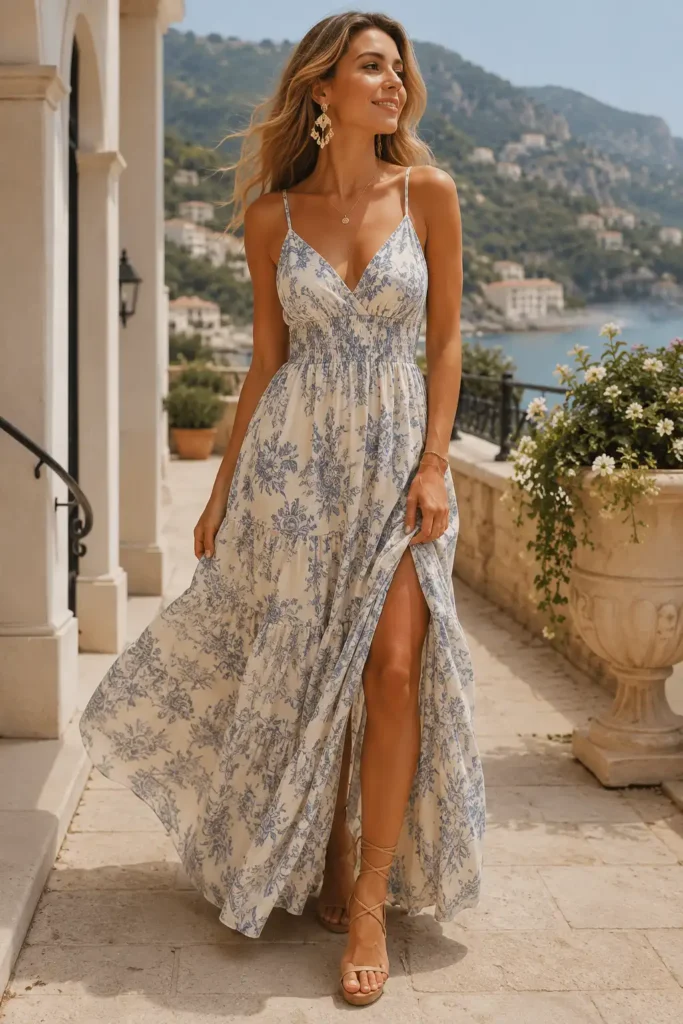
Resort Maxi Dresses

Resort Midi Dresses
Midi lengths give a collection a more versatile day-to-dinner product group. Wrap, slip, A-line, fitted waist and softly gathered structures can sit between casual daytime styles and more polished evening dresses.
Pattern work should establish the intended waist position, skirt volume and bust coverage before grading.
Transparent fabrics may require full or partial lining, while slits and open backs need wearability checks rather than visual approval alone.

Vacation Mini Dresses
Mini dresses bring younger proportions and stronger photographic impact into a seasonal assortment.
Common directions include halter minis, floral styles, ruched silhouettes, open-back designs, A-line shapes and lightweight satin evening pieces. Mini length needs controlled measurement because a visually attractive sample can become too short after grading or bulk sewing variation. Bust stability, armhole position, strap length and lining coverage become equally important when the garment uses lightweight fabrics.

Matching Sets
Matching sets can extend one fabric story into multiple sellable combinations. Top-and-skirt, crop-top-and-maxi-skirt and lightweight top-and-pant concepts can share prints or solids while creating more styling options across the same resort launch.
Color batch, waist placement, top-to-bottom proportions and size pairing need clear approval.
When several styles share the same fabric, coordinated sourcing can also simplify material planning.

Resort Skirts
Midi and maxi skirts provide strong coordination value without forcing every look to become another dress. Wrap fronts, slits, gathered waists, fitted hips or lightweight flowing hems can be paired with halter tops, camisoles and resort shirts.
Waist measurements, hip ease, zipper installation, lining, slit height and hem balance are reviewed according to silhouette and fabric behavior.

Resort Tops
Halter tops, camisoles, cropped styles, lightweight blouses and fitted resort tops work as collection connectors.
Several can share fabrics with skirts or dresses to create a more coherent visual story. Bust fit, strap position, neckline stability, hem structure, lining and closure details receive greater attention than on basic tops because resort styling often involves more exposed skin and lighter materials.

Jumpsuits and Rompers

Fashion Resort Extensions
Design for Every Part of a Resort Day

Travel Arrival

Poolside Dressing

Beach Lunch

Resort Day

Sunset Dinner

Resort Night
Resort Silhouettes Need More Than Attractive Sketches
Resort silhouettes look simple when photographed well, yet many are highly sensitive to proportion. Longer hems amplify balance problems, open necklines expose fit errors and lightweight fabrics show poor seam control quickly. Pattern and sample decisions therefore need to reflect the final wearing condition rather than only the original reference image.

Maxi, Slip and Flowing Silhouettes
A flowing maxi dress needs controlled length from the shoulder or waist through the finished hem.
Fabric drape changes how the garment hangs, and a lightweight viscose or rayon can lengthen visually once the skirt weight pulls on the body.
Key development checks include:
- Total length:measured against the approved specification rather than judged only on a dress form.
- Hem balance:front, side and back lengths should maintain the intended proportion after sewing and pressing.
- Lining relationship:lining must cover appropriately without becoming visible below the shell.
- Slit placement:height and overlap should support movement without creating unintended exposure.
- Fabric weight:a substitution can alter drape enough to require pattern or hem adjustments.
- Packing recovery:long garments need a folding and pressing method suited to the fabric.

Halter and Backless Silhouettes
Halter and backless dresses create strong resort imagery but transfer more responsibility to fewer structural points. Neck straps, side coverage, bust position and back height can determine whether the garment remains stable during movement.
Halter development reviews:
- neck pressure;
- bust coverage;
- strap width and attachment;
- neckline shape;
- armhole depth;
- back stability.
Backless development reviews:
- back opening height;
- side-body coverage;
- bust security;
- shoulder or neck strap load;
- zipper or closure position;
- lining and edge finishing.

Wrap and Gathered Silhouettes
Wrap dresses appear flexible but require carefully planned overlap. Inadequate overlap can expose the body while excessive overlap changes the intended drape. Waist position, tie length and skirt volume also influence how the garment sits across different sizes.
Gathered, tiered and softly ruched resort styles require controlled fullness. The development team evaluates the gathering ratio, seam position, tier width and fabric thickness together because the same pattern treatment can look very different in chiffon, viscose or linen blends.
Production instructions should identify:
- where gathering begins and ends;
- finished gathered length;
- symmetry between left and right;
- seam finishing;
- elastic or tie specification;
- pressing method.

Two-Piece and Coordinated Silhouettes
Matching sets introduce another level of proportion control. The top and bottom must work as individual garments while still aligning when worn together.
Development considers:
- top length versus waist height;
- exposed midriff proportion;
- skirt or trouser waist position;
- color and print alignment;
- coordinated grading;
- closure and elastic consistency;
- SKU packing and size pairing.
When styles share one fabric story, sampling them together also allows the design team to assess whether proportions remain coherent across the full outfit rather than approving every piece in isolation.
Fabrics Shape the Entire Resortwear Collection
Resort fabric selection affects far more than surface appearance. Drape changes silhouette, shrinkage affects measurements, transparency influences lining, print behavior changes cutting direction and wrinkle characteristics affect travel presentation. Jinfeng Apparel evaluates the fabric together with the garment structure before a sample is treated as a production standard.
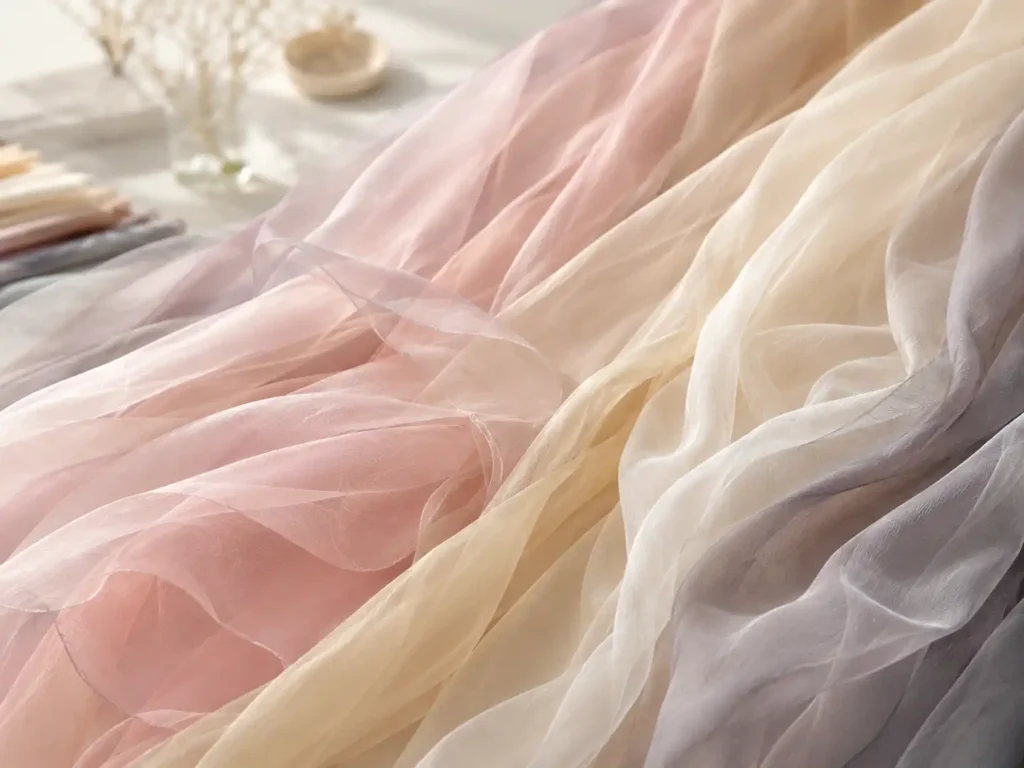
Chiffon and Lightweight Wovens
Chiffon supports soft resort movement, layered skirts, sleeves and feminine printed dresses. Its low weight also creates several manufacturing risks.
Transparency:
Shell color and print density can change how transparent the garment appears. Lining choice should therefore be tested with the actual outer fabric instead of selected by name alone.
Hem control:
Long chiffon hems are sensitive to cutting and sewing variation. Maxi lengths need a stable measurement method and careful final pressing.
Seam appearance:
Bulky or poorly selected seam construction becomes visible through lightweight cloth. Construction should match the garment area and transparency requirement.
Print direction:
Directional floral or geometric designs require clear cutting instructions. Incorrect panel direction can make one garment look different from another even when sewing measurements are correct.
Chiffon works particularly well for resort maxi dresses, wrap styles, ruffles, flowing sleeves and layered skirts where movement is part of the visual design.

Rayon and Viscose
Rayon and viscose are common resort directions because they provide softness, drape and a relaxed handfeel. Material behavior must be reviewed before finalizing patterns.
Shrinkage:
Fabric behavior can influence finished garment measurements, especially on longer dresses or skirts. A change in material source may require another sample or revised measurement consideration.
Drape:
Soft fabric can make a garment appear longer or fuller than a more stable woven. Pattern shape should therefore be approved in the selected material whenever possible.
Print execution:
Floral and destination-inspired prints need approval for color, repeat, direction and scale.
Handling:
Stretching during cutting or sewing can distort necklines, waist seams and long hems. Production methods should reduce unnecessary handling deformation.
Rayon and viscose suit relaxed maxi dresses, rompers, wrap dresses, matching sets and printed resort silhouettes where soft movement matters.

Linen and Linen Blends
Linen communicates resort and warm-weather dressing immediately, yet natural wrinkle character needs to be distinguished from poor garment finishing.
Structure:
Pure or blended linen may hold a cleaner silhouette than rayon, making it useful for A-line dresses, matching sets, skirts and relaxed tailored resort pieces.
Shrinkage:
Fabric sourcing and development should consider expected dimensional behavior before bulk cutting.
Transparency:
Lighter colors may need lining, partial lining or revised fabric weight.
Wrinkle presentation:
Packing method, folding and final pressing should match the intended retail appearance. A resort garment can accept natural linen texture without arriving crushed or poorly presented.
Linen blends can also provide a balance between natural appearance, stability and commercial handling, depending on composition and design.

Printed Woven, Satin and Mesh
Printed woven fabrics allow a collection to establish a recognizable seasonal story.
Approval should cover artwork scale, color, placement and cutting direction before bulk fabric enters production.
Light satin works well for sunset dinners, evening resort dresses and more polished capsule pieces.
Control points include shine direction, snagging, shade consistency, pressing and packing creases.
Mesh can be introduced selectively for layered resort or evening pieces. Transparency, stretch, neckline deformation, holes and finishing need special attention.
Material substitution remains possible when availability, MOQ or cost makes the original fabric unsuitable.
Any replacement should be treated as similar rather than identical and confirmed through swatches and, where needed, another sample.
Prints and Colors Must Survive Bulk Production
Holiday collections often depend on color and print more heavily than basic apparel. A print may define the entire seasonal story, while pale solids can reveal transparency, shade and stain problems more quickly than darker garments. Development should therefore connect artwork, fabric approval, cutting direction and bulk QC.
Build a Controlled Print Story
Floral, tropical, geometric and placement-sensitive prints need more than an attractive digital artwork file.
Development may involve:
- artwork and repeat review;
- fabric base confirmation;
- strike-off or printed fabric approval where required;
- print scale and orientation review;
- panel direction instructions;
- placement consideration on center-front or matched panels;
- bulk color comparison.
Large flowers or directional motifs can shift visual balance when pattern pieces are cut without clear instructions. Dresses with front seams, wrap panels or tiers deserve particular attention because print interruption becomes more visible.
Develop Colors as a Collection
Core resort shades, soft neutrals, ivory, tropical brights and seasonal fashion colors can be organized into a controlled palette rather than assigned independently to every style.
Color review should consider:
- fabric batch;
- shade variation;
- colorfastness;
- transparency in pale colors;
- dyeing requirements;
- minimum fabric quantities;
- compatibility across coordinated pieces.
Matching sets require particular control because top and bottom pieces must appear consistent when worn together. Even small shade differences become obvious when garments sit directly next to each other.
Keep Pale and Printed Styles Clean
Ivory, white and light resort shades show stains, handling marks and transparency quickly. Printed fabrics can hide some surface variation while making cutting errors more obvious.
QC planning should therefore distinguish:
Light solids: shade, transparency, stains, lining and packing cleanliness.
Printed fabrics: direction, placement, color consistency and panel orientation.
Coordinated sets: same-batch appearance and correct SKU pairing.
Color and print information should remain linked to approved fabric and sample records before production release.

Resort Details Need Controlled Construction
Ruffles, ties, slits and open backs often look effortless on a finished garment, yet each detail introduces measurable construction points. Resortwear becomes unreliable when design details are left to visual interpretation on the sewing floor. Jinfeng converts approved details into repeatable sewing and QC information before bulk production.

Straps, Halters and Open Backs
Narrow straps can change bust coverage and total garment length. Halter ties affect neckline position and neck pressure. Open-back structures reduce the number of points supporting the garment.
Development therefore checks:
- finished strap width and length;
- attachment position;
- reinforcement;
- adjustable hardware where used;
- neckline height;
- side coverage;
- back opening dimensions;
- shell and lining alignment.
A photo can confirm appearance, but measurements and construction records are needed to reproduce the same look across bulk garments.

Ruffles, Gathering and Tiers
Resort collections frequently use volume to create movement without heavy structure.
Ruffles and gathered panels require consistent fullness ratios.
Production control includes:
- source panel length;
- finished gathered length;
- ruffle width;
- tier position;
- seam allowance;
- edge finishing;
- left-right symmetry;
- pressing method.
Fabric behavior matters. A chiffon ruffle and linen-blend ruffle should not be expected to create the same volume using identical construction.

Slits, Wraps and Cut-Outs
Slits introduce movement and visual lightness but require controlled height and reinforcement. Wrap dresses depend on overlap and waist positioning, while cut-outs can change garment stability.
Approval points may include:
- slit opening height;
- bar tack or reinforcement;
- wrap overlap;
- tie position;
- cut-out opening;
- elastic support;
- lining finish;
- edge stability.
Movement should be reviewed on the fitted sample because static measurements alone do not show how much skin becomes visible while walking or sitting.

Linings, Zippers and Clean Finishing
Lightweight resort fabrics often require hidden construction support.
Lining may be needed for transparency, comfort or shape. Invisible zippers should sit flat without creating waves through lightweight shells. Necklines and armholes need clean finishing that remains stable after handling and pressing.
Before PP approval, construction instructions can record:
- lining material and length;
- zipper type and location;
- seam treatment;
- closure details;
- edge finishing;
- pressing precautions;
- quality checkpoints.
Fit Must Work Beyond the Photo Sample
Resortwear is frequently photographed standing still, while the final garment has to handle walking, sitting, dining, travel and long periods of wear. Lightweight fabrics and open structures create little room to hide fit errors. Jinfeng evaluates coverage, movement and balance before a sample becomes the reference for bulk production.
Bust, Neckline and Strap Stability
Halter, slip, backless and low-neck resort dresses rely heavily on upper-body fit.
Key checkpoints include:
- bust position;
- neckline height;
- armhole shape;
- side coverage;
- strap length;
- strap attachment;
- back height;
- lining position.
Waist, Hip and Movement
Wrap dresses, matching sets, jumpsuits and fitted midis need enough control through waist and hip areas without restricting movement.
Fit review may include:
- natural versus designed waist position;
- hip ease;
- rise on jumpsuits or rompers;
- side seam balance;
- waist elastic tension;
- wrap overlap;
- movement while seated.
Hem, Slit and Travel Performance
Long resort garments need special attention below the hip.
Maxi dresses and skirts are reviewed for:
- finished length;
- front-back balance;
- slit position;
- lining length;
- walking clearance;
- hem stability.
Plan the Collection Before Releasing Every Style
Hero Style Strategy
Commercial Style Balance
Shared Fabric Platforms
Controlled Color Count
Sample Priority
Quantity and Size Ratio
Sampling Holiday Resortwear Before Bulk Production
Sampling turns a design direction into a measurable production standard. Resort styles require particular attention to drape, transparency, neckline stability, print direction, long hems and packing-sensitive materials, so approval should happen through defined stages rather than one visual sample.
| Sample Stage | Reference Timing | Main Purpose |
|---|---|---|
| Simple First Sample | 7–10 days | Basic structure, proportion and construction review |
| Regular Dress Sample | 10–15 days | Common woven resort dresses and standard silhouettes |
| Medium-Complexity Style | 12–18 days | More detailed dresses, sets or jumpsuits |
| Complex Construction | 15–25 days | Corset, strapless, lace, mesh, sequin or comparable complexity |
| Special Fabric / Trim | 20–35 days or supplier timing | Custom fabric, custom print or special material development |
| Revised Sample | 7–15 days | Pattern, fit, fabric or construction corrections |
| PP Sample | 7–15 days with final materials | Final production-standard approval |
Turn Sample Comments Into Bulk Standards
Pattern and Measurement Update
Fit comments affecting neckline, waist position, hip ease, hem length, straps or openings should be reflected in the latest pattern and measurement specification. Production should not rely on an earlier version after the revised sample has already corrected the fit.
Fabric and Trim Records
BOM and Sewing Instructions
QC Checklist
PP Approval
Golden Sample Reference
Plan MOQ Around the Whole Resort Assortment
Jinfeng Apparel’s standard MOQ starts from 200 pcs per style/color, with the final arrangement depending on fabric availability, trims, color development, construction, packaging and schedule. Collection planning therefore works best when quantity is considered together with style count, color count and fabric strategy.
Style and Color Structure
MOQ applies by style and color rather than by adding unrelated styles into one total quantity. A 20-style launch should therefore be planned around realistic commercial quantities for each selected style/color.
Adding many colors to every SKU increases:
- fabric ordering;
- cutting groups;
- shade control;
- labels and barcodes;
- SKU management;
- packing separation;
- QC workload..
Fabric and Print Requirements
Custom-dyed, custom-printed, certified or specially developed fabrics may carry material-supplier minimums above the garment MOQ.
Before sampling or quotation, fabric planning should establish:
- which styles can share a fabric;
- whether colors are stock or custom;
- whether print development is required;
- lining requirements;
- fabric-supplier MOQ;
- impact on delivery planning.
Size Ratio and Packing
Multiple sizes can be produced according to the approved brand size chart.
Size quantities are distributed within the confirmed style/color order.
A clear ratio supports:
- cutting;
- bundle control;
- measurement inspection;
- labels;
- barcode preparation;
- SKU packing;
- carton planning.
Manage Multi-Style Resortwear Bulk Production
Material Booking
Factory Allocation
Cutting Control
Sewing and Inline Review
Finishing and Pressing
Packing Release
Quality Control Built Around Resortwear Risks
Generic final inspection is not enough for a fabric-sensitive collection. Resortwear QC must follow the risks created by lightweight materials, exposed structures, prints, long hems and travel packing. Jinfeng links inspection points to the approved sample and product-specific checklist.

Fabric and Print Inspection
Incoming material quality influences every stage after cutting.
Key checks may include:
- shade consistency;
- obvious fabric defects;
- transparency;
- print direction;
- print appearance;
- fabric handfeel;
- material batch separation.
Directional florals should be recognized before cutting, while pale solids deserve greater attention for shade and cleanliness.

Measurement and Fit Control
Measurements are checked against the approved specification and project tolerance.
Important resort points include:
- bust;
- waist;
- hip;
- total garment length;
- strap length;
- armhole;
- neckline;
- slit height;
- jumpsuit rise where relevant.
Fit cannot be fully reconstructed during final inspection, so the correct pattern and PP sample remain essential upstream controls.

Construction and Workmanship
Inline and garment inspections focus on style-specific points rather than only loose threads.
Checks can include:
- seam appearance;
- zipper flatness;
- strap security;
- ruffle symmetry;
- gathering consistency;
- lining exposure;
- slit reinforcement;
- neckline shape;
- hem balance.
A fault that appears minor on a basic garment can become visually dominant on a lightweight satin or open-back resort dress.

Finishing and Packing
Final pressing, folding and packing influence how garments look when opened at the destination warehouse.
Resortwear review may cover:
- pressing quality;
- unwanted shine;
- packing creases;
- stains;
- thread trimming;
- label correctness;
- SKU sticker;
- polybag;
- carton mark.
For long dresses, folding should avoid unnecessary pressure on embellished, structured or highly wrinkle-sensitive areas.
Protect the Holiday Resortwear Launch Calendar
Collection Brief
Photo Sample Window
PP Lock
Bulk Allocation
QC and Packing Window
Inspection, pressing, labeling and packing need protected time in the schedule. Finishing should not be compressed simply because earlier approvals ran late.
Shipment Planning
Private Label Packing Ready for Brand Operations

Garment Branding
- woven labels;
- size labels;
- care labels;
- hangtags;
- approved brand trims.

SKU Identification
Multi-style resort collections need clear separation across styles, colors and sizes.
Support can include:
- barcode stickers;
- SKU labels;
- polybag labels;
- packing lists;
- carton marks.

Travel-Sensitive Packing
Chiffon, viscose, linen, satin and long dresses can react differently to folding pressure.
Packing review considers:
- garment length;
- fabric wrinkle tendency;
- embellishment or hardware;
- fold position;
- inner protection;
- polybag sizing;
- carton loading.

Shipment Documents
Depending on the project and agreed shipping arrangement,
Jinfeng can coordinate packing lists, commercial invoices, carton information and pickup details with the nominated logistics partner.
Anonymous Holiday Resortwear Collection Project
The following profile reflects the scale and structure of current established-brand resort programs handled within the order ranges supplied for Jinfeng Apparel. Brand identity, proprietary designs, pricing and unreleased development information remain confidential.
| Project Item | Details |
|---|---|
| Project | Anonymous Resort Program |
| Market | United States |
| Collection Type | Holiday / Vacation Womenswear |
| Style Count | 22 styles |
| Total Order | 48,600 pcs |
| Main Categories | Maxi, midi, mini, matching sets, skirts, tops, jumpsuit |
| Fabric Groups | Rayon/viscose, chiffon, linen blend, printed woven, selected light satin |
| Development Route | First sample → revisions → PP approval → Golden sample |
| Main QC Focus | Print direction, transparency, neckline/strap stability, hem balance, packing |
| Production Structure | Multi-style allocation across appropriate production resources |
| Brand Protection | Anonymous development and NDA-based cooperation |
Collection Structure

The 22-style range was structured as a dress-led vacation program rather than an equal mix of unrelated product categories.
Dresses formed the commercial core, supported by coordinated sets, skirts and tops that extended approved fabric stories into additional outfits.
Style planning concentrated on:
- maxi and midi silhouettes for resort day and dinner;
- mini and halter styles for younger vacation looks;
- coordinated tops and skirts using related materials;
- selected printed fabrics to connect the visual collection;
- solid colors positioned around the printed groups.
The 48,600-piece total quantity remained within the common 20,000–80,000-piece range currently seen across established-brand projects, while the 22-style structure sat within the regular 10–30-style program range.
Development Challenges

Several product risks received more attention than ordinary summer apparel.
Long hems:
Maxi styles required control of shell length, lining length and finished hem balance.
Light fabrics:
Chiffon and pale woven materials required transparency and lining review.
Prints:
Directional motifs needed clear cutting instructions so left/right panels and front/back pieces maintained the intended orientation.
Open structures:
Halter and open-back styles required neckline, side coverage and strap-stability correction during sample development.
Coordinated pieces:
Matching sets needed aligned color, waist position and size pairing so both pieces worked together.
Sample to Bulk Control

Sample comments were not left only in emails or photographs. Approved corrections were transferred into patterns, measurements, material references, BOM information, sewing details and QC points before PP release.
Bulk and QC Approach

Styles were grouped by fabric and construction so production could be allocated more logically. Incoming materials, cutting, inline sewing checks, garment measurements, finishing and packing were linked to the product-specific risks identified during development.
Turn One Resort Drop Into Repeat Programs
Repeat Proven Styles
Repeat orders can benefit from retained patterns, measurement information, fabric references, trims, sewing instructions, packing details, QC notes and previous modification records.
The same style still requires review of current material availability and production schedule, but development usually becomes more efficient because the core product standard already exists.
Extend Best Sellers
- new colors
- new prints
- modified lengths
- related silhouettes
- coordinated tops or skirts
- fabric changes
Prepare the Next Season
A completed resort drop creates information for the next collection.
Strong silhouettes, fabric performance, packaging feedback and production records can guide the next seasonal program.
The objective is a repeatable development relationship in which collection knowledge accumulates instead of disappearing after shipment.
Holiday Resortwear Frequently Asked Questions

Send Your Holiday Resortwear Collection Brief
Jinfeng Apparel works with established fashion teams developing seasonal womenswear programs from concept, reference styles or completed tech packs. A useful project review begins with enough information to judge fabric direction, construction, style count, sampling requirements, quantity structure and target launch timing. Early review helps identify which styles are straightforward, which require pattern or fabric development, and which may create avoidable production risk before the collection calendar becomes compressed.
For an initial Holiday Resortwear Collections review, prepare as much of the following information as available:
- Reference images, line sheet or tech packs
- Approximate number of styles
- Quantity per style and color
- Preferred fabrics or fabric direction
- Solid color and print requirements
- Brand size chart and planned size ratio
- Private-label and packaging requirements
- Photo sample or showroom sample needs
- Target bulk delivery or launch date
- Existing samples or fabric swatches where relevant
- File attachments for confidential development review