 Skip to content
High Neck Dress Manufacturer
Custom high neck dress development for fashion brands requiring accurate neckline fit, controlled construction, and reliable sample-to-bulk production.
- MOQ starts from 200 pcs per style/color for standard production planning.
- Regular high neck dress first samples usually require 10-15 days; complex lace, mesh, sequin, or structured styles usually require 15-25 days.
- Development support includes 7+ senior pattern makers, 2 sample rooms, and 20+ sample machinists.
- Production planning is supported by 6 owned women’s fashion factories, 10+ long-term satellite partners, and 18+ sewing lines.
Jinfeng Apparel develops high neck mini, midi, maxi, bodycon, office, party, evening, and occasion dresses from reference image, original sample, sketch, or tech pack. Neck circumference, collar height, entry opening, shoulder balance, fabric stretch, lining, and bulk consistency are reviewed before production standards are locked.
Development Capacity Built Around High Neck Dress Fit
Since 2008
Six Owned Factories
Two Sample Rooms
Seven Pattern Makers
Twenty Sample Machinists
Fifteen QC Inspectors
High Neck Dress Programs for Established Fashion Teams
Global Fashion Brands
Premium Ecommerce Labels
Occasionwear Labels
Partywear Collections
Modest Fashion Programs
Fashion Retailers
Product Development Teams
Sourcing Teams
Why High Neck Dress Development Often Goes Wrong
Neckline Feels Tight
Collar Loses Shape
Entry Is Too Narrow
Shoulders Pull Forward
Fabric Irritates Skin
Bulk Necklines Vary
A Production Model for Defined Fashion Projects
Best Project Fit
Production Boundary
Information Needed for an Accurate Project Review
Design Reference
Tech Pack
Quantity Plan
Fabric Direction
Size Range
Trim Requirements
Launch Schedule
Target Position
High Neck Dress Styles Developed for Fashion Collections

High Neck Mini Dress

High Neck Midi Dress

High Neck Maxi Dress

Long Sleeve Dress

Sleeveless High Neck

High Neck Bodycon

High Neck A-Line

High Neck Cutout

High Neck Backless

High Neck Evening

High Neck Office

High Neck Party
High Neckline Structures and Their Manufacturing Logic

Stand Collar

Mock Neck

Funnel Neck

Mandarin Collar

Turtleneck Style

High Halter Neck

Victorian Neck

Ruffle High Neck

Illusion High Neck

Ruched High Neck

Keyhole High Neck

Cutout High Neck
High Neck Dresses for Different Retail Markets

Occasionwear

Eveningwear

Partywear

Cocktail Collections

Office Fashion

Modest Fashion

Resort Collections

Autumn Winter
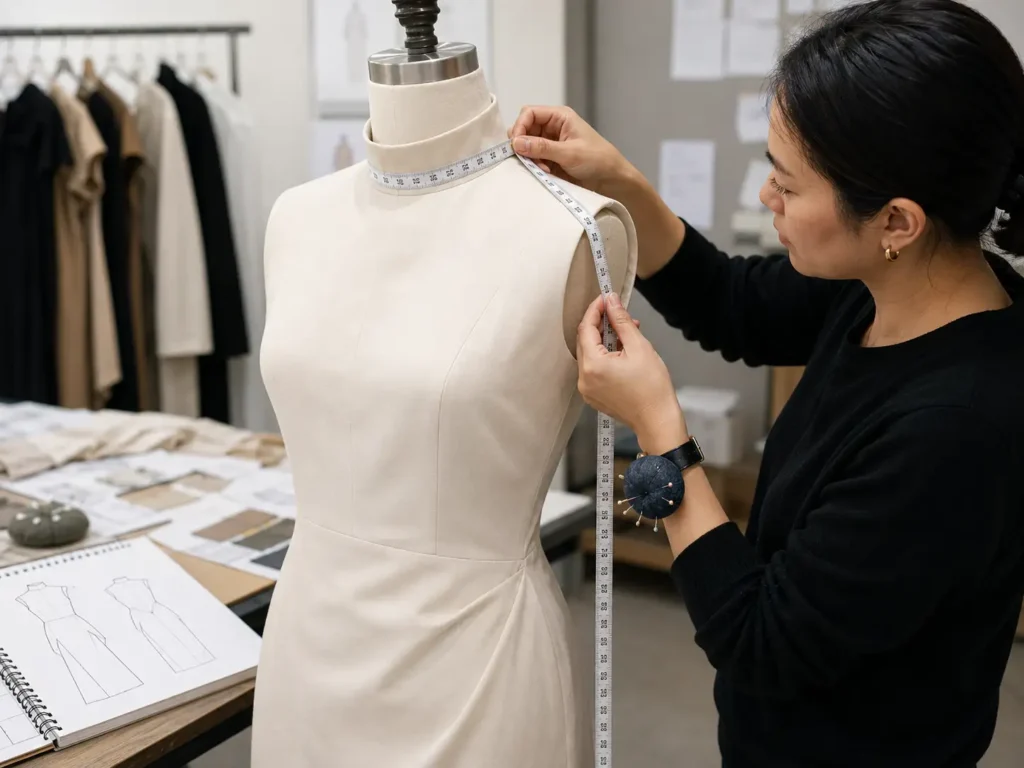
Measurements That Control High Neck Dress Fit
A high neckline cannot be developed from neck circumference alone. Collar height, shoulder angle, upper-body balance, entry method, fabric behavior, and size grading work together. Measurement standards should connect directly to pattern corrections and QC points.
- Neck Circumference and Ease
Finished neck circumference is reviewed against body measurement, fabric stretch, seam bulk, closure, and desired fit. Stretch styles may use controlled negative ease, while woven styles need enough room for comfort and movement. Measurement location must be defined clearly because a 5 mm vertical shift can change the circumference around the neck base. - Collar Height and Shape
Collar height influences jaw clearance, neck movement, visual proportion, and folding behavior. A 25 mm mock neck behaves differently from a 60 mm stand or gathered collar. Front and back heights may differ, and the pattern curve must match the neckline seam without forcing or stretching. - Shoulder and Upper Body
Shoulder width, shoulder slope, cross-front, cross-back, bust level, armhole depth, and upper-body length determine whether the neckline sits flat. Drag lines from the neck toward the armhole often indicate a wider balance issue rather than a collar problem alone. - Entry Opening
Head passage and dressing movement are checked against zipper length, keyhole depth, shoulder opening, button loop, snap, hook, or fabric stretch. Makeup transfer, hairstyle, lining bulk, and closure comfort should also be considered for real wear. - Dress Length and Balance
Center-front length, center-back length, waist position, hip level, slit, and hem sweep influence how weight is distributed from neckline to hem. Long skirts, gathered volume, and embellishment can pull the upper body downward when internal support is insufficient.
Entry and Closure Options for High Neck Dresses

Invisible Back Zipper

Button and Loop

Keyhole Opening

Full Back Zipper

Shoulder Opening

Stretch Entry
High Neck Size Grading Across the Range
| Measurement Point | Grading Focus | Common Risk | Control Method |
|---|---|---|---|
| Neck circumference | Controlled increment by size and fabric stretch | Large sizes feel loose or small sizes feel tight | Review body neck data, finished measurement, stretch, and closure |
| Collar height | Visual proportion and jaw clearance | Collar becomes too tall in larger sizes | Use a limited grade or fixed height after fit review |
| Shoulder width | Upper-body balance | Collar pulls or armhole gapes | Coordinate shoulder, neck point, and across-back grade |
| Across front/back | Chest and upper-back room | Diagonal drag lines from neckline | Grade with bust, shoulder, and fabric behavior |
| Armhole depth | Movement and coverage | Tight underarm or visible lining | Check sleeveless and sleeved versions separately |
| Bust/waist/hip | Silhouette fit | Neckline distortion from lower-body tension | Use style-specific ease and grade rules |
| Opening length | Dressing access | Larger sizes remain difficult to enter | Review zipper, keyhole, or shoulder opening by size |
| Dress length | Proportion and market expectation | Short sizes too long or tall sizes too short | Confirm grading policy for target market |
Fabrics Selected for High Neck Dress Performance
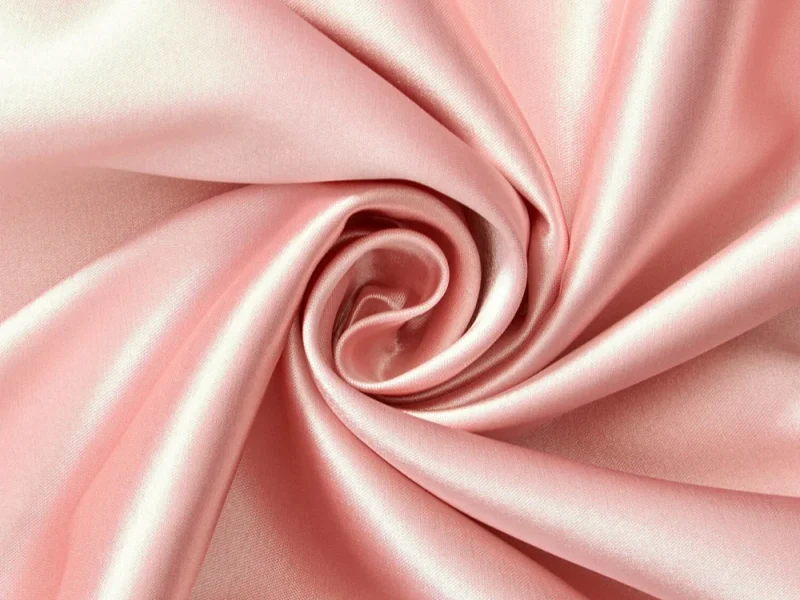
Satin

Stretch Satin
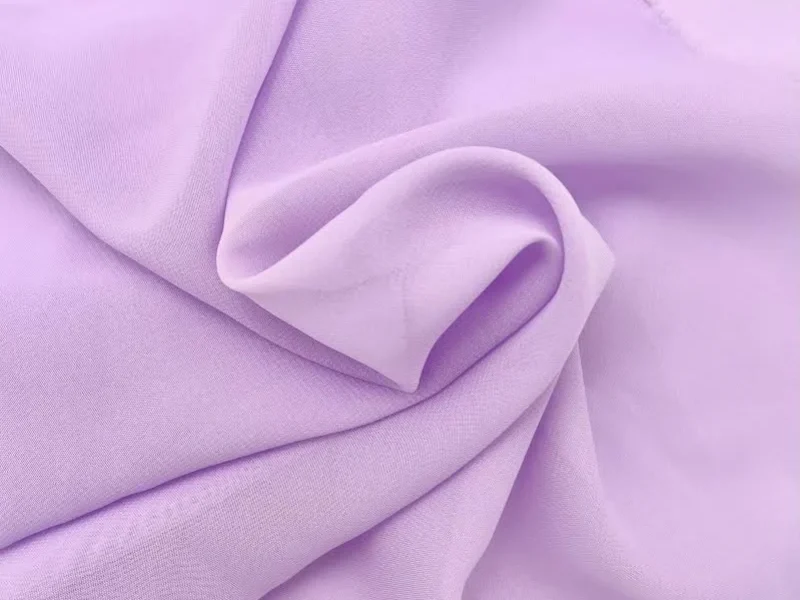
Chiffon

Lace
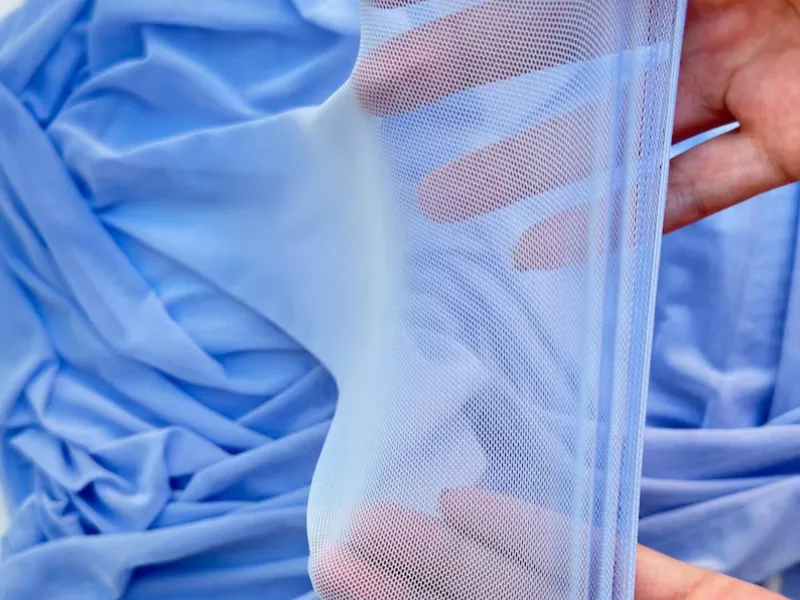
Mesh

Jersey
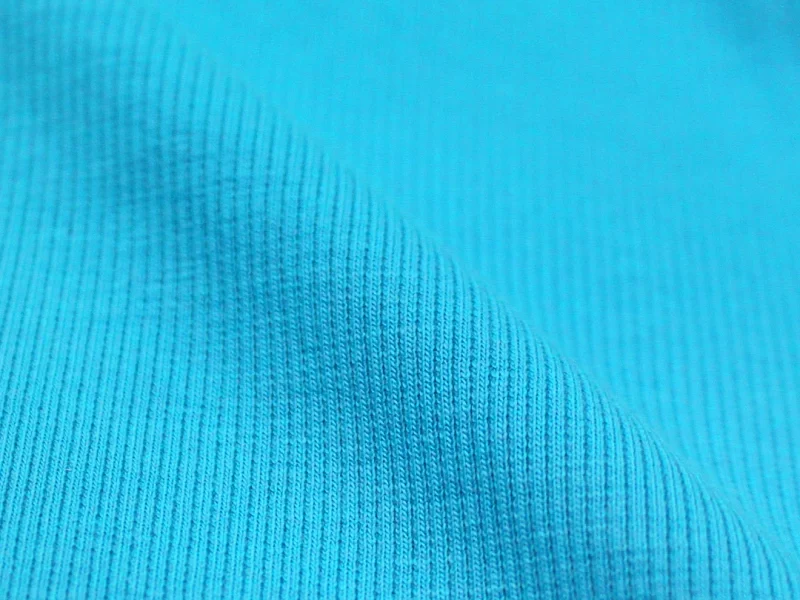
Rib Knit

Ponte

Crepe
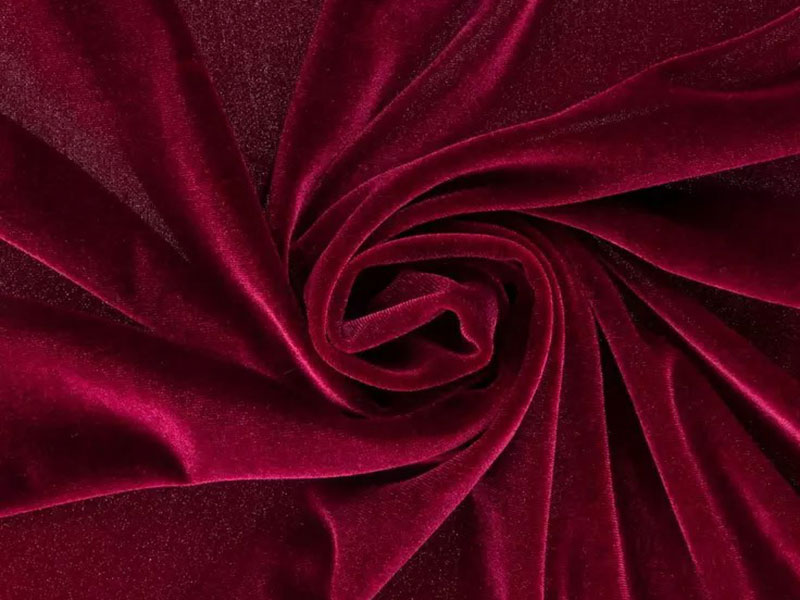
Velvet

Sequin Fabric
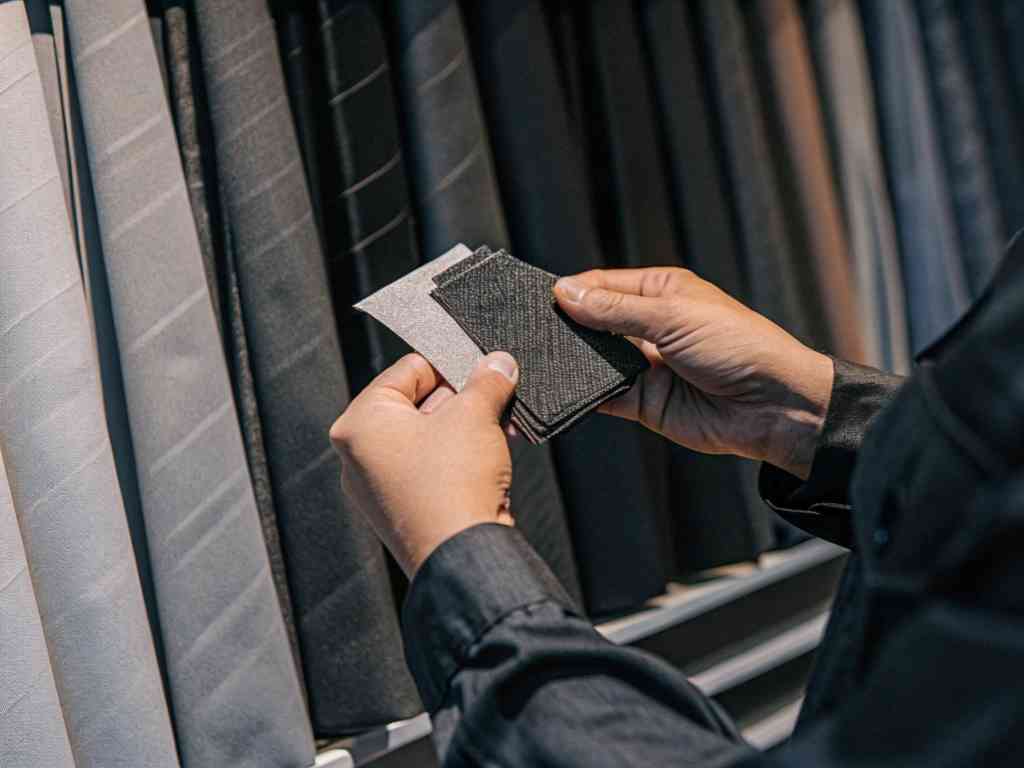
Suiting Fabric
Support Materials Behind a Clean High Neckline
Fusible Interfacing
Stay Tape
Clear Elastic
Self Facing
Binding
Lining System
- CTA: Select Support Method
- CTA: Review Material Stack
Sewing Methods for Stable High Neck Construction

Collar Attachment

Understitching

Invisible Zipper Finish

Button Loop Reinforcement

Lace and Mesh Seams

Pressing and Shape Setting
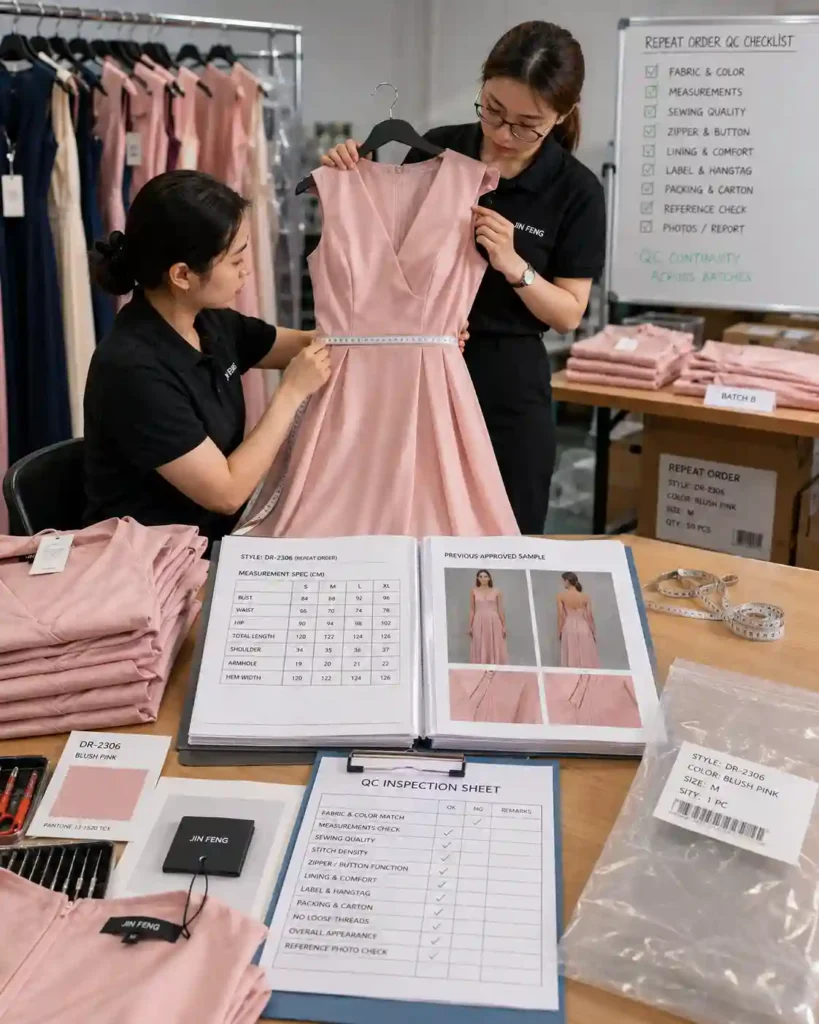
Tech Pack Review Before Pattern Development
A clear development review prevents avoidable sample rounds. Jinfeng Apparel checks whether the design, measurements, fabric, trims, construction, size range, packing, and launch timing can work together before pattern release.
- Construction Review
Front and back drawings are compared with reference images, seam lines, darts, panels, openings, sleeves, cut-outs, lining, and closure. Conflicting details are identified before pattern work begins. - Measurement Review
Points of measurement, base size, finished measurements, tolerance, grade rules, collar height, neck circumference, opening length, shoulder width, armhole, bust, waist, hip, and dress length are reviewed for completeness. - Material Review
Fabric composition, weight, width, stretch direction, recovery, transparency, hand feel, drape, shrinkage, color, lining, interfacing, zipper, button, labels, and packaging are assessed for availability and production risk. - Cost Review
Cost drivers include fabric consumption, lining, interfacing, pattern work, sample work, cutting, sewing time, closure, decoration, pressing, QC, packing, testing, wastage, and logistics. Alternative constructions can be discussed without weakening brand-level appearance. - Timeline Review
Sample type, fabric readiness, trim development, revision rounds, photo sample, PP approval, material booking, production, QC, packing, and shipping are placed against the target launch date. Complex fabrics and custom components require earlier confirmation.
From First Sample to Production Approval
Project Review
Fabric Direction
Pattern Development
First Sample
Fit Review
Revised Sample
Photo Sample
PP Sample
Golden Sample

Keeping Neckline Shape Consistent in Bulk Production
Sample quality has commercial value only when bulk production follows the same approved logic. Jinfeng Apparel connects the PP sample, final pattern, materials, work instructions, production checks, and packing standards into one control chain.
- Material Batch Control
Shell fabric, lining, interfacing, zipper, button, elastic, tape, lace, mesh, sequin, and packaging are checked against approved references. Dye lot, stretch, weight, width, hand feel, shine, motif, and trim size may affect neckline behavior. - Production File Control
The production file records final measurements, grade rules, collar height, opening length, seam method, lining, interfacing, trim placement, label position, packing, tolerance, and approval notes. Old sample comments should not remain in active production files. - First Piece Approval
The first production pieces verify pattern, cutting, collar components, seam allowance, zipper top, button loop, lining, measurement, pressing, and visual shape before the line continues at full pace. - Inline Inspection
Inline checks focus on neck circumference, collar height, shoulder balance, seam smoothness, closure function, facing roll, lining, symmetry, and measurements. Early correction prevents repeated defects across a large quantity. - Final Shape Protection
Finished garments are pressed, cooled, measured, inspected, folded or hung, protected, and packed according to fabric and style. Collars should not be flattened, folded incorrectly, or marked by trims during transit.
Product-Specific Quality Control for High Neck Dresses
Incoming Fabric QC
Collar Component Check
Cutting QC
First Piece Check
Sewing QC
Measurement QC
Closure Test
Symmetry Check
Pressing QC
Finished Garment QC
Packing QC
Final Inspection
Production Resources Matched to Dress Complexity
Woven Dress Allocation
Stretch Dress Allocation
Occasionwear Allocation
Multi-Style Coordination
Team Coordination
Capacity Planning
MOQ and Cost Factors for High Neck Dresses
| Cost Area | Lower Complexity | Higher Complexity | Main Cost Influence |
|---|---|---|---|
| Neck structure | Basic mock neck or simple stand | Draped, pleated, ruffled, illusion, layered, or cutout neck | Pattern work, components, sewing time, pressing, QC |
| Fabric | Standard in-stock jersey, crepe, or woven fabric | Custom-dyed satin, lace, mesh, velvet, sequins, certified fabric | Supplier MOQ, lead time, wastage, defect risk, handling |
| Closure | Basic button loop or standard zipper | Long invisible zipper, shoulder opening, multiple closures | Trim cost, sewing accuracy, reinforcement, inspection |
| Lining/support | Unlined stable knit | Full lining, facing, interfacing, stay tape, elastic, support layers | Material consumption, labor, bulk, comfort control |
| Decoration | Clean construction | Ruching, pleats, lace motif, rhinestones, beads, sequins | Handwork, placement, repair, surface inspection |
| Size/color plan | Focused size ratio and 1-2 colors | Wide size range, many colors, special ratios | Cutting, SKU control, labels, packing, QC |
| Private label | Main label, care label, standard polybag | Custom tags, printed bags, boxes, special inserts | Supplier MOQ, artwork, approval, packing labor |
| Schedule | Planned production window | Compressed launch calendar or split shipment | Material booking, line planning, inspection, freight |
Private Label and Packing for High Neck Dresses
Main Brand Label
Size and Care Labels
Hangtags
Barcode and SKU
Polybag Packing
Retail Packing
Ecommerce Packing
Carton and Shipping Marks
Anonymous High Neck Dress Production Programs

United States Ecommerce Program
A premium online fashion label developed 18 high neck styles across bodycon midi, long-sleeve mini, cutout maxi, and structured office silhouettes. Total order volume reached approximately 36,000 garments across selected colors and sizes. Early fit samples showed neck pressure and diagonal shoulder drag in several fitted styles. Pattern makers adjusted neck ease, shoulder slope, upper-body length, and zipper opening. Stretch styles received revised collar ratios, while woven styles used longer openings and support tape. Final PP standards included neckline measurement points, closure tests, pressing references, and size-set checks before bulk release.
United Kingdom Occasionwear Program
An occasionwear label developed 12 high neck lace, mesh, crepe, and satin dresses with a combined order volume of approximately 24,000 garments. Key risks included lace edge irritation, illusion mesh stretching, button-loop inconsistency, and lining visibility around the upper chest.
Development work introduced softer inner binding, stabilized mesh edges, revised loop length, motif placement standards, and higher lining coverage. Production files included collar component checks, seam methods, symmetry references, and protective packing for lace and satin surfaces.

Australia Seasonal Collection
An online fashion program prepared 26 high neck mini, midi, and maxi styles with total production of approximately 68,000 garments.
The range used jersey, stretch mesh, crepe, satin, and sequins, with separate photo-sample and warehouse deadlines.
Styles were grouped by fabric and complexity, then prioritized by campaign importance. Material booking, revised sample tracking, PP approval, line allocation, inline measurement checks, barcode control, and split packing plans supported the launch schedule. Sequin and satin styles received additional pressing and surface-protection checks.
Why Fashion Teams Choose Jinfeng Apparel
Dress-Focused Development
Pattern and Fit Control
Sample System
Fabric-Specific Manufacturing
Bulk Control Chain
Long-Term Records
High Neck Dress Frequently Asked Questions
MOQ starts from 200 pcs per style/color, depending on fabric availability, color development, trims, construction complexity, packaging, and production schedule. Quantity is calculated by style and color, not by combining several styles into one total.
Yes. A reference image can start the review, although front and back views, measurements, target fabric, size range, quantity, and brand requirements improve accuracy. A tech pack or original sample provides stronger control for complex high neck structures.
A regular first sample usually requires 10-15 days. Medium-complex styles often require 12-18 days. Lace, mesh, sequin, corset, or advanced structured styles commonly require 15-25 days. Special fabrics or trims may extend the schedule.
Neck circumference is reviewed with collar height, body neck measurement, fabric stretch, seam bulk, closure, shoulder balance, and movement. Fit testing includes head turning, sitting, arm movement, dressing, and undressing before the pattern is finalized.
Yes, depending on fabric and design. Jersey, rib knit, ponte, or stretch mesh may allow pull-on entry. Woven styles may use a keyhole, button loop, shoulder opening, snap, or hook. Head passage and recovery must be tested.
Suitable options include satin, stretch satin, chiffon, lace, mesh, jersey, rib knit, ponte, crepe, velvet, sequins, and suiting fabric. Selection depends on silhouette, occasion, stretch, opacity, collar support, comfort, care, and price position.
Yes. Sizes can be distributed within the confirmed style-color quantity using an approved size ratio. Neck, shoulder, armhole, bust, waist, hip, opening, and length should follow style-specific grade rules rather than one uniform increment.
Yes. Services can include main labels, size labels, care labels, hangtags, barcode stickers, SKU labels, polybags, carton marks, and retail or ecommerce packing. Individual materials may have separate supplier MOQ and lead time.
Control points include approved PP sample, final pattern, material batch, collar components, work instructions, first-piece review, inline measurements, closure tests, pressing standards, finished inspection, and packing protection.
Send design images or tech pack, quantity by style and color, fabric direction, size range, trims, label and packing requirements, target market, launch date, and any testing or inspection requirements. Complete information supports a more accurate review.
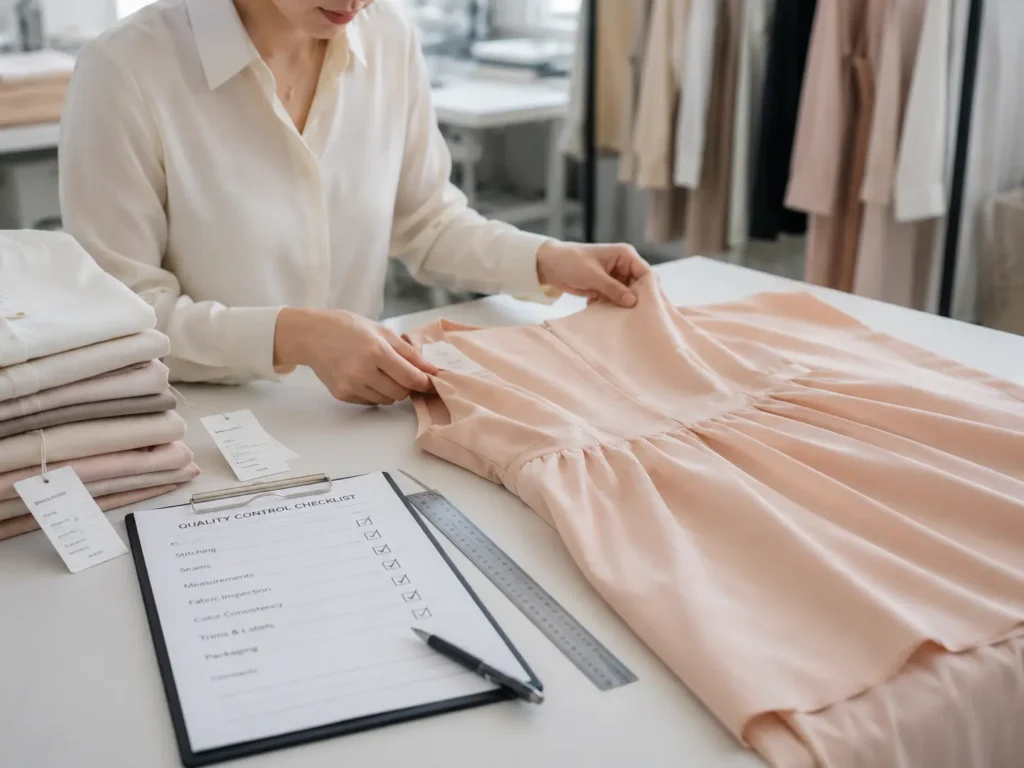
Start Your High Neck Dress Production Project
Send your design information to Jinfeng Apparel for a structured review covering neckline construction, pattern difficulty, fabric direction, closure, size range, MOQ, sample plan, production feasibility, private-label requirements, and launch timing. Kelly will coordinate the initial information review and connect the project with the relevant development resources.
Please include:
- Reference image, sketch, original sample, or tech pack
- Target quantity by style and color
- Fabric preference, composition, weight, stretch, and color
- Base size, size range, measurement chart, and size ratio
- Closure, lining, support, decoration, and trim requirements
- Main label, care label, hangtag, barcode, and packing needs
- Sample deadline, photo-shoot date, launch date, and receiving date
- Target market and any inspection, testing, or document requirements

