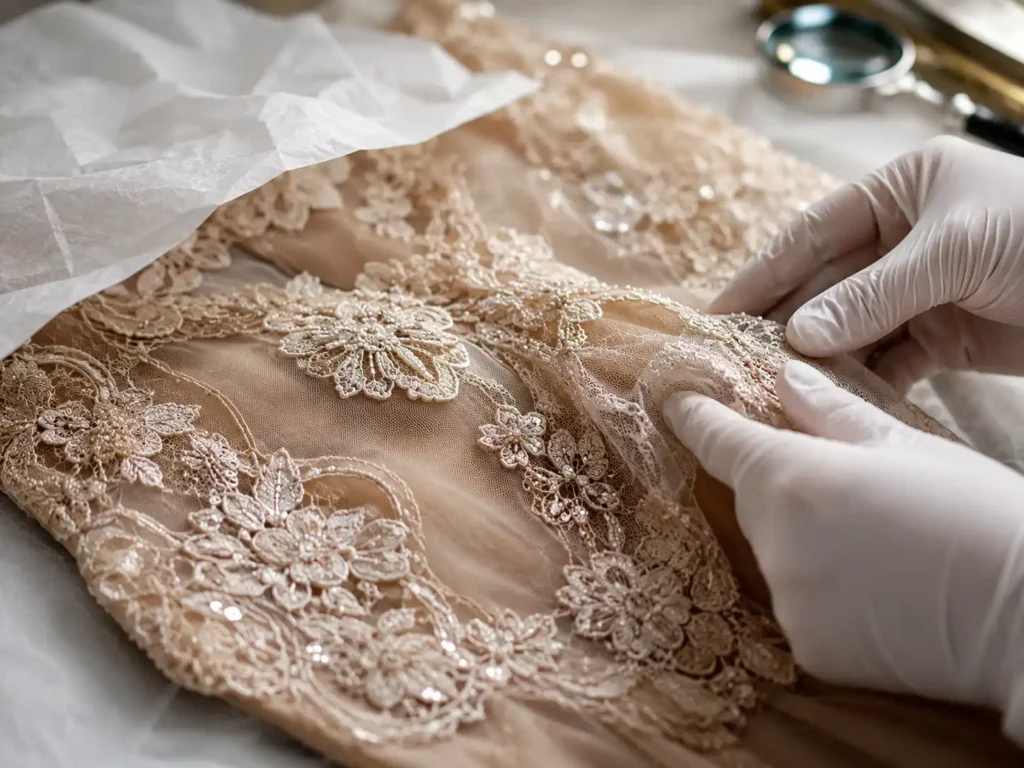
...

Hand-Finished Occasionwear

Refined occasion dresses need more than decorative impact. Jinfeng Apparel develops high-detail occasionwear around fabric behavior, fit, structural support, trim placement, sample approval and repeatable bulk workmanship, giving established fashion brands a controlled route from design reference to finished branded garments.

  • Complex occasionwear sampling: typically 15-25 days for corset, lace, mesh, sequin and evening styles, subject to structure, fabric and trim confirmation.
  • 2 sample rooms, 7+ senior womenswear pattern makers and 20+ sample machinists for fit, structure and detail development.
  • 15+ QC inspectors supporting incoming material, cutting, sewing, in-line, finished-garment, pressing and packing checks.
  • MOQ starts from 200 pcs per style/color; special fabrics, trims, dyeing and packaging may carry separate supplier minimums.

Manufacturing Depth for Detailed Occasionwear Programs

Hand-finished styles are difficult to control when development, pattern work, sewing, inspection and packing are disconnected. Jinfeng Apparel uses a coordinated womenswear production system built for multi-style programs and repeat orders.

Since 2008

Women’s fashion development and production experience focused on custom dresses, occasionwear, partywear, structured styles and private-label collections.

6 Owned Factories

Owned women’s fashion factories support controlled allocation by fabric, construction complexity, order size and delivery requirement.

10+ Production Partners

Long-term satellite production partners add category capacity for multi-style and multi-batch programs under centralized project and QC management.

18+ Sewing Lines

Production resources include 18+ sewing lines, allowing different garment structures to be matched with appropriate sewing teams instead of treating every dress alike.

6+ Flexible Lines

Flexible production lines support style changes, replenishment planning and programs where several occasionwear silhouettes move through production together.

Dedicated Sample & QC Teams

Two sample rooms, specialist pattern and sample teams, merchandising support and 15+ QC inspectors connect development decisions with bulk execution.

Built for Brands Selling High-Detail Occasionwear

The strongest fit is a brand with a defined product direction, a real launch plan and a need to control design detail through sampling and bulk production. Development can begin from a tech pack, original sample, line sheet, sketch or reference image after feasibility review.

Occasionwear Brands

Teams developing cocktail, evening, wedding guest, formal and statement dresses where drape, lining, embellishment, fit and final presentation directly influence retail value.

Premium Ecommerce

Brands that need photo-ready samples, stable size execution, private-label packing, SKU control and replenishment records across visually strong seasonal drops.

Designer Labels

Design-led programs requiring closer work on corset structure, neckline, drape, lace placement, trim selection, revised samples and protected product files.

Sourcing Teams

Multi-style programs requiring clear project ownership, fabric and trim tracking, sample version control, QC checkpoints, packing accuracy and shipment coordination.

What Hand-Finished Occasionwear Means in Commercial Production

Hand-finished occasionwear sits between ordinary mass-produced dresses and atelier-only couture. The commercial goal is a garment with refined surface, structure and finishing details that can still be sampled, approved, documented and repeated across an organized production run.

  • Surface Finish Must Support the Design
    Sequins, rhinestone trims, bead chains, lace edges, appliqué-like lace placement, ruching and other decorative elements should be reviewed as part of the garment rather than added at the end. Placement changes weight distribution, seam thickness, skin contact and visual balance. A sparkling neckline can look expensive on a flat sample yet feel uncomfortable once the arm moves. A lace motif can look correct in one size but become visually unbalanced after grading. Development therefore begins with location, attachment method, fabric strength, seam path and lining coverage, followed by sample approval before bulk instructions are locked.
  • Structural Finish Creates the Silhouette
    Occasionwear often depends on hidden engineering: bra cups, boning, anti-slip tape, lining, zipper position, seam support and correct tension. Structured mini dresses, strapless styles and evening silhouettes can lose their premium appearance when a cup sits too high, boning ends press against the skin, a zipper curves away from the body or lining pulls the shell fabric. Pattern, structure and decorative finish are developed together so the final garment maintains the intended bust line, waist shape and movement instead of relying on surface decoration alone.
  • Wearability Is Part of the Finish
    A high-detail dress still fails when sequins scratch the neckline, mesh coverage shifts, rhinestone weight pulls a strap, lining shows through a slit or the garment restricts movement. Sampling therefore includes front, side and back observation, key measurement review, fabric and trim comfort checks and detail close-ups. High visual impact must survive normal wearing movement, sitting, walking, dressing and packing. The finish should feel deliberate both on camera and at close range, not only under studio lighting.
  • Repeatability Separates Production from a One-Off Sample
    Commercial hand-finished occasionwear needs a clear transfer from approved sample to bulk production. Final pattern, size chart, fabric reference, trim specification, placement instruction, sewing method, QC checkpoints, labels and packing details must agree before production starts. Visual details that depend on worker judgment need reference points that can be inspected. PP approval and Golden sample records give the production and QC teams a shared benchmark, reducing the risk of a beautiful development sample followed by inconsistent bulk garments.

Hand-Finished Occasionwear Styles We Develop
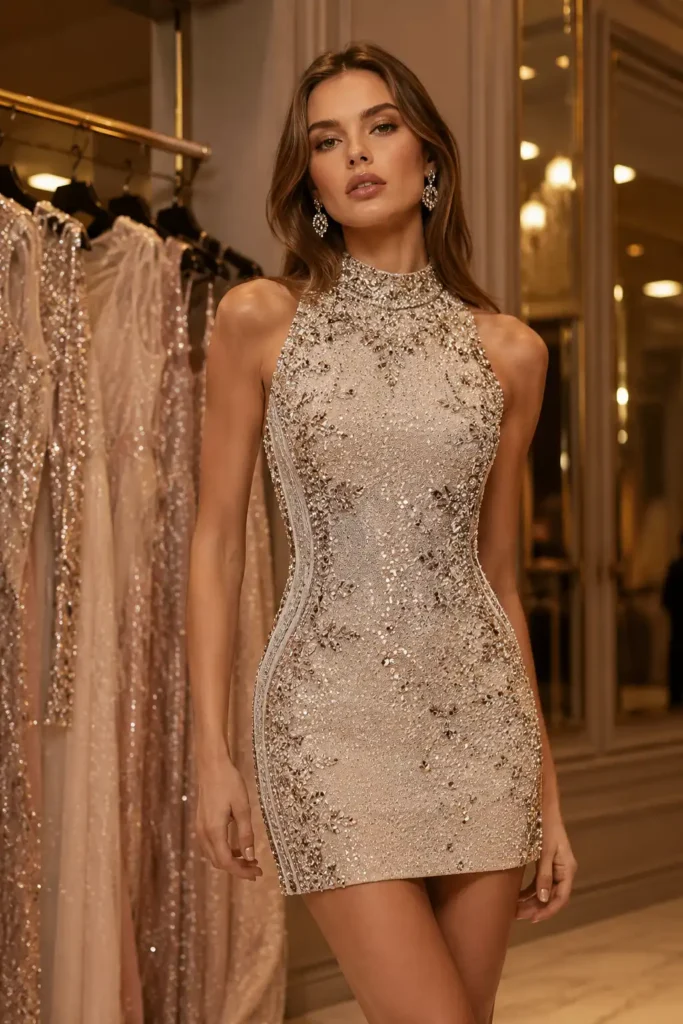
Product direction changes the finishing logic. A crystal-trim mini dress cannot use the same development checklist as a chiffon evening gown or a lace wedding guest dress. Each style is reviewed through fabric, fit, structure, decoration, comfort, bulk risk and final presentation.

Embellished Cocktail Dress

Short and midi cocktail dresses often combine satin, crepe, lace, mesh or structured woven fabrics with rhinestone trims, bead chains, statement straps or selective sparkle. Development focuses on neckline stability, waist shape, zipper flatness, lining coverage and the weight of decorative areas. Trim placement should reinforce the visual focal point without pulling the shell fabric. Bulk instructions need clear left-right placement, attachment checkpoints and packing protection so surface details arrive clean and aligned.

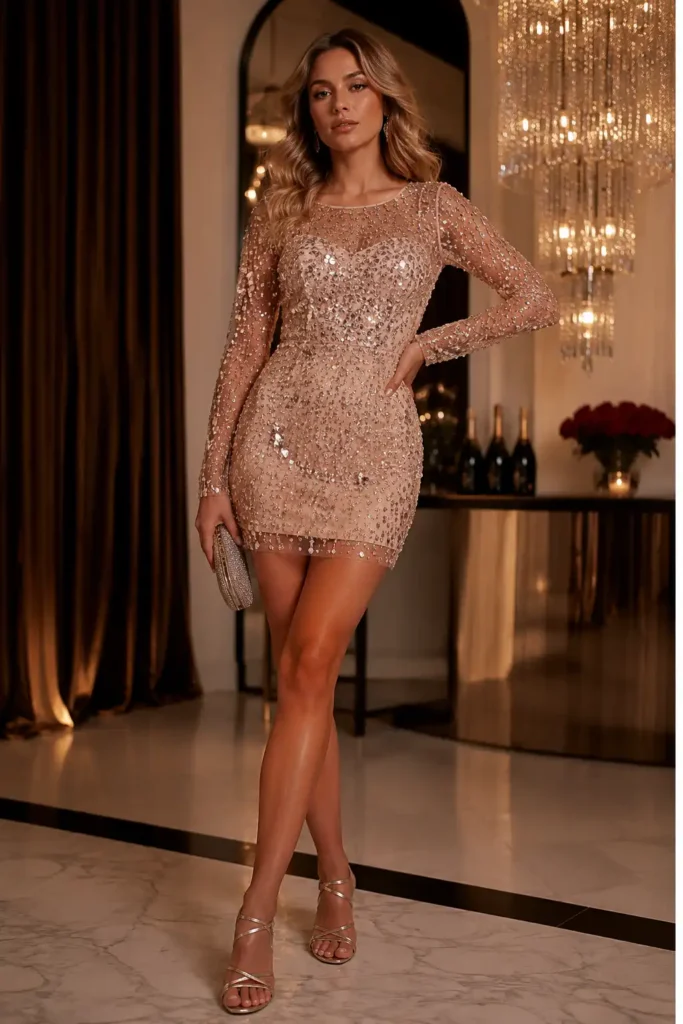
Sequin Occasion Dress

Sequin minis, midis and statement evening styles create immediate visual impact but carry production risks that ordinary woven dresses do not. Sequin direction, seam thickness, needle breakage, local sequin loss, edge scratching and soft lining all require review. High-contact zones such as armholes, neckline and side seams need extra attention. Packing must prevent surface abrasion and crushing. Bulk QC checks decoration stability, zipper function, seam comfort and visible loss before garments enter private-label packing.

Lace Occasion Dress

Lace creates a refined occasionwear surface through motif direction, transparency and edge detail. Pattern placement around bust, waist and neckline needs visual planning before cutting. The lining color changes the perceived depth of the lace and may need to vary by colorway. Side-seam motif breaks, holes, fraying and uneven edge finishing can reduce perceived value quickly. Sampling confirms motif location, lining length and fit before bulk cutting and lace-specific inspection standards are issued.

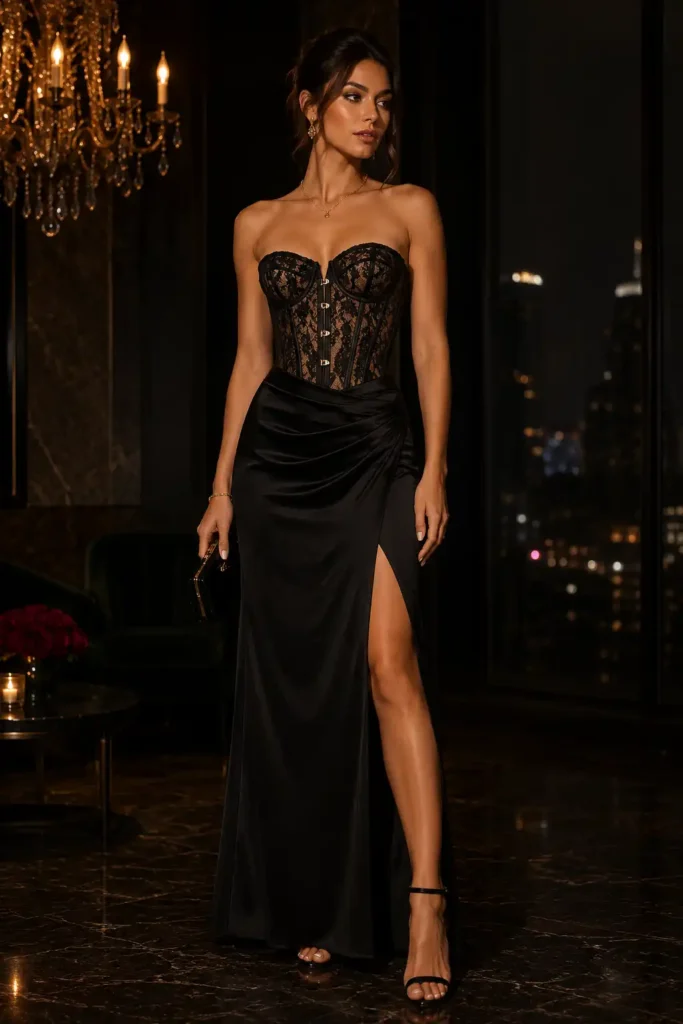
Structured Corset Dress

Corset and bustier-inspired occasionwear depends on cup shape, boning position, upper-bust fit, anti-slip support, lining and closure stability. Decorative materials cannot compensate for weak internal structure. Jinfeng Apparel develops corset patterns around support lines, cup position and waist shaping, then uses fit feedback to revise the sample. Complex corset, strapless and decorated styles normally require more sampling time than a standard dress because fit, support, comfort and visual proportion must be approved together.

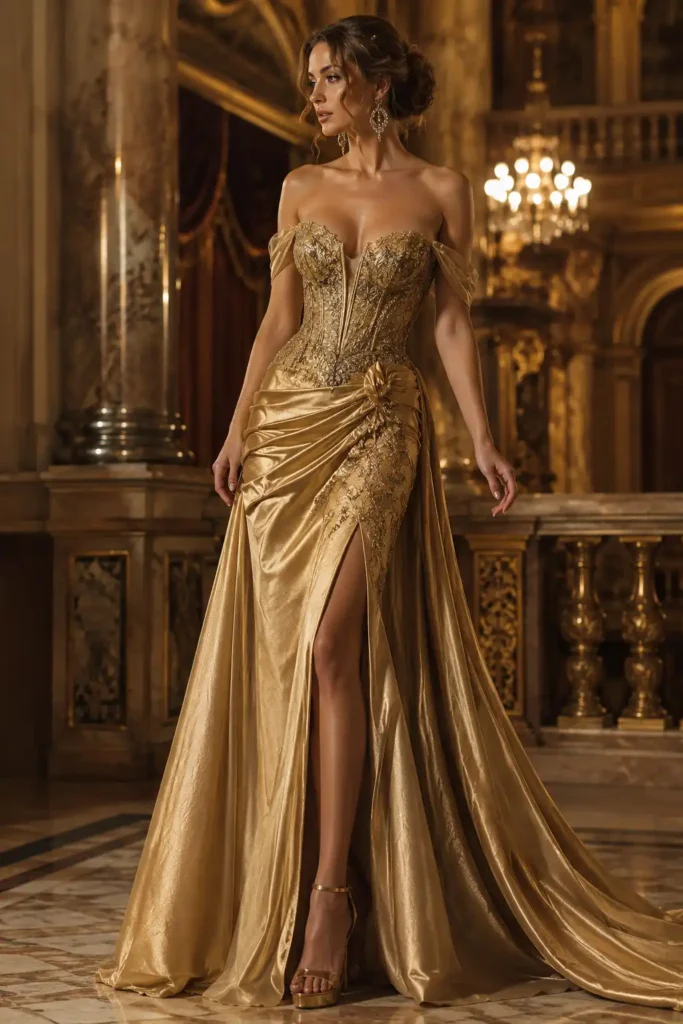
Evening Gown

Long evening dresses place more emphasis on drape, bust support, slit height, lining length, hem balance, pressing and protective packing. Satin, chiffon, lace, mesh, velvet and crepe each behave differently through long panels and bias or shaped areas. A small imbalance at the waist or hem becomes highly visible in a floor-length silhouette. Development checks movement and front-side-back balance before final pattern approval, while bulk finishing and packing protect the gown from crushing, snagging and excessive fold lines.

Wedding Guest Dress

Wedding guest programs often require controlled color stories, elegant drape, multi-size consistency and a polished finish across midi and maxi silhouettes. Satin, chiffon, lace and crepe are common foundations. Key risks include shade variation, lining mismatch, uneven hem, exposed zipper, excessive transparency and inconsistent drape between sizes. Multi-color programs need approved color references, coordinated lining and trim colors, size grading and bulk color controls before retail-ready labeling and packing.

Statement Mini Dress

Statement minis may combine cut-outs, mesh panels, rhinestone straps, ruching, sequins, corset elements or asymmetric necklines. Small pattern changes strongly affect exposure, movement safety and camera appearance. Jinfeng Apparel reviews bust coverage, strap load, side opening, hem position and lining coverage alongside the decorative effect. Photo-ready samples can be used when a launch depends on campaign imagery, while the bulk standard is locked separately through PP approval and documented construction details.

Formal Midi and Maxi

Formal midi and maxi dresses often rely on clean construction rather than dense decoration. Refined finish comes from controlled neckline shape, waist position, seam balance, lining, slit, zipper, hem and pressing. Satin, crepe, chiffon and velvet need different cutting and finishing methods. The production plan focuses on surface handling, drape consistency and transport condition so the final garment reaches stores or ecommerce fulfillment with the intended shape rather than appearing flattened or heavily creased.

Finishing Details That Change the Perceived Value

Decorative detail works only when attachment, comfort, balance and repeatability are controlled. Jinfeng Apparel treats trims and finishing elements as part of product engineering, with sample approval and product-specific QC rather than a last-minute decoration step.

Sequin Direction

Sequin direction changes light reflection and can create visible shade differences across panels. Sewing lines may become bulky when sequins collect inside seam allowance, while broken needles and local loss create quality risks. Development reviews direction, seam path, soft lining and contact areas. Bulk inspection looks for decoration stability, missing areas, edge comfort and packing protection.

Rhinestone Trims

Rhinestone chains, straps and decorative trims need the right balance of brightness, weight and security. Heavy trim can pull a neckline or strap out of position, while exposed metal edges can irritate skin. Sampling confirms location, trim length, attachment points and movement. QC checks security, symmetry, skin-contact zones and protective packing before shipment.

Bead Chain Details

Bead chains can create a jewelry-like finish on straps, necklines, waist details or draped areas. The garment must carry the trim weight without twisting or stretching. Attachment positions should remain consistent across sizes, and the backing construction should not show from the outside. Sampling determines anchor points and comfort; bulk inspection verifies length, position and secure attachment.

Lace Edge Finishing

Lace edges can be cut, shaped or positioned to preserve the motif rather than ending in a generic straight seam. Refined edges require attention to motif scale, left-right balance, lining coverage and skin comfort. Bulk cutting must also protect fragile areas from holes and fraying. Lace trim and full lace fabric are controlled as separate materials because their placement and sewing behavior differ.

Ruching and Draped Detail

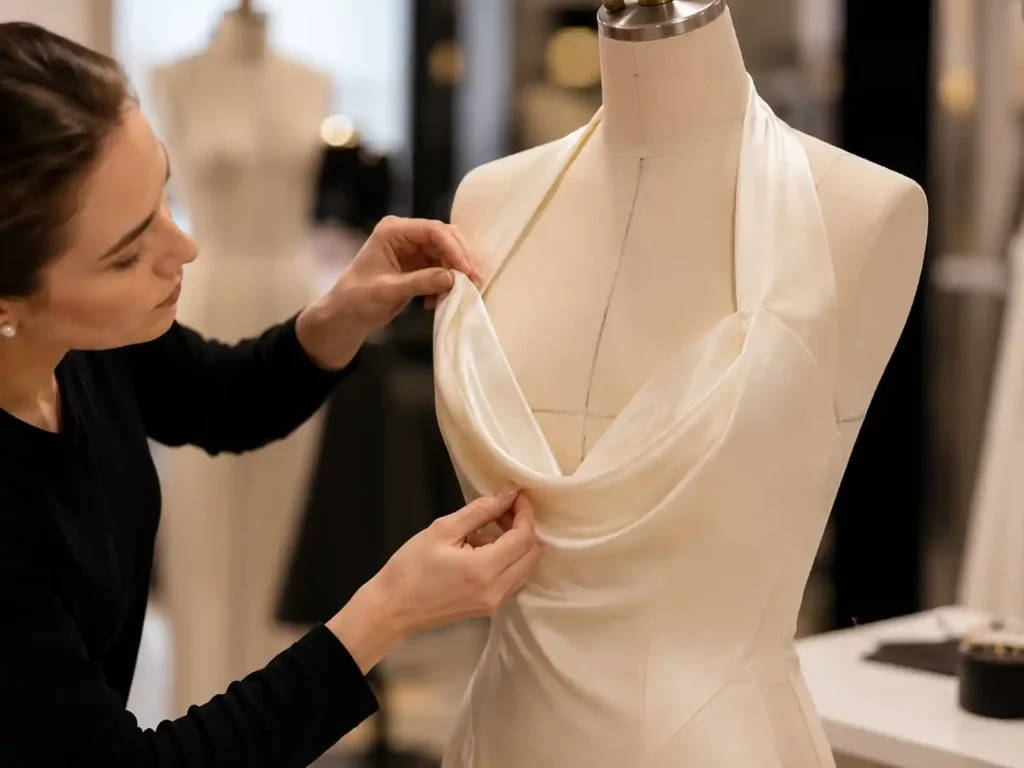
Ruching and draped sections create volume and body shaping through controlled gathering direction and amount. Uneven tension can make one side heavier, move a waistline or twist a side seam. Pattern shape, fabric drape and sewing tension are reviewed together. Bulk checkpoints compare left-right symmetry, gathering density, seam position and the approved sample appearance.

Structured Finishing

Bra cups, boning, anti-slip tape, lining, seam channels and closure support sit inside the garment but strongly affect the final look. Structured finishing should hold the neckline and waist without creating hard pressure points or visible ridges. Sample fitting confirms cup and boning position, while bulk QC checks placement, end protection, zipper alignment and lining stability.

Fabric Foundations for Refined Occasionwear

Finishing quality starts with the base material. Weight, drape, stretch, transparency, surface direction and lining needs determine whether decorative and structural details sit cleanly or distort the garment. Fabric approval therefore comes before final pattern and bulk decisions.
Satin and Stretch Satin

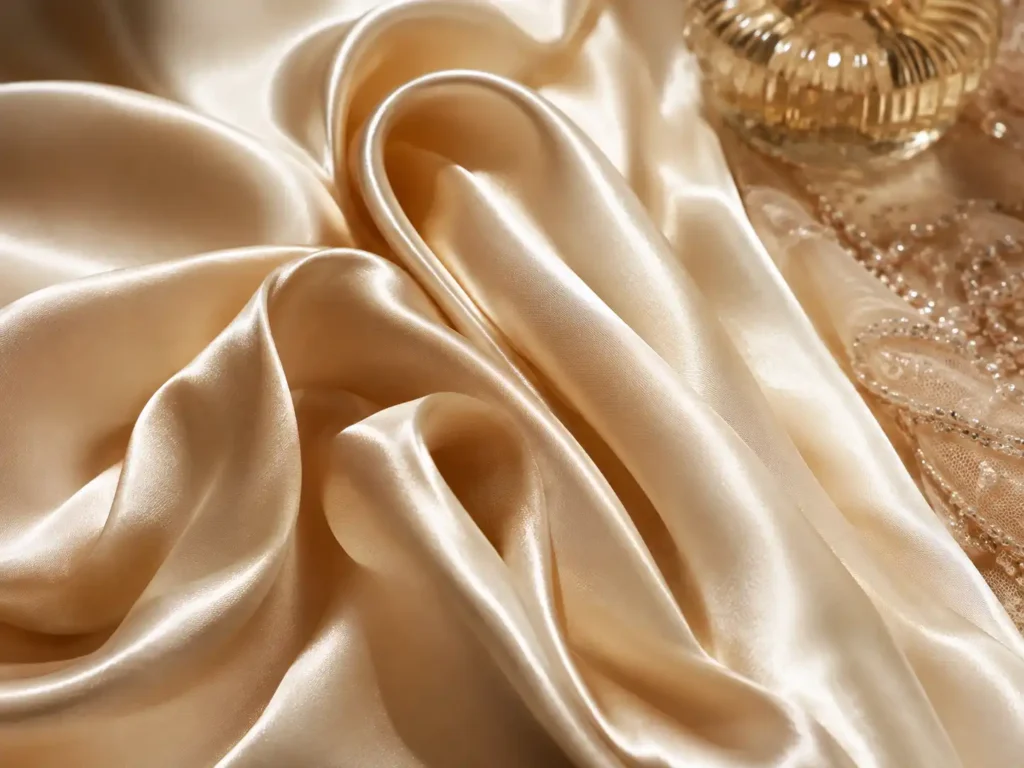
Satin delivers shine and fluidity, but the same surface can expose every construction weakness. Shade perception changes with light and fabric direction; snagging and zipper bulging are easy to see; pressing and packing can leave fold lines. For hand-finished occasionwear, satin weight must also suit the chosen trim. A light satin may pull under concentrated rhinestone or bead-chain weight, while a structured satin can support corset details more effectively. Development compares hand feel, drape, shine, stretch and lining before the pattern is finalized. Bulk control separates dye lots where needed and keeps cutting direction consistent so panel reflection does not appear mismatched.

Lace

Lace is both a fabric and a visual motif system. Width, motif repeat, edge shape and transparency affect how a pattern can be placed.

Occasionwear quality drops quickly when floral motifs sit unevenly across the bust, side seams interrupt the design without planning, or lining color fights the lace tone. Sampling establishes motif placement around focal areas, lining depth and seam positions. Cutting QC checks holes, direction and usable motif area before bundles move to sewing. When lace is used only as a trim, width, softness, color and skin contact are managed separately from full-lace shell fabric.
Mesh, Power Mesh and Tulle

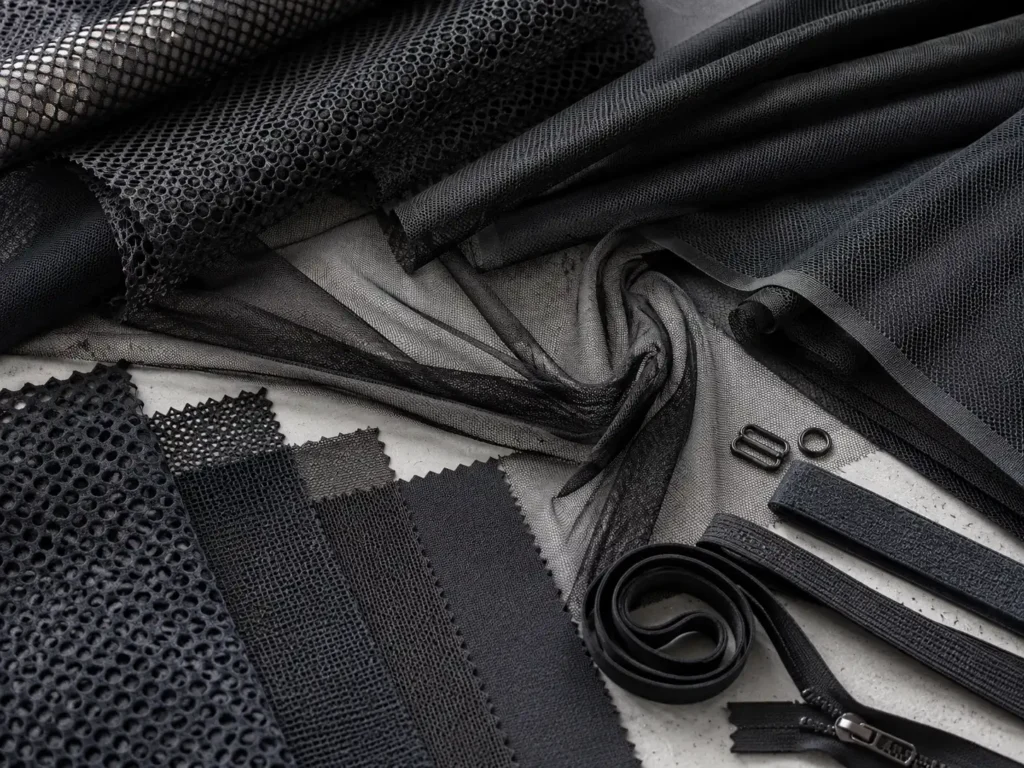
Mesh and tulle create transparency, layering and illusion effects, while power mesh can provide hidden support. Stretch direction, recovery and transparency should be confirmed before pattern development because a similar-looking mesh can behave very differently on the body. High-detail designs may place rhinestones, lace or sequins over transparent areas, increasing stress around attachment points. Sampling checks coverage, neckline stability, lining boundaries and movement. Bulk inspection watches for holes, edge distortion, stretched seams and inconsistent transparency, especially when multiple dye lots or mesh constructions enter the same collection.

Sequin Fabric

Sequin fabric already carries surface decoration, so pattern layout and sewing have to respect sequin direction, density and backing. Dense areas increase seam thickness and can create hard edges; sparse areas may reveal backing or look inconsistent across panels. Jinfeng Apparel reviews sequin stability, lining requirement, skin-contact zones and zipper compatibility during sampling. Bulk QC checks local loss, seam comfort, visible gaps, needle-related damage and protective packing. Handling standards should be confirmed before production because aggressive pressing or compression can flatten or damage the surface.
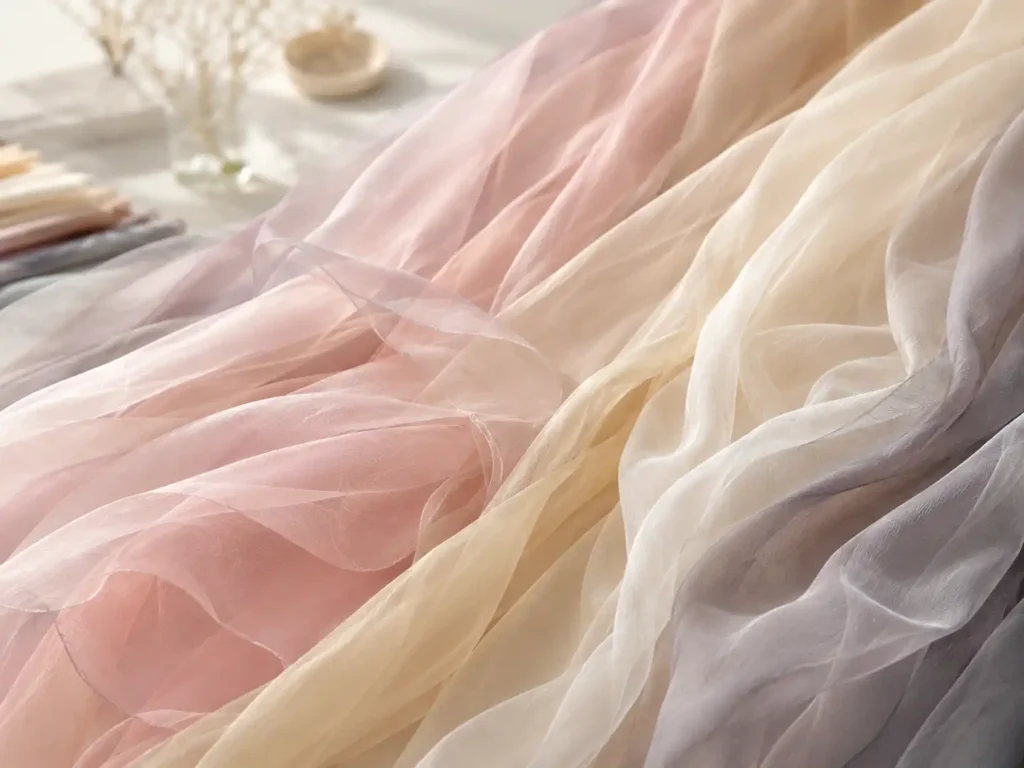
Chiffon and Organza

Chiffon supplies movement and lightness; organza creates transparent structure and volume. Both require careful cutting because slippery or sheer panels expose uneven edges and poor grain control. Chiffon occasionwear often needs a coordinated lining and a balanced long hem. Organza layers can alter volume quickly when layer count or seam construction changes. Decorative details should be positioned with fabric strength in mind. Sampling checks transparency, drape, layer interaction and hem behavior, followed by bulk control of panel direction, lining length, snagging, pressing and folding.
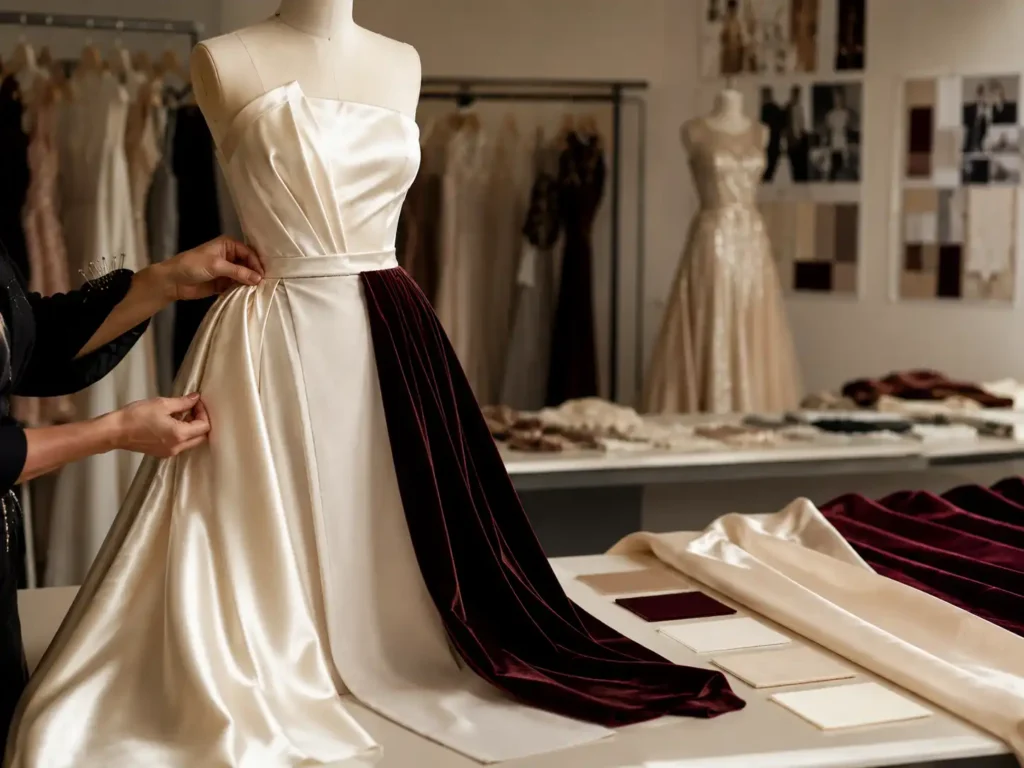
Velvet and Crepe

Velvet offers depth and formal richness but demands strict pile-direction handling, clean pressing and careful packing because crushing and directional shade differences are highly visible. Crepe gives a more controlled matte surface and can work well for cocktail, formal midi and structured silhouettes. Construction choices should match the fabric body: a heavy velvet changes drape and seam thickness, while a lighter crepe may need support around decorated necklines. Fabric approval compares weight, hand feel, drape, surface behavior and target structure before sampling progresses.

Structure Behind a Luxury-Looking Finish

Occasionwear earns its shape through the relationship between pattern, support materials and finishing details. Internal construction must hold the outer design without showing through or reducing comfort.
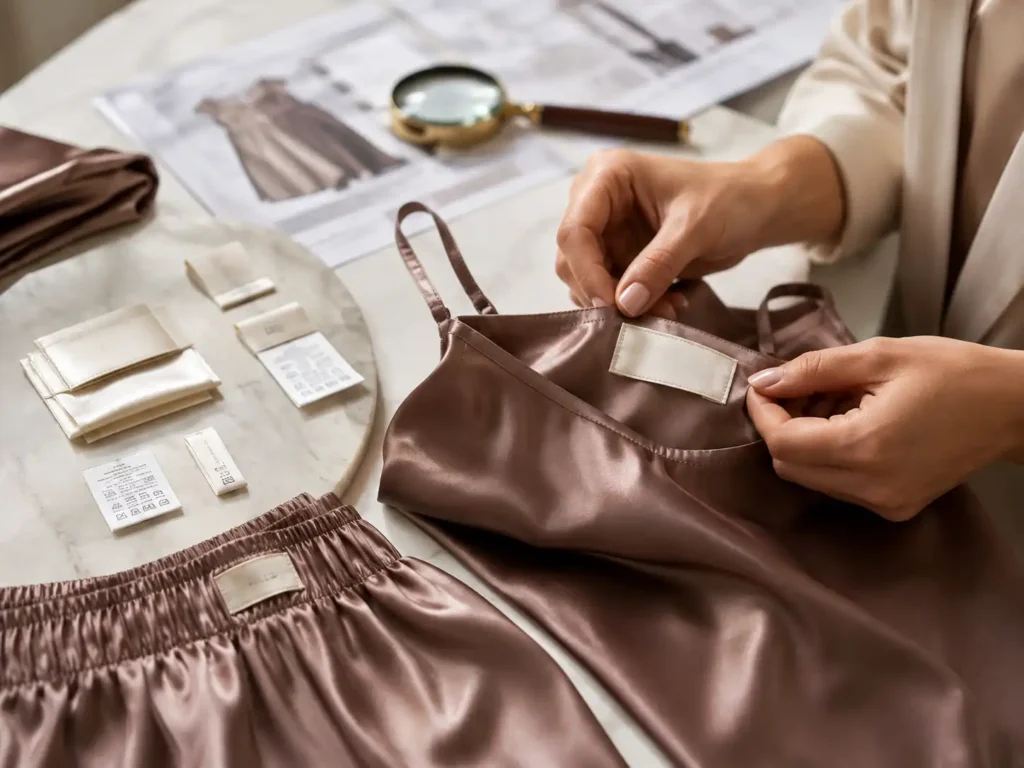
Bra Cups and Bust Shaping

Cup shape, thickness, softness and position influence neckline height, bust projection and how a structured dress sits in photographs. A cup that looks correct on a flat table can sit too high or too far apart during fitting. Sample review therefore checks upper-bust coverage, cup position, side support and lining construction together. Changes can require pattern updates rather than a simple trim adjustment. Bulk QC verifies cup position against the approved specification so the bust line remains consistent across garments.

Boning and Anti-Slip Support

Boning supports corset, bustier and strapless silhouettes by controlling vertical shape and waist structure. Placement has to work with seams, cups, lining and zipper location. Boning ends require protection so they do not create pressure or work through the fabric. Strapless styles may also use anti-slip tape, but the tape must support the garment without causing discomfort. Fitting confirms the balance between hold and wearability before final production files are released.

Lining as a Structural Material

Lining controls transparency, skin comfort, weight, drape and the way a shell fabric moves. Stretch garments may need stretch lining; lace or chiffon may need a soft woven lining; mesh illusion areas may require partial rather than full coverage. Lining length, attachment and color should be confirmed by style and colorway. A lining that is too short can pull a slit or hem; one that is too long can show during movement. QC checks coverage, length, attachment and clean interior finish.

Closures, Straps and Slits

Invisible zippers, hooks, adjustable sliders, statement straps and slits are small components with large visual and wearing consequences. Zipper bulging can distort a fitted back seam; a heavy rhinestone strap can stretch the neckline; an uncontrolled slit can open too high when walking. Sample testing establishes zipper length, strap load, hardware position and slit height. Bulk production follows approved measurements and checks symmetry, smooth operation, reinforcement and wearer safety.

Fit Is Part of the Finished Look

Occasionwear is judged on the body, not on a hanger. Jinfeng Apparel develops US, UK, EU, AU and alpha-size patterns from the brand size chart, base size, grade rules, target market, fabric stretch and fit preference rather than applying a generic size table.

Bust and Upper Bust

Strapless, corset, deep-V and structured occasionwear need controlled upper-bust fit, cup position and side coverage. Sample feedback may lead to changes in neckline, armhole, cup or boning rather than simply reducing the bust measurement.

Waist and Hip Balance

Body-skimming cocktail dresses and fitted evening styles need the correct bust-waist-hip relationship. Over-tight hip fit can pull the hem upward; a loose waist can destroy the intended silhouette. Pattern balance is reviewed alongside fabric stretch and recovery.

Straps, Neckline and Armhole

Strap length, neckline depth and armhole shape affect support, exposure and movement. Rhinestone or chain straps also add weight, so fit and trim engineering have to be considered together. Front-side-back sample review helps identify gaping, pulling and uneven tension.

Length, Slit and Hem

Mini, midi and maxi lengths are checked against the intended market and wearing occasion. Slit height must balance design impact and movement safety. Long garments require front-back hem balance and suitable lining length before PP approval and bulk measurement control.

Complex Sample Development Before Bulk Commitment

Detailed occasionwear should not move from a reference image directly into production. Sampling is used to discover structural, fabric and finishing risks while changes are still controllable. Ordinary dress first samples are commonly around 10-15 days; corset, strapless, lace, mesh, sequin and evening styles commonly require about 15-25 days or a project-specific timeline.

Project and Feasibility Review

Development can start from a tech pack, reference image, original sample, sketch or line sheet. The first review checks product structure, fabric direction, lining, closure, support materials, decorative trims, size information, quantity per style/color, target delivery and cost direction. Missing information is identified before pattern work begins. For high-detail programs, the review also checks whether decoration weight, transparency or special trims create a structural or supplier-MOQ risk. The aim is not to promise every concept immediately; the aim is to establish a development route that can reach a stable bulk standard.

Pattern and Material Preparation

Pattern makers convert the approved structure into a base pattern while the development team prepares fabric and trim references. Corset, strapless, cut-out, mesh and long evening styles may need additional attention to bust support, lining boundaries, slit, hem or transparent zones. When material behavior changes, the pattern may also need to change. A heavier satin, stiffer lace or different stretch mesh can alter drape and fit enough to require a revised pattern. Material approval therefore stays connected to fit development instead of being treated as a separate sourcing task.
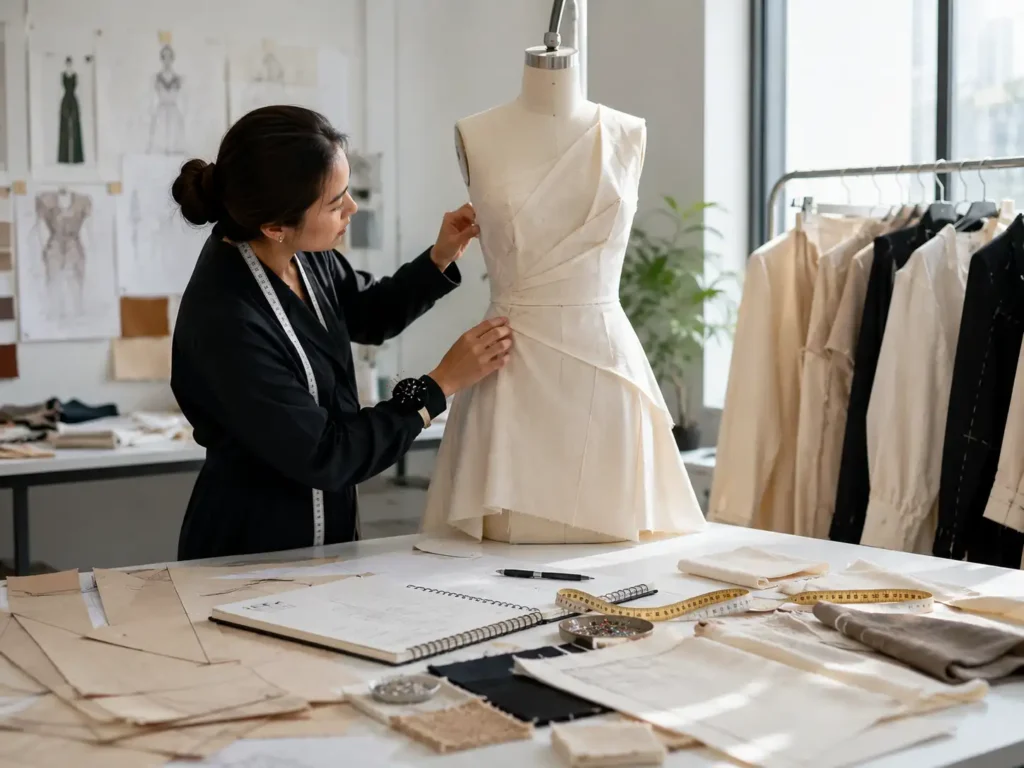
First Sample and Fit Review

The first sample establishes silhouette, construction direction and initial finishing quality. Review points include bust, waist, hip, length, straps, neckline, armhole, slit, lining, zipper and decorative placement. Photos and video can support remote review of drape, movement, shine, mesh transparency and close-up details. A first sample is not automatically the bulk standard. Comments affecting production are converted into a recorded revision action so pattern, size chart, BOM, fabric approval, trim approval and sewing instructions stay synchronized.

Revised Sample and Detail Confirmation

A revised sample is normally required when pattern, fabric, stretch, corset structure, boning, cup position, neckline, back coverage, cut-out placement, skirt length, lace, mesh or sequin workmanship changes materially. Smaller label or packing adjustments may be handled separately when they do not affect structure. The revised sample confirms that the correction works on the body and that the finishing detail can be executed consistently. Cost and lead-time impact are reviewed before the project advances rather than discovered after materials have been ordered.

Details to Lock Before Occasionwear Enters Production

Visual and structural decisions become costly once bulk materials are purchased and sewing begins. PP lock is used to convert approved design details into production controls.

Fabric and Color

Confirm fabric reference, weight, hand feel, stretch, transparency, shine direction, approved color or lab dip, lining color and any dye-lot handling requirement.

Trim Specification

Confirm zipper, hooks, bra cups, boning, anti-slip tape, lace trim, bead chain, rhinestone trim, sequins, strap hardware and other visible or structural accessories.

Placement and Symmetry

Confirm lace motifs, rhinestone or bead-chain locations, ruching direction, strap positions, cut-outs, slit, logo labels and any left-right alignment points that QC must compare.

Measurements and Grading

Confirm base size, size chart, grade rules, key garment measurements, tolerance and extended-size requirements. Major fit changes after PP need renewed review.

Construction and Finish

Confirm seam method, lining attachment, zipper position, hem method, edge finish, pressing requirement and protection for delicate surface materials.

Labels and Packing

Confirm woven label, size label, care label, hangtag, barcode, SKU label, polybag, folding method, carton mark and warehouse receiving requirements.

Transferring the Approved Sample into Repeatable Bulk

The risk in detailed occasionwear is not only making one good sample. The real manufacturing test is preserving approved fit, decoration and finish across thousands of garments and multiple sizes.

Final Pattern and Size Control

Approved pattern files, size chart and grading rules form the geometric standard for production. Relevant positions such as cup, boning, strap, slit, cut-out, lining and hem sweep are retained in the pattern record. Bulk cutting works from the confirmed version rather than an older development pattern. Measurement checkpoints are carried into cutting, in-line and finished-garment inspection. When extended sizing is included, grading is reviewed by body balance and support needs rather than scaling every detail proportionally.
Fabric and Trim References

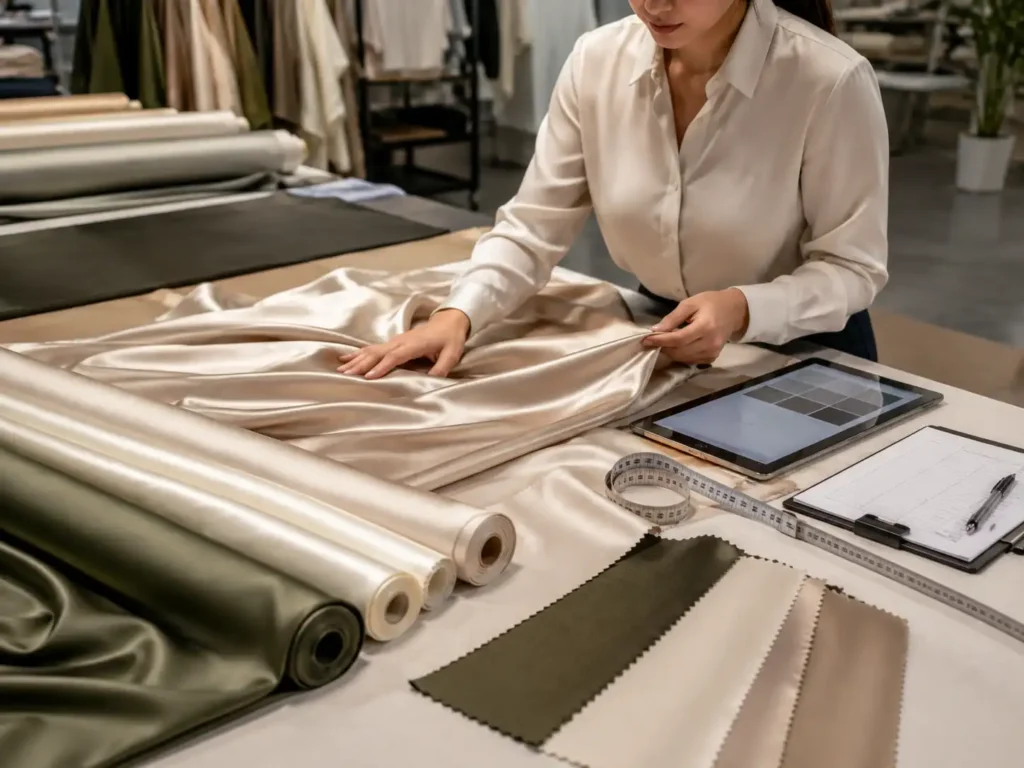
Bulk material control uses approved fabric and trim references. Fabric records can include composition, weight, width, stretch, hand feel, drape, transparency, color, dye lot, MOQ, price record and lead time. Trim records cover specification, color, size, quality level, comfort and bulk availability. When a replacement becomes necessary, the comparison should address fit, drape, structure, cost and timing before approval. A change in stretch, weight or lining can require a revised sample rather than a silent substitution.

Sewing and Finishing Instructions

The production handover converts sample decisions into sewing instructions that line teams and QC can follow. Seam allowance, stitch method, zipper position, lining method, ruching instruction, trim placement, label position and pressing notes should match the approved garment. For sequins, lace, mesh and satin, product-specific handling points are highlighted because each material creates different risks. A visible detail should have a measurable or reference-based checkpoint whenever possible, reducing reliance on memory or verbal explanation.

QC Checklist and Golden Sample

The Golden sample and QC checklist bridge development and production. Incoming material, cutting, sewing, in-line, finished-garment, pressing and packing stages each inspect risks relevant to the style. A sequin dress prioritizes loss, scratching and protection; a lace dress prioritizes motif placement, holes and lining; a corset dress prioritizes cup, boning and support; a satin evening gown prioritizes shade direction, zipper flatness, drape and pressing. Product-specific inspection keeps detailed styles from being judged with a generic dress checklist.

Production Control for Multi-Style Occasionwear Collections

Jinfeng Apparel operates 6 owned women’s fashion factories, works with 10+ long-term satellite production partners and manages 18+ sewing lines plus 6+ flexible lines. Production allocation follows style type, fabric behavior, construction complexity, quantity, QC requirement and delivery plan.

Style-Based Allocation

A corset satin dress, a sequin mini and a chiffon maxi do not belong on the same production logic. Projects are allocated according to structure, material handling and finishing needs.

Multi-Style Coordination

Line sheets, fabric and trim status, sample versions, PP approvals and production milestones are tracked by style so a 10-30 style collection can move without losing individual requirements.

In-Line Correction

Sewing checks are used to identify zipper, neckline, strap, ruching, lining, slit, seam and surface-damage issues while production is in progress, reducing the risk of repeating the same defect across a full run.

Phased Delivery Planning

Large seasonal programs can be evaluated for phased shipment when launch timing, warehouse intake or fabric arrival makes one single release inefficient. Packing and logistics requirements are confirmed before final completion.

Workmanship Close-Ups Worth Inspecting Before Approval

Close-up workmanship shows far more than a distant model image. For occasionwear, small execution points often decide whether the garment feels brand-ready or generic.

Zipper Flatness

An invisible zipper should open smoothly and sit flat without pulling a fitted back seam into a ridge. Satin and body-skimming styles expose zipper problems immediately. Review zipper length, tape color, seam tension, waist-seam alignment and top finishing. Bulk checks compare smooth operation and surrounding seam appearance rather than testing the zipper alone.

Neckline Cleanliness

Necklines combine fit, edge finishing, lining and often decorative trim. Gaping, twisting, uneven topstitching or exposed lining changes the whole front view. Structured and embellished necklines also need reinforcement without visible bulk. Sample fitting checks position and movement; final inspection checks symmetry, clean edge shape and trim security.

Ruching Symmetry

Ruching should follow the approved direction and density. Uneven gathering can move the waistline, shorten one side or twist a seam. Close-up review compares left-right balance, gathering amount and attachment points. Bulk instructions define key reference positions so the visual effect remains consistent across sizes and production teams.

Lace Alignment

Lace workmanship is visible in motif position, side-seam connection, neckline placement and edge treatment. Clean alignment may require controlled cutting and selective motif use rather than treating lace like a plain woven fabric. Inspection checks holes, fraying, symmetry and lining interaction in addition to seam strength.

Sequin Edge Comfort

Sequin surfaces need special care around armholes, neckline, side seams and zipper areas where the skin makes contact. Excessive seam thickness or exposed edges can cause scratching. Soft lining, edge handling and local construction adjustments are reviewed in the sample. Bulk QC checks comfort zones and visible decoration loss before packing.

Pressing and Hem Balance

A finished occasion dress should hang cleanly after pressing, with the hem balanced front to back and no aggressive iron marks, shine changes or crushed decoration. Long dresses, satin and velvet require material-aware pressing. Final packing should preserve the pressed condition as far as possible through suitable folding and surface protection.

QC Checkpoints for High-Detail Occasionwear

Inspection standards change with the product. Jinfeng Apparel combines incoming material, cutting, sewing, in-line, finished-garment, pressing, packing and AQL inspection with style-specific checkpoints before shipment.

Product / DetailMain RiskQC Focus
Satin / Stretch SatinShade direction, snagging, zipper bulge, seam puckering, pressing marksFabric direction, surface inspection, zipper flatness, clean pressing, protective packing
LaceMotif mismatch, holes, fraying, lining conflict, uneven edgesMotif placement, cutting damage, seam alignment, lining color/length, edge finish
Mesh / TulleHoles, unstable transparency, stretched seams, neckline deformationTransparency and coverage, stretch direction, edge stability, lining boundaries, close-up surface check
SequinSequin loss, scratching, broken-needle risk, thick seams, crushed surfaceDecoration stability, contact-zone comfort, seam thickness, lining, zipper function, packing protection
Corset / StraplessCup mismatch, boning discomfort, slipping, weak upper-bust supportCup/boning position, anti-slip support, neckline, zipper, lining, fit comparison to approved sample
Rhinestone / Bead ChainLoose trim, weight distortion, asymmetry, skin irritationAttachment security, length and placement, symmetry, anchor points, comfort, anti-scratch packing
Finished GarmentMeasurement drift, stains, loose threads, exposed lining, uneven hemSize chart and tolerance, appearance, movement, hem balance, pressing, labels and final presentation
PackingWrong SKU, barcode, size sticker, folding, carton marks or surface protectionLabel/barcode scan, size-color ratio, polybag, folding, carton mark, warehouse instruction and protection

Pressing, Protection and Retail-Ready Presentation

Occasionwear can leave the factory correctly sewn and still arrive looking poor if finishing and packing ignore the fabric surface. Pressing and protection therefore form part of the garment standard, especially for satin, velvet, sequins, rhinestones, lace and long hems.

Material-Aware Pressing

Satin needs clean temperature control and surface handling; velvet needs pile protection; sequins and rhinestones cannot be pressed like plain woven fabric. Final appearance should be checked for shine change, crushing, seam impressions and unwanted fold lines.

Surface Protection

Decorative straps, rhinestones, sequins and lace can abrade against neighboring garments during packing and transport. Folding and protective layers are selected around the style so embellishment does not damage the shell fabric or another garment.

Private-Label Accuracy

Woven labels, size labels, care labels, hangtags, barcode stickers, SKU labels and polybags are checked against approved artwork and order files. A visually refined dress loses retail readiness when labeling or barcode data is wrong.

Carton and Warehouse Readiness

Color-size breakdown, mixed-size cartons, carton marks, weight, packing list and warehouse labels need to match the receiving requirement. Logistics documents and freight method are confirmed before the final packing stage rather than after cartons are already closed.

What Drives Cost and Development Time

Hand-finished occasionwear should be quoted from the real garment specification rather than a generic dress price. Fabric, lining, support structure, decoration, sewing time, sample rounds, QC and packing can change the production cost materially. Jinfeng Apparel focuses on cost control without weakening brand-level appearance.

Cost DriverTypical VariablesProduction Impact
Base fabricWeight, width, surface quality, stretch, custom dye, special sourcingAffects material use, cutting behavior, drape and lead time
Lining and layersFull/partial lining, stretch lining, double-layer constructionChanges comfort, transparency control, sewing time and fabric consumption
StructureCups, boning, anti-slip, corset seams, shaped panelsAdds pattern work, sample fitting, sewing operations and QC points
DecorationSequins, lace placement, rhinestones, bead chains, hand-applied beading where specifiedChanges trim cost, attachment time, consistency risk and protective packing
Size and color rangeGrade rules, extended sizing, many colorways, custom dyeChanges development review, material planning, SKU control and bulk color management
SamplingFirst, fit, revised, photo, PP and Golden samples as requiredComplex corset/lace/mesh/sequin/evening samples commonly need about 15-25 days or project-specific confirmation
QC and finishingIn-line checks, garment measurement, surface QC, pressing, AQL, client inspection supportAdds controlled inspection time but reduces risk of widespread bulk defects
Packing and deliveryPrivate labels, barcodes, special surface protection, cartons, split shipmentInfluences packing materials, handling, logistics planning and warehouse readiness

Occasionwear Programs Built Around Detail, Structure and Scale

The strongest manufacturing proof is not a logo list. Anonymized program data shows how product difficulty, sample approval, bulk control and delivery are handled while protecting confidential brand designs and files.

US Occasionwear Collection - 18 Styles / 42,000 Pieces

An established US occasionwear label developed an 18-style collection covering satin cocktail dresses, lace midis, structured minis and evening silhouettes, with a total order of about 42,000 pieces across multiple colors and sizes. The key risks were satin shade direction, zipper flatness, lace placement, lining comfort and consistency between photo samples and bulk. Development was separated by fabric family, with fit and surface details approved by style before PP. Bulk control used pattern version records, fabric and trim references, in-line checks and finished-garment measurement. Private-label packing included size labels, hangtags, barcodes, polybags and carton marks for phased shipment.

US Holiday Partywear Program - 14 Styles / 28,000 Pieces

A US partywear program included 14 sequin, mesh and rhinestone-detail styles totaling about 28,000 pieces. Main risks were sequin loss, scratching around armholes and neckline, mesh transparency, rhinestone trim security, zipper function and launch timing. Sampling compared lining coverage and high-contact finishing before decorative details were approved. PP standards documented trim positions, lining method and surface-protection requirements. During bulk production, QC emphasized decoration stability, in-line sewing checks, garment appearance and anti-scratch packing. SKU labels, barcode files and carton requirements were controlled separately by style, color and size.

European Structured Occasionwear - 20 Styles / 48,000 Pieces

A European multi-style occasionwear collection covered 20 corset, strapless, satin and lace dresses with approximately 48,000 pieces. Product development focused on cup shape, boning position, upper-bust fit, anti-slip support, lace alignment, slit height and extended size grading. Complex styles moved through first sample, fit review, revised sample and PP approval before production. Pattern records carried cup, boning, strap, lining and slit positions into bulk. Production allocation was organized by construction complexity, with in-line measurement and finished-garment comparison against the approved standard. Final pressing and protective packing were adapted for satin, lace and structured silhouettes.

Repeat Orders Without Losing Approved Details

A repeat order should not restart from memory. Jinfeng Apparel keeps project records so proven fit, materials, trims, packing and quality references can be reviewed before replenishment or color expansion.

Pattern Records

First, revised, PP and bulk patterns can be retained together with grading, lining, trim placement, cup, boning, strap, slit and hem information. Any later change in fabric, stretch, structure or length triggers a review before reuse.

Material Records

Fabric name, composition, weight, width, stretch, hand feel, drape, transparency, color, dye lot, MOQ, lead time and issue notes support replenishment planning. Trim specifications and approved alternatives are retained in the same project logic.

Golden Sample Reference

The approved garment gives production and QC teams a physical comparison point for silhouette, workmanship and finishing. Repeat orders still re-confirm materials, color and current supply conditions rather than assuming every input remains unchanged.

Color and SKU Expansion

New colorways require fabric and lining color review, trim color, zipper/thread coordination, barcode and SKU updates, packing labels and bulk color approval. Existing patterns can accelerate development only when the material behavior remains compatible.

NDA and Design Protection for Unreleased Collections

Occasionwear collections often contain distinctive silhouettes, trims and launch-sensitive designs. Jinfeng Apparel supports NDA-based cooperation and limits project files to development, production, QC, packing and delivery requirements.

Protected Development Files

Tech packs, sketches, reference images, original samples, patterns, size charts, BOMs, fabric/trim information and unpublished designs can be handled under project confidentiality.

Protected Brand Assets

Label artwork, hangtags, barcode and SKU files, packaging artwork, warehouse guides and launch information are used for the relevant program rather than public marketing without permission.

Anonymized Manufacturing Proof

Program experience can be described by market, product type, style count, quantity range, fabric, construction risk and production solution while withholding the brand name, logo, designs and commercial files.

Frequently Asked Questions About Hand-Finished Occasionwear

Jinfeng Apparel focuses on premium custom womenswear including cocktail, party, evening, wedding guest, formal, lace, mesh, sequin, satin, corset, strapless and structured dresses. Finishing can include approved decorative trims such as rhinestones, bead chains, lace trims and sequins together with garment-level work on ruching, lining, neckline, zipper, hem, pressing and structured support.
Jinfeng Apparel is positioned as a premium custom womenswear manufacturer rather than a couture-only embroidery atelier. The manufacturing strength is converting detailed occasionwear into controlled samples and repeatable bulk production through fabric and trim sourcing, pattern development, complex sampling, PP approval, workmanship control, QC, private-label packing and delivery.
Ordinary dress first samples are commonly around 10-15 days. Corset, strapless, lace, mesh, sequin and evening styles commonly require about 15-25 days or a project-specific timeline. Custom fabric, special trims, major pattern changes or additional revised samples can extend development. The schedule is confirmed after reviewing the actual design, materials and required sample stage.
A reference image can be used for an initial structure and feasibility review. The team will still need to confirm fabric direction, key measurements, lining, trims, construction, size range, quantity per style/color and target delivery before a final production quotation or bulk standard is established. Clearer product information usually reduces revision rounds.
Controls begin during sample approval. Sequin direction, loss and skin-contact zones; lace motif placement, holes and lining; rhinestone or bead-chain position, weight and security are translated into production instructions and QC checkpoints. Incoming material, cutting, sewing, in-line, finished-garment and packing checks are adapted to the style rather than using one generic inspection standard.
The standard MOQ starts from 200 pcs per style/color. MOQ is calculated by style and color, not by combining different styles into one total. Special lace, sequin fabric, custom-dyed materials, special trims, printing and private-label packaging may have separate supplier minimums, so the final requirement is reviewed during project assessment.
Yes. Jinfeng Apparel develops US, UK, EU, AU and alpha-size patterns based on the supplied size chart, base size, grade rules, fabric stretch, target market and fit preference. Extended and plus-size ranges need more than proportional scaling; bust support, armhole coverage, waist-hip balance, strap width, back coverage, length, lining comfort and fabric recovery are reviewed by style.

Start With the Style, Fabric and Finishing Details

A useful first review starts with the garment itself, not a generic request for a unit price. Send the style reference or tech pack together with the expected quantity per style/color, fabric direction, size range and finishing requirements.

Jinfeng Apparel will review structure, materials, trim compatibility, sample route, MOQ fit, production risks and the information needed before quotation or sampling. Complex occasionwear is handled through staged approval so fit, decoration, workmanship, labels and packing can be converted into a clear bulk standard before production begins.

  • Style image, tech pack, sketch, line sheet or original-sample photos
  • Fabric direction or approved fabric reference
  • Decoration and finishing details: lace, sequins, rhinestones, bead chains, ruching, corset support or other special trims
  • Quantity per style/color and planned color range
  • Size chart, grade rules or target size market
  • Private-label, barcode, packing and warehouse requirements
  • Target launch or delivery window and any planned phased shipment

Tell Us About Your Dress Project

Share your product details, estimated quantity and development requirements. Our team will review your project and provide practical OEM/ODM production feedback.

Premium Women’s Apparel Production for Fashion Brands

From dress sample development to bulk production, JF Apparel supports fashion brands with confidential OEM/ODM manufacturing, reliable quality control and scalable production support.

START YOUR DRESS PROJECT

Ready to Develop Your Next Dress Collection?

Share your design concept, product requirements or sourcing plans with our team. We’ll review your project and provide practical feedback on development, materials, MOQ and production.

7-10 Days

Sample Development

200 PCS

Starting MOQ

Fast Response

Professional Follow-Up