 Skip to content
Halter Dress Manufacturer for Fast Fashion & Contemporary Women’s Brands
Halter dresses require more than basic garment sewing. Neckline balance, bust structure, drape control, stretch recovery, and silhouette proportion all affect the final result. For trend-focused fashion brands, development speed and bulk consistency are equally critical.
Jinfeng Apparel is a women’s clothing manufacturer based in Dongguan, Guangdong, specializing in dress manufacturing, occasionwear, fitted silhouettes, and trend-driven women’s apparel. Since 2008, the company has supported overseas fashion brands with sampling, pattern development, fabric sourcing, bulk production, and delivery coordination.
- 18 Production Lines
- Monthly Capacity: 100,000 Pieces
- 5–10 Day Sampling
- OEM / ODM Support
- Advanced Pattern-Making Techniques
A Halter Dress Factory Built Around Fit, Speed, and Repeat Production
Many manufacturers can produce dresses. Far fewer understand the technical and commercial requirements behind halter dress development for modern fashion brands.
Strong Alignment With Fashion-Driven Categories
Core product strengths include:
- halter dresses
- bodycon dresses
- occasionwear
- matching sets
- fitted knitwear
- contour silhouettes
- trend-focused women’s tops
The production experience is especially aligned with fashion products where silhouette and fit strongly influence sell-through performance.
Development Speed for Frequent Launches
Fashion brands operating with monthly or bi-weekly launches often require:
- faster sampling
- shorter revision cycles
- quicker sourcing coordination
- repeat style execution
With:
- 2 sample rooms
- 7 senior pattern makers
- 20 sample makers
development timelines can move more efficiently across multiple styles.
Manufacturing Structure Designed for Fashion Brands
The factory system includes:
- 3 women’s fashion production factories
- 1 T-shirt, hoodie, and printing-focused factory
This structure supports:
- Trend-driven dress production
- Fast sampling
- Small-batch testing
- Rolling replenishment
- Multi-style seasonal launches
Rather than operating as a single workshop, Jinfeng works with coordinated production allocation across multiple product categories.
Experience Beyond Basic Production
- Pattern cutting
- Sewing
- Merchandising
- Sample development
- Production coordination
Built for Long-Term Fashion Production
Many fashion brands face problems after initial orders:
- inconsistent sizing
- unstable quality
- delayed delivery
- failed replenishment
- weak communication
- sample-to-bulk differences
Jinfeng’s workflow focuses on maintaining consistency across repeated production cycles rather than only completing first-time orders.
Manufacturing Support Beyond Simple Processing
- fit refinement
- fabric matching
- development coordination
- production planning
- scalable manufacturing
Custom Halter Dress Manufacturing for Different Fashion Markets

Halter Mini Dresses
- Partywear collections
- Clubwear launches
- Social-media-driven fashion drops
- Vacation and festival edits
- Body fit balance
- Neckline stability
- Stretch recovery performance
- Comfortable movement during wear
- Short-length proportion control

Halter Maxi Dresses
- Resortwear collections
- Occasionwear programs
- Wedding guest edits
- Summer capsule launches
- Drape consistency
- Fabric flow control
- Length grading accuracy
- Lining coordination
- Bias-cut stability

Satin Halter Dresses
- Eveningwear-inspired collections
- Bridesmaid-style dresses
- Luxury-inspired fashion lines
- Event dressing categories
- Surface protection during sewing
- Seam visibility reduction
- Drape direction consistency
- Precision cutting control
- Wrinkle management during production

Bodycon Halter Dresses
- Contour collections
- Sculpted silhouette programs
- Night-out fashion
- Trend-driven body-fit categories
- Stretch ratio consistency
- Seam recovery after wear
- Bust and waist shaping
- Compression balance
- Double-layer construction stability

Backless Halter Dresses
- Vacation fashion collections
- Occasionwear launches
- Premium fast fashion edits
- Influencer-focused collections
- Back opening stability
- Neckline tension balance
- Strap positioning accuracy
- Bust support construction
- Fabric recovery during movement

Knit Halter Dresses
Common Uses
- Casual fashion collections
- Lounge-inspired categories
- Athleisure fashion programs
- Summer knit launches
Production Focus
- Rib recovery performance
- Stretch consistency
- Shape retention after washing
- Balanced grading across sizes
- Soft body contour shaping

Cut-Out Halter Dresses
- Trend-focused collections
- Festival and nightlife fashion
- Social media seasonal drops
- Contemporary fashion launches
- Symmetrical panel construction
- Cut-out positioning accuracy
- Structural balance during movement
- Seam reinforcement
- Fabric tension distribution

Mesh Halter Dresses
- Layered occasionwear
- Sheer fashion categories
- Clubwear collections
- Trend-driven dresses
- Transparency balance
- Mesh distortion prevention
- Layer alignment accuracy
- Seam visibility reduction
- Stretch mesh recovery performance

Ribbed Halter Dresses
- Casual everyday fashion
- Summer collections
- Minimalist fashion programs
- Loungewear-inspired styles
- Rib direction consistency
- Neckline recovery stability
- Shape retention after production
- Fabric weight balance
- Consistent body fit across grading

Printed Halter Dresses
- Seasonal trend launches
- Floral summer collections
- Vacation capsule programs
- Boutique fashion edits
- Print placement accuracy
- Color consistency between batches
- Pattern alignment during cutting
- Shrinkage control after printing
- Fabric stability during production

Occasionwear Halter Dresses
- Wedding guest collections
- Cocktail dress categories
- Event dressing launches
- Premium eveningwear-inspired lines
- Clean finishing quality
- Lining and structure balance
- Fabric drape control
- Bust shaping support
- Elegant silhouette consistency

Resort Halter Dresses
- Vacation collections
- Beach resort programs
- Cruise fashion launches
- Summer trend edits
- Lightweight fabric behavior
- Airy drape movement
- Comfortable fit structure
- Breathable material selection
- Wrinkle reduction during shipment
From Concept to Production-Ready Halter Dress Samples
Sample Development Structure
- 2 sample development rooms
- 7 senior pattern makers
- 20 sample makers
- 3 sourcing staff for trims and fabrics
- Basic Halter Dress — Estimated Timeline: 5–7 Days
- Regular Fashion Dress — Estimated Timeline: 7–10 Days
- Complex Occasionwear — Estimated Timeline: 10+ Days
Development Based on Multiple Inputs
- tech packs
- sketches
- reference photos
- original garments
- design concepts
- physical samples
Pattern Adjustment Based on Fabric
- stretch ratio
- drape weight
- recovery performance
- lining structure
- neckline tension
- body contour effect
- bodycon dresses
- backless styles
- satin halter dresses
- contour silhouettes
Faster Confirmation Cycles
- reducing remake frequency
- improving fit accuracy earlier
- selecting suitable materials faster
- correcting silhouette balance efficiently
Suitable for Fast Fashion Development
- frequent new arrivals
- multi-style launches
- trend reaction speed
- social-media-driven collections
- rapid test orders
Sampling Focus Areas
- neckline balance
- silhouette proportion
- body fit
- seam tension
- fabric behavior
- stretch recovery
- overall garment appearance
Fabric Selection That Supports Fit, Drape, and Production Stability
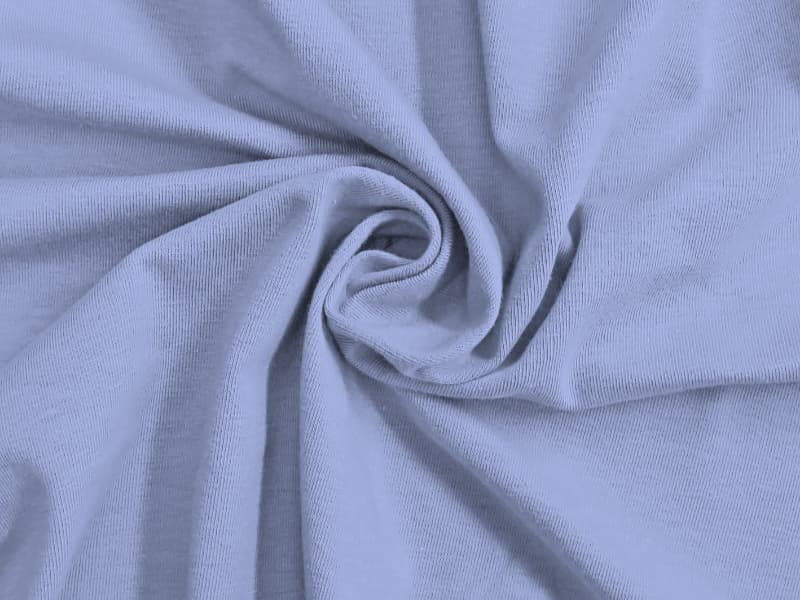
Stretch Jersey Fabric
Fabric Advantages
- strong body shaping effect
- comfortable stretch performance
- smooth body contour appearance
- good movement flexibility
- suitable for fitted silhouettes
Production Challenges
- stretch ratio inconsistency
- neckline tension imbalance
- seam recovery after washing
- opacity under body tension
- fabric distortion during sewing
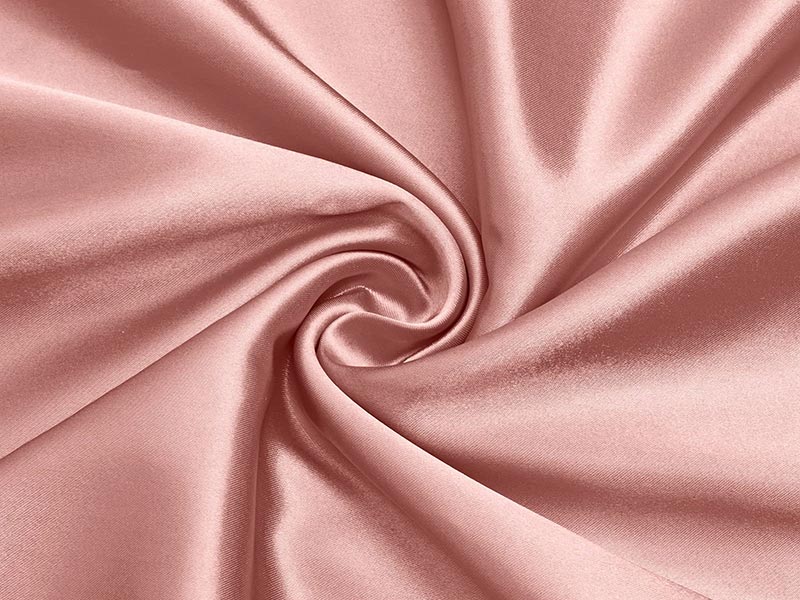
Satin Fabric
Fabric Advantages
- elegant drape movement
- luxury surface appearance
- smooth hand feel
- strong visual fluidity
- elevated fashion positioning
Production Challenges
- seam pressure visibility
- surface scratching risk
- cutting precision sensitivity
- wrinkle formation during handling
- fabric shifting during sewing

Rib Knit Fabric
Fabric Advantages
- flexible fit tolerance
- comfortable daily wear
- natural body contour effect
- stable repeat production
- strong stretch recovery
Production Challenges
- rib direction inconsistency
- uneven elasticity between rolls
- neckline recovery problems
- grading balance difficulty
- shape retention after washing
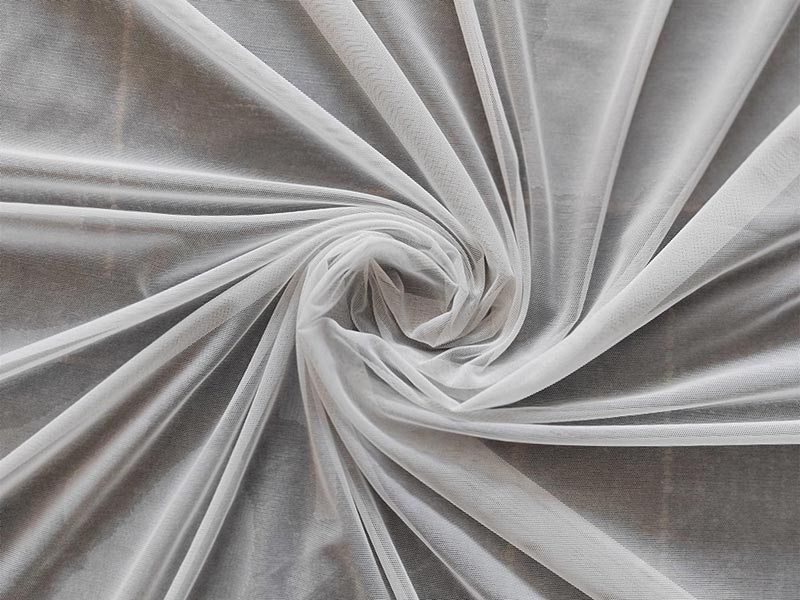
Mesh Fabric
Fabric Advantages
- lightweight garment feel
- strong visual layering effect
- modern fashion appearance
- suitable for body shaping details
- flexible styling combinations
Production Challenges
- fabric shifting during cutting
- seam visibility issues
- transparency inconsistency
- stretch distortion risk
- alignment difficulty in layered construction
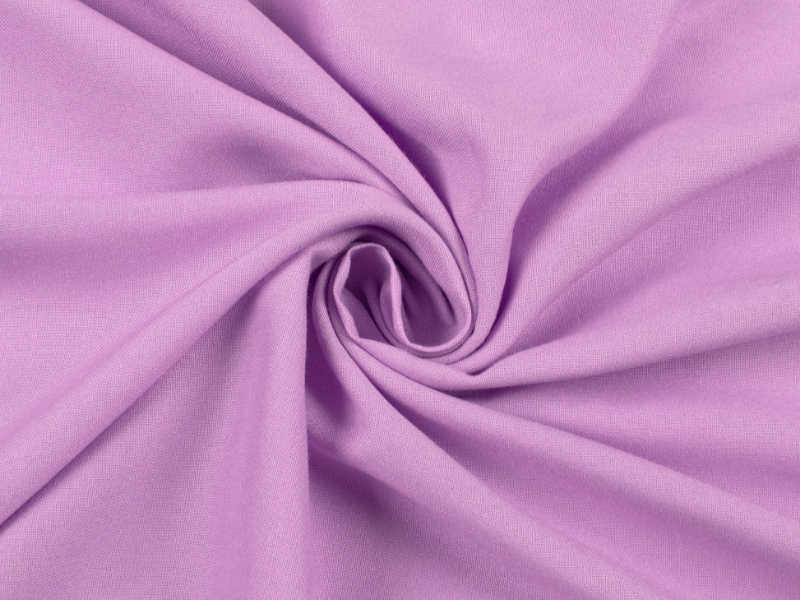
Rayon & Viscose Blends
Fabric Advantages
- soft hand feel
- fluid natural drape
- lightweight wearing comfort
- breathable fabric performance
- elegant movement during wear
Production Challenges
- shrinkage control management
- wrinkle sensitivity
- dye lot consistency variation
- cutting stability issues
- drape variation between batches

Cotton Linen Fabric
Fabric Advantages
- breathable wearing comfort
- natural textured appearance
- lightweight summer feel
- soft casual drape
- suitable for warm-weather collections
Production Challenges
- wrinkle formation during handling
- shrinkage consistency control
- fabric stability after washing
- seam puckering on lightweight blends
- color variation between dye lots
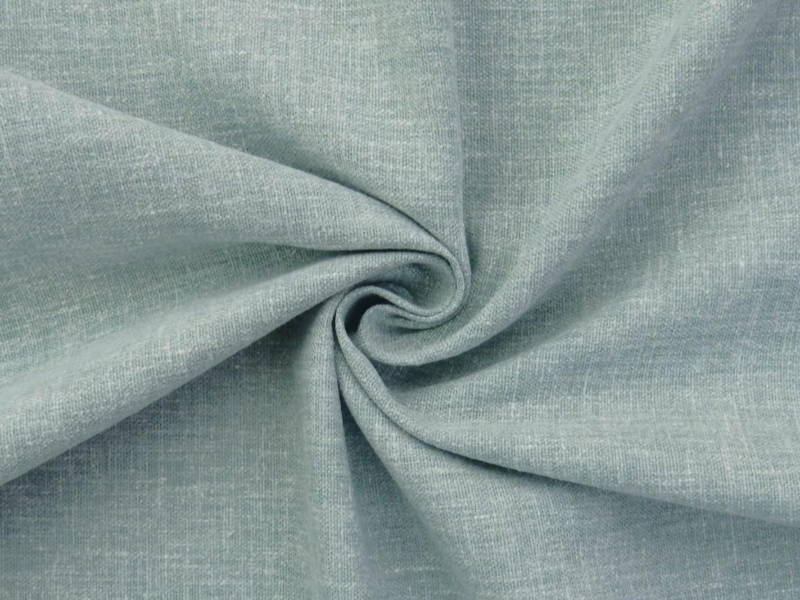
Woven Blend Fabric
Fabric Advantages
- cleaner garment structure
- stable silhouette shape
- improved seam definition
- refined appearance
- better support for tailored styles
Production Challenges
- reduced stretch tolerance
- fitting precision requirements
- seam puckering risk
- drape stiffness variation
- movement comfort balancing
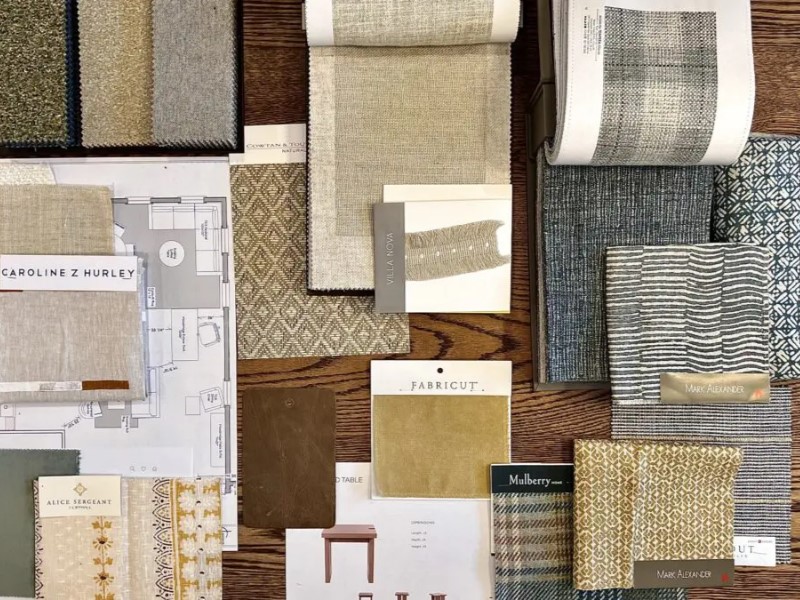
Fabric Matching
Different markets require different material strategies. For example:
- Fast Fashion—Stretch jersey / rib knit
- Occasionwear—Satin / mesh / woven blends
- Contemporary Fashion—Rayon / viscose / elevated knits
- Athleisure—Sculpt knit / performance stretch
- Premium Casual—Heavyweight cotton / soft knit
Material selection typically requires balancing the target retail price, aesthetic appeal, production efficiency, pattern requirements, and reorder stability.
Fit Development and Pattern Engineering for Halter Dress Manufacturing
Neckline Stability and Balance
- neckline tension distribution
- strap angle positioning
- front drape balance
- movement stability
- comfort during wear
- neckline collapse
- upward pulling during movement
- twisting after wear
- uneven drape balance
- pressure around neck area

Bust Shaping and Support Structure
- bust contour appearance
- chest support balance
- lining coordination
- cup positioning
- silhouette shaping consistency
- weak bust support
- uneven shaping effect
- unstable structure in backless styles
- poor contour appearance
- fabric collapse during wear

Body Contour and Silhouette Control
- waist shaping accuracy
- hip contour balance
- smooth body lines
- stretch recovery performance
- seam placement consistency
- uneven body shaping
- seam distortion after stretching
- silhouette imbalance
- contour inconsistency across sizes
- fabric tension marks

Fabric-Based Pattern Adjustment
- stretch compensation
- drape behavior adjustment
- fabric movement control
- seam structure matching
- fit balance across materials
- same pattern performing differently across fabrics
- drape inconsistency
- unstable fit after sewing
- excessive tension on seams
- shape variation during production

Size Grading for International Markets
- US and EU grading balance
- bust and waist proportion control
- dress length consistency
- comfort allowance adjustment
- fit consistency across size ranges
- inconsistent grading results
- fit variation between sizes
- inaccurate body proportions
- unstable silhouette scaling
- reduced comfort in larger sizes

Production Timelines Structured Around Fashion Launch Cycles
Typical Production Timelines
Estimated timelines vary based on construction complexity and fabric sourcing.
| Product Type | Estimated Timeline |
|---|---|
| Simple Styles | 15–20 Days |
| Standard Fashion Styles | 20–30 Days |
| Complex Dresses | 30–45 Days |
Production timelines may vary depending on:
- fabric readiness
- trim sourcing
- print or embroidery processes
- quantity size
- style complexity
Small Batch and Rolling Production
Many modern fashion brands no longer place one large seasonal order.
Instead, they may operate through:
- monthly launches
- influencer drops
- trend testing
- limited runs
- rolling replenishment
Production flexibility becomes increasingly important under this model.
| Order Type | Quantity Range |
|---|---|
| Test Orders | 200–500 pcs |
| Standard Orders | 1,000–5,000 pcs |
| Scaled Orders | 5,000+ pcs |
Repeat Order Support
Repeat production programs are often more efficient than first-time developments because core production elements have already been tested and approved during earlier stages.
Production efficiency improves when:
- approved patterns are already available
- fabrics and trims have existing sourcing channels
- sewing methods are standardized
- grading specifications are confirmed
- fit comments have already been adjusted
This becomes especially important for:
- rolling replenishment programs
- fast-selling styles
- seasonal color extensions
- influencer restocks
- recurring fashion collections
Production Stages
Typical workflow includes:
- Sample confirmation
- Fabric and trim sourcing
- Pre-production preparation
- Cutting
- Sewing
- Inline inspection
- Finishing
- Final inspection
- Packaging
- Shipment arrangement
Each stage affects final delivery performance.
Quality Control Focused on Fit Consistency and Bulk Stability
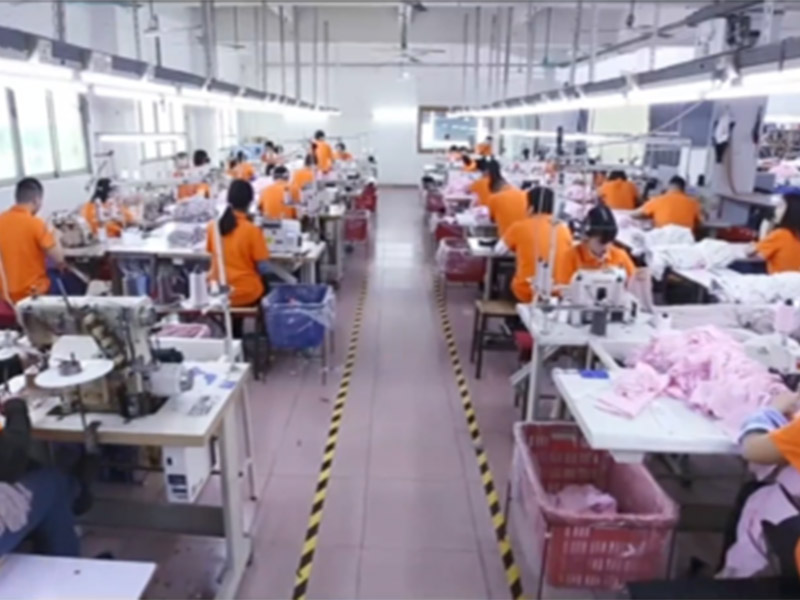
Fabric Inspection Before Production
- shrinkage testing
- color consistency checking
- surface defect review
- weight verification
- elasticity evaluation
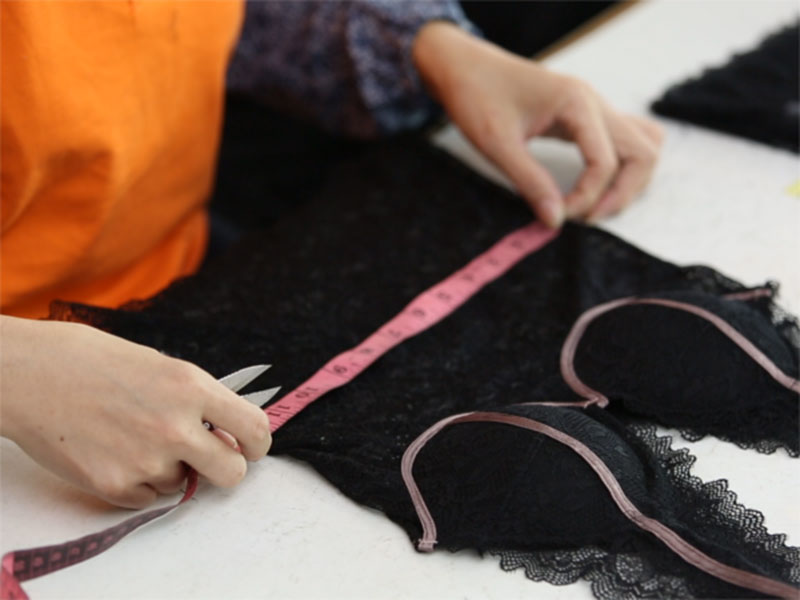
Pattern and Measurement Verification
- neckline dimensions
- bust positioning
- waist shaping
- dress length
- grading consistency

Inline Production Inspection
- seam quality
- tension balance
- fabric distortion
- construction accuracy
- print alignment
- embroidery positioning

Final Inspection Before Shipment
- measurements
- workmanship
- fabric appearance
- labels and packaging
- loose threads
- finishing quality
Our Globally Recognized Certifications
Delivering trusted quality products for your brand, helping you build a stellar reputation and customer trust.






Flexible Manufacturing Support for Fashion Brands
OEM Manufacturing
- finalized tech packs
- approved measurements
- production-ready designs
- clear branding direction
- sample development
- bulk manufacturing
- labeling
- packaging
- shipment coordination
ODM Product Development
- silhouette refinement
- fabric suggestions
- trim recommendations
- fit optimization
- construction adjustments
- occasionwear
- bodycon dresses
- sculpted silhouettes
- trend-driven categories
Private Label Production
Jinfeng supports custom branding services including:
- woven labels
- printed labels
- hangtags
- custom packaging
- embroidery logos
- printed artwork
- branded trims
Collaborative Product Development
- seasonal concepts
- fabric direction
- trend adaptation
- fit refinement
- production optimization
Jinfeng's Ideal Partner
Overseas Apparel Importers & Regional Wholesalers
- stable repeat production
- multiple styles per season
- reliable delivery schedules
- scalable manufacturing capacity
- competitive product development
Overseas Trading Companies & Sourcing Offices
- stable manufacturing partners
- multi-category production
- factory coordination support
- scalable order management
- clear production communication
Bridal, Eveningwear & Occasionwear Businesses
- elegant dress construction
- stable drape control
- satin and mesh handling
- clean finishing quality
- silhouette consistency
Designer Brands & Independent Fashion Labels
- product development collaboration
- flexible MOQ support
- accurate sample execution
- fabric matching assistance
- premium silhouette control
Cross-Border E-Commerce Sellers
- fast sampling speed
- small-batch testing
- rapid trend adaptation
- rolling replenishment
- frequent new arrivals
Overseas Women’s Boutiques & Retail Stores
- differentiated fashion styles
- lower quantity flexibility
- trend-focused collections
- better garment quality
- unique seasonal products
Influencer Studios & Social Commerce Sellers
- trend reaction speed
- visually strong silhouettes
- rapid collection turnover
- small-batch testing
- social-media-friendly products
Overseas Supermarkets & Chain Retail Buyers
- stable repeat quality
- larger production capacity
- delivery consistency
- scalable manufacturing support
- long-term supplier reliability
Clear Communication From Sampling to Shipment
Dedicated Sales and Merchandising Teams
- 8 sales staff
- 8 merchandisers
- sample development
- sourcing updates
- production scheduling
- quality tracking
- shipment coordination
English Communication Support
The communication team supports:
- voice calls
- video meetings
Clear English communication helps reduce approval delays and technical misunderstandings during development.
Production Tracking During Orders
Order coordination may include updates regarding:
- fabric readiness
- sample progress
- production stages
- inspection schedules
- shipment preparation
This helps brands maintain visibility throughout production.

Shipping Solutions Aligned With Fashion Launch Schedules
Express Shipping for Samples and Urgent Orders
Express delivery is commonly used for:
- development samples
- fit approval samples
- pre-production confirmation pieces
- urgent replenishment styles
Estimated delivery time: approximately 3–7 days depending on destination country. This option helps brands shorten approval cycles before bulk production.

Air Freight for Time-Sensitive Launches
Air shipping is often selected for:
- fast-moving collections
- seasonal launches
- influencer-driven drops
- urgent restocking
Estimated delivery time: approximately 5–8 days. This method balances speed and shipment volume more effectively than express shipping.

Sea Freight for Bulk Production
Sea shipping is commonly used for:
- large-volume orders
- planned seasonal production
- repeat programs
- warehouse replenishment
Estimated delivery time: approximately 20–35 days depending on destination port. This remains the most cost-efficient solution for large production quantities.

Flexible Trade Terms
Jinfeng supports different cooperation structures depending on client logistics arrangements. Available shipping terms may include:
- FOB
- EXW
- CIF
- DDP
Support can also include:
- split shipments
- partial deliveries
- overseas warehouse coordination
- multi-batch shipping arrangements
Real Halter Dress Production Cases for Global Fashion Brands
European Occasionwear Brand — Satin Halter Maxi Dresses
Product Type
- satin halter maxi dresses
- wedding guest collections
- draped occasionwear silhouettes
Main Challenges
The client experienced unstable neckline shaping and inconsistent drape performance from previous suppliers. Bulk production also showed visible seam pressure on satin surfaces, creating quality inconsistency across repeated orders.
Jinfeng Solution
Jinfeng adjusted neckline structure, optimized bias-cut direction, and refined seam construction during sample development. The sampling team also tested multiple satin weights before final bulk approval.
Results
- sample approval completed within 2 development rounds
- bulk order reached 4,800 pieces
- production completed within 32 days
- repeat order placed within the same season
US Fashion E-Commerce Client — Bodycon Halter Dresses
Product Type
- stretch bodycon halter dresses
- contour silhouettes
- nightlife and partywear styles
Main Challenges
The client needed rapid product launches for social media campaigns but faced inconsistent stretch recovery and unstable body shaping from previous manufacturers.
Jinfeng Solution
The pattern team adjusted seam tension and stretch compensation based on fabric elasticity. Double-layer construction was also refined to improve body contour appearance during wear.
Results
- first sample completed in 6 days
- over 12 colorways developed
- monthly repeat orders exceeded 7,000 pieces
- reduced fit revision frequency during replenishment production
Australian Resortwear Brand — Linen Blend Halter Dresses
Product Type
- cotton linen halter dresses
- relaxed resort silhouettes
- vacation capsule collections
Main Challenges
Previous suppliers struggled with shrinkage consistency and fabric wrinkling after washing, affecting garment appearance during retail presentation.
Jinfeng Solution
Fabric testing and shrinkage control were added before cutting. Pattern ease allowances were adjusted based on linen blend behavior to improve drape consistency after washing.
Results
- shrinkage issues significantly reduced during production
- bulk order reached 3,200 pieces across multiple styles
- repeat summer collection continued the following season
- smoother production approval process for future launches
UK Social Commerce Seller — Cut-Out Halter Dresses
Product Type
- cut-out halter mini dresses
- influencer-driven fashion styles
- trend-focused partywear
Main Challenges
The client required extremely fast turnaround for trend-sensitive products while maintaining symmetrical cut-out positioning and stable fit across sizes.
Jinfeng Solution
Jinfeng’s sampling team optimized panel alignment and reinforced seam stability around cut-out areas. Flexible scheduling helped speed up both development and production preparation.
Results
- sample turnaround completed within 5 days
- first production order reached 2,500 pieces
- replenishment launched within the same month
- faster product launch cycle supported social media marketing schedule
Middle East Occasion Fashion Buyer — Mesh Halter Dresses
Product Type
- mesh layered halter dresses
- fitted evening silhouettes
- eventwear collections
Main Challenges
The client needed cleaner mesh layering and improved transparency balance after experiencing uneven panel alignment and distortion during movement from previous factories.
Jinfeng Solution
The production team adjusted mesh layer construction and improved cutting alignment control during sewing. Additional fit reviews were conducted before bulk production approval.
Results
- improved symmetry across layered mesh panels
- bulk production completed for 5,000+ pieces
- lower defect rate during final inspection
- continued cooperation across multiple dress categories
Canadian Contemporary Fashion Brand — Knit Halter Dresses
Product Type
- rib knit halter dresses
- casual contour silhouettes
- elevated everyday fashion
Main Challenges
The client needed better grading consistency across multiple sizes because previous production showed uneven stretch recovery and silhouette imbalance after washing.
Jinfeng Solution
Jinfeng reviewed rib elasticity across fabric batches and adjusted grading rules during development. Additional wash testing was added before final production confirmation.
Results
- improved size consistency across production runs
- smoother repeat-order workflow
- over 20 knit dress styles developed within one year
- long-term cooperation expanded into matching knit sets and tops
Frequently Asked Questions

Ready to Develop Your Next Halter Dress Collection?
- stable fit execution
- fast sample development
- reliable bulk consistency
- clear communication
- flexible production planning
- repeat order support
