Skip to content
Guangdong Womenswear Manufacturer
Custom dress, jumpsuit, skirt and private-label womenswear manufacturing from Guangdong’s mature apparel supply chain.
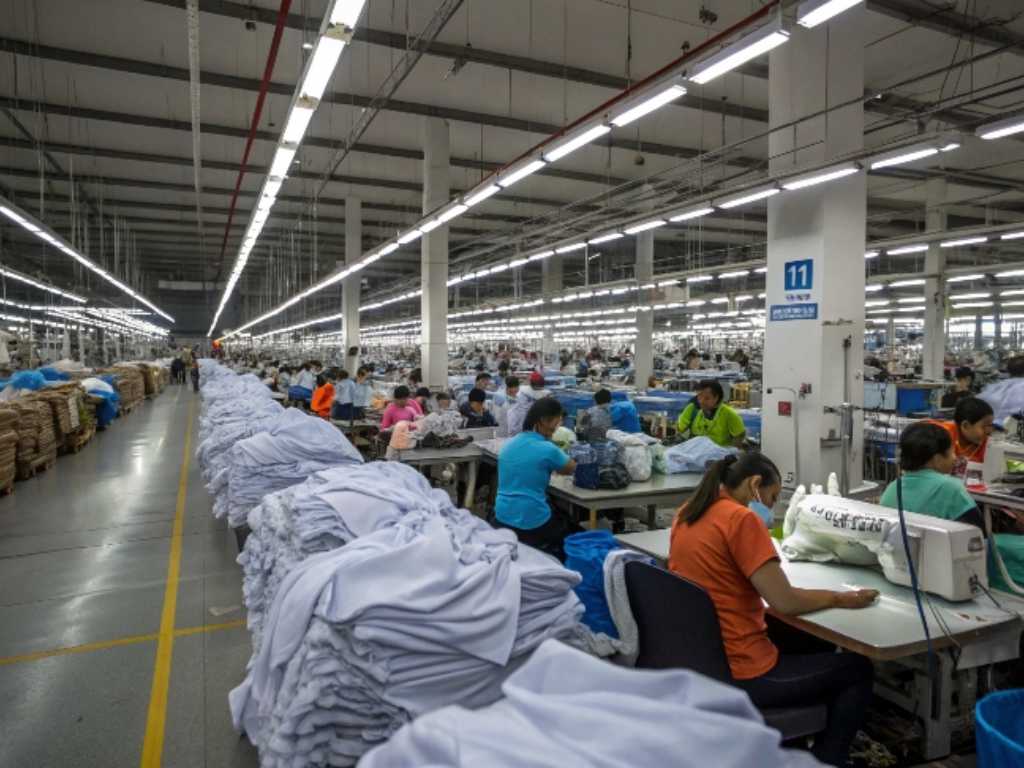
Jinfeng Apparel is a Guangdong-based custom women’s fashion manufacturer for global fashion brands, sourcing teams, product developers and mature apparel groups needing reliable womenswear development and bulk production. From fabric direction, pattern making and sample revision to PP approval, quality control, private-label packing and export delivery, our team helps turn fashion concepts into production-ready garments.
- Since 2008— custom women’s fashion manufacturing experience for overseas apparel programs.
- 6 owned women’s fashion factories— core production structure for dresses, skirts, jumpsuits, sets and private-label womenswear.
- 10+ long-term satellite production partners— flexible capacity support for multi-style and multi-batch programs.
- MOQ from 200 pcs/style/color— suitable for organized custom production, not stock resale or micro-order fulfillment.
- Anonymous Guangdong program range: 16–28 styles / 31,000–72,000 pcs— dress, resortwear and occasionwear programs across US, UK and Australian fashion markets.
Built for Fashion Brands Sourcing in Guangdong
Guangdong Base
Jinfeng Apparel is based in Guangdong, China, one of the strongest apparel and fabric supply regions in the country. Our work connects Dongguan, Humen and the surrounding South China womenswear supply chain, helping brands handle fabric sourcing, trims, pattern work, sampling, production coordination, quality checks and export preparation within one managed manufacturing system.
- Guangdong-based custom women’s fashion manufacturing.
- Dongguan and Humen supply chain access.
- Fabric, trims, sampling, production and export coordination.
Womenswear Focus
Our product structure centers on women’s fashion, especially dresses, skirts, jumpsuits, matching sets, tops and private-label collections.
Jinfeng is not positioned as a general garment vendor trying to cover every apparel category.
The production team is trained around fit, fabric behavior, silhouette balance, finishing details and brand-ready presentation for womenswear programs.
- Dress, skirt, jumpsuit, set and top development.
- Fit and silhouette review for women’s fashion.
- Fabric-specific construction and finishing control.
Brand Programs
Jinfeng Apparel supports brands with clear product direction, seasonal development plans and bulk production needs. Projects usually begin with tech packs, reference images, original samples, line sheets, size charts or collection plans. Our team reviews structure, fabric direction, trims, sample feasibility, MOQ boundary, delivery schedule and packing requirements before formal development.
- Tech pack, sample and line sheet review.
- Style structure and fabric direction checked early.
- MOQ, packing and delivery needs reviewed before sampling.
Factory Network
- Factory allocation by product type and fabric risk.
- Owned factories plus long-term partner resources.
- Multi-style production planning by construction level.
Development Support
A brand may send a polished tech pack, a physical sample, a reference image or a collection direction. Jinfeng Apparel can enter the process through OEM or ODM development, then move through fabric review, pattern work, first sample, revision, PP sample, bulk production, QC, packing and export delivery.
- OEM support from complete technical files.
- ODM development from style direction or reference images.
- Sample-to-bulk workflow under one project record.
Long-Term Records
Repeat orders require records, not memory. Jinfeng Apparel keeps pattern references, measurement files, fabric notes, trim details, label requirements and packing instructions for future production. For multi-batch dress collections, record control helps reduce avoidable changes in fit, color, construction and packaging across future launches.
- Pattern and measurement records retained.
- Fabric, trim and label details organized.
- Repeat-order review supported by earlier production files.
Manufacturing Facts for Serious Apparel Programs
Since 2008
- Women’s fashion manufacturing experience since 2008.
- Dress development, sampling and bulk production support.
- Export coordination for overseas apparel programs.
6 Owned Factories
- Owned production resources for womenswear orders.
- Directer control over sewing, QC and packing standards.
- Stronger structure for repeat and complex programs.
10+ Partner Factories
- Partner resources for multi-style capacity support.
- Allocation by category, fabric and construction difficulty.
- Useful for seasonal collections and phased delivery.
100,000+ Monthly Capacity
- Capacity for larger womenswear programs.
- Planning by style count and fabric lead time.
- Suitable for multi-style collections after PP approval.
2 Sample Rooms
Sample rooms support product development before bulk production. They handle pattern work, sample sewing, fitting comments, revision tracking and PP sample preparation. For fashion brands, sample accuracy matters because one approved sample may become the standard for thousands of garments.
- First sample, revised sample and PP sample support.
- Fitting comments converted into pattern updates.
- Sample records support production handover.
MOQ 200 pcs
The standard MOQ starts from 200 pcs per style/color, depending on fabric availability, color development, trims, construction complexity, private-label packing and production schedule. Special fabric, custom dyeing, custom prints or special trims may require separate supplier MOQ.
- MOQ from 200 pcs/style/color.
- Fabric and trim minimums reviewed separately.
- Stronger fit for planned brand production programs.
For Brands Needing Guangdong Manufacturing Depth
Global Fashion Brands
- Sample accuracy and PP approval control.
- Fabric, fit and measurement records.
- Private-label packing and repeat-order support.
Sourcing Teams
- Quotation and feasibility review.
- Fabric, trims and construction risk comments.
- QC, packing and shipment coordination.
Product Developers
- Reference image and tech pack review.
- Fit, fabric and construction feedback.
- PP sample readiness before bulk release.
Ecommerce Fashion Brands
- Photo-ready and PP sample support.
- SKU, barcode and polybag coordination.
- Fit and size consistency across online programs.
Occasionwear Labels
Occasionwear, partywear, clubwear and eventwear programs usually involve satin, mesh, lace, sequin, ruching, corset construction, fitted silhouettes or lined structures. Jinfeng Apparel supports these categories through fabric risk review, pattern correction, construction testing, PP sample approval and bulk QC focused on visual consistency and garment stability.
- Satin, lace, mesh and sequin control.
- Corset, ruching and fitted silhouette development.
- QC focused on appearance, measurements and finish.

Guangdong Supply Chain Advantage for Womenswear
Fabric Access
Guangdong and nearby South China apparel markets offer strong access to woven, knit, lace, mesh, satin, chiffon, rayon, denim, velvet, sequin and printed fabric options. Fabric availability affects sample timing, MOQ, color choices and cost control. Jinfeng Apparel reviews fabric direction early so brands avoid approving a style with a material unable to support bulk production.
- Broad womenswear fabric options.
- Fabric availability checked before sample approval.
- MOQ, cost and lead time reviewed early.
Trim Coordination
- Zippers, cups, boning and lining review.
- Label, hangtag and packing material coordination.
- Trim feasibility checked before bulk handover.
Sample Speed
- Fabric, trims and sample teams coordinated locally.
- First sample and revised sample support.
- PP sample route reviewed by project risk.
Category Matching
- Bodycon stretch and measurement control.
- Satin, sequin and lace handling standards.
- Jumpsuit fit and movement review.
Export Readiness
Export projects need packing lists, commercial invoice details, carton marks, style/color/size breakdown and coordination with freight partners or nominated forwarders. Jinfeng Apparel supports export delivery preparation so apparel teams receive clearer order documents, packing standards and shipment communication before goods leave the factory.
- Packing list and commercial invoice support.
- Carton marks and size breakdown preparation.
- Forwarder communication by order arrangement.
Repeat Order Support
- Pattern, fabric and trim records retained.
- Previous production comments reviewed before reorder.
- Style continuity supported across future seasons.
Choosing a Guangdong Womenswear Manufacturer
| Supplier Type | Common Strength | Common Limitation | Best Use | Jinfeng Apparel Position |
|---|---|---|---|---|
| Stock Wholesaler | Fast access to existing garments | Limited design control, weak fit ownership, limited brand exclusivity | Inventory purchase | Not our core model |
| Single Sewing Workshop | Flexible communication for simple pieces | Limited development depth, limited QC and packing structure | Simple sewing tasks | Not our positioning |
| Trading Office | Product sourcing and quotation handling | Production control may depend on external factories | Supplier search | Jinfeng owns factory resources |
| General Garment Factory | Broad apparel coverage | Womenswear fit and fashion fabric risk may vary | Mixed apparel programs | Jinfeng focuses on womenswear |
| Specialty Dress Factory | Strong in one dress category | May not support broad collection development | Narrow dress programs | Jinfeng supports multi-category womenswear |
| Development-Led Manufacturer | Fabric, pattern, sampling, bulk, QC and packing coordination | Requires clear project files and serious order planning | Brand collections and repeat orders | Core Jinfeng model |
Custom Womenswear Products Made in Guangdong
Mini Dresses

- Sample length and lining length review.
- Zipper, strap and hem control.
- Strong fit for partywear and ecommerce drops.
Midi Dresses

- Hip allowance and slit height control.
- Waist seam, lining and hem drape review.
- Suitable for occasionwear and seasonal ranges.
Maxi Dresses

- Length grading and hem control.
- Skirt sweep and side seam movement review.
- Packing fold planning for long garments.
Party Dresses

- Fabric, fit and decoration risk review.
- Corset, ruching and cut-out development.
- Final approval before bulk sewing.
Cocktail Dresses

- Neckline, bust and lining control.
- Zipper, seams and pressing review.
- Fit consistency across size ranges.
Evening Dresses

- Long-length and fitted bodice control.
- Lace, sequin and delicate fabric review.
- PP sample approval before production standard lock.
Bodycon Dresses

- Stretch recovery and fabric GSM review.
- Waist, hip and neckline measurement control.
- Grading logic checked before bulk.
Corset Dresses

- Boning, cup and waist support review.
- Zipper strength and panel symmetry.
- Internal structure checked before approval.
Satin Dresses

- Satin weight and shine direction.
- Seam puckering and surface mark control.
- Cutting, pressing and packing standards.
Mesh Dresses

- Transparency and lining coverage.
- Mesh recovery and edge finishing.
- Printed or embroidered placement review.
Lace Dresses

- Motif balance and scallop edge control.
- Lining color and seam handling.
- Cutting waste and fabric usage review.
Sequin Dresses

- Sequin density and reverse-side comfort.
- Zipper and edge finishing control.
- Packing protection for decorated surfaces.
Jumpsuits

- Torso length and crotch depth review.
- Waist seam and zipper access control.
- Size grading for movement and comfort.
Matching Sets

- Top-bottom proportion review.
- Color and fabric consistency.
- Set packing and SKU coordination.
Fashion Tops

- Crop, corset, mesh and satin tops.
- Shared fabric and trim direction with dresses.
- Useful for expanding seasonal ranges.
Fabric Sourcing and Risk Review

Satin
- Weight, shine and color consistency.
- Seam puckering and pressing risk.
- Surface protection from cutting to packing.

Mesh
- Density, elasticity and recovery.
- Lining coverage and seam strength.
- Print or embroidery placement review.

Lace
Lace can increase perceived value, but motif placement and cutting loss must be managed. Jinfeng Apparel reviews lace width, motif scale, scallop edges, stretch level, lining color and seam joining. Lace dresses, corset styles and occasionwear pieces need special attention to pattern alignment and bulk fabric usage.
- Lace width and motif scale.
- Scallop edge and lining color.
- Pattern alignment and fabric usage review.

Sequin
- Sequin density and backing comfort.
- Lining, zipper path and seam cleaning.
- Packing pressure and surface protection.

Chiffon
- Transparency and lining length.
- Edge finishing and static control.
- Layer count and hem balance.

Jersey
- Stretch direction and recovery.
- GSM, shrinkage and seam tension.
- Neckline stability and body fit.

Ponte
- Thickness and recovery.
- Seam bulk and panel shaping.
- Stronger measurement control for fitted styles.
Rayon
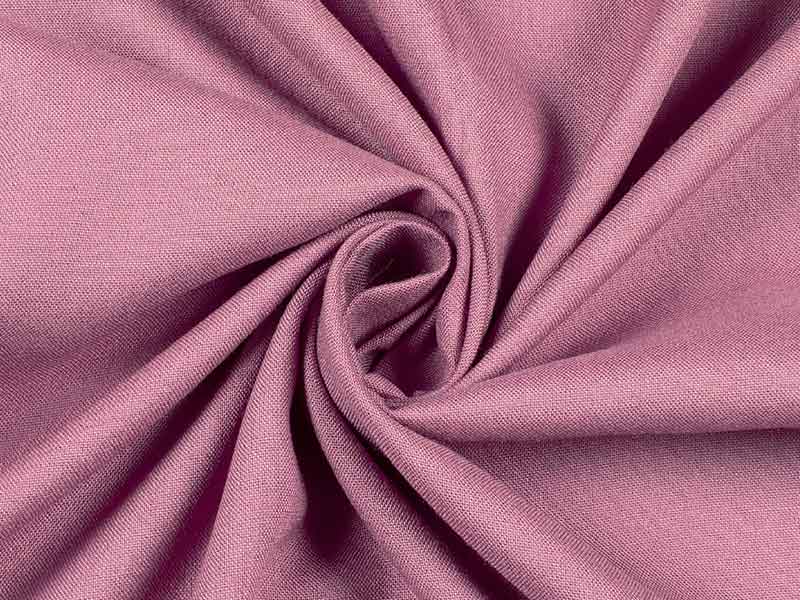
- Shrinkage and colorfastness.
- Soft drape and wrinkle behavior.
- Seam stability before bulk planning.
Linen Blend
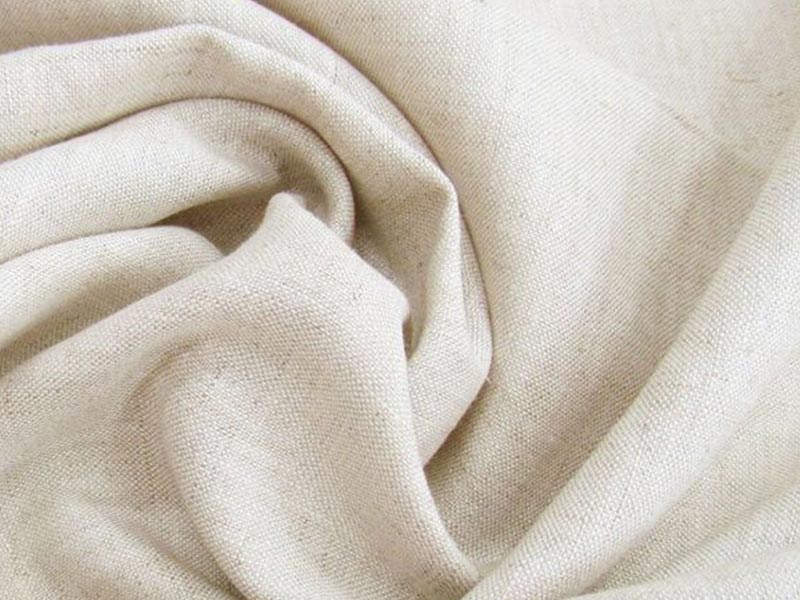
- Wrinkle level and washing behavior.
- Transparency and lining review.
- Packing plan for crease control.

Velvet
- Nap direction and cutting layout.
- Pressure marks and seam bulk.
- Packing protection for pile direction.
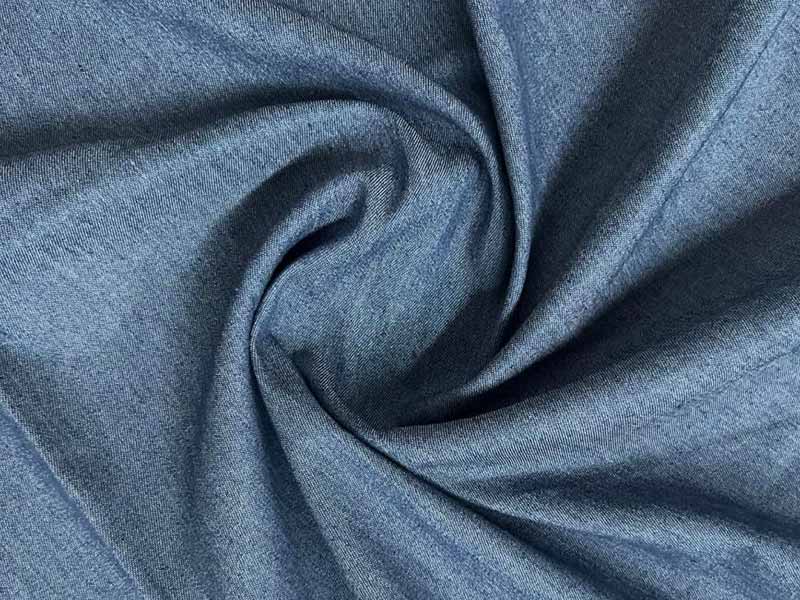
Denim
- Denim weight and washing plan.
- Color transfer and shrinkage review.
- Hardware and seam allowance control.
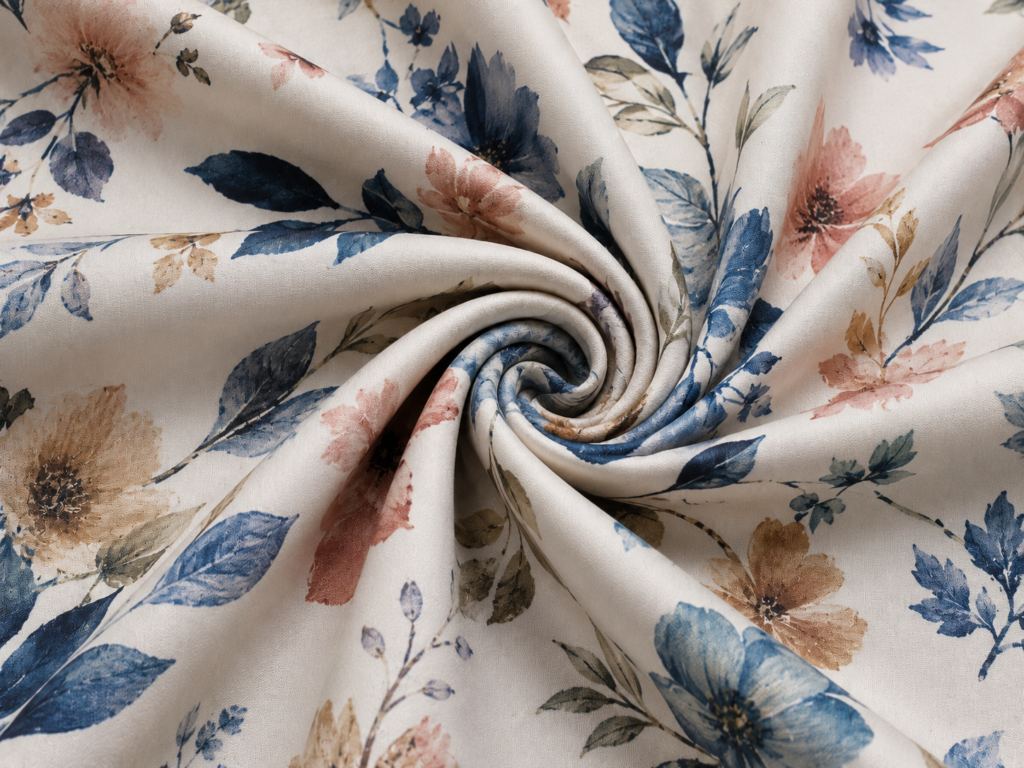
Printed Woven
Printed woven fabrics support floral dresses, resort dresses, vacation styles and seasonal collections. Jinfeng Apparel reviews print direction, repeat size, color approval, shrinkage, cutting placement and lining match. For multi-style programs, print scale must work across mini, midi, maxi, skirt and top patterns.
- Print direction and repeat size.
- Color approval and shrinkage review.
- Cutting placement across style types.
Turning Fashion References Into Production Files
Style Structure Review
- Neckline, shoulder, bust and waist review.
- Closure, lining and internal support planning.
- Hidden production risks identified before sampling.
Pattern Development
- Seam, dart and panel balance.
- Waistline, hip and sleeve movement.
- Pattern logic for repeatable production.
Fit Sample Review
- Bust, waist and hip fit review.
- Armhole, strap and hem control.
- Revision records before PP approval.
Size Chart Alignment
Size charts must match the target market and garment type. Jinfeng Apparel reviews measurement points, tolerance logic, stretch allowance and grading direction. For fitted dresses, stretch fabrics, corset structures and jumpsuits, simple size increases are not enough. Each measurement must support wearability and brand fit expectations.
- Target market size review.
- Measurement tolerance and grading direction.
- Stretch allowance for fitted silhouettes.
Revision Control
Sample revision control keeps development from becoming scattered. Jinfeng Apparel records changes in fabric, pattern, trim, label, lining, measurement and construction comments. Revision notes help prevent repeated errors and allow the final PP sample to become a clear standard for cutting, sewing, pressing and packing.
- Fabric, pattern and trim changes recorded.
- Measurement and construction comments tracked.
- PP sample standard built from revision notes.
Production Readiness
A style is ready for bulk only after fabric, pattern, trims, measurements, labels, packing and QC points are aligned. Jinfeng Apparel reviews PP sample comments, BOM, trim card, size breakdown, color plan and production notes before bulk arrangement. Clear readiness control reduces avoidable rework during production.
- PP sample, BOM and trim card review.
- Size breakdown and color plan confirmation.
- QC and packing points locked before bulk.
Sample Development Before Bulk Production
Project File Review
- Tech pack, line sheet and reference review.
- Style structure and construction difficulty.
- Initial production feasibility comments.
Fabric Direction
- Fabric handfeel, stretch and weight.
- Lining, color and print needs.
- Supplier availability and MOQ review.
Pattern Work
Pattern makers prepare the first pattern based on measurements, reference files and garment structure. For dresses, jumpsuits and fitted tops, pattern work focuses on bust, waist, hip, body length, neckline, armhole, sleeve, closure and hem proportion.
- Bust, waist and hip structure.
- Neckline, sleeve and closure logic.
- Body length and hem proportion.
First Sample
The first sample tests whether design direction, fabric behavior and pattern logic work together. Jinfeng Apparel reviews construction, fit, balance, sewing difficulty, fabric handling and finishing. The first sample may require comments before moving toward a brand-facing approval version.
- Construction and balance review.
- Fit, sewing and fabric handling.
- Early risk comments before revision.
Sample Comments
- Measurement and fit comments organized.
- Fabric, trim and construction notes recorded.
- Revision path clarified before next sample.
Revised Sample
The revised sample reflects approved comments. The team checks whether previous issues were solved without creating new fit, construction or fabric problems. For complex dresses, lace, mesh, sequin, satin or corset styles, more than one revision may be needed.
- Approved comments checked in sample form.
- New fit or fabric issues reviewed.
- Extra revision used for high-risk structures.
PP Sample
The PP sample becomes the main production reference after approval. It should reflect confirmed fabric, trims, measurements, construction, labels and finishing details. Jinfeng Apparel uses PP approval to align production teams before cutting and sewing bulk goods.
- Production reference before bulk.
- Fabric, trims and construction confirmed.
- Label and finishing details locked.
Bulk File Lock
Before production begins, style files, size breakdown, color ratio, BOM, trim card, label files, packing requirements and QC checkpoints are locked. Controlled files help prevent confusion between sample approval and bulk execution.
- Style files and BOM locked.
- Size, color and packing records confirmed.
- QC checkpoints prepared for production.
Manufacturing Models for Brand Apparel Teams
OEM Development
- Tech pack and original sample execution.
- Production feasibility review.
- PP approval and controlled bulk production.
ODM Development
- Style direction and reference image review.
- Fabric and pattern development support.
- Production-ready sample preparation.
Private Label Delivery
Private-label manufacturing covers branded garment presentation after sewing. Jinfeng Apparel supports woven labels, size labels, care labels, hangtags, hang strings, barcode stickers, SKU labels, polybags, stickers, cartons, carton marks and warehouse labels. Private-label requirements are reviewed before packing so the order can match brand-side receiving, retail and ecommerce handling needs.
- Woven, size and care labels.
- Hangtags, barcodes and SKU labels.
- Polybags, carton marks and warehouse label support.

Bulk Production Control for Womenswear Orders
PP Reference
- Fabric, trims and measurements confirmed.
- Construction and stitching standard locked.
- Production teams review PP reference before sewing.
BOM Check
The bill of materials helps control fabric, lining, zipper, elastic, buttons, thread, label, hangtag, sticker, polybag and carton requirements.
Jinfeng Apparel checks BOM details before purchasing or preparing production materials so each style follows the correct approved components.
- Fabric, lining and trim confirmation.
- Label, hangtag and packing material review.
- Style-level component control.
Fabric Inspection
Fabric is reviewed before cutting. Checks may include color, shade, width, handfeel, fabric direction, defects, stretch, shrinkage risk and compatibility with the approved sample.
Satin, mesh, lace, sequin and printed woven fabrics require more careful inspection because visible variation can affect garment appearance quickly.
- Color, shade and fabric direction.
- Stretch, shrinkage and defect review.
- Compatibility with approved sample.
Cutting Control
Cutting affects measurement, seam balance, print placement and fabric consumption.
Jinfeng Apparel reviews cutting direction, size ratio, marker layout, fabric layers and special placement needs. Lace motifs, velvet nap, satin shine direction and printed fabric repeats require extra attention before cutting begins.
- Cutting direction and marker layout.
- Size ratio and layer control.
- Lace, velvet, satin and print placement.
Sewing Follow-Up
- Seam allowance and stitch type.
- Zipper, lining and strap review.
- Neckline, hem and inner support checks.
Measurement Review
Measurement review confirms garment dimensions against approved specs and tolerance. Dresses, jumpsuits and fitted styles require close review of bust, waist, hip, length, shoulder, sleeve, armhole, rise, inseam and hem. Stretch garments also require attention to recovery after handling.
- Bust, waist, hip and length.
- Shoulder, sleeve, armhole and hem.
- Rise and inseam for jumpsuits.
Pressing Control
Pressing influences garment appearance at delivery. Satin, velvet, chiffon and structured dresses need controlled temperature and method. Jinfeng Apparel reviews pressing marks, seam flattening, hem shape and fold impact before packing. Poor pressing can make a well-sewn garment look unfinished.
- Fabric-safe pressing method.
- Seam flattening and hem shape.
- Fold impact before packing.
Packing Check
Packing control confirms labels, hangtags, SKU stickers, polybags, size ratios, color separation, carton marks and packing list details. Jinfeng Apparel checks packing requirements before shipment arrangement so the order can reach brand-side warehouse or distribution partners with clearer receiving information.
- Labels, hangtags and SKU stickers.
- Size ratio and color separation.
- Carton marks and packing list review.
Quality Control for Fashion Brand Orders
Material QC
- Fabric, lining and trim review.
- Label, hangtag and packing material check.
- Comparison against approved sample records.
Cutting QC
Cutting QC reviews fabric direction, pattern placement, size ratio, layer control and special fabric handling.
Printed woven, lace, velvet, satin and directional fabrics require careful cutting review. Once cutting is wrong, sewing cannot fully correct proportion, print direction or motif placement mistakes.
- Fabric direction and pattern placement.
- Size ratio and layer control.
- Print, lace and directional fabric handling.
Inline QC
Inline QC monitors sewing while garments are still in production. Review points include seam strength, stitch consistency, zipper position, lining, straps, ruching, pleats, darts, waist seams and internal support.
Early checks help reduce batch-wide defects before the full order reaches finishing.
- Seam strength and stitch consistency.
- Zipper, lining and strap review.
- Ruching, pleats and darts checked during sewing.
Measurement QC
Measurement QC confirms garment specs against the approved size chart. Fitted dresses, jumpsuits, corset pieces and stretch garments need attention to bust, waist, hip, body length, rise, sleeve and hem.
Measurement control helps protect fit consistency across sizes and production batches.
- Bust, waist and hip.
- Body length, rise, sleeve and hem.
- Fit consistency across size ranges.
Appearance QC
- Symmetry, surface marks and stains.
- Loose threads, puckering and color consistency.
- Lining exposure and trim placement.
Fit-Risk Review
Fit-risk review focuses on styles where size and comfort are more sensitive. Bodycon dresses, corset dresses, halter styles, strapless dresses, jumpsuits and cut-out pieces require stronger review of support, coverage, movement, neckline stability and garment balance.
- Support and coverage review.
- Movement and neckline stability.
- Garment balance for fitted styles.
Finishing QC
Finishing QC checks thread trimming, pressing, steaming, hem quality, label attachment, care label position and final folding.
Garments must look ready for brand-side receiving. Clean finishing can influence first impression even when sewing construction is technically correct.
- Thread trimming and pressing.
- Hem quality and label attachment.
- Final folding before packing.
Packing QC
- Polybags, size stickers and SKU labels.
- Barcodes, hangtags and carton marks.
- Color separation and packing list accuracy.
Control Details for Sensitive Womenswear Fabrics
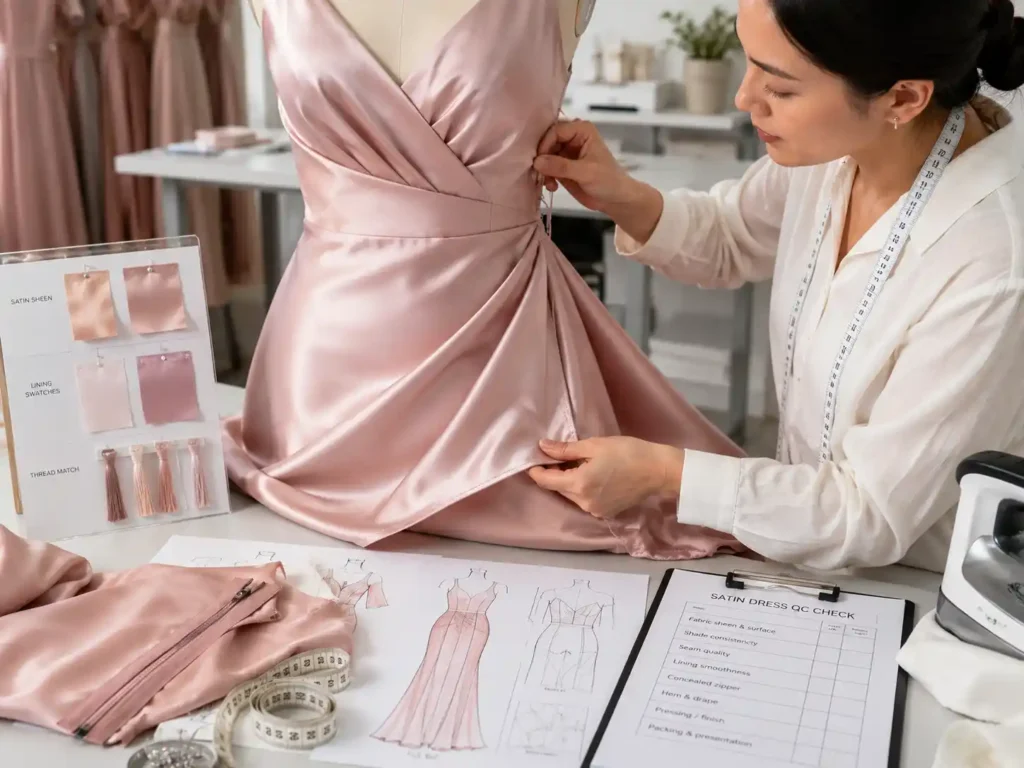
Satin Control
- Shine direction and shade review.
- Seam puckering and pressing control.
- Surface protection during cutting and packing.
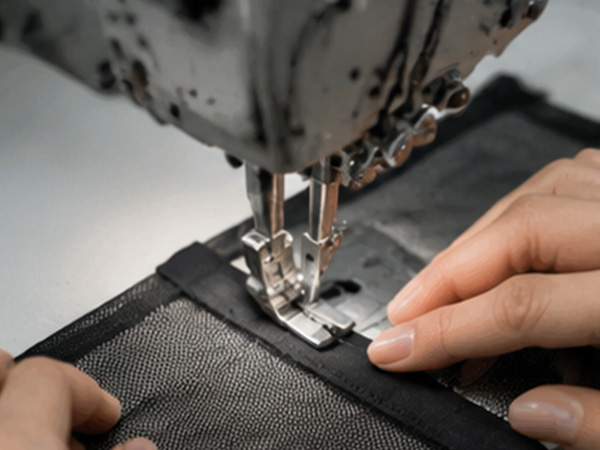
Mesh Control
- Transparency and lining coverage.
- Recovery and seam stability.
- Print, embroidery and panel placement.

Lace Control
- Motif scale and edge design.
- Lining color and stretch level.
- Placement control before cutting.

Sequin Control
- Loose sequin and scratch risk review.
- Seam bulk and zipper placement.
- Lining comfort and packing protection.
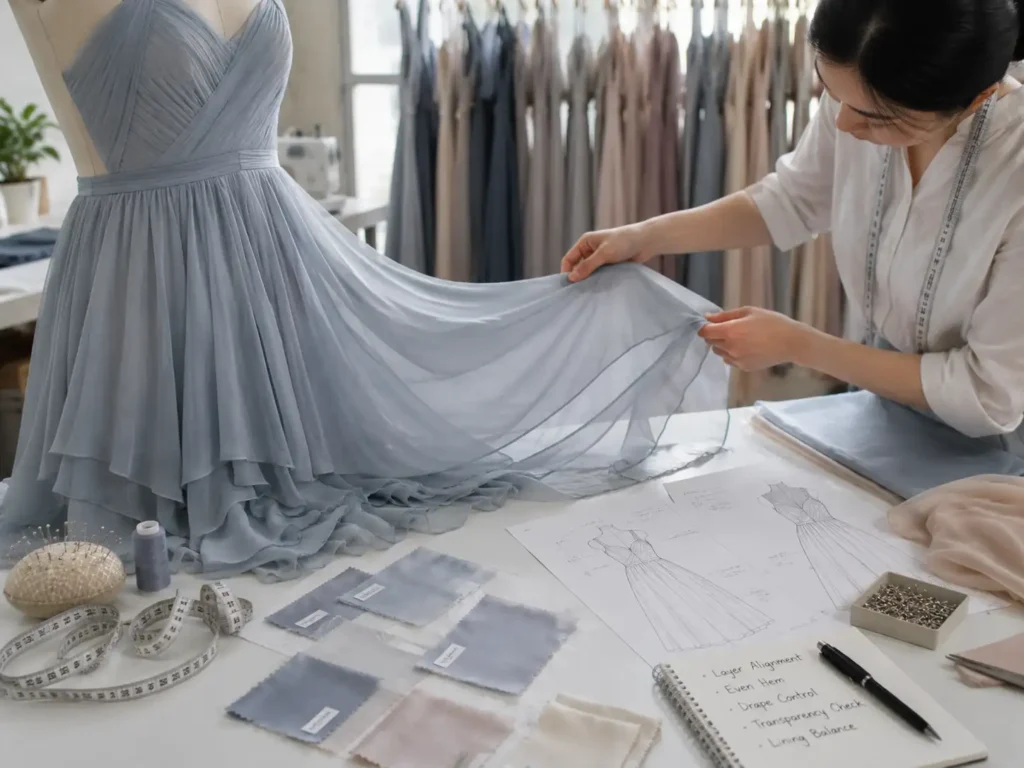
Chiffon Control
- Transparency and lining length.
- Fraying, static and hem finishing.
- Layer balance and fabric movement.
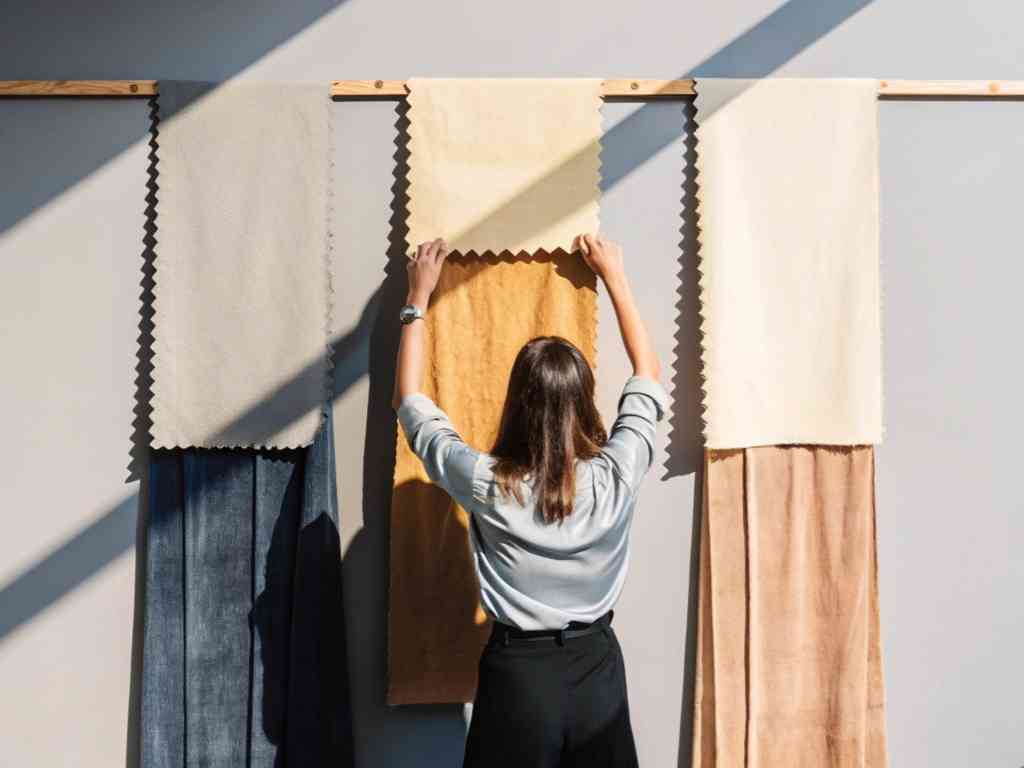
Jersey Control
- GSM, elasticity and shrinkage risk.
- Seam tension and neckline stability.
- Measurement recovery after handling.
Workmanship Details That Shape Garment Value
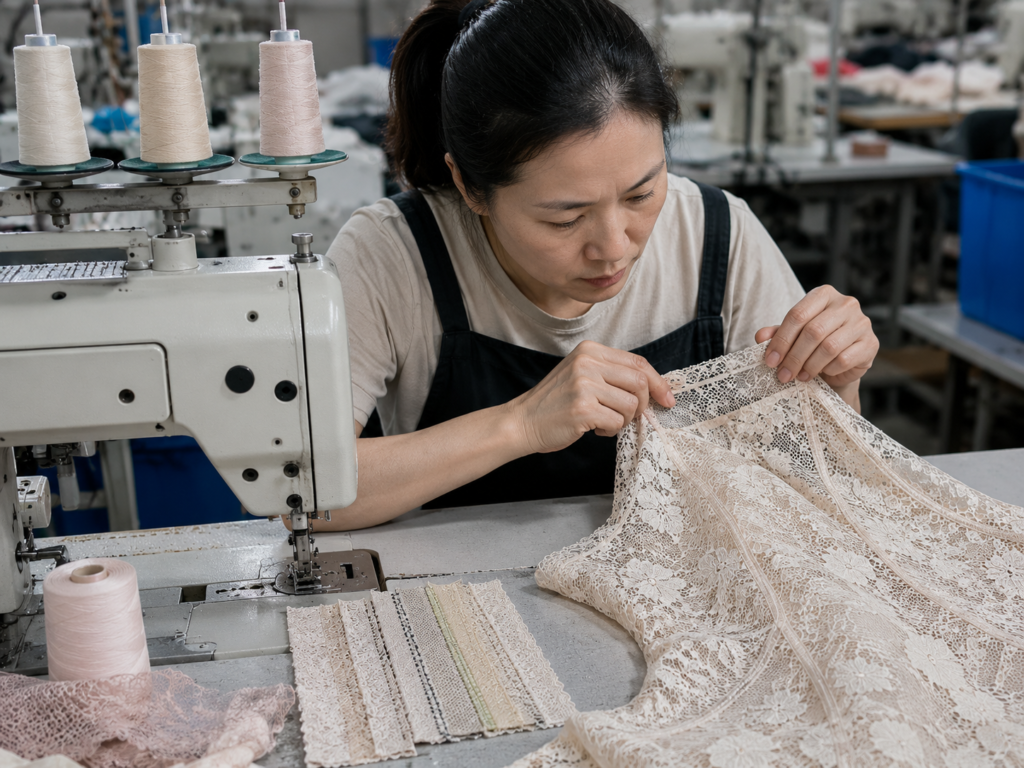
Seam Cleanliness
- Seam allowance and stitch consistency.
- Thread tension and seam straightness.
- Fabric-specific seam method.
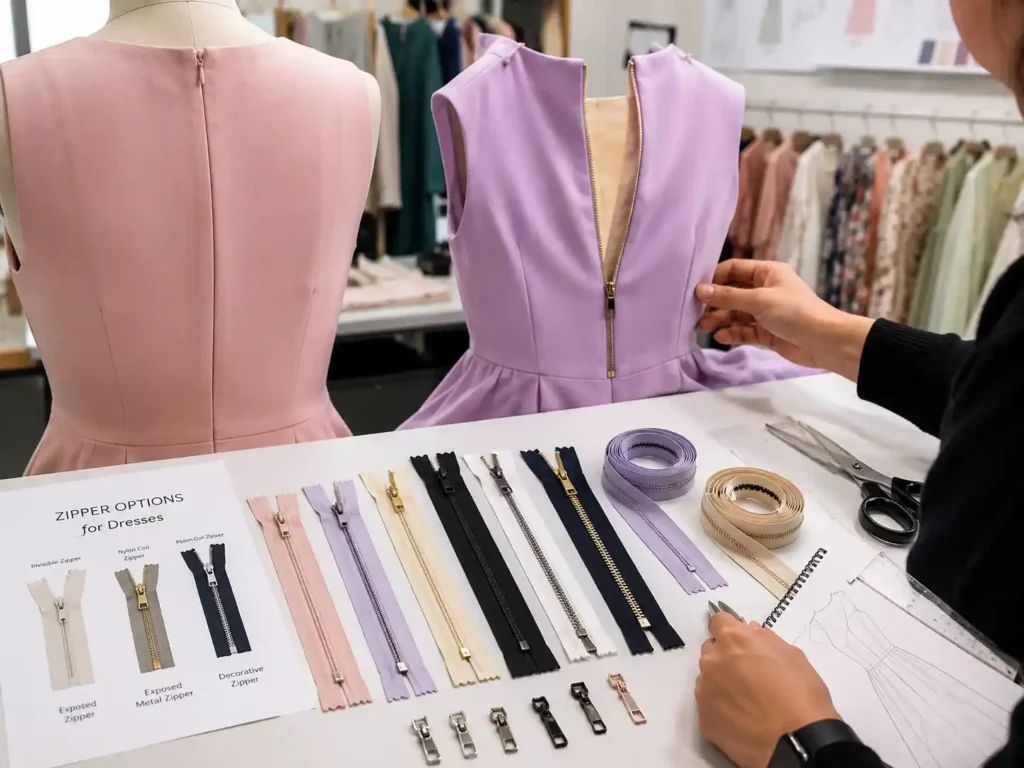
Zipper Installation
- Zipper length and seam alignment.
- Top and bottom finishing.
- Tape visibility and movement review.
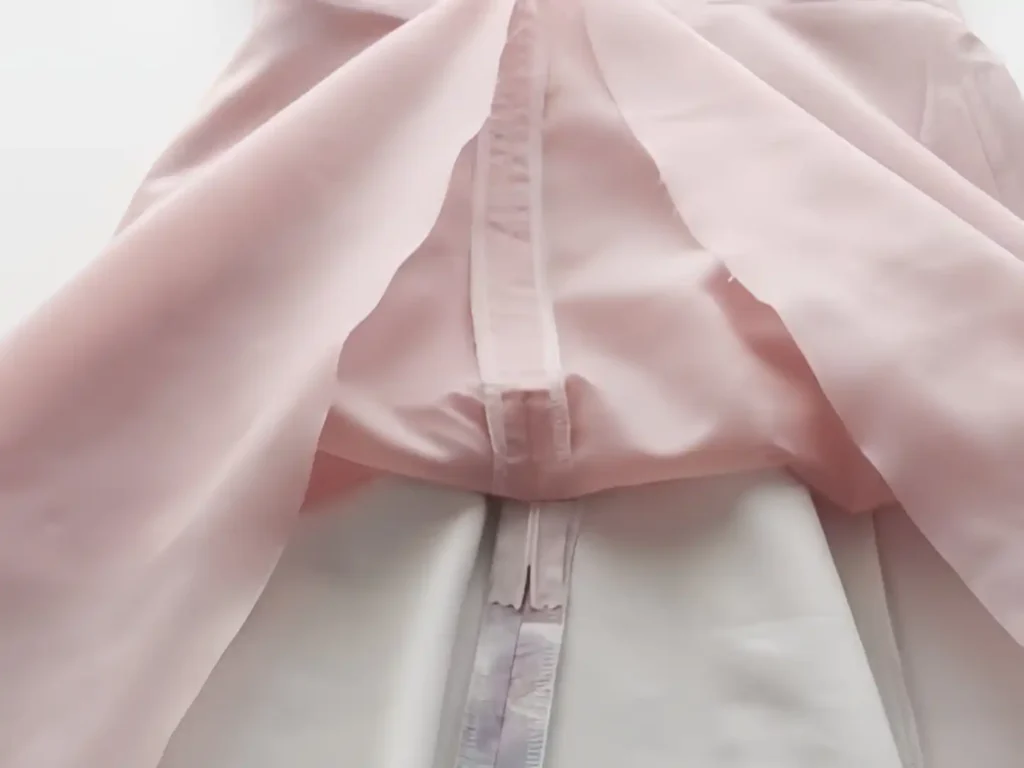
Lining Finish
- Lining fabric and length.
- Attachment and side seam balance.
- Coverage, comfort and movement review.
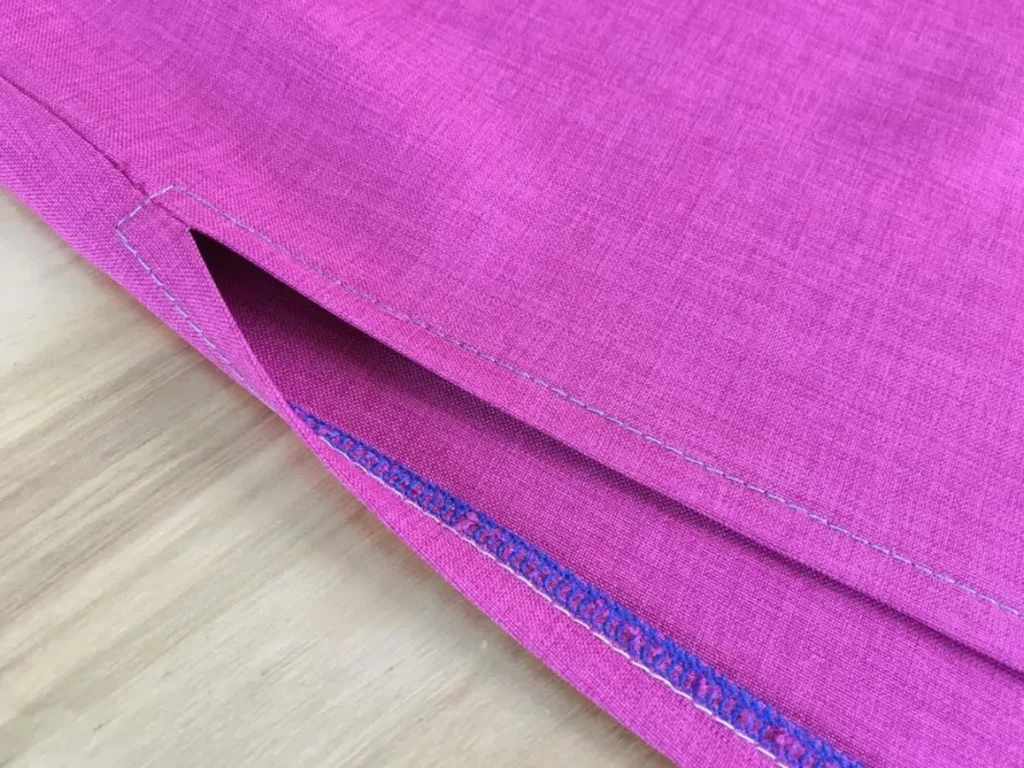
Hem Execution
- Hem type and stitch method.
- Length balance and pressing.
- Fabric-specific edge handling.

Strap and Neckline
- Strap length and attachment strength.
- Neckline shape and bust coverage.
- Fit review for exposure-sensitive styles.
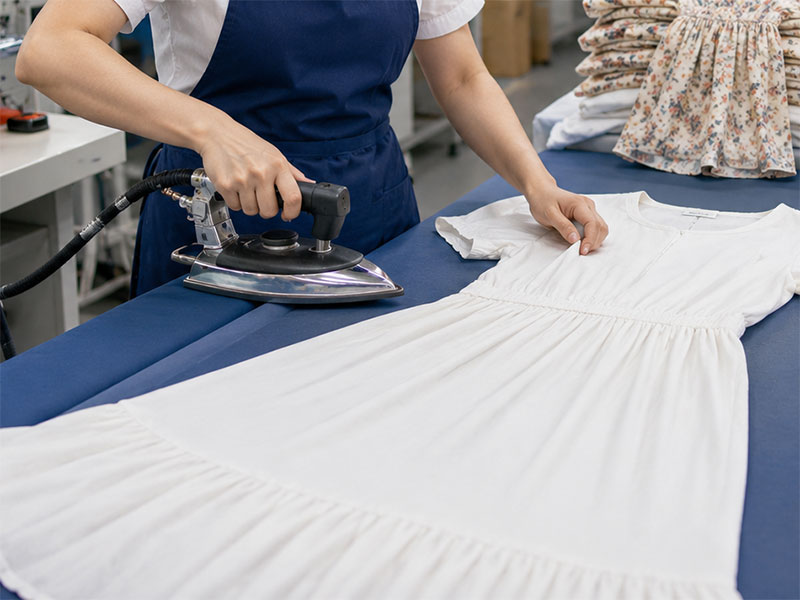
Pressing and Folding
- Pressing method and seam shape.
- Fold position and packing impact.
- Surface protection for sensitive fabrics.
Craft Solutions for Custom Womenswear Programs
Ruching

- Elastic tension and gathering density.
- Seam direction and side balance.
- Measurement impact across sizes.
Pleating

- Pleat width and fabric memory.
- Pressing method and hem balance.
- Packing impact after folding.
Ruffles
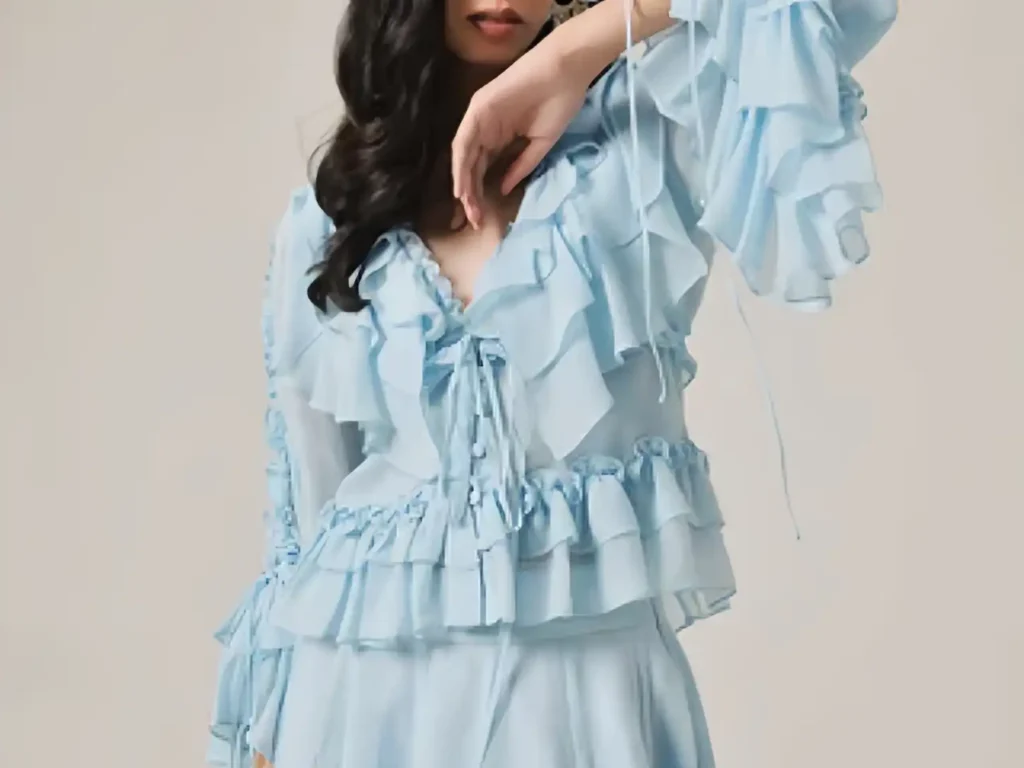
- Ruffle width and gathering ratio.
- Edge finishing and weight balance.
- Attachment position by garment shape.
Cut-Outs

- Placement and coverage review.
- Seam stability and edge binding.
- Movement and wearability check.
Corset Panels

- Panel balance and boning placement.
- Cup shaping and lining.
- Zipper strength and waist fit.
Slits

Slits influence movement, styling and garment proportion. Jinfeng Apparel reviews slit height, seam reinforcement, lining opening, hem finish and walking comfort. Maxi and midi dresses need slit planning by size because garment length and leg movement change across different bodies.
- Slit height and reinforcement.
- Lining opening and hem finish.
- Walking comfort and size grading.
Lace Placement

- Motif position and scallop use.
- Symmetry and lining color.
- Cutting layout before bulk.
Sequin Finishing

Sequin finishing requires seam cleaning, edge protection, lining and packing control. Jinfeng Apparel reviews zipper paths, sleeve openings, hem edges and comfort points. For eventwear, good sequin finishing helps reduce scratch discomfort and improves garment presentation.
- Seam cleaning and edge protection.
- Lining and comfort points.
- Packing control for decorated garments.

Fit Control for US and Global Womenswear Programs
| Garment Type | Critical Measurements | Development Risk | Jinfeng Control Focus |
|---|---|---|---|
| Bodycon Dress | Bust, waist, hip, length, hem | Stretch recovery, body tension, neckline looseness | Fabric GSM, stretch direction, tolerance and grading |
| Corset Dress | Bust, underbust, waist, cup area, zipper | Poor support, pressure points, panel imbalance | Boning placement, lining, cup shape and zipper strength |
| Satin Dress | Bust, waist, hip, strap, hem | Puckering, surface marks, shade variation | Fabric direction, cutting, seam tension and pressing |
| Mesh Dress | Bust, waist, hip, lining, sleeve | Transparency, stretch distortion, weak seams | Lining coverage, recovery and seam method |
| Jumpsuit | Shoulder, torso, waist, rise, inseam | Restricted movement, wrong rise, waist misplacement | Torso length, crotch depth, armhole and zipper access |
| Maxi Dress | Body length, skirt sweep, slit, hem | Length imbalance, heavy hem, packing creases | Length grading, fabric weight, slit reinforcement and fold plan |
Factory Coordination for Multi-Style Womenswear Orders
Style Allocation
- Style structure and fabric behavior reviewed.
- Sewing skills matched by garment category.
- Production assignment based on order risk.
Material Tracking
- Fabric, lining and trim readiness.
- Label and packing material tracking.
- Delivery calendar protected before production start.
Production Scheduling
- Sample approval and fabric arrival checked.
- Cutting, sewing and QC timing planned.
- Schedule reviewed by style and color count.
Multi-Style Orders
- Style-level file separation.
- BOM, labels and QC notes by SKU.
- Reduced risk of mixed-style production errors.
Repeat Coordination
- Pattern and measurement records retained.
- Previous production comments reviewed.
- Bestseller restock support with fewer resets.
Delivery Preparation
- Final QC and carton mark preparation.
- Style/color/size breakdown.
- Forwarder or logistics partner coordination.
Private Label Womenswear Packing Support
Woven Labels

Woven labels show brand identity inside the garment. Jinfeng Apparel checks label size, color, fold type, placement and sewing method before bulk attachment.
Label position must match the garment structure and avoid irritation or visible distortion on lightweight fabrics.
- Label size, color and fold type.
- Placement and sewing method.
- Comfort and visible distortion review.
Care Labels
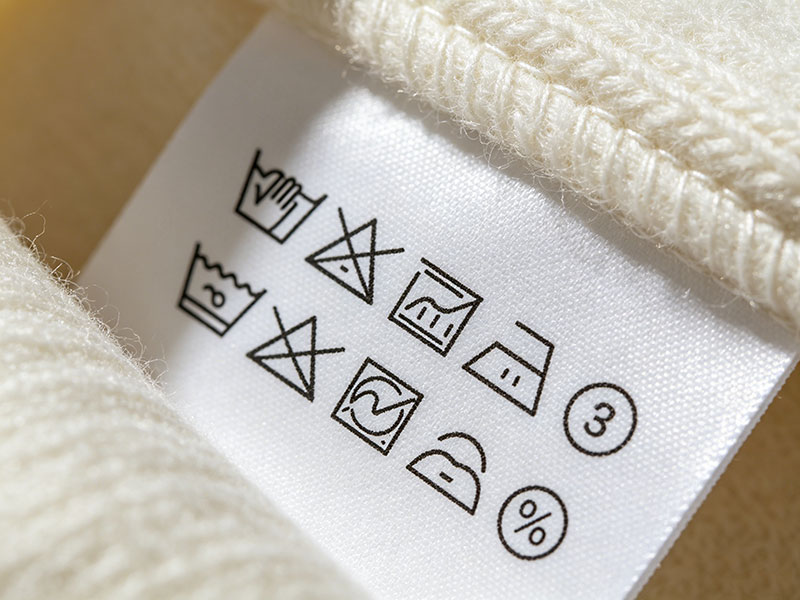
- Care content from brand files.
- Placement by garment construction.
- Comfort review for sheer or delicate garments.
Hangtags

Hangtags support retail presentation and brand storytelling. Jinfeng Apparel reviews hangtag artwork, string type, safety pin or cord method, color matching and attachment point.
Hangtags must be attached consistently so garments arrive ready for warehouse or retail handling.
- Artwork and string type.
- Attachment point and color matching.
- Consistent application before packing.
Barcode Stickers
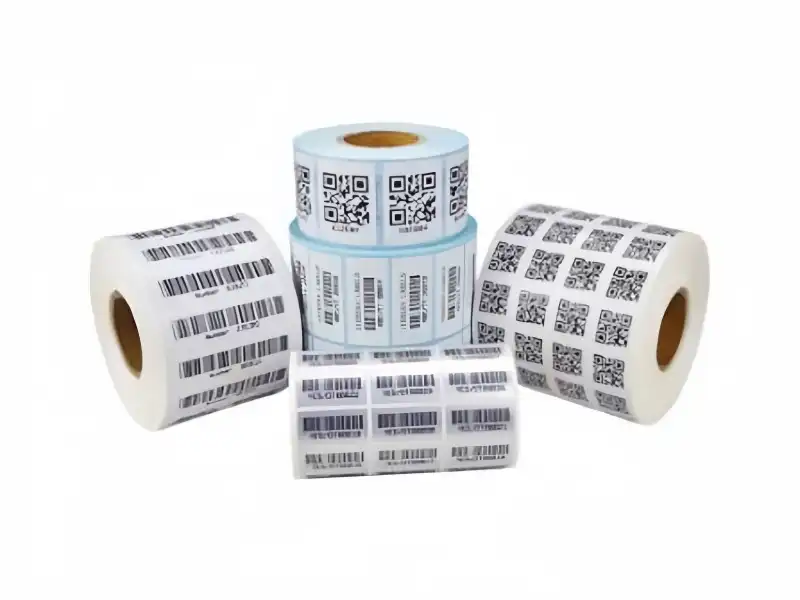
Barcode stickers and SKU labels help inventory control. Jinfeng Apparel checks barcode file, SKU reference, size, color and placement before packing.
For multi-style orders, barcode accuracy is essential because one wrong sticker can create receiving and fulfillment confusion.
- Barcode and SKU file review.
- Size, color and placement check.
- Multi-style packing accuracy.
Polybags

Polybags protect garments during transport and warehouse handling.
Jinfeng Apparel reviews bag size, warning text, sticker placement, folding method and garment thickness. Satin, sequin, velvet and structured dresses may need more careful folding and surface protection.
- Bag size and warning text.
- Sticker placement and folding method.
- Surface protection for sensitive styles.
Carton Marks
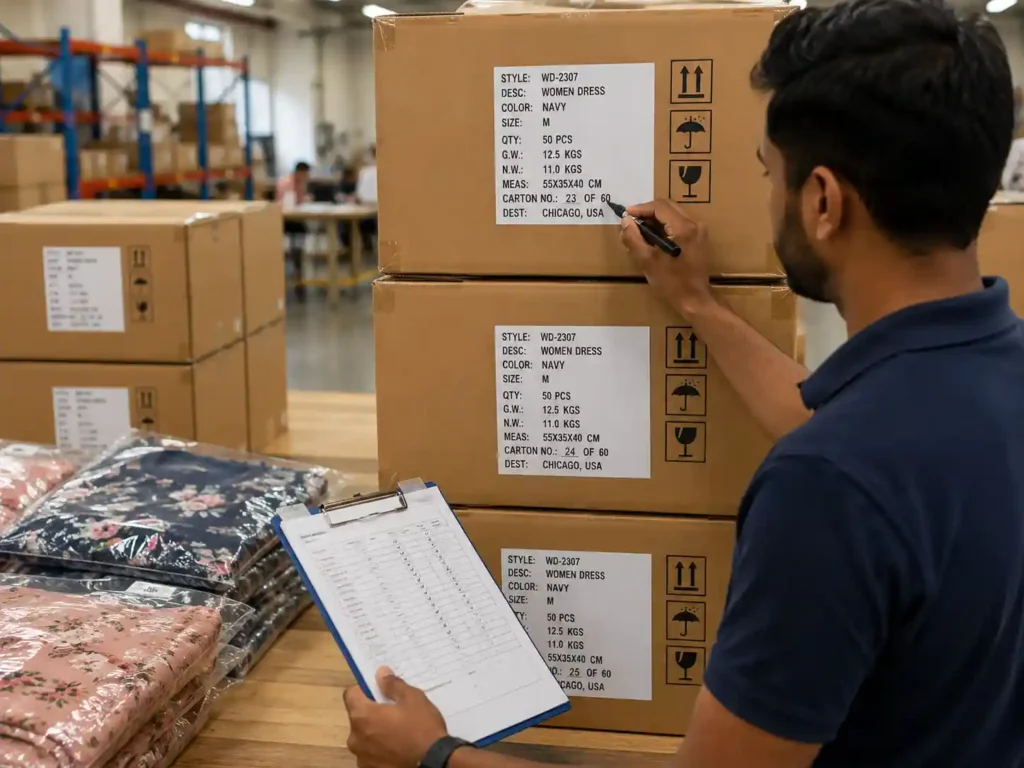
Carton marks help identify style, color, size ratio, quantity and destination information.
Jinfeng Apparel prepares carton marks according to approved packing files. Clear carton marking supports warehouse receiving and reduces confusion when multiple styles ship together.
- Style, color and size ratio data.
- Quantity and destination information.
- Clear carton identification for receiving.
Packing List
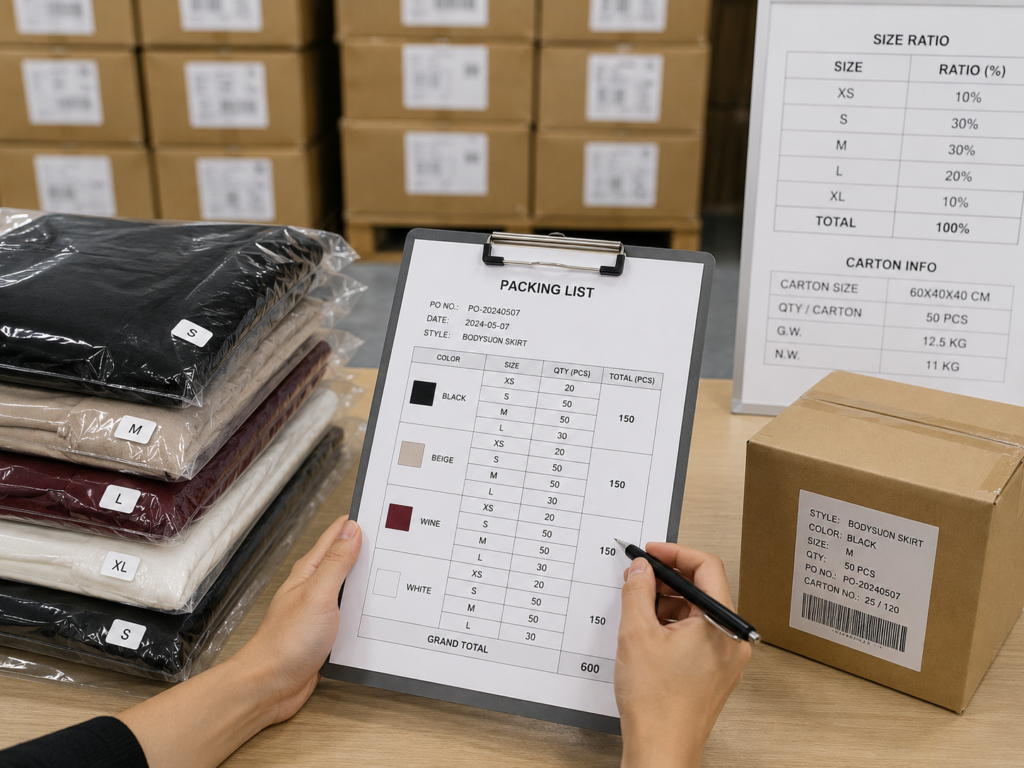
Packing lists summarize style, color, size, quantity, carton count and shipment details. Jinfeng Apparel prepares packing information to support brand-side logistics, freight coordination and warehouse planning. Accurate packing data matters for large multi-style programs.
- Style, color and size breakdown.
- Carton count and shipment details.
- Warehouse and freight coordination support.
Warehouse Labels
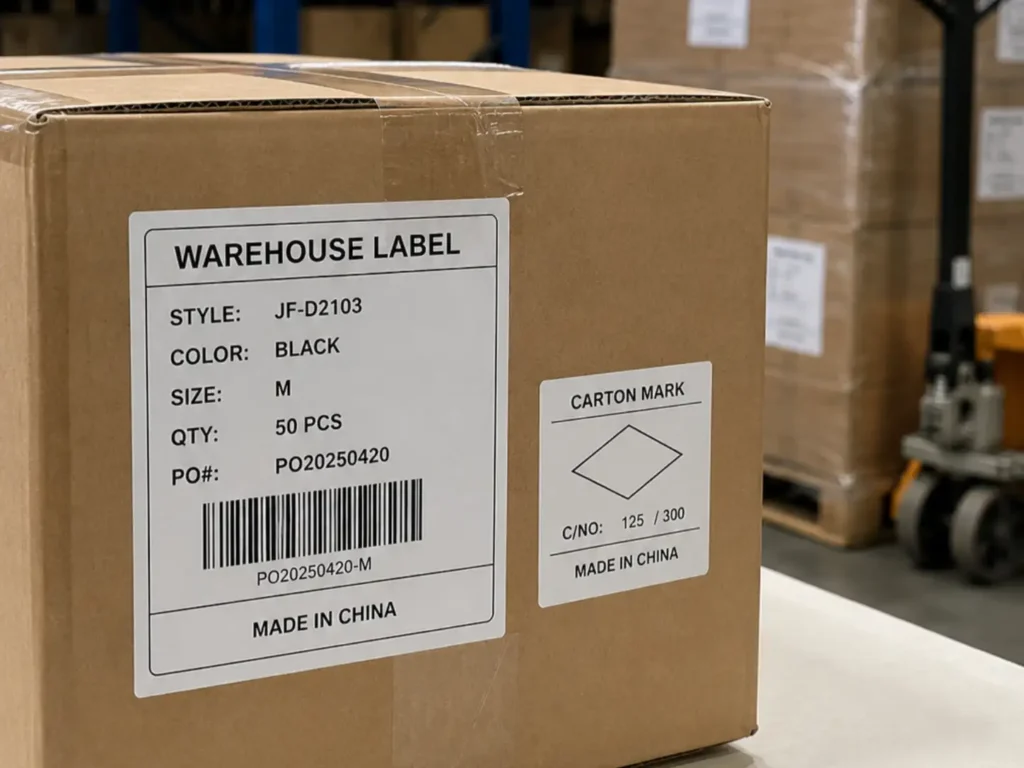
- Warehouse labels and carton stickers.
- Receiving marks reviewed before packing.
- Repacking risk reduced through early confirmation.
Brand Project Examples from Guangdong Production

US Premium Ecommerce Dress Brand
A US online fashion brand prepared a 22-style dress launch covering satin minis, mesh bodycon dresses, corset midis, sequin party dresses and two jumpsuit styles. The planned order was about 48,000 pcs across multiple colors and sizes. The brand’s main risk was sample inconsistency between fitted styles and lightweight fabrics.
- 22 styles / 48,000 pcs / 5 product groups — project data: satin minis, mesh bodycon dresses, corset midis, sequin party dresses and jumpsuits; technical difficulty: fitted styles and lightweight fabrics needed different sample-to-bulk standards; solution: Jinfeng reviewed fabric direction, adjusted grading and confirmed PP samples by category.
- 4 fabric and fit controls — project data: satin handling, mesh transparency, corset structure and jumpsuit movement needed review; technical difficulty: one production method could not protect every style; solution: separate notes were created for satin, mesh, corset and jumpsuit groups.
- Private-label packing / barcode and SKU support — project data: multiple colors and sizes required barcode stickers and SKU labels; technical difficulty: packing mistakes could disrupt ecommerce receiving; solution: labels, polybags and carton records were matched with style/color/size data.
- QC focus across 48,000 pcs — project data: bulk QC focused on measurements, surface marks, zipper strength and packing separation; technical difficulty: visual and fit issues could affect online reviews; solution: QC checkpoints were separated by product group and fabric risk.

Australian Resortwear Brand
An Australian resortwear label planned a 16-style summer collection including printed woven maxi dresses, linen-blend sets, rayon midi dresses, halter tops and lightweight skirts.
The total order was about 31,000 pcs.
The main challenge was fabric behavior: print scale, shrinkage, lining length and packing creases all affected the final look.
- 16 styles / 31,000 pcs / 5 resort groups — project data: printed woven maxi dresses, linen-blend sets, rayon midis, halter tops and skirts; technical difficulty: each soft fabric carried different shrinkage, drape and packing behavior; solution: Jinfeng reviewed swatches and grouped styles by fabric behavior.
- 4 material risks — project data: print scale, shrinkage, lining length and packing creases required review; technical difficulty: resort garments can lose shape after cutting, pressing or shipping; solution: sample comments focused on hem lengths, lining coverage and print placement.
- Style-by-style packing instructions — project data: long dresses and resort sets required clean folding; technical difficulty: soft fabrics crease easily during export delivery; solution: packing standards were adjusted for maxi dresses, sets and lightweight skirts.
- Improved collection consistency — project data: color grouping, length control and folding standards were refined; technical difficulty: mixed fabric groups could create inconsistent final presentation; solution: Jinfeng kept fabric and pattern references for future resort extensions.

UK Occasionwear Label
A UK occasionwear label developed a 28-style eventwear program with lace dresses, satin cocktail dresses, ruched jersey midis, sequin minis and one-shoulder jumpsuits.
The order volume was about 72,000 pcs across several delivery batches.
The brand needed stronger control over fit, lace placement, satin pressing and sequin comfort.
- 28 styles / 72,000 pcs / 5 product groups — project data: lace dresses, satin cocktail dresses, ruched jersey midis, sequin minis and one-shoulder jumpsuits; technical difficulty: each group required different fit, fabric and finish controls; solution: Jinfeng created category-specific QC notes before bulk.
- 4 high-risk controls — project data: fit, lace placement, satin pressing and sequin comfort were priority points; technical difficulty: earlier production could drift across batches; solution: Jinfeng reviewed bodycon measurements, lace motif balance, satin pressing and sequin lining comfort.
- Multi-batch delivery / 72,000 pcs — project data: several delivery batches were needed; technical difficulty: style records had to remain consistent across shipment waves; solution: pattern records, fabric notes, trim details and packing files were controlled by batch.
- Private-label and packing file control — project data: labels, cartons and packing records had to stay consistent across the program; technical difficulty: mixed delivery batches could cause SKU and carton confusion; solution: packing files were reviewed before each shipment release.
Export Delivery Support for Apparel Teams
Quotation Sheet
- Style, fabric and trim assumptions.
- Quantity and packing requirements.
- Delivery timing and cost review.
Tech Pack Comments
- Measurement and construction comments.
- Fabric, trim and lining review.
- Packing details clarified before sampling.
Production Updates
- Fabric readiness and cutting updates.
- Sewing, inline QC and finishing progress.
- Packing and shipment preparation.
QC Feedback
- Material, sewing and measurement feedback.
- Appearance, finishing and packing review.
- Photos and notes when required by project.
Packing Documents
- Carton quantity and breakdown.
- Packing list and carton marks.
- Warehouse and logistics data support.
Shipment Coordination
- Express, air and sea shipment support.
- Client-nominated forwarder coordination.
- Export document preparation by order needs.
From First Sample to Repeat Production
Seasonal Collections
Seasonal collections often include 10–30 styles across dresses, jumpsuits, sets, skirts and tops. Jinfeng Apparel helps organize development by fabric group, silhouette, color story, sample priority and bulk schedule. Structured planning helps brands move from design ideas to production programs with clearer timing.
- 10–30 style collection planning.
- Fabric group and silhouette organization.
- Sample priority and bulk schedule review.
Multi-Style Development
Many brand orders include 10–30 styles in one production program. Jinfeng Apparel supports multi-style order coordination by separating files, BOMs, colorways, size ratios, labels, packing requirements and QC notes for each style. Clear file control reduces mixed-style errors.
- Style-level file separation.
- BOM, labels and QC notes by SKU.
- Reduced risk of mixed-style production errors.
Repeat Orders
- Pattern and fabric notes retained.
- Previous comments reviewed before reorder.
- Bestseller replenishment support.
Multi-Batch Delivery
- Batch planning by style readiness.
- Carton marks and QC records.
- Shipment communication by delivery wave.
Brand Style Continuity
- Fit and measurement continuity.
- Fabric, trim and construction standards.
- Packing detail records for future styles.
Project Review Rhythm
- Fit and fabric feedback review.
- Packing comments and shipment notes.
- Reorder adjustments for future programs.
FAQ About Guangdong Womenswear Manufacturing

Start Your Guangdong Womenswear Project
Jinfeng Apparel helps global fashion brands develop custom womenswear from Guangdong’s mature apparel supply chain. Share your project files with Kelly and our team can review product structure, fabric direction, pattern risk, sample route, MOQ boundary, production planning, QC focus and private-label packing needs.
For a faster review, please prepare:
- Reference images or product sketches.
- Tech pack or size chart, if available.
- Target quantity by style and color.
- Fabric direction or swatch reference.
- Color plan and size range.
- Label, hangtag, barcode or packing files.
- Expected sample timing or launch date.
- Special fit, lining, trim or finishing notes.