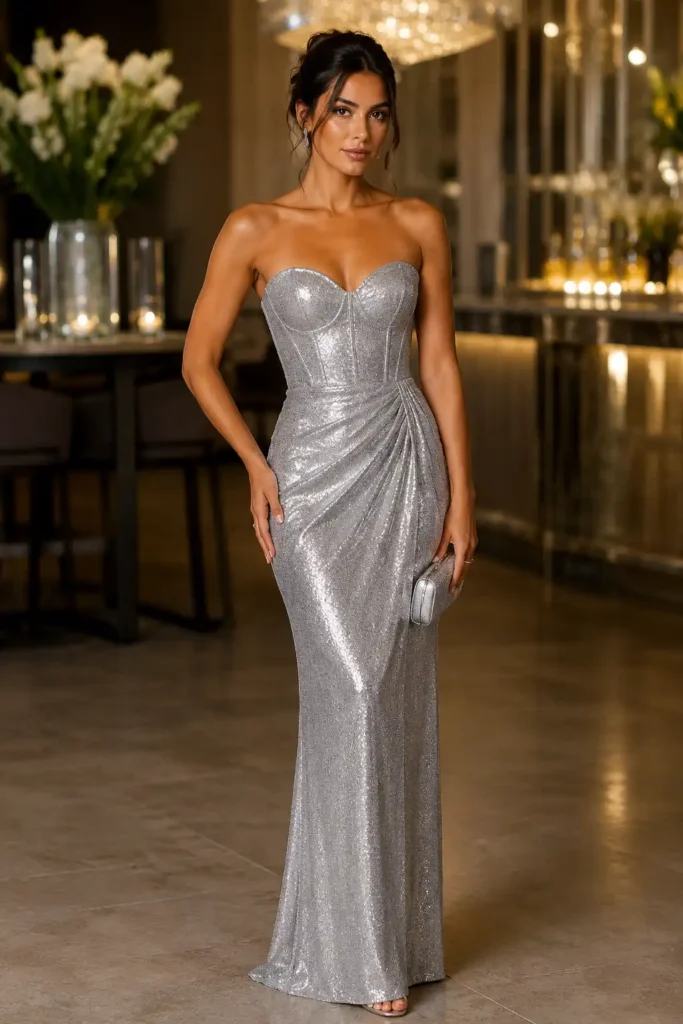
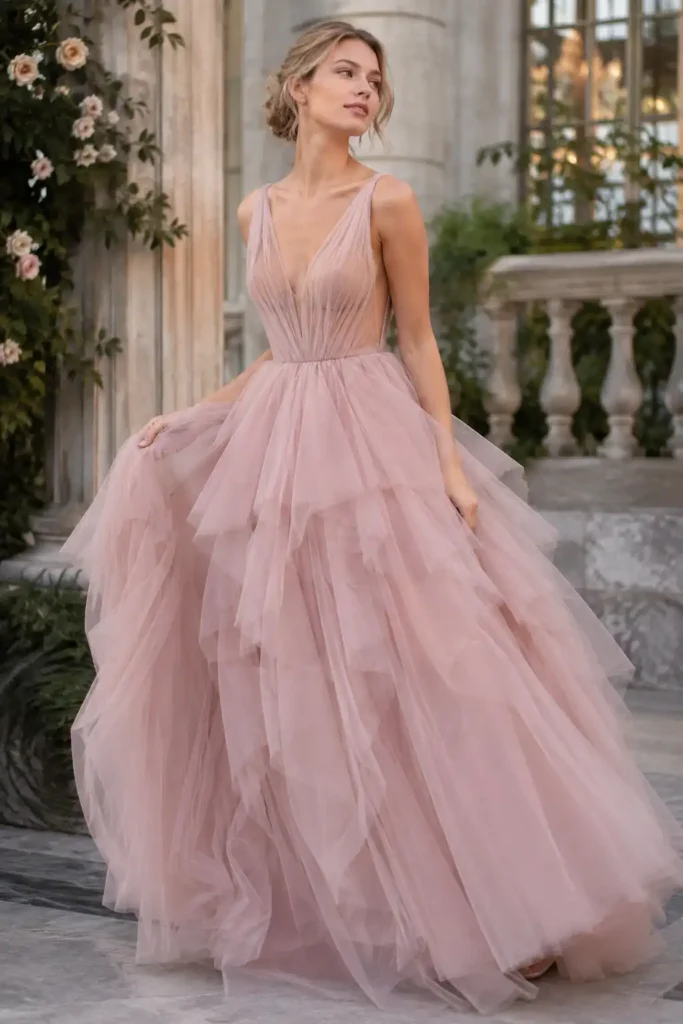
Graduation Capsule Manufacturer

Coordinated graduation-season womenswear development for established fashion brands, from product planning and photo-ready samples to controlled bulk delivery.

  • Support for coordinated 10-30 style graduation programs, with line-sheet review, style grouping and sample priorities managed around the launch calendar.
  • Specialized control for white and light-color dresses, including transparency, lining coverage, clean handling, mini-length safety and photo appearance.
  • Two sample rooms, 7+ senior pattern makers and 20+ sample machinists for fit samples, revised samples, photo-ready samples and PP approval.
  • MOQ starts from 200 pcs per style/color, with multi-style planning based on fabric groups, color groups, construction complexity and production allocation.
  • Private-label delivery covers woven labels, care labels, hangtags, barcodes, SKU labels, polybags, cartons, warehouse marks and export coordination.

Built for Multi-Style Graduation Collection Development

Graduation programs demand coordinated sampling, material control and production scheduling across many styles. Jinfeng Apparel combines development teams, factory allocation and quality supervision to keep every approved style connected to one launch plan.

Since 2008

Jinfeng Apparel has focused on custom women’s fashion development and production since 2008. Long-term experience covers dresses, occasionwear, partywear, matching sets and private-label collections for overseas fashion brands. Graduation capsules benefit from the same structured path: product review, material direction, pattern development, sample approval, production control, packing and export delivery.

Six Owned Factories

Six owned women’s fashion factories provide a production base for woven dresses, stretch garments, occasionwear, matching sets and related fashion categories. Factory allocation is matched to fabric behavior, construction difficulty and order timing, allowing a seasonal program to avoid forcing every style through one unsuitable production route.

Ten-Plus Partners

More than ten long-term satellite production partners add controlled flexibility when a graduation program contains different fabric families or needs staged capacity. Allocation remains project-led rather than volume-led: lace, satin, stretch knit, structured corset and lightweight woven styles can be grouped around the teams most familiar with their construction risks.

Two Sample Rooms

Two sample rooms support parallel development for priority looks, fit corrections, photo samples and PP samples. A multi-style capsule can be divided into clear waves instead of sending every design into one queue. Hero styles and campaign pieces can move first while commercial extensions continue through material confirmation and pattern work.

Seven-Plus Pattern Makers

Seven-plus senior pattern makers convert tech packs, original samples, sketches, reference images and line sheets into production-ready patterns. Their work covers bust, waist, hip, neckline, strap, armhole, dress length, lining length, hem volume and size grading for US, UK, EU, AU and alpha-size systems.

Twenty-Plus Sample Machinists

Twenty-plus sample machinists handle white minis, satin dresses, lace construction, corset structures, halter necklines, strapless support, tulle layers, organza volume and matching sets. Sample making is treated as a technical validation stage, not a decorative prototype stage, so construction records can later support consistent bulk production.

Designed for Brands with Real Graduation Launch Plans

A strong supplier fit begins with a clear product direction, a defined selling window and a realistic production plan. Jinfeng Apparel is structured for seasonal collections that require professional development, approval records and batch manufacturing.

Best Fit Programs

Jinfeng Apparel works best with established fashion brands, premium ecommerce labels, occasionwear businesses, specialty retailers, sourcing offices, merchandising teams and private-label programs that have a clear graduation concept and a planned launch date. Projects may begin from tech packs, line sheets, original samples, sketches or reference images, provided the program has defined product categories, target quantities and development ownership.

  • Multi-style graduation or occasionwear collections
  • Seasonal launch plans with photo and PP sample requirements
  • Orders starting from 200 pcs per style/color
  • Private-label, barcode and warehouse packing requirements
  • Long-term repeat, replenishment or annual seasonal programs

Outside Our Production Model

The production model is not built around academic regalia, individual graduation outfits, ready-stock purchasing, one-piece fulfillment or micro-volume testing. A graduation capsule requires material commitments, pattern work, sample approval, size grading, production allocation and packing control. Programs without a clear quantity plan, sample budget or launch schedule cannot be assessed accurately and often create avoidable cost and timing risk.

  • Graduation caps, gowns, stoles or academic uniforms
  • Ready-to-ship stock dresses
  • One-piece fulfillment or dropshipping
  • Orders below the confirmed style/color MOQ
  • Projects focused only on the lowest unit price

Where Graduation Capsules Commonly Fail Before Launch

Graduation demand is concentrated in a short selling window. Product weakness, sample delays or packing errors can reduce an entire season rather than affect one isolated style. Early risk review protects both product quality and launch timing.

Disconnected Product Mix

A capsule often loses commercial focus when every design follows the same white mini silhouette or when unrelated styles are grouped only by color. A stronger assortment needs hero pieces, reliable volume styles, different fit options and controlled price points. Jinfeng Apparel reviews line-sheet balance before development so fabric groups, construction families and style roles support a coherent graduation story instead of competing with one another.

White Fabric Transparency

White and ivory garments may look acceptable on a hanger but become transparent under daylight, studio flash or movement. Fabric weight alone does not solve the issue. Surface texture, lining shade, lining length, seam placement and body coverage all matter. Material review should compare single-layer appearance, lined appearance, camera exposure and intended underwear compatibility before a sample is treated as ready for approval.

Unsafe Mini Lengths

Graduation looks must work while standing, sitting, walking, climbing steps and wearing a gown. A mini length that photographs well from the front can become too short after the waist rises, the skirt swings or the wearer sits. Pattern review checks front and back length, hip shape, hem balance and size grading so the garment remains youthful without creating avoidable wearability or return problems.

Weak Photo Performance

Graduation capsules depend heavily on campaign images, ecommerce photography and social content. Satin glare, a soft bow, an unstable neckline, an uneven tulle hem or a misplaced waist seam may look much worse under lighting than during a quick factory review. Photo-ready samples need visual assessment from multiple angles, correct pressing and the intended shoes or undergarments before the campaign team approves the final look.

Late Sample Approval

A delayed sample does more than postpone one decision. Fabric booking, trim ordering, PP approval, production allocation, QC time and transport all move closer to the launch date. Multi-style programs need sample priorities based on hero SKU, material readiness, construction complexity and campaign deadlines. Jinfeng Apparel uses grouped development and revision records so critical styles can move first without losing control of the remaining collection.

Inconsistent Bulk Results

Graduation collections expose small variations because light colors, clean silhouettes and close-up photography make defects visible. Shade changes, lining length differences, unstable straps, uneven bows, zipper rippling or mixed packaging can weaken a brand presentation. Bulk standards must connect approved fabric, measurements, sewing methods, labels and packing requirements to inline inspection, final checking and approved reference samples.

What Makes a Graduation Capsule Commercially Complete

A commercial graduation capsule is a coordinated seasonal assortment, not a row of similar white dresses. Product roles, fit options, fabric groups and price architecture need enough variety to create interest without fragmenting development and production.

Hero Styles

Hero styles carry campaign images, homepage placement and social attention. A structured corset mini, oversized bow dress, sculpted satin silhouette or statement tulle shape may create the strongest visual identity. Hero pieces usually involve higher pattern, trim or construction risk, so they should enter development early. Sample priority should reflect campaign dates, fit complexity and material readiness rather than treating every style as equal.

Commercial Core

Commercial core styles support volume, size continuity and repeat potential. Clean A-line minis, skater dresses, lined lace styles, simple satin minis and bra-friendly silhouettes often perform well because they are recognizable, easier to style and accessible across more body types. Core pieces still require precise neckline, waistline, length and lining decisions. Reliable construction should never be confused with generic design.

Fit Extensions

One silhouette cannot serve every graduation shopper. A complete assortment can balance fitted, A-line, skater, corset, halter and matching-set options while controlling shared materials and trims. Fit extensions may also include US, UK, EU, AU, alpha sizing, extended sizes, petite adjustments or tall-length planning according to brand standards. Every extension needs measured grading rather than simple proportional enlargement.

Occasion Extensions

Graduation demand continues beyond the ceremony. Family dinners, school celebrations, photos, brunches, summer parties and homecoming-adjacent occasions extend the selling value of selected styles. Light blue, blush, pale yellow, floral or ivory colorways can broaden the range while white remains the graduation anchor. Occasion extensions work best when they reuse approved patterns, fabric families or trim systems instead of creating an unrelated second collection.

Price Architecture

A strong capsule normally needs more than one construction level. Clean lined minis can support opening price points, while lace placement, corset structure, organza volume, complex bows or layered tulle can support higher tiers. Cost control comes from fabric substitution, construction simplification, color consolidation, cutting layout and size-ratio planning without weakening the brand-level appearance. Unit price cannot be separated from fabric, lining, labor, trims, packaging and order structure.

Repeat Potential

Graduation demand returns every year, making record retention commercially valuable. Jinfeng Apparel can retain pattern references, fabric details, trim placement, measurement files, packing requirements and approved sample records for future production. Successful silhouettes can return in a new color, a new fabric, a refined neckline or a slightly updated length, reducing unnecessary redevelopment while protecting the fit standard that already proved workable.

Graduation Styles We Develop for Fashion Collections

Graduation capsules can combine clean commercial silhouettes with selective statement pieces. Every style below has a different role, fabric direction and manufacturing risk, allowing a brand to build variety without losing one coherent seasonal identity.

White Mini Dress

A white mini is the commercial anchor for many graduation collections. Product success depends on more than a clean silhouette: the fabric must remain opaque under daylight and camera flash, the lining must cover the body without pulling, and the hem must stay safe while sitting and walking. A-line, fitted and softly flared versions can share a color story while using different pattern and lining solutions.

Satin Mini Dress

Satin brings polish and strong photography value, but every surface irregularity becomes visible. Fabric direction, seam tension, zipper installation, pressing, lining and packing need disciplined control. Matte satin can create a quieter premium appearance, stretch satin can support fitted shapes, and heavier satin can hold sculpted silhouettes. Bias sections, draped fronts and curved seams should be sampled in the actual fabric before production standards are locked.

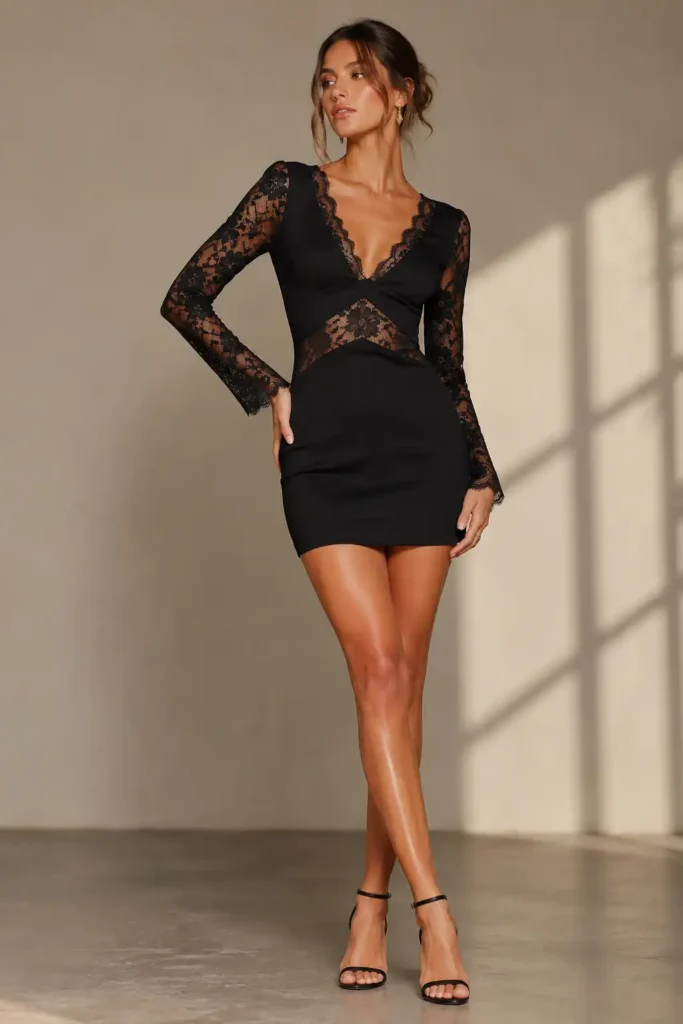
Lace Mini Dress

Lace adds occasion value and feminine detail without requiring a full formalwear structure. Flower placement, seam matching, edge treatment, transparency and lining color determine whether the dress looks refined or inexpensive. Scalloped edges may need careful layout, while engineered placement can increase material consumption. The lining should support modesty without hiding the lace pattern, and bulk cutting must control motif direction and panel consistency.

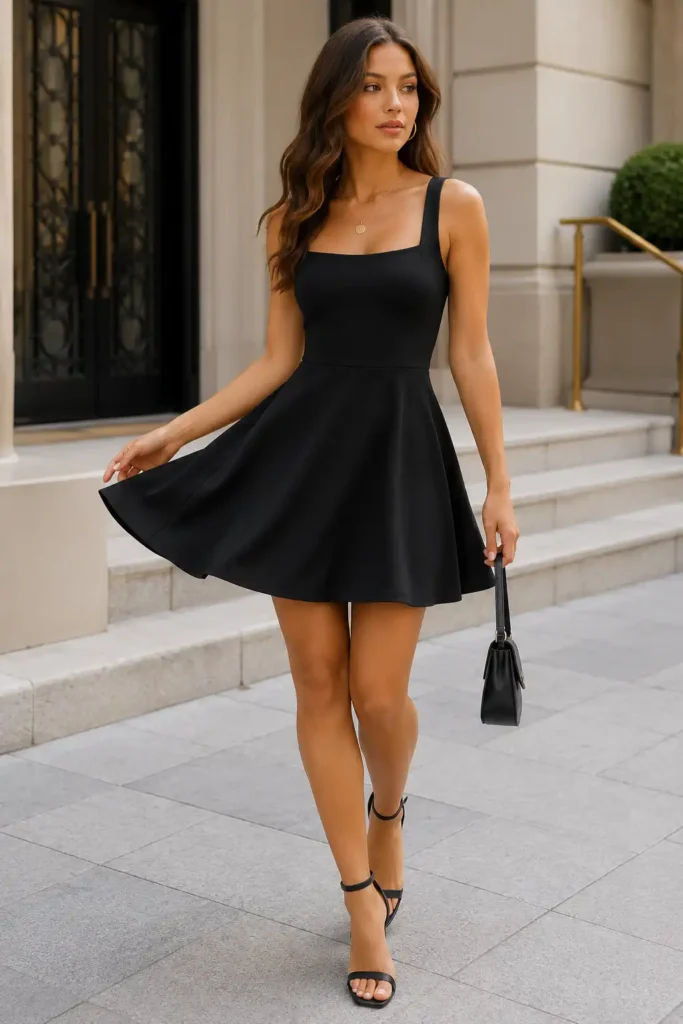
A-Line Dress

A-line graduation dresses offer broad commercial appeal because they create waist definition while allowing comfortable hip and thigh movement. The pattern must balance front length, back length, waist position and skirt volume so the silhouette photographs cleanly and remains stable under a graduation gown. Structured cotton blends, satin, crepe and lined woven fabrics can create different price and appearance levels from one recognizable shape.

Skater Dress

A skater dress adds youthful movement and works well for ceremonies, photos and celebrations. The skirt should flare evenly without excessive volume at the waist. Fabric weight affects how the hem falls, while lining construction affects lift and comfort. Length grading is important because a short base size can become unsuitable when scaled. Waist seam stability and zipper transition also need attention when the bodice is fitted.

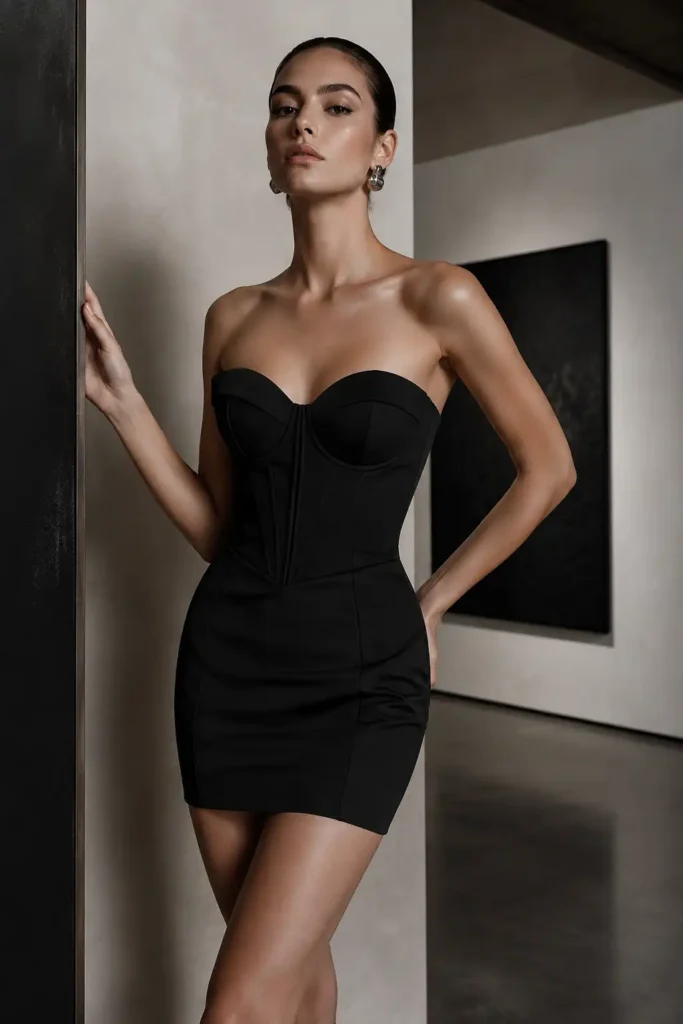
Corset Mini Dress

Corset minis can become powerful campaign styles when bust shape, support and comfort are balanced. Cup position, upper bust, under bust, boning, neckline depth, back construction and anti-slip features require technical review. A visually dramatic front should not create gaping, pressure points or restricted movement. The sample stage must confirm support with the intended fabric and lining before size grading and bulk sewing methods are approved.

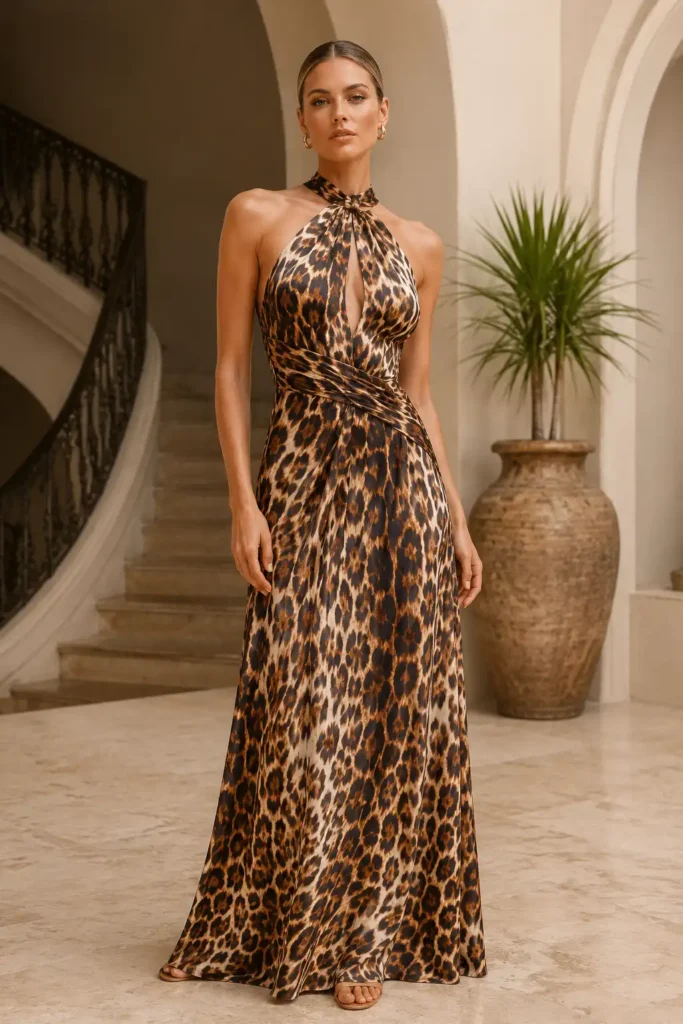
Halter Dress

Halter dresses create a clean shoulder line and strong summer relevance. Neck tension, bust support, side coverage, back position and fastening security affect comfort and confidence. Soft satin, chiffon, crepe and lightweight woven fabrics can produce very different results. A halter that looks balanced on a mannequin may pull at the neck or expose the underarm on a moving body, making fit trials essential before production.

Strapless Dress

Strapless graduation dresses need secure support without looking heavy. Internal structure may include boning, grip tape, shaped lining, cup support or reinforced seams depending on the silhouette. The neckline must remain level, the upper body must avoid gaping, and the waist must carry enough support to reduce downward movement. White strapless styles require additional attention to lining coverage and clean handling throughout production.

Bow Detail Dress

Bows create recognizable visual identity for campaign images and special drops. Proportion, placement, stiffness, attachment and packing method determine the final effect. A bow that is too soft collapses in photography; one that is too rigid can distort the garment or crease in transit. Fabric backing, internal support and attachment points should be reviewed during sampling, followed by packing tests to protect shape during warehouse delivery.

Tulle Dress

Tulle can add light volume, youthful movement and homecoming-adjacent appeal. Layer count, mesh softness, gathering density, lining, hem leveling and snag control all influence quality. More layers do not automatically create a better silhouette; distribution matters. Tulle should be checked for holes, uneven gathers and trapped threads during production, while packing must limit compression that can flatten the intended skirt shape.

Organza Dress

Organza supports architectural volume, puff details and crisp overlays. It also creases easily and can show seam bulk or edge problems. Seam selection, edge finishing, underlayer color and pressing method need to match the design. Structured bows, bubble hems and sculpted skirts often benefit from organza, but the garment must be packed with enough protection to avoid sharp folds before photography or retail display.

Matching Set

A coordinated top-and-skirt set expands styling value and can extend sales beyond the ceremony. Waist alignment, top length, skirt rise, closure placement and shared color consistency must be planned as one outfit. Matching sets can reuse the same fabric family as core dresses, improving material efficiency while creating a distinct SKU. Separate size needs, labeling and pack configuration should be confirmed before bulk production.

Graduation Capsule Structures for Different Retail Plans

Style count should follow channel, launch budget, fabric strategy and planned depth per SKU. The examples below provide a starting structure for line-sheet planning, not a fixed requirement for every collection.

Capsule PlanStyle CountRecommended StructureProduction Focus
Focused Graduation Drop6-8 styles2 core white minis, 1 satin style, 1 lace style, 1 fit alternative, 1-3 visual extensionsConcentrated fabric groups, clear hero SKU, strong size depth
Full Seasonal Capsule10-14 stylesWhite core, satin, lace, A-line, corset, halter, bow detail, matching set and color extensionsGrouped sampling, shared materials, planned photo and PP priorities
Multi-Channel Program15-20 stylesHero styles, commercial styles, online exclusives, retail variants and selected occasion extensionsFactory allocation, color/size planning, split packing and staged delivery


Fabrics Selected for Graduation Appearance and Control

Graduation fabrics need to perform under daylight, studio lighting, movement and close-up photography. Material selection should consider drape, opacity, structure, comfort, pressing, packing and bulk consistency rather than appearance on a small swatch alone.

White Satin

White satin creates a polished, photo-ready surface for minis, slips, structured bodices and draped styles. The main risks are transparency, glare, snagging, seam puckering, shade variation and pressing marks. Matte satin can reduce harsh reflection, stretch satin can support fitted silhouettes, and heavier satin can hold shape. Fabric direction and panel cutting must stay consistent so light does not expose visual variation across the garment.

Lace

Lace offers detail and occasion value across fitted minis, A-line dresses, sleeves, panels and overlays. Selection should consider motif scale, softness, transparency, stretch, edge shape and lining compatibility. Flower placement can change the visual balance of the bodice and skirt, while scalloped edges affect marker planning. Bulk inspection should check holes, skipped motifs, uneven placement and damage before the fabric reaches sewing.

Chiffon

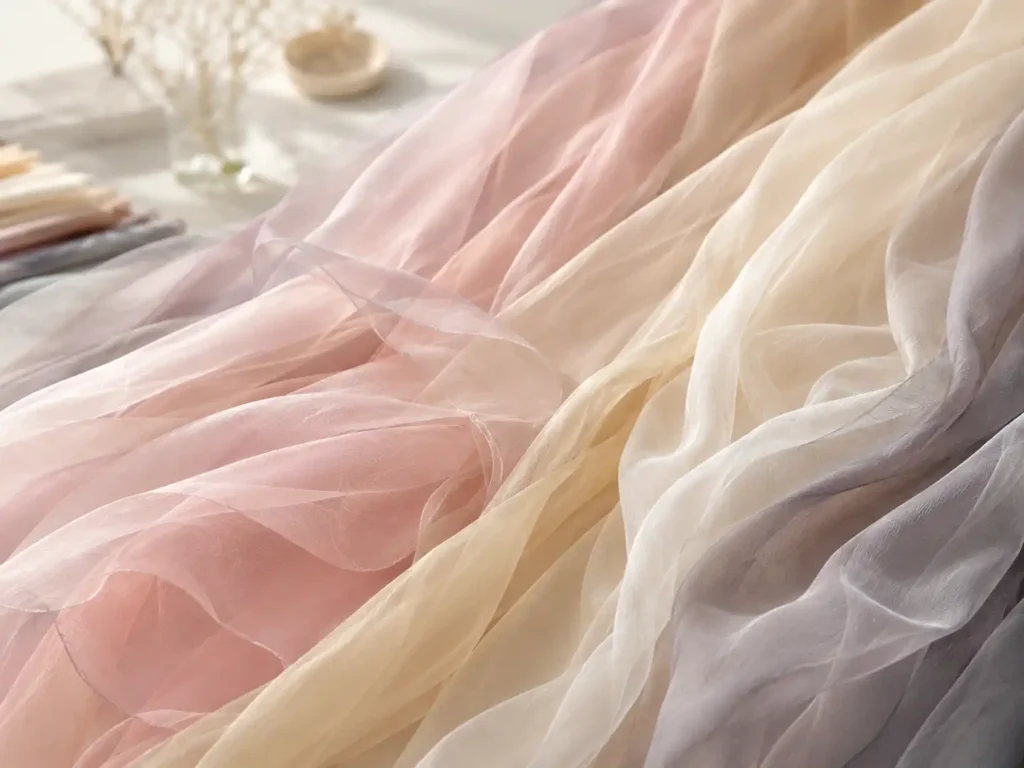
Chiffon supports lightweight movement, layered skirts, sleeves, overlays and soft occasion silhouettes. Transparency, edge stability, seam appearance and hem balance require careful construction. The lining should provide coverage without making the garment heavy. Chiffon can shift during cutting and grow along bias sections, so sample and bulk control must account for resting, panel alignment and final hem leveling before packing.

Tulle

Tulle creates volume and youthful energy for statement skirts and homecoming-adjacent styles. Mesh softness, hole size, recovery, layer count and color matching influence both appearance and comfort. Gather density should be distributed evenly, and the underlayer must prevent scratchiness. Production checks focus on holes, uneven layers, trapped threads, inconsistent fullness and compression during packing that could flatten the approved silhouette.

Organza

Organza is useful for sculpted bows, puff details, overlays, bubble shapes and crisp A-line volume. The fabric can crease, fray and show seam bulk, so edge treatment and pressing methods need development. Underlayer color affects transparency, while reinforcement may be required at high-stress attachment points. Packaging should avoid hard folds across visible panels or structured details that need to arrive with shape intact.

Cotton Blends

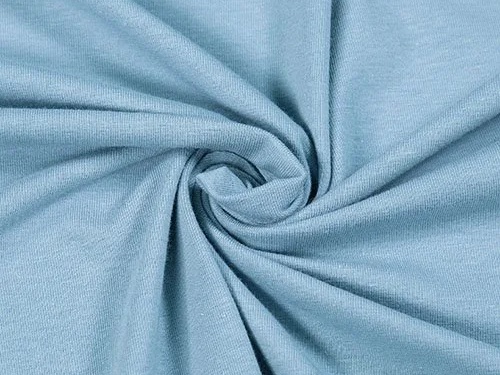
Cotton blends bring a clean daytime character for ceremony dresses, fit-and-flare shapes and relaxed summer extensions. Fabric weight, weave density, shrinkage, wrinkle recovery and opacity should be checked before approval. A crisp blend can support polished A-line shapes, while a softer blend can create casual movement. Pre-production testing and lining decisions help control shrinkage, show-through and appearance after pressing or transportation.

How We Control White and Light-Color Dresses

White and pastel products expose risks that darker garments can hide. Transparency, staining, shade variation, lining boundaries and handling marks must be controlled from fabric review through final packing, not left for a last inspection.
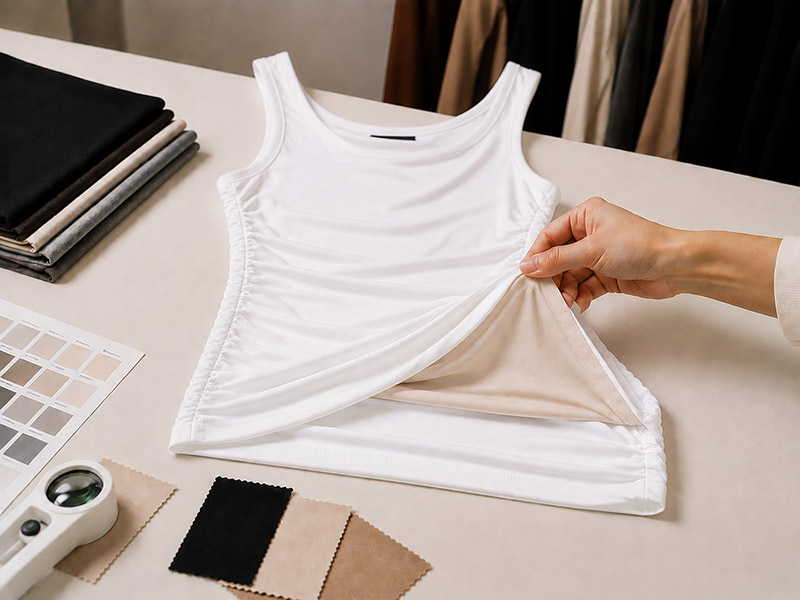
Opacity Under Real Light

Material review compares the shell fabric alone, the proposed lining combination and the finished sample under normal room light, daylight and stronger photo lighting.

A swatch held in the hand does not show how the fabric behaves over seams, darts, pockets, underwear or body contours. Opacity decisions also consider color: bright white, ivory and pale pastels may require different lining shades to avoid a visible grey or yellow cast.
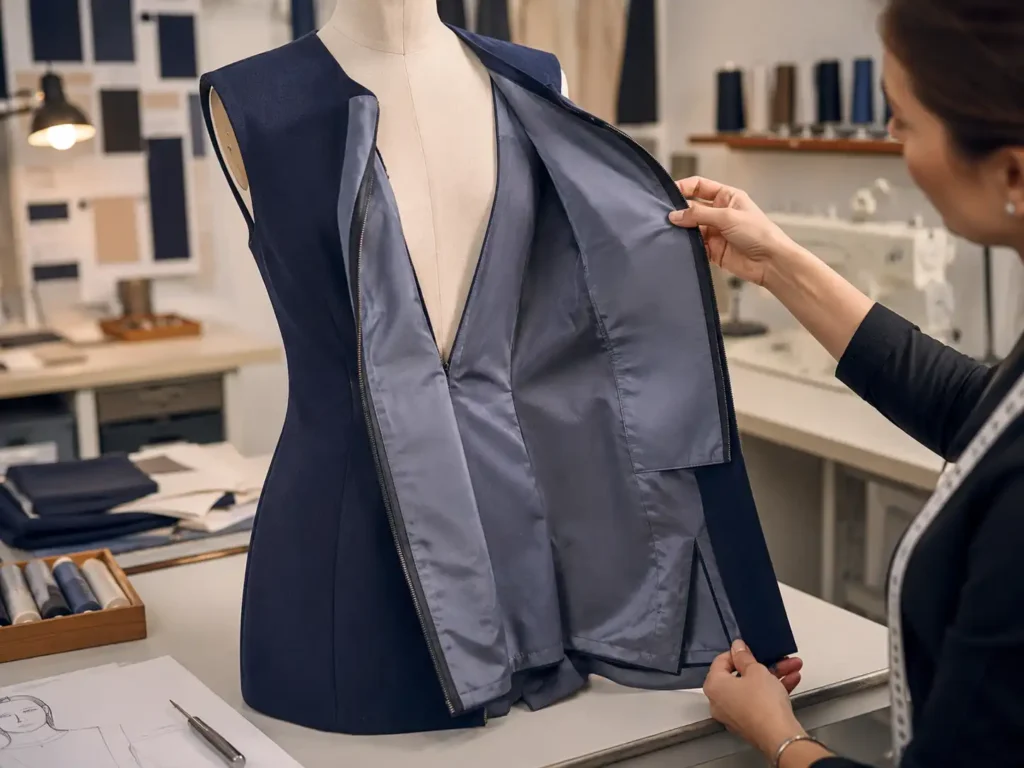
Lining and Coverage

Lining should support opacity, comfort and structure without changing the intended silhouette. Key decisions include lining color, stretch, weight, length, neckline coverage, underarm coverage and attachment method.

Mini dresses need enough lining length for movement, while fitted bodices need a lining that does not roll or pull. Corset, strapless and halter styles may require shaped support rather than a simple hanging layer.

Clean Production Handling

White fabric and cut panels require cleaner handling because oil, chalk, dust, thread marks and contact stains remain visible. Material inspection should separate stained or shade-inconsistent areas before cutting. Cut bundles, semi-finished garments and finished pieces need organized storage and controlled movement between operations. Cleaning should never become the primary strategy; prevention protects fabric surface, avoids rework and reduces the risk of a mark reappearing after pressing.

Shade and Component Match

Shell fabric, lining, lace, mesh, zippers, thread, labels and trims can each read differently against white. A component that looks close in isolation may appear yellow, grey or blue when assembled. Shade review should use the intended combination rather than approving parts separately. Repeat orders also need fabric and trim references because “white” is not one universal color across suppliers or production batches.

Pressing and Surface Care

Satin, organza and light-colored woven surfaces can show shine, water marks, seam impressions or heat damage after aggressive pressing. Pressing standards should match the material and construction, especially around darts, zipper seams, boning, bows and layered hems. Garments should cool and recover before final assessment. Visible surface distortion at packing stage often traces back to pressing pressure, temperature or folding decisions.

Clean Packing

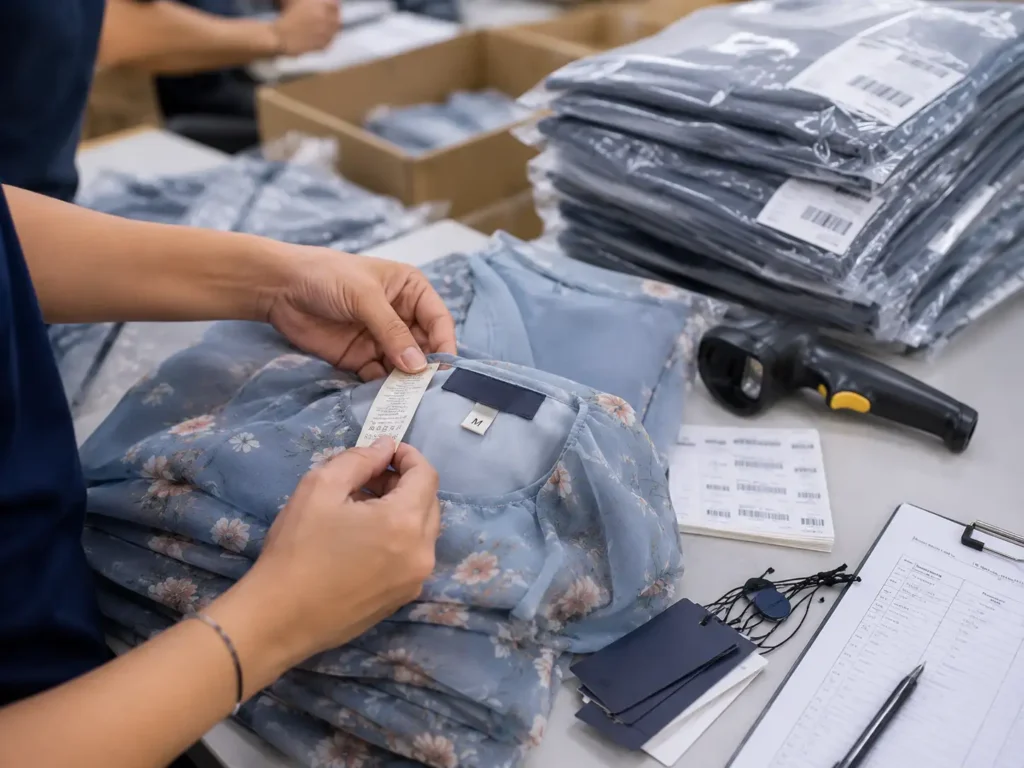
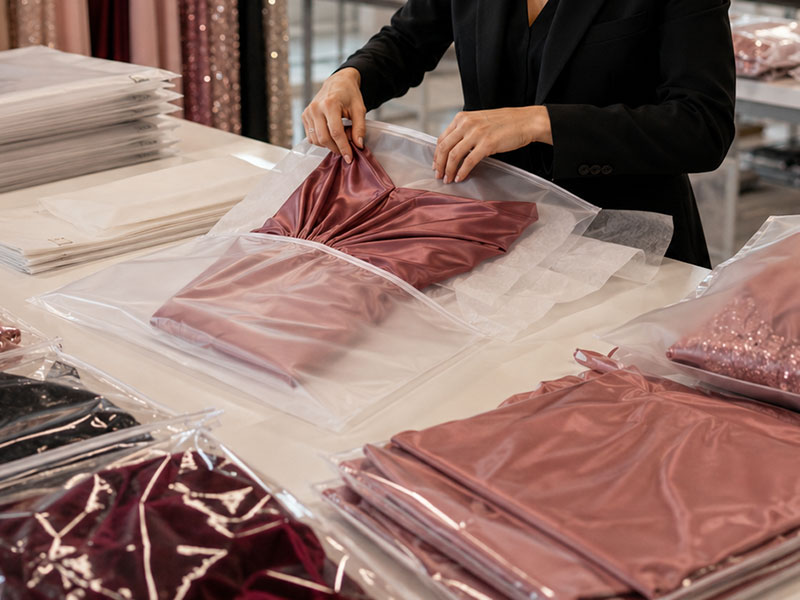
Packing checks cover thread trimming, stain review, correct hangtag position, protected embellishment, fold placement, polybag cleanliness and carton condition. Structured bows, tulle skirts and organza details may need tissue, shape support or a different fold. SKU and size labels must remain accurate, but adhesive labels should never contact delicate garment surfaces. Clean packing preserves the work completed during sewing and finishing.

Fit Engineering for Ceremony, Photos and Celebration Wear

Graduation dresses need visual impact, wearing security and repeatable sizing. Pattern decisions are tested around standing, sitting, walking, stairs, arm movement and gown layering so a strong campaign image does not create avoidable fit or return issues.

Mini Length Safety

Dress length is reviewed at center front, center back and side seam, with attention to waist rise, hip shape and skirt movement. A fitted mini may lift differently from an A-line mini, and the same base length cannot be applied blindly across both. Grading should protect coverage as sizes change. Fit review also considers sitting, bending and walking rather than relying only on a front-facing standing image.

Bust and Neckline

Bust fit includes upper bust, full bust, under bust, cup position, neckline depth and side coverage. Halter, strapless, corset and low-neck styles need different support strategies. A secure neckline should avoid gaping or pressure while preserving the intended visual line. Bra-friendly programs may require wider straps, back coverage or internal positioning adjustments, while statement styles may use cups, boning or grip support.
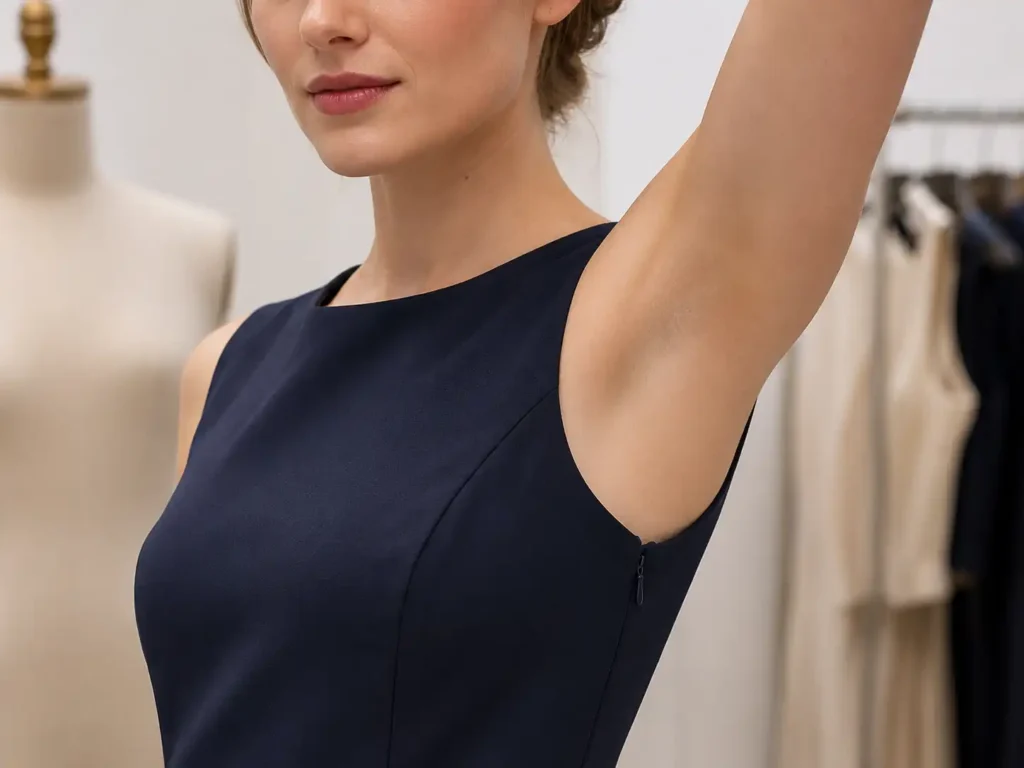
Underarm Coverage

Armhole shape affects both comfort and exposure. A high armhole can restrict movement or cut into the body, while a low armhole can reveal undergarments and create side gaping. Pattern review checks strap position, side seam, bust shaping and neckline together because changing one area often affects another. White and pale garments make underarm coverage especially important in close-up photography.
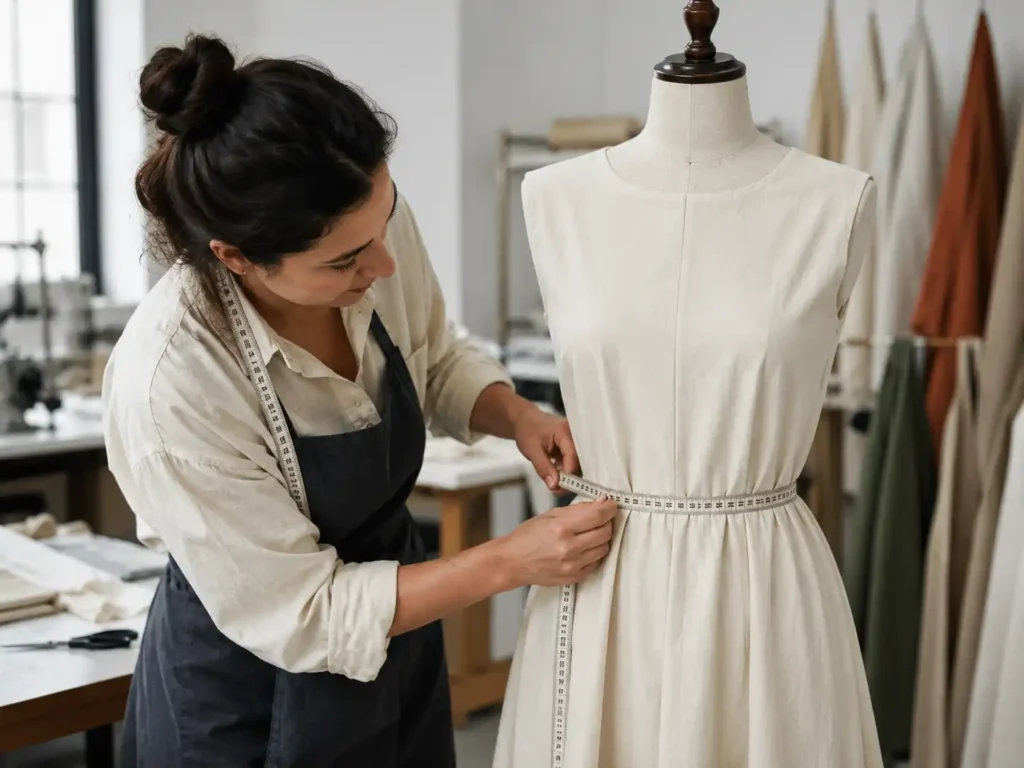
Waistline Placement

Waistline position controls the overall proportion of a graduation look. A waist set too high may shorten the bodice and lift the hem; one set too low may weaken shape and create excess fabric. Structured bodices, A-line skirts, skater silhouettes and matching sets each need a different balance. Fit comments should identify the visual and measurement change rather than saying only “raise” or “lower” without a target.

Skirt and Hem Balance

Hem balance is checked from front, side and back, especially for circular skirts, bias sections, layered chiffon and tulle. Fabric can relax after cutting or sewing, changing the final level. Skirt volume should distribute evenly without pulling at seams or adding unwanted bulk at the waist. Final leveling should happen after the garment has rested and after the approved pressing method has been applied.

Size Range Control

Jinfeng Apparel can develop US, UK, EU, AU and alpha-size systems such as XS-XL, with extended, plus, petite or tall adjustments according to supplied brand standards. Size grading should preserve neckline, waist position, strap length, hem safety and visual proportion rather than simply enlarging every measurement by one rate. The approved size chart and tolerance standard become part of sample and bulk QC records.

From Design Reference to Photo-Ready Graduation Samples

Sample development turns a line sheet into measurable production standards. Multi-style graduation programs are grouped by priority, fabric readiness and construction difficulty so campaign styles can move early while remaining looks continue through controlled review.

Project Review

Development begins with reference images, tech packs, original samples, sketches or line sheets. The team reviews silhouette, neckline, length, closure, lining, fabric direction, color plan, size range, target quantity, target price, packing needs and launch date. Missing information is identified before quotation or pattern work. A clear review avoids producing an attractive sample that cannot meet the intended cost, fit or production requirements.

Material Direction

Fabric and trim direction is confirmed around appearance and manufacturing behavior. White satin, lace, chiffon, tulle, organza and cotton blends need different lining, seam, pressing and packing decisions. Material alternatives may be proposed when the first option creates excessive transparency, supplier MOQ, cost or lead-time risk. Final timing depends on style complexity and material readiness rather than one fixed promise for every design.

Pattern Development

Pattern makers convert design information into a testable garment structure. Work covers bust, waist, hip, neckline, armhole, strap, dress length, lining length, hem volume and closure placement. Complex styles may require internal support, shaped cups, boning, layered panels or engineered gathers. Pattern notes remain connected to the sample version so later corrections can be carried into grading and bulk production files.

First and Fit Samples

A first sample checks the initial translation of design, fabric and construction. A fit sample focuses on body proportion, movement, measurements and wearing security. Neither should be treated automatically as the final bulk standard. Review includes measurement comparison, front/side/back appearance, sitting and movement feedback, camera behavior where relevant, and a written list of changes for the next sample version.

Photo-Ready Sample

A photo-ready sample must look correct under intended campaign conditions. Fabric surface, color, pressing, bow shape, skirt volume, neckline, strap position and length are reviewed for still images and movement. Photo needs may require an earlier priority wave, especially for hero styles. A photo sample supports content production but does not replace PP approval when material, measurement, sewing or packing details remain open.

PP and Golden Standards

The PP sample locks approved fabric, color, trims, measurements, sewing method, label placement and packing direction before bulk production. A golden sample can then serve as the physical reference for production, QC and repeat orders. Changes after PP approval require formal assessment because they may affect material orders, patterns, production files, cost and timeline. Approval discipline protects consistency across 10-30 style programs.

Plan Sampling and Production Around Graduation Launch

The timing guide below suits a coordinated seasonal program and should be adjusted after style count, material availability, sample complexity, order quantity, packing and destination are reviewed. Earlier confirmation provides more room for approval and logistics decisions.

Recommended WindowMilestoneMain DecisionsRisk if Delayed
Launch -24 to -20 weeksCapsule briefStyle count, product roles, target quantity, size range, channels, campaign datesUnclear assortment and repeated scope changes
Launch -20 to -16 weeksMaterial and first samplesFabric groups, lining, trims, priority styles, first pattern directionLate material commitment and missed photo priorities
Launch -16 to -12 weeksFit and photo revisionsMeasurements, coverage, length, bow/volume, surface appearance, campaign sample approvalCampaign delay and compressed PP review
Launch -12 to -10 weeksPP lockFinal fabric, color, trim, size chart, sewing, labels, packing and production filesProduction cannot start with stable standards
Launch -10 to -6 weeksBulk productionMaterial receipt, cutting, sewing, inline inspection and production updatesReduced correction time and rushed finishing
Launch -6 to -4 weeksFinal QC and packingMeasurements, appearance, SKU labels, packing, carton marks and inspection planWarehouse errors or insufficient inspection window
Launch -4 weeks onwardShipment and receivingAir, sea or split plan; freight cut-off; destination documents; warehouse appointmentProduct arrives after the strongest selling period

Scalable Production for Multi-Style Seasonal Programs

Graduation programs need enough capacity without losing style-level control. Jinfeng Apparel allocates factories, production lines and QC responsibility according to fabric, construction, volume and approved timing rather than treating every style as one identical order.

Style Group Allocation

Satin, lace, stretch knit, chiffon, tulle, organza and structured corset products do not create the same production demands. Styles are grouped by fabric family, pattern complexity, trim system and sewing method before allocation. Shared materials may improve control, but visually similar designs can still require different teams when construction risk changes. Allocation aims to protect approved appearance and repeatability, not simply fill available lines.

Multi-Style Coordination

Project tracking can cover style number, product, color, size range, quantity, fabric status, trim status, sample status, PP status, cutting, sewing, inspection and packing. A 10-30 style program is easier to manage when each SKU has an approval status and responsible owner. Revision records and production files reduce reliance on scattered chat messages or memory during a busy seasonal schedule.

Peak-Season Booking

Graduation demand overlaps with spring and summer occasionwear production. Fabric, sample capacity, production slots, QC windows and shipping space should be planned before the selling season becomes urgent. Jinfeng Apparel operates six owned factories, works with more than ten long-term production partners and maintains over 100,000 pieces of regular monthly capacity, while actual allocation remains subject to style and schedule review.

Repeat and Replenishment

Approved patterns, fabric references, trim details, measurement files, packing rules and golden sample records can support repeat production. Replenishment still requires material availability and schedule confirmation, especially for custom colors or special lace. Core white styles may be planned with repeat potential, while statement items can be reviewed against sales before a second run. Reliable records shorten avoidable redevelopment without promising instant production.

Graduation-Specific Quality Checks Before Packing

Graduation quality control focuses on the details most visible in light colors, short silhouettes and campaign photography. Inspection begins with materials and continues through cutting, sewing, finishing, packing and final sampling rather than relying only on a pre-shipment check.

White Cleanliness

White and ivory fabric is checked for stains, oil marks, dirt, shade change and handling damage before cutting and again through sewing and finishing. Finished garments are reviewed under suitable light after pressing. Prevention remains the priority because spot cleaning can alter surface appearance, leave rings or create a new shade difference on satin and delicate woven materials.

Transparency and Lining

QC compares shell, lining and finished garment coverage in key areas such as bust, waist, hip and hem. Lining length, attachment and color should match the approved standard. A garment may pass measurement but still fail wearability if the lining rides up, shows a hard boundary or becomes visible through the shell under stronger lighting.

Bust and Underarm

Strapless, halter, corset and fitted bodices are reviewed for neckline stability, gaping, cup position, strap security and underarm coverage. Measurement points are checked against the approved chart, while construction is compared with the PP or golden sample. The goal is consistent support and coverage across the size range, not only an acceptable base-size sample.

Mini Length Safety

Dress length is measured at approved points and reviewed for front/back balance. Waist seam placement, hip shape, hem turn and skirt volume can alter perceived and actual coverage. Size grading should not produce unexpected shortening in larger sizes. Random finished-garment checks compare measurements and silhouette so a commercial mini remains aligned with the approved fit standard.

Waist and Hem Balance

Waist seams, darts, gathers, panels and skirt attachment are checked for symmetry and smooth transition. Circular, bias, chiffon and layered skirts may need resting and final leveling before inspection. Uneven hems, twisted seams or displaced waistlines become especially visible in clean white photography, making balance checks important before the garment is folded and packed.

Detail Construction

Bows, lace edges, tulle layers, organza panels, boning, cups, straps and decorative trims are compared with the approved sample for placement, proportion and security. Detail inspection also considers bulk appearance: a bow may be attached firmly yet still fail if shape varies widely across pieces. Construction records and clear visual references help QC judge both function and presentation.

Zipper and Seams

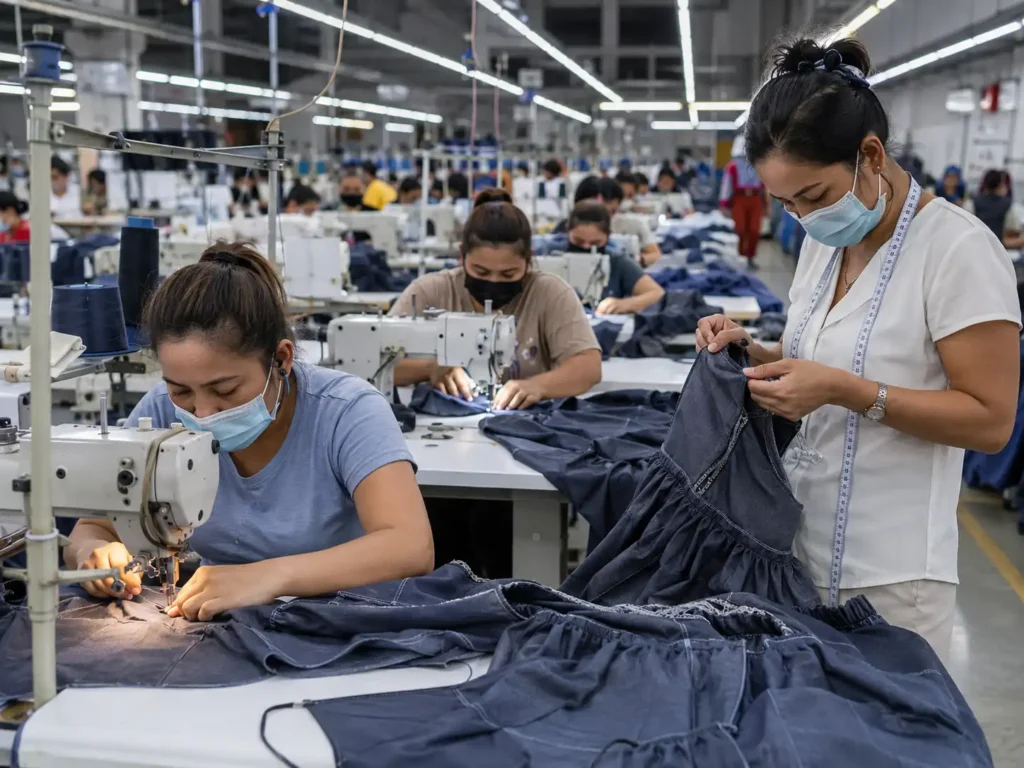
Invisible zippers are reviewed for smooth operation, top alignment, seam rippling and trapped fabric. Satin and light woven seams are checked for puckering, tension marks and surface distortion. Stress areas such as side seams, strap attachment and waist joins receive additional attention. Sewing quality is assessed during production so repeated defects can be corrected before the full quantity reaches finishing.

Packing Accuracy

Final packing checks include label position, size label, care label, hangtag, barcode, SKU sticker, polybag, fold, carton breakdown and carton mark. Delicate bows, tulle and organza need shape protection. AQL inspection, client inspection coordination and final document review may be used according to the agreed plan. AQL sampling is not presented as the same process as 100% checking.

Private-Label Packing for Retail and Ecommerce Delivery

Retail-ready delivery connects product quality with accurate SKU handling. Labels, barcodes, polybags, carton ratios and warehouse marks are treated as production data, not decorative additions completed after the garments are finished.

Woven and Size Labels

Woven main labels and size labels need approved artwork, dimensions, color, folding method and placement. White or light garments may require attention to label show-through or scratchiness. Size labels must match the garment, pack list and carton breakdown. Label attachment should remain clean and secure without distorting the neckline, waistband or other visible areas.

Care and Fiber Labels
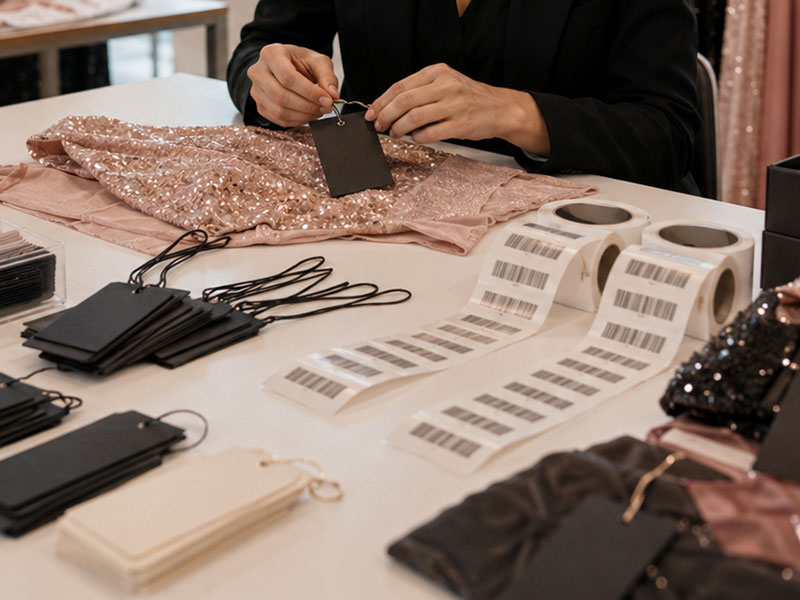
Care labels carry fiber content, care instructions, country-of-origin information and other market requirements supplied or approved by the brand. Text, symbols, language, label material and placement should be checked before production. A label can be physically correct yet commercially unusable if the content, market format or SKU assignment is wrong, making artwork approval and version control important.

Hangtags and Strings

Hangtag production may include brand artwork, size, color, style number, retail information or campaign messaging. String type, attachment location and direction should avoid marking delicate satin, lace or organza. Hangtags should remain readable and consistent while not crushing bows, tulle or neckline details during folding. Final packing references identify where tags sit and how they face.

Barcode and SKU Labels

Barcode and SKU accuracy supports receiving, inventory and fulfillment. Style, color and size data must match the approved order breakdown. Placement on polybags or hangtags should follow warehouse instructions, and scanning may be checked according to the packing plan. Mixed labels can create receiving delays even when garment quality is correct, so SKU control belongs inside the QC workflow.

Polybags and Stickers

Polybag size, thickness, warning text, ventilation, resealable closure and brand stickers can be customized according to approved requirements and supplier MOQ. Folding must protect the garment shape while fitting the selected bag. White garments need clean bags and controlled contact surfaces. Adhesive stickers should remain secure during shipping without transferring residue onto fabric or trim.

Cartons and Marks

Carton size, quantity per carton, gross and net weight, carton numbering, destination marks and warehouse labels are confirmed before shipment. Size-ratio and SKU packing should match the packing list. Split air and sea shipments require clear carton separation and document consistency. Delicate graduation styles may need lower compression or protective internal packing to preserve bows, tulle, organza and pressed surfaces.

Shipment Planning That Protects the Graduation Window

Transport planning begins before the garments are packed. Launch date, warehouse receiving time, quantity, carton volume, freight cost and priority SKU determine whether sea, air or a split shipment gives the best commercial balance.

Planned Sea Shipment

Sea freight suits the main volume when production and receiving are planned early. The route normally requires final carton dimensions, gross and net weight, commercial invoice, packing list, carton marks and booking coordination. Graduation orders should not wait until completion before considering sea schedules. Missing a cut-off can move arrival beyond the strongest selling window even when production finished on time.

Priority Air Shipment

Air freight can protect photo samples, salesman samples, first-launch units, hero styles, priority colors or urgent size coverage when time value is greater than freight cost. Air cannot correct an unapproved PP sample, missing fabric or unfinished packing data. Quantity, carton count, destination, customs method and warehouse receiving date need confirmation before a priority shipment is treated as feasible.

Air and Sea Split

A split plan can send the first launch quantity or selected hero SKUs by air while the main volume moves by sea. Style, color, size and carton allocation must be separated clearly in production and packing records. One consistent packing list structure, carton numbering logic and warehouse instruction reduces confusion. Split shipment works best when the decision is made before final packing, not after cartons are already closed.

Production Evidence Behind Your Graduation Collection

Strong manufacturing claims need visible proof. Every image group should show a real control point, remain clear of confidential brand information and explain how the photographed activity connects to sample approval, production consistency or final delivery.

Fabric and Lining

Show shell fabric, lining combinations, shade comparison and opacity review under controlled light. The caption should identify what was evaluated: transparency, color cast, stretch, drape or lining boundary. Avoid generic fabric stacks without context. A useful image proves that white and light-color material decisions were reviewed as garment systems rather than selected from a swatch alone.

Pattern Development

Show pattern work, marked measurement points or controlled pattern corrections without revealing a client’s protected design details. A caption can explain bust, waist, length, strap or hem adjustment. The visual purpose is to demonstrate that fit and production repeatability are engineered before bulk, not improvised during sewing.

Sample Measurement

Show a sample being measured at bust, waist, dress length, strap, armhole or hem according to the approved chart. The image should connect measurement to revision or PP approval. A mannequin or fit image may be used only when brand confidentiality and model permissions are respected. Avoid decorative sample-room photography that does not show a decision or check.

Bulk Sewing Control

Show a relevant operation such as zipper installation, lining attachment, bow construction, boning, lace joining or skirt assembly. The image should focus on the graduation product risk being controlled. A close-up of the approved sewing method is more valuable than a distant factory photo because it demonstrates the relationship between sample standard and production execution.

Graduation QC

Show white cleanliness review, opacity check, length measurement, neckline inspection, tulle leveling or detail comparison. Captions should specify the inspection point and production stage. Confidential labels, order sheets, barcodes and brand names should be covered or excluded. Visible product-specific checks create stronger trust than broad statements about strict quality control.

Clean Packing

Show approved folding, bow or tulle protection, barcode placement, polybag condition, carton separation and warehouse marks without exposing protected data. The image should demonstrate how the garment will arrive, not only how it looked before packing. Packing evidence is especially useful for ecommerce and retail programs where receiving accuracy and presentation affect launch readiness.

Confidential Development for Unreleased Seasonal Collections

Graduation programs are often developed months before public launch. Product files, campaign samples, labels, pricing and order plans require controlled access from inquiry through production and repeat-order record keeping.

NDA-Based Cooperation

Jinfeng Apparel supports NDA-based cooperation for tech packs, original samples, patterns, line sheets, fabric directions, trims, size charts, pricing, labels, packaging files and order information. The NDA scope can be reviewed before sensitive development files are shared. Confidential handling remains relevant during sample photography, production reporting, inspection and shipment documentation, not only during the first quotation stage.

Unreleased Design Protection

Client names, logos, unpublished styles, original tech packs, sample images, real order quantities and pricing are not published without permission. Case studies use anonymous market and product descriptions unless authorization is provided. Internal visual evidence should remove or cover protected labels, barcodes, PO references and launch information before it is used for supplier qualification or marketing materials.

Supplier Qualification Files

Established brands may request factory information, production evidence, sample-room capability, quality procedures, packing examples, logistics documentation and available third-party audit or material files. Jinfeng Apparel presents only real, current and applicable evidence. Certification or testing claims are tied to the actual document, factory, fabric or order requirement instead of being described as universal coverage for every product and market.

Frequently Asked Questions About Graduation Capsule Manufacturing

A graduation capsule is a coordinated seasonal womenswear assortment built around commencement ceremonies, photography, dinners, parties and related summer occasions. It may combine white minis, satin, lace, A-line, corset, halter, bow-detail dresses and matching sets. A commercial capsule balances hero styles, volume styles, fit options, price levels and a controlled launch schedule.
No. Jinfeng Apparel focuses on custom fashion womenswear, including graduation dresses and coordinated seasonal capsules. Academic caps, gowns, stoles and institutional regalia are outside the core product scope.
Product development can cover white mini dresses, satin minis, lace dresses, A-line and skater silhouettes, corset minis, halter and strapless dresses, bow-detail styles, tulle or organza designs and matching top-and-skirt sets. Final feasibility depends on fabric, construction, target price, size range, quantity and launch timing.
The basic MOQ starts from 200 pcs per style/color. MOQ is calculated by style and color, not by total capsule quantity. Custom dyeing, printing, special lace, certified fabrics, custom trims or special packaging may carry separate supplier MOQ requirements.
Yes, when the fabric performance, color, weight, hand feel and construction suit each design. Shared fabric groups can improve coordination and material planning, but every style still needs sample validation. One fabric may behave differently in a fitted corset, a circular skirt and a structured bow.
Control begins with shell and lining review under realistic light. The team considers fabric density, stretch, surface texture, lining shade, lining length, seams and body coverage. Finished samples are assessed for daylight and photo appearance, followed by clean handling, pressing and packing controls during bulk production.
Yes. Jinfeng Apparel supports first, fit, revised, photo-ready, salesman, PP and golden samples. Photo-ready samples focus on campaign appearance, while PP samples lock the bulk production standard. A photo sample does not replace PP approval when material, measurements, construction, labels or packing remain unconfirmed.
A coordinated graduation capsule often benefits from starting around 20-24 weeks before the intended launch, especially for 10-30 styles, custom materials, campaign samples or larger orders. The final schedule is confirmed after style complexity, material readiness, sample rounds, quantity, packing and destination are reviewed.
Yes. Private-label support can include woven labels, size labels, care labels, hangtags, hang strings, barcode stickers, SKU labels, polybags, stickers, thank-you cards, cartons, carton marks and warehouse labels according to approved artwork, packing instructions and applicable supplier MOQ.
Yes. NDA-based cooperation can protect tech packs, original samples, patterns, unpublished designs, label and packaging files, pricing, order information and brand materials. Client identities and protected product details are not disclosed without authorization.

Start Your Graduation Capsule Development

Send a line sheet, tech pack, original sample or reference images for a structured project review. Include the intended style count, quantity by style/color, fabric direction, color plan, size range, campaign sample date, target launch date and private-label packing requirements.

Jinfeng Apparel will review product complexity, material path, MOQ fit, sample priorities, production risks and the information needed for a reliable quotation. Complete files lead to faster decisions because pattern, fabric, cost and timeline questions can be assessed together rather than through repeated assumptions. Kelly coordinates the first review and routes approved projects to development, merchandising, pattern, sampling, production and QC teams.

  • Brand or company name and target market
  • Line sheet, tech packs, sketches or reference images
  • Target quantity for every style and color
  • Fabric, lining, trim and color direction
  • US, UK, EU, AU or alpha-size chart and size ratio
  • Photo sample, PP approval and launch milestones
  • Woven labels, care labels, barcodes, polybags and carton instructions
  • Destination, warehouse receiving date and preferred shipment method

Tell Us About Your Dress Project

Share your product details, estimated quantity and development requirements. Our team will review your project and provide practical OEM/ODM production feedback.

Premium Women’s Apparel Production for Fashion Brands

From dress sample development to bulk production, JF Apparel supports fashion brands with confidential OEM/ODM manufacturing, reliable quality control and scalable production support.

START YOUR DRESS PROJECT

Ready to Develop Your Next Dress Collection?

Share your design concept, product requirements or sourcing plans with our team. We’ll review your project and provide practical feedback on development, materials, MOQ and production.

7-10 Days

Sample Development

200 PCS

Starting MOQ

Fast Response

Professional Follow-Up