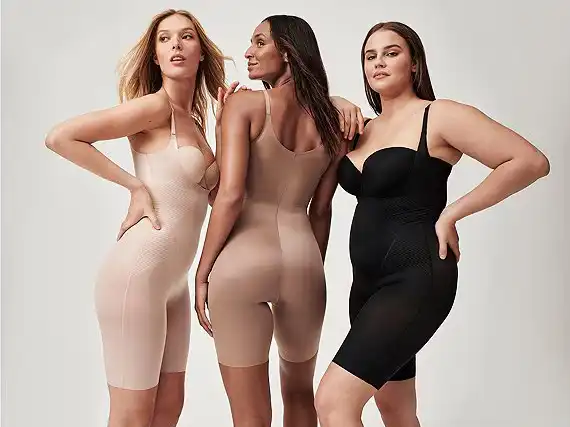
Global Size-Chart Conversion and Harmonization
Turn regional size labels into a controlled brand fit system that can be patterned, sampled, graded, measured and repeated in bulk production.
Jinfeng Apparel develops premium custom womenswear for global fashion brands and established apparel programs. For multi-market collections, size conversion is handled as a product-development task rather than a label-swapping exercise. Brand size charts, target markets, base sizes, grade rules, fabric behavior and fit feedback are reviewed before approved measurements are transferred into patterns, samples, PP standards and bulk QC.
- US, UK, EU, AU and alpha-size development based on brand specifications
- 2 sample rooms supporting fit review, pattern correction and PP development
- 7+ senior pattern makers for base-size and grade-rule execution
- 20+ sample machinists for development and revision work
- 15+ QC inspectors supporting measurement control through production
- MOQ starts from 200 pcs per style/color; material and trim conditions may apply
Sizing Capability Built for Multi-Market Womenswear
Regional Systems
Pattern Development
Sample Validation
Bulk Measurement

Conversion Is Not the Same as Harmonization
A conversion chart changes the label shown to a market. Harmonization keeps the underlying fit logic controlled when several regional labels, garment categories and production sizes must work together. The difference becomes visible as soon as a size table enters pattern development.
Label Conversion
A US, UK, EU or AU label may be mapped to another regional label for merchandising or ecommerce use, but a label alone does not define bust, waist, hip, length, ease, fabric response or the brand’s preferred silhouette. Generic charts are useful references for orientation; they are not automatically production specifications. Before Jinfeng develops a style, the working standard needs to identify which body or finished-garment measurements actually govern the fit and which label system the brand wants to present in each market.
Production Harmonization
Production harmonization starts when one approved sizing architecture controls the files used by pattern, sampling, grading, production and QC teams. Base size, grade rules, measurement tolerance, target market, fabric stretch and fit preference are reviewed as connected variables. A change in bust progression may require a pattern correction; a change in fabric recovery can alter finished-garment targets; a new extended-size range may need proportion changes rather than simple enlargement. Approved revisions are recorded in updated patterns, size charts, BOM information, sewing instructions and QC checkpoints so the fit decision reaches bulk production.
Brand Fit Stays Central
Jinfeng does not replace a brand’s established fit identity with a universal internet chart. When a brand already has approved measurements, fit samples, grade rules or a previous production reference, those materials become the starting point. When information is incomplete, the development team identifies the missing decisions before grading or bulk production proceeds. The objective is a controlled route from regional sizing requirements to garments that still look and fit like the brand intended.
Teams That Need One Controlled Size Standard
Technical Design
Product Development
Sourcing Teams
Quality Teams
Where Global Sizing Commonly Breaks Down
Label Without Measurements
Uneven Grade Steps
One Rule for All
Plus Size Enlargement
Petite by Hem Only
Sample-Bulk Drift
Tolerance Not Defined
Repeat Order Drift
Reorders are rebuilt from memory rather than retained patterns, measurements, fabric records, trim references and Golden samples.
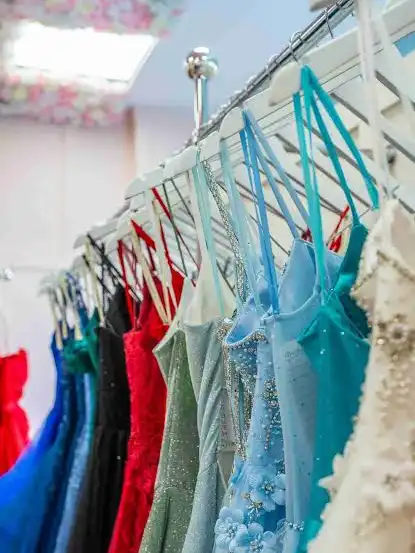
Start With the Brand Master Size Standard
A reliable multi-market program starts with the brand’s own fit standard. Jinfeng reviews the technical inputs that define the garment before regional labeling and production sizing are allowed to move independently.
Inputs We Review
- Useful starting materials include a current size chart, tech pack, reference sample, fit comments, size range, target markets and preferred base size. When grade rules or measurement tolerances already exist, they are reviewed rather than silently replaced.
- Product category also matters: a fitted woven mini dress, a high-stretch bodycon style and a lined jumpsuit can share a brand identity while requiring different ease, length and construction decisions.
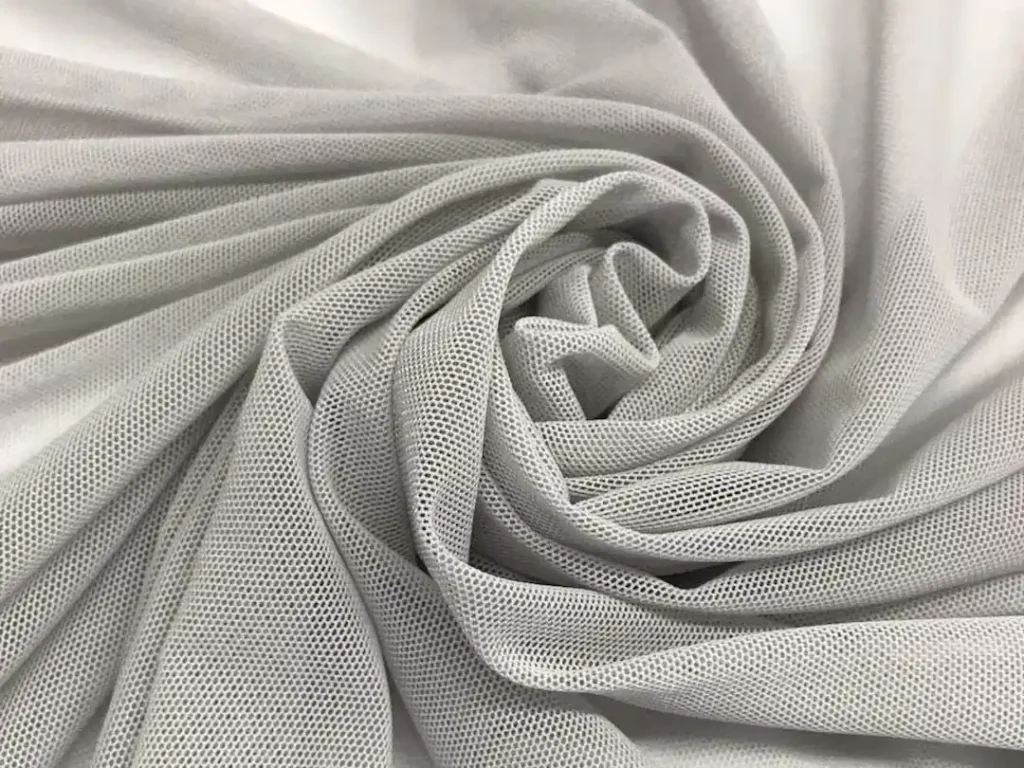
- Fabric stretch, recovery and shrinkage risk are reviewed because a measurement that works in a stable woven fabric may not produce the same on-body result in a stretch knit.
Base Size Must Be Clear
- The base size is the anchor from which pattern development and grading move outward. Technical teams need to know which size has been fitted and approved, which body or finished-garment measurements govern the silhouette, and how fit feedback will be documented. If the reference sample is a different size from the stated base size, the discrepancy has to be resolved before grading. A clean base-size decision reduces the chance that a good-looking sample hides a weak size range.
Tolerance Is Part of the Standard
- Nominal measurements are only one part of bulk control. The working size specification should also identify measurement points, methods and acceptable tolerances for production. Bust, waist, hip, garment length, strap length, armhole, neckline, slit position and other critical dimensions are selected according to the style. During development, any approved change that affects bulk is carried into the updated size chart and QC references so inspection is checking the latest standard, not an earlier sample file.
Map Regional Labels Without Inventing Equivalence
US, UK, EU and AU labels can be organized into a market-facing conversion structure, but Jinfeng does not treat generic label equivalence as a substitute for approved brand measurements. The production file remains tied to the brand standard.
| Sizing System | Common Label Format | Production Questions to Confirm | Jinfeng Working Reference |
|---|---|---|---|
| US | Numeric and/or XS-XL | Which size is the fitted base? Which measurements define brand fit? | Approved size chart, base size, grade rules |
| UK | Numeric and/or XS-XL | Is the UK label a merchandising conversion or a separate fit standard? | Regional mapping plus approved measurements |
| EU | Numeric and/or XS-XL | Does the EU range retain the same garment measurements or use market-specific adjustments? | Brand-approved mapping and fit comments |
| AU | Numeric and/or XS-XL | Is AU aligned with another regional range or managed independently? | Client-provided conversion and size standard |
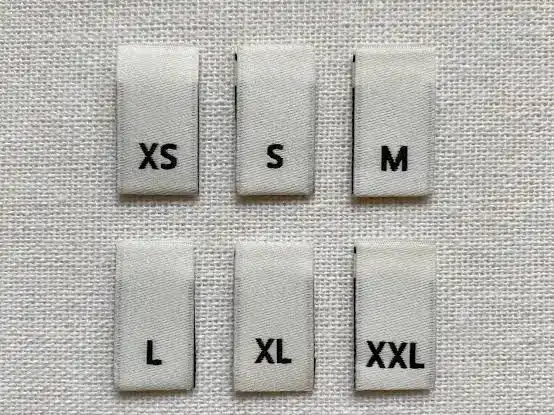
| Alpha | XS, S, M, L, XL+ | How are alpha sizes linked to numeric sizes and grade progression? | Base size, grade increments, product category |
| Extended / Plus | Brand-defined range | Which proportion, support and coverage points change beyond straight sizes? | Client size chart plus fit validation |
| Petite / Tall | Brand-defined range | Which vertical and proportional measurements shift, beyond total length? | Brand requirement plus style-specific pattern adjustment |
Separate Body Measurements From Garment Measurements
Sizing becomes much clearer when body measurements and finished-garment measurements are not mixed in one table. The two sets describe different things and must be linked through ease, fabric behavior and construction.
- Body Measurements
Body measurements describe the intended wearer: bust, waist, hip, height and other anthropometric points defined by the brand. They help establish who the size is meant to fit. They do not automatically tell the factory the final garment circumference or length. A fitted stretch dress may finish smaller than the body at selected points, while a woven slip dress needs enough ease for movement and drape. Structured occasionwear can also redistribute fit through cups, boning, lining and seam placement.
- Finished Garment Measurements
Finished-garment measurements describe the sewn product that QC can physically check. Depending on the style, Jinfeng may review bust, waist, hip, front and back length, shoulder, strap length, armhole, neckline depth, slit height, crotch or rise, inseam and other points. Measurement method matters as much as the number: flat measurement, stretched measurement, curved seam measurement and placement reference must be clear enough for development and inspection teams to read the same way.
- Ease and Structure Connect Them
The relationship between body and garment measurements is controlled through wearing ease, design ease, stretch, recovery, lining, support and construction. A satin dress with a side zipper cannot be assessed with the same ease logic as a four-way-stretch bodycon dress. A corset-style bodice adds another layer because cup position, underbust, boning and closure behavior affect how nominal measurements sit on the body. Size harmonization is strongest when these relationships are documented instead of hidden inside a generic conversion table.

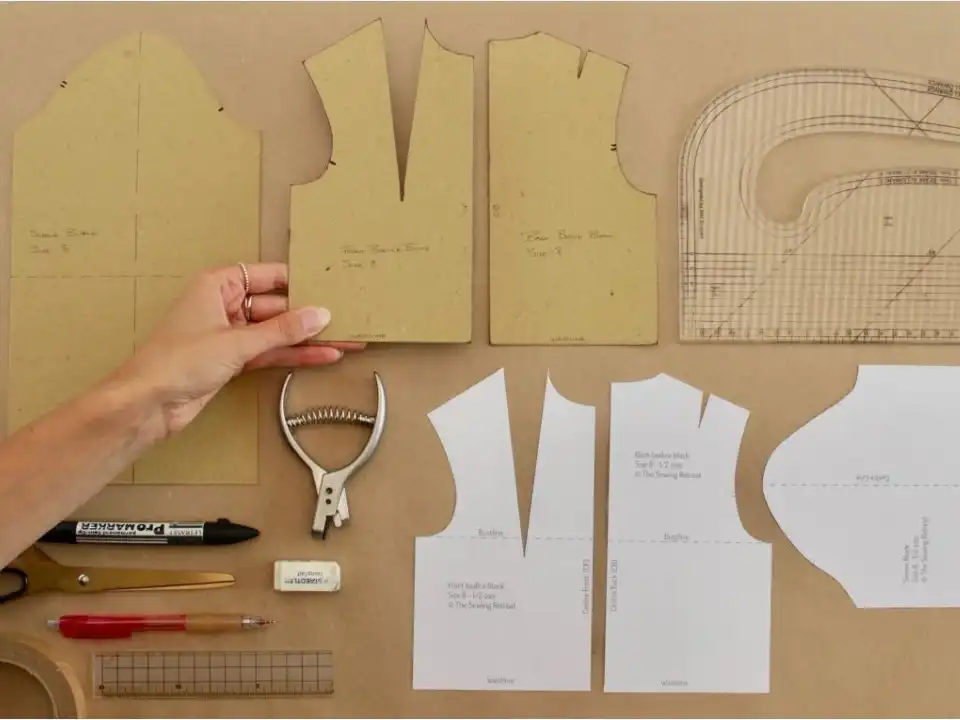
Build Grade Rules Around Garment Behavior
Grade rules decide how the approved base size expands or contracts across the range. Good grading protects proportions, construction positions and intended fit instead of adding the same amount to every point.
Critical Grade Points
Bust, waist and hip increments are only the beginning. Depending on the style, grading may also need to manage shoulder width, armhole depth, neckline position, strap length, waistline position, garment length, slit height, crotch length, rise and hem sweep. A visually balanced mini dress can become top-heavy or too long in larger sizes if vertical progression is ignored. A jumpsuit can fit the bust and hip yet fail because torso length and crotch progression were not reviewed.
Construction Limits Matter
Internal structures impose their own limits. Cups, underwire, boning channels, zipper lengths, elastic, fixed trim placements, lace motifs, sequin panels and lining shapes may not scale neatly with the outer garment. The grade plan should identify which construction components need size-specific adjustment. When a trim or component has supplier size constraints, the decision belongs in development before patterns are fully graded, not after bulk materials have been purchased.
Approve Before Bulk
Jinfeng uses fit feedback and measurement review to correct the pattern before bulk production. Approved changes are reflected in the final pattern, size chart and grade rules before PP and Golden sample control is completed. The goal is not mathematical elegance; it is a size range in which the garment silhouette, coverage, balance and movement remain consistent with the brand’s intent.
Different Womenswear Categories Need Different Size Logic

Bodycon Dresses
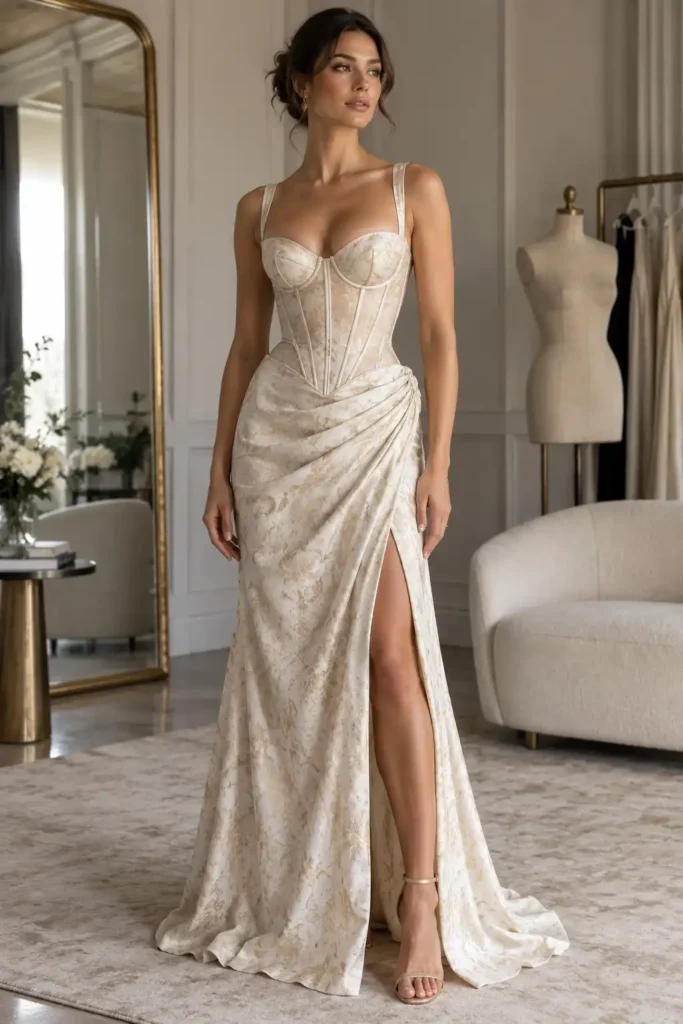
Corset Dresses

Satin Slip Dresses
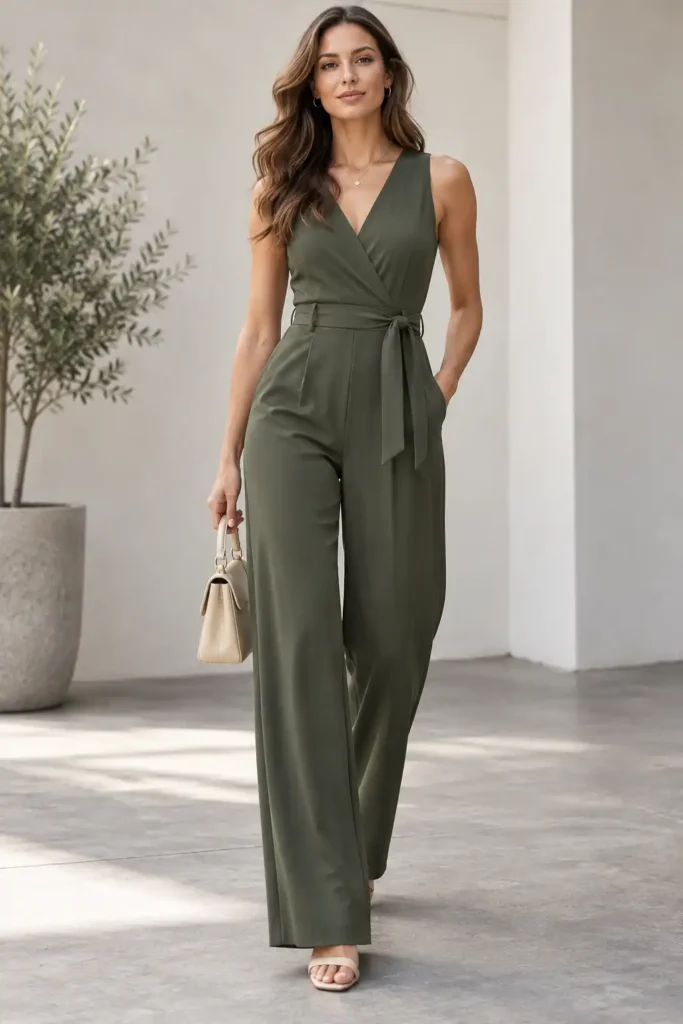
Jumpsuits
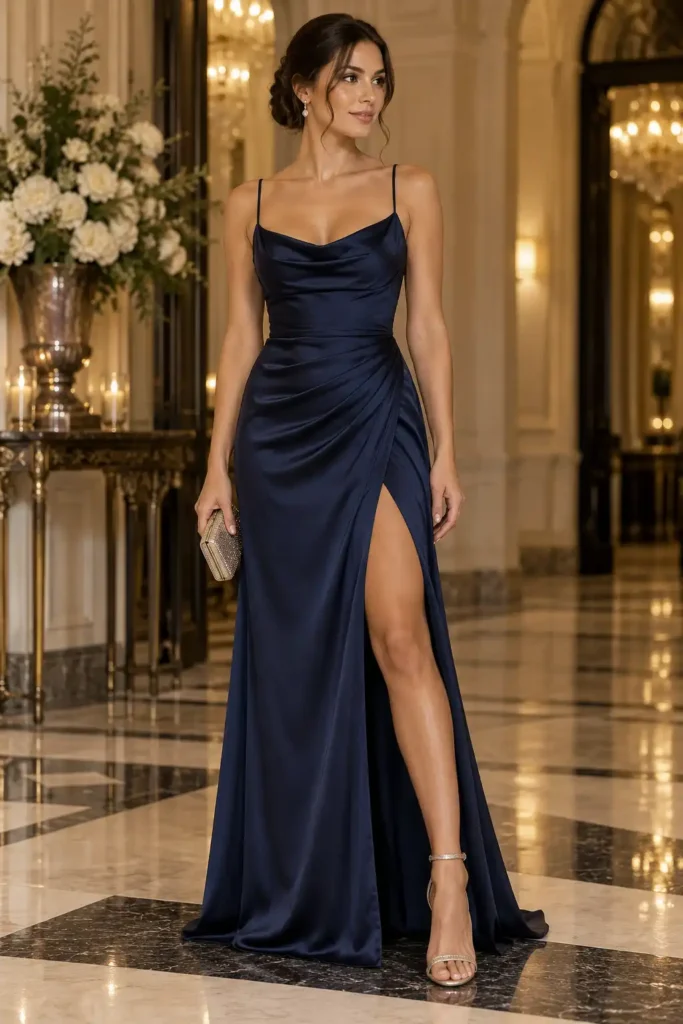
Occasion Dresses

Matching Sets
Fabric Stretch Changes the Meaning of Measurements
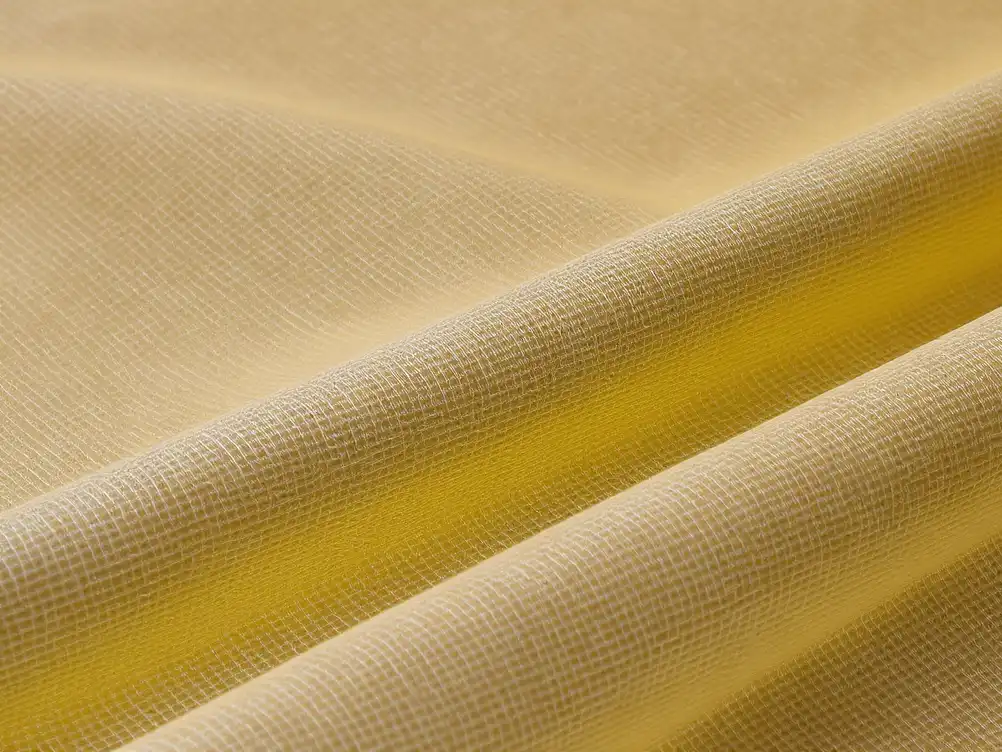
Stable Wovens
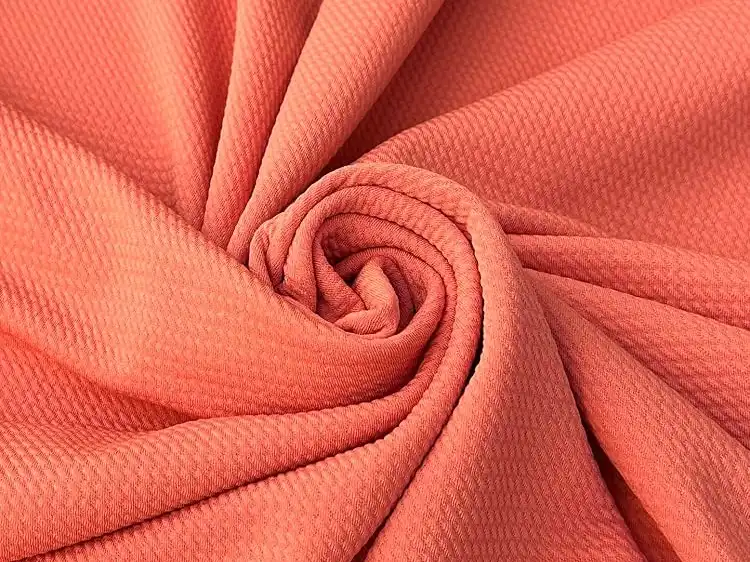
Stretch Knits
Power Mesh

Structured Fabrics
Extended Sizes Need Proportion, Support and Coverage Review
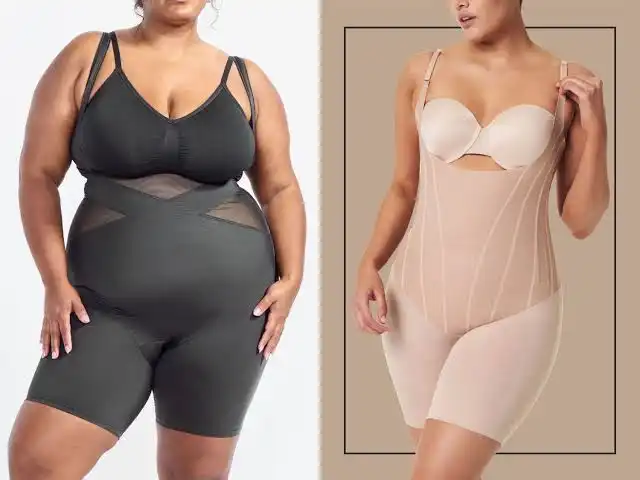
Extended and plus-size development should not be created by enlarging straight sizes at one fixed percentage. Jinfeng works from the client’s size standard and reviews the structural points that become more sensitive as the range expands.
Support and Upper Body
Bust support, armhole coverage, shoulder balance, strap width, back height and neckline position often need independent review. A straight-size strap can become visually too narrow or structurally weak in an extended size; an armhole that was clean in the base size can expose more than intended after grading. Corset, strapless and occasion styles add further requirements around cup position, underbust, boning and closure tension.Waist, Hip and Length Balance
Waist-hip proportion, skirt length, slit height, hem sweep and sitting movement should be assessed as a system. Adding circumference without reviewing vertical balance can move the waistline, shorten apparent length on body or place a slit too high. Jinfeng uses fit comments and measurement checks to identify which pattern areas need correction before the extended range is locked.Fabric and Lining Comfort
Stretch recovery, support and lining comfort become more visible across an extended range. A fabric that recovers well in the base size may need different ease decisions at larger sizes, while a lining can restrict movement if it does not follow the outer garment grade. The approved extended-size approach is transferred into patterns, measurements and QC references rather than handled as an informal sewing adjustment on the line.
Petite and Tall Ranges Need More Than Length Changes

Petite Proportion
Tall Proportion

Fit Validation
Where a brand carries dedicated Petite or Tall ranges, target measurements and fit feedback should be documented separately so production teams do not improvise alterations during sewing.

Validate the Size System Through Fit Sampling
A size chart becomes reliable only after the garment is reviewed on body or against an approved fit reference. Jinfeng uses staged samples to turn written measurements into a production-ready fit standard.
- First and Fit Samples
The first sample checks design interpretation, construction, key measurements and overall silhouette. Ordinary dress first samples commonly require about 10-15 days once required materials and development information are available; medium-complex styles may require around 12-18 days, while corset, strapless, lace, mesh or sequin styles can require about 15-25 days. Material development or special trims can extend the schedule. Timing is confirmed by project rather than promised as one fixed number for every style. - Feedback Becomes Measurement Action
Fit comments should identify the location and cause of the issue: bust, waist, hip, length, strap, armhole, neckline, slit, crotch or another construction point. Front, side and back photos, measurement notes and fit-model comments help pattern makers decide whether the problem belongs to the pattern, grade, fabric, trim or sewing method. - Revised and PP Samples
A material pattern change, structure change or significant fit correction normally requires a revised sample. Once fit, fabric, trims, construction, labeling and packing requirements are confirmed, the project can move toward PP and Golden sample control. Revised samples commonly need about 7-15 days depending on the change and material readiness.
Lock Pattern Revisions Before Production Grading
Fit feedback has value only when every approved change reaches the final pattern and size documents. Jinfeng records bulk-relevant revisions before PP approval to reduce version confusion between sample development and production.
- Diagnose Before Editing
A tight bust, loose waist or uneven hem does not automatically mean the same pattern correction on every style. Pattern makers review bust-waist-hip proportion, garment length, strap, armhole, neckline, slit, crotch, fabric weight, stretch, recovery and construction method before deciding what changes. The aim is to correct the cause rather than move a measurement simply because the sample failed at one point. - Update the Working Files
Approved fit changes are carried into the documents used later by production: updated pattern, size chart, BOM information, fabric and trim records, sewing instructions and QC checklist. Version identity matters. When a revised sample is approved, the factory should not continue cutting from the previous pattern while QC measures against a newer size chart. A clear file handover prevents an approved fit from being lost between departments. - Grade From the Correct Version
The final base-size pattern and approved grade rules should be aligned before the full size range is released. If a late fit correction changes a critical seam, neckline, waist position or length, the impact on adjacent sizes has to be considered. PP and Golden samples then become physical references for the approved construction and fit rather than decorative sign-off pieces.

Transfer the Approved Standard Into Bulk Production
Final Pattern
Measurement Standard
Material Reference
PP Lock
Control Size Consistency at Multiple Production Stages
Bulk measurement control starts before finished garments reach final inspection. Pattern version, fabric preparation, cutting, sewing and finishing can each alter the measurements that were approved during sampling.
| Production Stage | Typical Size Risk | Control Focus | Reference |
|---|---|---|---|
| Pre-Production | Wrong size-chart or pattern version | Confirm PP, final pattern, grade rule and tolerance | Approved PP / Golden sample and files |
| Fabric Preparation | Stretch, relaxation or shrinkage affects dimensions | Fabric inspection, relaxing and material handling | Approved fabric reference |
| Cutting | Panel distortion or size mixing | Cutting QC and size identification | Final graded pattern |
| Sewing | Seam allowance, elastic or construction changes fit | In-line measurement and workmanship checks | Sewing instruction + size chart |
| Finishing | Pressing or handling changes length and shape | Garment measurement after finishing | Measurement method + tolerance |
| Final Inspection | Size drift across lots or sizes | Final/AQL inspection and comparison | Size chart + PP/Golden sample |
| Repeat Order | Historical fit is lost | Retain pattern, BOM, fabric, trim, QC and Golden-sample records | Approved repeat-order file set |

Keep Multi-Style Collections Under One Fit Discipline
Large seasonal programs often involve many silhouettes, fabrics and size ranges. Brand consistency comes from controlled records and decision rules, not from forcing every style into identical garment measurements.
Collection-Level Rules
- A collection can share one brand sizing philosophy while maintaining style-specific garment measurements. Base-size ownership, regional label mapping, size naming, tolerance format and fit-comment workflow can remain standardized even when a satin slip dress and a power-mesh bodycon dress need different ease and construction targets.
Style-Level Records
- Each style retains its own pattern, measurement table, fabric and trim references, construction notes and approved sample record. Multi-style development becomes easier to control when every file clearly identifies style, size range, version and approval status. Production and QC teams can then work across many SKUs without mixing specifications.
Repeatability
- Repeat orders benefit from retained patterns, size charts, BOM records, color and trim references, packing standards, QC notes and Golden samples. When a repeat style changes fabric, color or size range, the original approved information provides a baseline for evaluating the change instead of rebuilding the fit from the beginning.
Plan Size Range, MOQ, Cost and Schedule Together
MOQ Structure
Development Work
Material Impact
Production Planning
Bulk timing is confirmed after style complexity, material readiness, sample approval, size range and production allocation are reviewed. One fixed lead time is not applied to every program.
Carry Sizing Accuracy Into Labels and SKU Packing
Size Labels
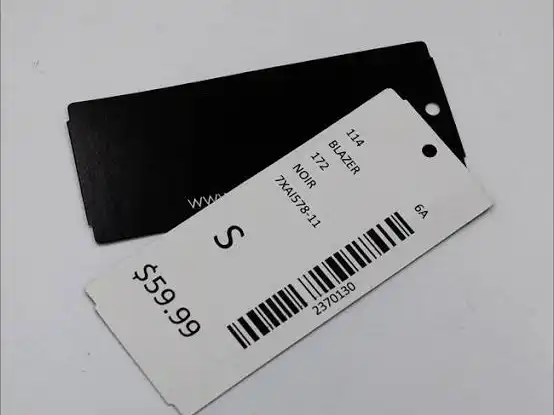
Hangtags and Barcodes
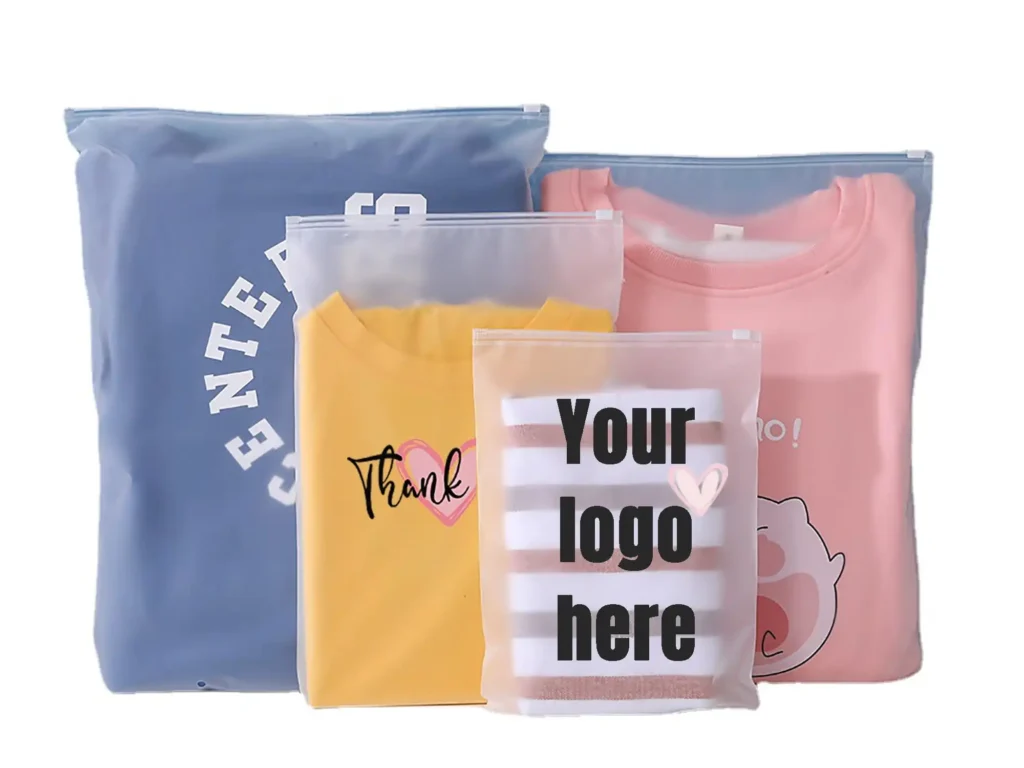
Polybags and Cartons

Confidential Files
Multi-Market Collection Sizing Case
An established womenswear program needed one fit standard to remain controlled across regional labels, multiple silhouettes and a large seasonal order. The project structure below reflects the scale Jinfeng handles while keeping brand identity and technical files confidential.
Project Profile
Market coverage included the United States, United Kingdom and European sales channels. The program contained 18 styles across bodycon dresses, satin dresses, occasion styles, a jumpsuit group and matching sets. The planned bulk quantity was approximately 42,000 pieces, with individual style/color allocations scheduled within the collection. The brand worked with an existing size architecture and regional label mapping rather than asking the factory to create a universal conversion chart from scratch.
Main Sizing Risk
The biggest risk came from applying one grading behavior to garments with very different construction. Stretch bodycon styles required recovery and controlled-ease review, while satin styles needed stable hip ease, strap position and length balance. The jumpsuit group introduced torso and crotch measurements, and selected occasion styles required closer bust support and lining control. Extended sizes could not be released by simply scaling straight sizes because upper-body support, armhole coverage and vertical balance needed separate review.
Development Route
Jinfeng reviewed the brand-provided size charts, base sizes, grade rules, target markets and fit comments before pattern correction. Fit samples were measured at critical points and comments were transferred into updated patterns and measurement files. Styles with significant fit changes moved through revised samples before PP approval. Final patterns, grade rules, fabrics, trims, construction notes, size charts, labels and packing instructions were aligned for production handover.
Bulk Control
During bulk production, size control was connected with fabric preparation, cutting, in-line measurement, finished-garment measurement and tolerance checking. PP or Golden samples remained physical references for approved construction and silhouette. The same record structure supported later repeat-order review without exposing the brand name, proprietary pattern files, unpublished designs, labels, prices or order identifiers.
Frequently Asked Questions About Global Size Harmonization
Yes, when the brand provides or approves the regional mapping and underlying measurement standard. Jinfeng can develop US, UK, EU and AU womenswear patterns from the supplied size chart, base size, grade rules, target market and fit preference. Generic label conversion is not treated as an automatic production specification.
No. Jinfeng does not replace a brand-specific fit standard with one generic chart. Existing size charts, approved samples, base sizes, grade rules, measurement tolerances, fit comments and target markets are reviewed as the working source for development.
A clear base size, size range, measurement table and grade-rule direction are the strongest starting points. Tech packs, reference samples, fit-model comments, fabric information, tolerances and regional label mapping help reduce assumptions before the full range is graded.
Yes. Existing grade rules can be reviewed and executed when they are clear and compatible with the garment construction. If fit feedback changes a critical pattern point, the effect on adjacent sizes should be checked before final grading and PP approval.
Extended sizes are developed from the client’s size standard with extra attention to bust support, armhole coverage, waist-hip balance, strap width, back coverage, length, lining comfort, fabric recovery, slit position and movement. They are not treated as simple proportional enlargements of straight sizes.
Not always. Waistline position, strap length, armhole, neckline depth, slit position, bodice length, crotch and overall proportion may need adjustment. Jinfeng evaluates Petite and Tall requirements by product and the brand’s target measurements.
Fabric behavior can change finished-garment targets and fit even when the brand’s body-size architecture stays the same. Stretch, recovery, GSM, shrinkage, drape and lining affect how measurements should be translated into pattern and garment specifications.
Approved revisions are recorded in updated patterns, size charts, BOM and material records, sewing instructions and QC checklists. PP and Golden samples help lock the physical reference before production. Large pattern or structure changes normally require a revised sample before final approval.
Jinfeng uses size-chart confirmation, grade-rule review, pattern version control, fabric relaxing, cutting QC, in-line measurement, garment measurement, tolerance control and PP or Golden sample comparison. Critical measurement points are selected according to the garment construction.
Approved patterns, size charts, BOM information, fabric and trim records, packing requirements, QC notes and Golden-sample references can support repeat orders. Any material, fit, size-range or construction change should still be reviewed against the retained standard before production.

Send Your Size Standard for Project Review
If your collection already has a brand size chart, regional conversion structure or approved fit standard, send the working files together with the styles you plan to develop. Jinfeng can review how the size range connects with product construction, fabric behavior, base-size pattern work, sample validation and bulk measurement control.
For programs still being organized, provide the information already available rather than forcing missing data into a generic chart. The first goal is to identify which sizing decisions are locked, which still need approval and which must be verified through sampling before production. A clear technical handoff helps pattern, sample, production and QC teams work from the same fit standard across US, UK, EU, AU and alpha-size collections.
- Existing size chart and regional size mapping
- Target markets and planned size range
- Base size and grade rules, if available
- Tech pack, reference sample or style images
- Fit comments or previous measurement issues
- Fabric direction and stretch requirements
- Style/color quantities and launch schedule
- Private-label, SKU and packing requirements