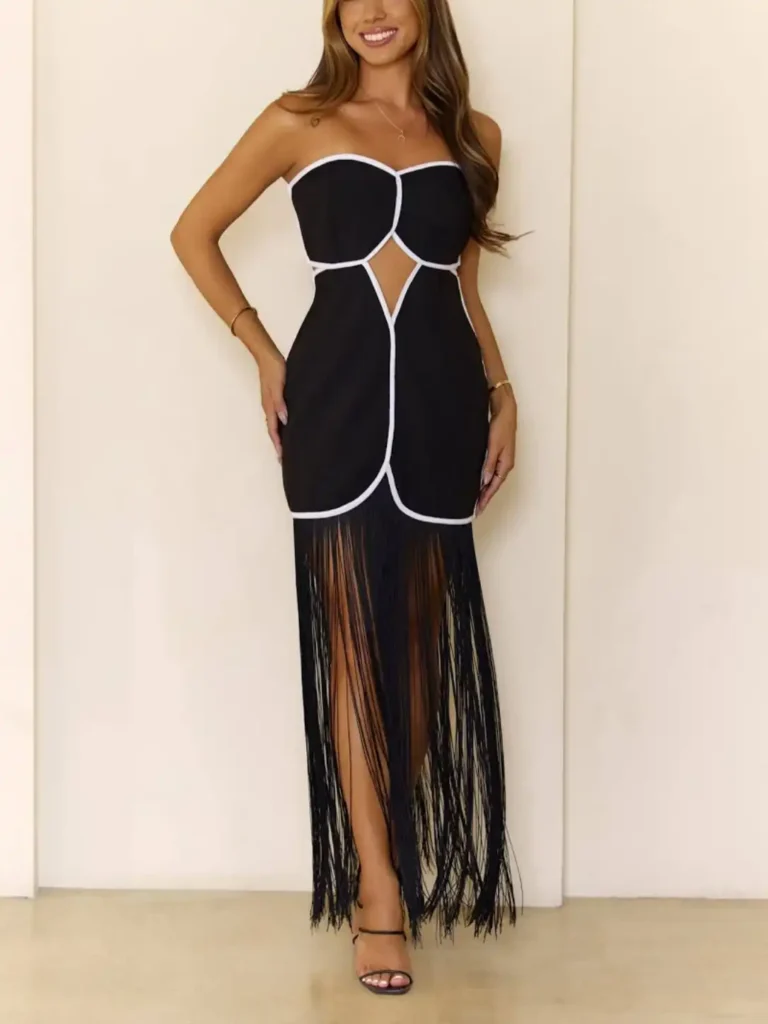
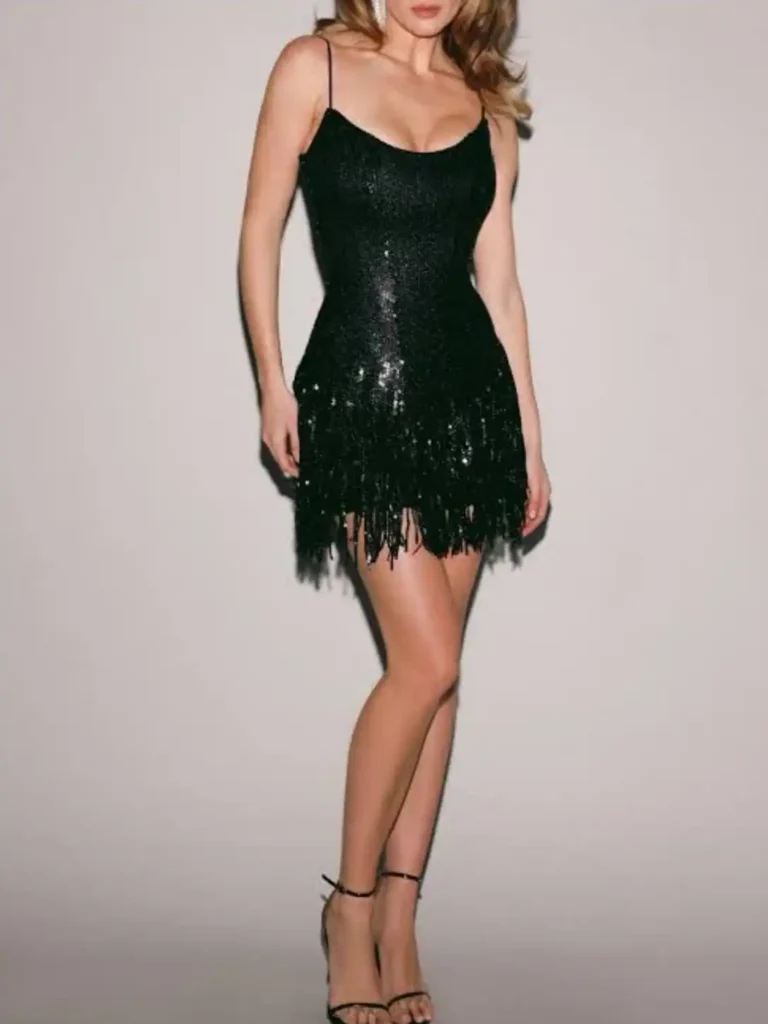
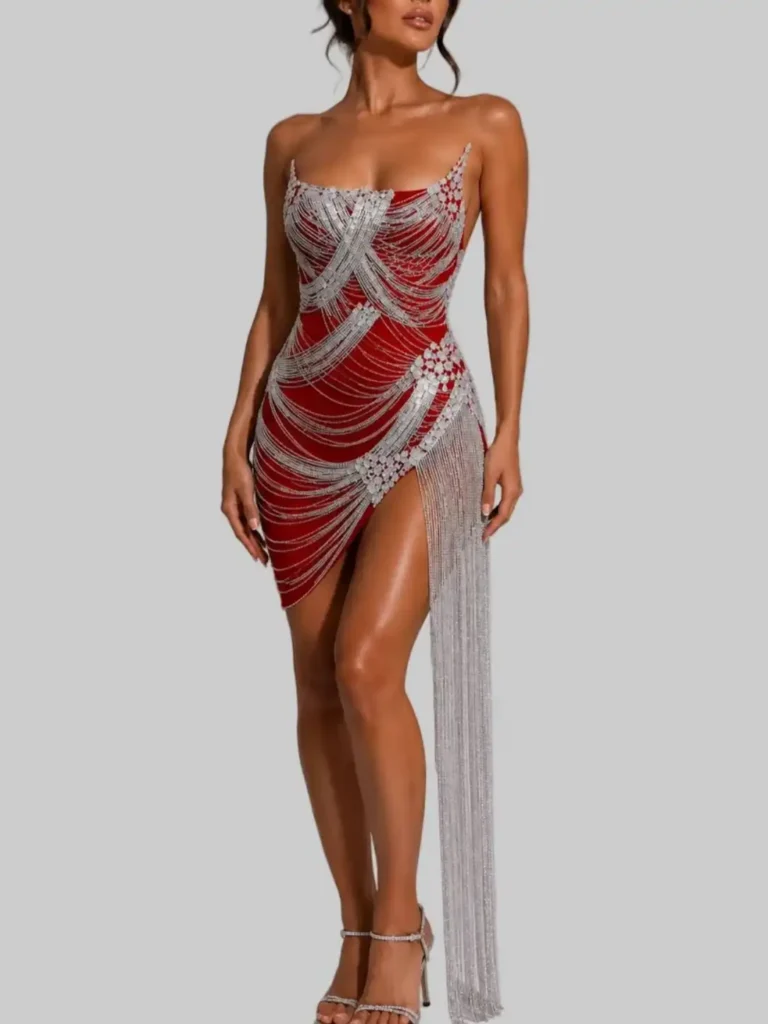
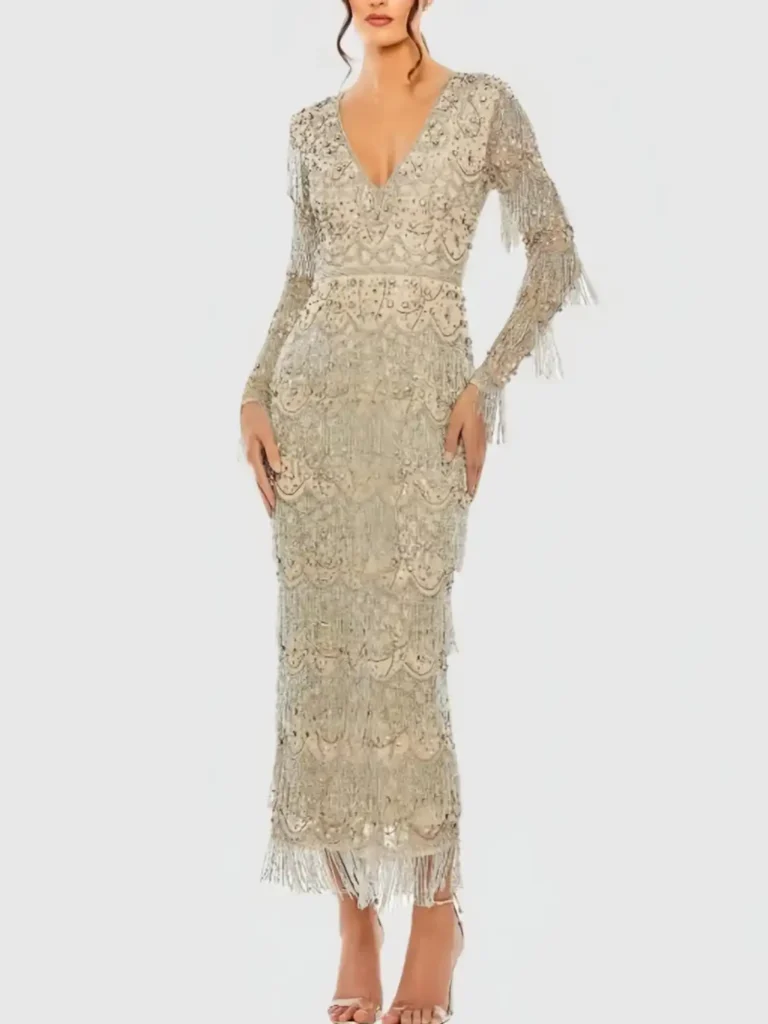
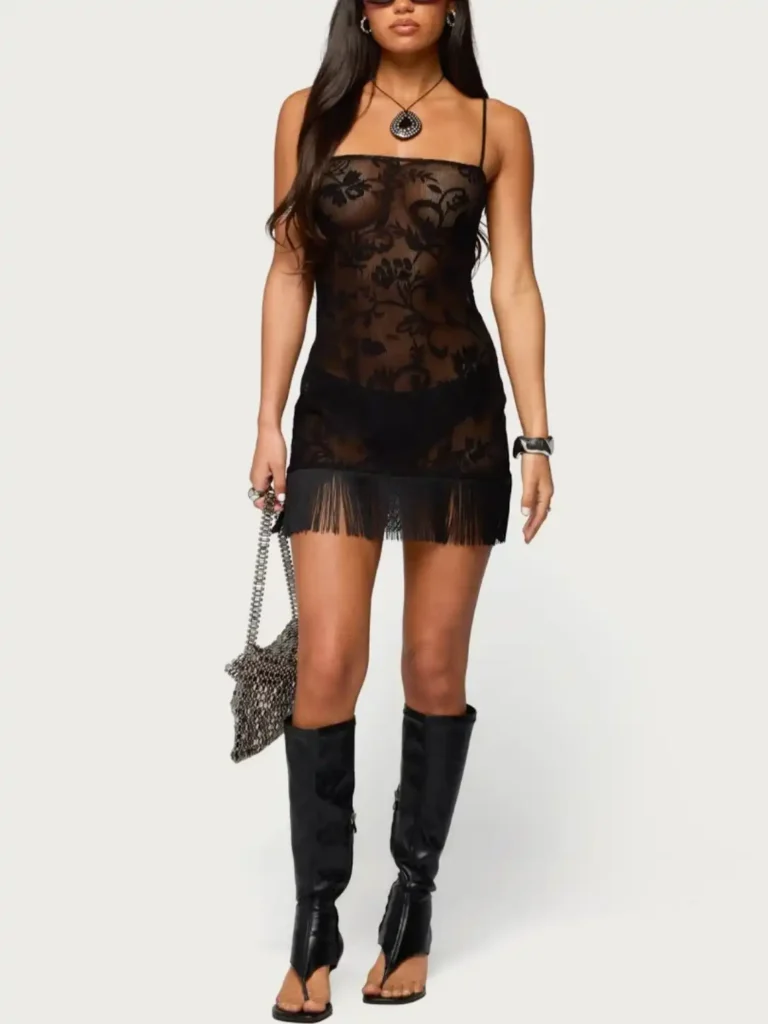
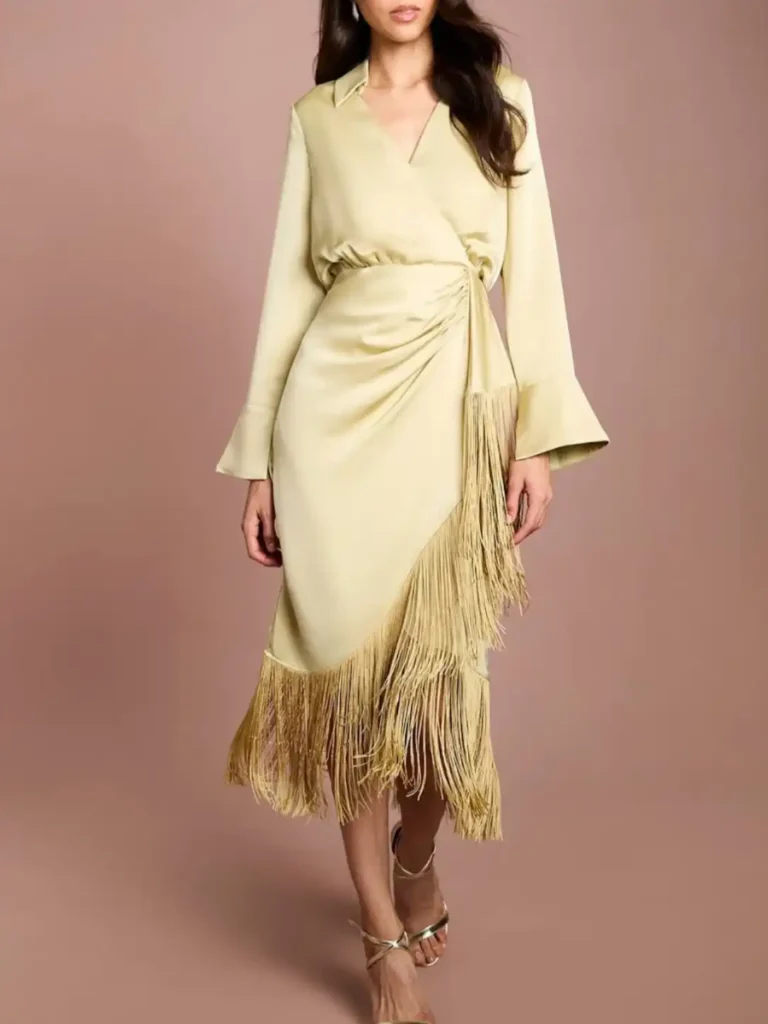
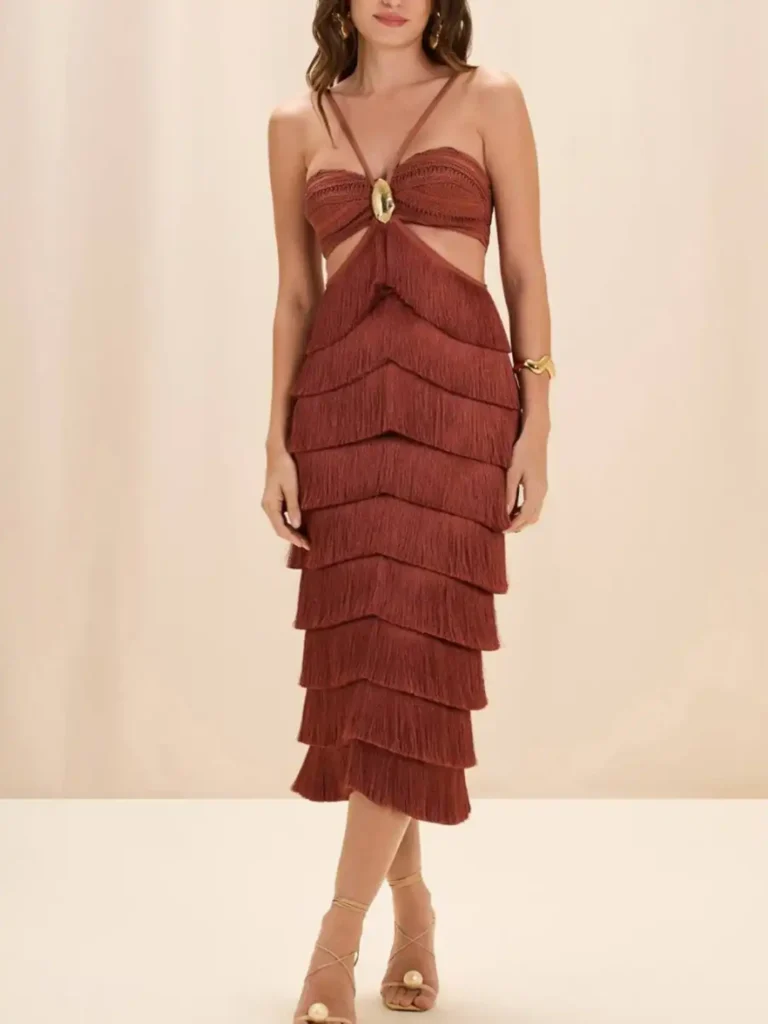
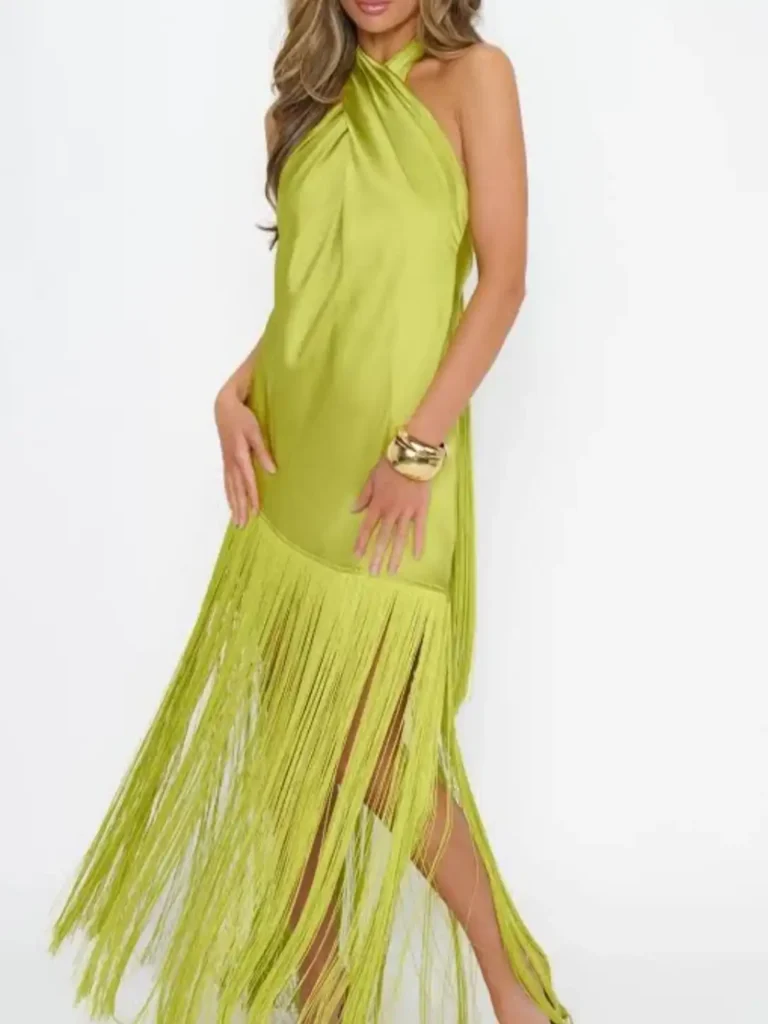
Fringe Dress Manufacturer

Custom fringe dress development for global fashion brands, from trim engineering and fit correction to controlled bulk production.

  • Fringe structures planned around length, density, layer spacing, garment weight, movement and production repeatability.
  • 2 sample rooms, 7+ senior pattern makers and 20+ sample machinists supporting first samples, revisions and PP standards.
  • 6 owned women’s fashion factories, 10+ long-term production partners, 18+ sewing lines and 15+ QC inspectors.
  • MOQ starts from 200 pcs per style/color, subject to fringe availability, color development, construction and schedule.

Manufacturing Facts Behind Fringe Dress Programs

A fringe program needs more than sewing capacity. Pattern development, trim sourcing, sample control, production allocation, inspection and packing must work as one operating system.

Since 2008

Long-term women’s fashion manufacturing experience supports partywear, occasionwear, bodycon, mesh, satin, lace and sequin projects. Fringe styles are reviewed through the same disciplined product-development framework rather than treated as a decorative afterthought.

Six Owned Factories

Owned production units support custom dresses, skirts, jumpsuits, sets and private-label womenswear. Each fringe project is allocated according to base fabric, silhouette, trim weight, manual work, order volume and approved delivery window.

Ten Plus Partners

Long-term satellite production partners add controlled capacity for repeat orders, regular constructions and multi-batch programs. High-risk first orders and complex ornamented styles remain assigned to production units with the strongest relevant experience.

Two Sample Rooms

Dedicated sample rooms handle pattern development, trim trials, fit correction, revised samples, PP samples and Golden sample sealing. Complex fringe work is validated before bulk cutting and sewing standards are released.

Fifteen Plus QC

Quality inspectors cover incoming fabric and trim checks, cutting, in-line sewing, garment measurements, final appearance, label verification and packing. Fringe-specific checkpoints are added according to length, spacing, symmetry and attachment method.

Multi-Style Control

Twelve plus merchandisers support style grouping, sample priorities, material tracking, revision records, production updates, packing confirmation and shipment coordination for seasonal collections with 10-30 styles per program.

Built for Established Fashion Programs

Jinfeng Apparel supports brands and sourcing teams with defined product direction, paid sampling plans, collection calendars and bulk production requirements.

Best Program Fit

Strong project fit includes partywear, occasionwear, premium ecommerce, clubwear, eventwear and fashion retail programs requiring original development, controlled revisions and repeatable bulk standards. A productive inquiry normally includes reference images or a tech pack, quantity per style/color, target size range, fabric direction, fringe concept, private-label requirements and a launch date.
  • Seasonal collections and monthly drops
  • Multi-style orders and repeat programs
  • Private-label retail or ecommerce packing
  • US, UK, Europe, Australia and Canada markets

Production Model

Production begins after style review, material direction, pattern work, sample development and PP approval. Jinfeng Apparel does not operate as a ready-stock wholesaler or single-piece fulfillment source. MOQ starts from 200 pcs per style/color. Custom-dyed fringe, special bead chains, exclusive trims, intricate handwork or highly divided color plans may require higher material commitments.

  • OEM from complete technical files
  • ODM from references and market direction
  • Private-label labels and packaging
  • Long-term pattern and material records

Why Fringe Dresses Fail in Bulk

Fringe creates movement and visual impact, yet every extra layer introduces measurable risks in alignment, weight, comfort, sewing efficiency and packing recovery.

Uneven Layer Lines

A layered dress quickly looks unbalanced when trim rows drift across the bust, waist or hip. Placement lines must follow the approved pattern, remain level around side seams and preserve the intended visual proportion across the full size range.

Inconsistent Length

Small variation becomes obvious when hundreds of strands form a clean horizontal edge. Trim lots, cutting methods, stretching during sewing and finishing pressure can change apparent length, so approved measurement points and visual references are required.

Weak Attachment

Heavy bead chains, rhinestone fringe or dense chainette can pull against soft mesh and stretch jersey. Seam choice, anchoring, backing, stitch density and reinforcement must match trim weight without making the inside rough or restricting garment recovery.

Garment Distortion

Added weight can lower a waist seam, twist a side seam, pull a neckline or lengthen a fitted skirt after hanging. Fit approval must consider the finished trim weight, not only the untrimmed base garment.

Movement Tangling

Long or overlapping fringe can catch between layers during walking, turning, sitting or packing. Length, spacing, direction and surface finish need sample-stage movement checks before bulk placement maps are finalized.

Packing Compression

Incorrect folding can trap fringe under zippers, sequins, hooks or rhinestone chains. Packing trials define fold direction, protective tissue, inner-bag size and recovery checks so garments present correctly after unpacking.

How to Evaluate Fringe Dress Manufacturers

Supplier screening should test whether a factory can convert a visual concept into an approved, repeatable production standard. Product photos alone reveal little about pattern balance, trim control, documentation or bulk consistency.

CapabilityQuestion to AskEvidence to RequestJinfeng Control Point
Product DevelopmentCan the team review silhouette, fringe placement, base fabric, lining, closure and movement before sampling?Style analysis notes, pattern plan and material directionReviewed during project assessment and converted into approved development or production files.
Trim EngineeringCan trim length, weight, tape width, color, softness and supplier MOQ be checked before garment development?Approved trim card and lot referenceReviewed during project assessment and converted into approved development or production files.
Pattern and FitCan bust, waist, hip, strap, neckline and dress length be corrected after finished trim weight is added?Revised pattern, size chart and fit recordReviewed during project assessment and converted into approved development or production files.
Sample ControlAre first sample, revised sample, PP sample and Golden sample managed as separate approvals?Version tracker and approval statusReviewed during project assessment and converted into approved development or production files.
Bulk TransferAre placement maps, BOM, sewing instructions, measurements and packing rules transferred to production?Production order and QC checklistReviewed during project assessment and converted into approved development or production files.
Quality InspectionAre length, spacing, symmetry, attachment, shade, garment balance and packing recovery inspected?In-line and final inspection recordsReviewed during project assessment and converted into approved development or production files.
Collection ManagementCan 10-30 styles be grouped by fabric, trim, complexity and launch priority?Timeline, style tracker and material statusReviewed during project assessment and converted into approved development or production files.
Brand DeliveryCan labels, barcodes, SKU stickers, polybags, carton marks and warehouse instructions be controlled?Approved packing specificationReviewed during project assessment and converted into approved development or production files.

Custom Fringe Dress Styles We Develop

A complete fringe range can cover compact party minis, engineered bodycon shapes, fluid occasion dresses and statement evening silhouettes. Each style requires a different balance of trim, structure, lining and movement.

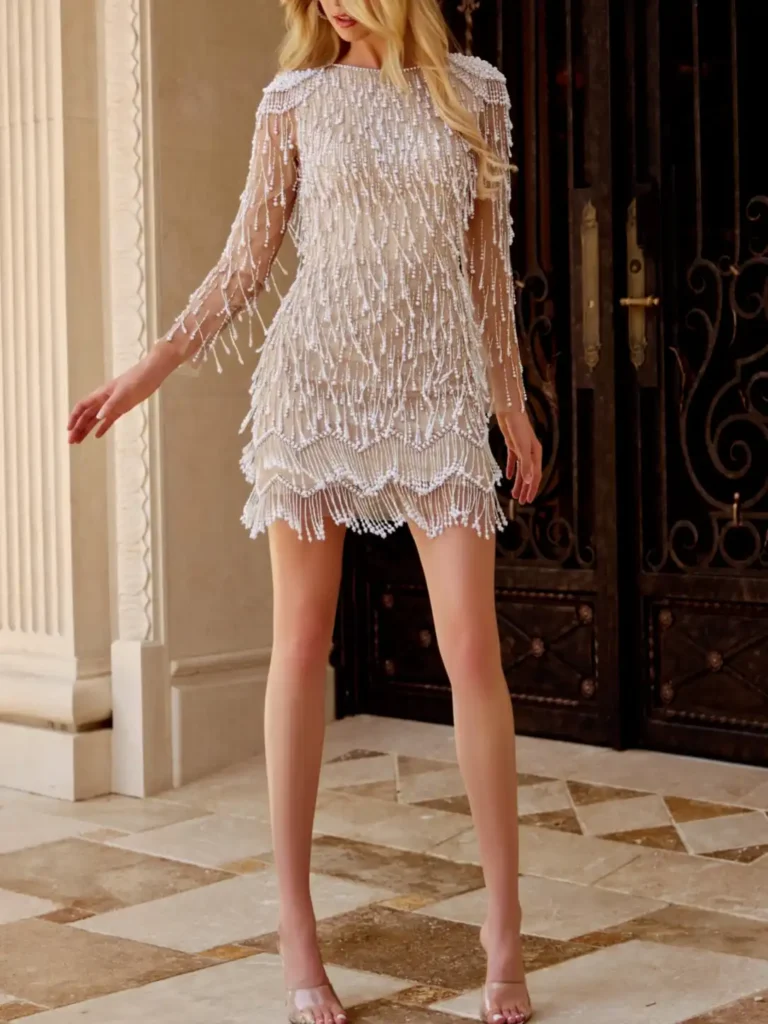
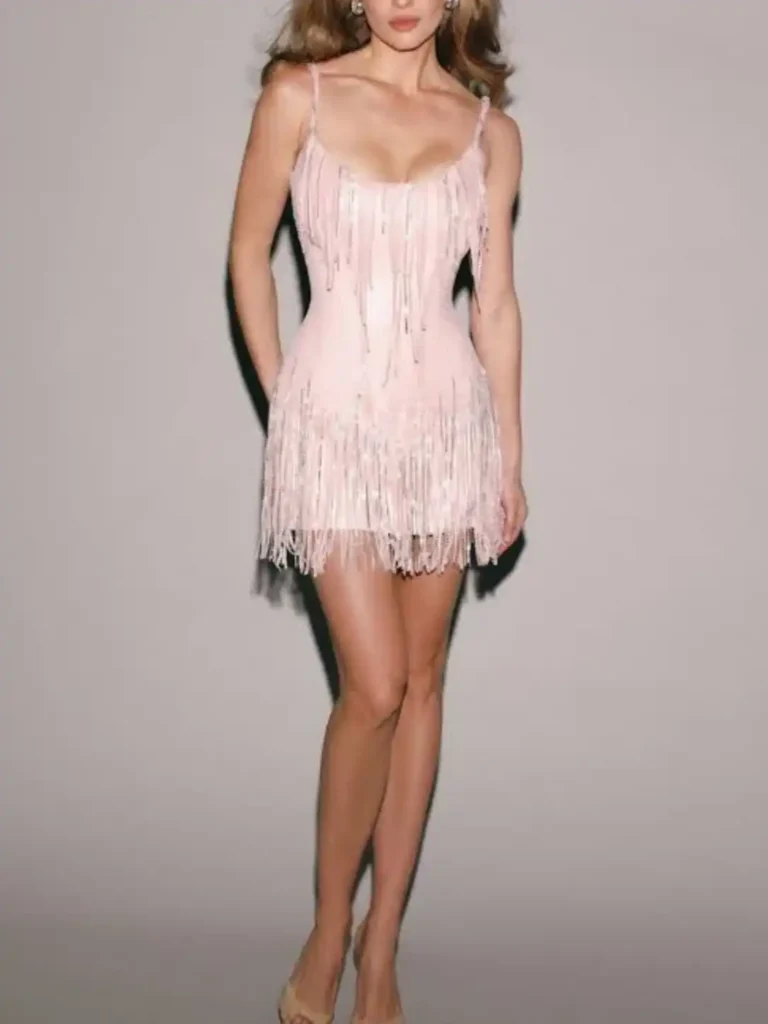
Layered Fringe Mini

Horizontal fringe rows build strong movement and hide selected seams, yet placement must remain level around the body. Pattern sections are marked with row positions before sewing, while side-seam joins are checked against the approved sample.

All-Over Fringe Dress

Full coverage creates maximum visual impact and the highest trim consumption. Base fabric strength, total garment weight, layer overlap, neckline support and packing method require early validation before the final costing and production plan.

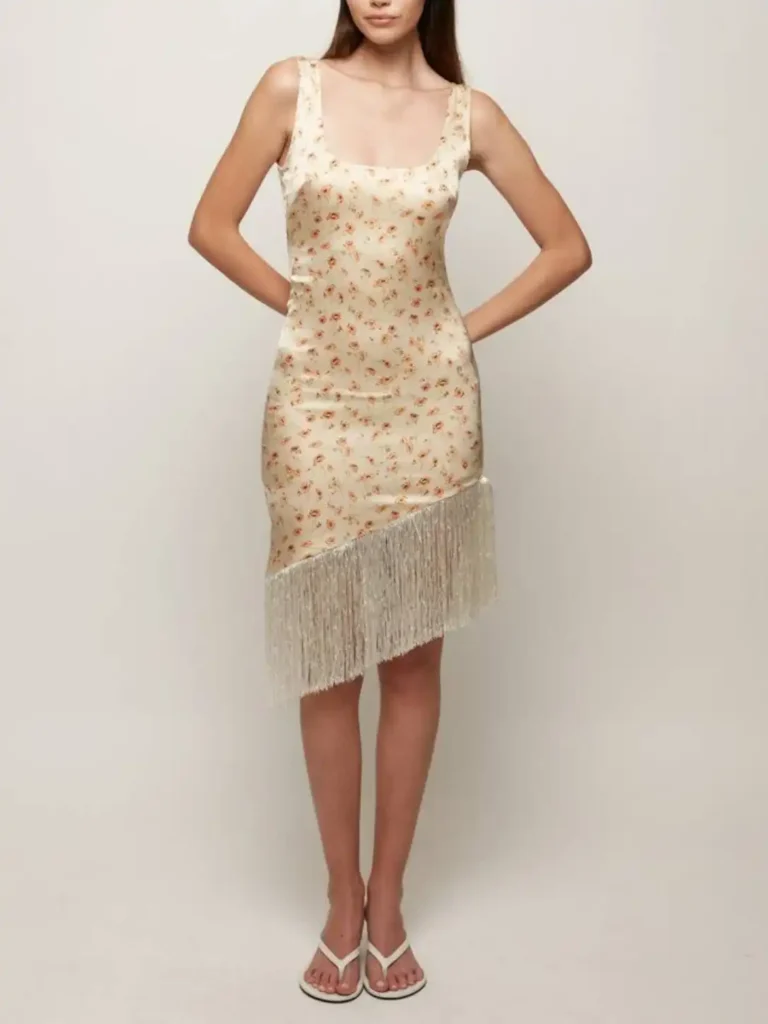
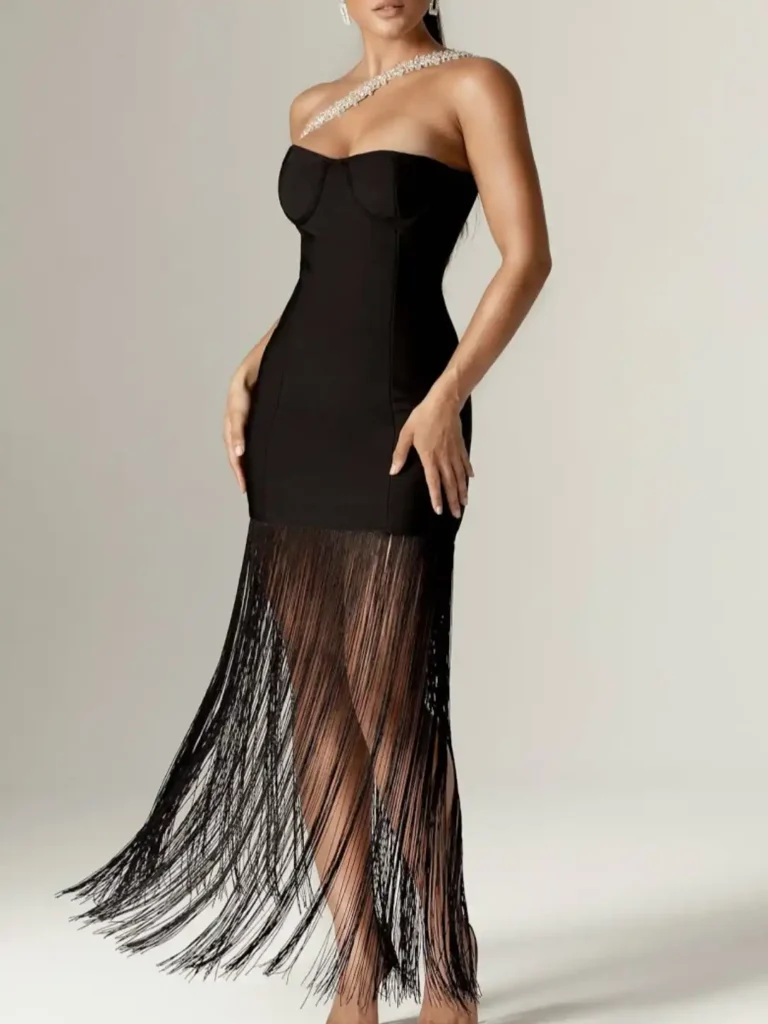
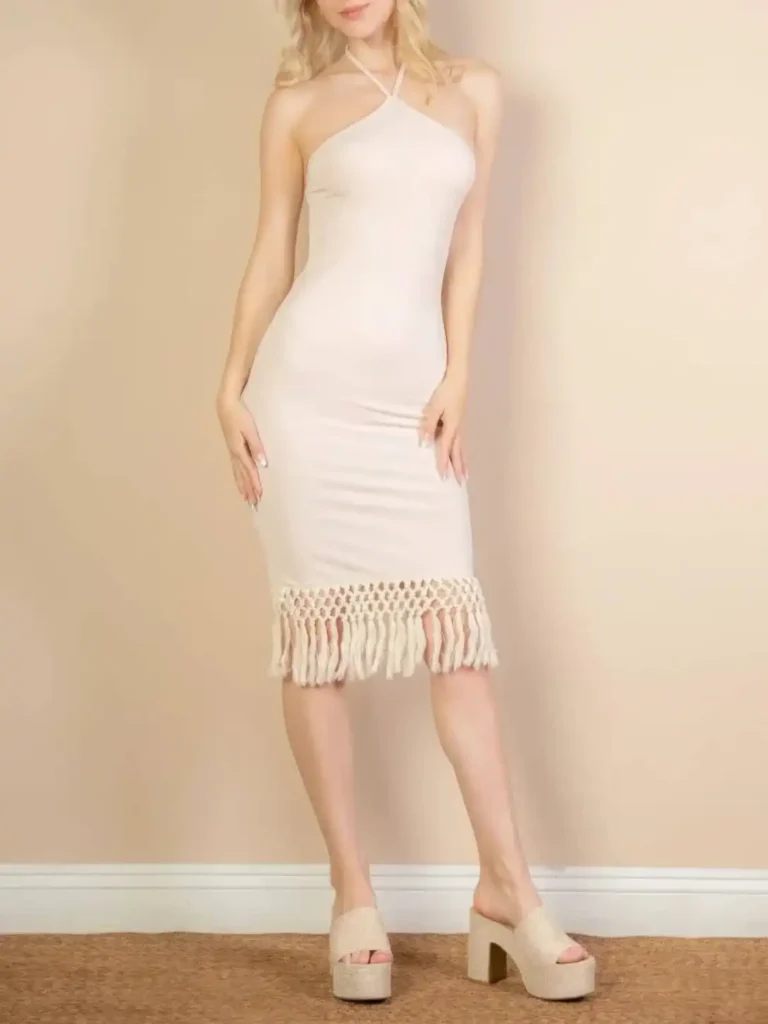
Fringe Hem Dress

A controlled fringe hem adds movement without covering the entire body. Hem sweep, attachment height, finished dress length and fringe drop are coordinated so the style remains balanced across sizes and does not look shorter than intended.

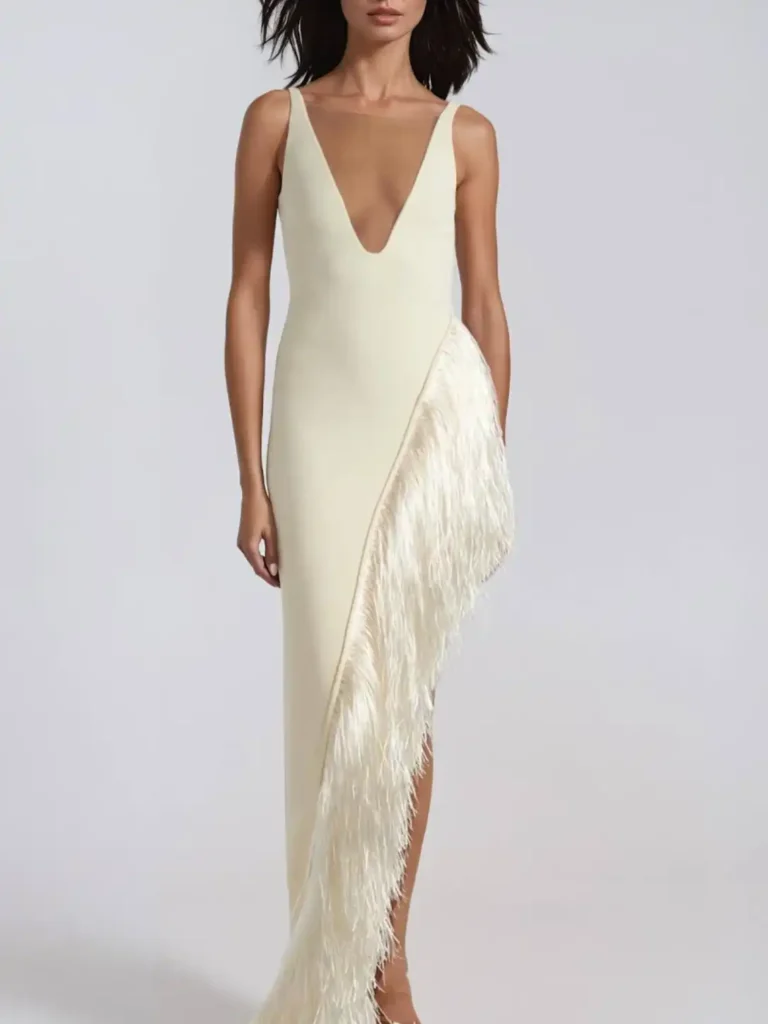
Asymmetric Fringe Dress

Diagonal placement can lengthen the silhouette and create directional movement. Pattern marking, left-right balance, side-seam transitions and trim tension must be controlled because small errors become visible along angled rows.

Fringe Bodycon Dress

A fitted base requires stable stretch recovery under the weight of fringe. Bust, waist and hip measurements are checked after trims are attached, while stitch methods are selected to avoid restricting elasticity or twisting side seams.

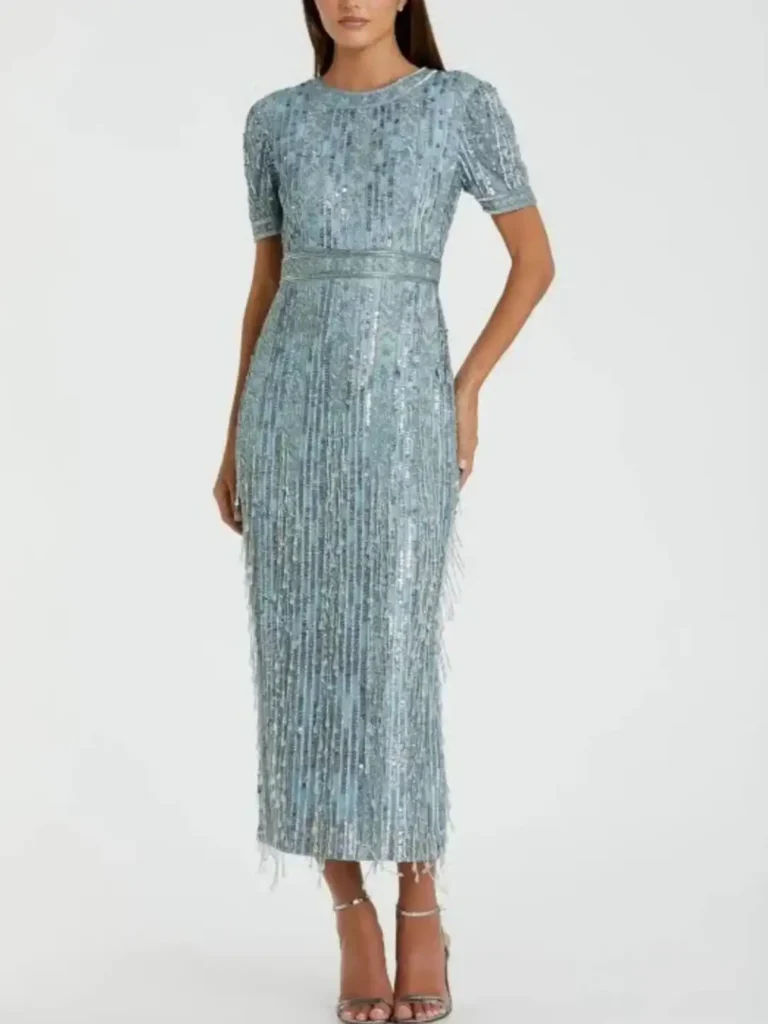
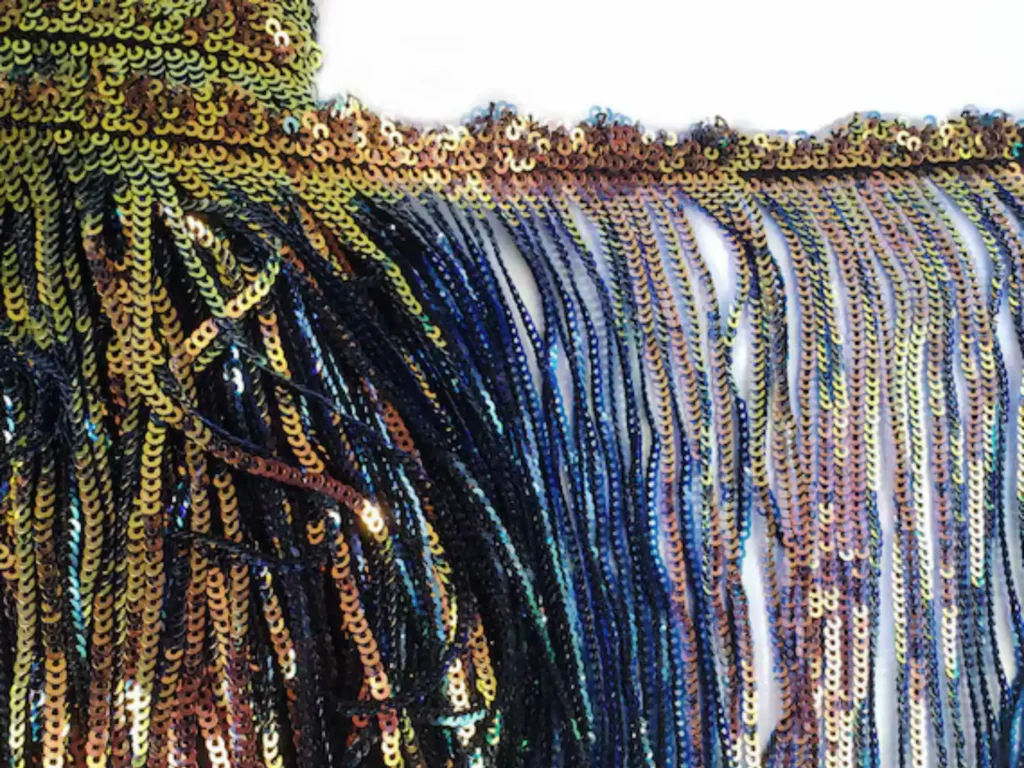
Sequin Fringe Dress

Sequin fabric and fringe combine two high-risk surfaces. Cutting, seam bulk, skin contact, dropped sequins, trim anchoring and internal lining are reviewed together so the finished garment remains wearable and clean.

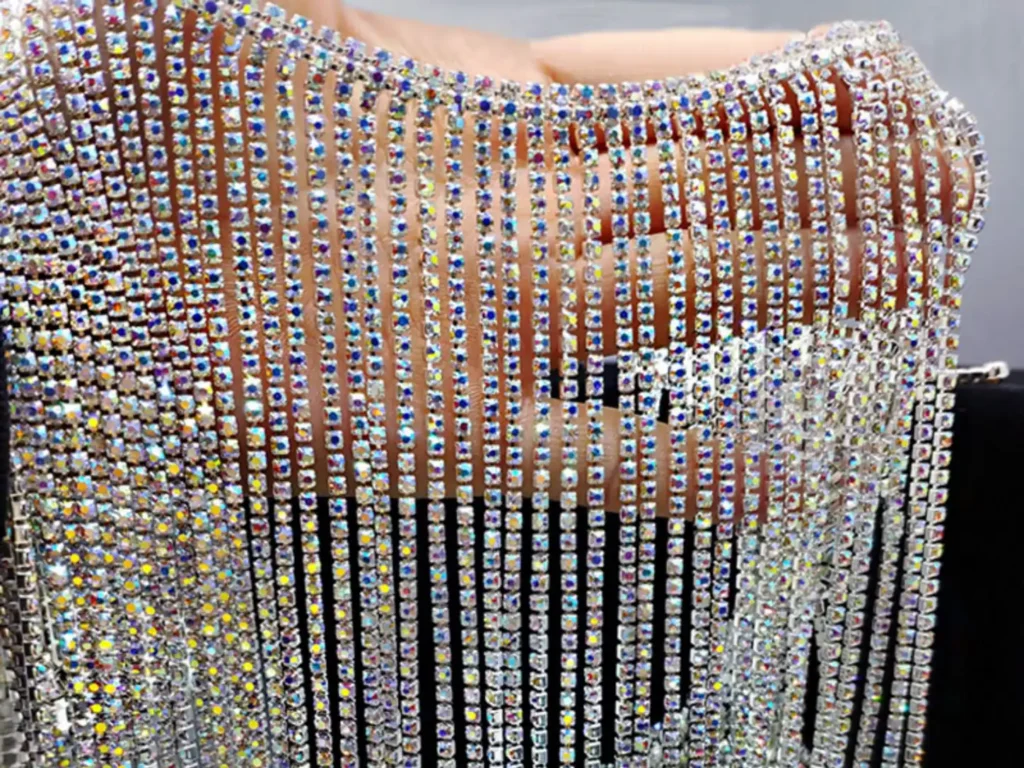
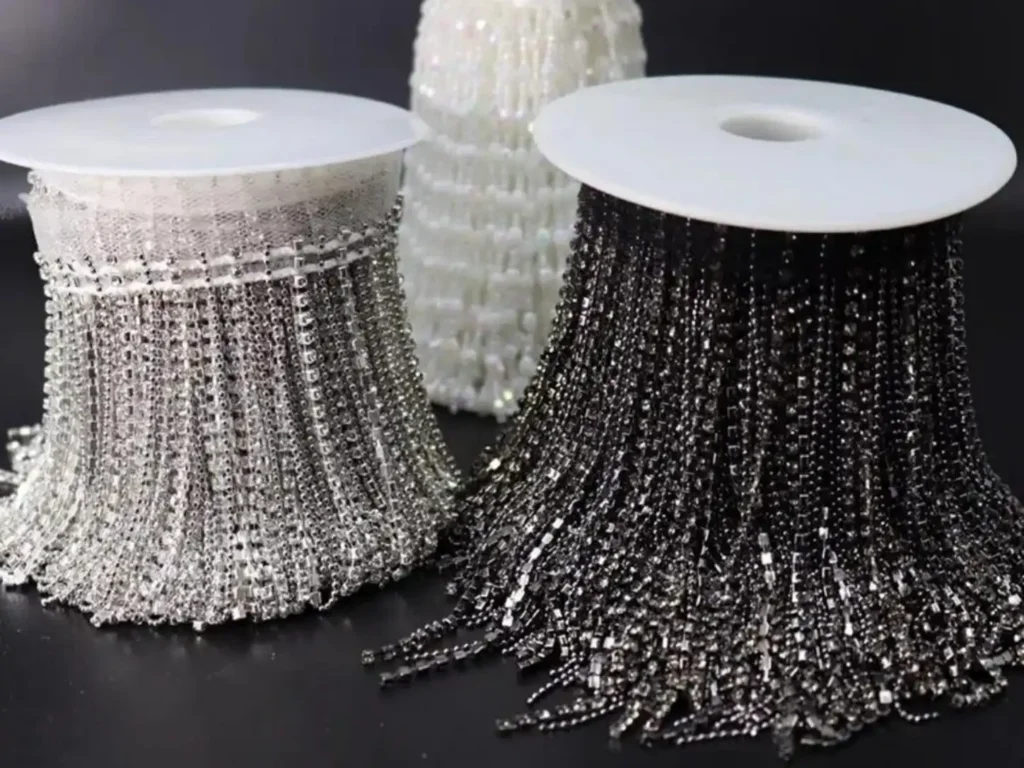
Rhinestone Fringe Dress

Rhinestone chains create precise sparkle and directional movement. Chain weight, spacing, anchor strength, sharp edges and garment support need controlled sampling, followed by final inspection of missing stones, loose links and placement symmetry.

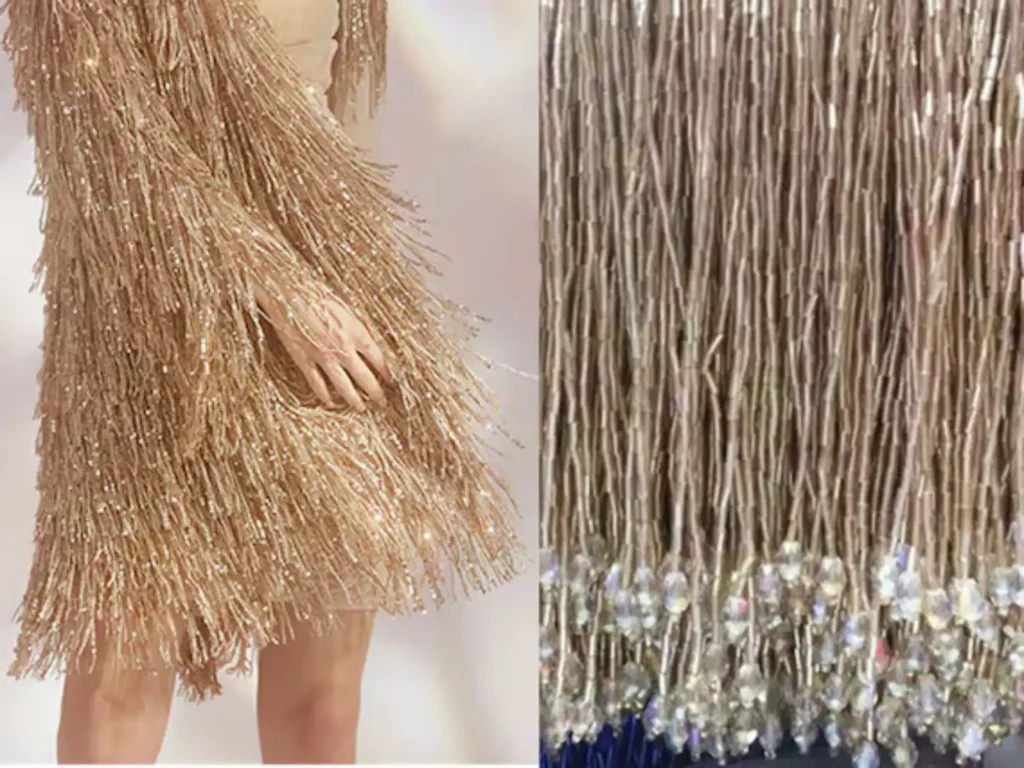
Beaded Fringe Dress

Beaded strands suit premium party and cocktail collections. Manual positioning and reinforcement increase labor content, so bead weight, knot security, backing, spare-trim allowance and repair procedures are established before production.

Mesh Fringe Dress

Mesh offers transparency and lightness but can distort under concentrated trim weight. Mesh stretch direction, layer count, lining coverage, attachment backing and hole risk are checked through fit and movement tests.

Satin Fringe Dress

Satin provides shine and fluidity under moving fringe. Grain direction, snagging, seam impressions, color variation, pressing and protective packing are critical because the smooth surface reveals every handling mark.

Fringe Midi Dress

Midi lengths allow longer movement without the volume of a maxi. Fringe drop, walking clearance, side slit, lining length and visual proportion are adjusted so the style remains elegant rather than heavy.

Fringe Maxi Dress

Long silhouettes require careful weight distribution and hem planning. The base garment must carry extended fringe without stretching out, while packing trials protect long strands from folding marks and entanglement.

Cocktail Fringe Dress

Cocktail styles combine clean fit, polished finishing and controlled movement. Neckline, strap support, lining, zipper access and trim density are planned for eventwear comfort and a refined finish under close photography.

Birthday Fringe Dress

High-impact birthday styles often use bright color, rhinestones, sequins or dramatic fringe. Visual effect is balanced against skin comfort, garment weight, photography needs and price architecture for commercial drops.
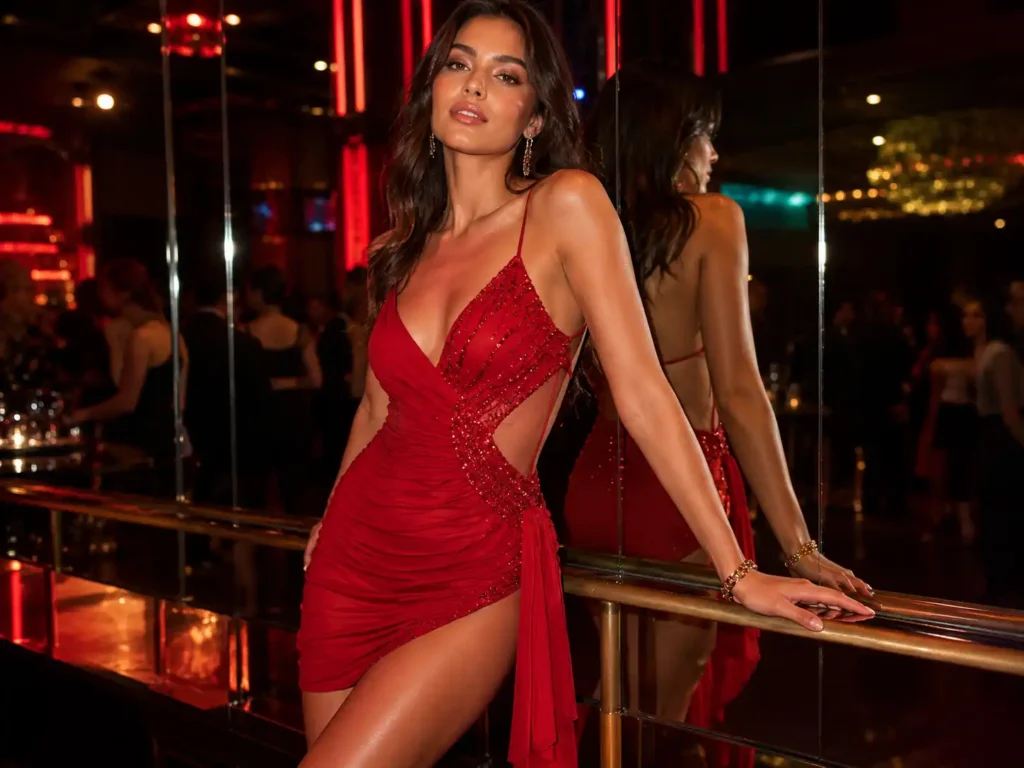
Clubwear Fringe Dress
Clubwear silhouettes may combine cut-outs, stretch mesh and fitted bases. Support, coverage, recovery, seam strength and trim motion are checked under active movement rather than judged only on a mannequin.

Western Fringe Dress

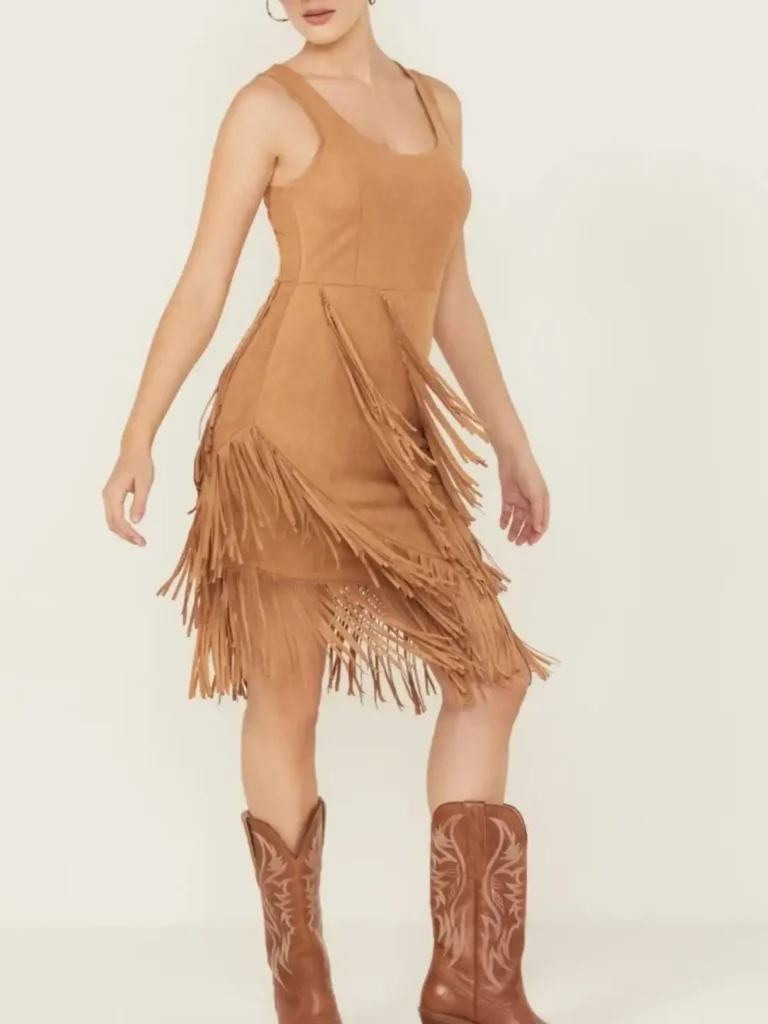
Western-inspired collections use directional fringe, suede-like surfaces, denim, metallic details or contrast trims. Edge finish, color transfer, trim weight and wash or care instructions need material-specific planning.

Fringe Placement, Length and Layer Engineering

Placement defines proportion, movement and manufacturing difficulty. Jinfeng Apparel converts the approved design into measurable row positions, attachment zones and trim consumption before bulk work begins.

Horizontal Layers

Rows are mapped from neckline, waist, hip or hem reference points. Each row needs a fixed spacing rule, overlap allowance and side-seam meeting point so the dress looks continuous around the body.

Diagonal Placement

Angled fringe creates visual direction but magnifies alignment errors. Placement lines are transferred to pattern panels and checked after joining because seam allowance can shift the visible angle.

Localized Fringe

Shoulders, sleeves, waist panels, slits or hems can carry fringe as a controlled accent. Reinforcement remains limited to the attachment zone, helping preserve comfort and base-fabric behavior elsewhere.

Graduated Lengths

Short-to-long fringe builds depth and shape. Length transitions are specified by zone rather than trimmed by eye, reducing inconsistent edges and preserving the intended silhouette across sizes.

Layer Density

Dense coverage gives stronger movement and concealment but adds weight, labor and trim cost. Lower density creates a cleaner surface and may expose the base fabric, requiring careful color and lining choices.

Overlap Depth

Adequate overlap prevents gaps during movement. Excessive overlap adds bulk and tangling. The correct value depends on trim width, strand behavior, garment stretch and the visual coverage required.

Seam Concealment

Fringe can conceal panel joins, yet side seams and zippers still need access and clean finishing. Row ends are planned to avoid bulky crossings, uneven breaks or trapped strands.

Edge Alignment

The visible lower edge is inspected with the garment hanging naturally. Steam, handling and trim stretch can alter apparent length, so final judgement follows the approved finishing condition.

Fringe Dresses for Commercial Collections
Commercial direction changes the right material, construction and schedule. A holiday statement dress follows a different development path from a western capsule or a repeatable clubwear core style.

Party Collections

Party programs need immediate visual impact, controlled body fit and strong movement under lighting. Fringe density, sequin reflection, neckline support and photo-ready finishing receive early priority.
  • Mini and bodycon silhouettes
  • Bright or metallic trims
  • Campaign sample priority

Cocktail Collections

Cocktail styles favor refined proportions, cleaner fringe lines and polished internal finishing. Satin, crepe, mesh and beaded trims can be combined when weight and skin contact are controlled.
  • Midi or short lengths
  • Balanced sparkle
  • Premium lining and closure

Clubwear Drops

Clubwear relies on stretch, recovery and movement. Cut-outs, mesh panels and fringe need fit checks at bust, waist and hip while maintaining secure coverage and freedom of movement.
  • Stretch bases
  • Active movement review
  • Strong size consistency

Holiday Programs

New Year and holiday deliveries often combine sequins, rhinestones and dense fringe under fixed launch dates. Material booking, key-style sampling, PP approval and shipment planning must be sequenced early.
  • Hero SKUs first
  • Peak-season capacity review
  • Air and sea options

Western Capsules

Western-inspired capsules may use directional fringe, faux suede, denim or metallic hardware. Color transfer, surface abrasion, edge finish and care labeling require material-led decisions.
  • Directional fringe
  • Earth or contrast colors
  • Accessory coordination

Premium Ecommerce

Online fashion programs need camera-ready samples, stable measurements, strong packaging recovery and accurate SKU labeling. Product presentation after unpacking matters as much as the factory-floor finish.
  • Photo-ready samples
  • Barcode and SKU control
  • Protective folding trials

Base Fabrics for Fringe Dress Construction
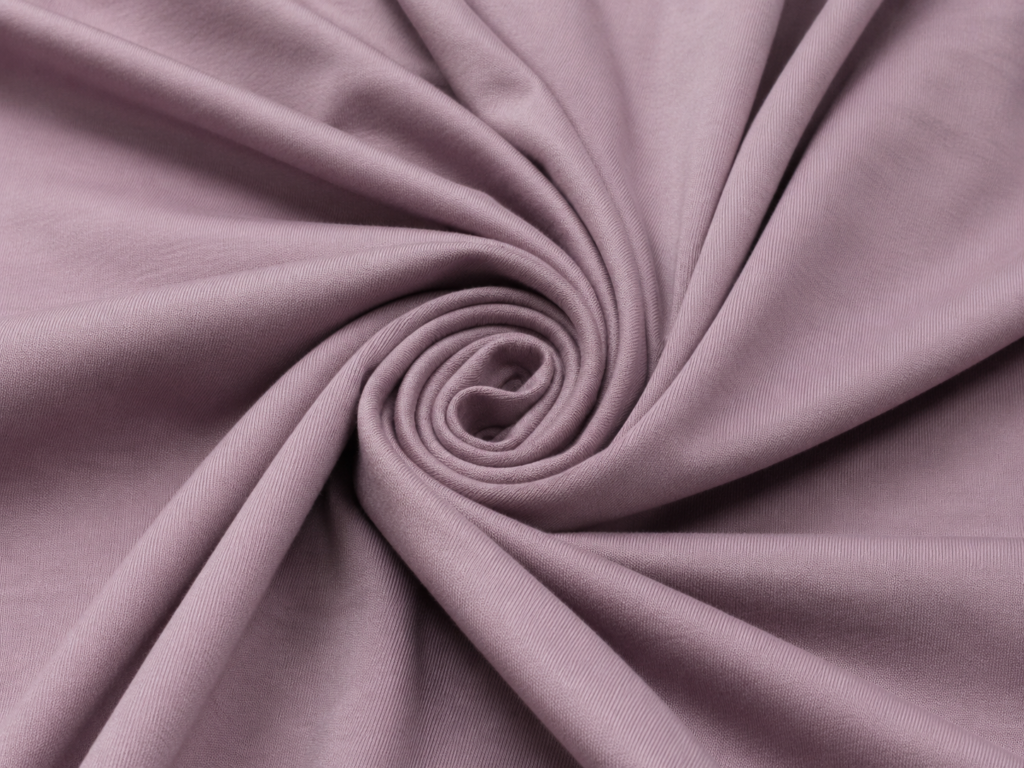
The base fabric carries fringe weight, defines fit and controls comfort. Selection must consider composition, GSM, stretch direction, recovery, transparency, drape, snagging risk and lining needs.

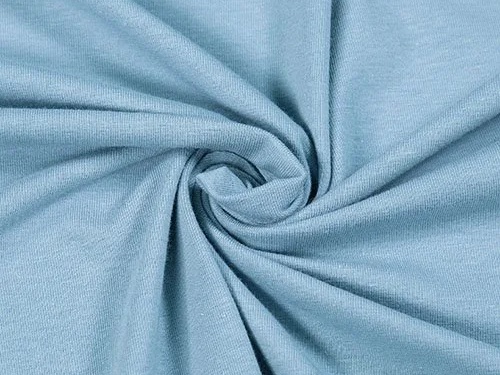
Stretch Jersey

Common ranges of 140-240 gsm suit fitted party and bodycon styles. Medium-to-high stretch improves comfort, yet the fabric needs stable recovery and controlled attachment zones so row stitching does not create rippling or uneven tension.

Ponte

A denser knit offers structure, opacity and stronger support for localized or medium-density fringe. Ponte can help stabilize bodycon silhouettes, though seam thickness, pressing and overall garment weight still need review.

Spandex Blend

Polyester-spandex or nylon-spandex bases commonly range from 160-320 gsm. High elasticity suits fitted shapes, but trim fixation must preserve recovery and prevent stretched placement lines from relaxing unevenly.

Stretch Mesh

Lightweight mesh often falls within 40-120 gsm and needs lining or double-layer planning. Attachment backing, hole prevention, transparency and recovery are central when fringe weight is concentrated on delicate panels.

Sequin Mesh

A sequin surface creates strong occasionwear impact. Cutting loss, missing sequins, seam bulk, skin contact, lining coverage and fringe attachment must be evaluated together rather than as separate operations.

Stretch Satin

Stretch satin adds shine and a close fit. Grain direction, color shade, snagging, seam impressions and heat sensitivity affect both sample appearance and bulk handling. Fringe rows must not distort the smooth surface.

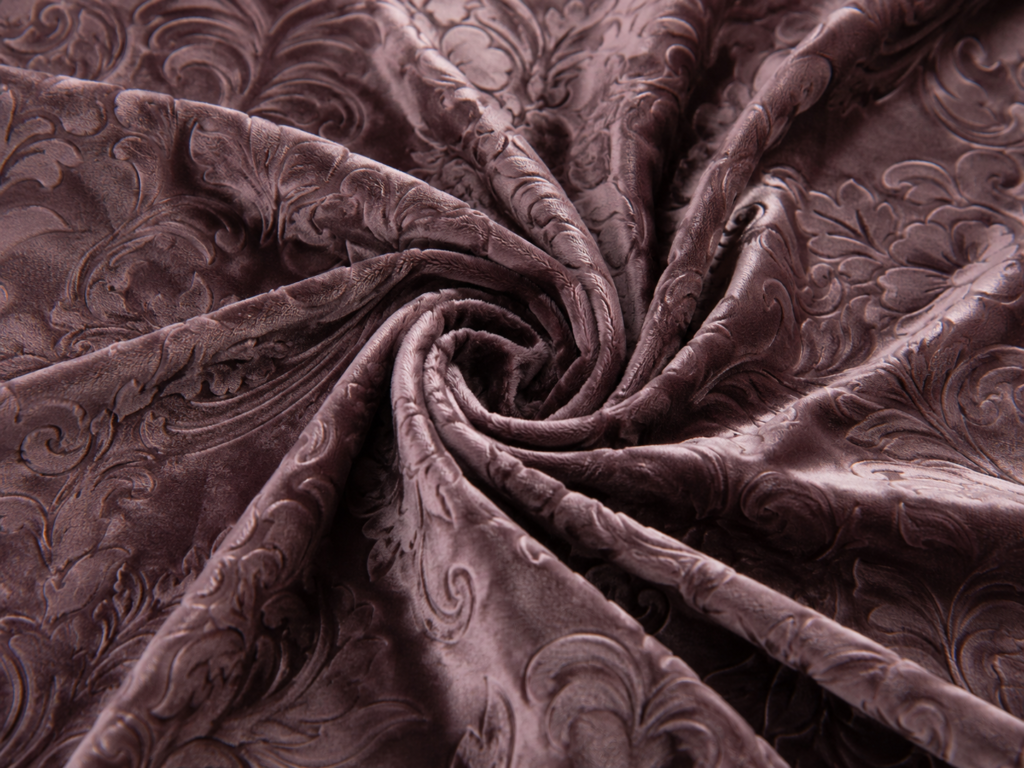
Velvet

Velvet brings depth and seasonal richness. Nap direction, pressure marks, crushing, seam visibility and packing protection need attention. Dense heavy fringe can make the garment feel overly weighted without careful balance.

Crepe Woven

Crepe provides controlled drape and a refined matte surface for cocktail or midi styles. Woven stability helps placement accuracy, while lining, seam allowance and stress at fringe attachment points still require planning.

Fringe, Tassel and Embellishment Options
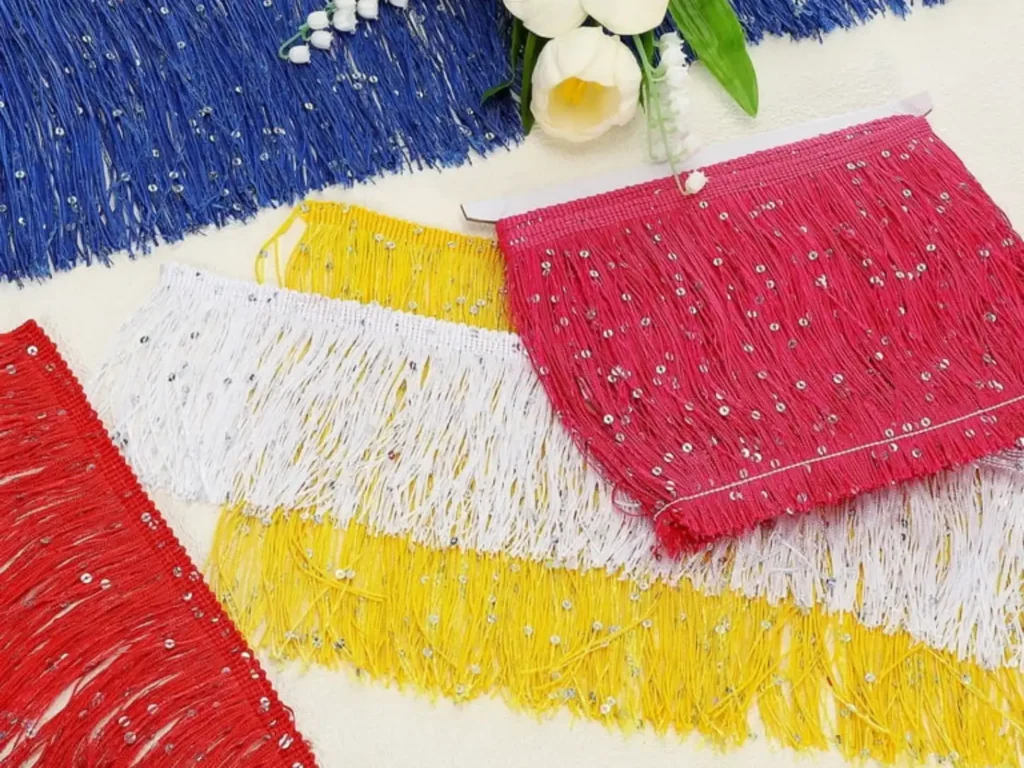
Trim choice affects movement, hand feel, garment weight, sewing method, MOQ, sample timing, bulk cost and packing. Every option is reviewed against the base fabric and target retail positioning.

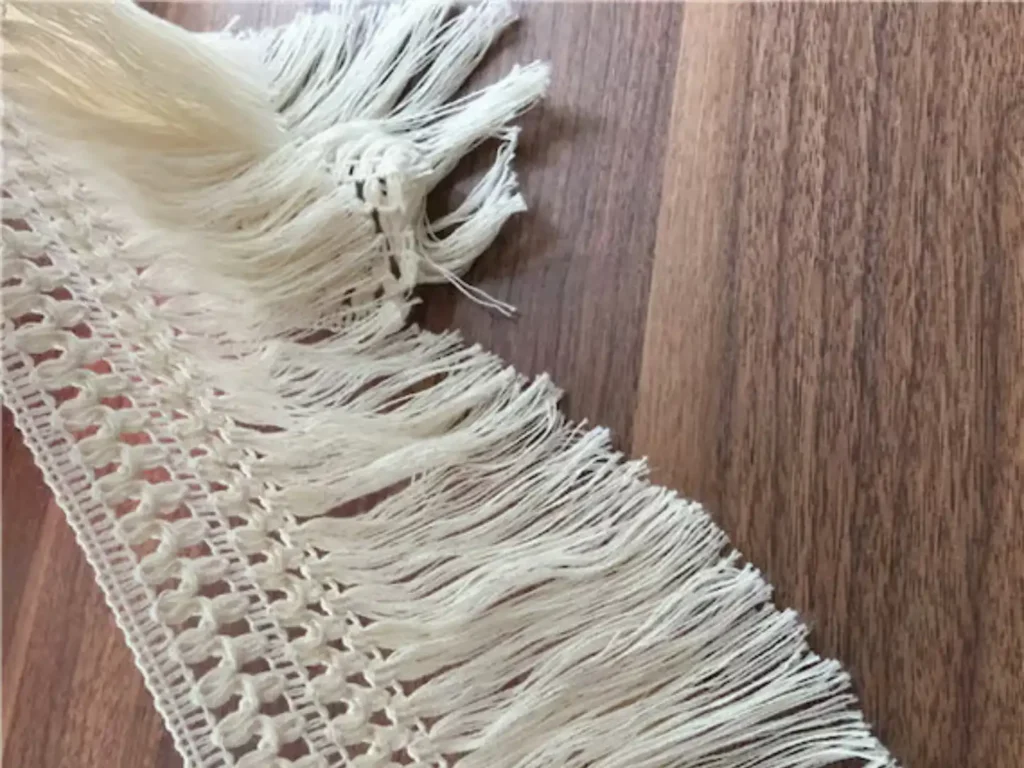
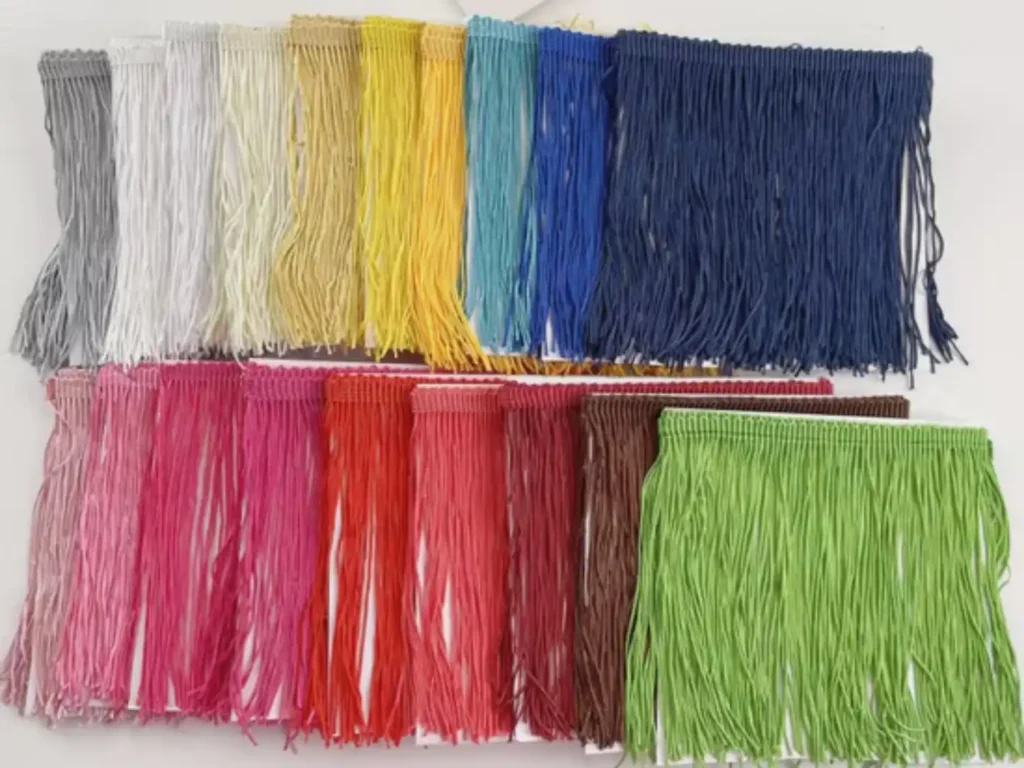
Chainette Fringe

Soft filament fringe offers fluid movement and strong color options. Tape width, strand length, luster, shedding, color consistency and heat sensitivity are checked before row layout is approved.
  • Light to medium weight
  • Good continuous movement
  • Color-lot control required

Tassel Trim

Tassel trims create spaced movement rather than full coverage. Cord thickness, knot security, spacing, tape flexibility and edge finishing influence both appearance and attachment efficiency.
  • Defined repeat spacing
  • Decorative edge use
  • Knot and pull review

Beaded Fringe

Beaded strands raise visual value and manual work. Bead weight, strand security, backing, sharp edges, replacement allowance and repair access are included in sample and costing decisions.
  • Premium appearance
  • Higher labor content
  • Reinforced attachment

Rhinestone Chains

Rhinestone chains deliver precise sparkle but can be heavy and abrasive. Link strength, stone setting, chain spacing, anchor points and skin contact need close inspection.
  • Strong light reflection
  • Placement accuracy
  • Missing-stone checks

Sequin Fringe

Sequin strips or strands combine movement with reflective texture. Sequin size, edge sharpness, tape flexibility, loss during sewing and friction against the base garment require testing.
  • High visual impact
  • Surface protection
  • Drop-loss monitoring

Metal Chain Fringe

Metal chain creates a sharp fashion direction and considerable weight. Chain finish, oxidation risk, hardware consistency, garment reinforcement and transport protection must be defined before approval.
  • Statement styling
  • High weight impact
  • Hardware QC needed

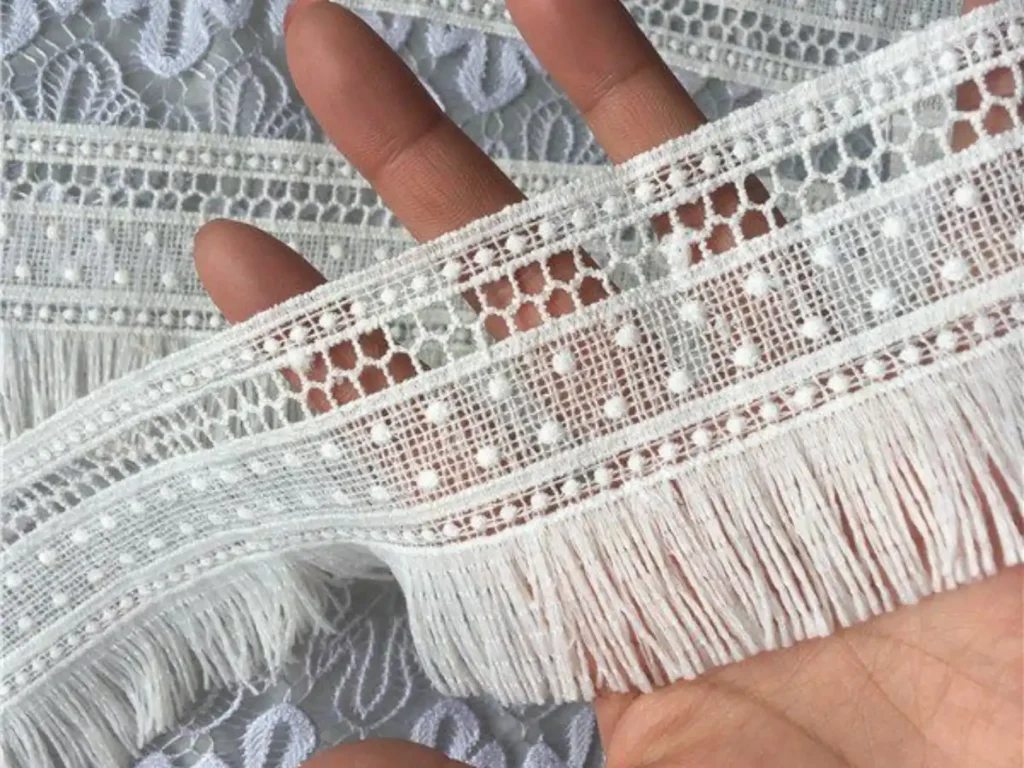
Lace Fringe Mix

Lace trims can soften the transition between fringe and base fabric. Pattern placement, edge stability, color matching and transparency need alignment with the garment lining and seam plan.
  • Feminine texture
  • Lining coordination
  • Edge-fray control

Customize Every Visible and Structural Detail

Fringe design decisions influence fit, comfort, cost and production efficiency. A controlled specification turns visual ideas into measurable instructions for sampling and bulk production.

Dress Silhouette

Choose fitted, column, A-line, slip, corset, asymmetrical or fluid shapes. Silhouette determines support, ease, base-fabric behavior and how fringe moves around the body.

Finished Length

Mini, midi and maxi lengths require different fringe drops and walking clearance. Finished length is measured on the trimmed garment after hanging and finishing.

Fringe Position

Placement can cover the full body or focus on shoulder, sleeve, waist, hip, slit or hem zones. Positioning is recorded on pattern panels or an approved placement map.

Fringe Length

Short strands create texture; longer strands create stronger movement. Length choice changes consumption, overlap, tangling risk, packaging and visual proportion.

Fringe Density

Density controls coverage, weight and cost. Row count and spacing are confirmed against the approved sample rather than left to operator judgement.

Color and Shine

Matte, satin, metallic or rhinestone effects can be matched to the garment color or used as contrast. Shade consistency across fabric, lining, thread and trim needs approval.

Neckline and Straps

Halter, strapless, one-shoulder, deep V and thin-strap designs need support and coverage strong enough to carry trim weight without distortion.

Lining and Closure

Lining, zipper, hooks, bra cups, boning or anti-slip tape are selected according to transparency, support, comfort and dressing access. Fringe placement must not obstruct the closure.

Pattern and Fit Under Added Fringe Weight

Fit approval must use the finished garment weight. A clean untrimmed base can change after dense fringe, bead chains or metal details are attached.

Bust and Neckline

Upper bust, full bust, under-bust, cup position, neckline depth and strap support are checked after final trim placement. Heavy fringe near the neckline can pull edges outward or lower the front balance.
  • Support and coverage
  • Strap-load review
  • Lining stability

Waist Position

Natural, high or low waist placement controls overall proportion. Trim rows crossing the waist must remain level while the base pattern provides enough support to resist downward pull.
  • Waist seam balance
  • Visual leg proportion
  • Post-hanging check

Hip Fit

Bodycon and column dresses need controlled ease through the hip. Fringe attachment can reduce local stretch, so fit is checked in standing, walking and sitting positions.
  • Ease by fabric stretch
  • Side-seam stability
  • Movement clearance

Dress Length

Finished length combines base garment length and visible fringe drop. The specification distinguishes lining length, shell length and fringe length to avoid inconsistent visual results.
  • Mini, midi or maxi
  • Lining coverage
  • Finished hanging length

Strap and Armhole

Thin straps and open armholes need stable support without cutting into the body. Strap length, armhole depth, attachment strength and fringe load are reviewed together.
  • Shoulder comfort
  • Armhole coverage
  • Attachment reinforcement

Size Grading

Grading cannot simply enlarge every fringe row. Placement references, row spacing, bust-to-waist distance and hip coverage are checked so each size preserves the approved visual proportion.
  • Grade-rule review
  • Placement by size
  • Measurement tolerance

Movement, Balance and Wearability Testing

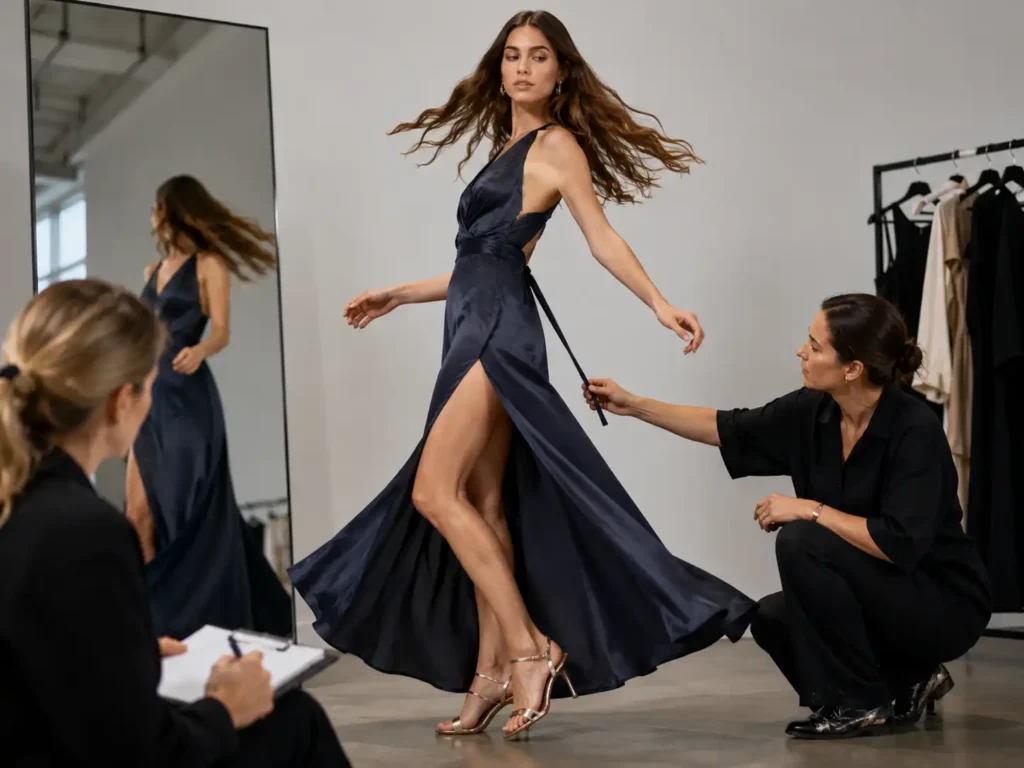
Fringe earns its value in motion. Sample review covers static balance, walking movement, turning behavior, sitting comfort and contact with skin or adjacent decorative surfaces.

Standing and Walking

The garment is checked after hanging naturally so weight can settle. Front, side and back views reveal whether the waistline drops, side seams twist, the hem becomes uneven or fringe rows slope across the body. Walking tests confirm clearance, overlap and strand behavior. Long layers should move freely without exposing unintended gaps, catching under shoes or pulling the base skirt out of position.
  • Front-side-back balance
  • Natural fringe separation
  • Finished length and clearance

Turning and Movement

Turning creates higher lateral movement than normal walking. Layer direction, attachment strength and overlap are observed as fringe swings away from the body and returns. Bodycon, mesh and cut-out styles receive extra attention because local stretch and concentrated trim weight can move the garment, expose lining edges or create uneven tension around side seams.
  • Layer interaction
  • Return-to-position behavior
  • Attachment-zone stability

Sitting and Contact

Sitting tests reveal pressure, bunching and skin-contact issues hidden during standing review. Beads, rhinestones, sequin edges and chain links are checked around underarm, waist, hip and thigh areas. Comfort findings may lead to lining extensions, backing, row relocation or trim replacement before PP approval. Visual impact remains important, yet wearability must support real event use.
  • Skin-contact review
  • Pressure-point checks
  • Lining and backing updates

Information Needed for Project Review

Complete inputs allow faster feasibility review, clearer sample costing and a more reliable development schedule. Missing information is converted into a confirmation list before pattern work begins.

Reference or Tech Pack

Provide front, back and detail views, construction notes, measurements and artwork where available. A reference image can start discussion, but final production requires confirmed dimensions and materials.

Fringe Direction

Share preferred trim type, length, color, shine, density and placement. A close-up reference helps distinguish chainette, tassel, bead, rhinestone, sequin or metal effects.

Base Fabric

State preferred composition, GSM, stretch, hand feel, drape and transparency. Jinfeng Apparel can suggest alternatives when the reference material is unavailable or unsuitable.

Quantity Plan

List quantity per style/color and the expected size ratio. MOQ starts from 200 pcs per style/color, while special fringe or custom colors may require higher material quantities.

Size Range

Provide garment measurements, body measurements or an existing size chart. Key points include bust, waist, hip, dress length, strap length, armhole and neckline depth.

Color Plan

Send Pantone references, physical swatches or approved color standards. Fabric, lining, zipper, thread, fringe and labels may need coordinated color approval.

Private Label

Provide label artwork, care content, hangtag files, barcode or SKU rules, polybag markings, carton marks and warehouse requirements before PP approval.

Launch Date

Share campaign, ecommerce or retail delivery milestones. Sample priorities, material booking, production allocation, QC windows and transport options can then be planned backward.

From Design Review to Production-Ready Sample

Sampling creates the production standard. Ordinary dresses often require 10-15 days for a first sample; complex mesh, sequin, corset or fringe-heavy styles commonly require 15-25 days, excluding special-trim supplier lead time.

Requirement Review

Style files, quantity, fabric, fringe, size range, target price, labels, packaging and launch date are reviewed. Open questions are listed before cost or pattern decisions are finalized.

Material Direction

Base fabrics and fringe options are compared for weight, movement, stretch, color, comfort, MOQ and lead time. Approved swatches or trim cards become project references.

Cost Estimation

Initial costing considers fabric, fringe consumption, lining, pattern work, cutting, sewing time, handwork, pressing, QC, packing, wastage and order volume.

Pattern Development

Seven plus senior pattern makers support silhouette, fit and placement planning. Pattern work includes shell, lining, grading references and fringe attachment zones.

First Sample

The sample room assembles the selected materials and structure. Internal review checks measurements, fit, visual proportion, row placement, attachment, movement and finishing before presentation.

Revised Sample

Fit, material, trim, construction, color and detail comments are classified and recorded. Updated patterns, size charts, BOM and sewing instructions support the next version.

PP Sample

The pre-production sample uses final approved fabric, trims, labels, measurements, construction and packing direction. Major structural changes stop after PP approval unless schedule and cost are reassessed.

Golden Sample

The sealed standard guides bulk production, inspection, repeat orders and discrepancy review. Production files and QC checkpoints are aligned with the approved physical sample.

How Fringe Dress Revisions Are Recorded

Revision control prevents approved comments from disappearing inside chat threads. Every change must update the physical sample and the production file affected by the change.

Pattern Changes

Bust, waist, hip, neckline, armhole, strap, dress length and seam position changes are marked with measurements and reasons.
  • Updated pattern version
  • Revised size chart
  • Fit-photo reference

Fringe Changes

Length, row spacing, density, direction, placement, material and color changes are listed by garment zone.
  • Revised placement map
  • New trim card
  • Consumption update

Fabric Changes

Composition, GSM, stretch, transparency, hand feel, drape, color and lining implications are compared before replacement.
  • Fabric comparison
  • Pattern impact
  • Cost and lead-time update

Sewing Changes

Attachment method, reinforcement, seam finish, zipper access, backing and internal comfort changes are transferred into sewing instructions.
  • Construction note
  • Operation sequence
  • QC checkpoint

Branding Changes

Label position, care content, hangtag, barcode, SKU sticker and packing updates receive separate approval.
  • Artwork version
  • Placement record
  • Packing instruction

Approval Status

Each style is marked as pending, revise, approved for PP, PP approved or released for bulk. No bulk release relies on verbal approval alone.
  • Version date
  • Approver record
  • Next action

Fringe Attachment and Reinforcement Methods

Attachment is selected by trim weight, base-fabric stretch, placement, required movement and bulk efficiency. No single method suits every fringe dress.

Seam-Inserted Tape

Fringe tape is enclosed inside a planned seam for a clean attachment edge. The method suits panel joins or waist seams when tape thickness and seam bulk remain controlled.
  • Clean exterior line
  • Strong enclosed edge
  • Seam-bulk review

Topstitched Rows

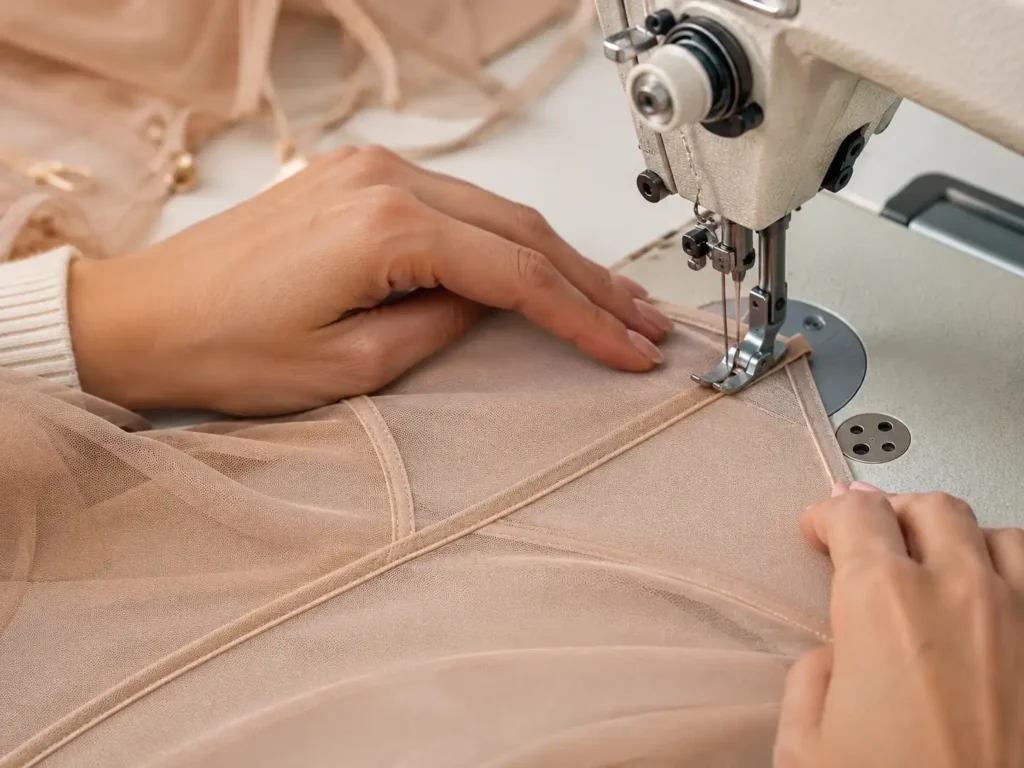
Trim tape is sewn onto marked placement lines. Stitch length, thread, row tension and backing are adjusted to the base fabric so rows stay level without puckering.
  • Flexible row layout
  • Visible precision needed
  • Tension control

Layered Panel Build

Multiple rows are assembled in a defined order, often from lower row to upper row. Overlap allowance and operation sequence prevent later rows from trapping or distorting earlier fringe.
  • Controlled overlap
  • Repeatable sequence
  • Higher labor content

Reinforced Anchors

Heavy bead, rhinestone or metal elements may need localized reinforcement at row ends, corners, slits or stress points. Reinforcement remains concealed and comfortable.
  • Stress-point support
  • Reduced pull-out risk
  • Backing selection

Hand-Tacked Details

Individual strands or decorative sections may be hand-tacked for precise placement. Stitch security, knot concealment, repair access and labor time become part of the approved standard.
  • Fine placement control
  • Manual inspection
  • Cost visibility

Sewing Details Protect Appearance and Comfort
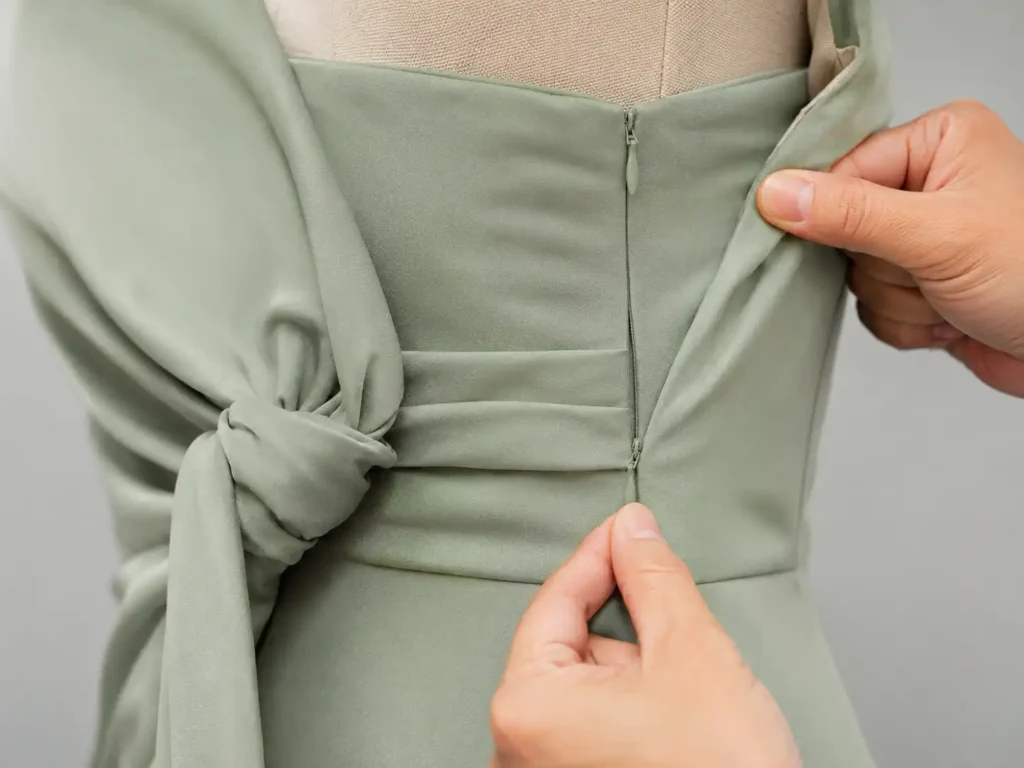
A fringe dress can fail even when the fringe itself looks correct. Zippers, lining, necklines, seam transitions and internal finishing determine whether the garment is wearable and retail-ready.

Zipper Clearance

Fringe rows near center back or side zippers are positioned to avoid trapped strands and excessive bulk. Ends are finished so repeated opening does not pull the trim.
  • Clear opening path
  • Controlled row ends
  • Smooth zipper function

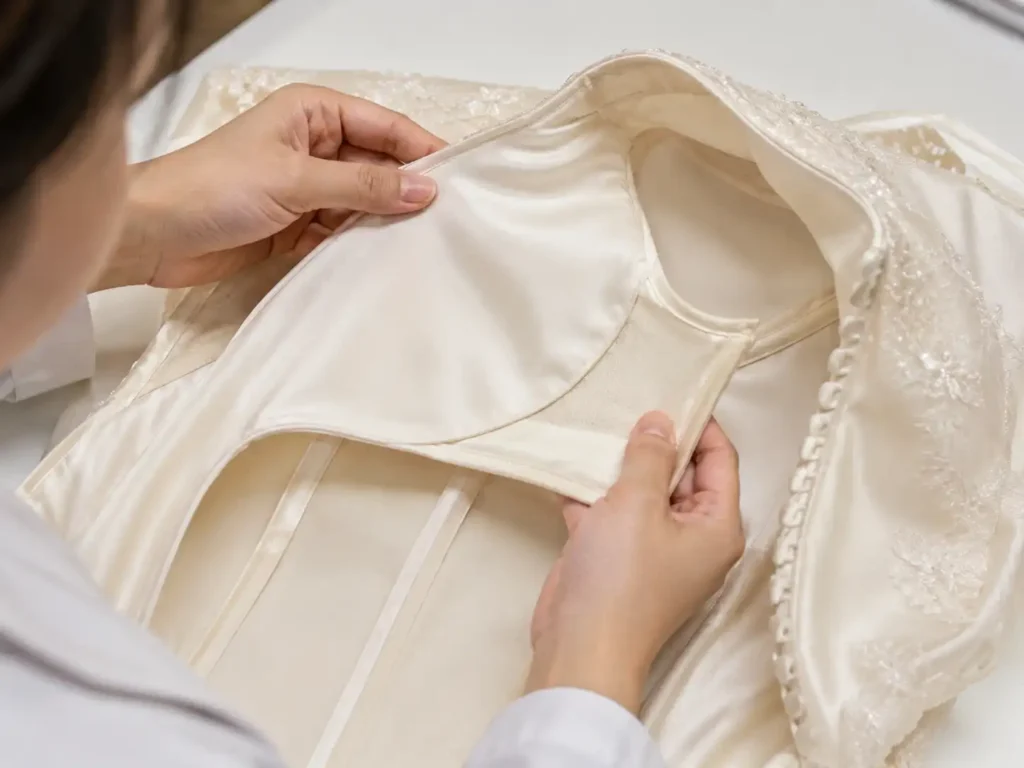
Lining Coverage

Lining controls transparency, skin contact and internal neatness. Lining length must remain hidden under moving fringe while providing enough coverage for real wear.
  • Opacity control
  • Comfort layer
  • No exposed edges

Neckline Stability

Trim weight near a neckline can cause gaping or stretching. Facing, lining, straps, anti-slip elements or structural support are selected according to silhouette.
  • Shape retention
  • Support balance
  • Clean edge finish

Side-Seam Balance

Rows must meet cleanly across side seams without a visible step. Garment balance is checked after trim weight settles and after final pressing or steaming.
  • Matched row height
  • No twisting
  • Hanging balance

Skin-Safe Interior

Backing, seam allowance, bead ends, chain links and sequin edges are checked at underarm, waist, hip and thigh contact zones.
  • Smooth contact points
  • Covered sharp edges
  • Wearability review

Clean Finishing

Loose threads, trapped fringe, twisted strands, exposed tape, uneven topstitching and pressing marks are removed during finishing and final inspection.
  • Trim grooming
  • Thread cleanup
  • Final visual check

Bulk Production Process for Fringe Dresses

Bulk release follows PP approval. Final patterns, material references, placement maps, measurements, sewing methods, QC checkpoints and packing rules move together into production.

PP Approval

Final fabric, fringe, color, measurements, construction, labels and packing direction are signed off before production scheduling.

Pattern Lock

Approved shell, lining and grading files are released with version control. Fringe placement references remain linked to each size.

Material Booking

Fabric, lining, fringe, thread, zippers, labels and packaging are booked against confirmed quantities and approved specifications.

Incoming Inspection

Materials are checked for color, width, weight, stretch, surface defects, trim length, lot consistency and visible damage before cutting.

Cutting Preparation

Panels are relaxed or prepared according to material behavior. Placement references and matching requirements are transferred accurately.

Sewing and Placement

Garments follow the approved operation sequence. Fringe rows, closures, lining and decorative zones receive in-line checks.

Measurement Control

Bust, waist, hip, dress length, straps, neckline, hem and other style-specific points are measured against approved tolerances.

Final Inspection

Appearance, row spacing, symmetry, attachment, garment balance, labels, loose threads and packing presentation are reviewed.

Packing and Delivery

Approved folding, protection, SKU separation, carton marks, packing lists and shipment instructions are applied before release.

Capacity and Control for Multi-Style Programs

Jinfeng Apparel supports seasonal programs through owned factories, long-term production partners, flexible allocation, merchandising control and dedicated inspection. Capacity is confirmed against complexity, materials and delivery windows.

Six Owned Factories

Owned factories cover dresses, skirts, jumpsuits, sets and private-label womenswear. Fringe projects are routed according to silhouette, fabric, embellishment and required manual work.
  • Product-based allocation
  • Direct production control
  • Long-term repeat support

Eighteen Plus Lines

Sewing lines support woven and stretch dresses, occasionwear and multi-style programs. Line selection follows PP construction and production complexity rather than a one-line-fits-all approach.
  • Woven and knit styles
  • PP-based operation plan
  • Style-specific line setup

Six Flexible Lines

Flexible production lines help manage multiple styles, colors, fabrics and size ratios. Priority styles can be sequenced around launch dates and material readiness.
  • Multi-style sequencing
  • Color and size control
  • Launch-priority planning

Twelve Merchandisers

Merchandisers track fabric, trims, sample versions, approvals, bulk progress, QC feedback, packing and shipment milestones for complex programs.

  • Style tracker
  • Revision visibility
  • Milestone communication

Fifteen QC Inspectors

Dedicated inspectors cover material, cutting, in-line sewing, measurements, final appearance and packing. Fringe-specific checks are inserted into the project inspection plan.

  • Process inspection
  • Final garment review
  • Packing verification

Quality Control Across Materials, Sewing and Packing

Quality control begins before cutting and continues through packing. Inspection criteria reflect the base fabric, fringe type, silhouette, private-label requirements and approved Golden sample.

Base Fabric Check

Composition, GSM, width, stretch, recovery, drape, transparency, shade and surface defects are reviewed against the approved fabric reference.

Fringe Trim Check

Trim length, tape width, color, shine, strand consistency, weight, visible damage and lot variation are checked before sewing release.

Color Coordination

Fabric, lining, fringe, thread, zipper and labels are compared under the approved color direction. Lot differences are recorded and separated where needed.

Cutting Control

Pattern version, grain direction, nap or shine direction, panel quantity, notches and placement references are checked before bundles move forward.

In-Line Sewing

Row height, spacing, attachment tension, seam balance, zipper access, lining and internal comfort are checked during production rather than only at the end.

Measurement Review

Key garment points are measured against the approved size chart and tolerance. Finished weight and trim placement are considered when evaluating length and balance.

Final Appearance

Symmetry, strand condition, loose trim, missing stones, twisted fringe, exposed tape, seam quality, pressing and overall hanging balance are inspected.

Packing Inspection

Labels, barcodes, SKU stickers, size markers, fold direction, protection, polybag, carton quantity and carton marks are verified before shipment.

Fringe-Specific Inspection Checklist

Inspection ItemControl MethodMain RiskRequired Reference
Fringe LengthCompare strands or trim drop with the approved sample and specified measurement points.Short or long areas, stretched rows, inconsistent lower edgeApproved PP / Golden sample, project specification and QC checklist
Layer SpacingMeasure row distance at defined front, side and back positions.Gaps, overcrowding, sloping rowsApproved PP / Golden sample, project specification and QC checklist
PlacementCompare each zone with the placement map and approved PP sample.Wrong height, wrong direction, missing rowsApproved PP / Golden sample, project specification and QC checklist
SymmetryReview left-right and front-back balance on a hanging garment.Uneven visual weight, mismatched detailsApproved PP / Golden sample, project specification and QC checklist
AttachmentCheck stitching, backing, row ends, anchors and visible looseness.Pull-out risk, broken stitches, rough interiorApproved PP / Golden sample, project specification and QC checklist
Trim ShadeCompare trim lots and coordination with fabric, lining and thread.Shade variation, mixed luster, wrong colorApproved PP / Golden sample, project specification and QC checklist
Garment BalanceCheck waistline, side seams, neckline and hem after trim weight settles.Twisting, sagging, uneven lengthApproved PP / Golden sample, project specification and QC checklist
Skin ContactInspect internal edges and try on key contact zones where required.Sharp beads, exposed tape, abrasive seamsApproved PP / Golden sample, project specification and QC checklist
MovementWalk, turn and sit in the approved sample or inspection garment.Tangling, excessive exposure, movement restrictionApproved PP / Golden sample, project specification and QC checklist
Packing RecoveryUnpack after the approved packing trial and assess strand recovery.Creasing, trapped fringe, tangled layersApproved PP / Golden sample, project specification and QC checklist

MOQ, Pricing and Fringe Cost Drivers

MOQ starts from 200 pcs per style/color. Final feasibility depends on fabric stock, fringe supplier requirements, custom color, decoration, size range, packing and production schedule. Sample timing reference: simple first samples often require 7-10 days; ordinary dresses 10-15 days; complex fringe, mesh, sequin or structured dresses commonly require 15-25 days. Special trims may extend the schedule according to supplier lead time. CTA 1: Request Cost Review | CTA 2: Send Quantity Plan

Base Fabric Cost

Fabric composition, GSM, usable width, stretch, lining and cutting loss form the base cost. Mesh, satin, sequin and velvet each carry different handling and wastage requirements.
  • Fabric price
  • Consumption and loss
  • Lining requirement

Fringe Consumption

Longer fringe, higher density and more rows increase material use rapidly. Consumption is calculated from row length, overlap, garment size and planned wastage.
  • Length per row
  • Number of layers
  • Size-range impact

Trim Development

Custom-dyed fringe, special bead colors, rhinestone chains or metal finishes may carry supplier MOQ and longer lead time than stock options.
  • Stock versus custom
  • Color approval
  • Supplier minimums

Construction Labor

Layer positioning, hand tacking, reinforcement, complex transitions and manual grooming add labor. Operation sequence and bulk efficiency are reviewed during sampling.
  • Machine operations
  • Manual finishing
  • Inspection time

Order Structure

Price changes with quantity per style/color, number of colors, size ratio and style grouping. Excessive splits reduce material and line efficiency.
  • MOQ per style/color
  • Color consolidation
  • Size-ratio planning

Packing and Delivery

Protective tissue, larger polybags, hang packing, barcode control, special cartons, testing and transport method can change the landed project cost.
  • Packing specification
  • Warehouse labeling
  • Air or sea planning

Private Label and Protective Fringe Packaging
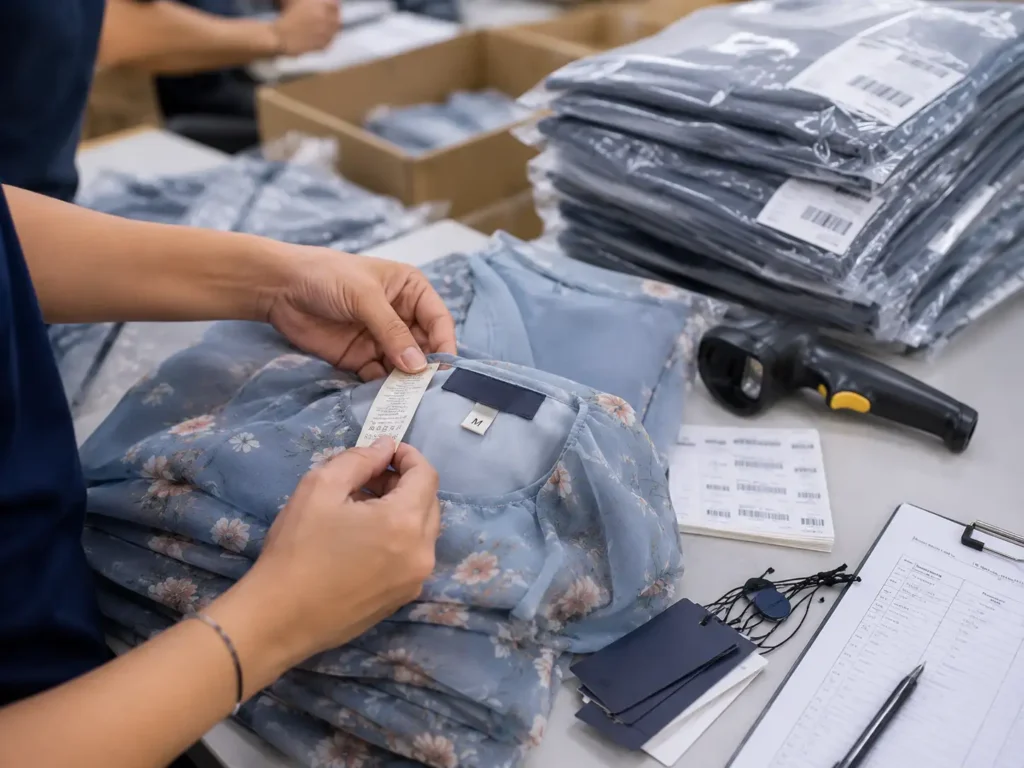
Brand delivery includes garment identity, SKU accuracy, protection and warehouse readiness. Fringe packing is tested to reduce compression, snagging and tangled strands during transport.

Brand Labels

Woven labels, size labels and care labels are developed from approved artwork and content. Position, dimensions, color, language and attachment method are confirmed before PP release.
  • Woven or printed labels
  • Size identification
  • Care-content approval

Hangtags and Barcodes

Hangtags, barcode stickers, SKU labels and price tickets follow the approved market and warehouse format. Data accuracy is checked by style, color and size.
  • Barcode control
  • SKU separation
  • Attachment position

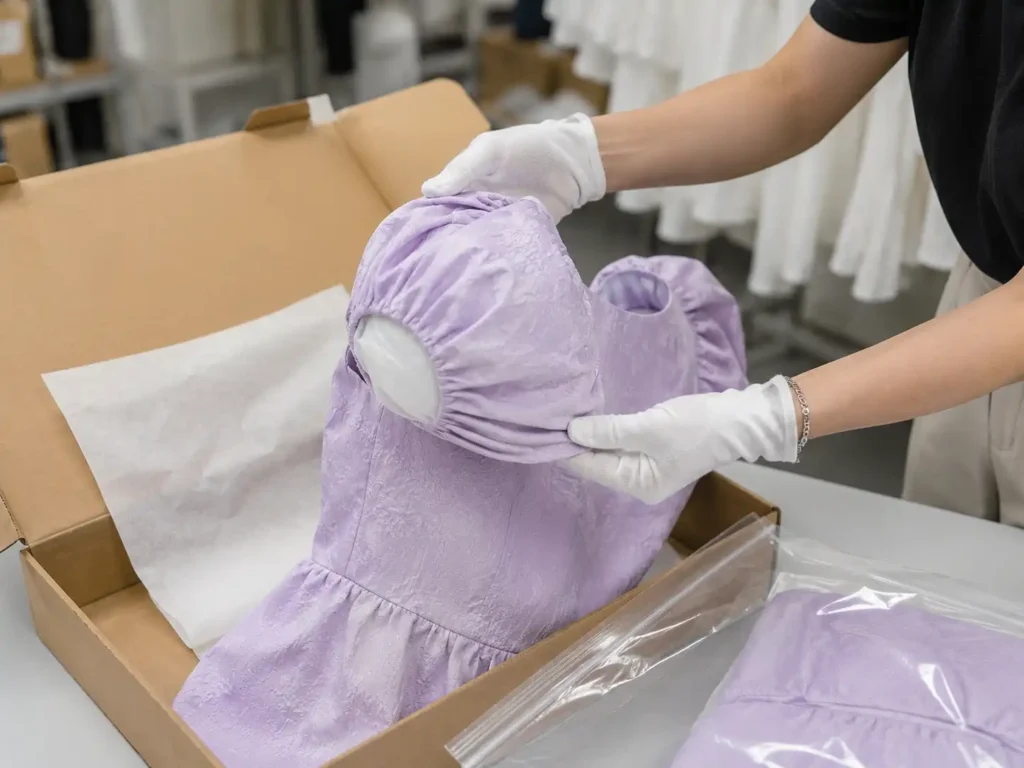
Protective Folding

Fold direction keeps long fringe away from zippers, rhinestones, hooks and sharp sequin edges. Internal tissue or protective layers are assessed according to the garment structure.
  • Fringe direction
  • Surface protection
  • Reduced entanglement

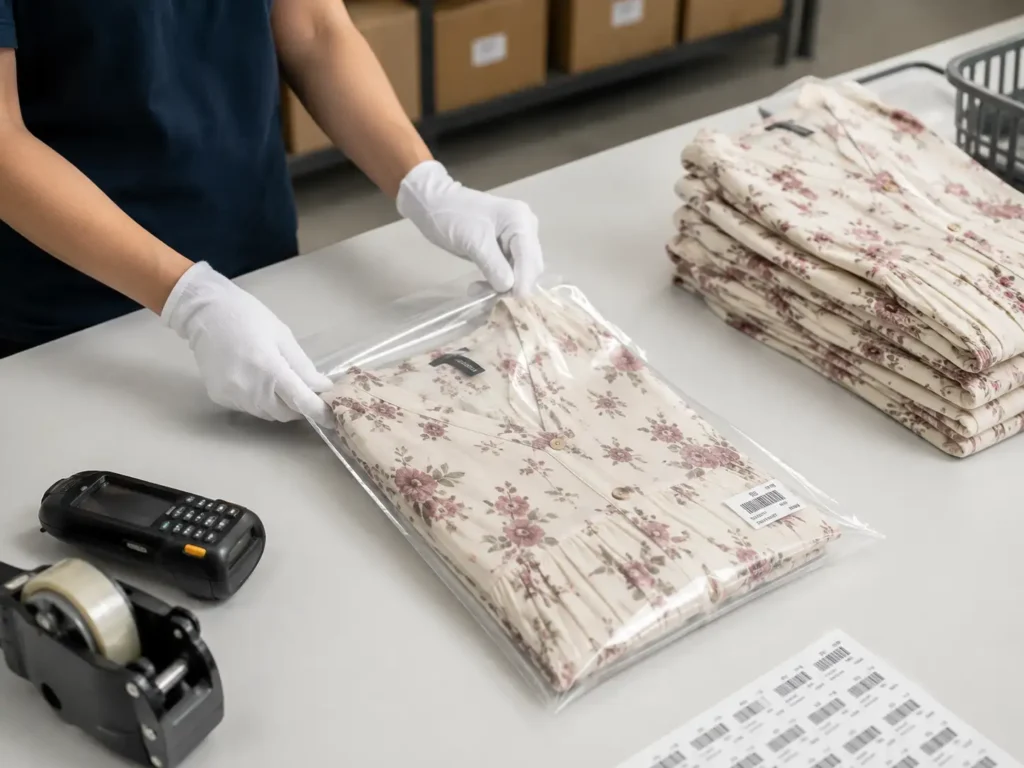
Polybags and Warnings

Bag dimensions allow the garment to sit without excessive compression. Printed warnings, suffocation text, recycling marks and ventilation holes follow the approved requirement.
  • Correct bag size
  • Required warning text
  • SKU sticker position

Carton Planning

Carton quantity, size ratio, gross and net weight, carton marks and inner arrangement are checked against the packing instruction and shipment plan.
  • Quantity accuracy
  • Carton-mark control
  • Warehouse requirements

Recovery Check

A packed garment is opened after the agreed trial period to review fringe recovery, creasing, trapped strands and presentation. Packing is adjusted before bulk completion when needed.
  • Unpacking appearance
  • Strand recovery
  • Fold-method approval

Launch Timing, Shipping and Delivery Planning

Production and logistics are planned backward from campaign, ecommerce, retail or warehouse milestones. Final timing depends on PP approval, material readiness, order complexity, QC and transport route.

Sample Delivery

Completed samples can be shipped by DHL, FedEx, UPS, TNT, an approved regional service or a nominated courier account. Consignee name, phone, address, postcode, company and courier account are confirmed before dispatch. International courier time is separated from the sample-making schedule. Photo or video review can support early feedback, yet physical fitting remains important for complex fringe, support and movement decisions.
  • Courier account accepted
  • Address verification
  • Tracking after dispatch

Bulk Shipment

Bulk orders can move by air freight, sea freight or a planned air-and-sea split. Air may support launch-critical quantities, while sea freight can reduce transport cost for the main balance.
EXW, FOB, CIF and DAP can be coordinated. DDP is evaluated by destination, route and forwarder capability rather than promised without project review.

  • Air, sea or split
  • Client forwarder supported
  • Project-based trade terms

Warehouse Delivery

Commercial invoice, packing list, carton marks, carton dimensions, gross and net weight, style-color-size breakdown and forwarding coordination can be prepared for shipment.
Warehouse labels, booking instructions, cut-off times and receiving guides should be supplied early so packing and carton information match the final destination requirements.

  • Invoice and packing list
  • Carton data
  • Warehouse label support

Fringe Dress Collection Project Snapshots
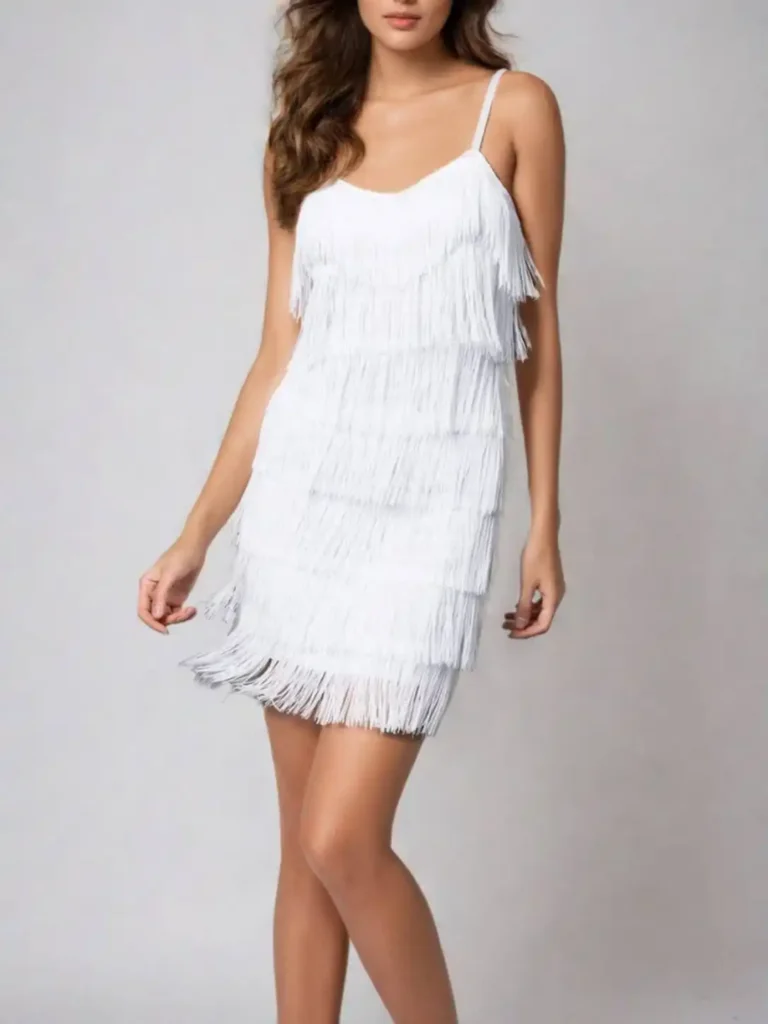
Anonymous project snapshots show how multi-style programs can be structured without revealing brand identity, unpublished designs or private commercial information.

US Partywear Program

Program scope: 18 styles and 48,600 pieces across layered fringe minis, stretch bodycon styles, sequin mesh dresses and rhinestone-accented silhouettes. The order used four principal fabric groups and six fringe directions. Development challenge: hero styles needed photo-ready samples first, while fringe rows had to remain level across XS-XL. Several styles combined stretch bases with heavier trim near the hip. Production response: styles were grouped by fabric and attachment method. Six hero SKUs entered the first sampling priority. Revised patterns adjusted waist position and hip ease after finished trim weight was added. PP files locked fringe placement, row spacing, size measurements and packing recovery. Delivery structure: 9,600 launch-critical pieces were prepared for air shipment, with the balance planned by sea. Barcode, SKU and carton controls were separated by style, color and size.
  • 18 styles
  • 48,600 total pieces
  • XS-XL size range
  • Air and sea split

UK Occasionwear Program

Program scope: 24 styles and 72,000 pieces covering cocktail fringe, midi occasion dresses, beaded fringe panels, mesh overlays and satin bases. The program included 11 colors and coordinated private-label packaging. Development challenge: bead and rhinestone weight changed the balance of several necklines and caused early sample gaping. Custom trim colors also needed alignment with satin, lining and thread shades. Production response: neckline support and strap specifications were revised, heavy zones received concealed reinforcement and trim approval cards were issued by color lot. A central revision tracker separated fit, material, decoration and packaging changes before PP approval. Delivery structure: production was divided into two release windows around the retail calendar. Final inspection emphasized missing stones, row symmetry, lining coverage, measurements and barcode accuracy.
  • 24 styles
  • 72,000 total pieces
  • 11 colorways
  • Two release windows

Australian Ecommerce Program

Program scope: 12 styles and 26,400 pieces built around western fringe, asymmetric party dresses, fringe-hem minis and premium stretch styles. Sizes ran from AU 6 to AU 16 with ecommerce-ready folding and SKU labels. Development challenge: long fringe creased during the first packing trial, while diagonal rows shifted at side seams on two larger sizes. A shorter launch calendar required style prioritization rather than equal treatment for every SKU. Production response: diagonal placement references were added by size, side-seam row joins were corrected and the folding method was changed to protect long strands. Four hero styles moved through sample review first, followed by coordinated bulk release for the remaining styles. Delivery structure: 4,800 pieces from priority styles moved by air, with the main volume shipped by sea after final QC and packing recovery checks.
  • 12 styles
  • 26,400 total pieces
  • AU 6-16
  • Priority-style launch

Design Protection and Repeat-Order Control

Confidential design handling and accurate records protect both the brand and future production consistency. Jinfeng Apparel supports NDA-based cooperation throughout development, production and delivery.

Protected Project Files

Tech packs, line sheets, reference images, original samples, patterns, size charts, fabric and trim details, label artwork, packaging files, barcodes, SKU data, order quantities, pricing and launch plans remain tied to the approved project.
Unreleased samples and brand materials are not posted or shared without permission. Public content uses internally developed samples, authorized materials or anonymized production details.
  • NDA available
  • No unauthorized posting
  • Private-label files protected

Repeat-Order Records

Approved patterns, grading, measurements, fabric references, trim cards, BOM, sewing instructions, QC notes, labels, packing and carton requirements are retained for repeat planning.
A reorder still checks fabric availability, dye lot, trim supply, new colors, size changes, packaging updates and production timing. Record retention speeds review without assuming every historic material remains unchanged.
  • Pattern and size records
  • Fabric and trim references
  • Packing and QC continuity

Fringe Dress Manufacturing Questions

Yes. Jinfeng Apparel can develop fringe dresses from tech packs, original samples, sketches or reference images. A tech pack should ideally include measurements, construction, fringe placement, base fabric, lining, trims, colors, labels, packing and quantity per style/color.
A reference photo can begin feasibility review and style analysis. Final sampling still requires confirmation of measurements, fabric, fringe type, placement, color, size range, quantity and target effect. A final bulk quotation cannot rely on one image alone.
Options may include chainette fringe, tassel trim, beaded fringe, rhinestone chains, sequin fringe, metal chains, lace combinations and mixed embellishment. Availability, MOQ, color and lead time are confirmed by project.
Row positions and spacing are recorded through pattern references, placement maps, approved PP samples and production instructions. In-line inspection checks selected front, side and back points before the full lot proceeds.
Weight is reviewed through base-fabric strength, total trim consumption, row density, lining, support and stress points. Fit and hanging balance are assessed after final trim is attached, not only on an unfinished base garment.
Yes, subject to design review. Sequin fabric and fringe require checks for cutting loss, seam bulk, dropped sequins, skin contact, lining, attachment and protective packing. Complex styles are validated through samples before bulk release.
MOQ starts from 200 pcs per style/color. Stock fabric and regular trims are easier to support. Custom-dyed fringe, special hardware, exclusive colors, heavy handwork or highly divided color quantities may raise the minimum.
Simple first samples often require 7-10 days, ordinary dresses 10-15 days and complex fringe, mesh, lace, sequin or structured styles 15-25 days. Custom fabrics or special trims follow supplier lead time. Revised samples commonly require 7-15 days, depending on changes.
Yes. PP approval confirms final fabric, fringe, color, measurements, construction, labels and packing before bulk production. A Golden sample then supports production, QC, repeat orders and discrepancy review.
Yes, multi-style programs are supported through style grouping, sample priority, material tracking, separate BOM and production files, approval status, factory allocation, QC plans and shipment scheduling.
Packing is selected after a folding trial. Long or decorated fringe may need directed folding, tissue protection, larger polybags or alternate placement to prevent snagging, compression and tangling. Recovery is checked after unpacking.
Yes. Woven labels, size labels, care labels, hangtags, barcodes, SKU stickers, polybags, carton marks and warehouse labels can be coordinated from approved files and requirements.
Yes. Jinfeng Apparel can sign an NDA before reviewing sensitive tech packs, samples, patterns, labels, packaging files or unreleased collection information.
Inspection can cover incoming materials, cutting, in-line sewing, measurements, final appearance, fringe length, row spacing, symmetry, attachment, garment balance, labels and packing. AQL and third-party inspection can be supported according to the agreement.
Express courier, air freight, sea freight and air-and-sea split shipment can be coordinated. EXW, FOB, CIF and DAP are supported; DDP is evaluated by project. Client-appointed forwarders are welcome.

Send Your Fringe Dress Project

Share a tech pack, line sheet, original sample or clear reference images for an initial project review. Include quantity per style/color, size range, base-fabric direction, fringe type, fringe length, placement, color plan, labels, packaging and target launch date. Kelly will coordinate the first review with product development, fabric and trim sourcing, pattern, sampling and production teams.

The response will focus on feasibility, missing information, material direction, sample approach, MOQ fit, cost drivers and scheduling considerations. For multi-style collections, identify hero styles and campaign deadlines so sample priorities can be arranged around the commercial calendar.
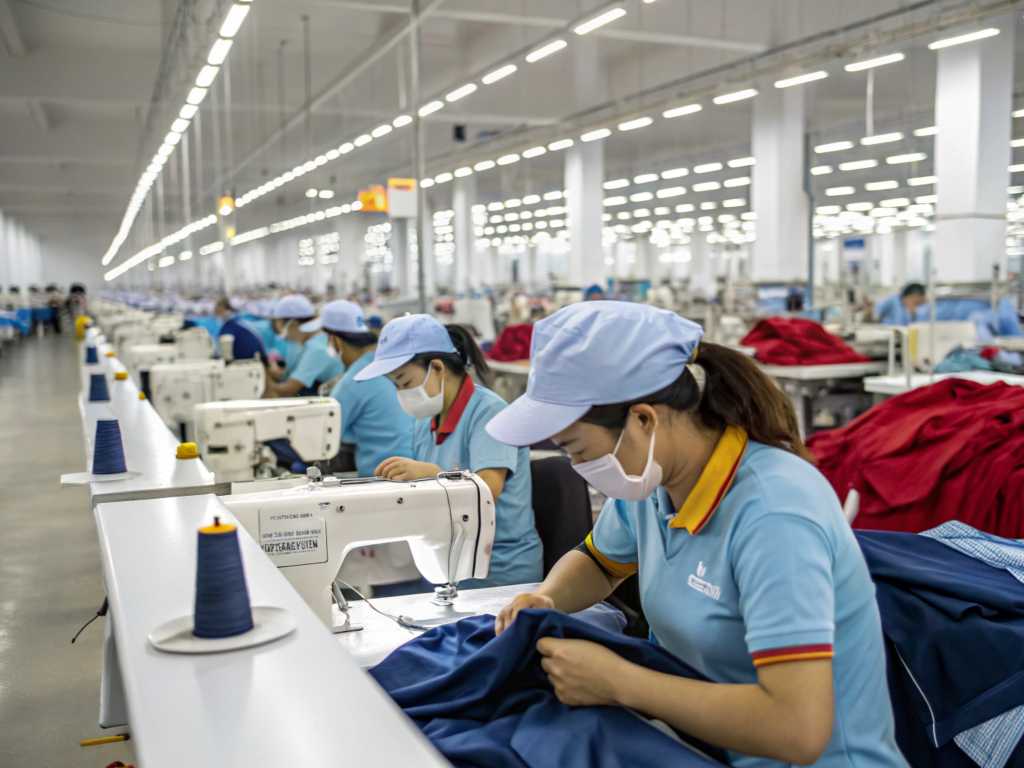

Workers in blue uniforms sewing clothing with sewing machines in a textile factory.

Tell Us About Your Dress Project

Share your product details, estimated quantity and development requirements. Our team will review your project and provide practical OEM/ODM production feedback.

Premium Women’s Apparel Production for Fashion Brands

From dress sample development to bulk production, JF Apparel supports fashion brands with confidential OEM/ODM manufacturing, reliable quality control and scalable production support.

START YOUR DRESS PROJECT

Ready to Develop Your Next Dress Collection?

Share your design concept, product requirements or sourcing plans with our team. We’ll review your project and provide practical feedback on development, materials, MOQ and production.

7-10 Days

Sample Development

200 PCS

Starting MOQ

Fast Response

Professional Follow-Up