 Skip to content
Formal Dress Manufacturer
Custom formal dress development and bulk production for fashion brands, occasionwear labels, and premium ecommerce dress collections.
Jinfeng Apparel helps global fashion brands develop custom formal dresses from design reference, tech pack, or original sample to fit sample, PP approval, bulk production, and private-label delivery. Formal dress manufacturing requires stronger control over fabric drape, bust support, waistline proportion, lining, zipper flatness, slit height, hem balance, and retail-ready packing. Based in Guangdong, China, Jinfeng Apparel supports OEM, ODM, and private-label formalwear projects for brands with clear collection plans and bulk production needs.
- Since 2008— women’s fashion manufacturing experience for overseas apparel programs.
- 6 owned women’s fashion factories— production structure for formal dresses, occasionwear, eveningwear, and private-label dress orders.
- 10+ long-term satellite production partners— flexible support for seasonal collections, repeat orders, and phased delivery.
- MOQ from 200 pcs/style/color— suitable for organized custom production, not ready-stock resale or single-piece fulfillment.
- OEM / ODM / Private Label support— development from tech packs, original samples, reference images, sketches, or line sheets.
- NDA-based cooperation— tech packs, samples, label files, artwork, and unpublished designs handled as protected project materials.
Formal Dress Production Built on Measurable Capacity
Since 2008
- Custom women’s fashion manufacturing since 2008.
- Dress development, sampling, production, and export support.
- Style risk reviewed before sample and bulk approval.
6 Owned Factories
- Owned production resources for core womenswear programs.
- Style allocation by fabric, structure, and sewing difficulty.
- Stronger control from PP sample to final packing.
10+ Satellite Partners
- Capacity support for seasonal formalwear programs.
- Production allocation by fabric group and risk level.
- Unified QC, packing, and shipment coordination.
100,000+ Monthly Capacity
- 100,000+ pieces monthly womenswear capacity.
- Suitable for 10–30 style formalwear programs.
- Capacity connected with material tracking and QC planning.
Sample System
- 2 sample rooms for formal dress development.
- 7+ senior pattern makers and 20+ sample machinists.
- First sample, fit sample, PP sample, and Golden sample support.
QC Team
- Incoming, cutting, sewing, and final garment checks.
- Fabric marks, shade, lining, zipper, hem, and trim review.
- QC notes connected with approved samples and packing files.
Formal Dress Manufacturing for Fashion Brand Teams
Fashion Brands
- Formal midi, satin gown, lace cocktail, and structured dress support.
- Fabric, trim, fit, and construction review.
- Sample-to-bulk planning for coordinated collections.
Occasionwear Labels
- Satin, chiffon, lace, mesh, velvet, sequin, crepe, and tulle support.
- Lining, zipper, hem, slit, and photo sample review.
- Production-ready standards before bulk approval.
Ecommerce Brands
- Photo-ready sample and fit review.
- SKU, barcode, hangtag, and polybag control.
- Launch-calendar coordination and repeat production support.
Sourcing Teams
- Clear MOQ and sample development process.
- Production file and inspection point control.
- NDA support and export coordination.
Product Developers
- Sketch, photo, sample, and tech pack review.
- Pattern correction and revision record support.
- Bust, waist, hip, neckline, back, slit, and length control.
Private Label Programs
- Labels, hangtags, barcodes, and SKU labels.
- Polybags, carton marks, packing lists, and invoices.
- Packing decisions by fabric and garment structure.
Built for Collection Development and Bulk Production
Best Fit For

Good fit signals:
- Clear product direction.
- Formal dress or occasionwear program.
- MOQ from 200 pcs per style/color.
- Sample budget and revision plan.
- Bulk production and repeat potential.
- Private-label or retail-ready packing need.
Not Designed For

Jinfeng Apparel is not positioned for stock purchasing, single-piece fulfillment, personal occasion dresses, extremely small trial runs, or price-only sourcing. Formal dress production requires pattern work, fabric sourcing, sample development, lining review, construction validation, PP approval, material purchase, production files, and QC. Projects without product direction, quantity plan, sample budget, or production schedule usually cannot move into an effective quotation. Clear boundaries help qualified brands receive faster, more accurate support.
Not aligned with:
- Single-piece orders.
- Stock dress purchasing.
- Personal gown requests.
- Dropship fulfillment.
- Only price comparison.
- No sample development budget.
Custom Formal Dress Categories We Manufacture

Formal Dress
- Mini, midi, maxi, and floor-length formal dress support.
- Satin, crepe, chiffon, lace, mesh, velvet, and sequin options.
- Bust, waist, lining, zipper, slit, hem, and pressing checks.

Evening Dress
- Thick satin, chiffon, lace, mesh, velvet, sequin, organza, and tulle.
- Inner support, neckline, lining, back fit, and hem control.
- Shade, stain, transparency, and packing review.

Cocktail Dress
- Satin mini, crepe midi, lace, one-shoulder, halter, and ruched styles.
- Neckline, waist, length, slit, lining, and zipper review.
- Photo-ready sample support for ecommerce launches.

Prom Dress
- Corset, satin, tulle, mesh, sequin, strapless, and lace-up designs.
- Cup, boning, waistline, skirt volume, and movement review.
- Sequin, tulle, zipper, and packing inspection.

Homecoming Dress
- A-line mini, satin corset, ruffle, ruched bodycon, mesh, and lace styles.
- Bust, strap, waist, skirt length, and movement comfort.
- Color and size label control for multi-color programs.

Graduation Dress
- White, ivory, pale blue, soft pink, and photo-friendly shades.
- A-line, fitted, corset, bow, halter, one-shoulder, and lace styles.
- Transparency, stain, pressing, zipper, and shade control.

Wedding Guest Dress
- Satin midi, chiffon maxi, lace, crepe, halter, one-shoulder, and draped pieces.
- Drape, bust coverage, lining, slit, hem, and snagging review.
- Color approval and fabric batch management.

Bridesmaid Dress
- Satin, chiffon, mesh, tulle, and crepe bridesmaid-inspired programs.
- Shade, lining, size ratio, strap, and hem control.
- Packing separation by style, color, and size.

Semi-Formal Dress
- Crepe midi, satin slip, lace panel, suiting dress, velvet, and chiffon overlay.
- Neckline, body ease, sleeve, waist, lining, and zipper review.
- Stable measurements and clean pressing for bulk.

Floor-Length Dress
- Maxi gowns, evening dresses, chiffon overlays, satin gowns, and mesh layers.
- Front length, back length, side seam, slit, and lining review.
- Packing plan for long garments and sensitive surfaces.

Formal Midi Dress
- Satin, crepe, lace, fitted, and one-shoulder midi styles.
- Waistline, hip ease, slit, knee coverage, lining, and hem review.
- Measurement consistency across sizes.

Formal Maxi Dress
- Chiffon, satin, printed, lace, mesh, and halter maxi styles.
- Shoulder, neckline, fabric flow, lining, transparency, and hem control.
- Print direction, shade consistency, and pressing review.
Formal Dress Programs Built Around Selling Seasons
Wedding Season
- Soft color story and fabric drape review.
- Satin, chiffon, lace, crepe, and mesh options.
- Color identification through labels, barcodes, and carton marks.
Prom Season
- Corset, tulle, satin, mesh, and lace-up details.
- Bust, cup, boning, strap, skirt, and hem control.
- Photo sample and PP sample planning.
Graduation Drop
- White, pale, and bright color review.
- Lining, transparency, batch, waist, and length checks.
- Sample priority and launch coordination.
Holiday Party
- Velvet, satin, mesh, sequin, and metallic trims.
- Sequin, lining, velvet, and mesh risk review.
- Surface QC, finishing, and label accuracy.
Black-Tie Events
- Satin gowns, crepe maxis, velvet, mesh, structured bodices, and slits.
- Bust, waist, back fit, lining, slit, and hem review.
- Pressing and packing by dark or pale fabric behavior.
Ecommerce Launch
- Photo-ready sample and PP approval support.
- Size ratio, barcode, and carton mark planning.
- Label accuracy for warehouse receiving.
Formal Dress Manufacturing Is More Than Sewing
Bust Support
- Cup position, upper bust, and under bust.
- Strap tension, lining, boning, and fabric stretch.
- Pattern, sewing, and QC notes for bulk.
Waistline Proportion
- High, natural, and low waist review.
- Side seam alignment and waist seam stability.
- Waist control by midi, maxi, corset, or bodycon structure.
Hem Balance
- Dress length, front length, back length, and lining length.
- Side seam fall and hem sweep.
- Extra review for chiffon, satin, and mesh.
Lining Structure
- Lining color, stretch, length, and coverage.
- Internal seam connection and garment movement.
- Comfort and opacity review by shell fabric.
Zipper Flatness
- Zipper length and seam allowance.
- Waist seam matching, top closure, and back fit.
- Smoothness, flatness, and stress-area strength.
Packing Condition
- Folding, protective layers, and polybag size.
- Carton compression and color separation.
- Barcode visibility and warehouse receiving support.
Fabric Options for Custom Formal Dress Manufacturing

Satin
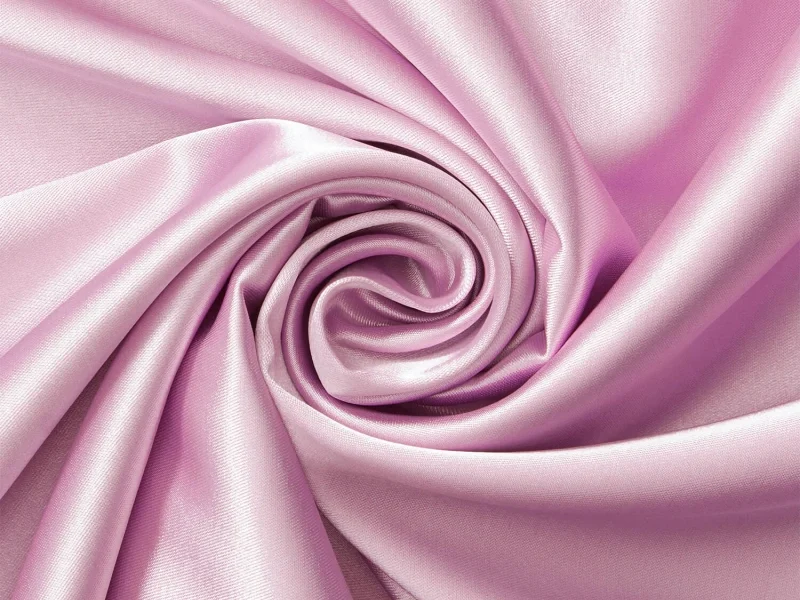
Satin is widely used for evening dresses, cocktail dresses, wedding guest dresses, slip dresses, and formal midi styles. It gives strong shine and drape, but also exposes shade difference, snagging, seam tension, zipper bulging, and pressing marks. Jinfeng reviews satin weight, hand feel, drape, lining need, color direction, and packing method before sampling. During bulk production, satin requires careful cutting direction, clean sewing, low-mark pressing, and protective packing.
- Strong shine and formal drape.
- Risk: shade, snagging, seam tension, zipper bulging, pressing marks.
- Control: weight, lining, color direction, pressing, and packing.
Stretch Satin
Stretch satin works well for fitted formal dresses, bodycon occasion styles, corset-inspired pieces, and party dresses requiring closer body fit. Stretch level affects pattern ease, zipper behavior, seam recovery, and size grading. Jinfeng checks fabric recovery, tension, lining compatibility, bust support, and hip ease before sample approval. Bulk QC focuses on seam pulling, puckering, measurement stability, shine consistency, and fabric relaxation before cutting.
- Suitable for fitted formal and body-skimming styles.
- Risk: seam tension, recovery, and measurement instability.
- Control: stretch direction, pattern ease, and size grading.
Chiffon
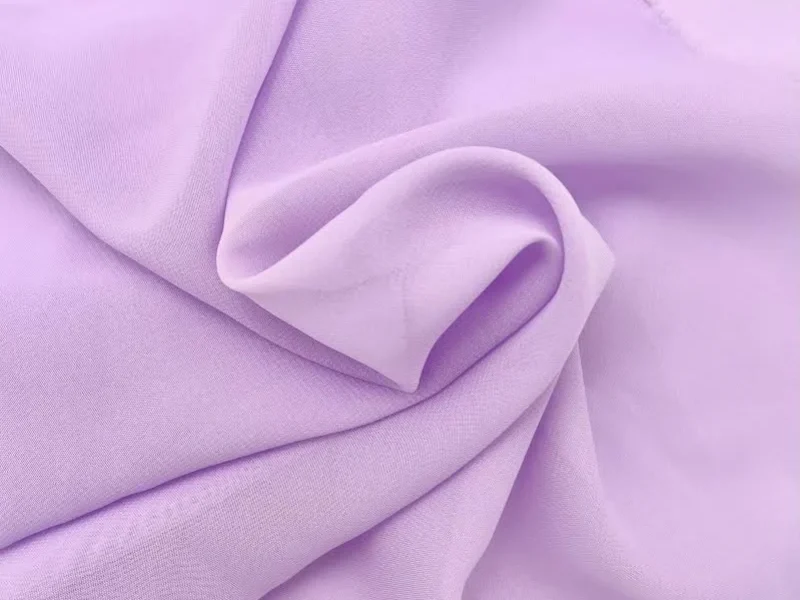
Chiffon is suitable for flowy wedding guest dresses, bridesmaid-inspired styles, maxi dresses, layered formal dresses, and soft occasionwear. It is light and elegant, but transparency, cutting movement, seam slippage, uneven hems, and lining mismatch can create production risk. Jinfeng reviews lining color, layer length, hem method, print direction, and cutting control. Bulk production needs careful laying, stable stitching, and garment-level hem inspection.
- Suitable for flowy maxis and layered formal dresses.
- Risk: transparency, cutting movement, seam slippage, and uneven hem.
- Control: lining, layers, hem method, and cutting stability.

Lace
Lace adds refined texture to cocktail, wedding guest, formal midi, and evening dresses. The challenge lies in motif placement, edge treatment, lining color, hole stability, seam matching, and production waste. Jinfeng evaluates lace pattern scale, panel placement, lining coverage, fabric direction, and trim usage before sampling. For bulk production, lace must be cut and sewn with consistent placement standards to avoid visible variation across garments.
- Suitable for cocktail, wedding guest, midi, and evening styles.
- Risk: motif mismatch, lining exposure, holes, and waste.
- Control: placement plan, lining tone, cutting direction, and seam check.
Mesh
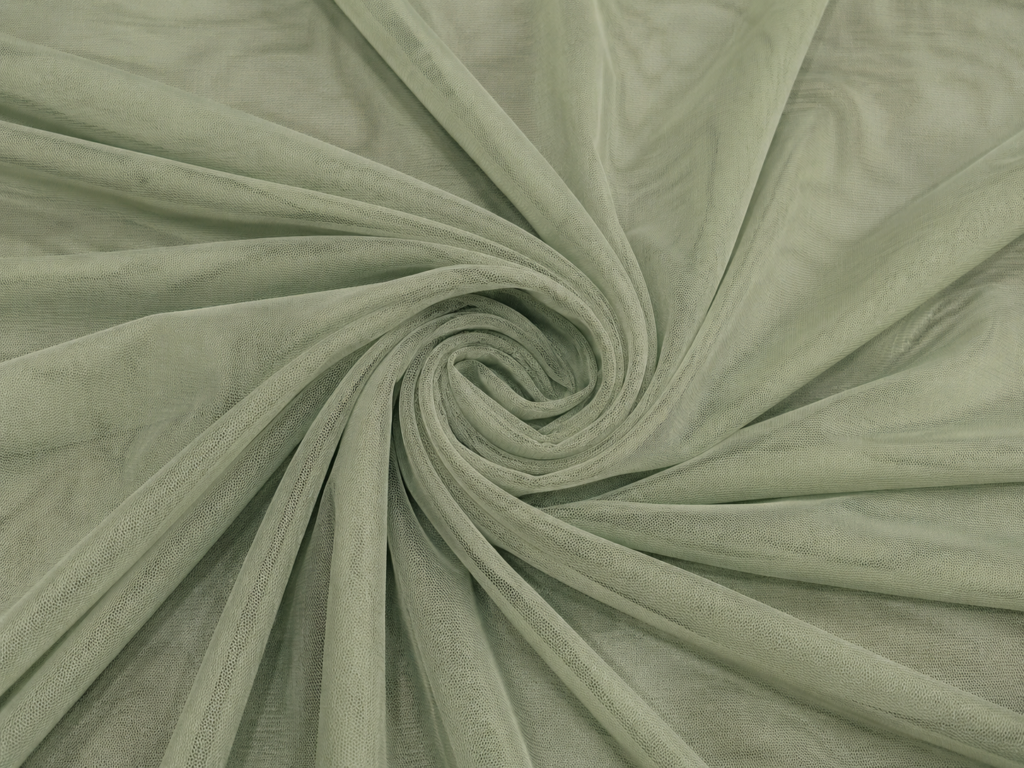
Mesh is used for illusion panels, sleeves, overlays, party formal dresses, and fashion-forward occasion styles. Transparency, stretch, tearing, neckline deformation, and lining exposure need early review. Jinfeng checks power mesh, soft mesh, stretch mesh, and printed mesh options against garment structure. Sampling validates neckline, armhole, bust coverage, seam reinforcement, and inner lining. Bulk QC focuses on holes, tension marks, seam stability, and edge finish.
- Suitable for illusion panels, sleeves, overlays, and party styles.
- Risk: tearing, transparency, neckline deformation, and stretch distortion.
- Control: reinforcement, lining coverage, recovery, and edge finish.
Tulle
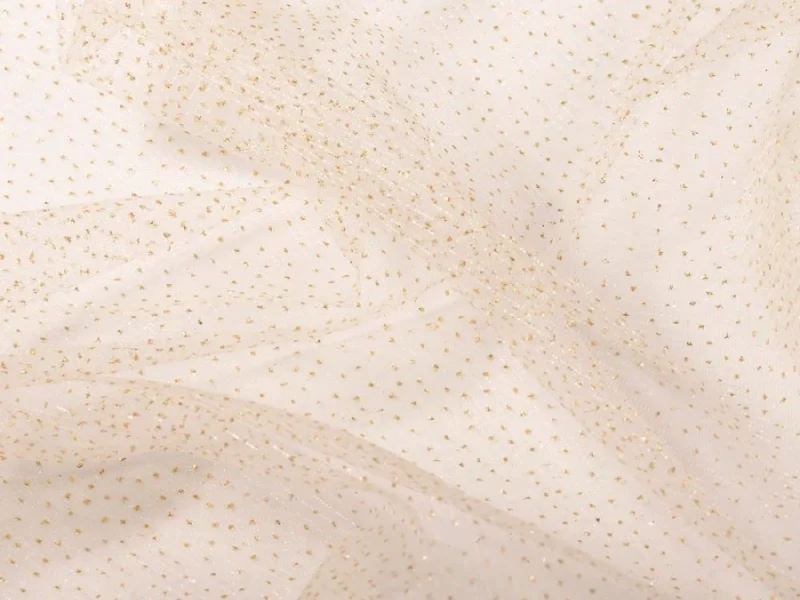
Tulle is suitable for prom dresses, layered skirts, volume formal dresses, and feminine occasionwear. The main risks are bulkiness, uneven layer length, scratchy hand feel, compression during packing, and inconsistent volume after shipment. Jinfeng reviews layer count, softness, gathering method, lining length, hem direction, and carton pressure. For bulk orders, tulle styles need clear layer order, sewing instruction, and packing protection.
- Suitable for prom, volume, and layered skirt styles.
- Risk: bulkiness, uneven layers, scratchy feel, and compression.
- Control: layer count, softness, gathering, and carton pressure.

Organza
Organza offers volume, crisp shape, and light transparency for statement formal dresses and structured skirts. It can crease, fray, or look harsh when fabric does not match the silhouette. Jinfeng reviews organza stiffness, transparency, seam finish, lining need, and edge treatment during sampling. Bulk production requires cutting accuracy, seam neatness, pressing control, and packing support so the shape remains clean after transport.
- Suitable for structured volume and statement details.
- Risk: creasing, fraying, harsh handfeel, and packing marks.
- Control: stiffness, seam finish, edge treatment, and packing support.

Velvet
Velvet works for holiday formal dresses, evening styles, and premium party dresses. It has rich surface texture, but nap direction, pressure marks, shade changes, and pressing sensitivity require careful handling. Jinfeng checks fabric direction, cutting layout, lining, seam method, and packing before bulk approval. QC focuses on pile direction, surface marks, color consistency, pressing damage, and garment protection during packing.
- Suitable for holiday, evening, and premium party dresses.
- Risk: nap direction, pressure marks, shade shift, and pressing damage.
- Control: cutting direction, lining, seam method, and packing protection.
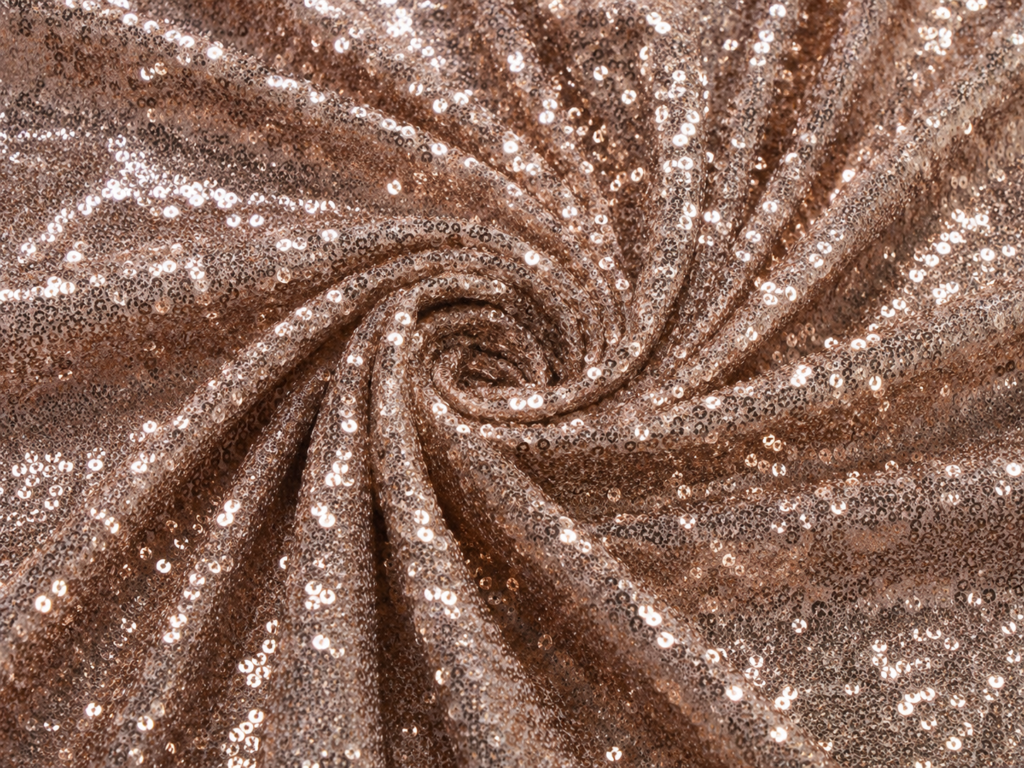
Sequin Fabric
Sequin fabric creates strong party and evening impact, but it increases sewing time, surface risk, and comfort concerns. Sequin loss, scratchy inner surface, needle breakage, seam bulk, and packing abrasion need special control. Jinfeng evaluates sequin size, base fabric, lining, seam allowance, needle method, and skin contact areas during sampling. Bulk QC checks sequin shedding, missing areas, seam strength, lining comfort, and garment protection.
- Suitable for evening, prom, holiday, and party dresses.
- Risk: sequin loss, scratch, seam bulk, and abrasion.
- Control: lining, needle method, seam area, and packing separation.

Crepe
Crepe is suitable for elegant formal midis, cocktail dresses, office-to-evening styles, and refined occasionwear. It gives a clean, slightly structured look with better matte appearance than satin. Jinfeng reviews weight, drape, wrinkle behavior, lining need, seam finish, and press response. Crepe styles require careful waist, hip, and zipper control because clean surfaces show poor pattern balance and sewing tension quickly.
- Suitable for formal midis, cocktail, and refined occasionwear.
- Risk: wrinkle, seam tension, zipper visibility, and poor pattern balance.
- Control: weight, drape, press response, and zipper flatness.
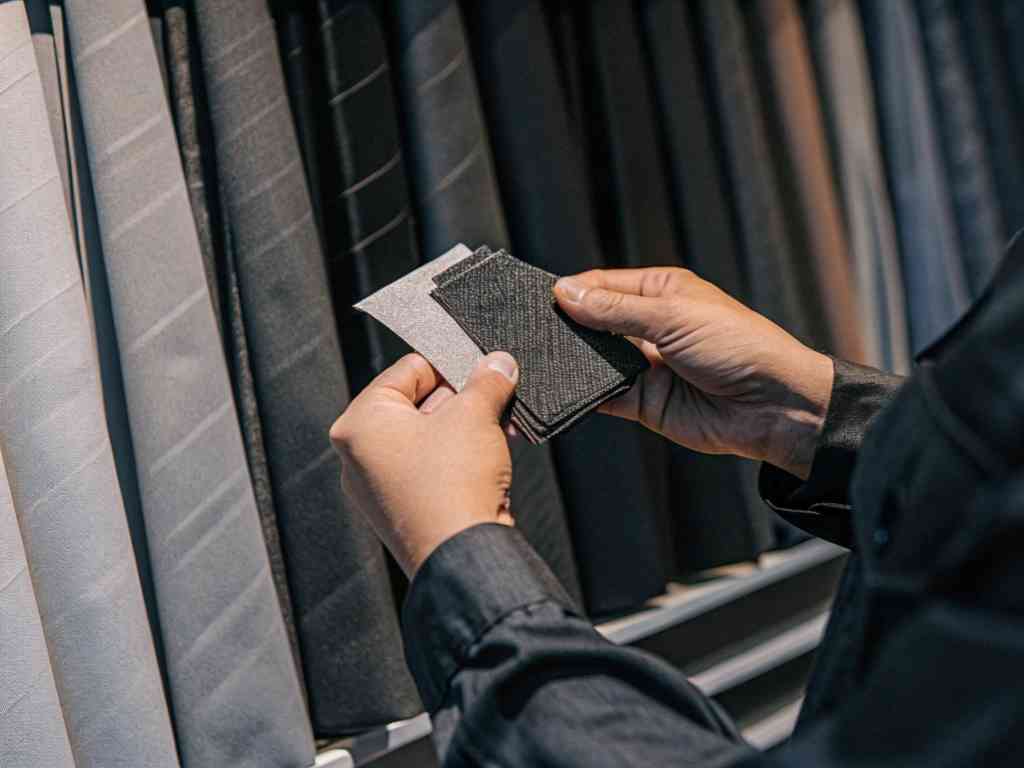
Suiting Fabric
Suiting fabric works for structured formal dresses, tailored midis, office-to-evening capsules, and premium private-label programs. It offers shape and polish, but may need lining, pressing control, and careful seam engineering. Jinfeng checks fabric weight, stretch, drape, shoulder or bodice structure, waistband stability, and hem shape. Bulk QC pays attention to seam flatness, press lines, measurement stability, and clean finishing.
- Suitable for structured formal, tailored midi, and office-to-evening styles.
- Risk: stiffness, press lines, fit rigidity, and seam bulk.
- Control: lining, seam finish, shaping, and measurement review.

Lining Fabric
Lining is not an afterthought in formal dress production. It affects transparency, comfort, shape, stretch, body movement, and garment life. Jinfeng evaluates lining color, stretch level, softness, static behavior, length, and connection with shell fabric. Satin, lace, mesh, chiffon, sequin, and pale-color formal dresses often need different lining strategies. Bulk production must follow the approved lining standard, because a wrong lining can change the entire fit.
- Controls opacity, comfort, shape, and internal finish.
- Risk: wrong shade, poor stretch, static, and exposed lining.
- Control: lining color, length, softness, and shell compatibility.
Fabric Risks We Review Before Bulk Production
Formal dress fabrics can look impressive in photos but become difficult in bulk production. Jinfeng Apparel reviews fabric behavior during sampling so the selected material can support fit, appearance, cost, MOQ, and delivery planning.
| Fabric | Best Formal Dress Use | Common Bulk Risk | Jinfeng Control Focus |
| Satin | Evening, cocktail, wedding guest | Snagging, shade difference, zipper bulging, pressing marks | Fabric direction, lining review, zipper test, packing protection |
| Stretch Satin | Fitted formal, bodycon, corset dress | Seam tension, measurement instability, shine variation | Stretch recovery, pattern ease, fabric relaxation, size check |
| Chiffon | Maxi, bridesmaid-inspired, layered dresses | Transparency, cutting movement, uneven hem | Lining match, layer control, cutting stability, hem review |
| Lace | Wedding guest, cocktail, formal midi | Motif mismatch, holes, lining exposure | Placement plan, lining color, cutting direction, seam check |
| Mesh | Illusion, sleeves, overlays, party formal | Tearing, neckline deformation, transparency risk | Reinforcement, lining coverage, stretch balance, edge finish |
| Sequin | Holiday, prom, evening, party dress | Sequin loss, skin scratch, seam bulk | Lining comfort, needle method, seam area review, packing separation |
| Velvet | Holiday formal, evening dress | Nap direction, pressure marks, shade shift | Cutting direction, low-pressure handling, packing method |
| Tulle | Prom, volume skirt, layered dress | Layer unevenness, packing compression | Layer order, gathering control, carton pressure review |
| Crepe | Formal midi, cocktail, tailored dress | Seam tension, wrinkle, zipper visibility | Pattern balance, press test, zipper flatness |
| Suiting | Structured formal, office-to-evening | Stiffness, press lines, fit rigidity | Lining, seam finish, shaping and measurement review |
Pattern and Fit Points Checked Before Production
Bust Coverage
- Neckline depth and upper-bust control.
- Cup, strap, and lining review.
- Movement and photo-facing fit check.
Cup Position
- Fixed or removable cup options.
- Cup thickness and lining pocket.
- Position record for production consistency.
Waistline Shape
- Natural, high, and low waist review.
- Side seam balance and inner support.
- Pattern changes recorded for bulk.
Hip Ease
- Sitting movement and body smoothness.
- Stretch, pattern shape, and zipper pressure review.
- Grade rule check for fitted silhouettes.
Strap Length
- Strap width, tension, and attachment point.
- Slider selection and length tolerance.
- Symmetry, strength, and color match.
Slit Height
- Front, side, or back slit review.
- Reinforcement and lining relationship.
- Walking movement and hem connection.
Hem Balance
- Front, back, and side length.
- Lining length and hem sweep.
- Fabric drop after hanging.
Back Fit
- Back width and zipper tension.
- Top closure, lining edge, and strap placement.
- Low back, lace-up, zipper, and mesh back review.
Construction Details That Define Formal Dress Quality

Lining
- Lining color, stretch, and softness.
- Coverage, static, and length review.
- Seam connection and movement check.

Invisible Zipper
- Zipper flatness and pull strength.
- Waist matching and seam tension.
- Top closure and back seam appearance.

Bra Cups
- Cup shape, softness, and fixed method.
- Lining pocket and boning relation.
- Position control against approved sample.
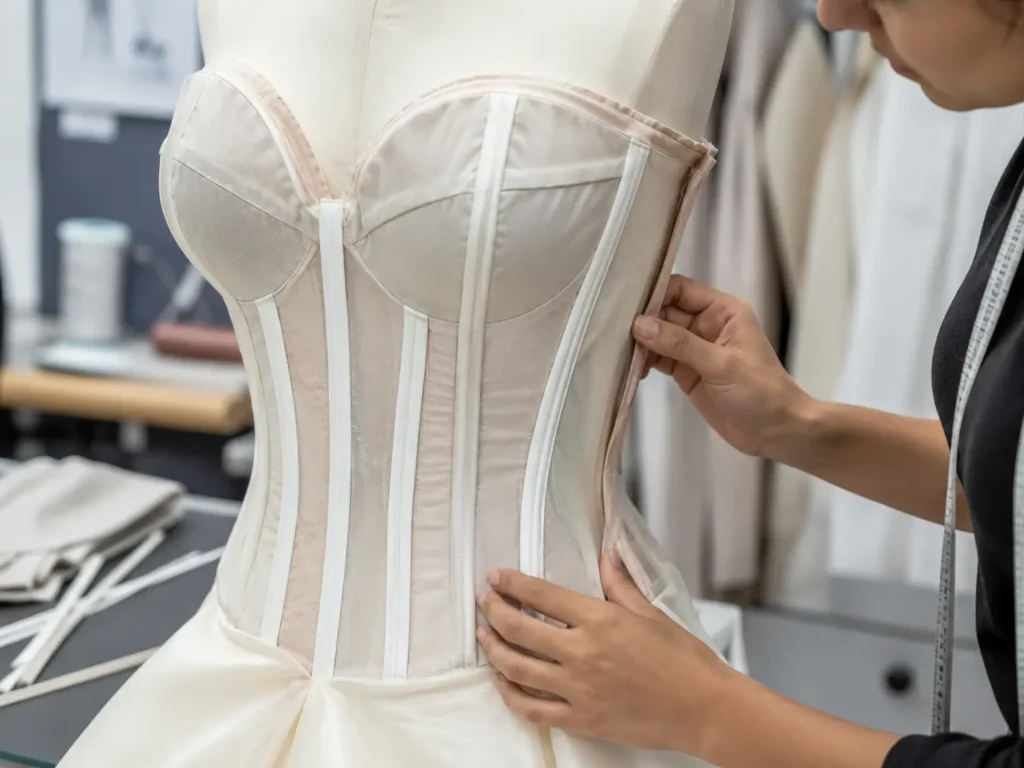
Boning
- Boning placement and edge protection.
- Channel stitching and comfort.
- Size grading and bodice consistency.

Slit
- Slit height and opening angle.
- Reinforcement and lining match.
- Walking safety and hem connection.

Ruching
- Placement, symmetry, and tension.
- Sewing marks and fabric recovery.
- Bulk repeatability across sizes.

Pleats
- Pleat depth, direction, and spacing.
- Waist alignment and pressing.
- Packing recovery and stability check.
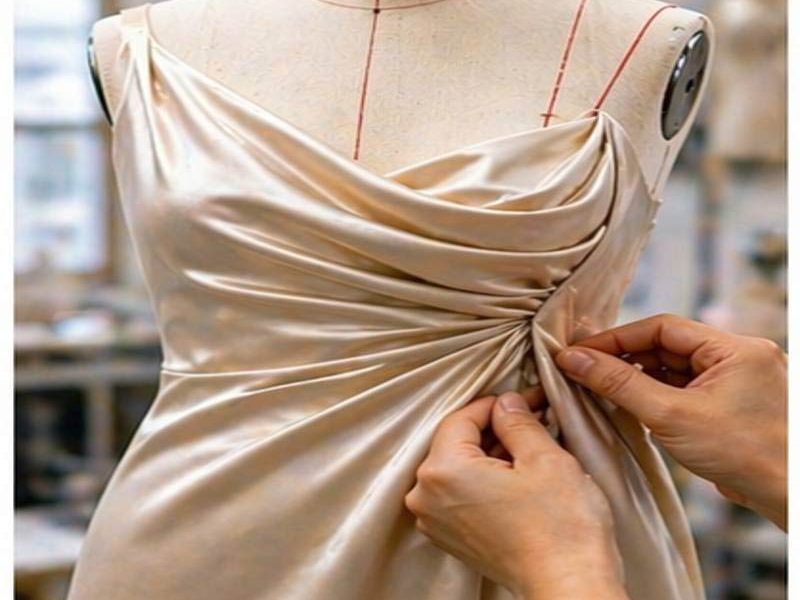
Draping
- Anchor point, tension, and symmetry.
- Seam hiding and body movement.
- Bulk repeatability and marked instructions.

Hem Finish
- Finish type and stitch quality.
- Lining length and hang drop.
- Final pressing and hem level.
Formal Dress Design Options for Brand Collections

Neckline
- Halter, sweetheart, deep-V, square, one-shoulder, off-shoulder, strapless, and high-neck styles.
- Bust, lining, cup, and strap review.
- Neckline depth recorded during sample revision.
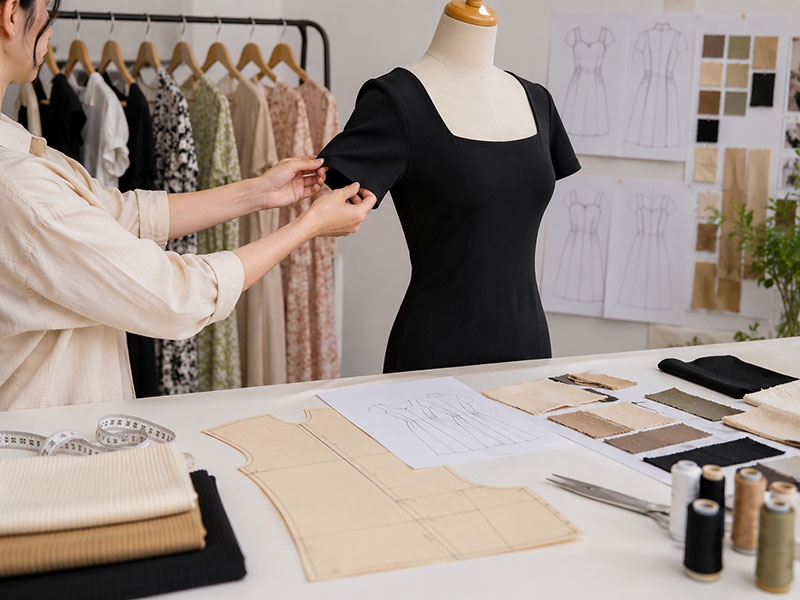
Sleeve Shape
- Sleeveless, cap, long, mesh, puff, off-shoulder, and one-sleeve options.
- Armhole comfort, body balance, and movement.
- Seam stability, symmetry, and sleeve length control.

Back Design
- Low back, lace-up, zipper, mesh, tie, cut-out, and covered backs.
- Back width, strap, zipper, lining, and movement checks.
- Pattern and sewing files marked before bulk.

Skirt Length
- Mini, midi, maxi, and floor-length structures.
- Drape, lining, height range, shoes, and sitting movement.
- Front, back, side, lining, and hem sweep review.

Slit Position
- Front, side, back, and overlap slit options.
- Seam strength, opening height, and lining relation.
- Walking safety and visual balance.

Waist Detail
- Seams, corset panels, ruching, cut-outs, belts, ties, and gathers.
- Waistline reviewed against bust, hip, and fabric stretch.
- Placement marks and sewing notes for bulk repeatability.

Color Story
- Black, navy, champagne, ivory, blush, sage, emerald, burgundy, rust, mocha, silver, and metallic tones.
- Fabric color, custom dye, lining, zipper, and thread match.
- Shade records, SKU labels, and carton marks.

Embellishment
- Sequins, rhinestones, bead chains, lace trims, bows, ruffles, and decorative straps.
- Cost, sampling time, sewing difficulty, and QC review.
- Skin contact and packing protection.

Private Label
- Woven, size, and care labels.
- Hangtags, barcode stickers, SKU labels, and polybags.
- Carton marks and warehouse labels.
OEM, ODM, and Private Label Formal Dress Support
OEM Production
- Tech pack, size chart, artwork, and fabric direction.
- Structure, material, sample cost, MOQ, and risk review.
- Production follows approved pattern, BOM, QC, and packing files.
ODM Development
- Occasion, target price, silhouette, and fabric mood review.
- Fabric recommendation, trim selection, and sample making.
- Production feasibility improved through material and construction suggestions.
Private Label Delivery
- Label, hangtag, care label, and barcode support.
- Polybag, carton mark, and packing confirmation.
- Confidential handling of brand files and packaging details.
Sample Revision Records for Production-Ready Formal Dresses
Fit Comments
- Bust, waistline, hip ease, and strap length.
- Neckline depth, slit height, armhole, length, and back fit.
- Measurable comments for pattern correction.
Fabric Change
Fabric changes can affect drape, stretch, opacity, shrinkage, seam behavior, cost, MOQ, and timing. If a satin is replaced by stretch satin, or lace is changed to a different motif, pattern and lining may need review. Jinfeng evaluates fabric replacement before resampling so brands understand whether the change affects fit, construction, bulk price, or sample schedule.
- Drape, stretch, opacity, and shrinkage impact.
- Pattern and lining review after replacement.
- Fit, construction, price, and timing update.
Trim Change
Formal dress trims include zipper, strap slider, elastic, bra cup, boning, lace trim, rhinestone, sequin, button, hook, label, and packing material. Trim changes may affect comfort, appearance, MOQ, lead time, and QC. Jinfeng records trim specification, color, position, and approval status. For private-label programs, label and hangtag confirmation should be included before PP approval.
- Zipper, slider, elastic, cup, boning, lace, rhinestone, sequin, button, and hook.
- Comfort, appearance, MOQ, lead time, and QC review.
- Trim color, position, and approval record.
Measurement Update
- Bust, waist, hip, and garment length.
- Strap, armhole, neckline, slit, hem, and lining updates.
- Grade rule and bulk tolerance review.
Client Approval
- Approval by sample version.
- Fabric, color, trims, fit, and packing confirmation.
- Written approval before key production steps.
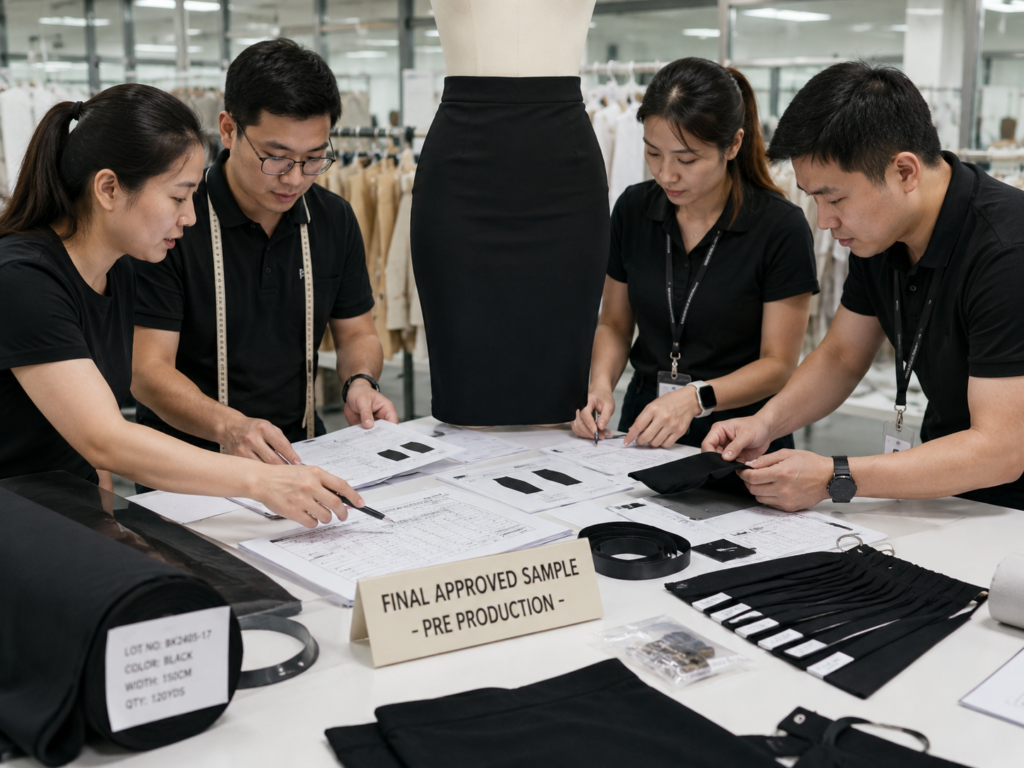
Bulk Production Control From Materials to Packing
Fabric Check
- Fabric type, color, batch, width, and quantity.
- Surface, stretch, transparency, and lining match.
- Shade band and color reference by roll or color.
Cutting Control
- Cutting layout by fabric direction and pattern version.
- Size ratio, style complexity, and marker planning.
- Lace, velvet, satin, chiffon, and mesh-specific controls.
Sewing Instruction
- Seam type, zipper, lining, cup, and boning.
- Slit, ruching, pleats, lace, sequin, and hem.
- Label position and approved sample reference.
Inline Review
- Zipper flatness and seam tension.
- Lining exposure and measurement stability.
- Strap, slit, hem, and surface review.
Finishing
- Thread trimming and surface cleaning.
- Pressing, shaping, seam flatness, and stain review.
- Fabric shine, hem, and decorative surface condition.
Packing Check
- Label, hangtag, barcode, and size sticker.
- Polybag, carton mark, quantity, and packing method.
- Style, color, size, and barcode accuracy.
Formal Dress QC Points for Bulk Consistency
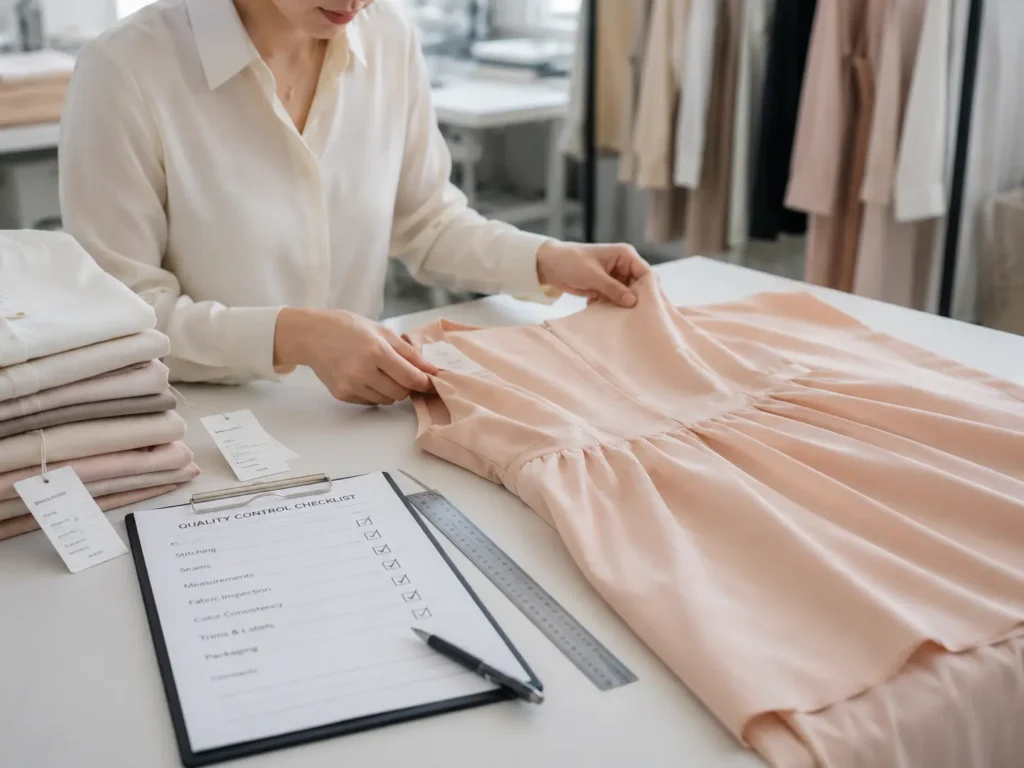
Quality control for formal dresses must cover appearance, measurement, construction, fabric condition, label accuracy, and packing. Jinfeng Apparel connects QC points with approved samples, production files, and client packing instructions.
| QC Area | What We Check | Why It Matters for Formal Dresses |
| Measurement | Bust, waist, hip, dress length, strap, slit, hem, lining | Fit risk is high in formal and occasion styles |
| Bust Area | Coverage, cup position, neckline, underarm, support | Prevents slipping, gaping, and poor wearing confidence |
| Waistline | Placement, seam match, shape, symmetry | Controls body proportion and product photo quality |
| Zipper | Smoothness, flatness, strength, top closure | Back view and wearing comfort depend on zipper stability |
| Lining | Coverage, color, length, seam attachment | Controls transparency, comfort, and internal finish |
| Slit | Height, reinforcement, left/right placement | Affects movement, safety, and visual balance |
| Hem | Front/back balance, side length, stitch, pressing | Long formal styles show uneven hems quickly |
| Fabric Surface | Stain, snagging, shine mark, shade difference | Satin, velvet, chiffon, and pale colors reveal defects |
| Lace / Mesh | Holes, placement, edge finish, deformation | Delicate fabrics need surface and tension review |
| Sequin | Missing pieces, shedding, scratch areas | Decorative surfaces need comfort and protection checks |
| Pressing | Seam flatness, fold marks, shine marks | Formal dresses need clean presentation when unpacked |
| Packing | Label, barcode, size, color, polybag, carton mark | Retail and warehouse teams need correct receiving data |
MOQ and Order Planning for Formal Dress Programs
MOQ Boundary
- MOQ from 200 pcs/style/color.
- Each color reviewed as a production unit.
- Special materials or trims may require supplier MOQ review.
Style Planning
- 10–30 style program planning.
- Grouping by fabric, structure, and launch priority.
- Sample, production, QC, and packing coordination.
Color Planning
- Core colors and seasonal extensions.
- Stock color or custom dye review.
- Lining, zipper, thread, SKU, and carton control.
Cost Factors Behind Custom Formal Dress Production
Fabric Type
- Weight, width, hand feel, and availability.
- Cutting waste, sewing time, and QC risk.
- Alternative fabric review for cost control.
Lining Structure
- Full, partial, stretch, non-stretch, soft, or skin-tone lining.
- Opacity, comfort, movement, and structure review.
- Special attention for lace, mesh, chiffon, pale satin, and sequin.
Construction Complexity
- Corset, boning, cups, deep-V, and cut-outs.
- Ruching, pleats, draping, slits, and multi-layer skirts.
- Construction simplification when visual value can be kept.
Embellishment
- Sequins, rhinestones, bead chains, lace trims, bows, and decorative panels.
- Trim cost, labor time, QC, and packing protection.
- Bulk repeatability and comfort review during sampling.
Color Development
- Lab dip and custom dye feasibility.
- Supplier MOQ and lead time.
- Stock color, close-match, and batch review.

Private Label Packing for Formal Dress Programs
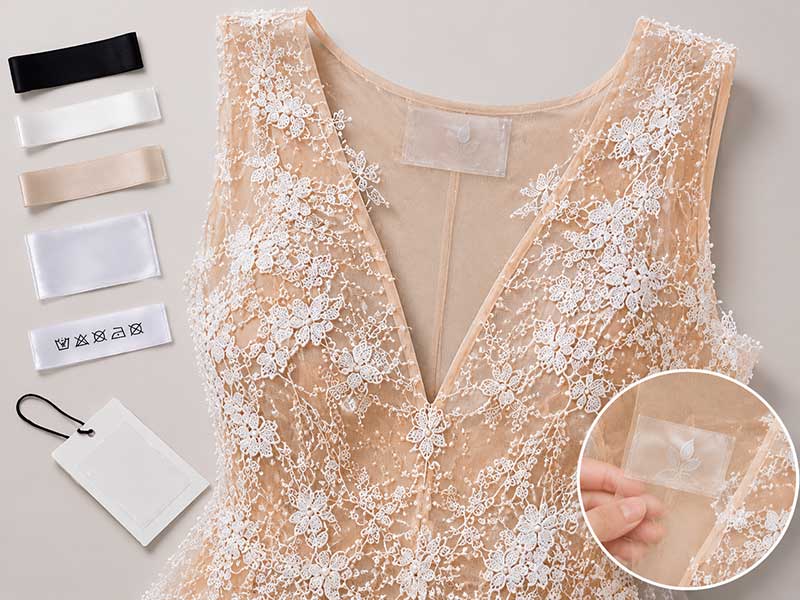
Brand Label
- Label placement, size, color, material, and stitching.
- Woven label and main label support.
- Special review for low backs, mesh panels, and delicate linings.

Care Label
- Fabric composition, lining, and trim details.
- Placement according to structure and brand instruction.
- Care content review for delicate formalwear fabrics.
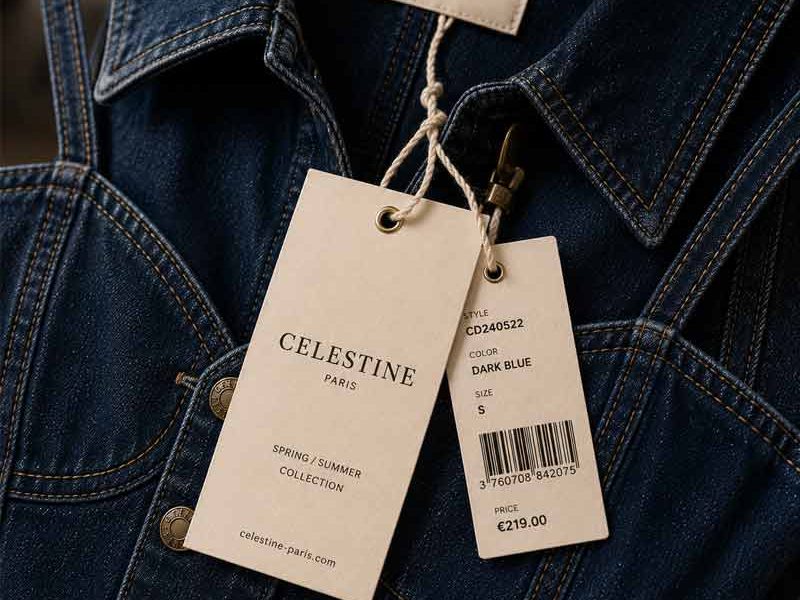
Hangtag
- Hangtag size, string type, and attachment location.
- Fabric-safe placement for satin and lace.
- Version control by style, barcode, size, and color.
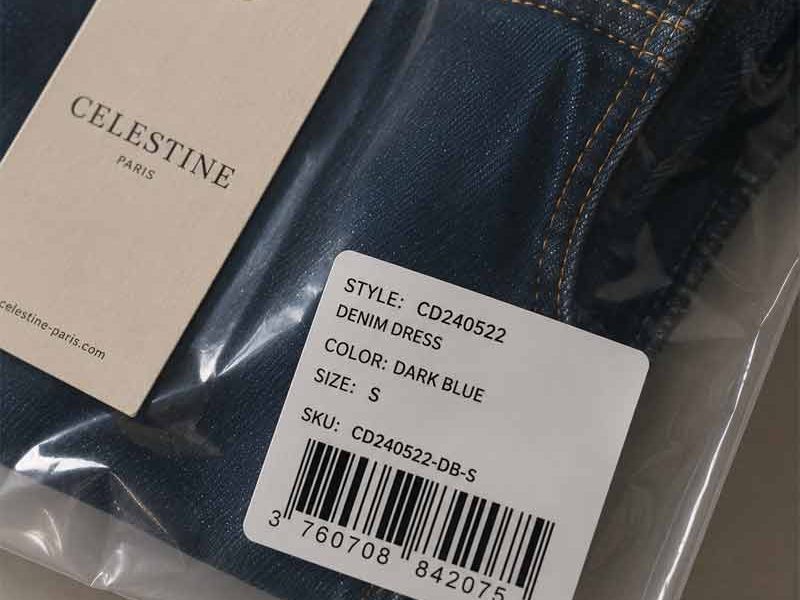
Barcode
- Barcode stickers, SKU labels, and size labels.
- Style, color, size, garment, and polybag match.
- Stricter verification for multi-color collections.

Size Sticker
- Size sticker placement on polybag or label.
- Extended size and multi-color order support.
- Cross-check against garment label and carton breakdown.

Polybag
- Polybag size, thickness, and folding method.
- Protection for satin, sequin, tulle, and velvet.
- Barcode position and inspection access.
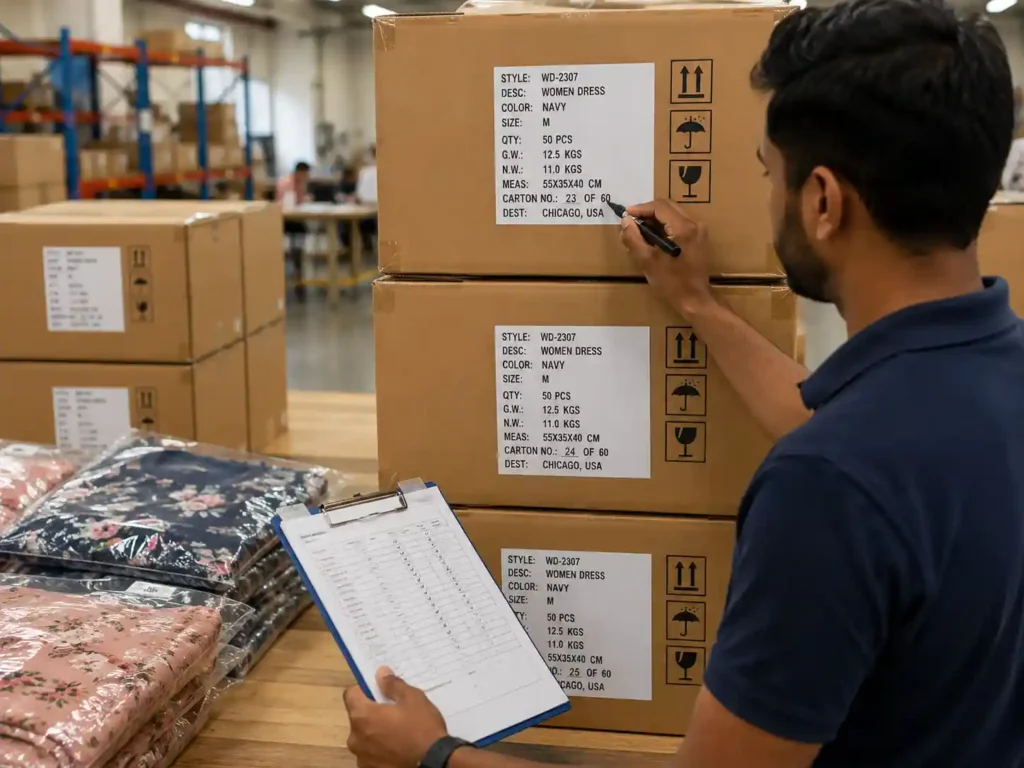
Carton Mark
- Style, color, size ratio, quantity, and destination.
- Carton quantity, gross weight, and net weight.
- Packing list alignment with shipment plan.
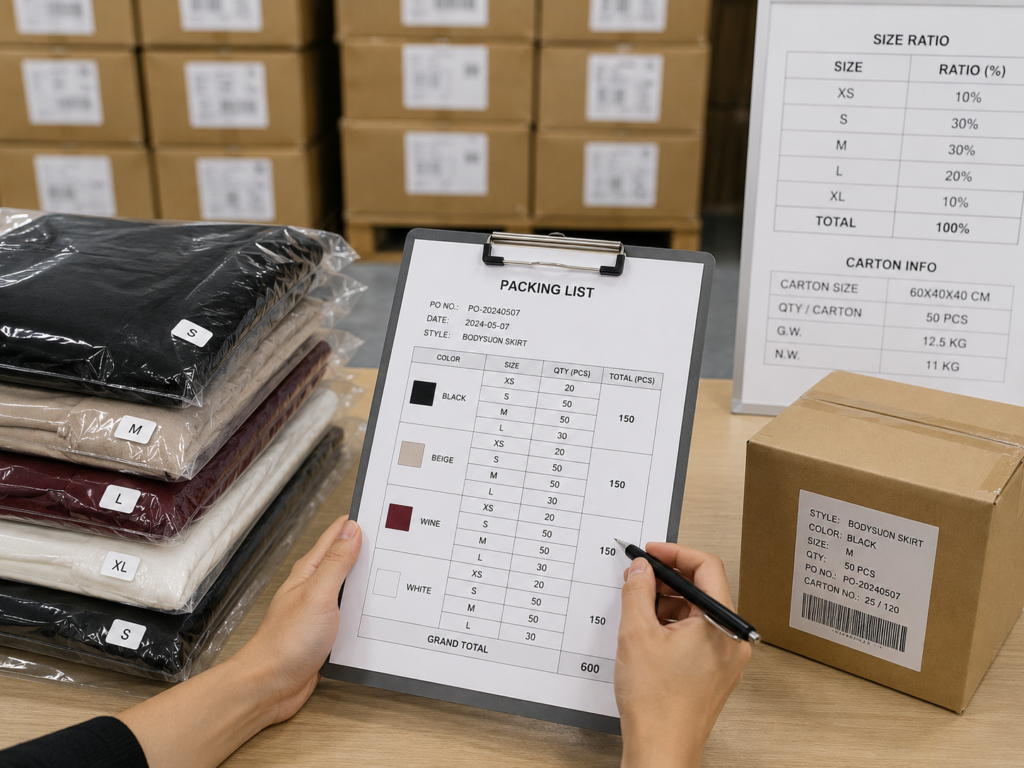
Packing List
- Style, color, size, quantity, and carton breakdown.
- Multi-batch carton data.
- Warehouse receiving and document alignment.
Managing 10–30 Formal Dress Styles per Program
Style Grouping
- Group by silhouette, construction, and production route.
- Align sample, pattern, merchandising, production, and QC teams.
- Separate high-risk styles before bulk production.
Fabric Grouping
- Fabric reference, color, roll batch, lining, trim, and thread.
- Cutting, sewing, pressing, QC, and packing by fabric group.
- Shared material and separate procurement review.
Sample Priority
- Priority by launch timing and photography need.
- High-risk corset, sequin, lace, and mesh validation.
- Simpler styles scheduled after fabric and fit direction.
Production Allocation
- Allocation by factory capability, fabric, and structure.
- Approved sample and production file control.
- Same brand standard across assigned production resources.
QC Focus
- Satin shade and snagging.
- Lace motif and hole review.
- Mesh tension, sequin surface, long gown hem, and corset support.
Packing Coordination
- Labels, hangtags, barcodes, polybags, and size stickers.
- Carton marks and packing lists by style, color, and size.
- Multi-batch delivery by launch priority or shipment route.
Compare Supplier Types Before Starting Formal Dresses
Jinfeng Apparel
- Custom formal dress development and multi-style production.
- Sample rooms, pattern makers, merchandisers, QC, and packing teams.
- Fabric, pattern, PP sample, bulk, and export support.
Stock Supplier
- Fast existing products.
- Limited fabric, fit, exclusivity, and private-label control.
- Poor fit for original brand programs.
Trading-Only Vendor
- Wide product selection.
- Production control depends on external factories.
- Limited visibility over sample, pattern, and QC decisions.
Price-Only Factory
- Fast low quote.
- Higher risk around fabric, lining, sewing, inspection, and packing.
- Cost control should not damage approved quality.
Sample Studio
A sample studio may be useful for local design development, premium prototypes, or small presentation runs, but bulk production cost and capacity may not fit larger formal dress programs.
Formalwear brands often need both good samples and scalable production.
Jinfeng connects sample development with production readiness, PP sample, Golden sample, BOM, QC checklist, and packing instruction for bulk orders.
- Strong for prototypes and design presentation.
- Limited fit for larger bulk programs.
- Sample-to-bulk integration needed for scaling.
Marketplace Vendor
Marketplace suppliers can be useful for broad supplier discovery, but brand teams still need to verify factory type, sample workflow, MOQ, QC, private-label support, production files, and export readiness. Formal dresses require more supplier evaluation than basic garments. Jinfeng provides a clearer path from project review to sample, PP approval, bulk production, packing, and shipment coordination.
- Useful for broad supplier discovery.
- Factory type, MOQ, QC, and export readiness need verification.
- Formal dress programs need deeper supplier evaluation.
Formal Dress Project Examples

US Occasionwear Program
An anonymous US occasionwear brand worked with Jinfeng Apparel on a 12-style formal dress capsule of around 22,000 pieces.
The range included satin midi dresses, wedding guest maxis, lace cocktail dresses, and fitted evening styles. The main pain points were satin color consistency, zipper flatness, lining comfort, pale-color transparency, and multi-color packing. Jinfeng grouped the program by fabric and construction, developed fit and PP samples, reviewed lining tone and zipper behavior, and prepared style-color-size packing instructions.
- 12 styles / around 22,000 pcs / 4 product groups — project data: satin midi dresses, wedding guest maxis, lace cocktail dresses, and fitted evening styles; technical difficulty: satin color, zipper flatness, lining comfort, and pale transparency needed tighter control; solution: Jinfeng grouped the project by fabric and construction before sampling.
- 4 main fabrics — project data: satin, lace, chiffon, and crepe; technical difficulty: each fabric carried different QC needs; solution: separate inspection points were prepared for shade, lining, zipper, hem, and packing.
- Fit and PP sample process — project data: formal fit needed approval before bulk; technical difficulty: sample comments could not remain informal; solution: Jinfeng converted comments into fit sample and PP sample records.
- Private-label packing — project data: style-color-size packing was required; technical difficulty: multi-color formalwear could create warehouse confusion; solution: packing instructions were organized before shipment.

Australia Holiday Formalwear
An anonymous Australian premium ecommerce brand developed an 18-style holiday formal dress program of around 36,000 pieces. Styles included sequin minis, velvet cocktail dresses, mesh sleeve designs, satin party dresses, and structured black-tie inspired midis. The brand needed photo-ready samples before campaign shooting and bulk packing suitable for ecommerce warehouse receiving. The key risks were sequin scratch, velvet pressure marks, mesh tearing, hangtag placement, and barcode accuracy.
- 18 styles / around 36,000 pcs / 5 product groups — project data: sequin minis, velvet cocktail dresses, mesh sleeve designs, satin party dresses, and structured black-tie inspired midis; technical difficulty: strong surface fabrics needed photo-ready samples and careful packing; solution: sample priority was arranged by campaign timing.
- High-risk fabric handling — project data: sequin, velvet, mesh, and satin appeared across the range; technical difficulty: sequin scratch, velvet pressure marks, and mesh tearing could affect bulk quality; solution: risky fabrics were reviewed earlier.
- Ecommerce packing control — project data: barcode and SKU packing were required; technical difficulty: online warehouse receiving needed exact label data; solution: barcode, SKU, hangtag, and polybag instructions were aligned before bulk shipment.
- Photo sample priority — project data: campaign images were needed before full bulk completion; technical difficulty: visual samples still needed production logic; solution: photo-ready samples were connected with PP approval planning.

UK Private Label Collection
An anonymous UK private-label dress program worked with Jinfeng Apparel on a 24-style formal midi and maxi dress order of around 68,000 pieces. The collection covered lace midis, satin maxis, crepe occasion dresses, chiffon overlays, and mesh panel styles. The major challenges were SKU management, multi-size breakdown, label accuracy, lace placement, hem length, private-label packing, and phased delivery. Jinfeng created a project timeline, managed sample versions, confirmed PP samples, prepared packing instructions, and supported staged shipment planning.
- 24 styles / around 68,000 pcs / 5 fabric groups — project data: lace midis, satin maxis, crepe occasion dresses, chiffon overlays, and mesh panel styles; technical difficulty: many SKUs and fabric groups needed structured control; solution: Jinfeng created a project timeline and grouped styles by risk.
- Private-label accuracy — project data: label, barcode, size, and packing requirements were detailed; technical difficulty: label mistakes could affect receiving; solution: packing instructions and label files were checked before bulk packing.
- Hem and lace placement — project data: long dresses and lace styles needed visual consistency; technical difficulty: hem length and motif placement could vary; solution: PP samples and QC notes locked key measurements and lace positions.
- Phased delivery — project data: delivery needed to support launch priorities; technical difficulty: not every style could ship at the same time; solution: staged shipment planning was connected with sample status and packing readiness.
Send Clear Project Details for Faster Review
Reference Image
A reference image helps Jinfeng understand silhouette, neckline, length, detail placement, fabric mood, and occasion. Multiple views are better than one front image. If the dress includes back detail, slit, lining, corset, lace placement, or sequin area, close-up references help the team evaluate sample difficulty and construction risk before quotation.
- Front, back, and side views.
- Close-ups for slit, back, corset, lace, lining, or sequin areas.
- Fabric mood and occasion direction.
Tech Pack
- Flat sketch, measurements, and grade rule.
- Fabric, trims, labels, color codes, and packing.
- Missing fit, lining, closure, or production details flagged early.
Target Quantity
Target quantity should be provided by style and color, not only total order volume. MOQ starts from 200 pcs per style/color. A formal dress program with multiple colors, sizes, and fabrics needs clear quantity breakdown to review material MOQ, production allocation, packing, and quotation. Large programs can also be reviewed by launch priority or phased shipment plan.
- Quantity by style and color.
- Size ratio and launch priority.
- Material MOQ, production allocation, and packing review.
Fabric Preference
- Satin, chiffon, lace, mesh, velvet, sequin, crepe, tulle, or organza direction.
- Drape, lining, cost, timing, and risk review.
- Substitute fabric suggestions when needed.
Color Plan
- Color list, Pantone reference, or swatch.
- Lining, zipper, thread, and label identification.
- Early color review for seasonal collections.
Size Range
Size range affects pattern grading, fabric consumption, sample review, measurement tolerance, and packing. Jinfeng can review standard size charts or brand-specific measurement files. Formal dress size planning should include bust, waist, hip, length, and key style points such as strap length, neckline depth, slit height, and lining length.
- Size chart and size ratio.
- Bust, waist, hip, and garment length.
- Strap, neckline, slit, and lining review.
Label Requirement
Label requirement includes woven label, size label, care label, hangtag, barcode, SKU label, and warehouse label. Private-label details should be confirmed before PP sample when possible. Jinfeng protects brand materials under project confidentiality and uses label files only for development, production, and packing coordination.
- Woven, size, and care labels.
- Hangtag, barcode, SKU, and warehouse labels.
- Confidential label file handling.
Launch Date
- Sample priority and material sourcing.
- PP approval, production, QC, packing, and shipment.
- Launch-calendar review by style complexity.
Frequently Asked Questions About Formal Dress Manufacturing
Start Your Formal Dress Project
Jinfeng Apparel supports formal dress development for fashion brands, occasionwear labels, premium ecommerce programs, and private-label collections. Send your tech pack, reference image, original sample photo, line sheet, or style list for project review. Kelly and the Jinfeng team can help evaluate fabric direction, pattern difficulty, sample route, MOQ fit, cost factors, private-label packing, and bulk production readiness.
For faster review, please include:
- Product type: formal dress, evening dress, cocktail dress, prom dress, or related style.
- Reference images or tech pack.
- Target quantity per style/color.
- Fabric preference or target appearance.
- Color plan and size range.
- Label, hangtag, barcode, or packing needs.
- Target launch date or delivery window.
- Special QC, warehouse, or shipping requirements.

