Floral Dress Manufacturer

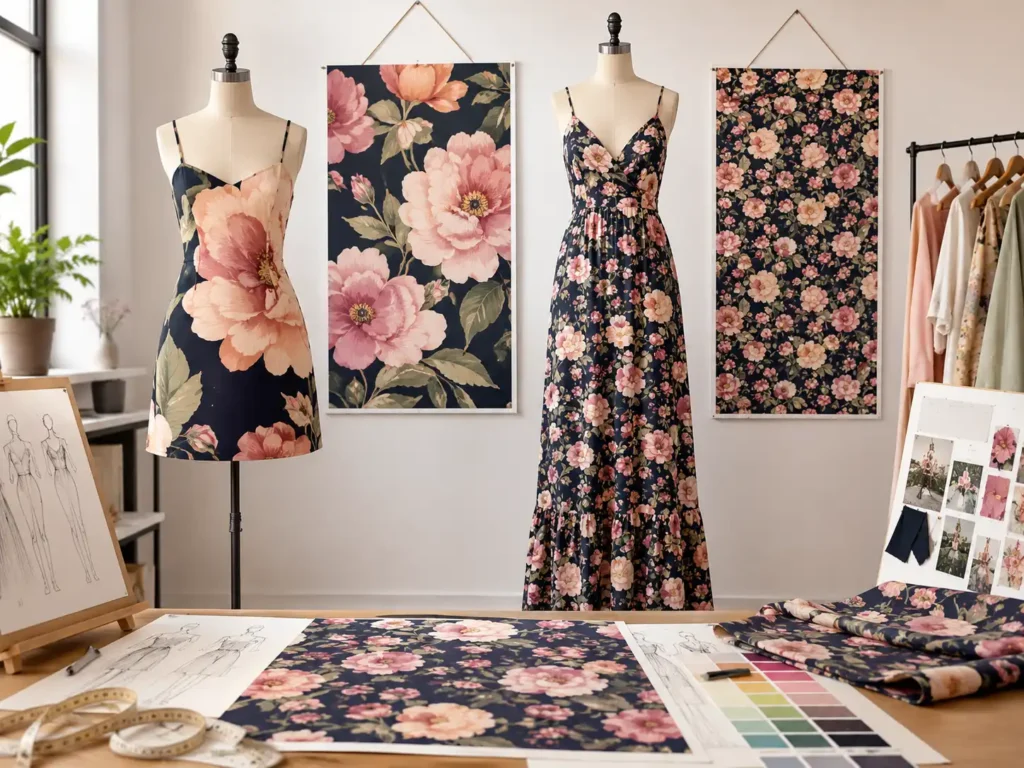
Jinfeng Apparel develops floral dresses from artwork, base-fabric selection and print approval through pattern engineering, sampling, bulk production, quality control and private-label packing. The development route is built for structured collections, seasonal launches and repeat programs where floral scale, color, garment fit and production consistency must work together.

  • 8 core silhouettes:mini, midi, maxi, wrap, slip, A-line, tiered and bodycon floral dresses.
  • 4 approval gates:print strike-off, fit sample, PP sample and Golden sample.
  • 10-15 days:normal first-sample reference for standard dresses after materials and artwork are ready.
  • 200 pcs per style/color:standard garment MOQ, with print-material MOQ evaluated separately by fabric and method.

Development Capacity Behind Floral Collections

A floral collection depends on coordinated development, not a single sewing line. Jinfeng Apparel combines pattern, sample, production and inspection resources so artwork decisions can be translated into repeatable garments across styles, colors and size ranges.

Since 2008

Long-term womenswear experience supports decisions around dress balance, seasonal fabrics, lining, fit and commercial construction. Floral concepts are reviewed as garments rather than isolated surface patterns.

6 Owned Factories

Owned production resources allow style allocation by garment structure, fabric behavior and order rhythm. Lightweight woven dresses, stretch floral styles and occasion pieces can be planned through suitable production groups.

10+ Production Partners

Long-term satellite partners add capacity for multi-style programs and help balance seasonal peaks. Allocation is managed around approved standards, production files and inspection requirements.

2 Sample Rooms

Two sample rooms support parallel development, revision and PP preparation. A collection can move through artwork, fabric, pattern and fit decisions without treating every style as an unrelated project.

7+ Pattern Makers

Senior pattern makers review bust, waist, hip, neckline, strap, armhole, hem and movement. Print placement is assessed together with construction lines and grading.

20+ Sample Machinists

Sample machinists turn approved development instructions into first samples, revised samples and PP samples. Sewing feedback also reveals construction risks before bulk release.

Floral Dress Production for Established Fashion Programs

Different sales channels need different floral proportions, fabrics, fit standards and packing systems. Development begins by identifying where the dresses will sell, how often the collection launches and which risks matter most to the product team.

Global Fashion Brands

Multi-market brands often require several silhouettes, shared color stories, controlled grading and repeatable private-label standards. Jinfeng manages style files, fabric records, sample versions and shipment instructions across the collection.

Premium Ecommerce Brands

Online sell-through depends on photo-ready color, clear silhouette and stable sizing. Fabric opacity, neckline security, garment length and consistent measurement help reduce avoidable returns.

Resortwear Labels

Resort floral programs need fluid movement, light hand feel and travel-friendly packing. Rayon, viscose, chiffon, cotton blends and linen blends are reviewed for drape, shrinkage and transparency.

Occasionwear Brands

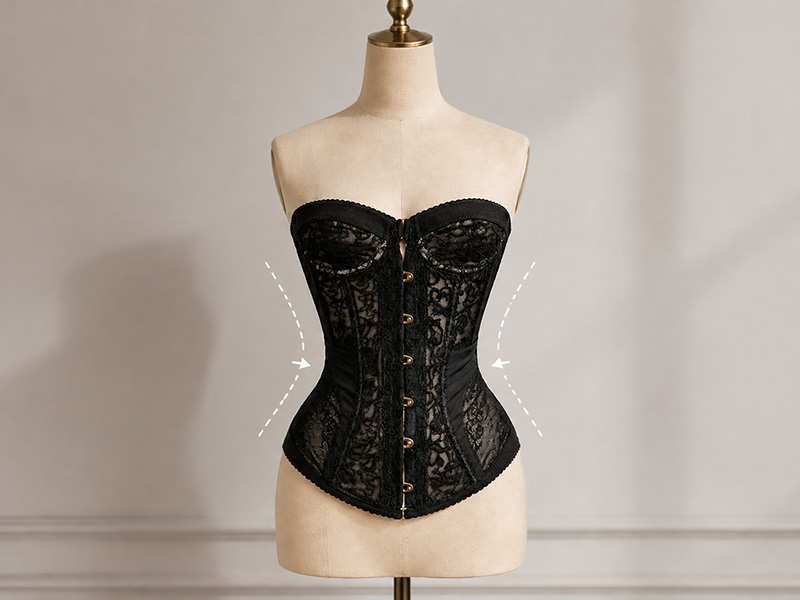
Occasion florals may combine satin, chiffon, mesh, lining, ruching, slits or corset-inspired structures. Print effect and construction must remain balanced under stronger styling and closer visual inspection.

Boutique Chains

Boutique groups need commercial style variety without losing collection consistency. Shared fabrics, coordinated prints and disciplined SKU packing can improve assortment planning and warehouse receiving.

Sourcing Teams

Sourcing and product teams need clear boundaries for artwork, fabric, MOQ, sample timing, approvals, quality checks and delivery planning. Project information is reviewed before costing or production commitment.

Built for Structured Floral Dress Programs

Reliable development starts with commercial direction and usable product information. Clear inputs allow faster fabric decisions, better print evaluation, accurate pattern work and a production plan aligned with launch timing.

Ideal Project Inputs

Projects move efficiently when the product team provides a tech pack, reference garment or clear style image together with floral artwork, target fabric, size range, planned quantity and launch date. Early visibility of labels, packaging and delivery market also prevents late-stage changes.

  • Editable or high-resolution floral artwork
  • Target quantity by style and color
  • Size range and garment measurements
  • Private-label and packing requirements

Commercial Program Requirements

Jinfeng Apparel is organized for custom development followed by bulk production, seasonal repeats and collection extensions. Material selection, print method, style complexity and color count are evaluated together because each item affects sample work, garment cost and production timing.

  • Bulk production plan after sample approval
  • Reasonable sampling and revision budget
  • Defined quality and appearance expectations
  • Timely decisions at artwork, fabric and PP stages

Where Floral Dress Programs Commonly Go Wrong
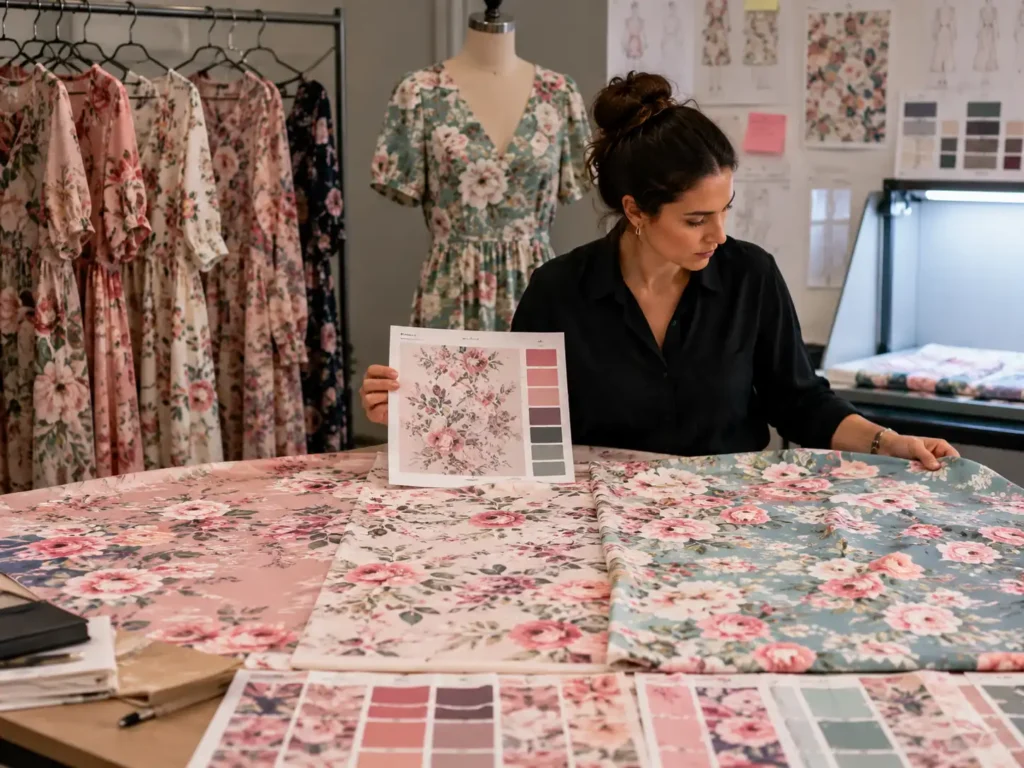
A floral dress can look correct in a flat sketch yet fail after printing, cutting or fitting. Early risk review protects the collection from expensive revisions and inconsistent bulk results.

Print Color Drift

Screen color, paper output and printed fabric rarely look identical. Fiber content, base-fabric shade, surface texture and finishing can shift saturation and contrast. Approval must rely on a physical strike-off or approved bulk reference rather than a monitor image alone.

Wrong Print Scale

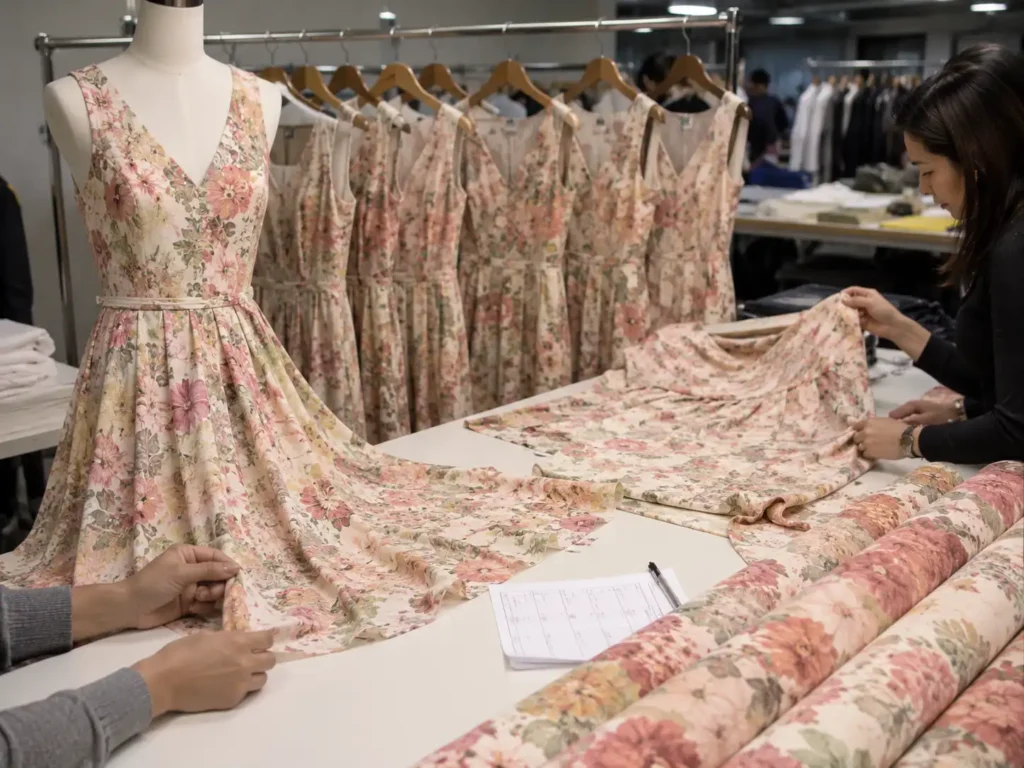
A motif that works on a maxi dress may overpower a mini dress or become visually weak on a tiered skirt. Floral scale is evaluated against garment length, panel width, body size and intended styling before bulk artwork is locked.

Poor Motif Placement

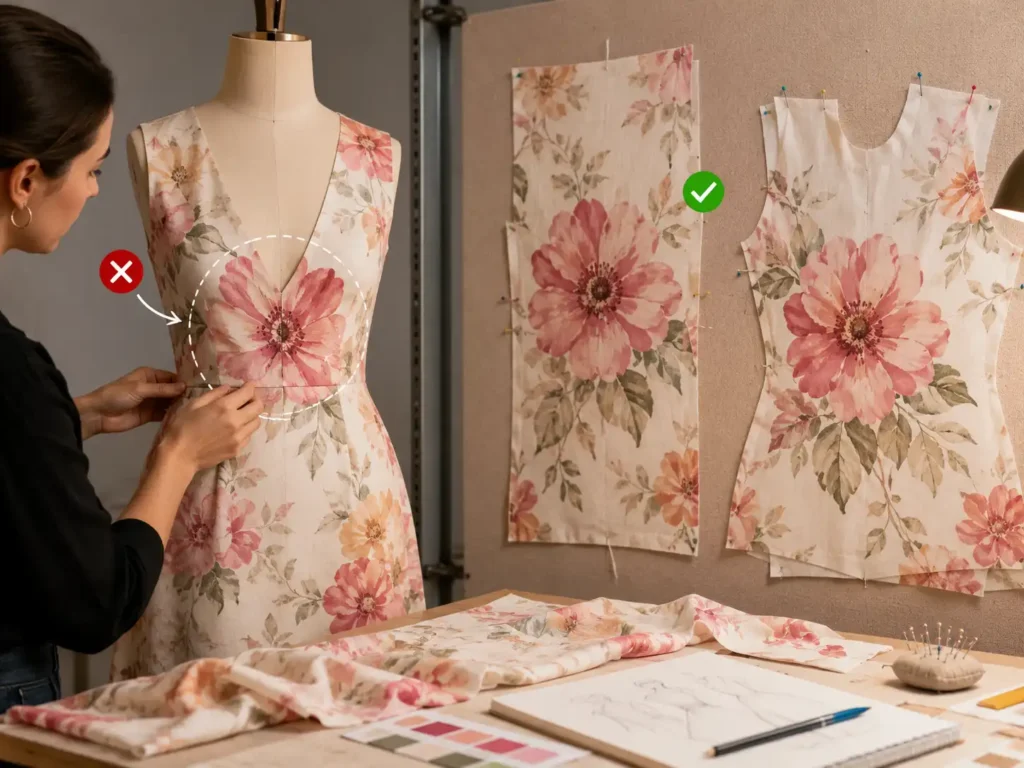
A dominant flower can be cut by a neckline, waist seam, bust dart or center front. Placement planning helps protect focal motifs and keeps left-right balance acceptable without promising unnecessary full matching on every seam.
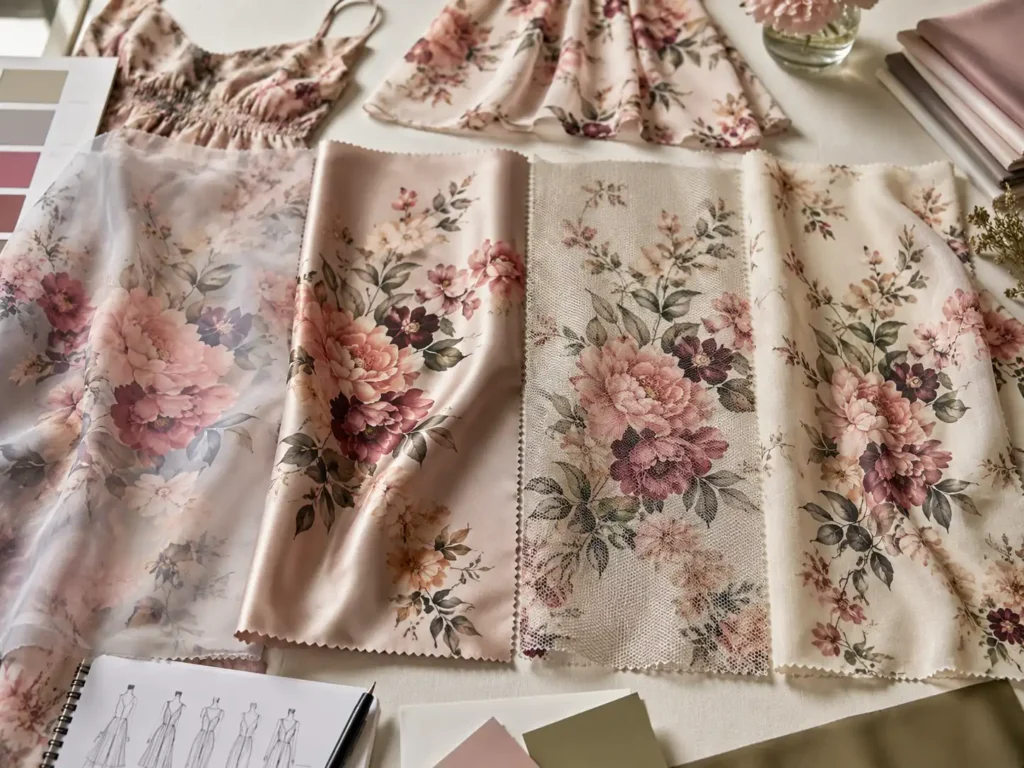
Fabric Print Mismatch
Chiffon softens edges, satin increases shine, mesh stretches the motif and rayon changes drape after washing. Base fabric must support both the desired visual effect and the selected garment structure.

Sample Bulk Difference

Bulk fabric may come from a different print or dye lot than sample fabric. PP approval, bulk color review, roll segregation and production files reduce changes in shade, hand feel and garment appearance.
Unstable Fit Sizing

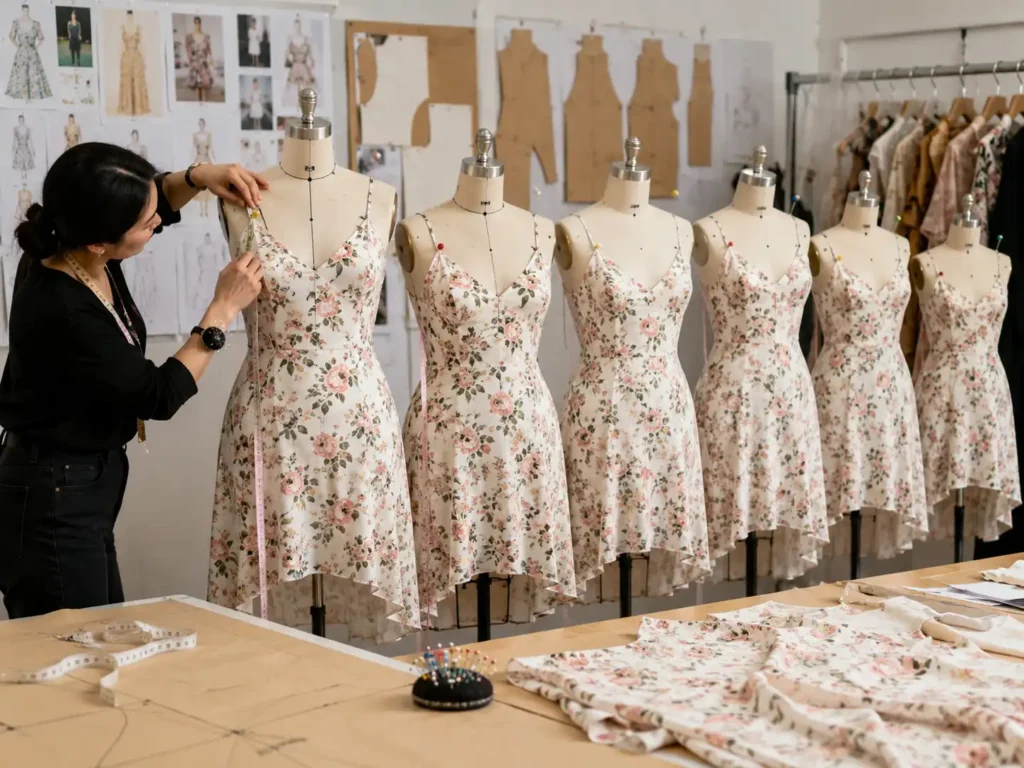
Beautiful florals cannot compensate for a low neckline, weak waist balance, unstable straps or inconsistent dress length. Pattern corrections and measurement control remain essential across XS-XL and extended sizes.

Floral Dresses Developed for Real Selling Seasons
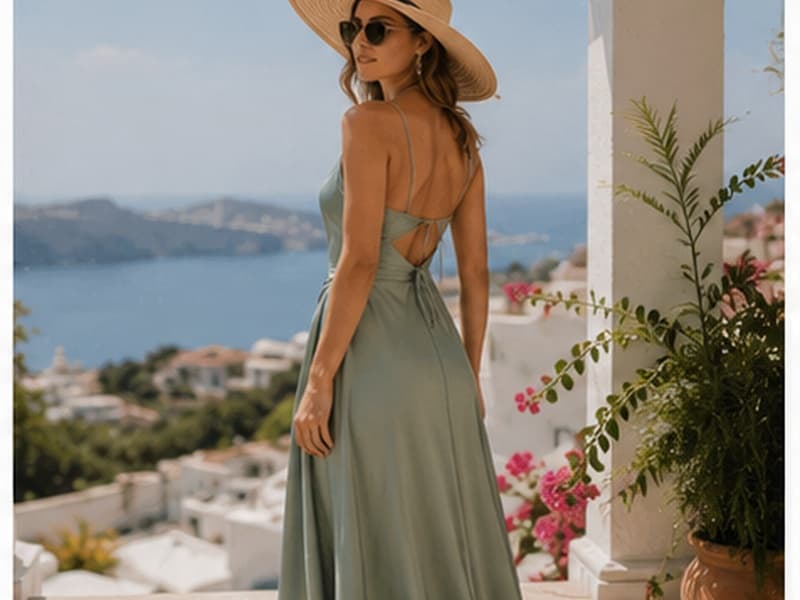
Floral design becomes commercially useful when fabric, silhouette and timing match a clear launch occasion. Jinfeng Apparel develops collections around sales calendars rather than treating every floral dress as the same product.

Resort Vacation

Fluid maxi, halter and backless styles need controlled transparency, comfortable movement and compact packing. Prints are assessed for long panels, wide hems and one-way direction.

Spring Summer

Lightweight woven fabrics, fresh colorways and breathable constructions support seasonal selling. Development focuses on opacity, shrinkage, sleeve comfort and repeat-friendly commercial silhouettes.

Wedding Guest

Midi and maxi dresses need refined color, flattering balance and polished finishing. Chiffon, satin, jacquard floral and delicate prints require careful lining and pressing.

Brunch Daywear

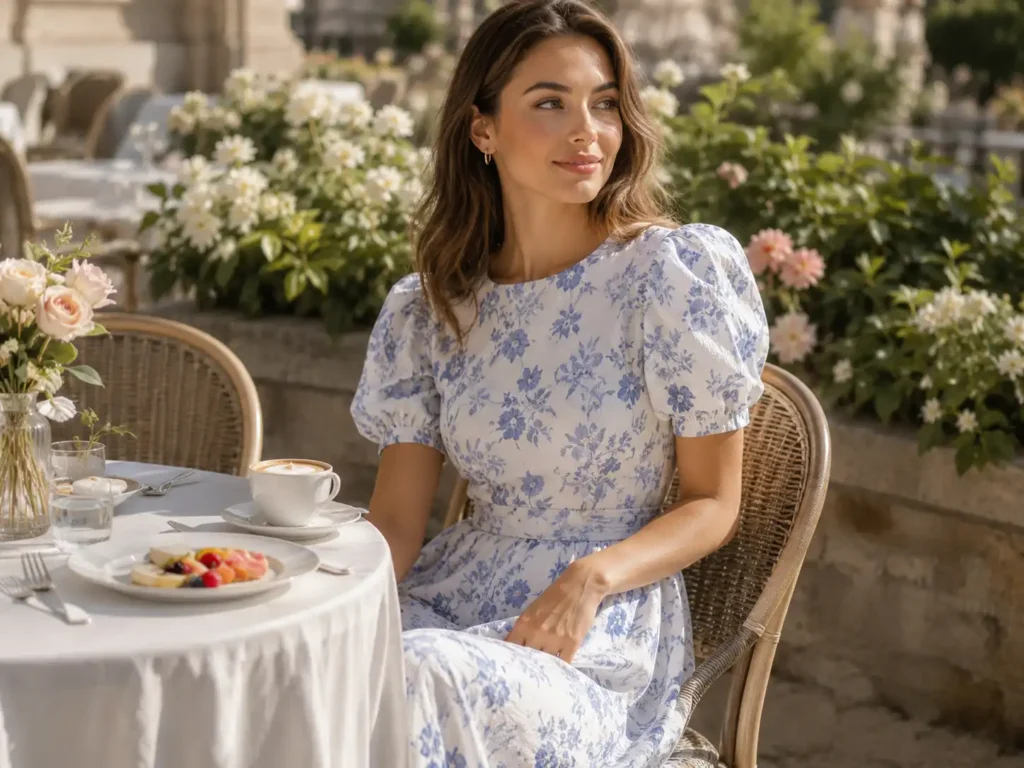
Wrap, A-line and fit-and-flare styles need easy movement, reliable neckline coverage and washable fabrics. Print scale should remain attractive in everyday lighting and product photography.

Graduation Collections

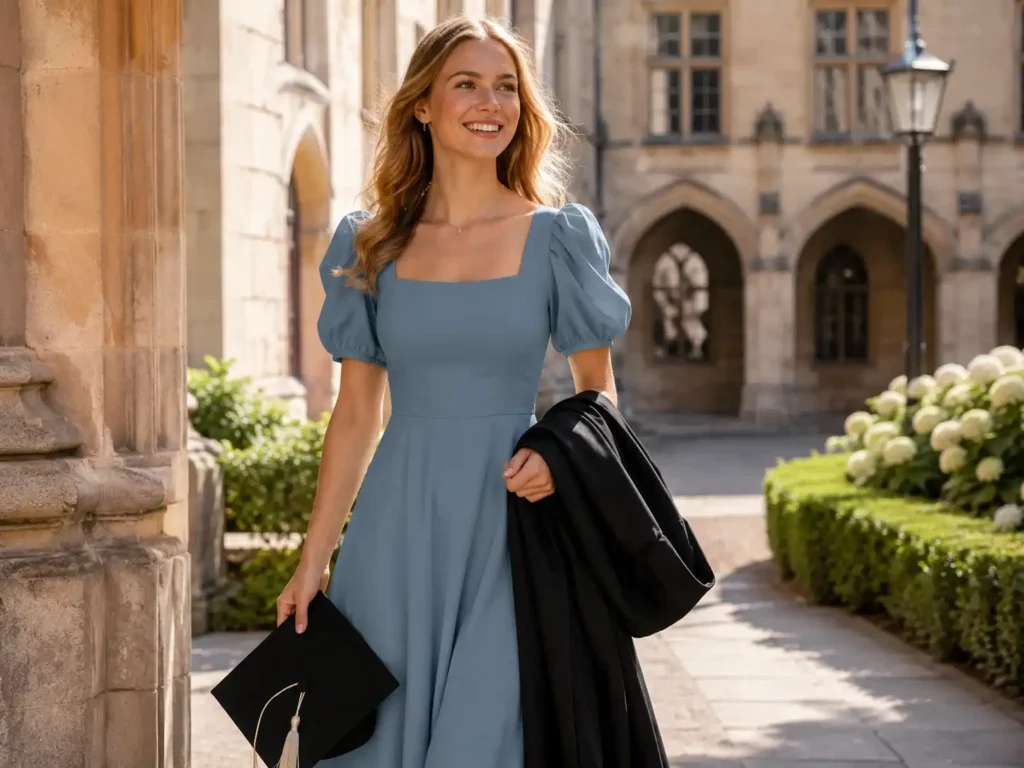
Youthful mini and midi dresses need photo-ready floral impact, secure length and a launch schedule aligned with seasonal events. Size grading and underlayer coverage receive extra attention.

Party Occasion

Printed satin, mesh overlays, ruching and fitted silhouettes create stronger visual statements. Stretch behavior, lining, print distortion and zipper performance are checked before production.

Custom Floral Dress Styles We Manufacture

Each silhouette changes how floral scale, repeat, placement and fabric movement appear on the body. Product development therefore starts with garment engineering, not with a print swatch alone.

Floral Mini Dresses

Mini dresses are built around proportion, secure length and clear upper-body balance. Small-to-medium motifs often read well at shorter lengths, while large florals need planned placement to avoid a single oversized flower dominating the front. Cotton blends, rayon, satin, jersey and printed woven fabrics can support different market positions. QC focuses on hem consistency, neckline stability, zipper behavior and size-to-size length grading.

Floral Midi Dresses

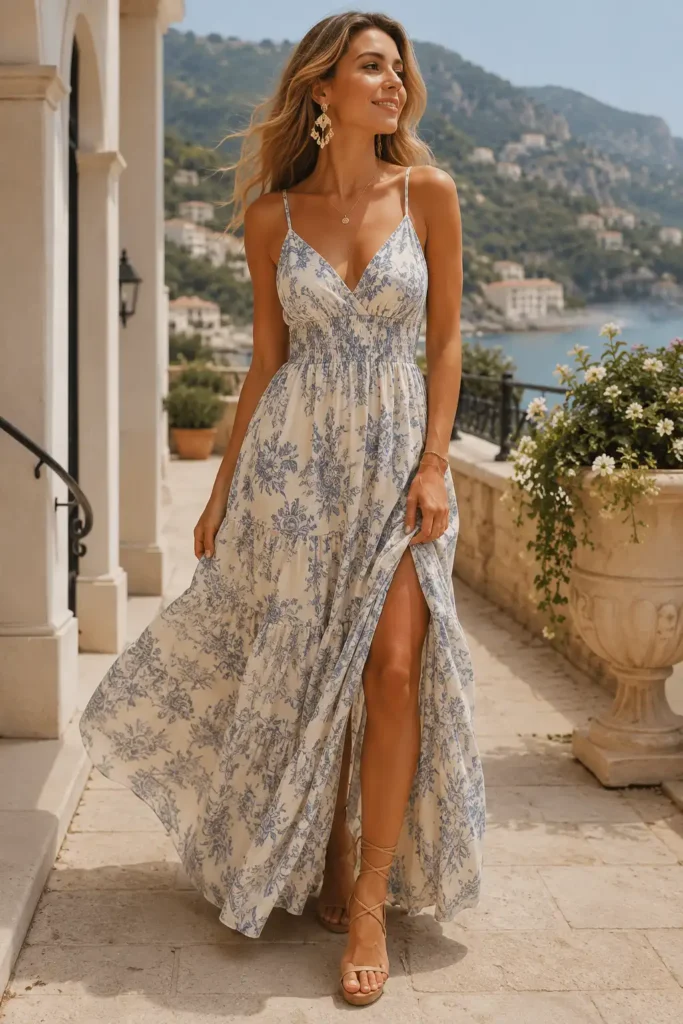
Midi dresses are commercially versatile for daywear, wedding guest and premium ecommerce collections. Wrap fronts, bias panels, fitted waists and soft A-line skirts require careful drape evaluation. Floral repeat should remain balanced through the torso and skirt without creating an unintended horizontal band. Production checks cover waist position, side-seam hang, lining length and final garment balance.

Floral Maxi Dresses

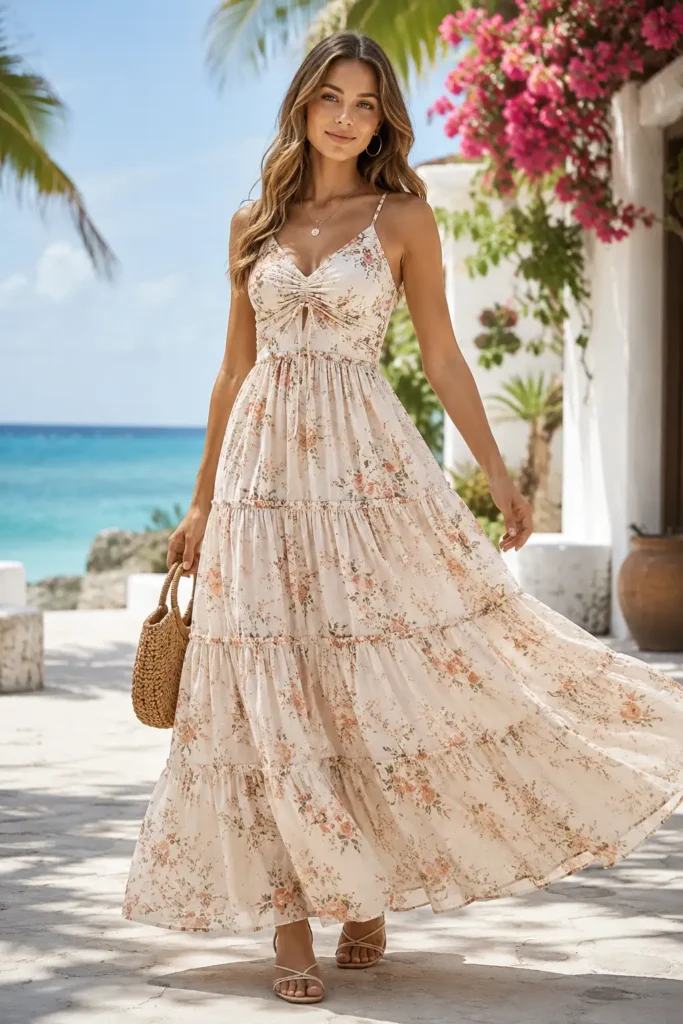
Maxi dresses place greater demands on print direction, fabric consumption and hem control. One-way florals, wide skirts, tiers and godets may increase meterage and cutting waste. Lightweight fabrics need lining or selective coverage without losing movement. Jinfeng reviews front-back length, neckline support, slit height, panel balance and travel packing so long dresses arrive with controlled folds and minimal distortion.

Floral Wrap Dresses

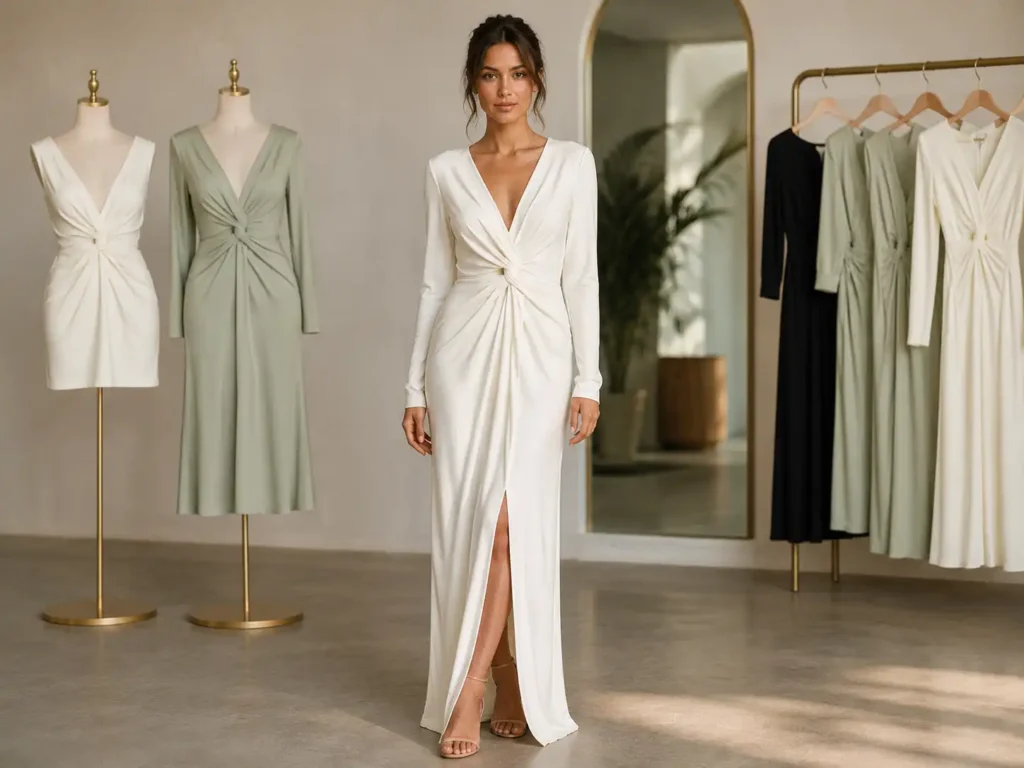
Wrap constructions need overlap security, tie strength and stable neckline coverage. The left and right front pieces can display florals differently, so visual balance matters more than exact mirror matching. Rayon, viscose, crepe and soft printed woven fabrics are common directions. Pattern testing checks waist position, bust coverage, tie location and movement across the intended size range.

Floral Slip Dresses

Slip dresses depend on bias behavior, strap engineering and controlled drape. Satin prints may show shade variation or snagging, while lightweight woven prints can become transparent. Development covers strap adjustability, neckline shape, back depth, seam puckering and lining strategy. Print placement must stay elegant around the bust and center front rather than appearing randomly cut.

Floral A-Line Dresses

A-line dresses provide a stable base for all-over florals, border prints and structured daywear. The silhouette can use cotton blends, linen blends, crepe, printed woven or softer viscose depending on the required hand feel. Fit work concentrates on shoulder balance, bust shaping, waist ease and hem sweep. Fabric width and motif direction influence marker efficiency and final cost.

Floral Tiered Dresses

Tiered skirts create movement but interrupt the print at every seam. The design team must decide whether each tier follows the same direction, alternates orientation or uses controlled border placement. Gathering ratio affects print density and garment weight. Bulk checks cover tier height, gathering uniformity, seam strength, lining and left-right balance.

Floral Bodycon Dresses

Bodycon florals require stretch-compatible printing and stable recovery. A motif can widen or distort across the bust, waist and hip, so artwork and fabric stretch must be reviewed together. Jersey, mesh, power mesh and stretch woven bases need suitable lining and seam construction. Measurement control focuses on negative ease, side-seam shape, neckline retention and print appearance under stretch.

Floral Effects Beyond Standard Printed Fabric

Floral identity can be created through print, weave, embroidery, lace or applied decoration. Each route has different artwork requirements, minimums, labor, weight and quality risks.

All-Over Floral Print

Repeated artwork covers the full fabric width and works across commercial dress categories. Repeat size, direction and color approval influence cutting yield and visual consistency.

Placement Floral Print

Artwork is positioned at a defined garment area such as the center front, waist or hem. Pattern and print coordinates must be connected before cutting.

Border Floral Print

A floral border can frame a hem, neckline or tier. Fabric width, orientation and marker layout determine whether the border remains level across sizes.

Floral Embroidery

Embroidery adds texture and premium detail. Stitch density, backing, thread color, shrinkage and skin contact must be approved on the intended fabric.

Floral Lace Motifs

Lace creates floral texture through the material itself. Motif placement, scallop use, lining color and seam joining shape the final garment value.

Jacquard Florals

Woven motifs provide depth and durability. Weight, stiffness, reverse-side appearance and seam bulk must suit the dress construction.

Applique Florals

Applied floral elements create dimensional impact. Edge security, wash behavior, placement consistency and garment comfort require separate approval.

Mixed Floral Details

Print can be combined with lace, embroidery, beading or mesh overlays. Layer compatibility and visual hierarchy are evaluated before costing.

Choose the Right Base Fabric for Floral Dresses

Base FabricFloral EffectKey AdvantagesMain Production RisksBest Applications
ChiffonLight, floating, softly diffusedAiry movement; layered effectTransparency; one-way print; seam slippageMaxi, resort, wedding guest
RayonSoft color and natural movementFluid drape; comfortable handShrinkage; wrinkle; dimensional changeVacation, wrap, midi
ViscoseRich color with smooth fallSoft hand; premium daywear feelBatch variation; shrinkage; creaseMidi, daywear, resort
Cotton BlendFresh, clean and commercialBreathable; stable sewingShrinkage; opacity; surface variationSundress, mini, A-line
SatinGlossy, saturated floral impactPremium appearance; strong colorSnagging; shade; seam puckeringSlip, occasion, party
MeshLayered or translucent floral effectFashion-forward; stretch optionsPrint distortion; curling; holesBodycon, party, overlay
Linen BlendNatural texture and relaxed colorResort positioning; breathableWrinkle; shrinkage; slub variationVacation, daywear, maxi
Printed WovenSharp, stable and versatileReliable construction; broad useDirection; consumption; stiffnessA-line, tiered, shirt dress

Printing Methods Selected Around Fabric and Volume

No single print method is best for every floral dress. Artwork detail, fiber content, order volume, color count and garment construction determine the suitable route. Jinfeng Apparel coordinates base-fabric selection, print development, strike-off approval and bulk-fabric control through appropriate material resources.

Digital Printing

Digital printing supports detailed florals, multiple colors, gradients and frequent artwork changes. It is often suitable for fashion collections using cotton, rayon, viscose, silk-like woven fabrics or polyester systems matched to the printer. Cost depends on fabric type, ink system, coverage and print meterage. Approval focuses on sharpness, color, penetration, hand feel and repeat accuracy.
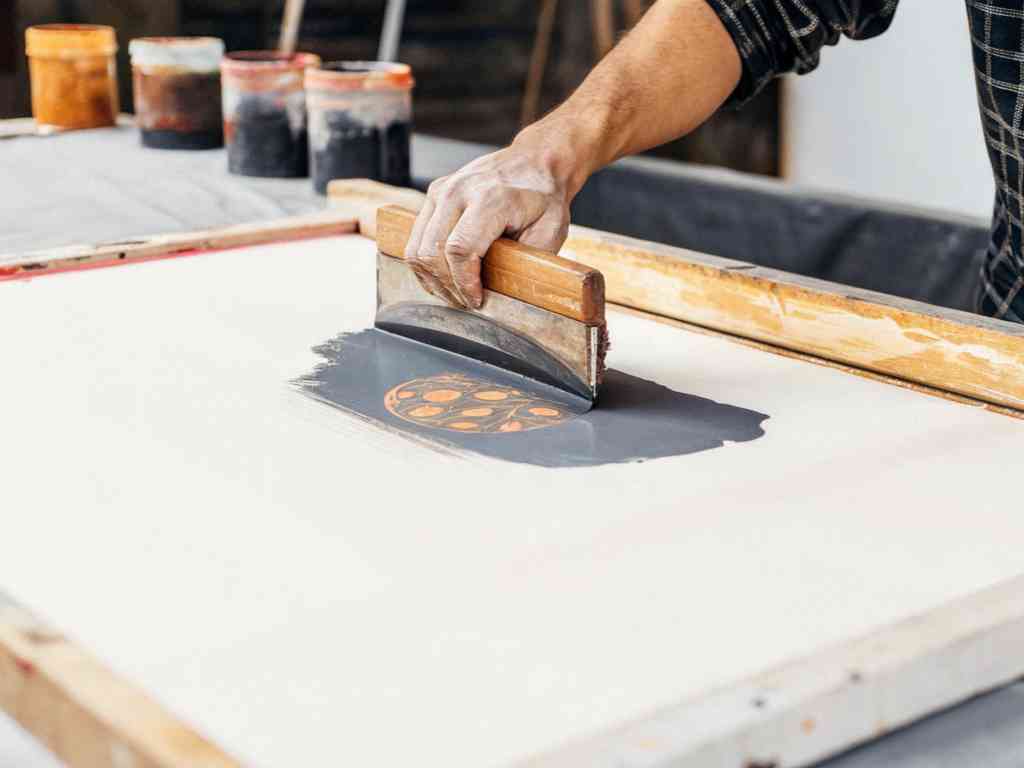
Hand pushing squeegee over black ink for screen printing

Screen Printing

Screen printing can be efficient for larger volume and artwork with controlled color separation. Each color may require its own screen, so color count affects setup and cost. Fine details, registration, hand feel and fabric compatibility must be tested. Bulk planning should confirm screen ownership, repeat dimensions and color tolerance.

Placement Printing

Placement printing positions artwork at defined garment points. The print layout must correspond with the approved pattern size and grading logic. Center-front flowers, engineered borders or asymmetrical motifs require accurate cutting references. Approval includes position tolerance, scale and appearance on the assembled garment rather than fabric alone.

Border Printing

Border prints use a decorative band near the fabric edge or within a repeated layout. Dress length, skirt sweep and size range influence whether the border stays level. Cutting direction and usable width can raise material consumption. A marker review is recommended before confirming cost and bulk quantity.

What We Need to Develop Your Floral Print

Accurate print development depends on usable source files and clear visual standards. Incomplete artwork can still be reviewed, but additional reconstruction work may affect cost, timing and final fidelity.

Original Artwork

Provide editable AI, EPS, PSD or high-resolution PDF files whenever available. Layered artwork improves color separation, repeat editing and scale adjustment.

Repeat File

A seamless repeat file defines how the floral pattern joins across width and length. Include the repeat dimensions and intended orientation.

Color Reference

Pantone references, approved physical swatches or controlled color targets help translate screen colors into printed fabric. Base-fabric shade must also be identified.

Print Scale

State the intended flower size or provide a dress reference with measurable scale. A screenshot alone cannot reliably define motif dimensions.

Placement Map

Engineered or placement florals need coordinates linked to pattern pieces. Mark center front, neckline, waist, hem or other focal positions.

Fabric Direction

Confirm whether the artwork is one-way, two-way or non-directional. Direction affects marker layout, consumption and garment symmetry.

Approve Floral Color Before Bulk Fabric Production

Color approval is a physical process. Fiber, base shade, surface texture, ink and finishing all change the printed result. Bulk production should begin only after the approved color reference is documented.

Artwork Color Review

The team reviews color count, contrast, background shade and dominant floral tones. Pantone references or physical standards are noted where available. The goal is not to force every artwork color into an exact code, but to define the visual hierarchy and acceptable direction before printing.

Print Strike-Off

A strike-off tests the artwork on the intended or closely matched base fabric. Review covers scale, repeat, sharpness, color balance, background, hand feel and show-through. Corrections may involve ink values, base-fabric selection or artwork separation. One or more rounds may be needed for complex color stories.

Bulk Color Approval

Bulk fabric is checked against the approved strike-off or signed standard. Roll-to-roll shade, print defects, direction and usable width are recorded before cutting. Shade groups should not be mixed randomly within a garment or shipment when visible variation exists.

Control Print Scale, Repeat and Motif Placement
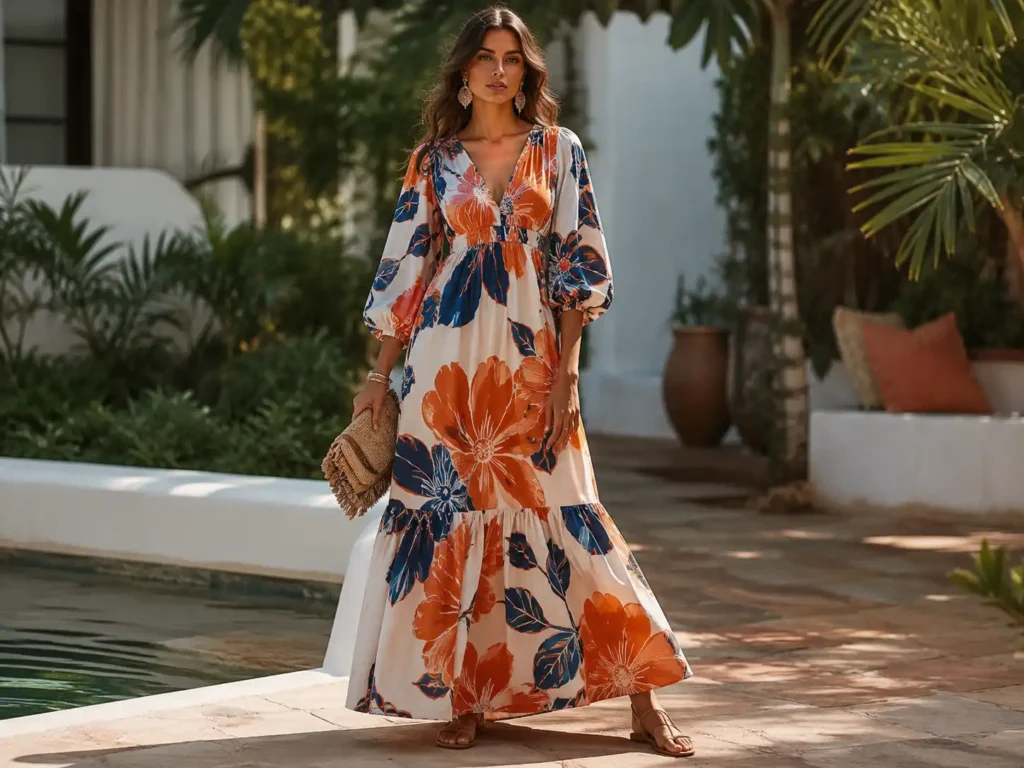
Floral appearance is determined by measurable relationships between artwork and garment pattern. Scale, repeat and focal-motif position must be resolved before production files are locked.

Print Scale

Measure the dominant flower, supporting leaves and open background against the garment. Large-scale prints create impact on maxi and simple silhouettes but can become unbalanced on mini or highly seamed styles. Small repeats work well across gathered or tiered areas but may appear visually dense when heavily ruched.

Repeat Size

Repeat dimensions affect how often the motif returns and where joins appear. A long vertical repeat may increase waste on short panels, while a narrow repeat can create obvious striping. Repeat information supports marker planning and helps predict visual rhythm across dress lengths.

Front Placement

The center front is often the most photographed area. Dominant motifs should be assessed around bust shaping, plackets, cut-outs or center seams. Engineered positions require a placement map and cutting tolerance. All-over prints still benefit from avoiding visually awkward isolated motifs.

Waistline Placement

Waist seams, elastic channels, cut-outs and gathered panels can split large flowers. A deliberate decision is needed: preserve a motif, allow a natural break or use a denser repeat. The choice affects fabric consumption and should match the collection price position.

Neckline Placement

Halter, deep V, square, cowl and strapless necklines cut the artwork differently. Floral density near the face can change product photography and perceived balance. Pattern and artwork review should prevent a single motif from appearing unintentionally centered or abruptly cut.

Size Balance

Grading changes panel dimensions but not the printed fabric repeat. A motif will not appear in exactly the same position on every size unless an engineered placement system is used. Approval should define realistic visual tolerance across XS-XL and any extended range.

Floral Cutting Control Before Sewing Begins

Many print defects originate at cutting rather than sewing. Direction, roll shade, focal motifs and marker efficiency are reviewed before fabric is committed to production.

Fabric Direction

One-way flowers, stems, birds or botanical elements require all main panels to face the same direction. Reversing a panel may reduce consumption but create an obvious visual error. Direction rules are marked in the cutting file.

One-Way Print

A one-way repeat usually increases consumption because pattern pieces cannot be rotated freely. The cost effect is greater on maxi skirts, wide sleeves, flounces and bias panels. Marker efficiency should be calculated before quotation is finalized.

Center Front

Center-front placement is reviewed for dresses with seams, buttons, zippers or strong focal motifs. Exact matching is not always required, but obvious half-flowers or conflicting motifs should be avoided at key visual points.

Side-Seam Balance

Full side-seam matching can add material and labor. Jinfeng evaluates whether the product needs exact matching, directional continuity or simply balanced color and motif density. The chosen standard is documented before bulk cutting.

Panel Matching

Princess seams, yokes, tiers and godets break the artwork into multiple panels. Focal areas receive priority while less visible seams follow an agreed commercial tolerance. Cut-piece numbering helps prevent shade and direction mix-ups.

Fabric Consumption

Usable width, repeat size, garment length, skirt sweep, direction and matching standard all affect meterage. A floral maxi with a one-way border can consume substantially more fabric than a non-directional all-over midi using the same base cloth.

Fit Engineering Behind Every Floral Dress

Print attracts attention, while fit determines whether the dress can be sold, worn and reordered. Jinfeng Apparel develops the garment around body balance, movement and market-specific size expectations.

Bust Neckline

Bust shaping must work with the neckline, cup coverage, darts, gathers and fabric behavior. Large motifs near the bust can exaggerate asymmetry, so fit and placement are reviewed together. Neckline depth, gaping and underlayer exposure are checked on the sample and transferred into the measurement file.

Waistline Position

A waistline placed too high or low changes both silhouette and print rhythm. Fitted, empire, drop-waist and elasticated designs require different pattern control. For wrap and cut-out dresses, waist position also affects coverage and tie alignment.

Hip Ease

Woven floral dresses need sufficient hip ease for movement without losing shape. Bodycon dresses rely on controlled negative ease and fabric recovery. Side seams, lining and print distortion are reviewed across the intended size range rather than only on one sample size.

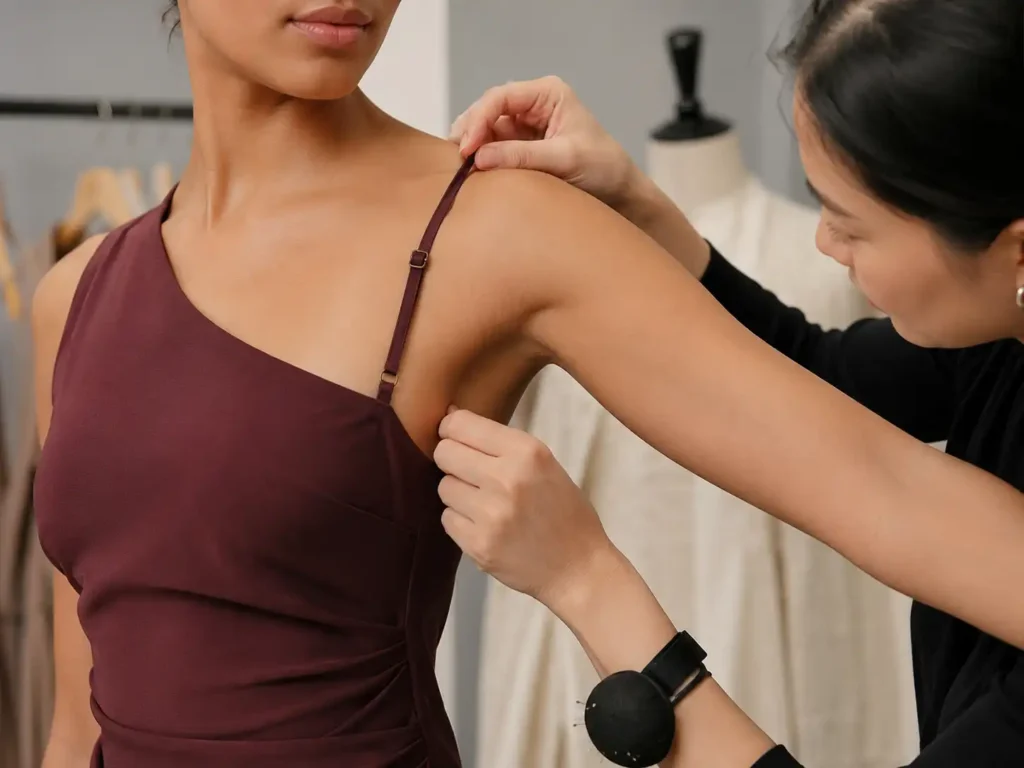
Strap Armhole

Thin straps, halter ties and sleeveless armholes must balance support with clean coverage. Strap length, slider position, armhole depth and underarm gaping are measured. Floral placement around narrow straps should not create obvious mismatched fragments when avoidable.

Dress Length

Mini, midi and maxi lengths follow different grading and movement rules. Mini dresses need secure coverage, midi dresses require balanced calf placement, and maxi dresses need front-back hem control. Hem depth, lining length and footwear assumptions are recorded.
Woman holding out flowing dark dress in soft indoor light.

Hem Movement

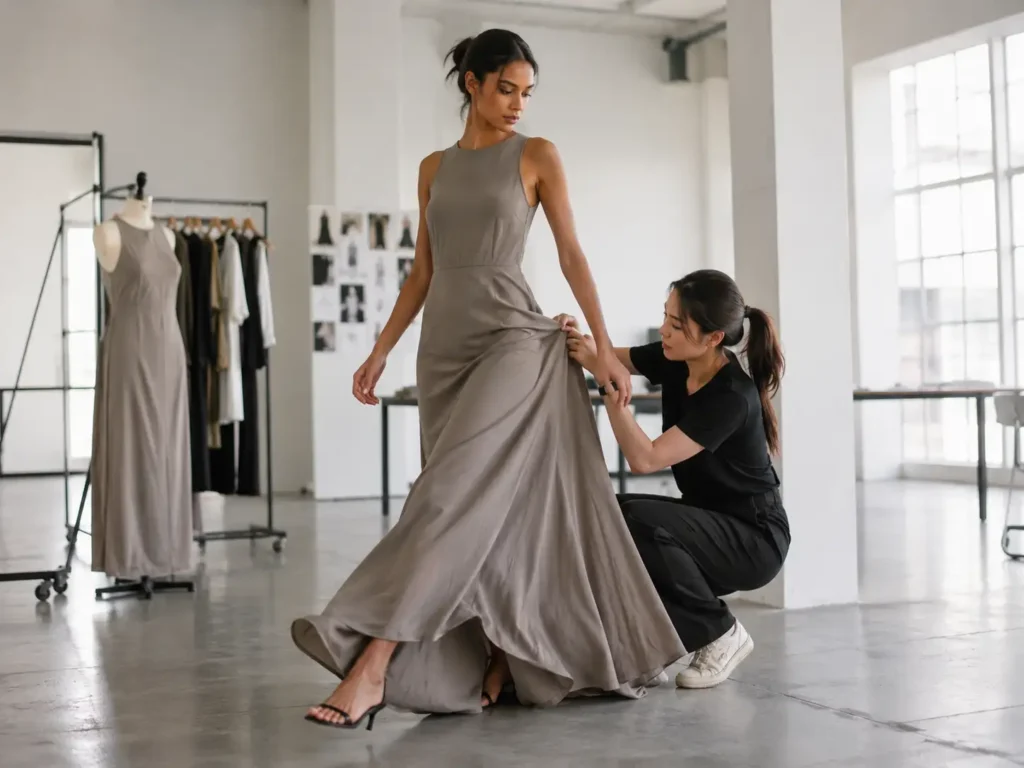
Flared, bias, tiered and godet hems react differently in rayon, chiffon, satin and structured woven fabrics. The sample is checked after hanging or relaxation where necessary. Final balance should remain level after sewing, pressing and normal handling.

Construction Details That Shape Floral Dress Results
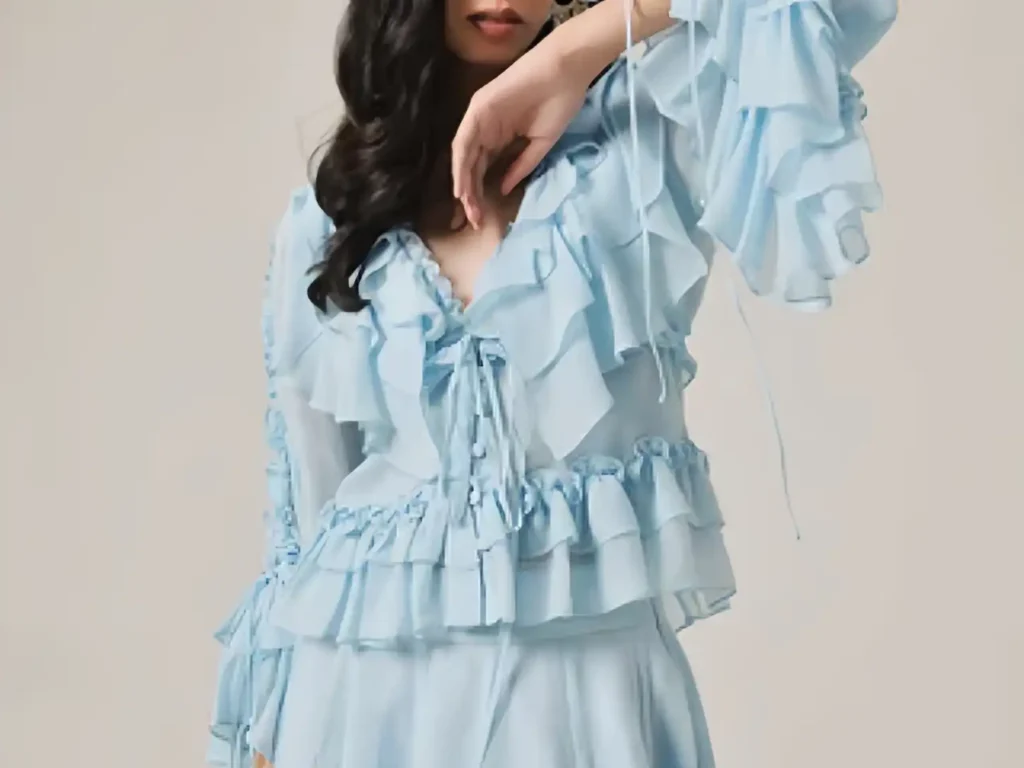
Design details compress, rotate, interrupt or frame floral artwork. Each construction decision therefore affects both the garment and the print. Develop Design Details Check Construction Risk

Ruffles

Ruffles rotate the print around curves and increase fabric usage. Direction, fullness ratio and edge finish determine whether the floral effect looks fluid or visually chaotic. Lightweight fabrics may need narrow hemming or controlled overlocking.

Ruched Panels

Ruching compresses the motif and changes color density. Pattern length, elastic tension and gathering distribution are standardized so production pieces do not appear lighter or darker from inconsistent fullness.

Tiered Skirts

Every tier introduces a seam and gathering ratio. Tier height, print direction, seam allowance and lining are coordinated to keep the skirt balanced across sizes.

Puff Sleeves

Sleeve volume can display a print differently from the bodice. Sleeve-head gathering, cuff fit, lining and print direction are checked for symmetry and comfort.

Wrap Fronts

Wrap fronts overlap two printed panels and need secure coverage. Motif balance, tie location, facing, neckline stay and movement are tested before approval.

Slits

Slits interrupt long floral panels and affect movement. Height, reinforcement, lining opening and motif position are controlled to avoid weak stress points or awkward focal cuts.

Cut-Outs

Cut-outs create narrow seams and expose lining or skin. Edge stability, reinforcement and placement tolerance are important, especially when a large floral motif crosses the opening.

Adjustable Straps

Sliders and rings improve fit flexibility but must match fabric weight and color. Strap width, stitch security, adjustment range and print continuity are checked.

From Floral Concept to First Sample

A first sample is the result of coordinated artwork, material, pattern and sewing decisions. Normal dress samples often require about 10-15 days after fabric, print direction and development information are ready. More complex floral placement, corset structures or special materials require a project-specific schedule.

Project Review

Reference images, tech pack, artwork, target quantity, size range and launch timing are reviewed. Missing construction or measurement information is identified before pattern work begins.

Fabric Print Direction

Base-fabric options, print method, color route, scale and repeat are selected. Stock floral fabric, custom all-over print and engineered placement follow different approval steps.

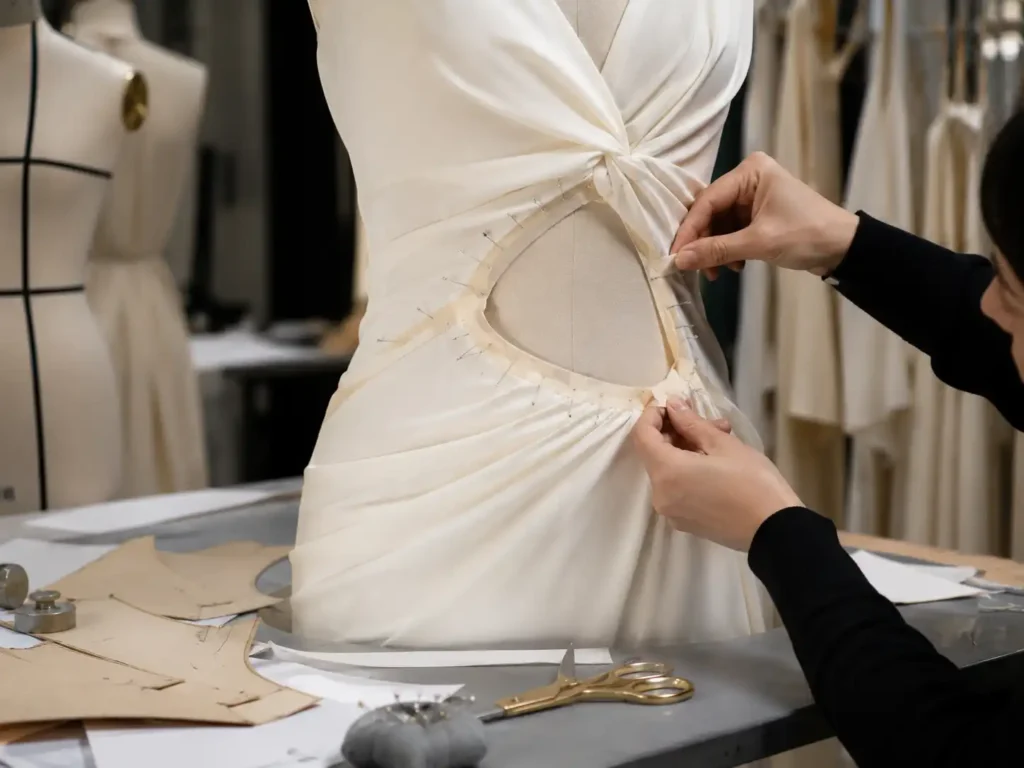
Pattern Development

Pattern makers translate silhouette, measurements and fit direction into a first pattern. Print placement points are connected to neckline, waist, seams and hem where needed.

Sample Sewing

Sample machinists build the garment using approved or development materials. Sewing feedback identifies seam, lining, closure and pressing risks before bulk costing is locked.

Internal Measurement

The sample is checked against the measurement chart and design intent. Bust, waist, hip, length, strap, armhole, slit and hem balance are recorded.

Brand Review

Photos, video, measurements or a physical sample support the review. Comments should identify the required result, not only a vague preference, so the next revision can be documented accurately.

Sample Revisions Based on Cause, Not Guesswork

A revision is most effective when the root cause is identified and converted into updated production information. Jinfeng Apparel separates print, fabric, fit, construction, color and cost issues before making changes.

Print Issue

Review scale, repeat, direction, placement, sharpness and color. Corrections may require artwork editing, a new strike-off or a different base fabric rather than a sewing change.
  • Update artwork version
  • Confirm new physical standard
  • Record placement tolerance

Fabric Issue

Review drape, opacity, stretch, recovery, shrinkage, wrinkle and hand feel. A fabric change can alter pattern ease, lining, seam method, cost and timing.
  • Approve replacement swatch
  • Recheck pattern balance
  • Update BOM and cost

Fit Issue

Identify whether the problem comes from measurements, pattern shape, fabric behavior or sample sewing. Comments are translated into measurable changes.
  • Update pattern and size chart
  • Retest key body points
  • Record fit approval

Construction Issue

Review seam, zipper, lining, ruffle, tier, slit, strap or reinforcement method. The sewing instruction and QC checkpoint are updated together.
  • Revise construction detail
  • Confirm workmanship standard
  • Add inline inspection point

Color Issue

Separate artwork color, print-lot shade, lining mismatch and trim mismatch. A new physical approval may be required before PP.
  • Reconfirm print standard
  • Match lining and thread
  • Segregate bulk shade lots

Cost Issue

Cost can be adjusted through fabric, print method, construction, lining, matching standard or packaging without removing the product identity. Any change is reviewed for visual and quality impact.

  • Compare cost alternatives
  • Protect key design features
  • Update quotation scope

Approval Stages Before Floral Dress Bulk Production

Separate approvals prevent one sample from carrying too many decisions. Print, fit, final materials and production standards are confirmed at defined gates.

Print Strike-Off

Confirms artwork scale, repeat, color balance, base fabric and print quality. Approval belongs to the fabric and print direction, not to garment fit.

Fit Sample

Confirms silhouette, measurements, movement, neckline, waist, hip, length and construction. Development fabric may be used when clearly identified.

PP Sample

Confirms final fabric, print, trims, measurements, construction, labels and packing before bulk release. Major changes after PP approval require new cost and risk review.

Golden Sample

Provides the signed reference for production, inspection, repeat orders and dispute review. The sample is supported by final BOM, measurement chart and sewing instructions.

Managing Multi-Style Floral Dress Collections

A seasonal program may contain 10-30 styles, several prints, multiple colorways and shared fabrics. Organized grouping and approval tracking prevent artwork, pattern and packing versions from becoming mixed.

Style Fabric Grouping

Styles are grouped by base fabric, print family, silhouette and construction complexity. Shared rayon or chiffon programs can use coordinated material bookings, while stretch mesh and printed satin remain in separate control groups. A style matrix records fabric, artwork, color, size range, labels and packaging.

Sample Priority Management

Hero styles, campaign samples, showroom pieces and long-lead prints are prioritized. A tracker records first sample, revision, strike-off, PP and approval status. Product teams can release mature styles while complex styles continue development without losing version control.

Launch Shipment Tracking

Bulk production is linked to the launch calendar, QC plan, packing requirements and shipment sequence. Urgent SKUs can be evaluated for earlier release, while remaining styles follow the planned batch. Each shipment keeps style, color, size and carton information separated.

MOQ and Cost Factors for Custom Floral Dresses

Jinfeng Apparel starts standard garment production from 200 pcs per style/color. Floral projects may also carry fabric, printing, embroidery, trim or packaging minimums. A reliable quotation therefore separates garment MOQ from material and process requirements.

Project TypeMOQ DirectionMain Cost FactorsRequired Approval
Stock Floral FabricOften assessable from 200 pcs/style/colorFabric stock, usable width, size ratio, liningFabric swatch and stock confirmation
Custom Digital PrintDepends on base fabric and print supplierArtwork preparation, meterage, coverage, ink systemPrint strike-off and fabric approval
Screen PrintUsually more efficient at higher volumeScreen count, color count, setup, repeatColor separation and print sample
Placement PrintProject-based minimumPosition accuracy, pattern mapping, cutting wastePlacement map and garment sample
Border PrintProject-based minimumFabric width, direction, dress length, marker yieldBorder layout and cutting review
Floral EmbroideryDepends on stitch area and machine setupStitch count, backing, thread, placementEmbroidery strike-off and wash review

How Floral Dress Bulk Production Is Controlled

Bulk production begins only after PP, materials, measurements, labels and packing instructions are confirmed. Each stage protects the approved sample from uncontrolled substitutions or version changes.

Approved Fabric

The final base fabric, print standard, lining and trims are recorded. Purchase quantity includes approved allowances for print direction, defects and cutting yield.

Bulk Print Review

Bulk fabric is compared with the approved strike-off or signed standard. Shade, sharpness, repeat, direction and visible defects are reviewed before release.

Fabric Inspection

Incoming rolls are checked for color, usable width, stains, holes, print faults, direction and batch variation. Shade groups are identified where needed.

Marker Cutting

The marker follows approved pattern version, direction and matching standards. Cut pieces are counted, numbered and separated by size and shade group.

Sewing Preparation

Production files include BOM, measurement chart, sewing instructions, print notes, approved sample references and critical QC points.

Inline Inspection

Checks focus on neckline, waist, zipper, straps, tiers, gathering, lining, motif balance and measurements before defects spread across the order.

Finishing Measurement

Garments are trimmed, pressed and measured after construction. Floral fabric is handled to avoid shine, snagging, stretching or heat damage.

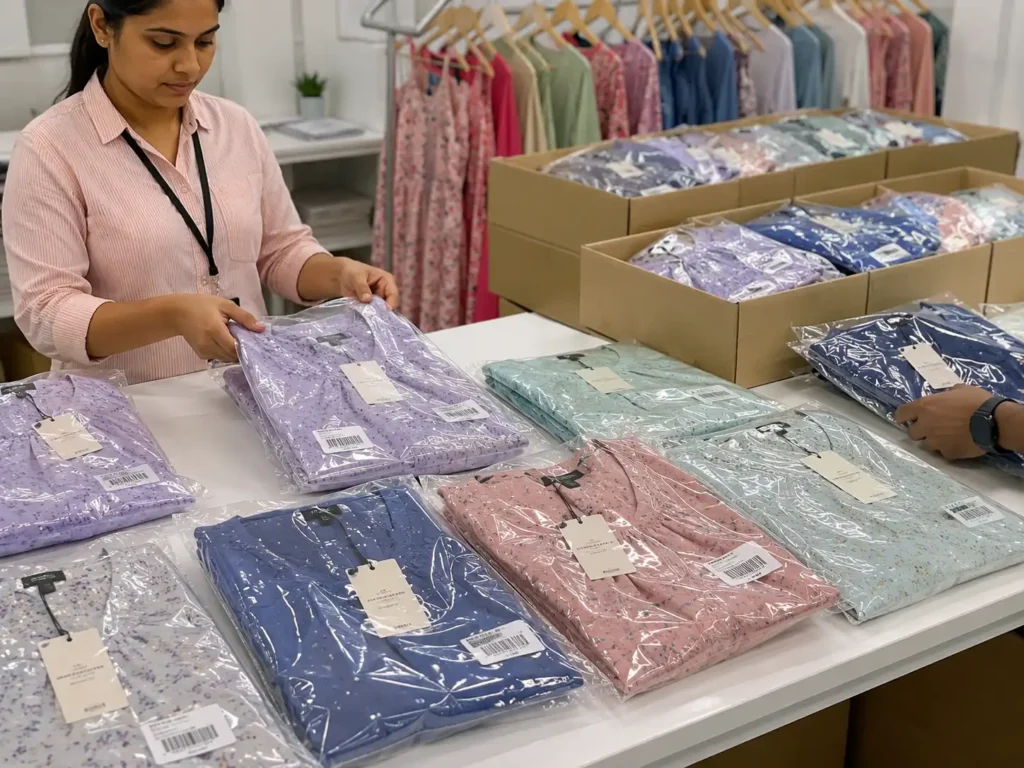
Packing Shipment

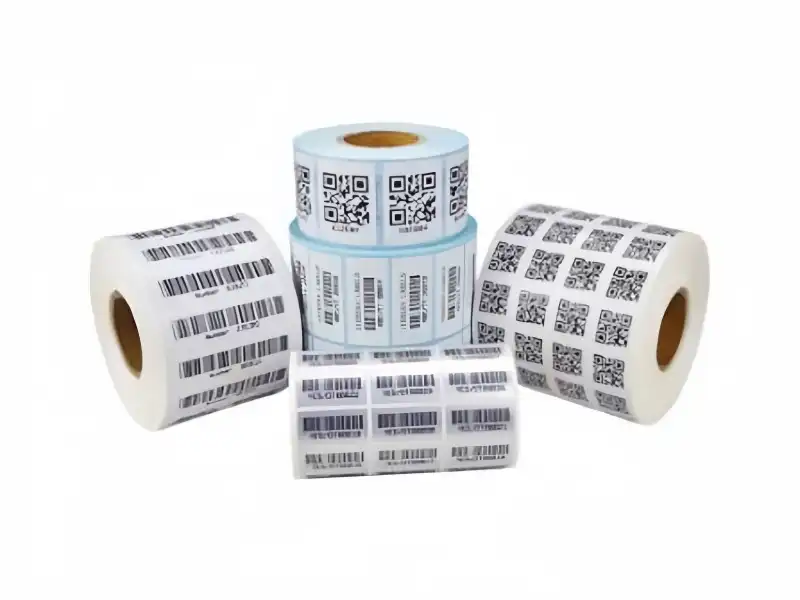
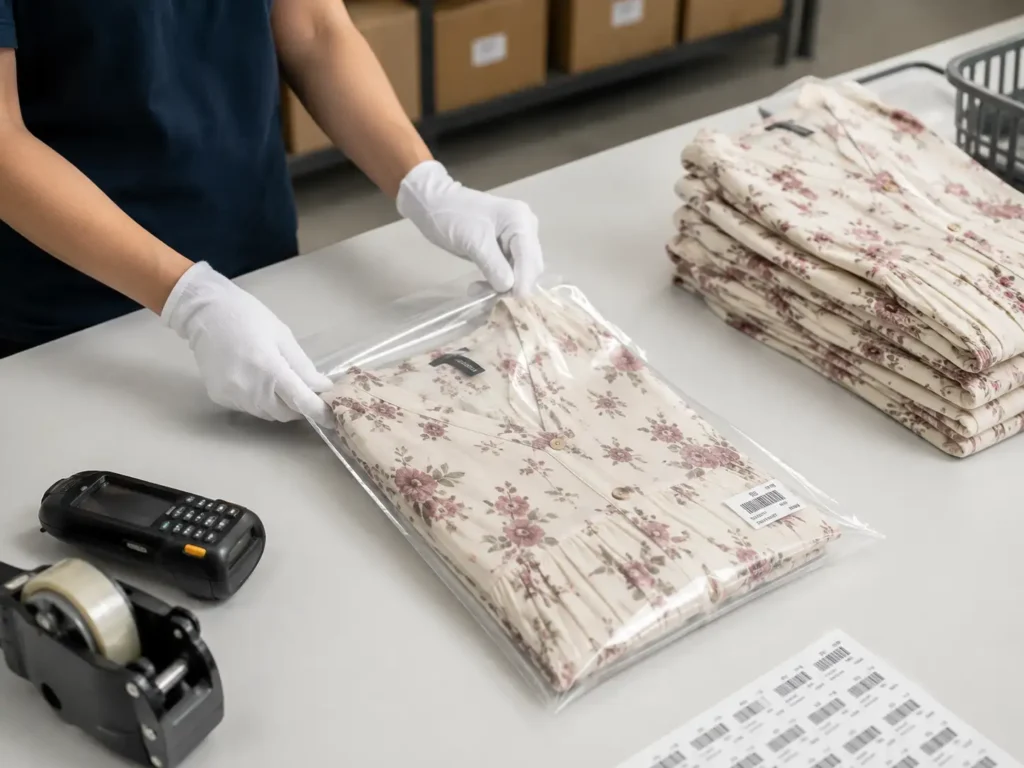
Style, color, size, barcode, polybag and carton marks are verified. Shipment files follow the agreed packing ratio and delivery plan.

Quality Control for Print, Fit and Bulk Consistency
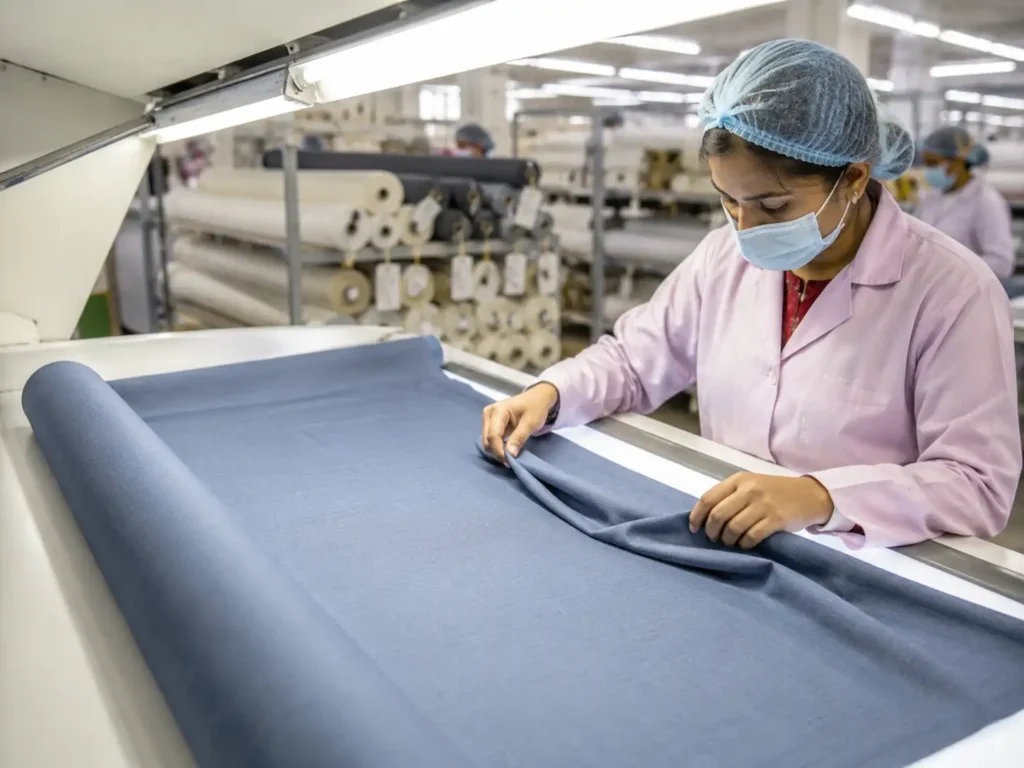
Floral dress quality is controlled from incoming fabric through final packing. Inspection combines measurable garment standards with visual controls specific to printed and decorated materials.

Incoming Fabric

Rolls are checked for composition reference, color, hand feel, width, defects, print direction and shade variation. Rayon, viscose and cotton blends may require shrinkage attention; satin and mesh need snag or hole checks. Findings are recorded before cutting.

Print Shade

Bulk shade is compared with the approved physical standard under consistent viewing conditions. Roll lots with visible differences are separated. Lining, thread, zipper and trim colors are reviewed beside the printed fabric rather than in isolation.

Print Direction

One-way artwork, stems, animals or border elements are checked at marker and cut-piece stages. Direction errors cannot be corrected after sewing, so cutting approval carries a defined responsibility.

Cut Placement

Focal motifs around center front, neckline, waist and hem are reviewed against the agreed standard. Full matching is applied only where specified; commercial visual balance is controlled elsewhere.

Sewing Quality

Seam appearance, stitch security, zipper insertion, lining, gathering, strap attachment, slit reinforcement and hem finish are checked during production. Lightweight printed fabrics require controlled tension to avoid puckering or distortion.

Garment Measurement

Approved measurement points and tolerances are checked across sizes. Key points include bust, waist, hip, length, strap, armhole, slit and hem. Size deviations are corrected before packing rather than accepted as visual variation.

Final Appearance

Inspection covers print balance, stains, holes, seam puckering, pressing, lining show-through, loose threads and garment symmetry. Floral garments are viewed as complete products, not only as measured pieces.

Packing Accuracy

Main label, size label, care label, hangtag, barcode, polybag, size ratio and carton marks are checked against the packing file. Mixed floral colorways require disciplined SKU separation.

Private-Label Floral Dresses Ready for Your Channel

The finished garment must arrive with correct identity, care information, SKU data and packing configuration. Jinfeng Apparel supports private-label delivery for ecommerce, retail, boutique and distribution programs.

Brand Labels

Woven, printed or heat-transfer main labels are positioned according to the approved garment and comfort requirement. Color, size and attachment method are confirmed before bulk use.

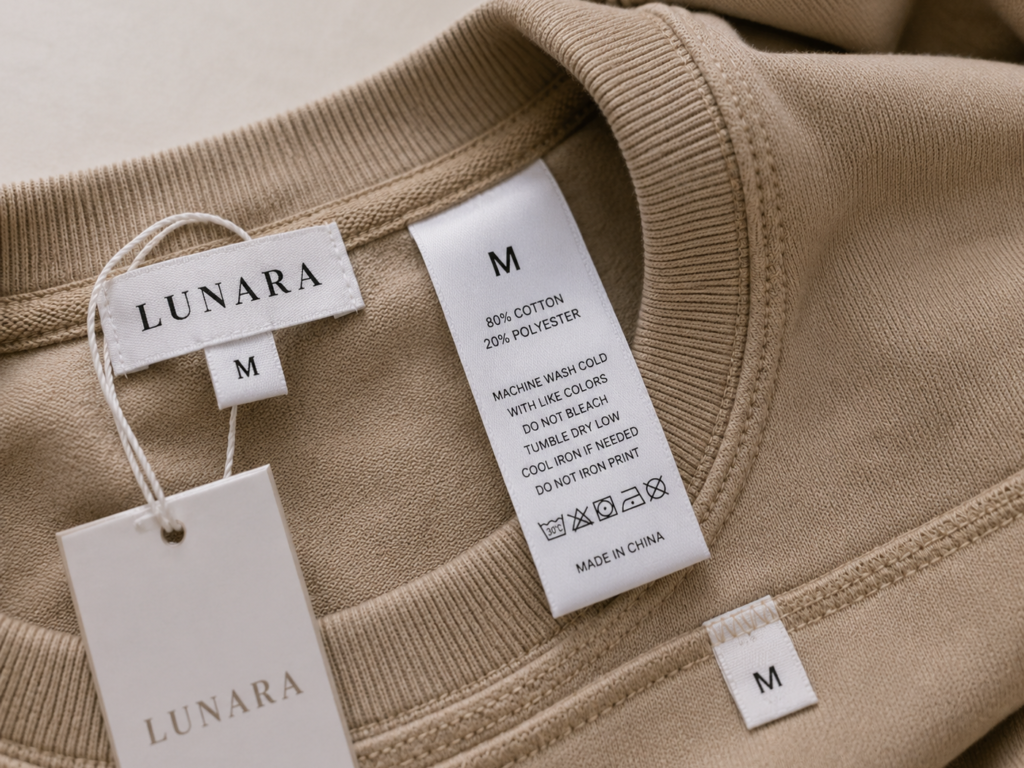
Care Size Labels

Fiber composition, care symbols, country information and size are prepared from approved product data. Final wording remains subject to the destination market and brand review.

Hangtags

Hangtags can carry branding, product information, price or campaign details. String, pin, placement and protective handling are confirmed for delicate fabrics.

Barcode SKU

Style, color and size codes are linked to the correct barcode or SKU label. Scanning files or brand-provided data are checked before packing.

Individual Polybags

Polybags, warning text, size stickers, tissue or protective inserts are selected around fabric sensitivity and warehouse requirements. Satin and decorated florals may need extra surface protection.

Carton Marks

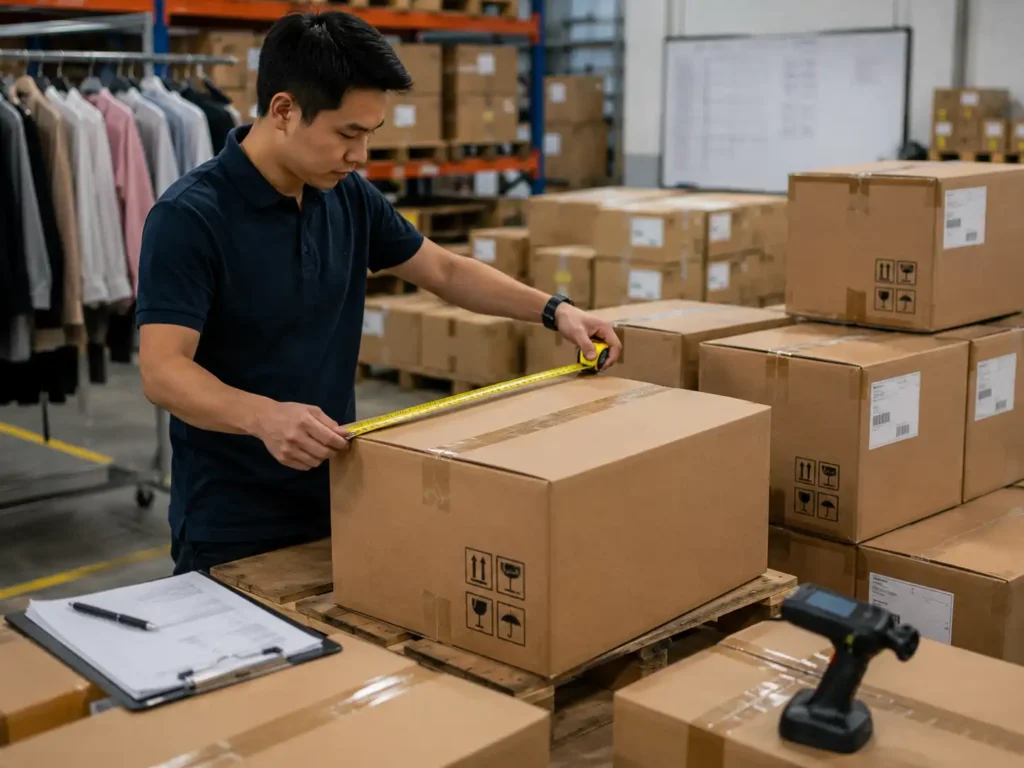
Carton dimensions, style mix, size ratio, shipping marks and carton numbers follow the approved packing instruction. Multi-style programs are kept traceable for receiving and replenishment.

Production Capacity for Multi-Style Dress Programs

Capacity is valuable only when styles are allocated to suitable teams and controlled under one project system. Jinfeng Apparel combines owned factories, long-term production partners, sample resources and QC staff for seasonal dress programs.

6 Owned Factories

Owned facilities provide a stable production base for woven and knit womenswear. Style allocation follows fabric type, structure, order quantity and required finishing.

10+ Long-Term Partners

Satellite partners support multi-style planning and peak-season capacity. Orders remain connected to approved files, merchandising follow-up and inspection requirements.

18+ Sewing Lines

Multiple sewing lines support parallel production after style readiness and material availability are confirmed. Line loading is planned around complexity rather than headline quantity alone.

6+ Flexible Lines

Flexible lines support styles with shorter production runs within a larger brand program, sample-to-bulk transitions and controlled repeat orders.

15+ QC Inspectors

QC staff cover incoming material, cutting, sewing, finishing, measurement and packing stages. Inspection focus changes according to print, fabric and construction risk.

12+ Merchandisers

Merchandising and order-follow-up specialists coordinate style files, approvals, material status, production progress, packing and shipment communication.

Floral and Dress Programs Managed at Brand Scale

Anonymous project examples show how floral development, fit, multi-style control and private-label delivery work at commercial order scale. Quantities and details are presented without revealing protected brand information.

United States Spring Collection

  • Program: 24 floral dress styles, 62,400 pcs total, XS-XL, eight print families across rayon, cotton blend, chiffon and printed satin.
  • Challenge: the launch required consistent color direction across different base fabrics, balanced floral scale on mini and maxi silhouettes, and barcode-ready packing for multiple warehouses.
  • Action: artwork families were grouped by fabric, strike-offs were approved before fit samples, and hero styles moved first into PP. Placement notes were added for center-front and waist areas.
  • Result: 24 styles entered bulk under one tracker, three shipment batches were prepared by launch priority, and all print, pattern and packing records were retained for repeat colorways.
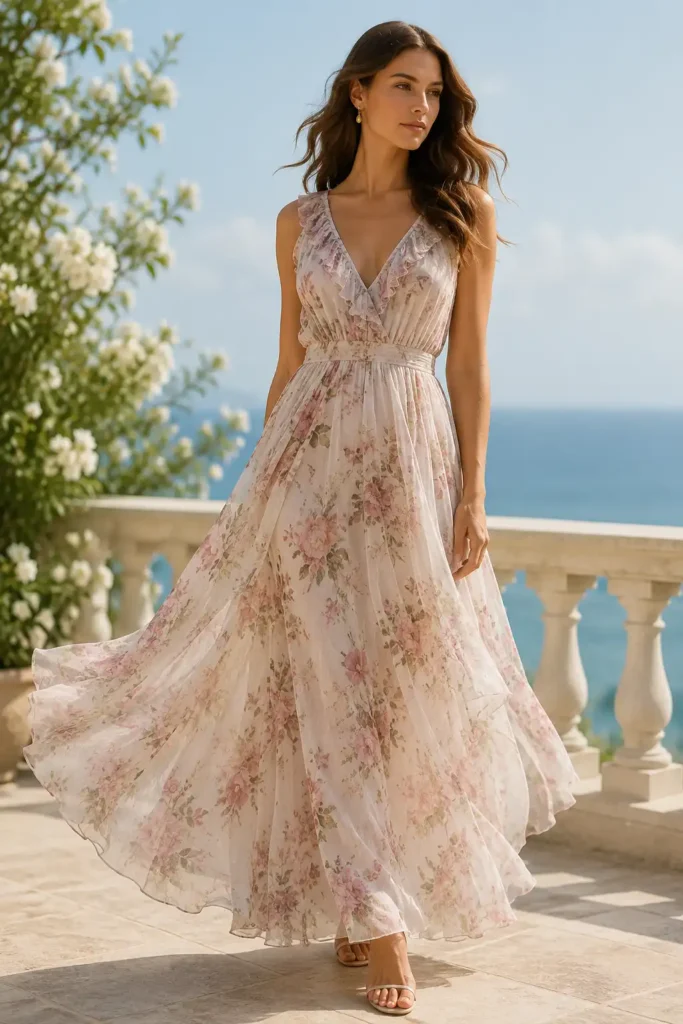
European Resortwear Program

  • Program: 15 styles, 28,500 pcs total, including floral chiffon maxi dresses, rayon wrap dresses and printed resort midis.
  • Challenge: one-way botanical prints increased consumption, light colors needed opacity control, and rayon shrinkage affected finished length.
  • Action: usable width and direction were reviewed before costing, chiffon lining was selected by color, and rayon measurements were adjusted after fabric testing. Long dresses were checked for front-back hem balance after hanging.
  • Result: the collection was released in two planned batches, approved fabric and pattern records supported a later repeat of nine styles, and travel packing was standardized for the next season.
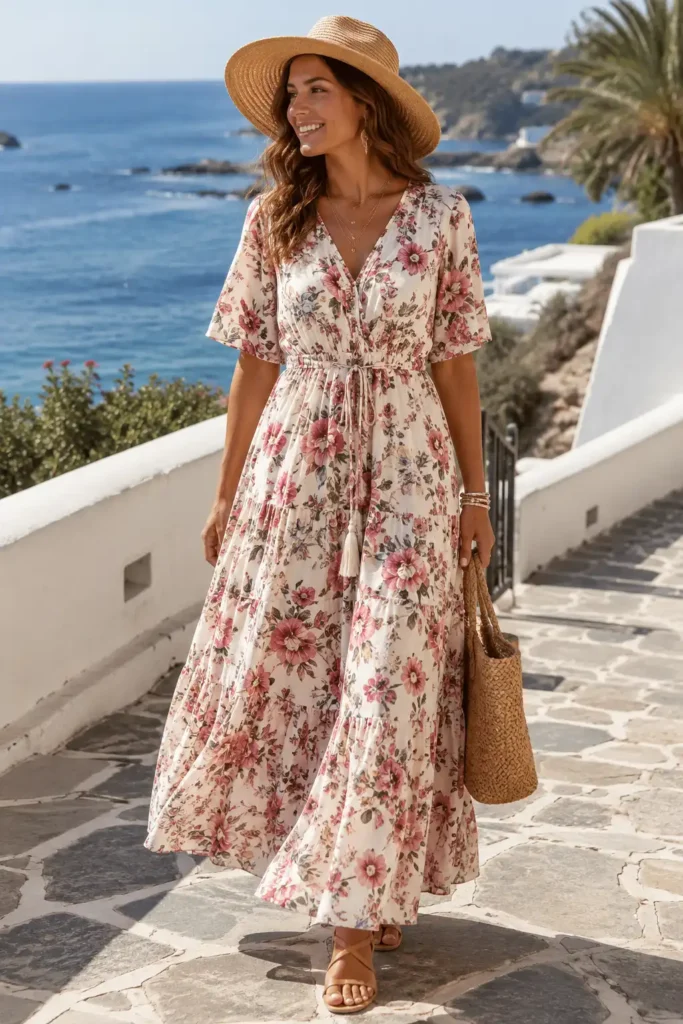
Australian Occasionwear Range

  • Program: 18 styles, 41,200 pcs total, combining floral satin, printed mesh overlays, ruched midis and wedding-guest maxis.
  • Challenge: glossy fabric changed color appearance, stretch mesh distorted motifs, and several styles required secure necklines with refined drape.
  • Action: physical color standards were approved by base fabric, mesh print scale was tested under stretch, and fit revisions focused on bust, waist and strap stability. PP and Golden samples carried final lining, trims and label placement.
  • Result: all 18 styles moved through controlled approval, 12 styles were selected for a follow-up color expansion, and print-specific QC points became part of the repeat-order files.

Built for Repeat Collections, Not One-Off Production

Floral dresses often return in new colors, new base fabrics or updated silhouettes. Repeat success depends on controlled records and a clear review of what has changed since the previous order.

Pattern Print Records

Approved patterns, size charts, artwork versions, repeat dimensions, fabric references, trims, sewing instructions, QC points and packing files are retained for future production. Records reduce unnecessary redevelopment while keeping changes traceable.

New Colorways

A new colorway still needs physical approval because ink, background and base fabric can alter the result. Existing artwork files speed preparation, but color cannot be assumed from the prior order.

Multi-Batch Reorders

Repeat orders can be planned in one or several batches according to fabric availability, sales timing and logistics. Hot styles may receive priority when original materials remain available and approved files are complete.

NDA Export Support

Jinfeng Apparel supports NDA-based cooperation and protects tech packs, artwork, patterns, samples, private-label details, quantities and unpublished designs. Export documentation and delivery coordination follow the agreed commercial terms.

Frequently Asked Questions About Floral Dress Manufacturing

Yes. Provide editable artwork, a high-resolution file, a physical fabric reference or a clear creative direction. Jinfeng Apparel can coordinate repeat preparation, scale review, base-fabric selection, strike-off approval and bulk print control. Artwork reconstruction, color separation and exclusive print meterage are evaluated before quotation.

AI, EPS, layered PSD and high-resolution PDF files are preferred. Include repeat dimensions, intended print scale, color references, direction and any placement map. A low-resolution product image can support discussion but may not contain enough information for accurate production artwork.

Yes. Stock floral fabrics can shorten development when suitable quality, color, quantity and continuity are available. Jinfeng reviews composition, weight, width, hand feel, drape, opacity, shrinkage, print direction and remaining stock before confirming the material.

Digital, screen, placement and border-print routes can be coordinated through suitable fabric resources. The selected method depends on fiber, artwork detail, color count, order volume, fabric width and garment structure. Capability and MOQ are confirmed by project.

Yes. A strike-off is recommended for custom floral printing because it confirms color, scale, repeat, sharpness and hand feel on the intended or closely matched base fabric. Complex colors may require more than one approval round.

Color is controlled through physical references, strike-off approval, bulk-fabric comparison and roll-lot inspection. Base-fabric shade and surface affect the final result, so a monitor image is not treated as the only standard.

Yes, after reviewing the pattern, artwork coordinates, fabric width and size range. Placement prints need a map linked to pattern pieces. Border prints need cutting and marker review so the border remains balanced across dress lengths and sizes.

Matching standards are agreed before costing. Key focal areas may receive controlled placement, while side seams or gathered sections may follow a commercial balance standard. Exact matching can increase fabric consumption and labor, so the requirement should reflect product positioning.

Standard garment MOQ starts from 200 pcs per style/color. Custom fabric, printing, embroidery, trims and packaging may have separate minimums. The final requirement depends on base fabric, print method, color count, size split and order structure.

A standard first dress sample often takes about 10-15 days after development information and materials are ready. Custom strike-offs, special fabrics, complex placement, corset structure, lace, mesh or elaborate detailing require a project-specific timeline.

Yes. Jinfeng Apparel develops floral mini, midi, maxi, wrap, slip, A-line, tiered, bodycon, resort and occasion dresses. Each silhouette receives its own fabric, print-scale, fit, lining and construction review.

A custom print program normally uses a strike-off for print approval, a fit sample for garment development, a PP sample for final materials and construction, and a Golden sample for production and QC reference. The exact sequence depends on project complexity.

Yes. Main labels, size labels, care labels, hangtags, barcodes, SKU stickers, polybags, carton marks and packing ratios can be prepared from approved brand files and delivery requirements.

Yes. NDA-based cooperation can cover artwork, tech packs, samples, patterns, labels, packing and unpublished designs. Approved pattern, fabric, color, trim, QC and packing records can be retained for seasonal repeats and color extensions.

Start Your Floral Dress Collection

Send the available project information to Kelly for a structured review. A complete file set allows Jinfeng Apparel to assess fabric direction, floral-print feasibility, pattern complexity, garment MOQ, sample work, private-label requirements and production planning before a formal quotation is prepared.

Reference images are welcome, but editable artwork, measurements and quantity planning will improve the accuracy of the response. Projects can begin with one hero style or a coordinated collection of 10-30 dresses, provided the development route and bulk plan are clear.

  • Style files: tech pack, line sheet, reference images or original sample details.
  • Floral files: artwork, repeat dimensions, color references, scale and placement notes.
  • Commercial plan: quantity by style/color, XS-XL or other size range, target launch date and delivery market.
  • Material direction: preferred base fabric, lining, trims, print method or approved fabric reference.
  • Brand delivery: labels, hangtags, barcode, polybag, carton marks and shipment requirements.
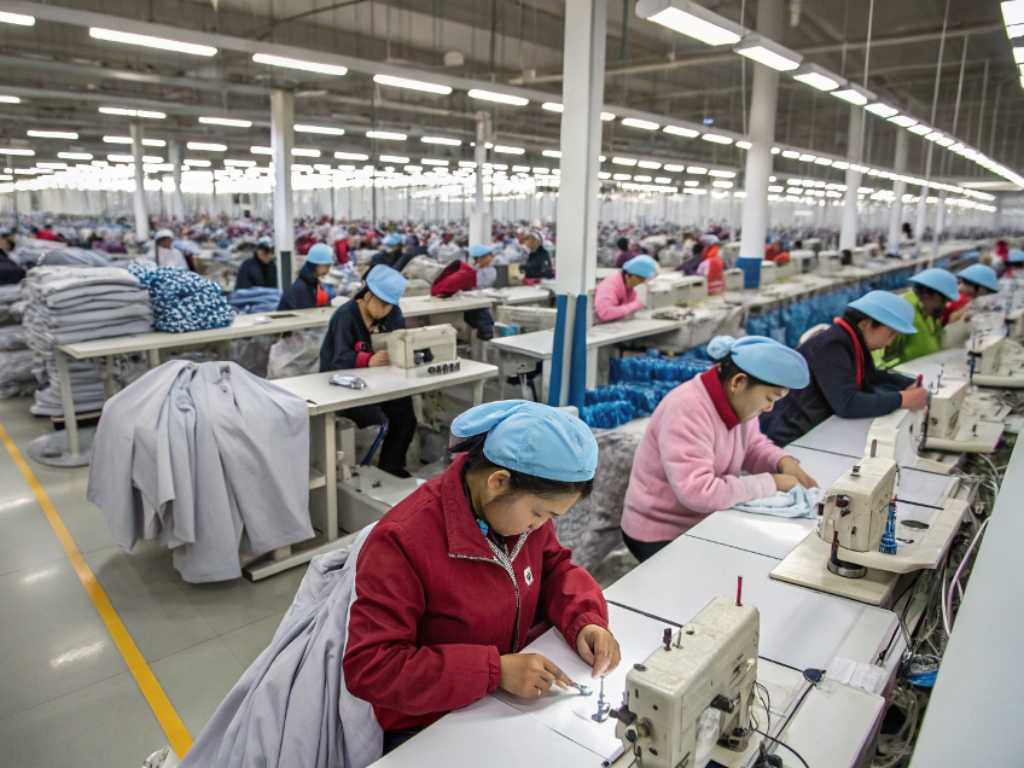
Workers sewing garments in a large textile factory production line.

Tell Us About Your Dress Project

Share your product details, estimated quantity and development requirements. Our team will review your project and provide practical OEM/ODM production feedback.

Premium Women’s Apparel Production for Fashion Brands

From dress sample development to bulk production, JF Apparel supports fashion brands with confidential OEM/ODM manufacturing, reliable quality control and scalable production support.

START YOUR DRESS PROJECT

Ready to Develop Your Next Dress Collection?

Share your design concept, product requirements or sourcing plans with our team. We’ll review your project and provide practical feedback on development, materials, MOQ and production.

7-10 Days

Sample Development

200 PCS

Starting MOQ

Fast Response

Professional Follow-Up