Skip to content
Festival Dress Manufacturer
Custom festival dress development for fashion brands planning high-visual collections, seasonal launches, music events, ravewear and summer festival programs.
- Custom mesh, sequin, metallic, corset, cut-out, bodycon, mini, maxi, jumpsuit and matching-set development
- MOQ starts from 200 pieces per style and color, subject to fabric, trim, color and construction requirements
- Standard dress samples normally require 10–15 days; complex mesh, corset, lace or sequin styles normally require 15–25 days
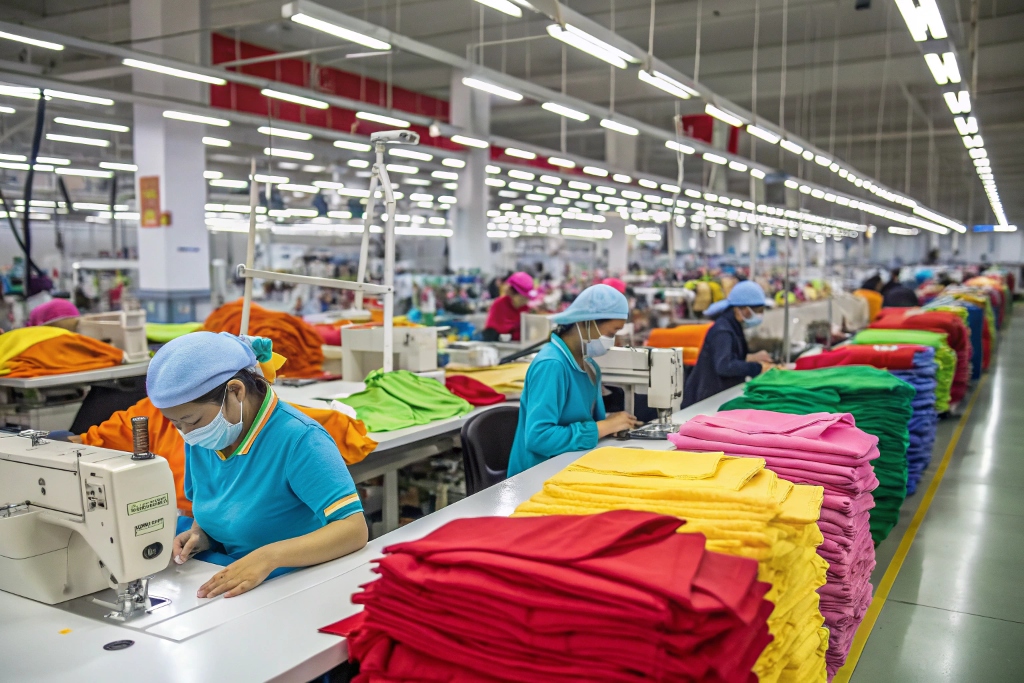
- Six owned women’s fashion factories and more than ten long-term production partners support multi-style collection programs
- Sampling, pattern correction, bulk production, brand-level QC, private-label packing and export coordination under one project structure
Festival Dress Production Supported by Measurable Capacity
Since 2008
Six Owned Factories
Six owned women’s fashion factories support woven dresses, stretch styles, partywear, occasionwear, jumpsuits, sets and private-label collections.
Production allocation follows product structure, fabric behavior, workmanship complexity and order schedule rather than sending every style to one undifferentiated production unit.
Ten Plus Partners
More than ten long-term satellite production partners add capacity and specialized manufacturing support when a collection includes varied materials, construction methods or delivery batches.
Partner allocation remains subject to project review, production suitability, quality requirements and available schedule.
Two Sample Rooms
Fifteen Plus QC Inspectors
100,000 Plus Pieces
What Festival Dress Manufacturing Means

Event-Driven Fashion
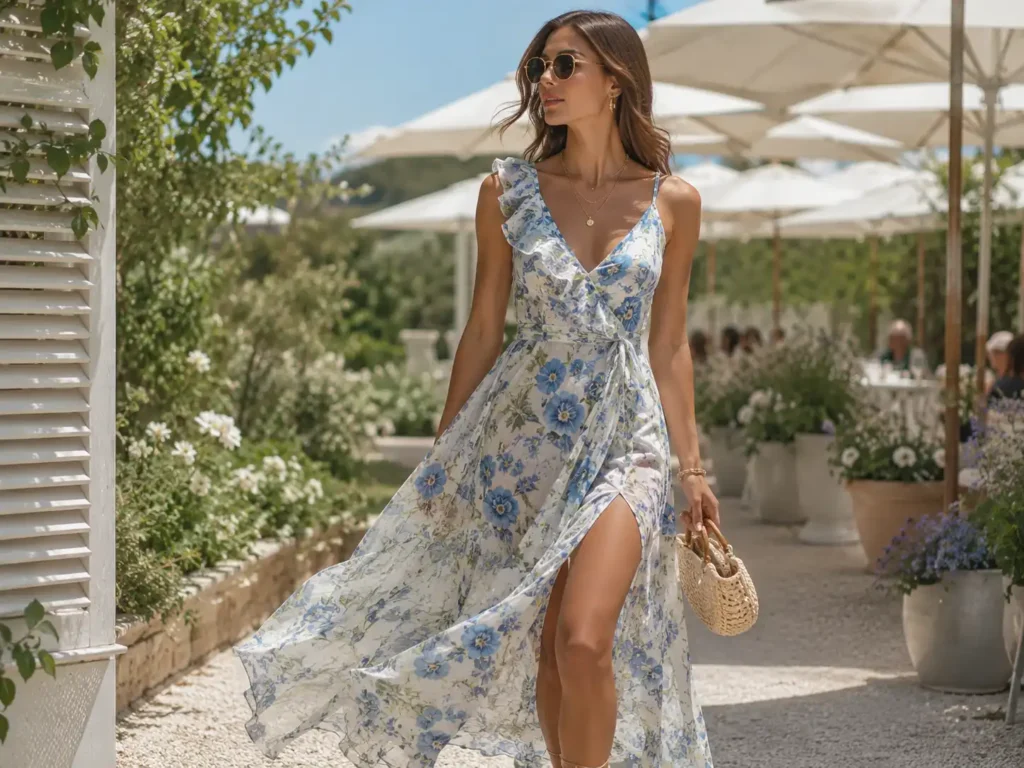
Festival dresses are developed for music festivals, EDM events, desert events, beach festivals, outdoor concerts, summer programs, nightlife and seasonal fashion drops.
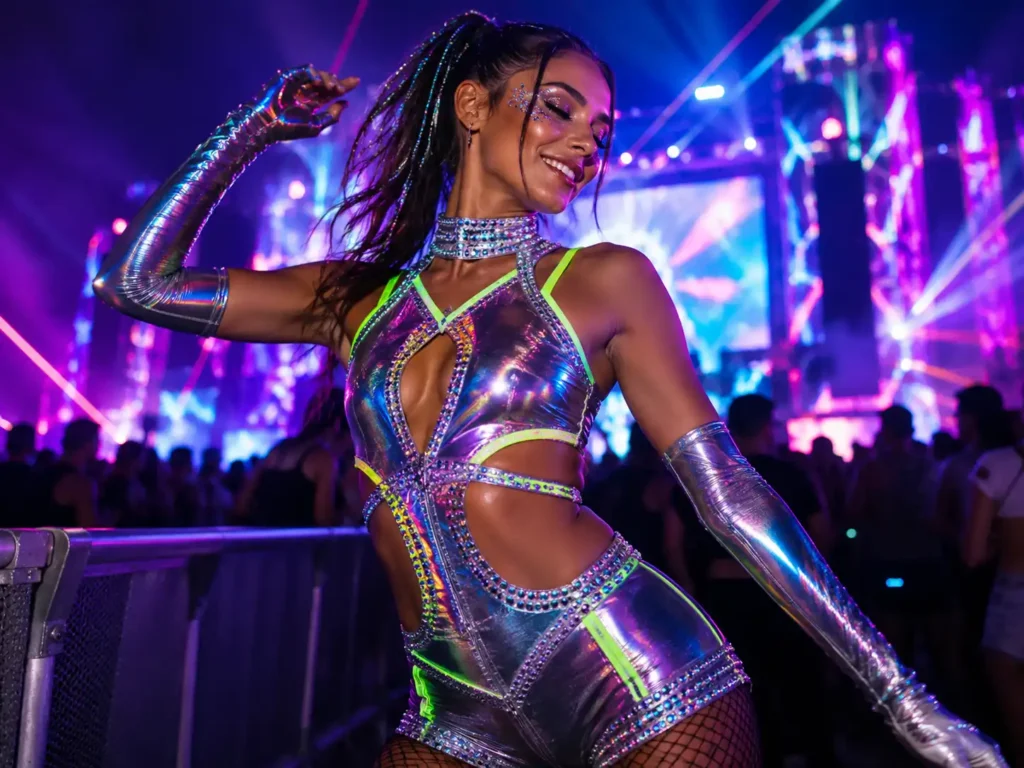
Common directions include transparent layering, reflective surfaces, bold cut-outs, body-conscious fits, corset structures, print, fringe and statement decoration.
Successful development considers more than front-view appearance:
- Movement during walking and dancing
- Heat and long-duration wear
- Exposure and lining coverage
- Decoration weight
- Social-media photography
- Travel and packing conditions
- Repeatability across production quantities
Collection-Based Manufacturing
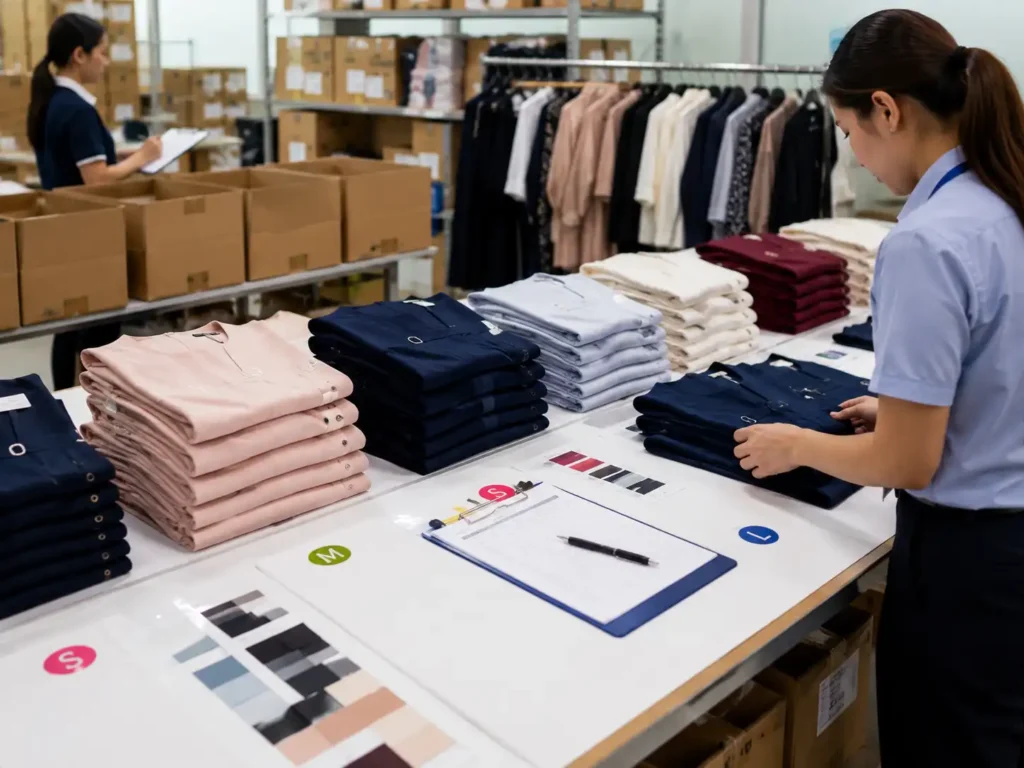
Festival dress manufacturing involves converting design references, line sheets, original samples or tech packs into commercially repeatable garments. Fabric, trim, pattern, sewing method, size grading, QC points and packing requirements must work as one controlled specification. Jinfeng Apparel supports collection development through:
- Style and construction review
- Fabric and trim direction
- Pattern development
- Sample fitting and revision
- PP sample approval
- Multi-style bulk production
- Product-specific inspection
- Private-label packing
- Repeat-order record management
Built for Established Fashion Programs
Festival Fashion Brands
Partywear Labels
Premium Ecommerce Brands
Fashion Retailers
Product Development Teams
Sourcing Departments
Production Risks Behind High-Visual Festival Dresses
Uncontrolled Transparency
Decoration Detachment
Skin Irritation
Stretch Distortion
Movement Exposure
Metallic Surface Damage
Bulk Appearance Variation
Packing Compression
Festival Dress Styles We Manufacture

Mesh Mini Dresses

Sequin Dresses

Metallic Dresses

Corset Festival Dresses

Cut-Out Dresses

Bodycon Dresses
Rhinestone Dresses

Fringe Dresses

Sheer Maxi Dresses

Printed Festival Dresses

Festival Jumpsuits

Matching Festival Sets
Collections for Different Festival Environments

Desert Festival
EDM and Rave
Summer Outdoor

Night Festival

Beach Festival

Holiday Event Drops
Build a Commercial Festival Collection
A profitable range normally combines visual hero products with repeatable commercial silhouettes. Product planning should balance development workload, target price, styling content, size coverage, reorder potential and manufacturing risk.
Hero Statement Pieces
Hero styles create campaign imagery and social reach. They may include full rhinestone surfaces, heavy fringe, corset structures, metallic finishes or complex cut-outs.
Because labor, trim weight and fitting risk are higher, hero styles should enter development early and receive focused sample review.
Recommended planning points:
- Limit the most complex constructions to selected launch pieces
- Confirm decoration and surface materials before pattern finalization
- Allow additional sample time for fit and workmanship correction
- Develop protective packing with the garment
- Establish approved reference photos under agreed lighting
Commercial Core Dresses
Commercial core products provide broader sales volume and easier repeatability. Mesh mini dresses, printed bodycon dresses, ruched jersey styles, simple cut-outs and stretch satin dresses can carry the collection direction with lower production risk than fully embellished styles.
Core products should offer:
- Clear fit and size grading
- Repeatable fabric supply
- Controlled sewing minutes
- Stable trims
- Efficient color extension
- Reorder-friendly specifications
Coordinating Separates
Matching tops, skirts, trousers, bodysuits and layering pieces increase styling combinations without requiring every look to be a standalone dress. Coordination depends on color standards, compatible fabric weights, trim consistency and aligned size grading.
A set program should define whether items are packed together or sold as separate SKUs. Barcode files, carton ratios and packing lists must match the chosen merchandising structure.
Repeatable Bestsellers
Repeat-order planning begins during first production. Pattern files, measurement records, fabric references, trim details, sewing instructions, Golden Samples, labels and packing requirements should be retained for future use.
A repeat order still requires fabric-batch, color, trim and schedule confirmation. Same-style new colors or new fabrics may change stretch, fit, drape or sewing performance and should not bypass verification.
Festival Design Details Requiring Early Control

Deep Necklines
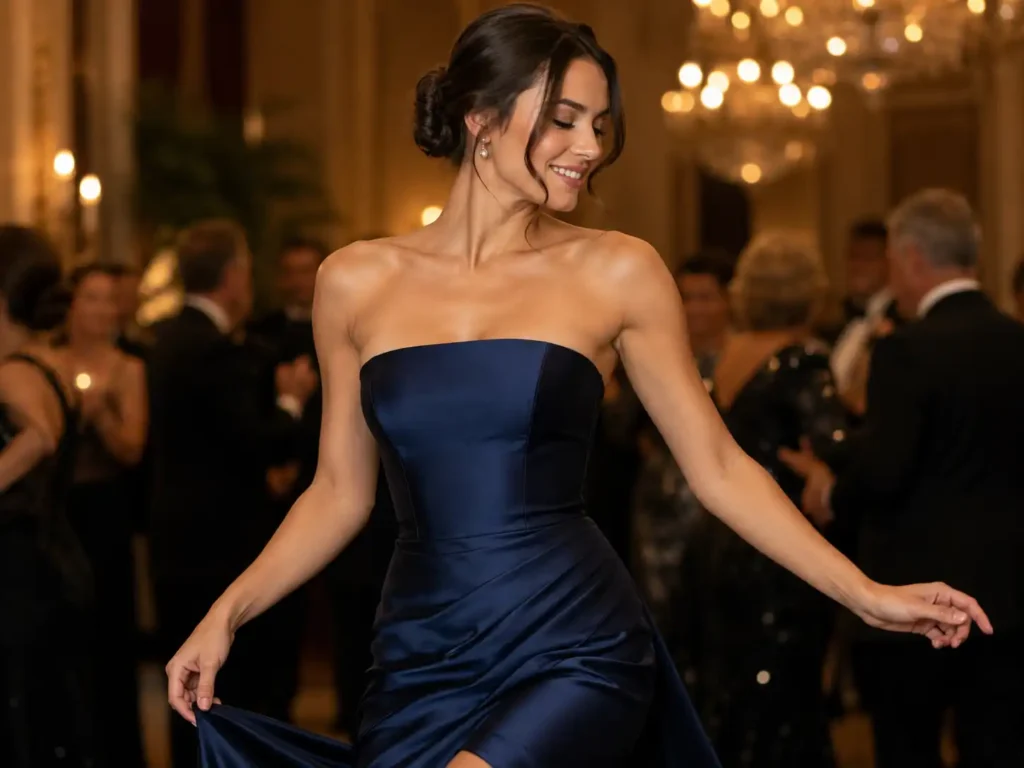
Strapless Shapes

Adjustable Straps

High Slits

Side Cut-Outs
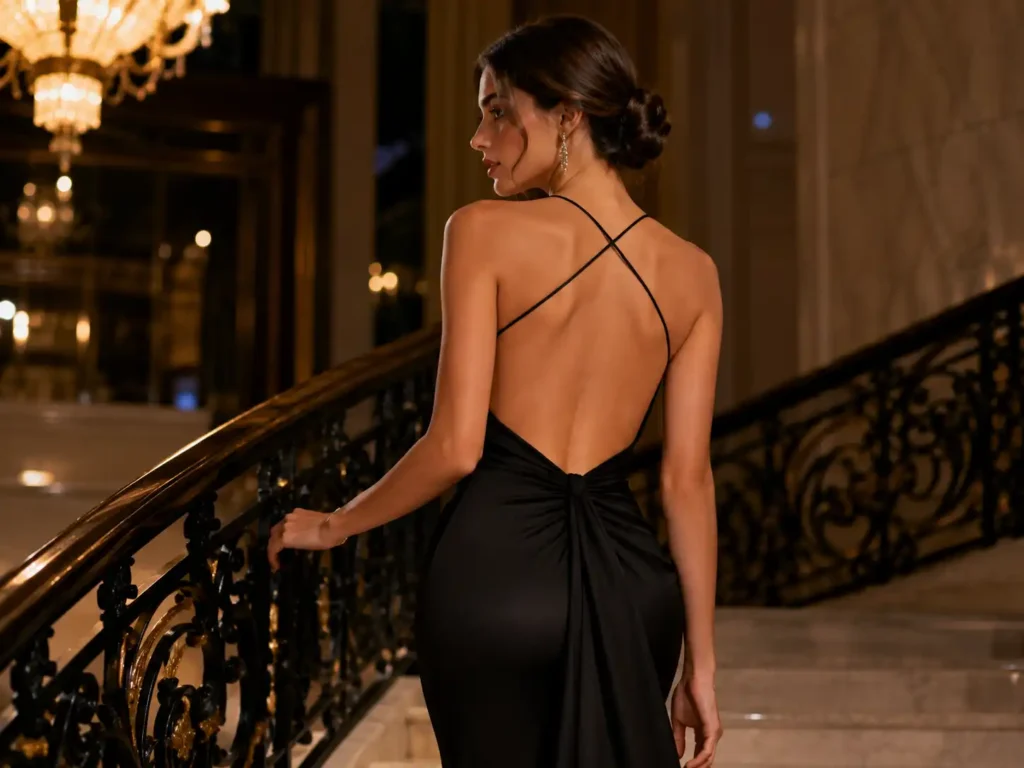
Open Backs

Ruched Panels

Asymmetric Hems
Festival Fabrics Selected by Appearance and Risk
| Fabric | Best Uses | Key Visual Effect | Main Production Risks | Control Focus |
|---|---|---|---|---|
| Stretch Mesh | Sheer minis, sleeves, cut-outs, overlays | Transparent, fitted, layered | Holes, edge stretching, inconsistent transparency | Stretch direction, lining coverage, seam tension, recovery |
| Power Mesh | Body shaping, lining, structured transparent panels | Firm transparency and support | Excess compression, rough hand feel, shrinkage | Weight, recovery, skin comfort, panel balance |
| Sequin Fabric | Statement minis, bodycon dresses, party maxis | High shine and movement | Sequin loss, scratching, broken needles, thick seams | Direction, seam cleaning, lining, anti-friction packing |
| Metallic Jersey | Rave dresses, bodycon fits, cut-outs | Reflective stretch surface | Foil cracking, surface peeling, heat damage | Stretch test, pressing limit, folding direction |
| Stretch Satin | Corset dresses, fitted minis, draped styles | Smooth shine with flexibility | Shade variation, puckering, snagging, zipper waviness | Shine direction, tension, pressing, batch approval |
| Jersey | Bodycon, ruched, draped and cut-out styles | Clean fitted surface | Poor recovery, twisting, hem riding | Relaxing, grain control, recovery, measurement |
| Rib Knit | Fitted minis, tops and sets | Textured stretch appearance | Width variation, shrinkage, side-seam twisting | Relaxing, wash review, cutting direction |
| Velvet | Night festival and winter event dresses | Deep color and soft shine | Nap variation, pressure marks, heat damage | Nap direction, low-pressure pressing, hanging |
| Lace | Layered dresses, corset panels, trims | Decorative transparency | Motif mismatch, edge damage, color variation | Pattern placement, lining color, careful cutting |
| Chiffon | Flowing maxis and layered festival dresses | Light movement and transparency | Fraying, slipping, uneven hems, static | Cutting stability, seam finish, hanging review |
| Printed Woven | Boho maxis and summer festival styles | Strong color and artwork | Print mismatch, skew, shade variation | Artwork scale, panel placement, bulk print approval |
| Tulle and Organza | Volume, transparent structure and overlays | Light structure and dimensional shape | Rough edges, crushing, uneven volume | Edge finish, layer control, protective packing |
Mesh Transparency and Lining Control
Mesh is one of the defining festival materials, yet transparency changes after stretching, layering and fitting. Development should establish the visual target and coverage zones before bulk fabric is approved.
Match Mesh Structure to the Design
Soft mesh suits draped overlays, sleeves and gathered details.
Stretch mesh works for fitted silhouettes and body panels.
Power mesh provides greater support for corset interiors, shaping sections and controlled transparent zones. Mesh selection should consider weight, hole size, recovery, hand feel and color rather than treating every mesh as interchangeable.
A swatch can appear sufficiently opaque on a table but become much more transparent over the bust or hip. Sample review should therefore include:
- Relaxed and stretched transparency
- Single-layer and double-layer comparison
- Natural light and indoor light photography
- Compatibility with lining and underwear
- Color behavior against multiple skin tones
- Recovery after repeated stretching
Engineer Lining as Part of the Garment
Lining is not an afterthought added once transparency becomes a problem. Lining shape changes the final visual balance, fit and comfort. A full lining creates more coverage but can reduce the intended sheer effect. Partial lining preserves transparency but requires precise edge placement.
Key lining decisions include:
- Stretch lining or soft woven lining
- Bust-only, bodysuit, mini-skirt or full-length coverage
- Matching color, contrast color or skin-tone direction
- Fixed lining or floating layer
- Lining length relative to slit and hem
- Seam placement under transparent outer fabric
- Static control and skin comfort
Bulk inspection should compare approved transparency, lining position and stretch recovery against the PP sample and visual reference.
Sequin and Metallic Surface Engineering
Reflective festival products attract attention immediately, yet their surfaces are less forgiving than ordinary woven or knitted fabrics. Cutting, stitching, pressing, finishing and packing must protect appearance at every stage.
Control Sequin Direction and Seam Construction
Sequin fabrics may use embroidery, glued sequins, reversible sequins or sequins attached to mesh. Direction affects shade, shine and surface consistency. Panels cut in opposing directions can appear different under the same light.
Before production, the sewing method should address:
- Sequin direction marking
- Placement around darts, zippers and side seams
- Removing or trimming sequins from seam allowances
- Needle and thread suitability
- Lining coverage against rough backing
- Repair method for missing sequins
- Consistent decoration density
- Pressing restrictions
Underarm and side-seam zones require special attention because repeated arm movement can create irritation. Cleaned seam allowances, soft binding or lining barriers may be required.
Protect Foil and Metallic Finishes
Metallic jersey and coated fabrics should be tested through stretching, folding, sewing and controlled pressing.
A surface may look stable on the roll but crack around high-stretch areas or change under heat.
Development review should include:
- Foil recovery after stretch
- Surface change around seams
- Needle marks
- Creasing after folding
- Heat and steam sensitivity
- Friction against other garments
- Color consistency between rolls
- Packing orientation
Metallic products may require individual tissue, protective film or looser folding to reduce abrasion. Approved packing should be reviewed with the garment, not after production has finished.
Decorative Trims Managed Beyond Visual Impact
Hotfix Rhinestones
Sewn Rhinestones
Rhinestone Straps
Fringe Trims
Chain Details
Localized Sequins
Corset, Cut-Out and Strapless Construction
Structured festival dresses must hold their intended shape while allowing movement. Cups, boning, lining, closures and outer fabric need coordinated development rather than separate material decisions.
Build Support Around the Body
Corset-inspired designs may use bra cups, foam, boning, power mesh, stable lining, underwire, seam channels, lace-up backs or invisible zippers. Each component changes the fit and garment weight.
Development should confirm:
- Cup shape and placement
- Cup coverage at the neckline
- Boning length and position
- Boning end protection
- Upper-bust fit
- Waist shaping
- Side-body coverage
- Zipper or lace-up balance
- Stretch and non-stretch panel interaction
- Comfort while sitting and moving
The outer design may remain visually minimal while the internal structure contains several layers. Sewing sequence and seam thickness must be resolved before bulk costing and production.
Stabilize Openings and Strapless Necklines
Cut-outs and strapless edges are exposed to pulling from several directions.
Corners can stretch, gape or tear if the opening lacks reinforcement.
Neckline shape may also change when decoration or skirt weight pulls downward.
Control methods can include:
- Clean-finished or bound opening edges
- Stable tape in selected seams
- Reinforced cut-out corners
- Anti-slip tape where suitable
- Internal elastic support
- Secure strap attachment
- Balanced seam allowance
- Movement testing on the fitted sample
Pattern grading requires special review because openings should not simply increase by the same amount as bust, waist or hip measurements.
Sewing Details Protecting Festival Garment Quality
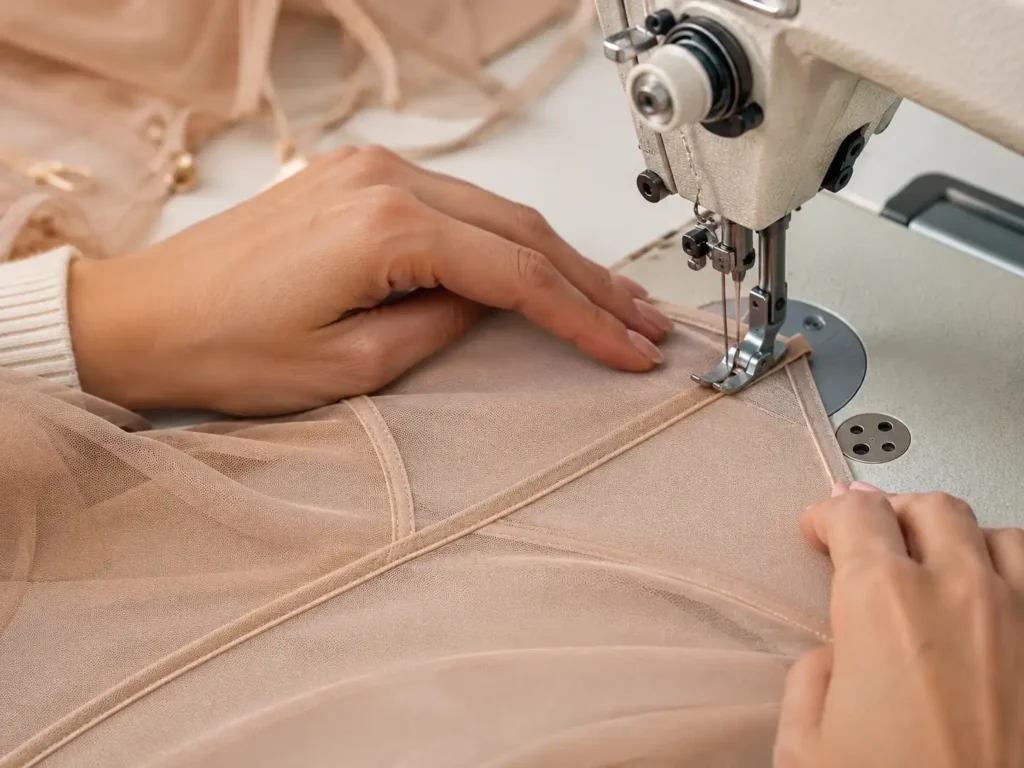
Clean Mesh Seams

Stable Stretch Edges
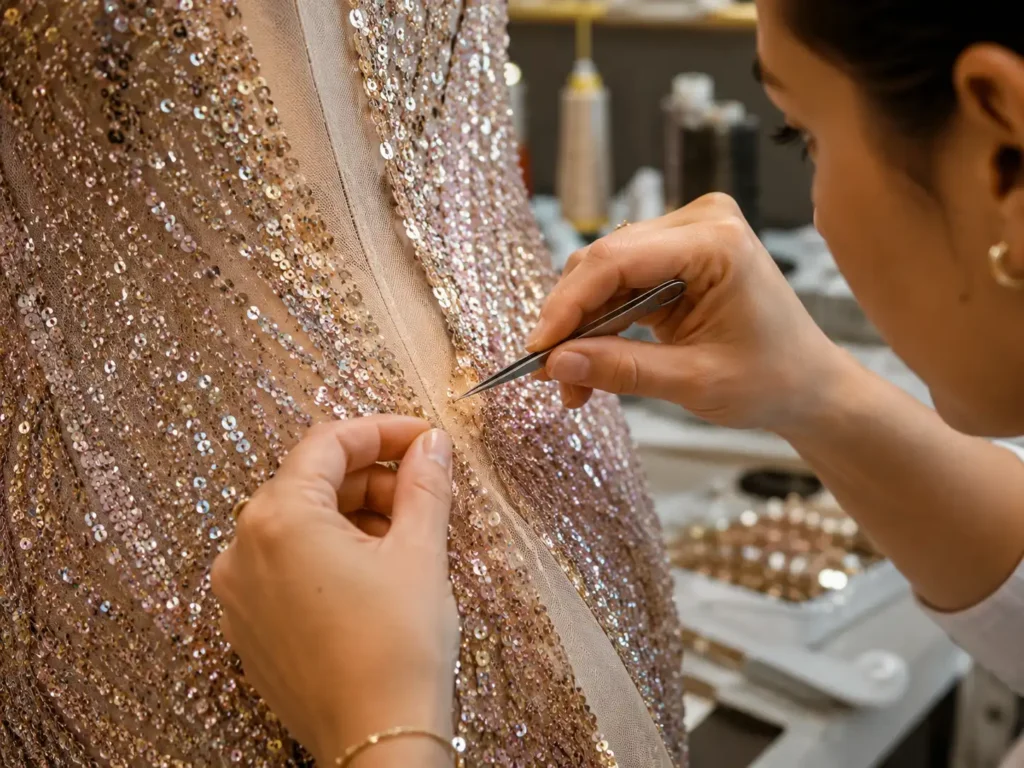
Cleared Sequin Seams
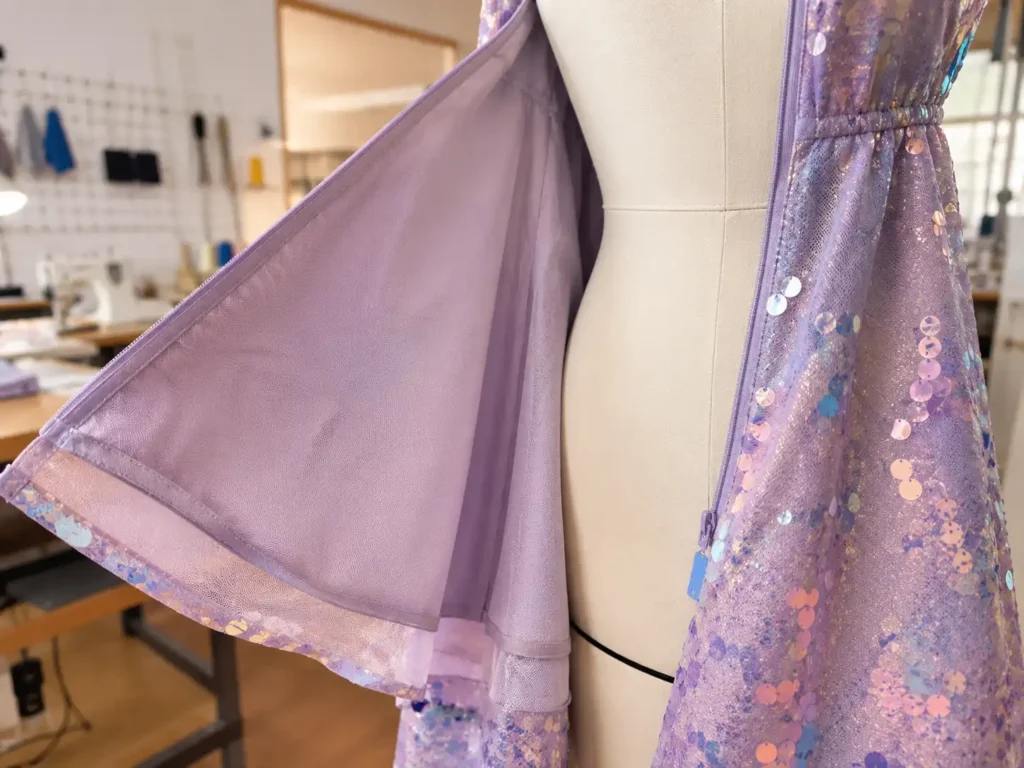
Secured Lining

Reinforced Strap Points
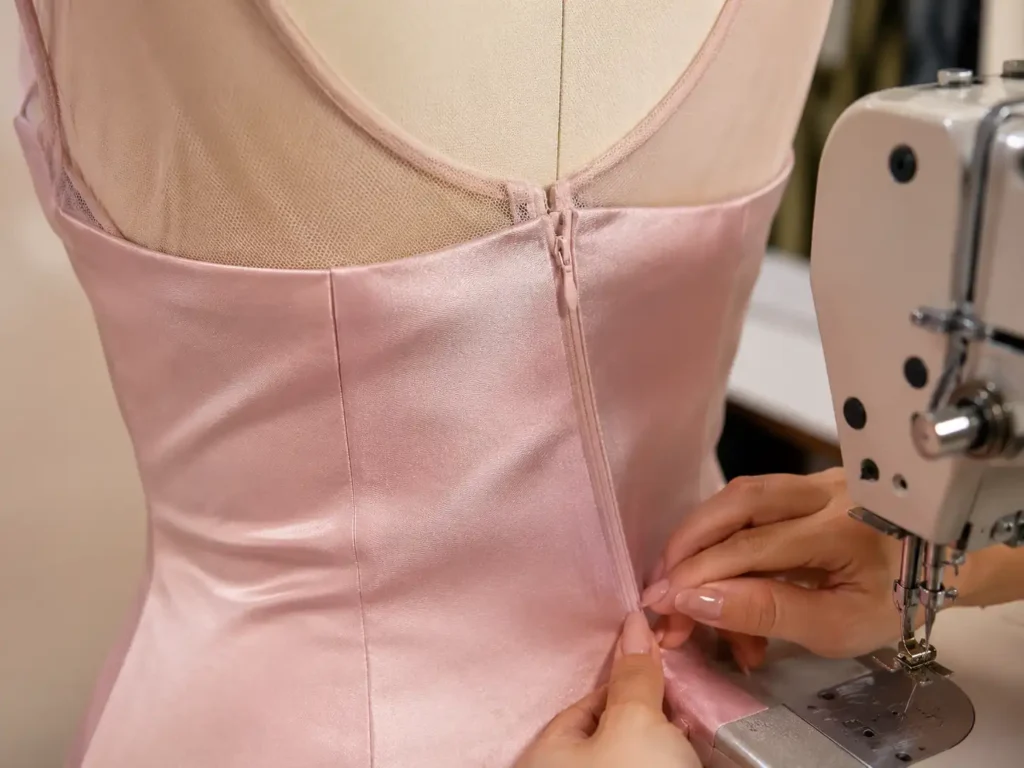
Smooth Invisible Zippers
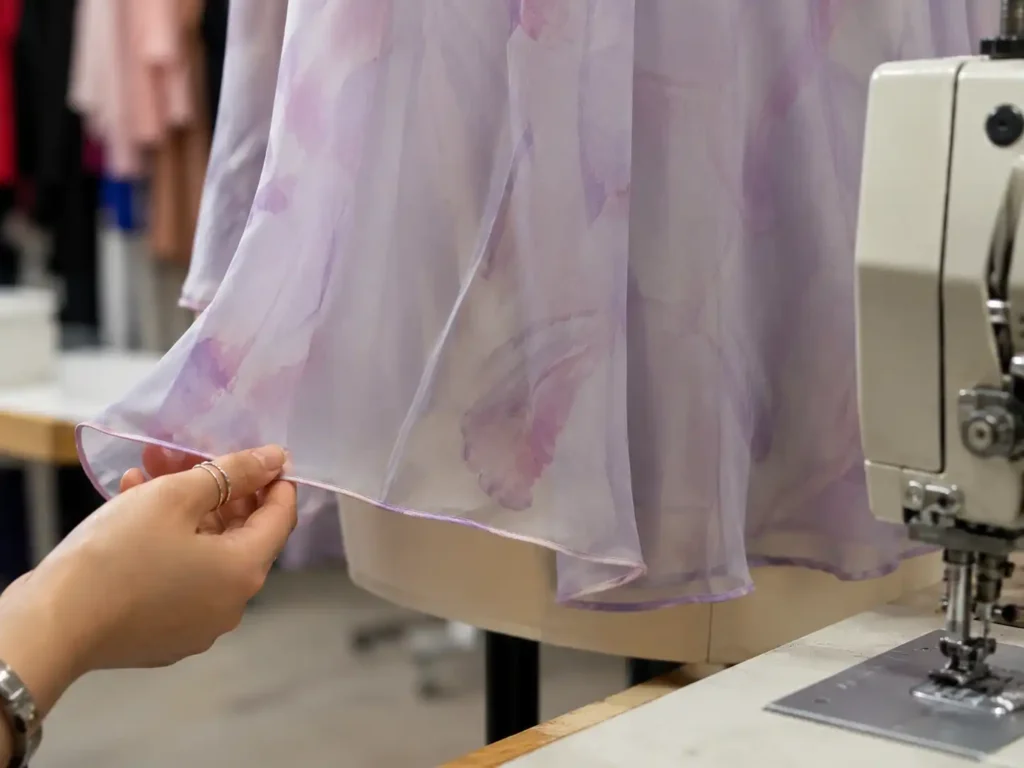
Controlled Rolled Hems

Protected Decoration Ends
Information Needed for Accurate Project Review
Tech Pack
Reference Images
Original Sample
Quantity Plan
Fabric Direction
Size Range
Private Label Files
Launch Date
Feasibility Review Before Sample Development
Style Structure Review
- Recommended construction direction
- Missing front, back or internal details
- Fit-sensitive points
- Reinforcement needs
- Suggested sample sequence
- Production risks requiring early testing
Material Feasibility Review
- Available fabric options
- Custom dye or print requirements
- Lining recommendations
- Trim alternatives
- Material MOQ impact
- Testing or certificate requirements by project
Commercial Production Review
A style can be technically possible yet commercially unsuitable at the required quantity, price or launch date.
Production review connects design ambition with sewing workload, decoration time, QC requirements, packing and available manufacturing schedule.
A quotation should therefore follow confirmed assumptions rather than a photograph alone.
Approve Fabrics and Trims Before Sewing

Fabric Swatches

Color Standards
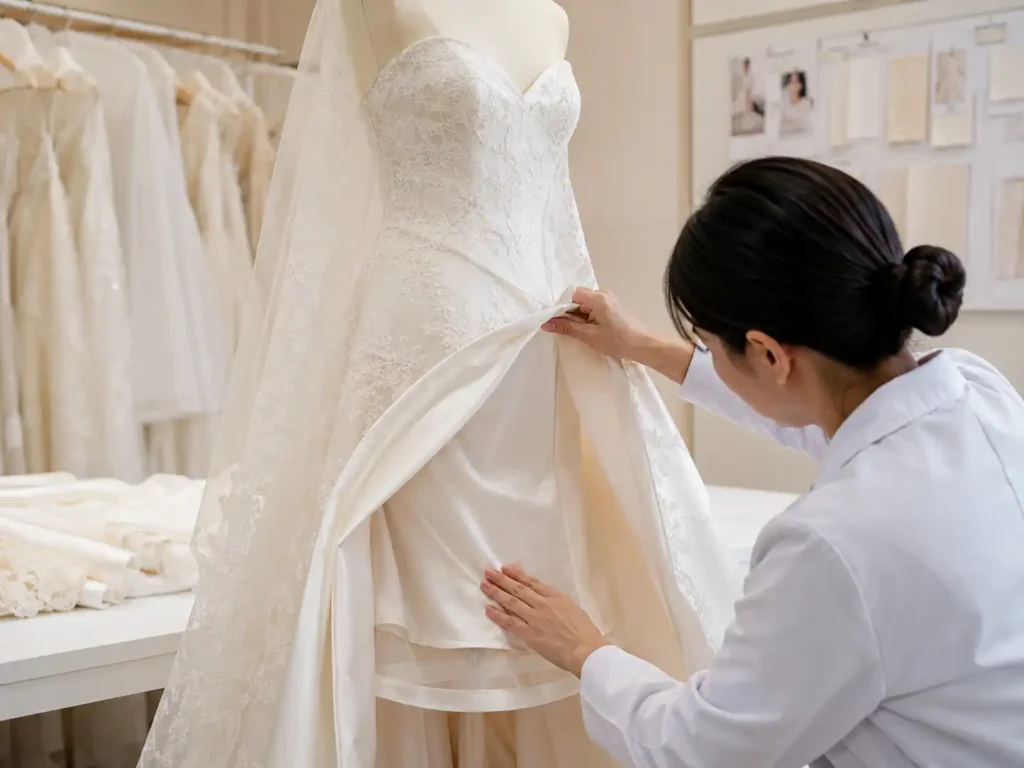
Lining Options

Structural Trims

Decorative Trims

Branding Materials
Pattern Development for Festival Fit
Festival garments often combine close fit, open sections, stretch fabrics and visually sensitive proportions. Pattern work must translate the design while protecting coverage, movement and consistent grading.
Establish the Base Fit
The base size creates the foundation for every later sample and graded size. Bust, waist, hip, torso length and total garment length should reflect the intended market and brand fit rather than relying on a generic factory block.
Base-fit review considers:
- Target body measurements
- Intended wearing ease
- Fabric stretch and recovery
- Bust and cup placement
- Waistline position
- Hip shaping
- Mini or maxi length
- Neckline and armhole depth
- Lining length
- Closure position
Grade Sensitive Design Features
Cut-outs, slits, straps, cups and transparent panels need controlled grading.
A design detail cannot always grow at the same rate as the main garment measurement. Each size should preserve visual proportion and coverage.
Sensitive grading points include:
- Cut-out width and height
- Strap length and position
- Neck-drop depth
- Cup spacing
- Slit height
- Waist opening
- Back exposure
- Lining boundary
Match Pattern Ease to Fabric Behavior
Power mesh, jersey, rib knit, satin and woven fabrics require different ease. A pattern developed in one material should not automatically be reused in another without reviewing stretch, recovery, drape and seam behavior.
Confirm Measurement Tolerance
Bulk garments require an agreed measurement tolerance. Relevant points may include bust, waist, hip, length, strap, armhole, neckline, slit and hem width. Brand quality standards take priority when supplied and technically executable.
From First Sample to Production Standard
Project Review
Fabric Direction
Pattern Development
First Sample
Fit Review
Revised Sample
PP Sample
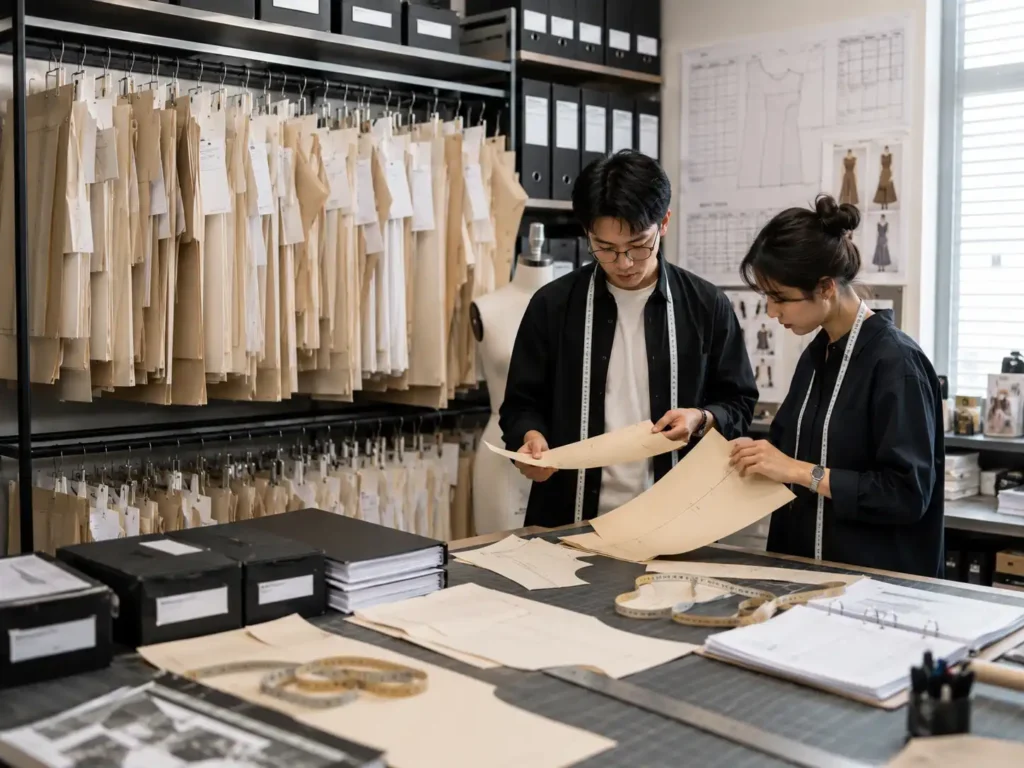
Fit Review for Movement and Coverage
Arm Movement
Walking and Dancing
Sitting Comfort
Bust Stability
Hem Position
Strap Security
Lock Revisions Before Bulk Production
Pattern and Measurement Record
Material and Workmanship Record
Approval and Production Record
Festival Dress MOQ, Sampling and Cost Logic
| Project Factor | Standard Direction | Festival-Specific Impact |
|---|---|---|
| MOQ | From 200 pcs per style/color | Special sequin fabrics, custom colors, prints, hardware or trims may require higher material quantities |
| Standard Sample | Normally 10–15 days | Suitable for regular woven, jersey, satin or moderately detailed dress structures |
| Complex Sample | Normally 15–25 days | Common for corset, rhinestone, lace, mesh, sequin, heavy fringe or multi-layer constructions |
| Fabric | Stock or available material can shorten preparation | Custom dye, custom print, metallic coating or exclusive decoration may extend approval and sourcing |
| Pattern Work | Based on tech pack, sample or reference | Corset cups, cut-outs, strapless fits and complex grading require additional development |
| Decoration | Localized standard trims are easier to schedule | Heavy stonework, fringe, chains and all-over embellishment increase labor and QC workload |
| Size Range | Confirmed by project size chart and grade rules | Wider ranges may require additional fit verification for cups, cut-outs, mini lengths and structured silhouettes |
| Packing | Standard private-label packing available | Sequins, rhinestones, metallic surfaces and boning may require tissue, protection and adjusted folding |
| Quotation | Built from confirmed product details | Fabric, trims, pattern work, sampling, cutting, sewing, decoration, QC, packing and wastage are evaluated |
| Production Schedule | Confirmed after PP approval and material planning | Multi-style festival launches require factory allocation, QC windows and shipment planning |
Manufacturing System for Multi-Style Festival Drops
Product-Based Allocation
Eighteen Plus Lines
Six Plus Flexible Lines
Merchandising Coordination
QC Integration
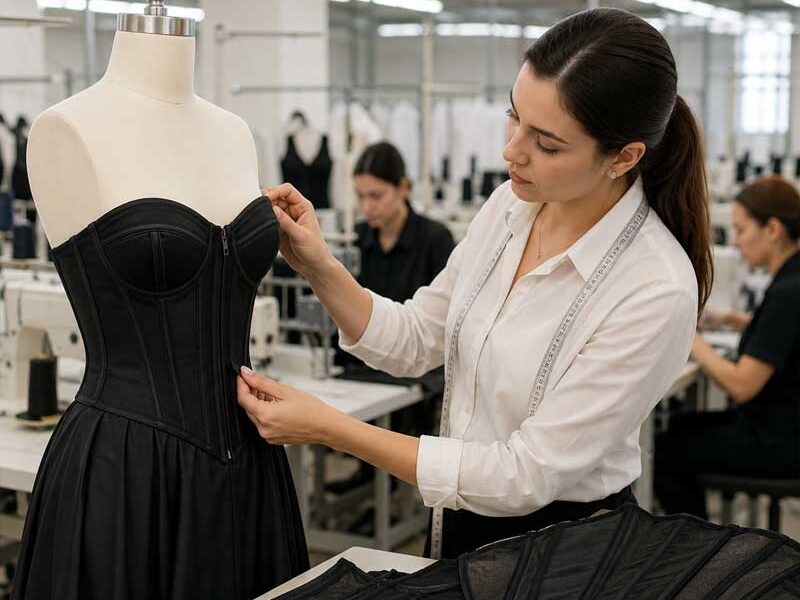
Festival Dress Bulk Production Workflow
Material Inspection
Fabric Relaxing
Cutting Control
Bundle Management
Sewing Production
In-Line Inspection
Finishing Review
Packing and Release
Quality Control for High-Visual Festival Products
Fabric Shade
Mesh Damage
Stretch Recovery
Sequin Security
Rhinestone Attachment
Garment Measurements
Skin Comfort
Rough seams, sequin edges, boning ends, zipper ends, labels, wires and chains are checked where they may contact the wearer.
Packing Accuracy
Style, color, size, labels, barcode, SKU sticker, folding, protective material, polybag and carton information are verified before shipment.
Private Labels and Protective Festival Packaging
Garment Labels

Hangtags and Strings
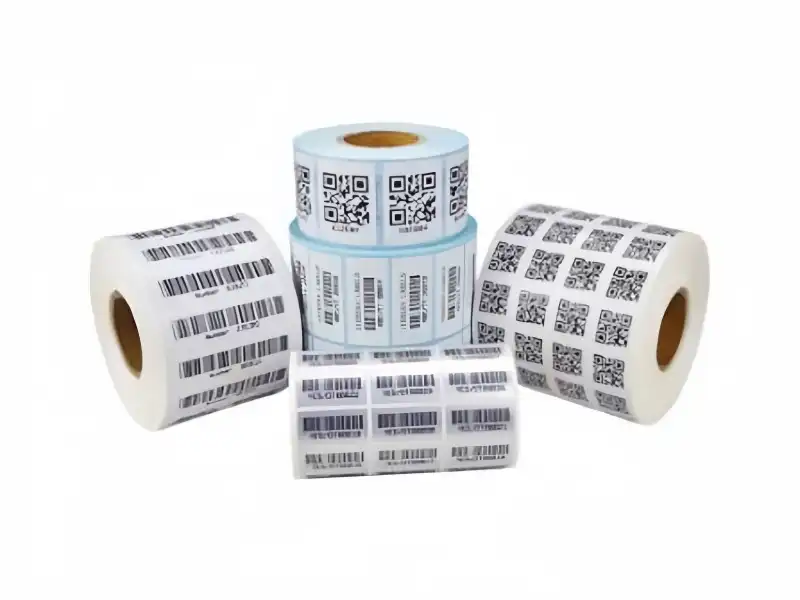
Barcode and SKU

Individual Protection

Polybag Direction
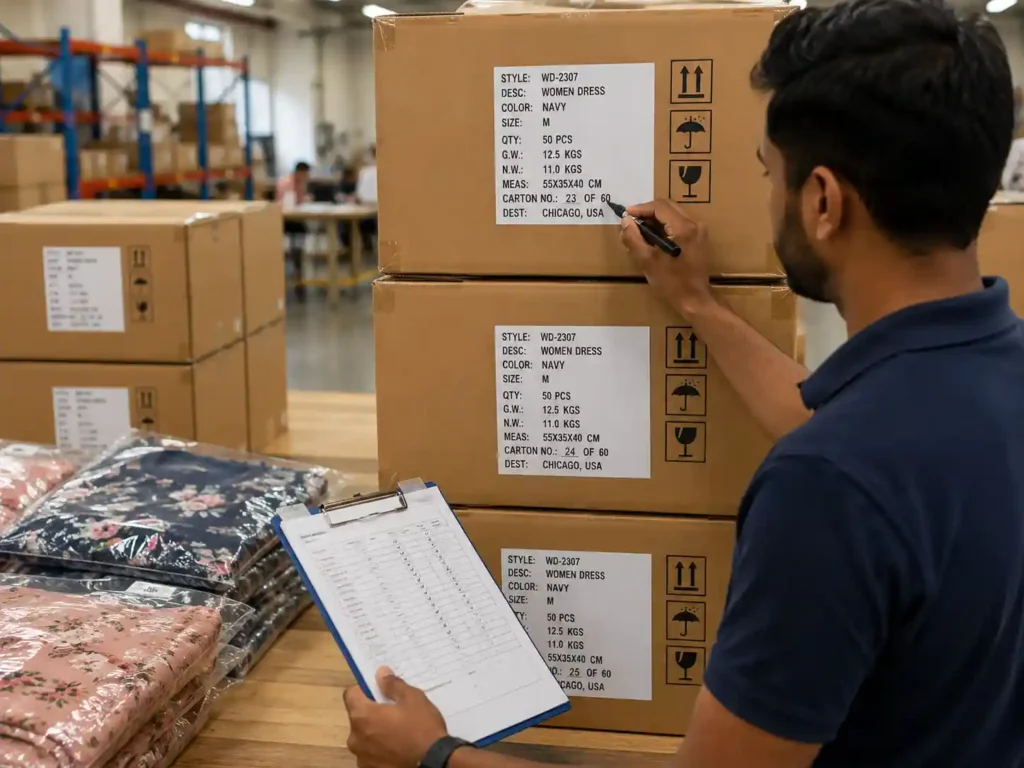
Carton Preparation
Festival Dress Manufacturing Case Studies
The following anonymized programs reflect Jinfeng Apparel’s normal multi-style order structure. Client identities and unreleased design details remain protected. Quantities are rounded to avoid disclosing confidential order information.

United States Ecommerce Festival Drop
An established United States online fashion label planned an 18-style festival collection totaling approximately 36,000 pieces. The assortment included stretch mesh minis, printed bodycon dresses, sequin styles, asymmetric cut-outs, crop-top sets and two festival jumpsuits.
Main challenges:
- Different transparency requirements across mesh products
- Tight launch schedule for campaign photography and bulk delivery
- Size grading across fitted and cut-out designs
- Sequin comfort around underarms and side seams
- Barcode control across numerous color-size SKUs
Jinfeng’s development team separated the program into stretch, woven and embellished groups. Mesh styles received lining-zone maps and stretched-transparency review. Bodycon products were checked for recovery, side-seam balance and hem movement. Sequin seam allowances were cleared in high-contact areas and protected with lining where needed.
The program followed first sample, fit review, revised sample, PP sample and Golden Sample approval. Production files combined measurements, fabric records, trim details, labels and packing instructions. Priority campaign samples were completed before bulk allocation. The final production plan used style-based factory allocation and a shared QC checklist for color, sizing, decoration and barcode accuracy.

United Kingdom Ravewear Program
An anonymous United Kingdom partywear and ravewear label developed a 24-style program totaling approximately 58,000 pieces.
Products included metallic jersey minis, rhinestone strap dresses, corset silhouettes, mesh-panel bodycon dresses, fringe styles and coordinating skirts.
Main challenges:
- Metallic foil cracking in high-stretch areas
- Rhinestone strap weight and end attachment
- Strapless stability across the size range
- Cup and boning placement in corset styles
- Protective packing for reflective and embellished surfaces
Material trials compared foil recovery after stretching and folding.
Styles with high surface stress were adjusted through panel placement and construction.
Rhinestone straps received reinforced attachment points and backup support where suitable. Corset samples were reviewed for upper-bust fit, cup spacing, boning position and waist shaping.
The collection was split into structured, stretch and decorated production groups. Packing specifications used individual protection for rhinestone and metallic products. Carton loading avoided excessive compression.
Measurement, trim security, skin-contact areas and surface condition formed the main inspection priorities.
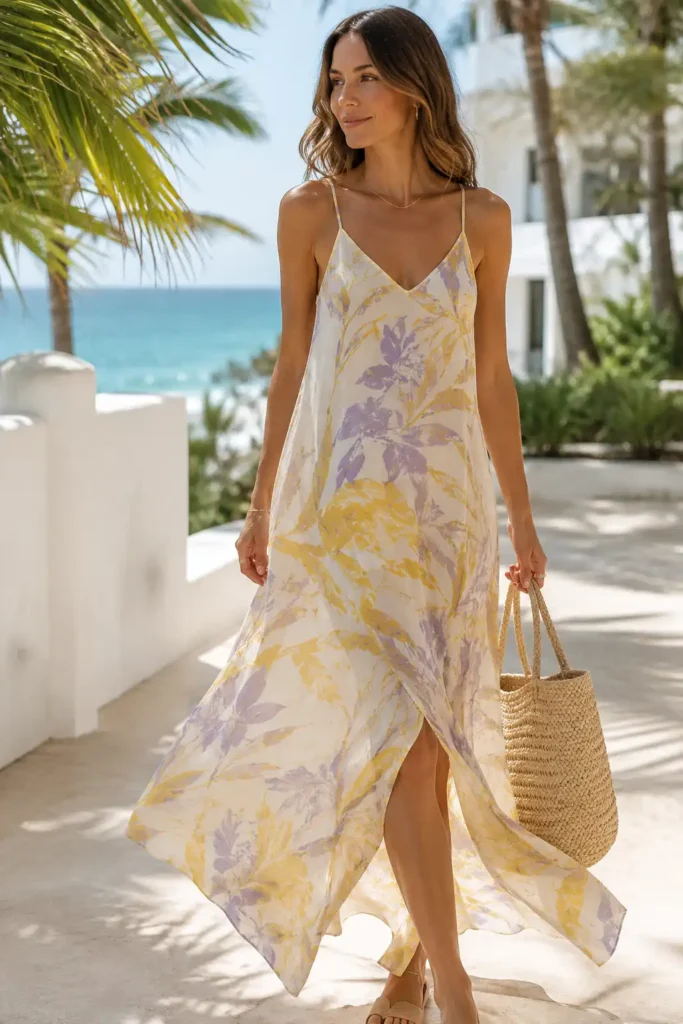
Australian Summer Festival Capsule
An established Australian fashion company developed a 12-style summer festival capsule totaling approximately 24,000 pieces.
The program included printed maxis, chiffon overlays, mesh minis, lightweight cut-out dresses, crop-top sets and a relaxed festival jumpsuit.
Main challenges:
- Lightweight fabric transparency in strong daylight
- Hem balance on flowing maxi dresses
- Print placement across multiple sizes
- Heat and movement comfort
- Travel-friendly folding with reduced wrinkling
The development process compared printed woven, chiffon, rayon and stretch mesh options.
Lining coverage was adjusted according to each silhouette rather than using one standard lining.
Maxi garments were reviewed after hanging to control uneven hems. Placement prints were mapped by panel and size.
Lightweight sets used coordinated color and fabric references across separate SKUs.
The approved assortment balanced statement printed products with easier repeat styles.
Production planning retained fabric, pattern, measurement and packing records to support seasonal reorders and future color extensions.
See Festival Dresses Through Production
Fabric Inspection
Pattern and Cutting
Sewing Workmanship
In-Line QC
Finishing and Packing
Process Videos
Festival Dress Frequently Asked Questions
Jinfeng Apparel develops mesh, sequin, metallic, bodycon, corset, cut-out, rhinestone, fringe, printed mini, sheer maxi and asymmetric festival dresses. Related products can include jumpsuits, bodysuits, crop tops, skirts and matching sets. Final feasibility depends on design structure, fabric, trims, quantity and production schedule.
MOQ starts from 200 pieces per style and color. Fabric supplier MOQ, custom dyeing, custom printing, special sequin fabrics, hardware, exclusive trims, packaging and detailed size-color splitting may increase the required quantity.
Yes. Reference images can establish silhouette and visual direction. Front, back, side and detail images produce a more accurate review. Jinfeng may request measurements, construction clarification, fabric direction and quantity information before quoting or sampling.
Yes. Tech packs can include technical drawings, measurements, BOM details, construction, artwork, labels and packing instructions. Draft tech packs can also be reviewed when selected information still needs development.
A standard dress sample normally requires 10–15 days. Complex corset, sequin, lace or mesh styles normally require 15–25 days. Timing begins after key materials and development requirements are sufficiently confirmed. Special trims or custom fabrics may extend the schedule.
Mesh transparency can be developed through fabric weight, hole structure, stretch, layering, lining color and lining coverage. The final direction should be reviewed on a fitted sample under suitable lighting.
Possible controls include clearing sequins from seam allowances, adding soft lining or binding, protecting underarm and side-seam zones and covering rough backing. The suitable method depends on fabric construction and design.
Jinfeng can evaluate hotfix stones, sewn stones, rhinestone chains, straps and localized decoration. Fabric compatibility, attachment, stretch, weight, skin contact and packing protection must be reviewed by project.
Corset development can include structured patterns, cups, boning, power mesh, lining, anti-slip materials, lace-up backs and zippers. Fit review focuses on cup position, upper-bust coverage, waist shaping, comfort and movement.
Yes. Jinfeng supports multi-style dress collections, matching sets, jumpsuits, same-style color extensions and seasonal drops. Orders are planned by material, construction, factory allocation, QC requirement and delivery batch.
Size ranges follow the supplied or approved brand size chart. Base size, grade rules, measurement tolerance and fit-sensitive details should be confirmed before grading. Wider ranges may require additional fit review for corsets, cut-outs, cups and mini lengths.
Yes. Available support includes woven labels, size labels, care labels, hangtags, barcode stickers, SKU labels, polybags, carton marks and warehouse labels. Artwork and compliance content should be supplied or approved by the brand.
Quotation considers fabric, lining, trims, pattern work, sample development, cutting, sewing time, structure, decoration, pressing, QC, packing, wastage and logistics requirements. A clear quantity plan and material direction improve quotation accuracy.
Brand quality manuals, measurement tolerances, defect classifications, AQL requirements, packing standards and third-party inspection instructions can be reviewed before production and translated into project inspection points.
Jinfeng supports NDA-based cooperation and protects tech packs, samples, patterns, trims, label information, packaging, order quantities and unpublished designs throughout development and production.
Yes. Pattern files, measurements, fabric references, trim records, Golden Samples, labels and packing instructions can be retained. New fabric batches, colors and material availability still require confirmation for each repeat order.
A schedule can be evaluated after reviewing sample status, fabric, trims, quantity, production allocation, QC and transport. Early planning is particularly important for custom metallic fabrics, sequins, rhinestones, corset structures and branded packaging.
Send a tech pack or reference image, quantity per style and color, fabric direction, size range, target price, label and packaging needs, and required launch or delivery date. Kelly will coordinate the initial project review.

Start Your Festival Dress Collection
Send your collection files to Jinfeng Apparel for a structured review of product direction, fabric, construction, MOQ, sampling and production feasibility.
A useful first submission does not need to be perfectly complete, but it should provide enough information to identify the main design and commercial requirements. For a more accurate review, include:
- Tech packs, line sheets, sketches or reference images
- Original samples when available
- Planned quantity per style and color
- Fabric, color, print and surface direction
- Base size, size range and measurement chart
- Mesh coverage, corset structure or decoration requirements
- Woven labels, care labels, hangtags and barcode needs
- Individual packing and carton instructions
- Target price range
- Campaign, launch or required delivery date
- Quality manual, AQL or third-party inspection requirements
- NDA request when the collection is unreleased