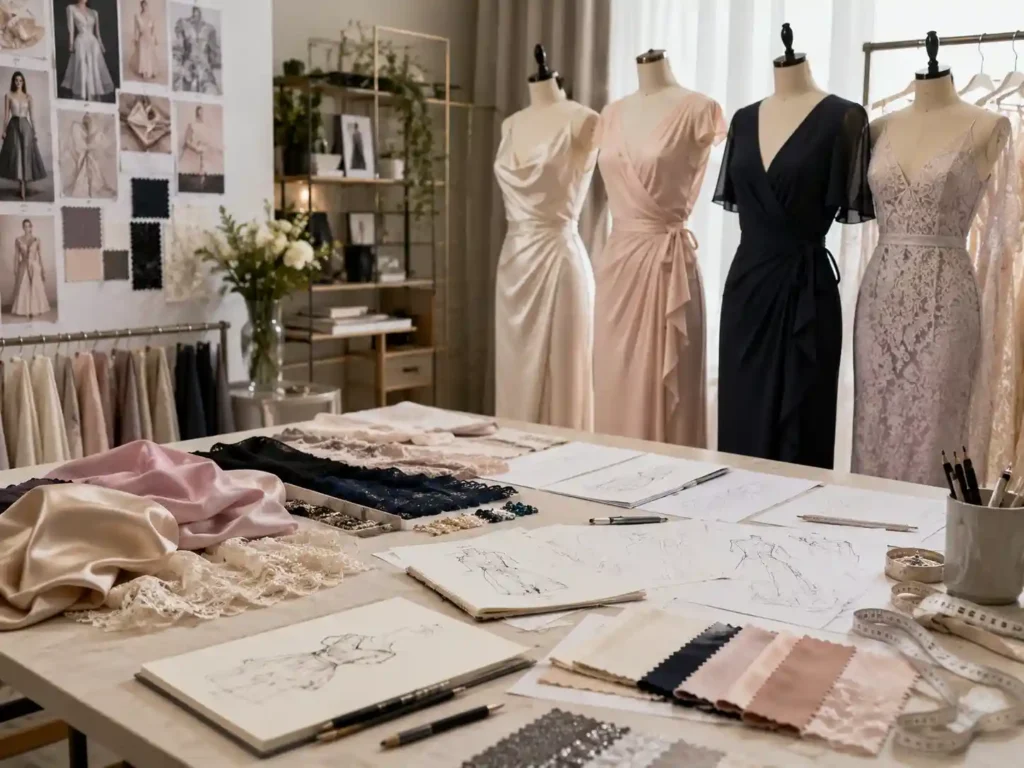
Skip to content
Fast Fashion Dress Production
Fast-Response Dress Manufacturing for Established Fashion Brands
Jinfeng Apparel supports trend-driven dress programs from line-sheet review and fabric direction to pattern development, sampling, bulk production, quality control, private-label packing, and export coordination.
- 10-30 styles can be organized as one coordinated seasonal program.
- 6+ flexible production lines support multi-style, multi-fabric, multi-color, and multi-size planning.
- 100,000+ pieces of monthly capacity supports scheduled launches, multi-batch delivery, and repeat orders.
- 7+ senior pattern makers and 20+ sample machinists manage fit, structure, revision, and PP approval.
Built for Fast-Moving Dress Programs
Best-Fit Programs
Fashion brands, merchandising teams, sourcing departments, product developers, occasionwear labels, premium ecommerce operators, and multi-brand groups are a strong fit when projects involve seasonal collections, 10-30 styles, multiple fabric groups, size ranges, private-label requirements, or repeat-order planning. The strongest programs normally begin with a tech pack, line sheet, original sample, reference image, or clear design direction, followed by quantity planning for each style and color. Jinfeng Apparel can then evaluate structure, fabric feasibility, sampling sequence, production allocation, QC requirements, packing rules, and delivery timing as one coordinated program.
Production Fit Boundaries
Jinfeng Apparel is not positioned as a ready-stock wholesaler, dropshipping operator, one-piece customization workshop, or lowest-price-only source. Production starts from 200 pieces per style and color, subject to fabric availability, trims, construction, packaging, and schedule. A clear boundary protects development quality and keeps pattern work, material booking, production planning, inspections, and private-label execution commercially workable. Brands receive the greatest value when a project has approved direction, a sampling budget, defined quantities, and a realistic path from development into bulk production.
What Fast Fashion Dress Production Really Requires
Fast fashion dress production is a coordinated development and manufacturing system that turns current product direction into approved samples, controlled bulk production, and timed market launches. Real speed comes from material readiness, accurate pattern development, disciplined approvals, flexible line allocation, production visibility, quality control, and repeat-order records – not from removing the steps that protect fit and bulk consistency.
Market-Responsive Product Development
Fast-moving collections begin with commercial clarity. A merchandising team may need party minis for a holiday launch, satin midis for occasionwear, printed maxis for resort, or bodycon styles for social-led sales. Each direction carries a different fabric, fit, cost, and production profile. Jinfeng Apparel reviews product category, target retail position, launch timing, size range, planned colors, quantity per style, and reference standard before sampling. Early feasibility review helps separate strong concepts from designs likely to cause excessive sampling, unstable fit, high material loss, or avoidable production delays.
Controlled Sample-to-Bulk Transition
A fast sample has little value when bulk production cannot repeat it. Every approved style must move through pattern confirmation, fit review, fabric and trim approval, construction notes, measurement standards, label details, and packing instructions. PP approval creates the production reference used by merchandising, factory management, sewing lines, QC, finishing, and packing teams. A locked standard reduces late changes and prevents the common gap between an attractive development sample and inconsistent commercial production.
Multi-Style Production Coordination
Seasonal drops rarely contain one dress. A typical program may include minis, midis, maxis, jumpsuits, skirts, and sets across satin, mesh, jersey, chiffon, lace, or printed woven fabrics. Each group requires different pattern skills, sewing methods, production pacing, and inspection points. Jinfeng Apparel organizes programs by fabric group, structure, complexity, launch priority, color, size range, and factory allocation. Clear grouping allows hero styles to move first while complex or material-dependent styles follow a controlled approval path.
Repeatable Replenishment
Fast fashion performance depends on what happens after the first delivery. When a style sells through, production teams need reliable pattern files, measurement records, fabric references, trim details, color records, sewing instructions, packaging requirements, and QC notes. Jinfeng Apparel keeps approved project records for repeat-order evaluation. Reorders can begin faster when original materials remain available and no major design changes are introduced. New colors, new fabrics, changed size ratios, or revised packaging still require confirmation because speed cannot replace material and fit validation.
Where Fast Dress Production Usually Breaks Down
Missed Launch Windows
Materials Arrive Too Late
Samples Look Right but Fit Wrong
Multi-Style Programs Become Chaotic
Bulk Production Drifts from Approval
Reorders Lose Consistency
Dress Categories for Fast-Moving Fashion Collections

Mini Dresses
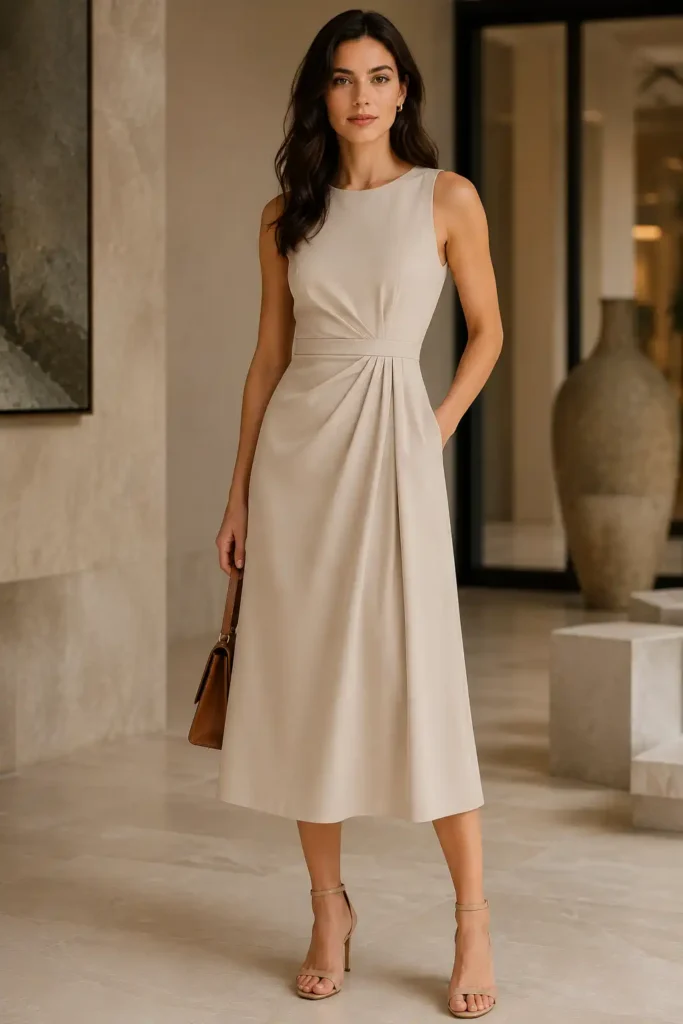
Midi Dresses
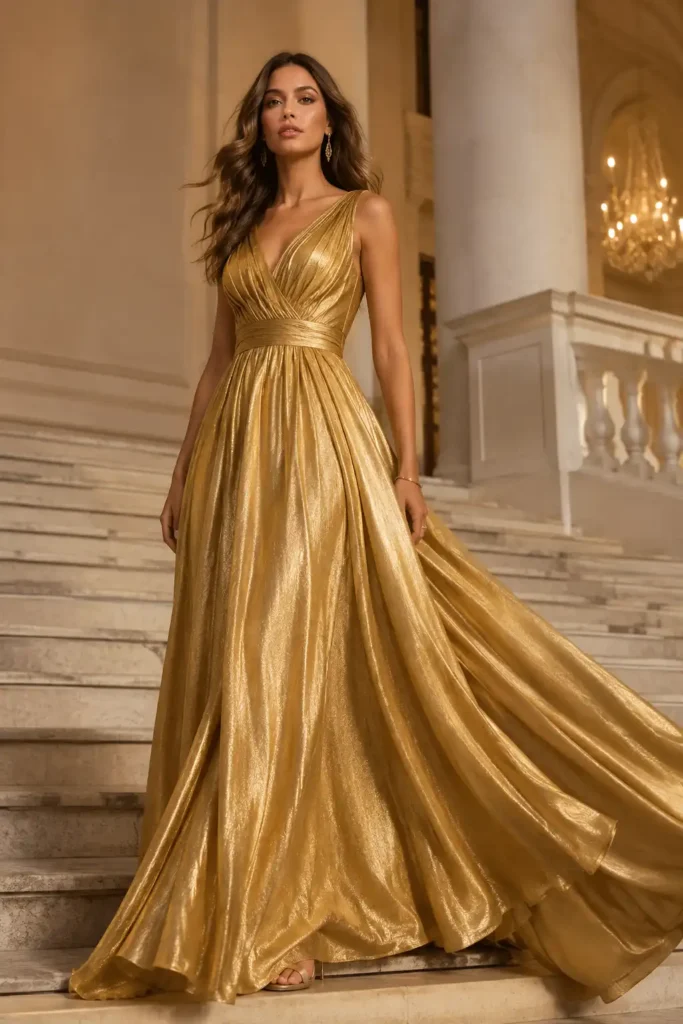
Maxi Dresses

Bodycon Dresses
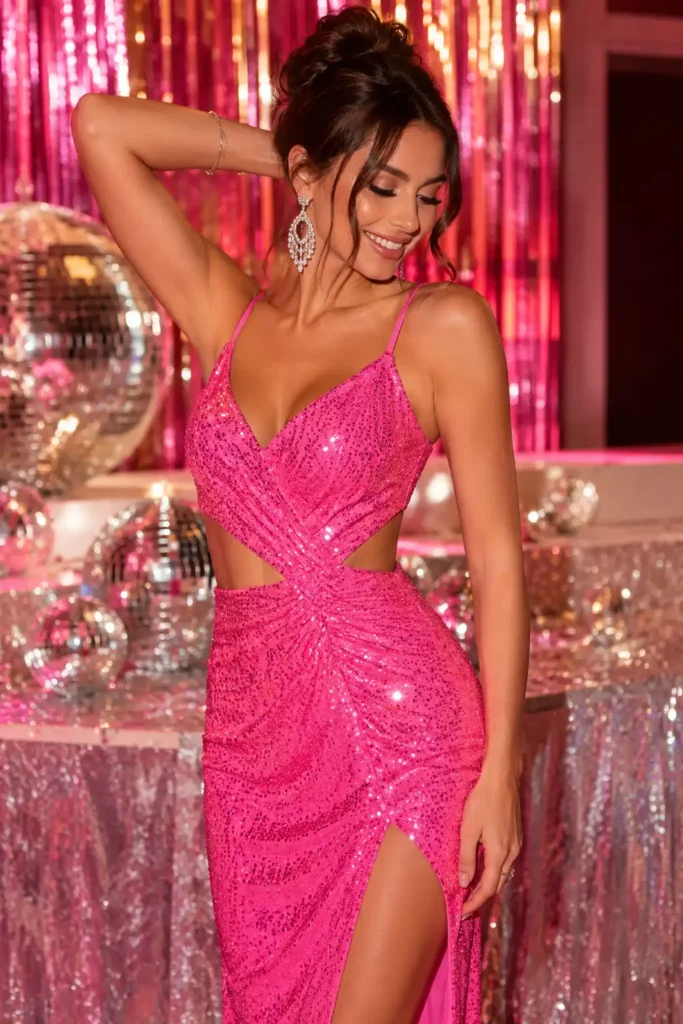
Party Dresses

Occasion Dresses
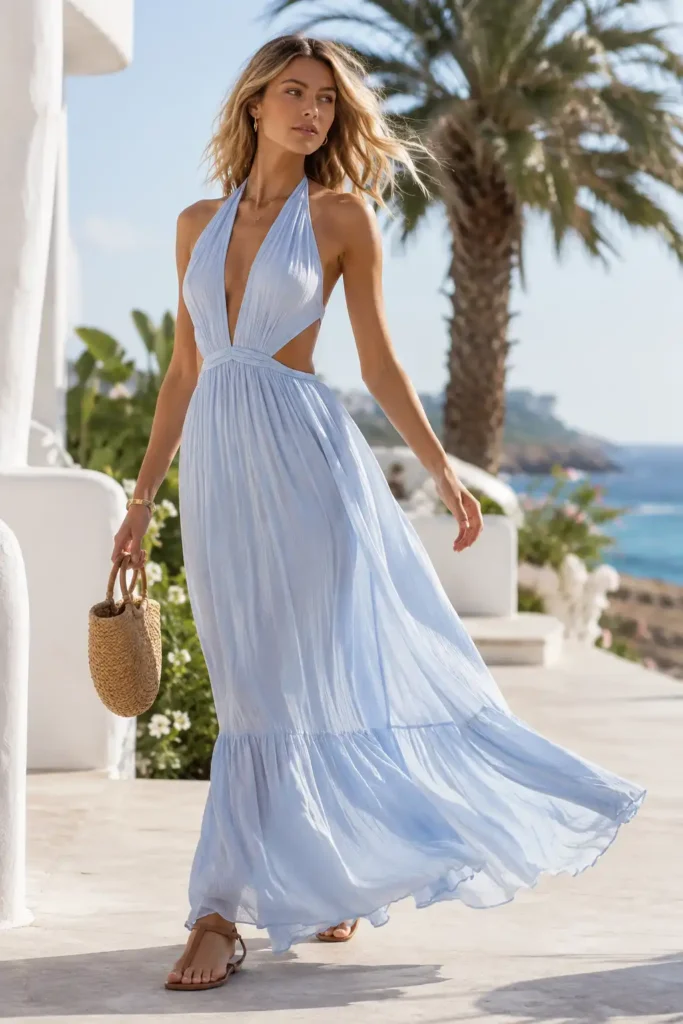
Resort Dresses

Sets and Jumpsuits
A Controlled Fast-Response Dress Production Workflow
A reliable production path keeps commercial priorities visible from the first design review through final delivery. Jinfeng Apparel uses defined approval gates so speed is created by preparation and coordination rather than rushed execution.
Direction and Feasibility Review
Development can begin from a tech pack, line sheet, original sample, reference image, sketch, or moodboard. The first review identifies product category, construction, expected fabric behavior, trim requirements, target quantity, size range, color plan, private-label needs, and launch timing. Risk points are flagged before pattern work starts. Complex features such as corset support, mesh transparency, sequin coverage, bias-cut satin, low backs, asymmetry, or multi-layer skirts may need additional material trials or sample stages. A clear review allows realistic decisions on sample sequence, cost structure, and production timing.
Fabric and Trim Direction
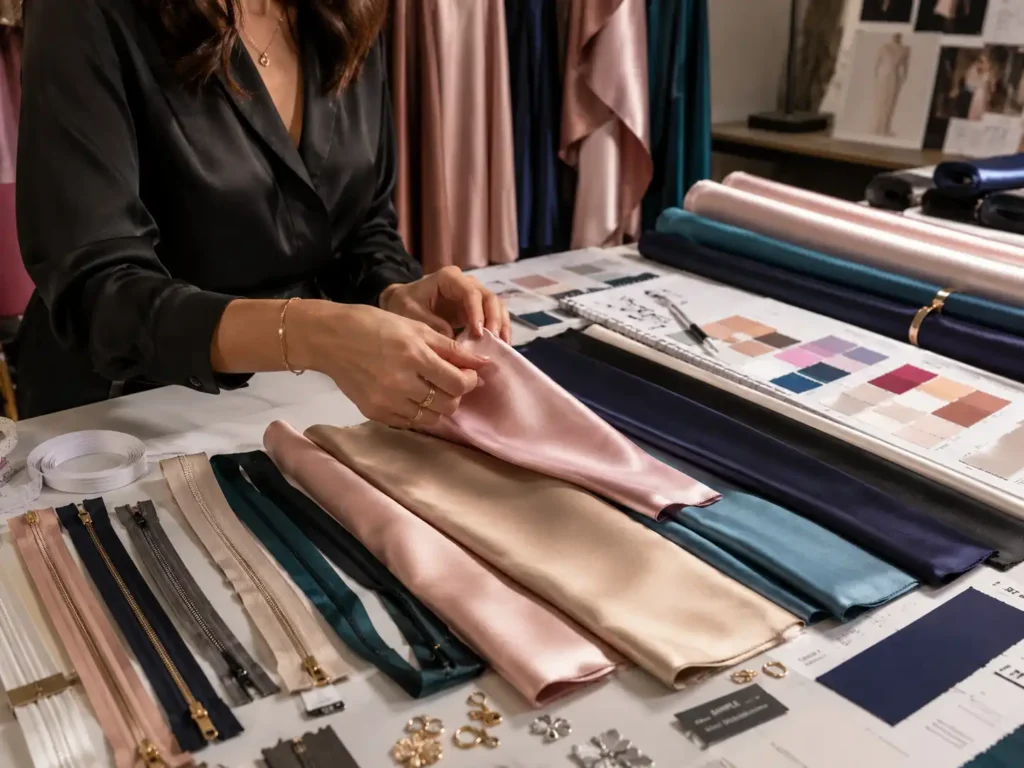
Material choices determine drape, fit, appearance, production method, and lead time. Jinfeng Apparel reviews available fabrics, custom-color requirements, lining, zipper, buttons, bra cups, boning, elastics, sliders, lace trims, sequins, rhinestones, labels, and packaging. Swatches can be compared for weight, handfeel, stretch, recovery, transparency, and color. When the original material creates excessive MOQ, timing, or cost pressure, alternative directions can be proposed while preserving the intended visual position.
Pattern Development
Pattern makers translate design information into a wearable and production-ready structure. Work covers bust-waist-hip balance, neckline, shoulder or strap position, armhole, torso length, waistline, skirt volume, slit, inseam, lining, and closure. Complex products may need separate shell, lining, support, or decorative pattern pieces. Pattern development also considers whether construction can be repeated consistently across bulk production. A visually attractive sample that depends on hand correction at every sewing operation is not a stable commercial solution.
First Sample and Internal Review
Sample machinists build the first garment using approved or development materials. Internal review checks construction, symmetry, seam behavior, closure, lining, trim placement, measurements, and general appearance before photos or shipping. Problems are recorded early so avoidable issues do not reach the brand team. For a multi-style program, key photo styles and higher-risk products can be prioritized, allowing commercial decisions to move while the remaining assortment continues through development.
Fit Review and Revision
Fit comments should be measurable and traceable. General feedback such as “make it better” creates confusion; useful comments identify bust, waist, hip, neckline, strap, armhole, length, slit, inseam, lining, or movement changes. Jinfeng Apparel records revisions and returns approved changes to the pattern and sample files. A revised sample may be required when structure, material, or size balance changes significantly. Minor visual corrections can sometimes be verified through measurements, photos, or video, depending on project risk.
PP Sample Approval
The PP sample is the final production reference. It should represent approved pattern, fabric, color, lining, trims, construction, measurements, labels, hangtags, barcode placement, folding, and packing. Bulk production should not begin while critical elements remain open. Changes after PP approval can affect cost, material booking, line planning, QC standards, and shipment timing. A locked PP standard gives factory, merchandising, QC, finishing, and packing teams one consistent reference.
Bulk Production and Inline Control
Material preparation, cutting, bundle control, sewing, inline checks, measurement review, finishing, and packing follow the approved standard. Different styles may be allocated to different factories or production lines based on fabric, structure, skill requirement, and launch priority. Inline control catches construction or measurement issues before they become large-scale rework. Production updates can be organized around material arrival, cutting, sewing, inspection, finishing, packing, and shipment preparation milestones.
Final Inspection and Delivery Preparation
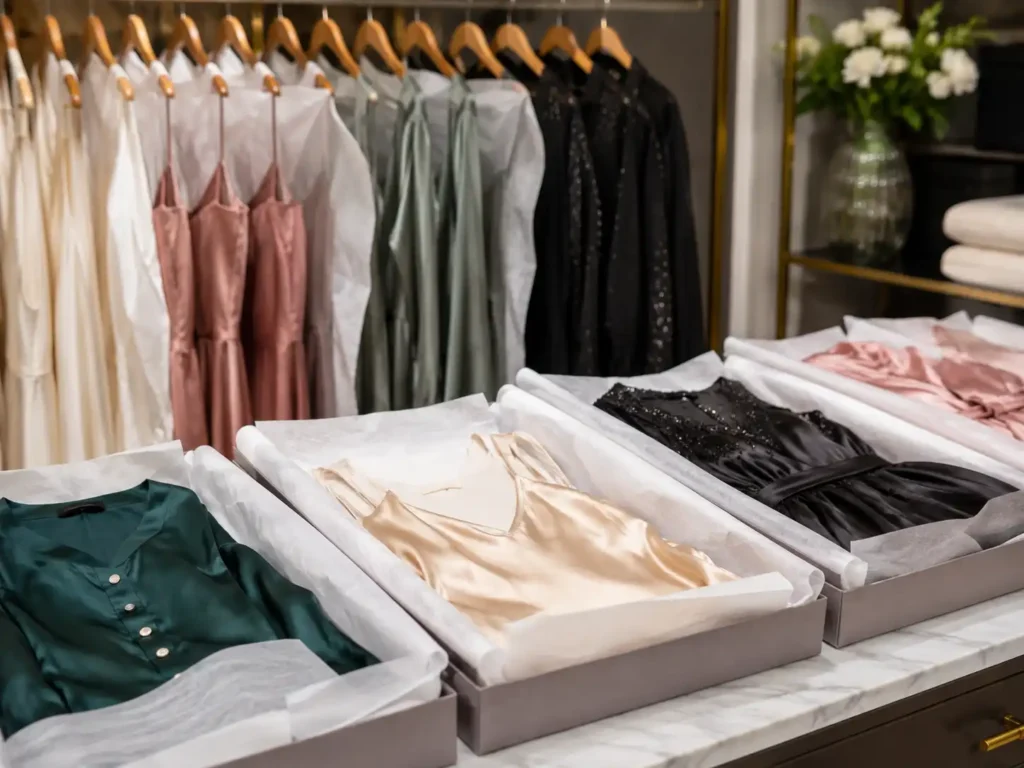
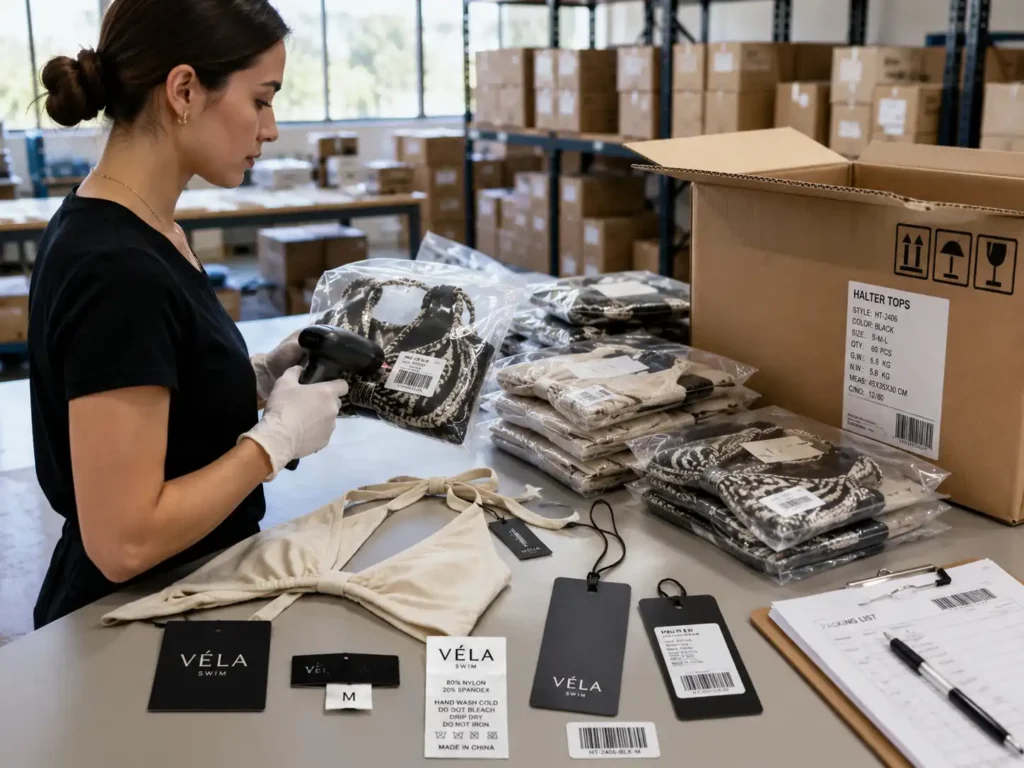
Final review covers garment appearance, measurements, function, cleanliness, pressing, labels, hangtags, barcodes, polybags, carton marks, quantities, and style-color-size breakdown. AQL sampling or third-party inspection can be arranged according to project requirements. Packing lists, commercial documents, carton data, and shipping coordination are prepared after approved release. The objective is merchandise that can be received, identified, and allocated correctly at the destination warehouse.
Planning Production Around Your Launch Calendar
A launch date becomes manageable when every approval and production task has a defined deadline. Planning should begin from the required warehouse arrival date, not from an estimated sewing duration. The schedule below shows the decisions that influence a fast-response dress program.
| Milestone | Required Decision | Main Risk | Control Method |
|---|---|---|---|
| Market Launch | Final selling date, campaign plan, channel allocation | Missing the seasonal window | Freeze the commercial deadline before development |
| Warehouse Arrival | Receiving window, warehouse guide, allocation plan | Late listing or warehouse rejection | Reserve receiving and inspection time |
| Shipment Booking | Air, sea, split shipment, appointed forwarder | Cost escalation or missed departure | Confirm transport route before final packing |
| Final QC Window | Inspection standard, AQL level, third-party booking | No time for correction | Protect inspection and rework time |
| Packing Window | Labels, barcode, polybag, carton mark, size ratio | SKU and receiving errors | Approve packing files before bulk completion |
| Bulk Production | Factory allocation, sewing schedule, inline QC | Production congestion | Lock PP sample and material readiness first |
| PP Approval | Pattern, fabric, trims, measurements, packaging | Late change disrupts the schedule | Apply a clear change-control deadline |
| Photo Sample | Hero style, photo date, fit and visual approval | Campaign delay | Prioritize hero SKUs and higher-risk styles |
| Material Booking | Fabric, lining, trims, labels, packaging | Line stoppage | Confirm supplier lead times and substitutes |
Managing Multi-Style Collections Without Production Chaos
A 10-30 style collection is not a larger single-style order. It is a network of separate products sharing fabrics, colors, trims, deadlines, labels, and commercial priorities. Jinfeng Apparel manages multi-style programs through grouped development, visible approval status, and controlled production allocation.
Create a Line-Sheet Control Structure
Every style should have a unique style number, product name, image, fabric direction, color list, size range, quantity by color, target price position, sample stage, launch priority, label requirement, and delivery target. A line sheet becomes the central commercial reference, while tech packs and measurement files control individual garment details. Missing identifiers create errors later in fabric booking, pattern filing, barcode assignment, packing, and shipping. Jinfeng Apparel reviews the line sheet before sampling so style count, color count, fabric groups, and quantity structure can be evaluated as one program.
Group Styles by Fabric
Shared fabric can improve shade control, purchasing efficiency, and collection consistency, but only when material behavior suits every silhouette. One satin may work for a slip midi and skirt but fail on a structured corset mini. Jinfeng Apparel groups styles by shell fabric, lining, stretch, weight, transparency, print, and finish. Fabric groups are then checked against pattern structure, color plan, supplier MOQ, and production method. Clear grouping also simplifies shade control and allows related styles to move through material approval together.
Group Styles by Construction Risk
A simple jersey mini, a bias-cut satin dress, a lace corset, and a sequin evening style cannot follow the same development sequence. Jinfeng Apparel separates standard, medium, complex, and high-risk construction. High-risk styles receive earlier technical review because delays are more likely to come from fit, specialized trims, support structure, or material handling. Standard styles can progress faster after basic fit and material confirmation. Risk grouping protects the launch calendar without forcing every product into an unrealistic timeline.
Set Sample Priorities
A merchandising team may need six photo samples before the full 18-style assortment is ready. Jinfeng Apparel can sequence hero SKUs, campaign styles, higher-volume products, and complex styles ahead of secondary options. Priority decisions should consider launch date, photography, material readiness, fit risk, expected volume, and commercial importance. Each priority group receives a clear sample target and feedback deadline. The approach creates controlled speed where the business needs it most.
Track Revisions and Approval Status
Every style should show whether fabric, pattern, first sample, fit, revised sample, PP sample, labels, packaging, and bulk production are pending or approved. Revision notes must be connected to the correct sample version. Jinfeng Apparel maintains style-level records so one product does not enter production with another product’s comments or outdated measurements. Approval visibility is especially important when several people review design, merchandising, technical fit, and packaging.
Allocate Factories and Lines by Product Type
Jinfeng Apparel does not treat every factory as interchangeable. Knit bodycon styles, woven resort dresses, satin occasionwear, structured corset products, and decorated party dresses require different production strengths. Factory allocation considers fabric, construction, quantity, timeline, quality risk, and available line capacity. Common styles can be routed through stable lines while complex products receive more specialized handling. Multi-factory allocation also supports phased production and seasonal capacity planning.
Material Readiness Determines Real Production Speed
Fabric and trims often control the schedule more than sewing capacity. A fast-response program needs early confirmation of availability, color, performance, supplier MOQ, and replacement options. Jinfeng Apparel reviews material decisions before the launch calendar is treated as committed.

Stock Fabric Review
Available fabrics can shorten development and bulk preparation when color, weight, handfeel, stretch, drape, transparency, and finish meet the required product position. Stock status must still be checked by quantity and batch because a sample cut does not guarantee enough bulk fabric. Jinfeng Apparel compares swatches, confirms supplier availability, reviews required consumption, and checks whether the same lot can cover related styles. Stock fabric can support speed, but selection should never be based on availability alone when fit or visual quality would be weakened.

Custom Color Planning
Custom color introduces lab dips, shade approval, dye-lot control, supplier MOQ, and longer material preparation. Satin, chiffon, lace, mesh, lining, zippers, and trims may reflect color differently even when one color code is used. Jinfeng Apparel coordinates shell fabric, lining, and trim matching and can review shade bands or bulk fabric approvals when required. Color planning should prioritize commercially important shades and avoid scattering volume across too many low-quantity colors. Repeat orders also need batch comparison because a previous reference may not reproduce automatically.

Lining Coordination
Lining affects opacity, comfort, drape, fit, seam appearance, and color. A heavy lining can distort chiffon or satin, while a light lining may fail to provide coverage. Stretch products require lining with compatible recovery, and lace or mesh often needs careful color selection to achieve the intended visual effect. Jinfeng Apparel reviews lining weight, stretch, color, handfeel, seam behavior, and length. Sample approval should confirm whether lining stays in position during movement and whether it changes the outer garment’s shape.

Zippers and Closures
Invisible zippers, exposed zippers, buttons, hooks, snaps, ties, and adjustable sliders affect fit, wearability, and visual quality. Zipper length, tape color, teeth, puller, weight, and sewing method must match the fabric and structure. Heavy zippers may distort lightweight satin or mesh; weak closures may fail on corset or bodycon products. Jinfeng Apparel reviews closure position, seam support, skin contact, top security, and bulk availability. Approved closures are recorded before production to reduce substitutions and fit differences.

Decorative Trims
Sequins, rhinestones, chains, lace trims, flowers, fringe, and appliques can create the commercial impact of a party collection, while also increasing risk. Attachment strength, skin contact, weight, placement, repair rate, needle breakage, washing behavior, and protective packing must be evaluated. Jinfeng Apparel reviews trim samples, placement, construction method, and handling needs before bulk production. High-risk decoration may require extra inspection and packing protection so visual value is preserved through shipment.

Labels and Packaging
Private-label materials are part of the production schedule. Main labels, size labels, care labels, hangtags, barcode stickers, polybags, warning text, carton marks, and warehouse labels may carry separate MOQ and lead times. Jinfeng Apparel reviews artwork, language, size, color, position, SKU link, and packing instruction before ordering. Late artwork changes can delay packing even when garments are finished. Early approval keeps branded delivery aligned with the launch calendar.
Fast Sampling Without Skipping Fit Approval
Sampling is the point where design direction becomes a production standard. Jinfeng Apparel operates 2 sample rooms with 7+ senior pattern makers and 20+ sample machinists, allowing multi-style programs to be grouped by priority, fabric, and construction. Standard dress samples commonly require 10-15 days after workable information and materials are confirmed. Complex corset, sequin, lace, mesh, and highly structured styles commonly require 15-25 days or project-specific planning.

Technical Review Before Pattern Work
A strong sampling process starts before fabric is cut. The development team reviews reference images, tech packs, original samples, sketches, measurement charts, fabric swatches, trim requirements, intended fit, and quantity plan. The review identifies unclear construction, missing measurements, unsupported bust structures, difficult openings, excessive seam bulk, unstable cut-outs, transparency concerns, and likely production loss. Questions are consolidated before pattern work so the sample room does not repeatedly stop for missing information.
Product feasibility is also reviewed against commercial needs. A trend image may show a hand-draped or pinned silhouette that cannot be repeated consistently in bulk. An original sample may use a discontinued fabric or protected branded detail. A complex structure may need adjustment to meet a target cost or size range. Jinfeng Apparel can suggest construction, fabric, or trim alternatives while preserving the intended market position.
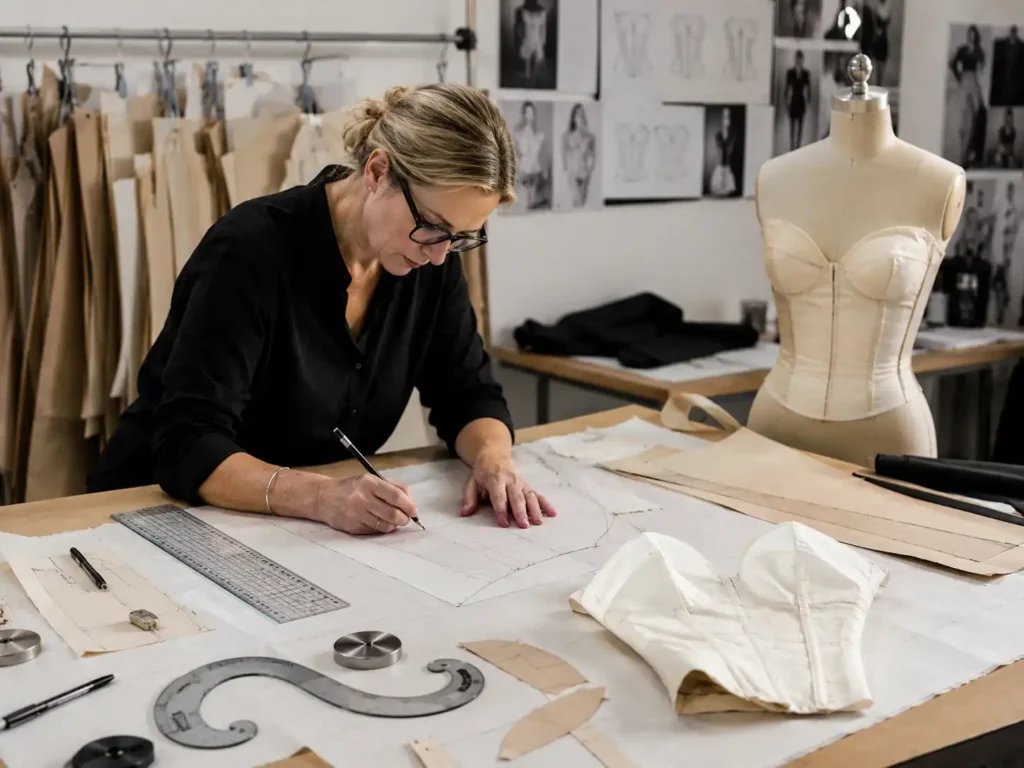
Pattern Development and Fit Logic
Pattern development converts visual direction into measurable structure. The pattern team handles bust shape, waist placement, hip balance, neckline, shoulder, strap angle, armhole, torso length, skirt volume, slit, hem, inseam, closure, support, and lining. Fit is evaluated as a relationship between body measurements, fabric behavior, ease, and design proportion. A bodycon knit cannot use the same ease logic as a woven satin dress, and a jumpsuit requires torso and crotch balance that a separate top and trouser do not.
Base-size approval is only one part of the work. Grading from XS to XL or a wider range requires controlled changes in bust, waist, hip, length, armhole, strap, neckline, and support. Sensitive areas should not enlarge at the same rate. Jinfeng Apparel reviews grading rules and measurement tolerances before bulk cutting. Fit comments are returned to the pattern file so later samples and repeat orders use an updated standard.

Sample Construction and Revision Control
Sample machinists turn pattern and material decisions into a real garment and identify production risks during sewing. They review seam allowance, stitch behavior, lining control, zipper flatness, decoration, ruching symmetry, slit stability, strap balance, pressing response, and whether the construction can be repeated on a production line. Internal inspection checks measurements, appearance, and function before the sample is presented for approval.
Revision feedback should be consolidated by style and version. Jinfeng Apparel records changes and identifies whether a comment affects pattern, fabric, trim, construction, measurement, label, or packing. Major fit or structural changes normally require a revised sample. Minor corrections may sometimes be confirmed through measurement, photo, or video evidence when risk is limited. Clear revision control protects the schedule and prevents outdated comments from reaching bulk production.

PP Sample Lock and Bulk Handover
The PP sample is the final bridge between development and production. Approval should cover shell fabric, lining, color, trims, construction, measurements, fit, labels, hangtags, barcode position, folding, and packing. A Golden Sample or approved reference can then guide production, QC, finishing, and repeat-order review. Jinfeng Apparel prepares the handover so factory teams receive the approved pattern, measurement file, construction notes, material references, artwork, packing instruction, and key QC points.
Late changes after PP approval can trigger new material orders, revised patterns, updated labels, changed cost, lost production slots, and delayed shipment. A disciplined change-control point is therefore essential to fast production. Speed becomes reliable when approval is complete, not when development questions are carried into bulk sewing.
How Style Complexity Changes Production Timing
No responsible manufacturer can apply one sample or production timeline to every dress. Material readiness, structure, size range, decoration, sample revisions, quantity, private-label requirements, and line availability all affect timing. The matrix below provides a planning framework rather than a fixed promise.
| Complexity Level | Representative Products | Main Development Risks | Typical Planning Approach |
|---|---|---|---|
| Standard | Basic knit dress, simple skirt, clean woven mini | Basic fit, fabric recovery, zipper or elastic | Use confirmed materials and standard sample sequence |
| Medium | Satin slip, ruched mini, printed midi, halter dress | Drape, neckline, strap balance, ruching, print direction | Allow fabric review and focused fit correction |
| Complex | Lace dress, mesh panel dress, corset mini, structured jumpsuit | Support, transparency, motif placement, torso balance | Plan additional pattern and revision control |
| High Risk | Full sequin dress, beaded evening style, multi-layer formal dress | Decoration loss, skin contact, heavy construction, packing damage | Use early trim trials, detailed PP lock, and extra QC time |
Capacity Built for Multi-Style Dress Production
Six Owned Factories
Ten-Plus Production Partners
100,000-Plus Monthly Capacity
Eighteen-Plus Sewing Lines
Six-Plus Flexible Lines
Dedicated Project and QC Teams
Quality Control Protecting Speed and Bulk Consistency

Incoming Material QC
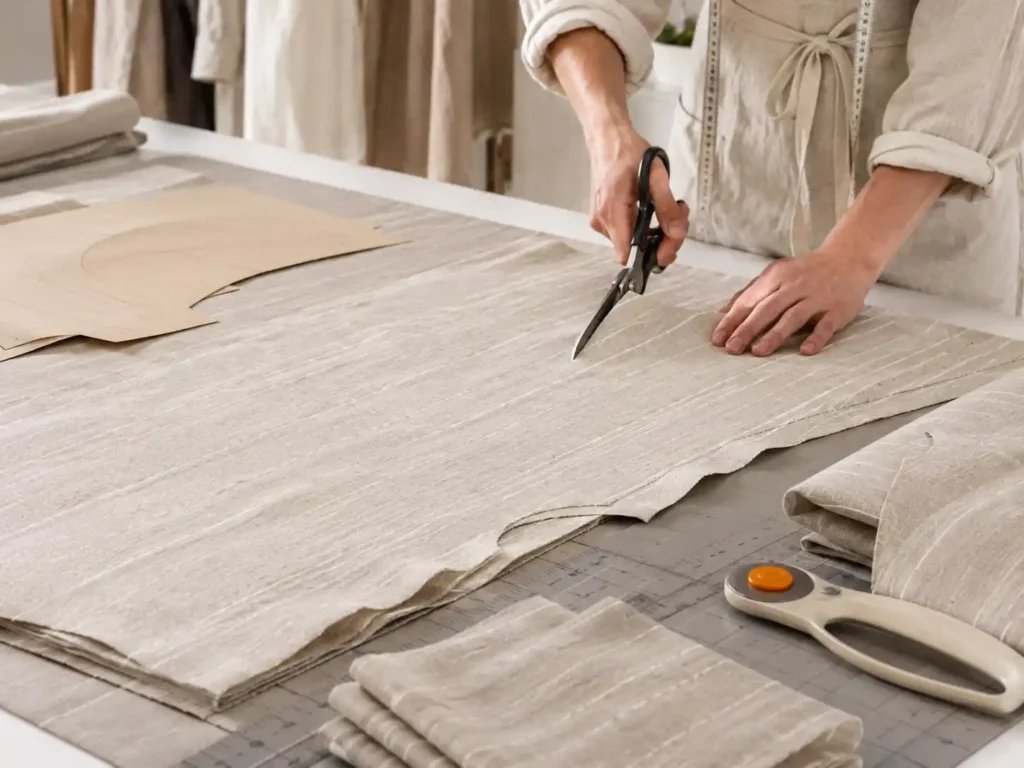
Cutting QC
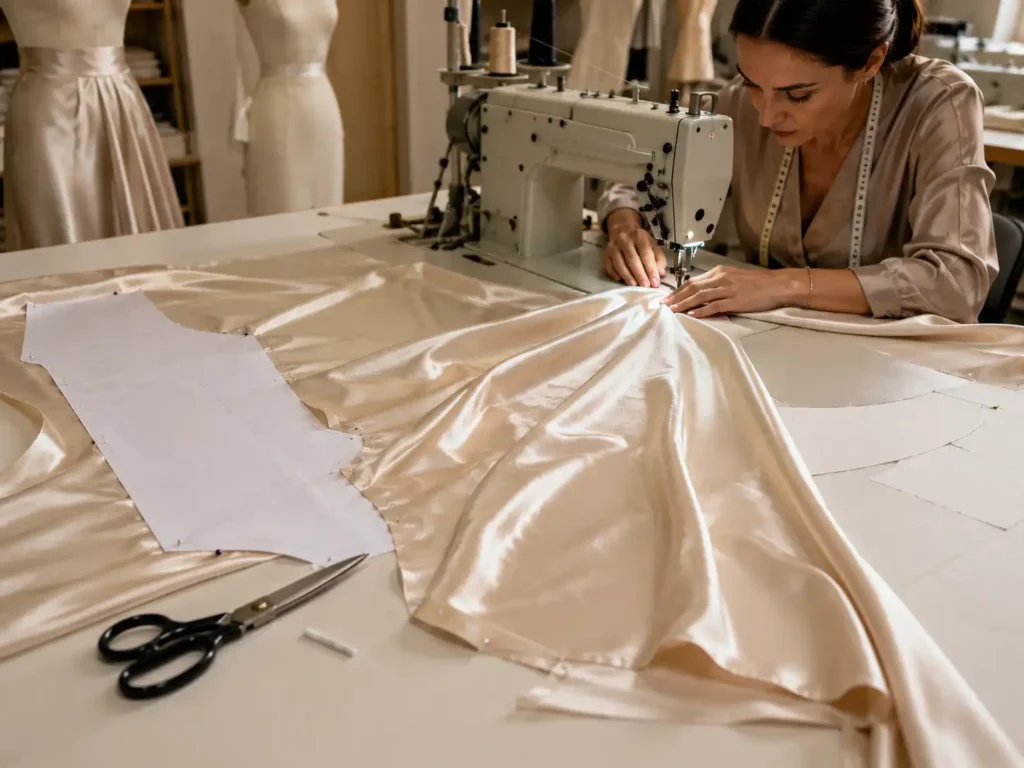
Inline Sewing QC

Measurement and Fit Control
Final Garment Inspection
Packing and AQL Review
Balancing MOQ, Cost, Speed, and Complexity
Style Count
Color Count
Fabric Choice
Construction Detail
Private-Label Scope
Rush Requirements
Compliance and Brand Protection for Global Programs

NDA and Design Protection
Testing and Material Documentation

AQL and Third-Party Inspection
Fast Fashion Dress Production Frequently Asked Questions

Plan Your Next Fast Fashion Dress Program
A strong production review begins with enough information to evaluate fabric, fit, sampling, MOQ, line allocation, quality requirements, packing, and delivery.
Send the available files even when the full tech pack is still being finalized. A line sheet, reference images, original sample photos, fabric direction, or preliminary quantity plan can support an initial feasibility discussion.
Please prepare:
- Reference images, tech packs, sketches, or original sample photos
- Line sheet with style number and product category
- Quantity per style and color
- Fabric and trim direction
- Color plan and size range
- Target launch and warehouse dates
- Private-label and packing requirements
- Testing, AQL, or third-party inspection requirements
- Preferred shipment plan or appointed forwarder information