 Skip to content
Fashion Collection Manufacturer
Custom women’s fashion collection development for brands needing multi-style sampling, bulk production, private-label packing and export delivery.
Jinfeng Apparel helps women’s fashion brands build collection-ready garments from line sheets, tech packs, sample references, or style direction. Our Guangdong-based manufacturing system supports dresses, skirts, jumpsuits, matching sets, tops, and private-label womenswear through fabric sourcing, pattern development, sample revision, bulk production, QC, packing, and shipment coordination.
- 10–30 style collection planning— suitable for seasonal womenswear launches, capsule ranges, dress lines, and multi-SKU programs.
- 2 sample rooms— first sample, fit sample, revised sample, photo-ready sample, PP sample, and Golden sample support.
- 7+ senior pattern makers— pattern and fit review across bust, waist, hip, length, neckline, lining, and movement points.
- 20+ sample machinists— sample sewing and construction trials for dresses, sets, jumpsuits, tops, and skirts.
- Anonymous case range: 15–22 styles / 24,500–58,000 pcs— collection programs across US, European, and Australian fashion markets.
Production Facts Behind Every Collection
A fashion collection needs more than sewing capacity. Brands need development records, pattern control, material tracking, sampling discipline, QC checkpoints, and packing accuracy across several styles at once. Jinfeng combines owned factories, long-term partner capacity, sample rooms, pattern makers, sample machinists, QC inspectors, merchandisers, and packing workers for organized collection execution.
Since 2008
- Women’s fashion manufacturing experience since 2008.
- Custom dresses, sets, jumpsuits, skirts, tops, and private-label womenswear.
- Development records kept for repeat orders and seasonal updates.
6 Owned Factories
- Owned factory support for core womenswear production.
- Factory matching by style structure and fabric behavior.
- Stronger control for complex or repeat-order styles.
10+ Partner Units
- Capacity support for seasonal and multi-batch orders.
- Partner allocation follows Jinfeng project standards.
- Production records stay connected with QC and packing files.
100,000+ Monthly Capacity
- Supports medium and large womenswear collection programs.
- Capacity planning considers fabric, trims, and approval timing.
- Suitable for multi-SKU collection production after PP approval.
2 Sample Rooms
- Sample version control for multi-style development.
- Photo-ready and PP sample support.
- Sample notes guide pattern, fit, and bulk handover.
MOQ 200 pcs/style/color
- MOQ reviewed by each style and color.
- Fabric and trim minimums can affect planning.
- Collection structure helps improve production efficiency.
Manufacturing Support for Women’s Fashion Teams
Global Fashion Brands
- Multi-style collection programs across dresses, sets, jumpsuits, skirts, and tops.
- Sample records connected with production and packing requirements.
- Export coordination for organized seasonal launches.
Premium Ecommerce Brands
- Photo-ready sample and PP sample support.
- Barcode, SKU, polybag, and carton mark preparation.
- Fit and measurement records for online size consistency.
DTC Womenswear Brands
DTC womenswear brands need fast style development without losing garment consistency.
Jinfeng supports reference image review, fabric matching, pattern correction, sample tracking, and bulk production planning for brands launching through owned websites, social channels, and online campaigns.
- Reference image and tech pack review.
- Fabric direction and pattern correction.
- Launch-calendar planning by style priority.
Occasionwear Labels
- Satin, lace, mesh, sequin, chiffon, and velvet handling.
- Support, lining, zipper, slit, and pressing review.
- Final garment inspection for event-driven collections.
Partywear Brands
- Fit and recovery review for bodycon and fitted styles.
- Surface protection for satin, sequin, and mesh.
- Hero sample priority for campaign launch timing.
Resortwear Brands
- Print direction, shrinkage, and transparency review.
- Long-length hem and lining control.
- Travel-aware folding and carton packing.
Sourcing Offices
- MOQ, fabric, sample, and production updates.
- QC reporting and issue follow-up.
- Packing list, carton information, and shipment coordination.
Private Label Clients
- Label, hangtag, barcode, and SKU support.
- Polybag, carton mark, and packing list coordination.
- Private-label records retained for repeat programs.
Confirm Manufacturing Fit Before Sampling
Strong Fit Programs
- 10–30 styles planned for one seasonal or capsule range.
- Total collection quantity commonly within 20,000–80,000 pcs.
- MOQ planning based on 200 pcs per style/color.
- Need for pattern development, fit correction, or sample revision.
- Private-label packing, SKU records, or warehouse intake requirements.
- Long-term seasonal development or repeat-order potential.
Programs Requiring Review
Some programs require additional feasibility review before development. A style may use special fabric, custom-dyed color, unique trims, complex structure, heavy beading, special lace, large print placement, strict warehouse label rules, or a split-shipment plan. These details can affect MOQ, sample time, cost, and delivery schedule. Jinfeng normally asks for:
- Style image or tech pack.
- Quantity by style and color.
- Size range and ratio.
- Fabric or handfeel reference.
- Label and packing instruction.
- Launch or delivery target.
Clear information allows Kelly and the development team to recommend a realistic sampling path, production grouping, and quotation plan.
Problems Brands Face During Collection Production
Samples Look Different
- Reference images translated into pattern and construction notes.
- Fabric behavior checked before sample cutting.
- Sample comments recorded for revision and PP approval.
Fabric Direction Fails
- Fabric family reviewed before sampling.
- Color, shade, and shrinkage risks discussed early.
- Fabric notes guide QC and packing decisions.
Fit Is Inconsistent
- Bust, waist, hip, and length checked by style.
- Stretch, woven, and structured garments receive separate fit logic.
- Size grading records support bulk measurement checks.
Timeline Gets Delayed
- Hero and photo styles prioritized.
- Complex styles receive longer development review.
- Fabric readiness affects sample schedule.
SKU Tracking Breaks
- Style-color-size records prepared before packing.
- Barcode and SKU files checked.
- Carton marks aligned with packing list.
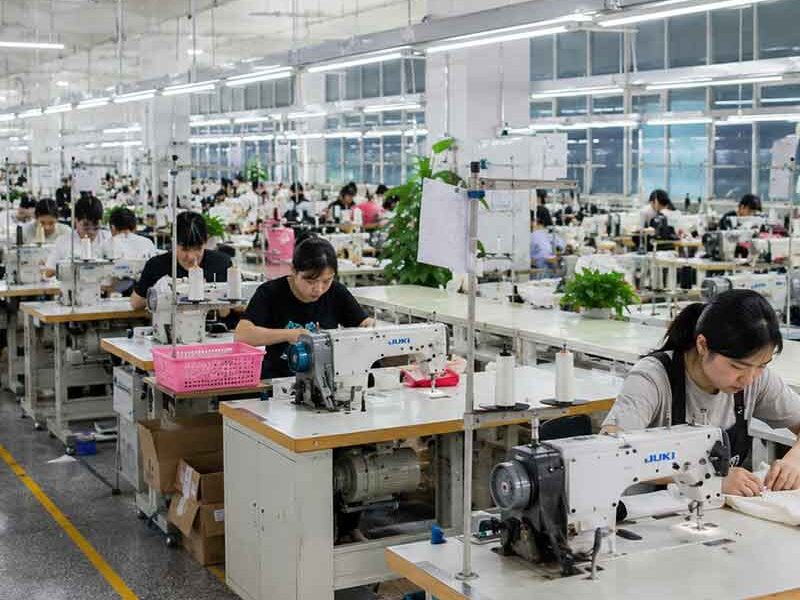
Collection Formats Jinfeng Can Manufacture
Fashion brands plan collections around sales seasons, campaign calendars, fabric stories, occasion needs, and repeat-order potential. Jinfeng helps translate collection planning into sample development and controlled production.
Seasonal Collection
- Spring/Summer or Fall/Winter timing.
- Color story and fabric group.
- Dresses, sets, jumpsuits, and skirts.
- Photo sample and PP sample sequence.
Capsule Collection
- 8–15 commercial styles.
- Shared fabric direction.
- Coordinated trims and labels.
- Clear hero products for launch.
Dress Collection
- Dress length and silhouette map.
- Fabric-specific sewing risks.
- Measurement and grading rules.
- Photo sample and bulk match.
Partywear Collection
- On-body effect.
- Stretch recovery.
- Zipper and seam strength.
- Packing protection for surface fabrics.
Occasionwear Collection
- Lining comfort.
- Pressing and finishing.
- Fabric shine and color consistency.
- Final garment inspection.
Resortwear Collection
- Lightweight fabric handling.
- Print and color direction.
- Long-length garment packing.
- Air or sea shipment planning.
Clubwear Collection
Clubwear collections require close fit, controlled stretch, bold design details, and clean sewing on small garment areas. Jinfeng supports mini dresses, cut-out details, deep-V styles, bodycon shapes, halter structures, and matching sets with fit and construction checks.
- Bust, waist, and hip proportion.
- Strap and opening stability.
- Elastic or knit fabric recovery.
- Seam strength under movement.
Private-Label Collection
- Label artwork and placement.
- SKU and barcode accuracy.
- Individual packing instruction.
- Carton and warehouse requirements.
Women’s Products for Collection Programs

Mini Dresses
- Bodycon, A-line, corset, and slip silhouettes.
- Satin, mesh, jersey, lace, and sequin options.
- Size grading for bust, waist, and hip balance.

Midi Dresses
- Slim, draped, ruched, pleated, and A-line shapes.
- Satin, crepe, jersey, lace, mesh, and rayon fabrics.
- Measurement stability across multiple sizes.

Maxi Dresses
- Resort, formal, printed, and flowy silhouettes.
- Chiffon, rayon, satin, crepe, and linen blends.
- Hem control and carton packing planning.

Satin Dresses
- Slip, corset, mini, midi, and evening styles.
- Seam smoothness and pressing control.
- Color and fabric batch record.

Mesh Dresses
- Bodycon, ruched, layered, and printed mesh styles.
- Lining color and opacity control.
- Stretch and recovery review.

Lace Dresses
- Occasionwear, partywear, and formal styles.
- Lining, seam, and edge finishing.
- Lace motif placement and cutting plan.

Sequin Dresses
- Party, club, and evening styles.
- Surface protection and lining comfort.
- Careful seam and hem finishing.

Bodycon Dresses
- Jersey, ponte, mesh, and stretch satin.
- Bust-waist-hip proportion control.
- Measurement check across sizes.

Corset Dresses
- Boning, cups, lining, and zipper.
- Bust support and waist shaping.
- PP sample confirmation before cutting.

Resort Dresses
- Printed maxi, halter, wrap, and slip styles.
- Chiffon, rayon, linen blend, and crepe.
- Packing method for wrinkle reduction.

Party Dresses
- Photo-ready sample priority.
- Strong zipper and seam review.
- Fit and fabric performance check.

Evening Dresses
- Satin, chiffon, crepe, lace, and mesh.
- Lining and press finish.
- Final garment inspection.

Fashion Jumpsuits
- Waist, hip, and inseam balance.
- Movement comfort and zipper access.
- Size grading records.

Matching Sets
- Crop top + skirt, top + pants, blazer-style sets.
- Color and fabric consistency.
- SKU and packing rule confirmation.

Fashion Tops
- Shared fabric with dresses or sets.
- Strap, bust, and neckline control.
- Private-label packing by SKU.

Skirts
- Mini, midi, maxi, fitted, and pleated styles.
- Waistband and zipper control.
- Matching set coordination.
Plan a Collection Before Cutting Fabric
Strong collection manufacturing begins before the first sample is sewn. Jinfeng reviews product structure, silhouette balance, fabric grouping, and production sequence so a collection can move through development with fewer avoidable revisions.
Build the Range Around Commercial Product Roles
A collection performs better when each style has a clear role. Some styles are hero products for photos and campaigns. Some are repeatable commercial styles. Some complete the range with sets, tops, or skirts. Without role planning, teams may develop many pieces but struggle to prioritize sampling and production.
Jinfeng reviews the collection by:
- Hero styles: key products planned for campaign photos, first launch, major colorways, or higher order quantity.
- Core styles: commercially stable garments able to support repeat orders or color extensions.
- Support styles: tops, skirts, and sets completing outfits and increasing product range depth.
- Fabric groups: styles sharing satin, mesh, jersey, lace, chiffon, or crepe for sourcing efficiency.
- Construction level: simple, medium, and complex styles grouped for sample scheduling and production allocation.
For a 20-style collection, Jinfeng may recommend starting with 5–8 priority samples, then moving remaining styles through grouped sampling after fabric and fit direction become clearer.
Balance Fabric, Silhouette and Launch Timing
Collection production becomes smoother when fabric direction and launch timing are reviewed together. A resortwear range may need printed rayon and chiffon ready for a summer launch. A partywear range may need satin, mesh, and sequin confirmed before photo samples. An occasionwear range may need lining, zipper, fit, and press finish approved early.
Jinfeng planning review covers:
- Fabric timing: stock fabric, supplier MOQ, custom color, print development, or trim sourcing.
- Silhouette risk: bodycon, corset, jumpsuit, strapless, and long-length styles need more fit review.
- Sample sequence: hero SKUs and photo samples move earlier than support styles.
- Bulk grouping: styles can be grouped by fabric, color, sewing difficulty, or delivery batch.
- Packing sequence: warehouse label and packing requirements should be confirmed before final packing.
A collection should not be treated as 20 unrelated styles. It needs a development map connecting commercial goals with factory execution.
Protect Repeat Orders Through Style Records
Repeat orders are easier when original collection records are kept clearly.
Jinfeng can maintain pattern records, fabric references, trim details, sample notes, measurement files, and packing requirements for future production.
For fashion brands, these records support new colors, reorder batches, updated fabrics, and future collection extensions.
Useful records include:
- Pattern file and approved measurement chart.
- Approved sample photos and comments.
- Fabric lot, supplier, and handfeel reference.
- Trims, label placement, and care label content.
- Color-size ratio and carton packing method.
- QC comments and shipment records.
When a hero dress sells well, brands can use existing records to plan a new color, fabric variation, updated neckline, matching skirt, or repeat batch with less development uncertainty.
Fabric and Trim Control for Collections
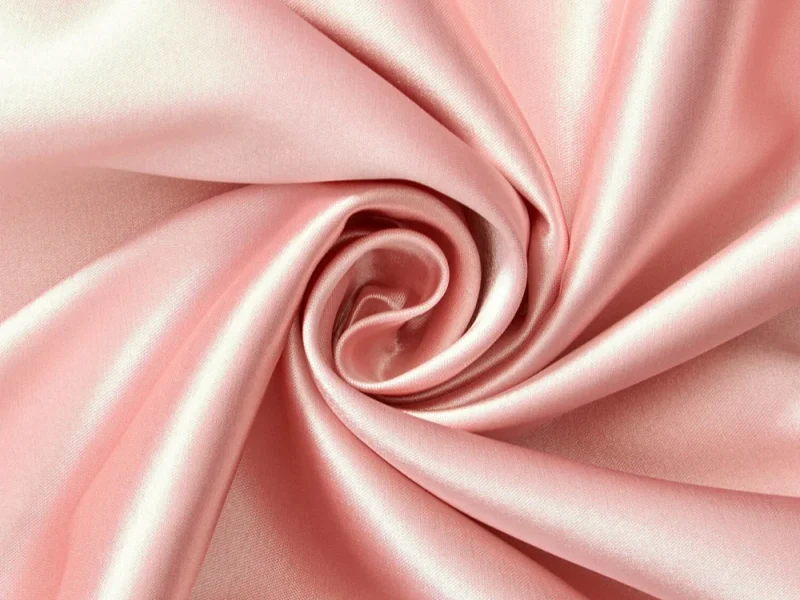
Satin
- Fabric weight and drape.
- Color lot consistency.
- Seam smoothness and pressing control.
- Lining comfort and zipper finish.

Chiffon
- Sheerness and lining match.
- Hem balance and seam stability.
- Print direction for long garments.
- Wrinkle behavior during packing.

Mesh
- Stretch and recovery.
- Lining color and coverage.
- Print or panel placement.
- Seam strength under movement.

Lace
- Lace motif balance.
- Edge and seam finish.
- Lining comfort.
- Fabric availability before sample approval.
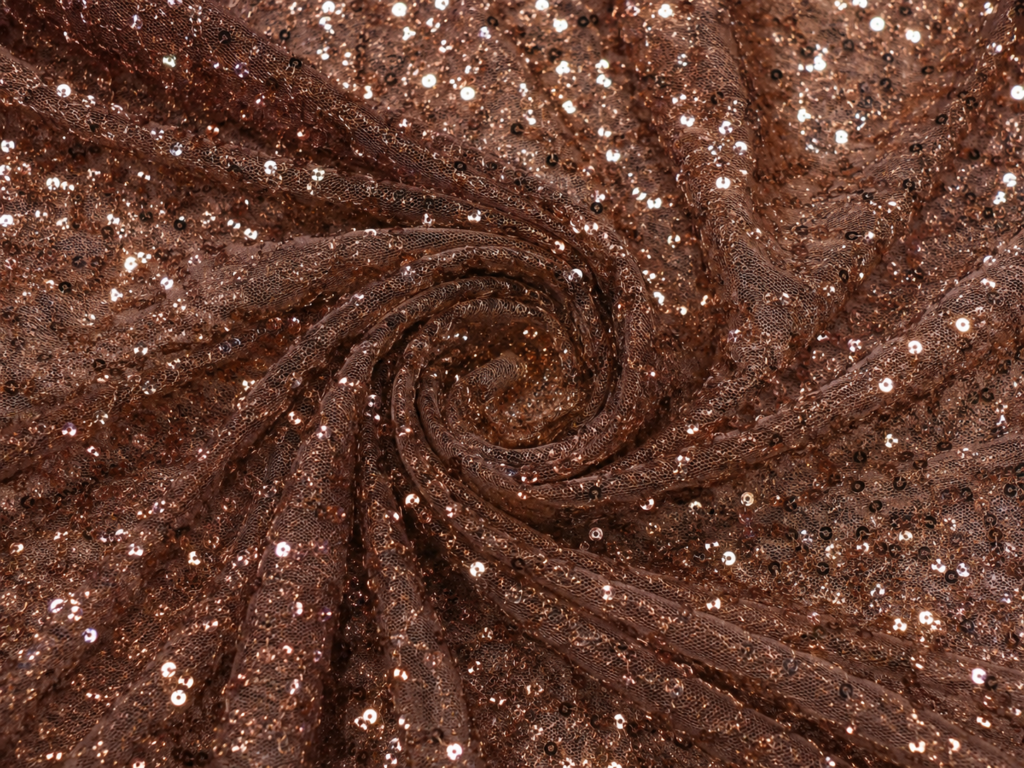
Sequin
- Surface durability.
- Lining and skin comfort.
- Needle and seam handling.
- Protective packing method.

Jersey
- Stretch percentage by direction.
- Recovery after pull.
- Seam tension.
- Measurement control across sizes.
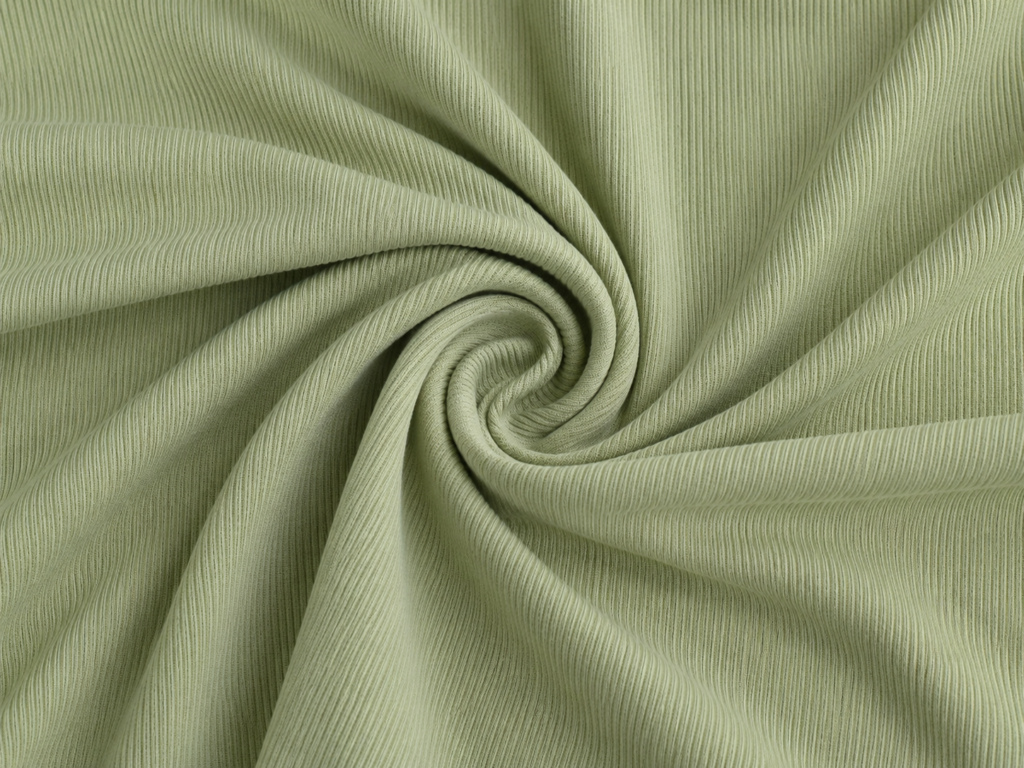
Knit
- Gauge and weight.
- Stretch and recovery.
- Seam shape control.
- Washing and shrinkage risk.

Crepe
- Drape and body.
- Wrinkle behavior.
- Seam smoothness.
- Pressing standard.
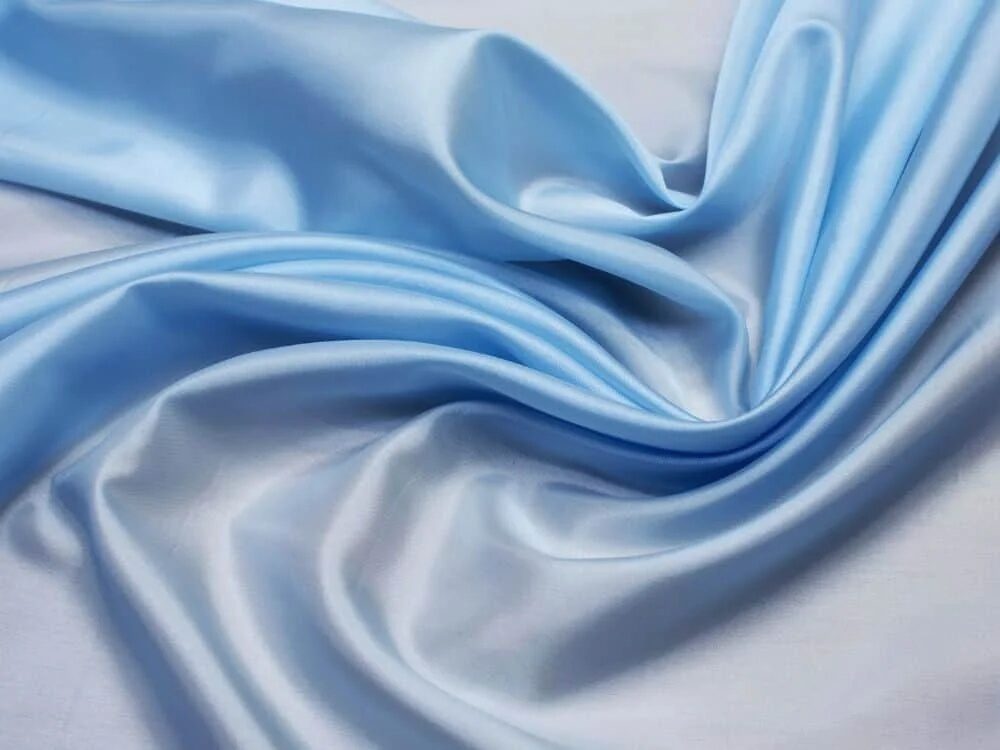
Rayon
- Shrinkage review.
- Print and color behavior.
- Soft drape and transparency.
- Packing method for long-distance shipment.
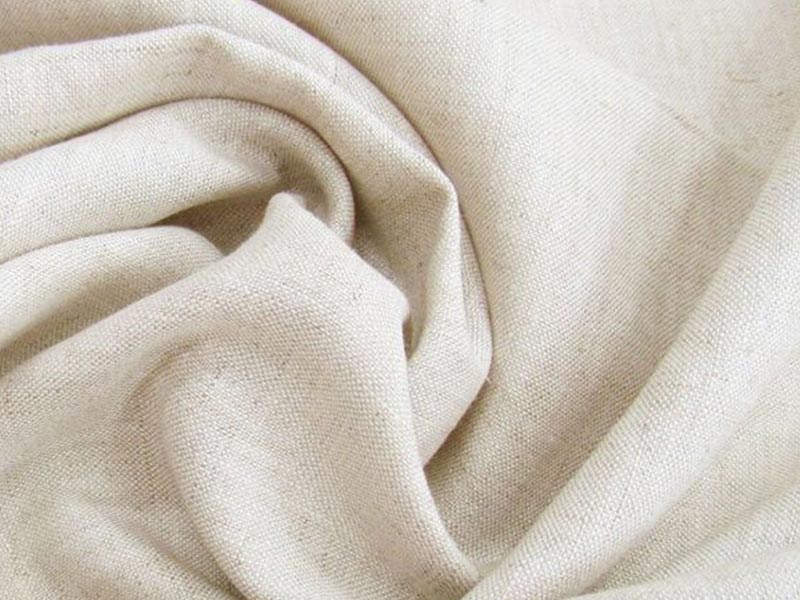
Linen Blend
- Fiber content and handfeel.
- Wrinkle behavior.
- Cutting and seam stability.
- Steam and packing plan.

Zippers
- Smooth pull and strength.
- Color and tape match.
- Placement accuracy.
- Seam and lining finish.
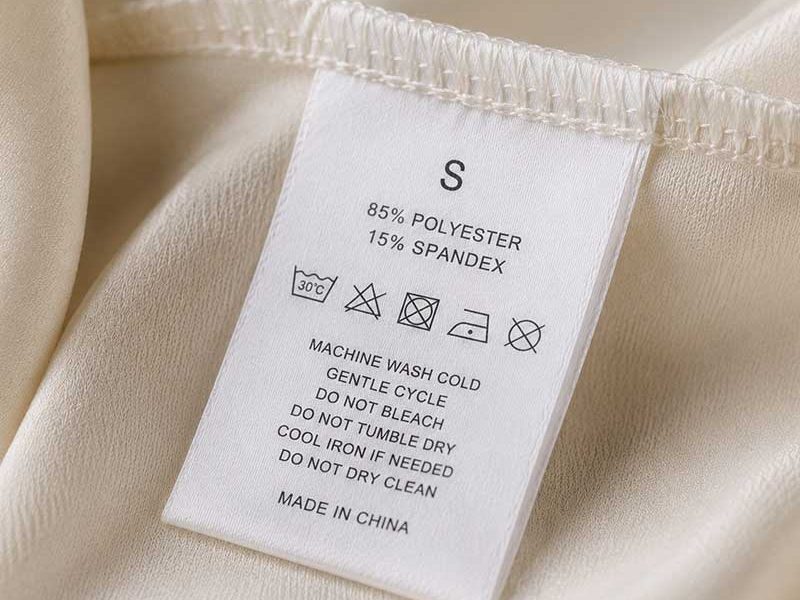
Labels and Trims
- Artwork and content approval.
- Placement and sewing method.
- Color-size-SKU matching.
- Packing instruction consistency.
Turn Collection Ideas Into Production Files
A collection can begin from polished tech packs or simple visual references. Jinfeng helps brands move from concept to production-ready development by reviewing style structure, fabric direction, pattern risk, and bulk feasibility before formal sampling.
Line Sheet Review for Multi-Style Planning
A line sheet gives the first manufacturing view of a collection. It shows style names, product categories, colors, target quantities, size range, launch timing, and sometimes fabric direction. Jinfeng reviews line sheets to identify how the collection should be grouped for development.
Review focus includes:
- Style count: number of dresses, sets, jumpsuits, tops, and skirts.
- Color plan: colors per style and MOQ impact per style/color.
- Size range: standard range, extended sizing, or market-specific measurements.
- Launch timing: photo sample, sales sample, and bulk delivery priorities.
- Style complexity: simple, medium, and complex constructions.
- Fabric grouping: shared fabrics can reduce sourcing confusion and help range consistency.
A clear line sheet helps the development team estimate sampling workload and recommend which styles should move first.
Reference Image and Sample Garment Interpretation
Many fashion brands send reference images or original sample garments rather than complete tech packs.
Jinfeng can review visual references, but the team does not treat images as final production instructions. Images need translation into pattern, fabric, seam, lining, closure, trims, and measurement decisions.
Interpretation includes:
- Silhouette: bodycon, corset, A-line, slip, wrap, halter, strapless, or jumpsuit.
- Fabric behavior: stretch, shine, drape, weight, transparency, and recovery.
- Structure: zipper, boning, lining, bust support, elastic, slit, pleats, or ruffles.
- Measurement: bust, waist, hip, length, inseam, shoulder, strap, and neckline.
- Finish: hem, seam, edge, pressing, and label placement.
Jinfeng may recommend sample-first development when the reference has unclear structure or fabric behavior.
From Design Notes to Manufacturing Actions
Collection development works better when design comments become factory actions.
A comment such as “make the waist cleaner” needs pattern correction, seam review, measurement adjustment, and sample photo notes.
A comment like “more premium satin” needs fabric weight, shine level, handfeel, and color review.
Jinfeng converts design notes into:
- Pattern adjustments.
- Fabric sourcing direction.
- Trim and label requirements.
- Sample revision comments.
- Measurement updates.
- PP sample approval notes.
- Bulk production checkpoints.
Clear translation reduces repeated sampling risk and helps the collection move from design intention to garments ready for production.
Send Better Files for Faster Review
Jinfeng can review a collection more accurately when essential files are provided at the start. Clear files help confirm style feasibility, fabric direction, MOQ fit, sample path, and cost factors.
| File or Information | What It Helps Jinfeng Review | Recommended Detail |
|---|---|---|
| Line Sheet | Style count, collection structure, launch priority, and color plan | Style name, category, color, quantity, and delivery target |
| Tech Pack | Construction, measurements, trims, sewing details, and packing notes | PDF, Excel, AI, or brand template files |
| Reference Images | Visual direction, silhouette, fabric look, and finish expectation | Front, back, detail, and on-body reference images |
| Original Sample | Fit, construction, sewing method, fabric behavior, and size reference | Physical sample when exact fit or construction matters |
| Target Quantity | MOQ, production allocation, costing, and delivery feasibility | Quantity by style, color, and size range |
| Fabric Preference | Handfeel, weight, drape, stretch, transparency, and sourcing path | Swatch, composition, GSM, or reference garment when available |
| Size Range | Pattern work, grading, measurement tolerance, and carton planning | Size chart, fit model notes, or market standard |
| Label / Packing | Private-label cost, packing workflow, and warehouse accuracy | Label artwork, barcode file, SKU list, and carton mark guide |
| Launch Date | Sample priority, bulk schedule, and shipment method | Photo date, PO date, ship date, or warehouse deadline |
Sampling Control for 10–30 Style Collections
Multi-style sampling becomes difficult when every style moves without priority, grouping, or revision records. Jinfeng organizes collection sampling by fabric group, style complexity, launch timing, and approval status.
Group Samples by Fabric, Structure and Priority
A 20-style women’s collection may include satin dresses, mesh bodycon styles, lace pieces, jumpsuits, matching sets, and skirts. Sampling every style in one unorganized batch can create delays and unclear feedback. Jinfeng reviews the range and groups styles before development begins.
Grouping logic can include:
- Fabric group: satin, mesh, lace, chiffon, jersey, sequin, crepe, or knit.
- Structure group: simple dresses, corset styles, jumpsuits, lined dresses, pleated skirts, or sets.
- Priority group: hero SKU, photo sample, sales sample, complex style, or support style.
- Trim group: shared zipper, elastic, label, hardware, lace, or lining.
- Deadline group: launch-first styles, warehouse-first styles, or repeat-order styles.
For key collection programs, Jinfeng may recommend developing hero styles first, then using approved fabric and fit direction to speed up related styles.
Manage Sample Versions With Clear Records
Sample confusion often comes from unclear version control. A first sample may need fabric correction.
A second sample may fix fit but still need trim adjustment. A photo sample may need better finishing.
A PP sample must represent bulk production standard. Jinfeng keeps sample comments and approval records connected to each style.
Sample records can include:
- First sample notes.
- Fit sample comments.
- Revised sample changes.
- Photo-ready sample status.
- PP sample approval.
- Fabric and trim records.
- Measurement updates.
- Approval photos.
The goal is not only to make a sample. The goal is to create a reliable standard for bulk production.
Prepare Bulk Production From Approved Samples
Bulk production should not start only because a sample looks good.
The approved sample needs matching pattern file, measurement chart, fabric record, trim record, label requirement, workmanship notes, and packing instruction. Jinfeng reviews these details before production arrangement.
Before bulk, Jinfeng checks:
- Approved sample and revised comments.
- Pattern and measurement file.
- Fabric lot or supplier reference.
- Trims and accessories.
- Label and packaging instruction.
- QC focus points.
- Quantity by color and size.
- Delivery and shipment plan.
A sample becomes valuable only when it can guide repeatable production.
Fit Control for Women’s Fashion Collections
Women’s fashion manufacturing depends on body proportion, fabric behavior, and construction details. Jinfeng’s pattern and sample teams review fit risk before bulk production, especially for fitted dresses, corset styles, jumpsuits, mini dresses, and stretch fabrics.

Body Proportion Review Before Sampling
A garment can match a reference image and still fail on body. Jinfeng reviews body proportion before sample making because bust, waist, hip, shoulder, strap, length, and movement affect wearability and final appearance.
Key fit areas include:
- Bust: cup shape, neckline coverage, dart placement, support, and gaping risk.
- Waist: waistline height, shaping seam, corset tension, and size comfort.
- Hip: ease, stretch, skirt shape, and sitting comfort.
- Length: mini, midi, and maxi proportions by market requirement.
- Shoulder and strap: slipping, digging, twisting, and balance.
- Jumpsuit rise: torso length, crotch depth, waist position, and movement.
Collection programs often include several silhouettes, so fit standards need to be recorded by style instead of judged only by one sample.

Pattern Correction and Sample Revision
Pattern correction turns feedback into measurable garment changes.
Jinfeng can work from tech pack, reference image, original sample, or brand comments, then update pattern and sample notes through revisions.
The goal is to avoid subjective comments becoming repeated sample rounds.
Correction may involve:
- Adjusting bust curve, waist shape, or hip ease.
- Refining neckline, strap, sleeve, or armhole.
- Correcting skirt flare, slit height, or hem balance.
- Adjusting lining length and attachment.
- Revising zipper, boning, elastic, or seam placement.
- Improving movement comfort for fitted garments.
For complex styles, sample revision should be linked to measurement updates and clear approval photos before PP sample confirmation.

Size Grading and Bulk Measurement Records
One approved sample size is not enough for a collection.
Bulk production must consider how the garment changes across sizes.
Jinfeng reviews size grading for bodycon dresses, corset dresses, jumpsuits, midi dresses, mini dresses, and sets to reduce inconsistent fit in production.
Size control includes:
- Base size measurement confirmation.
- Grading rule review.
- Key measurement tolerance.
- Multi-size sample review when needed.
- Bulk measurement checking.
- QC record by style and size.
For brands selling in the United States, United Kingdom, Europe, Australia, and Canada, size expectations may differ. Jinfeng can review provided size charts and fit comments before production.
Sewing Details That Protect Collection Quality
Fashion collection quality is built through many small decisions: seam type, stitch density, lining method, zipper finish, pressing, reinforcement, hem control, and label placement. Jinfeng reviews workmanship details according to garment structure and fabric behavior.
Seam, Stitch and Reinforcement Review
Sewing quality must match garment function. A bodycon dress needs stretch-friendly seams. A chiffon maxi dress needs light seam handling. A corset dress needs stronger structure. A jumpsuit needs movement comfort and reinforcement at stress points.
Jinfeng reviews:
- Seam type: overlock, lockstitch, French seam, binding, or clean finish depending on fabric.
- Stitch density: balanced by fabric weight and stretch.
- Stress points: straps, zipper ends, waist seams, slit ends, crotch seam, and elastic areas.
- Lining attachment: clean inside finish, comfort, and garment shape.
- Hem method: rolled hem, blind hem, cover stitch, or folded hem based on fabric and look.
Workmanship notes from approved samples become production references for bulk sewing teams.
Zipper, Lining and Inner Structure Control
Many women’s fashion issues appear around zipper, lining, and internal structure. A zipper can wave on satin.
Lining can pull at the hem. Boning can twist. Elastic can feel too tight. Jinfeng checks these points during sample review and production preparation.
Control points include:
- Zipper smoothness, length, placement, and color match.
- Lining length, attachment, comfort, and transparency coverage.
- Boning position, top edge support, and inner seam comfort.
- Elastic tension and recovery.
- Hook, eye, button, or small closure alignment.
- Inner finishing for garments with skin contact.
For fitted dresses and occasionwear, inner construction affects both appearance and wearability.
Pressing, Finishing and Final Appearance
Finishing quality affects how garments look when unpacked, photographed, or placed in warehouse receiving. Jinfeng reviews pressing, seam flattening, loose thread trimming, garment shape, and fold method before packing. Different fabrics require different finishing standards.
Finishing focus includes:
- Satin: controlled heat and smooth seam presentation.
- Mesh: shape protection without over-pressing.
- Chiffon: light handling and careful hem appearance.
- Sequin: surface protection during packing.
- Crepe: clean pressing without shine marks.
- Linen blend: acceptable natural texture with neat fold.
A strong garment should leave the factory with both construction quality and presentable finishing.
Fabric-Specific Craft Decisions
A single sewing method cannot serve every collection. Satin, mesh, lace, sequin, chiffon, and jersey each require different cutting, stitching, pressing, lining, and packing decisions. Jinfeng reviews craft methods before bulk production.
Delicate and Surface Fabrics
Delicate fabrics create high visual value but can also increase production risk. Satin may show needle marks and seam puckering. Chiffon may shift during cutting. Lace may require motif planning. Sequin may need surface protection. Mesh may stretch or distort.
Jinfeng control methods include:
- Satin: cut direction control, seam smoothness review, and careful pressing.
- Chiffon: stabilized cutting, light seam handling, and hem accuracy.
- Lace: motif alignment, lining color review, and edge finish planning.
- Sequin: seam allowance clearing, lining comfort, and packing protection.
- Mesh: stretch control, lining coverage, and panel placement.
These fabric-specific methods are discussed before sample approval so production teams can follow clear standards.
Stretch and Fit-Driven Fabrics
Stretch fabrics are common in bodycon dresses, clubwear, fitted sets, and jersey styles.
Stretch gives comfort but creates measurement and recovery challenges.
Jinfeng reviews fabric stretch by direction, recovery after pull, seam tension, and size grading before production.
Review points include:
- Fabric stretch direction and recovery behavior.
- Body measurement relationship with stretch.
- Seam tension and overlock setting.
- Lining or power mesh decisions.
- Size grading for fitted silhouettes.
- Bulk measurement checkpoints.
Stretch fabrics require both pattern knowledge and sewing control. A garment can look correct flat but fail on body if recovery and ease are not managed.
Structured and Lined Garments
Corset dresses, evening dresses, occasionwear, and jumpsuits often need inner structure.
These styles can include lining, boning, cups, zippers, waist seams, facings, and reinforcement.
Jinfeng reviews structure during sampling because bulk correction becomes costly after cutting.
Control points include:
- Inner lining and outer shell balance.
- Boning position and comfort.
- Cup, bust seam, or neckline shaping.
- Zipper and waist seam alignment.
- Movement comfort in jumpsuits.
- PP sample standard before production.
Structured garments should move into bulk only after sample comments are converted into confirmed pattern and workmanship records.
Samples for Photos, Sales and Bulk Approval
Photo-Ready Samples
Photo-ready samples support website images, campaign shoots, lookbooks, and social content. These samples need better finishing than rough development samples, but still may not represent final bulk standard unless fabric, trims, measurement, and workmanship have been approved.
- Correct visual proportion.
- Clean finishing for photography.
- Approved fabric direction where possible.
- Clear notes when not equal to PP sample.
Salesman Samples
- Representative fit and appearance.
- Correct label or sample tag when required.
- Style reference for sales discussion.
- Clear sample version record.
PP Samples
PP samples are the production reference before bulk manufacturing. Jinfeng reviews approved fabric, trims, pattern, measurement, stitching, label placement, and packing comments before treating a PP sample as bulk standard.
- Approved pattern and measurement chart.
- Bulk fabric or confirmed fabric reference.
- Final workmanship standard.
- Label and packing confirmation.
Production Planning for Multi-Style Orders
Collection bulk production requires factory matching, material readiness, approval records, and QC planning. Jinfeng uses owned factories and long-term production partners to support custom womenswear programs with organized production flow.
Match Styles With Suitable Production Units
Different garments need different production strengths. A satin occasion dress, a jersey bodycon dress, a lace midi dress, and a fashion jumpsuit should not always be placed in the same production unit. Jinfeng reviews style complexity, fabric type, quantity, delivery target, and QC risk before production allocation.
Allocation factors include:
- Garment type: dresses, sets, jumpsuits, skirts, or tops.
- Fabric behavior: satin, mesh, lace, chiffon, jersey, sequin, knit, or crepe.
- Construction difficulty: lining, boning, zipper, pleats, ruched seams, or cut-outs.
- Quantity: style-level and color-level production volume.
- Delivery plan: single shipment, batch delivery, or launch priority.
Production planning begins after sample approval, not after fabric arrives randomly.
Prepare Materials Before Bulk Cutting
Bulk production depends on materials arriving correctly and being checked before cutting.
Jinfeng reviews fabric, lining, zipper, elastic, lace, trims, labels, hangtags, polybags, and carton requirements before the cutting stage.
Material preparation includes:
- Fabric lot and color confirmation.
- Lining and trims matching.
- Label and hangtag approval.
- Quantity by style, color, and size.
- Shrinkage or fabric behavior concerns.
- Packing material readiness.
Clear material preparation helps prevent production stops, color mismatch, trim shortage, and packing delays.
Control Bulk Progress by Style Record
Multi-style orders need progress tracking by style rather than one general update.
Jinfeng can organize updates around material status, cutting progress, sewing progress, inline check, finishing, packing, and shipment preparation.
Progress records may include:
- Style name and PO reference.
- Fabric and trim status.
- Cutting status.
- Sewing status.
- QC findings.
- Packing progress.
- Carton data.
- Shipment readiness.
Style-level production visibility helps brands manage launch schedules and warehouse planning.
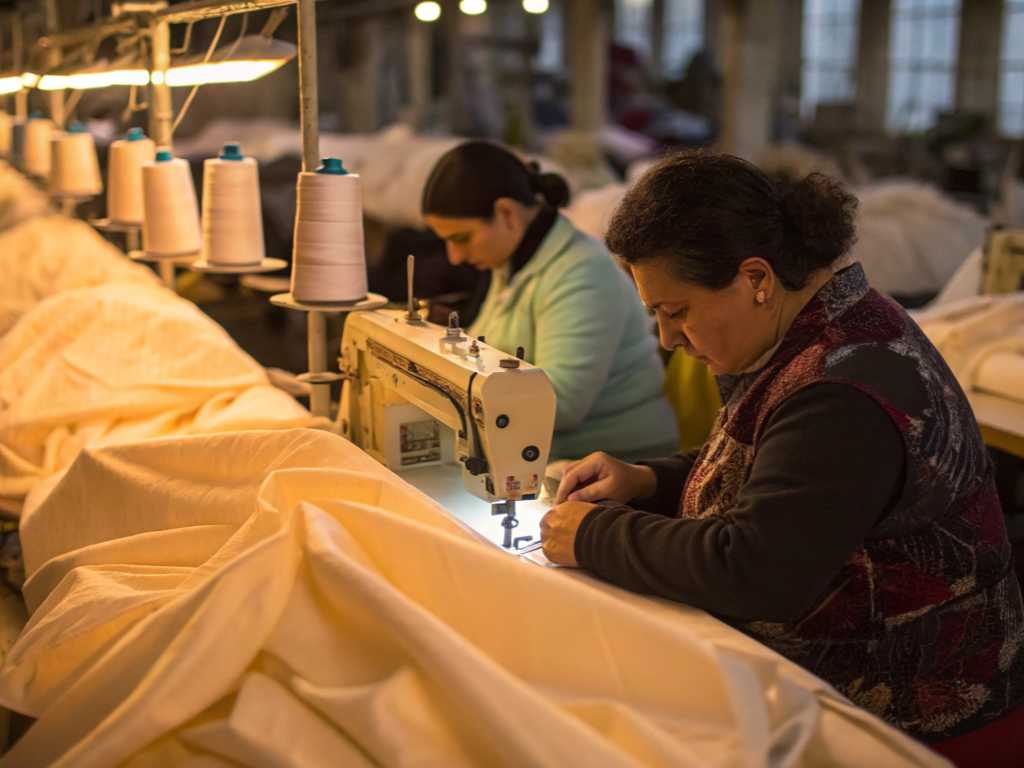
Project Management From Sample to Shipment
A fashion collection can fail through weak communication even when sewing quality is acceptable. Jinfeng manages collection programs through project launch notes, timeline planning, sample records, material tracking, production updates, QC feedback, and packing confirmation.
Timeline Planning and Priority Control
Collection programs need a calendar connecting sample review, material sourcing, PP approval, bulk production, packing, and shipment. Jinfeng reviews the launch schedule before confirming a development plan, especially when a brand needs photo samples and bulk shipment for a seasonal drop.
Timeline planning includes:
- File review date.
- Fabric sourcing and sample material timing.
- First sample schedule.
- Revision and fit comment window.
- PP sample approval.
- Bulk production start.
- Inline and final QC.
- Packing and shipment preparation.
For large programs, key styles should move earlier so campaign and sales timing are protected.
Material and Approval Tracking
Materials and approvals can become complex when several styles use different fabrics, trims, labels, and packing methods.
Jinfeng tracks material readiness and approval status so production does not move forward with missing details.
Tracking areas include:
- Main fabric and lining.
- Zippers, elastic, lace, buttons, and trims.
- Label artwork and care label content.
- Hangtag, barcode, and polybag instruction.
- Sample comments and PP approval.
- Color-size quantity breakdown.
Clear approval tracking helps reduce mismatched materials, incorrect labels, and sample-to-bulk inconsistency.
Production Updates and Issue Feedback
Brands managing a collection need updates they can use, not vague messages.
Jinfeng can communicate progress by style group, material status, cutting, sewing, QC, packing, and shipment readiness.
Useful updates include:
- Style-level progress.
- Material delays or replacement needs.
- QC findings and correction actions.
- Packing confirmation status.
- Carton and shipment data.
- Photos when needed for confirmation.
Project communication is part of manufacturing quality because it protects decisions before goods are packed.
QC Built Around Multi-Style Production
Fabric Inspection
- Color and lot review.
- Surface defects.
- Stretch or shrinkage concerns.
- Handfeel and transparency.
Cutting Check
- Pattern placement.
- Grain direction.
- Style-color-size breakdown.
- Special fabric handling.
Inline Sewing Check
- Seam and stitch quality.
- Zipper and closure.
- Lining and internal finish.
- Stress point reinforcement.
Measurement Review
- Bust, waist, and hip.
- Length and strap.
- Inseam for jumpsuits.
- Size grading consistency.
Final Garment Check
- Appearance and finishing.
- Label placement.
- Defect review.
- Style-level inspection notes.
Packing Inspection
- Barcode and SKU match.
- Carton mark accuracy.
- Polybag and label confirmation.
- Packing list consistency.
Retail-Ready Packing for Fashion Collections
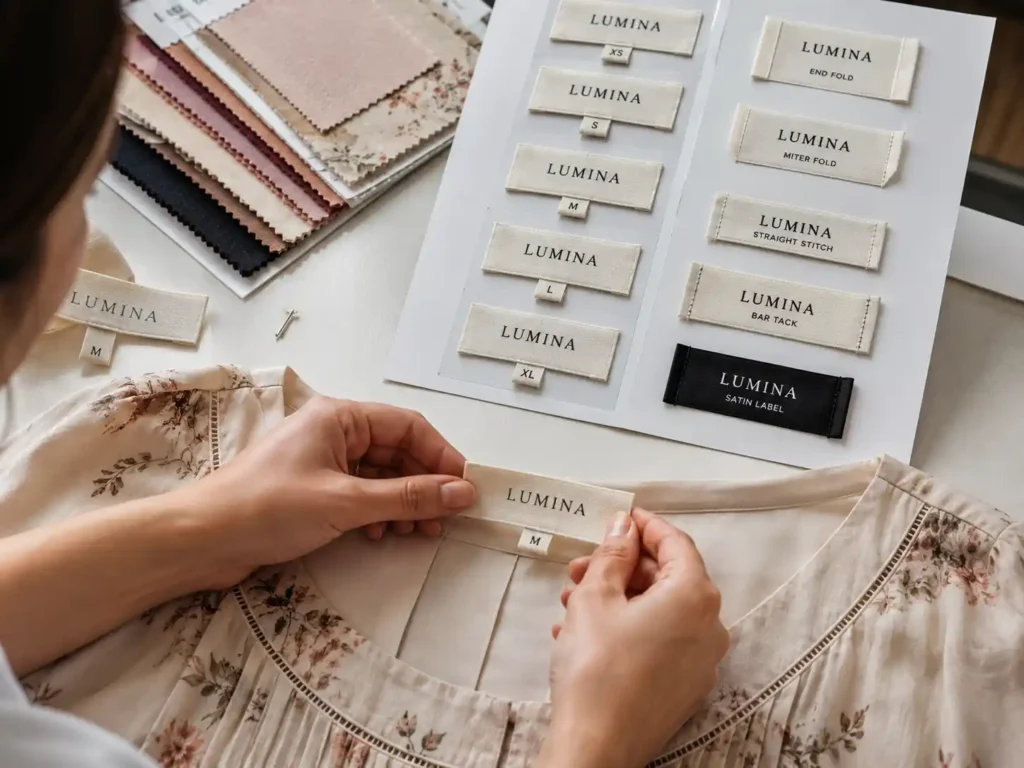
Main Labels
- Artwork and size confirmed.
- Placement checked by garment type.
- Sewing method matched to fabric.

Care Labels
- Fiber content and care wording reviewed.
- Placement checked before sewing.
- File version controlled before bulk.

Hang Tags
- Artwork and string type confirmed.
- Placement checked for each product type.
- Surface-sensitive fabrics protected.

Size Stickers
- Size data matched with garment.
- Sticker placement confirmed.
- Carton records checked.

Barcode Labels
- Barcode files checked against SKU table.
- Scan and packing accuracy reviewed.
- Labels matched with carton records.

Polybags
- Polybag size matched to folded garment.
- Warning text used when provided.
- Individual packing rules followed.
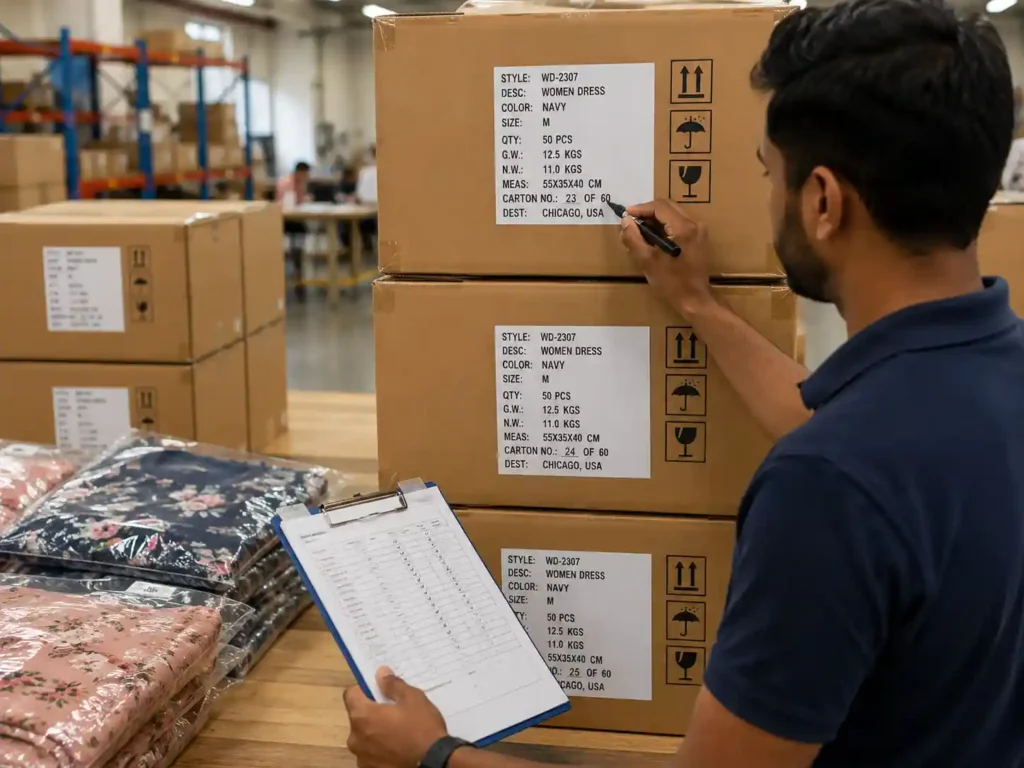
Carton Marks
- Carton mark template reviewed.
- Style-color-size breakdown checked.
- Destination data confirmed before release.

Packing Ratio
- Color and size ratio checked.
- Mixed cartons controlled by packing list.
- Final carton quantity confirmed.

Export Documents
- Packing list prepared by carton.
- Commercial invoice aligned with order data.
- Forwarder coordination supported when required.
Plan Quantity and Cost Before Production
Collection costing depends on style count, fabric choice, color split, size range, trims, sample needs, packing method, and delivery schedule. Jinfeng reviews quantity by style/color before giving a more useful quotation path.
| Cost or MOQ Factor | Collection Impact | Jinfeng Review Focus |
|---|---|---|
| MOQ Per Style/Color | Standard MOQ starts from 200 pcs per style/color | Quantity reviewed by each style and each color |
| Fabric Availability | Stock fabric can support faster review; custom fabric may require higher quantity | Fabric source, color, composition, handfeel, and supplier MOQ |
| Style Complexity | Corset, jumpsuit, sequin, lace, and lined styles may need more sample review | Pattern difficulty, sewing time, trims, and QC focus |
| Color Split | Too many colors can weaken quantity per color | Color plan, fabric dye lot, and bulk cutting efficiency |
| Size Range | Wider size range affects grading, measurement checks, and carton planning | Base size, size chart, grading, and size ratio |
| Trim Customization | Custom zippers, labels, lace, or hardware can affect lead time | Artwork, mold needs, supplier timing, and minimums |
| Packing Requirement | Private-label packing adds material and labor steps | Labels, hangtags, barcodes, polybags, carton marks, and packing ratio |
| Delivery Method | Express, air, sea, or split shipment affects cost and schedule | Launch deadline, carton data, freight method, and documents |
Shipment Support for Collection Launches

Express Samples
- Fit samples, revised samples, and PP samples.
- Tracking information after dispatch.
- Sample packing aligned with garment type.

Air Shipment
- Priority launch styles.
- Time-sensitive ecommerce or retail delivery.
- Carton and packing data prepared before cargo release.

Sea Shipment
- Regular bulk shipment route.
- Carton data prepared by style, color, and size.
- Packing list and invoice coordination.
Protect Unreleased Collection Details
Tech Pack Protection
- Tech packs.
- Measurement charts.
- Pattern notes.
- Trim specifications.
- Sample comments.
Unreleased Design Protection
- Line sheets.
- Reference images.
- Original samples.
- Unreleased colorways.
- Launch schedule notes.
Private Label Privacy
- Main label artwork.
- Hangtags.
- Barcode files.
- Packing guide.
- Carton mark templates.
Choose the Right Manufacturing Model
Fashion collection programs can be handled by different supplier types. The best choice depends on style complexity, required communication, target cost, private-label needs, production scale, and long-term repeat potential.
Local Development Studio
Local studios can help with in-person sampling, fitting sessions, and early concept development.
They may suit premium sample work or urgent local coordination. For larger collection orders, cost, production capacity, and fabric sourcing depth often need careful review before scaling.
Best for:
- Early-stage technical fitting.
- Local photo sample development.
- Small-batch refinement.
- Premium domestic coordination.
Sourcing Platform
Sourcing platforms offer access to many factories and multiple country options.
They can help brands compare suppliers quickly.
Final performance still depends on the actual production unit, QC system, pattern capability, and communication records.
Best for:
- Supplier discovery.
- Multi-country options.
- Early comparison.
- Broad category sourcing.
Price-Driven Factory
Price-driven factories may offer attractive unit costs on simple garments.
For women’s fashion collections involving satin, mesh, lace, sequin, corset structure, private labels, and multi-style coordination, weak development control can create sample delays and bulk inconsistencies.
Best for:
- Simple garment structures.
- Limited design changes.
- Basic sewing programs.
- Price-focused commodity items.
Jinfeng Apparel
Jinfeng fits women’s fashion brands needing collection development, pattern review, fabric sourcing, multi-style sampling, bulk production, QC, private-label packing, and export delivery. The model works best when brands provide clear style direction, quantity plan, and production expectations.
Best for:
- Dresses, sets, jumpsuits, and skirts.
- 10–30 style collection programs.
- 20,000–80,000 pcs seasonal orders.
- Private-label and repeat-order planning.
Collection Programs Jinfeng Can Support

US Private Label Dress Collection
A US private-label fashion brand planned an 18-style women’s dress collection for online launch and retail partner review. The range included satin mini dresses, mesh bodycon dresses, jersey midi dresses, lace occasion dresses, and crepe styles. The total order reached about 32,000 pcs across multiple colors and sizes.
- 18 styles / 32,000 pcs / 5 fabric groups — project data: satin mini dresses, mesh bodycon dresses, jersey midi dresses, lace occasion dresses, and crepe styles; technical difficulty: each fabric group required different sewing, lining, pressing, and packing control; solution: Jinfeng grouped styles by fabric family before sampling and bulk allocation.
- 6 hero styles / photo-ready sample priority — project data: 6 styles were prioritized for online launch imagery; technical difficulty: photo samples had to look polished while bulk standards were still being confirmed; solution: Jinfeng separated photo-ready sample comments from PP sample approval notes.
- 5 private-label packing items — project data: main labels, care labels, hangtags, barcode stickers, and SKU polybags were required; technical difficulty: similar colors and sizes created packing risk; solution: barcode, SKU, polybag, and carton mark records were checked before packing.
- 2 warehouse intake windows — project data: delivery had to align with two receiving periods; technical difficulty: campaign styles and support styles could not ship in one unmanaged batch; solution: Jinfeng separated shipment planning by priority styles and remaining collection units.

European Resortwear Capsule Collection
A European resortwear brand needed a 15-style summer collection using printed rayon, chiffon, linen blends, and lightweight crepe.
The order volume was about 24,500 pcs. The range included printed maxi dresses, wrap dresses, halter dresses, matching sets, soft skirts, and relaxed tops.
- 15 styles / 24,500 pcs / 4 fabric groups — project data: printed rayon, chiffon, linen blends, and lightweight crepe were used; technical difficulty: light fabrics carried shrinkage, transparency, print direction, and wrinkle risk; solution: Jinfeng reviewed fabric behavior and grouped sampling by material family.
- 4 long-garment controls — project data: printed maxi dresses and long wrap styles needed length balance, lining length, hem sweep, and fold method review; technical difficulty: long garments can distort after steaming and packing; solution: Jinfeng checked long-length samples after pressing and prepared packing notes.
- 2 freight routes — project data: priority samples shipped by air while bulk goods used sea freight; technical difficulty: launch timing and bulk cost needed balance; solution: Jinfeng coordinated air shipment for samples and prepared carton data for bulk sea shipment.
- 1 repeat color story planned — project data: selected silhouettes were prepared for later color updates; technical difficulty: new prints could shift fabric handfeel and color behavior; solution: approved pattern, fabric notes, and packing records were retained for future review.

Australian Partywear and Occasionwear Program
An Australian women’s fashion brand developed a 22-style partywear and occasionwear program for peak event season. The collection included satin mini dresses, corset midi dresses, sequin pieces, mesh bodycon styles, jumpsuits, and matching sets. The order quantity reached about 58,000 pcs across several colorways.
- 22 styles / 58,000 pcs / 4 production groups — project data: satin, corset, sequin, mesh, jumpsuit, and set styles were included; technical difficulty: structured, stretch, surface, and woven styles needed different production control; solution: Jinfeng separated styles into structured, stretch, sequin, and satin groups before bulk planning.
- 5 support and fit controls — project data: bust support, waist shaping, zipper strength, lining comfort, and top-edge stability required review; technical difficulty: corset and fitted styles could distort after grading; solution: Jinfeng confirmed PP sample standards for corset and satin hero styles before cutting.
- 4 surface and comfort risks — project data: sequin scratch points, satin seam smoothness, mesh lining coverage, and zipper finish were reviewed; technical difficulty: partywear defects are easy to see in photos and wear; solution: style-level QC focus was set for measurement, seams, surface quality, and inner comfort.
- Multi-color SKU packing / event-season launch — project data: several colorways and sizes required barcode, size sticker, polybag, and carton mark control; technical difficulty: packing mistakes could delay warehouse intake during peak season; solution: Jinfeng confirmed barcode, size sticker, polybag, and carton mark requirements before shipment.
Frequently Asked Questions

Start Your Fashion Collection Project
Jinfeng supports women’s fashion brands with collection development, sampling, bulk production, QC, private-label packing, and export delivery. Send your current line sheet, tech packs, reference images, sample notes, target quantity, and launch schedule. Kelly will review the project and help confirm sample direction, MOQ fit, fabric questions, production risk, and next development steps.
For faster review, please include:
- Collection type: seasonal, capsule, dress, partywear, resortwear, or private label.
- Style count and product categories.
- Quantity by style and color.
- Size range and size ratio.
- Fabric direction or swatches.
- Label, hangtag, barcode, and packing files.
- Photo sample, PP sample, and bulk delivery target.
- Destination country and shipment preference.


