
Fabric-Led Dress Collection Manufacturer
Turn selected fabrics, textile swatches, custom prints and material concepts into coordinated, production-ready dress collections.
- Collection programs commonly cover 10-30 styles, organized by fabric family, silhouette, construction risk and launch priority.
- MOQ starts from 200 pcs per style/color, while custom dyeing, printing, lace, sequins and exclusive trims may carry separate supplier minimums.
- Development support includes 2 sample rooms, 7+ senior pattern makers and 20+ sample machinists for multi-style sample planning.
- Complex fabric-led first samples commonly require 15-25 days after fabric, lining, trim and structure directions are confirmed.
Development Capacity for Fabric-First Dress Programs
Since 2008
6 Owned Factories
10+ Production Partners
2 Sample Rooms
7+ Pattern Makers
15+ QC Inspectors
What Fabric-Led Dress Development Really Means
A fabric-led collection starts with material behavior and builds product structure around it. The approach prevents designs from being forced onto unsuitable fabrics and gives the full range a more coherent visual and commercial identity.
The Fabric Sets the Design Boundaries
Fabric-led development begins by examining the physical and visual behavior of the selected material.
Drape influences whether a dress should fall close to the body or hold a sculpted shape. Stretch and recovery determine negative ease, seam construction and fit stability. Transparency changes lining, seam allowance, label position and coverage planning. Surface texture affects cutting direction, motif placement, pressing and packing.
A fluid satin may support bias-cut slips, cowl necks, draped midis and soft maxis, yet the same fabric can expose seam waviness, puckering and zipper distortion. A firm organza may create volume and architectural silhouettes, but it demands clean seam treatment and controlled pressing. Stretch mesh can support bodycon and ruched styles, although lining recovery, transparency and neckline growth must be tested before size grading.
Jinfeng Apparel reviews hand feel, weight, width, drape, stretch, recovery, transparency, shrinkage risk, color behavior, print direction, lining requirement, likely wastage and bulk availability before a fabric direction becomes a collection standard.
The Collection Converts Material Into Sellable SKUs
A fabric choice becomes commercially useful only when it can generate a balanced range. Product planning considers hero styles, volume styles, price architecture, skirt lengths, neckline variation, body coverage, occasion, size range and production repeatability. One fabric may support a mini, midi and maxi group, while another may need different constructions for fitted and relaxed silhouettes.
Fabric-led planning also improves purchasing efficiency. Shared fabric bases can support several styles, but each style still requires its own approved pattern, consumption, construction and MOQ assessment. A common color standard can unify a range, while separate linings or support materials preserve fit and coverage. Key campaign styles may enter sampling first, followed by lower-priority extensions once material direction is stable.
The result is not a row of unrelated dresses made from the same cloth. A strong collection has recognizable material language, differentiated silhouettes, controlled cost, clear production files and enough variety to support merchandising, campaign imagery, retail allocation and repeat orders.
Built for Structured Multi-Style Collection Programs
Collection Scale
MOQ Planning
Project Inputs
Development can begin from a fabric swatch, material specification, reference image, original sample, sketch, tech pack or line sheet. Better inputs include target quantity, size range, color plan, fabric preference, launch date and private-label requirements.
Launch Control
Hero SKUs, photo samples, PP approvals, bulk material dates, campaign deadlines and warehouse requirements should be prioritized early. Jinfeng prepares collection progress around confirmed information rather than promising one universal schedule before technical review.
Fabric Families Developed Into Coordinated Dress Collections
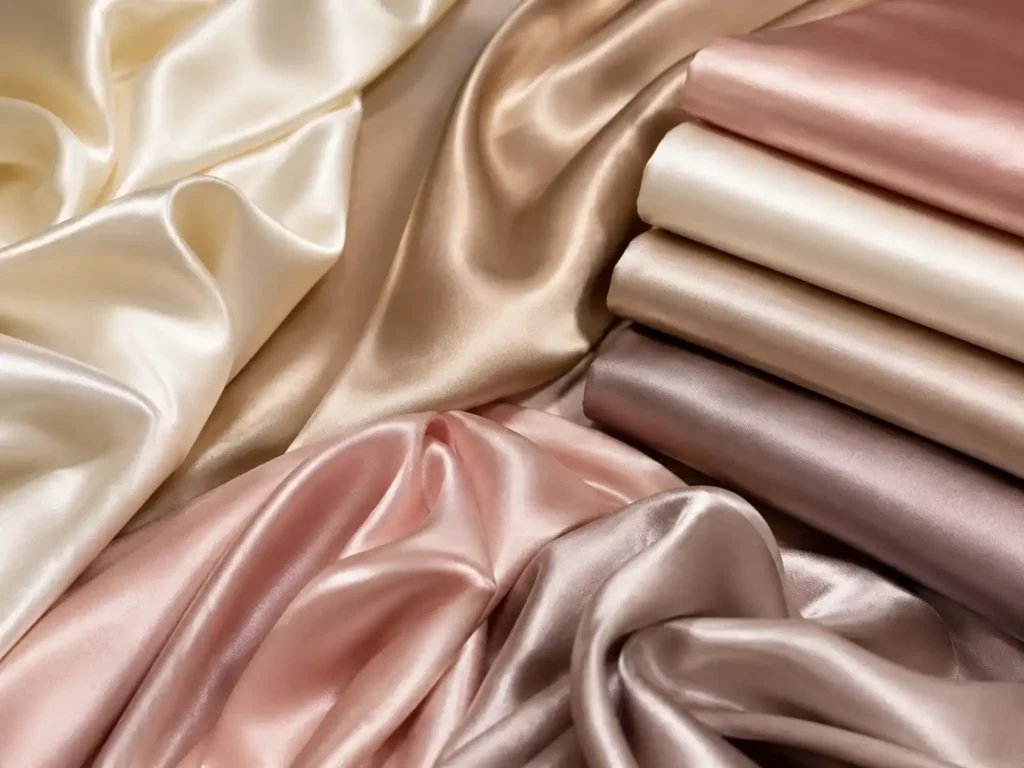
Satin & Stretch Satin
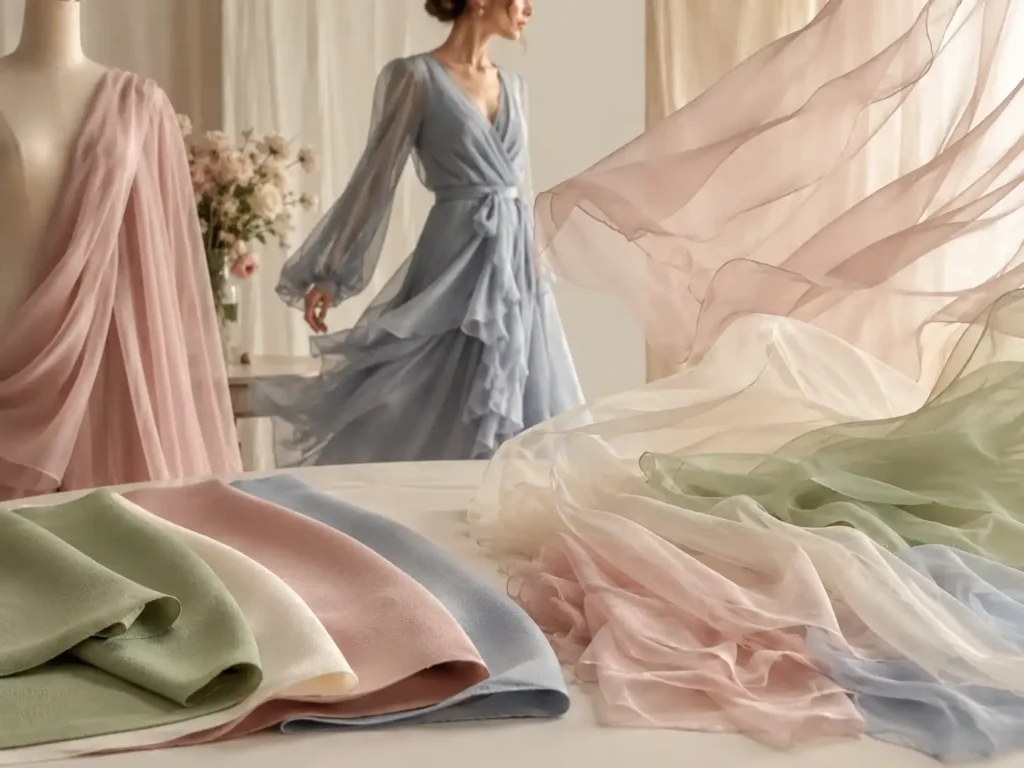
Chiffon & Crepe
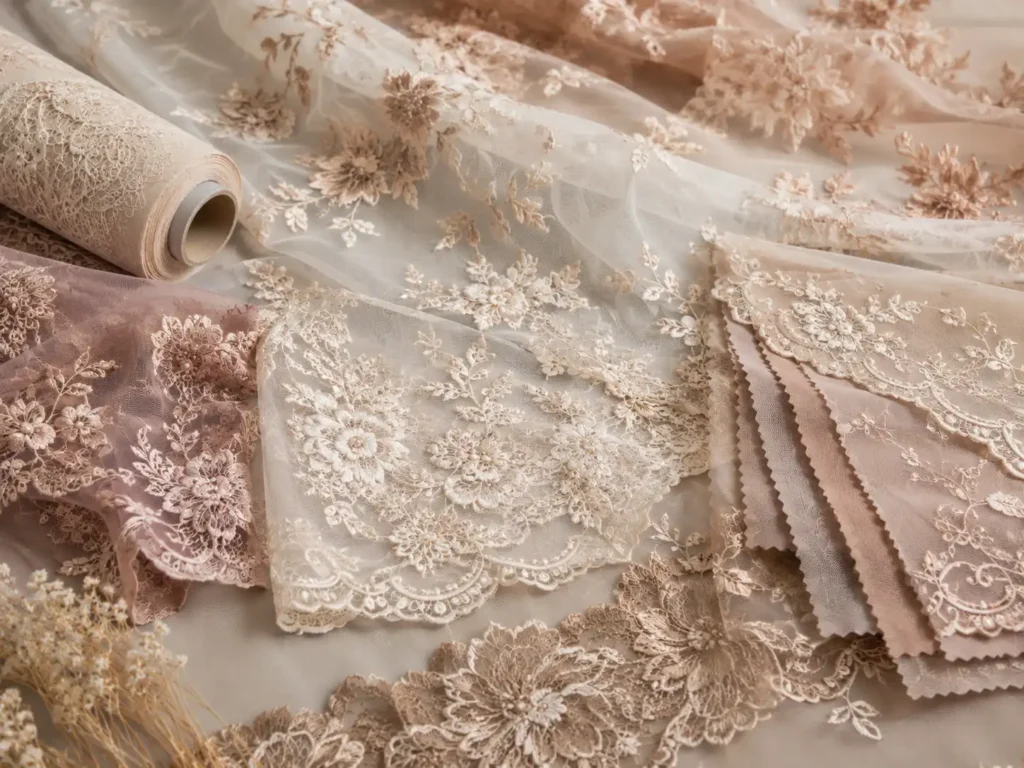
Lace & Embroidered Mesh
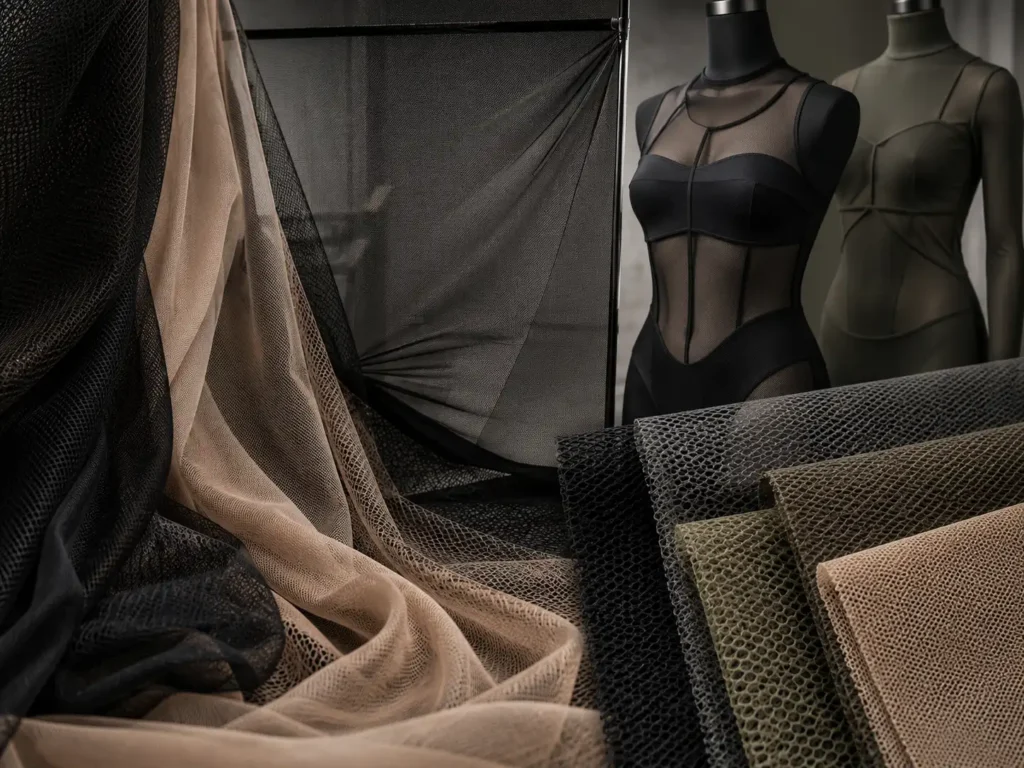
Mesh & Power Mesh
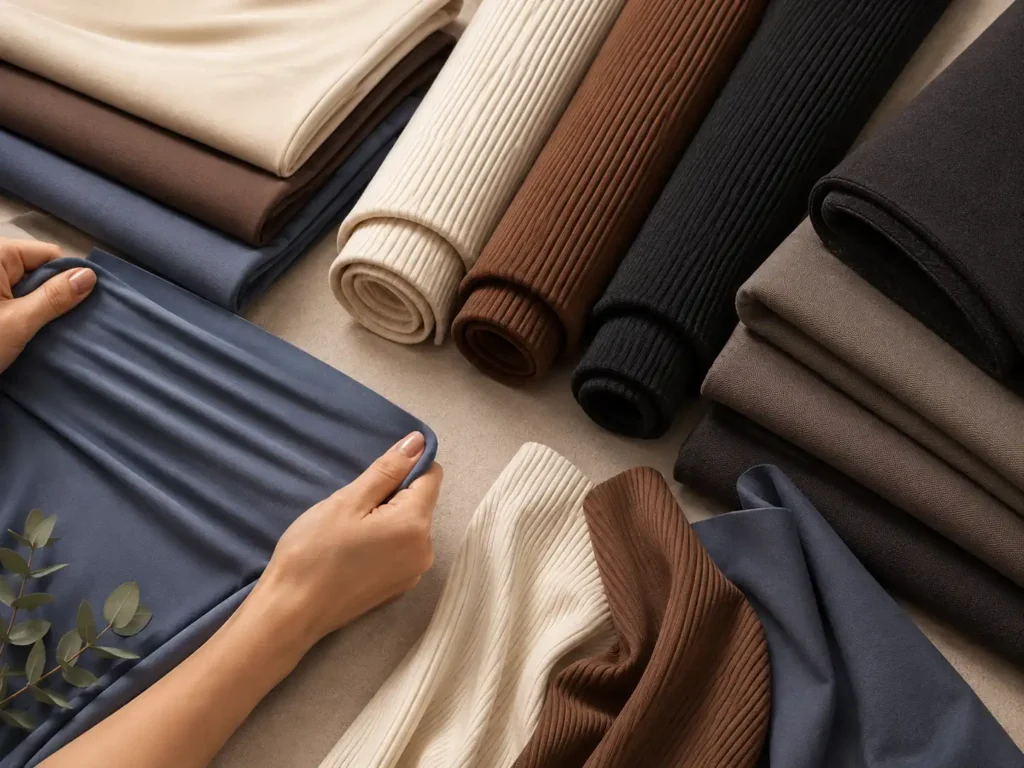
Jersey, Rib & Ponte
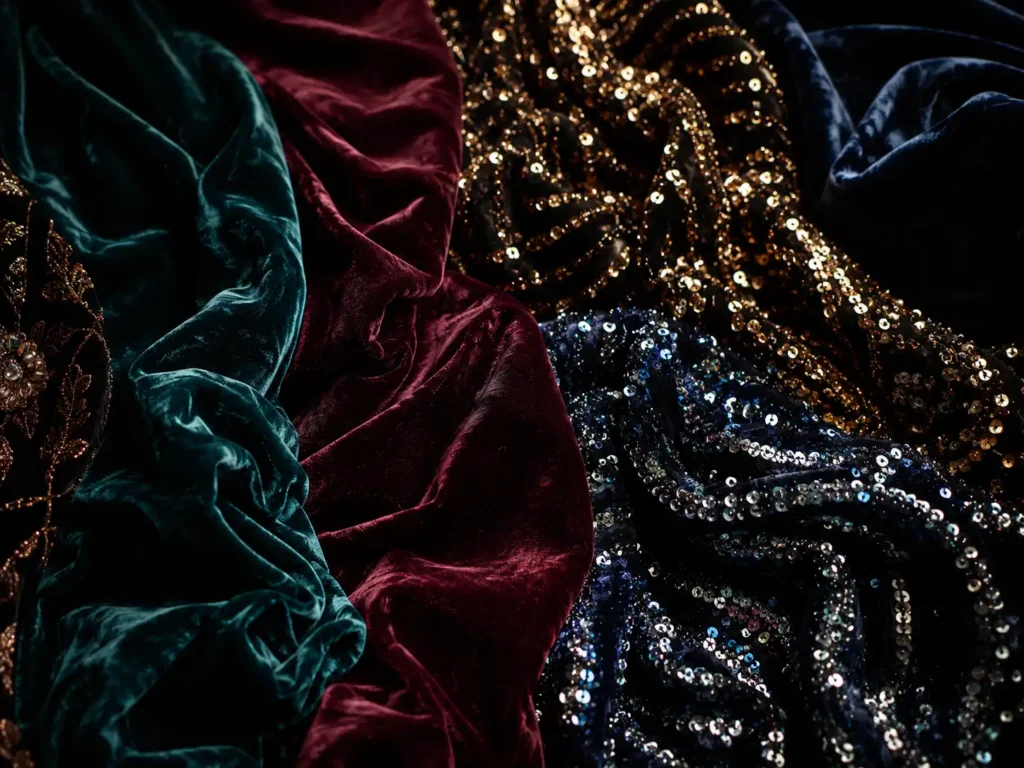
Velvet & Sequin Fabric

Organza & Tulle
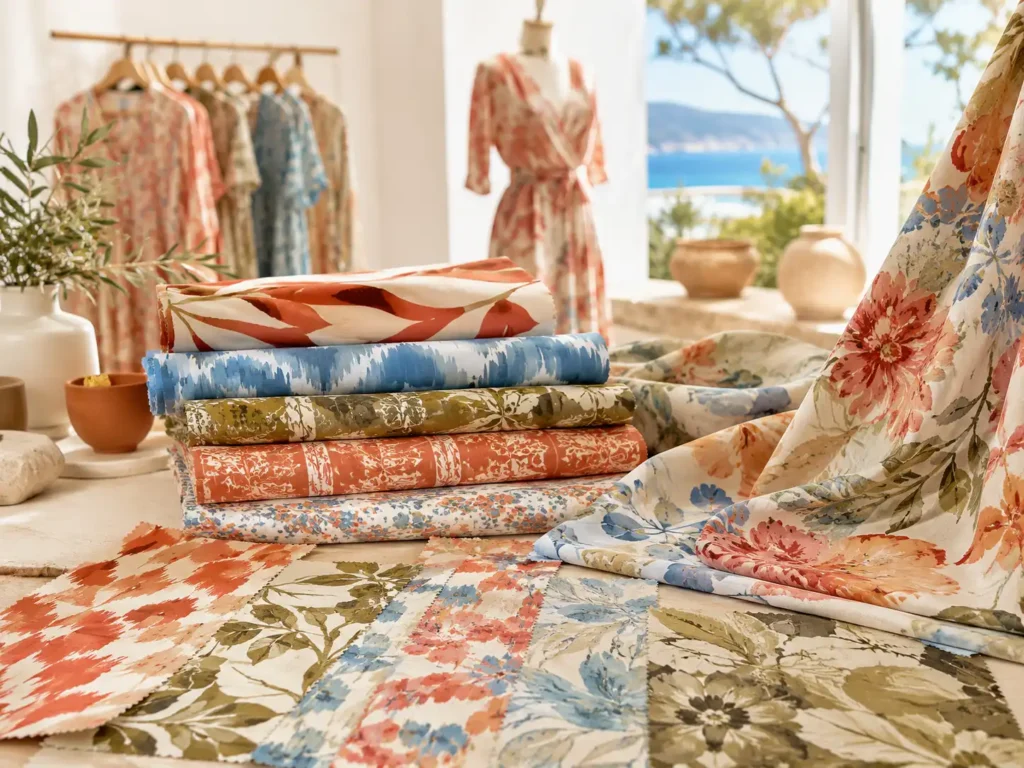
Printed Wovens & Blends
How Fabric Behavior Directs Dress Silhouettes
A reliable collection matrix connects material properties to suitable shapes, internal construction and bulk controls. The relationship helps prevent attractive sketches from becoming unstable or commercially difficult garments.
| Fabric Behavior | Suitable Dress Directions | Construction Focus | Bulk Control Points |
|---|---|---|---|
| Fluid, low structure | Slip, bias-cut, cowl, draped midi, soft maxi | Grain direction, stay stitching, lining balance, zipper stability | Puckering, seam growth, hem drop, shade and pressing marks |
| Soft sheer woven | Layered maxi, wrap, ruffle, blouson, gathered sleeve | Lining, narrow seams, rolled hem, gathering ratio | Transparency, seam slippage, print direction, static and snagging |
| High stretch and recovery | Bodycon, ruched mini, fitted midi, cut-out dress | Negative ease, elastic recovery, stabilized openings | Finished measurements, neckline growth, seam waving, recovery after wear |
| Firm structured woven | Corset, A-line, sculpted mini, volume skirt | Boning, interfacing, panel shape, seam support | Panel symmetry, support placement, pressing and shape retention |
| Open lace or mesh | Sheer-panel, overlay, partial-lined, occasion dress | Coverage map, motif placement, backing and clean internal finish | Holes, motif alignment, edge damage, lining exposure and color layering |
| Decorated or directional surface | Sequin, velvet, beaded or pile-direction dresses | Direction markers, protected seams, backing and hand finishing | Shade, direction, abrasion, missing decoration, packing pressure |
| Crisp transparent structure | Organza, tulle volume, tiered and statement silhouettes | Layer count, edge finish, gathering and internal support | Layer balance, seam visibility, heat sensitivity and carton compression |
| Printed light-to-medium woven | Resort mini, wrap midi, shirt dress, relaxed maxi | Print direction, shrinkage allowance, lining by color | Print repeat, skew, shade, shrinkage and reorder availability |
Dress Collection Architecture From One Material Direction
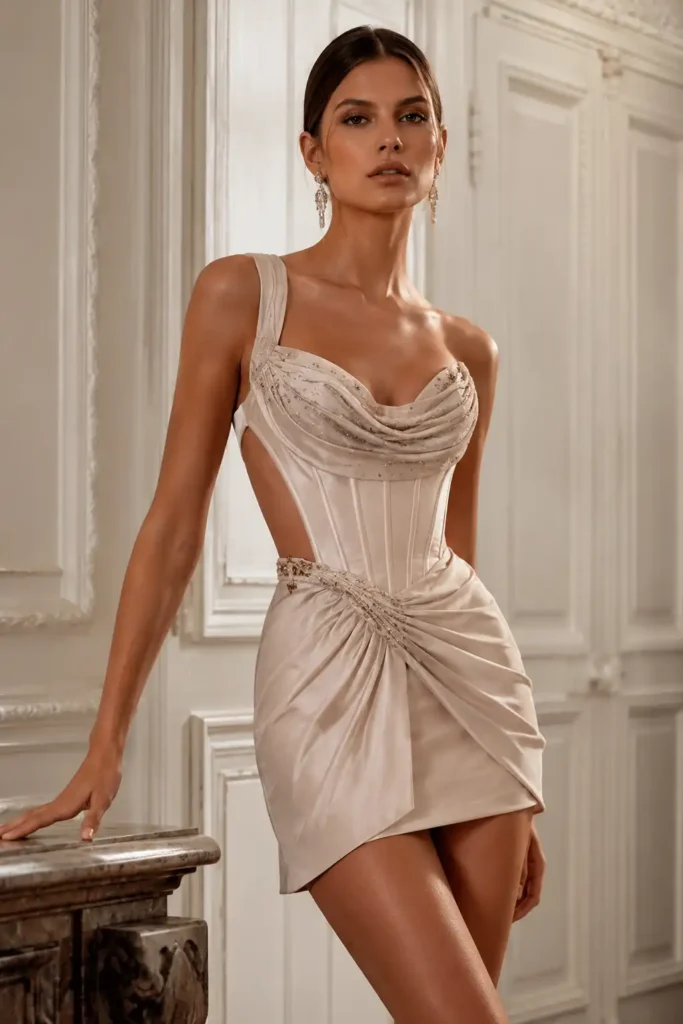
Hero Mini Dress
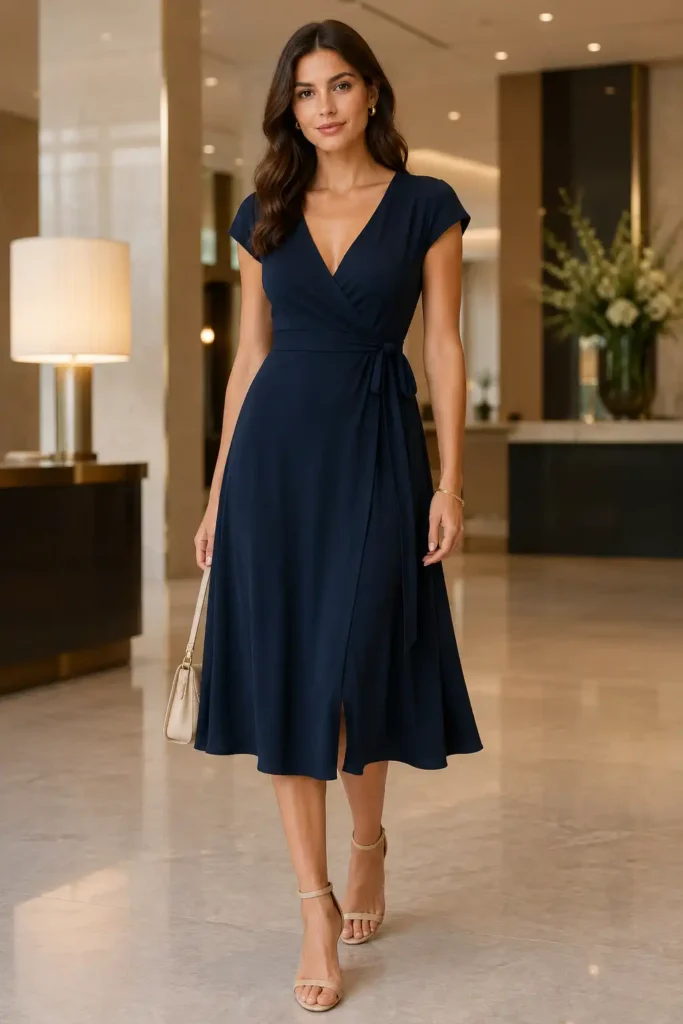
Commercial Midi
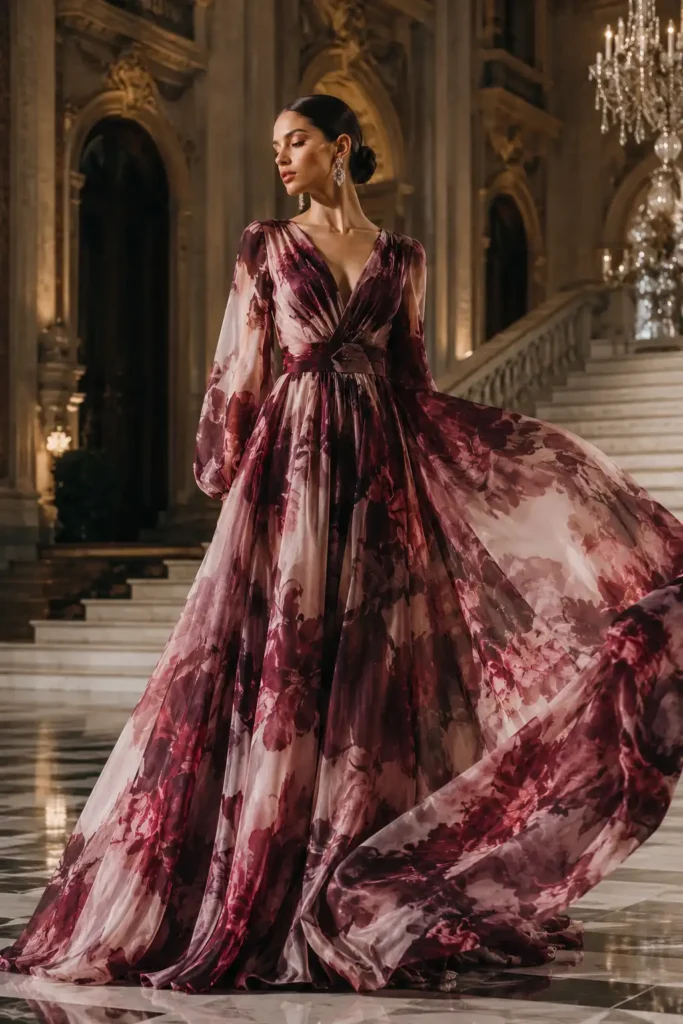
Statement Maxi
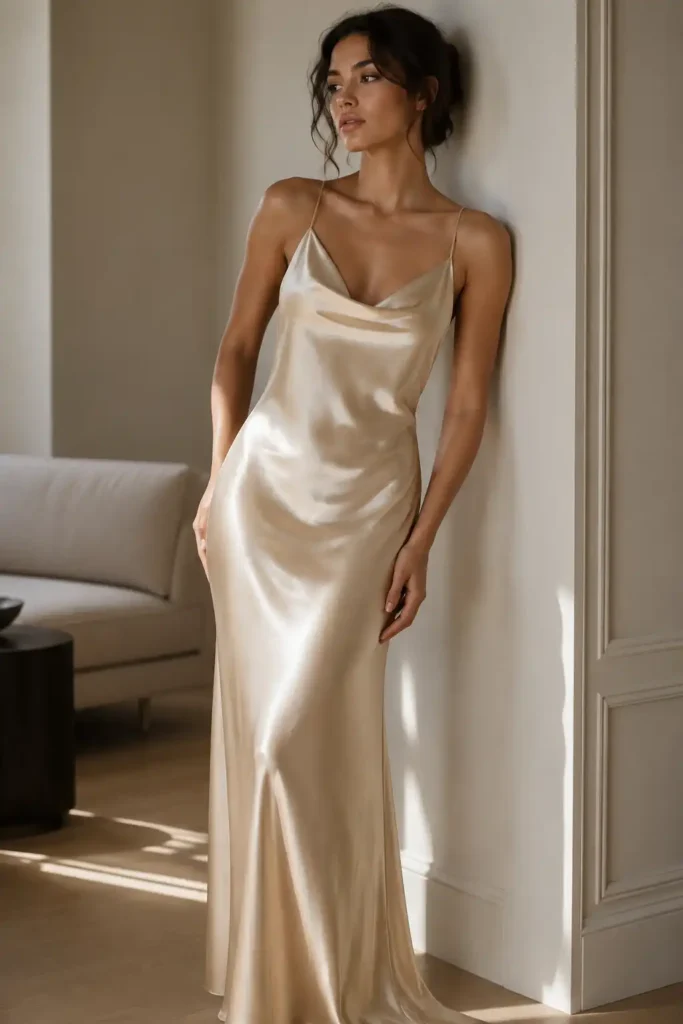
Slip Silhouette

Bodycon Direction
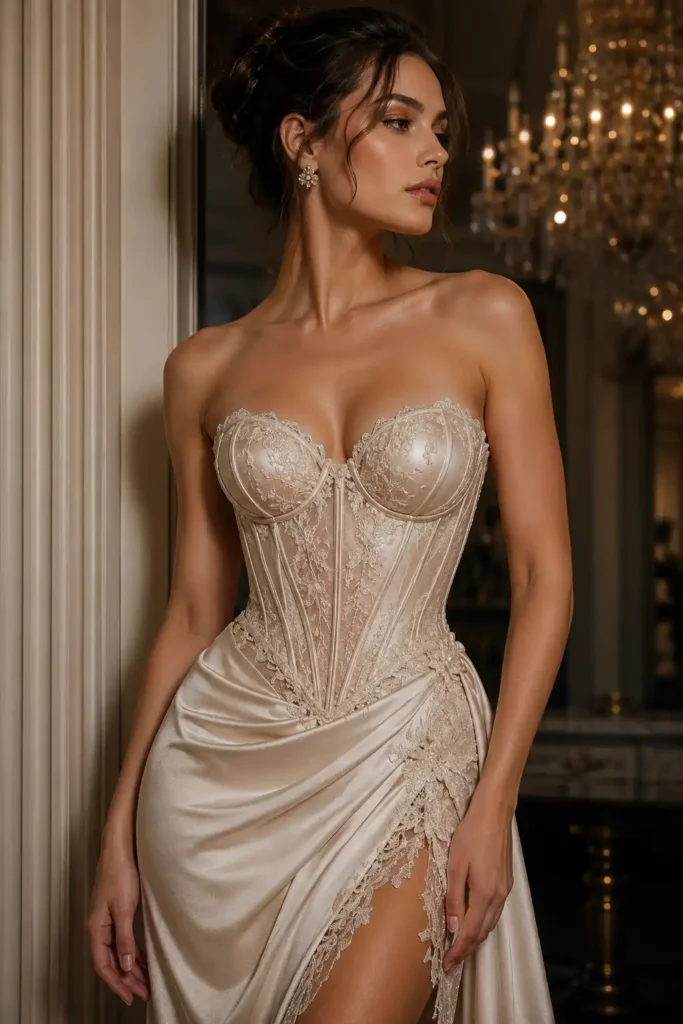
Corset Structure
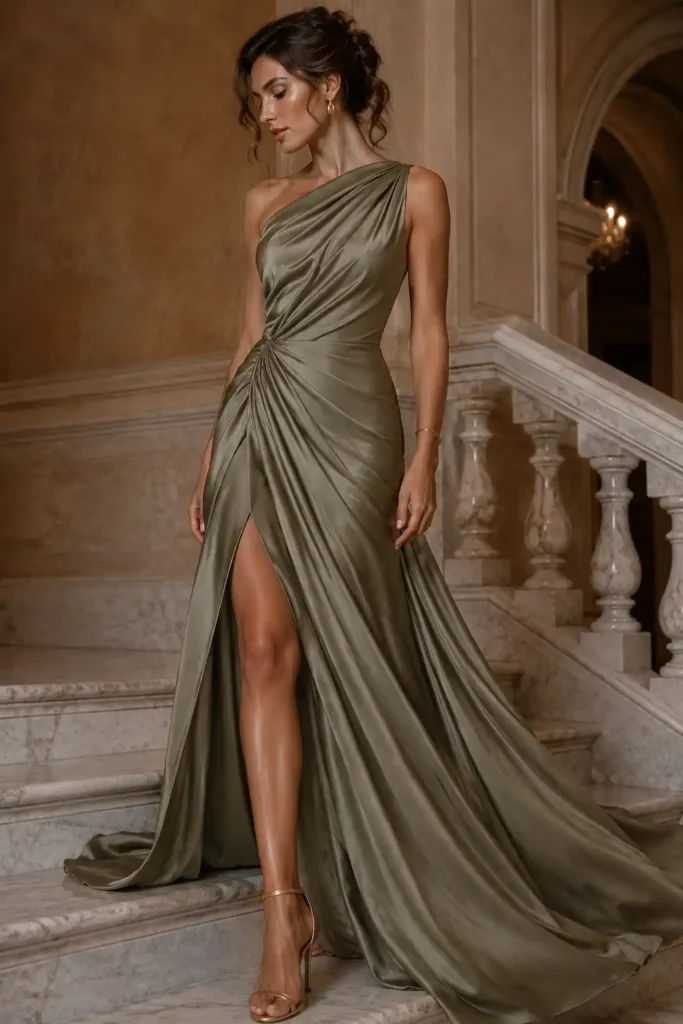
Draped Occasion Style
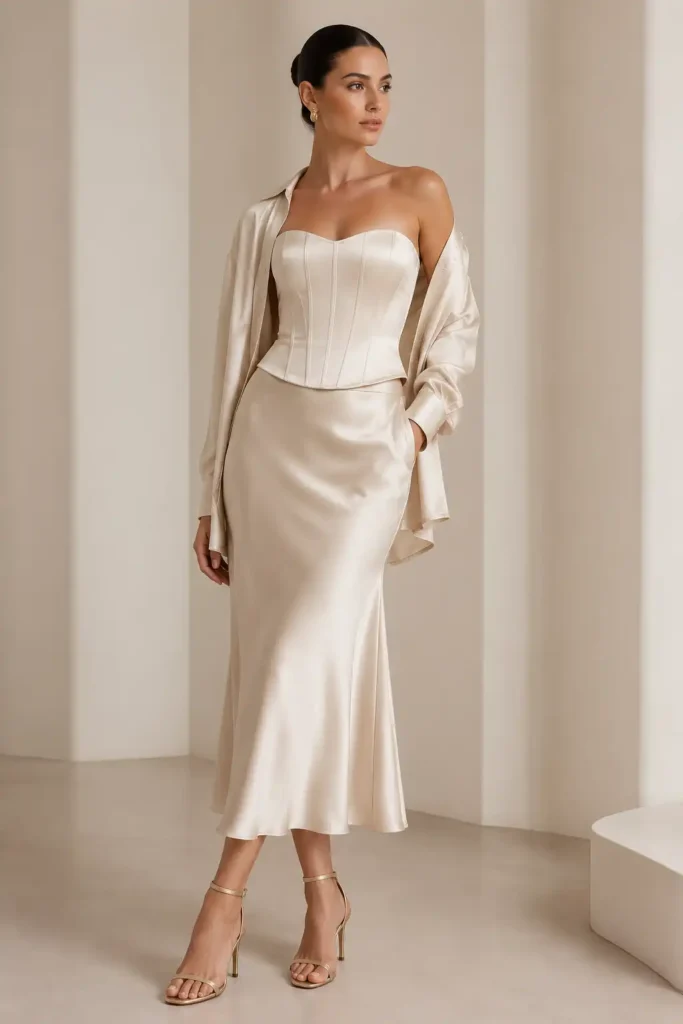
Collection Extension
Design Details Controlled Around Fabric Behavior
Fabric-led design requires detail control at every visible and hidden point. Necklines, drape, lining, seams, closures and hems must work with the material instead of fighting it.
Necklines, Straps and Bust Support
Neckline shape is affected by fabric weight, stretch, friction and recovery. A soft satin cowl needs controlled bias and stay support. A stretch-mesh square neck needs reinforcement against growth. A strapless organza or satin bodice may need cups, boning, interfacing, power mesh and anti-slip treatment. Spaghetti straps require length, angle and slider placement that preserve coverage without distorting the neckline.
Pattern review covers upper bust, full bust, under bust, cup position, neckline depth, armhole exposure, strap distance and side-body coverage. Size grading cannot simply enlarge every dimension at the same rate; support points and neckline security need separate rules. During sample review, the team checks front, side and movement views rather than relying on a flat measurement chart alone.
Bulk instructions record neckline construction, reinforcement method, strap specification, cup or boning placement, seam allowance and approved measurements. QC then checks symmetry, coverage, support position, strap security and zipper or closure alignment.
Ruching, Drape, Pleats and Volume
Ruching and drape turn fabric behavior into visible shape, but loose visual descriptions are not enough for repeat production. Gathering ratio, elastic length, pleat depth, direction, attachment points and finished placement must be recorded. A small change can alter waist definition, hip balance or dress length.
Fluid fabrics need controlled support so drape stays intentional. Stretch materials require even recovery to avoid dense and sparse areas.
Organza and tulle volume depend on layer count, net stiffness, seam location and internal support. Pleated or gathered printed fabrics must also respect print direction and visual repeat.
Sample feedback is transferred into revised pattern marks and sewing instructions.
Bulk checks compare the location and density of drape, pleats and gathers against the approved reference, with special attention to side-to-side symmetry and size grading.
Lining, Transparency and Internal Finish
Lining should support the fabric without changing the approved hand feel or silhouette. Full lining provides coverage and internal polish. Partial lining protects selected body areas while preserving sheer design zones. Stretch lining must recover with the outer fabric; a weak lining can ride up, pull seams or create visible tension. Lightweight woven lining can stabilize chiffon or lace, yet excess weight may restrict movement.
Coverage maps define bust, waist, hip, upper thigh, back and side-body boundaries. Internal seam allowances, thread color, elastic, cups, boning and labels are planned because transparent materials expose hidden workmanship. Pale colors and photography lighting often reveal issues not obvious under normal factory lighting.
The approved sample records lining quality, shade, length, attachment method and edge position. Bulk inspection checks exposure, twisting, pull lines, comfort and consistency across sizes.
Seams, Zippers, Hems and Finishing
Seam method should suit thickness, transparency, stretch and surface sensitivity. Chiffon may require narrow clean seams; stretch jersey needs recovery without popped stitches; satin needs controlled tension to reduce puckering; sequin fabric may require cleared seam allowances and protected skin-contact zones.
Invisible zippers are checked for smooth operation, color match, flatness and balanced top closure. Heavier bodices may need stabilized zipper areas. Hems are selected according to fabric weight and style: rolled hems, narrow hems, blind hems, cover hems, lined turnbacks or structured finishes. Maxi dresses also require hanging review because some fabrics drop after sewing.
Pressing parameters and handling methods are connected to the material. Velvet pile, satin shine, mesh distortion and synthetic heat sensitivity require controlled finishing. Packing is planned to reduce wrinkles, crushing, snagging and decoration abrasion.
Fabric Sourcing, Matching and Substitution Support
Swatch Matching
Stock Fabric Search
Material Substitution
Custom Color Review
Supplier MOQ Control
Bulk Material Lock
Custom Color, Print and Surface Development
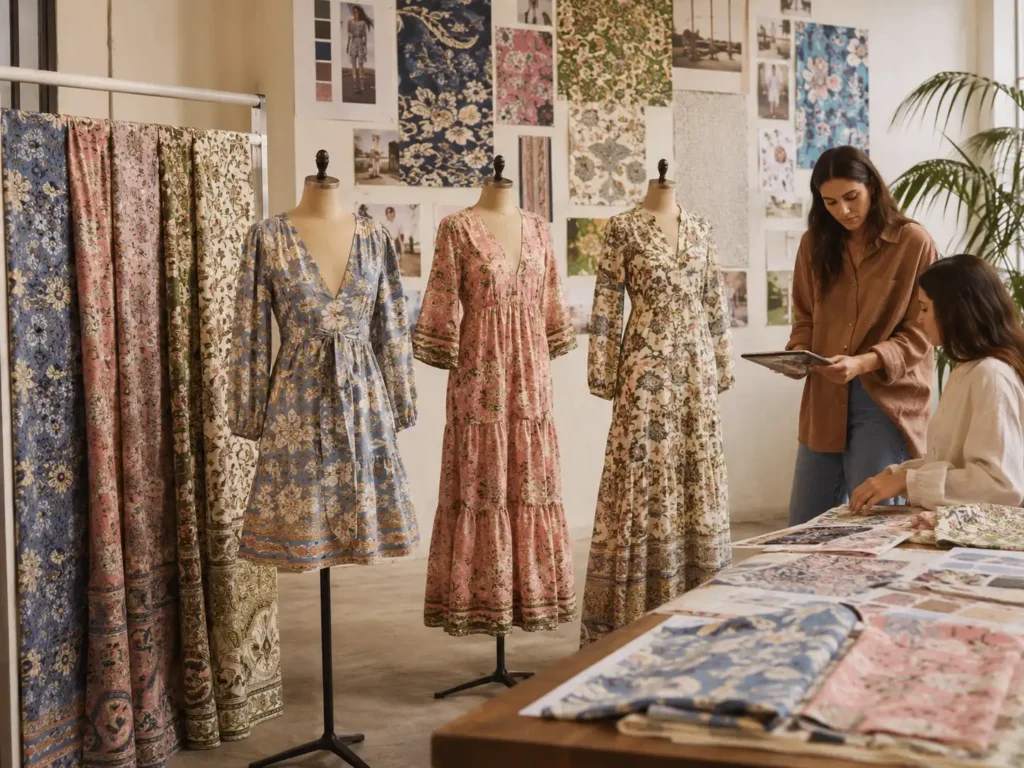
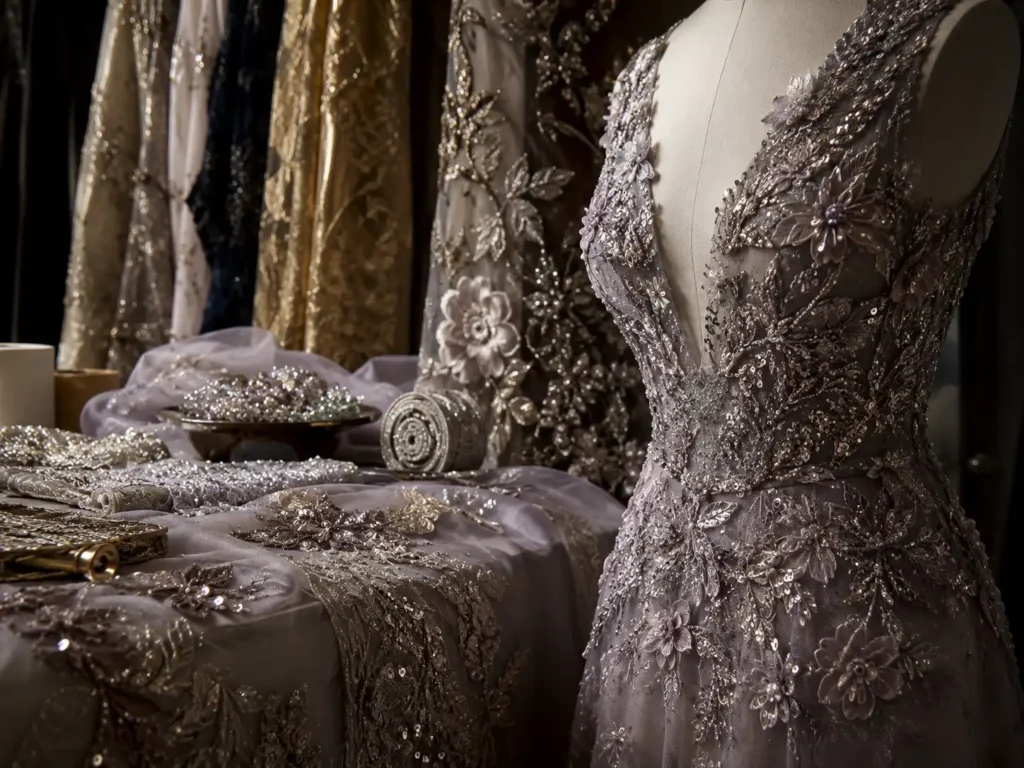
Color and surface decisions shape the full collection at first glance. They also affect material minimums, cutting direction, shade control, artwork accuracy, sampling time and reorder reliability.
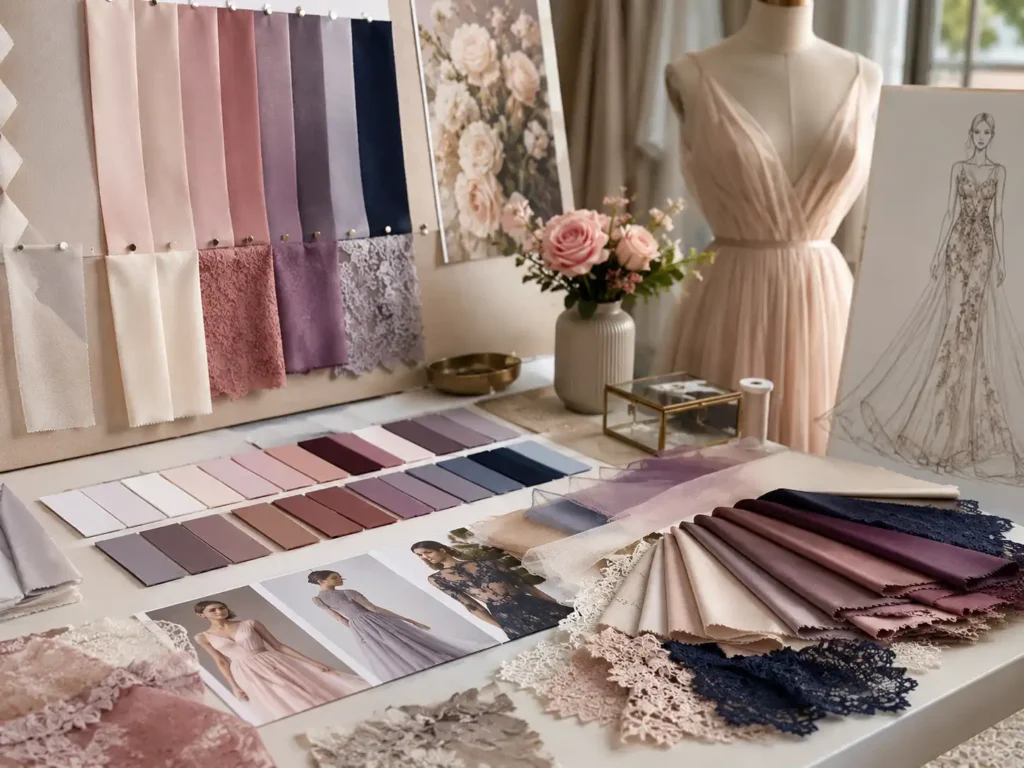
Color Family Planning
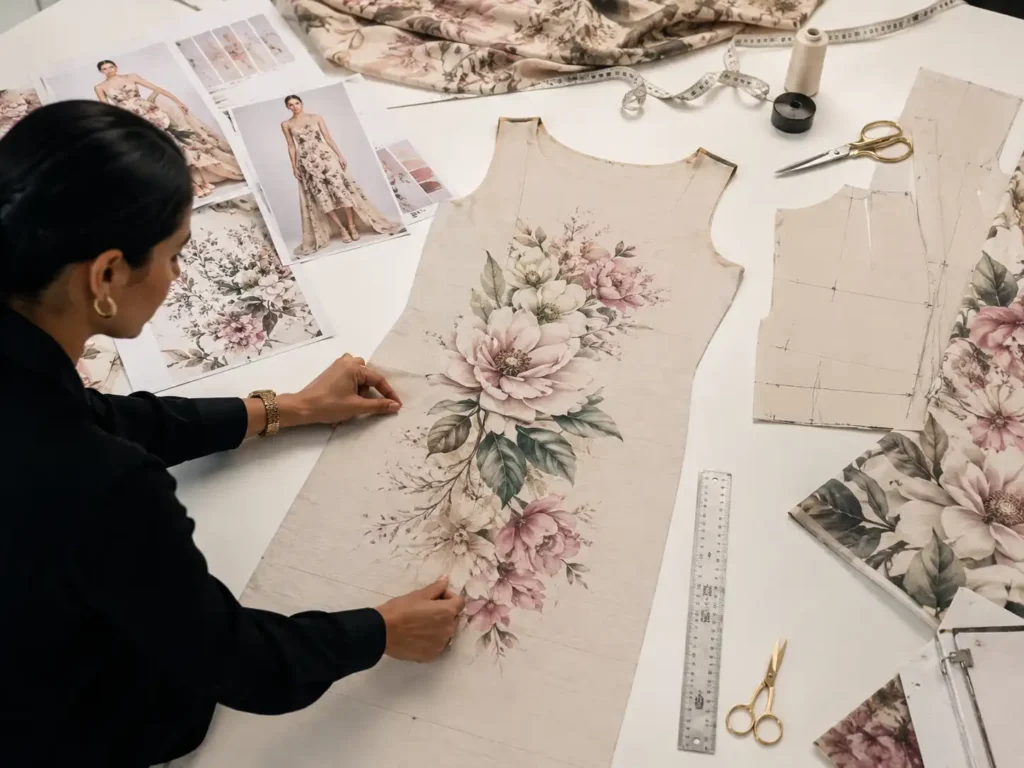
Placement Print
Allover Print
Texture and Embellishment
Pattern Engineering for Multi-Style Dress Collections
Fabric-led patterns are built around measured material behavior and the intended on-body result. Shared collection language does not mean one base pattern can be copied across every fabric and silhouette.
Pattern Decisions Start With Material Tests
Pattern development reviews drape, stretch direction, recovery, thickness, transparency and likely shrinkage before finalizing shape. A jersey bodycon dress may use negative ease, while a non-stretch satin slip requires controlled ease and bias behavior. A structured corset needs panel engineering and support layers. A chiffon maxi needs balance, lining and hem control.
The pattern team works across bust, upper bust, under bust, waist, high or low waist, hip, torso length, neckline, armhole, shoulder, strap, slit, hem and lining boundaries. For jumpsuit or matching-set extensions, crotch length, rise, waistband and top-to-bottom proportion are added.
Jinfeng Apparel supports the work with 7+ senior pattern makers, 2 sample rooms and 20+ sample machinists. Pattern decisions are tested through samples, not treated as finished after digital or paper drafting alone.
Fit Correction Becomes a Controlled Record
Fit comments should identify the cause, not only the visible symptom. A loose neckline may come from pattern shape, fabric growth, insufficient reinforcement or strap angle. Hip twisting may come from grain, negative ease or side-seam balance. Uneven maxi hems may reflect fabric drop, pattern balance or handling.
Revisions are converted into updated patterns, measurements, construction instructions and sample comments. Important changes do not remain only in email or chat. Approved information supports size grading, PP preparation, bulk measurements and repeat orders.
Size ranges are assessed by style and market. Extended sizes may need separate coverage, support and grading review rather than proportional enlargement. Key graded sizes or a size set can be sampled when the construction carries higher fit risk.
Collection Consistency Without Pattern Shortcuts
Related styles can share blocks, neckline families or fit language, but each style still receives its own production-ready pattern. A mini and maxi may share a bodice while requiring different skirt balance. A satin and stretch-satin version may appear identical but need different ease and reinforcement.
Collection consistency comes from approved fit targets, measurement logic, design proportions, material records and controlled grading. Shortcuts such as replacing fabric without reviewing the pattern or sending an unresolved first sample into bulk create collection-wide risk.
Final pattern, size chart, grade rule, approved fabric reference, construction standard and retained sample form the fit-control package used during production.

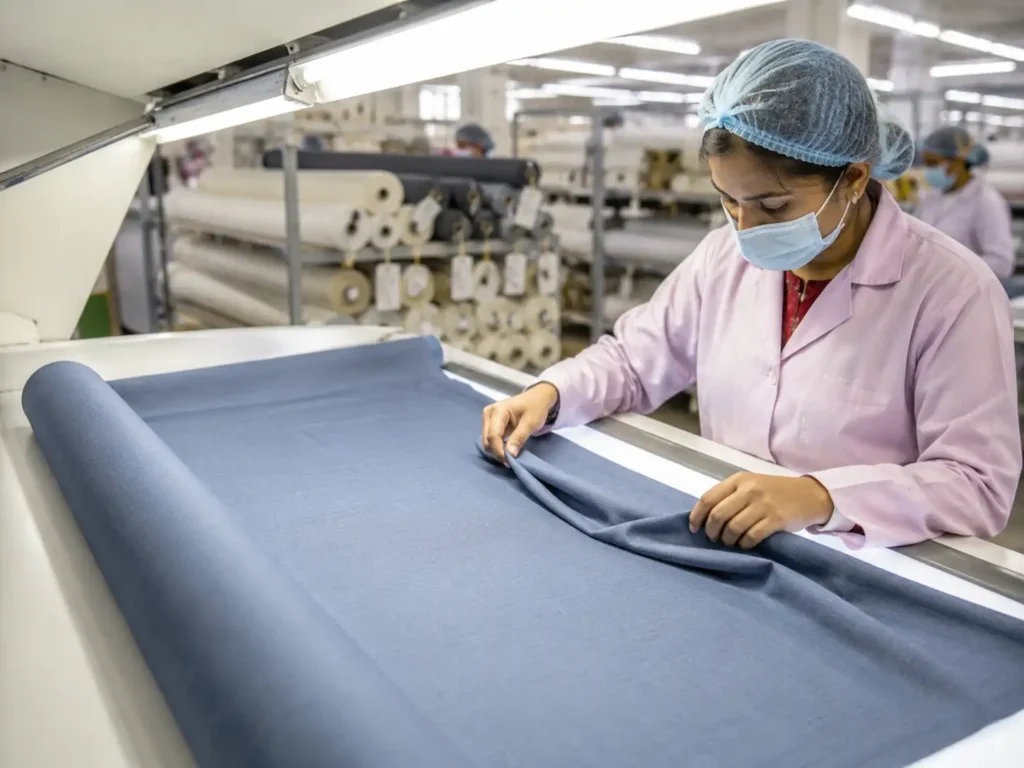
Multi-Style Sampling With Clear Priorities and Records

Project Review
Fabric Grouping

Priority Sampling

First Samples

Revision Tracking

Approval Status
Sample Types and Approval Gates for Collection Development
Different samples answer different questions. Treating the first sample, photo sample and PP sample as interchangeable creates avoidable production risk, especially when one fabric family supports many styles.
| Sample Stage | Main Purpose | Typical Planning Reference | Approval Output |
|---|---|---|---|
| First sample | Verify silhouette, fabric direction, construction, initial fit and cost logic | 10-15 days for ordinary dresses; 15-25 days for complex styles | First review comments and development actions |
| Fit sample | Check bust, waist, hip, length, neckline, straps, support and movement | Confirmed by fit scope and fabric readiness | Fit notes, measurement updates and pattern corrections |
| Revised sample | Confirm corrections to fit, fabric, trims, construction or details | Commonly 7-15 days per cycle | Updated pattern, size chart, BOM and revision record |
| Photo-ready sample | Prepare selected styles for campaign or ecommerce imagery | Prioritized by launch date and material availability | Visual approval for photography; not automatically a bulk standard |
| Salesman sample | Support sales, showroom or internal range review | Planned by requested quantity and style priority | Approved presentation sample for commercial review |
| PP sample | Lock final or approved production materials, measurements, construction, labels and packing | Commonly 7-15 days after final materials are ready | Signed production standard and bulk release decision |
| Golden sample | Retained approved reference for production, QC and repeat orders | Sealed after final approval | Visual and construction benchmark for controlled comparison |
From Approved Samples to Bulk-Ready Collection Standards
Bulk consistency depends on disciplined transfer from sample room to production. Every approved decision must become a file, a reference, a production instruction or a measurable checkpoint.
Lock the Technical Production Package
After approval, each style receives a controlled package covering final pattern, size chart, grade rule, fabric reference, lining, trims, construction, labels, packing and QC points. Shared collection materials are identified, but style-specific differences remain visible. A bodycon mini and a draped midi using the same stretch satin may share color and supplier, yet require separate stretch assumptions, measurements, seams and pressing methods.
The PP sample locks the final production direction. Changes after PP approval can affect cost, material orders, patterns, timing and bulk consistency, so they are reviewed as formal changes rather than casual edits. The Golden sample or retained approved sample supports visual comparison during sewing, finishing, final inspection and repeat-order review.
Production teams receive clear references before cutting. The goal is to prevent a gap between a skilled sample maker’s one-off result and the repeatable method needed for thousands of garments.
Transfer Fabric Knowledge Into Bulk Controls
Approved fabric information includes composition direction, weight, width, color, batch expectation, stretch, recovery, transparency, hand feel, drape, shrinkage risk and visible defects. Lining and support materials are linked to the outer fabric because the assembled garment, not the shell alone, defines the final appearance.
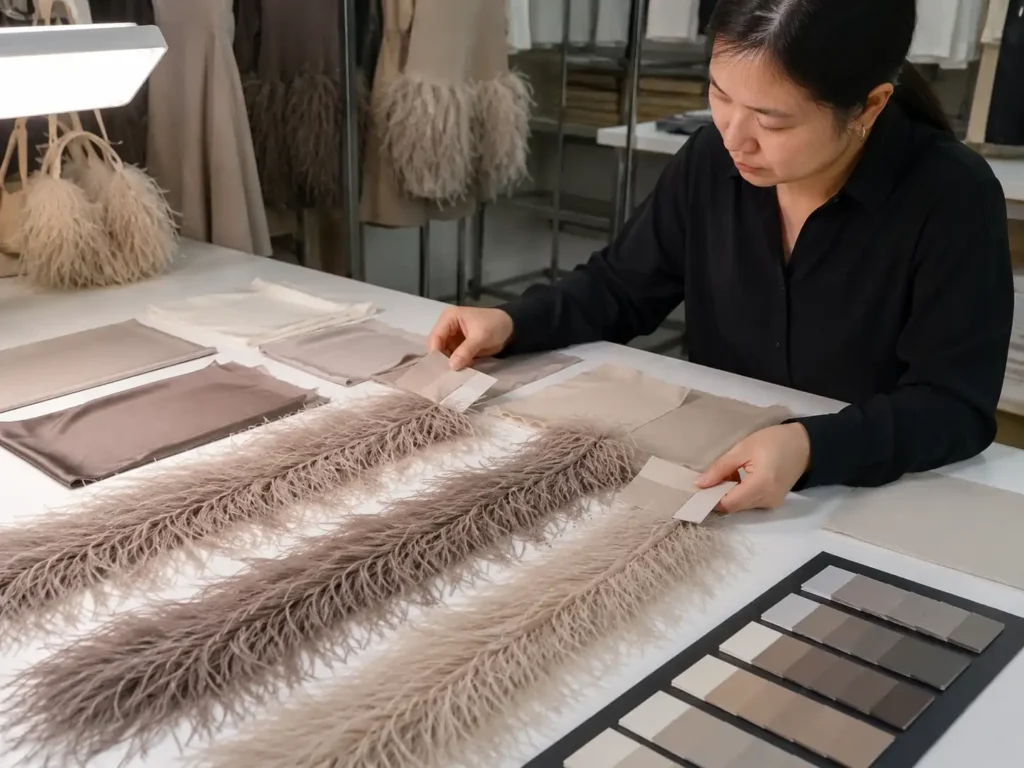
Bulk fabric is compared with the approved direction before cutting. A change in stretch, weight, width or surface can alter consumption, fit, seam behavior and finished measurements. Material substitutions or new dye lots may therefore require review, testing or an additional sample.
Cutting direction, print orientation, pile direction, lace motif and panel placement are marked where needed.
Wastage assumptions are connected to the actual surface and pattern layout rather than a generic fabric percentage.
Prepare Production and QC Checkpoints
Critical sewing and measurement points are converted into line instructions and inspection checkpoints.
Examples include neckline stabilization, strap length, zipper flatness, ruching density, lining boundary, slit height, corset support, motif placement, hem method and pressing protection.
Merchandising, production, QC, finishing and packing teams work from the same approved information.
Status reporting follows style and production group so unresolved issues are identified before they spread across the collection.
Repeat-order files preserve patterns, material references, trims, workmanship and packing requirements, while new colors or fabrics still receive fresh risk review.

Fabric Inspection Before Bulk Cutting Begins
Color and Batch
Weight and Width

Surface and Direction

Stretch and Shrinkage
Sewing and Construction Standards by Fabric Type

Satin Construction

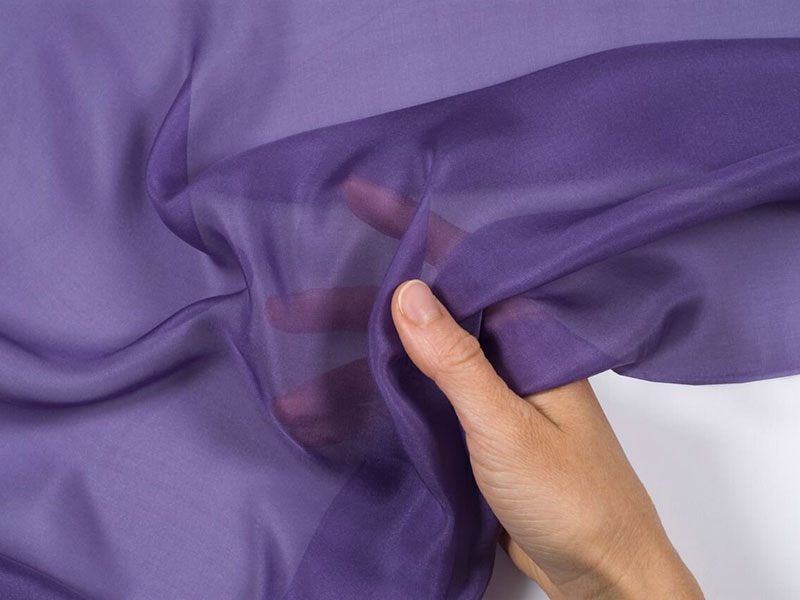
Chiffon Construction
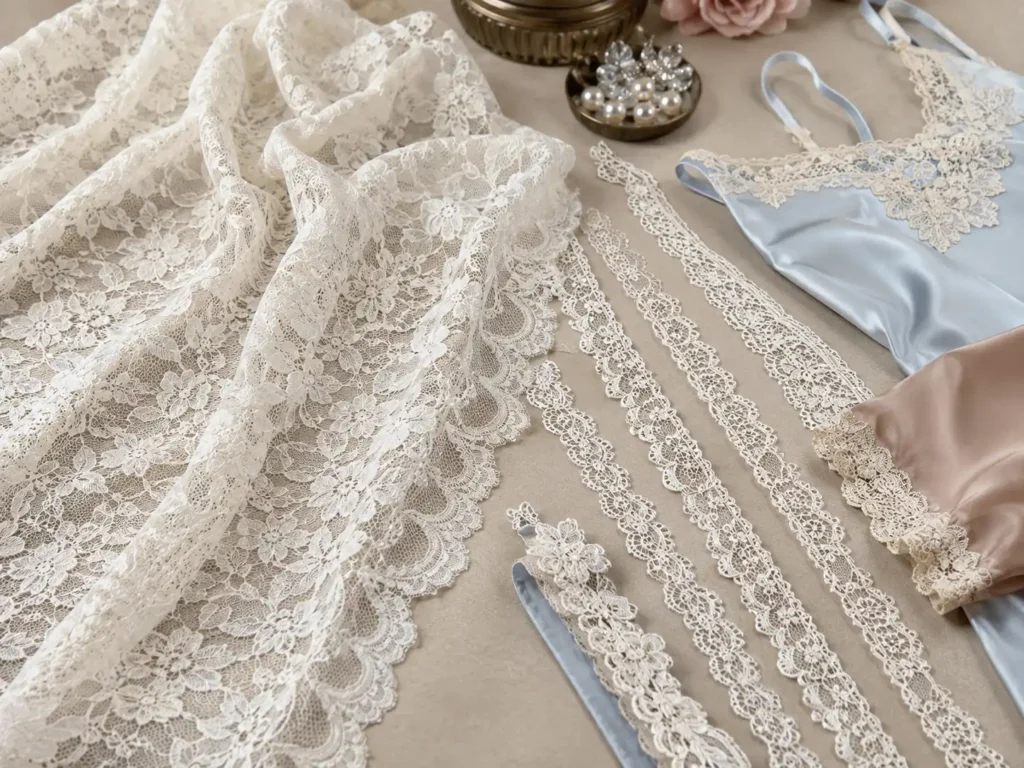
Lace Construction
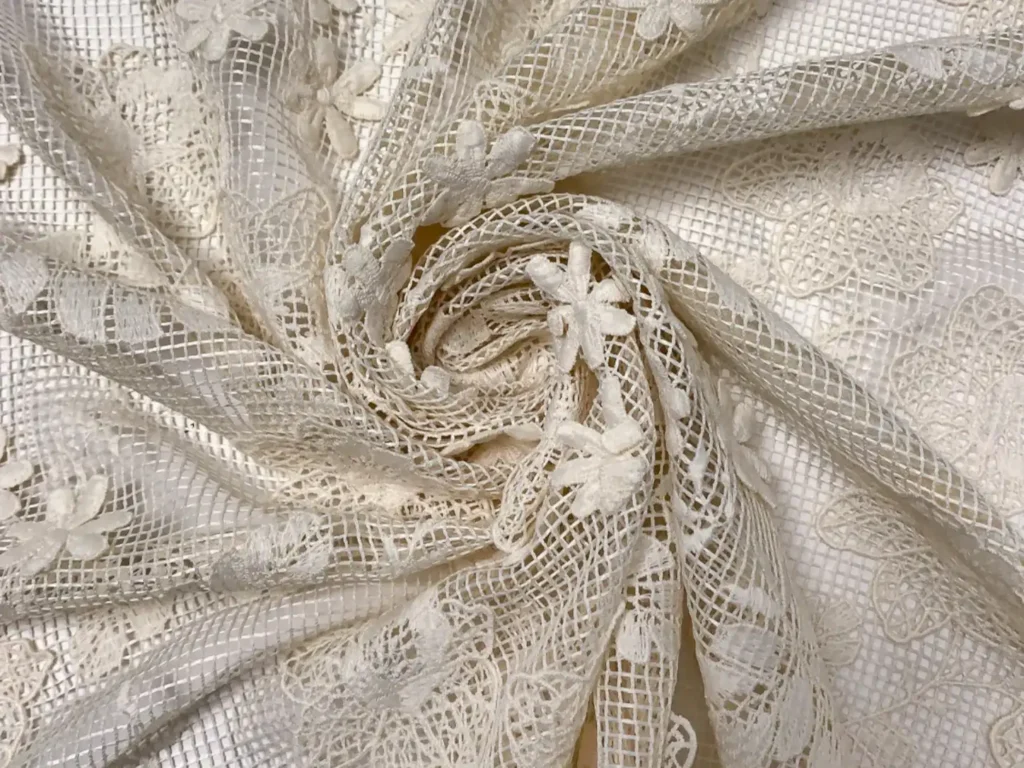
Mesh Construction
Knit Construction

Sequin and Velvet
Bulk Production Management for Multi-Style Launches
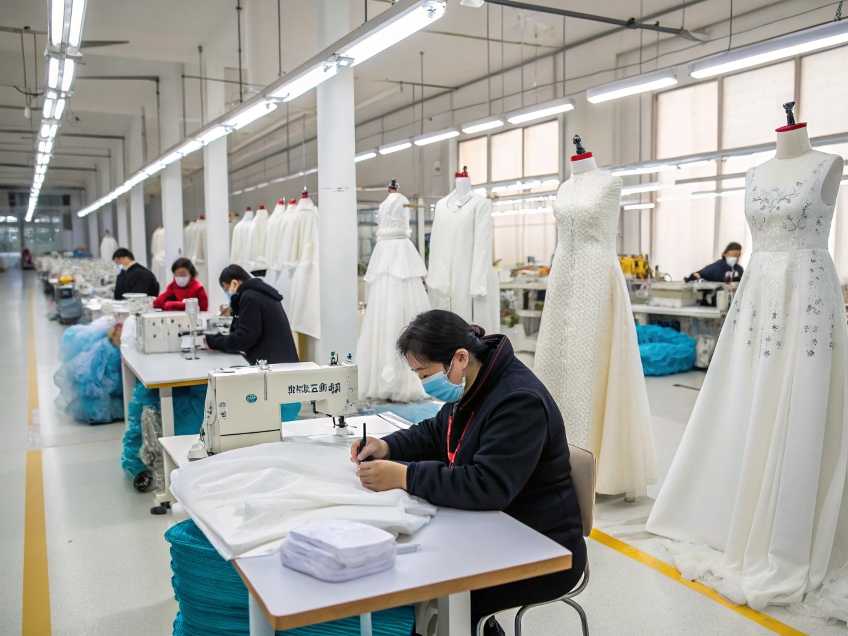
Factory Allocation

Style Grouping

Production Tracking

Delivery Waves
Quality Control Across the Entire Dress Collection
Fabric QC
Cutting QC
Inline Sewing
Measurement QC
Appearance QC
Fit-Risk Review
Label and SKU QC
Packing QC
Private Label Packing and Retail-Ready Delivery
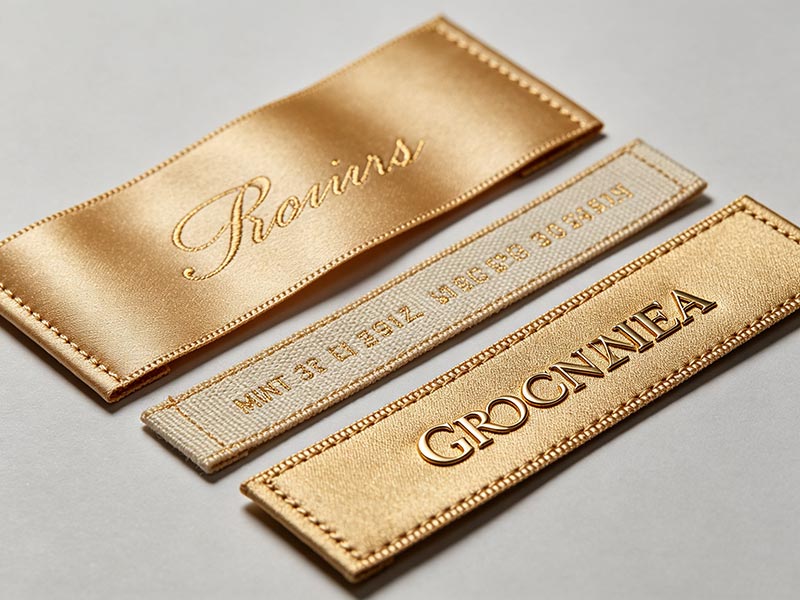
Brand Label System
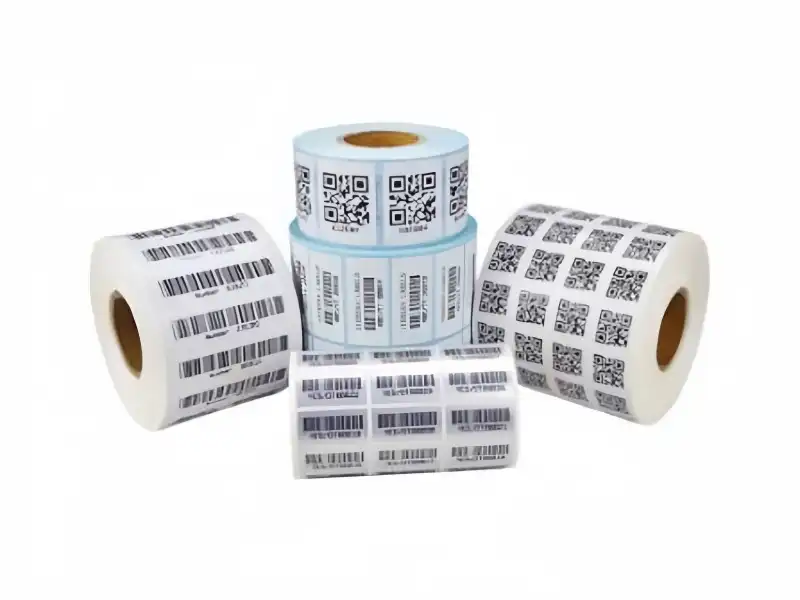
SKU and Barcode
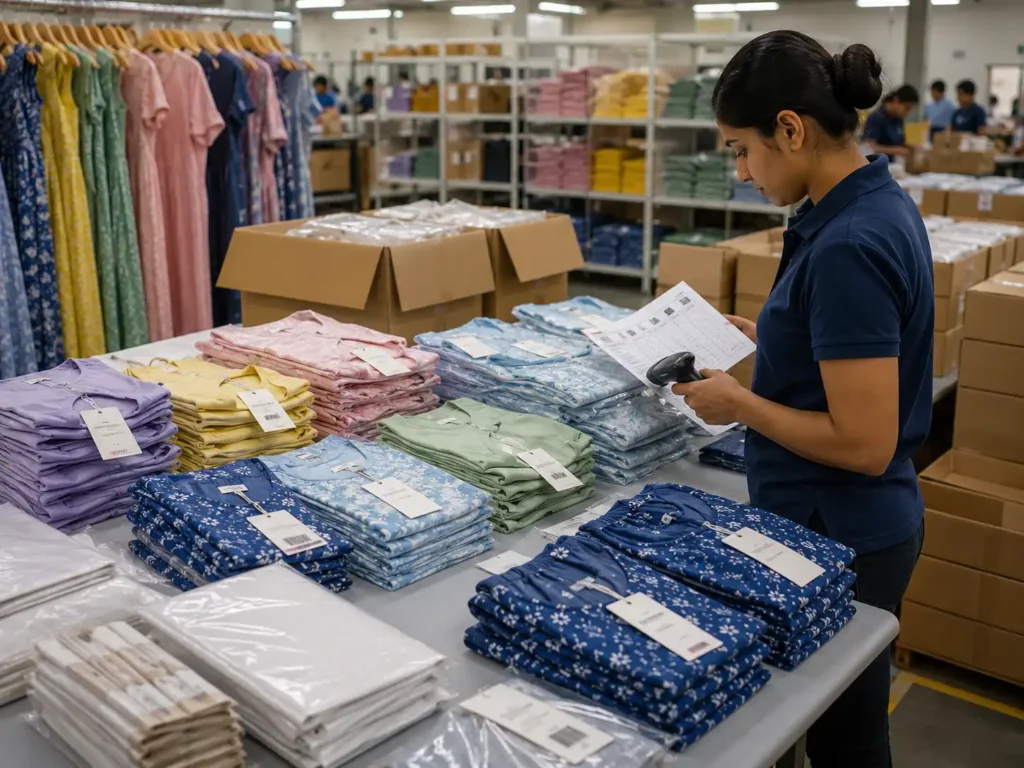
Protective Packing
Packing method reflects dress length, fabric recovery, wrinkle risk, surface sensitivity and decoration. Tissue, protective interleaf, separate bags, folding boards or hanger packing can be considered by project.

Shipment Coordination
Representative Fabric-Led Dress Collection Programs
US Satin Occasion Program
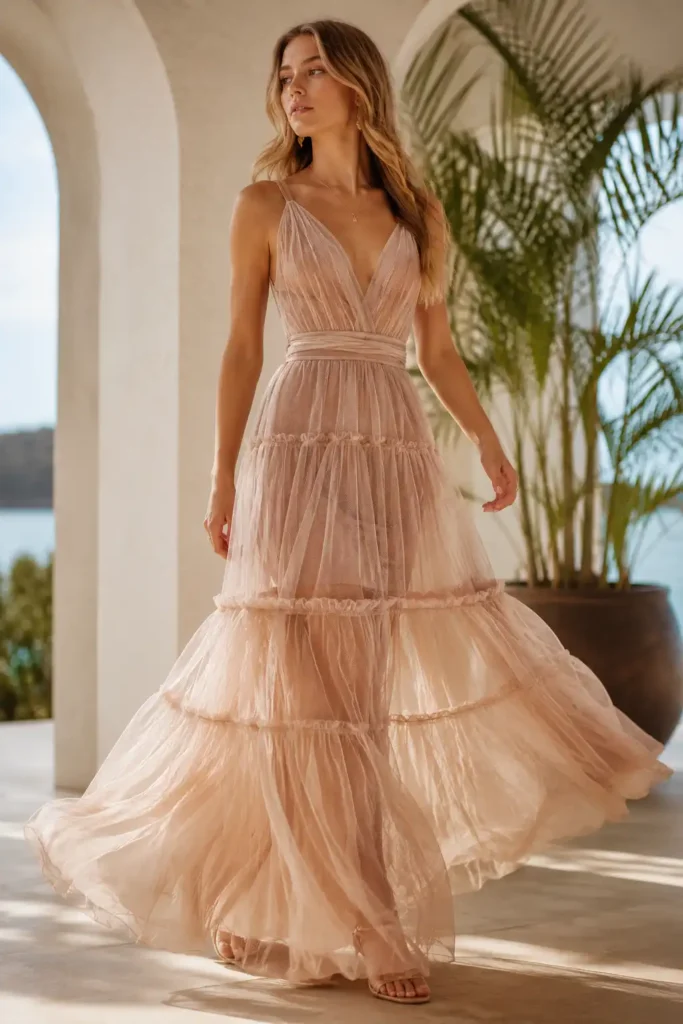
UK Lace and Mesh Capsule
Australia Resort Collection
Why Established Fashion Teams Work With Jinfeng
Fabric-First Judgment
Collection Development
Pattern and Sampling
Production System
Brand Protection
Repeat-Order Support
Fabric-Led Collection Frequently Asked Questions
A fabric-led collection begins with a selected material, fabric family, swatch, custom print or surface direction. Silhouettes, patterns, lining, support, construction, cost and assortment planning are developed around the material’s real behavior and bulk availability.
Yes. A swatch can start material and design review. A stronger development brief also includes intended occasion, target quantity, size range, color plan, price position, reference silhouettes, launch date and private-label requirements.
Jinfeng Apparel supports multi-style programs commonly covering 10-30 styles. The range is grouped by fabric family, pattern complexity, shared trims, priority SKU, sample stage and bulk schedule rather than treated as one undifferentiated batch.
MOQ starts from 200 pcs per style/color. Two colors normally require 200 pcs per color. Several styles totaling 200 pcs do not meet the standard production structure. Special materials, dyeing, printing, trims and packaging may carry separate minimums.
Often yes, provided the fabric performs correctly in each silhouette. Every style still needs its own pattern, consumption, support, lining, sample and production review. A fabric that works for a draped midi may not automatically support a corset or bodycon mini.
Ordinary dress first samples commonly require 10-15 days. Complex multi-fabric, corset, lace, mesh or sequin styles commonly require 15-25 days after material and structure directions are clear. Revised and PP samples commonly require 7-15 days per stage.
Yes. Alternatives can be reviewed when the original fabric is unavailable, too expensive, unstable, too sheer, too rigid or unsuitable for bulk production. Substitution focuses on visual effect, hand feel, drape, stretch, cost, MOQ and garment performance.
Patterns and grade rules are developed around the approved fabric and silhouette. Bust, waist, hip, length, neckline, straps, support and coverage receive style-specific review. Extended size ranges may require key graded samples or additional fit checks.
Yes. Support can include main labels, care labels, size labels, hangtags, barcodes, SKU labels, individual polybags, size and color stickers, carton marks, mixed-size cartons and warehouse receiving information.
Yes. Jinfeng Apparel supports NDA-based cooperation and protects tech packs, samples, patterns, fabric details, trims, labels, quantities, pricing, launch information and unpublished designs. Public case content remains anonymous unless written permission is provided.

Start Your Fabric-Led Dress Collection With Jinfeng
Kelly will coordinate an initial review covering fabric suitability, silhouette planning, pattern risk, sample route, MOQ, likely cost drivers, production structure and the information needed before quotation or development begins.
- Fabric swatch, material specification, supplier reference or print artwork
- Style list, tech packs, reference images, sketches or original samples
- Target quantity for every style and color
- Size range, fit standard and intended market
- Color family, lining, trims and surface requirements
- Private-label, barcode, packing and warehouse instructions
- Photo-shoot date, launch window and required delivery destination
- NDA or supplier onboarding requirements, when applicable


