Eveningwear Capsule Manufacturer

Coordinated eveningwear development for global fashion brands, from line-sheet review and complex samples to controlled bulk production and private-label delivery.

  • 10-30 coordinated styles can be managed within one seasonal or limited-edition eveningwear program.
  • Representative brand programs commonly total 20,000-80,000 pieces across approved styles, colors and size ratios.
  • MOQ starts from 200 pieces per style/color, subject to fabric, trims, construction, packaging and production scheduling.
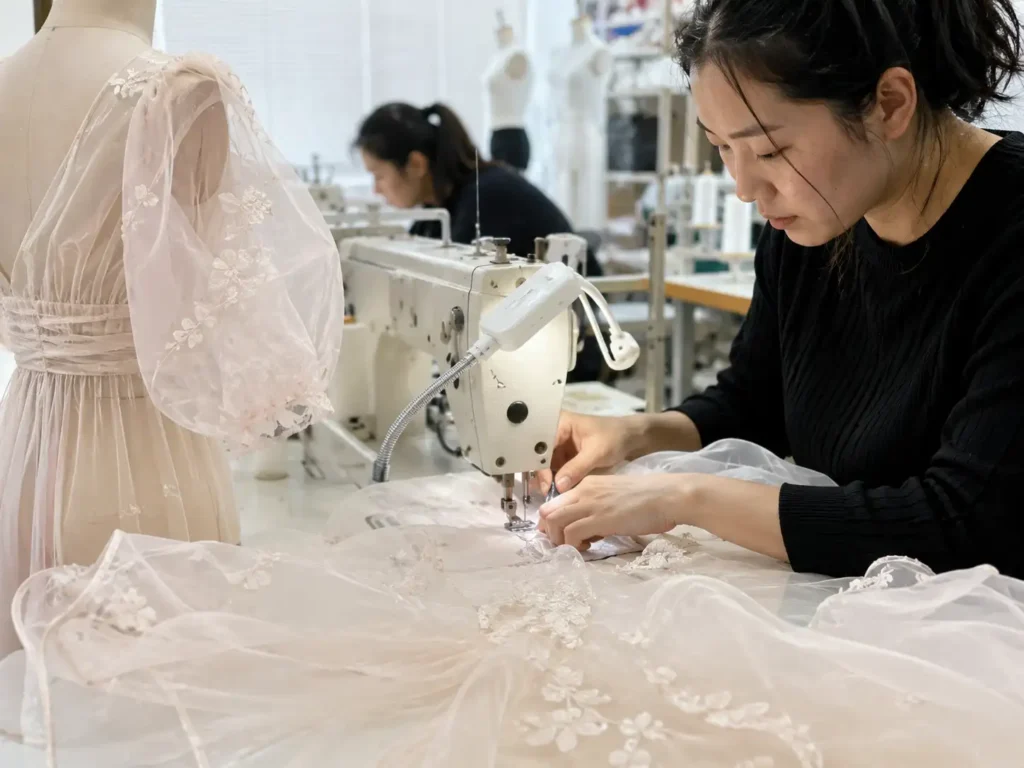
  • 2 sample rooms, 7+ senior pattern makers and 20+ sample machinists support complex eveningwear development before bulk allocation.

Eveningwear Development Backed by Scalable Production

A capsule program needs more than sewing capacity. Development resources, production allocation, quality inspection and packing control must work as one system when several silhouettes, fabrics and delivery priorities move together.

Since 2008

Long-term womenswear manufacturing experience supports pattern review, fabric decisions, sample correction, bulk planning and export coordination for fashion-led dress programs.

6 Owned Factories

Owned production resources allow evening dresses, woven gowns, fitted styles, jumpsuits and matching sets to be assigned according to structure and fabric behavior.

10+ Production Partners

Long-term satellite partners extend seasonal capacity when approved production units, quality requirements and program timing call for coordinated allocation.

100,000+ Monthly Capacity

Monthly capacity supports multi-style programs, repeat orders and staged deliveries, while final allocation remains linked to construction complexity and material readiness.

2 Sample Rooms

Dedicated sample rooms handle first samples, fit samples, revised samples, photo samples, PP samples and Golden Sample preparation.

15+ QC Inspectors

Quality teams cover fabric review, cutting checks, inline inspection, measurement control, final garment review and packing verification.

Built for Brands Planning Coordinated Eveningwear Drops

The strongest fit comes from fashion teams with a clear collection direction, defined sales calendar and real production plan. A capsule may be trend-led, occasion-led or fabric-led, but every style must support one commercial launch.

Global Fashion Brands

Established labels often require several eveningwear categories to share a consistent design language while meeting internal quality manuals, label rules, size standards and delivery windows. Jinfeng Apparel supports structured development records, private-label execution and multi-batch production for programs requiring ongoing supplier coordination.

Occasionwear Labels

Occasionwear teams need reliable bust support, lining coverage, slit safety, floor-length balance and high-quality finishing across cocktail, wedding guest, evening and event styles. Development focuses on how the garment performs on body, under photography lighting and after retail packing.

Premium Ecommerce Brands

Online-led brands rely on clear silhouette, camera-ready surface quality, stable measurements and lower return risk. Photo samples, fit comments, shade control, barcode accuracy and protective packing become commercial requirements rather than optional finishing details.

Fashion Retailers

Retail programs need style-color-size breakdowns, consistent labels, SKU data, carton marks and warehouse-ready packing. Multi-style eveningwear production is planned around assortment balance, inspection requirements and the receiving date stated by the retailer or nominated warehouse.

Development Teams

Product developers may submit line sheets, sketches, original samples, reference images or complete tech packs. Jinfeng Apparel converts the brief into fabric directions, patterns, sample stages, revision records and production-ready standards for each style.

Sourcing Teams

Sourcing and vendor-management teams assess factory fit, MOQ, cost drivers, audit support, quality systems and production risk before approval. Clear boundaries are provided on special fabrics, custom colors, hand embellishment, private-label materials and delivery planning.

Where Eveningwear Capsules Commonly Lose Consistency

A strong mood board can still become a fragmented delivery when fabric, fit, construction and timing are managed style by style without a shared capsule standard. Early risk review protects both the visual concept and the production plan.

Fragmented Product Direction

A capsule can look like several unrelated mini collections when every style uses a different sheen, trim language, proportion or finish. Product roles, shared fabrics, color hierarchy and recurring design details should be defined before samples consume time and material.

Fabric Inconsistency

Satin shade and shine direction, mesh transparency, lace motif position, velvet pile direction and sequin surface density can shift the visual language across styles. Fabric approvals need composition, weight, hand feel, color, drape, lining and supplier-batch references.

Unstable Fit

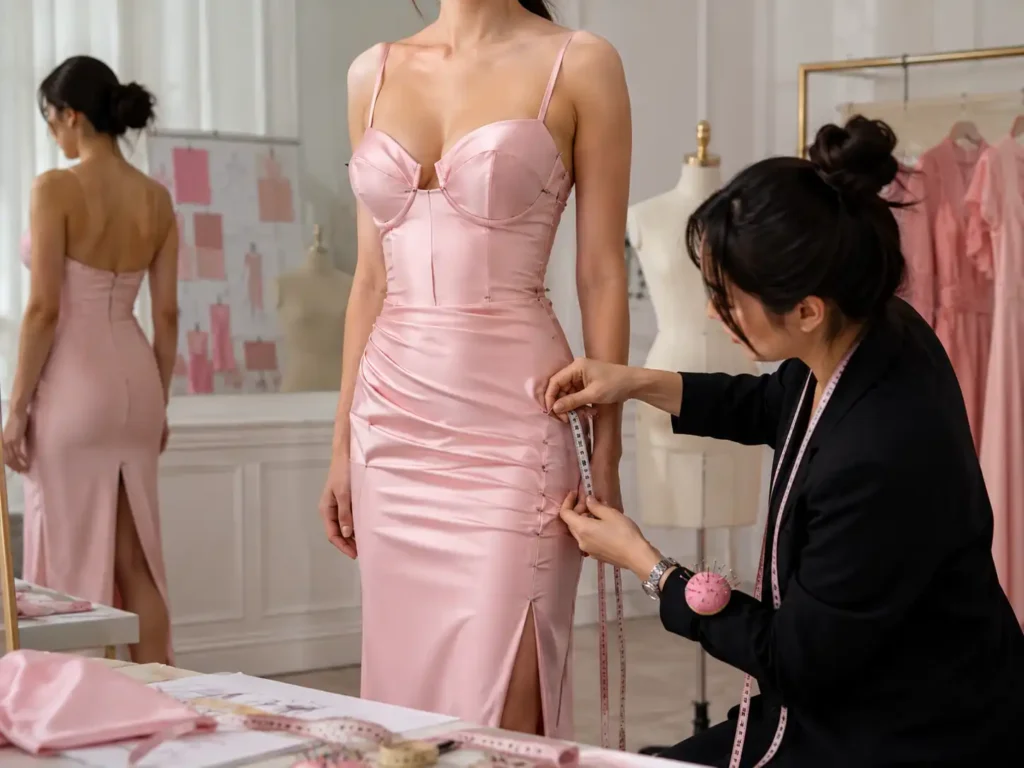
Strapless gowns, corset dresses, deep necklines and fitted midis fail when bust, under-bust, waist, hip, strap and slit measurements are handled independently. Fit comments should be translated into pattern corrections, not hidden through pressing or last-minute sewing changes.

Construction Failure

Boning that ends too high, cups placed too low, exposed lining, zipper bulging and heavy embellishment at seam lines can make a premium design uncomfortable or difficult to reproduce. Structure must be tested on the sample before bulk methods are locked.

Sample-to-Bulk Gaps

Approved samples lose value when the final pattern, fabric reference, trim card, sewing instruction, label placement and packing method are not transferred together. A production handover should connect the PP sample with every factory and QC record.

Missed Launch Dates

A multi-style drop can be delayed by one late custom fabric, one unresolved hero style or packaging artwork that remains open after PP approval. Sample priorities, material booking and shipment windows need to be mapped backward from the warehouse date.

What an Eveningwear Capsule Manufacturer Actually Manages

Capsule manufacturing combines product development, assortment logic and production control. The goal is not merely to finish several garments, but to deliver a coordinated range with defined commercial roles and repeatable bulk standards.

Capsule Coherence Across Every Style

A well-built eveningwear capsule carries recognizable design signals across different silhouettes. Coherence may come from a controlled palette, recurring drape lines, related necklines, a shared satin quality, one embellishment family or a consistent balance between fitted and fluid shapes. Development starts by grouping styles according to fabric, structure and visual role. A slip gown, corset midi and evening jumpsuit can belong to the same launch when color, finish and proportion are deliberately connected. Material substitutions are reviewed against the entire capsule rather than one garment, because changing satin weight or mesh transparency can alter how neighboring styles photograph and merchandise together.

  • Define hero styles, commercial core styles and supporting separates before pattern work expands.
  • Limit unnecessary fabric fragmentation by sharing approved material groups across compatible styles.
  • Use one documented color standard for shell, lining, trims and packaging references.

Commercial Assortment, Not Random Variety

A capsule should give merchandising teams enough price, length and occasion variety without multiplying risk. A balanced program may combine one statement gown, several cocktail dresses, a clean satin core, a fitted evening style, one jumpsuit and one matching set. The mix supports different channels and price points while keeping fabric and production management workable. Jinfeng Apparel reviews style count, color count, size range, material group, construction difficulty and expected quantity per style before recommending a development sequence. High-risk styles enter sampling earlier, while commercially straightforward styles can share fabric approvals and move through fit review together.

  • Anchor the range with repeatable silhouettes that can return in new colors or fabrics.
  • Reserve complex handwork or specialty trims for styles able to carry the added cost and lead time.
  • Plan photography, sales samples and PP approval as separate milestones when launch timing requires them.

Three Eveningwear Capsule Structures Ready for Development
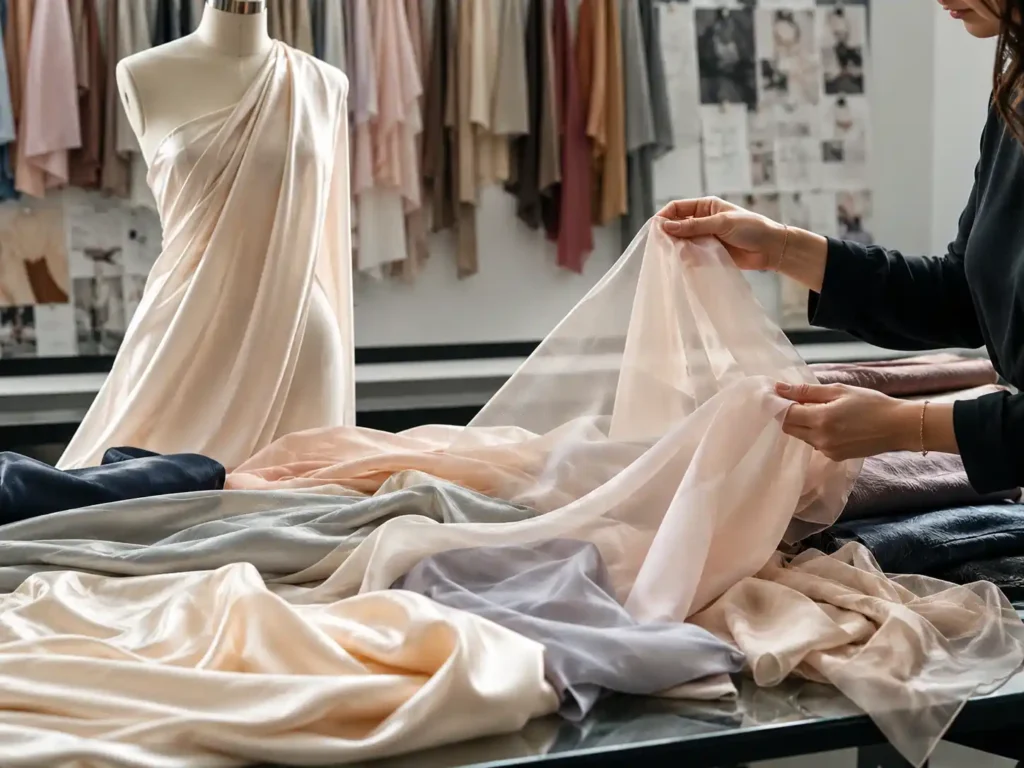
A clear capsule architecture makes sampling faster, fabric decisions more focused and bulk allocation easier to control. The following structures can be adapted around a brand calendar, price architecture and target market.

Satin Cocktail Capsule

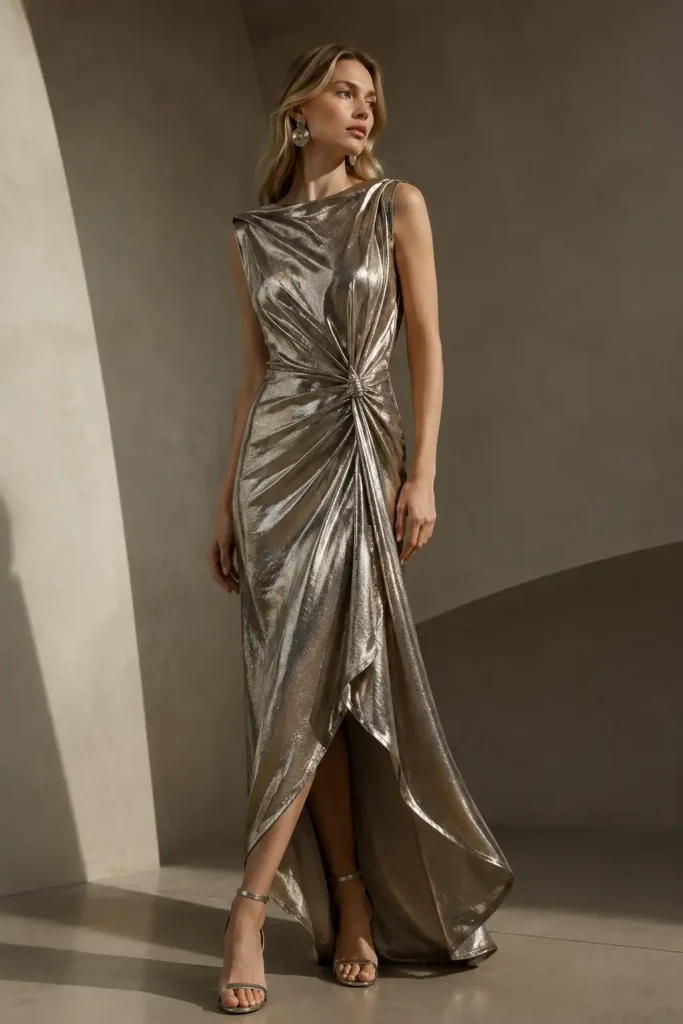
An eight-to-twelve-style satin capsule can combine slip midis, draped minis, one-shoulder dresses, halter maxis, cowl-neck styles, a tailored jumpsuit and one skirt set. Commercial strength comes from visual polish without excessive construction variation. Fabric weight, shine level, bias movement, lining opacity and zipper flatness must remain consistent across the range.
  • Core colors: black, wine, navy, chocolate, champagne or seasonal jewel tones.
  • Fabric groups: satin, stretch satin and selected matte-back options.
  • Best use: cocktail, wedding guest, dinner and premium ecommerce launches.

Structured Evening Capsule

A structured capsule can include corset gowns, boned mini dresses, strapless midis, ruched evening dresses, sculpted jumpsuits and corset-top sets. Visual impact depends on cup shape, under-bust control, waist placement, boning length, neckline stability and clean internal finishing. Samples need fit testing before any high-volume commitment.
  • Core details: cups, boning, grip tape, stable lining, invisible zippers and reinforced closures.
  • Development priority: hero gowns first, followed by shared-bodice derivatives.
  • Best use: eventwear, formal launches, red-carpet-inspired drops and elevated party collections.

Holiday Sparkle Capsule

A holiday capsule may combine sequin minis, mesh bodycon dresses, velvet cocktail styles, crystal-trim gowns, metallic jersey and embellished separates. Surface effects create strong photography value, but bulk risk rises through sequin loss, skin contact, heavy seam allowances, shade changes and packing abrasion. Construction and protection standards should be approved before material booking.
  • Core materials: sequin fabric, mesh, velvet, metallic jersey and selected rhinestone trims.
  • QC focus: shedding, scratch points, trim position, symmetry, lining and protective packing.
  • Best use: Holiday, New Year, birthday, party and limited-edition drops.

Eveningwear Styles Developed Across One Coordinated Collection

Each style carries a different commercial role. Product development connects silhouette, price, fabric and manufacturing risk so the final line feels varied without becoming difficult to control.

Satin Slip Gown

A clean entry style for evening and wedding guest capsules. Bias movement, neckline stability, strap length, lining coverage and hem balance require close review because minimal construction leaves little room to hide fabric or sewing issues.

Draped Maxi Dress

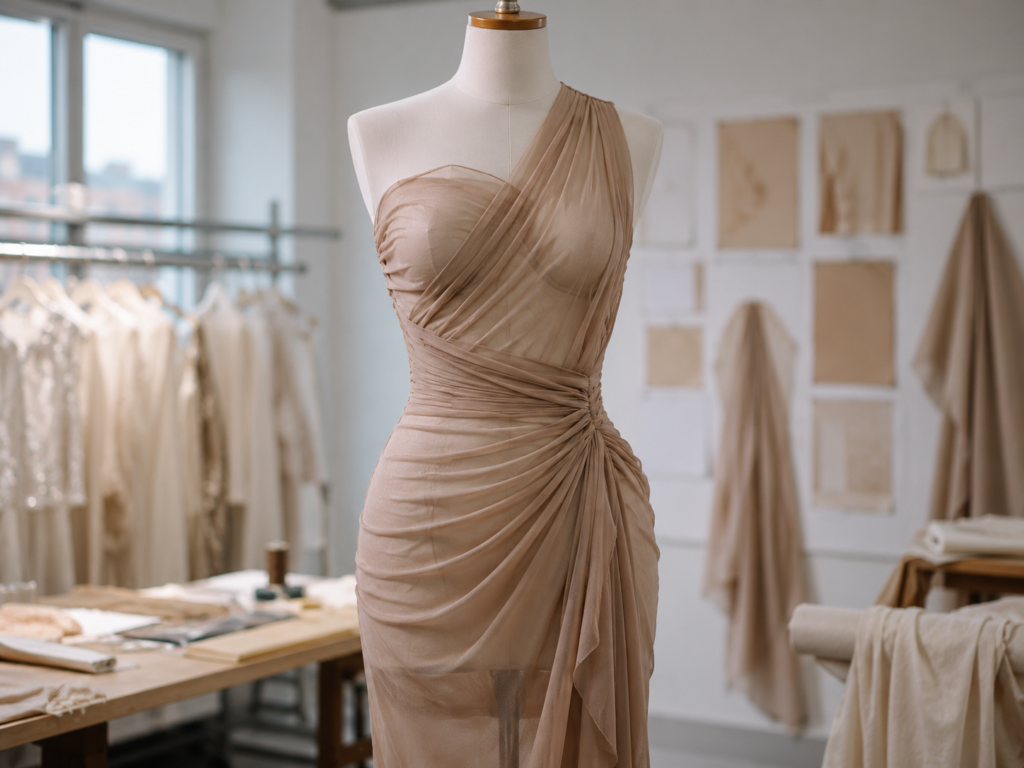
Draping creates visual value through controlled volume rather than heavy decoration. Pattern balance, grain direction, gathering points, lining length, slit position and pressing must remain stable across sizes.

Corset Evening Dress

A hero silhouette built around bust support and waist shaping. Cup selection, boning map, front-panel symmetry, neckline coverage, zipper behavior and internal comfort are tested before bulk standards are released.

Strapless Cocktail Dress

A commercial event style needing reliable grip, under-bust control and neckline stability. Anti-slip support, lining tension, side-seam balance and size grading determine whether the garment stays secure during movement.

One-Shoulder Midi

An asymmetric neckline creates strong photography value but increases tension around the shoulder, armhole and side seam. Pattern balance and internal support prevent twisting or neckline collapse.

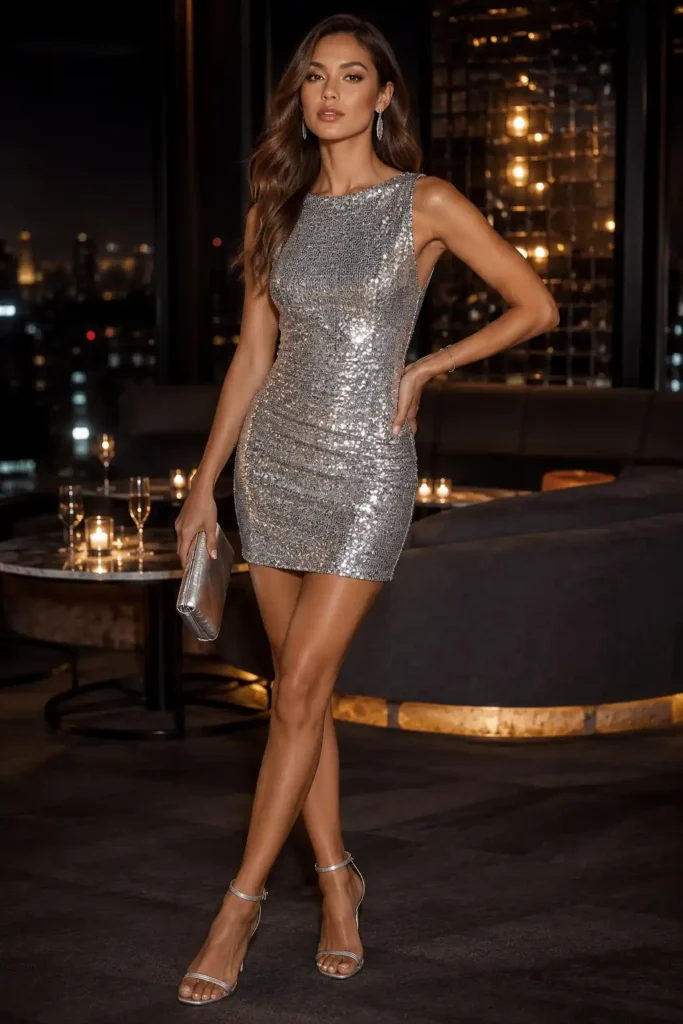
Sequin Mini Dress

A statement style for Holiday and celebration drops. Sequin direction, seam clearing, needle damage, lining, scratch protection, hem treatment and individual packing need separate standards.

Mesh Bodycon Dress

Transparency and fit must work together. Mesh weight, stretch direction, recovery, power-mesh support, lining coverage, seam placement and measurement tolerance affect both comfort and return risk.

Lace Occasion Dress

Lace creates premium texture through motif placement and controlled transparency. Pattern placement, joining lines, edge finishing, lining color, damage inspection and color-lot consistency are central to development.

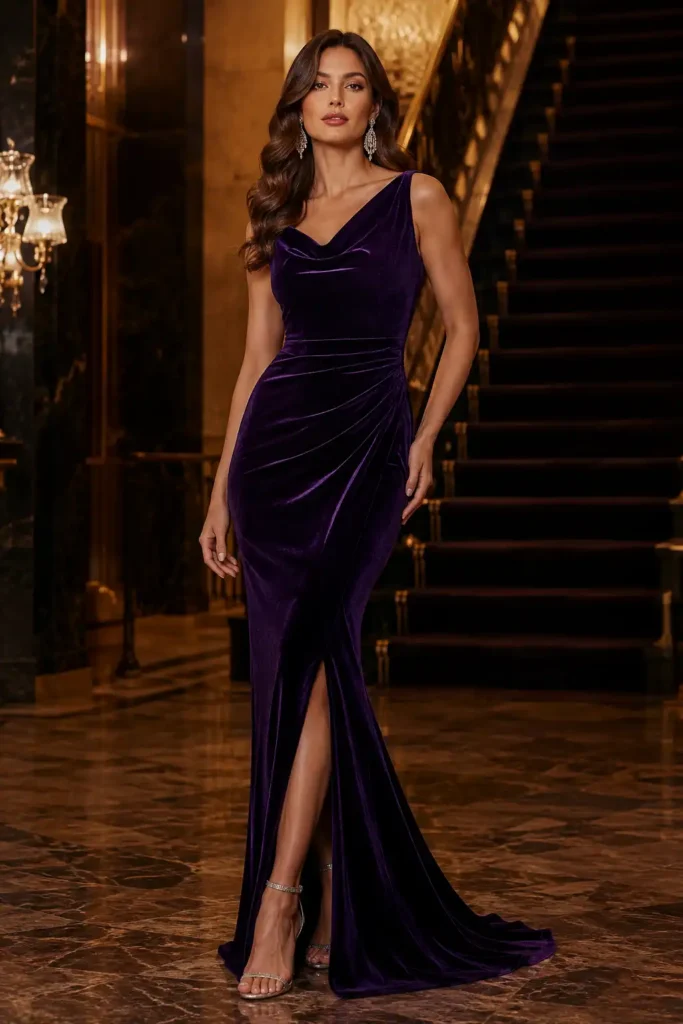
Velvet Cocktail Dress

Velvet supports rich fall and Holiday color stories. Pile direction, pressure marks, seam handling, shade appearance, pressing temperature and hanger or folded packing must be planned before production.

Evening Jumpsuit

A strong capsule alternative to dresses. Bust fit, waist position, rise, torso length, hip ease, leg line and zipper entry must be coordinated so the style looks tailored without restricting movement.

Corset Top Set

A two-piece set extends the capsule beyond dresses and supports mix-and-match merchandising. Top and skirt require matched dye lots, coordinated size ratios, waist alignment, balanced lengths and paired packing rules.

Matching Skirt Set

A satin, mesh or embellished set can raise outfit value while allowing separate wear. Waistband fit, color consistency, top-to-skirt proportion, label placement and SKU pairing need clear documentation.

Fabrics That Define Eveningwear Performance and Margin

Eveningwear materials shape perceived value, fit, photography and production risk at the same time. Fabric approval covers more than color: composition, weight, width, hand feel, drape, stretch, transparency, shrinkage, lining and bulk availability all matter.

Satin and Charmeuse

Satin gives eveningwear its strongest clean-luxury signal, yet sheen exposes color variation, needle marks, seam waviness and pressing damage. Development reviews fabric direction, surface shine, weight, drape, snag risk, lining compatibility and zipper behavior. Bulk control separates dye lots and confirms shade under agreed lighting. Fold lines and pressure marks are reduced through suitable pressing and packing methods.

Chiffon and Georgette

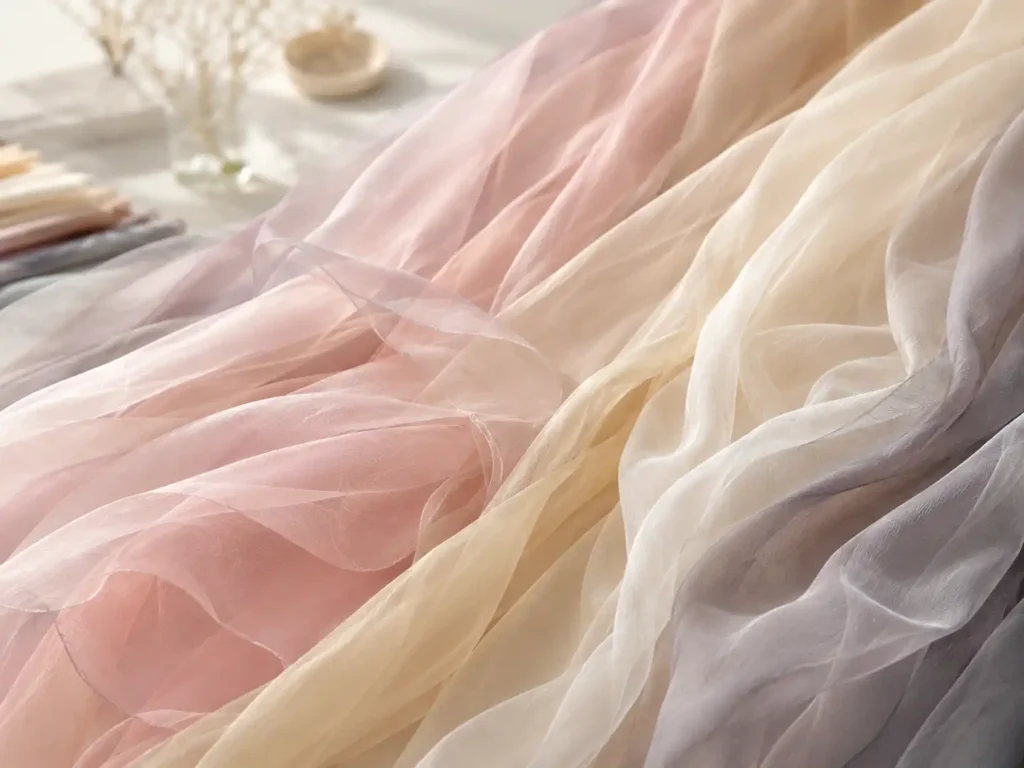
Chiffon supports layered gowns, sleeves, draped panels and movement-focused silhouettes. Sheerness, slippage, seam strength, puckering, hem stability and lining length are checked during sampling. Cutting and bundling need careful handling because small grain or layer differences can become visible in floor-length garments. Color and opacity are reviewed against the intended lining rather than the shell alone.

Mesh and Tulle

Mesh creates fitted transparency, cut-out effects and layered volume. Weight, stretch direction, recovery, hole size, edge stability and skin feel determine the right application. Power mesh may add support behind a lighter outer layer. Sampling confirms coverage zones, seam tension and whether the lining ends remain invisible on body. Bulk QC looks for holes, pulls, distortion and transparency changes.

Lace

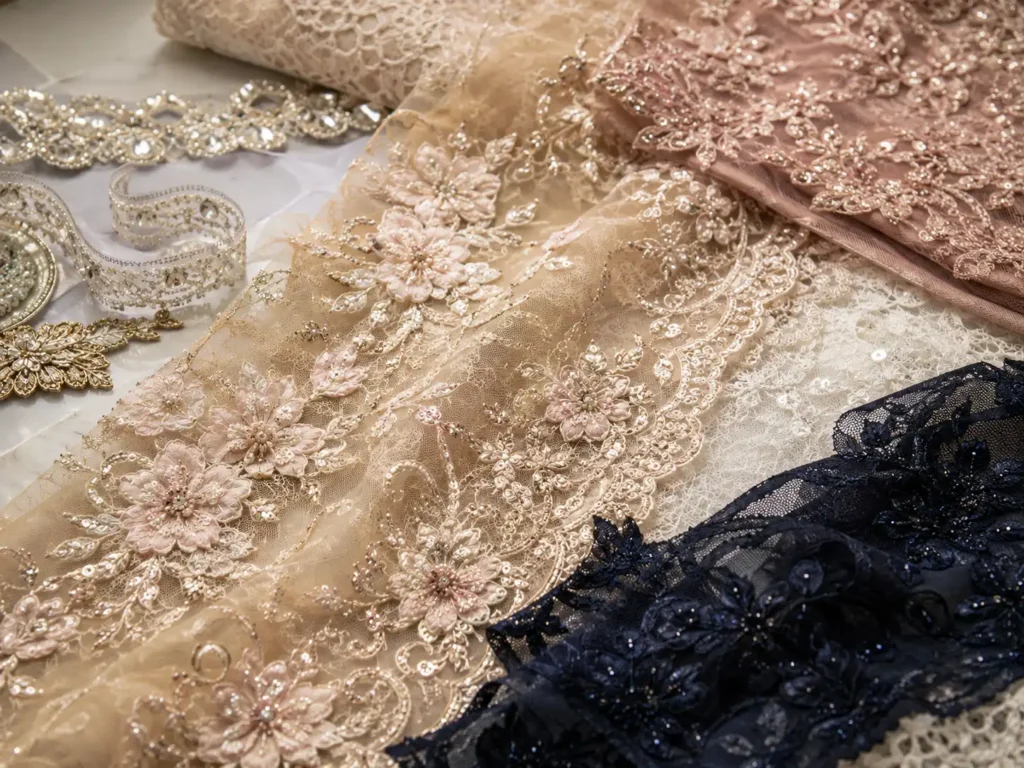
Lace performance depends on motif, yarn, density, width and edge structure. Development maps motif placement around bust, waist, neckline and seam joins while reviewing whether mirrored or engineered placement is required. Lining color changes the visual depth of the garment and must be approved with the shell. Bulk inspection checks damage, joins, loose edges, shade variation and repeated motif positioning.

Sequin Fabrics

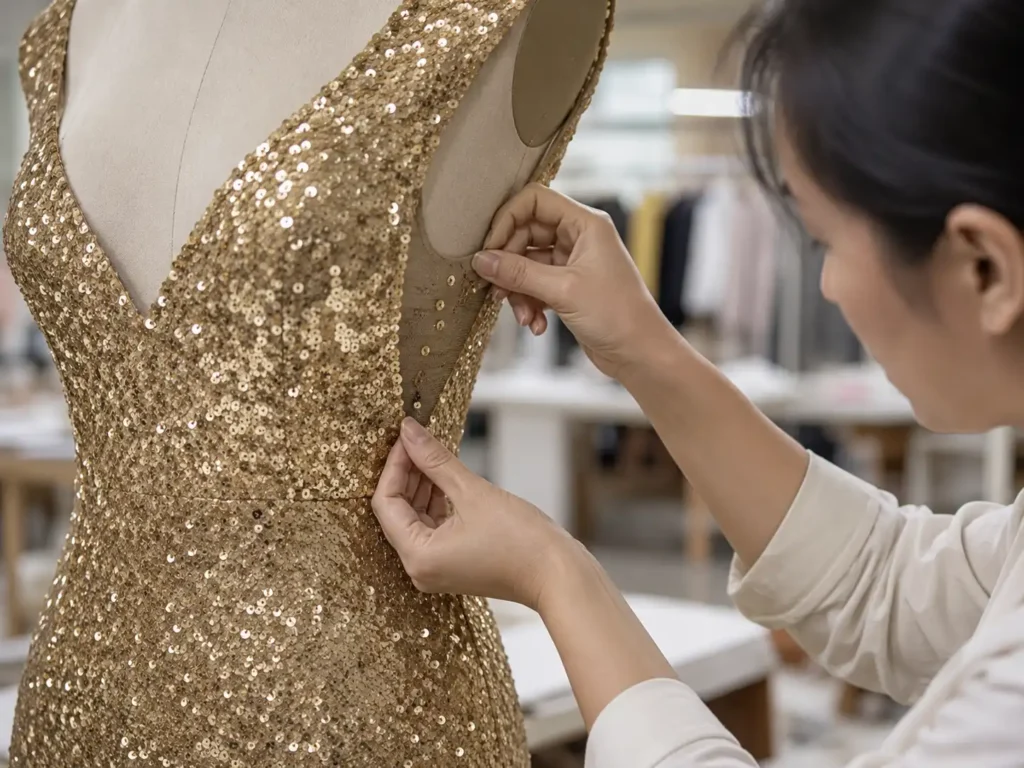
Sequin materials deliver instant impact but add weight, abrasion and sewing risk. Direction, base fabric, sequin density, seam clearing, needle selection, thread strength and skin-contact protection are confirmed through a construction sample. Material consumption includes damage and motif direction allowances. Finished pieces are checked for shedding, sharp edges, missing areas, seam bulk and packing friction.

Velvet and Jersey

Velvet adds depth and seasonal richness, while structured or metallic jersey can deliver fitted comfort. Velvet requires one-way pile control, careful pressing and protection from pressure marks. Jersey needs verified stretch direction, recovery and dimensional stability. Both materials demand fit review because surface and elasticity can change how the same pattern sits across bust, waist, hip and hem.

Fit Engineering Behind Production-Ready Eveningwear

Eveningwear fit is structural. Shape, support, coverage and movement must remain controlled from the base size through the full size range. Pattern comments are recorded before revised samples and grading are approved.

  • Bust and Bodice Support
    Bust structure is reviewed through upper-bust, full-bust and under-bust measurements rather than one chest figure. Strapless, corset and deep-neck styles may require cups, boning, stabilized lining, grip support or panel adjustments. Cup shape and position are checked on body because a visually correct flat pattern can still sit too high, too low or too far apart. Seam symmetry and internal comfort matter alongside lift. Once the fit is approved, construction notes define cup placement, boning length, seam allowance, neckline edge treatment and closure position so the result can be repeated in bulk.
  • Waist and Hip Balance
    Waist placement controls the whole silhouette. A waistline set 10-15 mm too high or low can change torso proportion, drape and skirt fall, especially on corset and fitted styles. Hip ease is checked against fabric stretch and intended body fit; enough room is needed for movement without losing the visual line. Side seams, center front, center back and zipper lines are reviewed from front, side and back. Pattern revisions are made before size grading, since grading an unresolved base-size issue multiplies the error across every size.
  • Neckline and Strap Stability
    Halter, one-shoulder, thin-strap, off-shoulder and deep-V designs create different load paths. Strap length, armhole depth, neckline spread, back coverage and lining tension are checked together. A neckline can look correct while standing still yet open during movement or expose the bra line from the side. Fit review tests sitting, walking and arm movement where appropriate. Final instructions cover strap position, reinforcement, seam stabilization and allowable measurement tolerance so the neckline remains consistent in production.
  • Hem, Slit and Train Control
    Floor-length garments need a defined wearing height and shoe assumption. Front length, back length, side length and train shape are balanced after fabric drape is confirmed. Bias or lightweight fabrics may relax after hanging, so hem review should follow suitable resting and pressing. Slit height is measured from a fixed point and checked for movement safety, lining exposure and reinforcement. The approved hem method, stitch visibility and pressing standard are recorded before bulk finishing begins.

Construction Details That Protect Eveningwear Quality
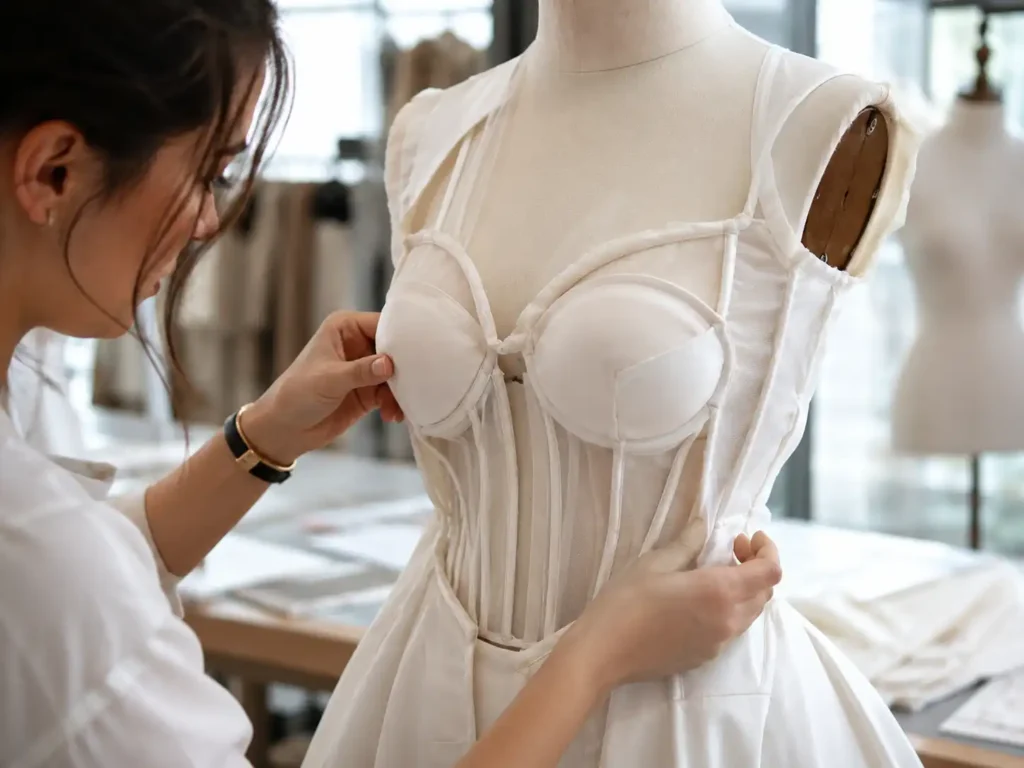
Premium appearance comes from small decisions repeated correctly. Internal structure, lining, closures, surface decoration and pressing need production instructions that connect the approved sample with the sewing line and final inspection.

Internal Boning

Boning supports the bodice only when type, hardness, length and placement match the design. Ends should be protected from pressure points, and channels should remain smooth without showing through the shell. The sample confirms support, comfort and seam symmetry before the boning map is released.

Cups and Lining

Cup profile, coverage and position influence the whole neckline. Lining must support structure, protect skin and remain hidden at armholes, slits and sheer areas. Shell and lining shrinkage, stretch and color are reviewed together so one layer does not distort the other.

Draping and Pleats

Draped panels and pleats depend on grain, controlled fullness and accurate anchor points. The production instruction records direction, fold sequence, balance marks and stitch points. Inline checks prevent gradual drift across a large order.

Lace Placement

Lace may require centered motifs, mirrored placement or clean edge use at neckline and hem. Cutting markers, panel photos and approved samples guide bulk placement. Joins are positioned away from high-visibility areas where possible and checked for symmetry.

Sequin Protection

Sequin edges around underarm, neckline and waist can scratch skin or damage neighboring panels. Seams may require cleared allowances, lining, binding or protective facing. Finished garments are packed to reduce surface-to-surface abrasion and compression.

Zippers and Closures

Invisible zippers must sit flat without rippling the shell or exposing lining. Closure length, color, tape weight, seam stabilization and top finish are approved with the fabric. Hooks, eyes and internal support are aligned so the zipper does not carry all garment tension.

From Capsule Brief to Coordinated Bulk Production

A multi-style program moves through controlled handovers. Each phase has a defined input, decision and output, reducing confusion when several fabrics, fit comments and launch priorities run in parallel.

  • Brief Review and Assortment Map
    The process begins with line sheets, tech packs, reference images, original samples, target quantities, price direction, color plan, size range and launch date. Styles are grouped by fabric, construction and commercial role. Hero pieces and high-risk styles receive early sample priority, while related styles are linked through shared fabric approvals or bodice blocks where suitable.
  • Fabric Direction and Pattern Development
    Fabric options are assessed for weight, hand feel, drape, stretch, transparency, color availability, MOQ and bulk stability. Approved directions move into pattern development. Pattern makers review bust, waist, hip, length, neckline, armhole, strap, slit and lining requirements before the first sample is cut.
  • First Samples and Fit Revisions
    First samples test silhouette, structure, material behavior and construction feasibility. Fit comments are recorded against the size chart and reference standard. Revised samples address pattern, fabric, trim and sewing issues in a controlled sequence. Photo samples can be prioritized separately when campaign timing differs from PP approval.
  • PP Lock and Production Handover
    PP approval locks fabric, color, trims, measurements, construction, labels, hangtags, polybags, carton marks and packing method. The production handover includes final pattern files, BOM, trim cards, sewing instructions, measurement tolerances, QC checkpoints and the approved sample reference.
  • Bulk, QC, Packing and Delivery
    Materials are received and checked before cutting. Production follows assigned lines and inline inspection points. Final garments move through measurement review, surface and construction checks, pressing, label verification, barcode checks and packing. Shipment files are prepared from the approved packing data and delivery plan.

Plan Capsule MOQ Without Fragmenting Production

MOQ is calculated per style and per color, not by the total quantity across a capsule. Better planning comes from shared materials, focused color stories and workable size ratios rather than dividing every style into very small quantities.

Planning FactorWorking DirectionManufacturing Impact
Style Count10-30 styles can be managed as one coordinated program.Each style still needs its own pattern, sample, production record and quantity plan.
Standard MOQFrom 200 pcs per style/color.Fabric availability, trims, construction, packaging and production schedule may change the final requirement.
Color CountEach color normally needs separate MOQ review.Custom dyeing adds lab dip, dye-lot, minimum meterage and shade-control requirements.
Size RangeA 200-piece style/color can be divided across a reasonable XS-XL ratio.Extended, petite, tall or highly fragmented size runs add grading, cutting and measurement complexity.
Special FabricsLace, sequin, velvet, engineered mesh and certified materials are reviewed separately.Supplier stock, width, motif, loss allowance, certificate scope and batch availability affect MOQ.
Private LabelGarment MOQ and packaging MOQ are not always the same.Labels, printed polybags, dust bags, boxes and specialty hangtags can carry independent supplier minimums.
CostingFinal price depends on materials, lining, construction, labor, QC, packing and quantity.Cost control focuses on preserving brand-level appearance through material and construction choices.
Bulk TimingStandard woven or knit programs are commonly planned around 30-45 days after PP approval and complete material arrival.Dense embellishment, custom fabric, extensive handwork or staged deliveries may require 45-60 days or a separate schedule.

Build Production Around Your Eveningwear Launch Calendar

The warehouse date should drive sample priority, material booking, production allocation and shipment choice. Early approval creates room for correction; late changes transfer risk into bulk production and freight cost.

Campaign and Sales Samples

Identify hero styles and photography needs before general sampling. Photo samples may require priority colors, exact trims and finishing suitable for close-up images, while the remaining line continues through fit review.

PP and Material Lock

Bulk timing becomes reliable only after PP approval and material readiness. Custom colors, specialty lace, sequin fabrics, branded packaging and imported trims need earlier booking than standard stock materials.

Production and QC Window

The plan should reserve time for cutting checks, inline inspection, measurement review, final inspection, pressing and packing. Compressing QC into the final days increases the chance of late discovery and expensive rework.

Shipment and Receiving

Air, sea or split shipment decisions are based on carton data, launch priority and warehouse requirements. The receiving date should include transit, customs and local handling rather than only the factory dispatch date.

Capacity for Multi-Style Eveningwear Programs

Capacity is allocated by product structure and material risk, not only by total pieces. Woven satin gowns, complex corset styles, stretch bodycon dresses and embellished garments need different production routes and QC focus.

18+ Sewing Lines

Multiple sewing lines support style grouping and phased release. Line assignment follows garment category, construction difficulty, fabric behavior and required delivery sequence.

6+ Flexible Lines

Flexible lines help manage smaller style groups, replenishment and mixed programs where changeover speed matters. Final suitability depends on complexity and confirmed quantity.

Woven Dress Allocation

Woven-focused factories support satin, chiffon, crepe, lace and structured dresses with attention to grain, drape, lining, zipper installation and hem balance.

Complex Fabric Allocation

Selected production units handle mesh, sequin, velvet, organza, tulle and corset-related structures after sample methods and QC points have been approved.

12+ Merchandisers

Merchandising teams coordinate files, materials, sample status, factory schedule, approvals, packing requirements and shipment preparation across multi-style programs.

30+ Packing Workers

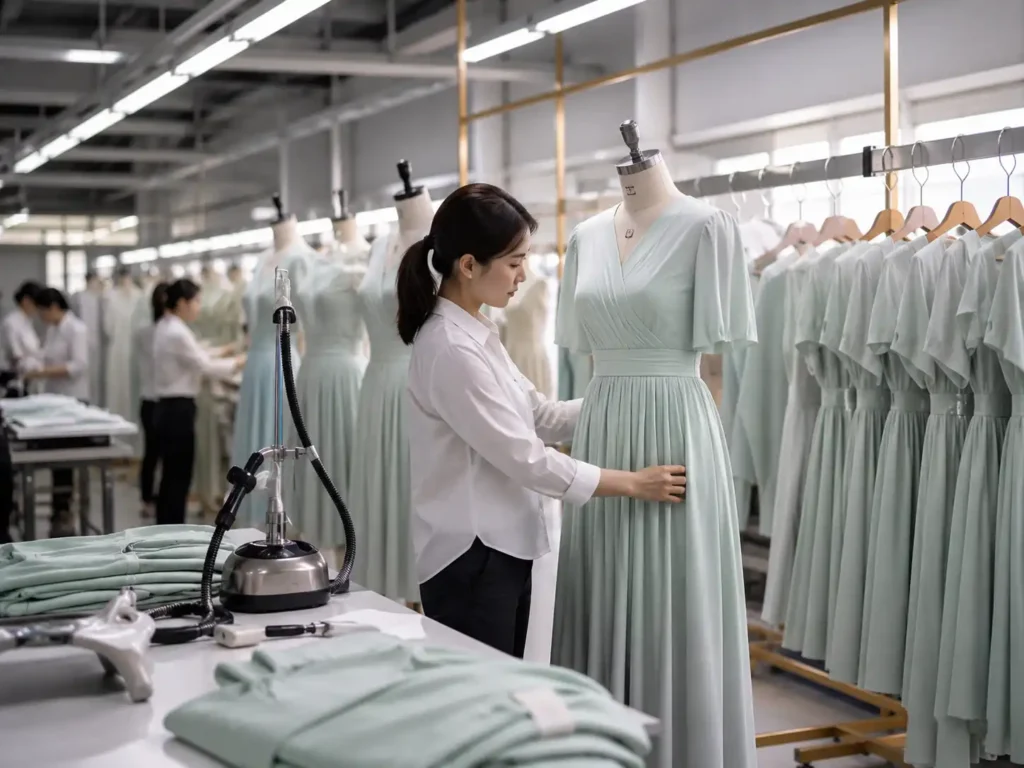
Finishing and packing teams support pressing, label application, barcode review, individual protection, carton breakdown and warehouse marking requirements.

QC Controls from Fabric Lot to Packed Garment

Eveningwear quality cannot be inspected only at the end. Process checks catch shade, direction, fit and construction problems before they spread across thousands of garments.

Fabric Inspection

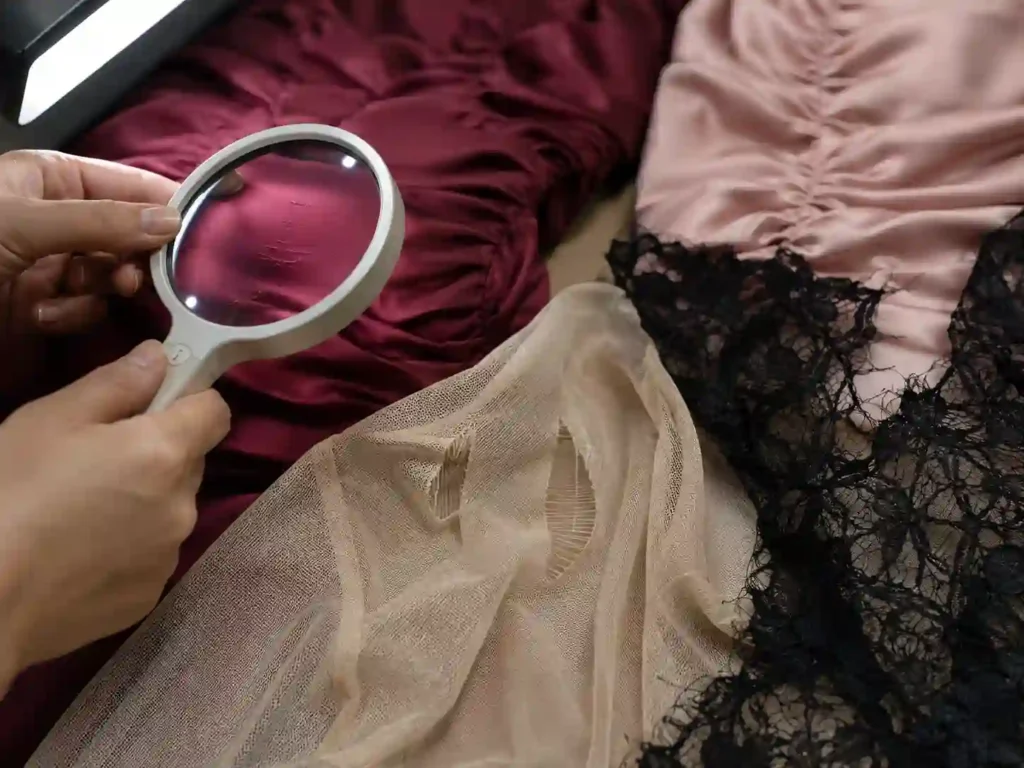
Fabric is reviewed for shade, surface marks, holes, snagging, sequin loss, lace damage, stretch, width and visible defects before cutting. Approved references and lot information support material control.

Shade and Lot Control

Satin, velvet, lining and trims are compared by lot. Shell, lining and closure colors are checked together because different surfaces can appear mismatched under store or photography lighting.

Cutting Check

Cut parts are checked for grain, pile, face direction, motif placement, size, quantity and damage. Lace, mesh and printed pieces receive extra attention before bundling by style and size.

Measurement Control

Critical points include bust, under-bust, waist, hip, length, strap, armhole, neckline, slit, lining and jumpsuit rise. Tolerances follow the approved specification and style risk.

Inline Sewing Check

Inline inspection covers neckline, shoulder balance, straps, boning, cups, zippers, ruching, pleats, lining, slits, symmetry, seam allowance, stitching and fabric damage while correction is still efficient.

Surface Inspection

Lace motifs, sequins, rhinestones, velvet pile, satin sheen and mesh transparency are reviewed for continuity and damage. Scratch points and loose decoration are corrected before final finishing.

Final Garment Review

Finished garments are checked for construction, measurements, appearance, pressing, stains, thread ends, labels and agreed defect standards before packing approval.

Packing Verification

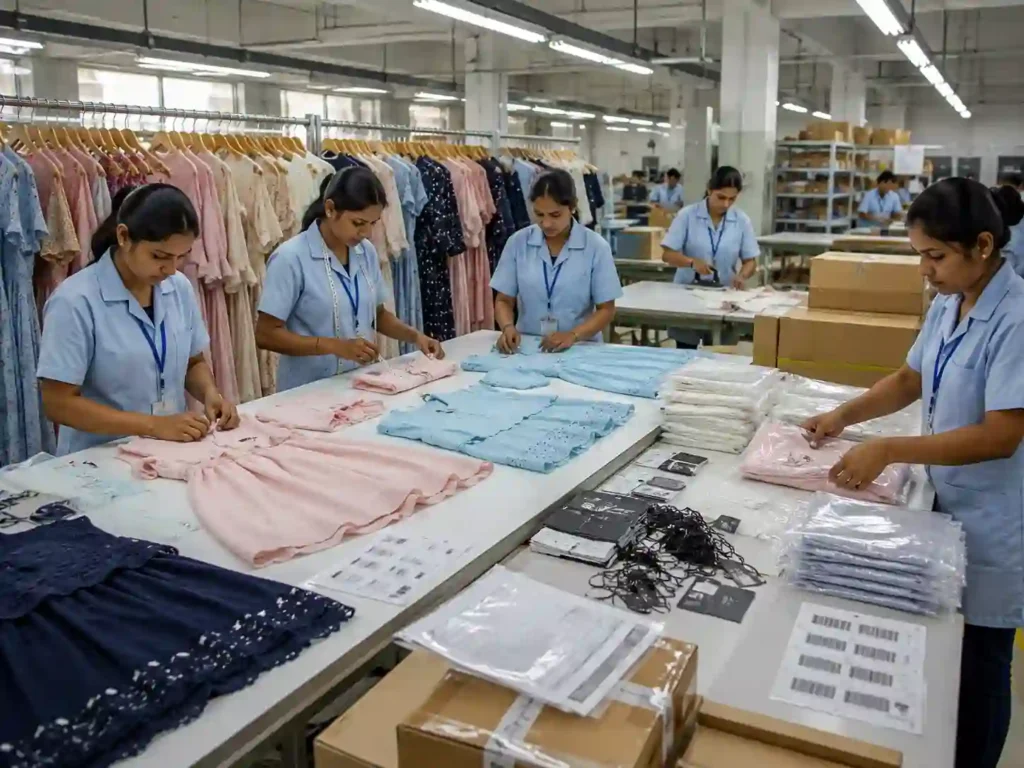
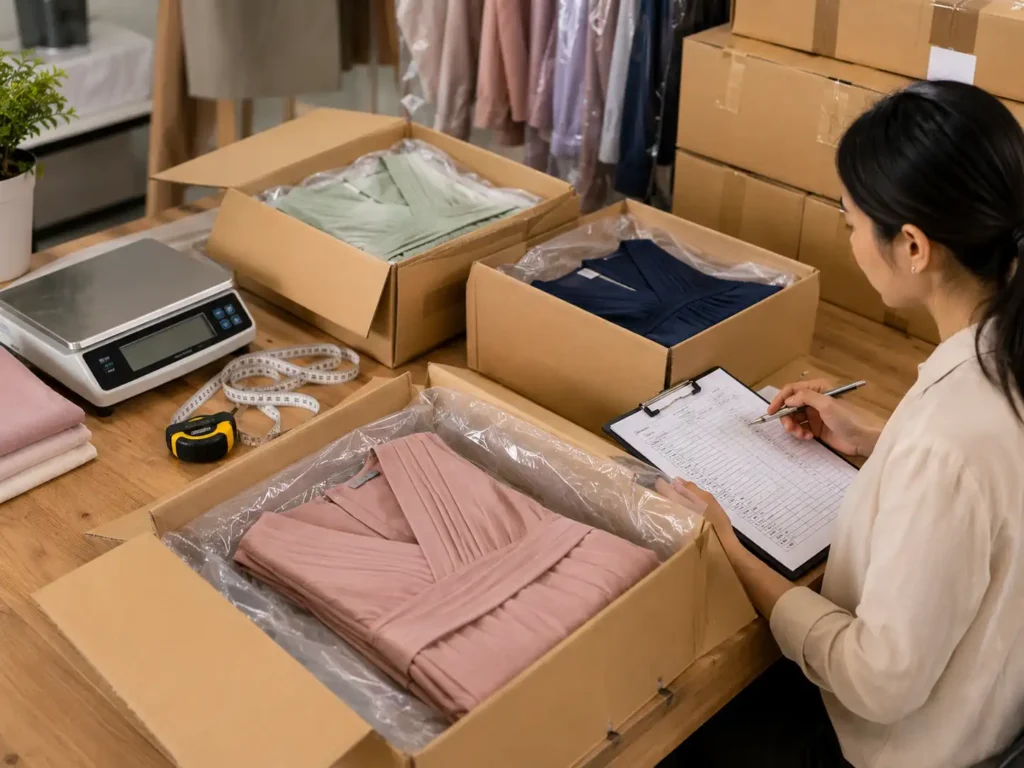
Style, color, size, barcode, SKU label, polybag, hanger, protective tissue, carton quantity and carton mark are checked against the approved packing instruction and packing list.

Private-Label Packaging for Retail-Ready Eveningwear

Eveningwear needs protection as well as branding. Surface, structure and length influence whether the garment should be folded, hung, supported or separated from other pieces during delivery.

Main and Size Labels

Woven or printed labels are positioned according to comfort, construction and brand guidelines. Size labels must match the garment, barcode data and carton breakdown.

Care and Content Labels

Care labels can include fiber content, care instructions, size, country of origin and approved market information. Mixed shell, lining, lace and trim compositions are reviewed before artwork is confirmed.

Hangtags and Barcodes

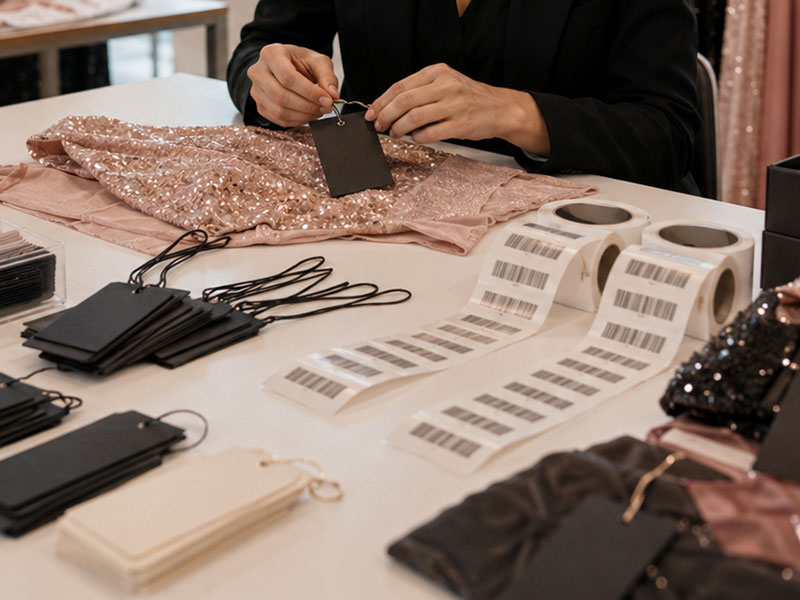
Hangtags, hang strings, barcode stickers, SKU labels and price-ticket placement are checked against the approved file. Scannability and style-color-size mapping are important for retail receiving.

Protective Inner Packing

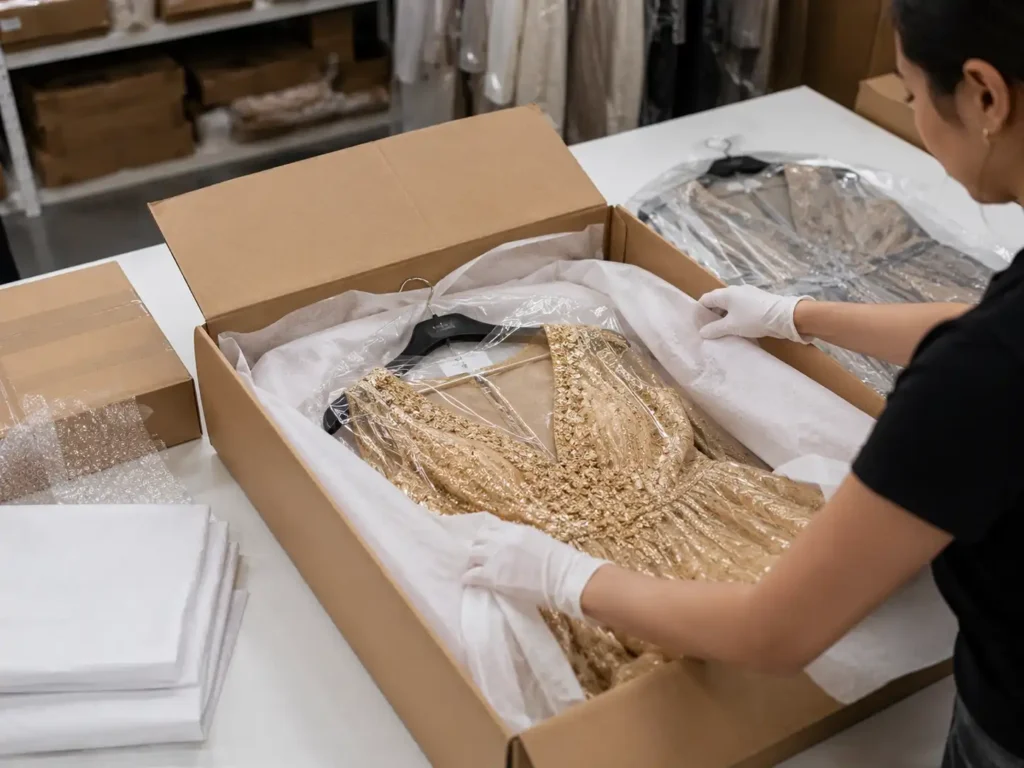
Tissue, garment bags, hanger covers, bodice support and surface separation may be used for satin, sequin, velvet or structured gowns. Packing is selected to reduce snagging, abrasion, compression and pressing marks.

Carton Breakdown

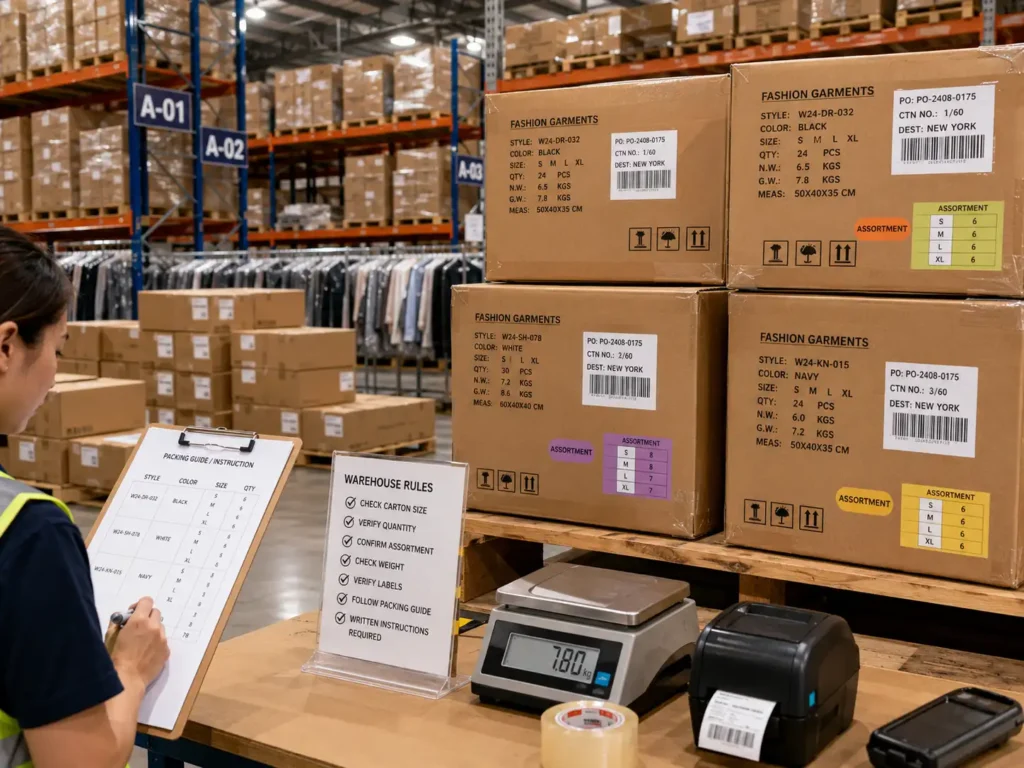
Cartons are planned by style, color, size and receiving instruction. Pieces per carton, carton size, gross weight, net weight and carton numbering feed the packing list and freight planning.

Warehouse Marks

Carton marks and warehouse labels can include PO, style, color, size ratio, carton sequence and destination information supplied by the brand. Final wording and format are approved before mass printing.

Compliance Support Without Unverified Promises

Brand approval depends on available factory records, material documents, testing requirements and market-specific labeling. Support is provided against the actual production unit, material source and order scope.

Factory Audit Support

SMETA-, Sedex- and BSCI-related documentation or client factory-audit coordination can be reviewed according to the factory assigned to the program and the latest available records. Requirements should be submitted before supplier approval or production booking.

Quality Management

ISO 9001-related quality-management principles can be reflected through material control, process inspection, measurement review, packing verification and pre-shipment checks. Client quality manuals and AQL requirements can be incorporated into the project plan.

Certified Fabric Review

OEKO-TEX, GOTS, organic-cotton and GRS-related resources can be sourced when required. Fabric type, color, supplier batch, certificate scope, validity, MOQ, price and lead time must be confirmed before quotation.

Testing and NDA

SGS, Intertek, BV, ITS or a nominated laboratory can be coordinated for fabric or garment testing when required. NDA-based cooperation protects tech packs, samples, patterns, unpublished designs, trims, labels, quantities and packaging files.

Eveningwear Programs Developed for Global Markets

The following anonymized program structures reflect the scale and operating conditions common in established brand orders. Brand names, original designs, prices, PO details and unpublished files remain protected.

US Holiday Satin Capsule

18 styles | 36,800 pieces | XS-XL | 5 approved color families
The range combined satin slip midis, draped minis, one-shoulder styles, corset dresses and an evening jumpsuit. Main risks were satin shade variation, neckline stability, zipper rippling and inconsistent lining coverage. Development was divided into three sample waves, with campaign styles prioritized first. Bulk fabric was separated by dye lot, critical measurements were reviewed during inline inspection, and protective packing reduced pressure marks. Production was planned for 42 days after PP approval and full material arrival, followed by one consolidated shipment.

UK Occasionwear Collection

14 styles | 24,600 pieces | UK 6-16 | 4 main colors
The collection focused on cocktail midis, wedding guest maxis, lace occasion dresses and coordinated skirt sets. Fit review concentrated on bust support, slit height, floor-length balance and underarm coverage. Lace placement photos and approved lining references were added to the production file. Two core satin qualities were shared across multiple styles to simplify shade and purchasing control. Bulk production moved through staged line release and final measurement review, reaching packing approval in 38 days after the PP and material lock.

North American Sparkle Drop

26 styles | 72,400 pieces | XS-2XL | 8 colorways
A large Holiday program included sequin minis, mesh bodycon dresses, velvet cocktail styles, embellished tops and matching skirts. The main challenge was controlling sequin direction, scratch points, heavy seams, mesh transparency and barcode complexity across many SKUs. Construction samples were approved before bulk fabric booking, while size ratios and packing data were locked by style and color. Production used two planned delivery batches, with the priority launch group shipped first and the remaining styles completed within a 52-day bulk window.

Eveningwear Capsule Manufacturer Frequently Asked Questions

MOQ starts from 200 pieces per style/color. The total quantity across several styles does not replace the MOQ for each style and color. Special lace, sequin fabric, custom dyeing, engineered placement, branded packaging or certified materials may carry separate supplier minimums. Send a line sheet with quantity by style and color for an accurate review.
Yes. Development can cover dresses, gowns, cocktail styles, jumpsuits, skirts, fashion tops and matching sets within one coordinated program. Work can begin from tech packs, reference images, original samples, sketches or a line sheet. Fabric groups, sample priorities, fit comments, PP approval and production status are managed by style.
Programs of 10-30 styles can be managed through grouped sampling and production planning. Styles are organized by fabric, structure, trims, priority and launch need. The number moving at the same time depends on material readiness, complexity, sample-room schedule and how quickly fit comments and approvals are returned.
A standard first sample is commonly planned around 7-15 working days after complete files and approved material direction are available. Corset construction, engineered lace, dense sequins, custom color or hand-applied details may require 10-20 working days or a style-specific schedule. Revision time depends on whether new materials or trims are needed.
Yes. Development can include cups, boning, stable lining, grip support, hook-and-eye closures, structured panels and waist shaping. The first sample tests support, neckline stability, comfort and seam symmetry. Bulk production begins only after the construction method, measurements, materials and PP standard have been approved.
Satin is reviewed by fabric type, weight, shine direction, Pantone or physical standard, dye lot, lighting condition, lining color and approved sample. Bulk inspection separates shade lots and checks snags, needle marks, seam waviness, pressing shine and packaging creases. Shell, lining and zippers are assessed together because different surfaces can appear mismatched.
Photo-ready or campaign samples can be prioritized within a multi-style program. Their purpose, color, material and deadline should be confirmed separately from fit and PP approval. A photo sample may look ready for shooting but still require technical changes before bulk. Production standards are locked through the PP sample and related specification files.
Yes. Support can include main labels, size labels, care labels, fiber-content labels, hangtags, barcodes, SKU labels, polybags, stickers, tissue, garment bags, hangers, cartons, carton marks and warehouse labels. Packaging materials may have independent minimums, so artwork and quantities should be submitted early.
Yes. NDA-based cooperation can cover brand identity, tech packs, line sheets, original samples, patterns, measurements, fabric directions, trims, labels, packaging, quantities, prices and unpublished designs. Anonymized production examples are used only without exposing protected brand or product information.
Bulk timing is confirmed after PP approval, material arrival, line allocation, QC requirements, packing and shipment method are known. Standard programs are commonly planned around 30-45 days after PP and complete material arrival; heavily embellished, custom-developed or complex multi-batch programs may require 45-60 days. A warehouse date allows the schedule to be built backward.

Share Your Eveningwear Capsule Plan

Send your line sheet, tech packs or reference images for a structured project review.

Kelly and the development team will assess style complexity, fabric direction, trim requirements, size range, MOQ fit, sample priority, potential production risks and the information needed for an accurate quotation.

A complete inquiry helps the team separate hero styles from supporting products, group shared materials, identify custom-color or specialty-fabric requirements and build a realistic sample-to-bulk schedule. Include the intended launch or warehouse date so material booking, PP approval, production, QC, packing and shipment can be planned in the right order.

  • Line sheet or style list, ideally showing 10-30 planned styles.
  • Tech packs, sketches, original samples or clear reference images.
  • Target quantity per style/color and proposed size ratio.
  • Fabric, color, trim, label, barcode and packaging requirements.
  • Campaign-sample deadline, launch date and warehouse receiving date.
  • Target market, required testing, audit or quality documents.

Tell Us About Your Dress Project

Share your product details, estimated quantity and development requirements. Our team will review your project and provide practical OEM/ODM production feedback.

Premium Women’s Apparel Production for Fashion Brands

From dress sample development to bulk production, JF Apparel supports fashion brands with confidential OEM/ODM manufacturing, reliable quality control and scalable production support.

START YOUR DRESS PROJECT

Ready to Develop Your Next Dress Collection?

Share your design concept, product requirements or sourcing plans with our team. We’ll review your project and provide practical feedback on development, materials, MOQ and production.

7-10 Days

Sample Development

200 PCS

Starting MOQ

Fast Response

Professional Follow-Up