Dusty Rose Dress Manufacturer
Custom dusty rose dress development for fashion, bridesmaid, occasionwear and private-label collections.
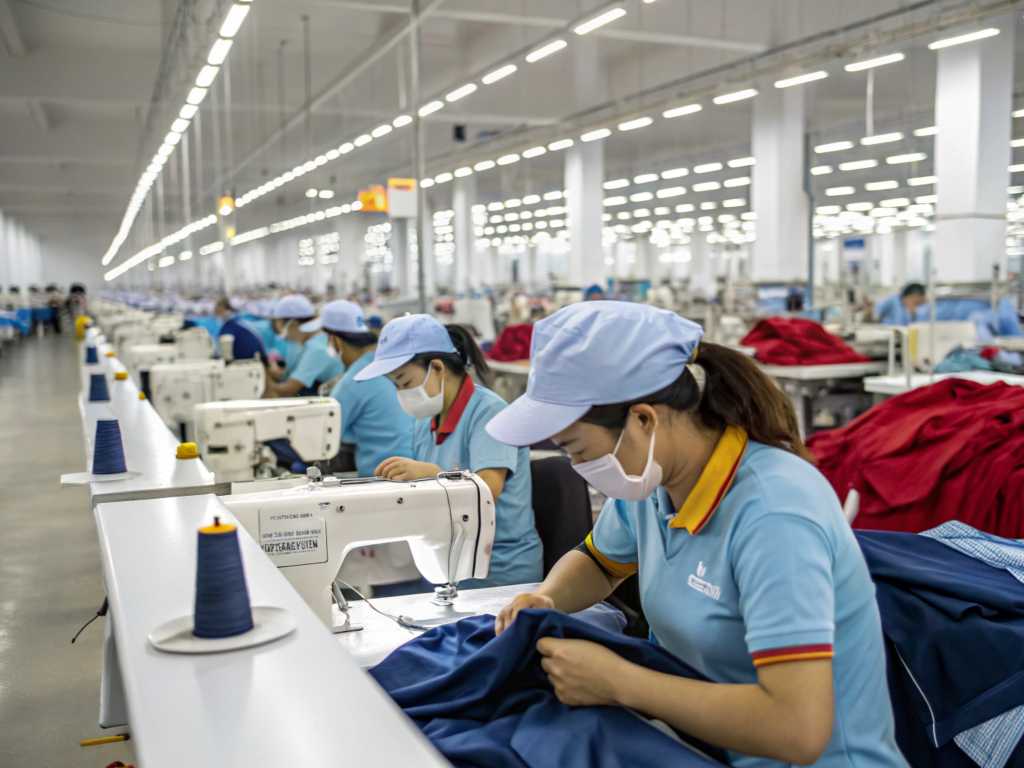
Jinfeng Apparel develops dusty rose dresses from an approved color direction through fabric sourcing, pattern making, sample review, bulk production, quality control and private-label packing. Each program is planned around the final garment rather than a screen color alone, so satin shine, chiffon transparency, lace texture, mesh layering, lining depth and trim color are reviewed before bulk approval.
- 6 core fabric directions commonly used for dusty rose collections: satin, chiffon, crepe, lace, tulle and mesh.
- 8 garment color touchpoints reviewed across shell, lining, lace, mesh, thread, zipper tape, labels and packaging identification.
- 3 approval layers for color-led programs: fabric direction, approved sample and bulk shade review.
- MOQ starts from 200 pcs per style/color, subject to fabric availability, dyeing minimums, construction and production schedule.
Built for Brand-Level Dusty Rose Dress Programs
Global Fashion Brands
Occasionwear Labels
Bridesmaid Programs
Premium Ecommerce Teams
Sourcing Departments
Private Label Collections
Dusty Rose Dress Manufacturing Control Points
A qualified manufacturer must control the approved rose direction, fabric response, garment fit, trim coordination, bulk shade variation and retail delivery. Color is only successful when every material and construction decision supports the final dress.
- Define the Color Before Production
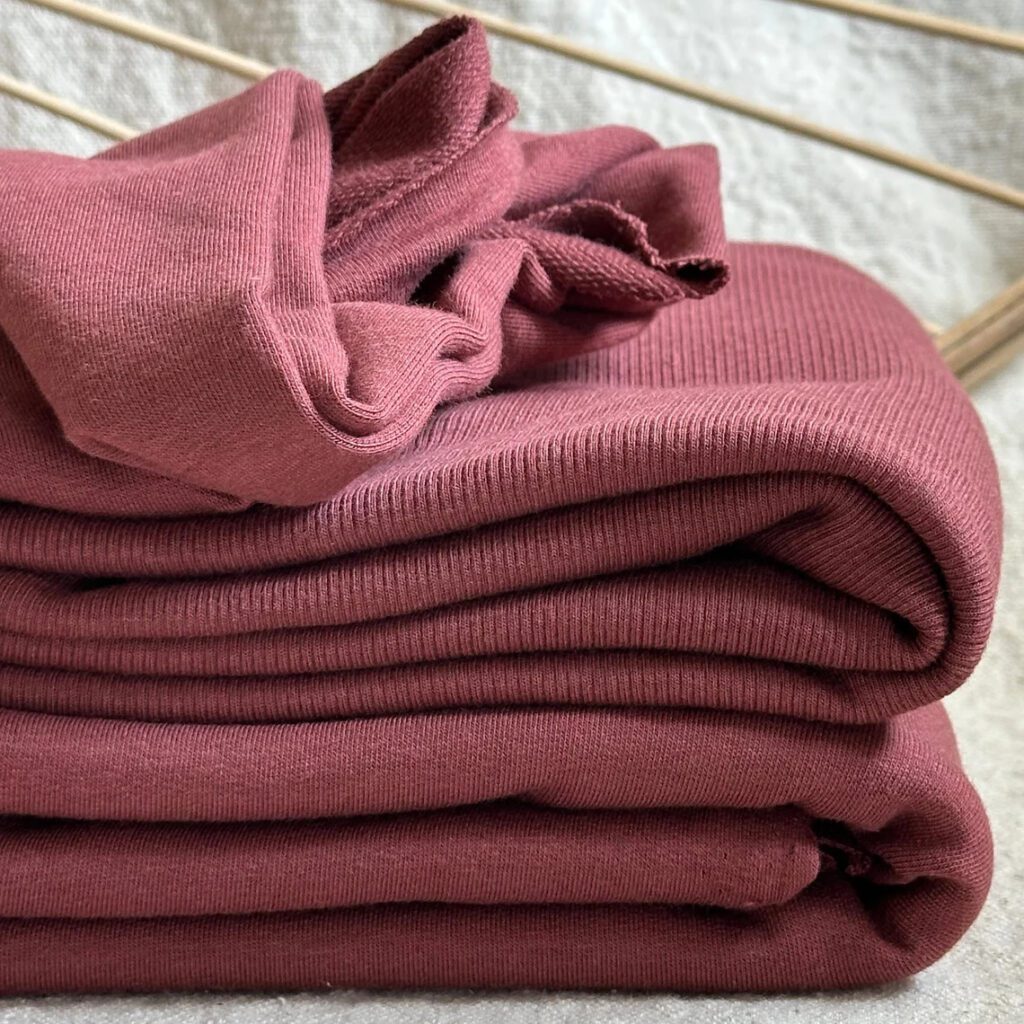
Dusty rose is a commercial color name, not a universal production standard. One brand may expect a muted grey-pink, while another expects a mauve rose, antique blush or warmer brown-based tone. A reference image can establish direction, but screen settings, photography and lighting make it unsuitable as the only final standard. Strong development starts with a physical swatch, approved garment, Pantone direction or controlled fabric submission. The material composition and surface must also be fixed because polyester satin, chiffon, lace yarn and stretch mesh do not absorb or reflect color in the same way. Jinfeng reviews the target shade together with the intended fabric, lining and trims, then records the approved direction for sample comparison, PP approval and bulk inspection. When custom dyeing is required, lab dips and supplier dyeing minimums are discussed before the color is treated as production-ready.
- Convert the Color Into a Sellable Dress
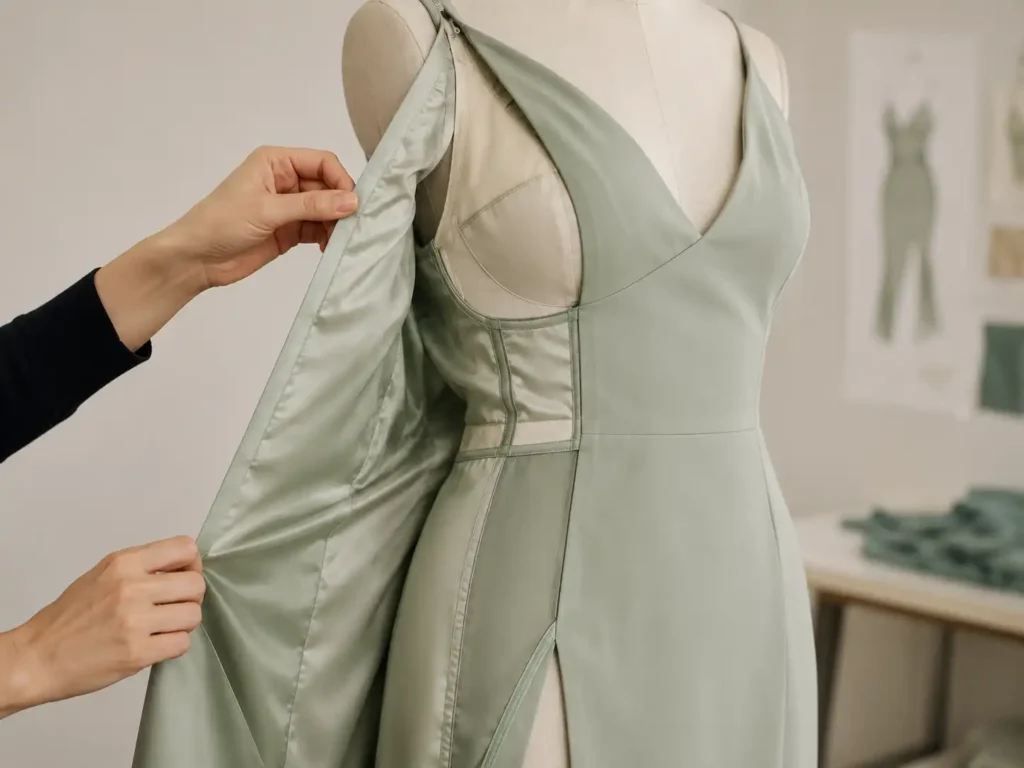
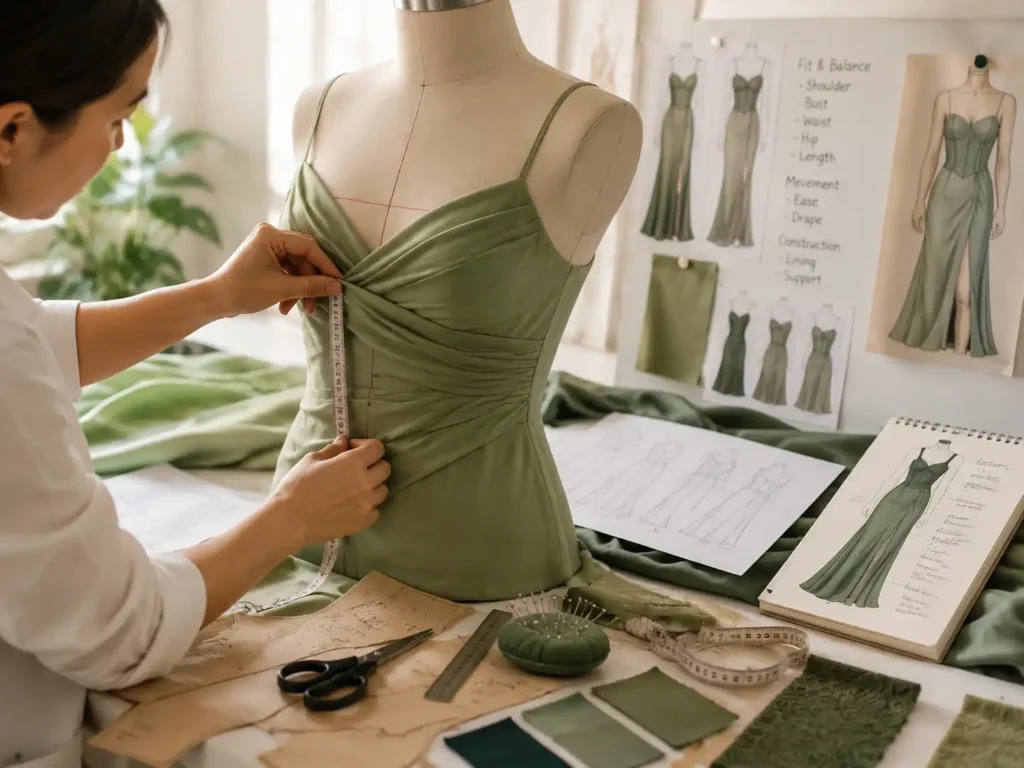
A correct fabric swatch can still become an unsuccessful garment when the lining is too pink, the thread is too bright, the zipper tape looks beige, the tulle becomes too dark after layering or the satin panels reflect light in opposing directions. Garment engineering therefore connects color with silhouette, transparency, support, seam placement, pressing and packaging. Jinfeng reviews bust coverage, waist position, strap angle, slit height, lining length, hem balance and material direction during sampling. Bulk instructions then record approved fabric, trim board, measurements, sewing method, color grouping, pressing limits, labeling and packing. The result is not merely a dusty rose textile; it is a production-ready dress that can be photographed, fitted, packed, reordered and sold as part of a stable brand range.
Where Dusty Rose Dress Programs Commonly Fail
Undefined Rose Tone
Fabric Color Shift
Mismatched Components
Lighting Variation
Bulk Shade Mixing
Fit Changes Color
Dusty Rose Dress Collections for Different Markets
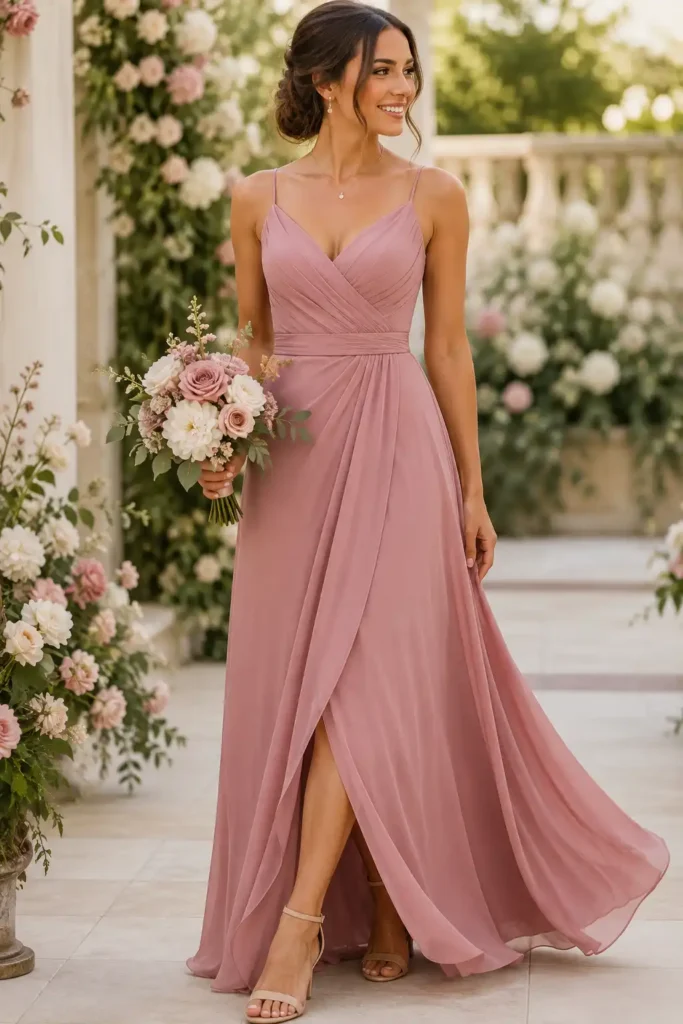
Bridesmaid Dresses
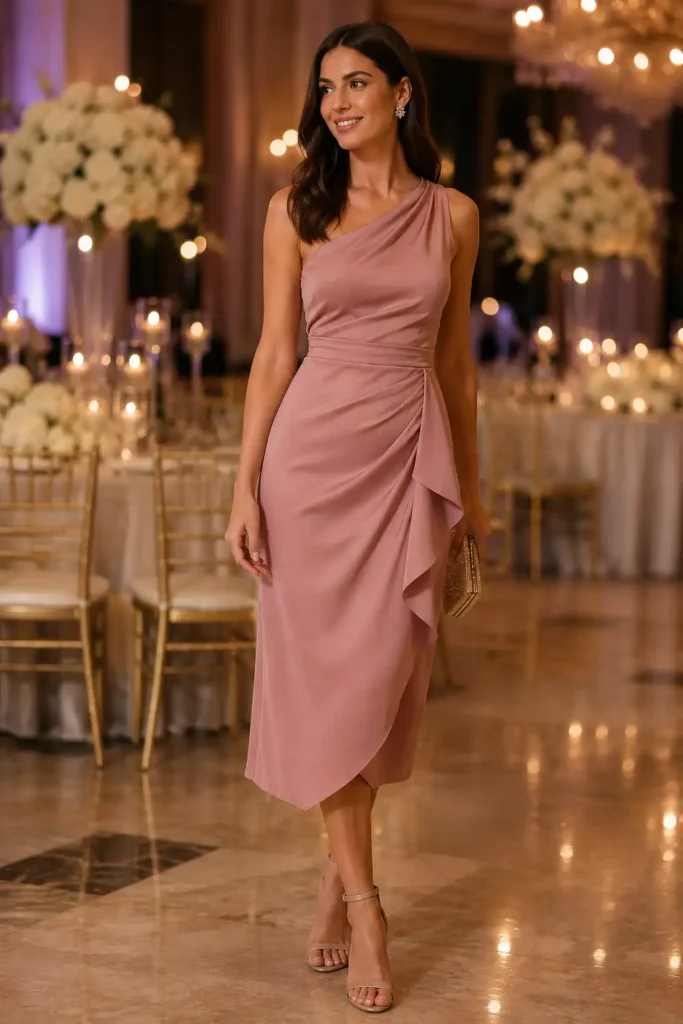
Wedding Guest Dresses

Evening Dresses
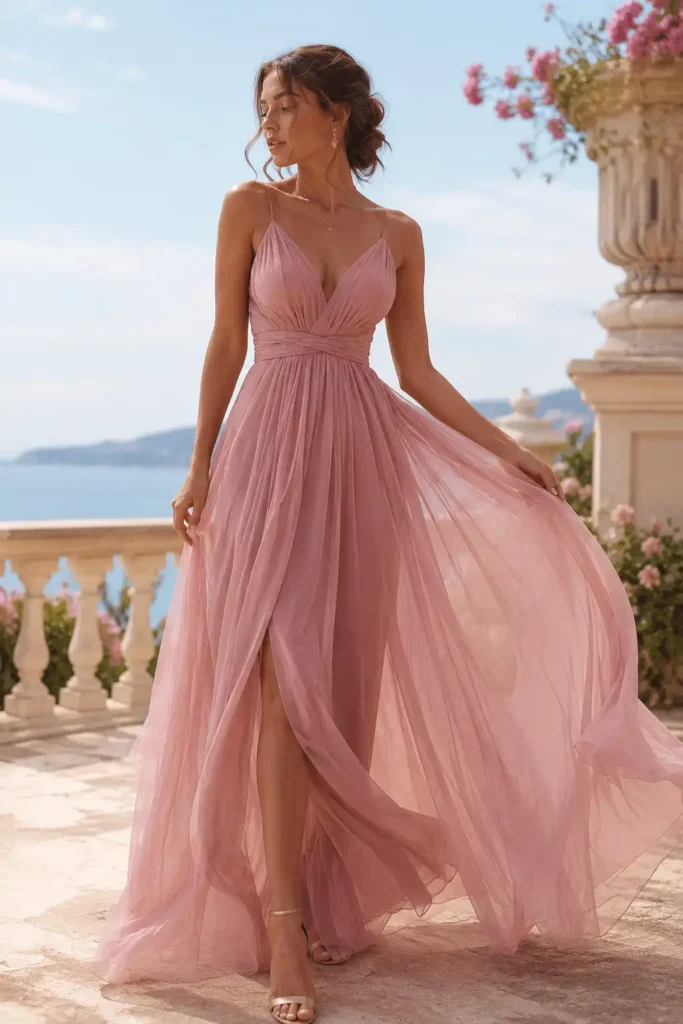
Chiffon Maxi Dresses
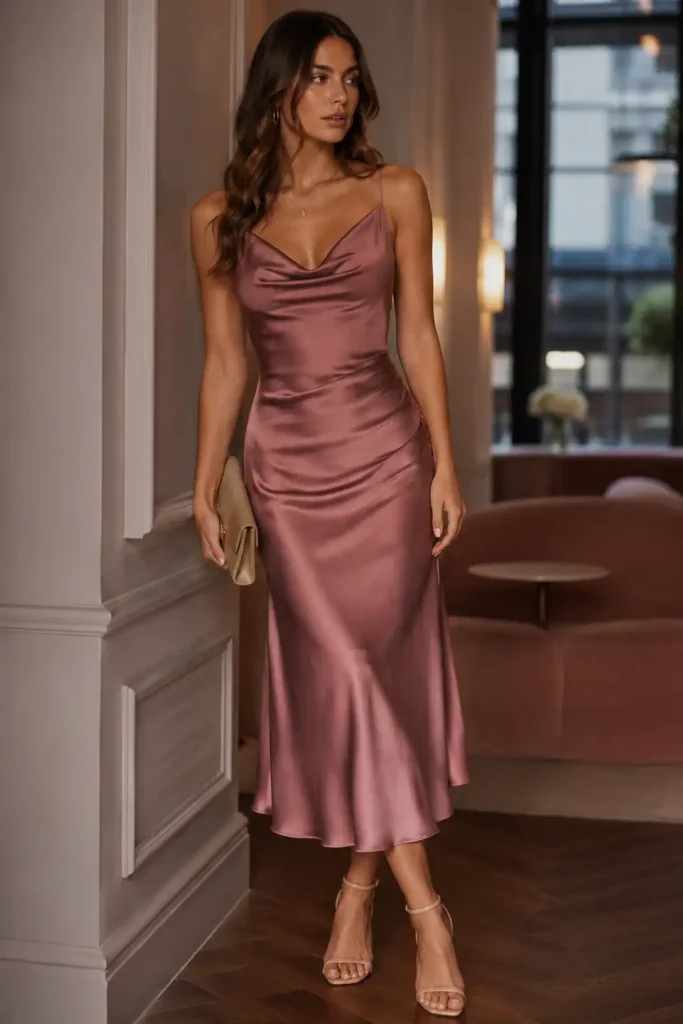
Satin Midi Dresses

Party Mini Dresses
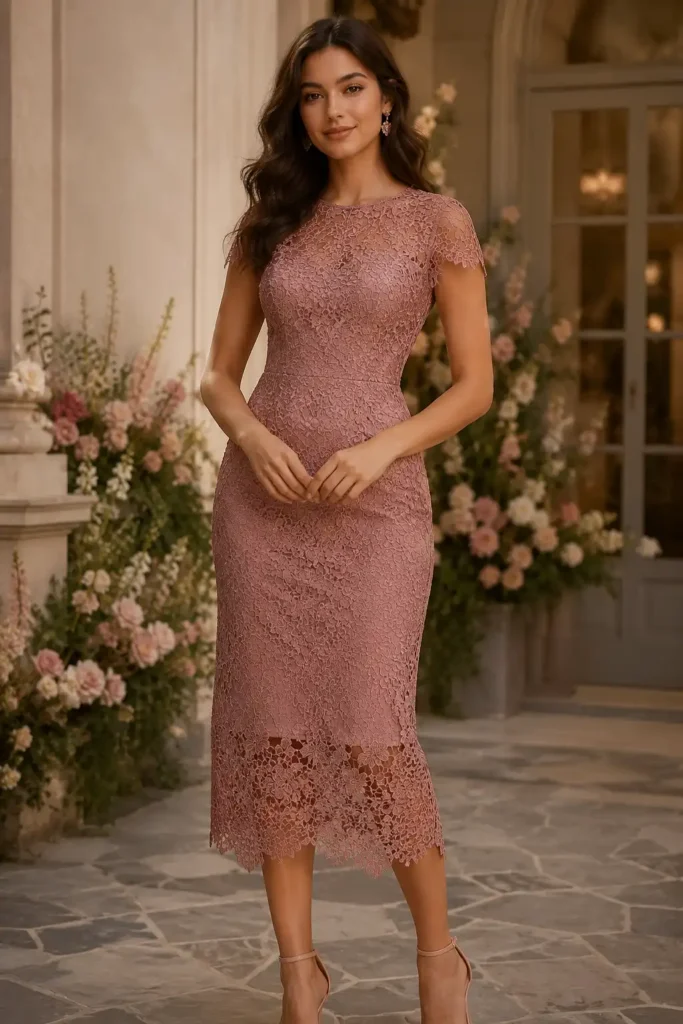
Lace Occasion Dresses
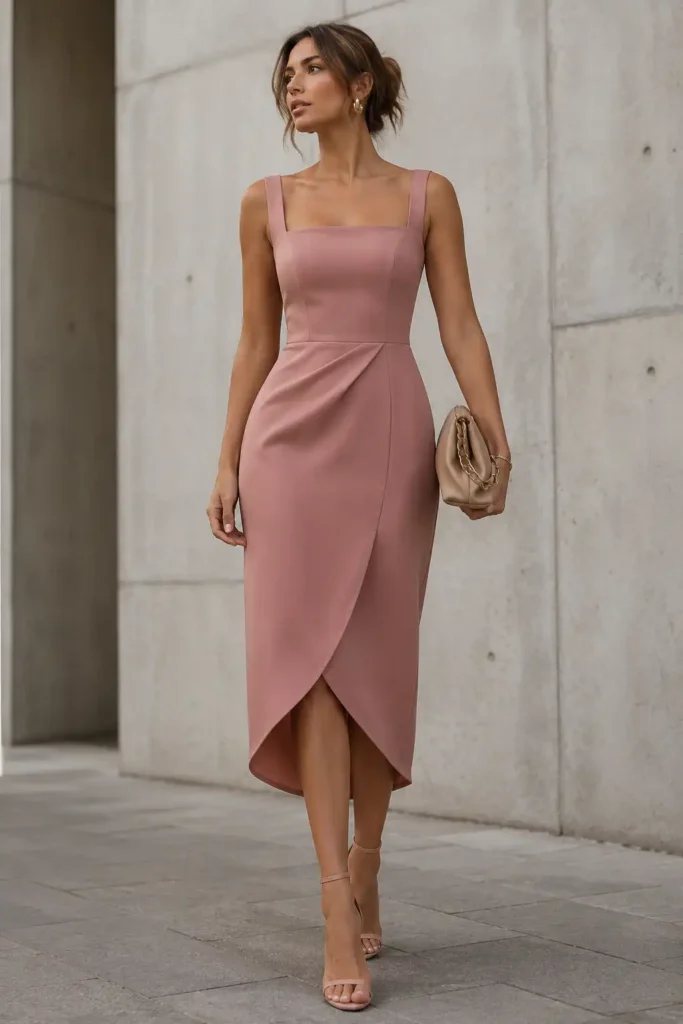
Modern Fashion Midis
Silhouette Planning for Dusty Rose Collections
Silhouette determines how a muted rose color is stretched, layered, reflected and photographed. The matrix below links common dress structures with suitable fabrics, primary fit points and bulk controls.
| Silhouette | Suitable Fabric | Main Market | Fit Focus | Bulk Control |
| A-Line | Chiffon, crepe | Bridesmaid, formal | Waist position, skirt balance | Length and layer consistency |
| Slip | Satin, crepe | Occasion, fashion | Bust, neckline, side seam | Luster direction and pressing |
| Corset | Satin, mesh, lace | Party, evening | Bust support, waist shaping | Boning, symmetry and cup placement |
| Wrap | Chiffon, jersey | Bridesmaid, day-to-event | Coverage, tie position | Overlap and size consistency |
| Bodycon | Jersey, stretch mesh | Party, club | Bust-waist-hip balance | Stretch recovery and seam stability |
| Strapless | Satin, crepe | Formal, wedding guest | Anti-slip support, neckline | Elastic, boning and top-edge control |
| One-Shoulder | Chiffon, satin | Occasion, bridesmaid | Shoulder angle, armhole | Strap tension and symmetry |
| Halter | Satin, crepe | Occasion, resort | Neck, bust and armhole | Neck fastening and exposure control |
How Dusty Rose Changes Across Dress Fabrics

Satin
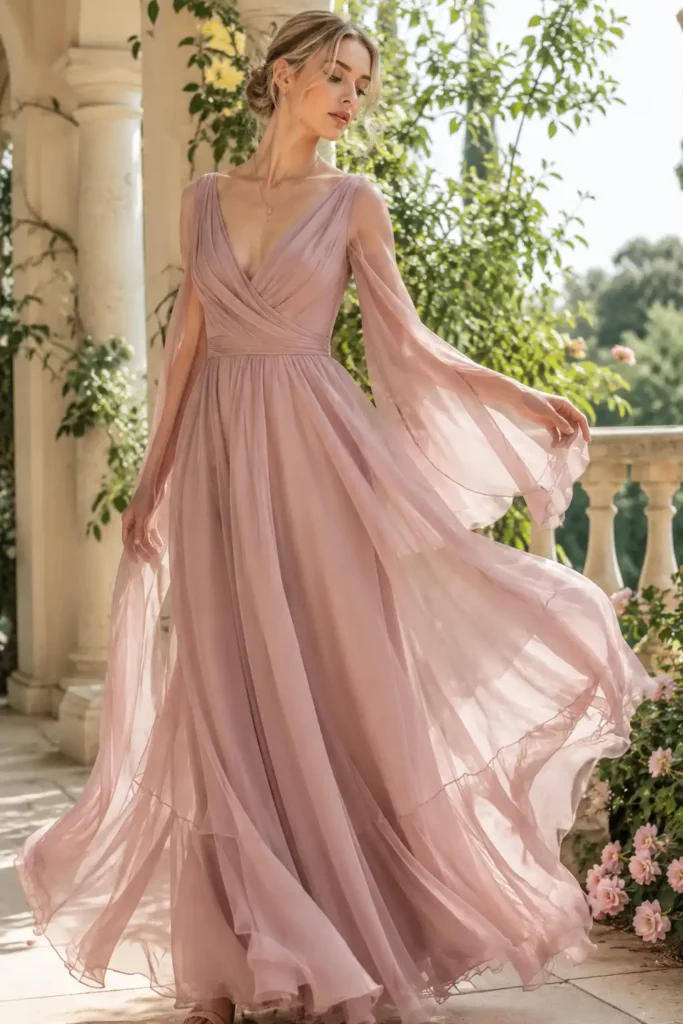
Chiffon
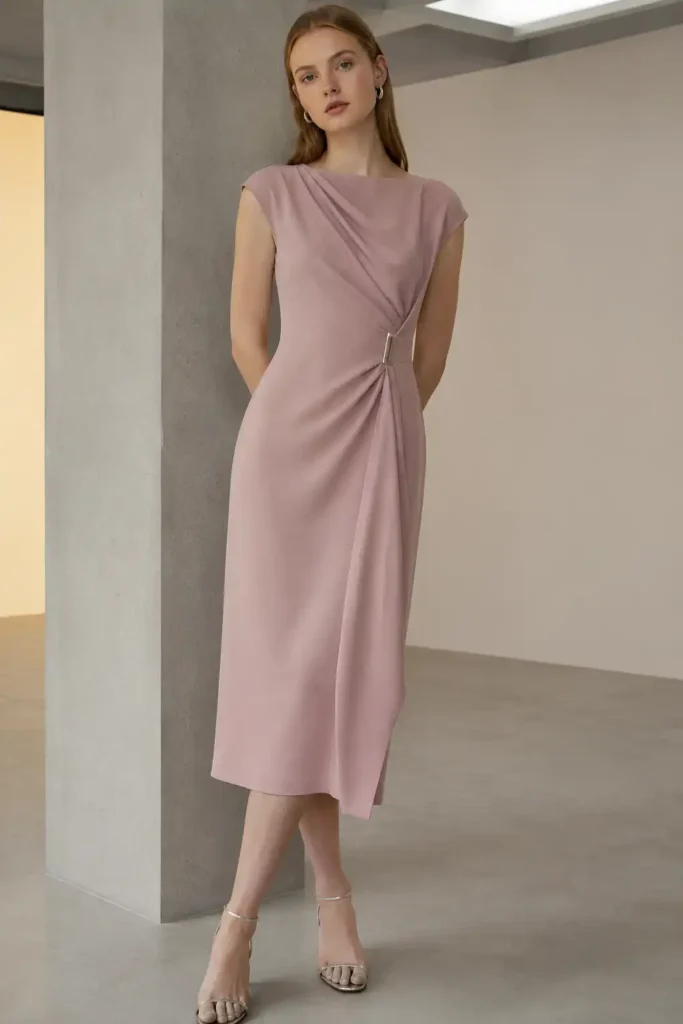
Crepe
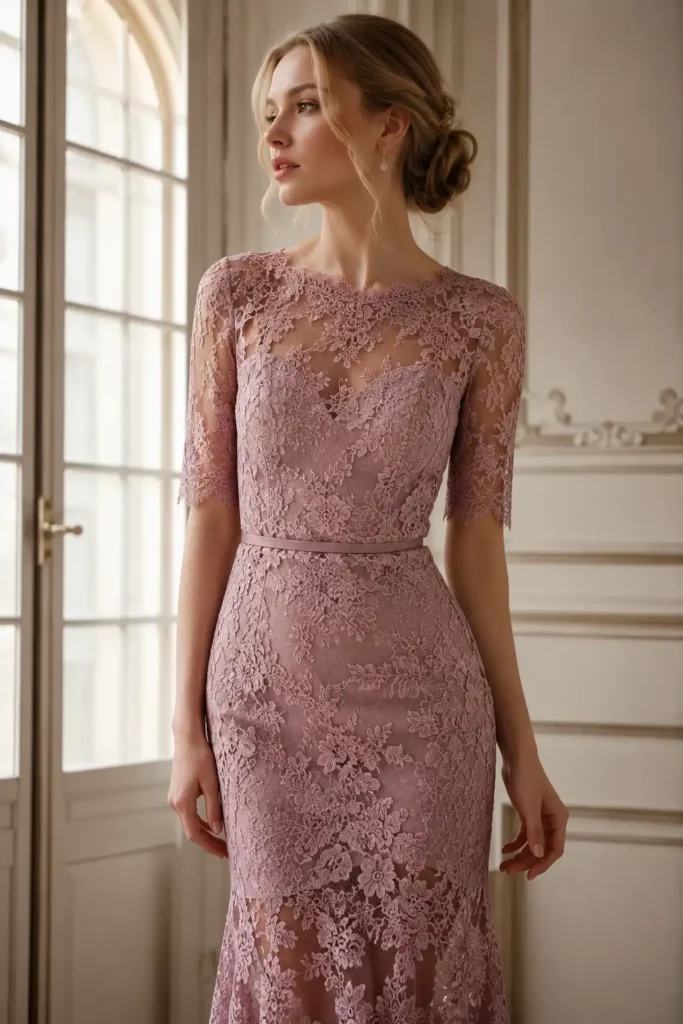
Lace
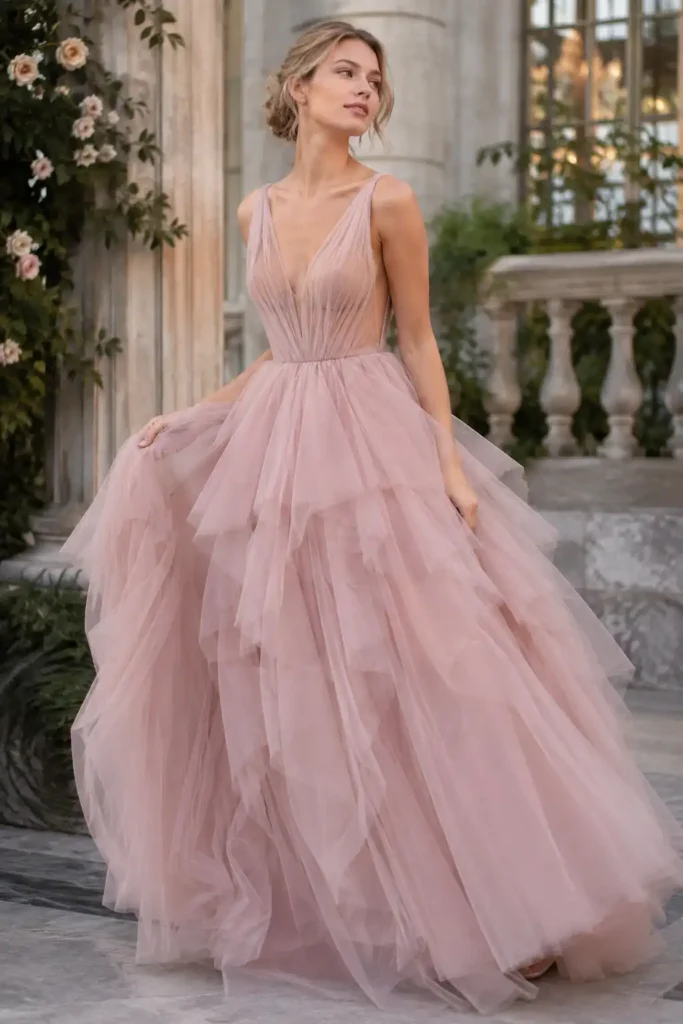
Tulle
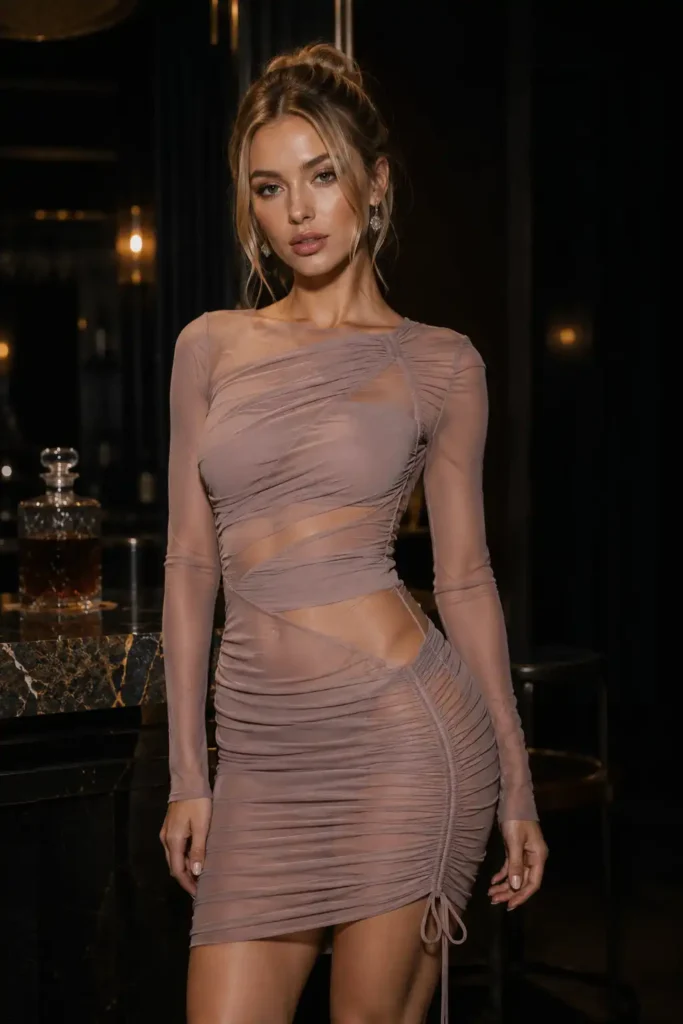
Mesh

Stretch Satin
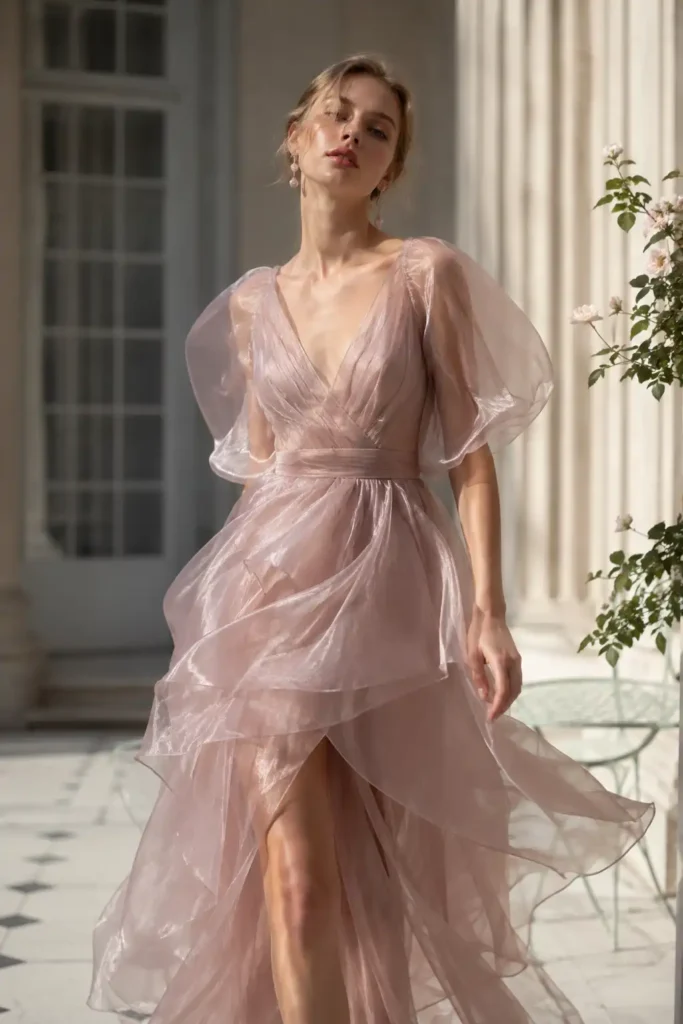
Organza and Sheer Wovens

Defining the Approved Dusty Rose Color
Color approval starts with a clear physical reference and ends with a documented standard for the garment. The process should account for fabric type, light source, lining, trims and the final construction.
Start With a Reliable Reference
The strongest starting point is a physical fabric swatch, approved garment, previous production cutting or clearly specified Pantone direction. A high-resolution image can support discussion, but it should not become the only final standard because monitors, phones, studio editing and marketplace images alter muted pink tones. The reference should also state whether the desired result is greyed, mauve-based, blush-based, warm rose or brown-rose. Jinfeng records the source of the color direction and reviews it against the intended fabric composition. If the brand wants several materials in one collection, each fabric is evaluated as an individual approval group while remaining visually coordinated with the master direction.
Approve the Color on the Real Fabric
A color selected on crepe cannot automatically be transferred to satin, chiffon or lace. Surface shine, transparency and fiber structure change the visible result. When a suitable stock color is available, the actual production-quality material is reviewed for shade, hand feel, width, weight and available quantity. When custom dyeing is needed, lab dips can be prepared against the approved direction, subject to mill minimums and material readiness. The evaluation should consider daylight and relevant indoor lighting, then connect the chosen submission to lining, thread, zipper tape and decorative materials. Approval records become part of the sampling file rather than remaining as an informal message.
Carry the Standard Into Bulk
PP approval should lock the color together with fabric, trim, fit, construction and packing. During material arrival, rolls are checked for dye-lot differences, edge-to-center variation and visual compatibility with the approved sample. Cutting groups should remain traceable when shade separation is needed. Inline and final inspection then compare garment panels, lining, seam thread, zipper areas and layered sections. A shade band or approved bulk swatch can be used where the project requires tighter control. For replenishment, historical fabric, trim and approval records are retrieved, but every new batch still needs review because dyeing conditions and supplier stock can change.
Matching Every Component Around the Rose Tone
Main Fabric
Lining
Lace and Applique
Mesh and Tulle
Sewing Thread
Zipper Tape
Support Materials
Label and SKU Identity
Stock Shade or Custom-Dyed Dusty Rose
Stock Dusty Rose
Custom-Dyed Rose
Repeat-Order Rose
Fit and Construction Details Behind a Polished Result
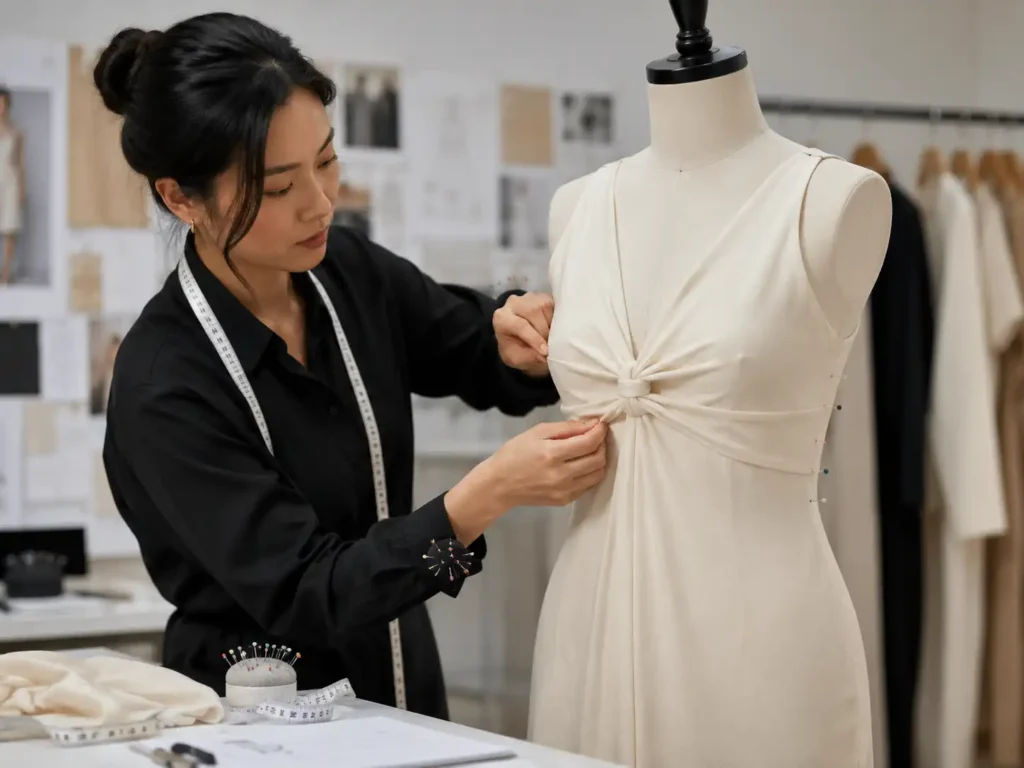
Bust Coverage
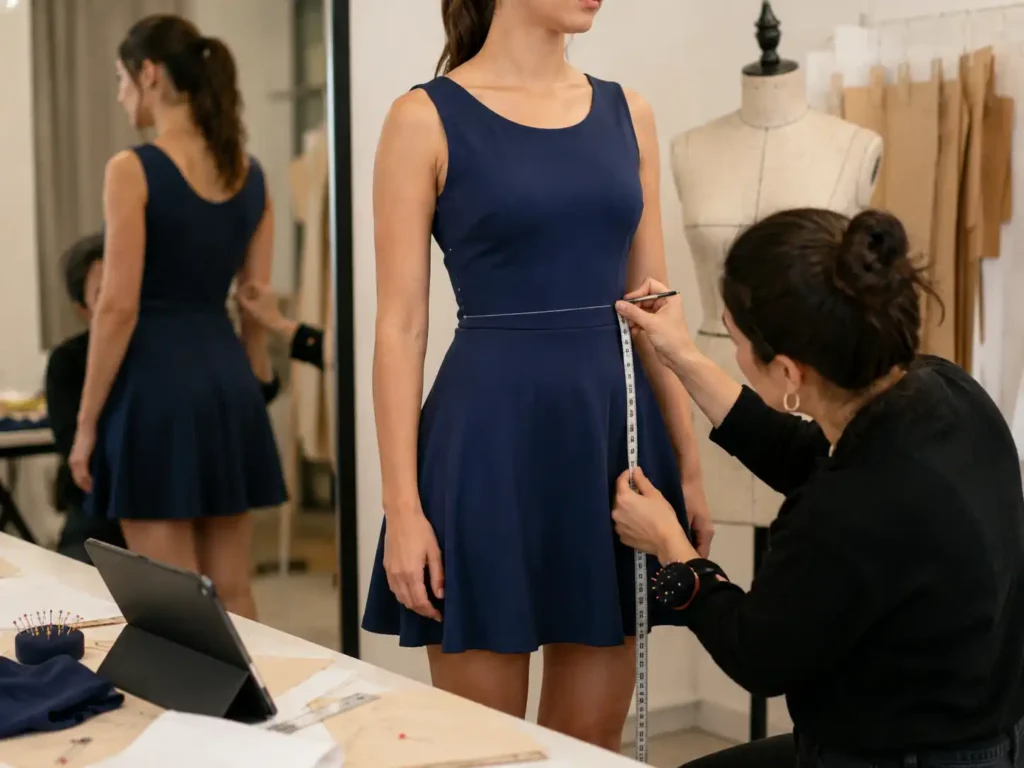
Waist Position

Strap Control

Neckline Stability

Slit Height
Lining Coverage

Hem Balance

Seam and Pressing
From Color Brief to Approved Dress Sample
Project File Review
Color and Fabric Direction
Pattern Development
First Sample
Fit Sample
Revised Sample
Photo-Ready Sample
PP and Golden Approval
Documented Revisions Before PP Approval
Fit and Pattern Corrections

Fabric and Color Corrections

Construction and Trim Corrections

Approval Record and File Lock
Color-Specific Quality Control for Bulk Dresses
Quality control follows the garment from material arrival through packing. Dusty rose programs add shade, transparency, luster and component coordination to the normal fit, measurement and workmanship requirements.
| QC Stage | Inspection Focus | Dusty Rose Risk |
|---|---|---|
| Incoming Fabric | Color, dye lot, GSM, width, hand feel | Shade and material variation |
| Fabric Inspection | Defects, edge-center difference, luster | Visible panel color changes |
| Cutting QC | Direction, shade grouping, panel identity | Satin shine or mixed dye lots |
| Cut-Panel Check | Defects, notches, matching, bundle marks | Wrong panel combinations |
| Sewing QC | Thread, zipper, seam, support and lining | Bright seams or component mismatch |
| Inline Measurement | Bust, waist, hip, length, strap, slit | Fit variation across sizes |
| Pressing Review | Temperature, pressure, surface finish | Shine, marks or color shift |
| Final Inspection | Color, fit, workmanship, opacity, hem | Mixed shades or transparency |
| Packing QC | Color label, SKU, size ratio, carton mark | Warehouse and assortment errors |
Managing Multi-Style Dusty Rose Collections
Fabric Group Management
Key Style Priority
Approval Tracker
Each style carries a status for fabric, color, pattern, first sample, fit comments, revised sample, PP approval, labels and packing. Version records show which files are current and which decisions are still open. Clear status control is essential when several merchandisers, designers and sourcing contacts work on the same collection.
Production Release Groups
Approved styles can be released in planned groups according to material arrival, production line suitability and delivery needs. Styles are allocated by fabric and construction, while packing and shipment plans remain coordinated. Multi-batch delivery can be arranged when agreed, helping large programs balance launch dates, warehouse capacity and final inspection windows.
Private Label and Retail-Ready Dress Delivery

Woven Brand Labels
Care and Size Labels

Hangtags
Barcode and SKU Labels
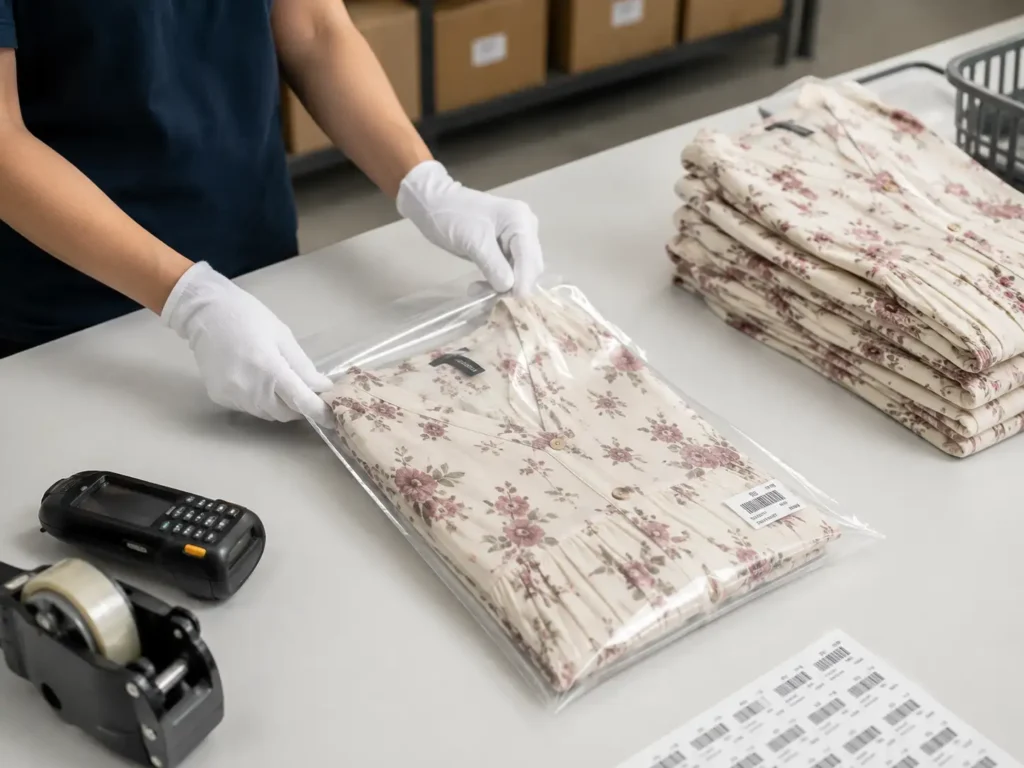
Polybag and Folding
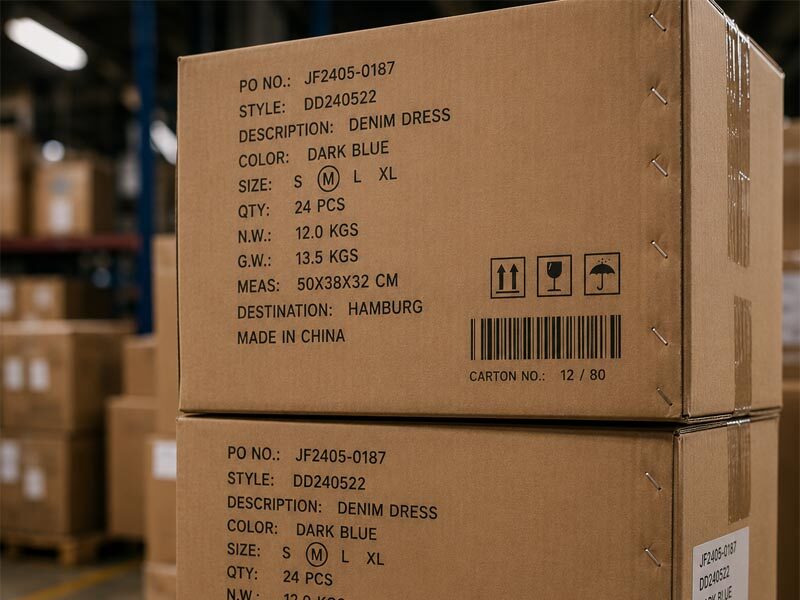
Carton and Assortment
MOQ, Cost and Order Planning
MOQ Per Style and Color
Material Cost Drivers
Construction Cost Drivers
Collection Cost Balance
Export Delivery Planned Around the Launch Window
Launch Calendar Planning
Shipment Route Selection
Packing and Export Files
Final Release
Dusty Rose Dress Manufacturing Case Studies
The following anonymized cases represent different dusty rose dress development programs, covering bridesmaid collections, premium fashion projects and large private-label seasonal productions. Brand identities, original designs and commercial information remain confidential.
Case 1: Dusty Rose Bridesmaid and Wedding Collection
Project Scope
A bridal-adjacent fashion brand developed a dusty rose collection for bridesmaid, wedding guest and romantic occasion markets.
- Collection size: 20 dress styles
- Product categories: dusty rose chiffon bridesmaid dresses, satin slip dresses, crepe midi dresses, lace occasion dresses and flowing maxi styles
- Materials: chiffon, satin, crepe, lace, tulle and lightweight lining systems
- Construction details: A-line dresses, wrap silhouettes, halter necklines, one-shoulder designs and soft draped styles
- Requirement: coordinated dusty rose appearance across multiple fabrics and silhouettes
Development Challenges
The collection required precise control because dusty rose changes significantly between materials.
Key challenges included:
- Dusty rose shifting toward mauve, blush or brown depending on fabric
- Chiffon appearing lighter after layering
- Satin creating different tones under reflection
- Lace changing depth according to backing fabric
- Maintaining consistent appearance across multiple sizes
Manufacturing Approach
The development team created a fabric-specific dusty rose approval system.
Key controls included:
- Physical dusty rose reference approval
- Fabric swatch comparison
- Shell and lining coordination
- Layered transparency review
- PP sample approval before bulk production
Additional attention was given to:
- Bust coverage
- Waist placement
- Strap adjustment
- Hem balance
- Size grading
Manufacturing Value
The collection achieved a unified dusty rose wedding-event story while maintaining fabric-specific quality, comfortable fitting and repeatable production standards.
Case 2: Dusty Rose Premium Fashion and Partywear Collection
Project Scope
A premium ecommerce fashion brand developed a dusty rose collection focused on contemporary silhouettes, partywear and social-event dressing.
- Collection size: 18 dress styles
- Product categories: dusty rose corset dresses, bodycon dresses, ruched mini dresses, mesh styles, lace dresses and satin partywear
- Materials: stretch satin, jersey, power mesh, lace, crepe and structured lining
- Construction details: corset panels, cut-outs, ruching, fitted silhouettes and asymmetric designs
- Requirement: strong visual impact with reliable commercial fit
Development Challenges
The main challenge was balancing feminine color direction with fashion-forward construction.
Key risks included:
- Stretch changing dusty rose appearance on the body
- Mesh transparency under tension
- Corset structures affecting comfort
- Uneven ruching between sizes
- Lace and trim colors creating visible contrast
Manufacturing Approach
The project focused on fit engineering and material performance.
Key controls included:
- Testing stretch direction and recovery
- Reviewing bust-waist-hip balance
- Confirming mesh and lining combinations
- Developing corset support systems
- Approving lace and trim coordination
Production controls included:
- Measurement inspection
- Seam stability checks
- Zipper flatness review
- Ruching consistency checks
- Final appearance inspection
Additional attention was given to:
- Cup position
- Boning placement
- Cut-out reinforcement
- Neckline stability
- Wearing comfort
Manufacturing Value
The collection delivered a modern dusty rose fashion direction while achieving stable fit, ecommerce-ready presentation and repeat production capability.
Case 3: Large Private Label Dusty Rose Dress Program
Project Scope
An established fashion brand required a complete dusty rose seasonal collection covering different silhouettes, materials and retail channels.
- Collection size: 30 dress styles
- Production scale: 80,000+ pieces
- Product categories: dusty rose mini dresses, midi dresses, maxi dresses, bridesmaid dresses, corset dresses, party dresses and evening gowns
- Materials: satin, chiffon, crepe, lace, mesh, tulle and stretch fabrics
- Requirement: consistent quality across multiple SKUs, sizes and delivery batches
Development Challenges
The program required coordination across different dusty rose fabric systems.
Major challenges included:
- Managing grey-pink, mauve rose, blush rose and antique rose directions
- Maintaining shade relationships between fabrics
- Controlling different lining requirements
- Managing extended size ranges
- Coordinating private-label packing
Manufacturing Approach
The collection was divided according to fabric family and production risk.
Soft Rose Occasion Group
Focused on:
- Chiffon dresses
- Bridesmaid silhouettes
- Lace occasion styles
- Transparency control
Structured Rose Fashion Group
Focused on:
- Corset construction
- Bodycon fitting
- Satin dresses
- Internal support systems
Commercial Rose Collection Group
Focused on:
- Crepe midi dresses
- Resort-inspired styles
- Repeat-order friendly products
- Stable production scaling
Manufacturing Value
The program demonstrated that large dusty rose collections require both production capacity and detailed control of color, fabric behavior, fit, workmanship and retail delivery.
Repeat Orders, Brand Protection and Compliance Support
Repeat-Order Records
Patterns, size charts, fabric references, color records, trims, sewing instructions, QC checklists, labels, packing methods and historical order information can be retained for future production.
Reorder preparation starts from the approved history, then rechecks material availability and new batch compatibility before release.
NDA and Design Protection
Jinfeng supports NDA-based cooperation and protects tech packs, original samples, patterns, labels, packaging files, unpublished designs, quantities and launch information.
Anonymous case presentation avoids brand names and proprietary artwork. Client files are used for the relevant development, production, QC, packing and delivery work rather than public display.
Audit and Compliance Support
Frequently Asked Questions About Dusty Rose Dresses
No. Dusty rose may lean grey, mauve, blush, antique pink or warm brown depending on the brand direction. Final development should use a physical swatch, approved garment, Pantone direction or controlled material submission. A screen image can guide discussion but should not be the only bulk standard.
They can be coordinated, but identical visual appearance is not always realistic. Satin reflects light and appears deeper, while chiffon is transparent and changes with lining and layer count. Each fabric should receive its own approval against the collection direction.
MOQ starts from 200 pcs per style/color. Fabric availability, custom dyeing, lace, trims, construction, packaging and production schedule may raise the workable minimum. Several colors or styles cannot normally be combined to create one 200-piece unit.
Yes. Jinfeng can review reference images, original samples, sketches, tech packs and line sheets. Accurate development also needs target measurements, fabric direction, quantity, size range, trim and packing requirements. A reference image alone cannot define every production detail.
The schedule is confirmed after style complexity, pattern work, fabric readiness, custom dyeing, trims and review requirements are known. Clear files and available materials improve timing. Complex corset, lace, mesh, evening and custom-color styles usually require more development steps than a straightforward woven dress.
Incoming fabric is reviewed for dye lot, roll shade, edge-center variation and compatibility with the approved sample. Rolls can be identified and grouped through cutting. Final garments are checked for panel, lining, thread and component coordination before packing.
Yes. Multi-style ranges are organized by fabric group, pattern complexity, priority and approval status. Satin, chiffon, lace, mesh and crepe keep separate material approvals while remaining coordinated with the master color direction.
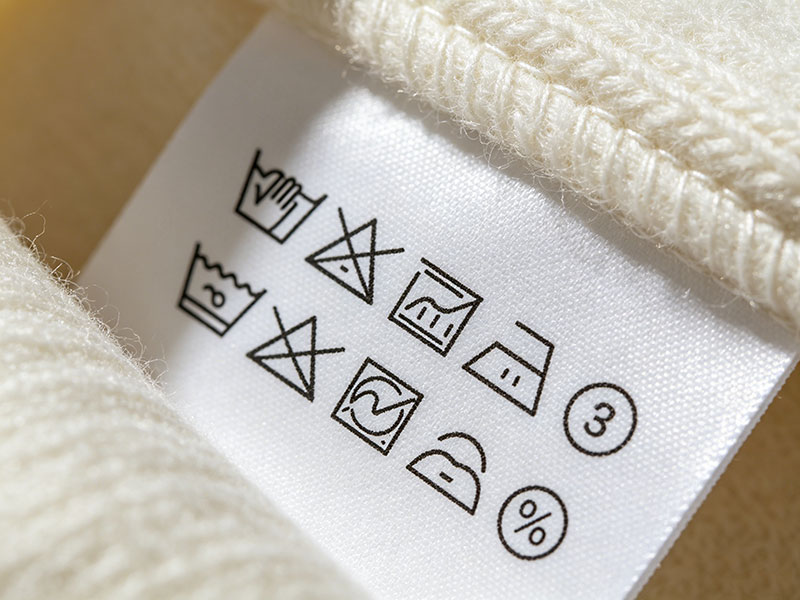
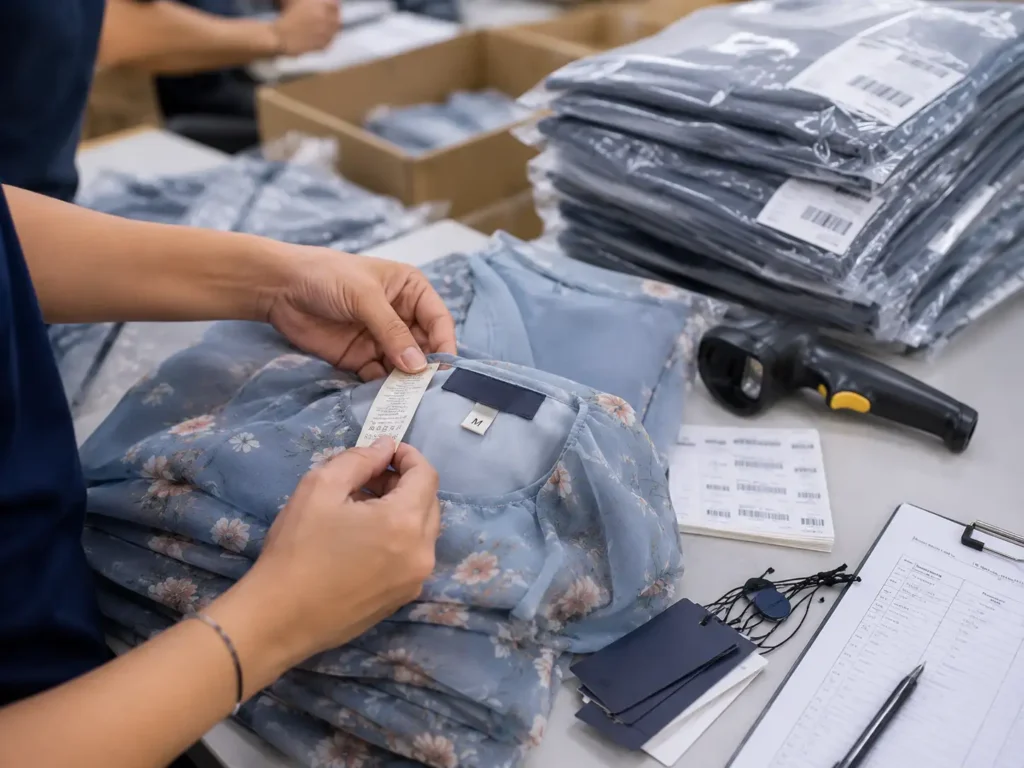
Yes. Jinfeng supports main labels, care labels, size labels, hangtags, barcodes, polybags, carton marks and assortment packing. Artwork, wording, SKU files and warehouse instructions are confirmed during development and PP approval.
Yes. Client, AQL or third-party inspection can be coordinated according to the project scope and agreed production stage. Inspection standards, tolerance and required documents should be supplied or confirmed before the final QC window.
Historical fabric, color, trim, pattern, measurement and packing records are retrieved as the starting point. New supplier stock or dye batches are still reviewed because separate production runs can vary. Reorders use retained standards plus fresh material approval.

Start Your Dusty Rose Dress Program
Send the project information needed for a focused manufacturing review. Jinfeng Apparel will assess the color route, fabric direction, silhouette, sampling work, MOQ fit, private-label requirements and bulk production risks before recommending the next development step.
Complete files support a more accurate assessment, while a line sheet or reference image can begin an initial discussion when the technical package is still being finalized.
- Reference image, tech pack, original sample photos or line sheet
- Approved dusty rose swatch, Pantone direction or existing garment reference
- Target quantity per style/color and expected size range
- Preferred fabric, lining, lace, mesh, trims and support materials
- Brand labels, hangtags, barcodes, polybags and carton instructions
- Target launch date, warehouse arrival window and shipping destination
- Quality manual, measurement tolerance or third-party inspection requirements
- Upload field for tech pack, size chart, BOM, artwork and packing guide