Dress Manufacturing Partner for Test-to-Repeat Programs

Build a controlled first production run, read market performance, and repeat winning dresses with retained standards and scalable manufacturing support.Since 2008, with 6 owned women’s fashion factories and more than 10 long-term production partners in Guangdong.

  • Commercial production starts from 200 pcs per style/color, subject to fabric, trim, construction, color and packing requirements.
  • Two sample rooms, 7+ senior pattern makers and 20+ sample machinists support parallel dress development before production.
  • 100,000+ pieces of monthly capacity and 15+ QC inspectors support repeat orders, replenishment and multi-batch delivery.

Capacity Built for Testing and Repeat Growth

A test-to-repeat program needs more than flexible first production. Development resources, documented approvals, available production capacity and repeatable quality controls must work together before a winning dress can move into a larger second or third run.

Since 2008

Jinfeng Apparel has focused on women’s apparel development and production since 2008. Long-term experience matters when a first production run must become a repeatable commercial program. Teams review the style structure, material behavior, fit risk, workmanship and packing requirements before production, then retain approved records for later runs. A repeat order can therefore begin from documented standards rather than informal memory, while new colors, new fabrics or changed quantities still receive a fresh technical review.

Six Owned Factories

Six owned women’s fashion factories provide a controlled production base for dresses, skirts, jumpsuits, matching sets and related fashion products. Production allocation is based on fabric type, garment structure, workmanship level, order size and delivery schedule. A simple jersey dress should not follow the same production route as a corset dress, sequin dress or long satin gown. Matching each program with an appropriate production unit helps protect construction quality when quantities increase.

Ten Plus Partners

More than 10 long-term satellite production partners extend capacity when collections include many styles, mixed constructions or several delivery windows. Partner allocation is not used as a blind overflow decision. Before production, Jinfeng Apparel reviews the product category, required workmanship, material handling, quality checkpoints and private-label details. Centralized merchandising and QC records help keep the approved standard visible when a program is distributed across suitable production resources.

Two Sample Rooms

Two sample rooms support product development before commercial production begins. Parallel capacity is valuable for programs containing 10 to 30 styles, because pattern corrections, material substitutions, fit samples, photo samples and PP samples may need to move at different speeds. Sample development is treated as technical preparation for repeat production, not as a disconnected prototype exercise. Approved construction, measurements and workmanship notes become part of the production record.

Monthly Capacity

Jinfeng Apparel supports more than 100,000 pieces of monthly women’s fashion capacity across its owned and long-term production network. Capacity alone does not guarantee a reliable repeat. Material booking, production line allocation, QC windows, finishing time, packing preparation and shipment planning must be reviewed together. Larger repeat quantities are scheduled after the updated quantity, color breakdown, size ratio, fabric availability and required delivery date have been confirmed.

Commercial MOQ

The basic MOQ is 200 pcs per style/color. MOQ is calculated by style and color rather than by adding unrelated styles together. Special fabrics, custom dyeing, custom weaving, printing, certified materials, special trims and custom packaging may carry separate supplier minimums. The structure supports commercial first production and future repeat planning while keeping material and production decisions clear enough for reliable bulk execution.

Is Jinfeng Right for Your Program?

A clear fit at the beginning prevents wasted sampling, pricing confusion and unrealistic delivery expectations. Jinfeng Apparel is structured for brands with defined products, formal development needs and real production plans rather than isolated micro orders or inventory resale.

Best Fit Programs

Jinfeng Apparel is well suited to established fashion brands, premium ecommerce labels, sourcing offices, merchandising teams and product development departments managing commercial dress collections. Strong-fit programs usually include reference images, tech packs, original samples or line sheets, together with a target quantity, size range, color plan, launch date and private-label requirements.
  • Commercial first production from 200 pcs per style/color
  • Multi-style programs with 10 to 30 styles
  • Seasonal collections and frequent product drops
  • Party, occasion, bodycon, corset, satin, mesh, lace and sequin dresses
  • Repeat orders, replenishment and new-color extensions
  • Private-label, retail-ready or ecommerce-ready packing
  • Long-term records for patterns, materials, trims and packing

Outside the Model

The production model is not designed for one-piece customization, dropshipping, ready-stock purchasing, personal dresses or fragmented quantities below the commercial minimum. Projects without a defined product direction, sample budget or production plan usually cannot produce an accurate development route. Price-only sourcing also creates a poor fit when the requested appearance depends on specific fabric quality, lining, structure, trims, handwork or packing.
  • No-MOQ requests
  • One to fifty piece orders
  • Stock dress wholesale
  • Single-item fulfillment
  • Personal occasion dresses
  • Free development without approved materials
  • High-end appearance at an unsupported construction cost

A Commercial Test Is Not Just a Sample

Test-to-repeat manufacturing links product development with real selling data. The first commercial run must be produced under repeatable standards, because a visually attractive sample has limited value when the second production cannot reproduce its fit, material or workmanship.

Test the Product

The test stage begins after sample and PP approval, not before. A commercial first run places the approved style into real sizes, real colors, real labels and real packing. The objective is to confirm whether the dress can perform as a sellable SKU while limiting inventory exposure. The quantity must still support proper material purchasing, cutting, sewing, finishing and quality control. Sales performance then provides evidence for a repeat decision.
  • Approved pattern and measurement file
  • Confirmed fabric and lining
  • Confirmed trims and construction
  • Defined size and color ratio
  • Private-label artwork approval
  • Packing and carton instructions
  • Delivery window linked to launch

Read the Results

After launch, brand teams can review sell-through, return reasons, size feedback, color preference, margin performance and content response. Manufacturing feedback should be added to the commercial data. A dress may sell well but still need a strap adjustment, lining improvement, zipper change or revised size ratio before the next production. Jinfeng Apparel can review after-shipment comments and separate product improvements from changes that would alter the approved identity of the style.
  • Winning and slow-moving colors
  • Fastest-selling sizes
  • Fit-related return comments
  • Fabric or comfort feedback
  • Packing or warehouse issues
  • Repeat quantity by SKU
  • Required delivery date

Repeat with Control

A repeat starts from the approved record, followed by a fresh check of fabric inventory, dye lot, trims, quantity, size ratio, packaging and production schedule. The same pattern can accelerate preparation, yet unchanged paperwork does not mean every material condition remains unchanged. New colors require color approval. New fabrics require fit and drape assessment. Larger quantities require capacity and QC planning. Controlled revalidation protects the commercial advantage gained from the first run.
  • Same-style repeat
  • Bestseller replenishment
  • New-color extension
  • Same-pattern new fabric
  • Expanded size range
  • Multi-batch shipment
  • Seasonal carryover

From Program Brief to Repeat Production

A disciplined workflow connects design, sampling, commercial production and replenishment. Each step has a clear approval purpose, allowing product teams to see where decisions are locked and where new information must be reviewed before quantities increase.

Program Brief

Development begins with a structured brief rather than a single reference image and an immediate price request. Jinfeng Apparel reviews the product category, target market, size range, planned quantity, color count, target delivery, private-label details and available technical files. A 20-style party dress program requires different sample priorities from a six-style satin occasion capsule. Early program mapping also reveals whether several styles can share fabrics, linings, zippers or packing components.

Style Risk Review

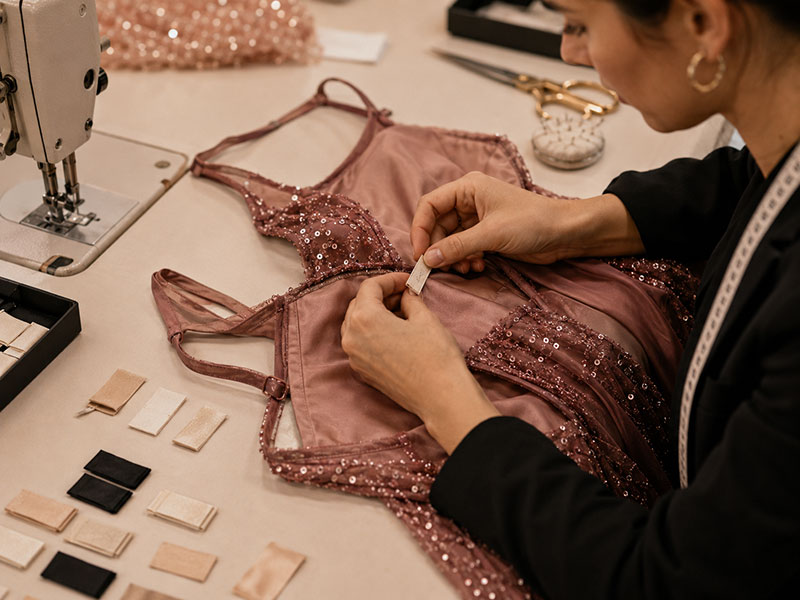
Each dress is reviewed for construction and production risk before pattern development. Satin can show snagging, shade and pressing marks. Mesh requires transparency, stretch and neckline control. Lace requires flower direction, matching and edge handling. Sequin fabric creates needle, skin-contact and packing risks. Corset and strapless styles require support, cup position, boning and anti-slip decisions. The review identifies what must be proven in the sample rather than discovered during bulk production.

Material Direction

Fabric selection is linked to silhouette, hand feel, drape, stretch, transparency, lining, target price and repeat availability. Stock fabric may support a faster commercial first run, but stock color, batch quantity, width and hand feel still require confirmation. Custom colors, custom prints, special lace and branded trims may increase MOQ and development time. Material direction is documented so later repeat planning can begin from a clear source rather than a vague fabric name.

Pattern and Sample

Pattern development converts the visual concept into measurable garment structure. Key points may include bust, upper bust, under bust, waist, hip, neckline depth, strap length, armhole, slit height and hem balance. The first sample is checked internally before images, videos or shipment. Revisions are recorded by version. Simple styles may move quickly, while corset, strapless, lace, mesh, sequin and evening dresses need more time for construction and material control.

Approval Pack

Production should not start from scattered messages. The approval pack brings together the approved pattern, measurement chart, BOM, fabric reference, color approval, trim details, workmanship notes, label artwork, packing instructions and PP sample decision. A Golden Sample can be sealed when appropriate. The pack defines the commercial standard for the first production and creates the reference point for future repeat orders, color extensions and multi-batch deliveries.

First Production

The first commercial production follows the approved standard through material inspection, cutting, sewing, inline checks, measurement review, finishing, packing and final inspection. Production quantities are distributed by size and color according to the confirmed purchase order. Any approved change during production must be recorded rather than passed verbally. The objective is a sellable first run with enough documentation to support analysis and repeat planning after launch.

Sales Feedback

Sell-through information becomes useful when it is translated into manufacturing decisions. A high return rate in one size may require measurement review. A successful color may justify repeat fabric booking. A strong style with slow movement in one color may need a revised color ratio rather than a structural change. Jinfeng Apparel can review production comments, quality findings and after-shipment feedback alongside the brand’s commercial results before the next order is confirmed.

Repeat Launch

Repeat launch planning confirms what remains unchanged and what needs new approval. Quantity, color, size ratio, fabric batch, trims, packing, requested delivery and shipment method are rechecked. Production can move faster when approved records remain valid, yet schedule promises depend on material readiness and available capacity. Large repeats, peak-season orders and complex dresses require earlier booking so the speed advantage does not weaken garment quality or final packing.

Dress Categories Ready for Repeat Programs
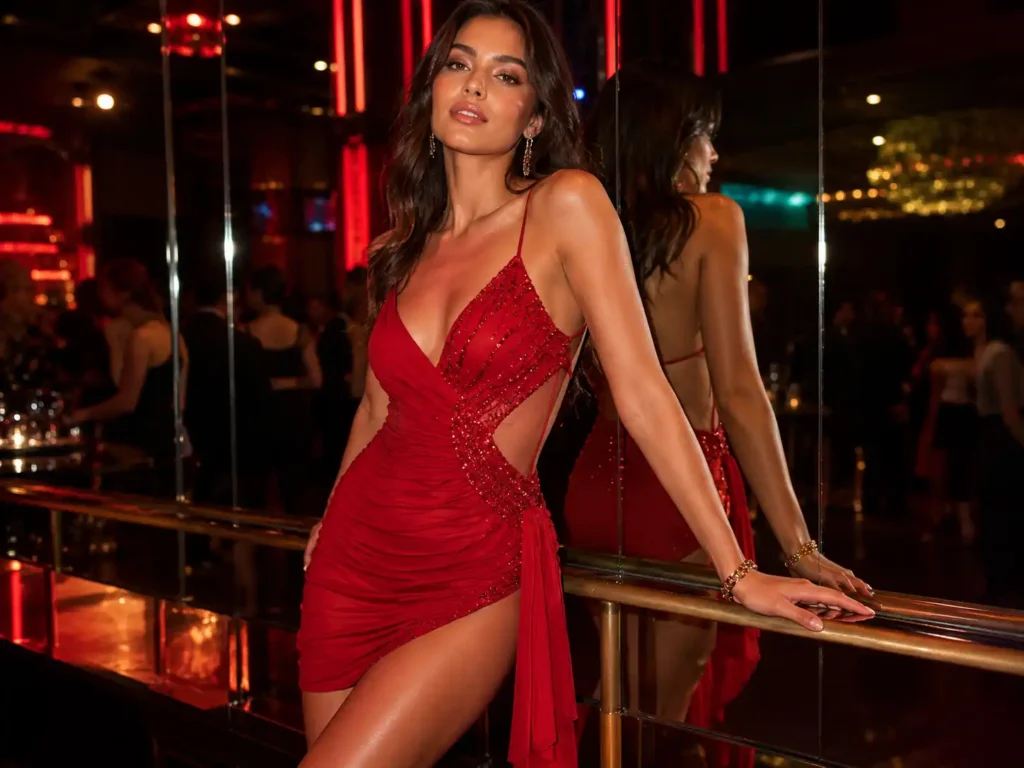
Repeatability depends on category-specific engineering. Each dress family carries different fabric, fit, sewing, finishing and packing risks, so product selection should guide the development route rather than follow a generic manufacturing checklist.

Party and Club

Party and club dresses often combine visual impact with close fit, stretch, cut-outs, ruching, mesh, sequins or reflective trims. Production controls focus on bust, waist and hip balance, stretch recovery, lining coverage, zipper smoothness, symmetry and skin comfort. Photo-ready samples must perform under strong lighting without revealing unintended transparency, puckering or trim damage. Repeat orders also need material and color rechecks because high-gloss and embellished fabrics can vary between batches.
  • Bodycon and mini silhouettes
  • Ruched and cut-out structures
  • Mesh and power-mesh panels
  • Sequin and rhinestone details
  • Protective lining and packing

Occasion and Wedding

Occasion and wedding guest dresses require controlled color, elegant drape, reliable fit and strong finishing. Satin, chiffon, lace and crepe are common, but each material creates a different risk profile. Long hems, lined bodices, slits, sleeves and delicate closures must remain balanced across sizes. Repeat programs often involve new seasonal colors, so lab dips, physical color standards, lining shades and dye-lot differences need review before the next production.
  • Midi and maxi lengths
  • Satin, chiffon, lace and crepe
  • Multi-color seasonal stories
  • Lining and coverage control
  • Pressing and anti-crease packing

Satin and Slip

Satin dresses depend on grain direction, surface shine, seam smoothness and pressing control. A small pattern or sewing difference can create zipper waves, side-seam twisting or visible tension. Slip dresses add strap length, neckline height and bust coverage to the risk list. Repeat production should confirm the same or approved replacement fabric, fabric width, weight, shine direction, color and lining. Packing must reduce hard folds and surface abrasion.
  • Satin and stretch satin
  • Bias-cut or straight-grain options
  • Adjustable straps
  • Invisible zipper control
  • Snag-resistant handling

Bodycon and Ruched

Bodycon and ruched dresses need a fabric-and-pattern system rather than a narrow pattern alone. Jersey, rib knit, ponte, power mesh and stretch satin each behave differently in stretch, recovery and compression. Size grading must protect the intended silhouette without creating excessive tightness, side-seam rotation or transparent stress areas. Repeat orders require fabric stretch comparison and measurement checks, especially when a new fabric or color comes from a different batch.
  • Bust-waist-hip balance
  • Stretch and recovery review
  • Ruching position and symmetry
  • Lining or double-layer coverage
  • Wash and dimension awareness

Corset and Strapless

Corset and strapless dresses involve cup position, bust support, boning, under-bust shape, anti-slip support, lining and closure stability. Fit approval should consider upper bust and under bust rather than relying only on standard bust circumference. A repeat in a new fabric may need a new sample because fabric stiffness and stretch can change support. Bulk inspection covers cup symmetry, boning position, neckline level, zipper alignment and wearer comfort.
  • Bra cups and cup placement
  • Boning type and position
  • Anti-slip support
  • Structured lining
  • Secure closures

Resort and Printed

Resort dresses combine visual print stories with light fabrics, drape, travel comfort and seasonal delivery. Rayon, viscose, chiffon, linen blends and printed woven fabrics may show shrinkage, skew, print placement or wrinkle differences. First production should confirm print scale, marker placement, opacity, lining, hem balance and wash behavior. Repeat planning depends heavily on print stock, print cylinder or digital file status, base fabric availability and the required launch window.
  • Maxi, midi and mini resort shapes
  • Printed woven and light drape fabrics
  • Opacity and lining decisions
  • Shrinkage and skew control
  • Travel-friendly packing

Fabric Planning Before the First Production

Fabric decisions determine whether a winning dress can be repeated without losing its hand feel, color, fit or margin. Jinfeng Apparel reviews material performance and supply conditions before sampling, then records the approved direction for production and later replenishment.

Choose a Material Route That Can Survive Commercial Production

A successful sample can still fail as a repeat program when the selected fabric is available only in a small lot, changes between batches or creates production problems at larger quantities. Material planning therefore begins with silhouette, hand feel, drape, stretch, transparency, lining requirement, shrinkage, wrinkle behavior, surface sensitivity, target price and expected repeat potential.

Common directions include chiffon, satin, stretch satin, lace, mesh, power mesh, jersey, rib knit, ponte, crepe, velvet, sequin fabric, organza, tulle, rayon, viscose, linen, denim, suiting fabrics and blended materials. Each fabric family needs different validation. Satin requires shade, shine direction, snagging and pressing control. Mesh requires stretch, transparency and edge stability. Lace requires flower placement, joining and lining color. Jersey and rib knit require stretch recovery, shrinkage and side-seam stability. Sequin fabric requires skin protection, seam handling and secure packing.

For a commercial first run, a stable stock fabric may shorten preparation when enough matching yardage exists. Stock status alone is not enough. Width, GSM, composition, color, hand feel, supplier batch and usable quantity must still be confirmed. Custom dyeing, printing, weaving or certified materials may fit a larger long-term program, but separate supplier MOQ and longer lead time should be built into the launch plan.

Lock the Fabric Standard Before Cutting Begins

An approved fabric record should contain enough information for another production team to recognize the intended standard. A simple name such as “black satin” is not sufficient. Jinfeng Apparel records available supplier information, composition, weight or target weight, width, stretch direction, hand feel, drape, transparency, approved color reference, lining choice, shrinkage findings, care direction and sample approval status.

Color control may include a Pantone reference, lab dip, physical swatch or approved garment. Lighting matters because satin, velvet and sequins can look different under studio light, daylight and indoor retail lighting. Lining color also changes the appearance of mesh, lace, chiffon and light-colored satin. Before bulk, the selected fabric lot is checked against the approved reference. When several colors are produced, each shade receives its own approval path rather than relying on the first approved color.

Fabric inspection also supports cutting and sewing decisions. Directional shine, nap, print placement, stretch direction and lace flower orientation must be marked before marker planning. A material that requires one-way cutting may increase consumption. A heavily embellished fabric may require protective handling and extra seam preparation.

Clear material standards make cost, workmanship and repeat planning more predictable.

Reconfirm Supply Before Every Repeat Order

Repeat speed depends on what remains available after the first production. Jinfeng Apparel can retain fabric references and supplier records, but material inventory is not permanent. Before a repeat order is promised, the team checks current stock, available color, dye lot, minimum yardage, supplier lead time, width, hand feel and visible batch difference. When the original fabric is unavailable, an alternative is not approved by name alone; drape, stretch, opacity, surface and fit impact must be reviewed.

New colors require separate shade approval. The same style in a new fabric may require a fit or PP sample because changed stretch, stiffness or weight can alter neckline position, waist shape, ruching, skirt volume or hem balance. Larger repeats may also require a planned material booking or custom production route. Complex seasonal programs benefit from early color and quantity forecasts, allowing fabric discussions to start before the selling window becomes urgent.

A repeat plan should therefore identify three material paths: original fabric available, original fabric available with batch reapproval, or approved alternative required. The classification gives merchandising and sourcing teams a clearer view of schedule and risk before purchase orders are finalized.

Fit and Size Standards for Repeatable Dresses

Strong sell-through can be weakened by inconsistent fit in later runs. Jinfeng Apparel connects pattern development, grading, approved measurements, garment tolerances, labels and packing records so size identity remains visible from sample approval through repeat production.

Build the Base Fit Around the Dress Structure

The base pattern must reflect the garment’s real structure rather than only the front image. Development begins by confirming the intended fit: fitted, close, semi-fitted, relaxed or flowing. Key measurement points vary by style. A bodycon dress may prioritize bust, waist, hip, body length and stretch allowance. A strapless or corset dress adds upper bust, under bust, cup position and neckline level. A slip dress adds strap length and front neck drop. A maxi dress requires front and back length, slit position and hem balance.

The first sample is evaluated for visual proportion, movement, coverage and construction stability. Comments such as “make it tighter” are converted into measurable changes. Pattern revisions identify the affected area, measurement change and construction consequence. When fabric stretch or weight changes, pattern adjustment may be necessary even when the design remains visually similar.

Fit records should also capture approved components that influence shape, including bra cups, boning, elastic, anti-slip tape, lining, zipper type and seam placement. A repeat order can then begin from a complete base rather than from isolated measurements.

Grade Sizes from the Approved Brand Chart

Jinfeng Apparel can work with brand-defined size charts covering alpha sizing, US, UK, EU, AU or other systems. The approved range may include XS-XL, broader extended sizes, petite or tall directions when the style and project requirements support them. No universal grading rule is applied blindly. Grade increments depend on garment type, fabric stretch, fit intent, body area and brand history.

Critical areas need style-specific attention. Bust and cup-related grades are important for corset, strapless and deep-neck styles. Waist and hip grades are central to bodycon dresses, skirts and jumpsuits. Armhole and sleeve grades matter for fitted woven dresses. Dress length may follow a fixed increment or a separate brand rule. Slit height, neckline depth and strap position should not grow in a way that creates exposure or proportion problems in larger sizes.

Before bulk, the confirmed measurement chart becomes part of the approval pack. Size labels, polybag stickers and carton size breakdowns must match the same chart and purchase order. A fit standard loses value when production and packing identify sizes differently.

Protect Fit Through Measurement and Version Control

Repeat production uses the latest approved pattern and measurement version. Old files are not mixed with revised files. Jinfeng Apparel retains revision notes, approved measurements and relevant QC comments so the team can identify which version produced the accepted result. When a brand changes a size ratio without changing the range, the pattern may remain valid. When the size range expands, new grading and sample confirmation may be needed.

Bulk measurement control focuses on key points rather than treating every point as equally critical. Tolerances should reflect fabric behavior and construction. Stretch garments need relaxed measurement consistency and controlled recovery. Woven dresses need seam, neckline, zipper and hem balance checks. Structured bodices require cup, boning and upper-bust review. Findings during inline and final inspection are compared with the approved specification.

After launch, size-related return data can improve the next run. Repeated feedback around bust, strap length, waist or dress length is reviewed before the pattern is changed. Commercial feedback is translated into a controlled revision, followed by a new approval record, preventing undocumented changes from entering bulk production.

Sample and Approval Timing by Dress Complexity

Sample time depends on material readiness, construction, trim development and the quality of the information supplied. Clear tech packs, approved references and timely comments reduce avoidable delays, while complex structures require enough time to prove fit and workmanship.

Development StageTypical Timing or RuleMain Approval Purpose
Simple first sampleAbout 7-10 daysConfirm basic silhouette, measurements, material direction and construction
Standard dress first sampleAbout 10-15 daysReview fit, workmanship, fabric, lining, trims and visual balance
Complex first sampleAbout 15-25 days or project confirmationProve corset, strapless, lace, mesh, sequin, evening or multi-layer construction
Revised or fit sampleBased on revision scope and material readinessConfirm recorded pattern and fit changes
Photo or salesman sampleScheduled after required fit and material approvalsSupport photography, sales review or line presentation
PP sampleRequired before bulk when specifiedLock bulk construction, materials, labels, measurements and packing
Golden SampleSealed by project when appropriatePreserve the approved reference for bulk and repeat comparison

The Approval Pack Behind Every Repeat Order

Repeat speed comes from complete production records, not skipped approvals. Four control groups create a usable reference for the first commercial run and later production, while any approved change receives a new version rather than replacing history informally.

Pattern and Measurements

The approved pattern, graded pattern rules and measurement chart form the fit foundation. Version names, revision dates and comment history prevent an old file from returning to production. Critical measurement points are identified by style, including bust, waist, hip, neckline, strap, armhole, length, slit and crotch where relevant. The record also notes fit-related components such as cups, boning, elastic, lining and closure positions.
  • Approved base pattern
  • Grade rule or size chart
  • Measurement tolerances
  • Fit revision history
  • Critical construction points
  • Approved sample reference

Fabric and Color

The material record identifies the approved fabric direction, supplier reference when available, composition, weight or target weight, width, stretch, hand feel, drape, transparency, lining and color approval. Directional materials also include cutting or handling notes. A physical swatch, lab dip or approved garment may support color comparison. Repeat production still requires stock and batch confirmation, because a retained reference cannot guarantee permanent inventory.
  • Fabric and lining references
  • Color standard or lab dip
  • Stretch and drape notes
  • Shrinkage or wash findings
  • Batch and shade approval
  • Alternative material status

Trims and Workmanship

Trims influence fit, comfort, appearance and repeatability. The approval pack records zipper type and length, bra cup, boning, elastic, anti-slip tape, buttons, hooks, strap sliders, lace trims, rhinestones, bead chains or sequin details as required. Workmanship instructions cover seam type, edge finish, lining attachment, ruching position, topstitching, applique, embellishment security and pressing. Replacement trims require approval when color, function, hand feel or supply changes.
  • Trim specifications
  • Placement and attachment
  • Comfort and safety checks
  • Sewing construction notes
  • Finishing and pressing rules
  • Approved replacement limits

Labels and Packing

Private-label and packing records connect the garment with retail, ecommerce and warehouse requirements. Artwork version, label size, fold type, position, care text, barcode, SKU, polybag dimensions, warnings, carton marks and assortment rules are confirmed before bulk. Packing photos or sealed references can support repeat orders. Any changed SKU, RN information, importer text, barcode or warehouse label must be reapproved even when the garment itself remains unchanged.
  • Woven and size labels
  • Care label artwork
  • Hangtags and barcodes
  • Polybags and stickers
  • Carton marks and ratios
  • Packing inspection checklist

Scaling Production Without Losing the Approved Standard

A larger repeat changes material demand, line planning, inspection volume and delivery risk. Jinfeng Apparel reviews the production route again before scaling, using the approved first-run standard as the reference rather than assuming quantity is the only variable.

Match Production Resources to Construction and Volume

Production allocation begins with garment type and risk. Stretch jersey dresses, lined woven dresses, corset styles, lace garments, satin gowns and sequin pieces need different handling and workmanship. Jinfeng Apparel uses owned factories and long-term production partners to match programs with suitable resources, while merchandising files and QC checkpoints remain centralized.

A first commercial run may use one production unit. A larger repeat may remain in the same unit or move to a different suitable unit when quantity, schedule or product mix changes. Transfer is controlled through approved patterns, measurements, fabric references, trim details, workmanship notes, PP or Golden Sample references and packing standards. A production unit should not reinterpret the design from photographs.

Multi-style collections are grouped carefully. Styles sharing the same fabric or trims may benefit from coordinated material booking, while highly complex pieces may need separate lines and longer finishing windows. Allocation also considers delivery sequence. A hero style needed first may be produced and inspected ahead of supporting styles rather than waiting for the whole collection.

Book Materials, Capacity and QC as One Schedule

A repeat production date is only meaningful when fabric, trims, labels, packing materials, line capacity and inspection windows are aligned. Larger quantities may require additional fabric production, custom dyeing or print preparation. Custom labels and printed polybags can carry separate lead times. Peak seasons increase competition for both material and production capacity.

Jinfeng Apparel builds the schedule backward from the required ship date and launch plan.

Key milestones include material approval, material arrival, cutting, first-piece review, inline inspection, finishing, packing, final inspection and shipment handover. Split shipment can be evaluated when part of the quantity is needed earlier, but the cost and operational effect must be confirmed.

QC capacity also scales. A 30,000-piece repeat cannot rely on the same informal review used for a tiny sample batch. Inspection points, measurement sampling, shade control, packing checks and final inspection plans are defined in advance. Client or nominated third-party inspection can be coordinated when required.

Revalidate Every Change Before the Repeat Starts

A repeat order is fastest when the product remains stable, yet every change has a consequence. New color can affect fabric MOQ, dye-lot timing, lining color and zipper matching. New fabric can alter fit, drape, opacity and sewing. Expanded sizes can require grading and fit review. Larger quantities can change material sourcing and production allocation. New packaging can change lead time and carton volume.

The repeat review therefore classifies each element as unchanged, rechecked or newly approved. Unchanged pattern files may be released quickly. Fabric stock and shade are rechecked. Changed trims receive samples or photos. Updated artwork receives version approval. New size ranges move through grading and fit confirmation. Delivery is quoted after the full change list is visible.

A controlled review may appear slower than an immediate promise, but it protects the repeat from hidden resets. Brands gain a schedule based on actual conditions rather than optimistic assumptions.
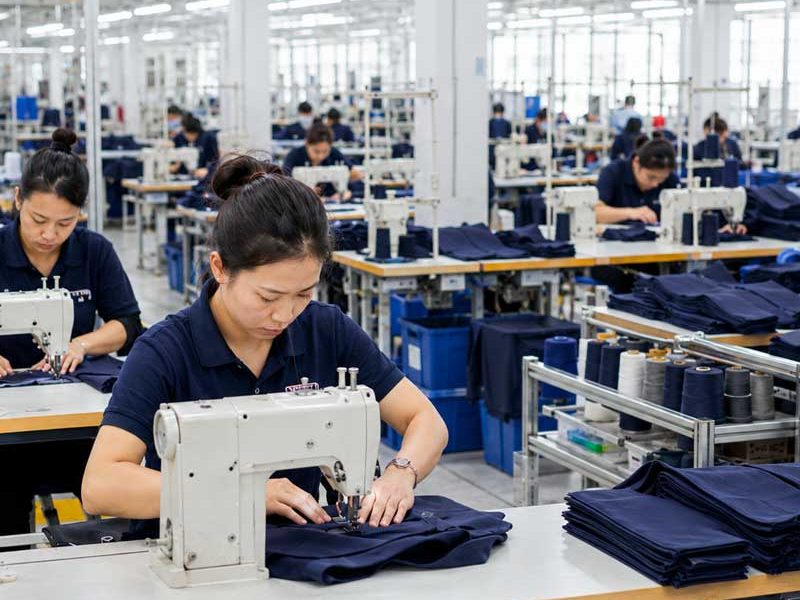
Production Capacity

Eight Quality Gates from Fabric to Carton

Repeat consistency is built through linked inspections rather than one final check. Jinfeng Apparel controls materials, cutting, sewing, measurements, finishing, private labels and packing so quality findings can be traced to the relevant production stage.

Incoming Fabric

Fabric is reviewed before cutting for color, hand feel, width, visible defects, contamination, shade variation and alignment with the approved reference. Stretch, transparency, surface shine, nap, print direction or lace flower direction receive additional attention where relevant. Discovering a material problem before cutting protects both schedule and usable quantity. Bulk material approval is separated by color and batch when visible variation could affect the finished garment.

Shade and Batch

Shade control is important for satin, chiffon, lace, velvet, sequins and custom colors. Rolls or lots may be grouped before cutting so one garment or one shipment does not combine visibly different shades. Lining, zipper and trim colors are also compared with the approved garment. Repeat production does not rely on the previous color name alone; the current dye lot is reviewed against the physical or documented standard.

Cutting Control

Cutting checks protect grain, nap, stretch direction, print placement, lace orientation and size accuracy. One-way satin shine, velvet nap and directional prints require marker rules that differ from ordinary fabric. Cut parts are bundled and identified by size, color and lot to reduce mixing. Critical components such as corset panels, cups, lace motifs or symmetrical mesh sections receive focused review before sewing begins.

First Piece

A first-piece review checks whether the production method reproduces the approved sample before a large quantity is sewn. The review may cover seam construction, neckline shape, zipper position, lining, strap length, ruching, slit, cup and boning placement, embellishment attachment, measurements and pressing effect. Correcting one first piece is far less disruptive than repairing hundreds of finished garments.

Inline Inspection

Inline inspection looks for repeated production problems while sewing is still active. Common checks include seam puckering, skipped stitches, twisted side seams, uneven ruching, zipper waves, lining exposure, lace mismatch, sequin loss, strap inconsistency and measurement drift. Findings are communicated to the responsible production team, followed by correction and rechecking. Inline visibility is especially important when a repeat quantity is larger than the first commercial run.

Measurement Review

Finished garment measurements are compared with the approved specification and agreed tolerance. Critical points vary by dress type. Bodycon styles emphasize bust, waist, hip and body length. Strapless and corset styles add upper bust, under bust and cup position. Maxi dresses require hem balance and slit height. Measurement results are reviewed by size, helping prevent a correct base size from hiding grading problems in other sizes.

Finishing Review

Finishing inspection covers thread trimming, stains, pressing, shape, hand feel, closures, embellishments, labels and overall appearance. Satin requires controlled pressing to avoid shine marks and hard creases. Sequin pieces need skin-contact and loose-sequin checks. Lace and mesh require hole and edge inspection. Long dresses require hem and hanging balance. Finishing is evaluated before packing so a presentational defect is not sealed into the final polybag.

Packing and Final

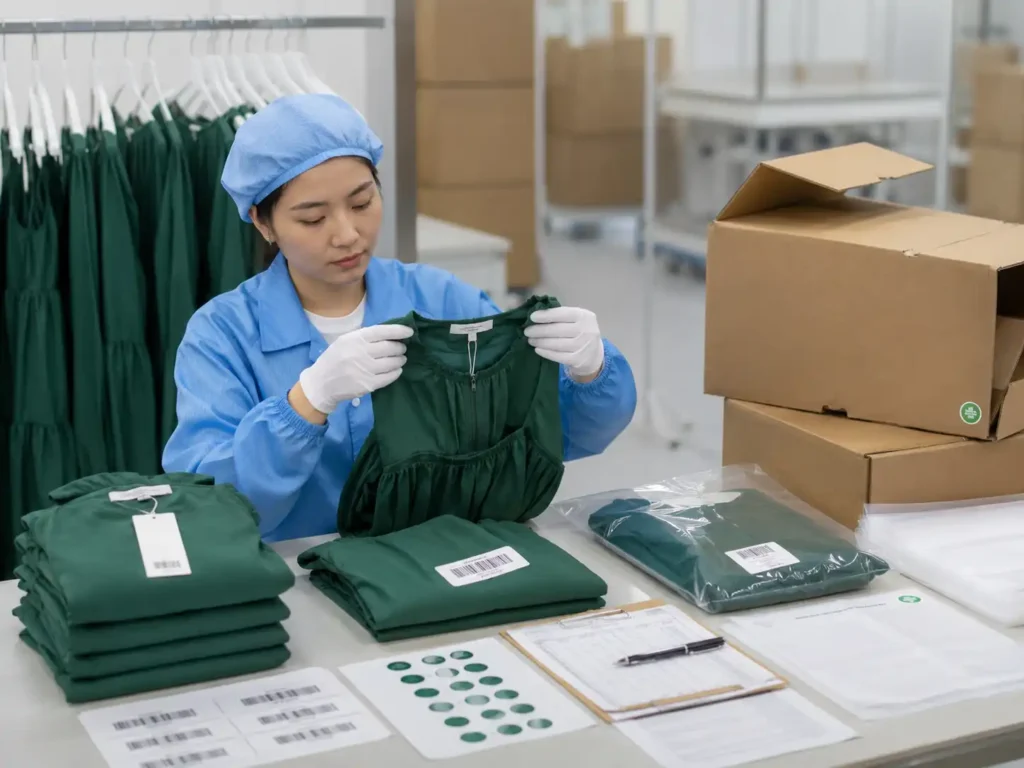
Packing checks confirm size, color, label, hangtag, barcode, SKU sticker, folding method, polybag, warning text, quantity and carton mark. Carton assortment and size breakdown are compared with the packing list. Final inspection can include AQL-based sampling or client-defined requirements. Third-party inspection support is available by project. Records from the first run and repeat run provide useful evidence for after-shipment review and future replenishment.

Records That Make Repeat Orders Faster

A repeat program gains speed when approved information is retained in usable form. Jinfeng Apparel keeps core development and production references so the next run can focus on changed conditions rather than rebuilding the style from the beginning.

Pattern Record

Approved base and graded patterns are retained with version control. Revision history shows which changes produced the accepted fit, reducing the risk of an old draft returning to production. Pattern records can support same-style repeats and selected color extensions. A new fabric, changed structure or expanded size range may still require adjustment and fresh approval.
  • Base pattern version
  • Grade information
  • Revision date
  • Fit comment history
  • Critical construction notes

Measurement Record

The approved specification contains size measurements, critical points and tolerance direction. Bulk inspection findings can be linked to the same record. Repeat orders use the latest approved chart, while changed brand standards or new sizes are handled as controlled updates rather than overwritten instructions.
  • Approved size chart
  • Critical POM list
  • Tolerance rules
  • Size-range version
  • Measurement QC notes

Fabric Record

Fabric records preserve the approved material direction, physical reference where available, composition, weight, width, stretch, drape, color and lining relationship. The record accelerates supplier discussion but does not guarantee permanent stock. Current availability, dye lot and batch performance are reconfirmed before repeat cutting.
  • Supplier reference
  • Color approval
  • Lining match
  • Stretch and drape
  • Batch review status

Trim Record

Trim records cover zippers, cups, boning, elastics, hooks, buttons, strap sliders, lace trims, rhinestones, bead chains, sequins and other functional or decorative components. Size, color, material, position and attachment method are retained. A substitute is reviewed for function, appearance, comfort and supply stability.
  • Trim specification
  • Color and size
  • Placement
  • Attachment method
  • Approved alternative

Workmanship Record

Workmanship records translate the approved sample into repeatable sewing and finishing instructions. Seam construction, lining method, edge finish, ruching placement, topstitching, applique, embellishment handling, pressing and folding are recorded according to the style. Photos can support details that are difficult to describe in one sentence.
  • Sewing construction
  • Detail photos
  • Finishing method
  • Pressing notes
  • Defect watch list

Packing Record

Private-label and packing records include artwork versions, label placement, care text, barcodes, SKU labels, polybag size, folding, stickers, carton marks and assortment. Repeat speed improves when approved files remain available, while changed market text, barcode, warehouse label or carton requirement still receives a new check.
  • Artwork versions
  • Label positions
  • SKU and barcode
  • Polybag and folding
  • Carton assortment

Repeat Orders That Still Need New Approval

Retained files remove unnecessary redevelopment, but certain changes can alter fit, appearance, cost or schedule. Reapproval protects the winning product from becoming a visually similar but commercially different garment in the next production.

New Color or Dye Lot

A new color requires shade approval even when the style and fabric remain unchanged. The review may involve Pantone, lab dip, physical swatch, bulk lot, lining shade, zipper and trim matching. Satin, velvet, sequins and translucent fabrics can look different under various lighting. A repeat in the same named color also needs batch comparison when the dye lot changes.
  • Color standard
  • Lab dip or swatch
  • Lining and trim match
  • Bulk shade check
  • Lighting review

New Fabric Direction

The same pattern may behave differently in a new fabric. Stretch, recovery, stiffness, drape, opacity, weight and width can move the neckline, waist, hip, skirt volume, ruching or hem. A fit sample or PP sample may be required before bulk. Material substitution is therefore treated as product development, not as a simple purchasing change.
  • Stretch comparison
  • Drape and weight
  • Opacity and lining
  • Shrinkage
  • Fit and construction impact

New Scale or Structure

Expanded sizes, larger quantities, changed trims, revised packing or a different factory allocation can affect production. New grading needs fit review. A major quantity increase may require new fabric booking and an adjusted QC plan. Added sleeves, changed neckline, revised slit or new embellishment creates a new version. Delivery is confirmed after the full change list and material readiness are known.
  • Expanded size range
  • Major quantity increase
  • Changed construction
  • New trims
  • New packing or delivery route

Cost and MOQ Decisions Across the Program

Commercial first production and repeat production may use different quantities, but price still follows the approved fabric, trims, construction, labor, finishing, QC, packing and logistics. Scale can improve efficiency without removing the cost of brand-level appearance.

Cost or MOQ VariableFirst Production EffectRepeat Production EffectRequired Decision
Basic MOQStarts from 200 pcs per style/colorReconfirmed by style and colorQuantity and color breakdown
Stock fabricMay support faster preparationAvailability and batch must be recheckedReserve, reorder or approve alternative
Custom colorSeparate dyeing MOQ and lab dip timeNew lot may need shade approvalPantone, quantity and delivery timing
Special trimsSupplier MOQ and development timeOriginal trim may be reordered or substitutedSpecification and approved alternative
ConstructionCorset, lace, mesh, sequin and evening work raises labor and QCSame construction remains unless revisedLock workmanship standard
Size rangeGrading and sampling depend on the rangeNew sizes require fresh grading reviewConfirm sizes and ratio
Private-label packingArtwork, label and printed packing MOQ may applyExisting files help, but changed data needs approvalConfirm label, barcode and carton files
Testing and inspectionDepends on market, material and program requirementsRepeated or new tests may be required by projectConfirm test protocol and inspection party
LogisticsBased on volume, carton plan and delivery dateLarger repeat may suit sea, split or combined shipmentConfirm ship window and forwarder

Private Label Details That Stay Consistent
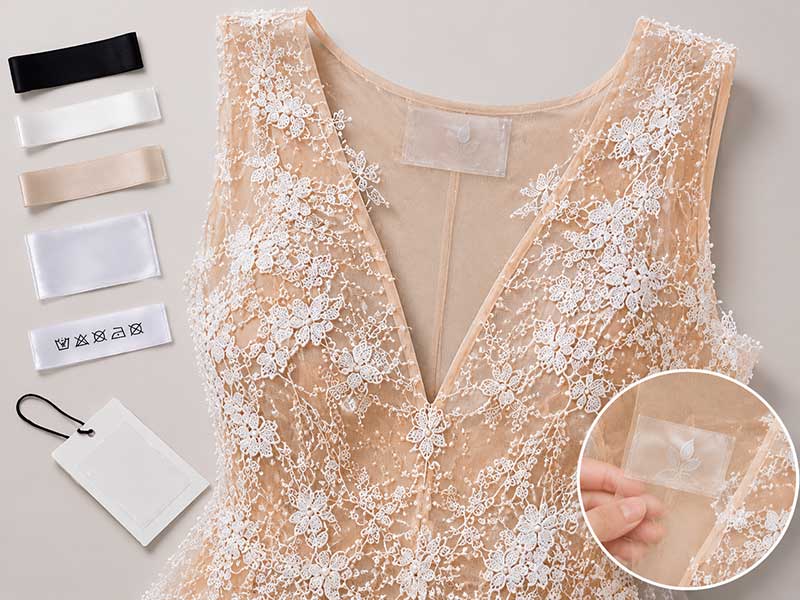
Repeat performance continues beyond the garment. Labels, barcodes, polybags, carton marks and warehouse data must remain accurate across every run, because a well-made dress can still create returns, chargebacks or receiving delays when packing information changes.

Woven Brand Labels

Woven labels are checked for artwork, size, color, fold type, edge comfort, material softness and placement. Neck, side seam, waist or internal positions are selected according to garment construction. Close-fitting dresses need extra attention to skin comfort. The approved label version and placement are retained so repeat production does not change the brand presentation without authorization.
  • Label artwork
  • Fold and size
  • Color
  • Placement
  • Edge comfort

Size and Care Labels

Size labels must match the approved size chart, garment size, polybag sticker and carton breakdown. Care labels may include fiber composition, care instructions, size, country of origin, RN number, importer information or batch reference according to the brand’s confirmed content. Jinfeng Apparel can produce from approved files, while final legal wording remains subject to brand or local compliance confirmation.
  • Size-system accuracy
  • Fiber composition
  • Care symbols and text
  • Origin information
  • Batch reference

Hangtags and Barcodes

Hangtags, hang strings, barcodes, SKU labels and promotional inserts connect the product with retail and ecommerce systems. Barcode readability, SKU accuracy, color-size mapping, hole position and attachment point are reviewed before packing. Repeat orders use the approved artwork version, but new seasonal prices, SKUs, barcodes or campaign inserts must be supplied and approved again.
  • Hangtag artwork
  • Barcode and SKU
  • Attachment method
  • Seasonal updates
  • Scanning check

Polybags and Stickers

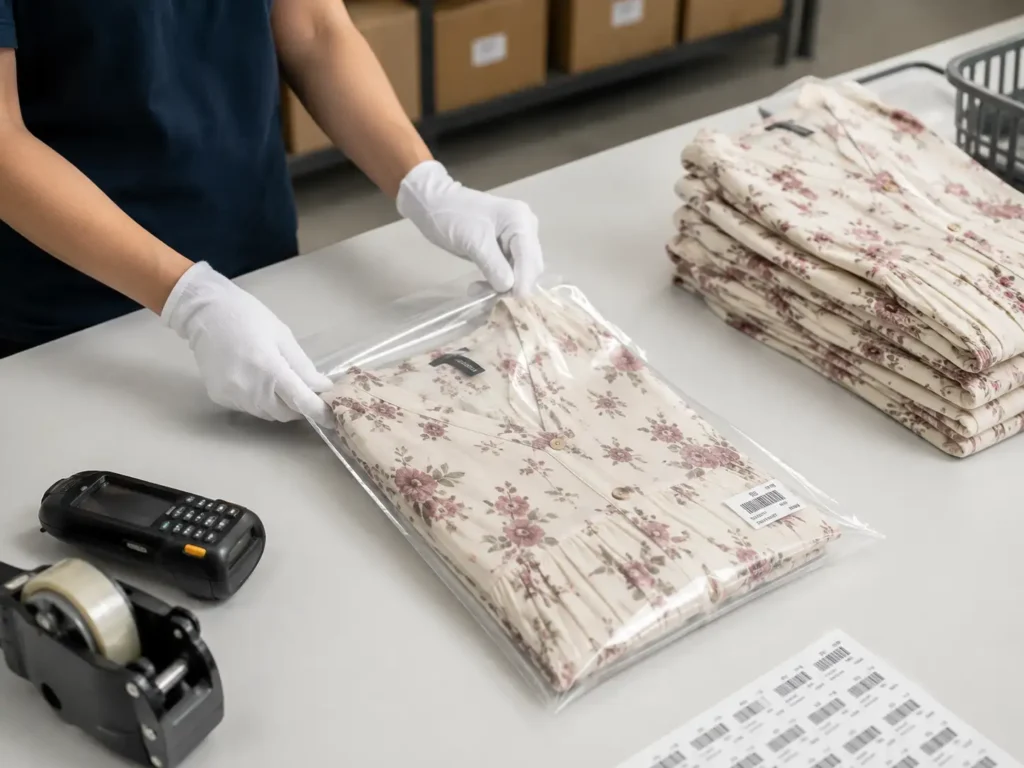
Polybag size, thickness, closure, printed warning, ventilation holes, barcode sticker, size sticker and folding method affect warehouse handling and garment protection. Satin, sequin and structured dresses may need protective tissue, careful folding or alternative bag dimensions. Repeat orders retain the packing method unless the brand requests a new ecommerce, retail or warehouse standard.
  • Bag dimensions
  • Thickness
  • Printed warning
  • Size and barcode stickers
  • Protective folding

Cartons and Marks

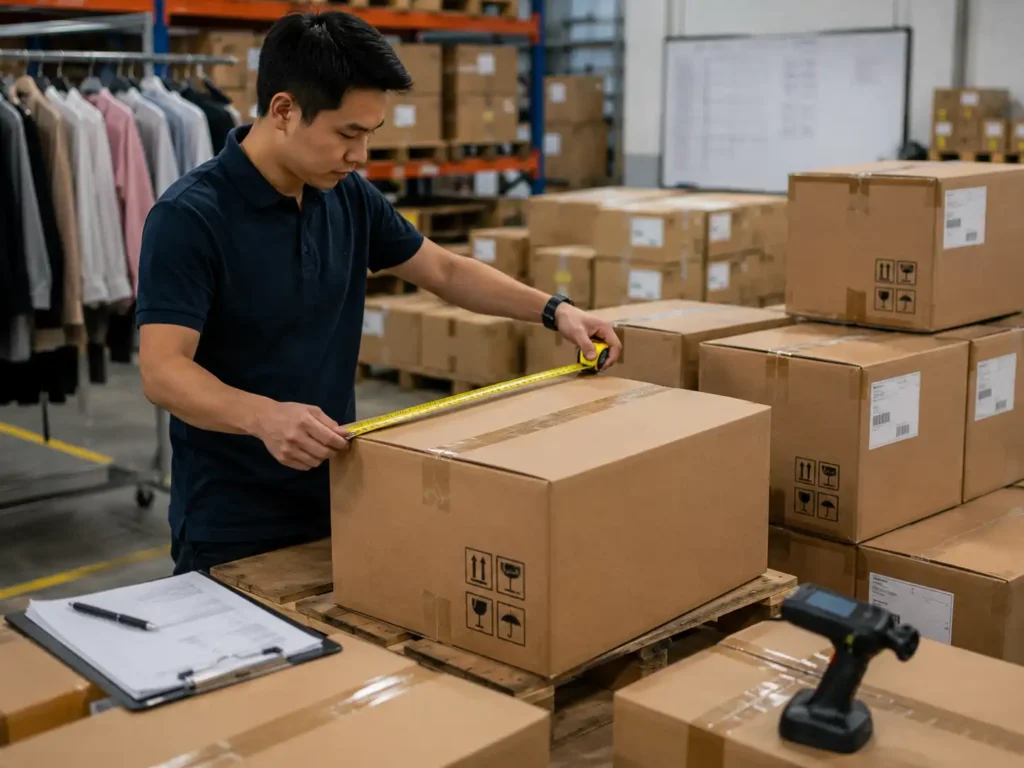
Carton size, strength, gross weight, assortment, carton mark and warehouse label are checked against the packing plan. Multi-style and multi-size orders need clear carton logic to reduce receiving errors. Long dresses, structured bodices and embellishments may require a different fold or carton depth from simple knit dresses. Repeat quantities can change the carton count and freight calculation even when the garment is unchanged.
  • Carton dimensions
  • Assortment
  • Weight
  • Shipping marks
  • Warehouse labels

Packing Verification

Packing QC compares the garment, labels, SKU, barcode, polybag and carton with the approved purchase order and artwork. Photos or sealed references can support verification. Size and color breakdowns are reconciled with the packing list. Any change in packing method is reviewed for garment presentation, carton efficiency and freight impact before the repeat order is released.
  • Garment-SKU match
  • Label placement
  • Barcode check
  • Carton ratio
  • Final packing photos

Replenishment and Multi-Batch Delivery Planning

The fastest repeat is the one planned before stock reaches zero. Material status, production capacity, QC windows, packing readiness and shipment method are reviewed together so replenishment decisions support the selling calendar rather than react after the opportunity has passed.

Backward Launch Planning

The production plan works backward from the required delivery and launch window. Sample approval, fabric booking, trim preparation, bulk schedule, inspection, packing and transit are mapped before the purchase order is finalized. Seasonal dresses such as graduation, wedding guest, resort and holiday party styles require earlier decisions because missed delivery cannot be recovered after the event window.

Split Shipment Review

Split shipment can place urgent quantities in the market while the balance continues through production or travels by a lower-cost method. Suitability depends on completed quantities, color-size availability, carton plan, inspection status and freight cost. Partial shipment should not create an unbalanced size assortment or release unapproved garments simply to meet an early date.

Freight and Handover

Jinfeng Apparel can coordinate export delivery with client-nominated forwarders and support air or sea freight according to the project. DDP may be reviewed by project where available, but responsibility, destination, customs information and cost must be confirmed. Packing lists, commercial invoices, carton marks and shipment details are prepared according to the agreed handover route.

Multi-Batch Records

Large programs may ship in several production or delivery batches. Each batch needs traceable quantity, color, size, fabric lot, inspection and carton information. Records help distinguish a logistics issue from a production issue and support future replenishment. Multi-batch planning is especially useful when 10 to 30 styles follow different material and production schedules.

Anonymized Test-to-Repeat Dress Program

The operating example below uses a realistic range from ongoing brand programs: 10 to 30 styles and 20,000 to 80,000 total pieces. Brand identity, price, artwork and unpublished product details remain confidential.

First Production - 18 Styles and 14,400 Pieces

A premium online fashion label prepared an 18-style seasonal dress program covering party, occasion, bodycon, satin, mesh and corset directions. The commercial first production totaled 14,400 pieces across one or two colors per style, with sizes XS-XL based on the brand’s approved chart. Individual style quantities were planned above the standard 200 pcs per style/color threshold, with larger allocations assigned to established silhouettes.

Development was prioritized by risk. Corset, strapless and sequin styles entered sampling earlier than simpler stretch dresses. Shared black linings, invisible zippers, labels and packing materials were consolidated where suitable. Each style moved through pattern review, sample comments, material approval and PP confirmation. The first production used approved private-label files, barcode mapping and carton assortment rules.

The program did not treat every style equally. Higher-risk styles received additional first-piece and inline attention. Satin shades were separated by lot, mesh coverage was checked against lining, and bodycon measurements were reviewed by size. Commercial first production therefore generated sell-through evidence from garments built under production conditions rather than from showroom samples alone.

Repeat Production - 7 Winners and 28,400 Pieces

After launch, seven dresses produced the strongest sales and replenishment demand. The repeat production totaled 28,400 pieces. Four styles returned in approved original colors, two received new color extensions, and one strong bodycon shape moved into a related fabric direction. The repeat was not released as a simple copy order.

Original patterns, measurement files, fabric references, trim records, QC notes and packing files were retrieved first. Current fabric stock and dye lots were rechecked. The two new colors moved through shade and trim matching.

The new fabric direction received stretch, opacity, fit and PP review because the original pattern could not be assumed to perform identically. Updated quantity and size ratios were used for material booking and production allocation.

The combined first and repeat program reached 42,800 pieces. Larger repeat quantities required a revised inspection plan, expanded carton counts and a new delivery sequence. The strongest styles were scheduled first, while color extensions followed their approvals. Controlled revalidation protected the speed advantage without weakening fit or brand presentation.

Records Turned Sales Data into Production Decisions

The program gained value from the connection between commercial and manufacturing information.

Sell-through identified the winning styles. Size performance changed the repeat ratio for selected SKUs. Return comments were reviewed against measurements and construction rather than translated into unrecorded pattern changes. Fabric availability influenced the color schedule.
Packing records reduced artwork and warehouse setup work.

The production team retained the approved pattern, size chart, fabric and lining references, trim specifications, sewing details, label artwork, barcode mapping, folding and carton instructions.

New approvals were added as separate versions. The repeat therefore began from a controlled baseline, while every change remained visible to merchandising, production and QC teams.

The example reflects the operating scale Jinfeng Apparel is structured to support: multi-style programs, commercial first production, selective replenishment, new-color growth and total brand orders commonly ranging from 20,000 to 80,000 pieces.

Confidentiality and Supplier Review Support

Large apparel programs contain unpublished designs, commercial quantities, prices, artwork and launch calendars. Jinfeng Apparel supports NDA-based cooperation and can coordinate available factory, QC and inspection documentation according to the production route selected for the project.

NDA Cooperation

NDA-based cooperation can cover brand identity, tech packs, original samples, patterns, measurement charts, fabrics, trims, private-label files, prices, order information and launch plans. Confidentiality expectations should be confirmed before sensitive files are transferred. Internal project access can then follow the agreed development and production needs.

Design Protection

Jinfeng Apparel does not disclose brand names, logos, tech packs, sample photos, patterns, labels, packaging, unpublished styles, actual quantities or prices without permission. Public case descriptions remain anonymized unless written authorization is provided. Product images used for process proof should be selected or masked to protect unpublished collections.

Factory Document Review

Factory-related audit or compliance information is confirmed according to the actual production factory and current available records. Sedex-related, BSCI-related, ISO-related or other audit support should not be assumed across every factory or order. Brand teams can submit their supplier approval checklist so the relevant documentation can be reviewed before allocation.

Inspection Coordination

Client inspection teams or nominated third-party organizations such as SGS, Intertek or BV can be coordinated by project when required. Inspection standard, timing, sample level, report recipient and reinspection rules should be confirmed in advance. Third-party inspection complements internal QC but does not replace material, inline, measurement and packing controls during production.

From Order Factory to Program Manufacturing Partner

A program partner is judged by what happens after the first shipment. The difference appears in retained standards, controlled changes, replenishment preparation and the ability to support a collection rather than in generic claims about quality or service.

Transaction-Only Production

A transaction-only model focuses on completing the current purchase order. Patterns, comments, fabric references and packing information may remain scattered across messages or individual staff. Repeat speed then depends on who remembers the previous order. A new fabric batch, color or quantity may enter production without a structured review. Problems are often discovered in finished garments because the first run did not create a reusable approval system. For a mature fashion brand, the hidden cost appears after the style succeeds. The team may need to resend files, rebuild specifications, explain old comments, search for the original material and correct inconsistent labels. The supplier may accept the repeat quickly but cannot show how fit, shade, trims, workmanship and packing will remain controlled.

Program-Based Manufacturing

Jinfeng Apparel approaches commercial first production as the foundation of possible repeat orders. Approved patterns, measurements, materials, trims, workmanship, labels, packing and QC notes are retained. A repeat review identifies unchanged items, current supply conditions and new approvals. Production allocation and inspection planning respond to the updated quantity rather than simply copying the previous schedule. The model supports same-style repeats, bestseller replenishment, new colors, same-pattern fabric extensions, expanded size ranges, seasonal carryovers and multi-batch delivery. Boundaries remain clear: retained records increase speed, but new dye lots, fabrics, sizes, trims, packaging or large volume changes still require technical and commercial confirmation. The result is a more predictable path from sales evidence to the next production decision.

Frequently Asked Questions About Test-to-Repeat Programs

It means developing and approving a dress, producing a controlled commercial first run, reviewing real sales and fit feedback, then repeating selected winning styles with retained patterns, material records, QC notes and packing standards. The first run is not a single sample; it is a sellable production order built for possible replenishment.
No. Samples confirm design, fit, materials and workmanship. Commercial first production follows approved samples and uses real sizes, labels, packing and order quantities. Jinfeng Apparel’s basic production MOQ starts from 200 pcs per style/color, subject to fabric, trims, construction and packaging.
The basic MOQ is 200 pcs per style/color. Multiple unrelated styles cannot be combined to create one 200-piece minimum. One style in two colors normally requires 200 pieces per color. Special fabrics, custom colors, printing, trims and packaging may have separate supplier minimums.
A simple first sample may take about 7-10 days. A standard dress first sample commonly takes about 10-15 days. Corset, strapless, lace, mesh, sequin and evening styles commonly require about 15-25 days or project confirmation. Material readiness and complete development information affect timing.
A repeat can move faster when approved records remain valid, but current fabric stock, dye lot, trims, quantity, size ratio, packing, production capacity and delivery still need confirmation. New colors, new fabrics, expanded sizes or major volume increases require additional approval or planning.
Records may include approved patterns, measurement charts, fabric and lining references, color approvals, trim specifications, workmanship notes, sample versions, QC comments, label artwork, barcodes, polybag details, carton marks and packing instructions. Retention supports repeat planning while protecting confidential brand information.
Usually the approved pattern can remain when fabric construction and performance are unchanged. The new color still needs shade, lining, zipper and trim matching. A new dye lot may also require bulk color review, especially for satin, velvet, lace, mesh and sequins.
Yes, but new sizes require grading review and may require fit confirmation. Grade increments depend on garment structure, fabric stretch, fit intent and brand standards. Size labels, polybag stickers, carton ratios and measurement QC must be updated to match the new range.
Quality control includes incoming material review, shade and batch checks, cutting control, first-piece approval, inline inspection, measurement review, finishing inspection, packing checks and final inspection. AQL-based or client-defined inspection and third-party inspection can be coordinated by project.
Send reference images, tech packs, original samples or line sheets where available, together with target quantity by style/color, fabric direction, color plan, size range, private-label requirements, target delivery and destination. Complete information allows a more accurate development, MOQ, cost and schedule review.

Build a Repeatable Dress Program with Jinfeng

A useful program review starts with enough information to identify product risk, sample priorities, material requirements and the likely repeat path. Send tech packs, line sheets, reference images or original sample details together with quantity by style and color. Include the intended size range, fabric direction, color story, private-label requirements, destination and target delivery window.
For multi-style collections, mark hero styles, higher-risk constructions and expected replenishment candidates. Jinfeng Apparel can then review sampling, material availability, production allocation, QC checkpoints, packing preparation and repeat-order conditions. Early visibility also separates styles suited to available fabrics from styles requiring custom color, print, lace, embellishment or special trims.
Please provide:

  • Reference images, tech packs, original samples or line sheets
  • Quantity by style, color and production stage
  • Fabric, lining and trim preferences
  • Size range and measurement chart
  • Label, hangtag and packing requirements
  • Target delivery date and destination

Tell Us About Your Dress Project

Share your product details, estimated quantity and development requirements. Our team will review your project and provide practical OEM/ODM production feedback.

Premium Women’s Apparel Production for Fashion Brands

From dress sample development to bulk production, JF Apparel supports fashion brands with confidential OEM/ODM manufacturing, reliable quality control and scalable production support.

START YOUR DRESS PROJECT

Ready to Develop Your Next Dress Collection?

Share your design concept, product requirements or sourcing plans with our team. We’ll review your project and provide practical feedback on development, materials, MOQ and production.

7-10 Days

Sample Development

200 PCS

Starting MOQ

Fast Response

Professional Follow-Up