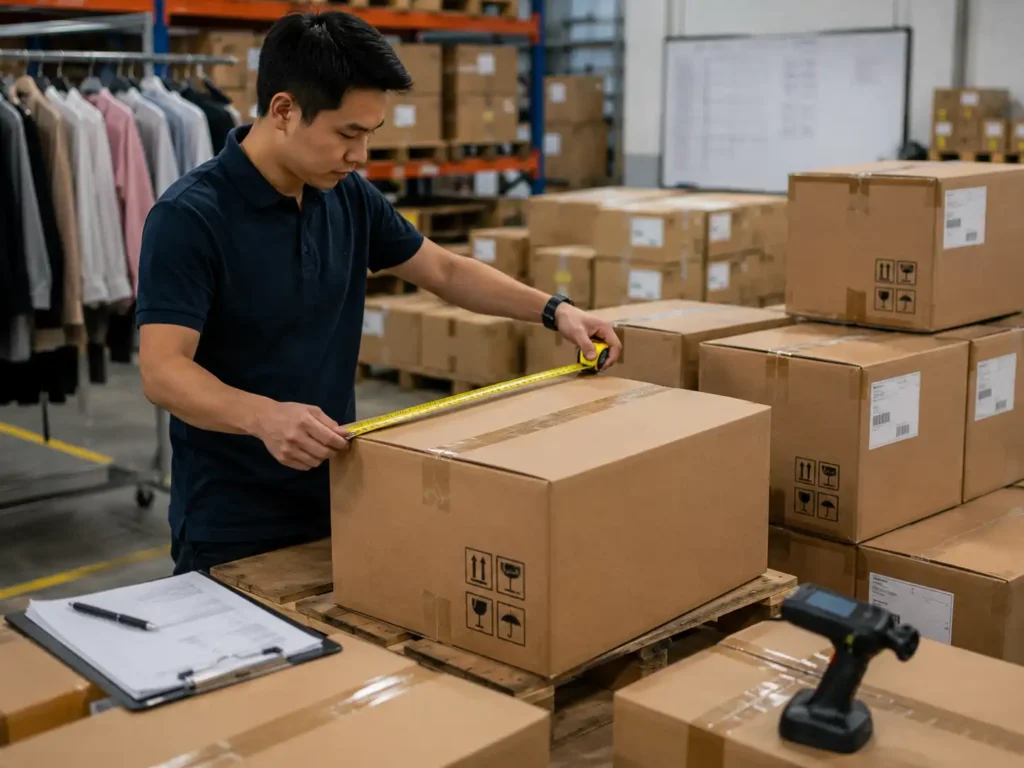
Dress Manufacturer for Womenswear Product Teams

A development-led manufacturing partner for product, technical design, merchandising, sourcing, production and quality teams.

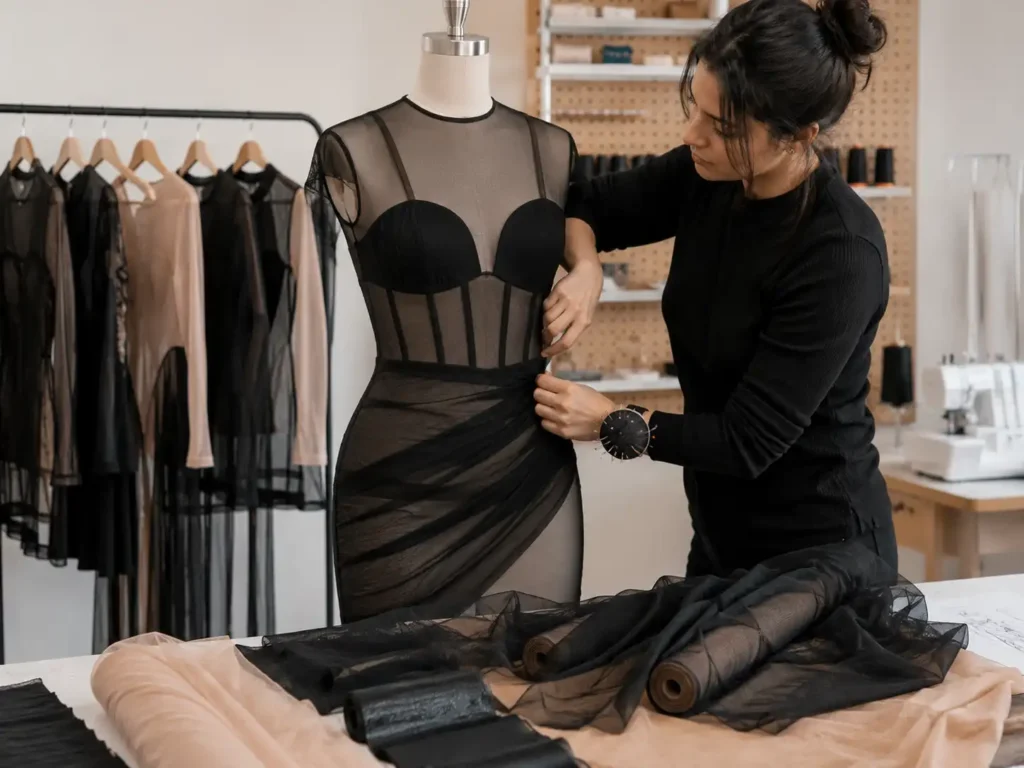
Jinfeng Apparel converts design references, line sheets, tech packs and fit comments into approved dress samples, controlled bulk production and private-label delivery. Product teams work with a structured development group rather than a disconnected chain of agents and workshops.

  • 2 sample rooms, 7+ pattern makers and 20+ sample machinists support multi-style development.
  • 12+ merchandisers coordinate files, materials, sample comments, approvals and bulk progress.
  • 15+ QC inspectors manage materials, cutting, sewing, measurements, finishing and packing.
  • 6 owned factories, 10+ production partners and 100,000+ pieces of regular monthly capacity support collection programs.

Development Capacity Your Product Team Can Verify

Reliable development depends on named teams, controlled files and production resources. Each figure below connects directly to sample accuracy, style coordination, bulk consistency or collection delivery. Review Capacity

Since 2008

Long-term experience in custom women’s fashion manufacturing, including dresses, skirts, jumpsuits, matching sets and private-label collections for overseas markets.

2 Sample Rooms

Dedicated sample resources allow prototypes, fit samples, revised samples, photo-ready samples, PP samples and Golden samples to move through defined approval stages.

7+ Pattern Makers

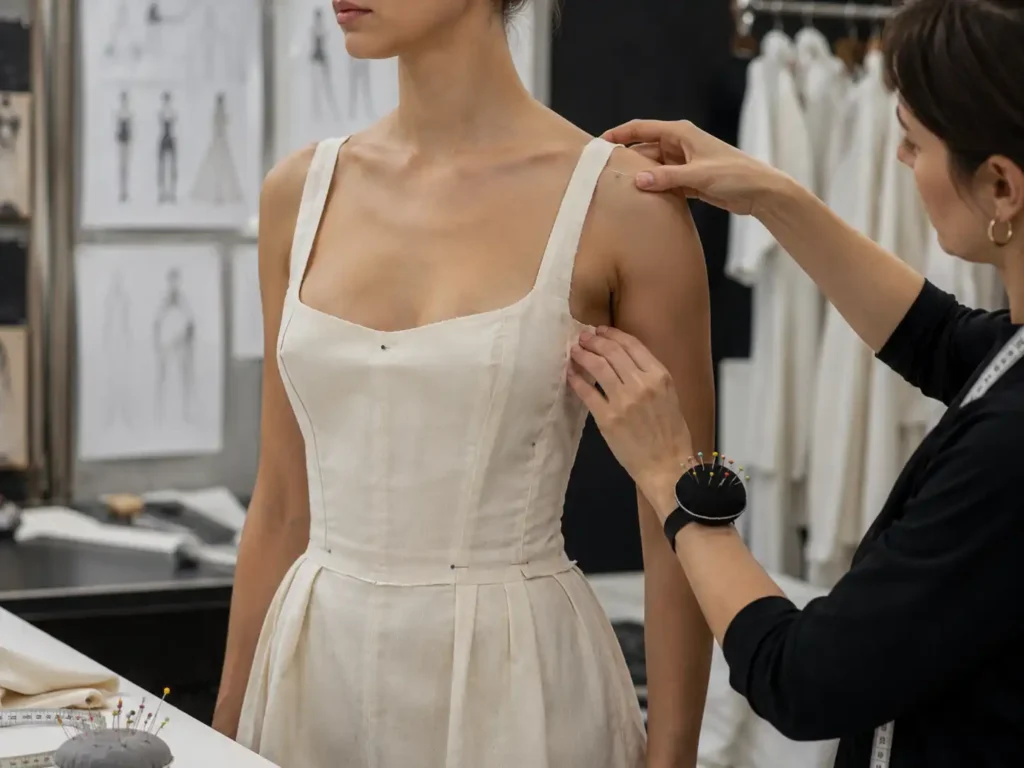
Senior womenswear pattern makers review bust, waist, hip, length, neckline, armhole, strap, slit, lining and movement requirements before bulk patterns are released.

20+ Sample Machinists

Sample machinists handle woven, stretch, mesh, lace, satin, sequin, structured and lined styles while feeding construction findings back to pattern and merchandising teams.

12+ Merchandisers

Project follow-up specialists coordinate documents, materials, sample revisions, approval status, bulk schedules, packing requirements and shipment records across active styles.

15+ QC Inspectors

Quality staff compare materials, workmanship, measurements, finishing and packing against approved files and physical standards throughout bulk production.

Built Around Cross-Functional Womenswear Product Teams

Every function sees a different risk. A clear manufacturing partner must translate each role’s priorities into one controlled product record, one approval path and one production standard.

Product Development Teams

Product developers need a factory able to interpret line sheets, design references, target prices and launch priorities. Jinfeng reviews product structure, material direction, construction feasibility and sampling sequence before development begins. Key styles can be prioritized by launch date, campaign need, material readiness or technical difficulty, reducing delays caused by treating every style as equally urgent.

Technical Design Teams

Technical designers need accurate interpretation of measurement charts, fit comments, grade rules and construction details. Pattern makers review body balance, neckline coverage, waist placement, hip ease, hem level, strap length, armhole shape, lining and movement. Revised measurements and pattern decisions are tied to the active sample version before PP approval.

Merchandising Teams

Merchandising teams balance design, target cost, margin, calendar and assortment depth. Jinfeng identifies cost drivers such as fabric width, lining, double layers, corset structure, lace placement, sequins, trims, color count, size range and special packing. Alternatives are discussed with visible impact on appearance, risk and production timing.

Sourcing Teams

Sourcing teams need clear capacity, order boundaries, audit support and commercial terms. Jinfeng provides project-based factory matching, MOQ review, quotation basis, available compliance records for the assigned production unit, testing coordination and logistics options. Factory, material and certification claims are confirmed against the actual program rather than presented as blanket promises.

Production Teams

Production teams need approved standards translated into executable bulk files. Jinfeng locks the PP sample, final pattern, measurement specification, fabric, trims, construction details, labels, packaging and carton instructions before cutting. Production updates focus on material arrival, cutting, sewing, finishing, QC, packing and shipment readiness.

Quality Teams

Quality teams require measurable checkpoints instead of general quality claims. Jinfeng supports incoming material review, cutting control, in-line sewing checks, measurement inspection, garment review, pressing assessment and packing verification. Client inspection, nominated third-party inspection and project-specific testing can be coordinated when requirements are confirmed before production.

Development Risks Controlled Before They Reach Bulk

Dress programs lose time and margin when material, fit, files and approvals move separately. Early risk review protects launch dates and prevents approved details from disappearing during production. Review Development Risk

Late Fabric Decisions

A pattern developed in one material cannot always move unchanged into another. Shifts in weight, width, drape, stretch, recovery, transparency or shrinkage can alter fit, seam behavior, lining needs, consumption and cost. Material direction is reviewed before pattern decisions are treated as final.

Unclear Fit Comments

Comments such as “too loose” or “neckline feels wrong” need precise locations and intended results. Jinfeng converts wear-test feedback into measurable actions covering bust, under-bust, waist, hip, length, strap, armhole, neckline depth, slit height and movement allowance.

Mixed Pattern Versions

Multiple sample rounds create risk when pattern, size chart, BOM and construction notes do not move together. Active versions are identified, superseded files are separated and production release follows the approved PP package rather than an earlier sample record.

Untracked Cost Changes

Adding lining, changing fabric, increasing handwork, widening size coverage or splitting colors can change cost and timing. Material and construction changes are assessed before execution so product teams can accept, revise or reject the impact with clear reasoning.

Sample-to-Bulk Drift

A strong sample can fail in bulk when fabric batches, cutting direction, seam handling, trims, pressing or measurement control change. Golden sample comparison, production instructions and staged QC keep the approved appearance connected to the manufacturing floor.

Launch Calendar Compression

Late approvals compress material purchasing, production, QC, packing and freight windows. Jinfeng builds dated gates around fabric confirmation, sample review, PP lock, material arrival, production slot, final QC and shipment planning, allowing urgent styles to be prioritized without hiding the trade-offs.

One Manufacturing Workflow Across Every Product Role

Shared records prevent design, sourcing, technical and production decisions from becoming separate conversations. Each role contributes defined inputs and receives a usable output for the next approval gate.

Brand FunctionPrimary InputsJinfeng Manufacturing ActionControlled Output
Product DevelopmentLine sheet, reference images, assortment priority, launch planReview structure, material direction, product risk and development sequenceDevelopment brief and style priority
Technical DesignTech pack, measurements, base size, grade rules, fit commentsDevelop or correct pattern, review fit points and update approved measurementsTracked sample version and fit record
MerchandisingTarget cost, quantity, color plan, size ratio, margin requirementBuild quotation basis and identify material, construction and packing cost driversCommercially aligned product plan
SourcingVendor criteria, compliance needs, testing requirements, delivery termsMatch factory resources, confirm documents, evaluate MOQ and logistics routeSupplier and production route assessment
ProductionApproved PP sample, final BOM, packing instructions, shipment windowRelease bulk package, coordinate materials, production, QC and packingProduction-ready order file
QualityTolerance, defect criteria, inspection method, labeling standardSet incoming, in-line, final and packing checkpointsQC evidence and release decision

Dress Categories Built for Commercial Collections

Dress development changes with silhouette, fabric, body exposure, lining, support and finishing. Product teams receive category-specific review rather than one generic sampling method.

Trend-Led Mini Dresses

Mini dresses depend on proportion more than total garment length. Waist position, hip shaping, hem movement, lining coverage and sitting comfort are reviewed together. A hem can look balanced on a mannequin yet rise sharply during movement when stretch, bias, gathers or bodycon tension are not considered. Key controls include front-to-back hem balance, zipper behavior, underarm coverage, slit or cut-out stability and size-to-size length progression. Photo-ready samples can be prioritized for campaign needs while bulk standards remain tied to the approved fit and construction record.

Bodycon and Corset Dresses

Bodycon programs require fabric stretch and recovery to work with negative ease, lining, seam position and grade rules. Corset structures add cups, boning, under-bust shaping, neckline security, zipper load and internal finishing. A visually strong sample still fails when support shifts, side seams twist or larger sizes lose the intended silhouette. Jinfeng reviews stretch direction, recovery, bust-to-waist ratio, hip tension, cup placement, boning channels, anti-slip options, zipper reinforcement and lining elasticity. Size architecture is agreed before bulk grading so the style remains wearable across the planned range.

Party and Occasion Dresses

Occasionwear combines visual impact with high construction risk. Draping, ruching, asymmetric lines, structured bodices, high slits, embellishment, multiple layers and sensitive fabrics often interact within one style. Development begins by separating appearance-critical details from production-critical details. Pattern, handwork, lining, seam strength, closure, pressing and embellishment protection are assessed during samples. Production instructions identify approved placement, density, symmetry and finishing so the bulk order does not rely on individual operator interpretation.

Satin and Slip Dresses

Satin exposes cutting direction, seam tension, needle marks, puckering, zipper waves, pressing shine and dye-lot differences. Slip dresses add bias behavior, strap length, neckline stability and hem drop. Fabric hand feel alone is not enough; width, weight, weave density and surface durability influence both cost and bulk consistency. Jinfeng aligns grain direction, panel placement, lining, seam method, needle choice, pressing method and shade control with the approved sample. Repeat orders retain fabric references and construction records to reduce visual drift.

Mesh, Lace and Sequin

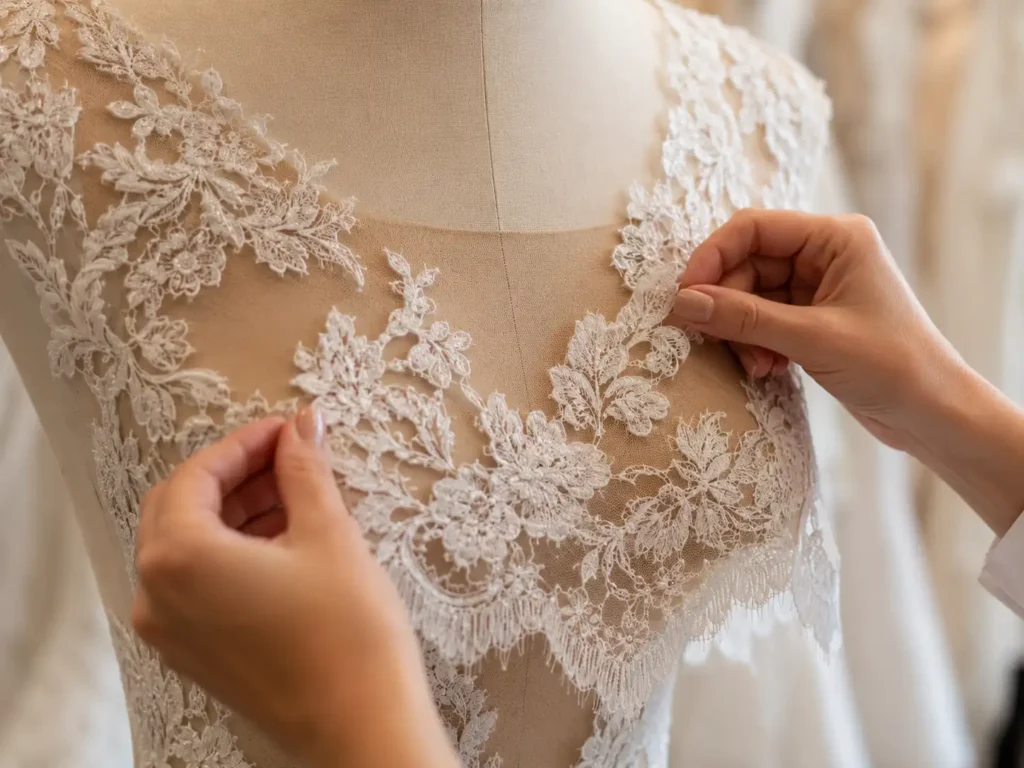
Mesh and lace require control over transparency, stretch mismatch, motif placement, edge finish and lining coverage. Sequin materials introduce direction, cutting loss, skin contact, needle damage, missing decoration and packing abrasion. Each material needs a different sample and QC plan. Jinfeng reviews base fabric, motif repeat, placement zones, seam allowance, lining map, reinforcement and decoration protection. Critical areas are photographed or physically sealed during approval so cutting, sewing, finishing and packing teams can follow the same standard.

Resort and Day Dresses

Resort and day dresses are expected to feel light, move well and remain presentable after travel, packing and repeated wear. Fabric opacity, wrinkle recovery, print placement, shrinkage, neckline stability and hem movement shape the commercial result more than decorative complexity alone. Rayon, viscose, linen blends, chiffon, crepe and lightweight woven fabrics are assessed for drape, transparency, shrinkage, seam slippage and packing behavior. Print and color plans are linked to material availability and delivery timing before the collection calendar is locked.

Project Inputs Reviewed Before Sampling Begins

Accurate development starts with enough information to make responsible decisions. Incomplete records are identified early so price, fit and delivery assumptions do not become hidden risks later. Recommended upload set: tech pack or line sheet, front and back references, quantity plan, fabric direction, size range, launch date and private-label requirements. Upload Project Files
A professional fashion design team discussing custom dress development with fabric swatches, sketches, mood boards, and a dress sample on a mannequin.

Product and Design Files

Useful files include line sheets, tech packs, sketches, reference images, original samples, construction references and intended wearing occasions. Jinfeng identifies missing views, unclear seams, hidden closures, internal structure, lining coverage and design features requiring physical validation.

Material and Trim Direction

Fabric name alone rarely defines a usable material. Composition, weight, width, stretch, recovery, transparency, surface, hand feel, color, print, certification need and substitute tolerance are reviewed alongside zippers, cups, boning, elastic, lace trims, labels and packing materials.

Commercial Order Plan

Quantity per style and color, color count, size range, size ratio, target price, private-label requirements and destination affect material sourcing, quotation and production planning. MOQ starts from 200 pieces per style/color, subject to fabric, color, trim, construction and schedule conditions.

Calendar and Approval Path

Launch date, campaign sample date, fit-review method, PP approval authority, inspection plan and shipping route are confirmed during project launch. A dated timeline is built after style complexity and material readiness are understood; responsible planning avoids unsupported fixed-day promises.

Fabric Decisions That Change Fit, Cost and Production
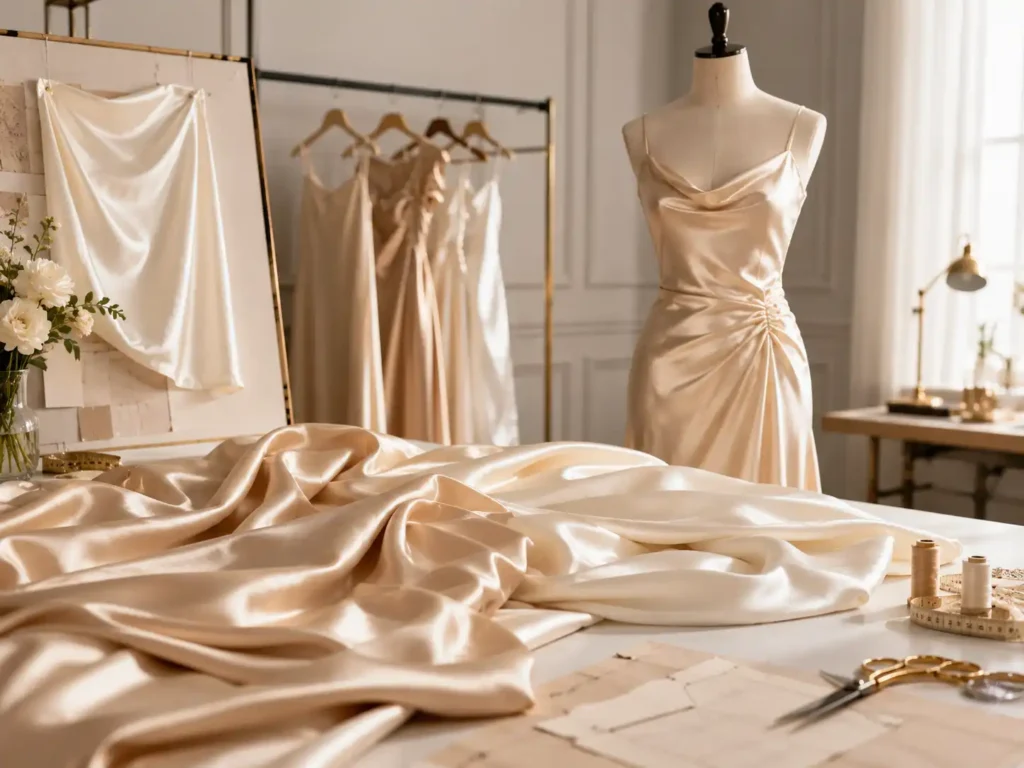
Material selection affects pattern balance, sewing method, lining, consumption, pressing, QC and delivery. Fabric approval must resolve commercial and technical questions before the approved fit becomes a bulk standard. Jinfeng Apparel’s broader material system also covers crepe, velvet, organza, tulle, rayon, viscose, linen, denim, suiting fabrics, cotton blends, polyester blends and spandex blends. Material approval remains linked to the exact style, color, order quantity and production unit.

Satin and Stretch Satin

Satin varies widely in weight, width, weave density, drape, gloss and snag resistance. Stretch satin adds direction and recovery. Product teams should confirm whether the design needs fluid fall, body support or both. Grain direction and panel orientation matter because identical dye lots can look different under light when panels are reversed. Controls cover shade, surface defects, snagging, seam puckering, zipper waves, lining compatibility, pressing temperature and packing protection. A fabric substitute is sampled when its weight, stretch or shine could alter the approved silhouette.

Chiffon and Sheer Wovens

Chiffon creates movement but introduces transparency, fraying, seam slippage and uneven hems. Layer count, lining opacity, print direction and finishing method must be decided before consumption and price can be trusted. Patterns allow for drape and handling behavior, while cutting and sewing controls address panel distortion and edge damage. Hem balance is checked after the garment settles, especially on bias, circular or layered constructions.

Mesh and Power Mesh

Mesh selection depends on hole size, stretch direction, recovery, softness, transparency and color. Power mesh can support bodycon or corset structures, while decorative mesh may need a separate base or lining. Combining two stretch levels without planning can distort seams and fit. Sample review covers neckline security, underarm exposure, panel tension, seam recovery, lining map and skin comfort. Bulk fabric is checked for stretch and visual consistency before cutting.

Lace and Placement Materials

Lace cost and appearance depend on width, motif repeat, edge shape, ground stability, color and placement labor. Mirror placement, border use or motif matching can create substantial cutting loss and handwork. Development records define where motifs sit at neckline, waist, center front, hem or sleeves. Bulk controls compare placement, symmetry, seam joins and edge finishing against the approved standard.

Sequin and Embellished Fabric

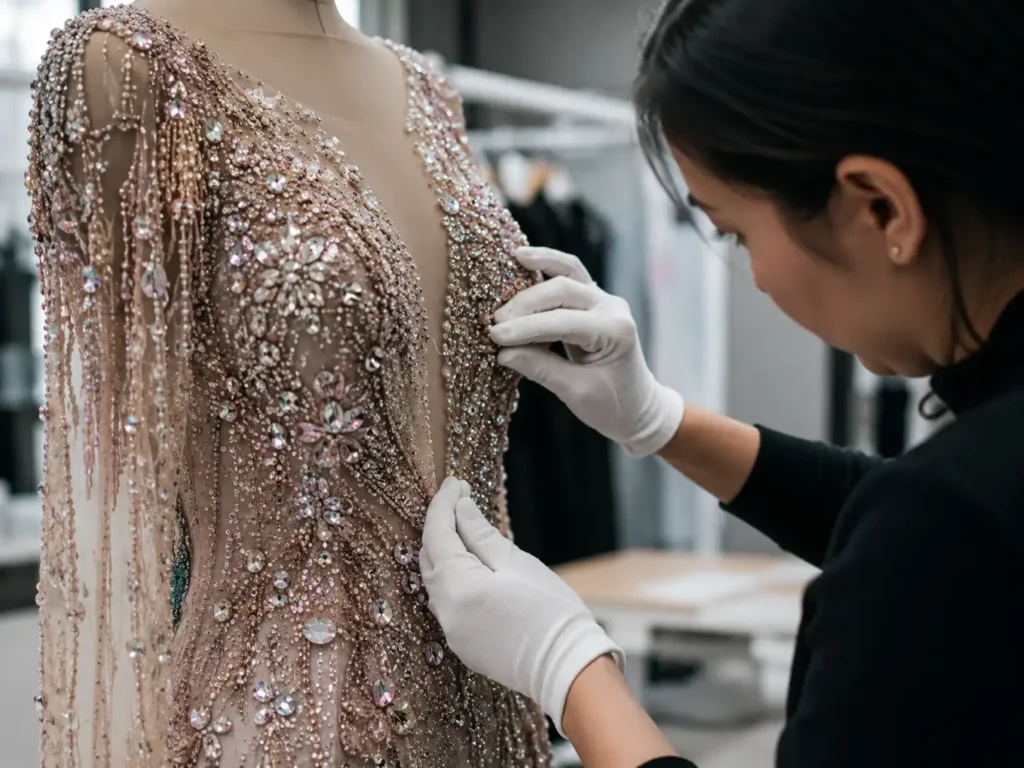
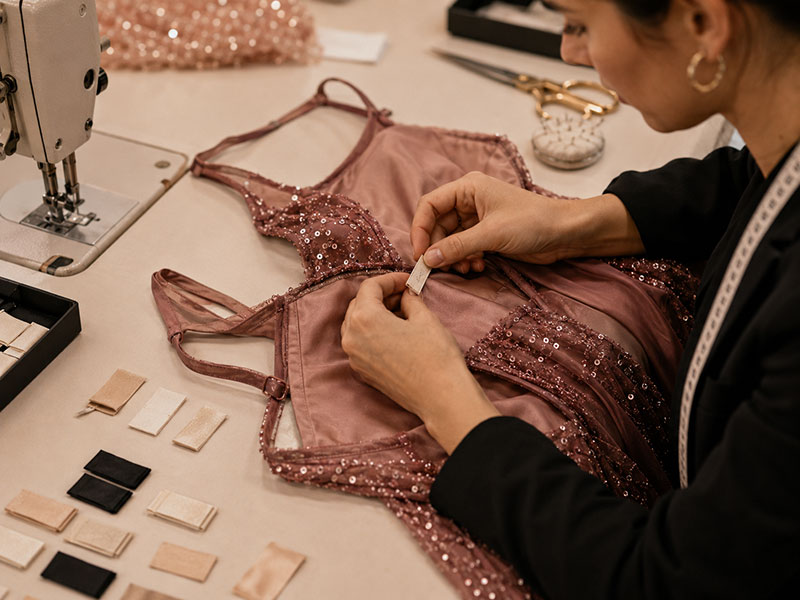
Sequin materials vary by backing, direction, density, shape and attachment. Cutting can damage decorations, exposed edges can scratch skin and packing pressure can mark the surface. Color and direction also influence visual consistency across panels. Jinfeng reviews seam routes, removal zones, lining, binding, reinforcement, needle damage, decoration loss, pressing restrictions and polybag protection before production.

Jersey, Rib and Ponte

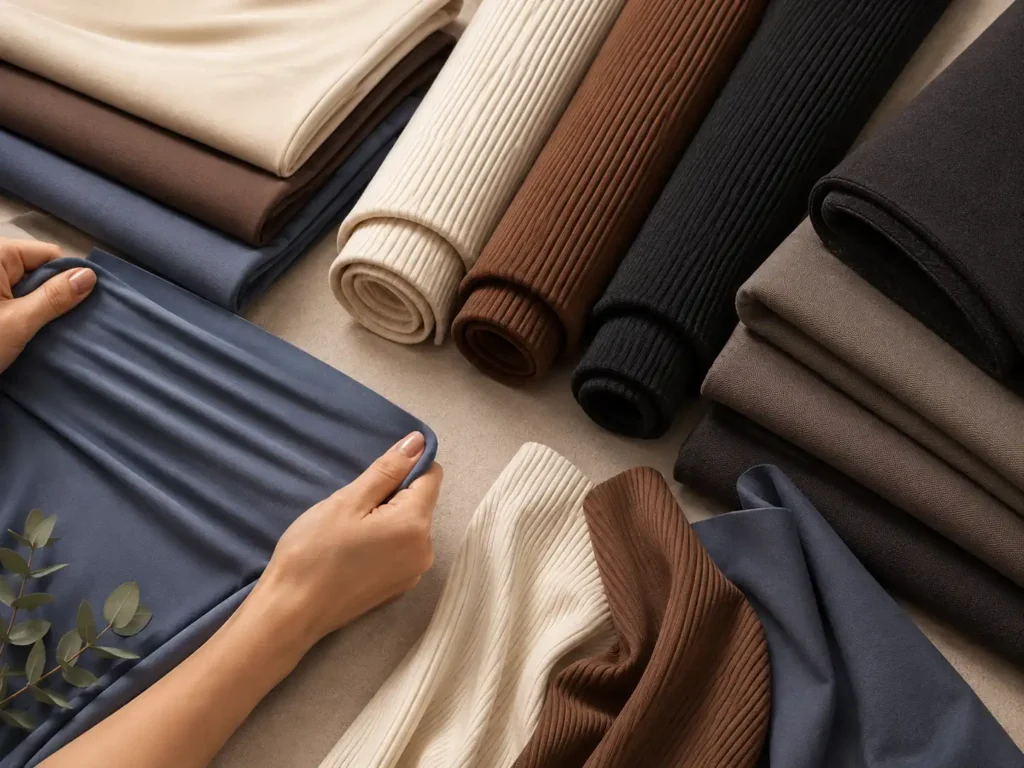
Knit dresses depend on fabric weight, stretch, recovery, shrinkage and torque. A fabric may fit well at first wear yet relax, twist or ride up after movement. Ponte adds structure but must match season, silhouette and target hand feel. Controls include relaxation before cutting, stretch direction, side-seam stability, garment measurements, recovery, wash risk and grade behavior. Size ratios are reviewed so bodycon tension remains balanced across the intended range.

Pattern and Fit Development for Commercial Dresses

Fit approval requires more than matching a flat measurement chart. Pattern balance, fabric behavior, body movement, exposure, support and grade rules must work together before the silhouette is ready for volume production.

Body Proportion and Silhouette Balance

Jinfeng’s 7+ senior womenswear pattern makers work across mini, midi, maxi, bodycon, corset, slip, halter, strapless, backless, jumpsuit, skirt and matching-set structures. Review begins with base-size intent rather than copying measurements in isolation. Bust, upper bust, under-bust, waist, high waist, low waist, hip, front length, back length and total garment length are compared against fabric behavior and the desired silhouette.

  • Bodycon styles: negative ease, stretch recovery, seam position and hip movement must remain balanced.
  • A-line and skater styles: waist level, sweep, grain direction and hem balance shape the visual result.
  • Maxi styles: front and back length, bias drop, slit height and floor clearance require wear testing.
  • Low-waist styles: torso length, waistband position and hip shaping must suit the intended market fit.

Sample comments are translated into measurable changes. “Waist looks high” may involve front length, back length, dart position and skirt join rather than moving a seam alone. Each correction is checked against surrounding construction so one improvement does not create another fit problem.

Neckline, Bust and Shoulder Engineering

Neckline and bust areas carry the highest exposure and support risk in fashion dresses. Strapless, corset, deep-V, halter, one-shoulder and backless styles require different internal solutions. Cup position, under-bust shape, neckline tension, shoulder balance, strap length, armhole depth, side coverage and closure strength are reviewed during physical samples.

  • Corset and bustier dresses: cup shape, boning route, under-bust fit, zipper reinforcement and lining comfort are checked together.
  • Strapless dresses: top-edge tension, anti-slip options, body grip and movement testing reduce downward shift.
  • Halter and backless dresses: neck pressure, strap position, side coverage and closure security influence wearability.
  • Deep-V dresses: support, lining, modesty control and center-front stability must preserve the intended neckline.

Internal materials such as cups, boning, underwire, elastic, tape and anti-slip components are sampled as part of the structure.
Their specification, placement, comfort and wash behavior are confirmed before bulk release.

Waist, Hip, Slit and Hem Control

Waist and hip balance determines whether a dress looks intentional on body. Ruching, draping, waist seams, elastic channels, low-waist panels, side zippers and shaped skirts can redistribute tension. A style can match static measurements yet twist, ride up or pull across the seat during movement.

  • Hip ease is assessed against fabric stretch, lining and intended wearing occasion.
  • Slit height is checked while standing, walking and sitting, not only on a dress form.
  • Ruching points are marked and controlled so bulk distribution remains visually consistent.
  • Hem balance is reviewed after hanging, pressing and fabric settling, especially on bias or asymmetric cuts.

Production patterns include the approved construction allowances and balance marks.

Cutting direction, panel pairing and seam control are connected to the fit result rather than treated as separate workshop decisions.

Size Grading and Commercial Size Architecture

A strong base size does not guarantee a stable size range. Grade rules must preserve proportion, coverage, support and movement as bust, waist, hip and length change. Jinfeng can work with existing brand grade rules or review the proposed progression for risk before size-set approval.

  • Common ranges such as XS-XL can use a planned size ratio, for example 1:2:3:3:1, when sales history supports the distribution.
  • Extended-size, petite or tall programs require separate attention to torso length, rise, neckline, strap and hem progression.
  • Stretch styles need grade behavior aligned with fabric recovery, not only flat increments.
  • Size labels, polybag stickers, carton breakdown and measurement inspection follow the final size plan.

Size-set samples or selected graded sizes may be requested when fit risk is high. PP approval locks the final pattern and measurement specification used for bulk comparison.

A Sampling Workflow Your Team Can Track

Eight controlled stages connect concept review to production approval. Timing is issued after material readiness, style complexity and approval responsibilities are confirmed, giving each program a realistic dated plan. Complex corset, lace-placement, sequin, cut-out, heavily draped or custom-material styles may require extra validation rounds. Responsible development adds a round when risk remains unresolved rather than moving uncertainty into bulk production. Start Sample Review Plan Sample Priority

Brief Review

Line sheet, tech pack, images, original samples, quantities, size range, launch date, labeling and shipping requirements are reviewed for missing information and execution risk.

Fabric Direction

Available fabric, custom color, print, certification needs, substitutes, trims, lining and internal structure are assessed before the pattern is treated as final.

Pattern Development

The base pattern is created or corrected around silhouette, measurements, coverage, movement, fabric behavior and construction method.

First Sample

A physical prototype tests proportion, structure, sewing sequence, material behavior, appearance and initial fit. Internal checks are completed before review files are sent.

Fit Review

Fit comments are mapped to exact garment points. Photos, videos, measurement reports or physical fitting feedback are consolidated into one revision record.

Revised Sample

Approved changes are applied to the active pattern, measurement chart, BOM and construction notes. Cost or schedule impact is disclosed when the change affects materials or labor.

PP Sample

Final fabric, trims, workmanship, measurements, labels and packing direction are reviewed as the production approval standard.

Golden Sample

A sealed physical reference supports bulk comparison across cutting, sewing, finishing, QC and repeat-order records when required by the program.

Keeping Every Sample Revision Under Control

Multi-style programs become unmanageable when comments, patterns and bills of materials move on separate tracks. Jinfeng uses named versions and approval status to keep active decisions visible.

Comment Consolidation

Fit, design, material and workmanship comments are grouped by style and sample round. Conflicting instructions are clarified before pattern or sewing changes begin, preventing two departments from approving different outcomes.

Version Numbering

Samples, patterns, size charts, BOMs and construction notes carry an active version or approval status. Superseded records are separated from the production package so an earlier file cannot quietly return during bulk execution.

File Synchronization

A fit change may affect pattern, measurement, lining, zipper length, trim placement, fabric consumption and cost. Linked records are updated together rather than editing only the visible sample comment.

Change Impact Review

Late changes are assessed for material availability, pattern work, sample need, labor, production slot, packing and shipment impact. Product teams receive a clear choice between accepting the effect, selecting an alternative or retaining the approved version.

What Must Be Approved Before Bulk Cutting

Bulk production begins from a locked standard, not from a collection of informal messages. Each approval item below prevents a specific form of sample-to-bulk drift.

Approval ItemRequired CheckBulk Risk Prevented
Final PatternActive pattern version, seam allowance, notches, balance marks, internal structure and grade ruleWrong fit, old pattern use, inconsistent sewing
Measurement SpecificationBase size, graded sizes, tolerance, critical points and measurement methodUnstable sizing and disputed inspection
Fabric and ColorApproved quality, composition, weight, width, stretch, hand feel, shade or print standardFit shift, color difference, hand-feel mismatch
Trims and StructureZippers, cups, boning, elastic, hooks, lace, embellishment, lining and reinforcementClosure failure, discomfort, weak support, visual inconsistency
Construction and WorkmanshipSeam type, stitch, edge finish, ruching, pleats, placement, pressing and thread directionOperator variation and loss of approved appearance
Labels and PackingMain label, care label, size label, hangtag, barcode, polybag, carton ratio and carton markSKU, compliance, warehouse and packing errors
PP or Golden SamplePhysical standard with approved appearance, fit, workmanship and finishingSample-to-bulk drift across departments

Managing Multi-Style Collections and Launch Dates

Programs containing 10-30 styles need grouping and priority, not identical treatment. Material dependencies, fit risk and launch importance determine the order in which development and production move. Plan Collection Flow

Style and Material Grouping

Styles are grouped by shared fabric, lining, trim, pattern family or production method. Satin programs, stretch bodycon groups, mesh-and-lace groups and structured corset groups can be managed with separate risk and approval paths while common materials are coordinated for purchasing efficiency.

Sample Priority and Gates

Hero SKUs, campaign samples, early-launch styles and material-ready styles receive defined priority. Progress is tracked through brief review, fabric confirmation, first sample, revision, PP approval and bulk release. Delayed styles do not silently block the entire assortment.

Production and Delivery Waves

After PP lock and material arrival, styles are assigned to suitable production resources. Cutting, sewing, QC, packing and shipment windows are planned by style group. Air-and-sea split shipment, multiple delivery waves or client-nominated forwarders can be evaluated when launch timing requires a staged solution.

Production Resources Matched to Dress Complexity

Not every factory or sewing line should handle every dress. Jinfeng assigns product groups according to fabric handling, structure, decoration, volume, color split, size range and delivery plan.

Factory Matching by Product Structure

Jinfeng Apparel operates 6 owned women’s fashion factories and works with more than 10 long-term production partners. The network supports woven and knit womenswear, dresses, skirts, jumpsuits, matching sets and private-label programs. Factory matching follows the style rather than forcing every order into one production unit.

  • Lightweight woven styles require controlled cutting, fine seams, hem balance and careful pressing.
  • Stretch bodycon styles require relaxation, stretch-direction control, measurement discipline and recovery checks.
  • Corset and structured dresses require internal support knowledge, stable closures and repeatable assembly sequence.
  • Lace, mesh and sequin programs require placement, protection and finishing controls suited to sensitive materials.

The assigned factory, line and material route are reviewed as part of project launch. Production claims and compliance records are tied to the selected unit, keeping vendor approval aligned with actual execution.

Capacity for Multi-Style Programs

Regular monthly capacity exceeds 100,000 pieces across the manufacturing system, supported by 18+ sewing lines and 6+ flexible production lines. Capacity alone does not protect a seasonal collection. Merchandising, development, production and QC ownership must remain visible for every style.

  • Style allocation considers quantity, sewing minutes, material arrival, decoration, size count and shipment priority.
  • Flexible lines support style groups requiring more frequent changeover or closer follow-up.
  • Large programs are separated into manageable production lots with defined QC and packing release points.
  • Production planning is confirmed after PP approval and material readiness, avoiding unsupported capacity promises before the order is executable.

A collection may contain 10-30 styles and 20,000-80,000 total pieces. Jinfeng’s project structure assigns named owners across development, merchandising, production, quality, packing and logistics so style count does not erase accountability.

Material Arrival and Cutting Readiness

Bulk cutting should not begin simply because fabric has arrived. Fabric quality, color, lot separation, width, weight, stretch, surface, shrinkage or print direction may affect approved fit and appearance. Trims and internal components also need specification and color confirmation before a line can follow the PP standard.

  • Fabric batch records support shade and repeat-order traceability.
  • Dye lots are separated when visual or measurement consistency could be affected.
  • Cutting direction is defined for satin shine, velvet nap, sequin direction, lace motif or one-way prints.
  • Critical trims are checked for size, color, function, comfort and attachment before line release.

Cutting packages connect the approved pattern, material direction, size ratio and style instructions. Errors found before cutting protect both material cost and delivery time.

Bulk Progress and Release Management

Product teams receive progress based on real production gates: material readiness, cutting, sewing, finishing, QC, packing and shipment preparation. Updates distinguish between activity and approval. A style may be in sewing while still awaiting confirmation on packing or final inspection criteria, so each gate remains separately visible.

  • In-line findings are corrected before the same defect spreads across the order.
  • Critical measurements are checked during production rather than only after finishing.
  • Packing begins after label, barcode, size and carton instructions are confirmed.
  • Shipment release follows final inspection and document preparation, including packing list and commercial invoice.

When multiple factories support one collection, product standards, QC records and packing instructions remain centralized through Jinfeng’s project follow-up structure.

Workmanship Controls for Premium Dress Construction

Premium appearance comes from repeatable construction decisions. Seam handling, internal support, edge finishing, placement and pressing are defined during samples and verified again during bulk production.

Seam and Stitch Control

Seam type and stitch density must match fabric weight, stretch and transparency. Fine satin and chiffon need low-distortion handling, stretch knits need recovery, and structured seams need enough strength without unnecessary bulk. Thread color, tension, skipped stitches, puckering and seam allowance are checked against the approved construction.

Neckline and Armhole Finish

Necklines and armholes shape both appearance and wearing security. Binding, facing, lining turn, understitching, elastic support or clean-finish methods are selected according to fabric and design. Bulk review checks symmetry, edge roll, gaping, exposure, strap position and comfort.

Zipper and Closure Installation

Invisible zippers can wave, bulge or catch lining when seam stability and pressing are weak. Metal zippers, hooks, snaps and back closures add load and alignment risks. Reinforcement, zipper length, top-stop position, seam matching, opening function and skin comfort are approved during sampling.

Ruching, Pleats and Draping

Decorative distribution must be measurable enough for repeat production. Ruching length, tack points, pleat direction, drape anchors and symmetry are recorded so visual variation remains within an accepted range. Sewing and pressing teams follow the same placement reference.

Lace and Embellishment Placement
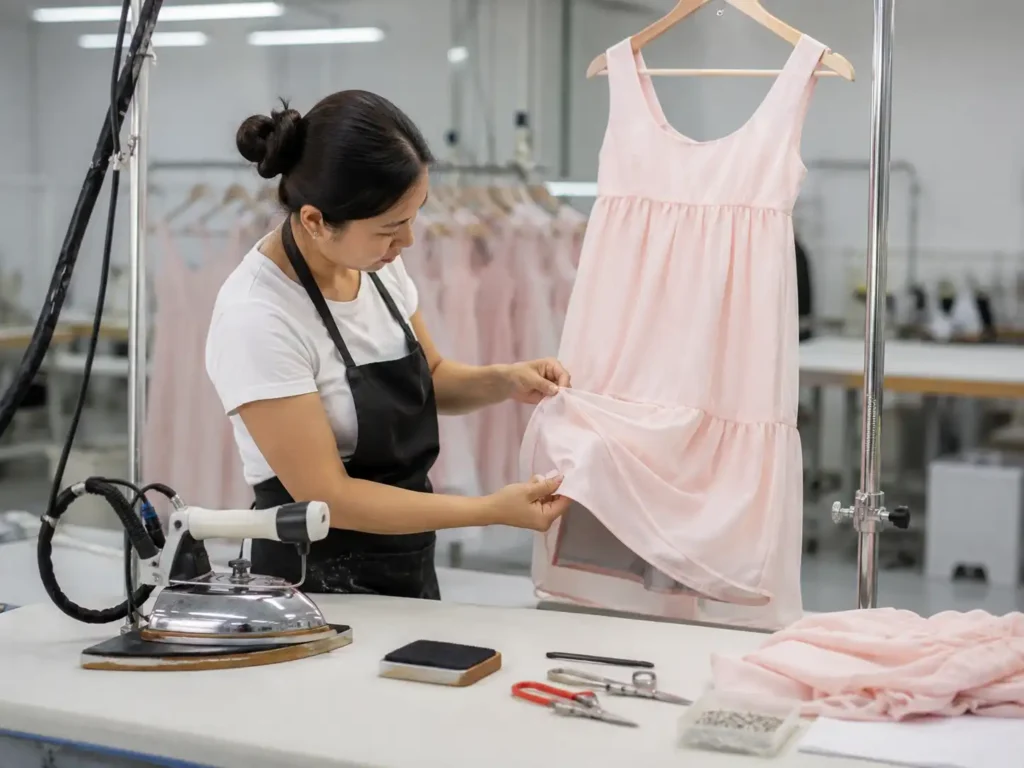
Lace motifs, rhinestones, bead chains and sequins require placement references, attachment standards and skin-contact review. Critical areas may need reinforcement, edge protection or decoration removal at seam allowances. Bulk inspection checks missing decoration, symmetry, loose attachment and surface damage.

Lining, Pressing and Final Form

Lining controls opacity, comfort, support and internal finish. It must not twist, pull, show below the hem or restrict stretch. Pressing sets the final shape but can create shine, flatten texture or mark sensitive surfaces. Temperature, pressure, protective layers and hanging time are matched to material behavior.

Quality Control Built Around Bulk Consistency

Quality is measured against approved materials, files and physical standards. Six checkpoints reduce the chance of late discovery when correction is expensive or delivery is already exposed. Available compliance documents, material certificates and audit records are confirmed by assigned factory, material supplier, certificate scope and current validity. Project-specific testing through recognized laboratories can be arranged when requirements are supplied before production. Review QC Plan Share Quality Standard

Incoming Material QC

Fabric and trims are reviewed for quality, color, lot, surface, width, stretch, hand feel, print direction, damage and specification. Sensitive materials may require lot separation or approved reference comparison. Problems found before cutting protect fit, appearance and material cost.

Pre-Production Review

Pattern, measurement chart, BOM, construction notes, labels, packing and PP or Golden sample are checked before line release. Production, merchandising and QC teams align on critical risks such as neckline security, placement, stretch, zipper, lining, slit, embellishment and shade.

Cutting Control

Cutting checks cover fabric relaxation, grain or nap direction, panel pairing, motif placement, size ratio, damaged areas and bundle identification. Satin shine, velvet nap, sequin direction, one-way print and lace borders require clear directional instructions.

In-Line Sewing Inspection

QC reviews workmanship while production is active. Seam puckering, skipped stitches, measurement drift, zipper waves, uneven ruching, exposed lining, decoration loss and mismatched panels are corrected before the same issue spreads through a larger quantity.

Garment and Measurement Review

Finished garments are checked for critical measurements, tolerance, symmetry, appearance, closures, lining, support, pressing, movement and workmanship. Stretch styles, structured busts, maxi hems, slits and asymmetric constructions receive category-specific attention.

Packing and Release QC

Labels, size stickers, barcodes, SKU data, polybags, quantities, carton ratios, carton marks and shipping documents are verified before release. Client inspection or nominated third-party inspection can be coordinated when criteria and timing are agreed in advance.

Private Label and Retail-Ready Delivery Support

Product completion extends beyond sewing. Label content, SKU data, packaging and export records must match the approved assortment and destination requirements.

Main Brand Labels

Woven or printed main labels are reviewed for artwork, size, color, fold, edge, placement and attachment method. Label approval is linked to the PP sample or packing standard so brand presentation remains consistent across styles.

Size and Care Labels

Size labels must match the approved size architecture. Care labels require confirmed fiber content, care instructions, country-of-origin wording and destination needs supplied by the brand. Placement and readability are checked during final garment review.
4.-Hangtag

Hangtags and Attachments

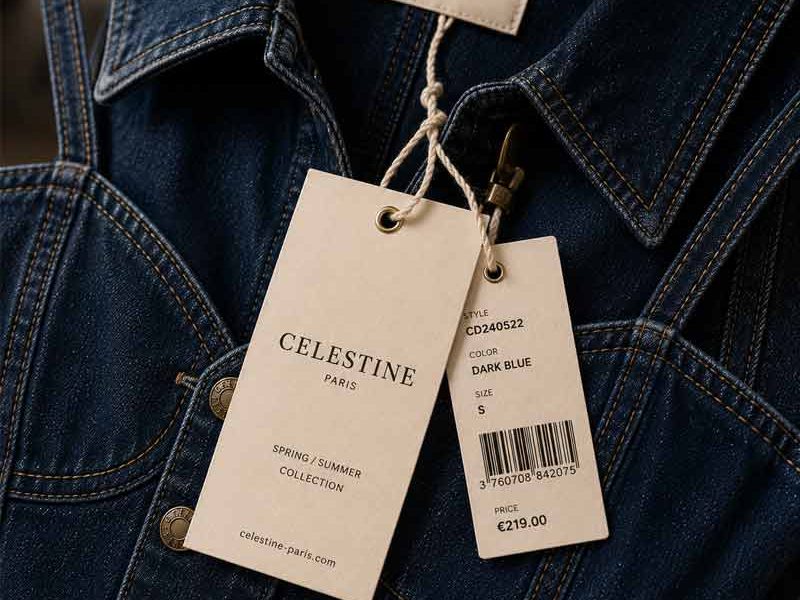
Hangtag artwork, string, pin, seal, placement and SKU information are confirmed before packing. Special attachments are evaluated for cost, material MOQ, development time and potential garment damage.

Polybags and Presentation

Standard or printed polybags, tissue, folding boards, dust bags or gift packaging can be evaluated by program. Packing method considers garment shape, embellishment protection, wrinkle risk, barcode visibility and warehouse handling.

Barcode and SKU Control

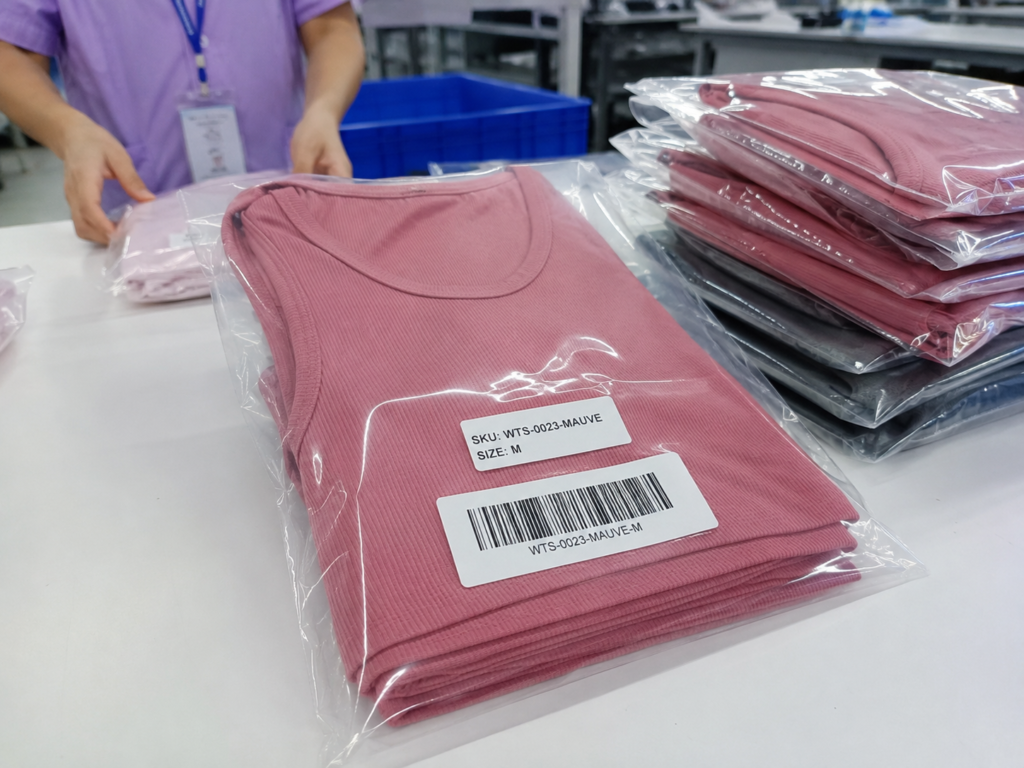
Color, size and style data must match the brand’s SKU structure. Barcode stickers, polybag labels, carton assortment and packing lists are checked against the final order breakdown to reduce warehouse receiving errors.

Cartons and Export Files

Carton dimensions, quantity, size ratio, carton marks and warehouse labels are confirmed with the shipping plan. Jinfeng supports packing lists, commercial invoices, bills of lading or air waybills, certificate of origin by request and coordination with client-nominated or factory-recommended forwarders. Plan Private Label

Protecting Unreleased Styles and Product Information

Fashion product teams share commercially sensitive material before launch. Jinfeng supports NDA-based cooperation and limits project information to development, quotation, production, quality, packing and delivery needs.

Information Under Protection

Protected records can include brand identity, line sheets, tech packs, original samples, patterns, measurement charts, fabric and trim plans, target pricing, order quantities, private-label artwork, packaging specifications, launch dates and unpublished styles. Client materials are not presented as public portfolio content without authorization.

Controlled Use and Case Studies

Project files are used by assigned development, merchandising, production, quality, packing and logistics personnel as required for execution. Public case studies can remain anonymous, describing market, category, technical challenge and manufacturing solution without revealing brand identity, original design files, pricing or unreleased product details. Request NDA

Built for Repeat Orders and Seasonal Continuity

A repeat order should restart from controlled records, not from memory. Jinfeng retains the product references needed to extend proven styles into new colors, fabrics, deliveries and seasonal assortments. Plan Repeat Orders

Pattern Records

Approved pattern versions and grade rules help restart the same style or assess a controlled silhouette update without rebuilding the fit history from zero.

Measurement Files

Final specifications, tolerance and measurement methods support repeat-order QC and reduce disputes when production moves to a later batch.

Fabric References

Fabric quality, color, supplier, lot notes, hand feel, stretch and construction suitability are recorded for same-material repeats or informed substitutions.

Trim Specifications

Zippers, cups, boning, elastic, hooks, lace, embellishment and label details are retained so replacement or reordering decisions remain traceable.

Packing Requirements

Folding, labels, barcode, polybag, carton ratio, carton marks and warehouse instructions can be reused or updated for a new channel or destination.

Quality History

Past inspection findings and approved correction points inform the next production run, supporting bestseller replenishment and multi-batch consistency.

Dress Programs Managed from Brief to Bulk

The following anonymized programs reflect the scale and coordination expected in established womenswear operations. Names and proprietary design details remain protected.

US Occasionwear Collection - 24 Styles, 56,400 Pieces

A US occasionwear label planned a 24-style seasonal release covering satin mini dresses, structured corset dresses, mesh-panel bodycon styles and embellished evening looks. Total quantity reached 56,400 pieces across eight core colors and an XS-XL size range. Product development, technical design, merchandising and quality functions used separate approval records, creating a risk of conflicting comments and late style changes.
  • Development grouping: styles were separated into satin, stretch bodycon, structured corset and embellished groups so material and construction risks could be reviewed by category.
  • Sample priority: six campaign styles moved first, followed by high-volume core styles and lower-priority fashion extensions.
  • Fit control: corset and strapless styles received focused review of cup position, boning, top-edge security, zipper reinforcement and grade behavior.
  • Bulk control: PP and Golden samples, active pattern versions, material standards and placement references were released as one production package.
  • Delivery structure: the order was prepared in two shipment waves so launch-critical styles could move ahead of later assortment extensions.
The program demonstrated the value of separating collection management from style-level approval. Merchandising could track the overall launch while technical and quality teams retained detailed control of each construction family.

European Ecommerce Dress Program - 18 Styles, 34,800 Pieces

A European ecommerce label developed 18 styles across stretch satin, power mesh, jersey and ponte. The 34,800-piece order covered six colors and an XXS-XL commercial range. The main risks involved fabric recovery, bodycon measurement stability, neckline exposure, online fit expectations and barcode accuracy across a high SKU count.

  • Material validation: stretch and recovery were compared before pattern approval because visually similar fabrics created different body tension.
  • Size architecture: base-size fit was followed by selected graded-size checks, focusing on bust, waist, hip, length and neckline progression.
  • Production control: fabric relaxation, cutting direction, in-line measurements and garment comparison against the approved sample were built into QC.
  • SKU control: style-color-size mapping flowed into size labels, polybag stickers, barcode records, carton ratios and packing lists.
  • Repeat readiness: final patterns, measurements, fabric references and packing instructions were retained for replenishment and new-color planning.

A disciplined size and SKU structure reduced the gap between product approval and warehouse receipt. Fit, production and packing teams worked from one final assortment record rather than separate spreadsheets.

Australian Resort Collection - 12 Styles, 22,600 Pieces

An Australian resortwear label developed 12 dresses using viscose, rayon, lightweight crepe and chiffon. The 22,600-piece program combined four placement or repeat prints with seven solid colors in an XS-2XL range. The critical issues were print position, shrinkage, transparency, lining coverage, hem movement and delivery before the seasonal sales window.

  • Fabric review: width, hand feel, drape, opacity, shrinkage and print direction were checked before finalizing consumption and pattern balance.
  • Pattern review: maxi length, bias behavior, neckline coverage and slit height were tested during movement, not only on a mannequin.
  • Print control: cutting references identified one-way direction, motif position and acceptable placement variation by style.
  • Packing review: folding, hanging recovery and surface protection were assessed to reduce creasing and presentation issues after transport.
  • Launch planning: material readiness and PP approval dates drove production and shipment sequence, protecting early resort deliveries without promising unsupported speed.

The program connected material behavior to calendar planning.
Print and lightweight-fabric risks were resolved early enough for production, QC and freight decisions to remain controlled.

Frequently Asked Questions from Womenswear Product Teams

Send a tech pack or line sheet when available, plus front and back references, estimated quantity per style/color, fabric direction, size range, launch date, private-label needs and destination. Original samples can also be reviewed. Jinfeng identifies missing construction, material or commercial information before building a sample and quotation plan.
Yes. Development can begin from reference images, sketches, original garments, tech packs or line sheets. The team reviews visible and hidden construction, fabric behavior, fit risk, internal support, trims and production feasibility. Clear measurements, target material direction and order plans improve the accuracy of the first development proposal.
Yes. Jinfeng can review existing tech packs, measurement charts, BOMs, construction notes and brand templates. Missing or conflicting information is flagged before sampling. Product teams remain responsible for approving final measurements, materials, construction and labeling before bulk release.
Comments are consolidated by style and sample round, translated into measurable actions and linked to the active pattern, size chart, BOM and construction notes. Revised samples carry a clear version or approval status. Changes affecting material, labor, cost or timing are reviewed before execution.
A dated sample schedule is issued after material readiness, style complexity, trim development and approval responsibilities are confirmed. Standard and complex dresses do not share one reliable fixed timeline. Corset, lace placement, sequin, custom color, print or special trim programs may require additional sourcing or validation stages.
The final pattern, measurement specification, fabric, color, trims, internal structure, construction, workmanship, labels, packing and PP or Golden sample must be approved. Cutting begins from the locked production package rather than informal messages or an earlier sample version.
Yes. Multi-style programs are grouped by fabric, pattern family, construction, trim and production method. Priority can follow launch date, hero SKU, photo sample need, material readiness or technical risk. Programs containing 10-30 styles receive style-level records plus collection-level scheduling.
MOQ starts from 200 pieces per style/color. Final requirements depend on fabric availability, color development, print, trims, construction complexity, private-label materials and production schedule. One style split into several colors normally needs each color assessed separately.
Yes. Jinfeng supports NDA-based cooperation and protects tech packs, line sheets, original samples, patterns, measurements, fabric plans, target pricing, order information, private-label artwork, packaging and unpublished designs. Public case studies remain anonymous unless written authorization is provided.
Approved pattern, measurement, fabric, trim, workmanship, packing and quality records are retained for future production. The records support same-style repeats, new colors, fabric substitutions, bestseller replenishment, multiple shipment batches and seasonal collection extensions, subject to current material availability and confirmed production schedules.

Send Your Dress Development Brief

Share the available product records with Kelly for an initial manufacturing review. Jinfeng Apparel will assess style complexity, fabric direction, pattern and fit risk, sample requirements, MOQ fit, private-label needs, production route and launch constraints before proposing the next step. A complete brief allows the development and quotation teams to respond with fewer assumptions and a clearer approval path.

  • Company and brand name
  • Tech pack, line sheet, reference images or original-sample photos
  • Number of styles and quantity per style/color
  • Fabric, color, print and trim direction
  • Base size, size range and planned size ratio
  • Target price or commercial cost range
  • Launch date, campaign sample date and delivery destination
  • Main labels, care labels, hangtags, barcode and packaging requirements
  • Testing, inspection, audit-document or NDA requirements

Tell Us About Your Dress Project

Share your product details, estimated quantity and development requirements. Our team will review your project and provide practical OEM/ODM production feedback.

Premium Women’s Apparel Production for Fashion Brands

From dress sample development to bulk production, JF Apparel supports fashion brands with confidential OEM/ODM manufacturing, reliable quality control and scalable production support.

START YOUR DRESS PROJECT

Ready to Develop Your Next Dress Collection?

Share your design concept, product requirements or sourcing plans with our team. We’ll review your project and provide practical feedback on development, materials, MOQ and production.

7-10 Days

Sample Development

200 PCS

Starting MOQ

Fast Response

Professional Follow-Up