
Dress Manufacturer for Vendor Management Teams
Structured dress manufacturing for supplier qualification, controlled product development, measurable quality performance, and long-term vendor programs.
- 6 owned women’s fashion factories and 10+ long-term production partners allocated by product type, fabric behavior, order volume, and construction complexity.
- 2 sample rooms, 7+ senior pattern makers, and 20+ sample machinists supporting multi-style dress development and documented revisions.
- 12+ merchandisers and 15+ QC inspectors connecting approved standards with bulk execution, inspection records, packing review, and issue escalation.
- 100,000+ pieces of monthly capacity, with MOQ starting from 200 pieces per style/color for qualified custom production programs.
Built Around Vendor Management Priorities
Supplier Qualification
Ongoing Performance Control
Cross-Functional Coordination
Manufacturing Capacity Supported by Named Teams
6 Owned Factories
10+ Production Partners
2 Sample Rooms
7+ Pattern Makers
12+ Merchandisers
15+ QC Inspectors
Confirm Supplier Fit Before Development Begins
Strong Program Fit
Outside Core Supply Model
Dress Categories for Managed Vendor Portfolios
A useful dress vendor must cover meaningful product families while remaining technically focused. Jinfeng Apparel develops core, fashion, occasion, and collection-extension categories, allowing vendor teams to allocate programs by construction and market use instead of sourcing every silhouette from unrelated factories.
Mini Dress Programs

Midi Dress Programs

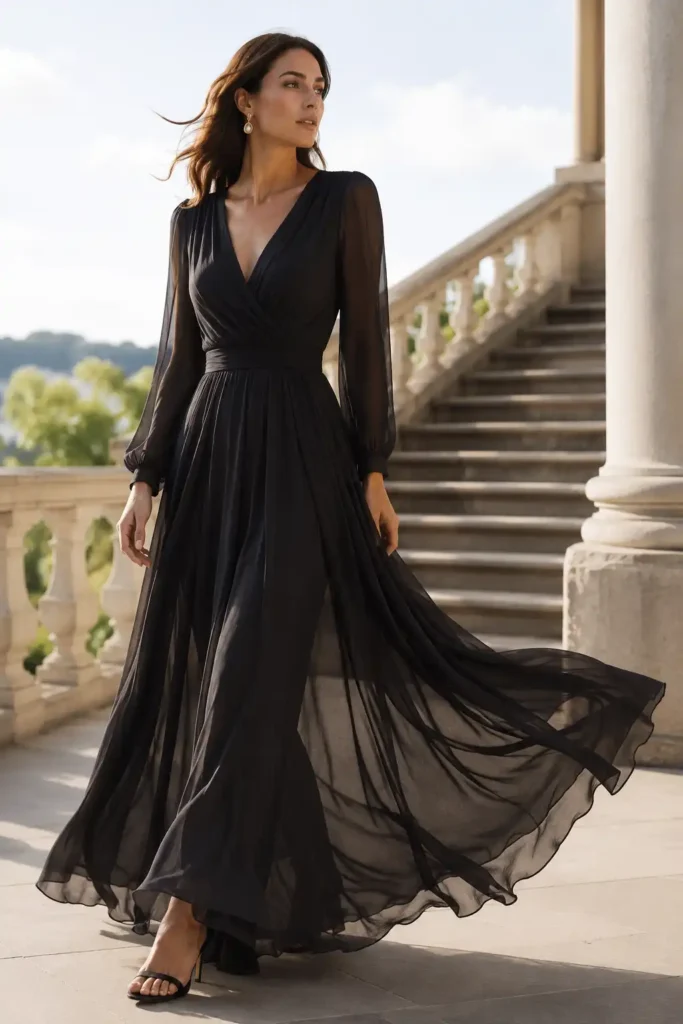
Midi dresses support daywear, occasionwear, wedding guest, resort, office, cocktail, and premium ecommerce collections. Product development may involve bias cuts, gathered waists, panel seams, slits, pleats, draped necklines, fitted bodices, or fluid skirts. Vendor teams can group midi programs by fabric family and construction method to reduce material fragmentation and improve consistency across a seasonal line.
Maxi Dress Programs
Party and Club Dresses

Party and club dress programs often combine body-conscious fit, stretch materials, mesh panels, sequins, rhinestones, cut-outs, corset elements, or exposed design lines. Production risk comes from fabric recovery, skin comfort, component attachment, transparency, tension, and bulk measurement variation. Jinfeng Apparel reviews visual impact together with wearability and repeatable construction.
Occasion and Evening Dresses

Occasion, cocktail, evening, prom, graduation, bridesmaid, and wedding guest dresses require fabric presentation, balanced structure, lining control, clean pressing, and consistent finishing. Satin shade difference, lace placement, beading stability, zipper waves, boning ends, cup position, and hem finish can affect perceived value. Approval standards should be more detailed than those used for basic casual garments.
Bodycon and Corset Dresses

Bodycon and corset dresses rely on precise bust-waist-hip relationships, stretch direction, recovery, negative ease, panel shape, cups, boning, underwire, anti-slip support, lining, and closure strength. A visually attractive sample can still fail in bulk when material stretch changes or construction is not standardized. Jinfeng documents the final pattern, materials, measurements, and internal support structure before production.
Resort and Vacation Dresses

Resort and vacation dresses focus on lightweight handfeel, fluid drape, prints, color, comfort, packability, and warm-weather wear. Common programs include halter maxis, printed midis, cut-out dresses, smocked styles, linen blends, rayon dresses, chiffon layers, and matching sets. Fabric shrinkage, print placement, opacity, crease behavior, and destination-market labeling deserve early review.
Collection Extensions

Dress collections can be extended through skirts, fashion tops, jumpsuits, rompers, matching sets, corset tops, mesh tops, satin camis, and coordinated separates. A managed portfolio benefits when related garments share approved fabric colors, trims, labels, packaging rules, and fit language. Extensions support merchandising depth without forcing a brand to rebuild supplier standards for every adjacent category.
Fabric Governance From Selection to Bulk Release
Fabric decisions influence fit, appearance, cost, lead time, testing, cutting behavior, sewing difficulty, pressing, and return risk. Jinfeng Apparel manages material direction as part of product engineering, not as a separate sourcing transaction.
Satin, Chiffon, and Fluid Wovens

Satin requires control over face direction, shade, snagging, seam puckering, needle marks, pressing temperature, zipper waves, and surface protection. Chiffon requires attention to transparency, grain movement, layer alignment, seam finish, hem method, and lining compatibility. Rayon and other fluid wovens can change through washing, steaming, and hanging. Material review should therefore cover composition, weight, width, stretch, drape, shrinkage, color, supplier batch, and intended care method before approval.
For multi-style programs, Jinfeng can group styles around compatible base fabrics while preserving silhouette differences. A common satin or chiffon family may reduce color fragmentation, material minimums, and bulk shade variation. Grouping is only useful when weight, handfeel, recovery, and construction remain appropriate for each style.
Mesh, Lace, and Sheer Structures

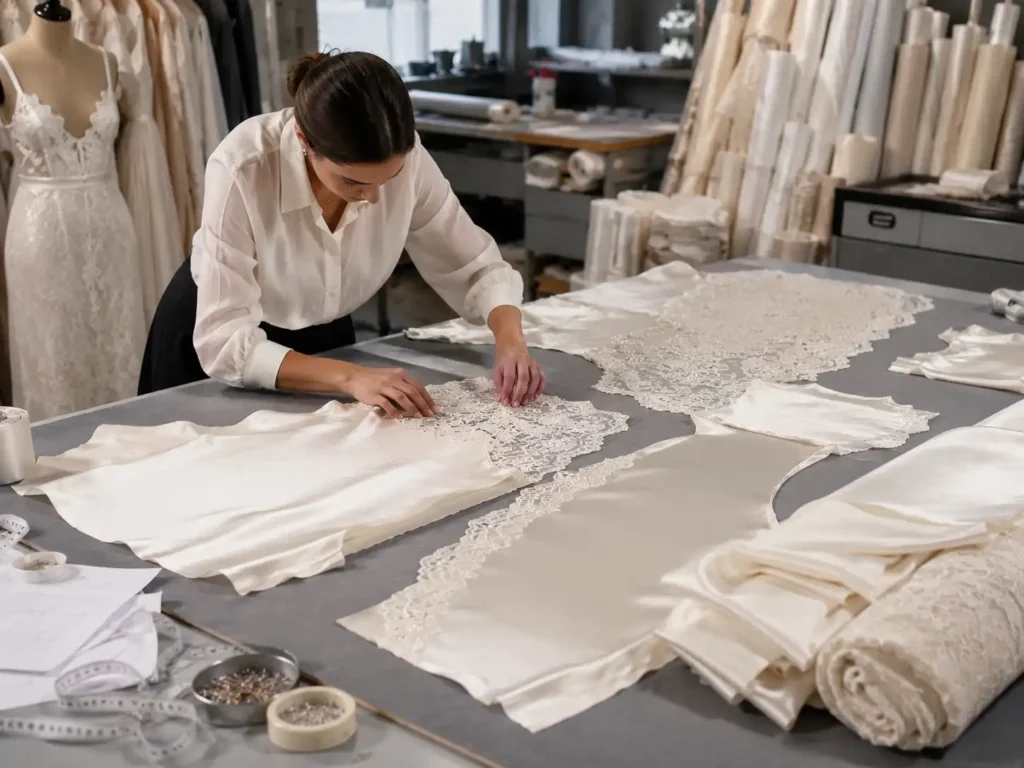
Mesh selection is judged by stretch direction, recovery, transparency, softness, snag resistance, edge stability, and compatibility with lining or power mesh. Lace requires review of motif scale, border use, placement, repeat direction, seam matching, skin comfort, and color consistency. A material that looks suitable on a hanger may behave differently across the bust, waist, hip, sleeve, or neckline once tension is applied.
Jinfeng maps sheer and decorative materials to the garment structure before cutting. Key decisions include where opacity is required, whether lining should be full or partial, how seams will be finished, where reinforcement is needed, and whether motif placement must be controlled.
Approved photos, swatches, placement references, and construction notes reduce interpretation gaps during bulk production.
Stretch Knits and Bodycon Fabrics

Jersey, ponte, rib, stretch mesh, and other knit fabrics must be assessed through stretch percentage, recovery, thickness, opacity, surface appearance, shrinkage, and direction. Bodycon fit depends on the interaction between pattern negative ease and actual fabric behavior. Changing from one “similar” stretch fabric to another can alter bust compression, waist shaping, hip fit, hem stability, and garment length.
Before bulk release, Jinfeng compares the approved material with the production batch and confirms cutting direction, seam type, elastic recovery, lining behavior, and measurement method. Size grading must account for the material’s response rather than merely increasing every measurement by a fixed amount.
Certified and Alternative Material Resources

OEKO-TEX, GRS, recycled, organic, GOTS-related, and other certified fabric resources can be reviewed when required. Availability depends on fabric type, composition, color, supplier batch, certificate scope, certificate validity, MOQ, price, and lead time. No certification statement should be applied to an order until the relevant material source and supporting documents have been confirmed.
Alternative sourcing can also address cost or lead-time pressure. Jinfeng may propose comparable weights, constructions, blends, or finishes, but substitution requires approval against handfeel, drape, appearance, fit, testing needs, and brand position. Lower cost alone is not an acceptable reason to weaken the intended product result.
Fit, Size, and Pattern Controls for Dress Programs
Dress returns and quality disputes frequently begin with fit assumptions that were never converted into measurable production standards. Jinfeng Apparel links the approved silhouette to pattern files, size charts, measurement methods, fit comments, and production tolerances.
Base Size and Fit Intent
A size chart does not fully describe a garment. The development team must also understand intended ease, compression, neckline position, waist placement, hip shaping, strap tension, armhole coverage, slit height, and finished length. Jinfeng reviews tech packs, reference garments, fit photos, model information, and written comments to determine whether the requested measurements support the intended look.
Where a reference image conflicts with the size chart, the issue is raised before bulk commitment. A close-fitting corset mini, fluid bias midi, and relaxed resort maxi require different pattern logic even when the labeled size is the same.
Bust-Waist-Hip Balance
Women’s dresses depend on proportion, not isolated measurements. Bust shaping can involve darts, cups, princess seams, gathers, elastic, underwire, or stretch. Waist position affects torso length and skirt fall.
Hip shaping influences movement, zipper stress, riding up, and side-seam balance. Jinfeng checks how these zones connect through the whole pattern rather than approving each number independently.
Critical dimensions can include high point shoulder to waist, across bust, cup position, underbust, natural waist, low hip, body length, skirt length, slit opening, strap length, and sweep. The final list changes according to silhouette and construction.
Size Grading and Ratio Planning
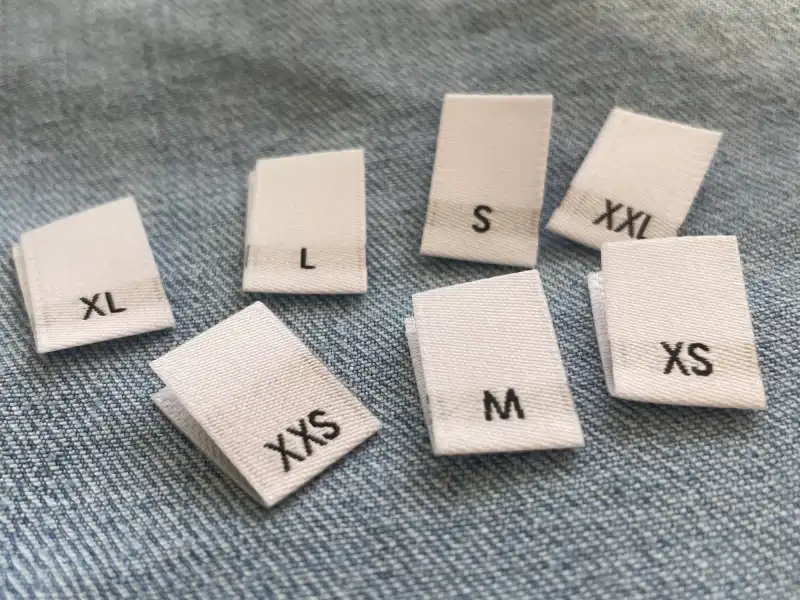
range and ratio, while Jinfeng reviews grading logic, production feasibility, label requirements, carton breakdown, and measurement checkpoints. A standard XS-XL range is different from petite, tall, extended size, or highly compressed bodycon grading.
Excessive fragmentation may affect cutting, bundling, inspection, packing, and inventory accuracy even when total quantity is sufficient.
Vendor teams should provide historical sell-through or planned ratios where available so production quantities reflect commercial demand rather than equal distribution by default.
Measurement QC and Tolerances
Measurement control begins with a defined method. Points of measure, garment position, tension, closure state, and tolerance must be consistent. Jinfeng can work with the brand’s measurement manual, defect classification, and AQL requirement. Where no formal manual exists, key dimensions are selected according to style risk and converted into an inspection checklist.
Measurement findings are not only recorded at final inspection. High-risk dimensions can be checked during sewing and after pressing, because steam, hanging, stretch, and finishing may change the garment. Repeated deviations require pattern, sewing, or pressing correction before the issue spreads through the order.
Construction and Workmanship Controls by Design Detail
Fashion details create value only when construction methods remain repeatable across the full order. Jinfeng Apparel reviews how each detail affects sewing sequence, reinforcement, comfort, measurements, pressing, inspection, and repair risk.
Corset Support and Internal Structure
Corset dresses may combine cups, underwire, boning, channeling, fusible support, lining, mesh, anti-slip tape, hook-and-eye closures, lacing, or zippers. Internal components must align with the approved body shape and remain comfortable against the skin. Boning length, end protection, cup position, seam symmetry, and closure strength are checked during development.
Bulk instructions should specify component type, position, attachment method, seam allowance, pressing restriction, and inspection points. A corset appearance cannot be controlled by exterior photos alone; the internal construction determines stability and fit.
Ruching, Draping, Pleats, and Gathers
Ruching and draping depend on controlled fabric intake, anchor points, stitch tension, symmetry, and finished measurement. Pleats require marked positions, depth, direction, pressing method, and retention. Gathers must be distributed consistently and connected to stable seams. Small changes in ratio can alter visual balance or garment length.
Jinfeng converts approved sample effects into measurable instructions, pattern marks, and workmanship references. Inspectors compare density, placement, left-right balance, and seam stability rather than judging only overall appearance.
Cut-Outs, Slits, Necklines, and Straps
Cut-outs and deep necklines need reinforcement, lining strategy, edge control, and movement testing. Slits require height, overlap, seam strength, and clean finishing. Straps need secure attachment, correct length, adjustment hardware, and balance. Strapless styles may require anti-slip tape, support panels, internal elastic, or boning.
These details are reviewed on the body, not only on the table. Jinfeng checks coverage, movement, tension, distortion, and comfort before converting the approved style into bulk instructions.
Lace, Sequins, Rhinestones, and Decorative Work
Decorative materials create high inspection loads. Lace placement should follow approved motif references and remain balanced across panels. Sequins must be protected at seam allowances where necessary, and sharp edges should not contact skin. Rhinestones, bead chains, and decorative pieces require attachment standards, placement references, pull checks where relevant, and repair procedures.
The production team records material orientation, placement, attachment method, tolerance, and appearance standard. QC checks missing decoration, loose attachment, scratches, asymmetry, color mismatch, and packing protection before shipment.
Supplier Onboarding Information for Formal Review
Company Profile
Factory Assignment
Product Capability
Quality Procedures
Compliance Records
Commercial Readiness
Factory Allocation Based on Product Risk
Product and Material Match
Capacity and Calendar Match
Governance and Transparency
Multi-Style Sampling Without Losing Version Control
Style Intake Review
Priority Mapping
Fabric Grouping
Sample Version Tracking
Fit and Comment Closure
PP and Bulk Readiness
Approval Records That Protect Bulk Production
Approval stages need clear owners and evidence. The following structure can be adapted to a brand’s PLM, vendor portal, spreadsheet, or internal approval system.
| Approval Gate | Required Evidence | Brand Responsibility | Jinfeng Responsibility | Release Condition |
|---|---|---|---|---|
| Style Intake | Tech pack, image, sample, size chart, quantity plan | Supply current design information | Review gaps, risk, and feasibility | Development brief accepted |
| Fabric Approval | Swatch, composition, weight, color, test need | Confirm appearance and claims | Source, compare, document batch and risk | Approved fabric reference |
| Fit Approval | Fit sample, measurement sheet, comments | Provide consolidated fit feedback | Revise pattern and record changes | Fit comments closed |
| Trim Approval | Zipper, cup, boning, label, decoration | Confirm appearance and function | Verify specification, color, MOQ, lead time | Approved trim references |
| PP Approval | Final sample, BOM, measurements, construction | Approve bulk standard | Lock production files and QC points | Bulk release authorized |
| Packing Approval | Label files, barcode list, polybag, carton mark | Confirm content and warehouse rules | Check artwork, placement, quantity, packing method | Packing standard released |
| Shipment Approval | Inspection result, packing list, carton data | Confirm release or inspection route | Complete QC, documents, and shipment preparation | Goods released for dispatch |
Bulk Production Managed Through Defined Checkpoints
Material Readiness

Production File Release

Cutting and Bundling
Sewing and In-Line Control

Finishing and Packing

Calendar Governance
Quality Control Built Around Dress-Specific Risk
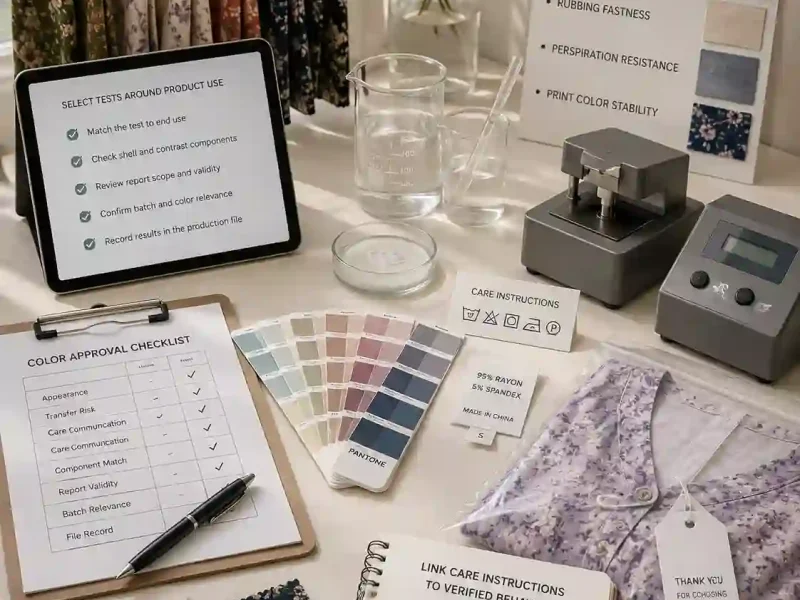
Generic inspection language is not enough for a fashion dress program. Jinfeng Apparel combines a common QC framework with style-specific controls, brand standards, AQL requirements, and third-party inspection support.
Incoming, Cutting, and Sewing Control
Incoming inspection reviews fabric and trim condition before production. Cutting checks focus on shade, grain, direction, placement, panel accuracy, and bundle control. Sewing QC examines seam construction, stitch quality, tension, symmetry, reinforcement, closure performance, lining, and decorative attachment.
Risk emphasis changes by product. Satin requires snag, shade, seam puckering, and pressing control. Mesh requires transparency, edge, tension, and lining checks. Lace requires placement and motif balance. Sequins require loss, scratch, seam protection, and attachment checks. Corsets require cups, boning, support, symmetry, and closure strength.
Measurement and Garment Inspection
Measurement inspection follows approved points of measure, method, garment state, and tolerance. Critical dimensions are selected by silhouette, including bust, waist, hip, body length, neckline, strap, sleeve, skirt length, slit, and jumpsuit crotch length where relevant. Garment inspection also covers appearance, balance, function, comfort, and consistency with the PP or golden sample.
Jinfeng can incorporate the brand’s quality manual, measurement tolerances, defect list, AQL level, packing standard, label requirement, and third-party inspection rule. Differences between factory practice and the brand standard are identified before bulk inspection.
Packing, AQL, and Shipment Release
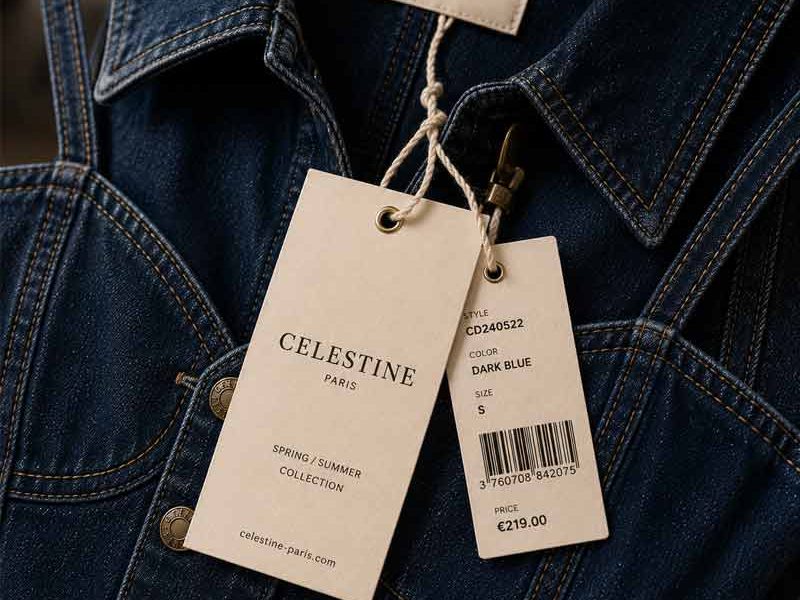
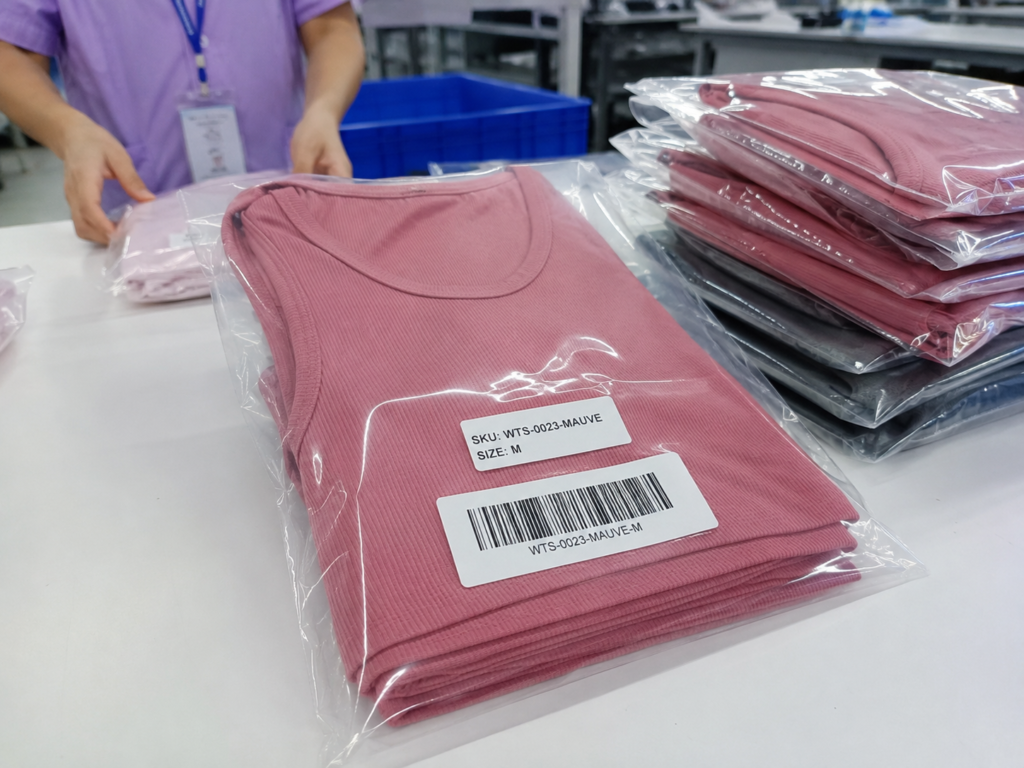
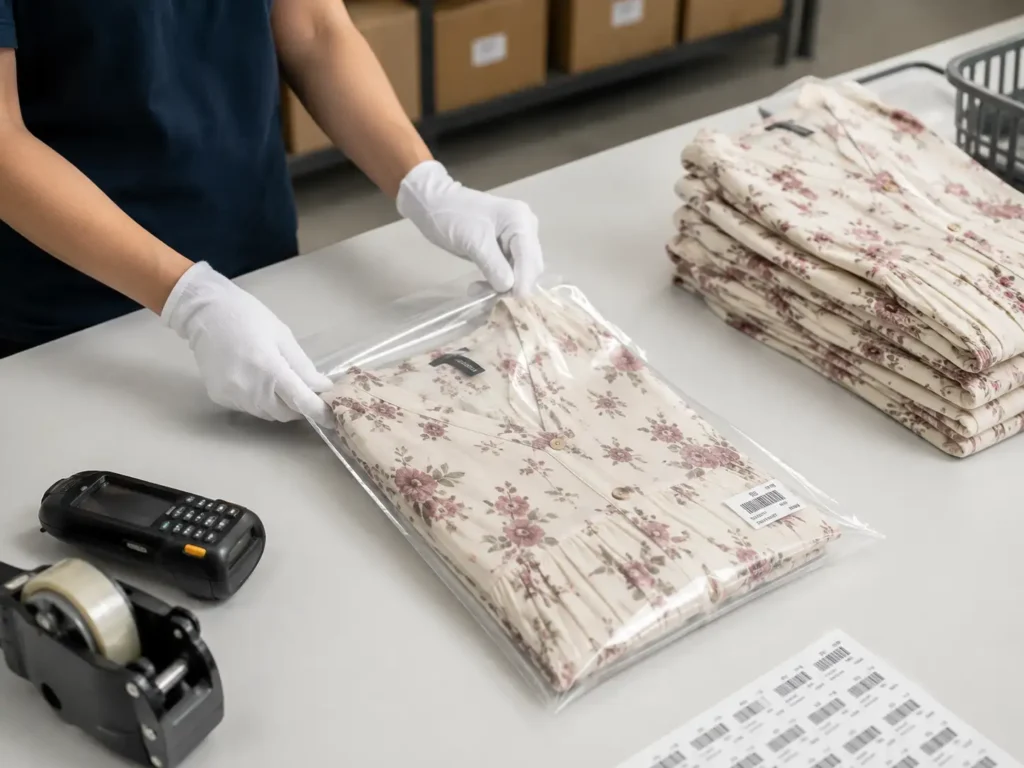
Packing QC checks label content, size label, care label, hangtag, barcode, SKU sticker, polybag, folding, assortment, carton quantity, carton mark, and warehouse label. A garment can be technically acceptable and still fail retail intake if packaging data is wrong.
AQL sampling or client-appointed inspection can be arranged according to project requirements. Shipment release should link the inspection outcome with corrective actions, final packing records, commercial invoice, packing list, carton data, and forwarder instructions.
Evidence and Quality Records
seful quality evidence includes fabric inspection records, measurement sheets, in-line findings, defect photos, reinspection results, packing checklists, AQL reports, third-party inspection reports, and pre-shipment photos.
Public use must protect brand identity, unpublished styles, barcodes, PO numbers, warehouse addresses, pricing, and other confidential information.
Corrective Action With Clear Escalation Ownership
Contain and Classify
Correct and Reinspect
Record and Prevent
The cause, action, result, timing impact, and prevention step are retained for project review. Repeat-order files can reference previous defects and critical control points so the next batch does not begin with the same unresolved risk. Escalation reaches the relevant merchandiser, production owner, QC lead, and project contact rather than remaining with a single operator.
Private Label and Retail-Ready Delivery Controls
Woven and Size Labels
Care Label Content

Hangtags and Brand Details
Barcode and SKU Control
Polybag and Carton Packing
Pre-Shipment Verification
Compliance and Audit Support Without Blanket Claims
Factory Audit Coordination
Material and Testing Documents
Quality System Alignment
Delivery Planning From Carton Data to Warehouse Rules
Shipment Route Review
Packing List Accuracy
Warehouse Requirements
Multi-Batch Shipments
Pre-Shipment Evidence
Export Document Support
Vendor Performance and Repeat-Order Continuity
| Performance Area | Useful Measures | Jinfeng Evidence | Repeat-Order Action |
|---|---|---|---|
| Development | Sample rounds, approval closure, comment accuracy | Sample tracker, revision log, approved files | Reuse successful pattern and fit logic |
| Quality | Defect level, measurement pass rate, AQL result | QC records, inspection reports, CAPA | Add critical checks from prior findings |
| Delivery | Milestone adherence, shipment readiness | Production calendar, packing status, shipment files | Reserve capacity and materials earlier |
| Communication | Response ownership, escalation speed, status visibility | Merchandiser records, action lists | Keep named project contacts |
| Packaging | Barcode, SKU, carton, warehouse accuracy | Packing checklist, carton records | Reuse approved packaging templates |
| Cost Control | Quote accuracy, approved change impact | Quotation breakdown, change record | Apply approved material and construction data |
| Compliance | Document availability and audit cooperation | Factory and material records | Reconfirm validity and assigned factory |
| Continuity | Batch consistency, data retention, reorder launch speed | Golden sample, pattern, BOM, label, packing history | Compare new batch before release |
Anonymous Dress Programs Managed at Brand Scale
The following examples use anonymized operating data to illustrate how a vendor-management structure can be applied to realistic fashion programs. Brand identity, proprietary designs, pricing, and unpublished materials remain protected.

US Occasionwear Program - 18 Styles, 42,600 Pieces
A US occasionwear label planned 18 styles across satin midi dresses, corset minis, mesh evening dresses, and wedding guest maxis. Total volume reached 42,600 pieces across six colors and an XS-XL size range. The development schedule prioritized five campaign styles first, followed by seven core commercial styles and six later-delivery extensions.
Jinfeng grouped fabrics into satin, mesh, lace, and lining families, then created separate control lists for corset support, transparency, zipper behavior, slit height, and pressing. First samples were reviewed in waves rather than waiting for all 18 styles. Major fit comments were moved into revised patterns and measurement files before PP approval. Bulk production was divided between suitable units according to construction and material handling, with one consolidated merchandising tracker and QC standard.
The order moved from final development release to completed shipment preparation in approximately 68 days. Three inspection windows were used: early in-line review, mid-production measurement and workmanship review, and final AQL plus packing verification. Shipment was split into two batches to support the launch calendar.

Multi-Channel Fashion Program - 24 Styles, 76,800 Pieces
A multi-channel fashion brand developed 24 styles covering bodycon dresses, ruched minis, jumpsuits, matching sets, and satin tops. Total volume reached 76,800 pieces across eight colors and six sizes. The vendor team required style-level capacity allocation, barcode control, separate ecommerce and retail packing, and weekly milestone visibility.
Jinfeng organized the project into four product groups and assigned sample priority by campaign date, material readiness, and bulk volume. Stretch garments received separate fabric recovery and measurement controls. Satin garments received shade, surface, pressing, and zipper controls. Barcode data was checked against style, color, size, SKU, carton assortment, and destination before packing release.
The program used three shipment batches over an approximately 79-day execution window after the main PP approvals and material readiness. Weekly project reviews focused on open approvals, material risk, production status, QC findings, packing readiness, and shipment documents. A correction log prevented repeated size-label and carton-assortment errors during later batches.

Seasonal Dress Reorder - 12 Styles, 28,400 Pieces
A regional womenswear brand reordered 12 proven dress styles with new colors, revised size ratios, and updated packaging. Total volume reached 28,400 pieces.
Although the silhouettes had been produced before, the new order required renewed fabric batch review, color approval, trim confirmation, size-ratio planning, care-label updates, and carton-mark changes.
Jinfeng retrieved prior pattern, measurement, BOM, construction, label, packing, and QC records. New materials were compared with approved references, while old quality findings were added to the repeat-order checklist. Two styles changed from the original fabric and therefore returned to fit and PP review rather than moving directly into bulk production.
The repeat program completed production and shipment preparation in approximately 51 days after approvals and material confirmation.
The main gain came from retained records and a known control plan, not from skipping validation. Bulk consistency was checked against golden-sample references and prior measurement data.
Frequently Asked Questions for Vendor Teams

Start a Structured Vendor Qualification Review
Send Jinfeng Apparel the information your team already uses to qualify and manage dress suppliers. Kelly will coordinate an initial review with product development, merchandising, production, quality, packaging, and logistics teams. The purpose is to determine product fit, factory fit, material risk, development route, MOQ, available compliance support, quality alignment, production capacity, and the information needed for a formal quotation or sample plan.
Useful files and details include:
- Supplier questionnaire, code of conduct, audit checklist, or factory disclosure requirements.
- Tech packs, line sheets, reference garments, sketches, photos, and intended style count.
- Quantity by style/color, size range, size ratio, sales market, and launch calendar.
- Fabric standards, approved suppliers, certification needs, testing requirements, and target handfeel.
- Quality manual, measurement tolerances, AQL level, defect list, and third-party inspection rules.
- Woven label, care label, hangtag, barcode, SKU, polybag, carton, and warehouse instructions.
- Shipping terms, destination, forwarder details, delivery windows, and split-shipment requirements.
- NDA, confidentiality, vendor onboarding, payment, and documentation procedures.


