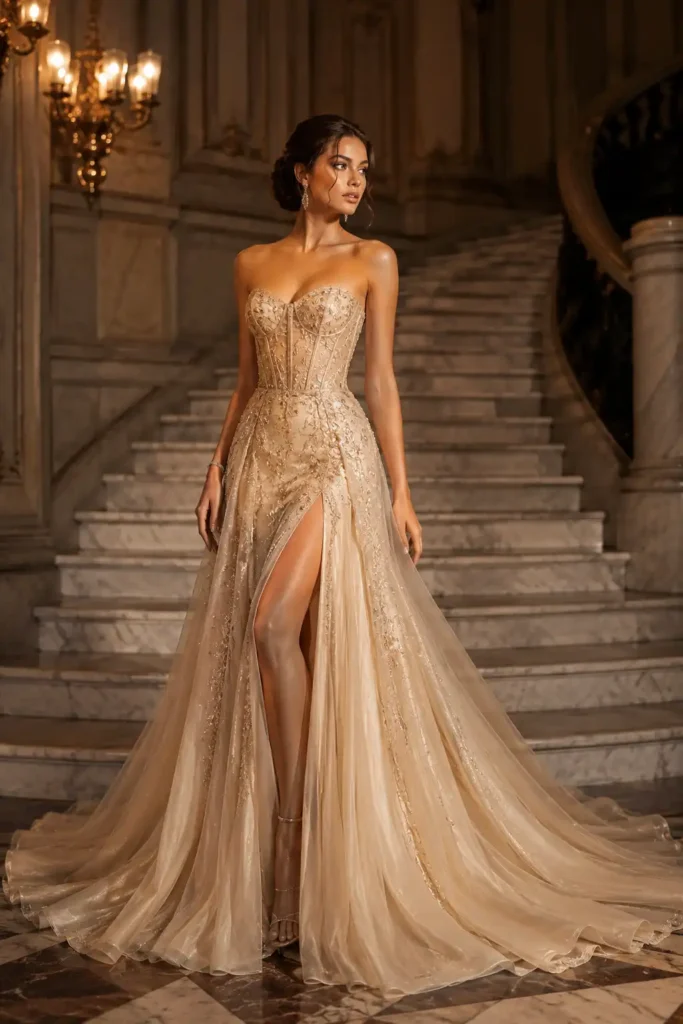
Dress Manufacturer for UK Occasionwear Labels

Custom occasionwear development, sampling and scalable production for established UK fashion labels managing seasonal launches, multi-style collections and repeat orders.

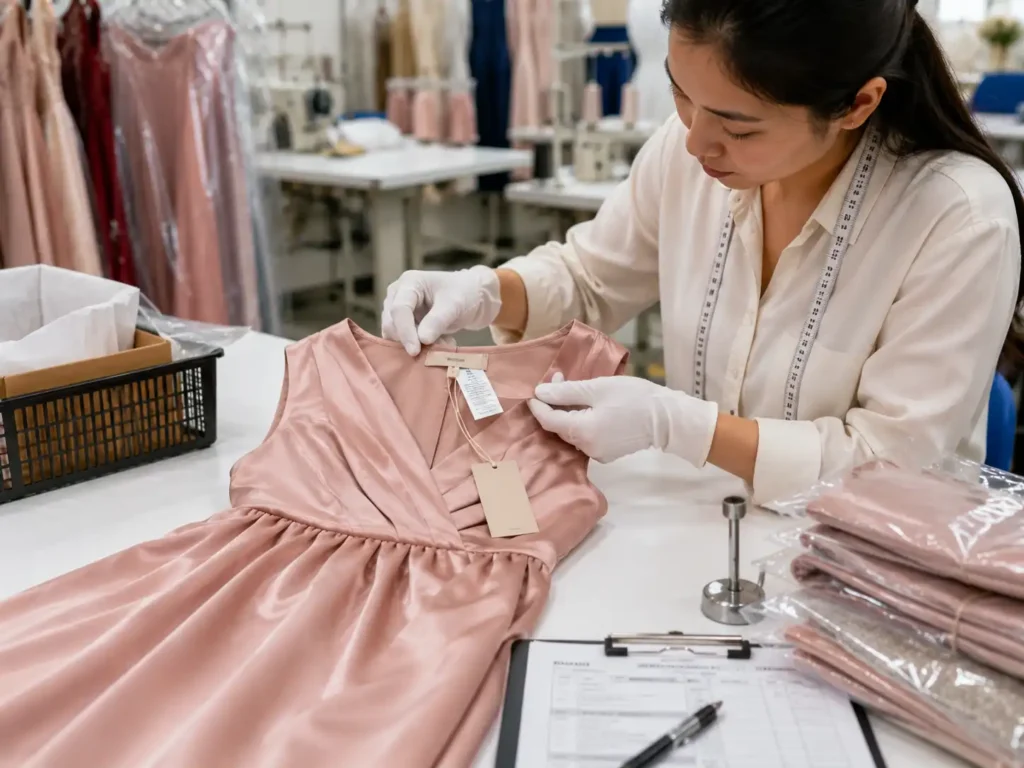
Jinfeng Apparel turns tech packs, line sheets, reference samples and original design concepts into production-ready occasionwear. Development covers fabric direction, pattern engineering, fit correction, sample revision, PP approval, bulk production, quality inspection, private-label packing and export preparation.

  • Supporting collection programmes of 10–30 styles and approximately 20,000–80,000 garments
  • MOQ starting from 200 pieces per style and colour
  • Standard dress samples generally completed in 7–10 working days after specifications and fabric direction are confirmed
  • Corset, layered mesh, lace placement, sequin and other complex samples commonly require 10–15 working days or longer
  • Six owned women’s fashion factories and 10+ long-term production partners
  • More than 100,000 garments of combined monthly production capacity
  • Two sample rooms, 7+ senior pattern makers and 20+ sample machinists
  • Structured production support for UK wedding, prom, graduation, party and festive selling periods

Occasionwear Capacity Built for Established Fashion Labels

Jinfeng Apparel operates as a coordinated women’s fashion manufacturing system rather than a single production workshop. Sampling, pattern development, production allocation, inspection, finishing and packing are organised around the complexity, quantity and launch calendar of each collection.

Since 2008

Years of women’s fashion development have created a working knowledge base covering fitted dresses, fluid occasion silhouettes, structured bodices, corsetry, delicate fabrics, multi-layer construction and private-label delivery. The experience is most valuable during early development, when fabric, pattern and construction decisions determine whether a design can be reproduced consistently across several colours, sizes and production batches.

Six Owned Factories

Six owned women’s fashion factories allow programmes to be allocated according to silhouette, fabric, workmanship and delivery requirements. A satin bias dress, structured corset style, stretch bodycon dress and layered chiffon gown do not belong on the same production line by default. Factory allocation follows technical suitability rather than available space alone.

10+ Production Partners

Long-term satellite factories provide additional capacity and specialised workmanship when a collection contains multiple product groups. Production partners are evaluated according to product category, team capability, scheduling, quality requirements and project confidentiality. Jinfeng remains responsible for project coordination, approved standards, inspection planning and shipment preparation.

100,000+ Monthly Capacity

Combined monthly capacity exceeds 100,000 garments across owned factories and established production resources. Capacity planning considers style count, quantity by colour, size ratios, fabric arrival, approval status and line suitability. Large programmes are divided into controlled workstreams instead of being released into production as one unmanaged block.

Two Sample Rooms

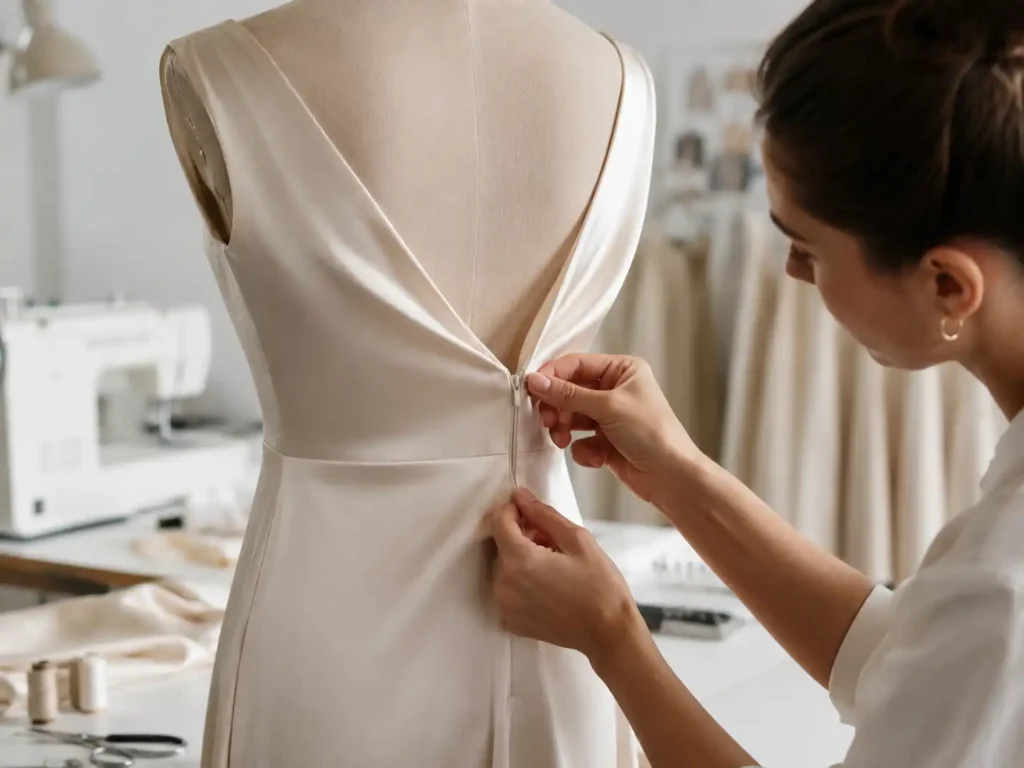
Two dedicated sample rooms support parallel collection development. Standard woven dresses, fitted stretch styles, corset designs, layered evening dresses and photo-ready samples can be assigned according to complexity and required delivery sequence. Sample resources are separated from routine bulk output so development decisions receive proper attention.

15+ QC Inspectors

More than 15 quality inspectors support incoming material review, cutting checks, inline inspection, garment measurement, final inspection and packing verification. Inspection points are adapted to the product. Satin requires snag and pressing control, chiffon requires layer and hem review, lace requires placement checks, and fitted styles require measurement and recovery control.

Built for Serious UK Occasionwear Programmes

Jinfeng Apparel works with established labels, product teams and sourcing organisations that have defined product direction, sampling requirements and bulk production plans. Clear project boundaries protect development quality, production planning and communication efficiency.

Strong Manufacturing Fit

The manufacturing model is suited to UK occasionwear labels developing seasonal or recurring collections rather than purchasing ready-made stock. Suitable programmes normally involve original designs, authorised references, structured tech packs, line sheets, approved brand blocks or physical samples that require further development. Strong-fit projects commonly include:
  • Wedding guest, cocktail, prom, graduation and evening collections
  • Multi-style seasonal programmes
  • Premium ecommerce occasionwear
  • Department store and multi-channel ranges
  • Private-label dress programmes
  • UK-size product development
  • Supplier replacement projects
  • Repeat orders and colour extensions
  • Multi-batch production and staged delivery
  • Product lines requiring NDA protection

Manufacturing Boundaries

Jinfeng Apparel is not positioned as a ready-stock wholesaler, one-piece fulfilment service, personal tailoring studio or inventory marketplace.

Production cannot begin from incomplete information without reviewing fabric, construction, quantities, sizes, trims, packaging and delivery requirements. A reliable project normally needs:

  • A reference image, sketch, line sheet, tech pack or authorised sample
  • Estimated quantity by style and colour
  • Target size range
  • Fabric direction or performance expectations
  • Label and packaging requirements
  • Sample and bulk approval responsibilities
  • Target launch or warehouse date
  • A defined budget range for the intended product level

Choose the Right Occasionwear Manufacturing Model

Manufacturing models differ in development depth, production scale, cost structure and project ownership. UK labels should select a model according to product complexity, quantity, margin, launch speed and internal technical resources rather than choosing by factory location alone.

Manufacturing ModelMain StrengthCommon LimitationBest Use
UK AtelierClose communication, complex samples and high-detail workmanshipLimited capacity and higher labour costCampaign pieces, couture-led dresses and development samples
UK CMT FactoryLocal cutting, sewing and finishingLabel may need to supply patterns, fabrics and technical controlProgrammes with a complete internal development team
White-Label SupplierFaster range creation from existing shapesReduced exclusivity and limited structural customisationRapid assortment expansion
Overseas Volume FactoryCompetitive unit economics at scaleHigh minimums and weaker development flexibility may applyProven commercial styles with predictable demand
Full-Package ManufacturerFabric sourcing, pattern, sampling, production, QC and packing under one programmeRequires organised approvals and clear specificationsCustom collections with multiple styles and repeat-order potential
Jinfeng Apparel ModelDeep dress development combined with scalable production and private-label deliveryNot designed for ready-stock or one-piece fulfilmentEstablished UK occasionwear labels managing seasonal and repeat programmes

Occasionwear Developed Around UK Selling Moments
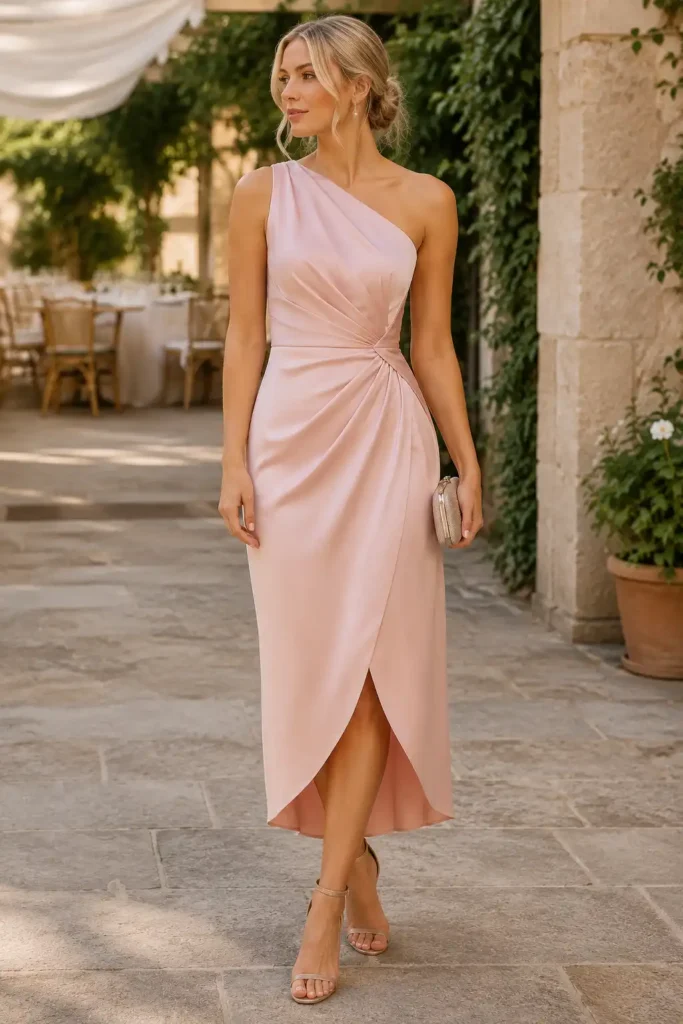
A commercial occasionwear collection must work across several needs at once: visual impact, fit, comfort, production feasibility, margin, photography, delivery and repeatability. Jinfeng Apparel develops individual products within the wider collection plan so fabrics, colours, silhouettes and construction methods remain commercially coordinated.

Wedding Guest Dresses

Wedding guest ranges often combine satin midi dresses, chiffon maxis, printed woven dresses, fitted crepe shapes, one-shoulder silhouettes and refined jumpsuits. Development focuses on flattering proportions, wearable necklines, secure straps, controlled slits, lining coverage and fabric movement. Colour planning requires particular care because wedding ranges often include soft pastels, jewel tones and event-specific shades. Bulk approval should lock the colour standard, fabric surface, lining tone, zip colour, thread colour and pressing method. Long hemlines are reviewed for balance, while fitted silhouettes are checked through sitting, walking and arm movement.

Cocktail Dresses

Cocktail styles depend on proportion and finish rather than length alone. Mini and midi silhouettes may include asymmetric necklines, off-shoulder structures, draping, ruching, shaped waistlines, statement sleeves or controlled cut-outs. Pattern development considers how the dress looks from front, side and back. Ruching must remain balanced, zip openings must lie flat, necklines must stay secure, and internal support must remain hidden. Fabric choice also affects whether the garment looks polished or lightweight under event lighting and ecommerce photography.

Evening Dresses

Evening dresses frequently involve longer lengths, layered construction, structured bodices, satin surfaces, chiffon skirts, lace panels, corsetry or embellished fabrics. Small construction errors become highly visible because the silhouette is cleaner and the fabric surface is more reflective. Development may require separate bodice and skirt trials, hanger behaviour checks, movement testing and hem assessment after the fabric has relaxed. Heavy embellishment must be balanced against comfort and seam strength. Packing methods are also reviewed to reduce crushing, snagging and permanent fold marks.

Prom Dresses

Prom programmes are highly calendar-sensitive and frequently require broad colour and size coverage. Key product groups include fitted satin gowns, corset dresses, layered mesh styles, embellished dresses, high-slit silhouettes and structured mini dresses. Fit must accommodate different bust, waist and hip proportions without losing the intended line. Prom ranges also need reliable zip function, secure cups, stable boning, comfortable lining and clear size communication. Photo samples, sales samples and PP samples should follow separate approval purposes where the programme requires them.

Graduation Dresses

Graduation collections need to work under gowns, during photography and across long event days. Many labels favour clean mini, midi or fitted silhouettes, but neckline placement, shoulder coverage, skirt movement and fabric recovery still require detailed review. Development considers how the garment sits under a graduation robe, whether sleeves or straps move during photography, and whether the fabric creases excessively after sitting. White and pale colours receive additional transparency, lining and internal-seam checks under daylight and stronger studio lighting.

Bridesmaid Dresses

Bridesmaid collections often involve shared colour stories across several silhouettes. One satin colour may be used for halter, cowl-neck, wrap, bias and corset styles, while chiffon may support sleeve, neckline and skirt variations. The programme needs colour consistency, fabric-lot control, coordinated linings, stable grade rules and carefully planned size ratios. A fabric that works for one silhouette may require different construction in another. Bias styles, structured bodices and gathered skirts should therefore be validated separately even when the colour is shared.

Party Dresses

Partywear relies on visual impact, body confidence and social-media presentation. Common elements include mesh, sequins, metallic surfaces, fitted jersey, cut-outs, ruching, mini lengths, asymmetric details and corset structures. Production control centres on stretch direction, recovery, transparency, lining coverage, sequin protection, zip flatness, neckline security and symmetry. Strong photography appeal must not come at the expense of movement, sitting comfort or garment stability. Each high-risk feature should be validated during fitting rather than left for final inspection.

Occasion Jumpsuits

Jumpsuits provide a strong alternative to dresses but introduce added fit complexity. Bodice length, waist position, rise, hip ease, leg shape and total torso length interact closely. A fit problem in one area can affect several other measurements. Development normally requires movement checks for sitting, walking and raising the arms. Neckline position, zip length, waist seam, crotch depth and lining structure must work together. UK size grading also needs careful review because torso proportions cannot be controlled by waist and hip measurements alone.

Fabric Direction for Commercial Occasionwear Collections

Fabric determines far more than surface appearance. Weight, stretch, recovery, shine, transparency, grain, drape and finishing behaviour influence pattern shape, sewing method, lining, pressing, packing, MOQ and final cost. Jinfeng Apparel reviews material direction before a style moves too far into sampling.

Fabric GroupCommercial EffectMain RisksSample ValidationBulk Control
SatinShine, fluidity and premium occasion appealSnagging, seam puckering, shade variation, water marks and pressing shineDrape, seam appearance, bias behaviour, lining and photographyRoll inspection, shade grouping, clean handling, pressing and protective packing
ChiffonLightweight movement and layered volumeTransparency, twisting, uneven hems and pulled seamsLayer count, opacity, skirt balance, seam choice and lining lengthRelaxation, accurate cutting, balanced panels, hem control and final hanging
CrepeRefined texture, clean shape and controlled drapeSurface marking, different stretch levels and shade inconsistencyWeight, recovery, seam quality, neckline shape and fitLot control, tension adjustment, measurements and pressing
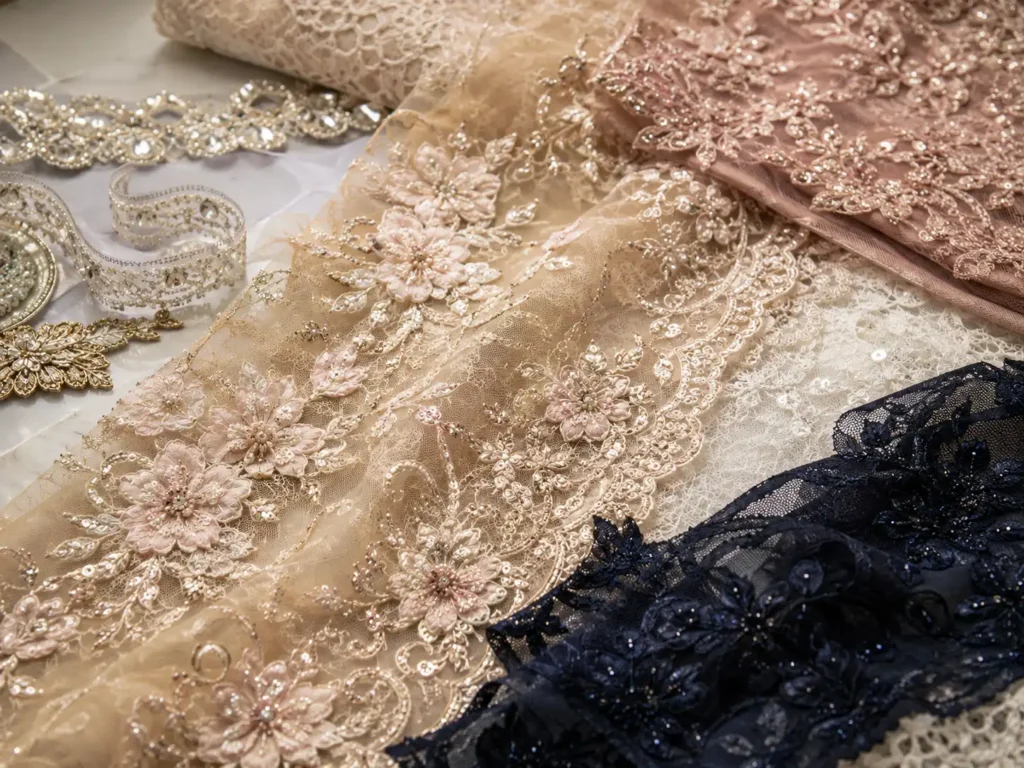
LaceTexture, detail and romantic occasion valuePattern mismatch, broken motifs, rough edges and inconsistent transparencyMotif position, joining method, lining colour and edge finishPlacement markers, symmetry, panel matching and damage inspection
MeshTransparency, layering and fitted partywear effectsHoles, needle marks, distortion and uncontrolled stretchStretch direction, recovery, coverage, seam method and liningFabric relaxation, cutting direction, tension control and hole inspection
Sequin FabricStrong visual impact and event photographySequin loss, scratching, seam bulk, weight and packing damageMotif direction, comfort, seam cleaning, support and closurePanel matching, attachment checks, internal protection and careful folding

Fit and Construction That Protect the Final Silhouette

Occasionwear fit is built through pattern balance, fabric behaviour, internal support and controlled measurements. A dress can match a flat sketch yet fail on the body because the neckline opens, the waist rotates, the lining pulls, the skirt twists or the slit becomes unsafe during movement. Jinfeng Apparel treats fit as an engineering process rather than a final styling adjustment.
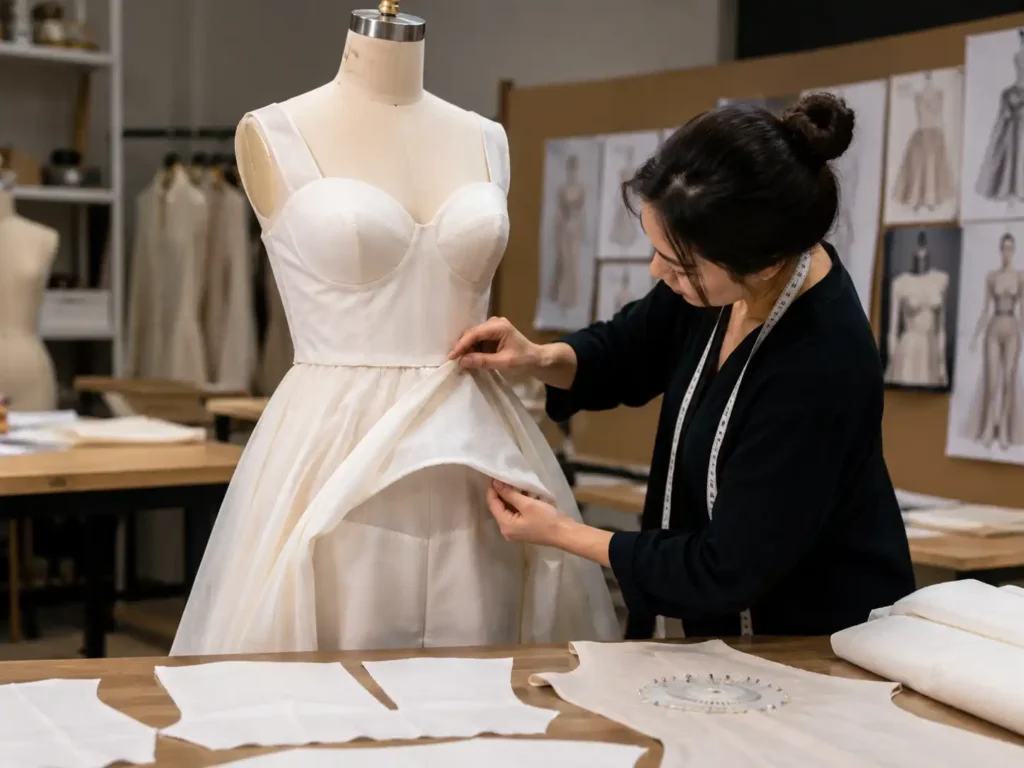
Bust and Bodice Support

The bodice establishes how the entire dress is perceived. Bust point, cup shape, neckline depth, centre-front length, under-bust position, strap angle and armhole coverage need to work as one structure.

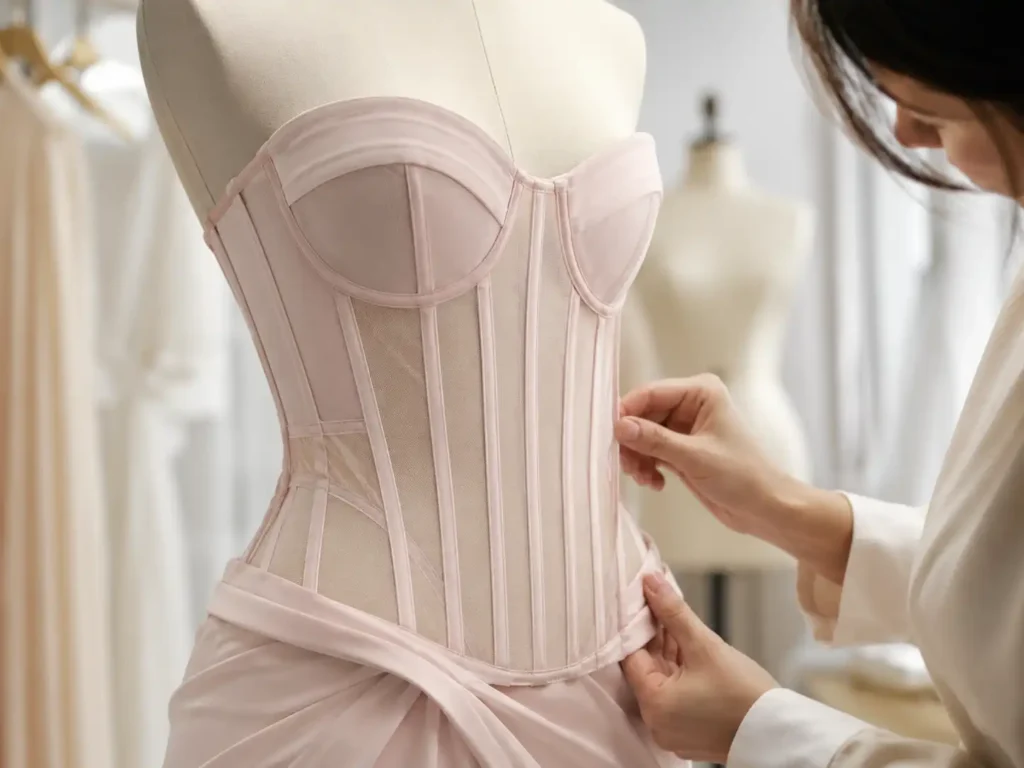
Corset and structured styles may use cups, boning, fusible support, internal elastic, stay tape, power mesh or lining panels. Support is selected according to fabric weight and silhouette instead of adding maximum structure to every style. Excessive rigidity can create visible lines, discomfort or distortion, while insufficient support allows the neckline and side seams to move.

Fit review includes standing, sitting, walking and arm movement. The aim is a secure neckline and balanced silhouette without forcing one body area to carry all tension.

Waist and Hip Balance

Waist and hip measurements alone do not guarantee a correct fit.

Side-seam position, front-to-back balance, dart direction, ruching tension, stretch allowance and skirt attachment determine whether the dress remains centred.

Fitted styles are reviewed for horizontal drag lines, rising hems, seam rotation and excessive compression.

Stretch fabrics need both dimensional measurements and recovery assessment. Woven styles need enough movement without losing the intended shape.

The correct balance may vary across UK sizes, so grading should not simply add equal increments everywhere.

Necklines and Straps

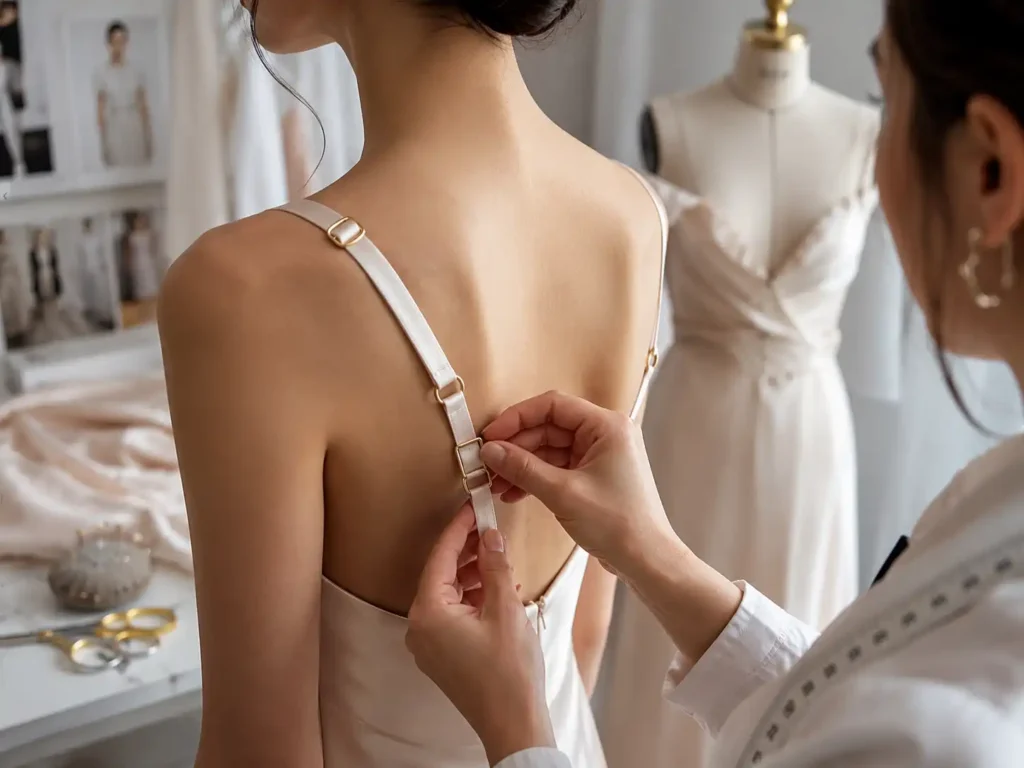
Strap placement affects neckline stability, bust support and shoulder comfort.

Straps positioned too far outward may slide or pull the neckline open. Straps set too close may change the intended visual proportion.

Halter, asymmetric, strapless and off-shoulder shapes each require different control methods.

Sample review may involve neckline stay tape, elastic support, internal grip, adjusted strap angles or improved armhole shaping.

Attachment points are reinforced according to load, especially when the skirt or embellishment adds weight to the bodice.
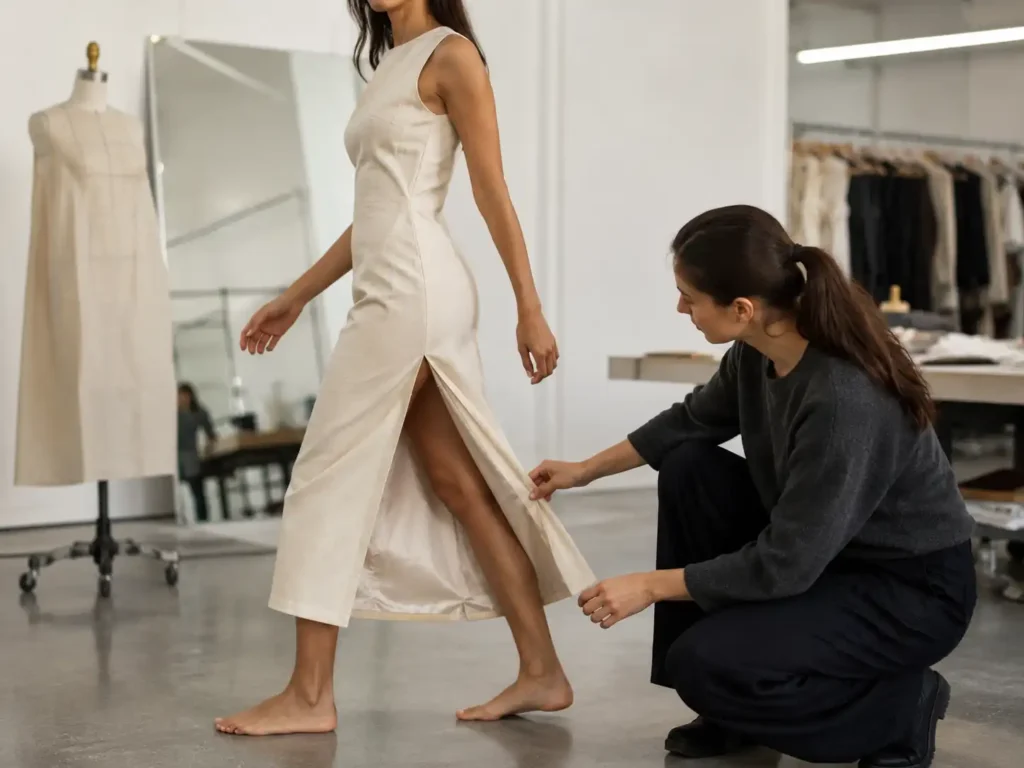
Slits and Movement

A slit must achieve visual impact while remaining stable through walking, sitting and stair movement. Height is measured from a defined garment point, not judged only from photography. Seam allowance, reinforcement and lining position influence how the opening behaves.

High slits may need bar tacks, concealed reinforcement or controlled overlap. The opening should not twist or pull the skirt off balance. For fitted dresses, stride requirements and fabric stretch are reviewed together. For fluid maxis, the slit must work with grain direction and skirt movement.
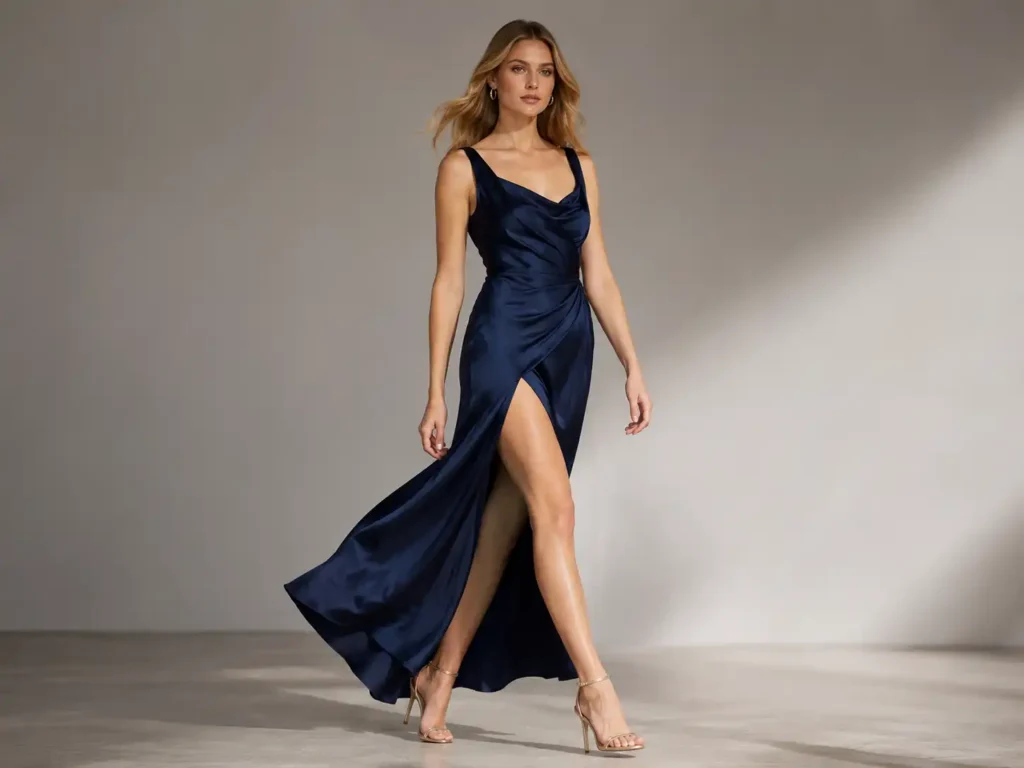
Hem and Length Balance

Long occasion dresses need hem assessment after fabric relaxation. Bias-cut satin, chiffon layers and loosely woven fabrics can drop unevenly over time. Finishing the hem too early may create an irregular floor line after hanging or steaming.

Length is reviewed against the label’s fit model, intended footwear and size strategy. Front, side and back balance are measured separately where the silhouette requires it. Train details, asymmetric hems and multiple skirt layers need individual control points rather than one total-length measurement.
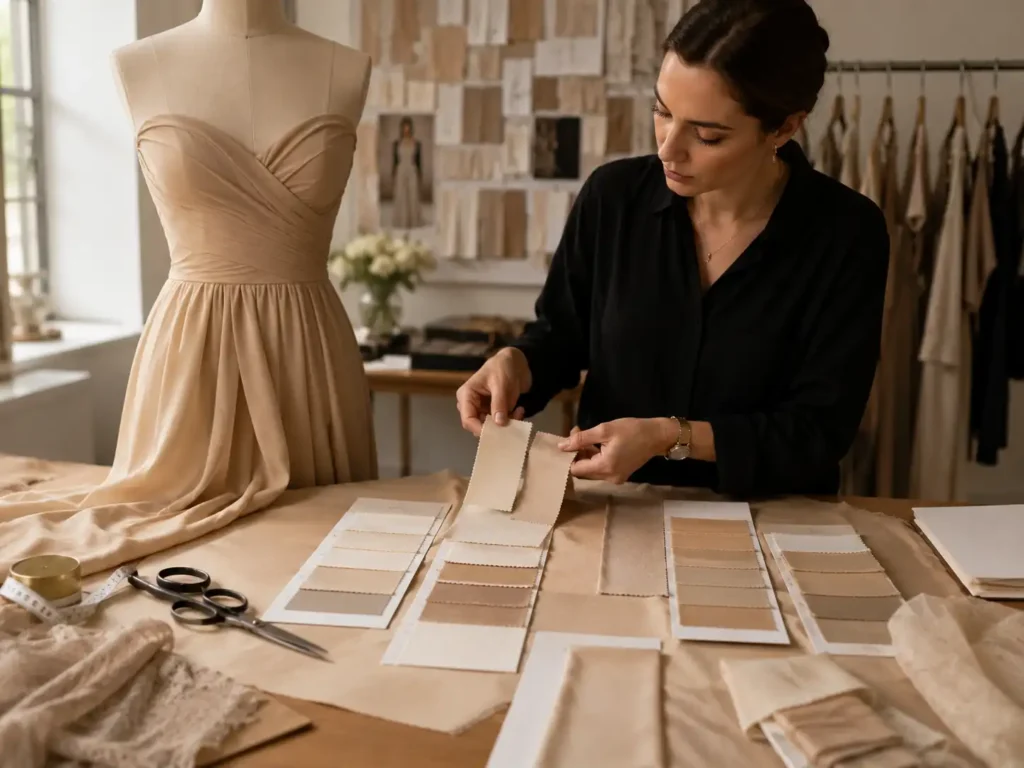
Lining and Internal Structure

Lining affects opacity, comfort, movement, seam appearance and garment life. It should support the shell without restricting it. A lining that is too short may pull the outer fabric upward; one that is too long may appear below the hem or distort a slit.

Colour is chosen according to shell transparency and desired visual effect. Construction may require full lining, partial lining, bodice lining, shorts lining, power mesh or multiple internal layers. Labels, cups, boning channels and seam allowances are positioned to avoid visible shadows through pale or lightweight fabric.

Details That Make Occasionwear Look Retail-Ready
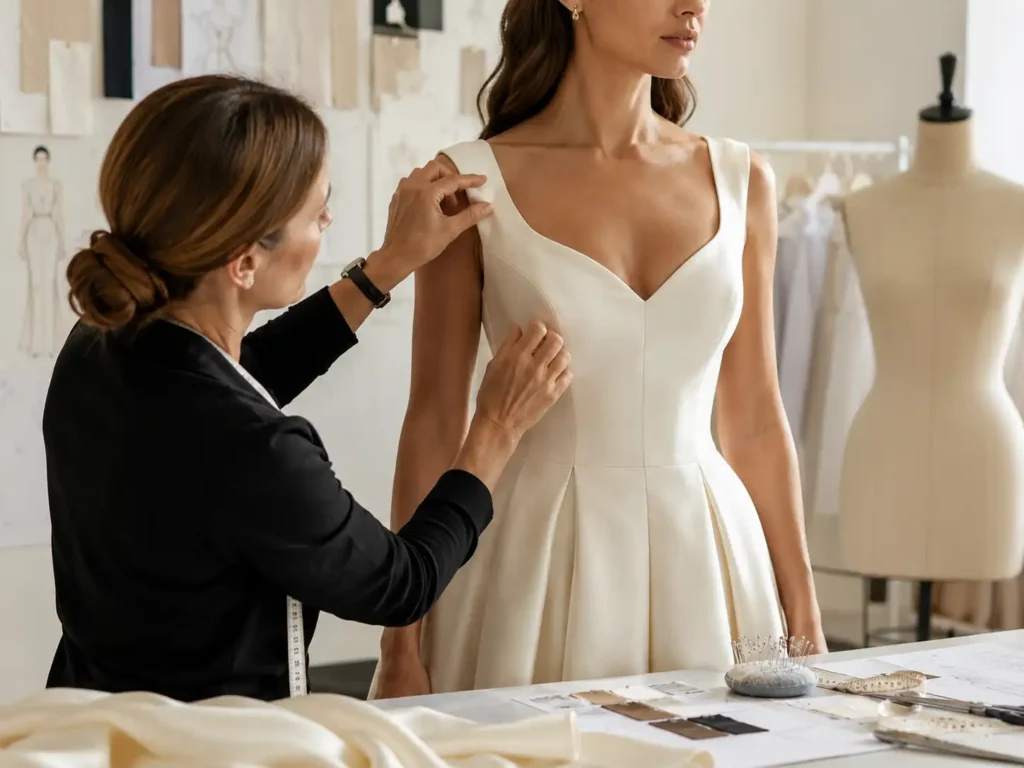
Small construction and finishing decisions often separate a polished occasion dress from an ordinary garment. Jinfeng Apparel controls design details through approved samples, technical references, workmanship standards and inspection points rather than leaving interpretation to individual operators.

Neckline Stability

Necklines are checked for shape, symmetry, edge smoothness and movement. Stay tape, elastic support, understitching, controlled seam tension or internal facing may be used according to design. Strapless and low-cut styles receive additional movement checks so the intended shape remains secure without visible pulling.

Corset Structure

Corset construction is reviewed through cup position, boning length, seam shape, under-bust support and back closure. Internal channels should remain flat, and support components must not twist or create sharp pressure points. The outer fabric should sit smoothly over the internal structure.

Strap Placement

Strap length and angle are recorded rather than adjusted by appearance alone. Left and right placement must remain symmetrical. Attachment areas are reinforced according to garment weight, while adjustable hardware is checked for function, finish and compatibility with the strap width.

Ruching Symmetry

Ruching is controlled by marked start and end points, gathering ratio, direction and stitch security. Uneven tension can change the waistline, distort side seams or create inconsistent coverage. Samples establish the visual standard, while production templates and inspection references support repeatability.

Lace Positioning

Lace panels are reviewed for motif direction, symmetry, neckline placement and seam interruption. Mirrored areas should remain visually balanced. Delicate edges are protected during sewing and finishing, and damaged motifs are rejected before they become part of the finished garment.

Zipper Flatness

Invisible and exposed zippers are checked for alignment, smooth opening, seam balance and top-edge matching. Waving can result from fabric stretch, incorrect interfacing or sewing tension. Structured bodices may require stabilisation around the opening so the closure does not distort under load.

Slit Reinforcement

Slit openings receive reinforcement matched to fabric and movement. The top should remain secure without creating visible bulk. Lining placement, seam allowance and finishing method are checked so the opening looks clean from both outside and inside.

Lining Coverage

Lining coverage is verified around necklines, armholes, cups, slits and transparent panels. The internal layer should not roll outward or appear below the shell. Pale styles are checked under strong light to identify visible seams, labels or abrupt lining edges.

Pressing and Packing

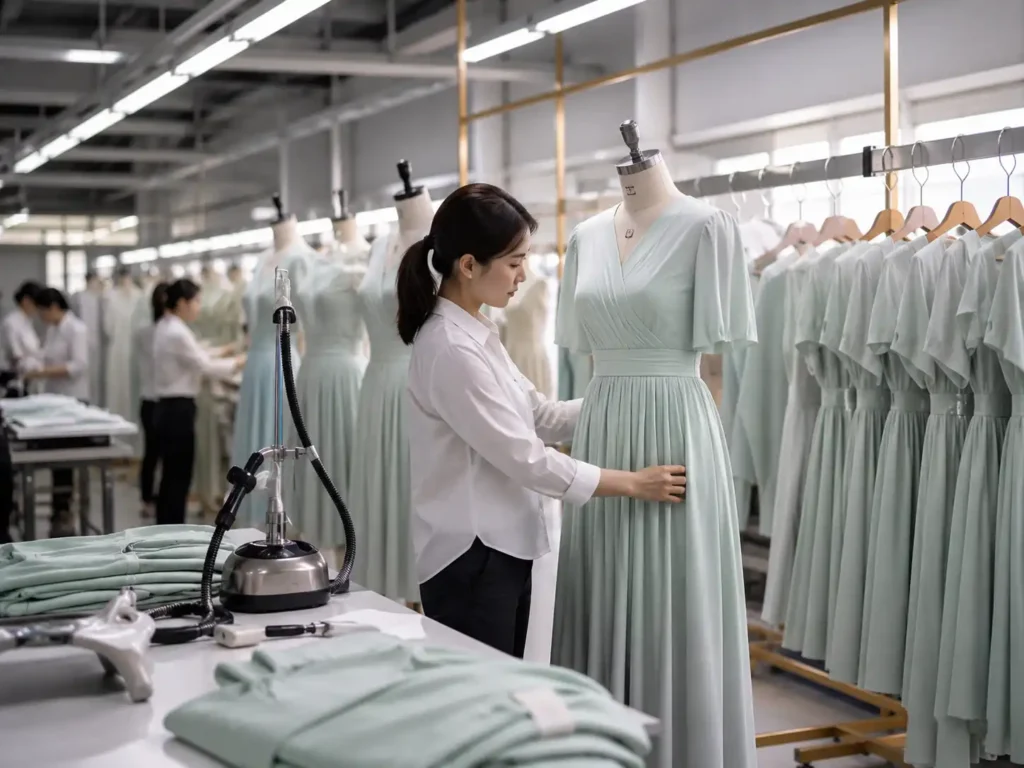
Occasionwear finishing requires fabric-specific pressing. Satin can develop shine or water marks, mesh can distort under heat, and sequins can flatten or melt. Packing methods are chosen according to surface sensitivity, garment length, embellishment and retail requirements. Protective tissue, folding boards, garment bags or hanger packing may be reviewed where required.

From Design Reference to Approved Occasionwear Sample

Sampling is the stage where design language becomes a controlled production standard. Jinfeng Apparel reviews structure, fabric, fit, workmanship, size requirements and production feasibility before a style is released for bulk manufacturing.

Project Feasibility Review

Development can begin from a tech pack, line sheet, original sketch, authorised reference garment, pattern file or detailed image set. The merchandising and technical teams first identify missing information, construction risks, material requirements, estimated MOQ and likely approval route.

A precise quotation normally depends on:

  • Style drawings or clear reference images
  • Construction and measurement information
  • Fabric and lining direction
  • Estimated quantity by style and colour
  • Size range
  • Trims and closures
  • Label and packaging requirements
  • Target sample and delivery dates

An early review prevents unsuitable materials, unrealistic construction or unclear specifications from moving directly into sampling.

Pattern Development

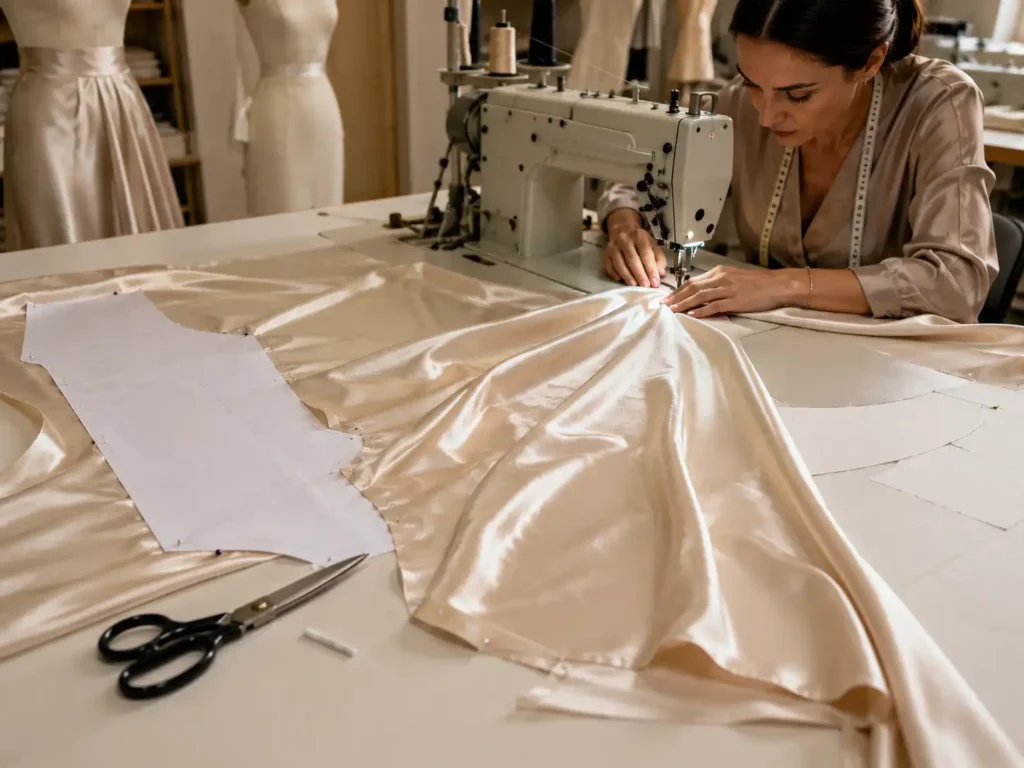
Seven or more senior pattern makers support dress development across fitted woven styles, stretch dresses, corsetry, evening dresses, skirts, jumpsuits and coordinated sets.

Pattern work considers silhouette, fabric behaviour, seam placement, support, movement and grading requirements.

A reference garment is not copied without authorisation.

Where an approved original sample is supplied, measurements, shape, internal construction and desired changes are documented before pattern work begins.

Brand ownership and confidentiality remain central throughout development.

First Sample

Standard dress samples generally require about 7–10 working days after complete specifications, measurements and fabric direction are confirmed.

Complex corsetry, layered mesh, lace placement, sequin work, cut-outs or special surface treatments commonly require 10–15 working days or longer.

Timing begins only after required materials and technical information are available.

Custom-dyed fabric, special lace, printed material, unique trims or new packaging development can extend the schedule.

A sample completion date is therefore confirmed after the initial review rather than promised from a photograph alone.

Fit Review and Revision

Fit comments are converted into measurable actions. Feedback such as “the bust feels loose” or “the skirt looks heavy” is translated into pattern, material or construction decisions. Revised documents may include updated measurements, pattern version references, seam changes, strap positions, cup adjustments or lining corrections.

Consolidated comments reduce conflicting instructions. Each revision should identify the approved reference, marked photographs and priority changes. New fabric or major structural changes may require another full sample rather than a minor alteration.

Photo Sample

A photo sample may be developed before final bulk approval when campaign or ecommerce photography needs an earlier garment.

The sample should reflect the intended visual direction, but its purpose must remain clear.

A photo sample does not automatically replace a PP sample when bulk fabric, trims, labels, construction or measurements are still changing.

PP Sample Approval

The PP sample acts as the production gate. Approval normally covers:

  • Bulk fabric and colour
  • Lining and support materials
  • Final measurements
  • Construction and seam methods
  • Trim type and placement
  • Labels and hangtags
  • Pressing and finishing
  • Packaging method
  • Approved visual reference
  • Final comments and tolerances

Bulk cutting begins only after the required standard is confirmed and production materials are ready.

UK Size Development and Grading Control

UK size labels do not replace brand-specific fit standards. Jinfeng Apparel develops from the supplied size chart, approved fit model, existing brand block, target consumer profile and required grade rules. Measurements are controlled through pattern development, samples, production checks and final garment inspection.

Brand Size Charts

The starting chart should identify body or garment measurements, base size, tolerances and measurement methods. Bust, waist and hip values alone are not enough for fitted occasionwear. Neckline depth, strap length, armhole, bodice length, skirt length, slit height and lining measurements may all affect fit.

Base Size Approval

A base size is selected for initial fitting according to the label’s normal development process. Fit approval should confirm silhouette, movement, support, length and visual balance. Alterations are recorded before grading begins so the approved base remains clear.

Grade Rules

Grading determines how the garment changes across sizes. Bust, waist, hip, neckline, strap, armhole and length increments may need different rules. Corset styles require particular care because cup proportion, boning position and neckline coverage cannot always be increased through simple circumference changes.

Size Set Review

A size set may be required for fit-critical or broad-size programmes. Reviewing selected smaller, base and larger sizes helps identify grading problems before bulk cutting. Common risks include neckline distortion, incorrect strap length, rising front hems, oversized armholes and insufficient support in larger sizes.

Bulk Measurement Control

Measurement control includes pattern version checks, fabric relaxation, cutting review, inline measurements and finished-garment checks. Fit-critical points are prioritised by silhouette. A loose chiffon maxi and a structured bodycon dress do not require identical inspection emphasis.

UK Size Range Planning

Size ranges may cover UK 4–16, UK 6–18, UK 6–20 or another brand-defined structure. Final ratios should follow sales history and channel requirements rather than equal quantities in every size. Larger ranges also influence marker efficiency, fabric consumption, packing ratios and inspection planning.

Plan Production Around the UK Occasionwear Calendar

Occasionwear demand is linked to fixed selling periods. Sample delays, late fabric approval or unplanned logistics can cause a collection to miss photography, wholesale appointments, warehouse receiving or launch dates even when sewing remains on schedule.

Wedding and Race Season

Spring and summer wedding guest collections often require campaign samples well before the first bulk deliveries. Printed fabrics, custom colours and layered lightweight materials should be approved early. Race-day ranges may include structured midi dresses, tailored jumpsuits and coordinated sets that require additional fit review.
Prom and Graduation Season

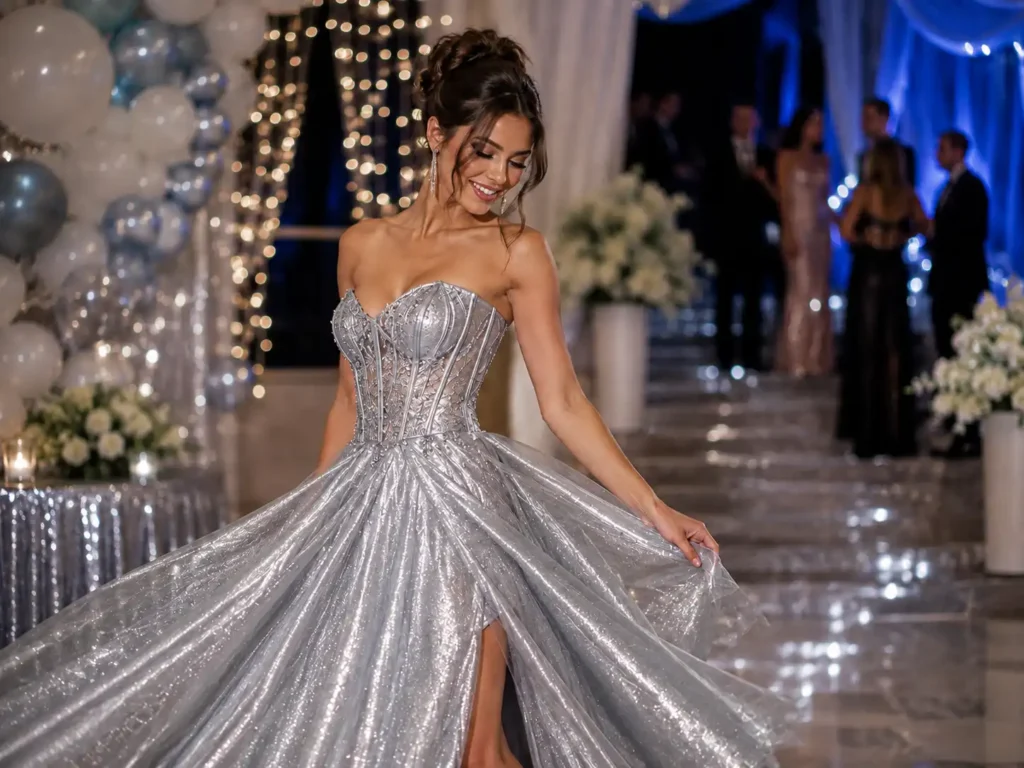
Prom and graduation programmes have clear annual peaks. Colour counts, broad size ranges, photo samples, sales samples and bulk quantities need to be mapped backward from the selling window. Complex corset and embellished styles should enter development before simpler commercial styles because approval cycles are usually longer.

Christmas Party Launches

Velvet, sequins, metallic fabrics, satin and fitted partywear create added material and workmanship risk. Seasonal material demand can also affect supplier availability. Early booking supports fabric supply, sample review, production allocation and transport planning before peak shipping pressure.

MOQ Planning for Multi-Style Occasionwear Collections

Jinfeng Apparel’s standard MOQ starts from 200 pieces per style and colour. The figure provides a manufacturing baseline rather than a universal rule. Fabric supplier minimums, colour development, print methods, lace, sequins, trims, size distribution and branded packaging can create separate requirements.

MOQ by Style and Colour

MOQ is calculated by individual style and colour rather than by combined collection volume. An order containing 20 styles does not automatically allow every style to be divided into very small quantities. Each style needs enough volume to support material preparation, cutting, line setup, sewing, finishing and inspection.

Multi-Size Planning

Several sizes can normally be included within one style-and-colour quantity. The ratio should reflect expected demand. Extremely fragmented size ratios can reduce cutting and sewing efficiency, especially when each colour contains only a small number of garments.

Shared Fabric Families

Using one fabric family across several silhouettes can improve sourcing coordination and collection consistency. Satin may extend across cowl, halter, slip and gathered styles, while crepe may support fitted midi dresses, jumpsuits and coordinated separates. Shared fabric does not merge style MOQs, but it can improve fabric purchasing and shade control.

Custom Colour Requirements

Custom dyeing, lab dips, exclusive prints and special colour standards may carry mill minimums above the garment MOQ. Colour approval also adds development time. Labels should decide which shades need exact custom development and which can use suitable stock colours.

Hero and Commercial Styles

A collection can allocate greater development and production investment to hero styles while using more efficient construction for commercial volume styles. Complex corset, embellished or layered pieces should not be forced into the same cost structure as clean satin or crepe dresses.

Repeat-Order Planning

Patterns, measurement records, fabric references, trim information, packaging instructions and QC notes can be archived for future orders. Reorders still require confirmation of material availability, colour lots, quantity, production slot and any specification changes. A new colour or fabric may need renewed testing and sample approval.

A Controlled Path From Concept to UK Delivery

Clear production gates help large collections move without losing technical information. Each stage produces an approved output before the next stage carries financial or timing risk.

Project Review

Tech packs, line sheets, quantities, target prices, size ranges and launch dates are reviewed. Missing information and high-risk construction are identified before quotation or sampling.

Fabric Direction

Shell, lining, support materials, trims and colour direction are evaluated against silhouette, quality level, MOQ, performance and cost.

Pattern Development

Patterns are created or corrected according to measurements, fit requirements, fabric behaviour and construction.

Sample and Revision

First samples are measured, fitted and reviewed. Comments are consolidated into controlled revisions and updated records.

PP Approval

Bulk fabric, measurements, workmanship, trims, labels, finishing and packaging are locked as the production standard.

Bulk Production

Materials are inspected, fabric is prepared, cutting is checked and sewing progresses under inline quality control.

Final Inspection

Measurements, appearance, workmanship, pressing, labels and packing are reviewed according to the agreed inspection plan.

Packing and Delivery

Approved garments are packed by SKU, size ratio and destination. Packing lists, carton marks, commercial documents and forwarder coordination are prepared for dispatch.

Quality Control Built Around Occasionwear Failure Points
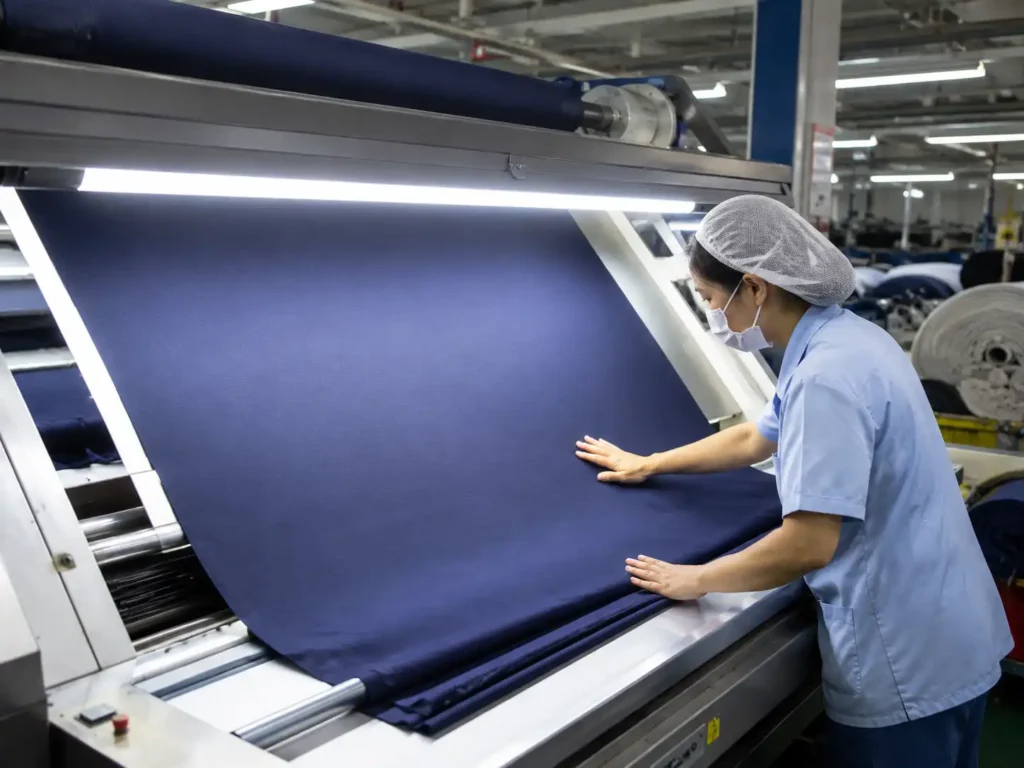
Quality control begins before sewing. Material behaviour, pattern balance and construction risk are reviewed during development, then carried into cutting, production, finishing and packing inspection. Occasionwear inspection focuses on defects that directly affect fit, photography, event wear and retail presentation.

Fabric Inspection

Bulk rolls are reviewed for colour, width, surface defects, holes, marks, shade variation and fabric-specific risks. Satin receives snag and surface checks; chiffon is reviewed for pulls and weave irregularities; mesh is checked for holes; lace and sequin materials are assessed for motif and damage. Shade grouping is important when one garment contains several panels or when a collection uses repeated fabric across multiple styles. Defective sections are marked before cutting.

Cutting Inspection

Cutting checks cover grain direction, panel orientation, motif placement, marker accuracy, size identification and layer stability. Lace, prints, sequins and asymmetrical surfaces may require controlled placement or single-layer cutting. Bias panels and stretch materials are handled according to approved direction. Incorrect cutting cannot be corrected through sewing, so high-risk points are checked before bundles move to production.

Inline Sewing Check

Inline inspection identifies problems while correction is still possible. Inspectors review seam appearance, tension, symmetry, zipper installation, ruching, lace placement, support construction, lining and measurements. Problems are not limited to visible defects. A neckline may look clean yet stretch during wear, or a corset may appear correct but contain twisted boning. Construction checks therefore follow the approved sample and technical notes.

Measurement Control

Measurement priorities depend on silhouette.

Fitted styles may require closer checks at bust, waist, hip, bodice length and slit height.

Jumpsuits add rise and inseam control.

Maxi dresses need length balance, while strapless styles need neckline and support measurements.

Measurements are taken using agreed methods and tolerances.

A garment should not be judged only by comparing one overall size value.
Final Garment Inspection

Final inspection covers appearance, measurements, workmanship, cleanliness, function, pressing and presentation. Occasionwear-specific checks may include:
  • Satin snagging or shine marks
  • Chiffon twisting and uneven layers
  • Lace mismatch
  • Mesh holes and needle damage
  • Missing or loose sequins
  • Zipper waving
  • Uneven ruching
  • Lining exposure
  • Incorrect slit height
  • Unbalanced hems
  • Cup or boning distortion
  • Incorrect labels or sizes

Packing Verification

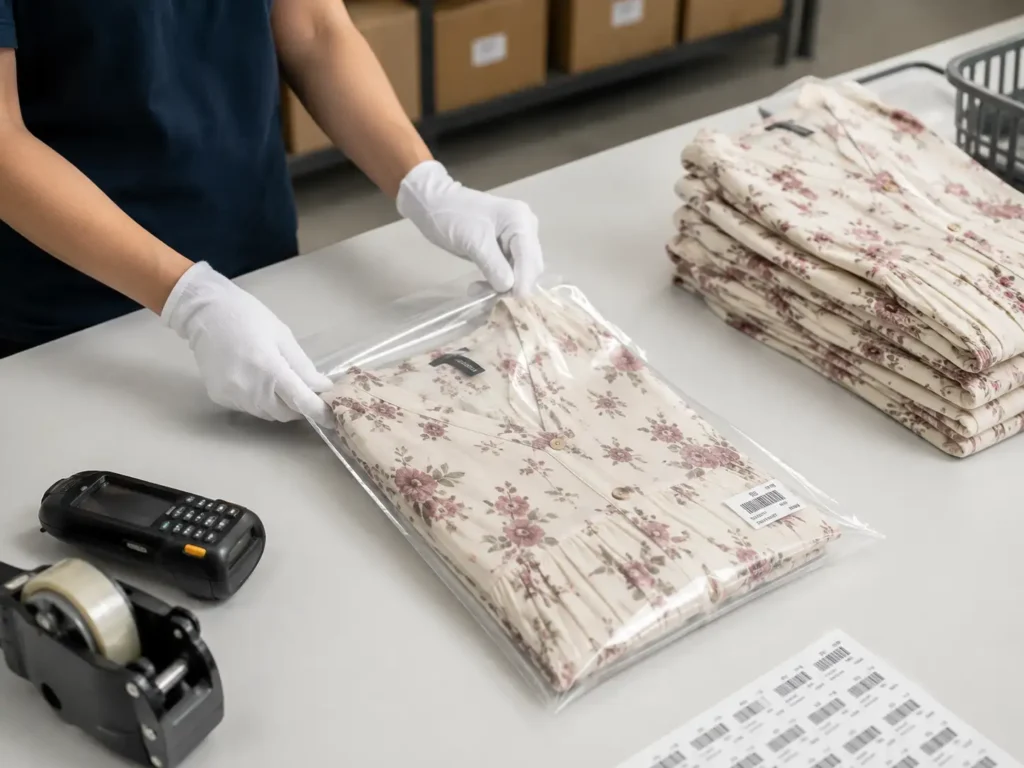
Packing inspection confirms SKU, size, colour, labels, hangtags, barcodes, folding, polybags, carton ratios and marks.

Delicate surfaces receive additional protection where required.

Barcode and size-label mistakes can cause warehouse and retail disruption even when garment workmanship is acceptable.

Third-party final inspection can be coordinated according to the agreed inspection standard.

Factory records, internal inspection and independent inspection each serve different purposes and should be planned before shipment.

Private-Label Packing for UK Retail and Ecommerce

Jinfeng Apparel supports garments through to branded, SKU-controlled and shipment-ready packing. Labels, barcodes and packaging are treated as production components that require artwork, approval, quantities and inspection rather than as last-minute additions.

Woven Labels

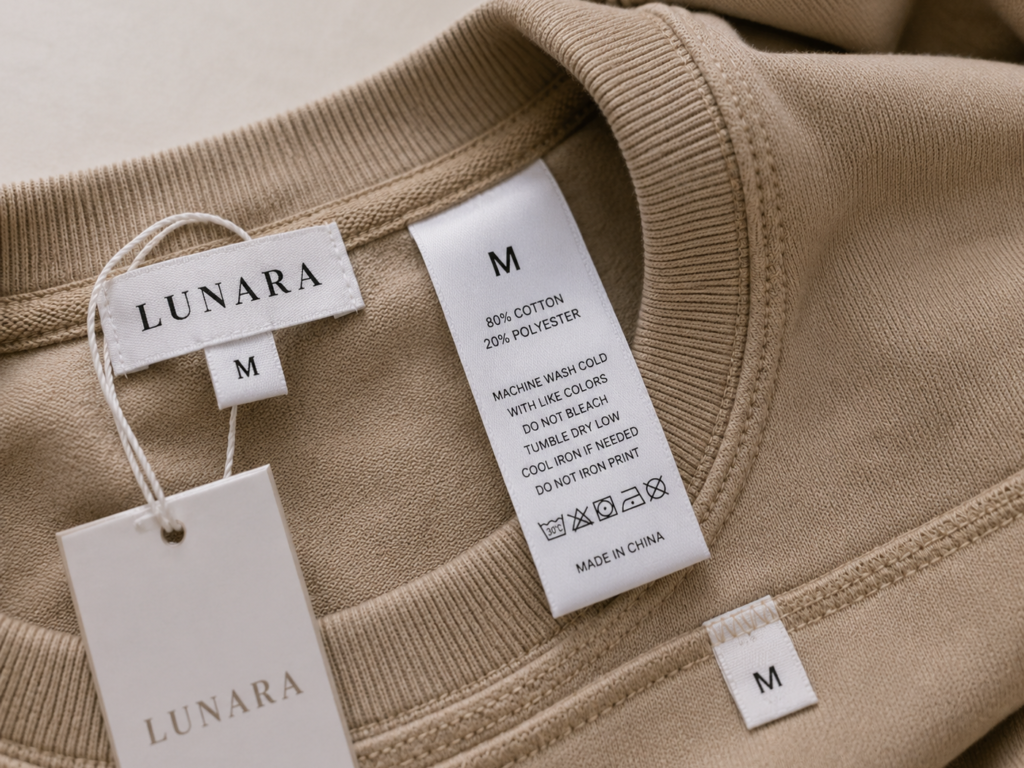
Woven labels can be developed from approved artwork, dimensions, colours, fold type and placement instructions. Position and sewing method are checked during samples or PP approval. Fine text and detailed logos may require adjustment to remain legible within the chosen size.

Care and Size Labels

Care labels require approved fibre composition, care symbols, wording, language and brand information. Size labels must match the garment, polybag, barcode and packing list. Jinfeng can produce and attach labels from approved files, while final legal wording remains subject to the label’s market and compliance review.

Hangtags

Hangtags may include brand graphics, product information, price fields, QR codes, barcodes, sustainability claims or retail instructions. Paper, printing, finishing, string and attachment position affect cost and MOQ. Claims should only be printed after supporting evidence and wording are approved.

Barcode and SKU Labels

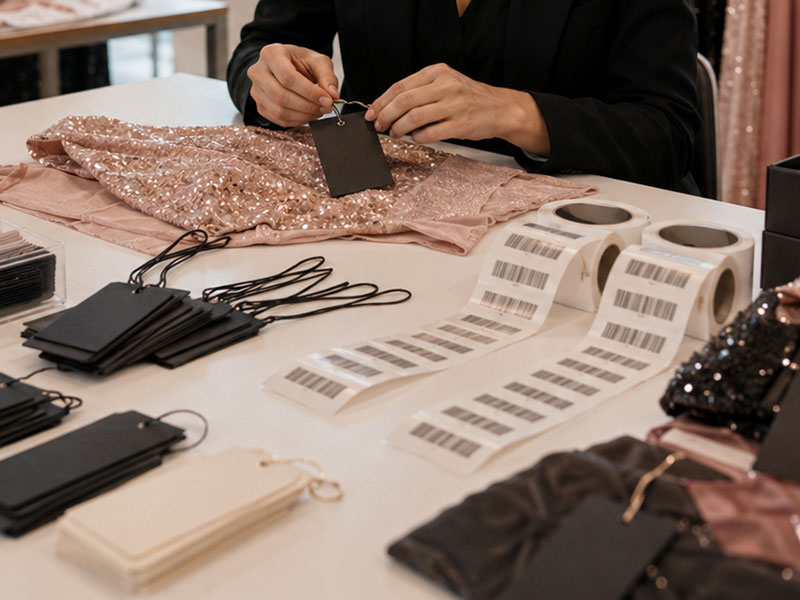
Barcode data must connect style, colour, size and destination accurately. Files are checked before printing, and scan testing can be arranged according to the programme. SKU stickers should remain consistent across garment labels, polybags, cartons and packing documents.

Polybag Packing

Polybags can include warning text, ventilation, recycled-material requirements, size stickers and barcode labels. Garment folding is adjusted according to length, structure, embellishment and wrinkle sensitivity. Long dresses, corset styles and sequin garments may need specific protection.

Carton and Shipping Marks

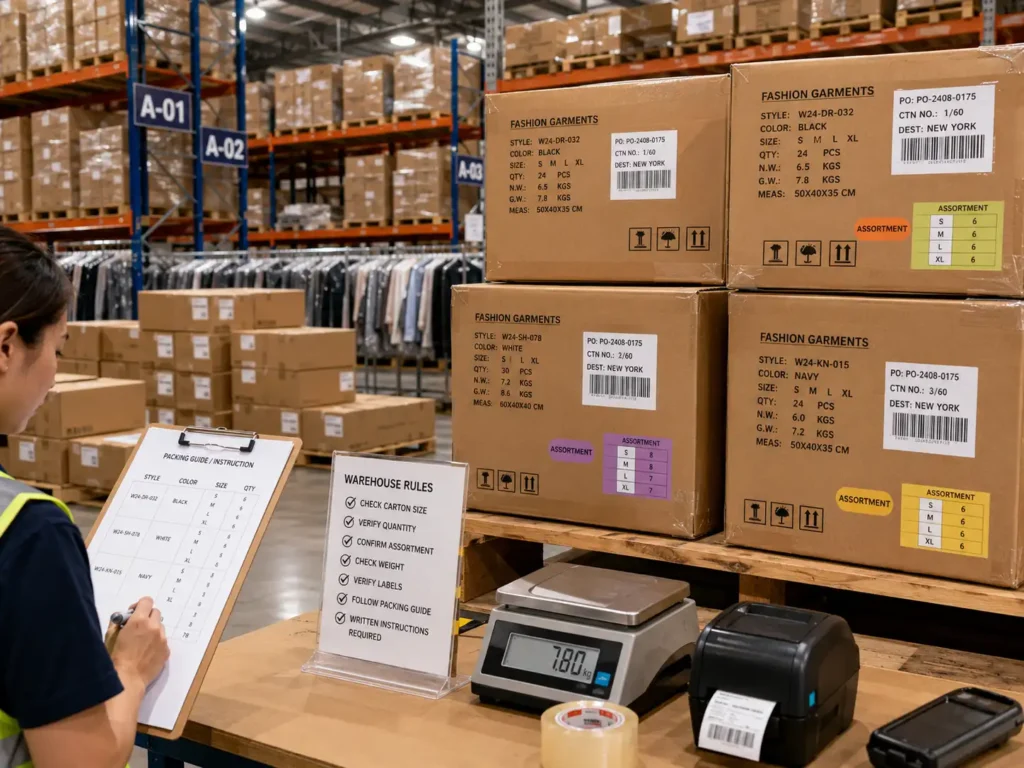
Carton dimensions, quantity, assortment, gross weight, net weight and shipping marks are confirmed before dispatch. Packing can follow solid size, ratio, colour or destination instructions. Carton information is cross-checked against packing lists and shipment documents.

Move Sensitive Occasionwear Projects With Lower Risk

Changing suppliers can expose unreleased designs, fit problems, delayed schedules and inconsistent quality. Jinfeng Apparel supports structured project transfer and confidentiality controls before sensitive files enter full development.

Replace an Unstable Supplier

A supplier-transfer review can begin from an existing garment, tech pack, measurement chart, inspection report, rejected sample, fabric swatch or production photographs. The aim is to identify the source of the problem rather than reproducing the same specification without review. Common transfer issues include:
  • Sample fit not reproduced in bulk
  • Uncontrolled fabric substitution
  • Poor shade consistency
  • Incorrect grading
  • Zipper or neckline distortion
  • Delayed material purchasing
  • Incomplete PP approval
  • Weak inline inspection
  • Incorrect labels or packing
  • Unclear production scheduling
Jinfeng can develop a corrected reference, re-evaluate fabric and construction, prepare a renewed PP standard and plan a gradual production transfer.

Protect Unreleased Collections

NDA arrangements can be reviewed before sensitive information is shared. Confidential materials may include:

  • Tech packs
  • Line sheets
  • Original samples
  • Pattern files
  • Measurement charts
  • Fabric developments
  • Unreleased colourways
  • Private labels
  • Packaging artwork
  • Campaign dates
  • Supplier-transition information

Files should only be distributed to teams involved in quotation, development, production or quality control. Brand names and project details are not used publicly without permission.

Occasionwear Programmes With Measurable Production Scope
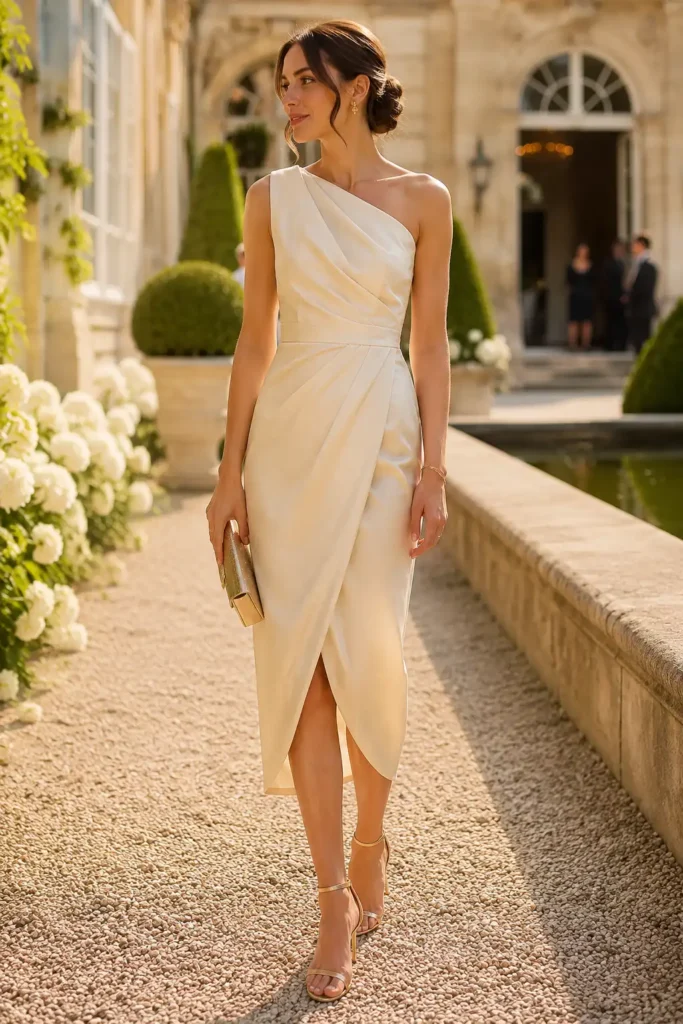
The following anonymised programme structures reflect the order scale commonly managed for established fashion labels. Names, artwork and unreleased designs remain confidential.

UK Wedding Guest Capsule

An 18-style wedding guest collection included satin midi dresses, printed chiffon maxis, one-shoulder crepe dresses, fitted jumpsuits and coordinated occasion separates. The programme totalled 42,600 garments across UK sizes 6–18.

Six fabric families were grouped by colour, surface and production method. The satin range required shade grouping and protective handling, while lightweight chiffon styles required layer balance, opacity review and relaxed hem finishing. Two structured styles received additional bodice revisions before PP approval.

Production was divided into three controlled waves. Campaign and wholesale-priority styles moved first, the main ecommerce assortment followed, and later seasonal colours completed the programme. Bulk sewing and finishing were planned across approximately 38 working days after material readiness and PP approval, followed by inspection, packing and staged dispatch.

Key control points included:

  • Satin surface protection
  • Chiffon hem balance
  • UK-size grading
  • Neckline stability
  • Barcode accuracy
  • Size-ratio packing
  • Three-wave dispatch planning

Party and Evening Drop

A 12-style party and evening programme contained corset minis, layered mesh dresses, sequin styles, ruched jersey dresses and satin midis.

Total volume reached 26,400 pieces across four principal colours and UK sizes 4–16.

Complex styles were prioritised during sampling.

Corset cup position, boning length, neckline support and zipper alignment were reviewed before size-set approval.

Mesh dresses required separate shell and lining stretch checks, while sequin garments were assessed for motif direction, internal comfort and protective packing.

The bulk schedule used separate production groups for corsetry, stretch garments and embellished styles.

Final inspection concentrated on bust support, ruching symmetry, mesh holes, sequin loss, zipper waving, finished measurements and polybag identification.

The programme used two shipping waves to protect the campaign date while allowing additional inspection time for embellished styles.

Multi-Channel Occasionwear Collection

A 24-style collection for ecommerce and retail channels covered wedding guest, graduation, cocktail and evening categories. The order included approximately 68,000 garments in UK sizes 6–20, eight fabric groups and three packing formats for different destinations.

The range combined commercial satin and crepe dresses with higher-detail lace, mesh and embellished styles.

Development was organised by product risk instead of style number. Fabric-led styles entered material review first, while structured bodices and broad-size products moved through additional fit and grading checks.

Bulk production used parallel workstreams across approved facilities.

Retail orders required size-ratio cartons and carton marks, while ecommerce units used individual SKU labels and channel-specific polybags. Final documentation connected each style, colour, size and destination to the relevant packing instruction.

The programme was planned around a 42–45-working-day production and packing window after complete PP approval, bulk material readiness and line allocation. Dispatch was staged according to warehouse appointments and launch priority.

The People and Facilities Behind Every Collection

Production confidence comes from seeing who controls patterns, samples, materials, sewing, inspection and packing. Jinfeng Apparel’s manufacturing system combines technical development with project coordination and scalable garment production.

Pattern Team

Seven or more senior pattern makers support new development, pattern correction, fit adjustment, size grading and pattern version control. Pattern work covers dresses, skirts, jumpsuits, fitted bodices, corsetry and coordinated womenswear.

Sample Rooms

Two sample rooms and 20+ sample machinists support parallel style development. Samples are grouped by fabric and construction so complex occasionwear receives appropriate technical attention rather than moving through a single general workflow.

Merchandising Team

More than 12 merchandisers and project coordinators connect design information, material sourcing, sample comments, production schedules, quality updates and packing approvals. One clear communication path helps prevent different teams from following different specifications.

Sewing Lines

Eighteen or more sewing lines and six flexible lines provide capacity across the manufacturing system. Line selection follows product structure, operation sequence, quantity and deadline. Flexible lines support products requiring closer coordination or shorter production runs within a larger collection.

Quality Team

More than 15 QC inspectors cover materials, cutting, inline sewing, measurements, final garments and packing. Inspection standards are adjusted to the fabric and silhouette rather than using one generic checklist for every product.

Finishing and Packing

More than 30 finishing and packing workers support thread cleaning, pressing, appearance review, folding, polybags, labels, barcode checks, carton packing and shipping-mark verification. Occasionwear finishing methods are selected according to surface sensitivity and garment structure.

Frequently Asked Questions From UK Occasionwear Labels

The standard MOQ starts from 200 pieces per style and colour. Several sizes can normally be included within the quantity. Custom-dyed fabrics, exclusive prints, lace, sequins, trims, branded packaging or material-supplier minimums may require higher quantities. Final MOQ is confirmed after the style, fabric, colour and packing plan are reviewed.
Standard dresses generally require about 7–10 working days after complete specifications, measurements and fabric direction are confirmed. Corset, layered mesh, lace placement, sequin, cut-out or other complex occasion styles commonly require 10–15 working days or longer. Custom materials and delayed comments can extend the approval cycle.
A clear reference image can begin a feasibility discussion, but complete development requires additional information about measurements, fabric, construction, quantities, size range, trims and intended changes. Jinfeng does not reproduce protected designs without authorisation. Tech packs, sketches, line sheets and authorised physical samples provide a stronger development basis.
Yes. Development follows the supplied UK size chart, brand block, fit model and grade rules. Size planning may cover UK 4–16, UK 6–18, UK 6–20 or another defined range. Fit-critical styles may require a size set to verify grading before bulk production.
Fabric sourcing commonly covers satin, chiffon, crepe, lace, mesh, sequin fabric, velvet, jersey, ponte, printed woven materials and suitable linings. The final selection depends on silhouette, quality level, opacity, stretch, drape, MOQ, colour, cost and delivery schedule.
Revision needs depend on the product and scope of change. Fit corrections, fabric changes and construction revisions are assessed after each sample. Unlimited free revisions are not offered. Consolidated feedback, marked photographs and updated measurements help reduce unnecessary sample rounds and keep responsibility clear.
PP approval is recommended as the bulk-production gate, especially for new styles, custom fabrics, complex construction, new labels or new packaging. A first sample or photo sample does not automatically replace the PP standard when materials, measurements or workmanship remain unconfirmed.
Yes. Support includes woven labels, care labels, size labels, hangtags, barcode stickers, SKU labels, polybags, carton marks and packing instructions. Artwork, wording, placement, quantities and market requirements must be approved before bulk production.
Yes. Jinfeng Apparel can coordinate inspection through an appointed quality company or brand representative. Inspection level, AQL, defect categories, sample size and reporting format should be confirmed in advance. Production-site access and timing are arranged according to the active programme.
Yes. NDA review can take place before tech packs, original samples, line sheets, pattern files, unreleased colours or packaging artwork are provided. Confidential information is handled within the teams needed for quotation, development, production and quality control.

Build Your Next UK Occasionwear Collection With Jinfeng

Jinfeng Apparel supports established UK fashion labels from early product review through sample approval, scalable production, inspection, private-label packing and export preparation.

A useful initial assessment starts with enough information to evaluate product risk, material direction, production fit, MOQ and delivery feasibility.

Please include:

  • Reference images, sketches, line sheets or tech packs
  • Estimated quantity per style and colour
  • Intended UK size range
  • Fabric, lining and trim direction
  • Target quality and price position
  • Label, hangtag and packaging requirements
  • Required testing, audit or inspection standards
  • Target date for first samples
  • Target date for bulk delivery
  • Known fit, quality or supplier problems
  • NDA requirements for unreleased designs

Tell Us About Your Dress Project

Share your product details, estimated quantity and development requirements. Our team will review your project and provide practical OEM/ODM production feedback.

Premium Women’s Apparel Production for Fashion Brands

From dress sample development to bulk production, JF Apparel supports fashion brands with confidential OEM/ODM manufacturing, reliable quality control and scalable production support.

START YOUR DRESS PROJECT

Ready to Develop Your Next Dress Collection?

Share your design concept, product requirements or sourcing plans with our team. We’ll review your project and provide practical feedback on development, materials, MOQ and production.

7-10 Days

Sample Development

200 PCS

Starting MOQ

Fast Response

Professional Follow-Up