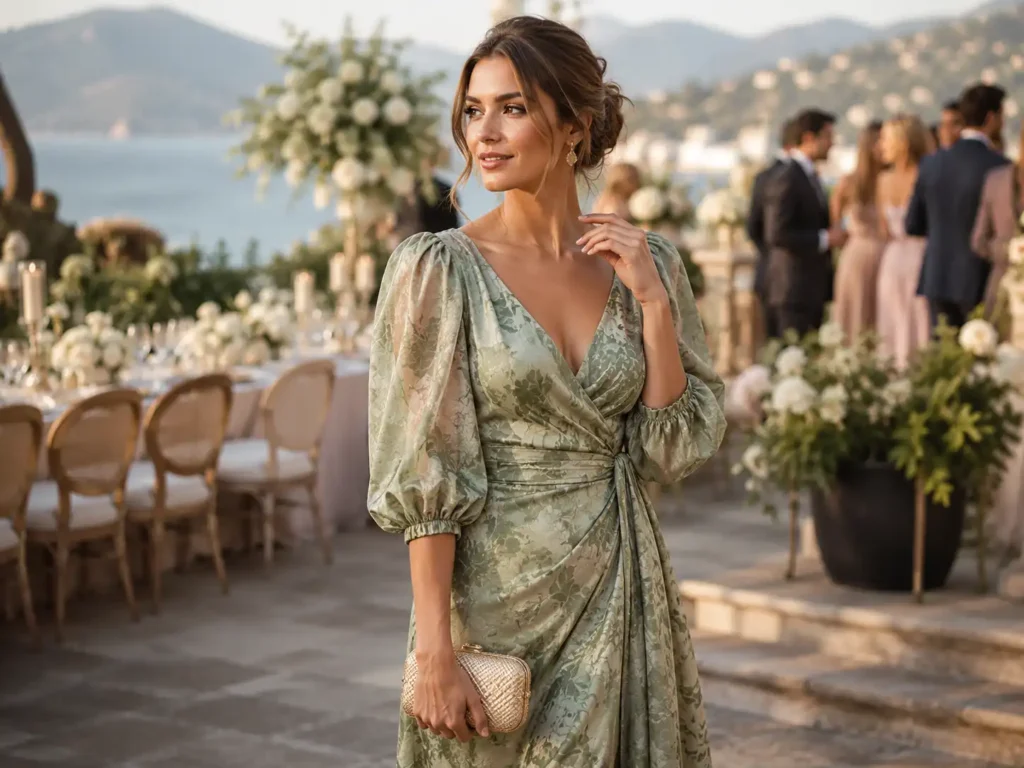
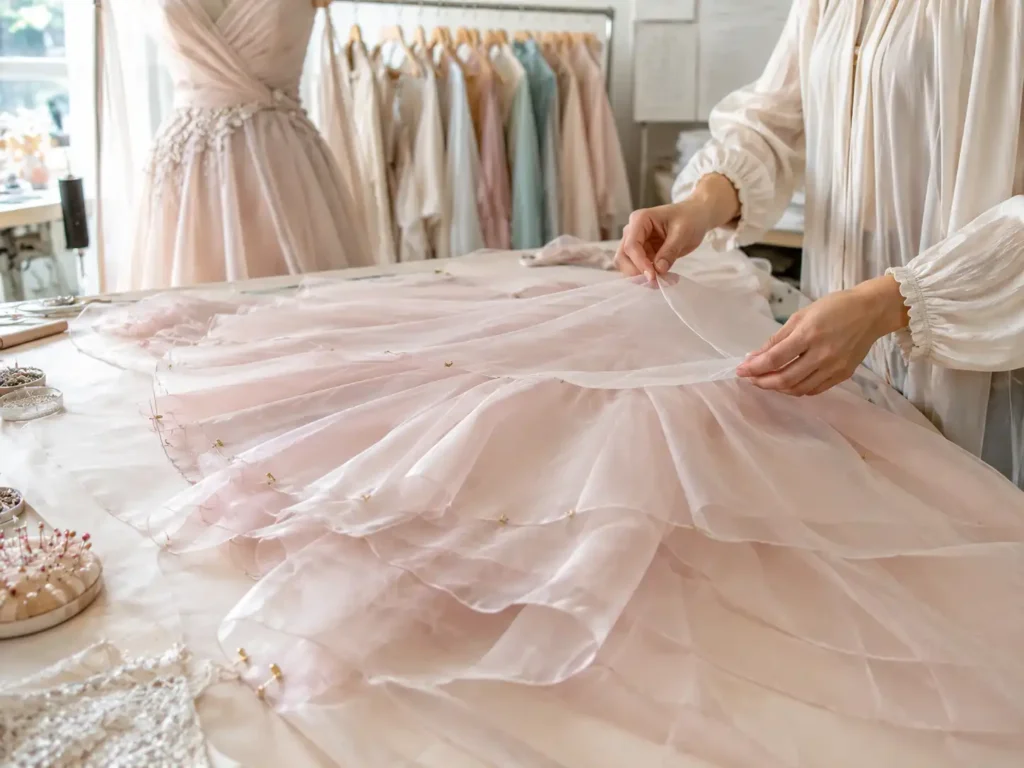
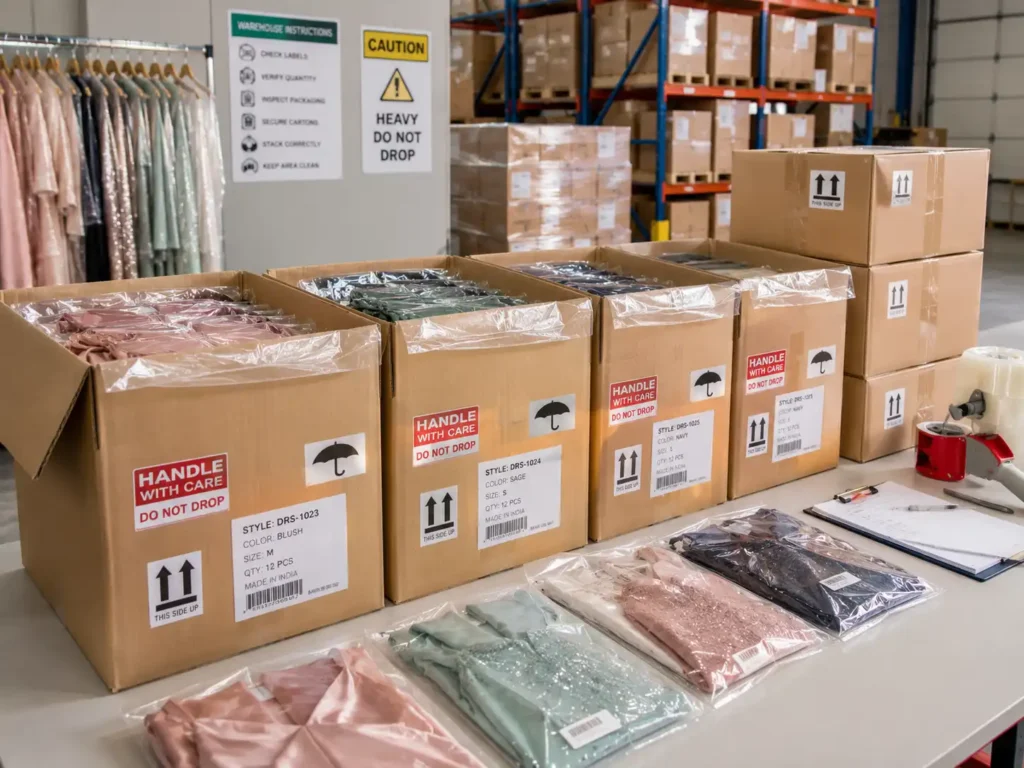
Dress Manufacturer for UK Fashion Brands

Custom dress development and scalable production for established UK labels, premium ecommerce collections, occasionwear ranges and multi-channel womenswear programs.

Jinfeng Apparel develops and manufactures dresses from Guangdong, China, combining fabric direction, pattern work, sample revision, PP approval, bulk control, private-label packing and export coordination. Collection programs commonly involve 10-30 styles and 20,000-80,000 pieces across a brand order, requiring more than sewing capacity: every style, colour, size, label file and delivery milestone must remain traceable.

  • Collection scale: structured management for 10-30 styles and 20,000-80,000 pieces across a brand order.
  • Development resources: 2 sample rooms, 7+ senior womenswear pattern makers and 20+ sample machinists.
  • Production structure: 6 owned women’s fashion factories and 10+ long-term satellite production partners.
  • Commercial baseline: MOQ starts from 200 pcs per style/colour; special fabrics, trims and packaging are reviewed separately.

Manufacturing Facts UK Brands Can Verify

A supplier profile should be judged through relevant operating facts. The figures below show how Jinfeng Apparel supports dress development, collection-level production and long-term repeat programs without relying on vague claims.

Since 2008

Long-term womenswear manufacturing experience supports a deeper understanding of dress proportion, material behaviour, development files and production risk. The operating focus is custom fashion manufacturing rather than ready-stock distribution, with projects moving from design input through sampling, bulk control, packing and export delivery.

Six Owned Factories

Six owned women’s fashion factories provide a stable production base for dresses, skirts, jumpsuits, matching sets and related womenswear. Styles are assigned by material, construction and order requirements rather than forcing every product through the same production route.

Ten Plus Partners

More than ten long-term satellite production partners extend production flexibility for collection programs. They are not presented as owned factories; allocation remains controlled by product category, workmanship level, material group, timing and approved production standards.

Two Sample Rooms

Two sample rooms support first samples, fit samples, revised samples, photo samples, PP samples and Golden samples. Development work is kept separate from bulk assumptions so structure, fabric, measurements and finishing can be reviewed before production release.

Seven Plus Pattern Makers

Seven-plus senior womenswear pattern makers work across mini, midi, maxi, bodycon, corset, slip, halter, strapless, backless and jumpsuit structures. Their work covers bust, waist, hip, neckline, strap, armhole, slit, lining and length control.

MOQ 200 Per Colour

The standard MOQ starts from 200 pieces per style and colour. A style split into two colours is normally assessed as two separate colour quantities. Custom dyeing, printing, certified fabric, specialist trims and branded packaging may carry separate supplier minimums.

Is Jinfeng the Right Manufacturing Fit?

The strongest working relationship begins with aligned product direction, development expectations and production scale. The two profiles below help sourcing and product teams decide whether the operating model matches their dress program.

Best Fit For

Established UK fashion labels, premium ecommerce operators, occasionwear specialists, regional retailers, sourcing offices and product teams with clear dress direction are a strong fit. Projects usually include reference images, tech packs, line sheets, original samples or defined style briefs, together with a credible sampling budget, quantity plan, size range and launch window. The model also suits seasonal collections, repeat programs, multi-colour developments, private-label delivery and orders requiring coordinated production across several factories.

Different Supply Model

Jinfeng Apparel does not operate as a stock-dress wholesaler, single-piece fulfilment service or personal tailoring studio. The standard manufacturing model begins at 200 pieces per style and colour and is designed for formal product development followed by bulk production. Projects driven only by the lowest quoted unit price, without allowance for fabric quality, pattern work, fit correction, testing, QC or branded packing, are unlikely to achieve the intended retail result.

What UK Fashion Brands Need From Manufacturers

A UK dress program rarely fails because a supplier cannot sew a seam. Failures usually appear when fabric, fit, timing, colour, private-label files and bulk decisions are handled as separate tasks instead of one controlled manufacturing process.

Accurate Samples

A first sample must test the design direction rather than merely resemble a reference photo from a distance. Fabric weight, stretch, lining, neckline depth, waist placement, zip behaviour and finishing should be visible for review. Comments then need to become revised patterns, measurement files and workmanship instructions, allowing later samples to move closer to the approved commercial product.

Reliable Fit

A dress fitting well in one development size does not prove the full size range. Grading across XS-XL or a wider brand scale requires controlled bust, waist, hip, shoulder, armhole, strap, length and slit progression. Bodycon, corset, strapless, backless and jumpsuit styles each need separate grade logic to avoid exposure, restriction, slipping or distorted proportions.

Fabric Judgement

Material selection has to support the intended silhouette and price architecture. Satin can pull or show zip rippling; mesh can distort at necklines; lace needs placement control; jersey needs recovery; sequins require edge protection. A competent manufacturer explains those consequences before bulk fabric is ordered, including lining, colour, shrinkage, handle, MOQ and lead-time effects.

Bulk Consistency

Approved samples should be translated into final patterns, grade rules, BOMs, trim cards, sewing instructions, label placement files, packing instructions and QC checkpoints. Bulk consistency depends on controlled documentation and production handover, not on verbal memory. Differences found during inline inspection must be corrected before the whole order repeats the same defect.

Launch Control

A delivery date is the end of a sequence, not a stand-alone promise. Fabric approval, trim readiness, sample comments, PP approval, material arrival, cutting, sewing, QC, packing and freight booking all affect the launch. UK collections with campaign shoots, pre-orders or retailer intake dates need a milestone plan and prompt decision-making at every approval stage.

Retail Delivery

Finished dresses still need correct woven labels, size labels, fibre and care information, hangtags, barcode stickers, SKU identification, polybags, carton quantities and carton marks. Errors at packing stage can block warehouse intake even when garments are well made. Packaging files must therefore be treated as production specifications, not last-minute decoration.

A China-Based Dress Partner for UK Brands

Jinfeng Apparel combines dress-focused development with Guangdong’s established fabric, trim and production network. The purpose is not to imitate UK manufacturing, but to provide a clearly managed overseas route for brand-level custom collections.

Dress Specialisation Before Broad Capacity

Jinfeng Apparel’s strongest product field is premium custom womenswear, especially dresses, skirts, jumpsuits, matching sets and related collection pieces. Development experience covers party, occasion, evening, wedding guest, graduation, resort, bodycon, corset, satin, mesh, lace and sequin directions. Product specialisation matters because every dress category carries its own fit and production risks. A power-mesh bodycon dress needs stretch recovery and side-seam control, while a satin slip dress needs grain, drape, zip and pressing control. A corset style depends on cup shape, boning position, upper-bust security and lining construction. A broad garment supplier may list all three products, yet the development method cannot be the same. Jinfeng begins with the intended silhouette, sales setting, fabric behaviour, size structure and retail finish, then builds the pattern, sample and QC route around those requirements.

Development and Production Stay Connected

The manufacturing route covers project review, fabric and trim direction, pattern development, sample making, revision, PP approval, bulk production, inspection, private-label packing and shipment coordination. Each step creates information needed by the next. Fit comments must update the pattern and size chart. A trim change must update the BOM, cost and sewing instruction. A new polybag or barcode requirement must update the packing file and QC checklist. Keeping these links visible reduces the common gap between an attractive sample and inconsistent bulk output. UK product teams also gain a clearer basis for approvals because decisions are recorded against fabric, construction, measurement and packing standards rather than left inside scattered chat messages.

Production Scale Without One-Factory Assumptions

Six owned factories form the core manufacturing base, supported by more than ten long-term satellite partners. The structure is used to match styles with the correct production route, not to suggest that every factory can make every dress. Knit bodycon styles, woven satin dresses, lace occasionwear and embellished evening pieces may require different sewing experience, handling methods and line preparation. For a 10-30 style collection, grouping by fabric family, complexity, colour plan, launch priority and workmanship level is more reliable than releasing all styles at once. Jinfeng coordinates approved specifications, production instructions, progress reporting, inline inspection, finishing and packing across the allocated units while keeping the brand’s files and standards connected to the full order.

Dress Categories for UK Fashion Collections

Product range is organised around selling occasion, silhouette, material and construction risk. Each category below can be developed as an individual style or as part of a coordinated collection with shared colour, trim and packaging standards.

Occasion Dresses

Occasion collections often combine satin, chiffon, crepe, lace, mesh and structured lining. The main development challenge is balancing visual impact with secure wear: neckline coverage, bust support, waist placement, slit height, lining length and fastening must work together. Sample review should include front, side and back images, movement checks and measurement comparison. Bulk inspection then concentrates on symmetry, zip flatness, hem balance, embellishment security, pressing and consistent colour across coordinated styles.

Wedding Guest Dresses

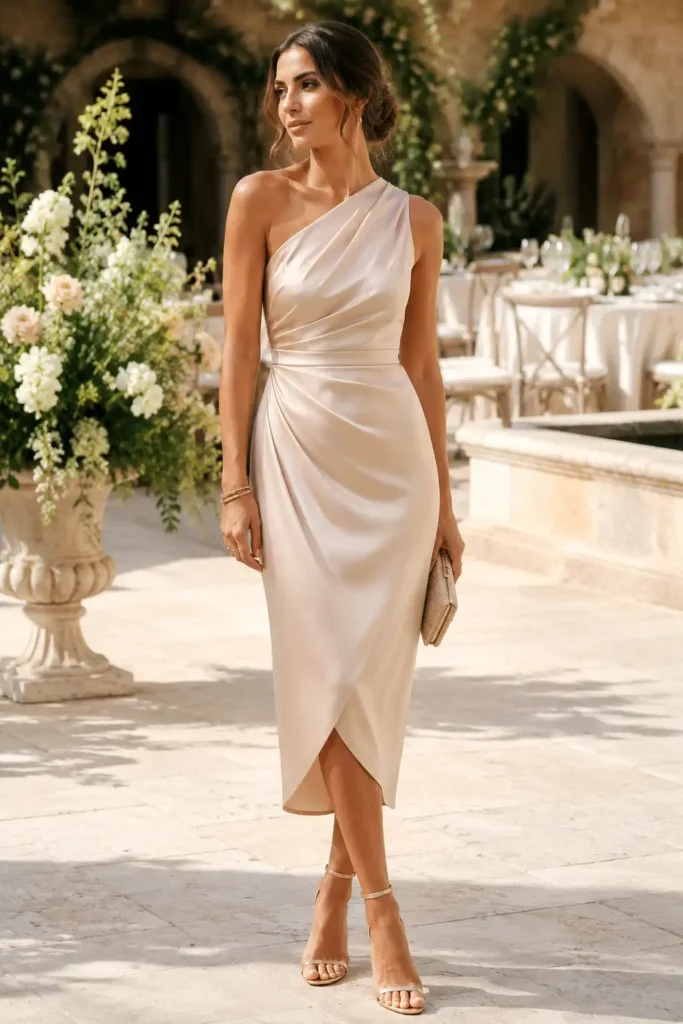
UK wedding guest ranges commonly rely on midi and maxi lengths, soft colour stories, floral prints, satin sheen, lace placement and refined drape. Production planning needs extra attention to colour batches because several silhouettes may be merchandised together. Lining colour, zip tape, thread and trims should sit within the same visual family. Fit review should consider seated comfort, arm movement, neckline security and heel-dependent length, while packing should limit deep creasing before ecommerce or retail presentation.

Party Cocktail Dresses

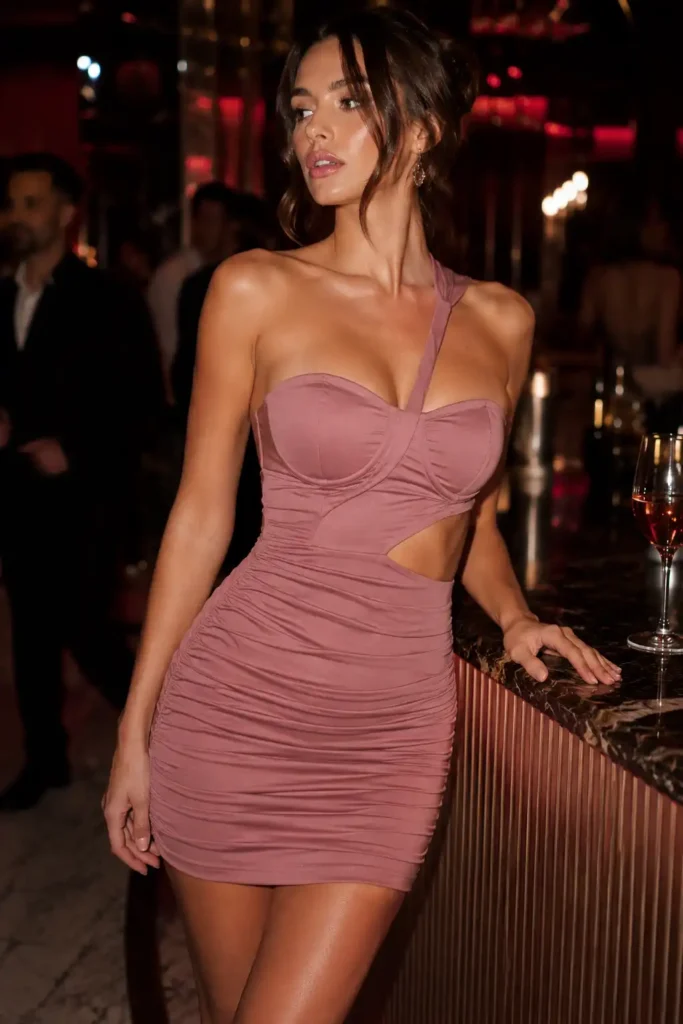
Party and cocktail dresses depend on immediate visual impact, yet wearability still drives returns. Mini lengths, cut-outs, sequins, ruching, asymmetry and exposed shoulders can create tension or exposure when pattern balance is weak. Development should test the garment under movement rather than only on a mannequin. Bulk control focuses on cut-out stability, seam strength, sequin edge finishing, lining coverage, fastening security and consistent mini length across sizes.

Bodycon Club Dresses

Bodycon and club dresses require measured negative ease, controlled stretch direction and enough recovery to hold the silhouette after wear. Fabric composition alone does not confirm performance; weight, knit construction, stretch percentage, recovery and lining all matter. Fit checks cover bust containment, waist suppression, hip movement, side-seam straightness, hem security and wash stability. Production bundles should remain separated by size to prevent panel or label mixing across close-looking styles.

Satin Slip Dresses

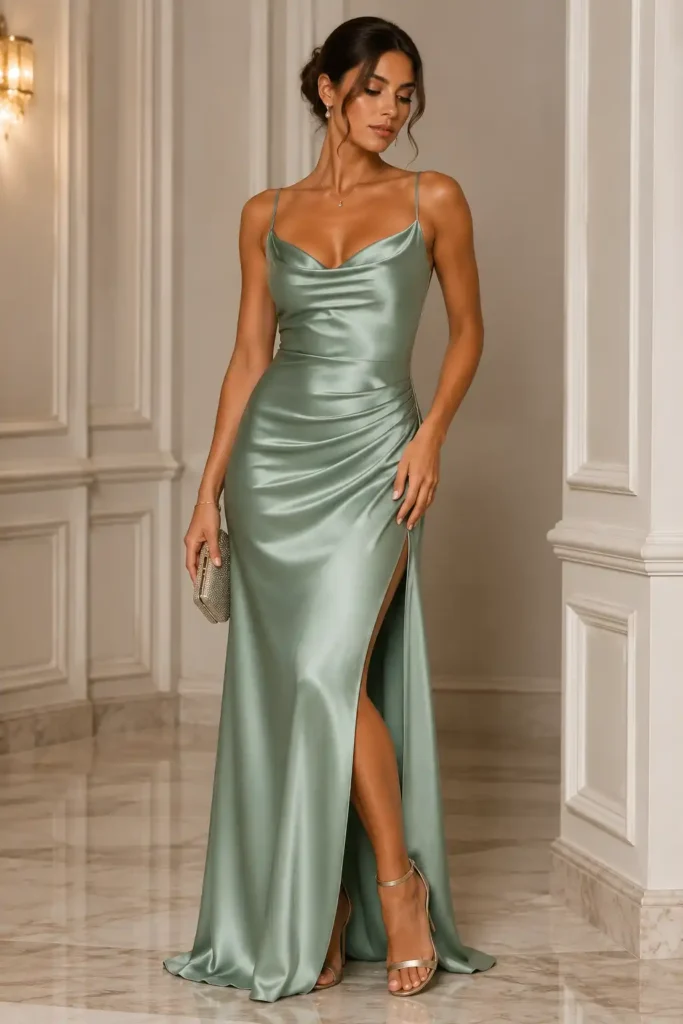
A satin slip dress appears simple but exposes every weakness in grain, cut, pressing and finish. The development team checks drape, bias behaviour, cowl depth, strap position, neckline stability, zip insertion, seam puckering and lining compatibility. Fabric face and shade direction must stay consistent during cutting. Bulk garments need protection from snagging, heavy pressing marks and hardware contact, with packing methods selected to reduce wrinkles before delivery.

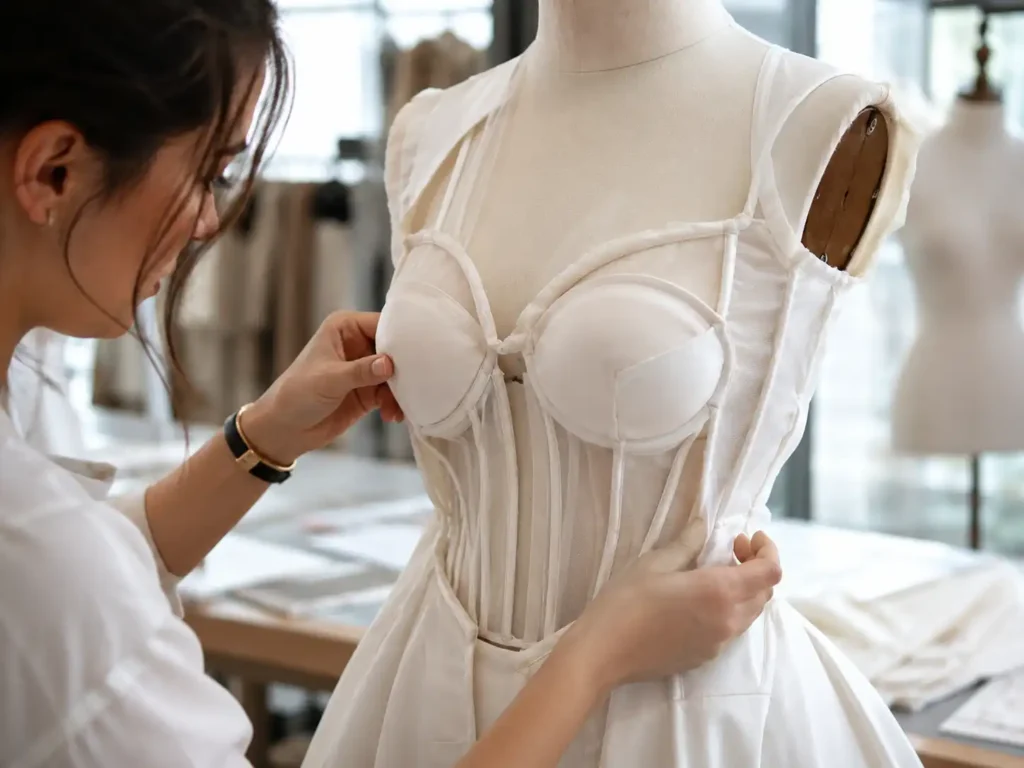
Corset Structured Dresses

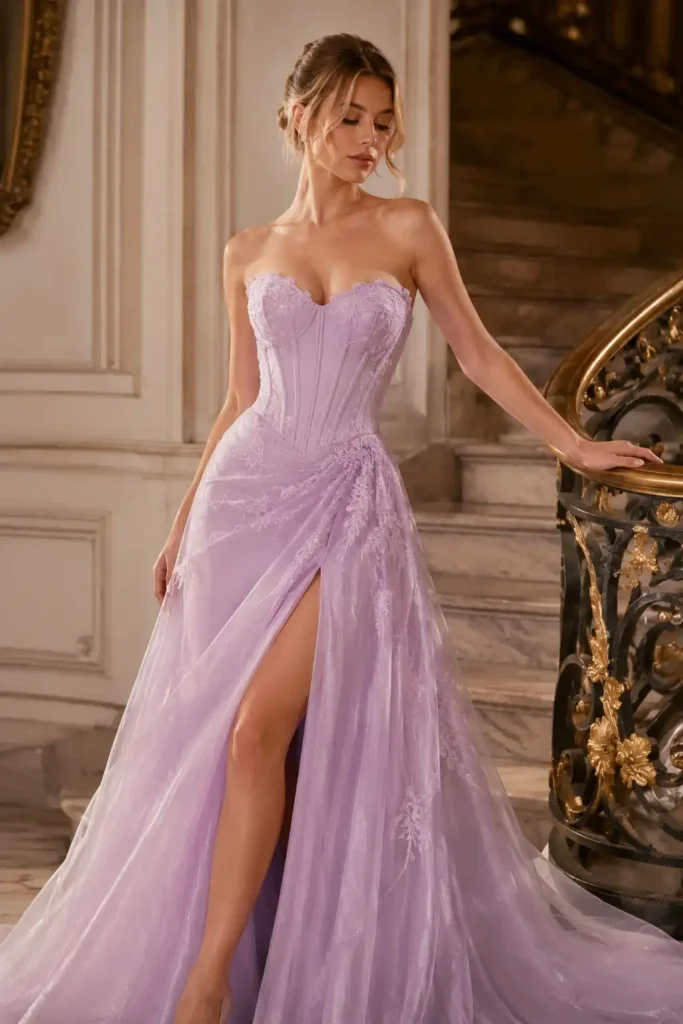
Corset and bustier styles require engineering around upper-bust security, cup shape, boning channels, waist pressure, zip strength and internal finishing. A good front view is not enough; side coverage and back stability determine whether the garment can be sold confidently. Development may need more revision rounds than a simple woven dress. Before PP approval, the team confirms cup position, boning placement, lining, seam allowance, top-edge grip, symmetry and grading across the intended size range.

Midi Maxi Dresses

Midi and maxi dresses need length control tied to intended footwear, waist position, hem shape, lining and fabric weight. Uneven hems become highly visible in fluid fabrics, while long slits need movement testing and reinforcement. Size grading must preserve proportion rather than simply adding equal length everywhere. Bulk QC measures centre-front, centre-back, side length, slit point and hem balance, followed by packing tests that reduce fold marks on satin, velvet and pressed fabrics.

Resort Vacation Dresses

Resort collections often use lightweight viscose, rayon, linen blends, chiffon, printed fabrics and relaxed silhouettes. The manufacturing risk moves toward print placement, shrinkage, opacity, seam slippage and travel-friendly finishing. Samples should be reviewed after fabric testing where relevant, especially for loose weaves and high-shrinkage materials. Collection planning can connect dresses with matching skirts, tops or sets while preserving colour batch, print scale and private-label presentation.

Office Evening Dresses

Office-to-evening dresses rely on controlled tailoring rather than heavy occasion construction. Ponte, crepe, suiting, jersey and satin details can create a polished product when waist shaping, darts, neckline, sleeve movement and hem line are correct. Development should protect comfort for extended wear while keeping a clean silhouette. Bulk production requires consistent pressing, seam appearance, zipper insertion, lining attachment and measurement control, particularly across fitted midi shapes and multi-size retail ranges.

Build Collections Around UK Selling Seasons

Seasonal planning connects product development with campaign dates, retailer intake windows and expected weather. A collection can mix commercial carryover shapes with stronger image styles while sharing fabrics, colour stories, trims and packing rules. Plan Your Season

Spring Summer

Lightweight woven dresses, floral prints, linen blends, viscose, chiffon, soft satin and open-back shapes suit spring and summer trading. Development should account for opacity, shrinkage, colourfastness, print placement and travel creasing. Sampling priorities often begin with campaign and fit-critical shapes, followed by commercial colour extensions once fabric and pattern direction are approved.

Wedding Occasion

Wedding season programs may include wedding guest, bridesmaid-inspired, cocktail and formal midi or maxi dresses. Colour consistency matters when several silhouettes form one story. Fabric, lining, zip tape and trims should be reviewed as a coordinated palette. The project plan needs adequate time for fit revisions, photo samples, PP approval and retail-ready packaging before the main event calendar.

Festival Social

Festival and social ranges use mini lengths, mesh, sequins, cut-outs, bodycon fits, ruching and asymmetry. Product teams should prioritise movement, coverage, stretch recovery and embellishment security. A style looking strong in a still photograph can fail during sitting, dancing or walking, so sample feedback should include movement and side-view checks before bulk release.

Autumn Holiday

Autumn and holiday party collections often shift toward velvet, sequins, long sleeves, darker satin, structured midi shapes and evening dresses. Material handling and pressing become central because pile, shine and embellishment can mark during production. Delivery planning should protect campaign shoots and peak-season intake dates, with freight options reviewed before the final production window becomes compressed.

Fabric Directions for UK Dress Programs

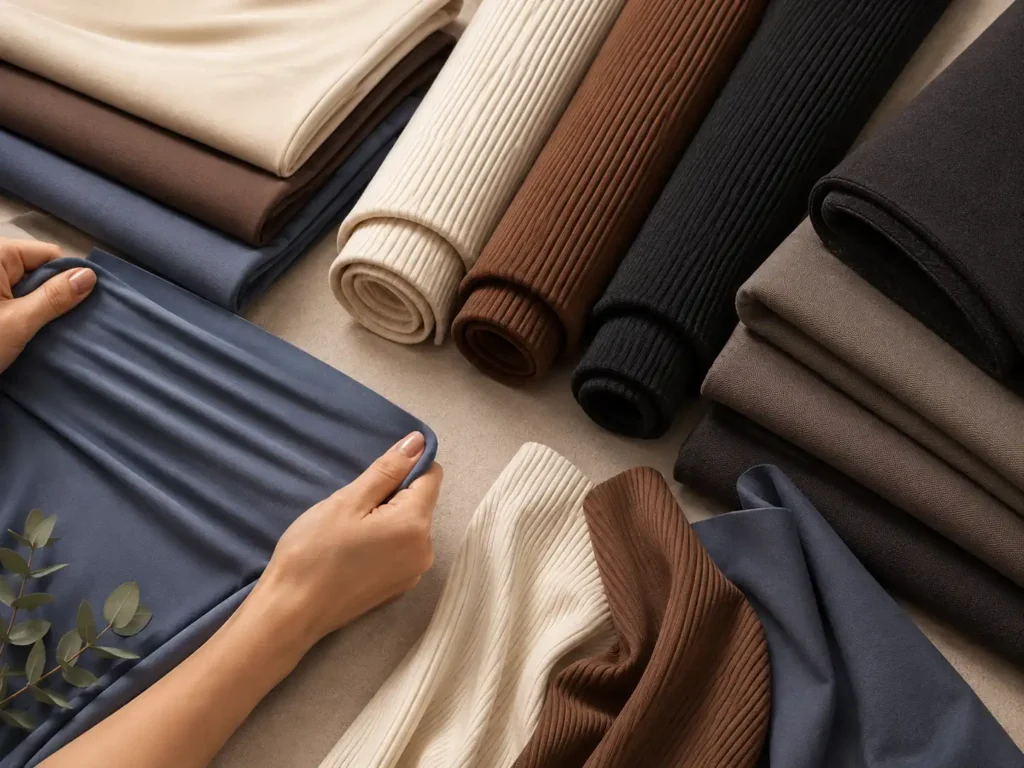
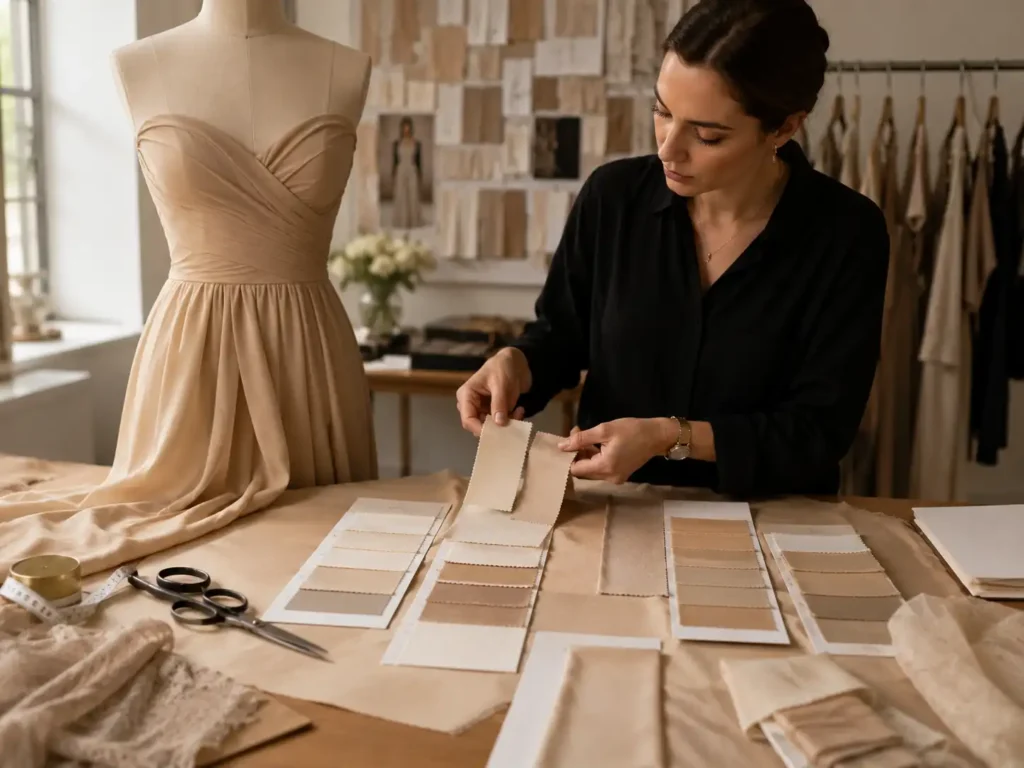
Fabric controls silhouette, fit, cost, care, packing and return risk. Jinfeng Apparel compares material performance against the proposed style rather than selecting only by composition name or price per metre.

Satin Stretch Satin

Satin ranges from fluid lightweight constructions to heavier structured qualities, and stretch satin adds another fit variable. Development reviews face direction, drape, opacity, snag risk, crease recovery, zip behaviour and lining. Bias-cut shapes need grain control, while fitted satin dresses need enough body to avoid every seam allowance showing through. Bulk fabric approval should cover colour and shine under consistent lighting. Cutting, sewing and packing must protect the face from scratches, heavy pressing marks and contact with rough trims.

Chiffon

Chiffon is valued for movement and layering but can shift during cutting, pucker at seams and reveal uneven hems. Weight, transparency and surface texture determine whether a dress needs one lining layer, double layers or selective opacity panels. Development checks gathering, ruffles, sleeve balance, neckline stability and seam allowance visibility. Bulk control includes fabric defects, colour variation, panel direction, hem evenness and pressing temperature. Printed chiffon also needs placement and repeat review before production markers are finalised.

Lace

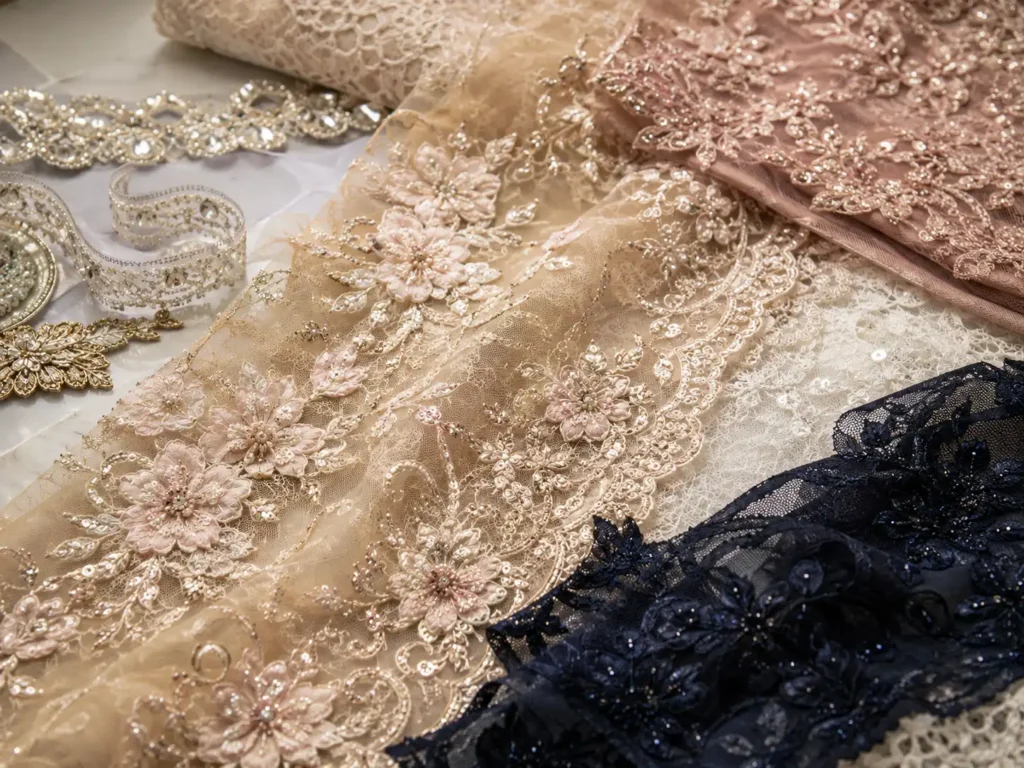
Lace should be selected by motif scale, stretch, edge finish, stability, transparency and placement potential. A lace listed under the same fibre content can behave very differently depending on construction. Samples test whether motifs align at centre front, seams and neckline, whether edges need binding or appliqué work, and whether lining colour supports the intended visual depth. Bulk inspection focuses on holes, broken motifs, mismatched placement, seam bulk, loose appliqué areas and consistent orientation across garment panels.

Mesh Power Mesh

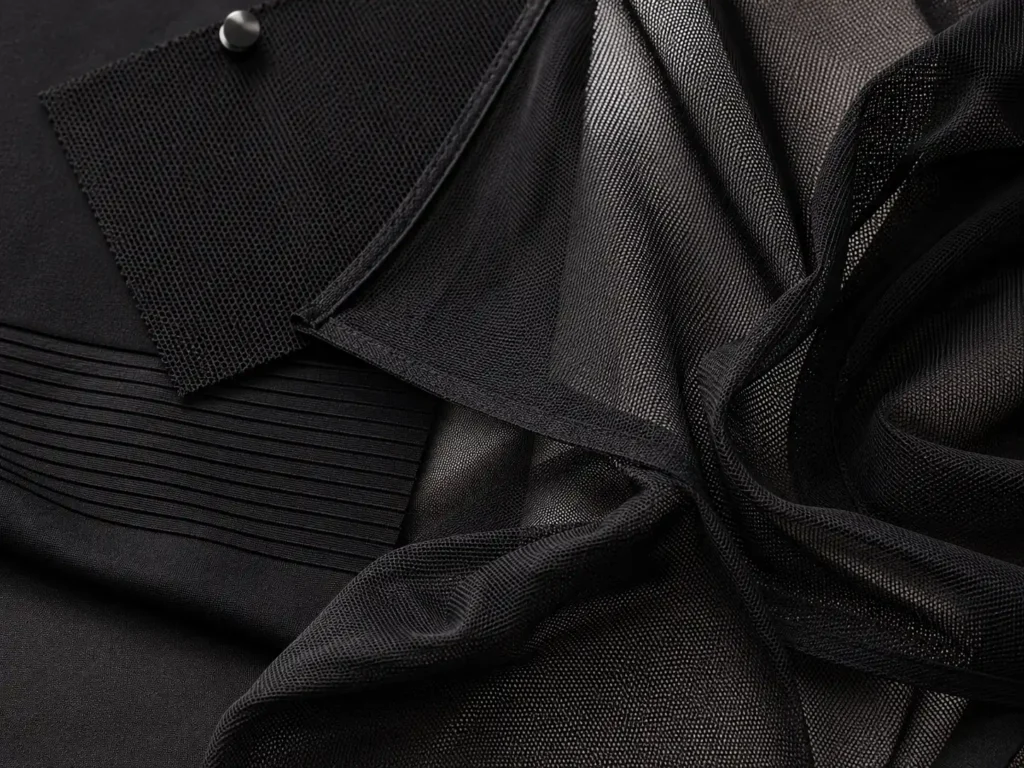
Soft mesh, stretch mesh and power mesh serve different purposes. Soft mesh creates drape and transparency; power mesh adds support and recovery. Development examines stretch direction, recovery, sheerness, edge curling, needle damage, neckline stability and compatibility with lining or body fabric. Bodycon and corset styles may combine several mesh weights. Bulk checks include holes, skipped stitches, seam waviness, panel distortion and shade matching because mesh can look different when layered over lining.

Jersey Rib Knit

Jersey and rib knit dresses depend on fabric weight, stretch, recovery, shrinkage, spirality and surface stability. A bodycon pattern needs fabric-specific negative ease; moving to another jersey without pattern review can alter fit throughout the size range. Samples should be assessed after resting and, where relevant, after wash testing. Bulk production controls cut-panel relaxation, stretch direction, side-seam twist, neckline recovery, hem waviness, measurement tolerance and size identification.

Ponte Crepe

Ponte provides body and recovery for fitted or tailored dresses, while crepe ranges from fluid qualities to firmer structured constructions. Both are useful for polished midi, office and occasion shapes. Development reviews thickness, drape, seam impression, stretch, pressing response and lining need. Pattern lines should use the fabric’s natural support rather than relying on excessive tightness. Bulk checks cover surface marks, seam flatness, dart points, zip insertion, pressing shine and consistent silhouette.

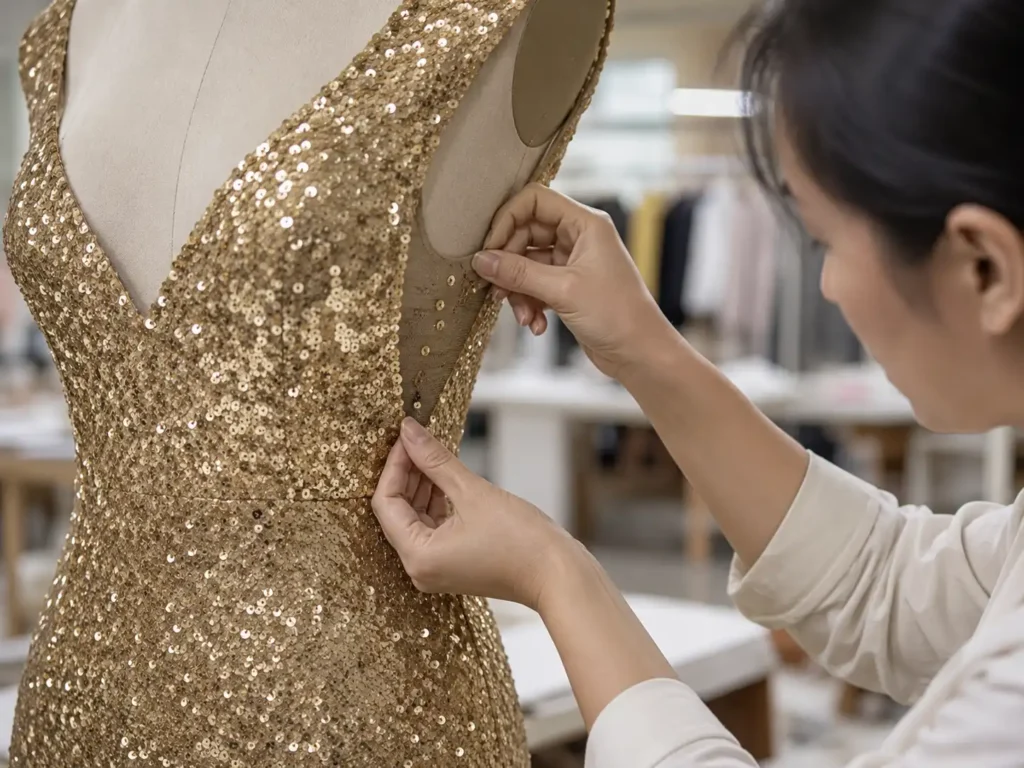
Sequin Fabric

Sequin fabrics can be embroidered, bonded or stitched onto different bases, creating wide variation in weight, stretch and shedding. Development identifies where sequins need removal from seam allowances, how edges will be protected, whether lining prevents scratching, and whether the zip can operate without obstruction. Needle and thread choice may need style-specific trials. Bulk inspection covers loose or missing sequins, exposed sharp edges, seam strength, lining coverage, garment weight distribution and protective packing.

Velvet Organza Tulle

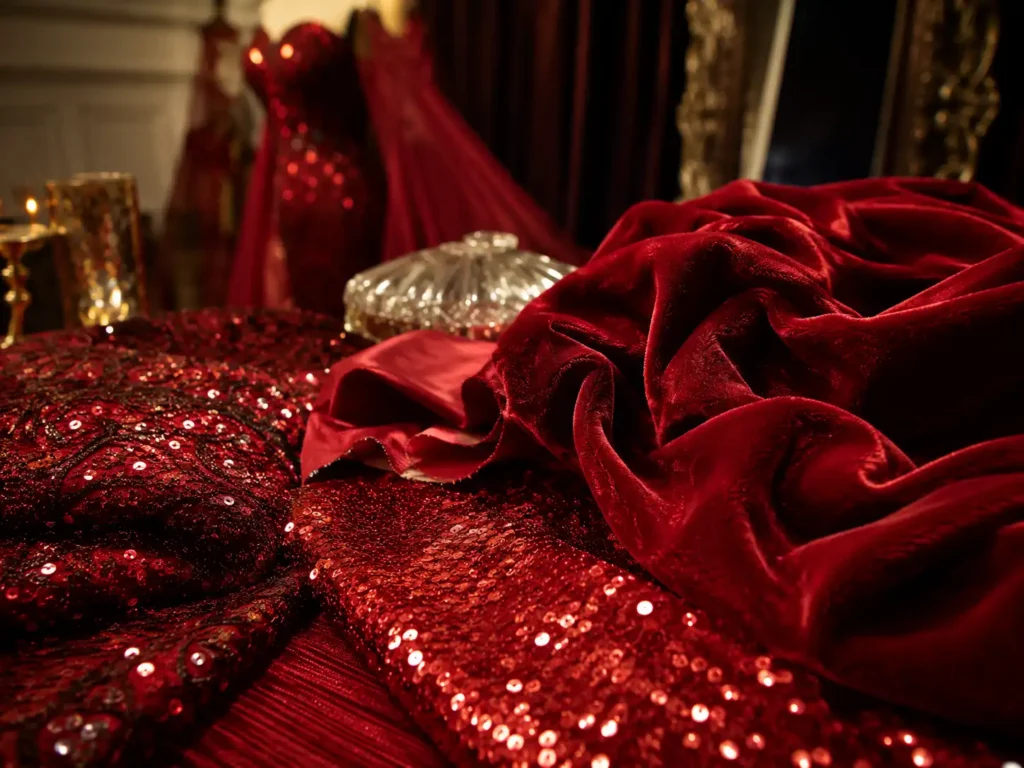
Velvet, organza and tulle produce distinctive evening and occasion effects but require different handling. Velvet has pile direction and pressure sensitivity; organza is crisp, transparent and prone to visible seam allowance; tulle can tear or distort at stress points. Development confirms direction, layering, support, hem method and pressing limits. Bulk control keeps panel orientation consistent, protects surfaces from crushing, checks layered symmetry and selects packing that preserves volume without damaging embellishment or structure.

Fit and Construction Control for Dresses

Dress fit is controlled through measurable points, pattern balance and movement, not through a single front photograph. Sample comments are translated into pattern, grade and QC files before bulk production.

Bust, Waist and Hip Balance

Fitted dresses are built around the relationship between upper bust, full bust, under bust, waist, high waist, low waist and hip rather than a single circumference. A bodycon dress may require negative ease, but excessive reduction can pull side seams forward, create horizontal drag lines, distort the neckline or cause the hem to rise. A corset dress needs enough upper-bust security to stay in position while still allowing breathing and movement. A loose satin slip dress may need less shaping, yet cowl depth, back width and strap placement still affect coverage. Jinfeng reviews measurements together with front, side and back fit images. Comments such as “too tight” are converted into specific actions: releasing the waist, reshaping the hip curve, lowering or raising the waist seam, adjusting dart intake, moving the side seam, revising cup position or changing fabric stretch assumptions. Final changes are carried into the pattern, size chart, grade rule and PP sample rather than left as informal notes.
Neckline, Strap and Internal Support

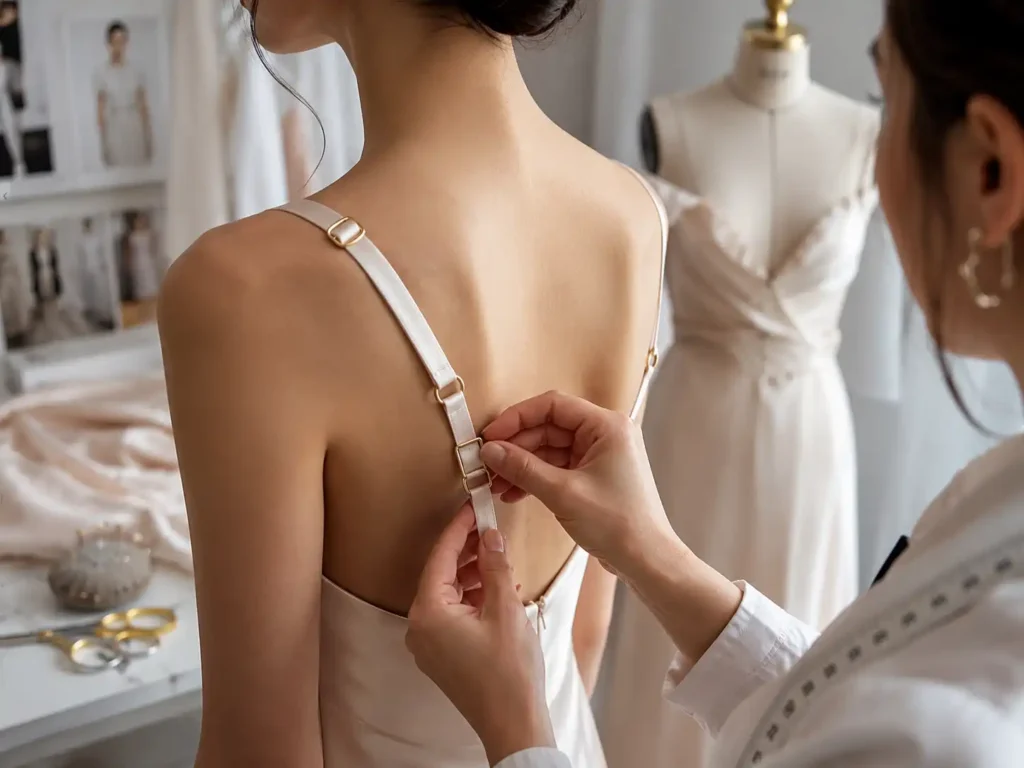
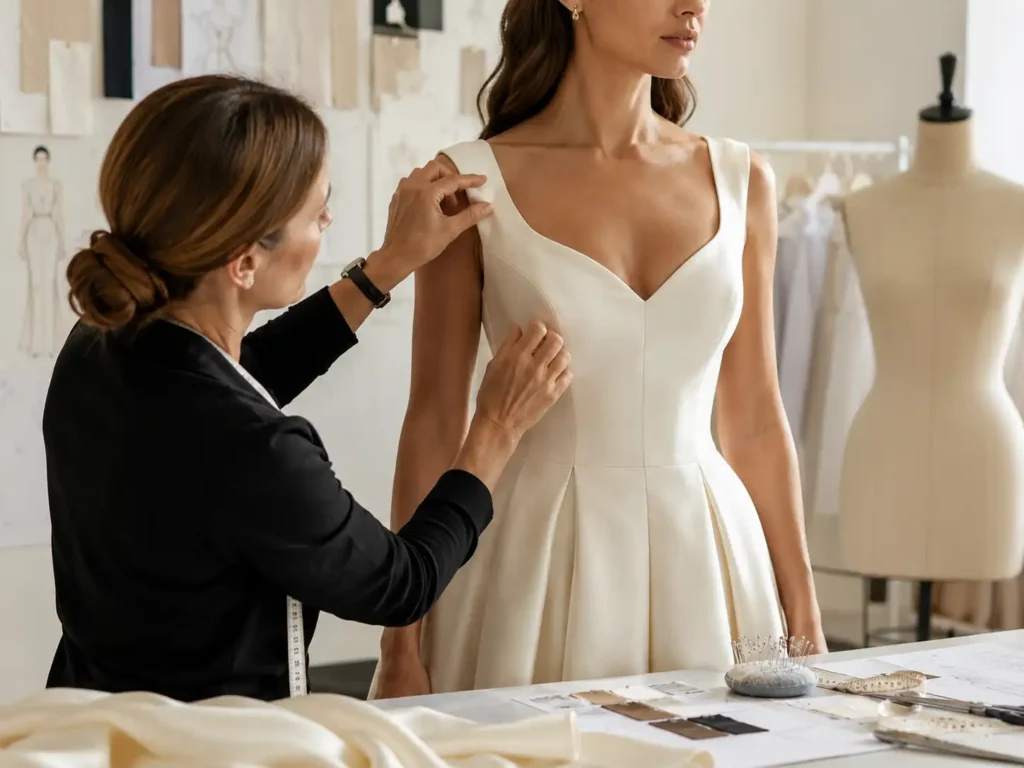
Neckline design affects appearance, wear security and production method. Halter styles must distribute neck pressure and control side-bust coverage. Strapless dresses need upper-bust shaping, support components and grip without forcing the wearer into excessive compression. Deep-V and backless dresses require stable front coverage, side coverage and strap or tape placement. Adjustable straps need correct slider size, elastic or tape strength and repeatable finished length. Corset structures may include bra cups, boning, underwire, waist tape or internal panels, but every component must match the pattern and fabric rather than being added automatically. During development, Jinfeng checks neckline depth, armhole shape, strap position, cup level, boning end points, lining attachment and zip behaviour. Support details are then described in the BOM and sewing instruction so bulk teams reproduce the approved construction instead of interpreting the sample independently.
Length, Slits, Lining and Grading

Length decisions influence safety, proportion, return rates and packing. Mini dresses need enough movement allowance and lining coverage to reduce exposure. Midi shapes should preserve the intended leg proportion across sizes, while maxi dresses need balanced front, back and side hems, especially in bias, chiffon or asymmetric styles. Slit height must be measured from a fixed garment point and tested when standing, walking and sitting. Lining can control opacity, support, comfort and seam visibility, but an incorrect lining length may pull the outer fabric or become visible at the hem. Jinfeng can work with brand size charts including XS-XL and wider size structures, yet grading is reviewed according to silhouette. Bust, waist, hip, length, strap, armhole, neckline and slit do not always increase by the same amount. Bulk measurement inspection uses the approved chart and tolerance, while size labels, stickers and carton breakdowns remain connected to the same size ratio.

Trims, Workmanship and Finishing Details
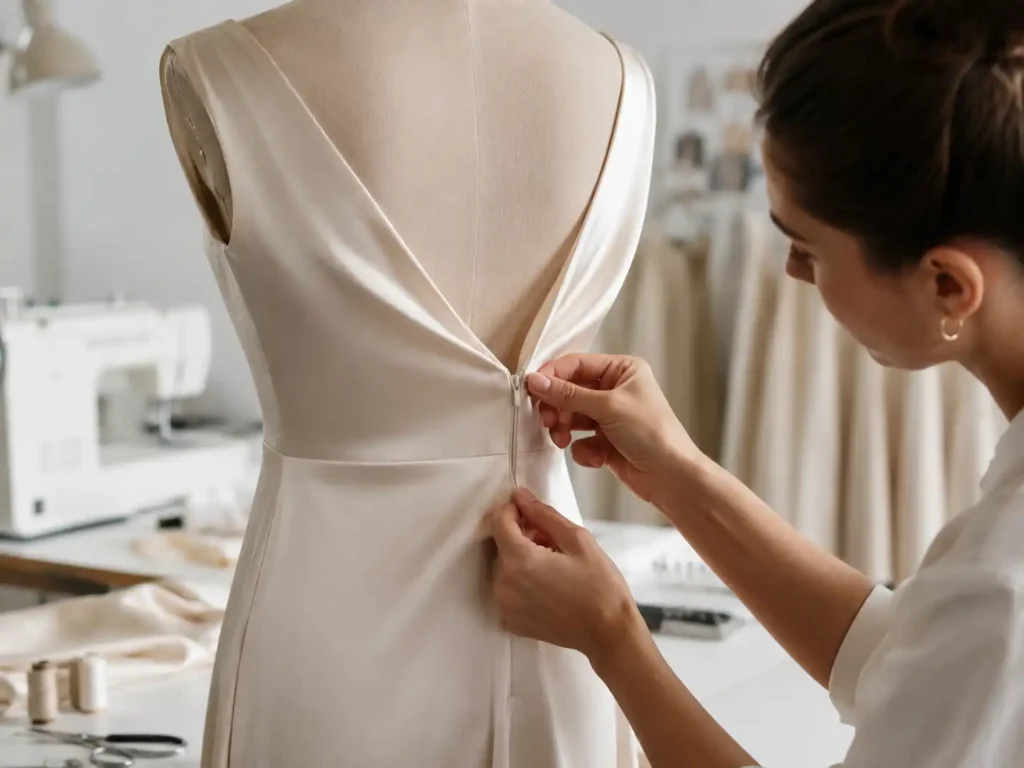
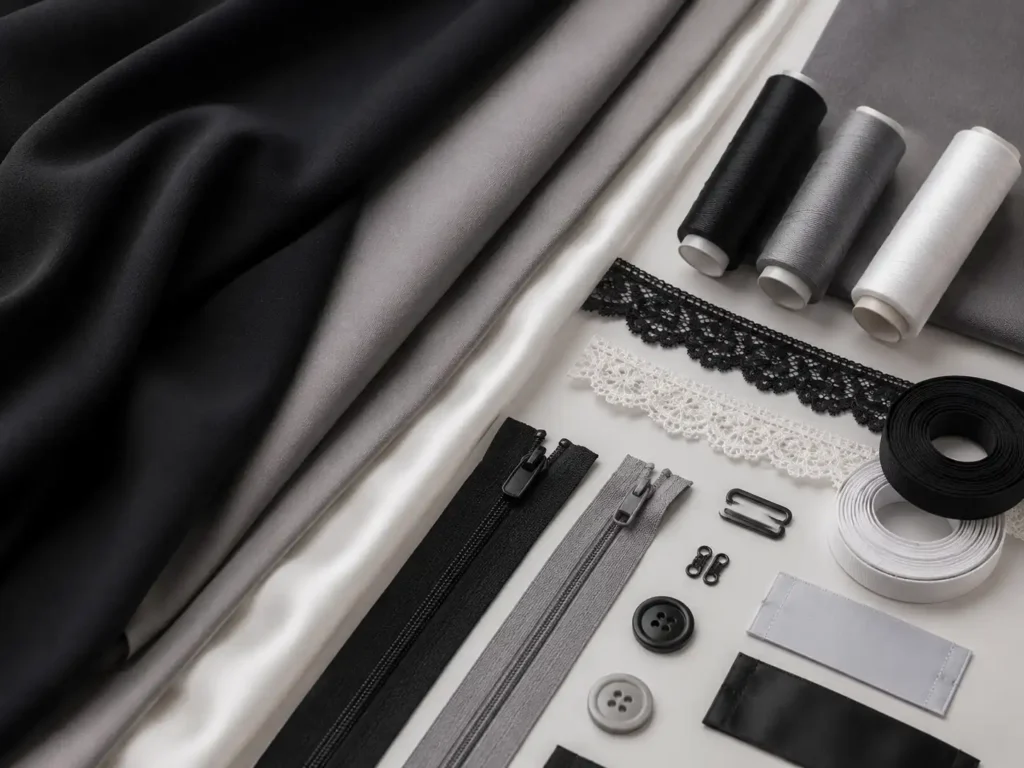
Small construction choices determine whether a dress feels brand-ready or unfinished. Trim specifications, internal support, seam execution, pressing and packing are managed as part of the garment rather than left until the end.

Zippers Closures

Invisible, metal and exposed zippers require different seam preparation, tape allowance and pressing. A zip may bulge when fabric is too light, seam allowance is unstable, the tape is stretched or lining pulls against the opening. Development checks zip length, colour, puller, top finish, opening strength and skin contact. Bulk inspection verifies smooth operation, flat insertion, matching seam levels, secure ends and correct closure specification. Hooks, bars, snaps and buttons are selected and tested against the garment’s stress points.

Cups Boning Support

Bra cups, boning, underwire and internal support panels must be positioned from the approved pattern, not copied by eye from a sample. Cup shape affects neckline, bust projection and side coverage; boning placement affects waist line and comfort. Development confirms support level, attachment, channel width, end protection, symmetry and compatibility with stretch or woven fabrics. Bulk checks look for misalignment, twisting, sharp ends, loose attachment, uneven cup height and differences between left and right sides.

Lining Coverage

Lining controls opacity, comfort, shape and internal cleanliness. A full lining may be unnecessary for every style, while partial lining can fail if its edge is visible or unstable. Satin, mesh, lace, sequin and light-colour dresses each need fabric-specific decisions. Development confirms lining composition, stretch, colour, length, attachment and seam method. Bulk inspection checks that lining does not twist, pull, show below hems, expose raw support materials or create colour contrast through sheer outer fabric.

Straps Elastics Sliders

Straps and elastics carry both fit and safety functions. Finished strap length, slider travel, tape width, elastic recovery and attachment strength should be controlled numerically. A strap can appear correct on a mannequin yet stretch during wear or differ across sizes. Development tests adjustability, edge comfort, attachment position and load. Bulk QC checks symmetry, slider direction, bartacks, elastic length, recovery and the correct trim colour, especially when several similar colours or SKUs run together.

Lace Stones Sequins

Decorative trims add value only when placement, attachment and comfort are controlled. Lace appliqué needs stable edges and balanced motif direction. Rhinestones and bead chains require attachment methods suited to the fabric and care method. Sequins should not leave sharp areas at armholes, necklines or side seams. Development maps trim placement and identifies areas needing backing or lining. Bulk inspection checks count, spacing, adhesion or stitching, symmetry, shedding, exposed edges and packing protection.

Seams Hems Pressing

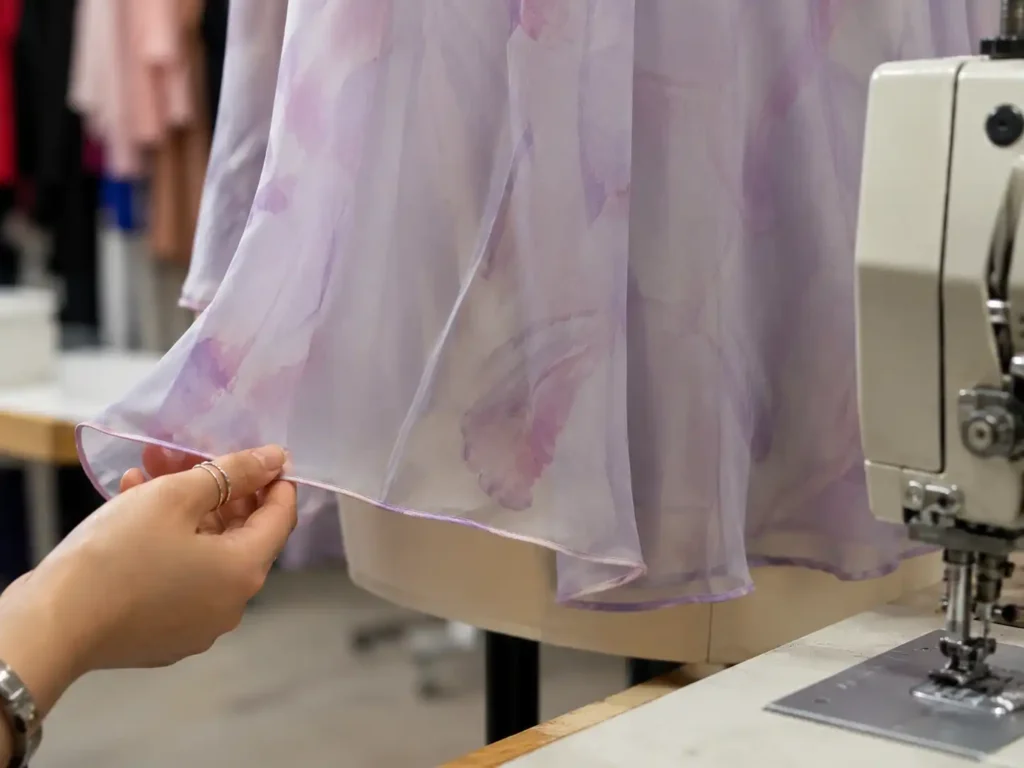
Seam type and stitch density should suit the fabric, stretch and stress level. Fine satin can pucker under heavy tension; mesh can ladder around needle holes; heavy sequin fabric can create bulky seams. Hem methods influence drape, weight and appearance, especially on chiffon, satin and curved maxi hems. Pressing is equally important: excessive heat or pressure can create shine, flatten texture or mark seam allowances. Final QC examines seam flatness, thread cleanliness, hem balance, pressing marks and presentation before packing.

From Tech Pack to First Sample

Clear input shortens unnecessary confirmation and improves the value of the first sample. Jinfeng can start from several development formats, but product direction, quantity, size and market requirements still need to be defined.

Project Review

The team reviews tech packs, reference images, original sample photos, sketches or line sheets together with quantity, colour plan, size range, fabric preference and target launch. The review identifies missing measurements, unclear construction, material conflicts, specialist trims and potential MOQ constraints before pattern work starts.

Fabric Direction

Fabric is matched to silhouette, hand feel, drape, stretch, opacity, care, cost and availability. Alternatives are compared using measurable differences such as weight, width, recovery, shrinkage or lining need. A material substitution is not approved only because it looks similar in a small swatch.

Trim Direction

Zippers, cups, boning, sliders, elastics, lace trims, stones, labels and packaging items are reviewed for function, colour and supplier readiness. Standard trims often move faster than metal or specially developed items, which can add several days or more to preparation depending on specification and availability.

Pattern Development

Pattern makers translate the approved measurements, silhouette and fabric assumptions into a development pattern. Key points include bust, waist, hip, shoulder, armhole, neckline, strap, length, slit, lining and, for jumpsuits, crotch length. Construction allowances are planned for the intended sewing and finishing method.

Sample Construction

Sample machinists build the garment according to the development pattern, material selection and trim direction. Complex styles may require construction trials around cups, boning, mesh layering, lace placement, sequin edges, cut-outs or asymmetric drape before the first sample is ready for internal review.

Internal Review

Before dispatch, the sample is measured and reviewed for structure, workmanship, fit risk, material behaviour and obvious differences from the brief. Photos or videos can be used for early discussion, while final fit judgement remains linked to the physical sample, approved model or dress form and the brand’s measurement standard.

Sample Revision and PP Approval

A first sample confirms direction; it does not lock bulk production. Revised samples, photo samples, PP samples and Golden samples serve different purposes and should remain clearly separated in the approval record.

Revision Rounds Follow Product Complexity

Simple dresses and skirts commonly move through one first sample and one revised sample when fabric, measurement and construction are already clear. Medium-complexity styles often require one first sample plus one or two revised samples. Corset, strapless, evening, sequin, lace and mesh products may need around two revised samples, depending on structural change and fit feedback. Those figures describe development logic rather than a guaranteed sample calendar. Material readiness, custom trims, feedback speed and the degree of design change all affect timing. A complete change of fabric, silhouette or support construction may require a fresh evaluation instead of being treated as a minor revision. Each review should identify the issue, its cause, the required pattern or construction action, and any effect on cost, MOQ or delivery. The revised output is then checked against the latest approved file, not the original brief alone.

Photo Samples Do Not Replace PP Samples

A photo-ready sample may be prepared for campaign content, ecommerce photography or internal line review, often with extra emphasis on the selected size and visual finish. A PP sample has a different role: it confirms the production-ready combination of fabric, colour, trims, measurements, construction, labels and packing.

Treating a campaign sample as automatic bulk approval can leave unresolved grade, material or packing issues. Before PP approval, Jinfeng checks that style structure, basic fit, fabric, colour, trims, sewing method, label placement, packaging and commercial basis are stable.

Major changes after PP approval can affect purchased materials, patterns, cost, production instructions and line timing, so they must be reviewed as controlled changes rather than informal edits.

Golden Sample and Production Handover

Once the production standard is sealed, the Golden sample supports bulk comparison together with the final pattern, size chart, grade rule, BOM, fabric reference, trim card, sewing instruction, label placement, packing instruction and QC checklist.

No single sample should carry the whole standard without documents because measurements, colour files and packaging details may not be visible on the garment. Production handover connects development decisions with the factory team assigned to the style. Inline inspectors can then compare critical workmanship and measurements before defects spread through the order.

For repeat production, the retained records reduce the risk of colour, trim, fit or packing drift, although current fabric batches and supplier availability still need confirmation for every reorder.

MOQ and Quotation for UK Dress Programs

MOQ is calculated by style and colour, while quotation reflects the approved product structure. Clear quantity, material and packing information allows the cost to be assessed without weakening the intended brand appearance.

Quotation Factor

Production Effect

Information Needed

Fabric

Changes material cost, consumption, shrinkage, lining, handling and supplier MOQ.

Composition or quality reference, weight/hand feel, colour and preferred finish.

Construction

Changes pattern work, sewing time, internal support, seam method and QC risk.

Tech pack, reference images, original sample details and construction notes.

Trims

Changes function, development time, attachment and supplier minimums.

Zip, cup, boning, slider, elastic, lace, stone or hardware specifications.

Colour Plan

Changes fabric ordering, dyeing, shade control, cutting and SKU management.

Colour names, Pantone or swatch, quantity by colour and lining/trim matching.

Size Range

Changes grading, size ratio, measurement checks, labels and carton breakdown.

Base-size chart, grade rules if available, size ratio and measurement tolerance.

Private Label

Changes artwork confirmation, supplier MOQ, packing labour and warehouse readiness.

Woven label, care label, hangtag, barcode, polybag and carton files.

Timing

Changes material route, sample priority, production allocation and freight choice.

Campaign, PP, ex-factory, shipment and warehouse receiving milestones.

Plan Bulk Production

Scalable Bulk Production Across Multiple Styles
Collection orders are divided into controllable groups before factory release. Style allocation, material readiness, approval status and launch priority determine how production is organised and monitored.

Style Allocation

Styles are grouped by woven or knit construction, material family, complexity, trim content and finishing level. A satin slip dress, mesh bodycon dress and corset evening dress should not be treated as interchangeable production tasks. Allocation considers which factory and team are suited to the approved construction and quantity.

Material Readiness

Bulk release depends on approved fabric, colour, lining and trims. Late materials can disrupt cutting and line loading even when garment patterns are complete. Jinfeng tracks approvals and arrival status so style priority can be adjusted before missing components create avoidable idle time or rushed substitution.

PP Handover

The production package includes final pattern, grade rule, size chart, BOM, fabric and trim references, sewing instruction, label placement, packing instruction, QC checklist and approved sample. A handover prevents the bulk team from rebuilding decisions already made during development.

Progress Tracking

A multi-style order needs progress by style and stage rather than one overall percentage. Fabric arrival, cutting, sewing, inline QC, finishing, packing and inspection are tracked separately so delayed or higher-risk styles can be addressed without hiding behind the progress of simpler products.

Multi Size Control

XS-XL or wider size ranges are bundled, labelled and measured against the approved chart. Size ratios influence cutting, packing and carton plans. Close-looking panels or trims must remain separated to prevent cross-size mixing, while measurement inspection targets critical points for each silhouette.

Protecting Your UK Launch Calendar

A credible timeline works backwards from campaign, ecommerce launch, retail intake and warehouse dates. The dates are confirmed by project because style complexity, material readiness, revisions, order size, packing and freight route differ.

Brief Lock

Confirm product direction, quantity by style and colour, target size range, fabric preference, label requirements and destination. Missing commercial information delays fabric and cost decisions before any pattern work begins.

Development Window

Set priorities for first samples, fit-critical styles, photo samples and revised samples. Simple and complex styles should not be given identical approval assumptions. Fast brand feedback is as important as sample-room capacity.

PP Approval

Lock fabric, colour, trims, measurements, construction, labels and packing before bulk release. Any major change after approval is assessed for cost, material and schedule impact rather than pushed into production informally.

Material Arrival

Track bulk fabric, lining, trims, labels and packaging against the planned cutting date. Standard items may move quickly, while metal trims, special colours or custom packaging can require longer supplier preparation.

Production QC

Plan cutting, sewing, inline inspection, finishing, final measurement, packing and AQL or nominated inspection as separate milestones. QC time must not be removed from the schedule simply because production started late.

Freight Warehouse

Confirm ex-factory timing, booking cut-off, documents, transit route and warehouse receiving requirements. Air, sea or split shipment decisions should be made before the launch is at risk, not after final packing.

Brand-Level Quality Control for Dresses

Quality control begins before cutting and continues through packing. Inspection points are selected around material behaviour, garment structure, measurements, appearance and retail delivery rather than relying on one final check.

Fabric Inspection

Incoming fabric is reviewed for visible defects, shade, width, handle and relevant project requirements before cutting. Satin, lace, mesh, velvet, printed and sequin fabrics need different inspection focus. Where testing or shrinkage review is required, results should be available before final patterns or production quantities are released.

Cutting Control

Cutting checks grain, direction, print or motif placement, panel count, size identification and fabric-face protection. Satin shine, velvet pile, lace motifs and placement prints can create visible inconsistency when direction changes. Bundles are separated by style, colour and size to reduce mixing during sewing.

Sewing Instruction

Critical construction is defined through sewing instructions and approved samples. The focus may include zip insertion, neckline reinforcement, cup and boning placement, lining attachment, mesh handling, lace joining, sequin edge treatment, slit reinforcement, seam type and hem method. Clear instructions reduce interpretation differences between operators.

Inline Inspection

Inline checks identify repeated problems while correction is still possible. Inspectors review workmanship, measurements and construction at selected stages, especially around necklines, armholes, zippers, waist seams, side seams, slits and internal support. The purpose is to stop a defect pattern before it reaches the whole order.

Measurement Control

Finished and in-process measurements are checked against the approved size chart and tolerance. Critical points depend on silhouette: bust-waist-hip for bodycon, upper bust and cup position for corset, strap and neckline for halter, crotch length for jumpsuit, and total length or slit height for maxi dresses.

Garment Finish

Final garment review covers overall appearance, symmetry, colour, surface defects, loose threads, seam flatness, hem balance, pressing, closure function, lining and decorative trim security. Satin snagging, mesh holes, lace damage, sequin loss and velvet pressure marks are assessed using material-specific criteria.

Packing Verification

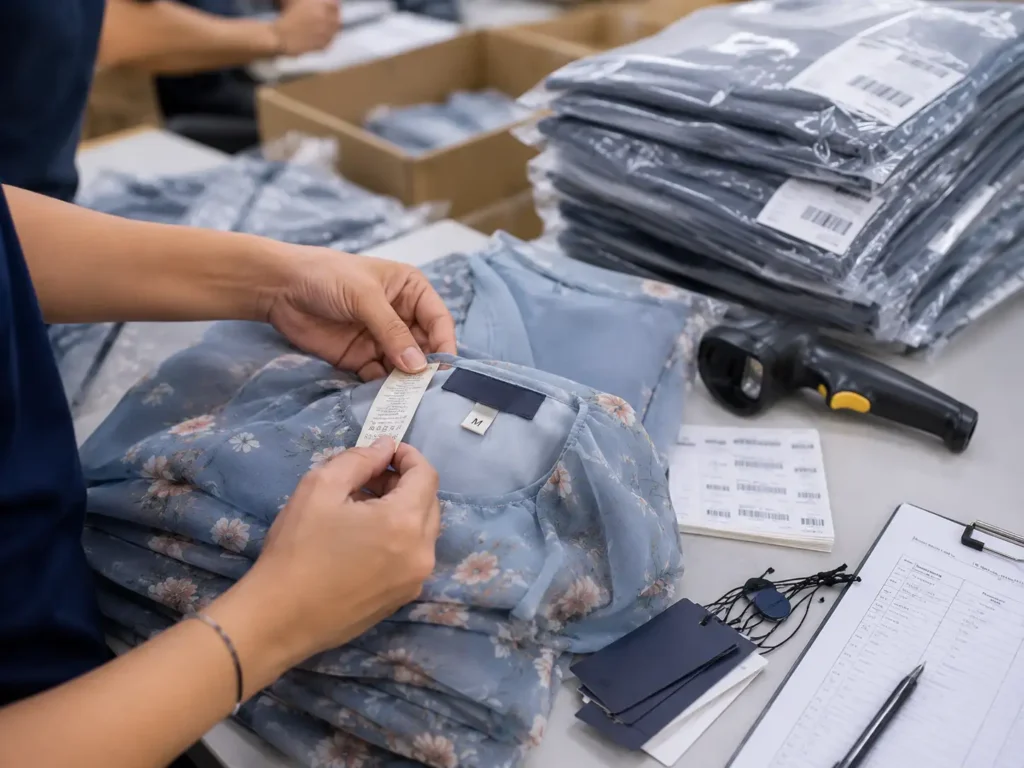
Packing QC verifies label placement, size label, care information, hangtag, barcode, SKU sticker, polybag, folding, carton quantity and carton mark. Colour-size breakdowns are cross-checked against the order because a packing error can cause warehouse rejection even when garment quality is acceptable.

Compliance, Testing and Design Protection

Testing, document support and confidentiality are handled according to the exact fabric, factory, order and destination. Claims are confirmed by project rather than applied broadly across every product.

Testing Scope

Fabric or garment testing is planned from product type, fibre, colour, finish, care claim and destination requirements. Tests may address composition, colourfastness, dimensional change, pilling, seam performance or other agreed criteria. Cost, sample quantity and timing are confirmed before laboratory submission.

Label Coordination

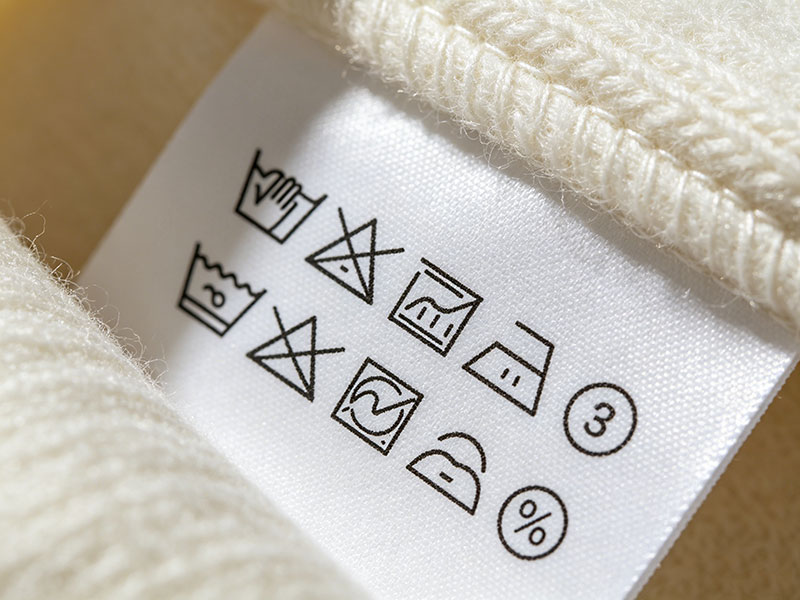
Fibre and care labels are prepared from confirmed material information and the brand’s legal or technical guidance. Jinfeng supports label placement and production execution but does not replace the brand’s responsibility to approve wording, translations, symbols and market compliance before bulk printing.

Certificate Review

OEKO-TEX, GOTS, GRS or other material documentation is reviewed against supplier, article, composition, colour, certificate scope and validity. Availability can affect MOQ, price and lead time. A certificate from one fabric or supplier should not be treated as proof for every fabric used in a collection.

Factory Documents

Social compliance or factory documents are provided only where verified for the relevant manufacturing unit and period. A group-level statement should not imply that every owned or partner factory holds the same audit. Brands may request a project-specific document review or nominated factory audit process.

NDA Cooperation

NDA-based cooperation can protect tech packs, original samples, patterns, measurement files, BOMs, fabric and trim details, labels, packaging files, prices, quantities and launch information. Files are used for project review, development, production, QC, packing and logistics by the teams involved in the order.

Unreleased Styles

Unreleased samples, campaign pieces and seasonal line sheets are not published or shared without permission. Public case material remains anonymised unless written authorisation is provided. Brand names, logos, warehouse information, barcode lists and original design files are treated as confidential project information.

Private Label and UK-Ready Packaging

Private-label delivery is a controlled identification system. Every label, sticker, polybag and carton must match the approved garment, colour, size, SKU and warehouse instruction before shipment.

Woven Labels

Brand labels are produced from approved artwork, dimensions, colour, fold type and placement. Label feel and edge finish matter in dresses worn close to the skin. Bulk verification checks the correct brand version, orientation, stitching and position, especially when several labels or sub-lines run in one program.

Size Labels

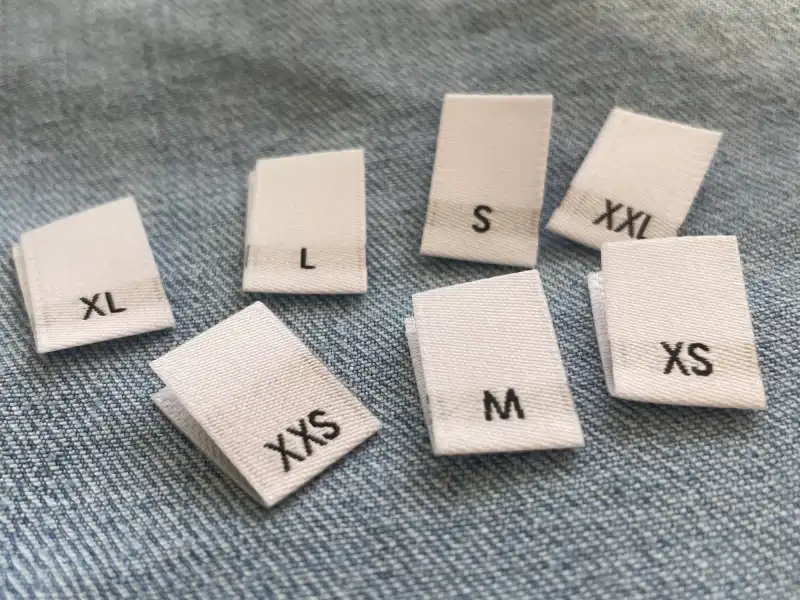
Size labels must follow the approved scale and remain connected to garment measurements, polybag stickers and carton breakdown. UK sizing, international sizing or dual-size formats can be produced from the brand’s approved artwork. Production teams verify that size identity is not lost during finishing and packing.

Care Fibre Labels

Care labels can include fibre information, care instructions, country of origin and brand details according to approved files. Material composition must be confirmed before printing. Label length, folding, placement and skin comfort are reviewed because dense multilingual information can become bulky in lightweight dresses.

Hangtags

Hangtags, strings, pins and attachment positions contribute to retail presentation and must not damage delicate fabric. Satin, mesh, lace and sequin garments may need carefully selected attachment points. Bulk checks verify artwork version, price or non-price format, barcode relation, colour and correct application.

Barcode SKU Labels

Barcode and SKU files are checked against style, colour and size before printing and application. A readable barcode alone is not enough if it belongs to the wrong variant. Jinfeng supports barcode stickers, colour stickers, size stickers and warehouse labels using the brand’s approved data and mapping.

Polybags

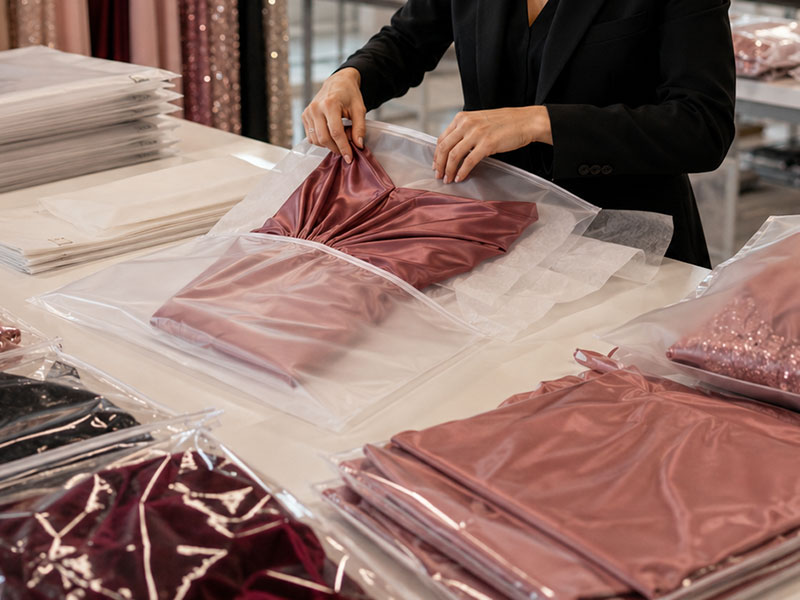
Polybags may use standard or printed formats, warning text, recycling information, ventilation holes, closure tape and external stickers according to the packing specification. Bag size should protect the garment without excessive compression. Delicate or structured dresses may need tissue, support, separate protection or a different fold.

Cartons Marks

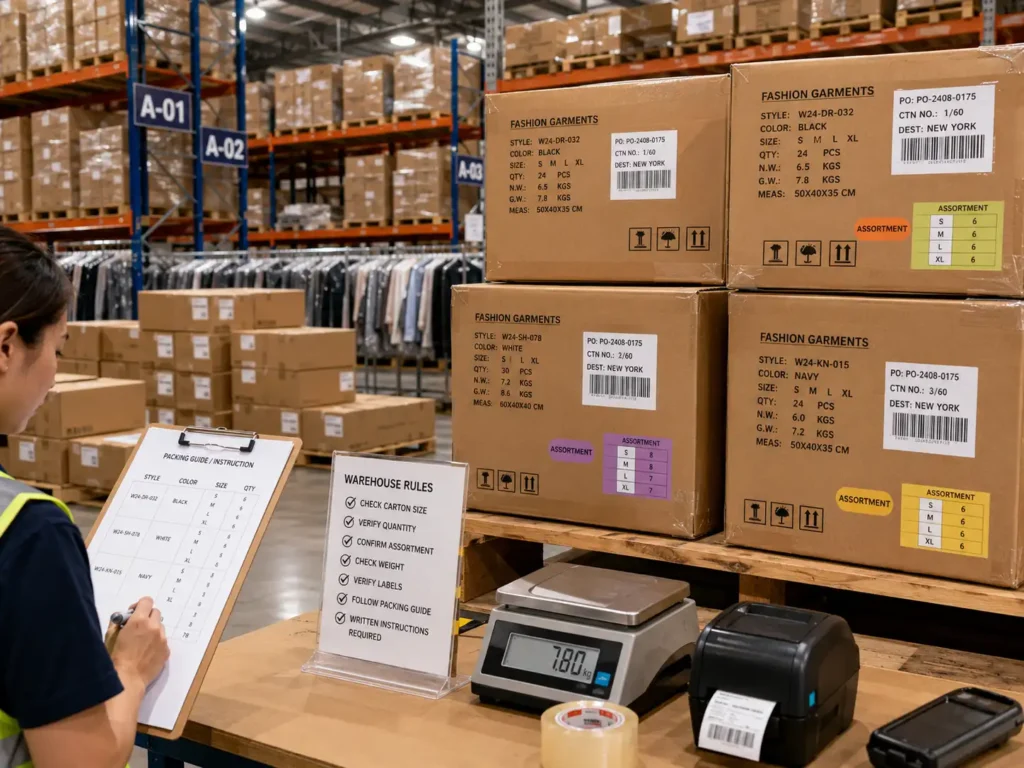
Carton size, quantity, net and gross weight, PO, destination, carton number and marks are prepared from the approved shipping and warehouse plan. Mixed-size or mixed-colour cartons need precise breakdown rules. Carton marks are verified against the packing list before shipment release.

Warehouse Files

Retail and ecommerce warehouses may require ASN-related information, routing labels, carton labels, pallet rules or delivery booking details. Jinfeng supports the production and packing side of those instructions using files supplied by the brand or logistics partner. Requirements should be provided before packing begins, not after cartons are closed.

Shipping Dresses From China to the UK

Shipment planning considers sample urgency, bulk volume, launch risk, Incoterm, destination and warehouse requirements. Freight cost and timing are confirmed with the selected forwarder for the actual route and booking window.

MethodBest UsePlanning ConsiderationsSupported Coordination
Express courierSamples, swatches, signed documents and urgent small parcels.Chargeable weight, garment protection, customs information and recipient availability.Commercial invoice, sample description, packing and tracking support.
Air freightLaunch stock, urgent bulk quantities or styles released later than the main order.Airport route, chargeable weight, security screening, customs and final delivery.Packing list, invoice, air waybill coordination and forwarder handover.
Sea freightPlanned bulk orders with adequate warehouse lead time.Sailing schedule, cut-off, port route, container or consolidation, customs and inland delivery.FOB/CIF/DAP support by project, documents and carton marks.
Air-sea splitA priority quantity by air with the balance by sea.Separate packing lists, allocation by style/size, duplicate document control and warehouse receiving.Split packing plan, shipment identification and coordination with nominated forwarders.
Client forwarderBrands with established freight contracts and UK customs arrangements.Factory handover point, booking instructions, document deadlines and local charges.EXW or FOB cooperation, cargo release and shipping-document support.
DDP by projectSelected deliveries where route, product, value, destination and service provider allow.Tax, duty, importer structure, restricted services and final-delivery terms must be confirmed.Project assessment only; DDP is not presented as an automatic option for every shipment.

From First Collection to Repeat Orders

The cases below use anonymised project profiles and realistic collection data. They illustrate how collection complexity is managed without exposing brand identity, original design files, pricing or unreleased styles.

UK Occasionwear Collection - 18 Styles, 42,600 Pieces

An established UK occasionwear label planned an 18-style collection across satin, chiffon, lace and mesh, with 42,600 pieces divided among 11 colour directions and an XS-XL size range. The program included midi wedding guest dresses, structured cocktail shapes, halter satin dresses and mesh-panel evening styles. The main risk was not total volume; it was keeping colour, lining, zip tape, fit language and private-label presentation coherent across several product constructions.

Development began by grouping styles into four fabric families. Fit-critical corset and halter pieces were prioritised for first samples, while commercial midi shapes used the same approved body blocks where suitable. The first review identified three recurring issues: upper-bust instability on two strapless styles, visible zip rippling on lightweight satin, and lining exposure on a high-slit chiffon maxi.

Pattern changes, interfacing, zip insertion, lining length and slit construction were revised before PP approval. Bulk production was then allocated by fabric and construction group. Inline inspection focused on upper-bust, zip flatness, lace placement, hem balance and size measurements. Packaging used brand labels, care labels, hangtags, barcode stickers and colour-size carton breakdowns. The first release moved in two batches to protect the launch window, while retained patterns, BOMs, trim records and Golden samples supported later repeat quantities.

  • Order profile: 18 styles, 42,600 pieces, 11 colour directions, XS-XL.
  • Development focus: strapless stability, satin zip flatness, chiffon lining and slit control.
  • Delivery route: production and shipment split by approved style priority.
  • Repeat records: final patterns, size charts, fabric references, trims, packing and Golden samples retained.

UK Premium Ecommerce Collection - 27 Styles, 68,400 Pieces

A premium UK ecommerce fashion operator prepared 27 dress styles totalling 68,400 pieces for a sequence of campaign launches. The assortment mixed bodycon jersey, power-mesh mini dresses, satin slips, sequin party styles and structured midi dresses. Each product had its own photography deadline, while the final bulk order required shared barcode, SKU, polybag and carton rules. Jinfeng divided the development into campaign priority, commercial core and later-drop groups. Photo-ready samples were scheduled ahead of the complete PP sequence, but they were not treated as automatic production standards. The bodycon group required fabric-specific pattern review after stretch and recovery comparison. Mesh necklines were stabilised to reduce waviness, and the sequin styles received revised lining and edge protection to avoid scratching. The brand supplied its UK and international size chart, and grade review concentrated on bust, waist, hip, mini length, strap length and neckline depth across XS-XXL. Before bulk release, barcode mapping was checked against style, colour and size data. Production progress was reported by material arrival, cutting, sewing, inline QC, finishing and packing rather than one overall percentage. A priority air quantity covered the first content-led launch, with the larger balance shipped through the brand’s nominated freight route. Repeat orders later used the retained pattern, fabric, trim, size and packing records, with new bulk fabric shades reviewed before approval.

  • Order profile: 27 styles, 68,400 pieces, several launch drops, XS-XXL.
  • Development focus: stretch recovery, mesh neckline stability, sequin comfort and photo-sample separation.
  • Packing focus: barcode-SKU mapping, polybag identification and carton breakdown.
  • Launch support: priority air quantity plus planned balance shipment.

UK Partywear & Social Dress Collection - 22 Styles, 51,200 Pieces

A UK fashion brand developed a 22-style partywear collection totaling 51,200 pieces for seasonal social campaigns. The range included bodycon mini dresses, sequin party styles, mesh panel designs and stretch satin silhouettes across UK sizes 6–18.

The main challenge was maintaining fit consistency while managing different stretch levels, decorative materials and fast campaign deadlines.

Development started by separating styles according to fabric performance and construction requirements.

Stretch jersey and mesh styles were reviewed for recovery, transparency and body contouring, while sequin and satin designs focused on surface protection, lining balance and zipper performance.

Sample approval was completed by priority style groups before bulk production.

Production files included approved patterns, BOM details, trim specifications and size grading references. Inline inspections focused on stretch recovery, seam strength, decoration attachment, measurement accuracy and final appearance.

Packing records were organized by style, colour and size to support warehouse receiving and online launch preparation.

  • Order profile: 22 styles, 51,200 pieces, UK sizes 6–18.
  • Development focus: stretch recovery, sequin stability, mesh coverage and body fit.
  • Delivery support: priority styles prepared for campaign launch, remaining quantities shipped through planned production windows.
  • Repeat records: approved patterns, fabric references and packaging standards retained for future drops.

Frequently Asked Questions for UK Fashion Brands

Yes. Jinfeng Apparel is a Guangdong-based custom womenswear manufacturer serving established fashion labels, premium ecommerce operators, occasionwear brands, retailers and sourcing teams. Support covers fabric and trim sourcing, pattern making, sampling, revision, PP approval, bulk production, QC, private-label packing and export delivery.

No. Production is based in China through Jinfeng Apparel’s owned factories and selected long-term production partners. The service is designed for UK brands seeking an overseas manufacturing route with dress-focused development, documented approvals, branded packing and shipping support to the UK.

The standard MOQ starts from 200 pieces per style and colour. One style in two colours is normally assessed as 200 pieces in each colour. Custom-dyed or printed fabrics, certified materials, specialist trims, metal hardware and custom packaging may have separate supplier minimums.

Yes. Tech packs can be reviewed together with size charts, BOMs, artwork, fabric references and packing files. Jinfeng can also begin from reference images, sketches, line sheets or an original sample, although clearer technical input improves quotation accuracy and sample control.

A sample calendar is confirmed after style complexity, fabric availability, trims and required sample type are reviewed. Simple styles often need one first sample and one revised sample; medium-complexity styles may need one or two revisions; corset, strapless, lace, mesh, sequin and evening styles can require around two revised samples before PP approval.

Yes. Size development can follow an approved brand chart, including XS-XL and wider structures where agreed. Grading is reviewed by silhouette because bust, waist, hip, length, strap, armhole, neckline and slit do not always increase at the same rate. Bulk measurement checks use the approved chart and tolerance.

Yes. Those materials are core dress directions. Satin work focuses on drape, grain, snagging, zip flatness and pressing; mesh work focuses on transparency, stretch, neckline stability and holes; lace work focuses on motif direction, placement, lining, edges and damage control.

Yes. Jinfeng supports woven labels, size labels, care labels, hangtags, barcode stickers, SKU labels, polybags, cartons, carton marks and warehouse labels using approved files. Fibre, care and legal wording should be reviewed and approved by the brand before bulk printing.

Yes. Jinfeng can cooperate with client-nominated inspectors and third-party inspection providers. Inspection scope, timing, sampling standard and cost should be agreed before production completion. AQL sampling and 100% inspection are different methods and are not presented as the same process.

Yes. Express, air freight, sea freight, air-sea split shipment and client-nominated forwarders can be supported. EXW, FOB, CIF and DAP are available by project, while DDP requires route-specific assessment. Final freight timing and cost are confirmed with the selected forwarder.

Yes. NDA-based cooperation can cover tech packs, original samples, patterns, measurements, fabric and trim files, labels, packaging, quantities, pricing and launch information. Cases remain anonymised unless the brand gives written permission to disclose its identity or products.

Start Your UK Dress Collection

Send a concise project pack to receive a more accurate development and production review. Kelly and the Jinfeng Apparel team can assess style complexity, fabric direction, trim requirements, pattern risk, MOQ structure, sample route, private-label needs and delivery planning before formal sampling begins.

A complete submission reduces repeated questions and helps the team identify which styles should be prioritised for fabric sourcing, first samples, photo samples or fit review.

Technical files are used only for the relevant project workflow and can be handled under NDA-based cooperation. The first reply should establish whether the product direction, quantity plan and launch timing fit the manufacturing model, followed by a clear list of missing information or next actions.

  • Tech pack, line sheet, reference images or original sample photos.
  • Quantity by style and colour, with the intended size ratio.
  • Fabric preference, colour direction and any approved swatches or standards.
  • Target market, retail channel and required label or packing format.
  • Campaign date, PP deadline, ex-factory target and UK receiving window.
  • Inspection, testing, freight or nominated-forwarder requirements.

Tell Us About Your Dress Project

Share your product details, estimated quantity and development requirements. Our team will review your project and provide practical OEM/ODM production feedback.

Premium Women’s Apparel Production for Fashion Brands

From dress sample development to bulk production, JF Apparel supports fashion brands with confidential OEM/ODM manufacturing, reliable quality control and scalable production support.

START YOUR DRESS PROJECT

Ready to Develop Your Next Dress Collection?

Share your design concept, product requirements or sourcing plans with our team. We’ll review your project and provide practical feedback on development, materials, MOQ and production.

7-10 Days

Sample Development

200 PCS

Starting MOQ

Fast Response

Professional Follow-Up