
Dress Manufacturer for Supply Chain Managers

Specialized dress development and scalable production for fashion supply chains requiring clear milestones, controlled quality and dependable delivery.

Jinfeng Apparel supports global fashion brands and established apparel programs from style review, fabric sourcing and pattern development through sampling, bulk production, quality control, private-label packing and export coordination. Supply chain teams gain one accountable manufacturing route for multi-style dress collections, seasonal launches, replenishment orders and second-source qualification.

  • 6 owned women’s fashion factories supported by 10+ long-term satellite production partners
  • 100,000+ pieces of coordinated monthly womenswear capacity, allocated by style complexity and delivery window
  • 18+ sewing lines and 6+ flexible lines for woven, stretch, occasion and mixed-fabric programs
  • 12+ merchandisers and 15+ QC inspectors coordinating milestones, inspections, packing and shipment readiness

Operational Facts for Supplier Qualification

Early supplier screening becomes faster when capacity, development resources and control ownership are visible. The figures below describe the manufacturing system available for custom dress programs, subject to confirmed materials, construction, order mix and production schedule.

Since 2008

Jinfeng Apparel has worked in custom women’s fashion manufacturing since 2008. Long-term experience covers dresses, skirts, jumpsuits, matching sets and private-label womenswear for the United States, United Kingdom, Europe, Australia and Canada. The operating model combines product development, sampling, bulk execution, quality control, packing and export coordination rather than limiting responsibility to sewing alone.

6 Owned Factories

Six owned women’s fashion factories form the core production base. Orders are allocated according to fabric type, garment construction, workmanship level, quantity, color split and delivery date.

Owned capacity gives supply chain teams a defined route for key programs, while project allocation remains subject to line loading and approved production planning.

10+ Production Partners

More than ten long-term satellite production partners extend specialist capability and seasonal capacity. Partner use is coordinated around product suitability, approved quality standards and order requirements.

Final production routes should be confirmed during onboarding so supply chain teams understand where each style will be cut, sewn, inspected and packed.

100,000+ Pieces Monthly

Coordinated monthly capacity exceeds 100,000 pieces of fashion womenswear across the manufacturing system. Capacity is not treated as a blanket promise for every order. Satin gowns, corset dresses, lace construction and sequin styles consume different line time from standard woven or jersey dresses, so available capacity is reserved only after style review and delivery alignment.

Dedicated Development Team

Two sample rooms, seven or more senior pattern makers and over twenty sample machinists support first samples, fit samples, revisions, photo-ready samples, PP samples and Golden samples. Development resources allow several styles to move in parallel while records for measurements, fabric, trims and revision comments remain separated by style number.

Merchandising and QC

Twelve or more merchandisers coordinate files, materials, approvals, production status and shipment preparation. Fifteen or more QC inspectors cover incoming materials, cutting, inline sewing, finished garments and packing checks. Clear ownership gives supply chain managers a defined escalation route when a material, fit, workmanship or delivery risk appears.

What Supply Chain Managers Need From a Dress Vendor

A dress program moves through material suppliers, sample rooms, production lines, quality gates, packing teams and freight partners. Strong manufacturing performance depends on control at every handoff, not on an optimistic delivery promise made before technical review.

Capacity Reliability

Reserved line time must match the real workload created by style count, color count, size range and construction. A 20-style collection with mixed satin, mesh and stretch fabrics cannot be scheduled like one repeated basic dress. Jinfeng reviews operation content and material readiness before confirming capacity, then separates core production, flexible-line work and specialist processes within the project plan.
  • Capacity is confirmed after style and order review.
  • Complex operations receive separate loading assumptions.
  • Schedule changes are communicated before they affect final inspection.

Material Readiness

Fabric and trim delays often consume more time than garment sewing.
Each program therefore requires an approved material list, supplier lead time, color status, minimum purchase requirement and expected arrival date. Custom dyeing, printing, lace, sequin fabric, branded hardware and private-label packaging receive individual tracking because one late component can hold an otherwise completed order.

  • Approved fabric and trim references are recorded.
  • Custom developments carry separate timing.
  • Alternatives require brand approval before use.

Production Visibility

Supply chain teams need evidence showing whether materials have arrived, PP approval is complete, cutting has started, sewing is on plan and inspections are closed. Jinfeng uses milestone-based updates supported by photos, videos, measurement records, approval files and packing information. Reporting depth can be aligned with the brand’s vendor manual and internal launch calendar.
  • Material, cutting, sewing, QC and packing status are separated.
  • Open risks include owner and next action.
  • Shipment readiness is reported before freight handover.

Bulk Consistency

A visually successful sample is not enough unless production can repeat the same fit, color, construction and finish. Bulk control uses approved fabric, trim cards, final measurements, BOM, sewing instructions, PP sample and Golden sample. Quality checkpoints focus on dress-specific failure areas such as neckline shape, waist position, zipper behavior, lining coverage, slit height, ruching balance and hem appearance.
  • PP approval freezes the production standard.
  • Golden samples guide line and final inspection.
  • Revisions are transferred into controlled production files.

Delivery Control

A credible delivery plan begins with approvals and material dates, then works backward from the required warehouse or launch date. Jinfeng separates sample timing, material booking, PP approval, production, final inspection, packing and freight handover. When a delay appears, the team evaluates resequencing, split shipment or material alternatives rather than waiting until the planned ship date has already failed.
  • Critical dates are visible from the beginning.
  • Late approvals are reflected in the schedule.
  • Recovery choices include cost and timing impact.

Document Accuracy

Retail and ecommerce programs can be rejected even when garment construction is acceptable if labels, barcodes, SKU stickers, packing ratios or carton marks are wrong. Private-label files are reviewed before production and rechecked before packing. Packing lists, carton quantities and shipping marks must match the approved order structure, particularly when many styles, colors and size ratios share one shipment.
  • Label artwork and placement require approval.
  • Barcode and SKU data are checked by style, color and size.
  • Carton records are reconciled before release.

Where Jinfeng Fits in Your Vendor Portfolio

Jinfeng Apparel is positioned as a specialized dress manufacturing partner for defined brand programs, seasonal collections and repeatable bulk production. The strongest fit appears where product complexity and direct project control matter as much as total volume.

Best-Fit Programs

Jinfeng is well suited to brands with a clear dress direction, organized development files and planned bulk quantities. The team can support a core dress category, a secondary sourcing route, a seasonal capsule or a collection involving several materials and silhouettes. The production model works especially well when fit, fabric behavior, private-label detail and repeat-order consistency require close coordination across development and bulk execution.
  • Seasonal collections with 10-30 styles
  • Dress-category sourcing or second-source qualification
  • Multi-color and extended-size programs
  • Bulk orders requiring private-label packing and export support

Operating Boundaries

Jinfeng operates a custom-development and bulk-production model rather than ready-stock resale or single-item fulfillment. Entry begins with product information, estimated quantity, fabric direction, size range, packing requirements and target delivery date. MOQ starts from 200 pieces per style and color, while custom fabric, dyeing, printing, specialty trims and branded packaging may carry separate supplier minimums.
  • Tech pack, original sample, sketch or reference image can start review.
  • Sample development is charged separately.
  • Production timing is confirmed after PP and material readiness.
  • Final factory and line allocation follows project approval.

Dress Categories Supported Across Seasonal Programs

A supply chain partner must understand how different dress categories consume fabric, sample-room time, sewing operations and inspection capacity. Jinfeng plans each category around its own fit, construction and bulk-control requirements rather than placing every style under one generic dress workflow.

Mini and Short Dresses

Mini and short dresses often appear simple but expose proportion errors quickly. Hem level, rise of side seams, lining length, zipper position and movement coverage must remain balanced across sizes. Woven versions require stable shaping around bust and waist, while stretch versions need recovery control so the garment does not climb during wear.
  • Common materials: poplin, satin, crepe, jersey and stretch woven.
  • Control points: hem balance, lining coverage, waist level and seat ease.
  • Suitable for trend drops, party capsules and repeatable core styles.

Midi Dresses

Midi dresses need disciplined length grading and movement planning. Slits, wrap fronts, gathered panels and fitted hips can restrict walking when construction is copied directly from one sample size. Jinfeng checks finished length, slit opening, waist placement, skirt sweep and lining behavior before PP approval, then carries the approved proportions into grade rules and measurement inspection.
  • Common materials: satin, chiffon, crepe, jersey, mesh and suiting.
  • Control points: slit height, sweep, lining length and waist alignment.
  • Suitable for occasion, office, brunch and transitional collections.
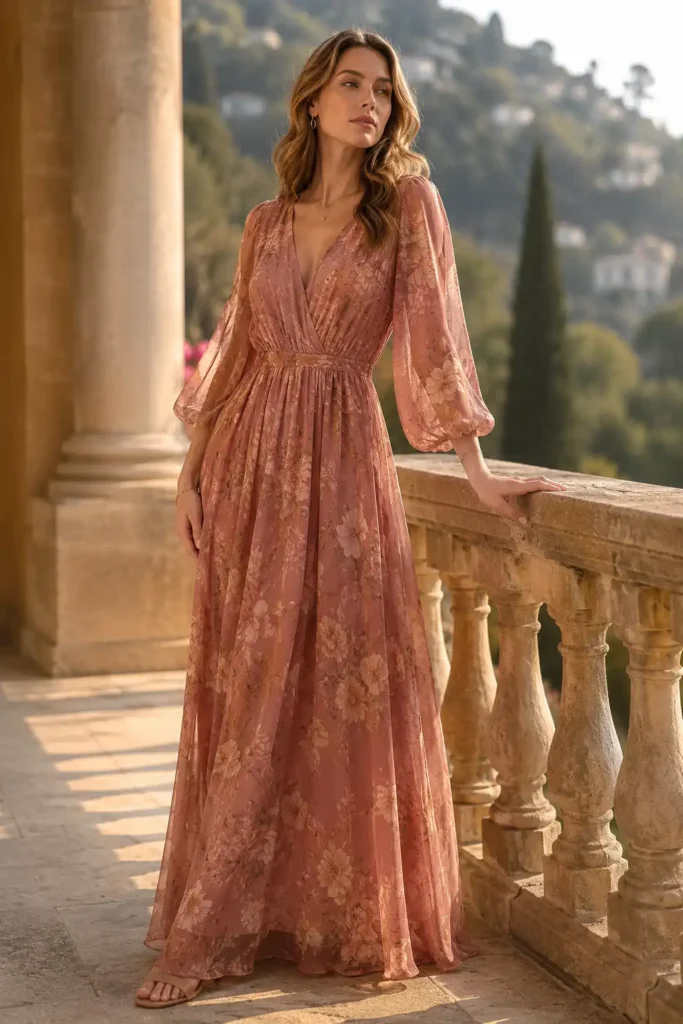
Maxi Dresses

Maxi and floor-length dresses create added risks in fabric consumption, cutting accuracy, hem finishing and packing. Bias sections can grow after hanging, delicate fabric can mark during handling and long skirts can twist when grain direction is inconsistent. Production planning includes fabric relaxation where required, panel numbering, hanging checks, controlled hemming and packing methods that reduce deep fold marks.
  • Common materials: chiffon, satin, mesh, rayon and lightweight woven.
  • Control points: total length, grain, panel balance, lining and hem finish.
  • Suitable for resort, evening, occasion and vacation programs.

Party and Cocktail

Party and cocktail dresses combine visual impact with demanding construction. Ruching, cut-outs, asymmetric necklines, stretch lining, invisible zippers and decorative trims must remain stable through movement and repeated production. Jinfeng evaluates operation order, stress points and trim attachment during sampling, then establishes workmanship references for bulk operators and inline inspectors.
  • Common materials: stretch satin, mesh, jersey, velvet and sequins.
  • Control points: symmetry, ruching density, zipper lay, stretch recovery and trim security.
  • Suitable for social launches, holiday drops and event-driven programs.

Occasion and Evening

Occasion and evening styles often require multiple layers, structured bodices, draped panels and high-visibility finishing. A small mismatch in lining, seam allowance or pressing can change the final silhouette. Jinfeng separates shell, support layer and lining requirements, confirms internal construction during PP review and adds inspection points for neckline, waist, boning, cups, closures, train and hem.
  • Common materials: satin, chiffon, lace, tulle, velvet and embellished fabric.
  • Control points: internal support, drape, pressing, closure security and hem.
  • Suitable for formal events, wedding guests and premium occasion collections.

Bodycon and Corset

Bodycon and corset dresses depend on controlled negative ease, stretch direction and internal support. Pattern development must consider upper bust, underbust, waist and hip separately because one standard reduction cannot fit every zone. Corset styles also require careful placement of boning, cups, neckline reinforcement and back closure. Fit samples are strongly recommended before final grading.
  • Common materials: ponte, power mesh, stretch satin and bonded fabrics.
  • Control points: compression, recovery, cup position, boning and closure tension.
  • Suitable for club, party and statement evening programs.

Satin and Slip

Satin shows needle marks, seam tension, handling damage and pressing errors more clearly than many fabrics. Slip dresses add bias behavior, narrow straps and neckline stability. Jinfeng reviews fabric weight, surface, grain, lining need and seam method before cutting. Bulk handling includes shade grouping, clean work surfaces, controlled pressing and checks for puckering, snagging and strap consistency.
  • Common materials: charmeuse, stretch satin, duchess satin and satin-backed crepe.
  • Control points: shade, grain, seam smoothness, neckline and strap length.
  • Suitable for occasion, bridesmaid, party and premium ecommerce ranges.

Mesh Lace Sequin

Mesh, lace and sequin dresses require different cutting and sewing routes from standard woven garments. Pattern placement, motif alignment, stretch direction, skin contact, lining coverage and edge finishing must be defined before production. Sequin fabric may require clearing seam allowances, while lace may need manual alignment and mesh may need stabilization around zippers and openings.
  • Common materials: power mesh, embroidered mesh, corded lace, tulle and sequin fabric.
  • Control points: holes, motif placement, seam bulk, lining and embellishment security.
  • Suitable for eventwear, partywear and visually led collections.

Resort and Printed

Resort and printed dresses need color consistency, print placement, lightweight comfort and packing recovery. Large motifs may require engineered placement or controlled panel cutting, while rayon and lightweight fabrics may shrink or distort. Jinfeng confirms print direction, repeat, color standard, opacity, lining, garment wash requirement and finished measurements before bulk cutting.
  • Common materials: rayon, viscose, linen blends, chiffon and lightweight cotton.
  • Control points: print repeat, shrinkage, opacity, seam slippage and packing creases.
  • Suitable for vacation, cruise, summer and warm-market collections.

Fabric and Trim Risks Controlled Before Production

Material decisions shape cost, fit, workmanship, lead time and delivery risk long before sewing begins. Jinfeng separates fabric approval, color approval, performance review, lining selection, trim development and alternative planning so material uncertainty does not enter bulk production unnoticed.

Fabric Availability

Every fabric is classified as available stock, supplier stock color, custom dye, custom print, custom knit or special development. Availability is checked against order quantity, color count, certification request and delivery date. A fabric shown during sampling is not treated as secured for bulk until supplier stock, purchase minimum, price and expected arrival are reconfirmed.
  • Stock status and supplier MOQ are recorded.
  • Bulk reservation follows written approval.
  • Custom development timing is added to the critical path.

Color Consistency

Color control starts with an approved swatch, lab dip or supplier standard and continues through bulk lot review. Satin, lace, lining, zipper tape, sewing thread and decorative trims can reflect color differently even when names match. Jinfeng records approved references, checks bulk shade and separates lots where visible variation could affect finished garments.
  • Shell, lining and trim colors are reviewed together.
  • Bulk lots are identified by batch.
  • Shade grouping is maintained through cutting and packing.

Fabric Performance

Handfeel alone cannot confirm production suitability. Fabric weight, width, stretch, recovery, shrinkage, spirality, seam slippage, transparency, snagging and surface stability influence pattern, consumption and workmanship. Jinfeng evaluates the properties relevant to each style, then adjusts lining, seam method, ease or construction before PP approval when required.
  • Stretch direction is marked for fitted styles.
  • Shrinkage findings feed finished measurements.
  • Delicate surfaces receive handling and pressing controls.
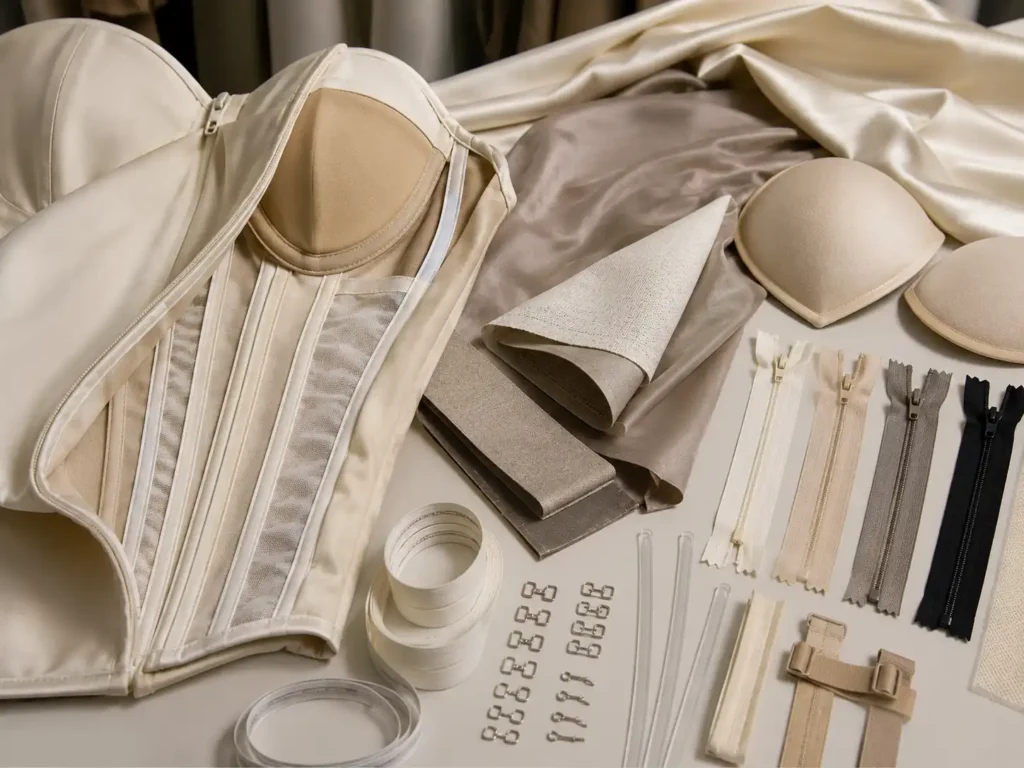
Lining Decisions

Lining affects opacity, comfort, support, recovery and the way a dress hangs. Lightweight lining can reduce transparency but may not support a structured bodice. Stretch lining must recover with the shell, while woven lining needs enough ease for movement. Jinfeng confirms lining composition, weight, color, length, attachment and seam treatment during sample development.
  • Coverage is checked under natural and strong light.
  • Lining length is measured separately.
  • Support layers are defined for corset and occasion styles.

Trim Lead Times

Invisible zippers, hooks, cups, boning, elastic, silicone tape, lace trim, stones, chains, branded hardware and private-label items can carry independent minimums and development periods. Trim cards record specification, color, size, supplier and approved sample. Any item with a long or uncertain lead time is highlighted before final costing and production booking.
  • Standard and custom trims are separated.
  • Wear comfort and durability are reviewed during sampling.
  • Replacement trims require approval before bulk use.

Approved Alternatives

A backup material is useful only when appearance, performance, consumption, cost and certification remain acceptable. Jinfeng can present alternative fabric or trim options when original supply becomes uncertain, but substitution is never automatic. Each proposal identifies differences in handfeel, weight, color, MOQ, price and lead time so the brand can approve a controlled change.
  • Alternatives are submitted with photos, swatches or data.
  • Pattern and lining impact is reviewed.
  • Approved changes update BOM and production records.

Engineering Dresses for Fit and Repeatable Production

Strong dress development connects the design image with real body proportions, material behavior and a repeatable sewing route. Jinfeng reviews structure before sampling, corrects fit through controlled pattern versions and prepares production files that transfer approved decisions into bulk.

Structure Review Before Pattern Cutting

Reference images often hide seam lines, internal support, closures and lining. Product review identifies neckline construction, bust shaping, waist seam, hip ease, cut-outs, slit, hem, zipper, straps and internal support before pattern work begins. A halter satin dress, for example, may need neckline stabilization, controlled back tension and a lining structure that prevents rolling. A corset dress may require cups, boning, waist stay and a closure strong enough for repeated wear. Early structure review prevents a visually attractive first sample from becoming impossible to reproduce at line speed.

  • Confirm design intent and target market.
  • Identify hidden construction and stress areas.
  • Separate visual details from structural requirements.
  • Estimate production difficulty before formal sampling.

Pattern Development and Fit Control

Seven or more senior pattern makers support mini, midi, maxi, bodycon, corset, slip, halter, strapless, backless, jumpsuit, skirt and matching-set development. Pattern work is tied to fabric stretch, drape, thickness and recovery rather than copied from a universal block. Fit review measures upper bust, bust, underbust, waist, high hip, full hip, length, armhole, neckline depth, strap length, slit and other style-specific points. Sample comments are converted into updated pattern versions and measurement files so production uses the approved shape rather than informal verbal instruction.

  • First pattern validates structure.
  • Fit sample checks body proportion and movement.
  • Revision history protects approved changes.
  • Final pattern version is linked to PP and Golden samples.

Grading Across a Commercial Size Range

Grading requires more than adding the same amount at every seam. Bust support, neckline depth, strap spacing, waist position, hip ease, slit height and garment length may need different rules across the range. Stretch dresses also require stable negative ease, while structured dresses need enough movement without losing shape. Extended sizes may require a dedicated fit review or additional sample because cup placement, boning length and support cannot be scaled mechanically. Final grade rules, tolerances and measurement points are agreed before bulk cutting.

  • Define base size and market size chart.
  • Set grade rules by measurement zone.
  • Check visual proportion, not only circumference.
  • Use additional fit validation for sensitive silhouettes.

Production Feasibility and Workmanship Planning

Approved appearance must be achievable across hundreds or thousands of pieces. Jinfeng reviews operation sequence, seam access, pressing method, handling risk and inspection needs during development. Ruching density, lace alignment, sequin seam clearing, invisible zipper insertion, narrow strap construction, binding, boning and layered hems each require defined methods. Production instructions capture seam type, stitch requirement, placement references, tolerances and critical checkpoints. Difficult operations can receive an approved first piece before full line output, reducing the risk of repeating one mistake across an entire batch.

  • Translate design detail into a repeatable operation.
  • Confirm construction during PP review.
  • Prepare workmanship references for operators and QC.
  • Separate special processes from standard sewing flow.

A Structured Supplier Onboarding Process

Supplier approval works best when commercial, technical, compliance and delivery information moves through a clear sequence. Jinfeng can align onboarding with a brand’s vendor manual while keeping early review focused on facts needed to qualify a dress program.

RFI and Company Review

The first exchange covers company profile, manufacturing scope, production locations, core categories, capacity, development resources, MOQ, quality approach, compliance support and contact ownership. Jinfeng provides available company and factory information, while the supply chain team identifies mandatory vendor documents and approval steps.
  • Output: supplier profile and open-document list.
  • Decision: proceed to product and capability review.

NDA and File Exchange

NDA cooperation is available before unpublished designs, tech packs, original samples, private-label files or order plans are shared. Once confidentiality terms are agreed, project information is organized by style number and version so technical review can begin without mixing files from different collections.
  • Output: signed confidentiality route and controlled file exchange.
  • Decision: release design and program information.

Product Capability Review

Jinfeng reviews dress category, fabric, fit sensitivity, workmanship, size range, expected quantity and target market. Complex styles may require construction clarification or material review before quotation. The goal is to confirm whether the proposed factory route and development team fit the program.
  • Output: capability comments, questions and initial risk list.
  • Decision: approve styles for costing and sampling.

Commercial and Capacity Review

MOQ, target quantity, color split, fabric minimums, trim minimums, sample charges, packing, payment terms, trade terms and target delivery are reviewed together. Capacity is discussed against the whole style mix rather than total quantity alone, because complex and simple styles consume different resources.
  • Output: commercial framework and provisional loading plan.
  • Decision: open sample development.

Sample Qualification

First samples, fit samples, revisions and PP samples establish technical and workmanship confidence. A brand may also request measurement records, material approvals, photos, videos or a third-party review. Jinfeng tracks comments and updates controlled files before a bulk order is released.
  • Output: approved sample, final specifications and quality points.
  • Decision: approve production standard.

Production Alignment

Before bulk, both sides confirm quantities, size breakdown, colors, material status, labels, packing, inspection method, shipment plan and communication cadence. A production timeline identifies major milestones and approval dependencies. Any unresolved item remains visible rather than being assumed complete.
  • Output: confirmed production pack and milestone plan.
  • Decision: release material and line booking.

Samples That Build a Production Standard

Sampling is managed as a sequence of decisions rather than a single garment sent for approval. Each sample type answers a different question about structure, fit, presentation or bulk readiness, allowing supply chain teams to control risk before material and line capacity are committed.

First Sample

The first sample validates structure, initial fabric direction, base pattern and workmanship feasibility. Simple styles usually require about 7-10 days; standard dresses often require 10-15 days after materials and specifications are ready. The first sample is expected to reveal issues and does not become the automatic bulk standard.
  • Review: silhouette, construction, fabric direction and cost alignment.
  • Evidence: photos, measurements and internal comments.

Fit Sample

A fit sample confirms bust, waist, hip, length, armhole, neckline, strap, slit and movement. Bodycon, corset, strapless, backless, halter and jumpsuit styles receive extra attention because small measurement changes affect security and appearance. Fit comments are translated into an updated pattern and measurement chart.
  • Review: body proportion and movement.
  • Evidence: measurement report, fit photos or video and revision list.

Revised Sample

A revised sample incorporates approved changes to pattern, measurement, fabric, lining, trims or construction. Typical timing is 7-15 days, depending on the amount of change and material readiness. Comments remain linked to the style version so an older instruction cannot return during PP or bulk production.
  • Review: closure of previous comments.
  • Evidence: updated pattern, size chart, BOM and revision record.

Photo-Ready Sample

Photo-ready samples support ecommerce, campaign, lookbook, showroom or social content. Surface finish, pressing, visual cleanliness and brand details receive added attention. A photo sample may use provisional material or a presentation adjustment, so its status must remain separate from PP approval unless every bulk component is final.
  • Review: visual readiness and styling accuracy.
  • Evidence: sample photos, material status and differences from final production.

PP Sample

The pre-production sample confirms final fabric, color, trims, measurements, construction, lining, labels, packing and critical QC points. Typical timing is 7-15 days once final materials are available. Major structural changes after PP approval normally require schedule and cost review because production files and material commitments may already be prepared.
  • Review: complete bulk standard.
  • Evidence: approved PP sample, specifications and production pack.

Golden Sample

The Golden sample is the highest-priority physical reference for production, inline QC, final inspection, packing review, repeat orders and dispute evaluation. It is sealed only after final decisions are reflected in the sample and documents. Any later change to fabric, color, trim, measurement or construction requires a controlled update.
  • Review: final production reference.
  • Evidence: sealed sample linked to final files and quality checklist.

Capacity Planned by Style and Delivery Window
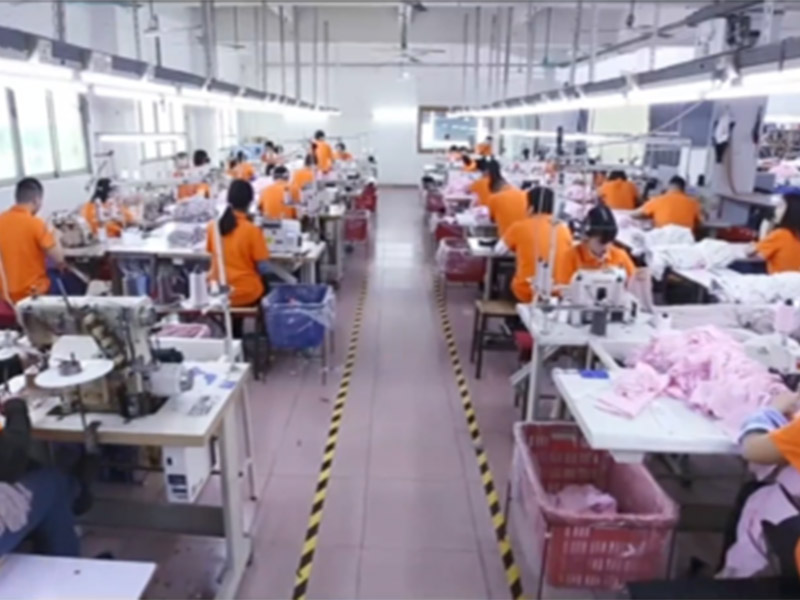
Capacity planning starts with operation content, not a single monthly number. Jinfeng combines owned factories, specialist partners and flexible lines to place each style where fabric, machinery, operator skill, workmanship and shipment timing can be managed effectively.

Owned Factory Base

Six owned women’s fashion factories provide the core route for dress development and bulk production. The owned system supports woven dresses, stretch styles, occasion products, skirts, jumpsuits and matching sets according to each facility’s production focus. Key styles can be assigned with defined merchandising and QC ownership. Allocation is confirmed only after PP readiness, materials, quantity, color split and required ship date are reviewed together.
  • Core programs receive planned line allocation.
  • Production records remain separated by style and color.
  • Factory assignment can be disclosed during supplier approval.
jinfengapparel

Specialist Partner Network

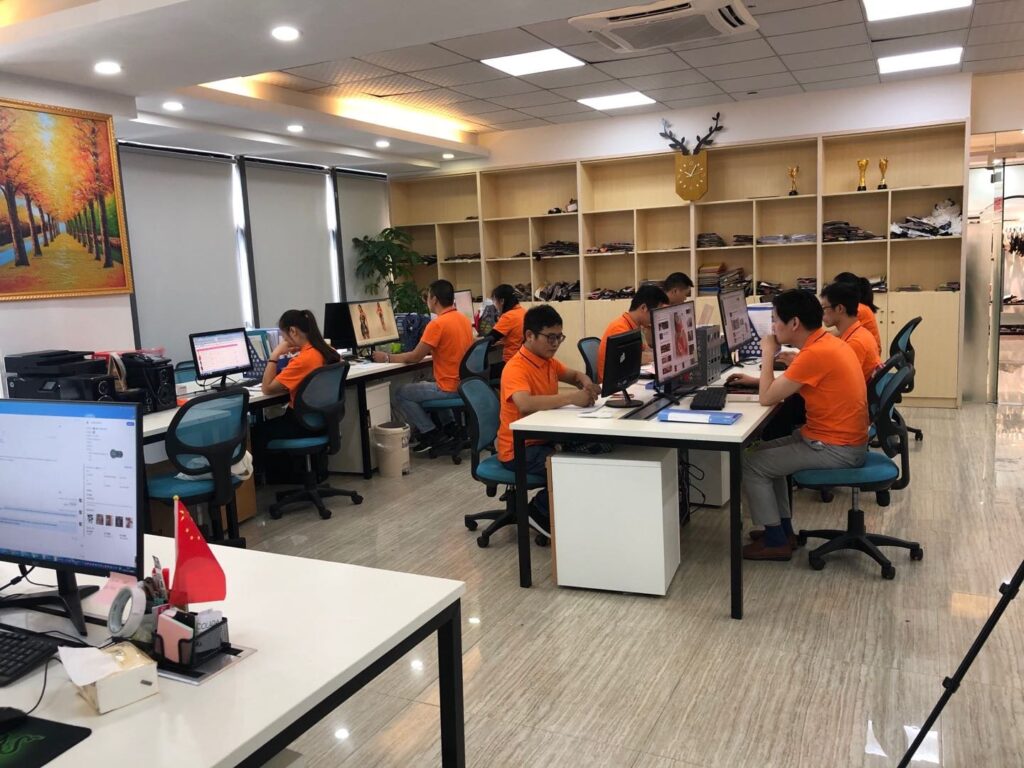
More than ten long-term satellite production partners add capacity and specialist support when a collection includes varied products or seasonal peaks.

Partner selection follows product suitability and approved requirements rather than open-market outsourcing after an order is accepted. Supply chain teams can request production-location confirmation, available audit documents and the control route used for materials, sewing, QC and packing.

  • Use is based on product and capacity fit.
  • Control requirements follow the approved program.
  • Unapproved production transfer is not treated as normal practice.
jinfengapparel

Program Allocation Logic

The coordinated system includes 18+ sewing lines and 6+ flexible production lines, with total monthly womenswear capacity above 100,000 pieces. Loading is calculated from style count, standard minutes, fabric handling, operation complexity, color changes, size range and inspection burden. A large repeat style may run efficiently on a dedicated line, while a 24-style occasion collection may need grouped launches, specialist operations and several production waves.
  • Simple and complex styles receive different loading assumptions.
  • Material arrival controls the usable production window.
  • Priority and split-shipment options can be planned before bulk release.

Milestone Visibility From Booking to Shipment

Milestone reporting gives supply chain managers evidence for launch planning, inventory decisions and internal escalation. Reporting can be aligned with the brand’s cadence, while each update separates completed work, open risk, responsible owner and required approval.

MilestoneEvidence SharedDecision or Risk Controlled
Program ReleaseApproved style list, quantity matrix and target datesConfirms scope, priority and owner before material booking
Material BookingFabric and trim status, supplier dates and open approvalsIdentifies late components before production capacity is consumed
PP ApprovalApproved sample, measurements, BOM, workmanship and packing filesFreezes the bulk standard and exposes unresolved changes
Cutting StartBulk material receipt, shade status, marker and cutting releasePrevents unapproved lots or pattern versions entering production
Sewing ProgressLine start, output status, first-piece and inline findingsShows whether workmanship or capacity needs corrective action
Final InspectionFinished quantity, measurement and appearance results, AQL statusConfirms repair, recheck and shipment-release readiness
Packing CompletionPacked quantity, barcode checks, carton list and marksProtects warehouse accuracy and shipment documentation
Cargo ReadyFinal packing list, carton data, booking and document statusCoordinates forwarder pickup and closes factory-side delivery risk

Quality Gates Protecting Bulk Dress Production

Quality control begins with materials and continues through cutting, sewing, finishing and packing. Dress-specific checkpoints are written around approved samples, measurements, construction details and brand standards so problems are found near their source rather than at final shipment.

Fabric Inspection

Incoming fabric is checked against the approved reference for color, handfeel, width, weight, stretch, recovery and visible defects. Satin receives attention for shade and snagging; mesh for holes and distortion; lace for broken motifs; sequin fabric for missing or loose decoration; prints for direction and registration. Batch identity is maintained so visible shade differences can be controlled during cutting and assembly.
  • Verify supplier lot and approved color.
  • Record defects and usable quantity.
  • Hold uncertain material before cutting.

Shrinkage and Stability

Fabric behavior can alter finished measurements after relaxation, pressing, steaming or washing. Relevant tests are selected by material and care instruction. Findings feed pattern allowance, cutting dimensions and garment measurement targets. Stretch fabric also requires recovery review because excessive growth can change neckline, waist, hip and hem after wear.
  • Review shrinkage or dimensional change.
  • Confirm stretch and recovery where required.
  • Update production allowance before bulk cutting.

Cutting Control

Cutting QC verifies pattern version, fabric face, grain, stretch direction, print placement, nap, shade group, marker, size ratio and cut-piece count. Delicate panels are checked for snagging, holes, sequin loss or lace damage. Cut bundles receive identification so size, color and lot do not become mixed before sewing.

  • Use only released pattern versions.
  • Separate shade lots and size bundles.
  • Inspect critical panels before sewing.

First-Piece Approval

The first completed piece from a production route confirms operation sequence, seam construction, measurement, trim placement, lining, zipper, pressing and visual balance. A first-piece check is especially valuable for corset, ruching, lace, mesh, sequin and asymmetric styles. Corrections are made before line output expands, limiting repeated defects.
  • Compare against PP and Golden samples.
  • Confirm critical measurements and workmanship.
  • Release the line only after corrections close.
Inline Sewing Inspection

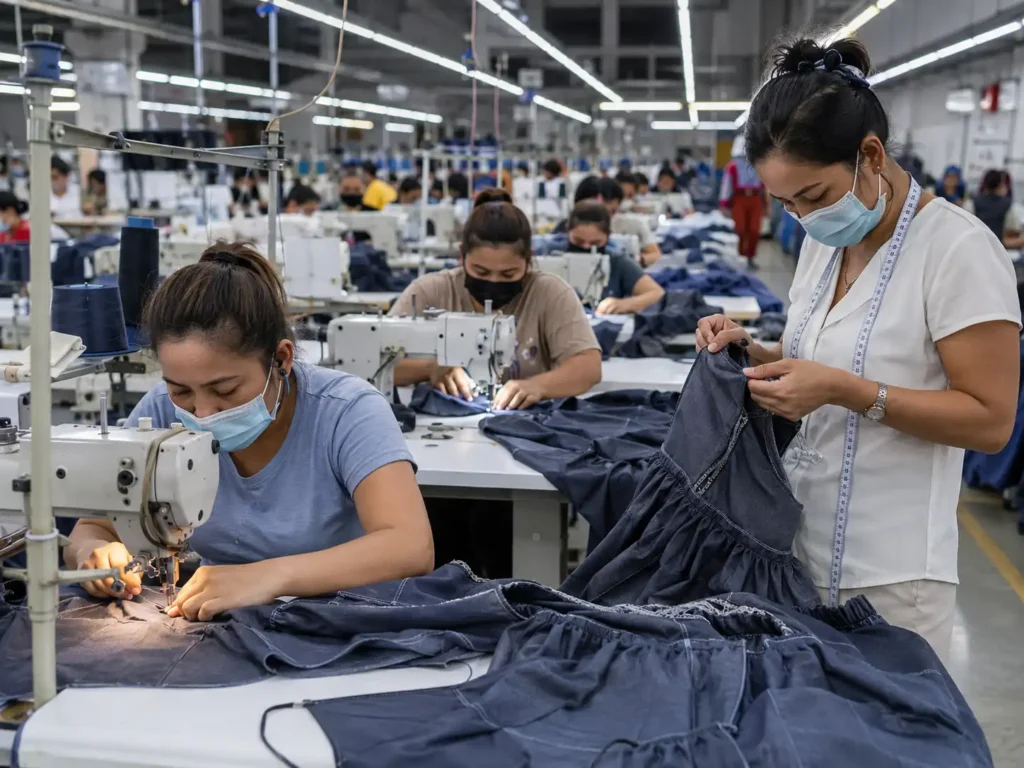
Inline inspection checks work while repair remains manageable. Dress-specific points include neckline shape, shoulder or strap length, bust shaping, waist seam, zipper lay, slit height, ruching balance, lace alignment, lining attachment, boning, cups and left-right symmetry. Findings are returned to the line with corrective action rather than saved for final inspection.
  • Inspect at selected operation stages.
  • Record recurring defects by line and style.
  • Recheck corrected output before continuation.

Measurement Control

Measurements are checked against the approved chart and tolerance at defined stages. Critical points vary by silhouette: bust and underbust for corsets, body length for mini dresses, slit and sweep for midi styles, strap and neckline for slips, waist and hip for bodycon garments. Size-set and finished-garment records help detect drift before packing.
  • Use consistent measurement method.
  • Separate critical and secondary points.
  • Investigate repeated trend toward one tolerance limit.

Final and AQL

Finished garments are reviewed for appearance, workmanship, measurement, function, color, stains, holes, thread ends, closures, labels, pressing and overall presentation. AQL inspection or third-party pre-shipment inspection can be arranged according to the quality manual, order size and shipment schedule. Inspection method and acceptance criteria are confirmed before final release.
  • Final inspection follows approved standards.
  • AQL level is agreed by project.
  • Open defects are repaired and rechecked.

Packing Verification

Packing QC confirms main label, care label, size label, hangtag, barcode, SKU sticker, polybag, folding, assortment, carton quantity and carton mark. Style, color and size data are reconciled against the packing instruction and order breakdown. Cartons are released only after packing records and shipment information agree.
  • Scan or verify barcodes where required.
  • Check mixed-size and mixed-style ratios.
  • Reconcile carton totals with the packing list.

Cost Control Beyond the Lowest Unit Price

Dress cost is shaped by material yield, construction, color and size fragmentation, private-label requirements, quality work and delivery choices. Jinfeng reviews cost drivers early so commercial decisions protect product value while reducing avoidable rework, delay and emergency freight.

Cost DriverSupply-Chain ImpactControl Route
Fabric weight and widthChanges consumption, drape, freight weight and unit costCompare approved options, usable width and cutting yield before bulk
Custom dyeing or printingAdds supplier minimums, color approval and material lead timeLimit fragmented colors, approve lab dips early and reserve bulk
Lining and support layersAffects opacity, comfort, fit, labor and garment weightMatch support level to silhouette instead of using one lining for all styles
Corset, ruching and drapeAdds operations, skill requirement, inline checks and repair riskReview construction during sampling and set repeatable workmanship
Color and size fragmentationCreates more cutting, labeling, packing and management workConcentrate volume in key colors and use an approved size ratio
Special trims and brandingAdds independent MOQ, development cost and late-item riskApprove standard options early and lock artwork before production
Testing and inspectionAdds sample quantity, laboratory time and possible correction workDefine test and AQL requirements before final quotation
Split or urgent shipmentRaises freight, handling and documentation costPrioritize critical SKUs and avoid premium freight for the full balance

Continuity Planning for Seasonal Dress Programs

Supply continuity depends on early alternatives, visible constraints and controlled recovery decisions. Jinfeng plans around the most likely disruption points in dress programs, while final changes remain subject to written approval and updated commercial or delivery terms.

Material Alternatives

When original fabric or trim becomes unavailable, Jinfeng can present approved alternatives with differences in composition, weight, handfeel, stretch, appearance, certification scope, MOQ, cost and lead time. A replacement is not moved into production until the brand confirms the option and any impact on pattern, lining, consumption or care instruction.
  • Alternative swatches or data are submitted.
  • Fit and construction impact is reviewed.
  • BOM and approval records are updated.

Capacity Reallocation

A program may need line movement when material arrival changes or one style consumes more time than estimated. Reallocation considers operator skill, equipment suitability, open capacity, inspection resources and shipment priority. Moving work does not remove the need for first-piece approval, production files and quality ownership at the receiving route.
  • Revised loading is documented.
  • Critical styles receive clear priority.
  • New production route follows the same standard.

Backup Production Lines

Flexible lines can support selected priority styles, revisions or replenishment when core capacity is constrained. Suitability depends on construction and available skill; a simple jersey dress can move more easily than a structured lace corset. Backup planning therefore identifies eligible products in advance instead of assuming every style can transfer at short notice.
  • Eligibility is defined by product type.
  • Material and trims remain controlled.
  • QC coverage follows the transferred order.

Split Shipment Planning

When launch timing is more important than one complete shipment, production can be grouped by priority SKU, color, market or warehouse. Split shipment decisions weigh freight cost, carton efficiency, testing status, inspection readiness and remaining balance. Air and sea combinations may be evaluated for urgent quantities while avoiding unnecessary airfreight on the full order.
  • Priority quantity is approved by SKU.
  • Packing and documents remain shipment-specific.
  • Remaining production keeps a separate release date.

Repeat-Order Records

Patterns, size charts, BOMs, fabric references, color records, trim cards, labels, packing instructions, QC findings and Golden samples can be retained for repeat orders. Records reduce rework but do not guarantee identical material availability indefinitely. Reorders still require confirmation of supplier stock, shade, price, production window and any regulatory change.
  • Previous standard becomes the starting reference.
  • Material continuity is rechecked.
  • Changes are logged before repeat production.

Escalation and Recovery

Risks are classified by impact on product, cost, quality and delivery. The responsible merchandiser coordinates facts, possible options and decision deadlines, while technical or QC teams support root-cause review. Recovery proposals state what can be saved, what needs approval and what timing will change. Unsupported promises are avoided when material or freight conditions remain uncertain.
  • Risk owner and decision date are visible.
  • Options include commercial and timing effects.
  • Closure is recorded in the project file.

Compliance Support Built Around Each Program

Compliance work is tied to the selected factory, material, market and order requirements. Jinfeng can coordinate available audit documents, testing, inspection and label information while keeping certification claims limited to verified scope and current project records.

Factory Documents

Company and production-location documents can be prepared according to the supplier approval checklist. Available records depend on the factory selected for the order and the date of review. Supply chain teams should confirm required document format, validity period and whether a new assessment is needed before production release.
  • Production location is linked to the order.
  • Document availability is checked during onboarding.
  • Expired or missing records remain visible.

Audit Support

Jinfeng can support SMETA-, Sedex- and BSCI-related review using available documentation from the applicable production route, subject to factory status and project confirmation. Brand audits or appointed third-party visits can be coordinated when required. Claims are not generalized across every facility without supporting reports.
  • Audit requirement is defined before line booking.
  • Applicable factory evidence is submitted.
  • Corrective actions are tracked when required.

Certified Materials

OEKO-TEX, GOTS, organic cotton, recycled and GRS-related options can be sourced through the material network when requested. Certificate scope, supplier, composition, color, batch, MOQ, price and lead time must be confirmed for the selected fabric. Certified direction alone is not treated as proof for every bulk lot.
  • Match certificate scope to the material.
  • Confirm validity and transaction documents where relevant.
  • Add material MOQ and timing to the program plan.

Testing Coordination

Fabric and garment testing can be arranged through SGS, Intertek, Bureau Veritas, ITS or another appointed laboratory according to market and brand requirements. Test scope may include composition, colorfastness, dimensional change, seam performance or restricted substances. Cost, sample quantity and turnaround are confirmed before testing begins.
  • Brand defines required standard and method.
  • Testing samples are identified by style and lot.
  • Failed results trigger review before shipment.

Label Information

Care labels, fiber-content labels, country-of-origin information and private-label artwork are prepared from approved product and material data. Final legal wording remains subject to the brand’s compliance team or appointed specialist. Label language, placement and attachment are confirmed before bulk packing.
  • Material composition data is verified.
  • Artwork version is controlled.
  • Market-specific requirements are separated.

Order Traceability

Style number, color, size, material lot, production route, inspection records and packing data can be linked through the project files. Traceability is especially important for multi-factory, multi-color and multi-batch orders. Record structure can be aligned with the documentation requirements established during onboarding.
  • Maintain style and lot identification.
  • Store approval and inspection evidence.
  • Link packing records to shipment release.

Private-Label Packing for Distribution Accuracy

Private-label delivery requires exact product identity across garment, polybag, carton and shipment records. Jinfeng coordinates label and packing files early, then checks physical application and assortment before goods leave the factory.

Main Label

Main-label artwork, material, dimensions, fold, color, placement and attachment method are confirmed before bulk use. The label must suit garment construction and comfort; a heavy woven label can distort delicate satin or mesh, while an incorrect seam position can remain visible on fitted dresses. Approved label samples and placement references are linked to the style.
  • Confirm artwork version and dimensions.
  • Check appearance and skin contact.
  • Inspect placement during sewing and final QC.

Size and Care Labels

Size labels and care labels must match the garment size, fabric composition, care instruction and destination market. Label sequence and attachment position are defined in the production pack. Multi-language care content, fiber composition and country-of-origin information require brand approval before printing.
  • Separate each market or language version.
  • Match label size to garment size.
  • Verify content against approved material data.
4.-Hangtag

Hangtags and Barcodes

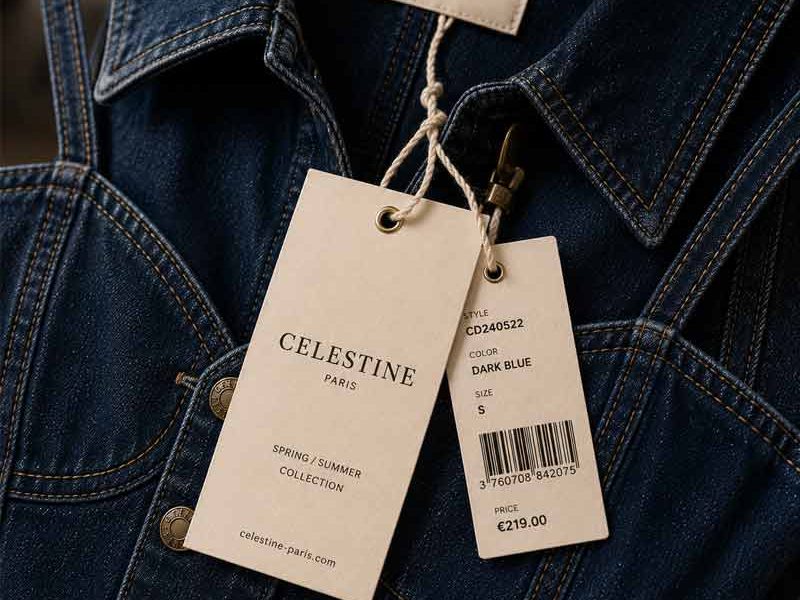
Hangtags, price tickets and barcode labels are controlled by style, color, size and market. Barcode data supplied by the brand is checked against the order matrix before printing or application. Placement, string, safety pin, sticker and orientation are confirmed so warehouse or retail scanning can proceed without repacking.
  • Approve artwork and variable data.
  • Run sample scans when required.
  • Audit application during final inspection.
SKU Polybag Labels

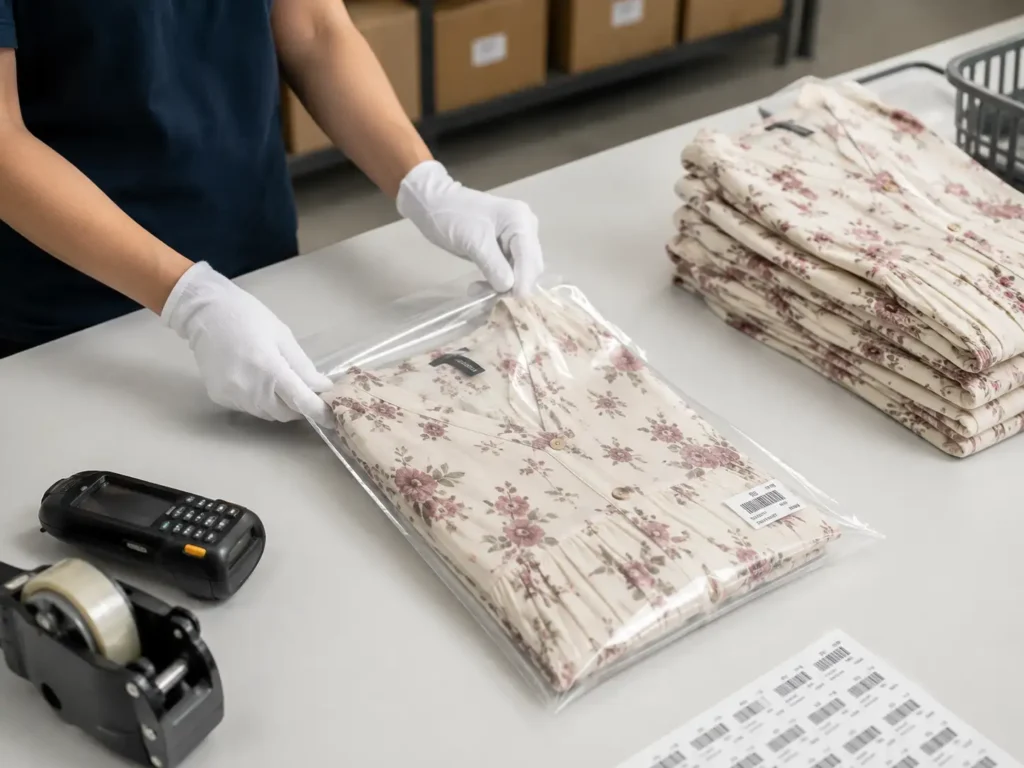
Polybag stickers identify the packed garment before cartons are opened. SKU, style, color, size, barcode and warning information must match the garment inside. Jinfeng separates packing stations and reconciliation records for programs with many combinations, reducing the risk of a correct garment entering the wrong bag.
  • Use approved sticker templates.
  • Check garment-to-bag match.
  • Control reprints and unused label stock.

Carton Marks

Carton marks may include purchase order, style, color, size ratio, destination, carton number, gross weight, net weight and carton dimensions. Format is confirmed before printing. Mixed cartons and single-SKU cartons require different logic, and final numbering must agree with the packing list and freight booking.
  • Approve carton-mark layout.
  • Reconcile numbering and quantities.
  • Check destination and warehouse references.
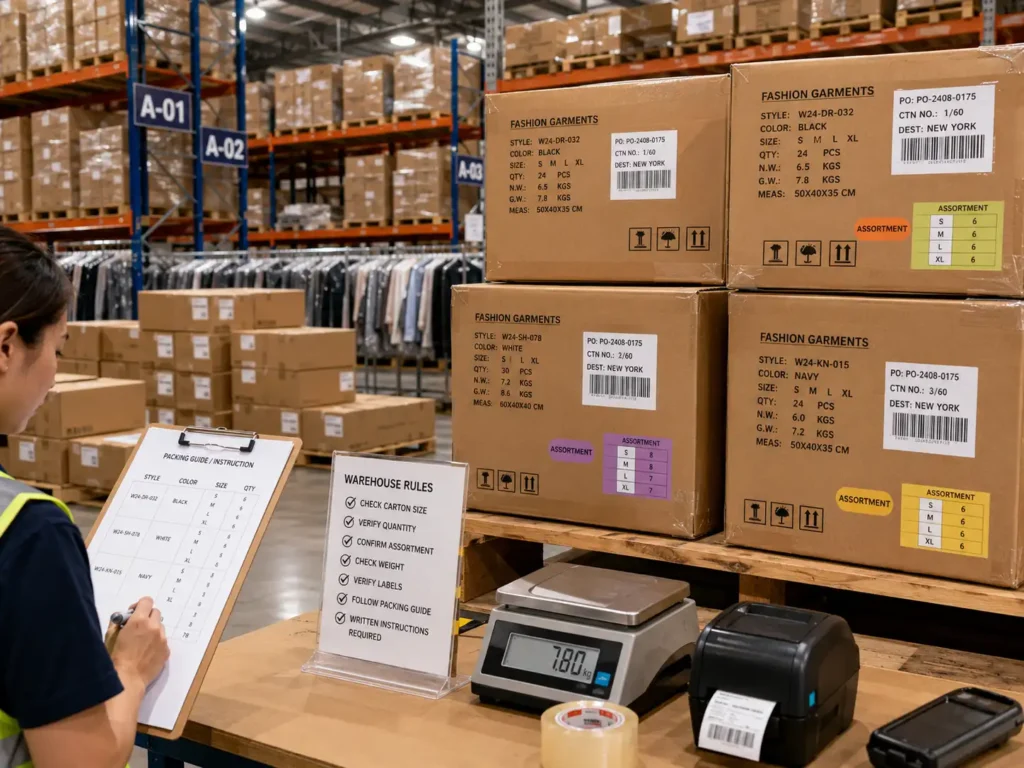
Warehouse Packing Guide

Folding, tissue, hanger, polybag, assortment, carton size, carton weight and pallet requirements are translated from the brand’s warehouse guide into packing instructions. Ecommerce, store distribution and wholesale programs may require different pack methods. Trial packing can be completed before bulk completion when carton efficiency or presentation needs validation.
  • Confirm pack method before final production stage.
  • Test carton fit and fold recovery.
  • Record approved assortment and sealing method.

Delivery Coordination Through Forwarder Handover

Factory completion is only one part of delivery. Shipment release also depends on inspection closure, packing accuracy, booking, documents and communication with the nominated forwarder. Jinfeng coordinates the manufacturing side of each handover while freight terms remain project-specific.

Shipment Planning

The shipment plan aligns production completion, final inspection, packing, document preparation and cargo-ready date with the required launch or warehouse date. Sea, air, courier or combined transport can be reviewed according to quantity and urgency. Transit estimates are confirmed with the selected forwarder rather than treated as fixed factory promises.
  • Define required cargo-ready date.
  • Separate factory lead time from transit time.
  • Review holiday and peak-season constraints.

Forwarder Coordination

Jinfeng can work with a brand-appointed forwarder or coordinate available logistics resources according to trade terms. Booking information, pickup time, warehouse address, carton data and document cutoffs are confirmed before cargo release. Responsibility for customs clearance, duties and final delivery follows the agreed Incoterm and shipping arrangement.
  • Confirm forwarder contact and booking reference.
  • Provide final carton data on time.
  • Release cargo against approved instruction.

Export Documents

Commercial invoice, packing list, carton records and other required export information are prepared from the final order and shipment data. Product description, quantity, value, weight and carton count must remain consistent across documents. Additional certificates or declarations are handled according to destination, product and agreed responsibility.
  • Reconcile documents with packed quantities.
  • Confirm consignee and shipping details.
  • Retain shipment copies in project records.

Split Deliveries

Multi-batch delivery may be arranged by style, priority SKU, market, warehouse or transportation mode. Each shipment receives its own packing list, carton sequence, inspection status and cargo-ready date. Split delivery can protect a launch, but extra freight, handling and document work must be evaluated before approval.
  • Approve shipment split by SKU and quantity.
  • Keep remaining balance visible.
  • Close each batch against its own documents.

Built for Seasonal Collections and Repeat Orders

Long-term supply performance depends on reliable files, repeatable standards and production planning across more than one purchase order. Jinfeng supports seasonal development, replenishment and multi-batch delivery while preserving the approved information needed to restart each style.

Seasonal Collection Development

A seasonal dress collection may involve 10-30 styles, several fabrics, multiple colors and overlapping sample deadlines. Jinfeng groups styles by fabric, construction and launch priority, then separates approval and production records. Shared fabrics or trims can improve purchase efficiency, while sensitive styles receive their own sample and line plan. A collection calendar can include first sample, revision, PP, material booking, production, inspection and shipment targets.
  • Group development by material and complexity.
  • Prioritize campaign and launch-critical samples.
  • Keep style files independent while coordinating shared resources.

Repeat-Order Control

Repeat orders can restart from retained patterns, size charts, BOMs, trim cards, fabric references, packing instructions, QC findings and Golden samples. Before production, Jinfeng reconfirms material availability, color lot, price, line window and any requested change. Reorder control protects fit and workmanship while recognizing that fabric suppliers and market requirements may change over time.
  • Use the previous approved standard as baseline.
  • Reconfirm materials and variable commercial terms.
  • Issue a controlled revision when any detail changes.

Multi-Batch Production

Brands may divide a large program into launch stock, regional allocation and replenishment. Jinfeng can evaluate production and shipment waves according to SKU priority, material availability, line efficiency and freight plan. Multi-batch production works best when each wave has a clear quantity matrix, inspection status, packing list and release date, while remaining balances stay visible to both merchandising and supply chain teams.
  • Plan waves before bulk release.
  • Keep material and shade continuity under control.
  • Track completed, shipped and open quantities separately.

A Clear Team Behind Every Dress Program

Supply chain communication improves when every workstream has an accountable owner. Jinfeng connects commercial review, development, merchandising, quality, packing and logistics through a defined team rather than routing every question through one general inbox.

Kelly Coordination

Kelly receives new inquiries, collects program files and coordinates the initial review. Contact details are consolidated through info@jinfengapparel.com and WhatsApp at +86 18929465598. Early communication covers product scope, quantity, materials, target delivery, NDA requirements and the information needed for factory and technical assessment.
  • Coordinates initial qualification.
  • Routes files to the relevant team.
  • Maintains the primary communication entry.

Product Development

The development team reviews style structure, fabric direction, trim requirements, target market and production feasibility. Reference images, sketches, original samples, line sheets and tech packs can enter the process, with missing information identified before formal sampling or precise costing.
  • Clarifies design and material intent.
  • Identifies technical and commercial risks.
  • Prepares the sample-development route.

Pattern and Sample

Two sample rooms, seven or more senior pattern makers and over twenty sample machinists support pattern development, sample sewing, fit correction and PP preparation. Sample work is organized by style version so comments, measurements and material changes remain traceable through approval.
  • Develops and controls pattern versions.
  • Produces required sample types.
  • Transfers approved changes into production files.

Merchandising Team

Twelve or more merchandisers follow materials, approvals, production milestones, packing and shipment preparation. Merchandisers connect the brand, factory, sample room, sourcing team and QC team, providing status updates and coordinating actions when one open item affects several workstreams.
  • Maintains milestone and approval records.
  • Coordinates material and production status.
  • Escalates schedule and specification risks.

Quality Team

Fifteen or more QC inspectors cover incoming material, cutting, inline sewing, measurement, finished garment and packing checks. Quality checkpoints are based on the approved sample, specifications, tolerance, workmanship references and packing instructions. Third-party inspection can also be coordinated when requested.
  • Checks product near the source of defects.
  • Records and follows corrective action.
  • Supports final release and AQL inspection.

Finishing and Logistics

More than thirty finishing and packing workers support thread trimming, pressing, final presentation, label checks, folding, polybagging, assortment and carton preparation. The logistics coordination route prepares cargo data and works with the nominated forwarder according to the agreed shipment plan.
  • Protects final garment presentation.
  • Verifies packing and carton accuracy.
  • Coordinates cargo-ready handover.

Dress Programs Managed Around Real Supply Constraints

The following anonymized program profiles reflect the scale and operating pattern of established fashion-brand orders. Brand identity, unpublished designs, pricing and proprietary files remain protected under confidentiality requirements.

24-Style Seasonal Launch

A United States multi-channel womenswear brand planned 24 dress styles across satin, stretch crepe, mesh and printed woven fabric. The approved order total reached 62,400 pieces, with two to four colors per style and a size range from XS to XL. Campaign samples and sales samples had to move before the final PP approvals, while the complete collection required coordinated delivery into one distribution program. The planned bulk window was 49 calendar days from final PP and bulk-material readiness to final inspection. Jinfeng grouped styles into four material families, prioritized eight campaign-critical samples and maintained a separate approval tracker for every style, color and label set. Shared satin and lining colors were consolidated where appearance allowed, reducing material fragmentation. Complex corset and mesh styles received first-piece approval and added inline checks, while standard woven styles moved through dedicated production groups. Bulk production was released in waves after material and PP readiness. Final goods were packed by style, color and size ratio with barcode reconciliation before carton release. The program shipped in three planned batches, allowing early launch quantities to move before the remaining assortment without converting the full order to premium freight.
  • 24 styles
  • 62,400 pieces total
  • 2-4 colors per style
  • XS-XL size range
  • 3 shipment batches
  • 49-day bulk window

Second-Source Qualification

A large online fashion brand wanted a second dress source after repeated delays from an existing vendor. Qualification covered 12 styles and 28,800 pieces across jersey, stretch satin and woven mini dresses. The first stage used four representative styles to test pattern accuracy, communication, PP discipline, measurement stability, private-label packing and final inspection response. Jinfeng completed structure review before sampling and highlighted two designs where the requested fabric lacked enough recovery for the original fit. Alternative stretch options were submitted with weight, handfeel and color information, followed by fit samples and revised measurements. The brand approved an initial 4,800-piece validation release before opening the remaining production balance. The validation release used a 32-day bulk window after PP and material readiness, while the remaining balance was scheduled across 45 days. Milestone updates covered material booking, PP approval, cutting, sewing, inline findings, final inspection and packing. Barcode and carton-mark files were tested on the validation release, then reused under controlled versions for the balance. The completed program established Jinfeng as an approved secondary source for later seasonal orders rather than a one-time emergency factory.
  • 12 styles
  • 28,800 pieces total
  • 4,800-piece validation stage
  • XXS-2XL range
  • Secondary-source approval path
  • 32-day validation window

Complex Occasion Collection

An established occasionwear label developed 18 dresses using satin, lace, power mesh, tulle and sequin fabric. The total order was 34,200 pieces, with one to three colors per style and several structured silhouettes requiring cups, boning, inner support, narrow straps and layered linings. Development risk centered on neckline security, lace placement, sequin seam bulk and consistent waist shape across sizes. The sample team separated first, fit, revised and PP decisions. Corset and strapless styles received dedicated fit review, while sequin and lace styles were tested for operation sequence and seam treatment. Approved construction details were photographed and added to workmanship references. Bulk fabric lots were grouped by shade, lace motifs were aligned according to approved placement zones and first-piece reviews were completed before full line output. Production ran through three style groups based on construction complexity. Inline QC focused on support structure, closure tension, seam bulk, neckline shape and lining coverage. Final inspection included measurement, appearance, trim security, pressing and label checks. Bulk production and final inspection ran across a 52-day window after final PP and material readiness. The collection was delivered in two cargo-ready windows aligned with the brand’s event calendar.
  • 18 styles
  • 34,200 pieces total
  • 1-3 colors per style
  • Structured and embellished construction
  • 2 cargo-ready windows
  • 52-day bulk window

Frequently Asked Questions for Supply Chain Managers

Jinfeng Apparel operates six owned women’s fashion factories and coordinates more than ten long-term satellite production partners. The company manages development, sampling, bulk production, QC, private-label packing and export coordination. Final production location and available factory documents can be confirmed during supplier onboarding.
Core categories include mini, midi, maxi, party, cocktail, occasion, evening, bodycon, corset, satin, slip, mesh, lace, sequin, resort and printed dresses. Jinfeng also supports skirts, jumpsuits, matching sets, tops and private-label womenswear collections.
MOQ starts from 200 pieces per style and color. Final requirements depend on fabric availability, custom dyeing or printing, trims, construction, packaging and production schedule. Material and packaging suppliers may apply separate minimums above the finished-garment MOQ.
Simple first samples generally require about 7-10 days, standard dresses about 10-15 days, medium-complexity styles about 12-18 days and corset, strapless, lace, mesh or sequin styles about 15-25 days. Custom materials or special trims may extend the schedule.
Capacity is allocated by style construction, fabric handling, operation time, quantity, color and size split, material readiness and required delivery. The coordinated system includes 18+ sewing lines, 6+ flexible lines and monthly womenswear capacity above 100,000 pieces, subject to confirmed loading.
Yes. Qualification can begin with selected representative styles, sample and PP approval, a controlled validation order and review of quality, communication, packing and delivery performance. A broader program can follow after the supply chain team approves the initial production route.
Updates can cover fabric and trim status, PP approval, cutting, sewing, inline inspection, final inspection, packing and cargo readiness. Reporting cadence and evidence can be aligned with the brand’s vendor-management requirements and launch calendar.
Yes. Internal QC covers materials, cutting, sewing, measurement, finished garments and packing. AQL inspection or third-party pre-shipment inspection can be arranged according to the quality standard, order size and shipment schedule.
Jinfeng can coordinate available SMETA-, Sedex- and BSCI-related factory documentation and support brand or third-party review for the applicable production route. OEKO-TEX, GOTS, organic or GRS-related materials are confirmed by supplier, fabric, color, batch, MOQ and certificate scope.
Yes. NDA-based cooperation can protect tech packs, samples, patterns, trims, labels, packing files and unpublished designs. Patterns, measurements, BOMs, material references, packing instructions, QC records and Golden samples can be retained to support replenishment and seasonal repeat production.
Ask Kelly

Start a Dress Supplier Review With Jinfeng

A useful supplier review begins with enough information to evaluate product fit, material risk, capacity, cost and delivery. Send the program brief even when every specification is not final. Jinfeng will identify missing decisions, confirm the appropriate development route and explain which items must be resolved before sampling or quotation. Files can be shared under NDA when the collection includes unpublished designs or confidential commercial information.
  • Company or brand name and primary sales market
  • Tech pack, line sheet, original sample, sketch or reference images
  • Estimated quantity per style and color, including the planned number of styles
  • Fabric direction, color plan, size range and target price position
  • Private-label, barcode, packing, warehouse and compliance requirements
  • Target launch date, cargo-ready date and any current supplier risk needing attention

Tell Us About Your Dress Project

Share your product details, estimated quantity and development requirements. Our team will review your project and provide practical OEM/ODM production feedback.

Premium Women’s Apparel Production for Fashion Brands

From dress sample development to bulk production, JF Apparel supports fashion brands with confidential OEM/ODM manufacturing, reliable quality control and scalable production support.

START YOUR DRESS PROJECT

Ready to Develop Your Next Dress Collection?

Share your design concept, product requirements or sourcing plans with our team. We’ll review your project and provide practical feedback on development, materials, MOQ and production.

7-10 Days

Sample Development

200 PCS

Starting MOQ

Fast Response

Professional Follow-Up

