Skip to content
Dress Manufacturer for Supplier-Upgrading Fashion Brands
A development-led dress manufacturing partner for established fashion brands replacing an underperforming supplier or adding a stronger production source.
- Since 2008, with 6 owned women’s fashion factories and 10+ long-term production partners across the Guangdong apparel supply chain.
- 2 sample rooms, 7+ senior pattern makers, and 20+ sample machinists for style review, fit correction, sample revision, and PP approval.
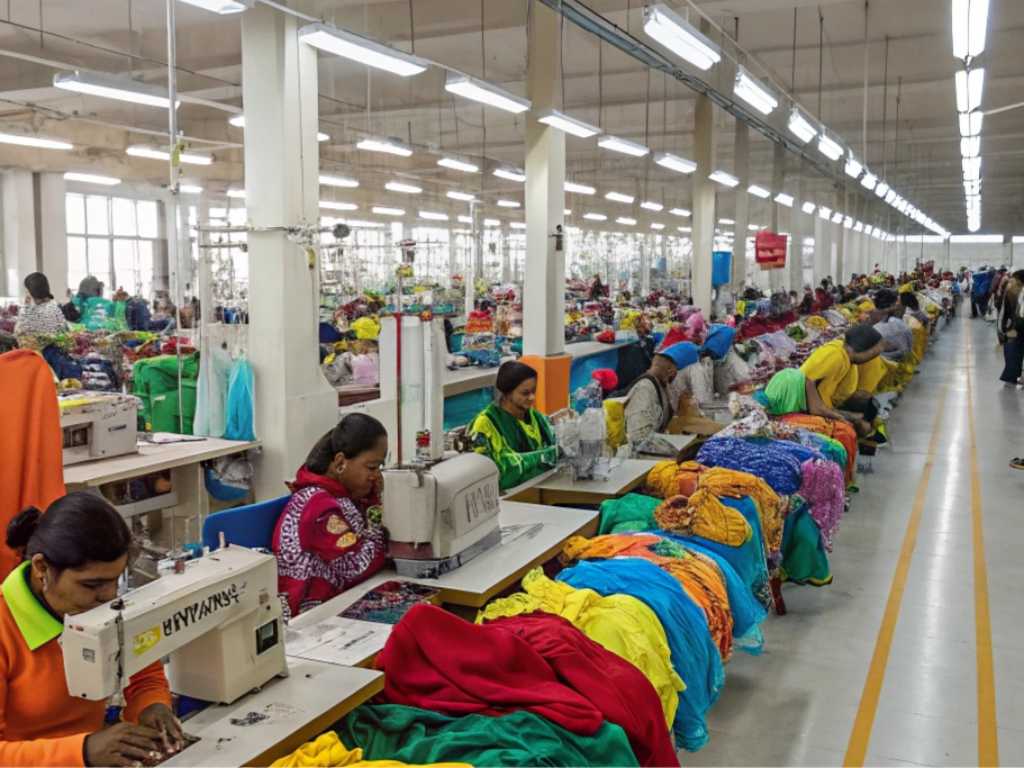
- 18+ sewing lines, 6+ flexible production lines, and 100,000+ pieces of regular monthly capacity for multi-style programs and repeat production.
- 12+ merchandisers and 15+ QC inspectors supporting schedule visibility, sample records, bulk checkpoints, packing verification, and shipment coordination.
Manufacturing Capacity Built for Supplier Transition
Since 2008
6 Owned Factories
10+ Production Partners
2 Sample Rooms
18+ Sewing Lines
15+ QC Inspectors
Built for Brands Requiring a Stronger Supplier
Strong Program Fit
Useful Starting Information
A complete tech pack is helpful, but development can also begin from an approved garment, original sample, line sheet, reference images, measurement chart, construction notes, or a combination of files. Stronger starting information leads to faster risk identification and a more accurate sampling plan. The most useful package includes style priority, quantity per style and color, size range, required fabric direction, approved workmanship, existing production problems, label and packing requirements, destination market, and target delivery date. Jinfeng Apparel reviews the material before confirming sample scope, quotation basis, and production scheduling.
Common Signals a Dress Supplier Needs Upgrading
Sample and Bulk Gaps
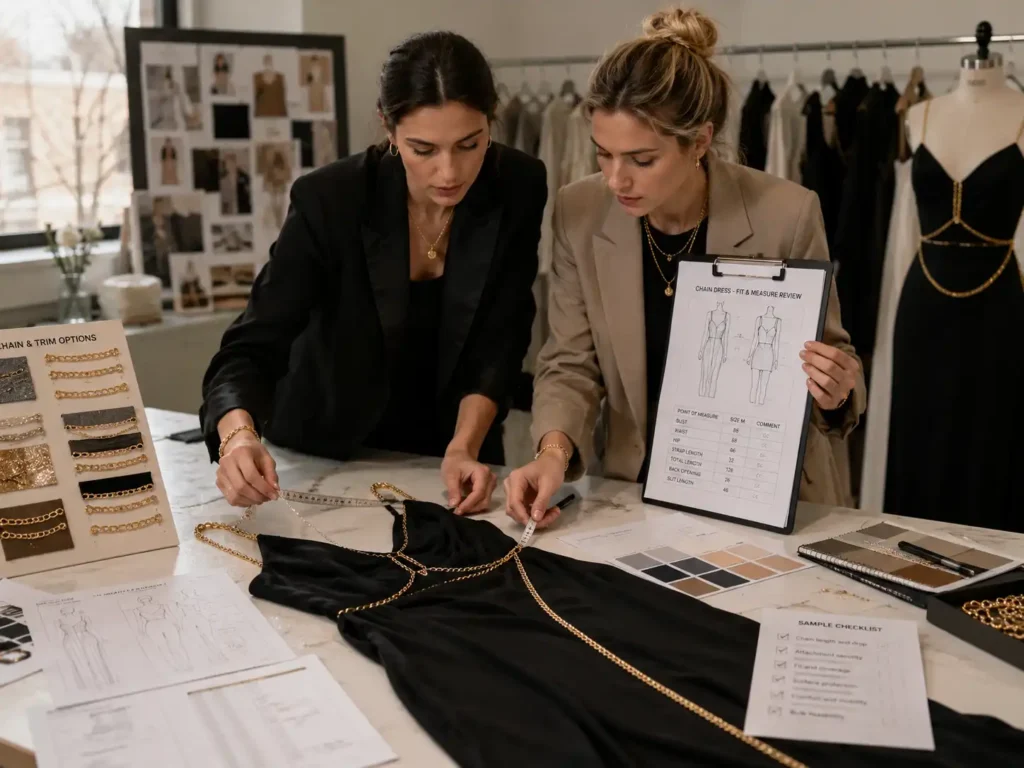
A reliable replacement supplier must lock the final pattern, measurement chart, bill of materials, approved fabric, trim references, sewing instructions, label placement, packing method, and QC checkpoints before cutting begins. Without a production standard, a good sample remains only a showroom piece.
Weak Fit Development
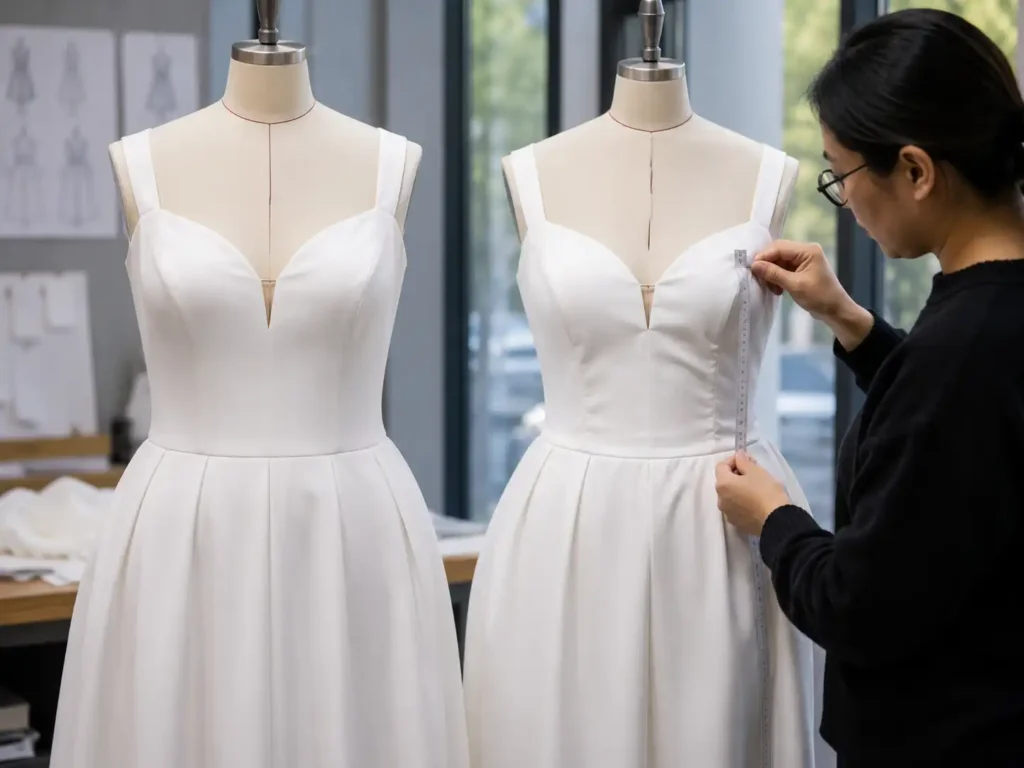
A stronger manufacturer must measure the sample against the size chart, review the pattern change behind every correction, document approval status, and verify whether a new fabric changes stretch, drape, shrinkage, or balance. Fit correction must create a production standard, not a temporary appearance improvement.
Fabric Substitution Risk
Supplier upgrading often begins with a fabric re-check. Composition, weight, width, stretch direction, recovery, color availability, lot consistency, lining compatibility, trim interaction, supplier MOQ, and replenishment potential should be reviewed before a new sample is approved.
Delivery Visibility Gaps
A stronger supplier should issue a working timeline after project review, track material and sample status, identify unresolved approvals, confirm the production window after PP approval, and align packing and shipment preparation with the brand’s launch plan. Silence until a problem becomes urgent is not project management.
Limited Product Capability
Supplier upgrading should match product difficulty to proven development and production discipline. Every complex style needs a defined sample route, risk review, line allocation, handling instructions, and product-specific inspection points.
Repeat Order Drift
Best sellers often lose consistency when patterns, fabrics, trims, color references, workmanship notes, packing details, and Golden Sample records are not retained.
A reorder then becomes a new interpretation instead of a controlled repeat.
A stronger program keeps approved files and physical references organized by style number and version. Any new color, new fabric, construction change, or size extension is reviewed as a controlled development change before replenishment enters production.
Six Standards for a Meaningful Supplier Upgrade
Development Judgment
Pattern and Fit Control
Material Revalidation
Sample-to-Bulk Transfer
Project Visibility
Repeatable Delivery
Compare Common Supplier Problems with Upgraded Control
The strongest supplier review compares operating methods, not marketing claims. The matrix below links common failure points with the control standard required for a stable dress program and the way Jinfeng Apparel organizes each stage.
| Evaluation Area | Common Failure Pattern | Required Upgrade Standard | Jinfeng Apparel Control |
|---|---|---|---|
| Style Review | Reference accepted without risk review | Structure, fabric, fit, workmanship, cost, and production risk reviewed before sampling | Tech pack, sample, image, measurement, fabric, and quantity review |
| Pattern | Comments corrected visually but not technically | Pattern and measurement changes recorded by version | 7+ senior pattern makers, measurement comparison, revision record |
| Fabric | Similar-looking material used without performance confirmation | Fabric revalidated for weight, stretch, recovery, drape, opacity, color, and lining | Fabric options, supplier check, swatch or yardage approval by project |
| Sampling | First sample treated as final production standard | First, fit, revised, photo, PP, and Golden Sample roles separated | 2 sample rooms and 20+ sample machinists supporting staged approval |
| Bulk Transfer | Sewing line receives incomplete or outdated information | Final pattern, BOM, size chart, sewing notes, labels, and QC points released together | Production file confirmation before cutting and line allocation |
| QC | Defects found mainly near shipment | Material, cutting, inline, measurement, finishing, packing, and final checks | 15+ QC inspectors and product-specific checkpoints |
| Schedule | Updates arrive only after delay becomes serious | Milestones tracked with approval dependencies and escalation points | 12+ merchandisers and order follow-up specialists |
| Packing | Barcode, size sticker, label, or carton errors discovered late | Packing standard confirmed before bulk packing | Label, polybag, barcode, SKU, carton mark, and packing list verification |
| Repeat Orders | Previous standards reconstructed from old messages | Records retained by style, version, material, workmanship, and packing | Pattern, fabric, trim, QC, Golden Sample, and packing records |
Review the Current Program Before Switching Production
Product and Failure Audit
- Pattern-related issues may include balance, proportion, grading, or movement.
- Material-related issues may include stretch, recovery, transparency, drape, shrinkage, color, or surface damage.
- Process-related issues may include unstable seam methods, uncontrolled ruching, weak reinforcement, pressing marks, or inconsistent label placement.
- Management-related issues may include missing approvals, outdated files, delayed updates, or unclear packing instructions.

Feasibility and Risk Advice
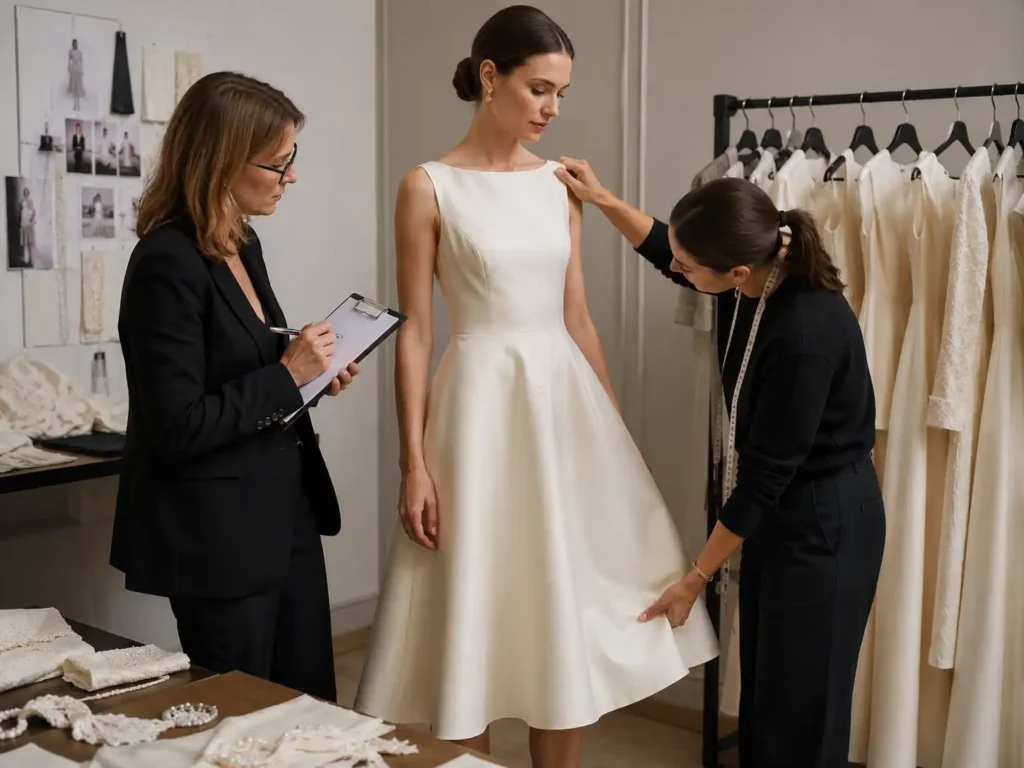
After the audit, Jinfeng Apparel identifies which standards can be retained and which need rebuilding.
An existing pattern may be usable if measurements, balance, and grading remain sound. A visually similar fabric may require a new sample when stretch, weight, drape, shrinkage, or opacity changes.
A complex dress may require construction simplification or stronger internal support before bulk production becomes stable.
The review also considers quantity per style and color, material availability, trim MOQ, size range, packing requirements, testing needs, launch date, and shipment method.
Commercial feasibility is assessed alongside product feasibility because a technically possible style may still conflict with material MOQ or delivery timing.
Controlled Sampling Route
Sampling is planned around risk and launch priority.
A standard woven dress may move through first sample, fit review, revision, and PP approval.
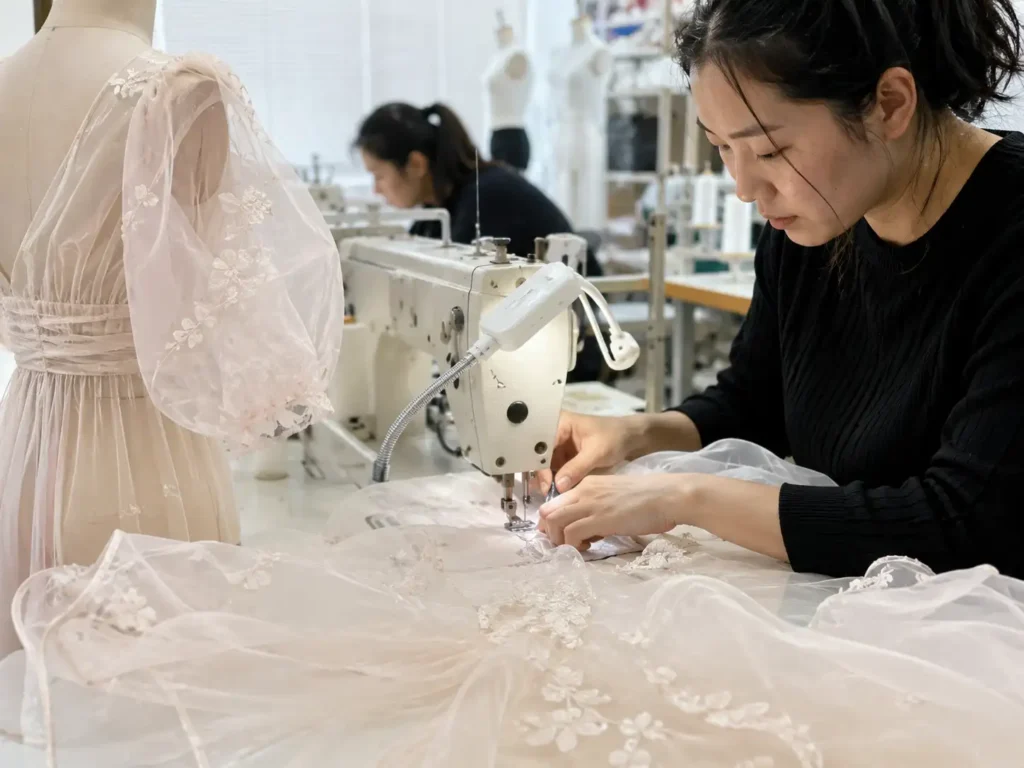
A corset, sequin, lace-placement, cut-out, stretch mesh, or structured occasion style may require additional testing for internal support, lining coverage, placement accuracy, recovery, comfort, surface protection, or pressing. Early schedules remain project-based.
As a planning reference, standard dress samples are often discussed around 10-15 working days after required materials are ready, while complex structures or custom material development may require roughly 15-25 working days.
Final timing is confirmed after file, fabric, trim, and workload review.
Move Production Through a Controlled Transition
Current Style Audit
Material Revalidation
Pattern Review
Corrected Sample
PP Standard Lock
Controlled Bulk Launch
Dress Categories Requiring Specialist Manufacturing Control

Satin and Slip Dresses
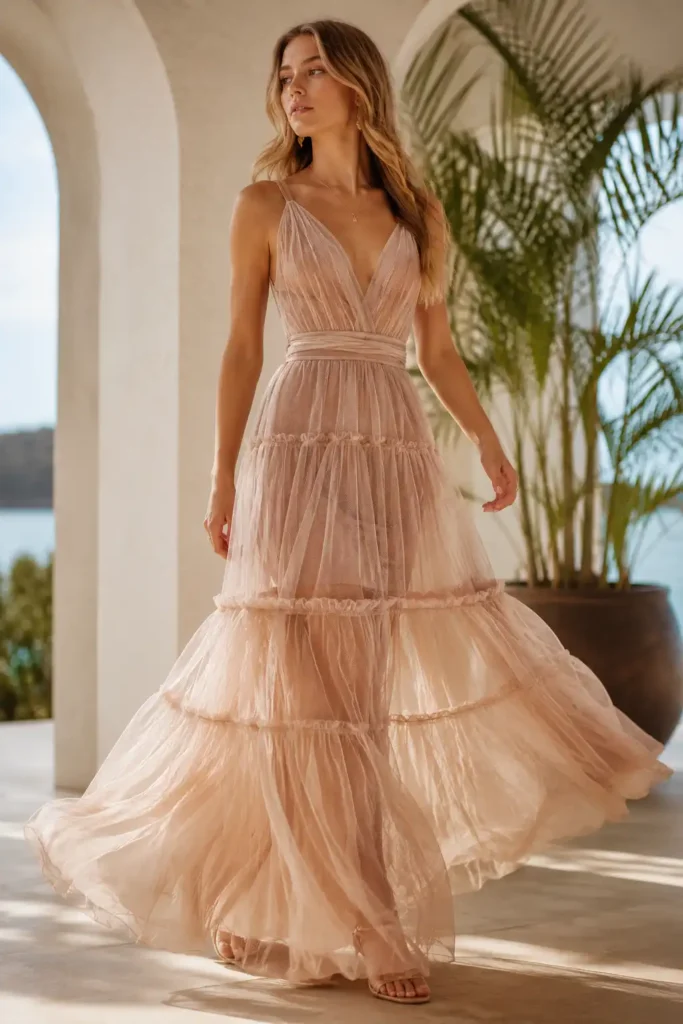
Mesh and Layered Dresses
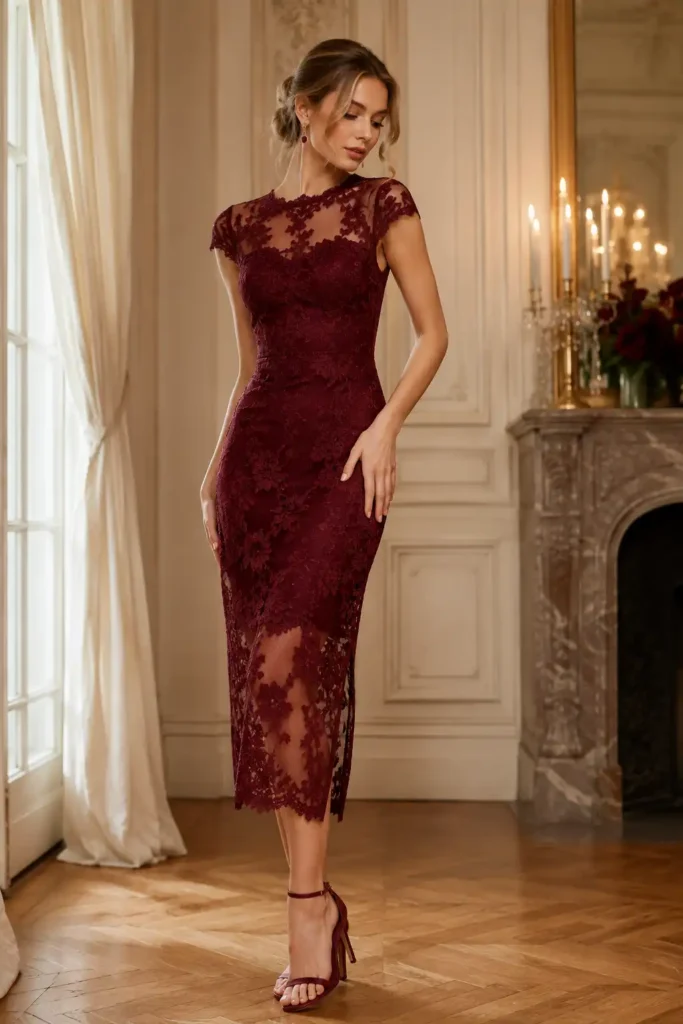
Lace Occasion Dresses

Sequin Party Dresses
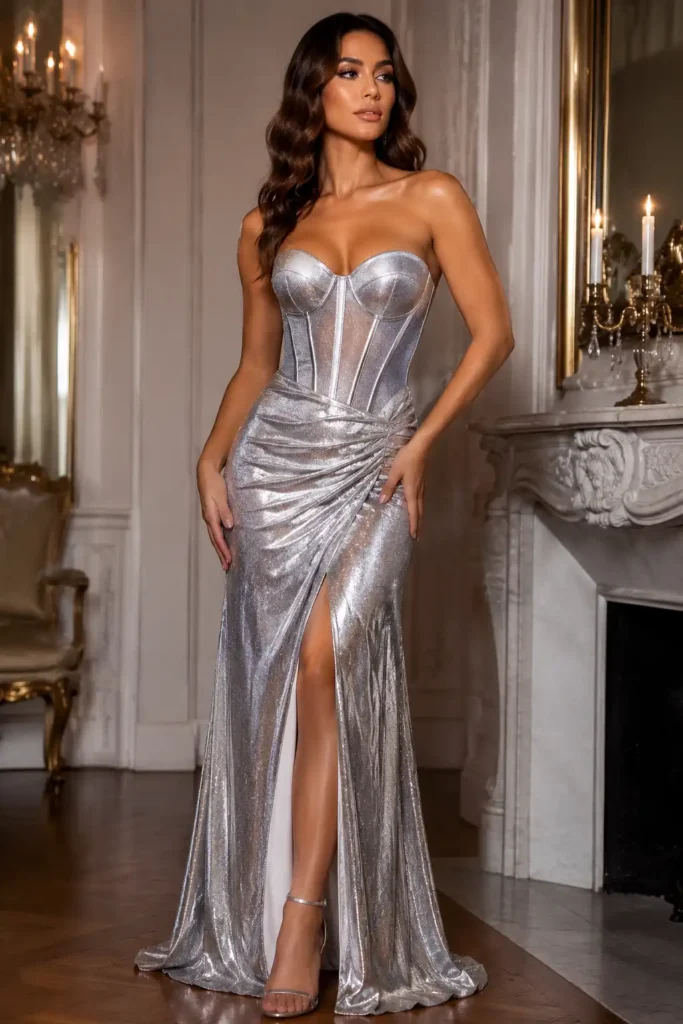
Corset Dresses

Bodycon Dresses
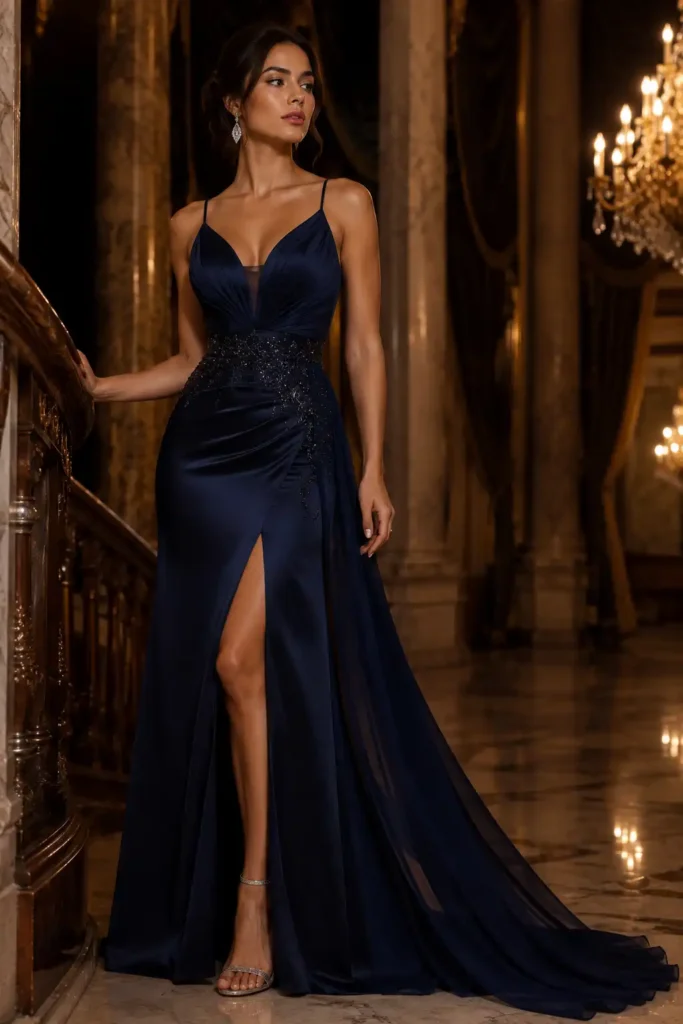
Evening and Cocktail Dresses

Jumpsuits and Sets
Rebuild Fit Without Losing Brand Identity
Fit correction should preserve the commercial character of an established style while removing defects that create returns, inconsistent sizing, poor photography, or unstable production. Jinfeng Apparel connects pattern work, sample measurement, fabric behavior, fitting comments, and grading decisions in one controlled route.
Start with the Approved Reference
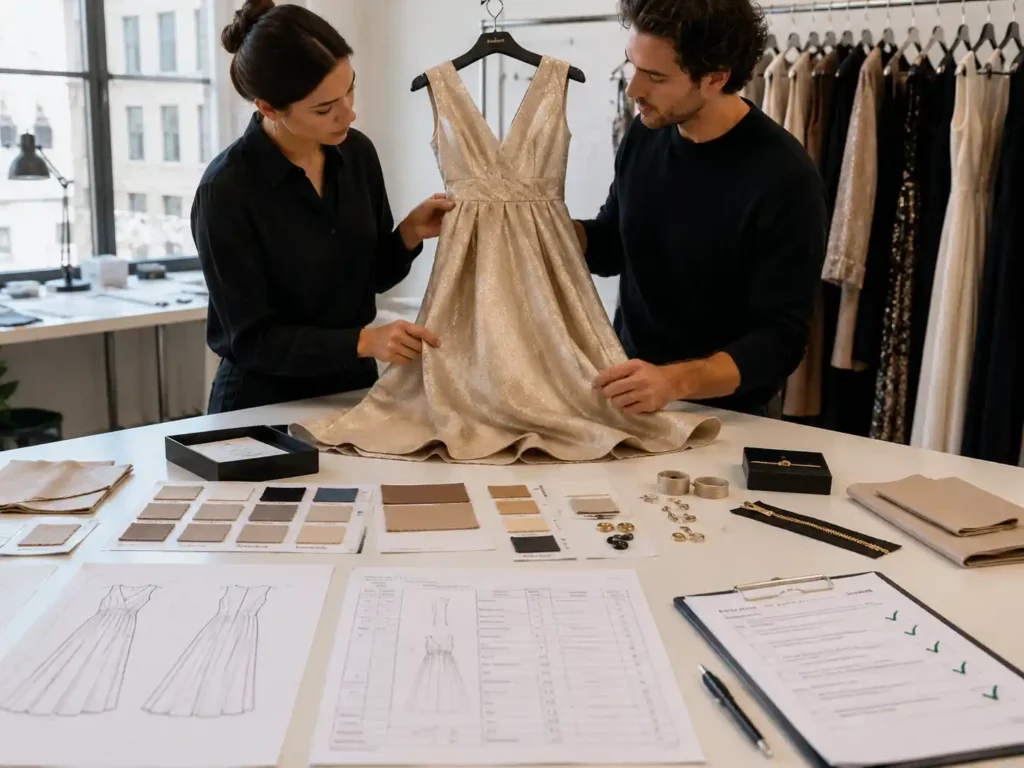
The strongest reference may be an original approved garment, a selling sample, a Golden Sample, a complete tech pack, or a combination of physical and digital records. The review compares visual proportion and measurable structure rather than copying only the outer appearance.
Key reference points include overall silhouette, shoulder and neckline position, bust shaping, waist placement, hip line, body length, skirt balance, strap angle, sleeve movement, slit location, hem level, internal support, and closure behavior. Measurements are checked against the intended base size and available size chart. Any difference between the garment and the file is identified before pattern work begins.
For a style already selling in several markets, the goal may be controlled replication. For a style with known return problems, the goal may be corrective redevelopment. The route is agreed before sampling so the team understands which features are protected and which need improvement.
Record Every Pattern Change
A sample comment such as “waist too loose” is not enough for controlled development. The record should state where the looseness appears, how much adjustment is required, whether the change comes from side seams, darts, panel shaping, elastic, seam allowance, fabric stretch, or grading, and whether neighboring measurements are affected.
Jinfeng Apparel records pattern changes, measurement changes, fabric changes, trim changes, sewing changes, fit comments, approval status, and next action by sample version. Measurements commonly reviewed include bust, underbust, waist, high hip, low hip, shoulder, armhole, sleeve, body length, dress length, strap length, neckline depth, slit height, hem width, inseam, rise, and crotch length for jumpsuits.
A change in fabric may require a fresh pattern adjustment even when the design remains visually unchanged. Stretch, recovery, weight, drape, shrinkage, lining, and seam construction can alter the finished measurement and balance. Pattern approval therefore belongs with material approval, not before it.
Grade Sizes as a System
Size grading is not a simple increase around every edge. Bust, waist, hip, neckline, shoulder, armhole, strap, sleeve, body length, hem, slit, rise, and crotch need category-specific rules. Structured corset dresses, stretch bodycon dresses, bias-cut satin dresses, and relaxed resort dresses cannot share one generic grading approach.
A common size plan may run XS-XL, with extended ranges, petite, tall, or market-specific charts reviewed by project. MOQ can be distributed across sizes once the per-style and per-color production basis is met, but the size ratio must support cutting, bundling, measurement control, labels, packing, and inventory logic. A line sheet should show quantity by style, color, and size before quotation and production planning.
Bulk measurement checkpoints are set from the approved size chart and product risk. Critical measurements receive closer control, while appearance checks verify balance and shape. The aim is not only a garment within tolerance, but a size run that looks related and performs consistently.
Protect Fit Through Bulk Production
Approved fit can drift during spreading, cutting, fusing, sewing, elastic application, ruching, pressing, hanging, or packing. Production control begins with fabric condition and pattern version, then follows cut panel accuracy, seam allowance, operator method, tension, reinforcement, pressing, and measurement.
Inline checks identify deviation before a full quantity is completed. For stretch styles, measurement may be reviewed after recovery time.
For bias or long dresses, hanging behavior and hem balance may require staged checking. For corset styles, internal construction and symmetry matter as much as outer measurement. For jumpsuits, torso and crotch balance must be checked with movement in mind.
Fit records retained after shipment support repeat orders, new colors, related styles, and future corrective work.
A repeat using a new fabric or revised structure still receives a change review rather than automatic release.
Revalidate Fabrics, Trims, and Construction Details
A supplier transition can fail even when the new pattern is correct if fabric and trims are selected by appearance alone. Material approval needs enough technical and commercial information to support sampling, bulk consistency, replenishment, packing, and cost control.
Evaluate Fabric as a Garment Material
A fabric is reviewed for how it behaves after cutting, sewing, pressing, wearing, and packing. Composition offers useful information, but it does not fully describe hand feel, weight, width, stretch, recovery, drape, surface, opacity, shine, shrinkage, crease response, snagging, pilling, color consistency, or lining need.
For satin, grain and face direction affect shine and panel appearance. For mesh, stretch direction and recovery affect fit. For lace, motif scale and border affect placement. For sequins, base stability and direction affect cutting and comfort. For chiffon, transparency and movement affect layering. For jersey and ponte, recovery and seam behavior affect bodycon fit. For velvet, pile direction and shade require controlled cutting.
Material approval may use swatches, color standards, available yardage, sample yardage, lab dips, strike-offs, or supplier documents depending on the project. Custom dyeing, printing, special lace, sequins, certified resources, and exclusive developments may carry separate MOQ and timing. Availability must be checked before a launch plan is locked.
Recheck Linings and Internal Support
Lining controls opacity, comfort, shape, seam coverage, structure, static, movement, and appearance under lighting. One lining choice cannot solve every dress. Stretch mesh may need a compatible stretch lining. Satin may need a smooth lining without excessive grip. Sequin dresses need skin protection. Corset dresses need stable internal layers and controlled support.
Internal elements such as cups, boning, channels, interfacing, elastic, stay tape, shoulder support, waist tape, and reinforcement are reviewed together with the outer fabric. Their dimensions, position, stiffness, recovery, attachment method, and comfort affect both fit and bulk repeatability.
A material change during sampling may require new pattern work, updated seam methods, revised pressing, and another sample. The impact is documented before approval so cost and timing changes do not appear unexpectedly after bulk materials are ordered.
Control Visible Trims and Closures
Zippers, hooks, buttons, buckles, sliders, rings, straps, lace, appliqué, fringe, beads, sequins, elastic, drawcords, and decorative hardware influence appearance and production stability.
Color, size, finish, strength, placement, supplier availability, and MOQ need confirmation.
Invisible zippers require suitable tape, length, support, and seam construction. Corset hooks and boning need stable positioning. Adjustable straps require compatible sliders and rings. Lace or appliqué placement requires repeatable reference points.
Decorative trims can create abrasion, weight, snagging, or packing risk.
Trim cards, approved samples, BOM records, and placement measurements help the production line repeat the intended result. Reorders use retained references where available, while discontinued or changed trims trigger a new approval step.
Build Workmanship Around Material Behavior
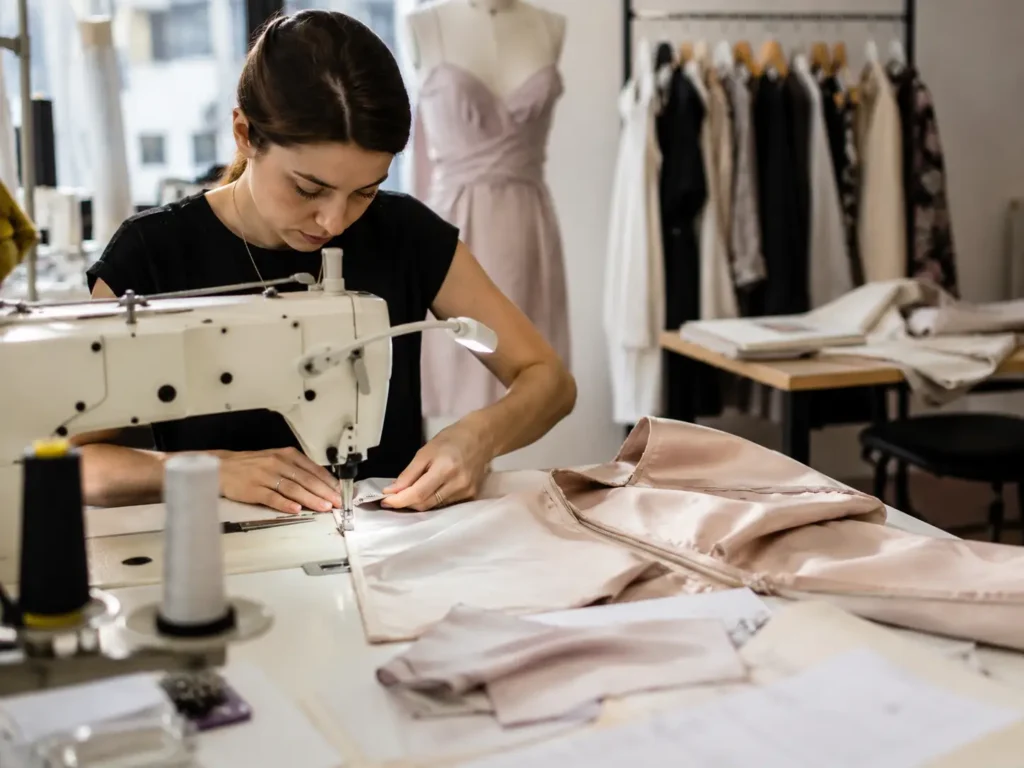
Seam type, stitch density, needle, thread, seam allowance, reinforcement, edge finish, gathering, ruching, pleating, fusing, pressing, hanging, and packing must match the selected material and garment structure. A method suited to stable woven fabric may damage fine satin or distort stretch mesh.
Workmanship instructions cover high-risk zones: neckline, armhole, zipper, cup, boning, waist seam, side seam, slit, hem, lace join, sequin seam, strap attachment, and label placement. Production preparation also considers whether sequins must be cleared from seams, whether lace motifs require matching, whether elastic needs controlled length, or whether bias panels require resting before final hemming.
Material and workmanship approval form one standard. Separating them often leads to a sample that looks correct only because an experienced sample machinist compensated informally for missing instructions.
Use the Right Sample for Each Decision
A mature supplier program separates sample purposes so photography, fit, sales review, production approval, and repeat control are not confused. Sample timing and revision planning depend on material readiness, structure, workmanship, fit risk, and style priority.

First Sample

Fit Sample

Revised Sample

Photo or Sales Sample
PP Sample
Golden Sample Record
Transfer Approved Samples into Stable Bulk Production

Final Pattern Version

Size Chart and Tolerance
BOM and Material Record
Sewing Instructions
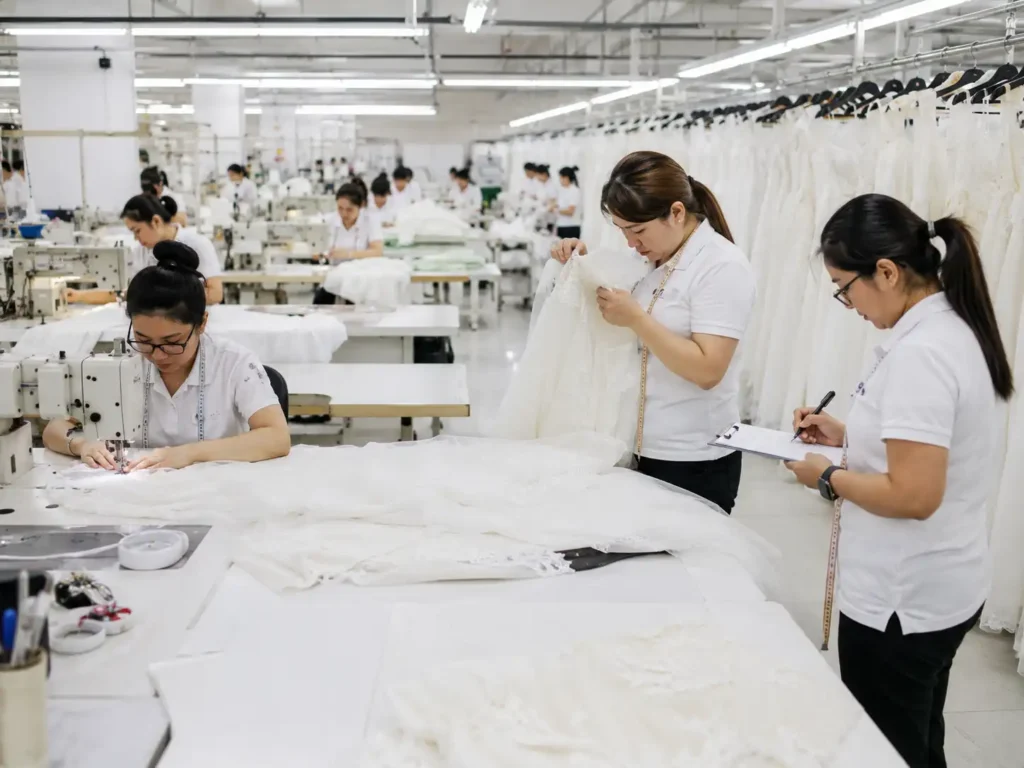
QC Checkpoints
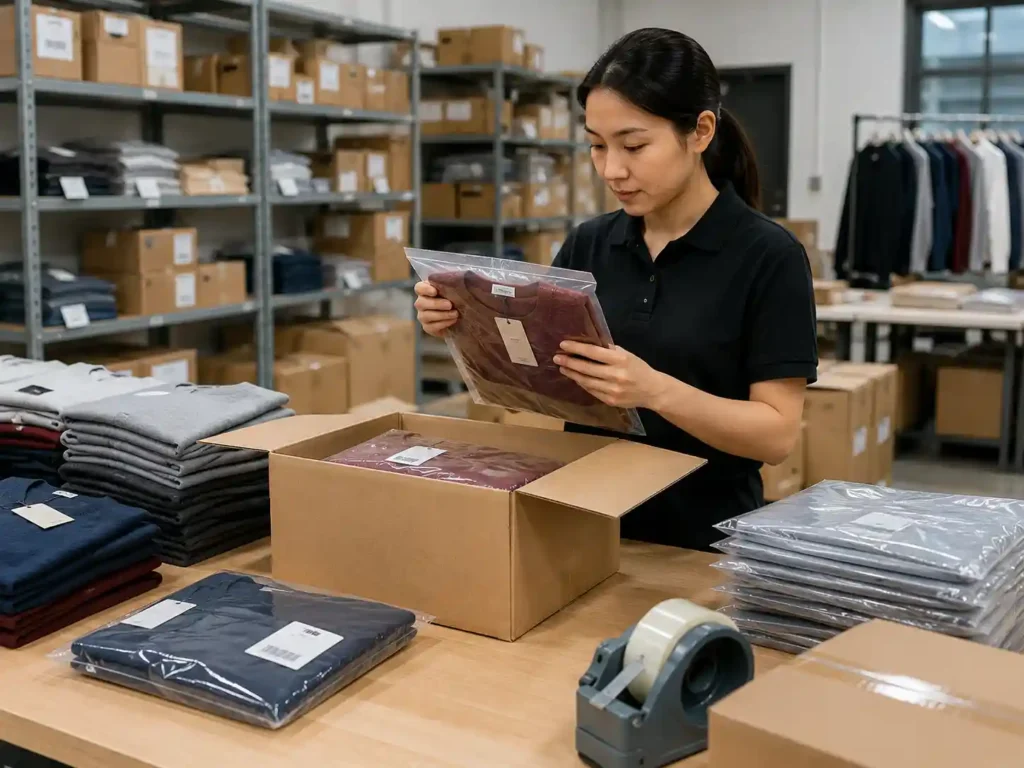
Packing Instructions
Plan Multi-Style Production Around Brand Priorities
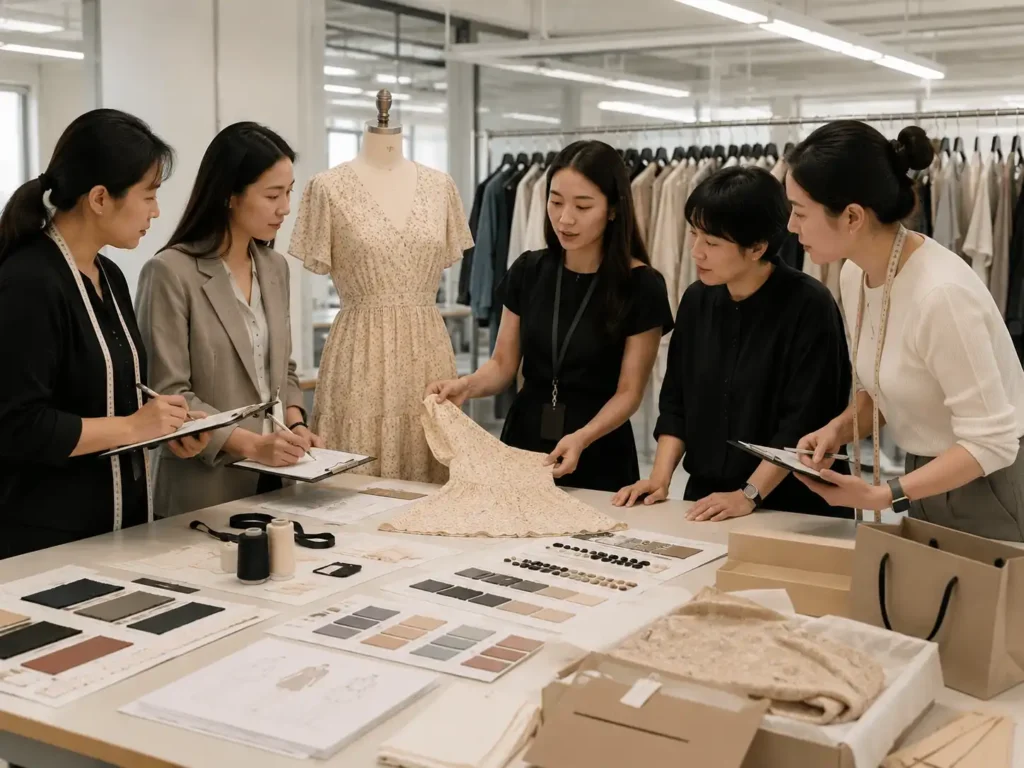
Match Product to Production Resource

Organize 10-30 Styles as One Program
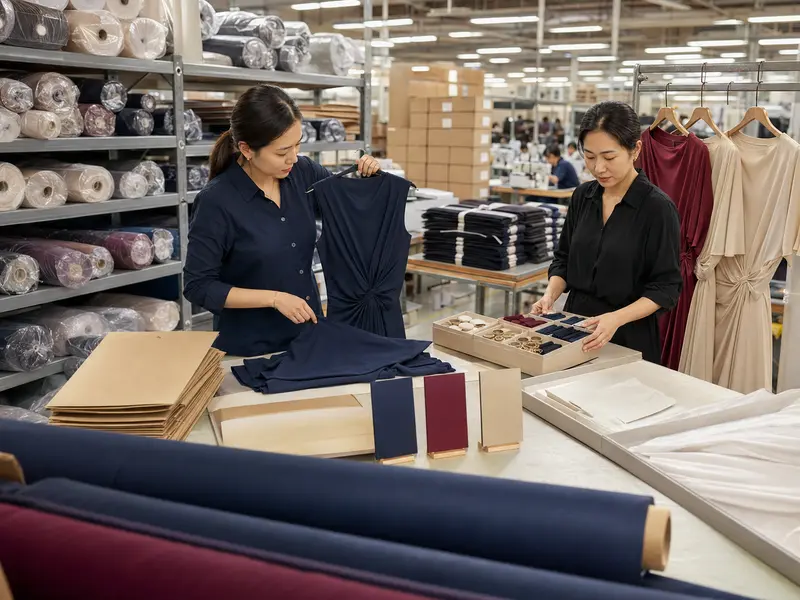
Scale from First Bulk to Repeat Program
Regular monthly capacity exceeds 100,000 pieces across the managed system, supported by 18+ sewing lines and 6+ flexible production lines. Capacity remains subject to product complexity, material readiness, quality requirements, active workload, and confirmed scheduling. Many bulk programs are initially discussed around 30-45 production days after PP approval and bulk material readiness. Multi-style orders, complex workmanship, custom materials, split packing, testing, or peak-season allocation may require longer. Shipment timing is planned separately according to express, air, sea, mixed air-sea, EXW, FOB, CIF, DAP, or qualified DDP arrangements.
See Quality and Schedule Status Before Shipment
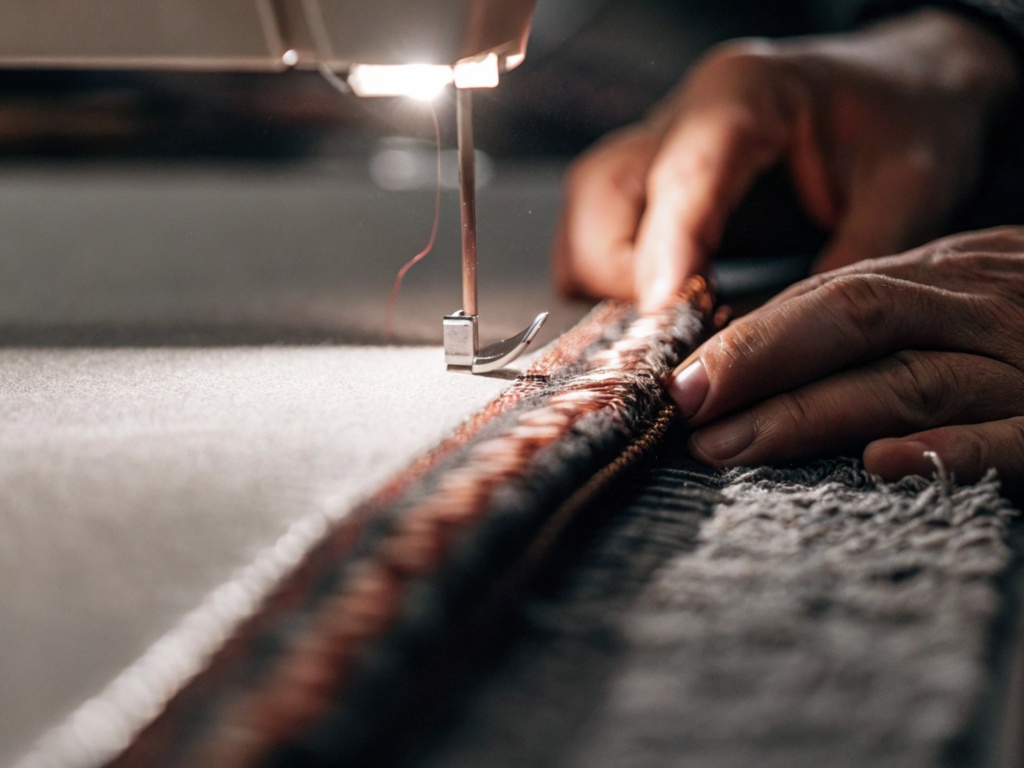
Material and Trim Inspection
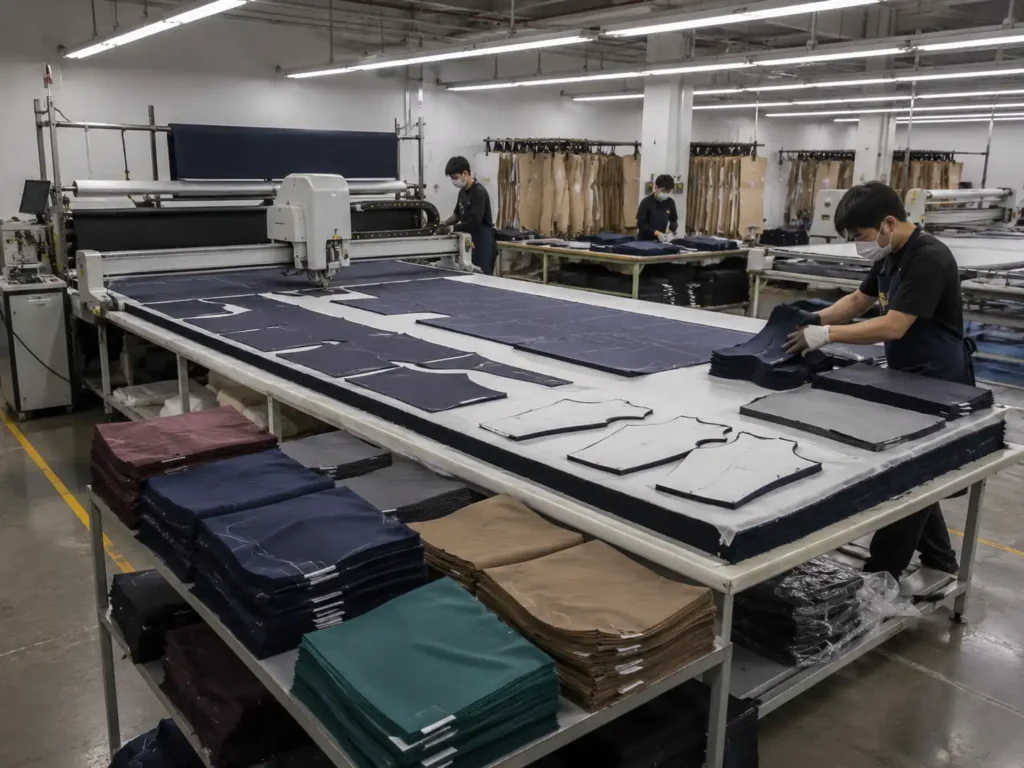
Cutting and Panel Checks

Inline Sewing Review

Finished Garment Review

Packing Verification

Milestone Visibility
Align MOQ, Cost, Timing, and Delivery
A supplier upgrade succeeds when product quality and commercial conditions are evaluated together. Pricing, MOQ, sample stages, production time, size ratio, colors, packing, and shipment must reflect the actual style rather than a generic dress quotation.
| Planning Area | Working Basis | Important Variables | Brand Preparation |
|---|---|---|---|
| MOQ | Starts from 200 pcs per style/color | Fabric availability, custom dyeing, print, lace, sequins, trims, labels, packaging, color count | Submit quantity by style, color, and size |
| Size Range | XS-XL and wider ranges reviewed by project | Grade rules, fit block, petite/tall/extended sizes, labels, carton ratio | Provide measurement chart and size ratio |
| First Sample Timing | Often discussed around 10-15 working days after materials are ready | Pattern complexity, fabric, trims, sample priority, workload | Confirm files, material direction, and comments quickly |
| Complex Sample Timing | Often discussed around 15-25 working days | Corset, lace placement, sequins, custom dyeing, cut-outs, multilayer construction | Identify high-risk styles and launch priority |
| Bulk Production | Many programs are discussed around 30-45 days after PP approval and material readiness | Style count, complexity, material lead time, testing, packing, active capacity | Lock PP, color, quantity, labels, and packing before release |
| Costing | Built from fabric, trims, pattern, sampling, cutting, sewing time, finishing, QC, packing, wastage, logistics, and testing | Fabric width and weight, lining, structure, embellishment, size range, color count, timing | Send complete product and commercial information |
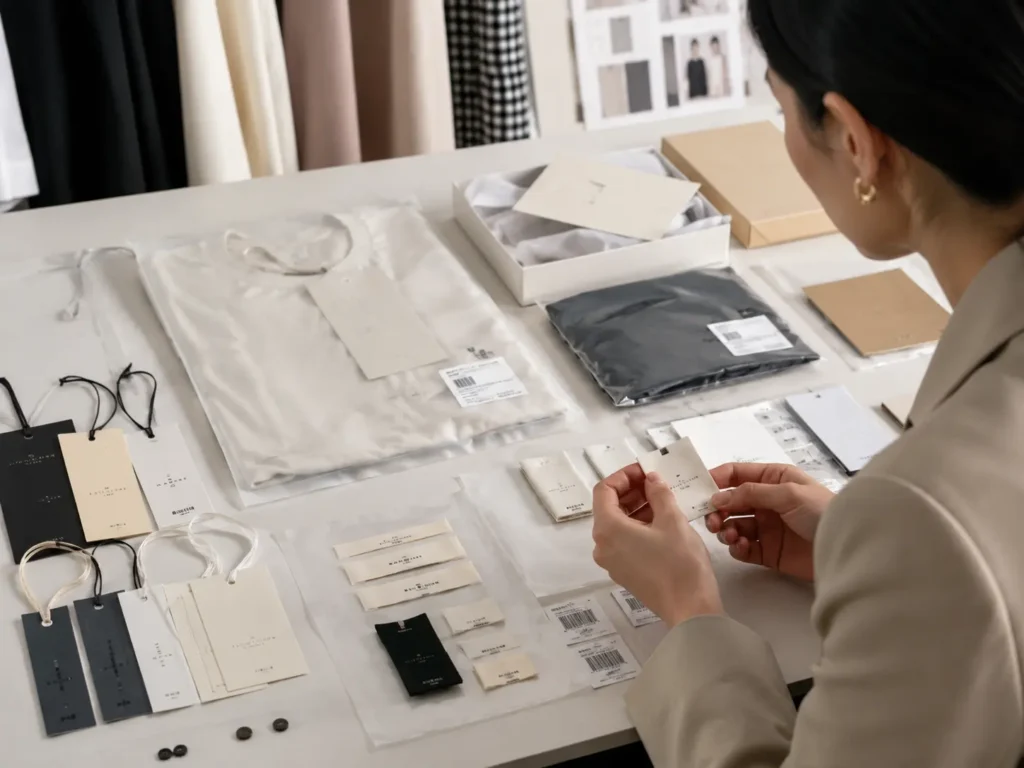
| Private Label | Main label, care label, size label, hangtag, barcode, SKU, polybag, carton mark | Separate supplier MOQ, artwork approval, material, printing, market rules | Provide approved artwork and packing manual |
| Shipment | Express, air, sea, air-sea split, appointed forwarder, EXW, FOB, CIF, DAP, qualified DDP | Destination, launch date, volume, carton data, booking, documents | Confirm destination, terms, forwarder, and receiving rules |
Supplier Upgrade Dress Manufacturing Case Studies
Changing a dress manufacturer requires more than moving production. Brands need a partner that can identify existing problems, rebuild standards, improve communication, and transfer approved products into stable bulk production. Jinfeng Apparel supports supplier transitions through technical review, controlled sampling, production management, QC improvement, and repeat-order systems.

Case Study 1: Replacing an Unstable Dress Supplier for a US Fashion Brand
A US womenswear brand had developed a strong market position but experienced repeated production issues with its existing supplier.
The product range included:
- Party dresses
- Satin occasion dresses
- Bodycon styles
- Corset dresses
The brand wanted to replace the supplier while protecting existing product identity.
Program scope:
- 18 dress styles
- 48,000 pieces
- Multiple colors
- XS-XL size range
- Private-label packaging
Previous Supplier Challenges
The brand experienced:
Sample-to-Bulk Differences
Problems included:
- Different measurements
- Changed neckline shape
- Incorrect waist position
- Uneven pressing
- Different fabric behavior
Poor Production Visibility
The brand also faced:
- Late updates
- Unclear production status
- Delayed problem reporting
- Packing mistakes
Jinfeng Solution
Jinfeng started with a supplier-transition review.
Product Audit
Reviewed:
- Existing samples
- Tech packs
- Measurement charts
- Fabric information
- QC problems
Result
The brand achieved:
- Stable production standards
- Improved fit consistency
- Clear project communication
- Controlled bulk execution
The supplier transition expanded from priority styles into broader collection production.

Case Study 2: Building a Reliable Second Supplier for a Growing Fashion Brand
A growing fashion brand depended on one factory for most dress production but wanted a second supplier to reduce supply chain risk.
The objective was:
- Increase production flexibility
- Improve delivery security
- Support seasonal growth
Products included:
- Satin dresses
- Mesh dresses
- Occasion dresses
- Resort styles
Supplier Upgrade Challenge
The brand did not want to immediately replace the existing factory.
Main concerns:
- Maintaining current fit standards
- Avoiding duplicate development work
- Ensuring quality consistency
- Testing supplier capability
Jinfeng Solution
Jinfeng created a controlled onboarding process.
Priority Style Selection
Selected:
- Bestselling styles
- High-demand products
- Difficult products
Technical Transfer
Reviewed:
- Existing patterns
- Size charts
- Fabric references
- Construction details
Trial Bulk Production
Managed:
- Sample approval
- PP confirmation
- First production
- QC comparison
Result
The brand successfully established:
- A reliable second production source
- Reduced supply chain dependency
- Additional production flexibility
- Faster seasonal capacity expansion
Jinfeng became an approved manufacturing partner for future collections.

Case Study 3: Upgrading Complex Dress Production Capability
A premium womenswear brand needed a stronger manufacturing partner for technically demanding products.
The previous supplier could manage basic dresses but struggled with:
- Corset structures
- Lace placement
- Sequin dresses
- Stretch bodycon styles
Production Challenge
Complex styles created repeated issues:
Corset Dresses
Problems:
- Incorrect support
- Uneven boning
- Poor waist shaping
Lace Dresses
Problems:
- Motif misalignment
- Uneven placement
- Damaged edges
Sequin Dresses
Problems:
- Surface damage
- Loose sequins
- Packing issues
Jinfeng Solution
Jinfeng assigned production according to product complexity.
Development Control
Managed:
- Fabric review
- Pattern adjustment
- Internal structure
- Sample revision
Result
The brand achieved:
- Improved complex-product capability
- More stable premium finishing
- Better bulk consistency
- Expanded product development range
The cooperation extended from selected complex styles into broader collections.
Frequently Asked Questions About Supplier Upgrades
Yes. Jinfeng Apparel can review approved garments, bulk samples, photos, tech packs, size charts, fabric information, fitting comments, QC reports, and known production problems. The review separates pattern, measurement, material, workmanship, packing, and management issues before recommending a sample route. Brand names and design information can be protected through NDA-based cooperation.
Yes. An original garment can provide valuable fit, proportion, construction, workmanship, material, and finishing references. Better results come from combining the garment with a measurement chart, intended size range, fabric expectations, commercial quantity, and notes on any existing defects. Unauthorized copying of third-party designs is not accepted.
Not always. An existing pattern may be retained when balance, measurements, grading, and production performance remain sound. Correction or rebuilding is considered when fit problems, fabric changes, grading errors, construction instability, or incomplete records prevent consistent production. The decision follows a technical review rather than an automatic restart.
Each revision should record pattern changes, measurement changes, fabric changes, trim changes, sewing changes, fit comments, approval status, and next action. First, fit, revised, photo, salesman, PP, and Golden Sample roles are kept separate. Bulk production begins after required PP standards and production information are approved.
Timing is confirmed after style, fabric, trim, workload, and sample-purpose review. Standard dress samples are often discussed around 10-15 working days after required materials are ready. Complex corset, lace, sequin, mesh, cut-out, multilayer, or custom-material styles may require roughly 15-25 working days. Revision timing depends on comment scope and replacement materials.
The approved standard is transferred through a final pattern, measurement chart, BOM, fabric and trim references, sewing instructions, label files, packing instructions, and product-specific QC checkpoints. Material inspection, cutting checks, inline review, measurement control, finished garment inspection, packing QC, and final inspection reduce uncontrolled interpretation during production.
Yes. A phased route can begin with priority styles, a defined product group, or a controlled initial bulk program. Performance can be reviewed across development, fit, material, workmanship, schedule visibility, QC, packing, and delivery before the style count or volume expands.
MOQ starts from 200 pieces per style and color. Quantity is calculated by style and color rather than total order quantity. Fabric availability, custom color, print, lace, sequins, special trims, private-label materials, packaging, size range, and production schedule may affect the workable order structure.
Yes, multi-style programs can be reviewed and planned by product group, material, construction, sample priority, PP status, quantity, size ratio, packing, and launch schedule. Every style and color still requires a viable production quantity and confirmed material route. A line sheet with style-color-size breakdown improves planning accuracy.
Bulk timing is confirmed after PP approval, material readiness, order details, packaging, testing needs, and production allocation are known. Many programs are initially discussed around 30-45 production days, while complex multi-style or custom-material orders may require longer. Express, air, sea, mixed shipment, and appointed-forwarder arrangements are planned separately.

Evaluate Your Next Dress Manufacturing Partner
Jinfeng Apparel will examine style complexity, pattern and fit risk, fabric direction, trim requirements, MOQ fit, sample route, bulk control points, packing needs, and launch timing before recommending the next step.
A complete quotation requires confirmed materials, construction, quantity, size ratio, labels, packaging, and delivery requirements; an early review can still identify missing information and major production risks.
Please include:
- Company name, market, and main sales channel
- Tech pack, line sheet, reference images, or original sample photos
- Known problems with current sampling, bulk quality, communication, or delivery
- Quantity per style and color, with size breakdown where available
- Fabric, lining, trim, color, and workmanship requirements
- Private-label, barcode, SKU, polybag, and carton requirements
- Priority styles, sample needs, launch date, and target delivery date
- Testing, inspection, warehouse, forwarder, or shipment instructions