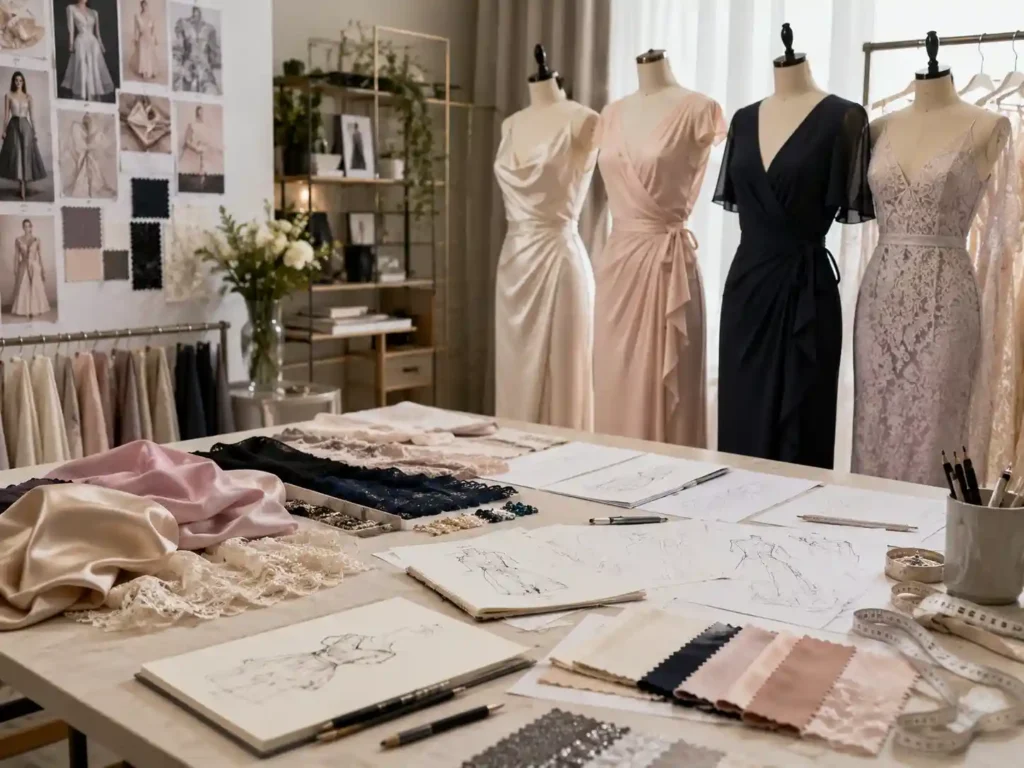
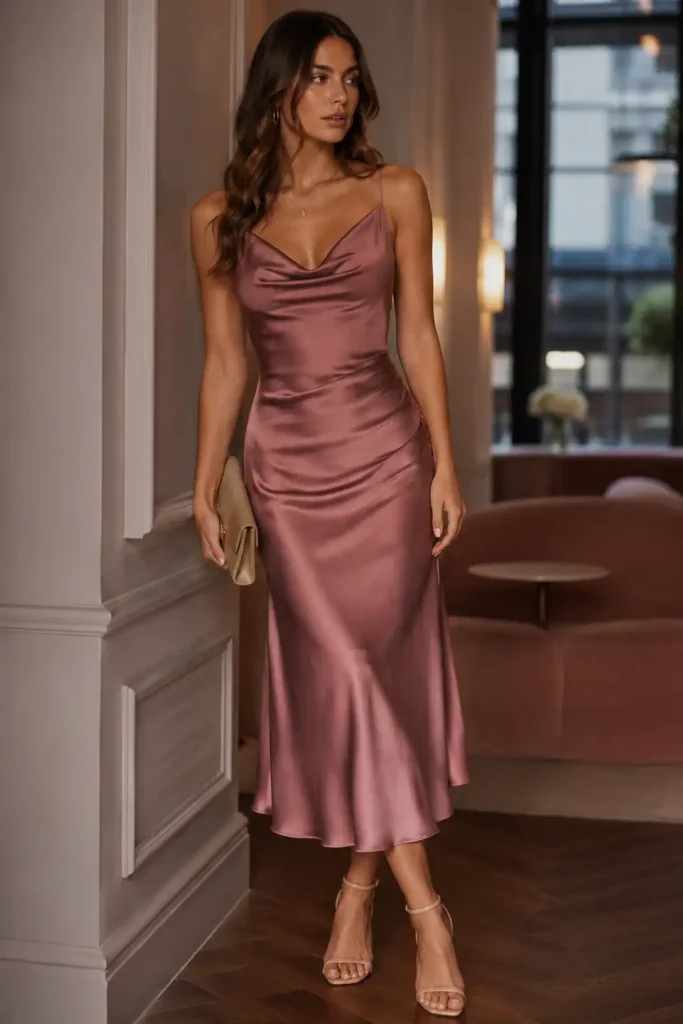
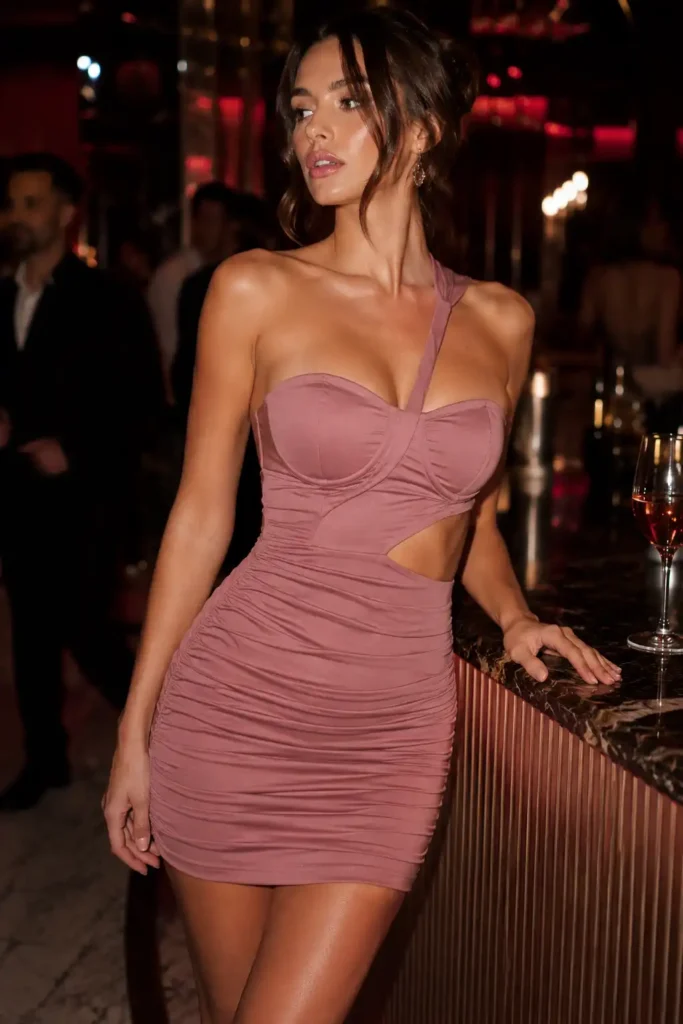
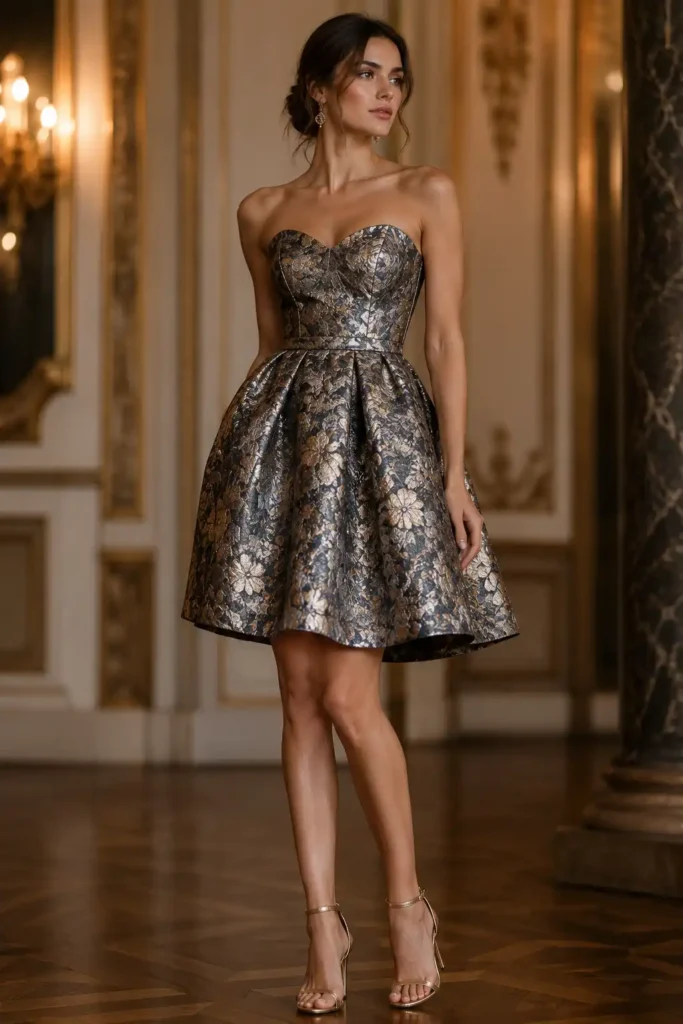
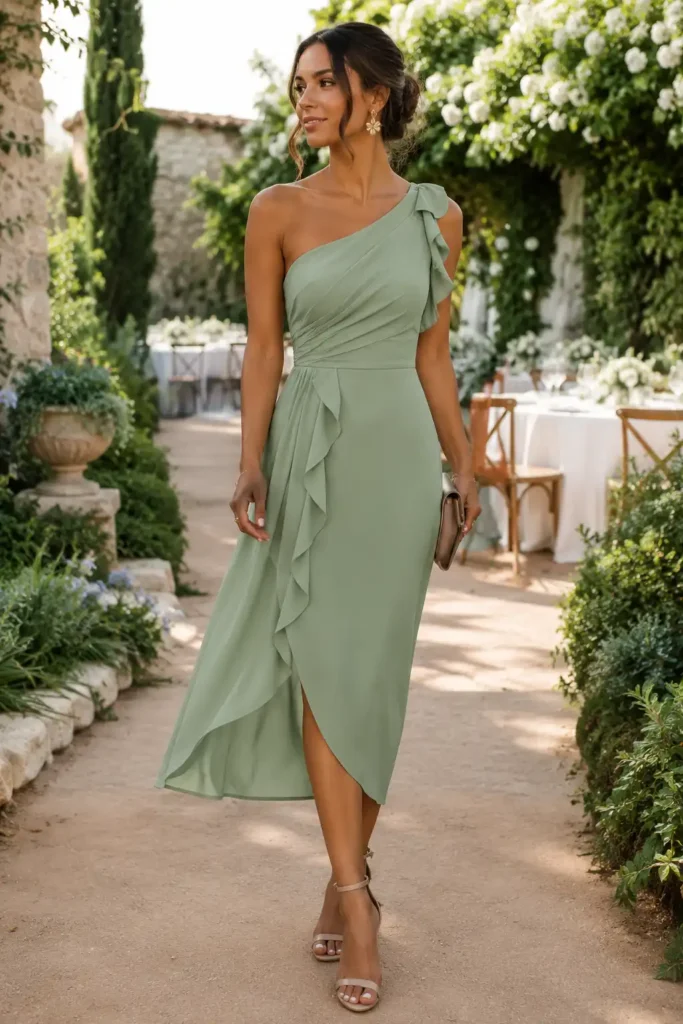
Dress Manufacturer for Specialty Retail Fashion Brands

Build coordinated, retail-ready dress collections with controlled fit, multi-style development, stable bulk execution and repeat-order continuity.

  • Retail programs commonly include 10-30 styles and total order volumes of 20,000-80,000 pieces across a coordinated collection.
  • 6 owned women’s fashion factories plus 10+ long-term satellite production partners support style allocation by fabric, construction and delivery window.
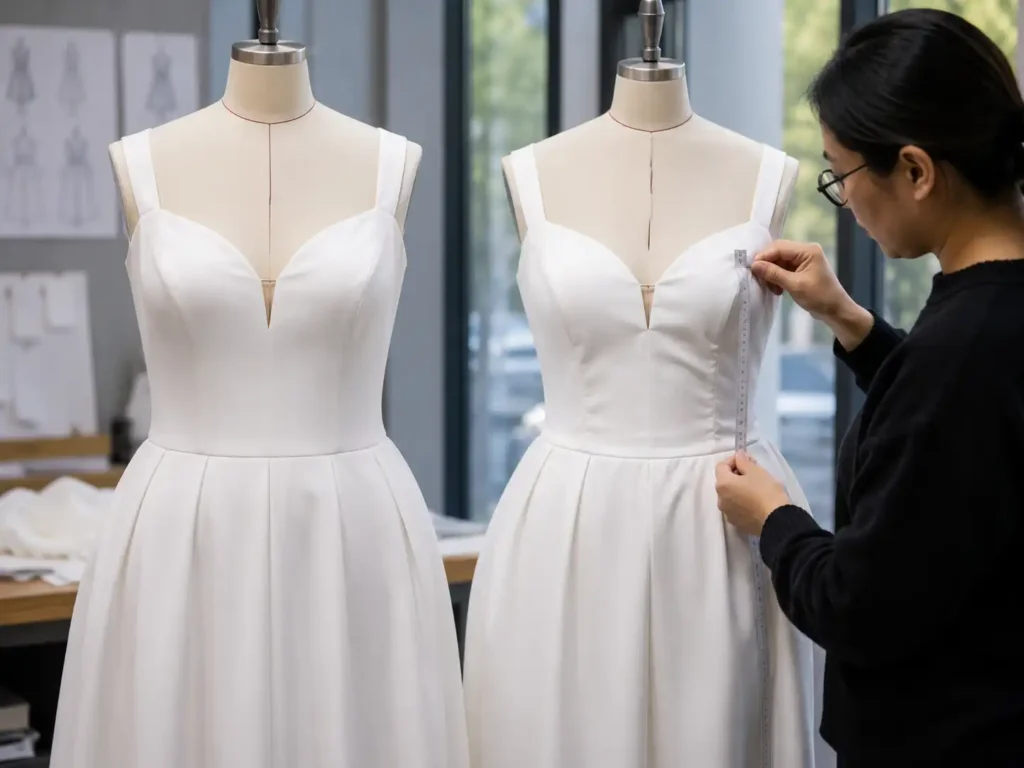
  • 2 sample rooms, 7+ senior pattern makers and 20+ sample machinists support fit, structure and sample revision before bulk approval.
  • 100,000+ pieces of monthly capacity supports dress collections, replenishment programs and multi-batch retail delivery.

Three Systems Behind Reliable Retail Dress Programs

Specialty retail production depends on more than sewing capacity. Product development, manufacturing allocation and retail execution must operate as one connected system from the first line sheet review through warehouse-ready packing.

Development Control

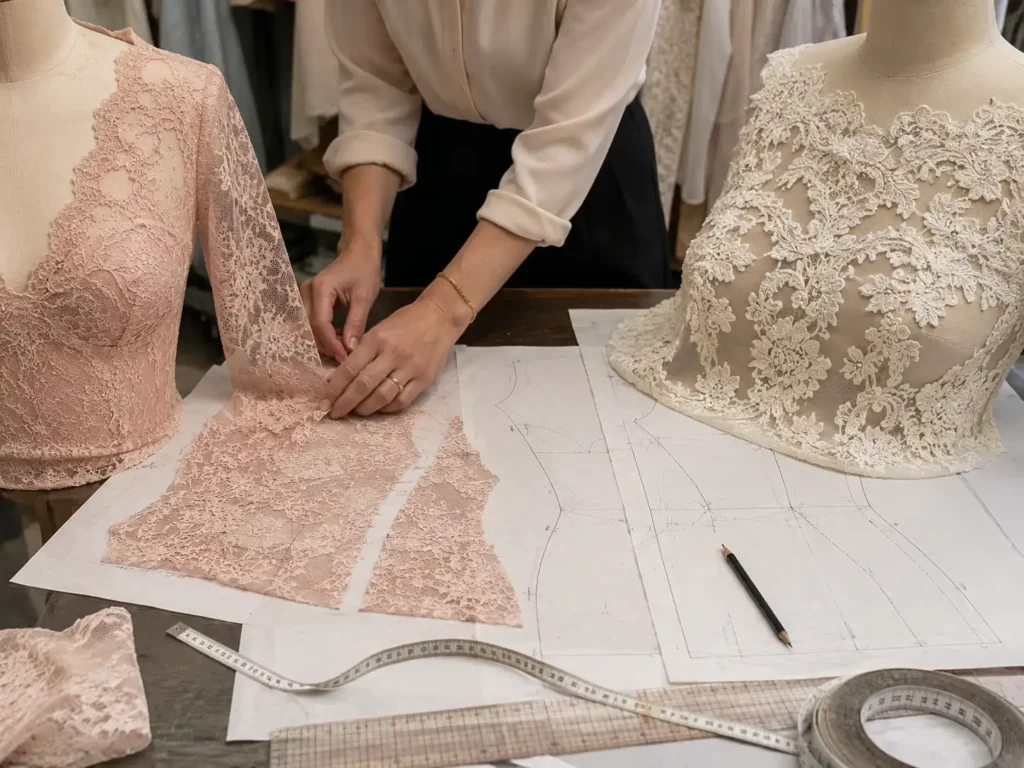
Two sample rooms, 7+ senior pattern makers and 20+ sample machinists support structured development across mini, midi, maxi, occasion, bodycon, corset, satin, mesh, lace and sequin dresses. Pattern work focuses on bust, waist, hip, length, neckline, armhole, strap position, slit height and lining coverage. Sample comments are converted into updated patterns, measurements, BOM details, sewing instructions and approval records instead of remaining in scattered messages.

Production Allocation

Six owned women’s fashion factories and more than 10 long-term satellite production partners create a flexible production network. Styles are allocated according to fabric behavior, silhouette, construction difficulty, order quantity, delivery window and finishing requirements. A simple commercial midi dress should not follow the same production route as a boned corset mini or hand-detailed evening style. Correct allocation protects efficiency without weakening brand-level appearance.

Retail Execution

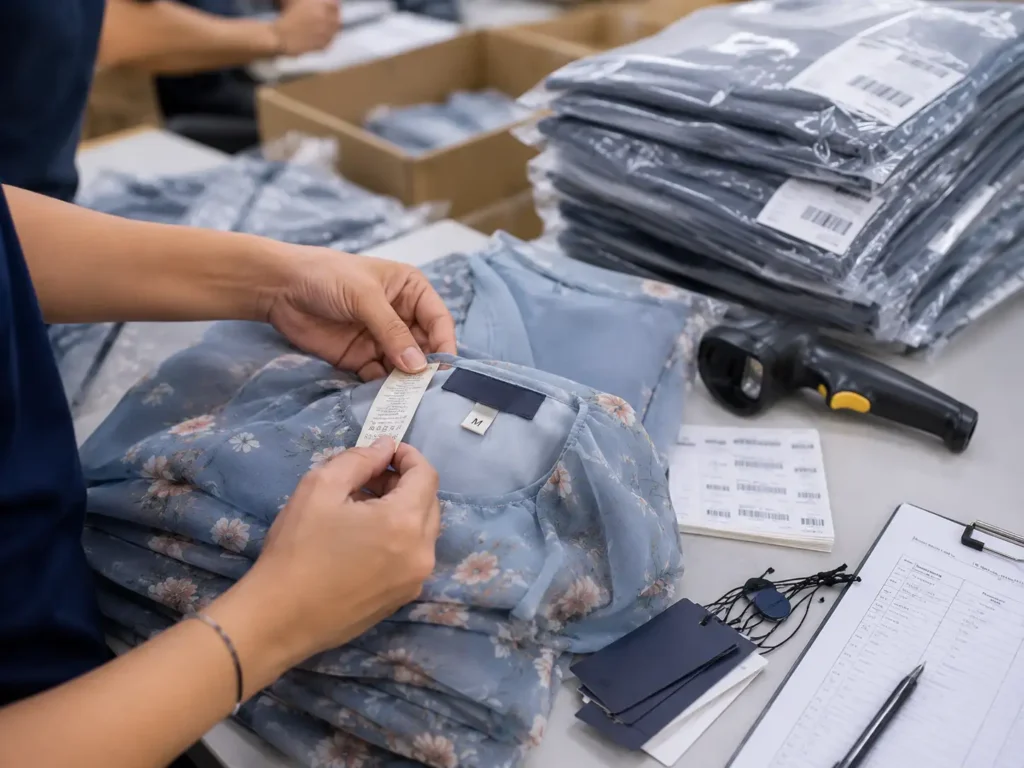
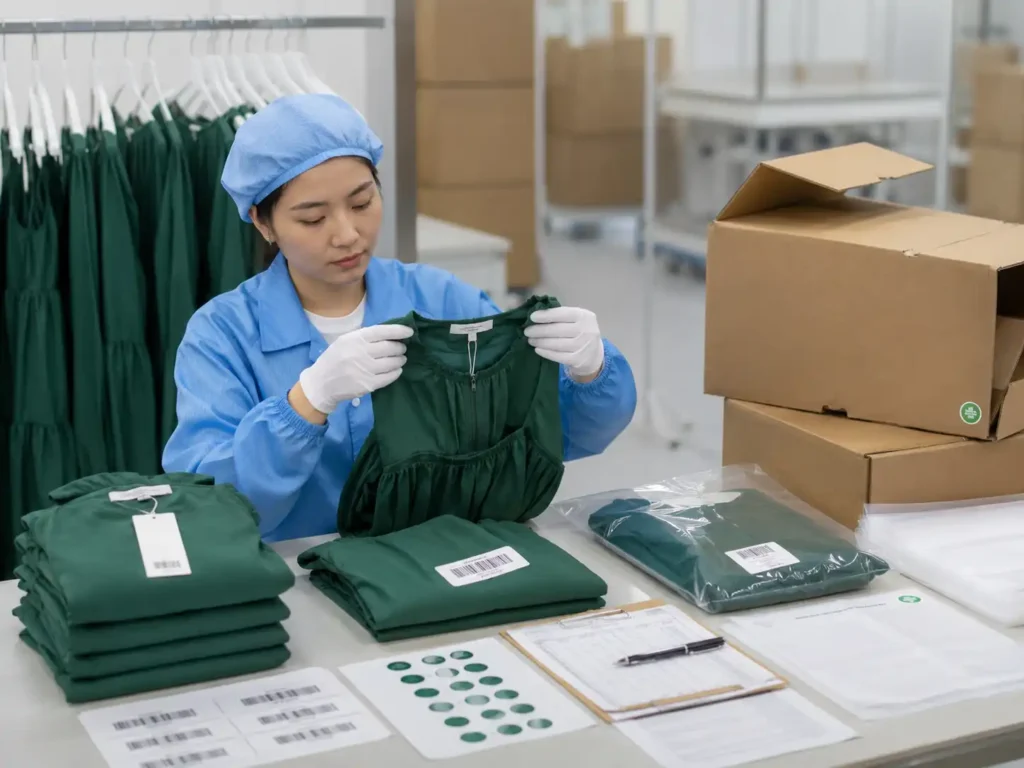
Twelve-plus merchandisers, 15+ QC inspectors and 30+ finishing and packing workers connect production status, quality findings, label confirmation, barcode control, carton information and shipment preparation. Retail programs require correct style, color, size, SKU, hangtag, care label and packing data at the same time. The project team coordinates those records before goods move into final packing and export delivery.

Built for Focused Retail Fashion Programs

Jinfeng Apparel works best with established fashion operations that manage defined product categories, seasonal calendars, style-level quantities and retail presentation standards. Each retail model receives a different development and production focus.

Occasionwear Retailers

Occasionwear programs often combine party, cocktail, graduation, wedding guest and evening dresses in one launch. Strong visual impact must be balanced with reliable fit, lining coverage, closure security, sequin or lace comfort and consistent pressing. Development priorities usually include photo-ready samples, hero styles, size testing and early review of high-risk structures before the broader assortment moves forward.

Boutique Chains

Boutique chains need coordinated collections that can move directly into stores with clear size ratios, barcodes, hangtags, carton marks and packing lists. A collection may contain commercial core styles, seasonal color updates and a smaller group of statement dresses. Stable replenishment records matter because a bestseller must return in the same fit, construction and retail presentation as the first approved batch.

Omnichannel Fashion Brands

Omnichannel programs require product consistency across campaign photography, ecommerce listings, stores and warehouse receiving. Photo samples, PP approval, SKU accuracy, clean folding, barcode scanning and shipment timing become linked decisions. Production planning must also allow selected styles or priority sizes to move earlier when the launch calendar requires split delivery.

Private Label Programs

Private label retailers require more than a sewn-in main label. Care content, size labels, hangtags, barcode lists, polybag markings, carton information and warehouse instructions must match the PO. Custom labels and packaging may carry separate supplier minimums and lead times, so label artwork and packing specifications should enter development early rather than after production is nearly complete.

Six Risks That Disrupt Specialty Retail Collections

Collection performance can be damaged long before final inspection. The most expensive problems usually begin with unclear assortment logic, unsuitable fabrics, unstable fit or missing retail data during development.

Unbalanced Assortment

A collection filled only with statement pieces may look exciting but lack commercial depth. Strong programs usually balance hero styles, repeatable core dresses, multiple length options, color continuity and price-tier coverage. Manufacturing planning should identify which styles carry high development risk, which styles can share materials and which silhouettes can support repeat colors or later replenishment.

Incorrect Fabric Direction

A reference image can fail when replaced by fabric with the wrong weight, drape, stretch, shine or transparency. Satin may reveal seam tension, mesh may expose insufficient lining coverage, and stretch jersey may distort length or side seams. Fabric selection must be reviewed against silhouette, target price, comfort, bulk availability and the approved visual result.

Weak Fit Translation

Retail fit problems often appear at the upper bust, waist placement, hip ease, strap length, neckline depth, armhole, slit height or overall dress length. A fit correction must move into the final pattern, grade rule and measurement chart. Verbal agreement alone cannot protect multi-size production across a 20,000-piece or larger program.

Sample-to-Bulk Drift

Bulk differences may come from a new fabric batch, changed trim, altered seam allowance, inconsistent gathering, unapproved pressing or outdated pattern files. PP sample approval, Golden sample sealing, production instructions and inline checks create the reference chain needed to keep production close to the approved standard.

Retail Packing Errors

A well-made dress can still be rejected or delayed when the barcode does not scan, the size sticker conflicts with the sewn label, the carton mark is incomplete or the packing ratio differs from the PO. Label and packing data should be locked before final production, then checked again during packing and shipment preparation.

Reorder Mismatch

Replenishment becomes risky when the original pattern, BOM, fabric reference, trim specification, color standard, QC notes or packing instruction cannot be retrieved. Repeat production starts faster when records are preserved, but new fabric lots, new colors and changed packaging still require confirmation before cutting.

The Right Production Model for Your Retail Program

Clear project boundaries protect development quality, costing accuracy and production stability. Jinfeng Apparel is structured for custom collection development, approved samples, bulk manufacturing and branded retail delivery.

Best Suited For

Strong-fit programs have a defined product direction, line sheet, reference images, tech packs, original samples or clear design briefs. Style-level quantities, color plans, size ratios, target market, launch date and private-label requirements allow the team to evaluate fabric supply, pattern workload, sample priorities, factory allocation and packing needs. MOQ starts from 200 pieces per style and color, while special fabrics, trims, prints and packaging may require separate supplier minimums.

Different Model Required

Ready-stock purchasing, single-piece fulfillment, personal made-to-measure dresses and immediate stock delivery require a different operating model. Jinfeng Apparel develops branded products through pattern work, sampling, approval, bulk production, QC and retail packing. Clear development files and a realistic bulk plan are therefore essential before quotation, sample scheduling and factory allocation can be confirmed. Check Program Fit

From Line Sheet to Retail-Ready Delivery

A disciplined route keeps design, timing and retail information connected. Each stage produces an approval record or production file that supports the next stage.

Line Sheet Review

Review style count, product mix, reference images, target price, quantity, colors, size range and launch date. Early review identifies high-risk styles and missing information.

Assortment Planning

Group hero styles, commercial styles, repeatable cores and extension styles. Development priority follows campaign deadlines, construction risk and material availability.

Fabric Direction

Assess weight, drape, stretch, transparency, shine, lining, color route, shrinkage risk, supplier MOQ and bulk availability before final material commitment.

Pattern Development

Translate design intent into measurable structure. Key controls include bust, waist, hip, neckline, armhole, straps, skirt balance, slit and lining length.

Sample Approval

Move through first, fit, revised, photo, PP and Golden samples as required. Comments become updated patterns, measurements, BOM and sewing instructions.

Bulk Production

Lock PP information, purchase approved materials, relax fabric, cut, inspect panels, sew, conduct inline checks, press, finish and prepare garments for final QC.

Retail Packing

Confirm main labels, care labels, size labels, hangtags, barcodes, SKU stickers, folding, polybags, carton ratios, carton marks and warehouse information.

Delivery and Reorder

Coordinate invoices, packing lists, carton data and forwarder instructions. Preserve approved records for replenishment, new colors and later seasonal extensions.

Dress Categories for Specialty Retail Assortments

A strong dress program uses different silhouettes for traffic, conversion, event coverage and replenishment. Every category below requires distinct fabric, fit and production controls rather than a shared generic pattern approach.

Mini Dresses

Mini dresses create strong visual impact for party, club, birthday and trend-led retail edits. Development should control front and back length, hem balance, hip movement, slit safety, lining length and ride-up risk. Bodycon minis require recovery testing, while structured minis require bust support and stable closures. Bulk checks should compare finished length by size and confirm the intended proportion on the target fit body.

Midi Dresses

Midi dresses often serve as commercial anchors across occasion, work-to-event and premium daywear assortments. Waist placement, skirt balance, slit height, hip ease and hem sweep influence the final proportion. Satin, crepe, jersey and woven constructions react differently during pressing and hanging. A well-developed midi can support multiple colors and repeat orders when the pattern and material reference remain stable.

Maxi Dresses

Maxi dresses need careful length control because small differences affect wearability, photography and return risk. Development should review front and back length, heel allowance, skirt volume, train balance, lining length and side-seam stability. Chiffon, satin, mesh and lightweight woven fabrics may require directional cutting or layered construction to maintain movement without creating transparency or uneven hems.

Party Dresses

Party dresses often combine high visual value with concentrated technical risk. Ruching, sequins, cut-outs, mesh panels, bodycon fit, draped necklines and asymmetry must remain consistent across production. Fit and comfort should be checked together: a dramatic neckline still needs secure coverage, sequins should not scratch skin, and a fitted skirt must allow movement without twisting or riding up.

Cocktail Dresses

Cocktail programs usually require a polished balance between structure and ease. Mini and midi lengths may use satin, crepe, lace, mesh or suiting fabrics. Neckline shape, waist definition, zipper flatness, lining coverage and pressing quality strongly affect retail presentation. Commercial cocktail styles often become repeatable core products when the silhouette can accept new colors or controlled fabric updates without rebuilding the full pattern.

Wedding Guest Dresses

Wedding guest collections depend on refined fabric, clean fit and event-appropriate coverage. Common controls include bust support, neckline security, lining opacity, slit position, hem movement and wrinkle behavior. Seasonal launches may include multiple colors and print options, so color approval, fabric booking and photo-sample timing should be planned before the event calendar narrows the production window.

Graduation Dresses

Graduation programs need photo-ready silhouettes, reliable fit and delivery ahead of a fixed seasonal window. Mini and midi lengths dominate, but body proportion and size grading remain critical across a broad retail audience. Development should prioritize campaign samples, commercial colors and fit-sensitive styles first. Late changes to fabric, shade or length can affect the whole launch sequence, not only one sample.

Resort Dresses

Resort dresses require lightweight appearance without weak construction. Rayon, viscose, chiffon, linen blends and printed woven fabrics need checks for drape, shrinkage, opacity, wrinkle recovery and print direction. Maxi and midi styles should pack cleanly, move well and maintain hem balance. Color and print stories can be grouped across dresses, matching sets and skirts for a coordinated seasonal floor set.

Bodycon Dresses

Bodycon fit depends on stretch percentage, recovery, fabric relaxation and pattern reduction. Bust, waist and hip proportions must be tested against the intended size chart, while side-seam twisting, hem ride-up and post-wash stability require attention. Power mesh, lining or internal support may be added where coverage or shaping is needed. Bulk measurement and fabric-lot consistency are central to repeatable results.

Corset Dresses

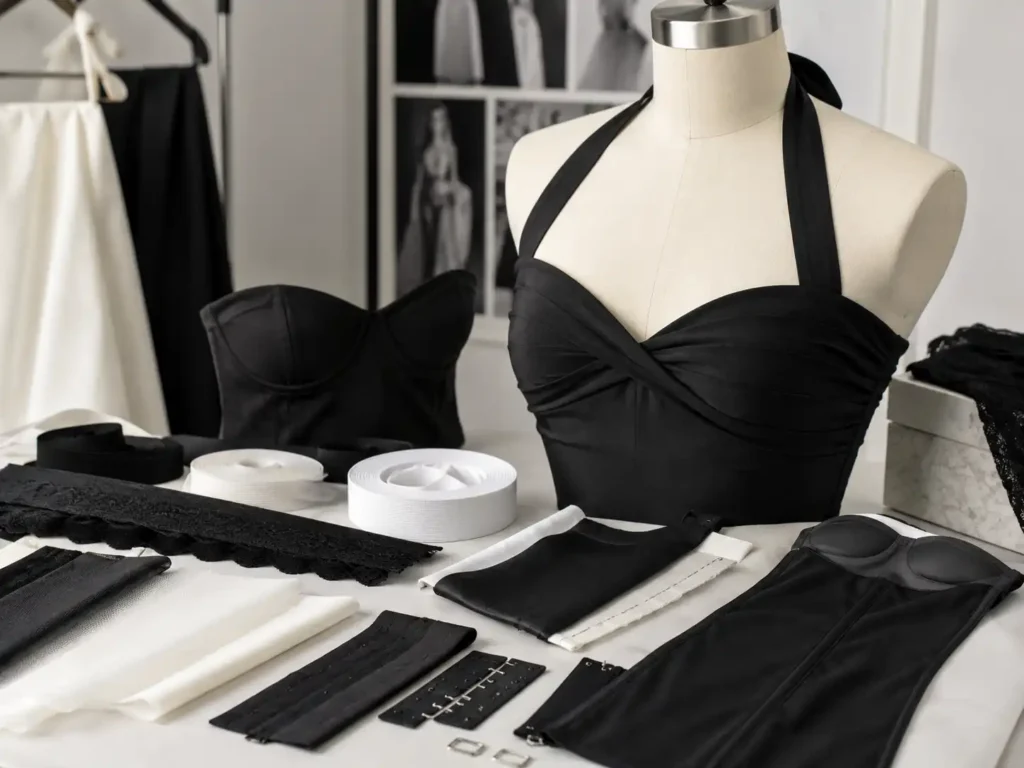
Corset dresses involve cup shape, boning location, under-bust position, waist reduction, closure strength and upper-bust coverage. Satin, lace, mesh and structured woven fabrics may need different internal constructions. The sample stage should validate comfort, support and visual shaping before production. PP approval must lock cup, boning, lining, anti-slip tape, lace-up details, zipper and measurement standards.

Satin Dresses

Satin highlights cutting direction, needle marks, puckering, seam tension, pressing shine and color variation. Slip, draped, bias-inspired and structured satin styles require different handling. Fabric face and direction should remain consistent across panels, while invisible zippers and hems need flat finishing. Bulk color approval and pressing standards are important because surface shine can exaggerate small differences under retail lighting and photography.

Mesh Lace Sequin

Mesh, lace and sequin dresses require placement control, lining strategy, edge finishing and skin-comfort review. Mesh transparency must match the intended coverage; lace motifs may need symmetrical placement; sequins must be protected at seams, underarms and necklines. Needle selection, seam method and pressing temperature should be tested during sampling. Bulk inspection should focus on missing decoration, scratching risk, placement shift and damaged surfaces.

Plan a Commercial Seasonal Dress Assortment

A retail collection performs better when product roles are planned before sampling. Assortment structure links length, occasion, fabric tier, color story, price position and replenishment potential instead of treating every style as an isolated development task.

Assortment Area

Recommended Planning Direction

Manufacturing Decision

Length Mix

Balance mini, midi and maxi lengths around the retail concept and selling season.

Confirm fit bodies, hem standards, lining lengths and size-level measurement points for each length group.

Occasion Mix

Combine event, party, day-to-evening, resort or formal roles without overlapping every style.

Allocate complex structures early and protect production space for high-workmanship styles.

Commercial Roles

Use hero styles for campaigns, core styles for volume and extension styles for later colors or fabric updates.

Prioritize photo samples and high-risk first samples before lower-risk commercial styles.

Fabric Tiers

Mix commercial volume fabrics with selected premium or visual-impact materials.

Review supplier MOQ, lead time, lining, trim and production risk before finalizing the line sheet.

Color Story

Build core neutrals, seasonal colors, prints and limited statement shades as one controlled story.

Confirm Pantone or physical standards, lab dips where required and color-by-style order quantities.

Reorder Potential

Identify silhouettes likely to return in new colors, new prints or seasonal fabric updates.

Keep final patterns, measurements, BOM, color records, QC notes and packing instructions ready for review.

Turn Trend Concepts into Production-Ready Dresses

A strong development process protects design intent while identifying fabric, fit, cost and production risks early. Jinfeng Apparel reviews each style as a commercial garment, not only as a visual reference.

Reference and Structure Review

Reference images, sketches, original samples, tech packs and line sheets provide different levels of information. The first review identifies silhouette, seam lines, closures, lining, internal support, gathering, drape, cut-outs, decorative placement and likely construction sequence. A front image alone may not reveal the back closure, seam allowance, lining route or wearable coverage, so missing decisions are listed before pattern work begins. Complex products such as corset, strapless, mesh, lace, sequin and asymmetric dresses receive an early risk breakdown covering bust structure, boning, edge stability, transparency, decoration protection and movement. Clear structure review reduces later changes that would otherwise affect pattern, sample cost, material usage and launch timing.

Commercial Feasibility Review

A retail concept must align visual quality with target price and planned quantity. Fabric weight, width, lining, double layers, ruching, corset construction, lace placement, sequins, handwork, print placement, size range, color count, packaging and delivery window all influence cost. Jinfeng Apparel can propose fabric substitution, construction simplification, trim replacement, cutting layout improvement, color consolidation or size-ratio planning without weakening brand-level appearance. Every change should preserve the core retail message: handfeel, silhouette, coverage and visual impact. Special fabrics and trims also carry supplier minimums, so feasibility review includes availability, color route and replenishment potential rather than focusing only on sample appearance.

Development Priority Planning

A 10-30 style program should not enter the sample room without priority. Photo-shoot deadlines, hero styles, high-risk structures, commercial core products and material-sharing groups determine the order. Campaign samples may need a separate deadline from fit or PP samples, while complex styles often need earlier first-sample review. Styles sharing satin, mesh, lining, zippers or trims can be grouped for sourcing efficiency, but each pattern and approval record remains style-specific. Priority planning also reserves time for revised samples and prevents late comments on one difficult style from blocking an entire collection. The result is a controlled sequence that supports campaign preparation, fit approval, costing and factory allocation.

Pattern and Size Control for Retail Fit

Retail fit requires measurable control from the base size through grading and bulk inspection. Jinfeng Apparel links sample comments to final patterns, size charts, grade rules and QC measurement points.

Upper-Body Fit Engineering

Bust shape, upper-bust coverage, under-bust position, neckline depth, shoulder balance, armhole, strap placement and back opening determine whether a dress feels secure and looks correct. Strapless and corset styles may require cup, boning and anti-slip review; deep-V or backless styles require coverage and stability checks; satin slip dresses need balanced neckline drape and strap length. Sample fitting records should identify both the measurement and the visual correction. A change such as raising the neckline may also affect strap length, armhole shape and front balance. Final adjustments are transferred into the pattern and size chart before the PP sample is approved.

Waist Hip and Length Balance

Waist position affects body proportion and skirt hang. Hip ease influences side-seam stability, movement and ride-up, especially in bodycon, fitted woven and slit dresses. Dress length is measured from defined points so mini, midi and maxi proportions remain consistent across sizes. Slit height, hem sweep, lining length and high-low balance require separate controls. Petite or tall programs may need more than length changes because waistline, armhole, strap and slit positions can shift with body proportion. For jumpsuits or dress-set extensions, crotch length and torso balance enter the same measurement system.

Grading and Bulk Measurements

Bulk orders can include multiple sizes within the confirmed style-and-color quantity. A clear size ratio supports cutting, bundle control, measurement checks, packing and carton planning. Grade rules should preserve the intended silhouette rather than enlarging every point by the same amount. Fit-sensitive areas are selected for sample and bulk inspection, commonly including bust, waist, hip, dress length, strap length, armhole, neckline depth, slit height and hem width. Out-of-tolerance findings are reviewed against the pattern, fabric behavior and sewing method. Measurement results then connect with size labels, barcode records and carton breakdowns to prevent a correct garment from being packed under the wrong SKU.
Fabric Planning by Silhouette and Retail Position

Fabric selection should protect silhouette, price tier, wearability and repeat supply at the same time. The table below shows how common dress materials influence development and bulk control.

Fabric GroupBest Retail UseTechnical ControlsProgram Impact
Chiffon / TulleLayered maxi, occasion, resort and soft-volume dressesTransparency, lining, edge finish, snagging, print direction, hem balanceLight appearance; layered construction and finishing time affect cost.
Satin / Stretch SatinSlip, draped, party, cocktail and structured occasion dressesCutting direction, puckering, shine, needle marks, color lot, zipper flatnessPremium visual value; surface defects and shade differences are highly visible.
LaceOccasion, cocktail, corset and wedding guest dressesMotif placement, edge finishing, stretch, lining, seam comfort, color matchingPlacement and waste can raise material use and sewing time.
Mesh / Power MeshBodycon, cut-out, corset, party and layered dressesTransparency, recovery, seam stretch, lining coverage, edge stabilitySupports shaping and visual layering; coverage must match the retail brief.
Sequin FabricParty, evening, holiday and statement dressesSequin loss, seam protection, skin comfort, cutting damage, pressing temperatureHigh visual impact; handling, protection and finishing increase labor.
Jersey / Rib KnitBodycon, casual, ruched and day-to-evening dressesStretch, recovery, fabric relaxation, side-seam twist, shrinkage, hem waveCommercial and repeatable when fabric recovery and measurement control are stable.
Ponte / CrepeStructured commercial, cocktail, office and polished day dressesWeight, recovery, seam bulk, pressing, drape, pilling or snag riskGood structure and coverage; useful for repeat colors and core programs.
Rayon / ViscoseResort, printed, soft midi and maxi dressesShrinkage, skew, colorfastness, wrinkle, print direction, fabric relaxationFluid handfeel; shrinkage and batch consistency need early confirmation.
Linen / Linen BlendsResort, summer, relaxed midi and coordinated setsWrinkle behavior, shrinkage, opacity, slubs, color variation, seam stabilityNatural appearance; blend selection can balance handfeel and care performance.
Custom-Dyed / PrintedExclusive color stories, placement prints and signature seasonal programsLab dip, strike-off, Pantone, print scale, placement, supplier MOQ, delivery timingGreater exclusivity; material development must begin earlier and may raise minimums.

Sample Stages That Build a Production Standard

Sampling is a controlled approval route. Each stage answers a different question, and not every project needs the same number of samples. Timing begins after the required fabric, trims and development information are available.

First Sample

The first sample tests silhouette, basic pattern, fabric direction, construction feasibility and initial cost logic. Simple styles usually require about 7-10 days, regular dresses about 10-15 days and complex structures about 15-25 days. Special fabrics or trims follow supplier development timing. The goal is not automatic final approval; the goal is to expose the decisions that must be corrected before production files are locked.

Fit Sample

The fit sample focuses on bust, waist, hip, length, neckline, armhole, straps, slit, lining and movement. Comments should include measurements, photos and clear approval status. Fit review may use the first sample or a dedicated sample depending on the program. Changes are translated into pattern corrections and revised measurement charts, not left as verbal instructions.

Revised Sample

A revised sample verifies agreed changes in pattern, fabric, trims, construction or finishing. The revision record identifies what changed, why it changed and whether cost or timing also changed. A material replacement may require new fit review because drape, stretch, shrinkage or thickness can alter the silhouette even when the color remains similar.

Photo Sample

A photo-ready sample supports campaign production, ecommerce photography or sales presentation. Appearance, color, pressing and visible finishing must be suitable for photography, but the photo sample does not automatically replace PP approval. Campaign deadlines should be separated from bulk standards so a visually approved sample does not bypass measurement, label, packing or construction confirmation.

PP Sample

The PP sample confirms final pattern, fabric, trims, measurements, construction, labels, packing and QC points before bulk production. Major changes after PP approval require cost, lead-time and risk re-evaluation. The approved information is transferred into the production order, BOM, sewing instruction, measurement chart, packing instruction and inspection references.

Golden Sample

The Golden sample is the sealed physical reference for bulk production, QC, replenishment and disagreement review. It represents approved workmanship, fit, material, trim placement and finishing. A repeat order can begin with the saved record, but new fabric lots, colors, trims and packaging must still be checked against current availability and the intended retail result.

Control 10-30 Styles Without Losing Information

Multi-style retail programs need one system for priorities, technical files and approval status. Style count alone does not create complexity; uncontrolled versions, materials and packing data create complexity.

Style and Material Grouping

Styles are grouped by fabric, structure, workmanship and production risk. A satin slip group, mesh bodycon group and structured corset group should not share the same technical route even when they launch together. Grouping helps sourcing, sample planning and factory allocation while preserving style-level BOM, pattern, measurement and approval records. Material-sharing opportunities are reviewed without forcing one fabric into silhouettes where performance would be weaker.

Approval Status Control

Every style carries a defined stage: information review, pattern, first sample, fit, revision, photo, PP, Golden sample, bulk or packed. Comments record pattern changes, measurement changes, fabric replacement, trim adjustment, sewing method, label status and approval. Clear status prevents an old file or unapproved sample from moving into production. Campaign sample timing and production approval remain separate when needed.

Retail Data Control

Style number, color code, size range, barcode, care content, hangtag, packing ratio, carton mark and PO information must connect to the correct garment. Retail data is reviewed before bulk packing, then checked during final packing and document preparation. A 20,000-80,000 piece program can contain thousands of SKU-level combinations, so naming conventions and approved data files matter as much as sewing capacity.

Allocate Production by Product Risk and Timing

Capacity becomes useful only when styles are matched to the right production route. Jinfeng Apparel combines owned factories, long-term production partners and project teams to manage seasonal volume without treating every dress as identical work.

Factory Matching by Construction

Commercial jersey, woven midi, satin slip, corset, lace, sequin and structured occasion dresses require different sewing skills, handling and finishing. Jinfeng Apparel reviews fabric behavior, seam method, lining, closures, internal support, decorative work and pressing before assigning production. The objective is stable reproduction of the approved sample rather than filling an available line with unsuitable work. A complex style may be separated from high-volume commercial products so its workmanship and inspection window remain protected.

Capacity Planning by Style Group

The manufacturing network includes 6 owned women’s fashion factories, 10+ long-term satellite production partners and 100,000+ pieces of monthly capacity. Large programs are planned by style group, material arrival, PP approval, sewing sequence, finishing load and packing deadline. Quantity alone does not determine timing. A 30-style program may require staggered material booking and multiple production batches, while a smaller sequin or corset group may need more development and sewing time than a larger group of commercial dresses.

Launch Window and Shipment Planning

Launch-date planning works backward from warehouse receiving, freight, packing, QC, production, material arrival and PP approval. Selected hero styles, priority sizes or urgent colors can be considered for split shipment when the program and forwarder route allow. One option is to move 10-30% of urgent goods by air while the remaining volume travels by sea. SKU split, packing lists, invoices, carton marks and warehouse instructions must remain separate and accurate across each shipment.

Construction Details That Protect Retail Appearance

Dress quality is visible in proportion, seam behavior and finishing. Small construction errors become obvious under campaign photography, store lighting and repeated fitting, especially on satin, bodycon, corset, lace and occasion styles.

Neckline Stability

Necklines are checked for shape, symmetry, coverage and edge stability. Deep-V, cowl, strapless and asymmetric designs may need stay tape, lining, understitching or internal support. The goal is a clean line that follows the approved sample without gaping, rolling or exposing unintended areas.

Strap Placement

Strap position and length influence bust coverage, armhole fit and back balance. Adjustable hardware must match strap width and fabric weight. Bulk checks cover attachment strength, left-right symmetry, slider function and measurement. A few millimeters of placement change can alter the upper-body fit on fitted dresses.

Zipper Flatness

Invisible zippers should run smoothly and remain flat at the side seam or center back. Zipper color, length, seam tension, top closure and fabric thickness must work together. Satin, bodycon and corset dresses show zipper bulging quickly, so the sample establishes installation method and bulk inspection points.

Ruching Control

Ruching must follow the approved direction, density, start point and finish point. Uneven gathering changes both appearance and measurement. Stitch security, elastic tension and panel balance are checked during sampling, then compared during inline inspection. Left-right symmetry matters strongly on front, side and hip ruching.

Lining Coverage

Lining protects opacity, comfort and structure. Length, neckline, armhole, slit and hem relationships need separate measurements. Mesh, lace, light satin and chiffon may use partial or full lining depending on the intended look. Bulk production checks lining twist, pull, exposure and color compatibility with the shell fabric.

Lace and Mesh Edges

Raw, bound, turned or motif-trimmed edges create different visual results and labor requirements. Mesh edges must resist stretching and rolling; lace edges may need motif placement or hand trimming. Skin-contact areas are reviewed for scratching, bulk and comfort before the method is released to production.

Sequin Protection

Sequin fabric requires controlled cutting, seam clearing, needle choice and protection at underarms, neckline and side seams. Loose or broken sequins, exposed backing and abrasive edges reduce retail quality. Pressing temperature and finishing methods are tested because heat can damage sequin surfaces or backing materials.

Pressing and Finish

Pressing defines seam flatness, drape, pleats, hems and final silhouette. Satin may develop shine or water marks; mesh and sequin fabrics require lower heat and protective handling; structured styles need shape without crushing internal support. Final appearance is reviewed under clean lighting before folding, hanging or packing.

Bulk Control from Fabric Arrival to Packing

Quality control begins before cutting and continues through sewing, finishing and retail packing. The approved PP sample, Golden sample and production files provide the common reference for production and inspection teams.

Incoming Materials

Fabric and trims are checked against approved type, composition information, weight or specification, color, batch, width, stretch, handfeel and visible defects as relevant. Satin shine, mesh recovery, lace motif, sequin condition and lining color require material-specific review. Material concerns are addressed before cutting to prevent an entire production batch from inheriting the same problem.

Fabric Relaxing and Cutting

Stretch, jersey, rayon, viscose and other movement-sensitive fabrics may require controlled relaxation before cutting. Marker direction, print orientation, satin face, nap, grain and panel pairing are reviewed by product type. Cut panels are checked for size, notches, defects and color consistency before bundles enter sewing.

Sewing and Inline Check

Inline checks focus on construction, seam quality, measurements, symmetry, closures, ruching, straps, lining, decorative placement and workmanship risks identified during sampling. Problems are corrected while production is active rather than waiting for final inspection. Findings can be compared with the Golden sample and sewing instructions for a consistent decision.

Measurement Control

Selected points of measurement are checked according to the approved chart and tolerance. Bust, waist, hip, length, strap, armhole, neckline, slit and hem are common dress controls. Size-level results help identify pattern, fabric or sewing problems. Measurement inspection is not replaced by visual inspection; both are needed for fit-sensitive retail products.

Final Garment Review

Finished garments are reviewed for appearance, cleanliness, shape, color, pressing, seam behavior, trim function, labels and visible defects. Inspection method may include internal checks, client-appointed QC or third-party inspection according to the order plan. AQL sampling and specific checks should be agreed for the program rather than treated as one universal standard.

Packing and PO Check

Final packing checks connect garment, label, size, color, barcode, polybag, assortment ratio, carton mark and packing list. Carton quantity, gross and net weight, carton measurements and shipment marks are prepared for the selected trade term and forwarder. Retail information must match the physical goods before warehouse handover.

Retail-Ready Labels Packing and Warehouse Data

Retail delivery requires garment quality and information quality at the same time. Labels, barcodes and carton records should be treated as production components, not last-minute accessories.

Main Label

Main label content, material, color, fold, size and placement are confirmed before bulk attachment. Label softness and edge comfort matter on fitted or lightweight dresses. Custom woven labels commonly carry supplier minimums of about 500-1,000 pieces depending on specification and should be planned with the collection quantity.
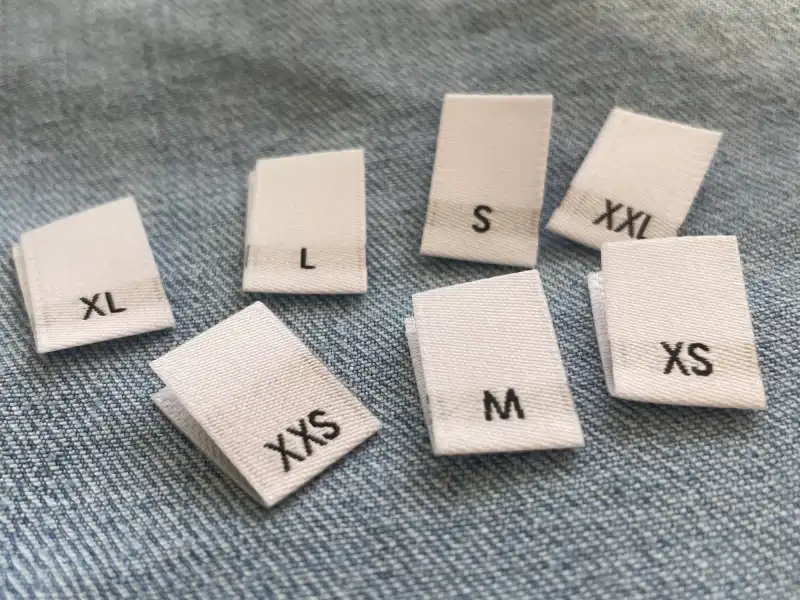
Size Label
Size labels must match the approved size range, garment measurement file, barcode and packing breakdown. A sewing error can create mixed-size inventory even when the garment itself is correctly made. Placement, readability and quantity are checked during finishing and final packing.

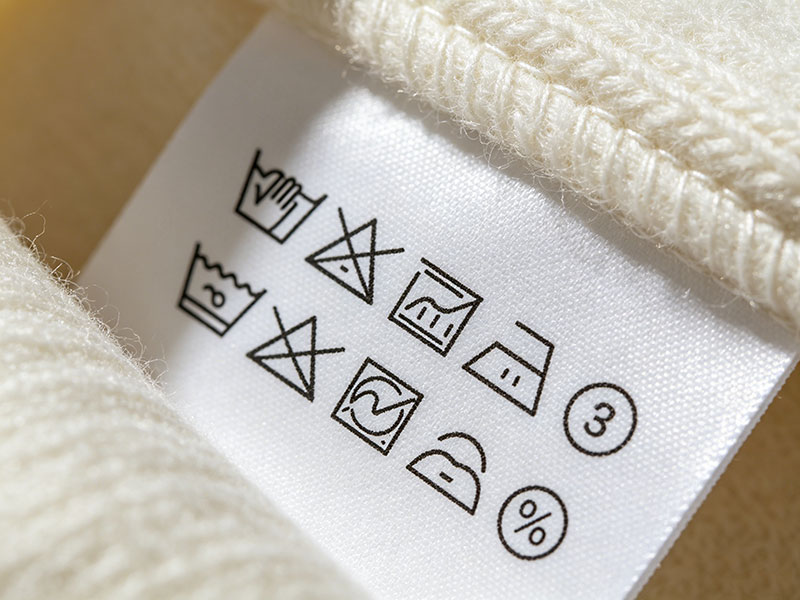
Care Label

Care labels normally include fiber content, care instructions, country information and other market requirements supplied or approved for the program. Language, material, print durability and placement require confirmation. Custom care labels may have separate supplier minimums and typical development time of about 7-15 days.

Hangtag

Hangtag artwork, paper, color, finish, hole position, string and attachment point support retail presentation. Price or promotional information can be included when supplied. Custom hangtags commonly require around 500-1,000 pieces and may need about 7-20 days depending on printing and finishing.

Barcode and SKU

Barcode lists should connect style, color and size without duplication. Scanning checks can be included before packing. SKU stickers, size stickers and color information must match the sewn labels and packing list. Version control is important when late assortment changes affect only selected styles or colors.

Garment Packing

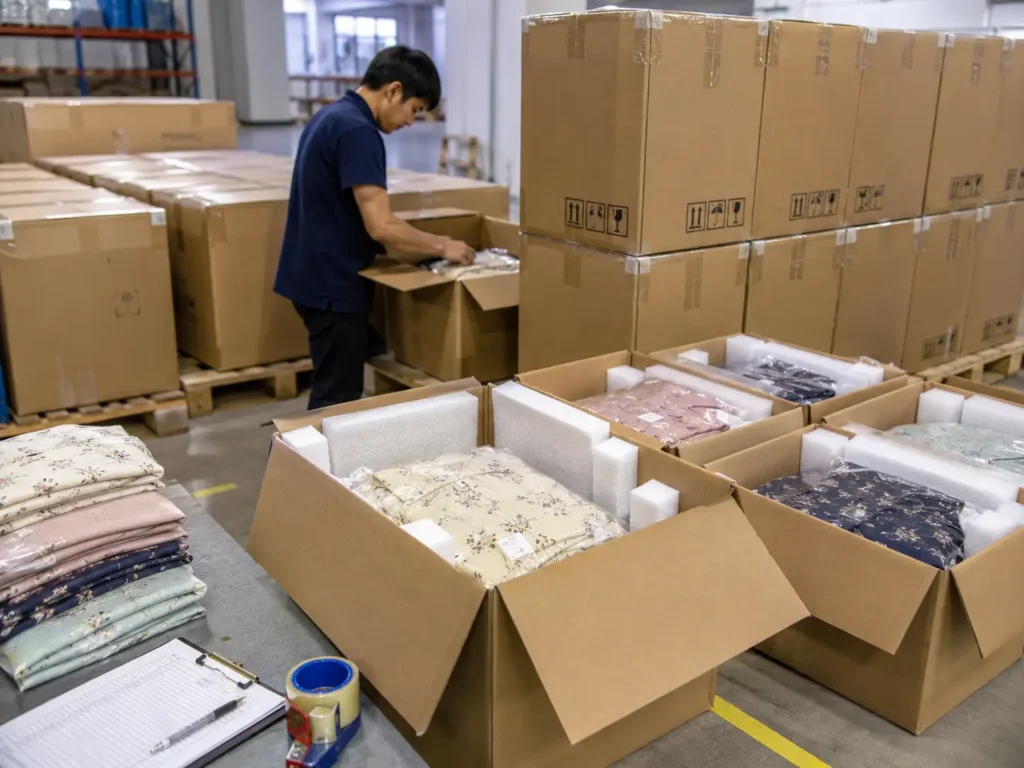
Folding, hanging, tissue, protective layers, polybag size, warning text and garment orientation depend on the retail route. Satin, sequin, structured and long dresses need different protection. Custom printed polybags commonly carry supplier minimums of about 500-1,000 pieces and typical development time of 7-20 days.

Carton Ratio

Color and size ratios should match the PO and warehouse receiving plan. Solid-size, mixed-size and mixed-color cartons require clear instructions. Carton quantity, internal assortment, labels and packing list are checked together to reduce receiving delays and inventory errors.

Carton Mark

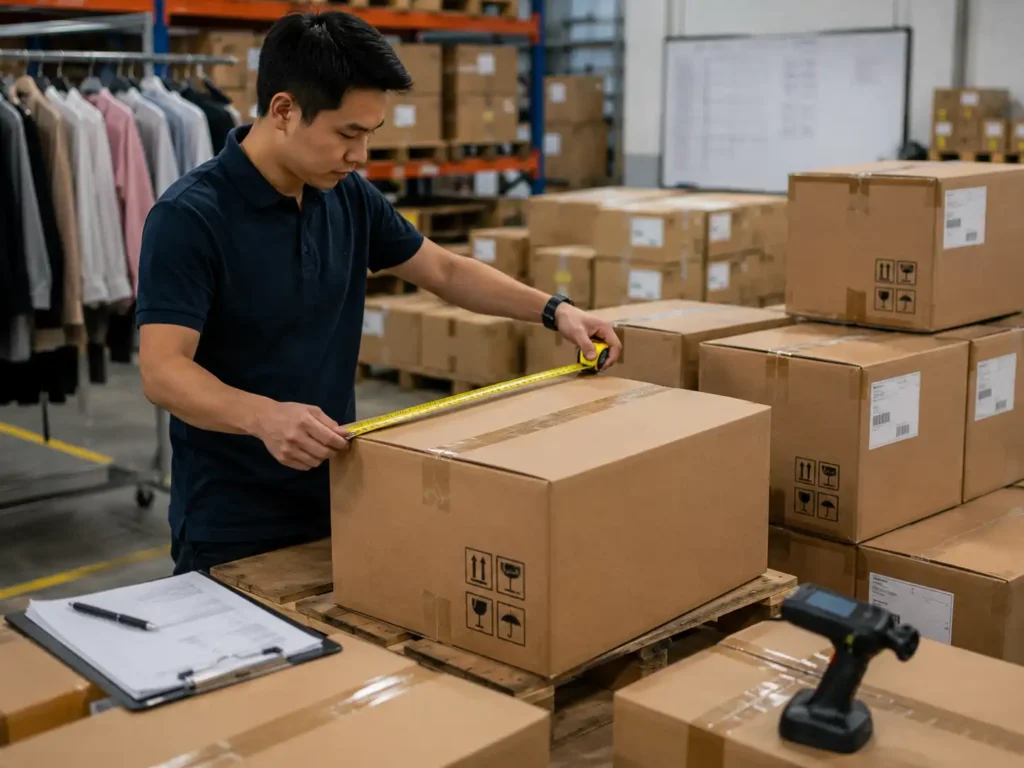
Carton marks may include PO, style, color, size, quantity, carton number, destination and warehouse information. Carton strength, dimensions, gross weight, net weight and CBM support freight planning. Custom carton marks usually require 3-10 days once approved information and carton specifications are available.

Replenishment Built on Approved Product Records

A successful first launch often creates demand for new colors, priority sizes or full-style replenishment. Repeat production becomes more controlled when the original technical and retail records remain available. Plan Reorder

Bestseller Reorder

The repeat-order review retrieves the final pattern, size chart, BOM, fabric reference, trim specification, sewing instruction, Golden sample, QC notes, labels and packing records. Current fabric and trim availability are checked before confirming price and timing. New material lots are reviewed because shade, weight, stretch or handfeel may differ from the first production batch.

New Color Extension

A new color uses the approved silhouette but still requires color, lining, trim and bulk-availability review. Satin shine, lace dyeing, mesh transparency and printed packaging can change the visual result. Lab dips, physical color standards or fabric swatches may be needed before bulk color approval. MOQ remains calculated per style and color.

Seasonal Product Extension

A successful dress can extend into another length, fabric, sleeve, matching set, skirt or jumpsuit. Product extension should keep recognizable brand codes while reviewing pattern balance, fabric behavior and production cost. Reusing a block or detail does not remove the need for a new sample when the silhouette or material behavior changes.

Eight Checks Before Approving a Dress Supplier

A specialty retail partner should be evaluated through evidence that connects development, bulk production and retail delivery. The following checks help sourcing and merchandising teams compare suppliers on more than quoted unit price. Evaluate Supplier Fit

Dress Specialization

Ask for relevant development examples across the intended silhouettes, fabrics and workmanship. A general clothing factory may not understand corset structure, satin handling, bodycon recovery, mesh coverage or occasionwear finishing.

Pattern Resources

Confirm whether pattern makers can review fit comments, measurements and grading. Reliable suppliers should explain how sample corrections move into final patterns, size charts and production measurements.

Sample System

Review sample types, timelines, fees, revision records and approval rules. First, fit, photo, PP and Golden samples solve different problems and should not be treated as interchangeable.

Factory Allocation

Ask where each style will be produced, how outsourced capacity is controlled and how complex products are separated from commercial volume. Capacity claims matter only when matched with suitable skills and schedule.

Quality Workflow

Confirm incoming material review, cutting checks, inline inspection, measurement control, final garment review and packing verification. Final-only inspection leaves too little time to correct systemic problems.

Retail Packing

Request examples of label, barcode, SKU, carton ratio, carton mark and packing-list control. Retail-ready delivery is an information process as well as a garment process.

Brand Protection

Confirm NDA support and rules for tech packs, patterns, samples, unpublished designs, labels, barcodes, order quantities and launch information. Process photos should protect confidential product identity.

Repeat-Order Records

Ask how patterns, BOM, materials, color standards, QC notes and packing instructions are stored. Reorder speed and consistency depend on usable records, not only the memory of one merchandiser.

Representative Specialty Retail Dress Programs

The following anonymized programs reflect the scale and operating structure commonly handled in established retail collaborations. Brand identities and unreleased product information remain protected.

US Occasionwear Collection

An established US specialty fashion retailer developed a 24-style occasionwear program totaling 62,400 pieces across party, cocktail, graduation and wedding guest categories. The collection combined satin, crepe, mesh, lace and sequin materials in mini, midi and maxi lengths. Main risks included photo-sample timing, inconsistent neckline coverage, multiple lining routes and 1,180+ style-color-size SKU combinations. Jinfeng Apparel grouped styles by structure and fabric, prioritized 6 campaign styles, recorded fit changes by measurement point and aligned barcodes, size labels and carton ratios before bulk packing. PP and Golden samples provided the common reference for production and QC. Selected campaign quantities moved first, while the balance followed the main shipment plan.

European Boutique Chain

An anonymous European boutique chain placed an 18-style dress collection totaling 41,200 pieces, with core commercial midi dresses, satin slip styles, lace cocktail products and structured evening silhouettes. The program required store-ready hangtags, care labels, barcode stickers and mixed-size carton ratios. Jinfeng Apparel reviewed fabric tiers against retail price positions, consolidated compatible colors, corrected waist and length balance during fit review and separated structured styles from faster commercial production groups. Packaging artwork and barcode records were locked before final finishing. Reorder files retained the final patterns, BOM, color references, packing instructions and QC notes for later seasonal color extensions.

Australian Resort Event Program

A mature Australian fashion label developed a 12-style resort and event capsule totaling 26,800 pieces. Rayon print, linen blend, chiffon and stretch satin created different shrinkage, drape and pressing requirements. The launch included maxi, midi, halter and backless silhouettes with a broad size range. Jinfeng Apparel prioritized print and fit-sensitive styles, reviewed shrinkage and lining coverage, adjusted strap and waist positions, and built a size-level measurement checklist for bulk inspection. Retail packing included color-size stickers, private labels, hangtags and warehouse carton marks. Urgent launch styles were separated from the main volume so shipment options could be compared without mixing SKU records.

Protected Designs Clear Documents Flexible Delivery

Large retail programs involve confidential product files, inspection requirements and established freight procedures. Jinfeng Apparel supports those operating needs while keeping responsibilities clear by project.

NDA and Design Protection

NDA-based cooperation can protect tech packs, line sheets, patterns, original samples, fabric directions, trims, labels, packaging, barcodes, quantities, prices and unpublished designs. Brand names, unreleased products and order information are not used publicly without authorization. Production or inspection images can be provided in a controlled way while protecting identifying information.

Inspection and Export Files

QC may include internal checks, client-appointed inspection teams or third-party inspection according to the agreed order plan. Export coordination can cover commercial invoices, packing lists, carton marks, gross and net weight, carton dimensions, quantity breakdowns, style-color-size details and forwarder booking information. Certification or testing claims are confirmed by actual fabric, supplier batch, factory and project documents.

Forwarder and Shipment Options

Jinfeng Apparel can work with client-nominated forwarders or provide freight options for comparison. Express supports samples and urgent documents; air freight supports launch-sensitive goods; sea freight supports regular bulk and replenishment; air-sea splits can balance timing and cost. EXW, FOB, CIF, DAP and DDP are evaluated according to destination, route, customs responsibility and forwarder capability.

Frequently Asked Questions for Specialty Retail Brands

Core categories include mini, midi, maxi, party, cocktail, evening, graduation, wedding guest, resort, bodycon, corset, satin, mesh, lace and sequin dresses, together with skirts, jumpsuits, matching sets and fashion tops for coordinated women’s collections.
MOQ starts from 200 pieces per style and color. MOQ is not calculated by combining several styles or colors. Custom-dyed fabrics, prints, certified materials, special lace, sequins, custom hardware, labels and packaging may carry separate supplier minimums.
Yes. Multiple sizes can be distributed within the confirmed style-and-color quantity according to an approved size ratio. The size range, grade rules, labels, barcode list and carton breakdown should be confirmed before bulk cutting and packing.
Simple styles normally require about 7-10 days, regular dresses about 10-15 days and complex styles about 15-25 days after required materials and information are available. Special fabrics, custom trims and multiple revisions follow their own development timing.
Yes. A line sheet can start the initial review when it includes style references, quantities, colors, target price, size range and launch timing. Tech packs, original samples, fabric swatches and construction notes improve quotation and pattern accuracy.
Changes are recorded by pattern, measurement, fabric, trim, construction, cost, timing and approval status. Approved comments are transferred into updated patterns, size charts, BOM, sewing instructions, QC points and packing requirements before PP approval.
Yes. Multi-style programs are grouped by product role, fabric, construction risk, sample priority and factory route. Style-level files and approval status remain separate so campaign samples, bulk standards, labels and SKU information do not become mixed.
The control chain includes approved fabric and trims, final patterns, measurement charts, PP samples, Golden samples, production instructions, inline checks, final garment review and packing verification. Material or design changes after PP approval require re-evaluation.
Yes. Support can include main labels, size labels, care labels, hangtags, barcode stickers, SKU labels, polybags, folding or hanging instructions, carton ratios, carton marks and packing lists. Custom packaging materials may carry independent minimums and development times.
Yes. Final patterns, measurements, BOM, fabric references, trim details, sewing instructions, packing records, QC notes and Golden samples can support reorder review. New fabric batches, colors, trims, quantities and delivery dates are reconfirmed before production.

Send Your Dress Collection for Manufacturing Review

Share enough project information for a useful style, cost and schedule assessment.

A line sheet, tech pack, reference images or original sample can be reviewed together with the planned quantity by style and color, size range, fabric direction, private-label requirements and target launch date. Jinfeng Apparel will review product structure, material suitability, pattern workload, sample route, MOQ fit, production allocation, packing requirements and delivery risks before recommending the next step.

Clear files allow the development team to identify high-risk styles early, group compatible materials and prepare a more accurate sampling and bulk plan. Kelly coordinates the initial review and routes confirmed projects to the product development, merchandising, production and QC teams.

  • Company or brand name and main market
  • Line sheet, tech pack, reference images or original sample details
  • Quantity by style and color, plus intended size ratio
  • Fabric, trim, label, barcode and packaging requirements
  • Target price position and retail launch date
  • Required trade term, forwarder route or warehouse receiving instructions
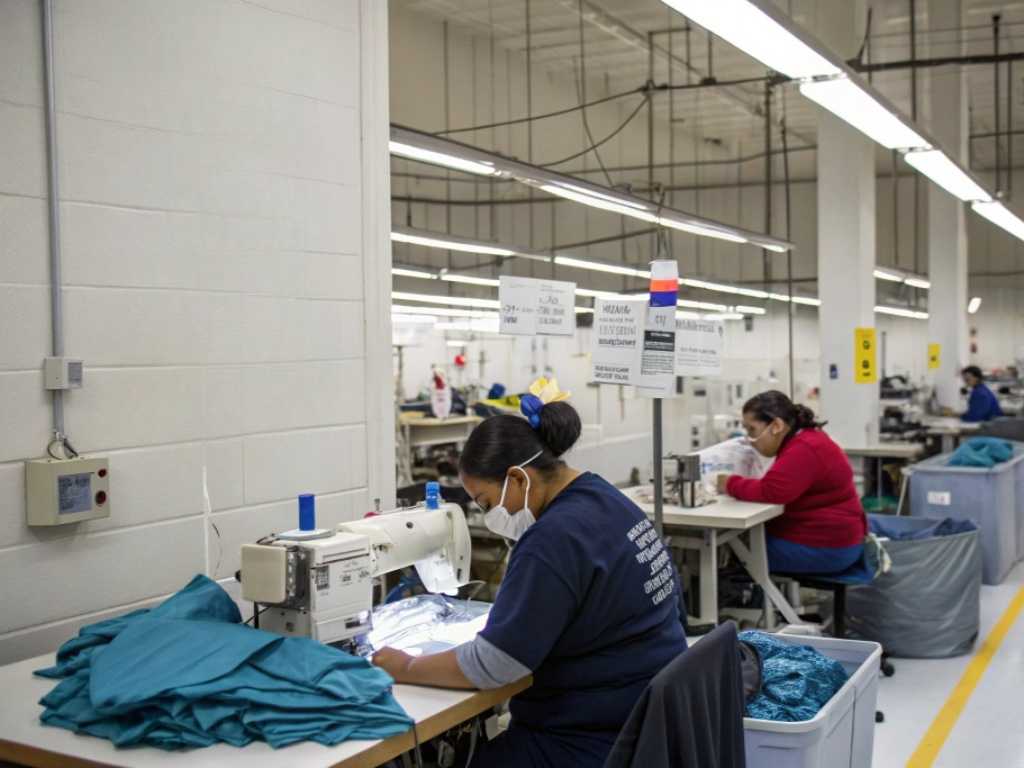
Female garment workers sewing blue fabric at industrial sewing machines.

Tell Us About Your Dress Project

Share your product details, estimated quantity and development requirements. Our team will review your project and provide practical OEM/ODM production feedback.

Premium Women’s Apparel Production for Fashion Brands

From dress sample development to bulk production, JF Apparel supports fashion brands with confidential OEM/ODM manufacturing, reliable quality control and scalable production support.

START YOUR DRESS PROJECT

Ready to Develop Your Next Dress Collection?

Share your design concept, product requirements or sourcing plans with our team. We’ll review your project and provide practical feedback on development, materials, MOQ and production.

7-10 Days

Sample Development

200 PCS

Starting MOQ

Fast Response

Professional Follow-Up