
Dress Manufacturer for Social Commerce Fashion Brands
Custom dress development built around social launches, creator fittings, visual merchandising, stable bulk production, and repeat-order growth.
- 10-30 styles can be managed within a coordinated collection development program.
- Standard MOQ starts from 200 pieces per style and color for qualified custom production.
- First-sample reference: 7-10 days for simple styles and 15-25 days for complex corset, mesh, lace, or sequin dresses.
- 6 owned factories, 10+ long-term production partners, 2 sample rooms, and 100,000+ pieces of regular monthly womenswear capacity.
Manufacturing Capacity for Fast-Moving Dress Programs
Since 2008
Six Owned Factories
Ten-Plus Partners
Two Sample Rooms
Seven-Plus Pattern Makers
Twenty-Plus Sample Machinists
Built for Established Social Commerce Fashion Teams
Strong Project Fit
- Custom dress development and seasonal collections
- Photo-ready and fitting samples
- Multi-style programs with 10-30 styles
- Bulk orders and repeat replenishment
- Private-label packaging and warehouse preparation
- Long-term style, pattern, fabric, and packing records
Outside Our Model
- No-MOQ production is not offered
- Dropshipping fulfillment is not offered
- Ready-stock fashion wholesale is not the core business
- Personal custom dresses are not accepted
- One-to-fifty-piece tests do not fit the production model
- Lowest-price-only sourcing does not match premium dress development
How Social Commerce Changes Dress Manufacturing
Content-Led Launches
Creator Try-Ons
Frequent Newness
Visual Material Behavior
Demand Volatility
Public Feedback Loops
Dress Manufacturing Risks Social Brands Cannot Ignore
Reference Mismatch
Motion Fit Failure
Camera Fabric Problems
Sample-Bulk Drift
Reorder Material Changes
SKU Packing Errors
Custom Dresses Built for Social-Driven Fashion Sales
The strongest social-commerce dresses combine immediate visual recognition with controlled fit, material behavior, construction stability, and repeatability. Jinfeng Apparel develops product groups according to silhouette, wearing occasion, camera effect, fabric risk, and bulk-production requirements rather than treating every dress as the same sewing project.

Viral Mini Dresses
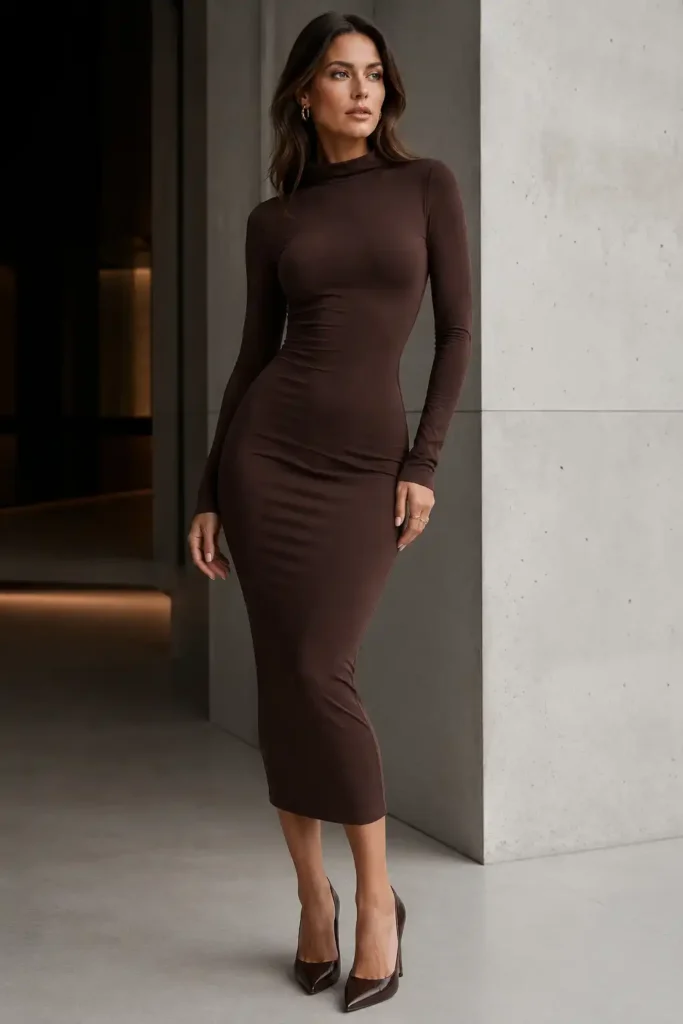
Bodycon Dresses
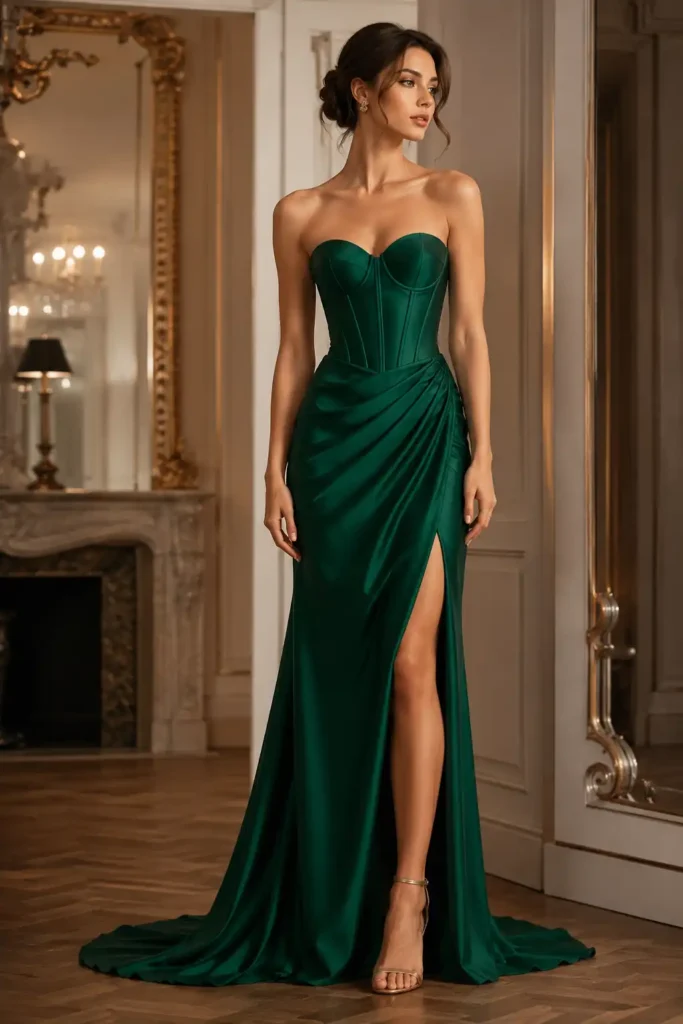
Corset Dresses
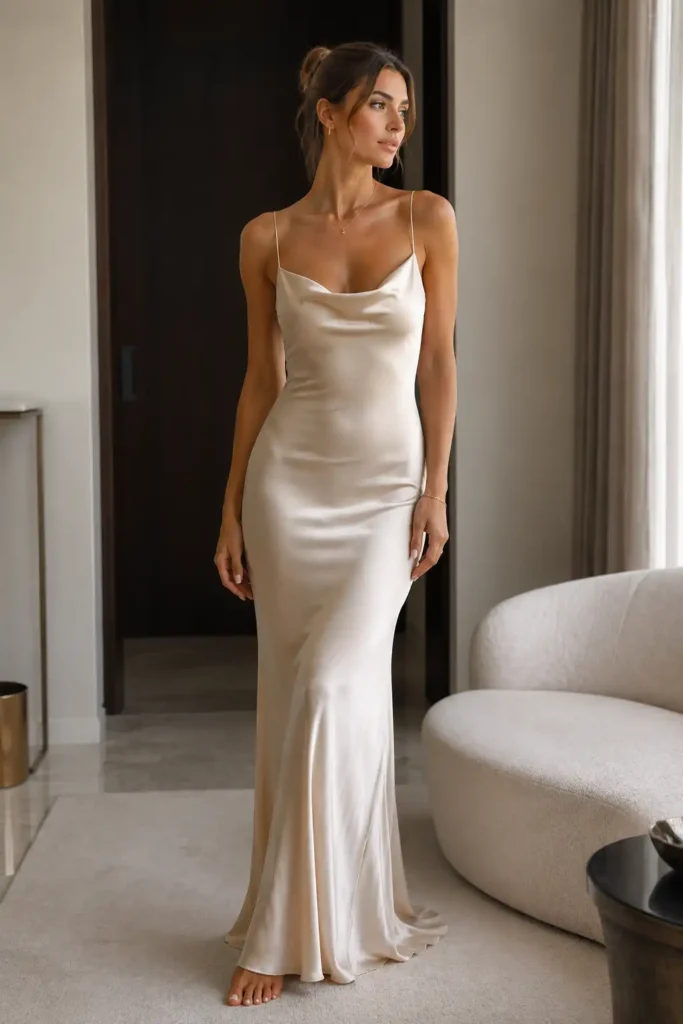
Satin Dresses

Mesh Cut-Out Dresses
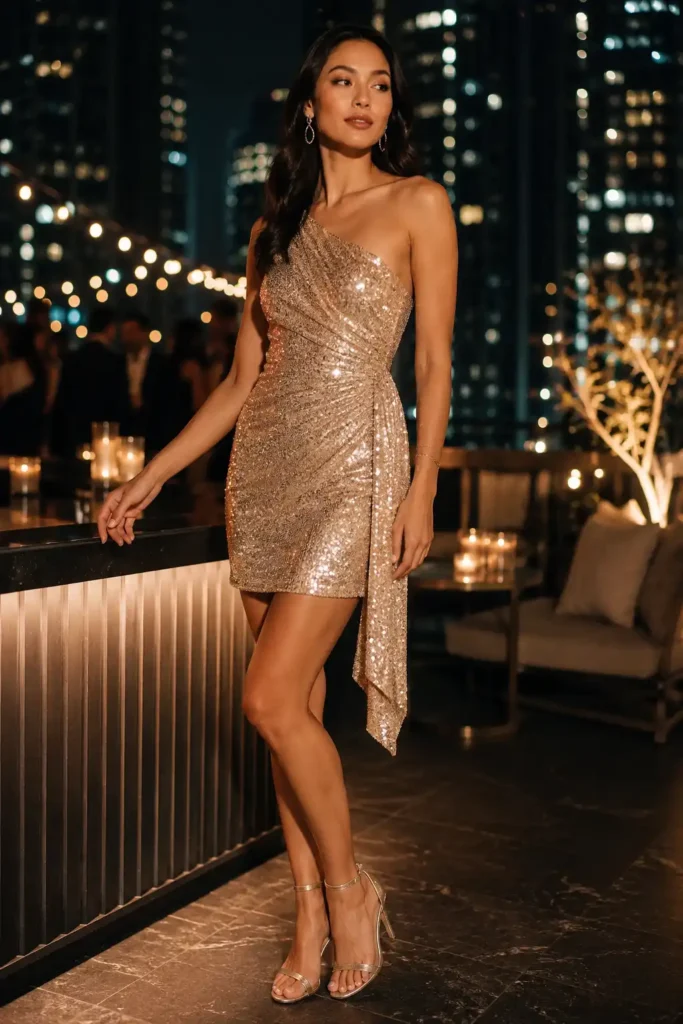
Sequin Party Dresses

Occasion Midi Dresses

Resort Maxi Dresses
Turning Social Trends Into Production-Ready Dresses
A trending image is not yet a manufacturing specification. Jinfeng Apparel converts creative direction into product records that pattern makers, sample machinists, production teams, QC staff, and packing teams can follow without relying on memory or visual guesswork.
Creative Inputs Become a Structured Development Brief
A strong project can begin with a complete tech pack, an original sample, a line sheet, sketches, reference images, fabric swatches, or a collection moodboard. Each input provides different levels of certainty. A tech pack may define measurements and construction but still require fabric verification. A reference image may show the desired look but omit rear construction, lining, closure, grading, and seam details. An original sample may reveal construction but still need fit, fabric, and cost adjustment for a new market.
At project launch, files are organized by style number, product group, priority, target market, intended selling price, launch date, quantity, color, size range, and packaging route. For multi-style programs, grouping avoids duplicated sourcing work and reduces approval confusion. Satin styles can share material review, corset products can share support-component evaluation, and printed resort dresses can share print and shrinkage discussions while keeping their pattern files separate.
- Input review: tech pack, sample, image, sketch, line sheet, swatch, trim card
- Commercial context: target quantity, color plan, size range, price position, launch timing
- Development priority: hero SKU, creator sample, campaign sample, core repeat style
- File control: style number, version date, comment owner, approval status
Feasibility Review Protects the Intended Look
Before pattern work begins, the development team reviews whether the visual concept can be produced consistently at the intended quantity and quality level.
A dramatic drape may require a fabric with sufficient weight. A very clean corset neckline may need internal support, anti-slip tape, or cup adjustment. A large cut-out may look strong in a still image but move excessively during wear. A dense sequin placement may require seam clearing to prevent scratching and zipper obstruction.
Feasibility review is not used to weaken design. It is used to identify which features create the selling impression and which features introduce unnecessary production risk.
When cost or construction needs adjustment, options may include a more stable fabric, modified lining method, reduced decorative density, revised seam placement, simplified internal layers, or an alternative trim.
Any alternative should be approved through swatches and samples because a similar material is never assumed to be identical.
- Structure: support, closure, lining, seam route, stress points, movement
- Material: weight, width, stretch, recovery, drape, shine, transparency, shrinkage
- Decoration: placement, density, hand finishing, seam clearance, durability
- Production: cutting direction, sewing sequence, pressing method, inspection access
Pattern Engineering Establishes Fit and Repeatability
Pattern development defines the three-dimensional result behind the social image. Core dress measurements include bust, waist, hip, shoulder, armhole, neckline depth, strap length, bodice length, skirt length, slit height, lining length, and hem width. For jumpsuit-inspired or romper extensions, crotch length and rise also require control. The base size must match the intended market and fit positioning before grading begins.
Fit comments are converted into pattern actions rather than vague requests. “The waist looks low” may require a shorter front bodice, revised bust shaping, different strap length, or changed waist-seam placement. “The neckline feels open” may require cup position, center-front shaping, elastic, anti-slip tape, or top-edge construction changes. Every approved alteration should be reflected in the pattern and measurement chart so bulk production follows the revised standard.
- Base-size confirmation before grading
- Measurement chart and tolerance review
- Pattern notes linked to fit comments
- Lining and outer-pattern relationships
- Size grading after approved fit direction
Production Files Lock the Approved Product Standard
A production-ready style is supported by more than a sample garment. The final package should connect the approved PP sample with a BOM, fabric reference, trim card, size chart, grade rule, sewing instruction, label placement, packing instruction, barcode or SKU table, and relevant quality checkpoints. Version control matters when multiple rounds of comments involve fabric, pattern, or construction changes.
Jinfeng Apparel retains project records for repeat production, seasonal extensions, and new-color programs. Retained records reduce repeated explanation, but they do not eliminate reorder review. Fabric availability, dye lot, trims, packaging materials, quantity, and delivery schedule are reconfirmed for every new production run.
- PP sample and approval record
- Final fabric, lining, and trim references
- Updated measurements and grading rules
- Sewing and finishing requirements
- Private-label and warehouse packing files
- Reorder notes and quality history
Samples Built for Content, Fit, and Production Decisions
A sample may serve several functions, but those functions should not be confused. Development approval, creator content, sales presentation, and bulk production each require defined standards. Jinfeng Apparel identifies the purpose before sample work begins so fit, material, finishing, and timing can be evaluated correctly.
First Samples Establish Structure and Product Direction
The first sample is used to verify pattern shape, construction route, material direction, trim placement, measurements, and the overall relationship between the reference and the physical garment. It is not expected to solve every issue when the source material is incomplete or the product includes complex support, stretch, cut-outs, lace placement, or decorative work. The first review should separate objective problems from preference changes.
Reference sample timing is based on complexity and material readiness:
- Simple first sample: approximately 7-10 days
- Regular dress first sample: approximately 10-15 days
- Medium-complexity dress, set, or jumpsuit: approximately 12-18 days
- Corset, strapless, lace, mesh, or sequin style: approximately 15-25 days
- Custom fabric or special-trim style: approximately 20-35 days or according to supplier timing
Those ranges begin after sufficient information is confirmed. Fabric sourcing, custom dyeing, special trim development, unclear construction, or delayed comments extend the schedule. A short promise made before reviewing the style offers little value to a launch team.
Photo-Ready Samples Need Camera-Specific Review
Photo-ready samples may be required for model shoots, creator seeding, livestream preparation, ecommerce images, or campaign content. The garment should be checked under the intended lighting and movement conditions, not only under sample-room lighting.
Color, shine, transparency, wrinkles, lining visibility, seam shadow, and decoration reflection can change significantly on camera.
A photo-ready sample should also be clearly identified as a content sample. If final fabric, trims, labels, or construction are not yet locked, the team should not assume that a successful photo sample automatically authorizes bulk production.
Any temporary material or hand-finished detail used for a shoot should be recorded and replaced with an approved bulk route before PP confirmation.
- Front, back, side, and close-detail photography
- Natural light and studio-light checks when relevant
- Lining and transparency review
- Pressing and surface-finish review
- Garment movement and silhouette review
Motion Fit Converts Try-On Feedback Into Measurable Changes
Movement testing is particularly important for mini, bodycon, corset, cut-out, strapless, halter, high-slit, and fitted occasion dresses. Review can include walking, sitting, turning, raising arms, bending, and normal dressing movement. The aim is not to create a universal fit for every body, but to confirm that the approved base size performs as intended for the defined market and fit direction.
Comments are converted into measurements or pattern actions. A slipping strap becomes a strap-length or angle review. A rising mini hem becomes a hip-ease, fabric-recovery, lining, or pattern-balance review. A gaping neckline becomes a shaping, cup, elastic, or top-edge construction review. Revised instructions are then added to the sample record.
Revised and PP Samples Close the Approval Loop
A revised sample normally requires approximately 7-15 days, depending on the changes and material status. A PP sample also normally requires approximately 7-15 days after final fabric, trims, labels, measurements, and construction are available. Complex changes, new fabric, new colors, or newly developed trims may require additional time.
PP approval should cover style structure, fabric, color, lining, trims, measurements, grading direction, construction, decoration, labels, packing method, and reference quality points. Production then follows the PP sample, manufacturing records, measurement chart, BOM, and sewing instructions.
Golden-sample sealing or retained approved samples provide a comparison standard for bulk and repeat orders.
Fabric Performance Under Cameras, Lighting, and Movement
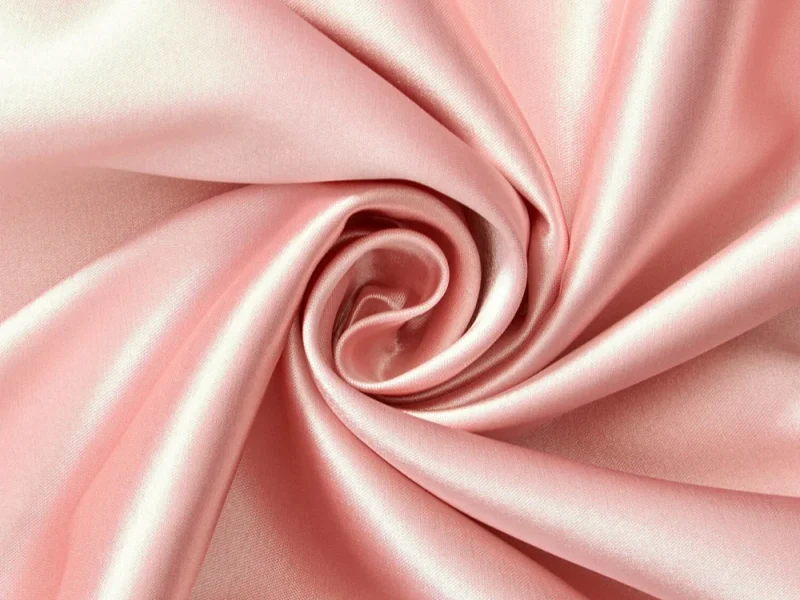
Satin
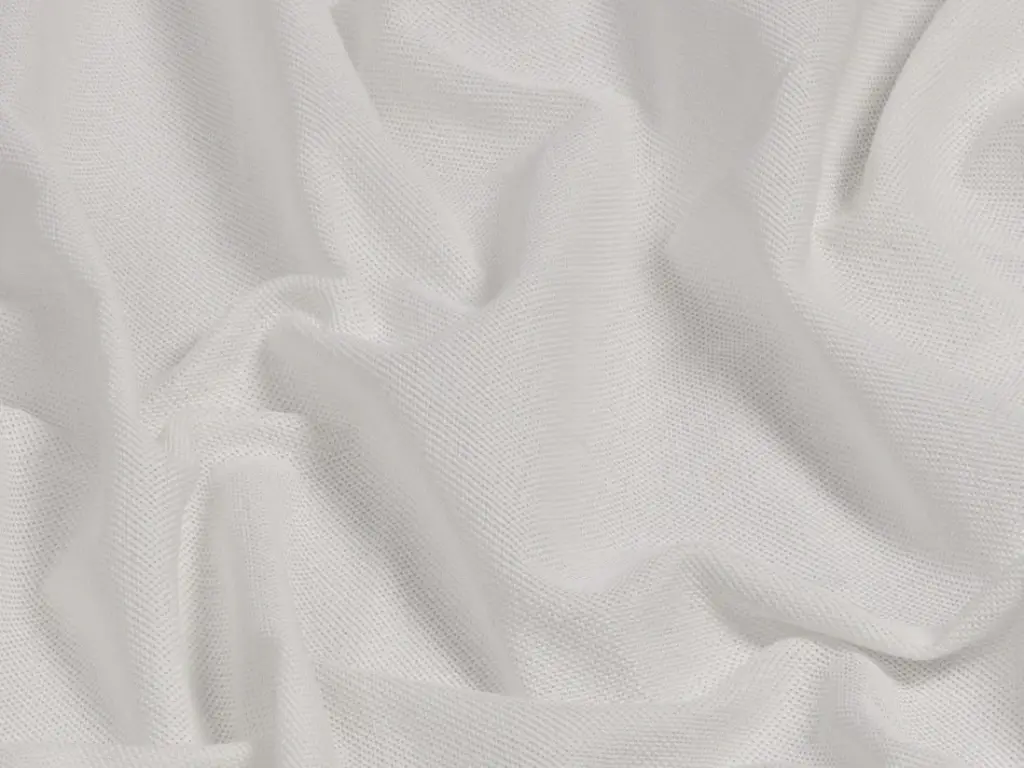
Mesh
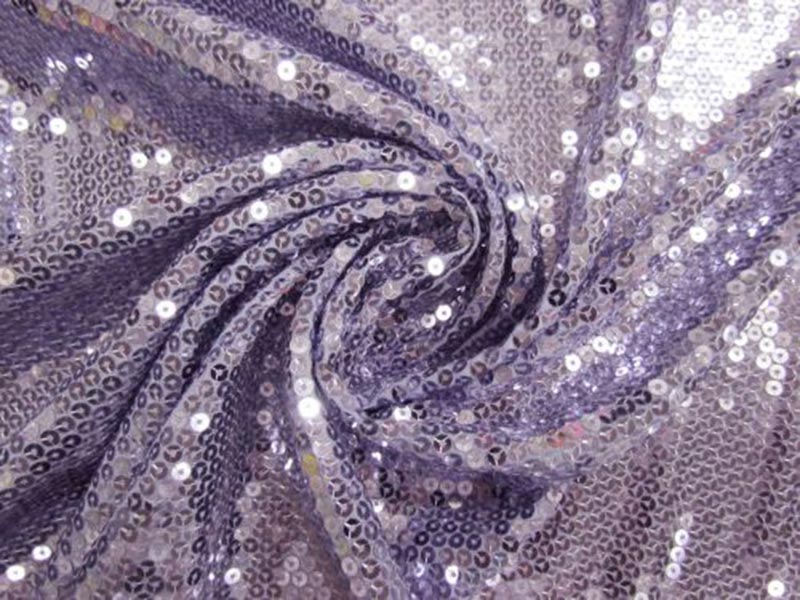
Sequin
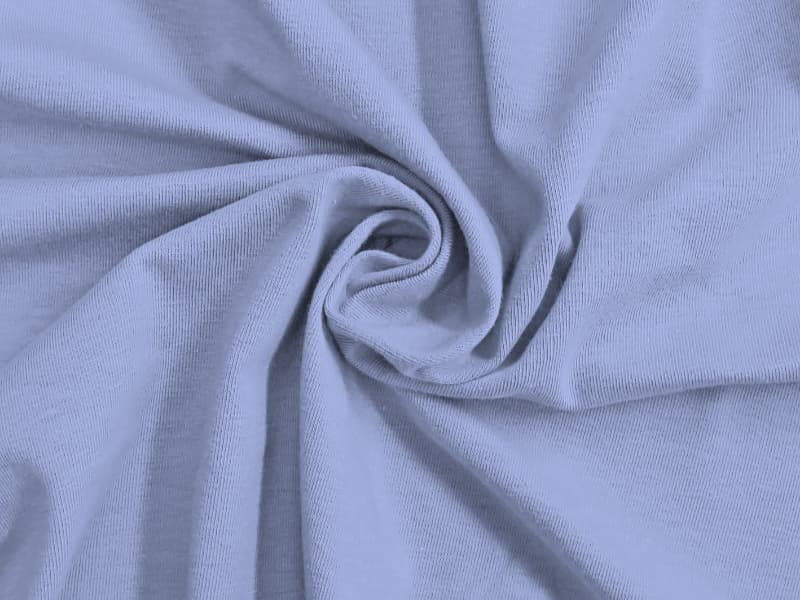
Stretch Jersey

Chiffon and Rayon
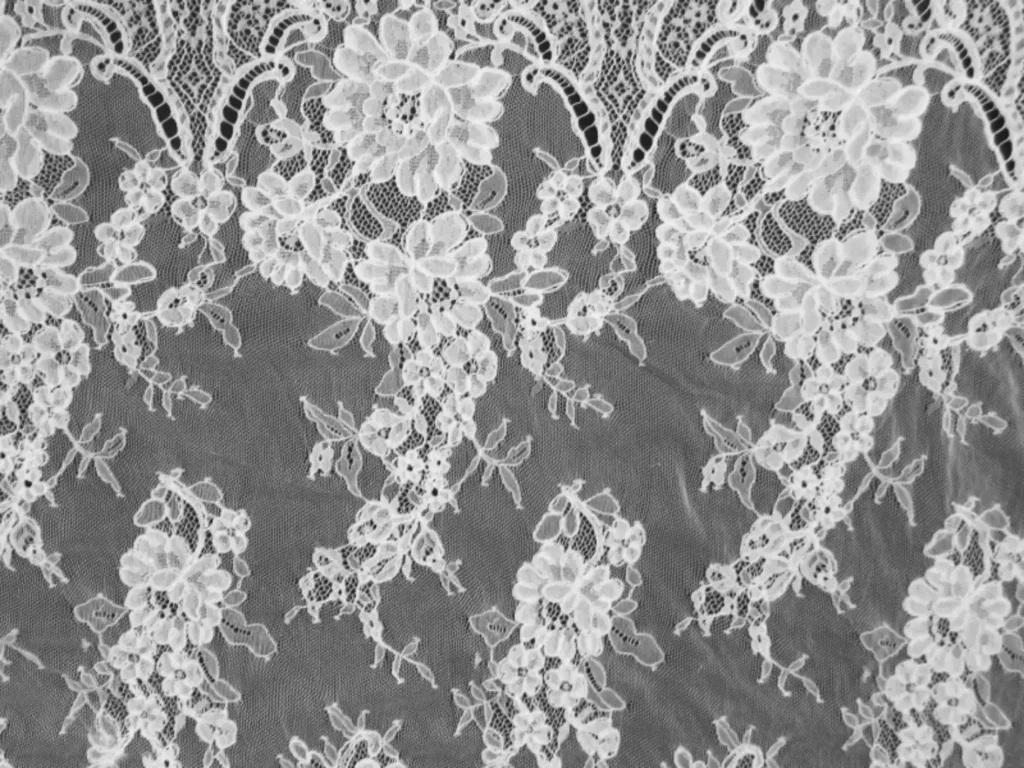
Lace and Crepe
A Controlled Sample Path Before Bulk Production
Sample approval is a sequence of decisions, not one parcel followed by a purchase order. Jinfeng Apparel records each decision so pattern, material, measurement, construction, label, and packing changes move into the correct production files.
Project Review Defines the Sample Standard
The development brief should define what the sample is expected to prove. A fit sample may use an available fabric with similar behavior, while a photo-ready sample may require final color and surface appearance. A PP sample requires final or approved production materials and details. Mixing these standards creates unnecessary dispute and schedule loss.
The review covers style complexity, fabric direction, trims, internal structure, lining, measurements, size range, sample purpose, target quantity, target price, launch timing, packaging, testing, and destination. Only-image enquiries can receive an initial direction, but a final bulk quotation requires more complete information because fabric, construction, measurements, and quantity have a major effect on cost.
First-Sample Comments Are Classified by Cause
Comments are grouped into fit, fabric, workmanship, on-body effect, color, trims, design accuracy, measurements, detail proportions, labels, packaging, and cost alignment. Classification prevents a visual complaint from being addressed with the wrong action. For example, a heavy-looking skirt may be caused by fabric weight, excessive sweep, lining, seam structure, or pressing rather than pattern alone.
Every requested revision should identify the affected file and approval owner. Pattern changes update the pattern and measurements. Fabric changes update the material record and may change cost, MOQ, drape, and lead time. Construction changes update sewing instructions and quality checkpoints. Packaging changes update artwork, SKU tables, and packing instructions.
Revised Samples Confirm the Corrected Direction
A revised sample should demonstrate that recorded changes were executed, not merely that another garment was sewn. The review compares the revised garment with the comment record, reference, measurements, fabric approval, and intended wearing effect. New issues are distinguished from previously approved details so the project does not move backward through uncontrolled preference changes.
For multi-style programs, status tracking can include style number, first-sample date, comment date, revision round, pending fabric, pending trim, fit status, photo-sample status, PP status, and production priority. Such control is important when 10-30 styles move in parallel and several team members provide feedback.
PP Approval Locks Bulk Production Inputs
Production begins only after approved inputs are clear. The PP standard connects garment appearance with the BOM, fabric and trim references, measurements, grade rules, sewing method, label placement, packing method, and QC requirements. Changes after PP approval are evaluated for cost, material availability, schedule, and production impact before acceptance.
Bulk lead time is confirmed after PP approval and final material status because style count, fabric availability, quantity, colors, size ratios, construction complexity, packaging, inspection, and shipment route all affect the plan. A reliable timeline is built backward from the required launch, warehouse, or shipping date rather than presented as one universal number.
Manufacturing Around Your Social Launch Calendar
A launch date becomes controllable only when every earlier approval is visible. The schedule below shows how a social-commerce dress program can move from collection brief to content preparation, PP approval, bulk production, packing, and replenishment review.
| Project Stage | Brand Input | Jinfeng Apparel Action | Main Control Point |
| Collection Brief | Line sheet, target platform, launch date, style priorities | Group styles by fabric, structure, complexity, and priority | Hero styles identified early |
| Fabric Direction | Target hand feel, color, price position, reference | Source or review swatches and assess drape, stretch, transparency, and risk | Material behavior approved before pattern lock |
| Development Sample | Tech pack, original sample, image, size chart | Develop pattern, sample, measurements, and construction route | First-sample comments classified and recorded |
| Content Sample | Shoot date, model size, visual standard | Prepare photo-ready or salesman sample as agreed | Temporary materials clearly recorded |
| PP Approval | Final comments, colors, labels, packing | Lock PP sample, BOM, measurements, sewing, labels, and packing | Bulk standard signed off |
| Bulk Production | PO, size ratio, delivery route | Allocate production, track materials, cutting, sewing, inline QC, finishing | Production deviations stopped early |
| Packing and Inspection | SKU table, barcode files, carton rules | Verify labels, polybags, ratios, carton marks, packing list, inspection | Warehouse data matches physical goods |
| Reorder Review | Sales signal, color and size demand | Check records, material availability, capacity, pricing, and revised schedule | Reorder confirmed before demand becomes urgent |
MOQ Planning for Launches, Colors, and Repeat Demand
Jinfeng Apparel’s standard MOQ starts from 200 pieces per style and color. The quantity supports efficient material purchasing, pattern and sample development, production planning, quality control, private-label packing, and export coordination for premium custom womenswear.
| Program Structure | Planning Principle | Variables Requiring Separate Review |
|---|---|---|
| Core Launch Style | Begin with the strongest silhouette and one or two core colors | Fabric stock, shade availability, size ratio, construction |
| Multi-Color Drop | Each color normally needs to meet the style/color MOQ | Dyeing, cutting setup, labels, SKU files, packing, shade control |
| Multi-Style Collection | Ten to thirty styles can be developed in one managed program | Each style/color MOQ, shared fabrics, sample priority, production allocation |
| Five-Size Run | A range such as XS-XL can be divided within the approved quantity using a workable ratio | Grading, measurement control, size labels, carton breakdown |
| Extended Sizing | XS-2XL, plus-size, petite, or tall directions require separate fit and grade planning | Pattern blocks, additional sampling, consumption, grading, demand ratio |
| Custom Fabric | Special weave, dye, print, lace, sequin, certified fabric, or unique color may carry a supplier MOQ | Fabric minimum, development time, color standard, testing, wastage |
| Private Label | Basic private-label support can follow the garment order | Woven labels, hangtags, printed polybags, boxes, and special inserts may have separate supplier MOQ |
| Repeat Order | Retained records help restart the style efficiently | Fabric lot, trim stock, revised quantities, color and size demand, packing updates |
Repeat Production After Social-Driven Demand Spikes
Repeat orders are strongest when the original project creates reusable records. Jinfeng Apparel retains patterns, measurements, fabric references, trim details, sewing requirements, label files, packing instructions, and QC notes to support replenishment, new colors, seasonal extensions, and multi-batch delivery.
Sales Signals Become a Replenishment Brief
A repeat-order enquiry should specify the original style number, required quantity, color, size ratio, destination, warehouse date, packing changes, and any product feedback. Early signals are more useful than waiting for stock to reach zero. A brand may identify priority sizes, top colors, or hero styles before submitting the full purchase order so material and capacity can be reviewed.
Social demand can create uneven size and color needs. Repeating only the best-selling color or replenishing selected sizes may be possible, but production efficiency, fabric availability, and packing complexity still need review. Very fragmented quantities can affect cutting, bundling, measurement, labeling, and carton planning.
Original Records Are Checked Before Production Restarts
Retained records reduce repeated discussion, but every reorder receives a fresh verification. The team checks the latest approved pattern, measurement chart, fabric and lining references, trim card, sewing instruction, label artwork, barcode table, polybag, carton marks, and prior QC issues. The objective is to prevent an old or intermediate version from entering production.
If the original fabric is unavailable, alternatives are reviewed through swatches and, where required, a new sample or PP confirmation. A substitute may change drape, stretch, opacity, shrinkage, color, cost, and fit. Similar appearance is not treated as automatic equivalence.
Capacity Is Matched to Product and Delivery Priority
Repeat production may involve one bestseller, several top colors, or a mixed program of new and repeat styles.
Jinfeng Apparel can coordinate owned factories and long-term partners according to product type, complexity, quantity, material route, and delivery sequence. Core repeat styles may remain with the original production unit when possible to preserve execution knowledge.
Urgent requests are assessed against material arrival, current line loading, production complexity, QC requirements, packing readiness, and shipment cut-off. A realistic confirmation protects quality and delivery more effectively than an immediate promise made before those variables are known.
Split Delivery Can Support Launch and Inventory Balance
For larger replenishment programs, the brand may evaluate phased delivery, priority-size packing, key-color dispatch, or air-plus-sea shipment. A smaller first quantity can support near-term availability while the remaining bulk follows a lower-cost route. Split shipment requires separate SKU, carton, packing-list, quantity, and freight controls so the first and later batches remain fully traceable.
The final arrangement depends on destination, warehouse rules, freight cost, sales urgency, carton readiness, and forwarder requirements. Jinfeng Apparel can coordinate with a brand-appointed forwarder and provide cargo details, packing lists, commercial invoices, carton marks, measurements, gross and net weights, and pickup information.
Keeping Bulk Production Consistent With Approved Samples
Bulk consistency is created through connected standards. Jinfeng Apparel links the approved PP sample with materials, measurements, construction, quality points, labels, and packing requirements before production begins, then checks execution during cutting, sewing, finishing, and final preparation.
Material Approval Comes Before Cutting
Fabric and trims are checked against approved references before they enter bulk production. Fabric review can include color, hand feel, width, weight, surface condition, shade difference, stains, holes, snagging, stretch, recovery, transparency, and shrinkage risk. The emphasis changes by material: satin is checked for shade and snagging; mesh for holes and stretch; lace for motif and damage; chiffon for transparency and seam-slippage risk.
Trim inspection covers zippers, buttons, hooks, strap sliders, elastic, bra cups, boning, anti-slip tape, lining, labels, hangtags, barcodes, polybags, and cartons as required by the style. Specification, color, quantity, function, durability, and file matching are reviewed before use.
Cutting Control Protects Direction, Size, and Quantity
Cutting errors multiply quickly across a production order. Checks can include pattern version, fabric face and reverse, grain or stretch direction, print direction, lace motif, sequin direction, shade grouping, defect avoidance, cut quantity, and bundling by size. Long dresses, bias-cut satin, printed products, lace, mesh, and stretch bodycon styles require specific cutting attention.
Bundles are identified so pieces from different sizes, shades, or styles do not mix. For multi-style programs, production files and cut components should follow style numbers and approved version references. A clear cutting checkpoint reduces expensive corrections after sewing begins.
Sewing Instructions Translate the PP Sample to Production
The production team receives sewing and quality instructions linked to the approved sample. Details may include stitch type, stitch density, seam allowance, thread color, zipper position, lining method, ruching distribution, strap attachment, label location, cup position, boning channel, slit construction, and decoration handling.
Inline checking occurs while sewing is active, allowing corrections before the same error spreads through a large quantity.
Typical control points include neckline shape, shoulder and strap balance, waist position, zipper flatness, lining, ruching, symmetry, slit height, seams, decoration, and fabric damage.
Final Comparison Covers Garment and Packing Standards
Finished garments are reviewed for appearance, measurements, workmanship, pressing, labels, packaging, and quantity according to the project standard. Measurement checks reference the approved size chart and tolerance. Visual review compares silhouette, color, surface, symmetry, seam quality, lining, trims, and finishing with the PP or retained approved sample.
Packing checks verify size labels, care labels, hangtags, barcode stickers, SKU labels, polybags, ratio packing, carton marks, and packing-list data. Any rework is recorded and rechecked before release. Third-party inspection or AQL coordination can be arranged according to the order and assigned production unit.
Quality Control Linked to Returns and Brand Reputation
Fit and Measurements
Fabric and Surface
Construction and Comfort
Camera and Wear Effect
Label and SKU Accuracy
Packing and Shipment Readiness
Private Label Packing for Ecommerce and Warehouse Delivery

Woven Brand Labels
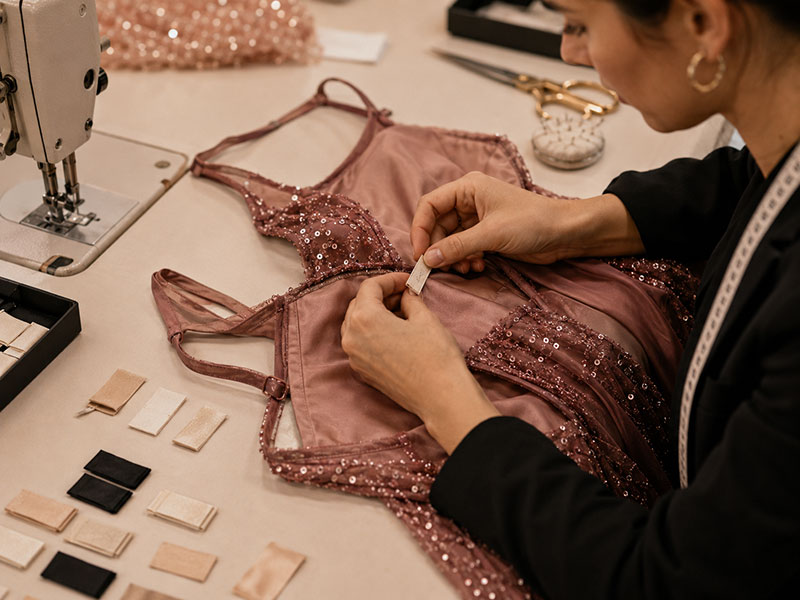
Care and Size Labels
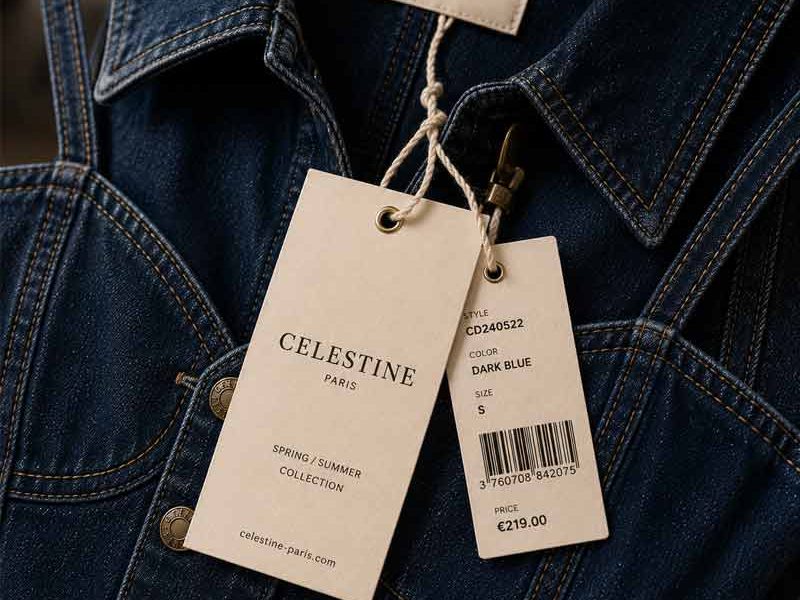
Hangtags and Inserts

Polybags and Stickers
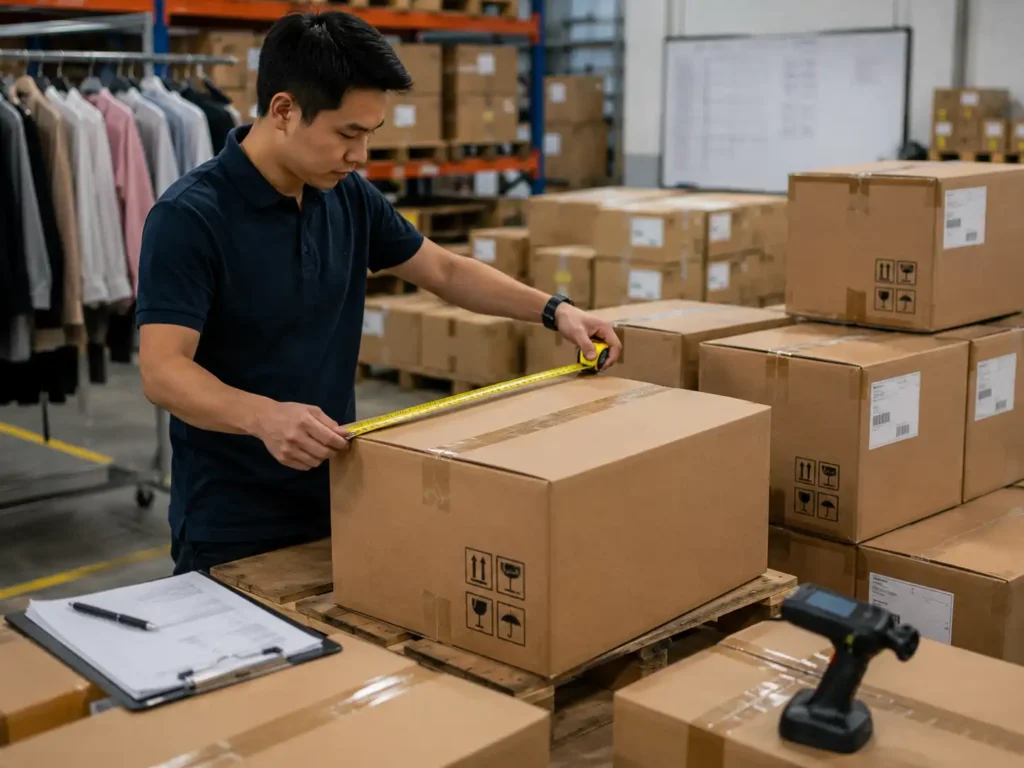
Cartons and Marks
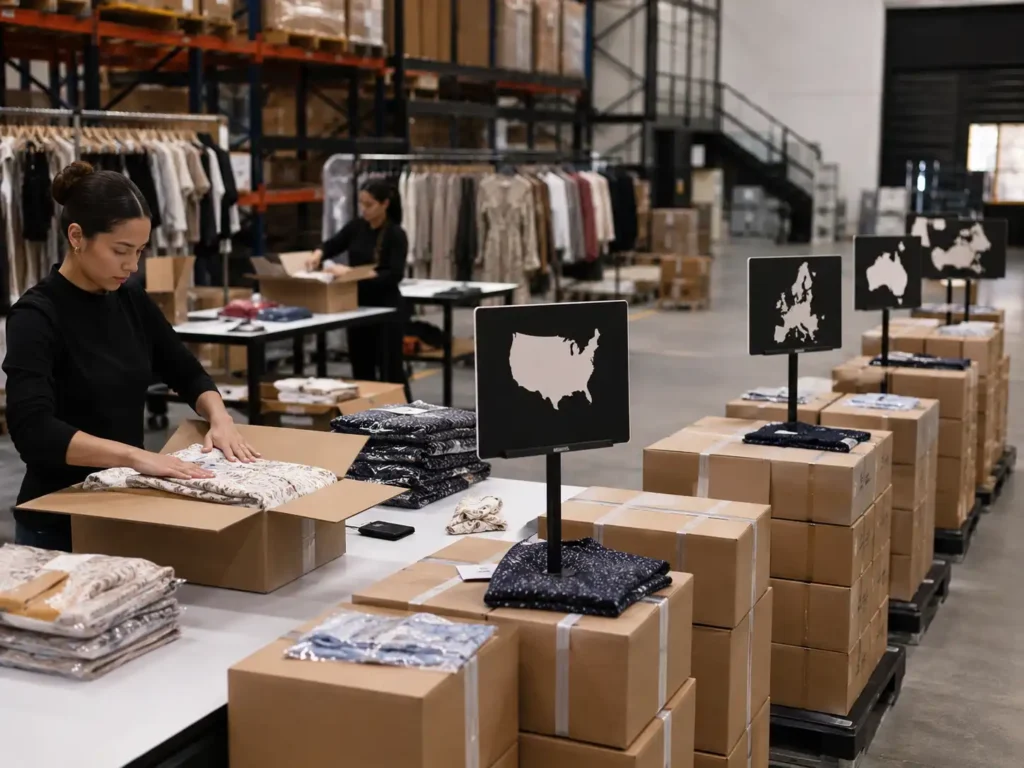
Warehouse Delivery Files
Unreleased Designs Stay Off Public Social Media
Project File Protection
Files are used only for the relevant program. Patterns, samples, and private-label data are not shared with other brands. Sensitive projects can begin with an NDA before detailed files are submitted.
Public Content Boundaries
Without written authorization, Jinfeng Apparel does not publish client sample photos, fitting photos, PP samples, production samples, logos, labels, packaging, tech packs, original design drawings, or order information on websites, Instagram, TikTok, Pinterest, brochures, or sales materials. Public content is limited to internally developed samples, general production details, non-branded material and process images, anonymized descriptions, or authorized case studies.
Anonymous cases identify market, product type, style count, material groups, production challenges, quality actions, and delivery structure without disclosing brand identity, prices, order numbers, files, or unreleased designs.
Dress Programs Managed for Fast-Moving Fashion Brands
The following anonymized program examples reflect realistic order structures handled by established social-commerce and ecommerce fashion teams. Brand names, prices, original files, and unreleased product images remain confidential. The numbers illustrate project-management depth rather than guaranteed results for another program.

US Social Occasionwear Program, 18 Styles, 42,000 Pieces
A United States occasionwear brand planned an 18-style social launch across satin minis, corset midis, mesh-panel dresses, and sequin party styles. The total order was approximately 42,000 pieces across five core colors and a five-size run. Several hero styles required photo-ready samples before final PP approval, while supporting styles followed the standard development route.
Development was divided into four groups: satin, stretch bodycon, structured corset, and embellished styles. Material approvals were completed by group, while patterns and fit comments remained style-specific. Key controls included satin shade and pressing, mesh transparency, cup and boning position, sequin comfort, mini-dress movement, and zipper flatness.
Two main sample rounds were used for regular styles, while selected corset and mesh products required an additional revision before PP approval.
Bulk files linked approved samples to measurements, material references, sewing instructions, label positions, barcodes, polybags, and carton data. Delivery was divided by launch priority so core social content styles and key sizes could move first while the balance followed the agreed shipping plan.
Project value came from controlled prioritization rather than forcing all 18 styles through the same timeline. Hero products received earlier fit and content review, while less complex styles advanced through shared fabric and trim groups.

UK Creator-Led Partywear Program, 12 Styles, 28,800 Pieces
A United Kingdom creator-led partywear label developed 12 styles combining stretch satin, lace, mesh, and sequin materials.
The order totaled approximately 28,800 pieces across four colors and sizes XS-XL. Social content required strong close-up finishing, stable body fit, and consistent color under studio lighting.
The first risk review identified three areas: pale-mesh transparency, corset neckline stability, and sequin abrasion near armholes and side seams. Lining colors were compared under light, top-edge support was revised for structured styles, and sequin clearing was adjusted at selected seam areas. Movement review covered sitting, turning, arm lift, strap security, slit behavior, and mini-length balance.
The PP standard included final fabric and lining references, cup and boning positions, stitch and seam instructions, measurement charts, care labels, hangtags, barcode stickers, and folding methods. Inline inspection focused on neckline shape, waist placement, zipper smoothness, decoration security, and lining exposure.
Final packing separated styles and colors by SKU and verified carton marks against the warehouse file.
The program demonstrated how camera appearance, comfort, and bulk consistency can be managed together without treating creator content as a separate activity from product engineering.

US Multi-Channel Dress Program, 24 Styles, 76,000 Pieces
A United States fashion organization operating through social commerce, ecommerce, and wholesale channels placed a 24-style private-label dress program totaling approximately 76,000 pieces. Product groups included resort maxis, occasion midis, bodycon minis, satin slips, lace dresses, and matching sets. Sizes ranged from XS to 2XL, with style-specific ratios based on channel demand.
The project required multi-style sampling, separate content and PP milestones, barcode and SKU control, ratio packing, warehouse labels, and phased delivery. Styles were grouped by fabric and construction so sourcing, sample review, production assignment, and quality planning could be coordinated without mixing product files. A shared progress tracker recorded fabric status, trim status, sample version, PP approval, bulk allocation, inspection, and packing readiness for every style.
Quality controls were adapted by group: resort fabrics were reviewed for shrinkage, print direction, and transparency; bodycon styles for stretch recovery and measurement; satin styles for shade, snagging, and pressing; lace styles for motif placement and damage. The final delivery plan separated priority launch styles from later replenishment quantities while maintaining distinct packing lists and carton identification.
The scale required disciplined file control more than generic speed. Clear approvals, material grouping, production allocation, and packing verification kept a complex assortment manageable across development and delivery.
Prepare a Better Social Commerce Dress Brief
Social Launch Brief
Photo-Ready Sample Checklist
Frequently Asked Questions for Social Commerce Dress Brands

Start Your Next Social Commerce Dress Program
Send enough information for a useful manufacturing review rather than a generic price guess. Jinfeng Apparel can assess dress structure, fabric direction, pattern difficulty, sample path, MOQ, quantity planning, size range, private-label requirements, production risk, and launch timing from a clear project brief. A complete file set is especially important for multi-style collections, complex corset or mesh products, photo-ready samples, warehouse-specific packing, and repeat-order planning.
Please include:
- Tech pack, line sheet, original sample photos, sketches, or reference images
- Target quantity per style and color
- Proposed size range and size ratio
- Fabric, lining, trim, and color direction
- Sample purpose: fit, photo, salesman, PP, or production reference
- Content date, launch date, shipping window, or warehouse deadline
- Woven labels, care labels, hangtags, barcode, SKU, polybag, and carton requirements
- Destination market, testing needs, preferred trade term, and appointed forwarder details


