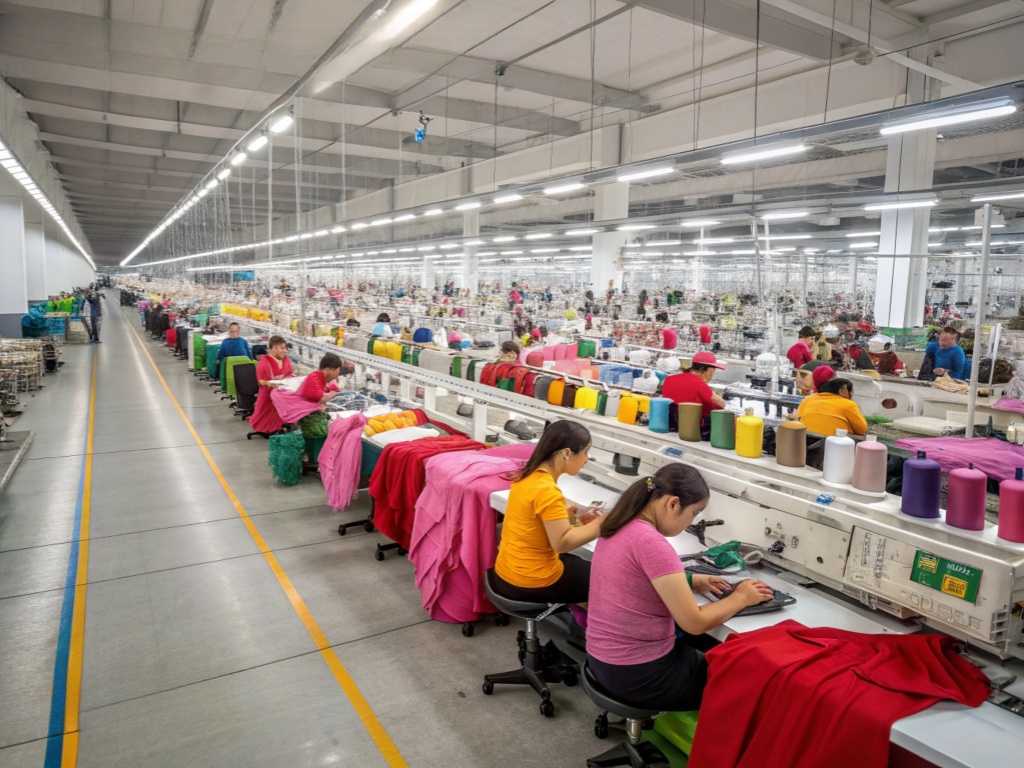
Dress Manufacturer for Seasonal Drop Fashion Brands
Custom dress development and production organized around collection deadlines, campaign dates, multi-style approvals, and repeat-order potential.
- 10-30 styles can be coordinated within one seasonal program, subject to product complexity and confirmed capacity.
- Typical established-brand programs range from 20,000 to 80,000 total pieces across approved styles, colors, and sizes.
- 6 owned women’s fashion factories, 10+ long-term production partners, and 100,000+ pieces of regular monthly capacity.
- 2 sample rooms, 7+ senior pattern makers, 20+ sample machinists, 12+ merchandisers, and 15+ QC inspectors.
- MOQ starts from 200 pieces per style/color, with material and construction requirements reviewed before confirmation.
Jinfeng Apparel helps fashion brands move seasonal dress drops from line sheet and material direction to first samples, fit corrections, PP approval, bulk production, private-label packing, and export delivery. Product teams can develop mini, midi, maxi, bodycon, corset, satin, mesh, lace, sequin, resort, occasion, jumpsuit, and matching-set programs through one coordinated manufacturing structure. Each project is reviewed by style difficulty, material availability, launch priority, quantity, and delivery window before the production plan is released.
Built for Brands With Planned Drop Calendars
Seasonal Fashion Programs
Product and Merchandising Teams
Sourcing and Production Teams
Where Seasonal Drop Programs Lose Time
Late Sample Approval
Fabric Booking Delays
Too Many Untracked Styles
Sample-to-Bulk Differences
Peak-Season Capacity Gaps
Missed Launch Deliveries
Six Controls Behind a Reliable Seasonal Drop
Assortment Review
Sample Priority
Material Booking
PP Approval
Production Allocation
Styles are assigned to production units by construction and material behavior. Woven dresses, stretch bodycon styles, structured occasionwear, satin, mesh, lace, sequin, jumpsuits, and matching sets are not treated as one technical category. Factory allocation is released only after the approved style mix and production calendar are visible.

Dress Categories for Seasonal Fashion Drops
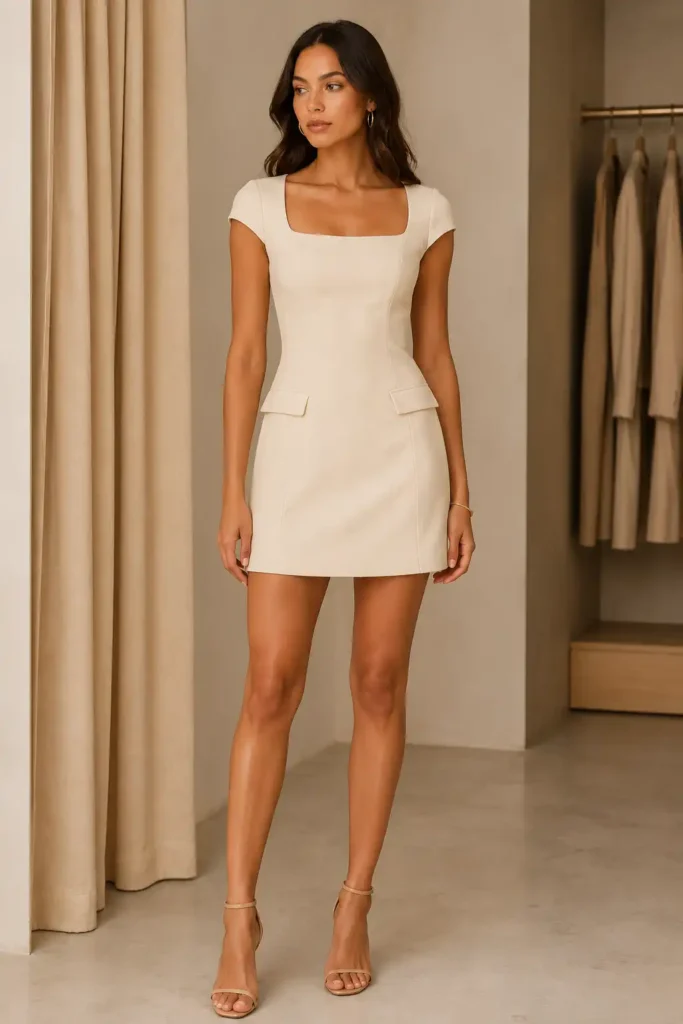
Trend-Led Mini Dresses
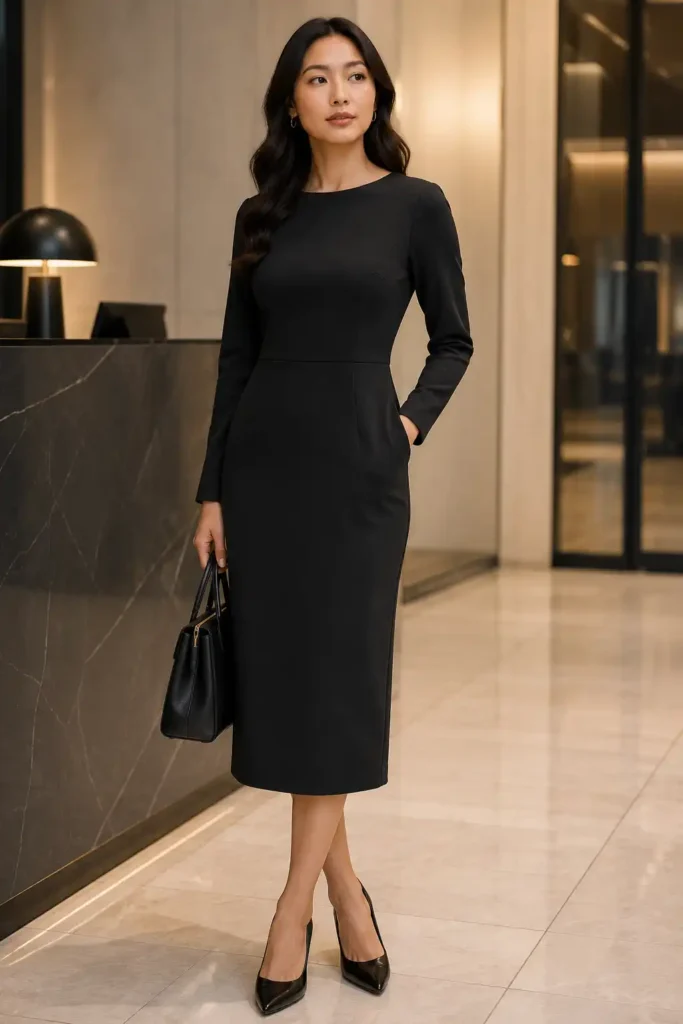
Occasion Midi Dresses
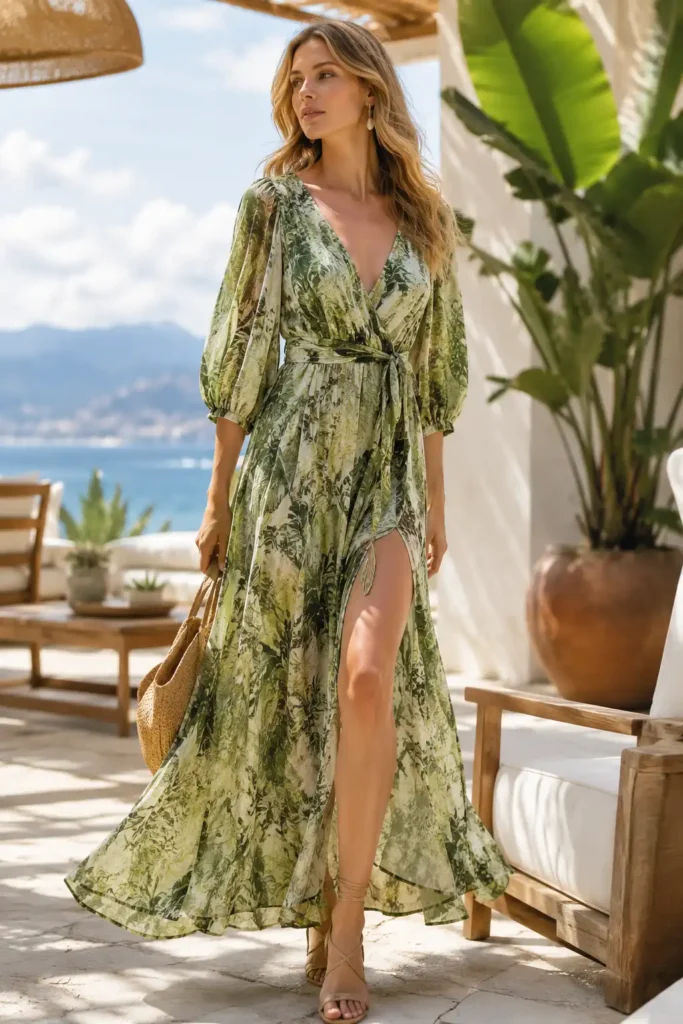
Resort Maxi Dresses
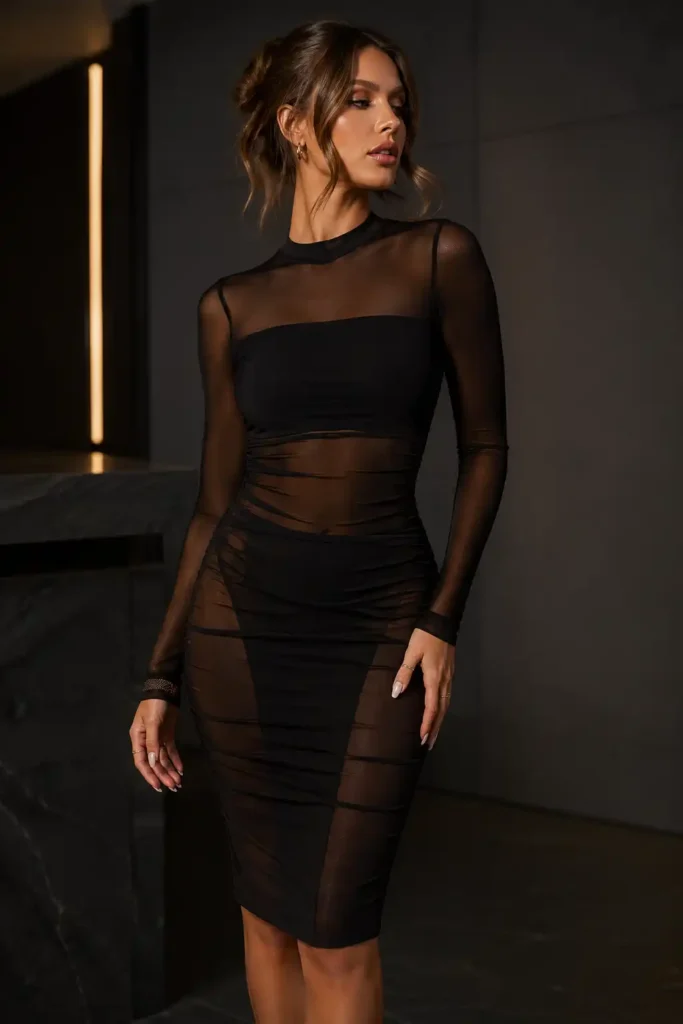
Bodycon Dresses

Corset Dresses

Satin Slip Dresses

Mesh and Lace Dresses

Sequin and Statement Dresses
Coordinate Fabrics, Colors, Trims, and Linings
Seasonal consistency depends on material decisions being managed as one system. Shell fabric, lining, support components, closures, thread, labels, and packaging should be confirmed against the approved style, cost, quantity, and delivery plan.

Group Fabrics Across the Collection
Material grouping can reduce cost and schedule risk when several styles share compatible fabrics. Satin may support a slip dress, corset mini, and draped midi; stable stretch jersey may support bodycon variations; one printed base cloth may be developed into a maxi and matching set. Shared material does not mean identical construction. Consumption, cutting direction, lining, reinforcement, and seam finish still vary by style. Jinfeng records fabric composition, width, weight, stretch, recovery, color, approved swatch, supplier information, and relevant test or certification documents available for the specific batch.
Fabric choices are reviewed for garment role as well as appearance. Lightweight satin can create fluid movement but may show seam tension and understructure. Heavy satin supports shape but may increase weight and pressing marks. Mesh transparency must be evaluated with the final lining color. Lace requires motif, edge, placement, and damage review. Jersey and ponte need stable recovery for fitted silhouettes. Chiffon and rayon directions need shrinkage, print, drape, and opacity consideration. Material substitution is proposed only when the replacement preserves the intended brand-level appearance and performance.
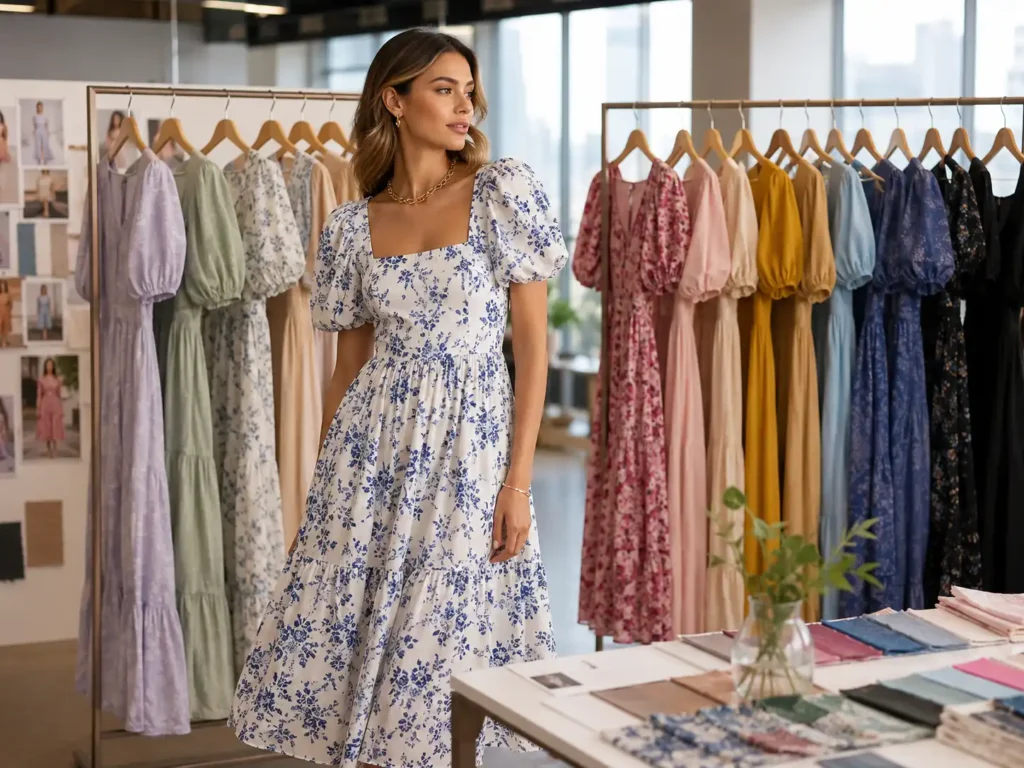
Control Seasonal Color Development
Color approval should connect the visual standard with the actual material process. Stock colors may still vary between fabric batches, while custom dye requires lab dip review and bulk shade control.
Printed styles may need strike-off approval, repeat-size review, placement evaluation, and color matching between base cloth and trims. Jinfeng aligns shell, lining, zipper, thread, cup, boning casing, labels, hangtags, and packaging where visual consistency matters.
A seasonal color plan often works best with a controlled palette. For an 18-style program, a brand might use two core neutrals, three seasonal colors, and one accent shade rather than developing unrelated colors for every style. Concentrating volume can improve material access and reduce fragmentation, but final MOQ remains dependent on the selected fabric and supplier requirements.
Approved swatches, lab dips, and bulk references are retained with the order record to support inspection and repeat planning.
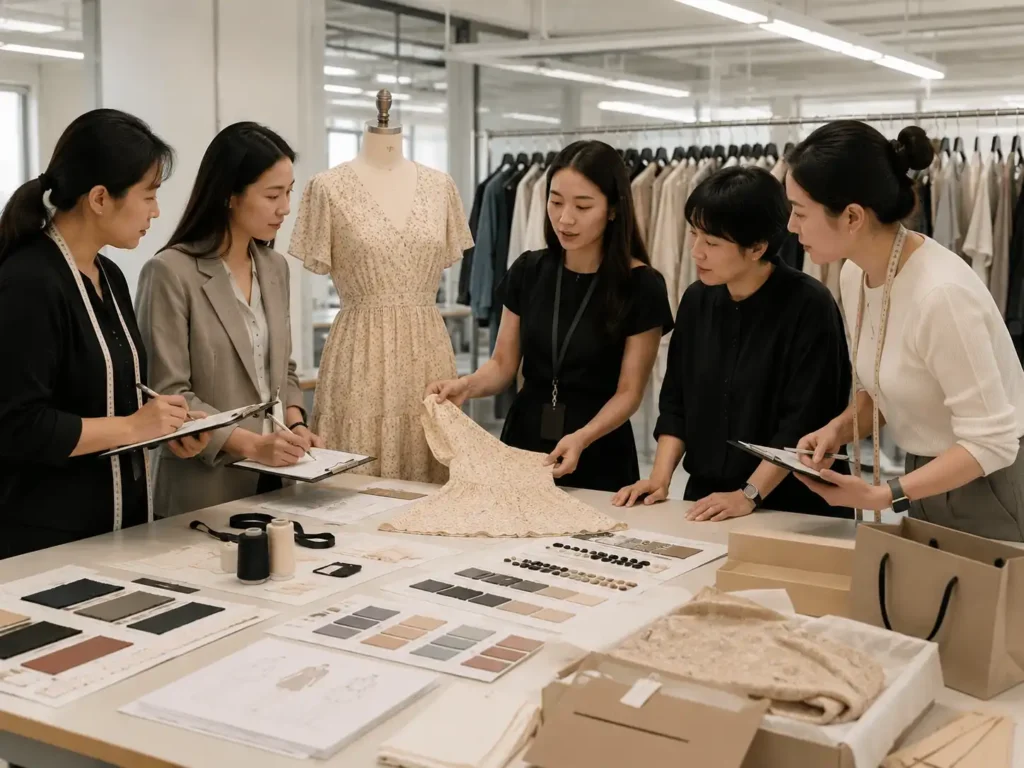
Confirm Structural Trims Early
Many dress risks sit inside the garment rather than on the surface. Cups, boning, anti-slip tape, elastic, zippers, hooks, eyelets, drawcords, rings, sliders, shoulder straps, lining, interfacing, and reinforcement tape can change fit, cost, sample accuracy, and production time. Corset, strapless, backless, halter, cut-out, ruched, and structured evening styles should have structural trims reviewed before PP approval.
Trim selection should be judged by function and compatibility. A zipper must match fabric weight and opening position. Elastic requires the correct width, stretch, recovery, and application length. Boning position should support the intended silhouette without creating visible distortion. Cups need compatible shape, size coverage, and attachment. Anti-slip tape must be tested against skin comfort and garment stability. Any trim replacement after approval requires review because small component changes can alter fit and sewing method.
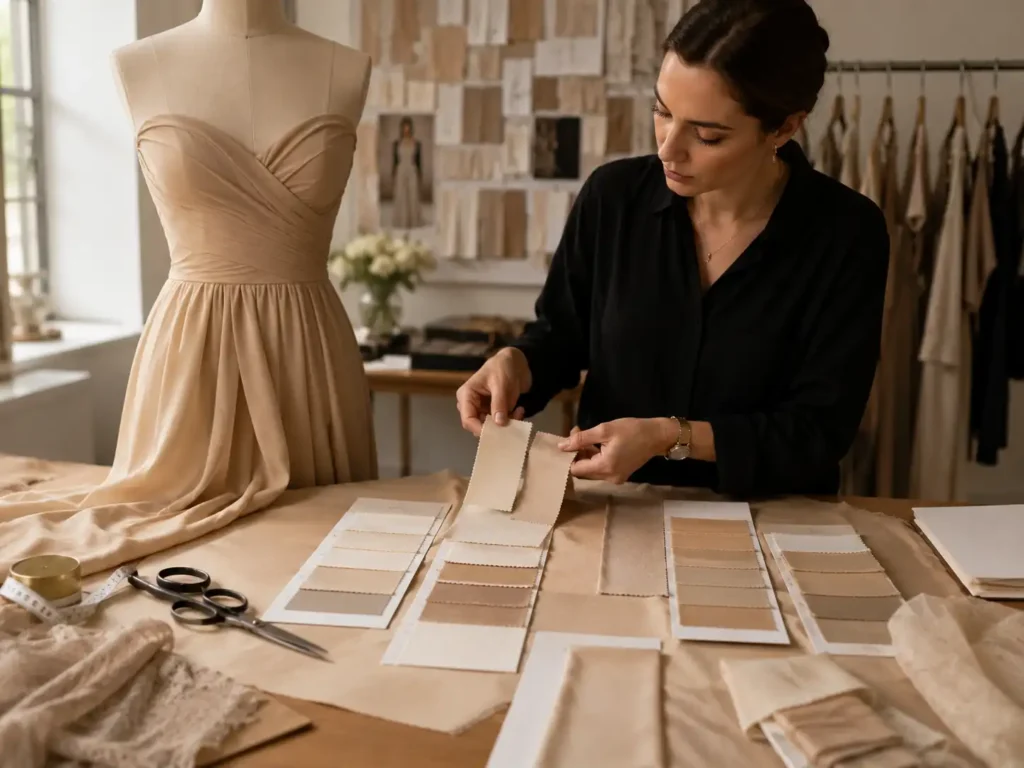
Build Lining Around Coverage and Movement
Lining is not a generic add-on. Its composition, stretch, weight, color, length, and attachment affect opacity, comfort, movement, seam behavior, and total cost. A mesh bodycon dress may need stretch lining with compatible recovery, while a satin midi may use smooth lining that does not pull against the shell. A mini dress requires lining coverage that supports movement, and a maxi may need controlled lining length to prevent twisting or showing below the hem.
Jinfeng reviews lining against neckline depth, side coverage, cut-outs, slit height, bust support, seam allowance, and garment stretch. Double-layer construction, partial lining, bodice lining, skirt lining, or separate slips are considered according to design and retail need. Lining changes are recorded in the BOM, construction instruction, PP sample comments, cost sheet, and QC checklist so bulk teams do not rely on informal notes.
Prioritize Samples Around Campaign Deadlines

First Sample

Fit Sample

Revised Sample

Photo-Ready Sample
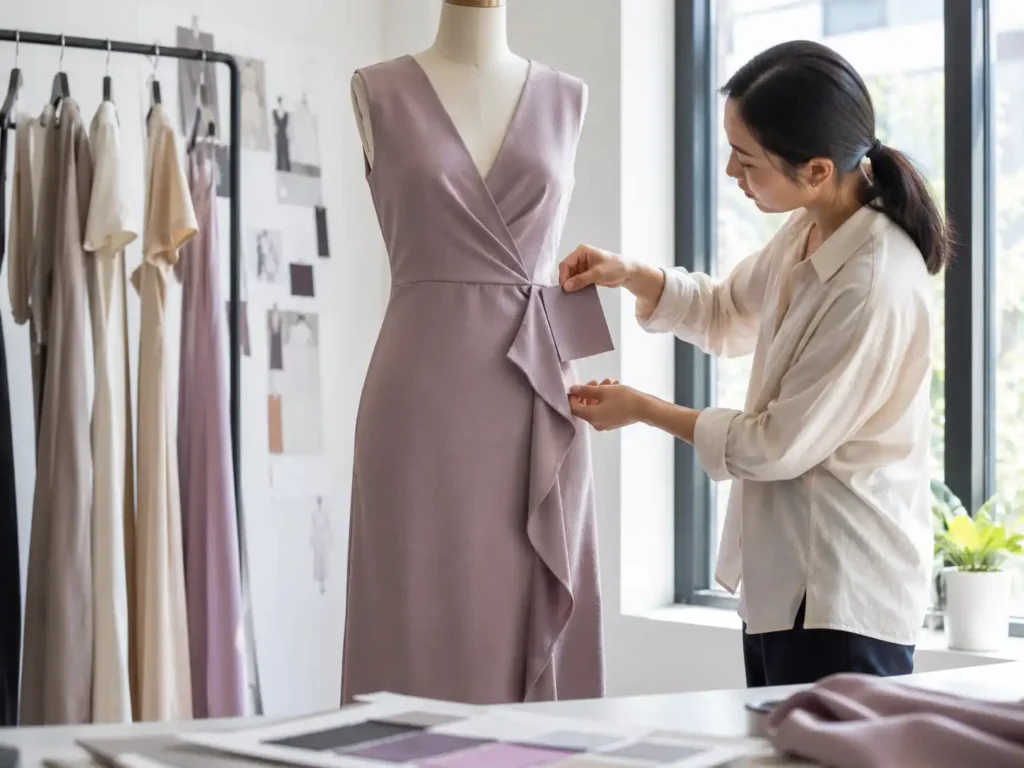
PP Sample
The PP sample confirms the production-ready standard after structure, fit, fabric, color, trims, sewing method, cost, MOQ, and packaging direction are settled. Bulk preparation should rely on updated production files created from approved comments. Major changes after PP approval can affect pattern, consumption, cost, production allocation, QC, and delivery; they must be reviewed as controlled changes rather than casual adjustments.

Golden Sample
Build a Critical Path to the Launch Date
The schedule below is an illustrative 16-week planning model for a multi-style seasonal program using available materials and controlled revisions. Complex fabrics, custom dye, exclusive print, late design changes, testing, or peak-season congestion can extend individual stages.
| Planning Window | Main Work | Required Lock Point | Risk if Delayed |
|---|---|---|---|
| Weeks 1-2 | Line sheet, quantity, color, size, material, packaging, photo date, and delivery review | Project brief and sample priority list | Sample room starts without a clear commercial order |
| Weeks 2-5 | Pattern development, material selection, first samples, and initial cost review | First-sample comments consolidated by style | Core fit and construction issues remain unresolved |
| Weeks 5-7 | Fit and revised samples, photo-sample wave, lab dips, trims, and early packaging files | Fit direction, approved materials, and campaign samples | Photo dates and PP preparation begin to overlap |
| Weeks 7-8 | PP samples, final pattern, size chart, BOM, sewing instructions, labels, and bulk cost | PP approval and Golden sample plan | Bulk cannot start safely or cost remains unstable |
| Weeks 9-13 | Material arrival, cutting, sewing, inline inspection, and production reporting | Approved production files and factory allocation | Styles compete for capacity or material gaps stop lines |
| Weeks 13-15 | Final inspection, measurements, pressing, packing, barcode/SKU checks, carton data | QC release and packing approval | Warehouse, label, or carton errors appear too late |
| Week 16 onward | Air, sea, or split shipment according to launch priority | Final packing list, invoice, carton marks, and forwarder booking | Goods leave late or reach the wrong receiving window |
Control Multiple Styles Without Losing Visibility
Multi-style programs need one source of operational truth. Jinfeng converts the line sheet into controlled style, sample, material, production, QC, packaging, and shipment records so approvals remain visible across teams.
Group Styles by Technical Route
Styles are grouped according to fabric and construction before production assignment. Stretch bodycon dresses need fabric recovery and cutting control; woven minis and midis need proportion, zipper, lining, and hem balance; corset and evening styles need support structures; satin needs face direction and surface protection; lace and mesh need placement and damage control; sequin dresses need seam-bulk and packing protection. Technical grouping reduces the risk of assigning incompatible products to one workflow.
A collection can also be separated into priority waves. Wave 1 may include hero styles needed for campaign photography. Wave 2 can include volume styles with approved stock fabrics. Wave 3 may contain complex or custom-material designs that need extended review. The commercial launch can remain coordinated even when technical routes differ, provided the milestones and batch plan are agreed early.
Maintain a Style Tracker
The project tracker records client, project, style number, product name, color, size range, quantity, fabric status, trim status, sample status, PP status, cutting status, sewing status, QC status, packing status, and shipment batch. A 20-style program can otherwise produce many contradictory updates across emails, spreadsheets, and messaging platforms. The tracker gives merchandising, production, QC, and packing teams a shared status view.
Approval records need more than a simple “approved” label. Jinfeng separates approval of style direction, fit, measurement, fabric, color, trim, workmanship, packaging, and PP standard.
A style may have an approved silhouette but still wait for bulk color, final zipper, or barcode information. The tracker shows what remains open before the style can move safely into the next stage.
Convert Feedback Into Production Files
Bulk-impacting feedback is converted into updated tech packs, revised patterns, size charts, measurement tolerances, BOMs, fabric records, trim records, sewing instructions, QC checklists, PP comments, packaging instructions, cost sheets, and delivery schedules. Comments left only in chat history are not treated as production instructions. File discipline is essential when several styles and teams are moving at the same time.
The same discipline applies to design changes. A lower neckline may affect lining, cups, support, seam allowance, fit, cost, and compliance. A new fabric may alter stretch, consumption, pressing, sewing, and size stability. Every approved change is reviewed for its downstream effect before release, rather than being treated as a single visual adjustment.
Build an Accurate SKU Matrix
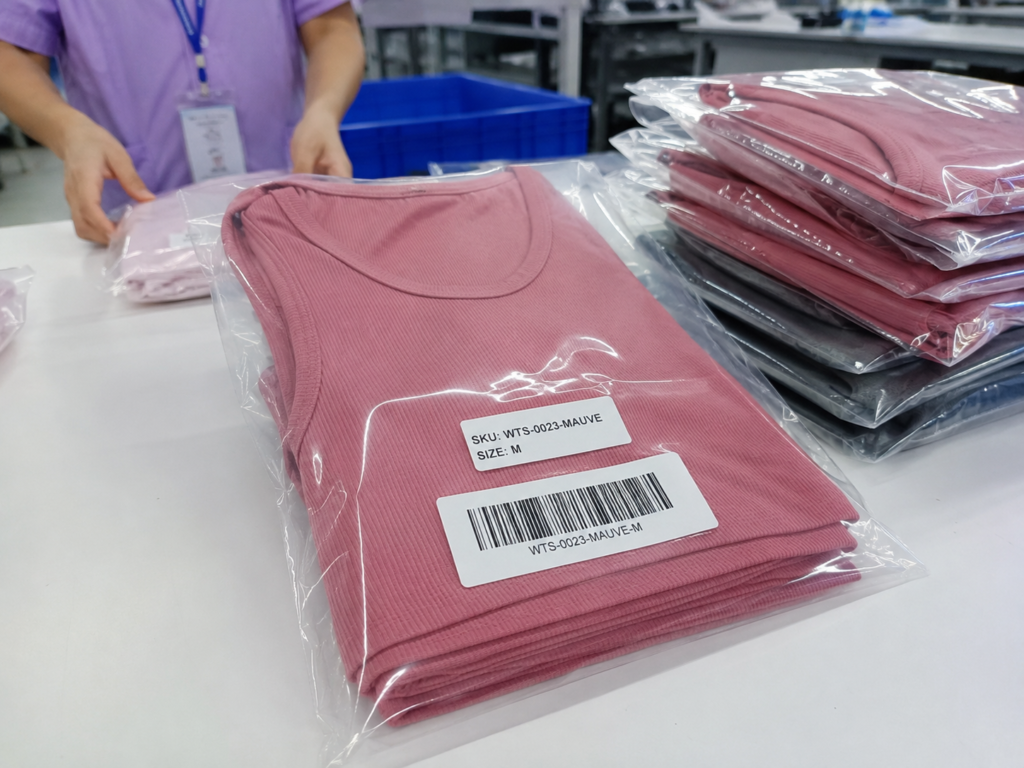
SKU management connects style, color, size, quantity, barcode, label, polybag, carton, and warehouse information. A single style offered in 4 colors and 7 sizes creates 28 SKUs; across 18 styles, the matrix can exceed 300 combinations before packing or regional allocation is added. Jinfeng reviews the brand’s SKU table, color-size breakdown, barcode files, packing instructions, and carton marks before packing begins.
Size ratios can be planned by product type and market rather than copied across every style. A fitted mini may require a different ratio from a relaxed maxi. Extended sizing, petite, tall, or plus-size directions are developed according to the brand’s measurements and demand plan. The final SKU matrix supports cutting quantities, label counts, barcode checks, packing lists, and multi-batch delivery.
Match Every Style to the Right Production Unit
Jinfeng Apparel operates a structured womenswear production network rather than placing every style into one undifferentiated factory. Assignment follows product type, fabric behavior, workmanship, quantity, timing, and QC requirements.
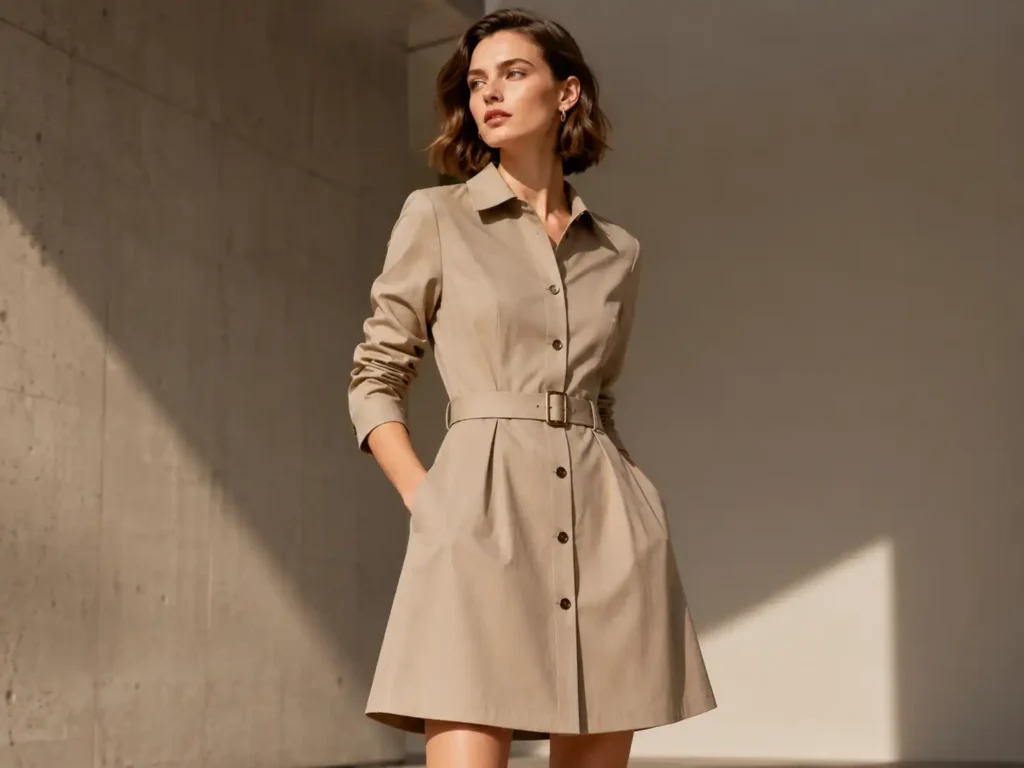
Woven Dress Allocation
Mini, midi, maxi, occasion, resort, and woven party dresses are assigned to units experienced in pattern balance, lining, zippers, drape, hems, pressing, and woven-fabric handling. Woven collections often contain major differences between a lightweight printed maxi, a structured corset mini, and a lined satin midi. Production allocation considers construction and handling rather than product name alone.
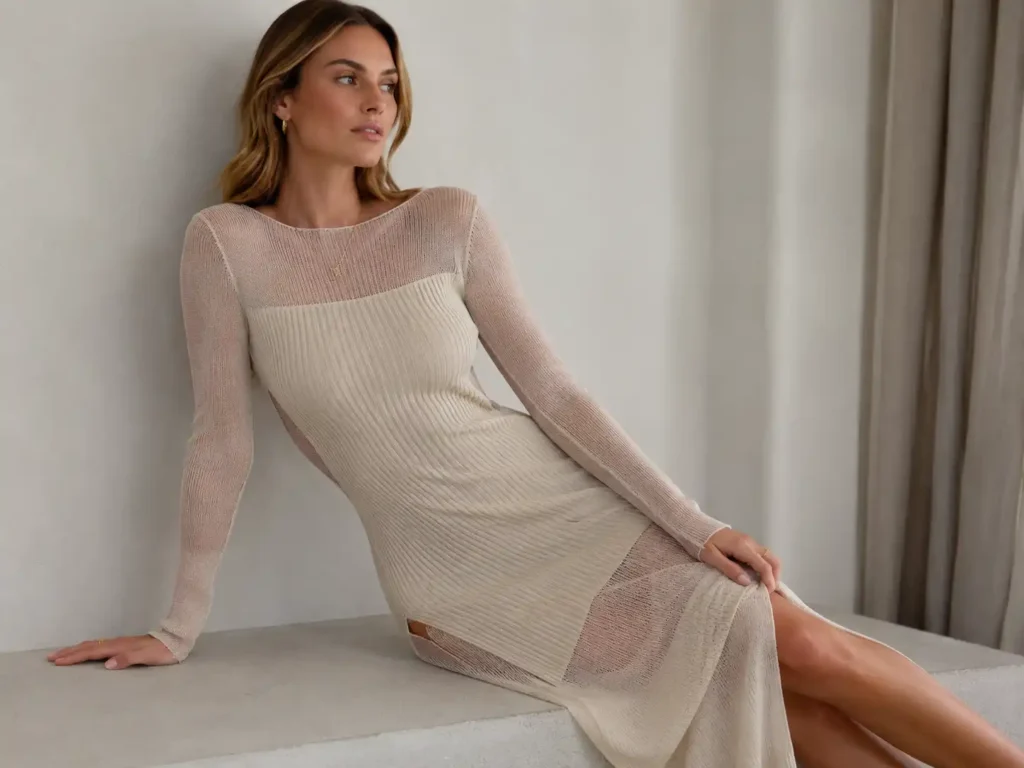
Stretch and Knit Allocation
Bodycon, jersey, ponte, and stretch-fit styles need controlled fabric relaxation, cutting direction, stretch-compatible seams, neckline stability, recovery, and measurement procedures. The fabric’s performance is reviewed during sample development so the bulk unit receives clear information on negative ease, seam method, tolerance, pressing, and post-wash expectations.

Occasion and Complex Allocation
Corset, strapless, evening, lace, mesh, satin, sequin, and statement dresses are routed toward teams suited to structural support or delicate materials. Cups, boning, anti-slip tape, lining, motif placement, sequin protection, and special pressing can create longer operations and different QC points. Complex orders are not calculated from regular monthly capacity alone; style difficulty and approval timing determine realistic allocation.

Capacity Reserved by Program
Jinfeng’s production structure includes 6 owned women’s fashion factories, 10+ long-term production partners, 18+ sewing lines, 6+ flexible production lines, and regular monthly capacity above 100,000 pieces. Capacity is reserved by confirmed program, material readiness, PP approval, delivery need, and factory fit. Early visibility of 10-30 styles gives production teams more options to group styles, balance lines, and protect peak-season dates.
Engineer Fit Across Every Dress Silhouette
Dress returns and failed launches often begin with proportion rather than visible workmanship. Jinfeng’s 7+ senior pattern makers review bust, waist, hip, neckline, straps, length, slit, lining, and movement against the target market and brand block.

Bust, Neckline, and Coverage
Bust fit is affected by upper-bust measurement, underbust, cup shape, neckline depth, fabric stretch, lining, support, and closure. A low neckline can look correct on a mannequin yet open during movement. Corset, strapless, halter, backless, deep-V, and cut-out dresses require separate review of coverage, pressure, support, and side stability. Cups and boning must be placed for the intended body range rather than copied from one sample size without grading logic.
For US, UK, EU, AU, alpha, extended, plus, petite, or tall programs, the brand’s approved measurements guide development. Fit comments are converted into pattern and measurement updates, not only visual sample corrections. Where one style spans a broad range, support components, strap lengths, cup grading, neckline tension, and lining coverage may need additional size-specific rules.

Waist, Hip, and Body Balance
Waist placement influences torso proportion and the relationship between bust and hip. High-waist, natural-waist, and low-waist designs create different grading and movement needs. Bodycon styles need controlled negative ease and strong recovery; woven fitted dresses need enough hip and seat movement without losing the intended line. Side-seam twisting, waist drag lines, skirt riding, zipper tension, and horizontal pulling are reviewed during fitting.
Jinfeng uses client fit feedback, garment measurements, front/side/back images, mannequin observation, live fitting where available, and fabric performance to correct the pattern. The pattern team can adapt the brand’s established block or develop from a reference sample, tech pack, image, sketch, and measurement chart. A style does not enter PP approval until the core fit direction is sufficiently stable.
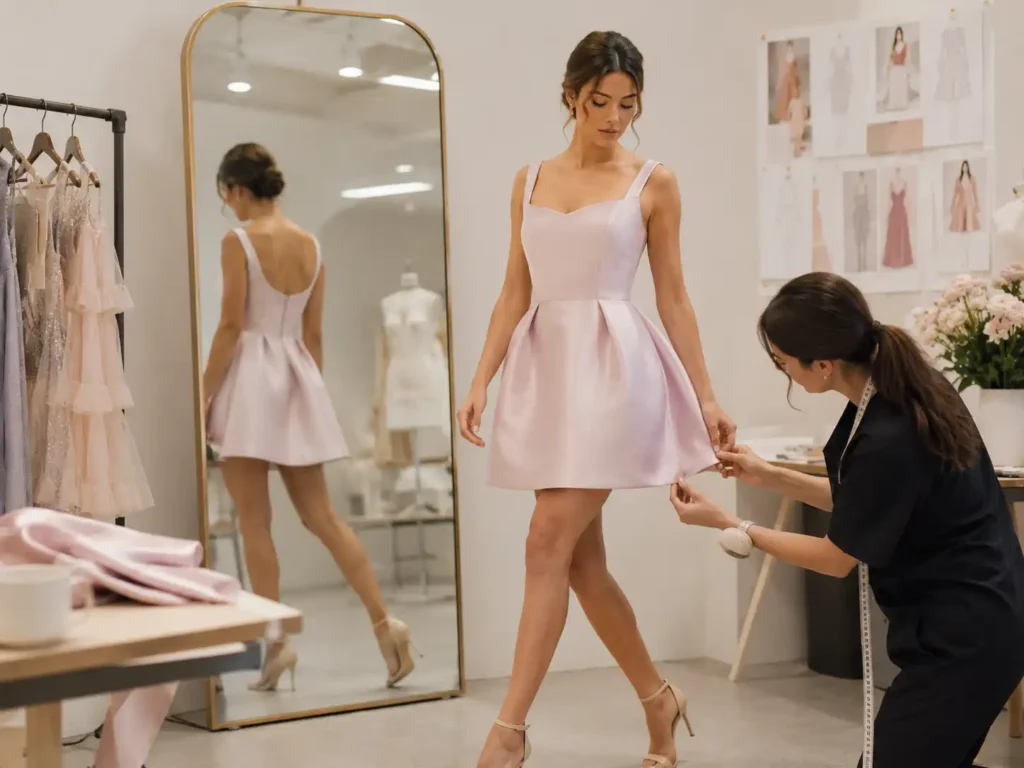
Length, Slit, and Hem Balance
Mini, midi, and maxi lengths need different controls. Minis are checked for movement and lining coverage. Midis depend on waist position, calf proportion, slit height, and drape. Maxis need front/back balance, total length, hem sweep, lining length, footwear assumptions, and packing methods that do not create severe fold marks. Petite and tall adjustments are evaluated against the brand’s market rather than handled as simple uniform length changes.
Slit development includes opening height, seam reinforcement, lining construction, sitting movement, and visual balance. Bias-cut or fluid fabrics may drop after hanging, so hem review must account for fabric behavior. Final length measurements, tolerances, and hem methods enter the approved size chart and QC checklist.
Straps, Support, and Movement
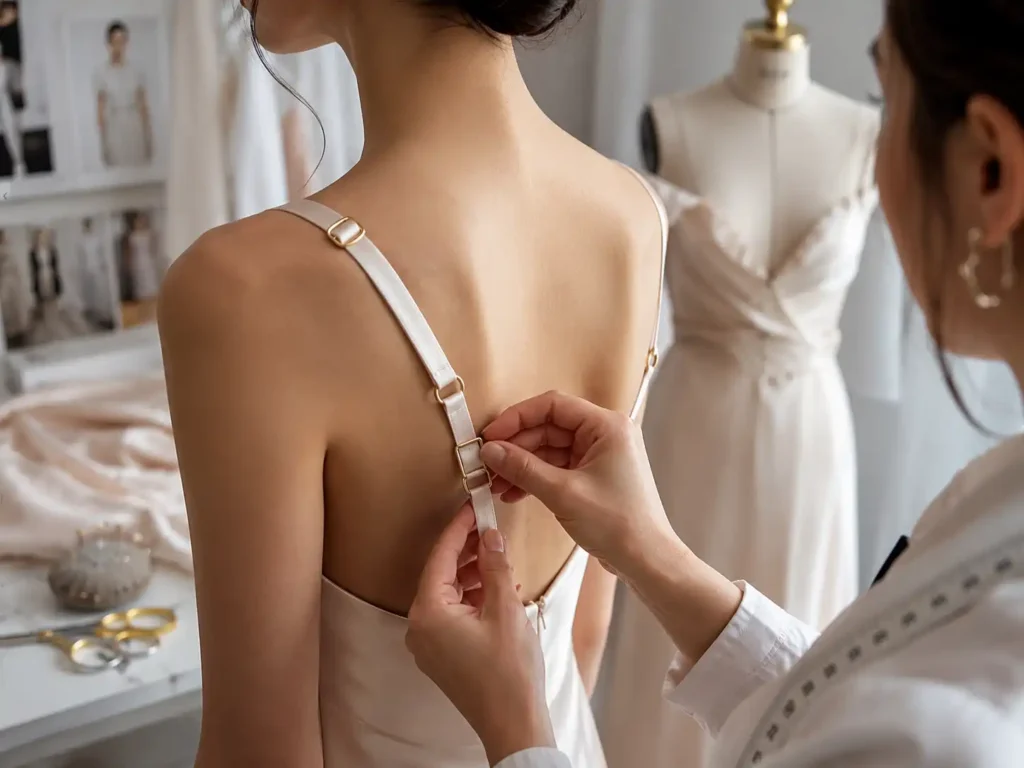
Adjustable straps, fixed straps, halter ties, one-shoulder structures, strapless bodices, backless support, and off-shoulder lines each distribute force differently. Strap length affects bust position and neckline. Halter pressure can become uncomfortable if the bodice carries too much weight. Strapless styles need support without excessive compression, while backless styles need side coverage and stable front construction.
Movement checks include walking, sitting, reaching, and turning. Jumpsuits also require crotch length, rise, waist, torso, hip, and closure review. Support adjustments are reflected in patterns, trims, sewing methods, and measurements so bulk production can reproduce the approved result across sizes.
Protect Sample-to-Bulk Consistency Across Every Style
Incoming Material QC
Cutting Control
Sewing and Inline Inspection
Measurement Control
Final Garment Inspection
Packing Verification
Plan MOQ and Cost by Style and Color
Jinfeng Apparel’s MOQ starts from 200 pieces per style/color. Final MOQ, cost, and schedule depend on fabric availability, color development, trims, construction complexity, packaging, testing, and production timing.
| Order Structure | Main Cost or MOQ Effect | Better Planning Direction |
|---|---|---|
| Stock fabric with regular color | Usually supports the standard starting MOQ more easily, subject to stock quantity and batch | Concentrate volume in confirmed colors and verify the available lot before PP approval |
| Custom-dyed fabric | Dye-lot quantity, lab dips, bulk shade, and supplier minimums can raise the effective MOQ | Share one dye color across compatible styles or reduce the first color count |
| Exclusive print | Base-cloth MOQ, print method, strike-off, repeat size, and placement affect cost and timing | Use one base cloth across a coordinated capsule and approve print files early |
| Special lace or sequin | Surface damage, placement, wastage, sewing time, and material minimums increase cost | Reserve for hero styles, control panel placement, and confirm protective packing |
| Corset or structured construction | Cups, boning, lining, support, extra operations, and fitting rounds add development and labor | Lock the structure before PP and limit late changes to cup, neckline, or support |
| Many colors with shallow quantity | Volume is fragmented by style/color and may fall below material or production efficiency | Keep core colors deep and use accent colors on selected styles |
| Extended size range | Pattern, grading, consumption, support, labels, and QC points may change by size | Provide an approved size chart and expected size ratio before quotation |
| Special retail packing | Labels, barcodes, polybags, inserts, boxes, warehouse labels, and carton rules add cost | Standardize packaging across the drop and submit artwork before bulk packing |
Prepare Retail-Ready Labels, SKUs, and Packaging
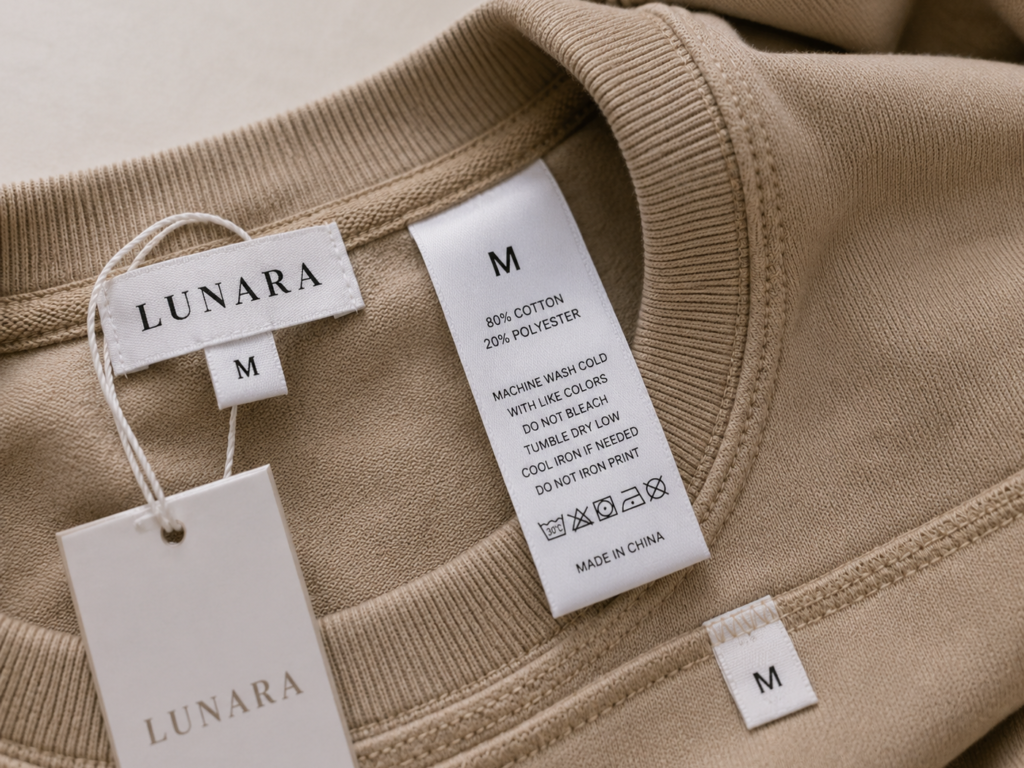
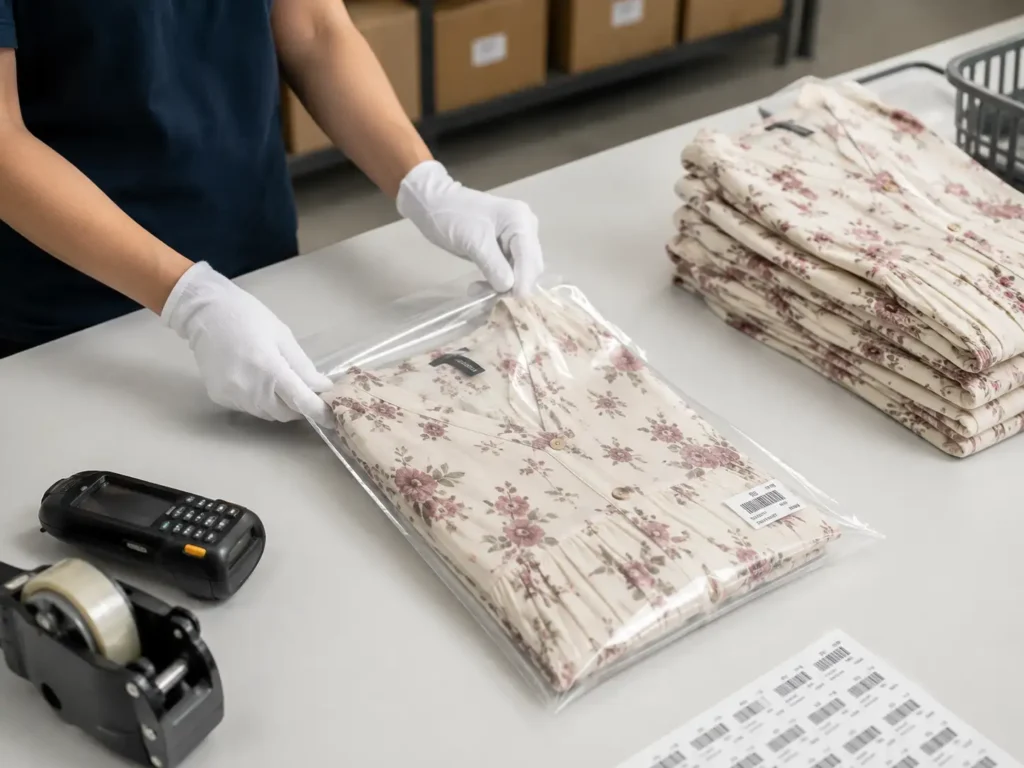
Seasonal drops often use new style numbers, barcodes, campaign labels, and warehouse instructions. Packaging files need the same approval discipline as garments because one wrong version can affect thousands of sellable units.

Main Label
Care Label

Hangtag
Barcode and SKU
Polybag and Inserts
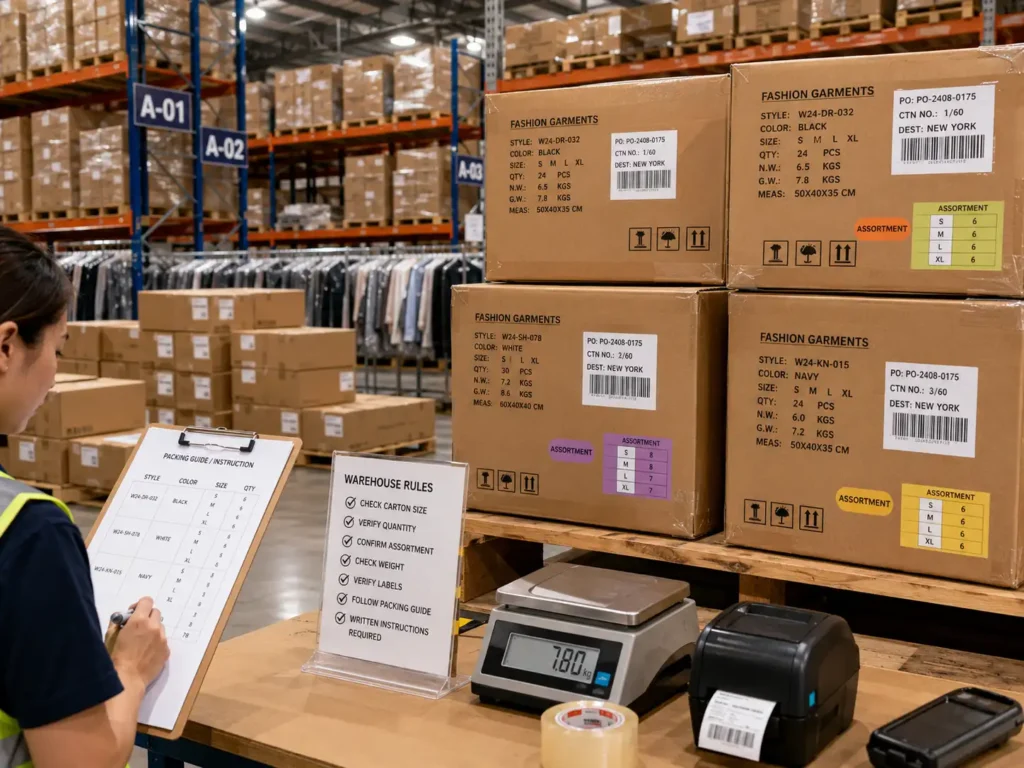
Carton and Warehouse Marks
Move From Launch to Repeat Orders Faster
Seasonal production should create records that support the next commercial decision. Jinfeng retains approved patterns, measurements, BOMs, materials, colors, trims, workmanship, packaging, QC, and Golden samples for controlled repeat planning.
Start With a Repeatable First Order
A repeat order becomes faster only when the first order is documented correctly. Final patterns, size charts, grade rules, measurement tolerances, fabric and trim records, sewing instructions, PP comments, Golden samples, QC checklists, label files, packing instructions, and carton requirements are archived by project. The record reduces repeated interpretation when a style returns.
Read Sales Feedback by SKU
Sales performance can reveal demand by style, color, and size rather than only total units. A hero color may sell quickly while another shade remains balanced; a fitted style may need a different size ratio from the original forecast. Jinfeng can use the brand’s reorder quantities and size breakdown to prepare a new production review, but commercial demand decisions remain with the brand.
Confirm Material Availability Again
Repeat production does not assume that the original fabric lot remains available. The material supplier, color, batch, composition, stretch, recovery, hand feel, shade, trim, and packaging availability are reconfirmed. When the original material is unavailable, replacement options are compared against the archived sample and record before approval. New colors require their own color and material confirmation.
Extend a Bestseller Carefully
A strong style may extend into new colors, new lengths, new sleeves, a different fabric, or a coordinated skirt or top. Extensions should preserve the successful fit and recognizable design while reviewing every change that can affect balance or cost. Moving from a satin mini to a mesh version, for example, changes stretch, transparency, lining, seam finish, neckline stability, and possibly sizing.
Use Multi-Batch Delivery
Replenishment can be organized by first batch, priority market, size shortage, color shortage, air/sea split, or warehouse destination. Production and packing records must remain distinct for every batch. Multi-batch delivery is most effective when the reorder decision arrives while material and suitable capacity remain accessible; waiting until a seasonal selling window is almost closed reduces the available options.

Protect Unreleased Collections Before Launch
Jinfeng Apparel supports NDA-based cooperation and controlled handling of tech packs, line sheets, original samples, patterns, fabrics, labels, packaging, order information, and unreleased designs.
Protected Development Files
Line sheets, sketches, reference images, original samples, tech packs, size charts, patterns, BOMs, fabric plans, trim records, label artwork, barcode files, packaging instructions, quantities, prices, and launch dates are treated as project materials. Information is shared internally only with teams involved in development, production, QC, packing, logistics, or order coordination.
Unreleased Sample Handling
First, fit, revised, photo-ready, salesman, PP, and Golden samples may contain commercially sensitive designs. Samples used for campaign work, showroom presentation, or internal selling should not be displayed publicly without written permission. Factory photography used for manufacturing evidence must hide brand names, new-season designs, barcodes, quantities, and confidential documents.
Anonymous Production Evidence
When project experience is presented publicly, Jinfeng can describe the market, product type, construction challenge, manufacturing response, and delivery structure without revealing the brand identity. Anonymous evidence is more useful than invented brand logos because it shows real technical work while respecting launch confidentiality.
Controlled Repeat Records
Archived records help repeat production but remain connected to the original brand project. Patterns, measurements, materials, trims, labels, packaging, and Golden samples are not treated as public styles. Repeat-order access follows the approved relationship and project records.
Seasonal Drop Dress Manufacturing Case Studies
Seasonal fashion drops require more than production capacity. Brands need a manufacturing partner that can organize style priorities, sample waves, fabric readiness, bulk production, quality control, and delivery timing around a fixed market launch date.

Case Study 1: Spring/Summer Seasonal Dress Drop for a DTC Fashion Brand
A US womenswear brand planned a Spring/Summer collection focused on social commerce, ecommerce launch, and seasonal campaign promotion.
The brand required:
- Strong visual impact
- Fast sample turnaround
- Multiple styles launching together
- Stable repeat production potential
Program scope:
- 20 dress styles
- 46,000 pieces
- 6 seasonal colors
- XS-XL size range
- Two planned delivery waves
Product categories:
- Satin slip dresses
- Bodycon mini dresses
- Resort maxi dresses
- Mesh party dresses
- Matching sets
Seasonal Challenge
The brand had a fixed campaign date and needed the collection ready before the selling window.
Main risks:
Uneven Development Priority
Not every style had equal commercial importance.
The collection included:
Hero Styles
For:
- Campaign photography
- Social promotion
- Brand awareness
Core Styles
For:
- Main sales volume
- Repeat orders
Supporting Styles
For:
- Collection completeness
Material Timing Pressure
Several products required:
- Custom colors
- Satin approval
- Mesh lining confirmation
- Label preparation
- Packaging approval
Late decisions could directly affect launch timing.
Jinfeng Solution
Jinfeng created a seasonal drop development plan.
Result
The brand achieved:
- 20 coordinated seasonal styles
- Planned launch delivery
- Stable bulk quality
- Clear replenishment foundation
The collection became a repeatable seasonal drop model.

Case Study 2: Holiday Campaign Dress Collection With Tight Market Timing
A fashion brand needed to develop a Holiday occasionwear collection tied to a specific selling period.
The collection focused on:
- Party season
- Evening events
- Gift-season promotions
- Social media campaigns
Program scope:
- 15 styles
- 34,000 pieces
- 5 key colors
- Multiple fabric categories
Products included:
- Sequin dresses
- Velvet dresses
- Lace occasion dresses
- Corset party dresses
Seasonal Challenge
Holiday products have limited selling windows.
A delayed launch could cause:
- Lost campaign opportunity
- Reduced inventory value
- Missed event season
Jinfeng Solution
Jinfeng managed the collection through backward planning.
Timeline Control
Planned from:
- Campaign date
- Photography deadline
- Warehouse arrival
- Production completion
Backward milestones included:
- First sample
- Fit approval
- Material confirmation
- PP approval
- Bulk production
- Inspection
- Packing
Risk Management
Focused on:
Sequins
Controlled:
- Surface protection
- Missing decoration
- Packing method
Velvet
Controlled:
- Nap direction
- Pressing
- Surface appearance
Result
The brand achieved:
- Seasonal collection launch before the selling window
- Controlled quality across complex materials
- Retail-ready packaging
- Future holiday collection reference records
The approved product system supported future seasonal planning.
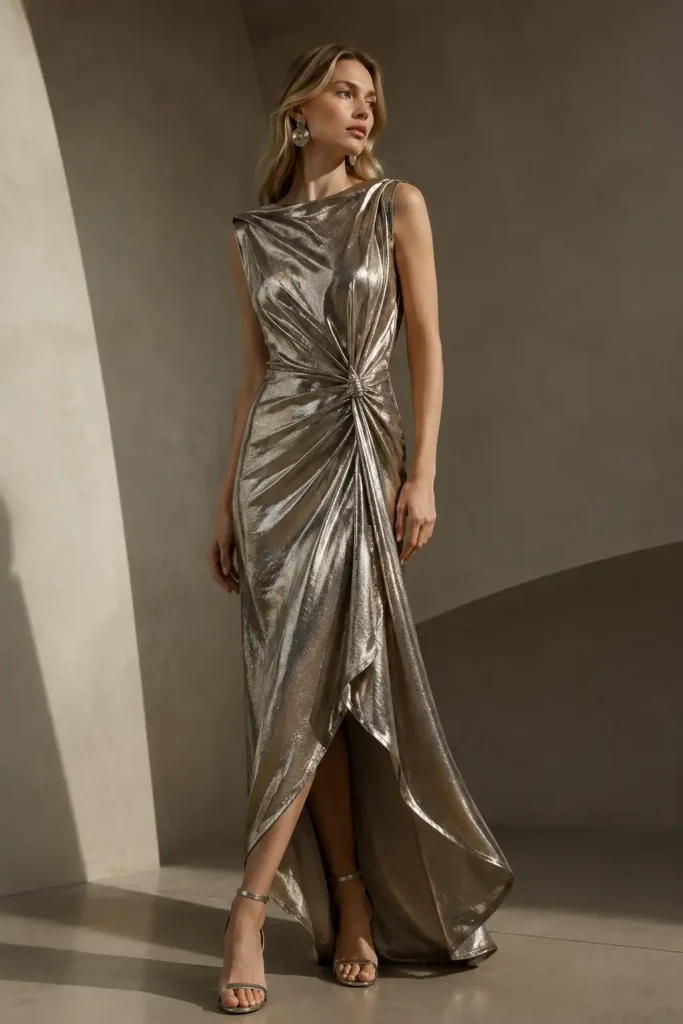
Case Study 3: Bestseller Replenishment After a Successful Seasonal Drop
A womenswear brand launched a seasonal collection and identified several styles with strong market response.
Best-performing products included:
- Satin midi dress
- Jersey bodycon dress
- Resort maxi dress
The brand wanted to replenish inventory while continuing seasonal sales.
Program scope:
- 8 repeat styles
- 24,000 pieces
- New seasonal colors
- Multiple delivery batches
Replenishment Challenge
The brand needed faster production without losing the original product identity.
Main risks:
Product Drift
Repeat production needed to maintain:
- Original fit
- Fabric hand feel
- Color appearance
- Construction details
New Color Development
Additional colors required:
- Shade approval
- Fabric confirmation
- Lining matching
- Photography review
Jinfeng Solution
Jinfeng used retained production records.
Historical Product Files
Reviewed:
- Approved patterns
- Size charts
- BOM
- Fabric references
- Trim details
- QC history
Repeat Production Control
Confirmed:
- Current fabric availability
- New dye lots
- Color approval
- Production capacity
Delivery Planning
Separated:
- Immediate inventory needs
- Main replenishment quantity
- Seasonal extension products
Result
The brand achieved:
- Faster repeat production
- Stable bestseller quality
- New color expansion
- Reduced redevelopment time
Successful seasonal products became long-term commercial styles.
Frequently Asked Questions About Seasonal Drop Manufacturing
A multi-style dress program should begin early enough to review the line sheet, fabrics, colors, first samples, fit, revisions, PP samples, material booking, bulk production, QC, packing, and transport before the launch date. An illustrative controlled program may require around 16 weeks from project review to ex-factory preparation, with transport added afterward. Custom dye, exclusive print, complex corset or sequin work, testing, repeated design changes, or peak-season congestion can extend the schedule.
Yes, multi-style development and production are supported. The program is divided by sample priority, fabric group, construction, production route, quantity, and delivery need. Jinfeng reviews style number, color, size range, quantity, material status, sample status, PP status, production status, QC, packing, and shipment batch. Capacity and timing are confirmed after the complete line sheet and product complexity are reviewed.
MOQ starts from 200 pieces per style/color. The effective MOQ may increase for custom-dyed fabric, exclusive print, special lace, sequin cloth, custom trims, complex packaging, very fragmented colors, or material suppliers with higher minimums. Total collection quantity cannot replace the minimum requirement of each approved style/color unless a specific material or production solution is confirmed.
Yes. Priority can be given to hero styles needed for campaign, ecommerce, showroom, or social content. Photo-ready samples are scheduled according to photography date, material readiness, style complexity, and commercial importance. Where substitute fabric or temporary trims are used, the differences are recorded. Bulk still requires PP approval based on actual production materials and construction.
A simple dress or skirt commonly uses one first sample and one revised sample. Medium-complexity styles may need one or two revised rounds. Corset, strapless, evening, sequin, lace, mesh, or other complex styles often need around two revised rounds, depending on fit, structure, fabric, and design changes. A major material or construction change may require a new sample evaluation rather than being counted as a minor revision.
Jinfeng supports sourcing for satin, mesh, lace, sequin, chiffon, jersey, ponte, rayon, linen, and other womenswear materials. Options are confirmed by fabric type, weight, width, stretch, color, stock, MOQ, supplier, batch, lead time, and certificate scope where required. Material approval should include the final garment application because the same fabric may behave differently in a slip dress, corset, bodycon, or lined evening style.
Capacity is reviewed by complete style list, construction, fabric, quantity, PP approval target, quality requirements, packing, and delivery window. Jinfeng uses 6 owned factories, 10+ long-term production partners, 18+ sewing lines, and 6+ flexible production lines, but not every factory is assigned to every style. Earlier line-sheet visibility and material decisions provide more options for suitable allocation.
Yes, split shipment can be planned by hero style, color, size, market, warehouse, or launch priority. Each batch requires clear carton separation, packing list, style/color/size breakdown, gross and net weight, carton dimensions, marks, and forwarder instructions. The final method depends on destination, cost, timing, customs, and available freight solutions.
Jinfeng retains final patterns, size charts, measurement tolerances, BOMs, fabric records, color references, trim details, sewing instructions, packaging requirements, QC comments, and Golden samples. Before a repeat begins, the current material batch, shade, trim, quantity, size ratio, and delivery window are reconfirmed. New colors or replacement fabrics require approval even when the garment pattern remains unchanged.
Jinfeng supports NDA-based cooperation and protects tech packs, line sheets, original samples, patterns, fabrics, labels, packaging, quantities, prices, and unreleased designs. Public production evidence is anonymized unless written authorization is provided. Brand names, launch-sensitive samples, barcodes, order quantities, and proprietary files are not published without approval.

Discuss Your Next Seasonal Dress Drop
Send the line sheet, reference images or tech packs, target quantity per style/color, fabric direction, color plan, size range, sample requirements, label and packaging files, photography date, launch date, and target delivery window.
Kelly will coordinate an initial project review covering product difficulty, material direction, sample priority, MOQ fit, factory allocation, cost inputs, packaging needs, and the information required before a workable schedule can be released. A complete brief allows Jinfeng Apparel to evaluate the collection as one manufacturing program rather than issue disconnected estimates for individual garments.
Please prepare:
- Company name and target market
- Line sheet or style list
- Tech packs, sketches, original samples, or reference images
- Quantity per style/color
- Planned colors and size range
- Fabric and trim preferences
- Required first, fit, photo-ready, salesman, PP, or Golden samples
- Private-label, barcode, SKU, and packaging requirements
- Photography, launch, and warehouse delivery dates
- Preferred shipping method or appointed forwarder