Skip to content
Dress Manufacturer for Sampling Coordinators
Coordinate dress samples with clearer milestones, controlled revisions and a reliable path from development files to approved bulk standards.
Jinfeng Apparel supports sampling coordinators who manage multiple styles, fit comments, material approvals and time-sensitive launch calendars. Development starts with a structured review of the tech pack, reference garment, size chart, fabric direction and sample purpose. Pattern, sample, merchandising and quality teams then work from one controlled record, allowing every approved change to move into the final pattern, measurement chart, BOM, sewing instructions and bulk inspection plan.
- 2 sample rooms and 20+ sample machinistsfor parallel dress development.
- 7+ senior pattern makersfor fit correction, grading review and final pattern control.
- 12+ merchandisersfor sample status, material readiness, comments and approval follow-up.
- Typical sample windows:7-10 days for simple styles, 10-15 days for standard dresses and 15-25 days for complex construction, subject to material readiness.
Sampling Capacity Built for Coordinated Development
Two Sample Rooms
Seven Pattern Specialists
Twenty Sample Machinists
Twelve Merchandisers
Fifteen QC Inspectors
Scalable Bulk Network
Built for Structured Sampling Programs
Program and Team Fit
Information and Order Fit
The strongest starting files include a tech pack, reference image or original sample, base-size chart, fabric direction, trim details, private-label requirements, target quantity and required approval date. Jinfeng can also develop from sketches or line sheets, but missing construction and fit information must be clarified before precise timing and costing can be confirmed. Standard MOQ starts from 200 pieces per style and color, subject to fabric, trims, construction and schedule. Sampling is therefore planned as the front end of a real production program, with approved development records prepared for bulk use.
Where Sampling Coordination Usually Breaks Down
Unclear Sample Progress
Mixed Revision Versions
Approval-to-Bulk Gaps

What Sampling Coordinators Need From a Manufacturer
Visible Development Control
Technical Comment Execution
Production-Ready Approval
Send a Complete Sample Development Brief
Tech Pack Files
Original Garment
Base Size Chart
Fabric Direction
Trim Requirements
Sample Purpose
Quantity and Color Plan
Calendar and Priorities
Dress Categories We Develop and Sample
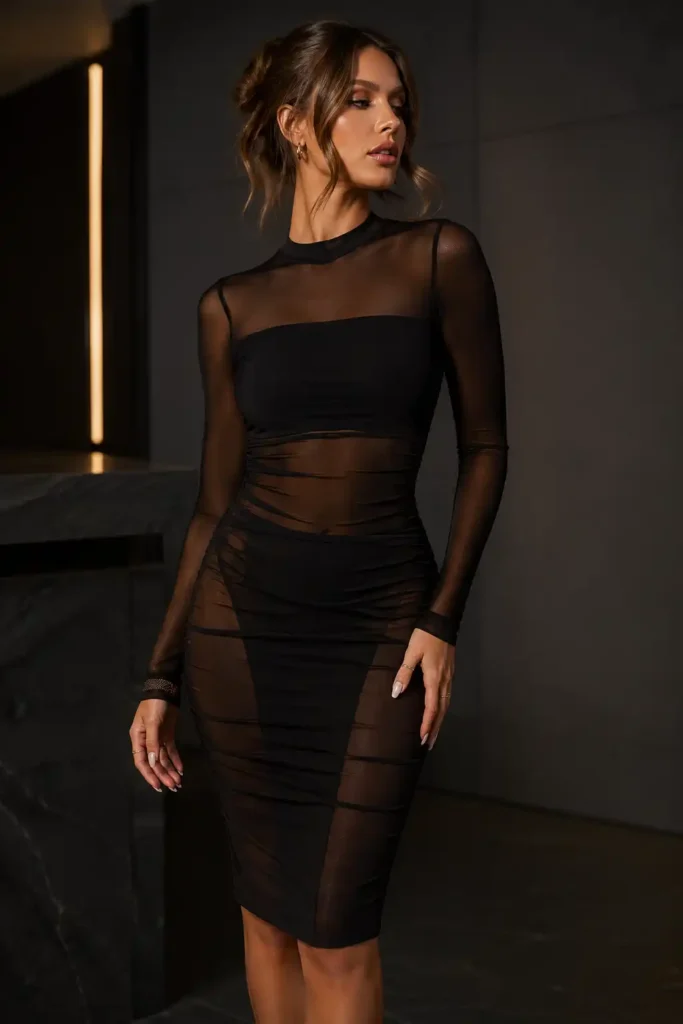
Bodycon Dresses

Corset Dresses

Satin Slip Dresses

Mesh Dresses

Lace Dresses

Sequin Dresses

Occasion Dresses

Jumpsuits and Sets
Dress Sample Types and Approval Purpose
Each sample stage answers a different commercial or technical question. Clear stage naming prevents a photo sample from being mistaken for a bulk standard and prevents a first prototype from carrying approvals it was never designed to secure. The matrix below can be adapted to an internal approval system before development begins.
| Sample Stage | Main Purpose | Core Review Points | Approval Output |
|---|---|---|---|
| First Sample | Confirm initial interpretation of the design | Overall structure, proportion, material direction, construction feasibility | Consolidated revision list |
| Fit Sample | Review body fit and balance | Bust, waist, hip, length, shoulder, strap, armhole, neckline, slit or crotch | Fit comments and pattern actions |
| Revised Sample | Verify approved corrections | Updated pattern, measurements, fabric, trims and workmanship | Further revision or stage approval |
| Photo Sample | Support campaign or content production | Camera-ready appearance, color, finish, styling fit and shoot deadline | Release for photography only |
| Salesman Sample | Support sales presentation or range review | Commercial appearance, assortment consistency, material and finish | Release for sales use |
| Size Set | Validate grading when required | Size progression, key measurements, proportion and fit consistency | Size-range approval |
| PP Sample | Lock pre-production standard | Final bulk fabric, trims, pattern, measurements, labels and construction | Authorization for bulk preparation |
| Golden Sample | Preserve the approved reference | Final appearance, workmanship, trim placement and packing standard | Reference for bulk QC, repeat orders and dispute review |
From Sample Brief to Golden Sample

Requirement Review

Structure Analysis

Material Direction

Pattern Development
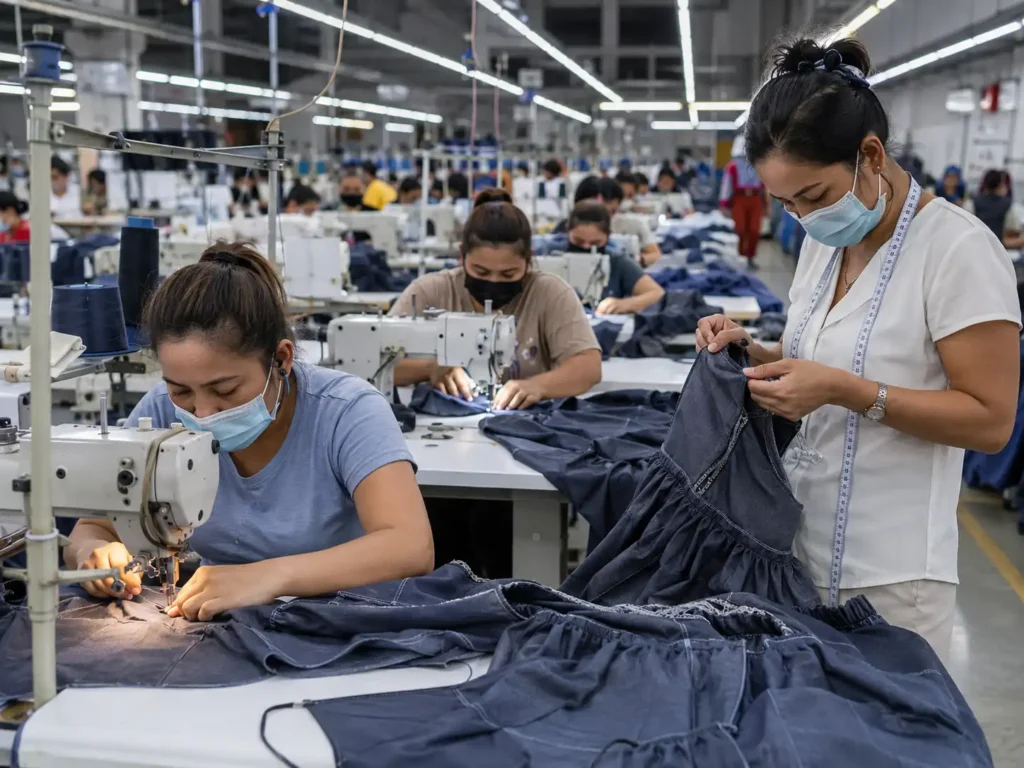
Sample Sewing
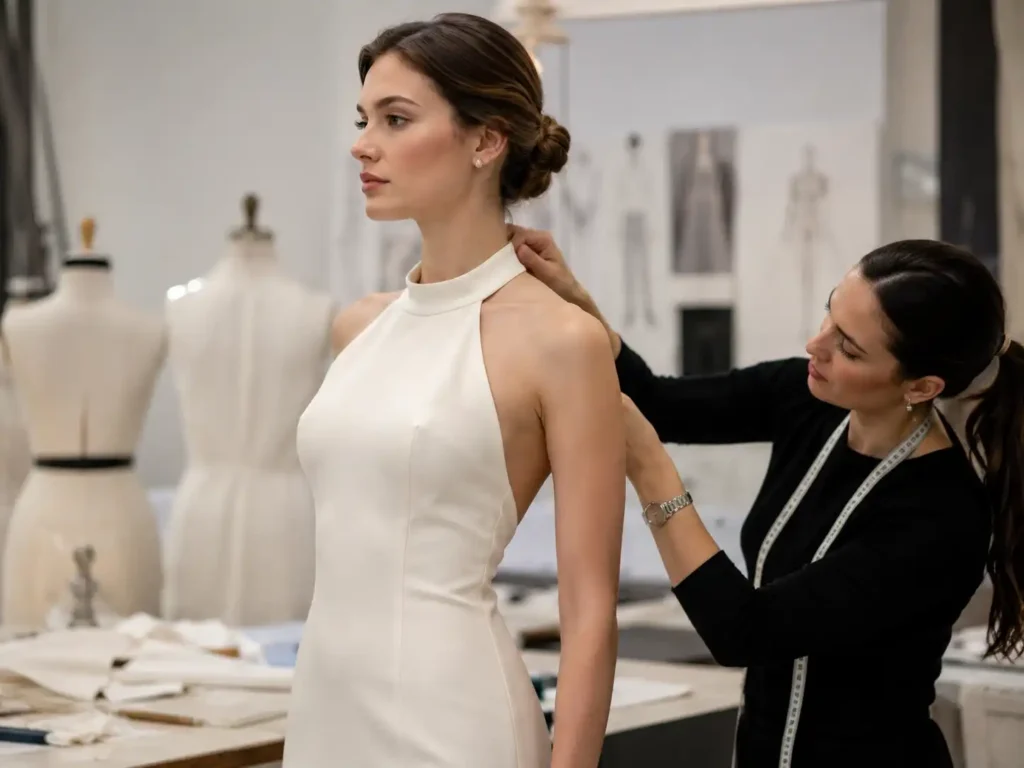
Fit Review

Revision and PP

Golden Sample Handoff
Clear Sample Status at Every Milestone
Sampling coordinators need information that supports decisions, not general reassurance. Jinfeng can structure updates around measurable progress, open issues and expected next actions. The format can be aligned with a brand tracker, PLM export or shared spreadsheet when required.
Status Fields That Support Real Planning
A useful status record starts with style number, sample type, version, priority and required date. It then shows pattern status, fabric status, trim status, cutting, sewing, internal measurement, internal appearance review, client comment status, expected dispatch and courier tracking.
Open decisions are listed beside the responsible party and due date. A single line saying “sample under development” is replaced by information that explains where the style stands and what must happen next.
For a 20-style collection, the tracker can be grouped by hero styles, photography needs, fit risk and material family. Styles waiting for the same fabric can be viewed together, while urgent photo samples remain visible as a separate milestone. Color and size variations are linked to the correct base style to avoid duplicated or conflicting updates.
Exception Reporting Before Dates Are Missed
Material and approval delays cannot always be avoided, but late visibility creates unnecessary damage. If a custom zipper has not arrived, the update should identify the affected style, whether a substitute can support fit review, whether the final PP date changes and which approvals are still possible. If a new fit comment requires pattern redevelopment, the schedule should reflect the added action instead of preserving an unrealistic dispatch date.
Jinfeng records the reason, impact and proposed recovery route. Recovery may involve re-prioritizing a hero style, using an approved temporary trim for a photo sample, grouping comments into one revision cycle, or moving a lower-priority style behind a fixed campaign date. Every recovery route still requires clear identification of what is temporary and what remains required for PP approval.
Evidence Included With Progress Updates
Progress can be supported by pattern screenshots, material photographs, cutting images, sample-room photos, measurement records, garment photos, detail videos and courier information. Client brand names, unreleased designs and protected files remain controlled under the project confidentiality arrangement. The purpose of visual evidence is to support status accuracy and faster decisions, not to expose proprietary work.
Photos and videos should show the issue being discussed, such as neckline position, zipper ripple, lining visibility, sequin edge treatment or measurement placement. A clear visual reference often reduces ambiguous wording and allows technical teams to consolidate comments before the next version is cut.
Revision Control Without Version Confusion
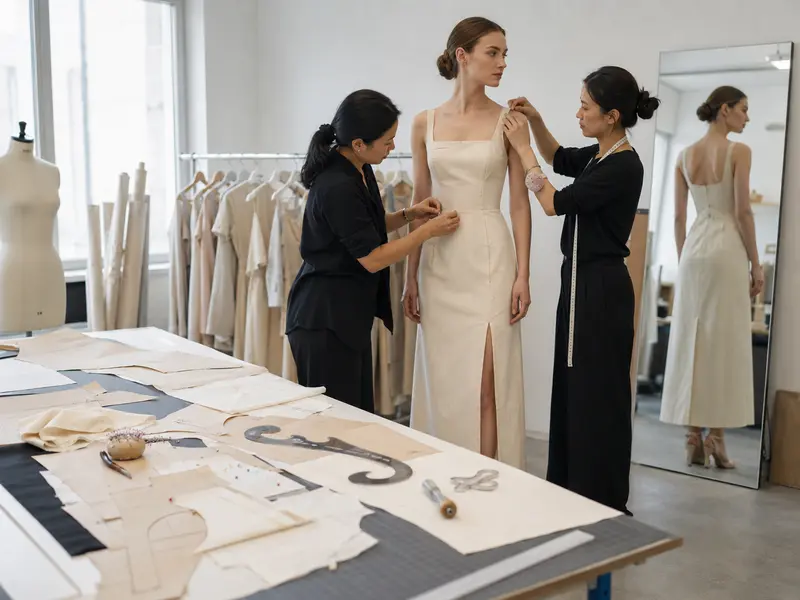
Revision control protects fit, appearance, cost and delivery. Every approved change must be linked to the correct sample version and production record. Jinfeng records comments in a form that pattern, sample, sourcing, merchandising, production and QC teams can execute consistently.
One Consolidated Comment Record
Comments may arrive from design, technical, merchandising, sourcing and leadership teams. Before a new sample begins, Jinfeng encourages one consolidated record that identifies the style, version, sample type, comment date and approval owner. Each item is classified as fit, measurement, fabric, trim, construction, workmanship, label, packaging or timing. Conflicting instructions are returned for clarification rather than interpreted independently by different departments.
A strong record includes the original observation, required action, responsible team and completion status. Visual comments should show the exact location. Measurement changes should state the point of measure, original value, new value and tolerance. Material changes should identify whether the substitution is temporary or intended for bulk. The sample cannot move to PP approval while production-critical comments remain open.
Change Impact Before Execution
A small visual request can affect multiple functions. Raising a slit changes the pattern, lining, reinforcement, measurement chart and safety review.
Replacing a zipper can change seam allowance, pressing, color matching and supplier timing.
Reducing skirt volume can lower fabric consumption but alter drape and hem balance. Jinfeng reviews the likely impact before cutting the next version and communicates any change in cost, timing or bulk feasibility.
Approved comments are then converted into revised patterns, updated measurement charts, BOM records, sewing instructions, QC checklists, PP notes and packing instructions where relevant. A comment that remains only in email or messaging is not treated as a production release.
Version Release and Approval Discipline
Every physical sample should match a documented version. Pattern files, sample labels and comment sheets use consistent references so the team can identify which garment was reviewed. Superseded files are retained for traceability but removed from active production circulation. When Version 3 is approved, Version 2 does not remain available as an alternative instruction on the line.
PP approval records confirm which sample, fabric, trims, pattern and measurement chart are released. Any post-PP change requires written approval, an assessment of production impact and updated files. The discipline protects the sampling coordinator from later disputes about which comment was approved and whether the factory used the correct standard.
Fit and Measurement Review Before Approval
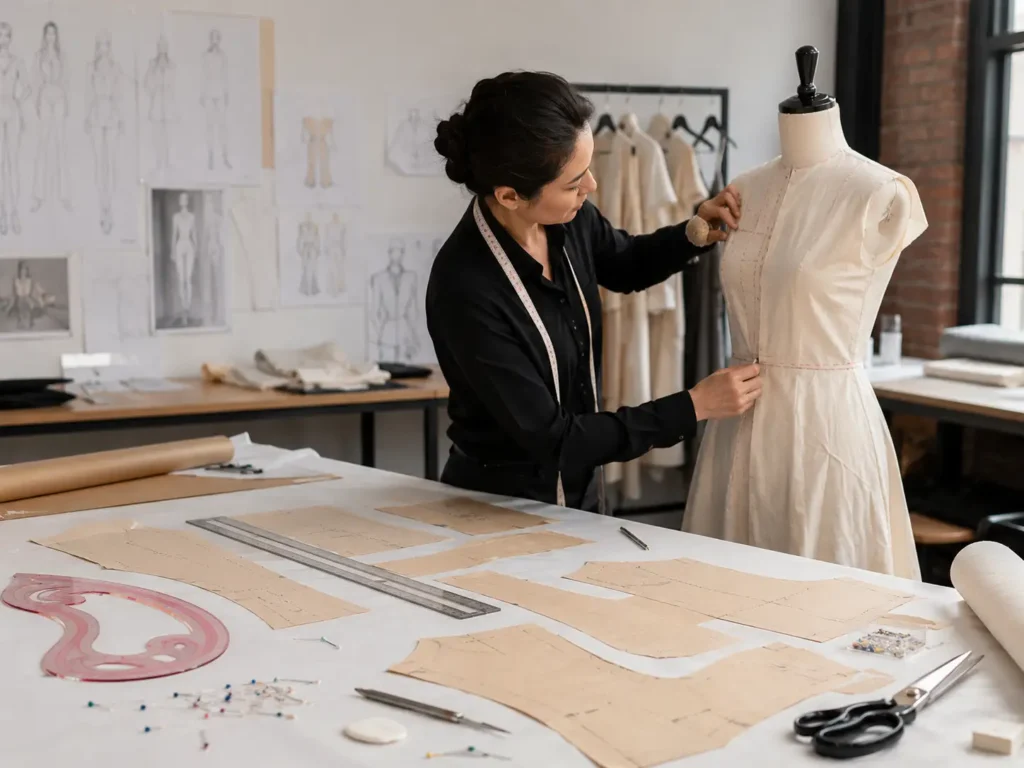
Dress fit depends on proportion, fabric behavior and wearing movement, not a list of isolated numbers. Jinfeng reviews measurements against the supplied size standard, target market and garment structure, then converts accepted fit comments into controlled pattern and grading actions.
Core Dress Measurements
Base-size review commonly covers bust, under-bust, waist, high hip, full hip, shoulder, armhole, neckline depth, strap length, dress length, slit height and hem width. Additional points are added for corset cups, backless structures, one-shoulder balance, sleeves, bodices, waist seams or shaped panels. Jumpsuits require torso length, front and back rise, crotch depth, thigh, inseam and sitting ease. The measurement method is defined so internal and external teams place the tape consistently.
Tolerance is not applied as a blanket number across every point. A decorative hem can accept a different tolerance from a bust opening, cup position or zipper length. Critical measurements are selected according to fit and safety risk, while bulk inspection frequency can be increased for points that historically create returns or inconsistency.
On-Body Balance and Movement
Table measurements do not reveal every fit issue.
Sample review considers whether the neckline sits securely, straps remain in position, the waistline stays level, side seams remain balanced and the garment allows walking, sitting and arm movement. Bodycon garments are checked for ride-up and recovery. Strapless styles are checked for support and slippage. High slits and cut-outs are reviewed for coverage across movement rather than in one static pose.
Photos or fit-session notes should show front, back and side views, along with close details for specific problems.
The fit model size and relevant body measurements are recorded so pattern makers can distinguish a garment issue from a model-size difference.
Pattern Correction and Grading
A correction is applied to the underlying cause. If the waistline rises at the front, the solution may involve bodice length, bust shaping or balance rather than adding overall length. If a mesh neckline gapes, material recovery, binding tension and pattern shape all require review. Jinfeng records the chosen action and checks related measurements before producing the revised sample.
After base-size approval, grade rules are reviewed for the intended size range. US, UK, EU, AU, alpha sizes and extended ranges follow the supplied brand chart. Plus-size, petite and tall development may require separate proportion rules for bust support, armhole coverage, waist placement, strap length, slit position and overall balance. A simple proportional enlargement is not used as a substitute for fit development.
Fit Standards for Bulk QC
Final fit decisions become measurable checkpoints. The released package includes the approved size chart, tolerances, final pattern and relevant grade rules. The production team verifies first pieces before wider output, while inline and final measurements follow the agreed inspection plan. Golden Sample comparison supports visual balance and workmanship review.
Fabric relaxing, cutting direction and stretch behavior are included where they affect measurement stability. For stretch garments, inspection may require a defined resting period before measurement. Repeat orders still require a check of fabric batch, recovery and shrinkage because the same pattern can behave differently when the material changes.
Fabric and Trim Decisions During Sampling
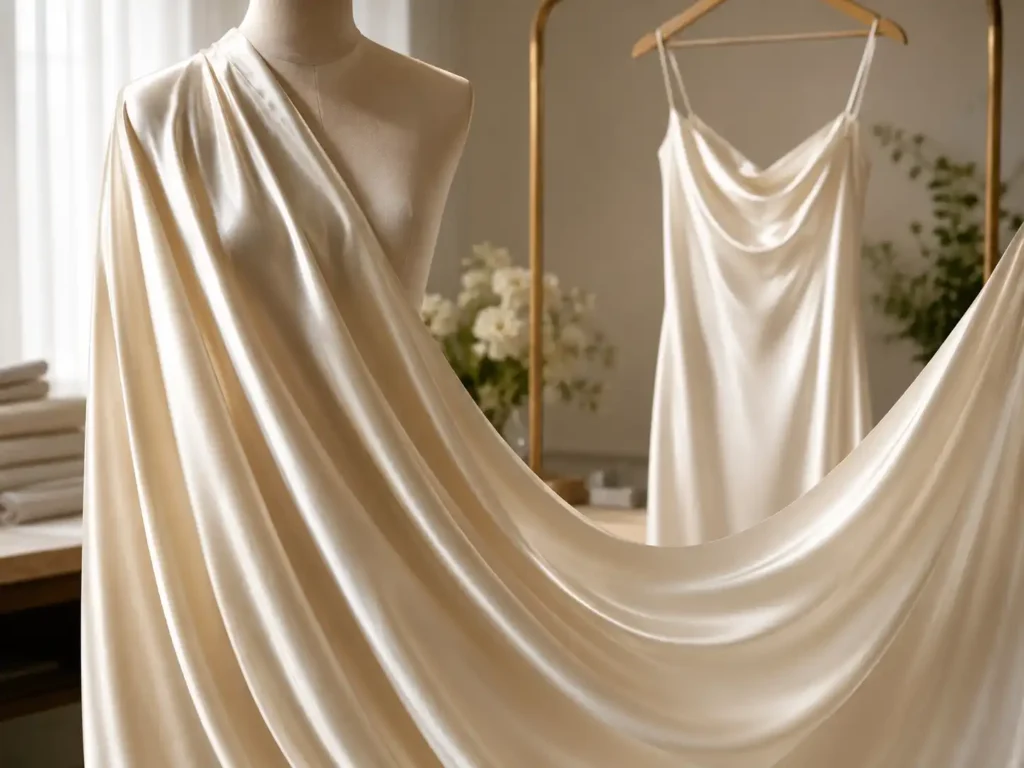
Drape and Weight
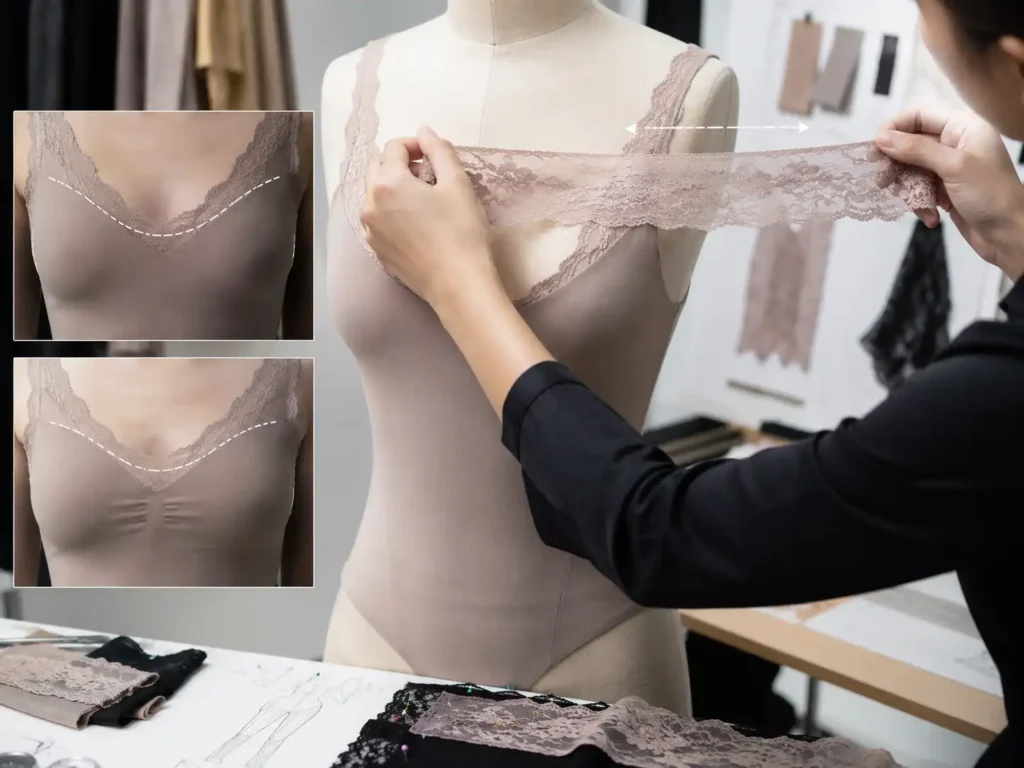
Stretch and Recovery

Transparency and Lining

Trims and Bulk Availability
Managing Multi-Style Sampling and Priorities
A 10-30 style collection cannot be managed as thirty unrelated samples. Jinfeng groups development work by commercial priority, shared materials, fit risk and approval dependencies. The method keeps urgent styles moving without losing control of the remaining assortment.

Build a Priority Matrix
The line sheet is reviewed against launch date, hero SKU status, campaign needs, buyer or sales presentation dates, material readiness and construction complexity. Priority 1 may include photo samples and hero styles with fixed external dates. Priority 2 may include core revenue styles needed for PP booking. Lower-priority extensions can follow after shared fit or material decisions are confirmed. A visible priority matrix prevents every internal request from becoming an equal emergency.
For a 20-style drop, the coordinator can identify five hero styles, six shared-fit styles, four complex material styles and five commercial extensions. Jinfeng can then sequence pattern and sample resources around the decisions with the greatest effect on the full collection.

Group Shared Development Decisions
Styles using the same satin, mesh, lace, zipper, cup or lining can be reviewed as a material group.
Styles developed from one block can share fit learning, while still retaining separate pattern versions. Grouping reduces repeated questions and exposes dependencies. If one stretch mesh fails recovery testing, every linked style can be reviewed before additional samples are sewn.
Shared decisions do not eliminate style-level control. Each SKU maintains its own sample type, version, comments, measurements and approval status. The group view supports efficiency; the style record protects traceability.

Balance Fast Samples and Correct Samples
An urgent photo sample may be required before final bulk trims arrive. Jinfeng can assess whether a documented substitute is acceptable for photography without confusing the temporary component with the PP standard.
A fit sample may also proceed in a near-equivalent fabric when the purpose is pattern direction, provided the effect on fit is understood and a final-material review remains open.
Fast action is valuable only when the stage and limitations are explicit. The tracker records temporary materials, unresolved points and the next required sample. Commercial urgency does not silently convert a partial approval into bulk release.

Plan Capacity for the Bulk Handoff
Sample priorities must connect with production booking. Hero styles approved first may need early fabric reservation or a dedicated production window. Shared materials can be purchased together when color and quantity are confirmed. Complex styles may be assigned to suitable lines while simpler styles use higher-capacity routes. Jinfeng reviews factory allocation against the approved style mix, order quantity and delivery plan rather than waiting until every sample has finished.
For total orders in the 20,000-80,000 piece range, style-level readiness, material grouping and staggered production can reduce the risk of one late SKU holding the full shipment. Final scheduling remains project-specific and is confirmed after PP approvals and material commitments.
A Dedicated Team Behind Every Sample

Merchandising Coordination
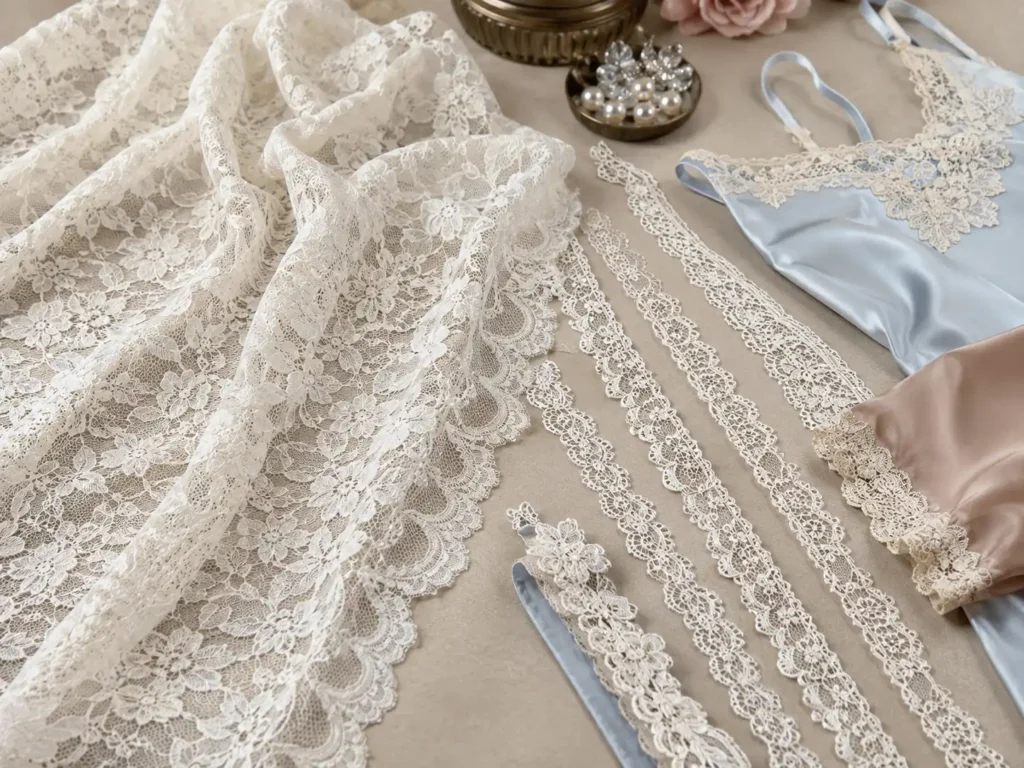
Fabric and Trim Sourcing

Pattern Development

Sample Sewing
Fit and Quality Review
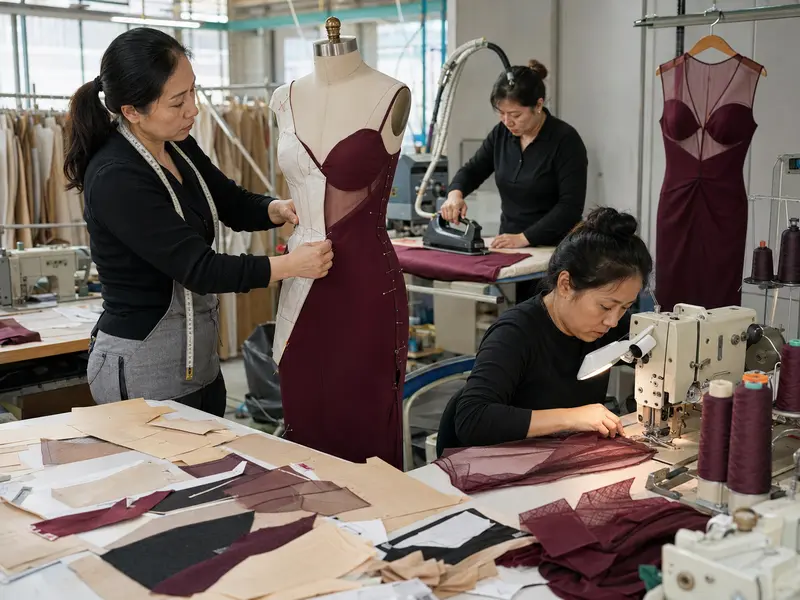
Production Preparation
Quality Control Linked to Sample Approval

Material Inspection

Cutting Control
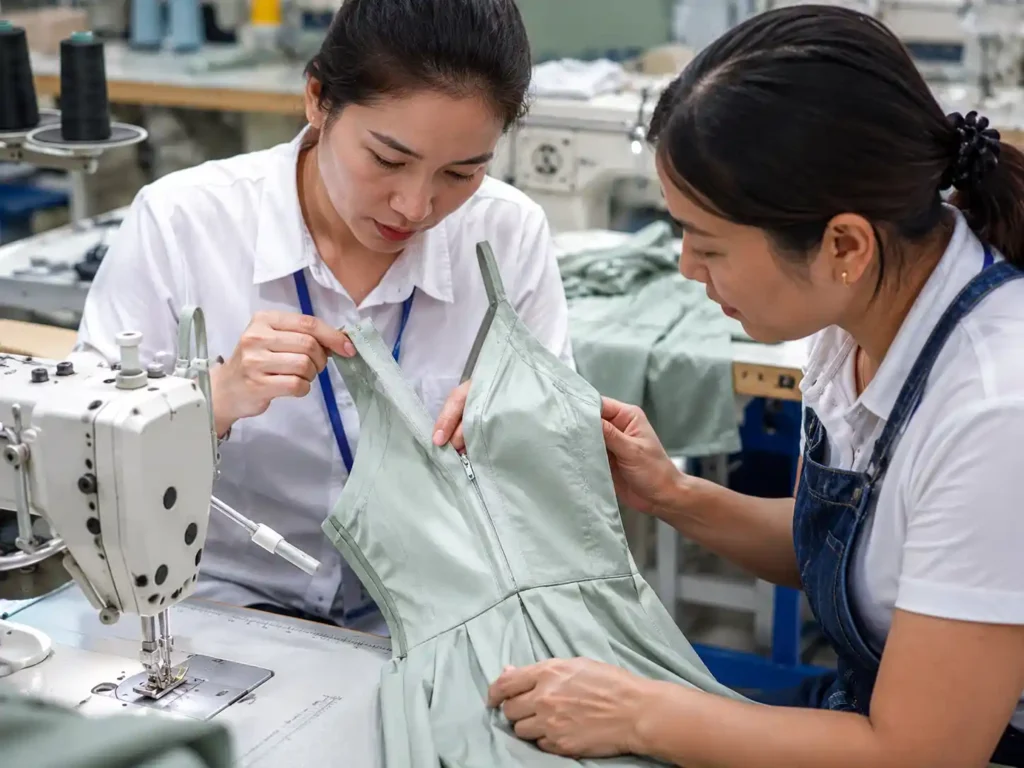
First Bulk Piece

Inline Inspection
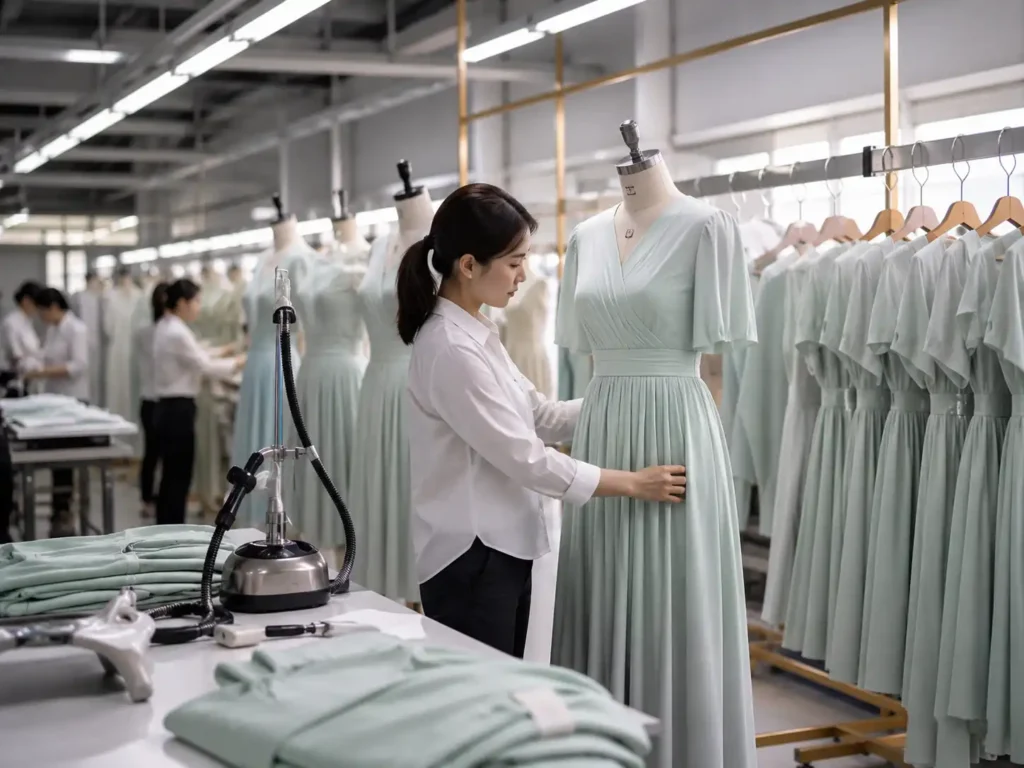
Final Garment Review
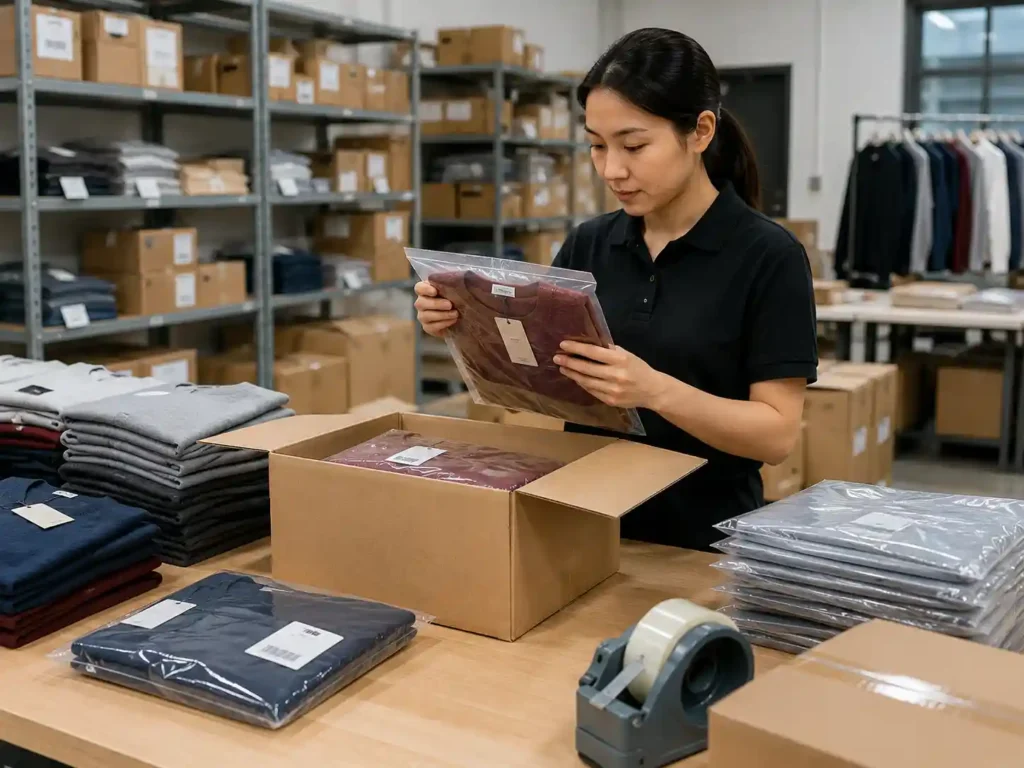
Packing Verification
Representative Sampling Programs for Fashion Brands

Seasonal Dress Collection
A US fashion brand planned an 18-style seasonal dress collection totaling 42,600 pieces across satin, mesh, crepe and stretch jersey.
The line included five hero styles for campaign photography, seven core commercial styles and six color extensions. Sample development was divided into three waves so photography did not wait for the full collection.
- Style count:18
- Total order quantity:42,600 pieces
- Fabric groups:4
- Color count:11 across the collection
- Sample versions:46 physical samples across first, revised, photo and PP stages
- Priority structure:5 photo-critical styles, 7 core PP styles, 6 extensions
The first review identified inconsistent neckline depth across two related blocks and different stretch recovery between the proposed jersey colors. Pattern actions were consolidated across the shared blocks, while color-specific fit checks were retained for the jersey styles. Temporary photo trims were documented and replaced before PP approval. Bulk production was released in staggered groups after material and PP readiness, reducing the risk of one late extension holding all 18 styles.
Fit-Sensitive Occasion Program
An established occasionwear label developed 12 bodycon, corset and strapless styles totaling 26,400 pieces. The main risk was fit consistency across cups, boning, waist shaping and different stretch fabrics. The program used one base fit calendar with separate structural review for each bodice family.
- Style count:12
- Total order quantity:26,400 pieces
- Size range:XS-XL based on the supplied brand chart
- Fit rounds:2 main fit rounds plus PP confirmation
- Support components:4 cup shapes, 3 boning specifications and 2 anti-slip tape options
- Critical measurements:14-22 points per style according to construction
Fit comments were separated into pattern, cup, support, neckline and comfort actions. A strapless style originally passed static measurement review but slipped during movement, leading to changes in upper-bust shaping, boning length and anti-slip placement. Final PP records connected the approved support system with bulk trim supply and first-piece QC. The production handoff included style-specific measurement and workmanship checkpoints rather than one generic occasionwear standard.

Multi-Fabric Launch Program
A regional fashion leader prepared 27 styles and 73,800 pieces for a coordinated online and retail launch.
The collection used six material groups, multiple lining colors and a mix of dresses, jumpsuits and matching sets. Sample coordination had to support campaign shoots, internal range reviews and staggered warehouse dates.
- Style count:27
- Total order quantity:73,800 pieces
- Material groups:6
- Sample priority tiers:4
- Photo-critical styles:8
- PP release groups:5
- Planned shipment structure:priority launch goods followed by main-volume delivery
Jinfeng grouped styles by material dependency and production route. Eight photo-critical styles moved first, while lace and sequin styles followed a longer trim and workmanship review. One lining color created show-through under a light satin and was changed before the PP stage. A shared tracker showed material readiness, sample version, open comments and release status. Production began by approved group, allowing priority goods to progress without waiting for every low-priority style. Packing and SKU records were controlled separately for the online and retail allocations.
MOQ, Sample Fees and Project Boundaries
Commercial terms depend on style complexity, material route, color plan, size range, packaging and calendar. The framework below shows Jinfeng Apparel’s standard position for structured dress development. Final terms are confirmed after file and material review.
| Project Item | Standard Position | Variables Requiring Confirmation |
|---|---|---|
| MOQ | Starts from 200 pieces per style and color | Fabric availability, dyeing, printing, trims, construction, color split and schedule |
| Sample Fee | Charged separately | Pattern work, materials, trims, sample sewing, checking, communication and complexity |
| Sample Fee Credit | May be credited by project when a qualifying order proceeds in the same style | Quotation terms, order release and confirmed MOQ |
| Typical Sample Time | Simple styles 7-10 days; standard dresses 10-15 days; complex styles 15-25 days | File completeness, material readiness, custom trims, revision scope and approval speed |
| Special Materials | May carry separate supplier MOQ or development time | Custom dye, print, lace, sequin, hardware, labels and packaging |
| PP Release | Required before bulk preparation | Final fabric, trims, pattern, measurements, construction, labels and packing |
| NDA and Design Protection | Supported for project files and unreleased products | NDA terms, authorized access and approved disclosure scope |
| Bulk Schedule | Confirmed after PP approval, material commitment and capacity allocation | Style count, total quantity, factory route, QC plan and shipping window |
Frequently Asked Questions for Sampling Coordinators
Send the tech pack or reference image, base-size chart, fabric direction, trim details, sample purpose, expected quantity, color plan and required approval date. An original garment, fabric swatch, trim card, label artwork and packaging instructions improve accuracy when available. Jinfeng reviews missing or conflicting information before pattern work. Limited information can support an initial feasibility discussion, but precise timing and costing require enough detail to define the garment and intended production route.
Jinfeng supports first samples, fit samples, revised samples, photo samples, salesman samples, size sets when required, PP samples and Golden Samples. Each stage has a separate purpose and approval level. A photo sample may use a documented temporary component to meet a campaign date, while a PP sample must confirm the intended production standard. The required sequence depends on style complexity, internal approval rules and whether fit, material or construction changes remain open.
Every revision can be recorded by style, version, sample type, comment date, issue location, required action, responsible team and status. Measurement changes identify the point of measure and approved value. Fabric, trim and construction changes include cost, timing and production impact where relevant. Accepted comments are transferred into pattern, size chart, BOM, sewing instruction, QC and packing records. Superseded files are retained for traceability but removed from active production use.
Yes. Jinfeng can organize multi-style programs by launch priority, hero SKU, photo requirement, fabric group, shared block, fit risk and construction complexity. Two sample rooms, more than seven senior pattern makers, more than twenty sample machinists and more than twelve merchandisers support parallel development. Capacity and timing are confirmed after reviewing the number of styles, sample stages, file completeness, material readiness and required dates. Clear priority prevents every style from competing for the same urgent slot.
Fit comments are reviewed by the pattern team against measurements, photos, fit-model information, fabric behavior and garment balance. The team identifies the underlying cause and records the approved action. Corrections may affect several pattern pieces, seam relationships or measurement points. The revised pattern receives a new version reference, and related size charts or construction records are updated. A new sample is then cut from the released version rather than from informal notes.
The replacement is reviewed for composition, weight, stretch, recovery, drape, transparency, hand feel, color, cost, MOQ and supplier lead time. Pattern, lining and construction may need adjustment even when the new fabric looks similar. Jinfeng identifies whether the change can be confirmed by swatch, requires a revised sample or must wait for final PP review. Temporary sample fabric is clearly separated from the approved bulk material record.
PP approval is linked to the final pattern, size chart, tolerances, grade rules, fabric record, trim card, BOM, sewing instructions, labels, packing requirements and QC checkpoints. The approved garment becomes the basis for the Golden Sample and physical comparison. The intended factory receives the same released package. First bulk pieces can be reviewed before wider output, especially for fit-sensitive, complex or decoration-heavy dresses.
Standard MOQ starts from 200 pieces per style and color. The final requirement depends on fabric availability, color development, custom dyeing or printing, trims, construction, packaging and the production schedule. Material suppliers may have separate minimums. A combined total across several unrelated styles does not replace the per-style and per-color requirement. Quantity and color plans should be included in the initial brief so material and production routes can be assessed early.
Yes. Jinfeng supports NDA-based cooperation and protects tech packs, line sheets, original samples, patterns, measurements, fabric and trim plans, labels, packaging, quantities and unreleased designs according to the agreed scope. Client names and proprietary files are not used publicly without authorization. Case materials can be anonymized or replaced with internal demonstration samples. Access should remain limited to team members involved in the development and production program.
Jinfeng can retain patterns, size charts, fabric references, trim records, sewing instructions, QC notes, label files, packing details and historical order information. Retention helps rebuild a repeat order more efficiently and supports comparison against the Golden Sample. Before release, current fabric batch, color, trim availability, packaging, cost and production timing are reconfirmed. Stored records improve continuity but do not remove the need to review variables that may have changed.

Send Your Sample Development Brief
Share the information needed to evaluate structure, fit, materials, sample stages, timing and bulk suitability. Kelly will coordinate an initial review with the relevant development team and identify missing decisions before a quotation or sample schedule is confirmed.
Clear files allow more accurate pattern planning, material selection, cost review and milestone control, especially when a collection includes several styles or fixed photo and launch dates.
Please include:
- Tech pack, reference images, sketches or line sheet
- Original sample details when available
- Base size, size chart, grade rules and fit preference
- Fabric swatches, composition or material direction
- Trim, support, decoration and closure requirements
- Required sample type for each style
- Number of styles and priority order
- Quantity per style and color
- Photo, sales, PP, warehouse or launch deadlines
- Private-label, barcode, packing and shipping requirements
- Existing fit comments or unresolved sample issues