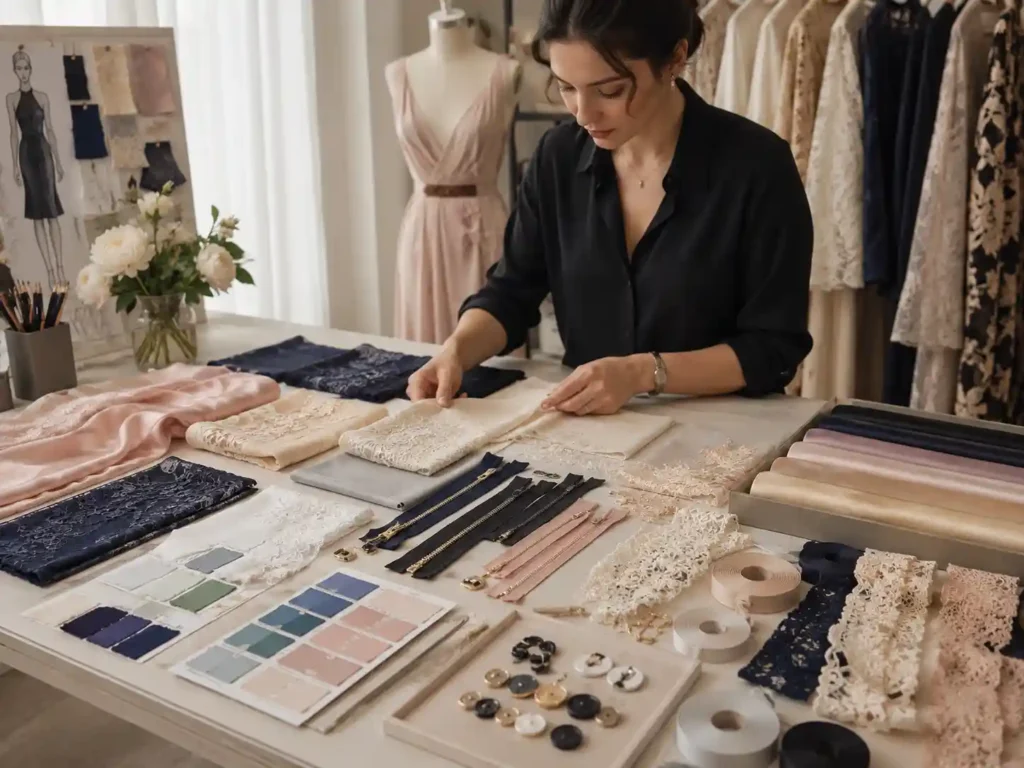
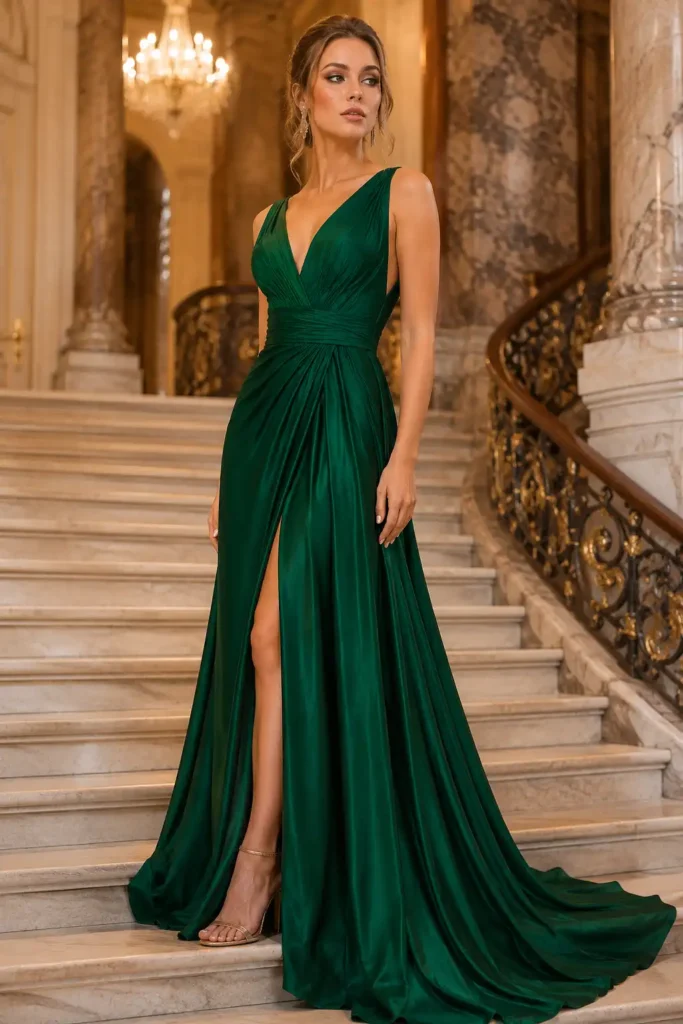
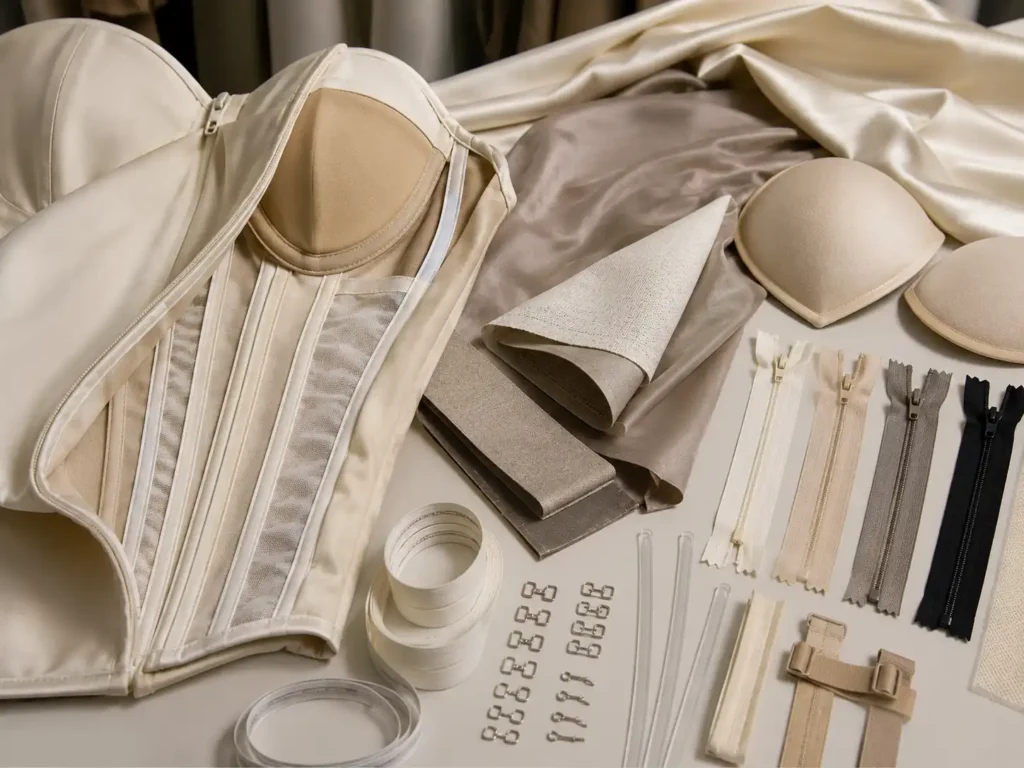
Dress Manufacturer for Sample Review Teams

Turn fit comments, measurement findings and design revisions into approved dresses that can be reproduced consistently in bulk production.

  • 2 dedicated sample rooms support dress development, review preparation and revised sample execution.
  • 7+ senior pattern makers and 20+ sample machinists work across woven, stretch, structured and occasionwear constructions.
  • Standard dress first samples are commonly planned at 10-15 days; complex corset, lace, mesh, sequin and evening styles are normally evaluated at 15-25 days.
  • Approved PP samples, final patterns, measurement files, BOM details and sewing instructions are transferred into bulk control records.

Sample Development Backed by Production Capacity

Sample review becomes reliable when pattern correction, sample sewing, production planning and quality control operate as one system. Jinfeng Apparel combines dedicated development resources with a production network suited to multi-style dress programs for established fashion brands.

Since 2008

Long-term womenswear experience supports decisions on fit, construction, fabric behavior, production feasibility and repeat-order consistency.

2 Sample Rooms

Separate development space allows first samples, revised samples, photo samples and PP samples to move through organized review stages.

7+ Pattern Makers

Senior pattern makers evaluate balance, shaping, ease, neckline position, waist placement, skirt volume and grading implications.

20+ Sample Machinists

Experienced sample sewers handle satin, mesh, lace, jersey, boning, cups, lining, zippers, ruching, slits and layered construction.

6 Owned Factories

Owned production capacity supports controlled handover from approved sample files into assigned sewing lines and bulk checkpoints.

10+ Production Partners

Long-term partner factories extend capacity for different dress structures, fabrics, order calendars and multi-batch delivery plans.

Built for Structured Sample Review Workflows

The strongest working fit is a brand team with clear style references, documented review responsibilities and a genuine bulk production plan. Early alignment on files, decision owners and approval gates reduces repeated samples and protects the launch calendar.

Best-Fit Review Teams

Jinfeng Apparel works well with technical design, product development, fit, quality, merchandising and sourcing teams that already use style codes, measurement sheets, sample comments or approval records. Programs may cover a single hero dress, a coordinated collection or multiple seasonal drops, provided each style has a defined commercial direction and review owner.

Best-Fit Production Programs

The manufacturing model is designed for custom dress programs that continue beyond sample approval into bulk production, private-label packing and export delivery. MOQ starts from 200 pieces per style and color, while fabric, trim, print, dyeing and packaging requirements may create separate minimums. Clear volume planning allows fabric reservations, factory allocation and production timing to be evaluated before PP approval. CTA 1: Check Project Fit

Where Dress Sample Reviews Commonly Break Down

Most sample delays are not caused by one dramatic defect. Progress slows when several small control failures accumulate across files, pattern versions, materials, comments and approvals. Each risk below can move directly into bulk unless it is closed before production release.

Comments Partly Applied

A revised sample may show an improved waist while the neckline depth, strap length or slit position remains unchanged. Partial execution forces another review round and creates uncertainty over which comments were understood.

Old Versions Reused

A previous pattern, size chart or BOM can reappear when files are exchanged through separate email chains. One outdated document can undo an otherwise accurate review and create the wrong PP sample.

Fit Issues Repeat

Bust tension, gaping necklines, low waist seams, twisted side seams and uneven hems often return when symptoms are altered without identifying the underlying pattern or fabric cause.

Materials Shift Fit

A change in stretch, weight, recovery, thickness or drape can alter the entire silhouette. Replacing fabric without reviewing pattern behavior creates false confidence in an earlier fit approval.

Approval Stays Unclear

Design, technical and quality teams may leave separate comments with different priorities. Production should not move forward until mandatory changes, advisory notes and final approvals are clearly separated.

Bulk Loses Sample Standard

Sample appearance can be lost through fabric batch variation, trim substitution, old pattern use, pressing differences or uncontrolled sewing methods. A visible handover system is needed before cutting begins.

One Manufacturer, Multiple Review Stakeholders

Sample approval is rarely owned by one person. Jinfeng Apparel organizes feedback around each role so technical instructions, commercial priorities and quality requirements reach the correct development owner without being flattened into a single vague request.

Technical Designers

Work centers on POM definitions, measurements, tolerances, construction callouts, grading intent and fit corrections. Pattern updates are linked to the approved technical comments.

Product Developers

Discussion covers style feasibility, fabric direction, trim development, sample purpose, cost consequences and the route from first sample to PP approval.

Fit Technicians

Front, side and back observations are connected with movement feedback, garment balance and measured results rather than appearance alone.

Design Teams

Silhouette, proportion, neckline shape, surface detail, color, hand feel and original design character are reviewed alongside manufacturability.

Quality Teams

Seam quality, symmetry, measurement, pressing, trim security, appearance defects and bulk inspection criteria are clarified before production release.

Merchandising Teams

Style priority, photo deadlines, order quantities, delivery windows and shared fabric groups are built into the sample calendar and approval sequence.

Send the Files That Make Review Actionable

A useful sample review starts with enough information to identify the style, the intended result and the current approval stage. Complete files do not need to be perfect, but conflicting versions must be identified before pattern work begins.

Product Definition

Reference images, sketches, original samples, line sheets and style codes establish the visual target and the commercial role of each dress. A style code should remain unchanged across sample versions so comments, measurements and courier records remain traceable.

Technical Files

Tech packs, size charts, POM diagrams, tolerances, construction notes and grade rules show how the garment should be interpreted. When a measurement method is unclear, Jinfeng requests clarification before treating the value as an approved production standard.

Materials and Trims

BOM details should identify shell fabric, lining, interlining, zipper, boning, cups, elastic, tape, lace, sequins, hardware, labels and packaging. Swatch references or supplier codes help distinguish a permanent specification from a temporary sampling substitute.

Review Evidence

Sample comment sheets, fit photos, measurement photos, video notes and previous sample records explain what changed and what remains open. Each file should state the current version, comment date, approval owner and required next action.

Fit-Critical Dresses Need Product-Specific Review

A single review checklist cannot protect every dress category. Fabric behavior, internal support, seam position and movement requirements change the way fit comments should be interpreted. Jinfeng Apparel reviews each product family around the risks most likely to affect wearability and bulk consistency.

Bodycon Dresses

Bodycon development depends on measured stretch, recovery and compression rather than flat measurements alone. Review focuses on bust, waist and hip distribution; side seam position; armhole pressure; neckline stability; hem ride-up; and movement after sitting or walking. The same pattern can perform differently in jersey, rib, ponte or power mesh, so fabric direction and elastic recovery are recorded before pattern corrections are approved. Bulk control also checks panel alignment, seam stretch, skipped stitches and dimensional recovery after pressing. A visually tight sample is not automatically a correct fit; the dress must maintain the intended shape without excessive strain, twisting or uncontrolled transparency.

Corset Dresses

Corset dresses require a combined review of outer silhouette and internal engineering. Cup shape, bust projection, boning length, waist suppression, zipper strength, neckline hold, underbust position and lining attachment must work together. Review teams should separate aesthetic comments from structural comments because changing one element may alter several others. A lower neckline can affect cup coverage, boning placement and zipper tension. Jinfeng checks whether the sample can be worn, fastened and moved in comfortably before it is treated as a production reference. PP approval should lock the cup, support components, stitch method, lining, seam allowance and finishing sequence used for bulk.

Satin Dresses

Satin exposes cutting, sewing, pressing and handling errors quickly. Review covers grain direction, light reflection, shade consistency, neckline rolling, seam puckering, zipper rippling, bias growth, strap balance and hem leveling. Slip and bias-cut styles need hanging time before final length judgment because the fabric may settle unevenly. Pressing temperatures and packing methods also influence the approved appearance. When a satin source changes, weight, face finish and drape must be compared against the reviewed sample before pattern approval remains valid. Bulk inspection should separate acceptable natural sheen variation from directional panel mismatch or visible pressure marks.

Mesh and Cut-Out Dresses

Mesh review begins with stretch direction, recovery, transparency and the relationship between shell and lining. Cut-out edges, binding, elastic tension and body movement determine whether openings stay in position. Comments such as “too open” or “too tight” require a location-based diagnosis: the issue may come from pattern shape, elastic length, seam allowance or fabric recovery. Layered mesh styles also need color and opacity review under normal light and photography conditions. PP records should state shell orientation, lining coverage, cut-out measurements, elastic specifications and attachment methods so bulk units do not vary across colors or sizes.

Lace and Sequin Dresses

Lace and sequin styles combine fit review with placement review. Floral motifs, scalloped edges, seam joins and mirrored panels can change the visual balance even when measurements are correct. Sequins add thickness, abrasion risk and sewing constraints around darts, zippers and seam allowances. Jinfeng reviews motif placement against the body, lining color, skin comfort, trim security and local bulkiness. Sample comments should identify exact zones rather than asking for general improvement. Production records need placement references, seam preparation, reinforcement, needle control and packing protection to preserve the approved look through bulk handling and shipment.

Maxi and Evening Dresses

Long dresses require whole-garment balance. Review covers waist position, skirt drop, front and back length, side seam angle, slit height, train length, lining length and movement on stairs or during walking. Layered skirts and heavy embellishment can pull the bodice downward, while bias panels may lengthen after hanging. Final hem decisions should follow the intended footwear and fit model height rather than a flat table measurement alone. For bulk production, panel numbering, fabric direction, layer alignment, hanging checks and controlled hemming are essential. A PP sample should represent the final weight and internal construction before length is released.

Each Sample Must Answer a Different Question

Sample names only matter when each stage has a defined review purpose and release decision. Combining stages may be possible for a straightforward project, while complex dresses often need separate fit, revision and production approval checkpoints.

Sample StageMain PurposeReview FocusApproval Result
First SampleTest design interpretation and basic construction.Proportion, fabric direction, silhouette, internal structure and feasibility.Issue first review comments and define the next sample stage.
Fit SampleVerify fit on the agreed base size or fit model.Bust, waist, hip, neckline, straps, armholes, length, balance and movement.Approve fit direction or request pattern correction.
Revised SampleConfirm required comments were applied correctly.Comment closure, corrected measurements, construction and visual balance.Move toward PP approval or open a further controlled revision.
Photo / Sales SampleSupport campaign, showroom or selling activity.Visual finish, color, fabric hand, styling and camera-ready appearance.Approve for its stated commercial purpose; not automatically bulk approval.
PP SampleLock the production-ready standard before bulk.Final pattern, materials, trims, measurements, workmanship, labels and packing.Authorize bulk production after all mandatory points are closed.
Golden SampleProvide a retained physical reference for production and QC.Approved appearance, construction, measurements and finishing standard.Use for line reference, inspection comparison and repeat-order records.

From Review Files to Production-Ready Approval

A controlled workflow gives every sample a purpose, every comment an owner and every approval a production consequence. The four stages below connect design interpretation with measurable bulk readiness instead of treating sampling as a separate creative exercise.

Project Intake and Feasibility Review

Development starts by identifying the product purpose, sample stage, target market, target quantity, launch timing and available files. Jinfeng Apparel reviews silhouette, fabric direction, trim complexity, internal structure and expected bulk method before confirming a route forward. A corset mini dress with cups, boning and a shaped neckline requires a different plan from a jersey bodycon dress or a bias satin slip. The review also checks whether stated measurements can produce the intended proportion, whether requested materials are available, and whether selected trims introduce separate minimums or longer development time. Open questions are gathered before pattern work begins so the first sample is not built on several incompatible assumptions. A written development plan identifies required files, sample purpose, estimated sample window, material actions, expected review points and conditions that could affect quotation or production timing.

Pattern and First Sample Development

The pattern team translates the confirmed design into construction logic. Work may begin from a tech pack, original garment, reference image, sketch or an existing pattern that needs correction. Pattern makers establish body balance, shaping, ease, seam placement, neckline geometry, waist position, skirt volume and internal support. Sample machinists then build the garment using approved or clearly identified substitute materials. Any substitute is recorded because a sample made in temporary fabric cannot silently become the bulk standard. During sewing, the team notes construction difficulty, unstable areas, potential cost changes and operations likely to create variation in mass production. First samples are commonly planned at 10-15 days for standard dresses, while corset, lace, mesh, sequin and evening structures often require 15-25 days depending on materials and complexity.

Internal Review and Client Submission

Before dispatch, the sample is measured against the current size chart and checked for garment balance, symmetry, construction, fabric direction, trim function and finishing. Front, side, back and detail photographs can be prepared for remote review, supported by measurement evidence where a specific POM or fit concern needs clarification. Internal findings are separated from client approval: the factory may identify a production risk even when the visual result looks acceptable. The submitted package should state the sample version, materials used, measurements reviewed, known deviations, unresolved decisions and requested feedback date. Clear status language prevents a photo sample, fit sample or temporary-material sample from being mistaken for a production-approved PP sample.

Revision, PP Approval and Bulk Release

Client comments are grouped by pattern, measurement, fabric, construction, trim, finishing and packing. Mandatory changes are assigned to the responsible team, and affected files are updated together. A neckline change may require pattern revision, measurement updates, cup or lining adjustment and a new sewing instruction. Revised samples are checked against the comment tracker before submission. PP approval occurs only after final pattern, size chart, BOM, materials, trims, construction, labels, packing and quality criteria are aligned. The retained Golden Sample and approved documents then form the reference package for production planning, line briefing, first-piece review, inline checks and final inspection. Production release is treated as a controlled decision rather than an informal message saying the sample looks good.

We Review Samples Before Your Team Receives Them

Internal review reduces avoidable shipping cycles and gives the receiving team better evidence. The aim is not to approve on behalf of the brand, but to detect measurable errors, construction risks and production concerns before the sample leaves the sample room.

Measurement, Proportion and Garment Balance

The sample is compared with the active size chart using the stated POM method. Key checks may include bust, waist, hip, shoulder, across chest, armhole, strap length, neckline depth, body length, waist position, skirt length, slit and hem sweep. A measurement can fall within tolerance while the visual balance is still wrong, so flat measurement is combined with dress-form or fit observation. Pattern balance is reviewed through side seam direction, shoulder position, waist level, neckline behavior and front-to-back length distribution. For stretch styles, the team also considers recovery and garment relaxation. Any mismatch between measured compliance and visible fit is documented for pattern analysis rather than hidden by pressing or temporary pinning.

Construction, Materials and Wearability

Review moves beyond outer appearance to the structures that determine comfort and repeatability. Zippers are tested for operation and seam distortion; boning and cups are checked for position and edge comfort; lining is reviewed for coverage, length and movement; ruching is compared for balance; cut-outs are checked through standing and movement; and embellishment areas are inspected for bulk, abrasion and attachment. Fabric grain, nap, shine direction, stretch orientation and motif placement are checked against the intended design.
Where the sample reveals a risk that will worsen at scale, such as seam slippage, puckering, unstable elastic tension or a difficult finishing sequence, the issue is raised before client approval.

Production Repeatability and Open-Risk Notes

A successful one-off sample can still be unsuitable for bulk if it relies on hand adjustment, unrecorded trimming, unusual operator skill or materials that cannot be sourced consistently. Jinfeng reviews whether construction steps can be written, repeated and checked across a production line. Critical operations are identified for sewing instructions and first-piece review. Materials used in the sample are compared with the intended bulk source, and temporary substitutions are listed clearly. Open risks are not disguised as minor sample imperfections; they are connected to a decision, such as pattern correction, material confirmation, process testing, added reinforcement or a further approval sample. The resulting submission gives the brand a clearer basis for review and protects the transition into production.

Set Sample Purpose​

Turn Remote Fit Feedback Into Pattern Decisions

Remote review works best when every image answers a technical question. Jinfeng can organize visual and measurement evidence around the locations most likely to affect a dress pattern, allowing overseas teams to comment with greater precision before receiving the physical sample.

Front View

Front images show neckline shape, bust distribution, waist level, dart or princess-line position, skirt opening, symmetry and surface behavior. The camera should remain level and centered so apparent imbalance is not created by angle. Close views may be added for cup edges, center-front seams, gathers or embellishment placement.

Side View

Side images reveal garment pitch, bust space, waist balance, side seam direction, stomach and hip ease, slit position and front-to-back hem relationship. Corset and bodycon styles often need side evidence because front images alone can hide pressure, pulling or rotation.

Back View

Back review covers zipper line, back neckline, strap placement, shoulder blade ease, waist level, center-back balance and skirt fall. Gaping or horizontal strain lines are identified with location notes rather than broad descriptions such as “back fit is wrong.”

Movement Check

Walking, sitting, raising arms and turning can expose ride-up, cut-out movement, strap instability, restricted steps, excessive slit opening or lining displacement. Movement evidence is selected according to the garment purpose rather than added as a generic video.

Detail Close-Ups

Close images support review of seams, zipper ends, hooks, cups, boning channels, elastic edges, lining joins, lace placement, sequin security, ruching and label position. A ruler or marked reference may be included when scale matters.

Measurement Evidence

Measurement photographs identify the exact POM method, garment position and tape placement. Evidence is particularly useful for neckline depth, strap length, waist position, slit height, body length and curved areas that may be interpreted differently across teams.

Every Comment Needs an Owner and Action

Clear classification prevents one request from being applied in the wrong place. Each comment is connected with the responsible function, affected file, approval consequence and any change to sample cost, material use or development timing.

Pattern Changes

Silhouette, neckline, cup, shoulder, waist, hip, armhole, skirt shape, slit and balance changes are assigned to pattern development. The updated pattern version and affected measurements are recorded before a revised sample is sewn.

Measurement Changes

Numerical changes are checked against POM definitions, tolerances and visual fit. A new value is not copied mechanically when it conflicts with garment balance, construction or the intended grade rule.

Fabric Changes

Composition, weight, width, stretch, recovery, drape, opacity, surface and shrinkage are compared. Pattern or lining review may be reopened when the replacement changes garment behavior.

Construction Changes

Seam type, stitch, seam allowance, zipper method, lining attachment, boning, cups, elastic, reinforcement and finishing changes are transferred into sewing instructions and cost review.

Trim Changes

Zippers, hooks, buttons, cups, boning, lace, hardware, labels and packaging are checked for dimensions, color, function, minimum order and lead time before approval.

Finishing Changes

Pressing, hemming, thread cleaning, embellishment security, label placement, folding, polybag and carton instructions are documented separately so late-stage changes do not alter the approved garment structure.

Keep Every Revision Visible and Traceable

Version control is strongest when the record can be read by development, sample, production and quality teams without reconstructing the history from separate messages. The tracker below shows the minimum structure used to close comments before PP approval.

FieldWhat the Record Should ShowProduction Value
Style CodePermanent style identifier used across tech pack, sample, courier and order files.Prevents comments from being attached to the wrong dress.
Sample VersionV1, V2, V3, Photo, PP or Golden Sample status.Separates superseded references from the active standard.
Comment Date and SourceDate plus technical, design, fit, quality or merchandising owner.Clarifies priority and resolves conflicting instructions.
Requested ChangeSpecific location, required result and supporting image or measurement.Gives pattern or sample teams an actionable instruction.
Affected FilesPattern, size chart, BOM, trim card, sewing method or packing file.Keeps linked documents synchronized.
Responsible TeamPattern, sample, fabric, trim, production, quality or packing owner.Makes follow-up and completion visible.
Completion EvidenceUpdated measurement, photo, revised file or physical sample result.Shows whether the action was completed rather than merely acknowledged.
Approval StatusOpen, under review, revised, accepted or approved for bulk.Prevents unresolved items from passing into production.
Next ActionRe-sample, confirm by photo, approve PP, update quote or release bulk.Connects review decisions with schedule and cost consequences.

Material Changes Can Change the Entire Sample
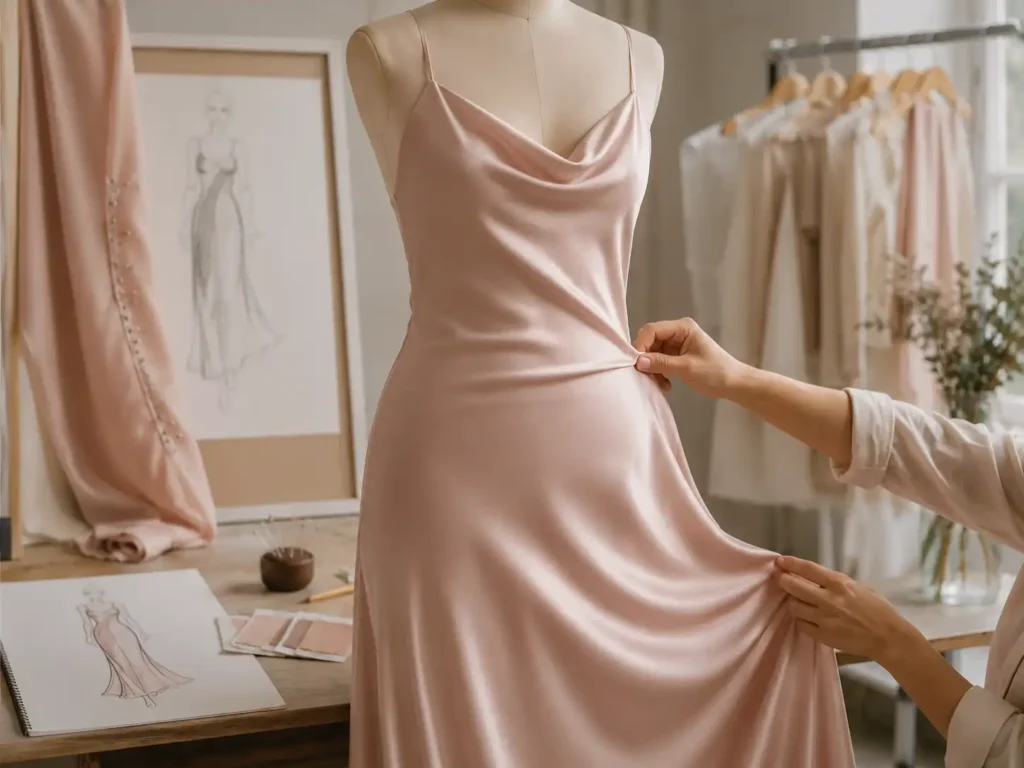
Replacing a material is a technical decision, not a color update. Jinfeng reviews the effect on silhouette, measurements, construction, cost, minimums and approval status before confirming whether an earlier fit result remains valid.

Drape and Silhouette

Fabric weight, thickness, fluidity and surface friction determine how a dress hangs from the body. A heavier satin may pull down a cowl neckline or lengthen a bias skirt; a crisp woven may increase volume and expose seam shape; a soft mesh may collapse around a cut-out that was stable in firmer material. Review compares the replacement with the sampled fabric through hand feel, drape, opacity and garment behavior. Pattern balance, hem length and internal support may need to be reopened even when the fiber content looks similar.

Stretch and Recovery

Stretch percentage alone is not enough for bodycon, jersey, mesh or fitted lining. Direction, force, recovery speed and relaxation influence finished measurements and wearing pressure. A fabric with higher stretch but weak recovery may grow during fitting and create a loose bulk garment. A firmer replacement may make the approved waist or armhole too tight. Jinfeng connects stretch findings with pattern ease, seam method, elastic specifications and grading. A new fit or revised PP sample may be required when the change affects the intended compression or movement.

Lining and Construction

Changes in transparency, thickness, stability or surface can alter lining coverage, seam type, needle selection, reinforcement and pressing. A light satin may require different interfacing or seam support; transparent mesh may need revised lining boundaries; heavy embellishment may require backing and altered seam allowance. Trim compatibility is reviewed at the same time. Zippers, cups, boning, elastic and tapes must suit the final fabric rather than the temporary sample. Construction updates are written into the production package before the material is approved.

MOQ, Cost and Timing

Fabric and trim sources can introduce separate minimums for stock color, custom dyeing, print, lace, sequin embroidery, hardware, labels or packaging. A replacement may reduce cost but extend lead time, or improve appearance while raising material consumption. Jinfeng records the commercial consequence before the review team approves the change. Sample timing is adjusted when the source requires lab dips, strike-offs, custom trims or certification checks. No material is treated as final until availability, color, performance, price and production timing have been evaluated together.

Fit Feedback Must Become a Corrected Final Pattern

The value of fit review appears in the pattern, not in the comment file alone. Jinfeng connects visual findings, measurements, fabric behavior and construction limits so approved changes remain stable through grading and bulk production.

Diagnose the Cause Before Moving a Line

Fit comments describe a visible result, but the pattern correction depends on the cause. A gaping neckline may come from excess length, incorrect angle, unstable fabric, weak internal support or a cup that does not match the body shape. A twisted side seam may result from pattern balance, grain direction, stretch orientation or sewing tension. A high front hem may be connected with bust projection or body balance rather than skirt length alone.

Jinfeng reviews fit photos, sample measurements, pattern shape, fabric behavior and construction before selecting the correction. The team avoids treating every problem as a simple numerical adjustment because a local measurement change can create a new issue elsewhere. Diagnostic notes explain which element is being changed and what result should be checked in the next sample.

Correct Pattern, Measurements and Construction Together

Once the cause is identified, linked records are updated. Pattern pieces may be reshaped at neckline, shoulder, armhole, bust, waist, hip, skirt, slit or hem. Measurement specifications are revised where the approved garment value has changed, while construction notes are updated when fit depends on elastic length, cup position, boning, lining, seam allowance or reinforcement. The revised sample is cut from the active pattern version and reviewed against the current comment tracker. Old measurements are not left active beside new pattern geometry. Where fabric behavior creates uncertainty, the correction is tested in the intended or closest approved bulk material. Completion evidence may include measured results, front-side-back images and a marked comparison against the previous sample.

Lock the Base Size, Grade Rules and Tolerances

Approval of one base-size sample does not automatically protect the full size range. Jinfeng reviews which dimensions should grade proportionally, which positions must remain visually stable and where fabric stretch affects the rule. Corset cup placement, strap position, neckline depth, slit height and waist seam may need category-specific grading logic. The final size chart states POM methods and allowed tolerances that can be checked during bulk inspection. Grade rules are aligned with the final pattern rather than copied from an unrelated block.

Where the range is wide or the structure is sensitive, a size-set review may be recommended before full production. The goal is a final pattern system that can reproduce the approved silhouette across the ordered size range.

Pattern Revision​

Lock the Standard Before Bulk Production Starts

PP approval and Golden Sample control create the bridge between development and manufacturing. Both references must reflect the final commercial product, not a temporary sample made with unapproved materials or incomplete packing details.

PP Sample Approval

The PP sample is reviewed against the final pattern, size chart, shell fabric, lining, trims, construction, measurements, workmanship, labels and packaging requirements. Mandatory comments from earlier versions must be closed or formally accepted. Any remaining exception is written clearly with an owner and decision date. Production should not be released from a photo approval alone when the final material, structure or dimensions have changed. The approval record states which physical sample and file versions form the production standard.

Golden Sample Reference

A retained Golden Sample provides a visible standard for the sample room, production line and quality team. It supports line briefing, first-piece comparison, inline appearance checks, final inspection and repeat-order review. The reference is paired with the approved documents because a physical sample cannot communicate every tolerance, colorway difference or packing requirement. Storage and identification should protect the style code, version, color and approval status so an older sample cannot replace the active standard.

Approved Samples Must Reach the Production Line Correctly

Sample approval only protects bulk when the final information is transferred into usable production controls. Jinfeng prepares the handover around documents, materials, factory assignment and first-piece verification rather than relying on the sewing line to interpret the sample independently.

Approved Production Package

The production package brings together the final pattern version, size chart, grade rules, BOM, fabric and trim references, color information, label specifications, packaging instructions and quality criteria. Each record carries the style code and active revision so obsolete files can be removed from the working set. Material substitutions used during sampling are replaced with final bulk details, including composition, weight, width, stretch, color, supplier reference and approved hand feel where relevant. The package also notes critical measurements and visual points that require enhanced checks. A production file should tell the factory what to make, how to measure it and what evidence defines approval without relying on personal memory from the sampling stage.

Sewing and Workmanship Instructions

Construction details are translated into line-ready instructions: seam type, stitch density, seam allowance, zipper method, lining attachment, elastic length, boning, cup position, reinforcement, topstitching, gathering, hemming, label placement and special handling. Photos or marked diagrams are used when text alone could be misread. Critical operations are separated from ordinary sewing points so supervisors and inspectors know where variation would affect fit or appearance. Satin handling, mesh tension, lace placement, sequin seam preparation and structured bodice assembly may require different control sequences. The approved sample remains a reference, but written methods protect repeatability across operators and production days.

Factory and Line Assignment

Jinfeng Apparel operates six owned women’s fashion factories and works with more than ten long-term production partners. Assignment is based on product structure, fabric, workmanship, quantity, color range and delivery calendar. Stretch bodycon dresses, woven satin styles, corset constructions, lace products and embellished occasionwear are not automatically placed on the same line. The production management team reviews line experience, available skill, current load and required finishing before allocation. Multi-style programs may be grouped by shared fabric or construction while complex hero styles receive separate attention. Factory assignment is confirmed before the final production timetable is issued.

First-Piece Confirmation

The first completed units provide an early check that approved information has reached the line correctly. Measurement, seam construction, trim use, label placement, pressing and visual balance are compared with the Golden Sample and active files. A first-piece review is especially important where fit depends on elastic tension, ruching distribution, zipper insertion, cup or boning position, layered hems, lace placement or fabric direction. Findings are corrected before the same error spreads through a large quantity. The review also verifies that production materials behave like the approved sample and that any batch difference has been assessed. Only after critical points are stable should normal line output increase.

Control the Gap Between Sample and Bulk

Bulk consistency is built through linked checkpoints rather than one final inspection. Each stage compares production reality with the approved sample, current files and defined quality criteria before defects can spread into later operations.

Fabric and Trim Inspection

Bulk fabric and trims are checked against approved references for color, hand, weight, width, stretch, appearance and function. Batch differences, shade groups and substitutions are identified before cutting. Zippers, cups, boning, elastic, lace, hardware and labels are verified against the BOM and trim card.

Cutting and Bundle Check

The cutting team uses the active pattern version and confirmed grain, nap, shine, print or motif direction. Marker, layer, shade grouping, notches and bundle identification are checked so pattern corrections and color control survive the transfer from files to cut panels.

First-Piece Review

Initial completed garments are measured and compared with the Golden Sample for silhouette, construction, trim use and finishing. Critical operations are corrected before output expands, reducing the risk of repeating a wrong neckline, waist, zipper, slit or lining method across the order.

Inline Sewing Inspection

Inspectors review workmanship, measurements and critical operations while garments are still on the line. Findings are fed back to supervisors at the stage where rework remains controlled. Repeated defects trigger process correction rather than isolated repair only.

Measurement and Appearance

Finished garments are checked for approved POMs, tolerances, symmetry, seam position, pressing, surface damage, embellishment security, hem balance and overall comparison with the production reference. Size and color results are monitored rather than assuming one approved unit represents the full run.

Packing Verification

Labels, barcodes, size stickers, polybags, folding, carton assortment and shipping marks are checked against the order file. Structured, satin, sequin or embellished dresses receive packing methods suited to shape protection and surface safety so the approved appearance is not lost during transport.

Manage Multiple Samples Without Losing Launch Priorities

Established fashion programs often review 10-30 styles in the same development window. Jinfeng organizes the sample calendar around commercial priority, shared materials and approval readiness so one difficult style does not obscure the status of the full collection.

Launch Date

Styles are sequenced backward from campaign, selling, warehouse or retail dates. Sample shipping, review time, revision and PP approval are given visible deadlines.

Hero SKU

Key campaign or volume styles receive earlier material confirmation and fit review so late technical decisions do not threaten the main commercial story.

Fabric Readiness

Styles using confirmed stock or shared fabrics can move together, while custom dyeing, print, lace or embellishment programs receive separate material gates.

Style Complexity

Corset, bias, cut-out, sequin and heavily structured dresses enter review earlier because pattern or construction issues may require additional rounds.

Photo Sample Need

Campaign and showroom samples are scheduled with a stated purpose. Photo approval is kept separate from PP approval when final materials or construction differ.

Shared Components

Styles using the same shell, lining, zipper, cups, labels or packing are grouped to reduce conflicting approvals and improve material control.

Approval Status

Open comments, revised samples, pending materials and approved PP styles are reported separately. Unclosed actions remain visible rather than disappearing into a general status update.

Bulk Window

Factory assignment and production timing are reviewed alongside sampling so approved styles can enter suitable capacity without waiting for the last style in the collection.

Real Review Problems, Protected Design Information

The following anonymous programs illustrate the scale and control expected in established fashion development. Brand identity, original design files, unpublished samples, commercial prices and private-label details remain protected under NDA-based cooperation.

US Occasionwear Program: 12 Styles, 28,800 Units

A US occasionwear brand developed a 12-style capsule covering satin mini dresses, corset midis, mesh bodycon styles and two embellished maxi dresses. The confirmed order plan reached 28,800 units across multiple colors and sizes. Initial sample review identified recurring waist-level imbalance, inconsistent cup position and visible zipper rippling on the structured styles. Separate comments from design and technical teams also created two different neckline instructions for one hero dress. Jinfeng consolidated the mandatory changes into a single revision record, assigned pattern, sample and trim owners, and updated the active size chart before the second round. The corset styles were tested with final cup and boning specifications, while the satin dresses received revised zipper preparation and pressing instructions. PP approval was divided by product group rather than waiting for all 12 styles to close together. The first four approved styles entered production planning while complex embellished styles completed an additional material and workmanship review. Golden Samples, final patterns and critical measurement notes were issued to the assigned lines. First-piece checks focused on cup position, waist seam level, zipper appearance and hem balance. The program moved into staged bulk production without reopening the core fit comments during the line phase.

Multi-Channel Dress Collection: 24 Styles, 64,000 Units

A multi-channel womenswear brand planned 24 dress styles totaling 64,000 units for ecommerce, wholesale and regional retail delivery. The collection used shared fabric groups across jersey bodycon, printed woven, lace and satin categories. Sample review teams needed campaign-ready samples for selected hero styles while the remaining range followed a standard fit and PP route. Jinfeng grouped styles by fabric, pattern complexity and launch priority. A revision tracker separated photo-sample appearance comments from bulk-critical fit and construction changes. Several jersey styles showed side-seam rotation after wear, leading to a review of fabric orientation, pattern balance and seam tension. Lace dresses required motif placement references and lining-color confirmation, while satin styles were held until bulk shade and hand feel matched the approved sample direction. PP approvals were released in controlled groups, and production was assigned according to fabric and construction experience. Inline checkpoints concentrated on stretch recovery, motif placement, zipper insertion, pressing and size measurements. Packing was split by channel with separate barcode, assortment and carton instructions. The collection was delivered in planned batches so early ecommerce launch styles could move first while later retail quantities followed the lower-cost freight plan.

NDA and Design Protection

Jinfeng Apparel supports NDA-based cooperation for tech packs, line sheets, original samples, patterns, measurements, BOM files, private-label artwork, packaging information, order quantities and unpublished designs.

Sample photos and development records are used only for the approved project workflow. Brand names, unreleased garments and commercial information are not published as marketing cases without written authorization.

Anonymous case descriptions focus on product type, technical problem, control method and result rather than exposing protected design identity.

Frequently Asked Questions About Sample Review Manufacturing

Send the current tech pack or style reference, size chart, POM definitions, BOM, fabric and trim information, sample comment sheet, fit photos and the active sample version. Include target quantity, color plan, size range and launch date where available. Jinfeng will identify missing information and separate urgent approval points from details that can be completed later.
Yes. Existing PLM exports, spreadsheets, PDF comment sheets and annotated images can be reviewed. The most important requirement is a clear style code, version, comment date and approval owner. When comments conflict or affect several files, Jinfeng organizes the required pattern, measurement, material and construction updates before the revised sample is made.
Design, technical, quality and merchandising comments are not merged blindly. Conflicts are listed with the affected area and commercial consequence. The brand nominates the final decision owner, while Jinfeng explains fit, construction, cost or timing effects. Only the approved instruction is transferred into the active pattern, size chart, BOM or sewing method.
Front, side, back, movement, detail and measurement evidence can be prepared according to the review purpose. Photos support early clarification and can reduce avoidable courier rounds, but they do not replace physical approval when hand feel, drape, fit or internal structure requires direct assessment. The sample version and materials used are stated with the visual package.
Simple first samples are commonly planned at 7-10 days. Standard dress samples are commonly planned at 10-15 days. Corset, strapless, lace, mesh, sequin and evening styles are normally evaluated at 15-25 days. Final timing depends on file completeness, fabric availability, custom color, trims, pattern complexity and feedback speed.
Re-sampling is recommended when the replacement changes stretch, recovery, weight, thickness, drape, opacity, shrinkage, surface or construction behavior. A minor source change may be confirmed through a swatch or controlled comparison when fit and workmanship remain unaffected. Jinfeng explains whether the earlier fit approval can remain active or needs a new garment check.
Bulk release requires the final PP sample or agreed production reference, active pattern, size chart, grade rules, shell and lining, trims, BOM, sewing instructions, labels, packaging, quantity, quality criteria and delivery plan. Mandatory sample comments must be closed or formally accepted. Temporary sample materials cannot become bulk standards without written approval.
MOQ starts from 200 pieces per style and color. Final requirements depend on fabric availability, custom dyeing, print, lace, sequin embroidery, trims, color count, size breakdown, construction and packaging. Multi-style programs are assessed by style because shared materials may improve planning while special components may carry separate supplier minimums.
Yes. Jinfeng supports main labels, care labels, size labels, hangtags, barcode stickers, polybags, folding instructions, carton assortments and shipping marks. Packing information is included in the production package and checked before shipment. Channel-specific packs can be planned for ecommerce, retail, wholesale or regional warehouses when the order structure is confirmed.
Yes. NDA-based cooperation can cover tech packs, samples, patterns, measurements, BOM details, labels, packaging, quantities, prices and launch information. Brand identity and unreleased products are not used publicly without authorization. Internal access and project use are limited to the teams needed for development, production, quality control and delivery coordination.

Send Your Sample Review Files to Kelly

Share the active sample package and the decision your team needs to make next. Kelly will coordinate an initial review of style structure, files, material direction, sample status, target quantity and launch timing. The response can identify missing information, likely pattern work, material risks, recommended sample stage and the conditions needed before PP approval or bulk production. For multi-style programs, include a style list with priority, current version and required review date so the sample calendar can be evaluated as one collection rather than a series of disconnected requests. Attach the latest files only, and mark any superseded pattern, size chart or BOM clearly. Jinfeng Apparel can support development from first sample through revised sample, PP approval, production handover, QC, private-label packing and export delivery.

  • Name and company
  • Email and Tel/WhatsApp
  • Style codes and product types
  • Tech packs, comment sheets and fit photos
  • Fabric, trim, color and size information
  • Target quantities and launch date
  • Current sample version and required next action

Tell Us About Your Dress Project

Share your product details, estimated quantity and development requirements. Our team will review your project and provide practical OEM/ODM production feedback.

Premium Women’s Apparel Production for Fashion Brands

From dress sample development to bulk production, JF Apparel supports fashion brands with confidential OEM/ODM manufacturing, reliable quality control and scalable production support.

START YOUR DRESS PROJECT

Ready to Develop Your Next Dress Collection?

Share your design concept, product requirements or sourcing plans with our team. We’ll review your project and provide practical feedback on development, materials, MOQ and production.

7-10 Days

Sample Development

200 PCS

Starting MOQ

Fast Response

Professional Follow-Up