Dress Manufacturer for Retail Fashion Buying Teams
Retail-ready dress development for buying, merchandising, product, sourcing and quality teams managing seasonal fashion programs.
- Develop 10-30 styles within one coordinated range, with style-level fabric, pattern, sample, approval and production tracking.
- Support order programs commonly totaling 20,000-80,000 pieces across approved styles, colors, sizes and shipment batches.
- Connect product development with target costing, PP approval, bulk QC, SKU control, private-label packing and export delivery.
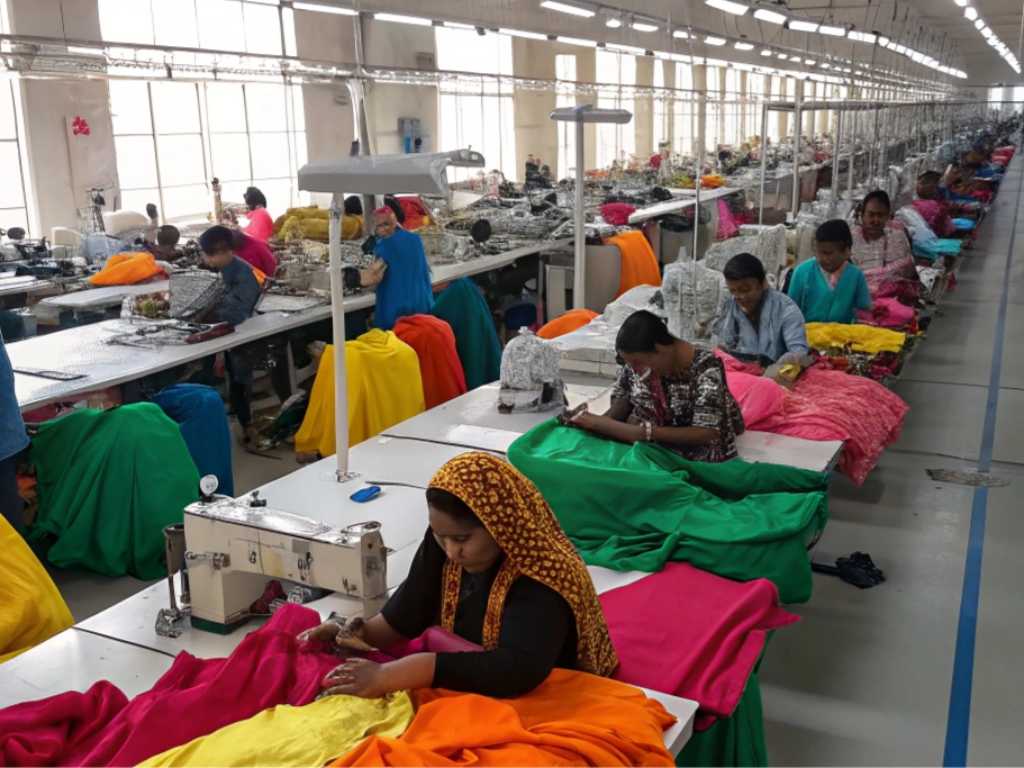
- Manufacturing resources include 6 owned women’s fashion factories, 10+ long-term satellite partners and 100,000+ pieces of regular monthly capacity.
Manufacturing Facts Your Team Can Assess
Since 2008
6 Owned Factories
10+ Satellite Partners
100,000+ Monthly
2 Sample Rooms
15+ QC Inspectors
Built for Cross-Functional Retail Fashion Teams
Buying Manager
Merchandising Director
Product Developer
Sourcing Manager
QA Manager
Vendor Management
Confirm the Right Production Fit Early
Best Fit Programs
Suitable projects normally include a line sheet, tech pack, reference sample, design image or clear collection direction; a quantity plan by style and color; an intended size range; and a real launch or replenishment plan. The strongest fit is a seasonal or ongoing program requiring coordinated sampling, bulk production, QC, private-label packing and export delivery.
Outside Our Model
Jinfeng Apparel does not operate as a ready-stock wholesaler, single-piece fulfillment provider or no-MOQ supplier. Standard MOQ starts from 200 pieces per style and color, with higher requirements possible for custom-dyed fabric, custom printing, special lace, sequins, certified materials, custom trims or complex packaging. Projects are reviewed on development and production viability, not only on the lowest unit price.
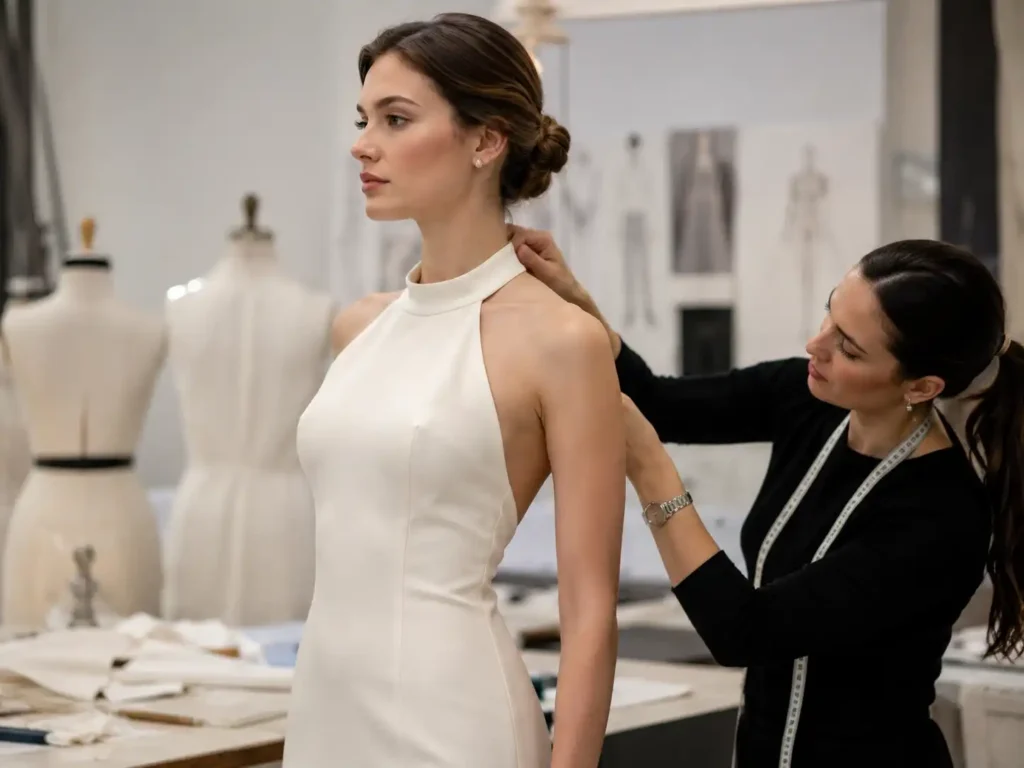
Control Risks That Disrupt Retail Dress Programs
Sample-to-Bulk Gap
Cost-Product Conflict
Size-Range Failure
Approval Bottlenecks
SKU Receiving Errors
Repeat Order Drift
Dress Categories for Retail Range Development
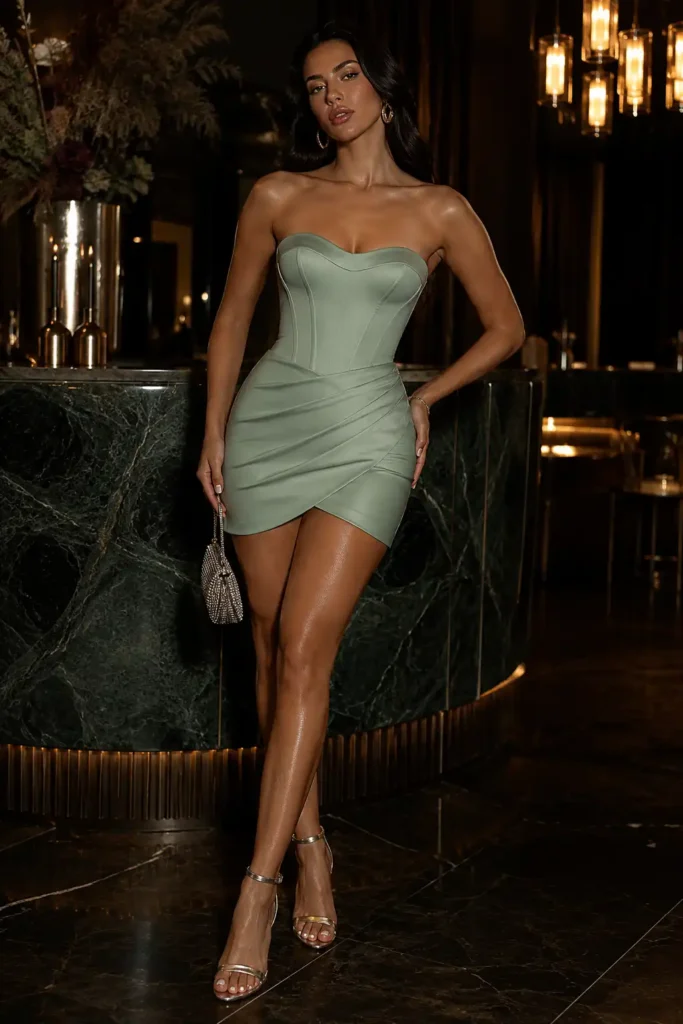
Mini Going-Out Dresses
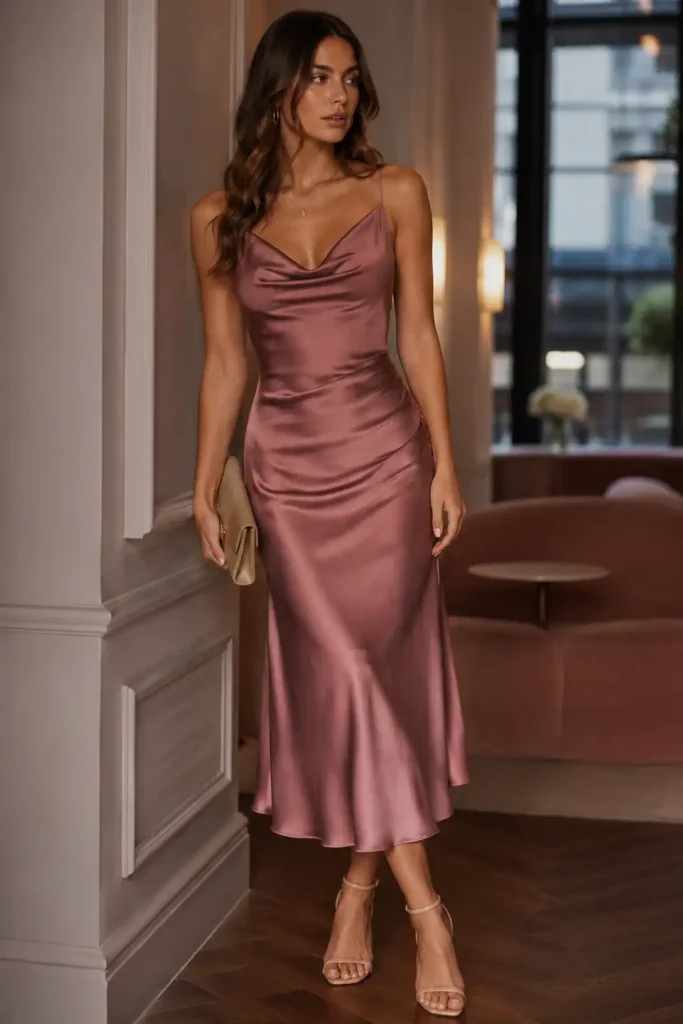
Midi Day Dresses
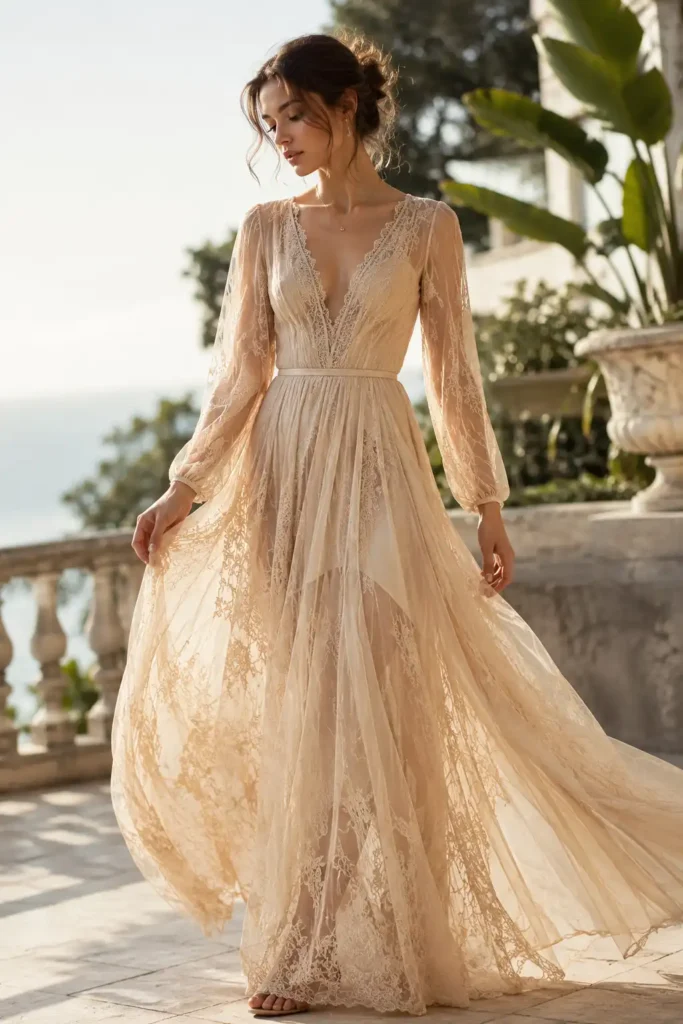
Maxi Resort Dresses

Party Occasion Dresses
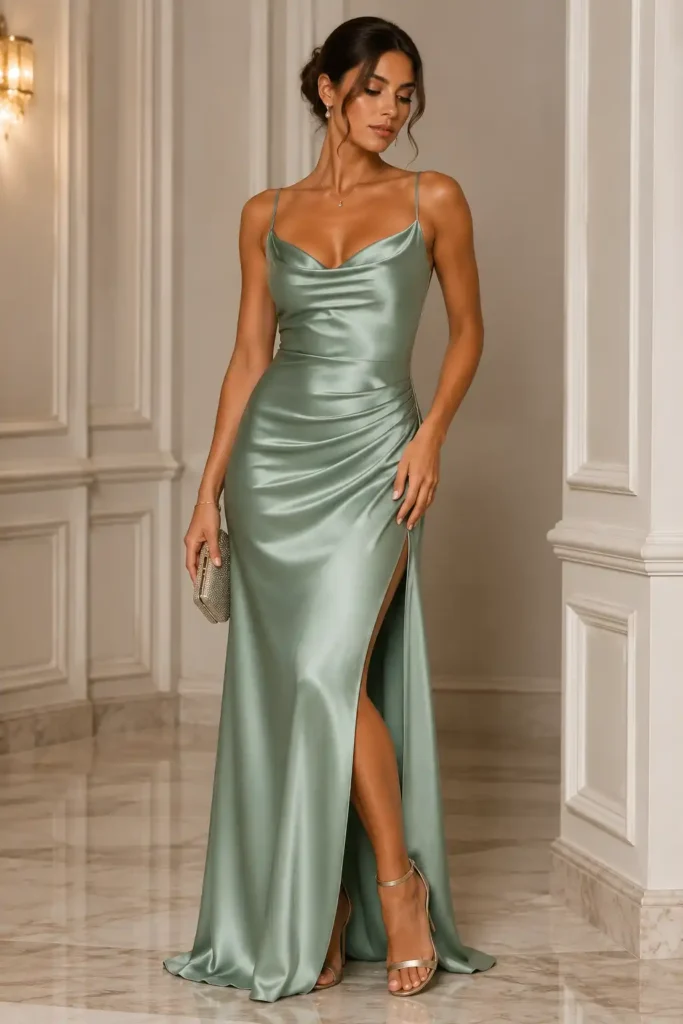
Satin Dresses

Mesh Lace Dresses
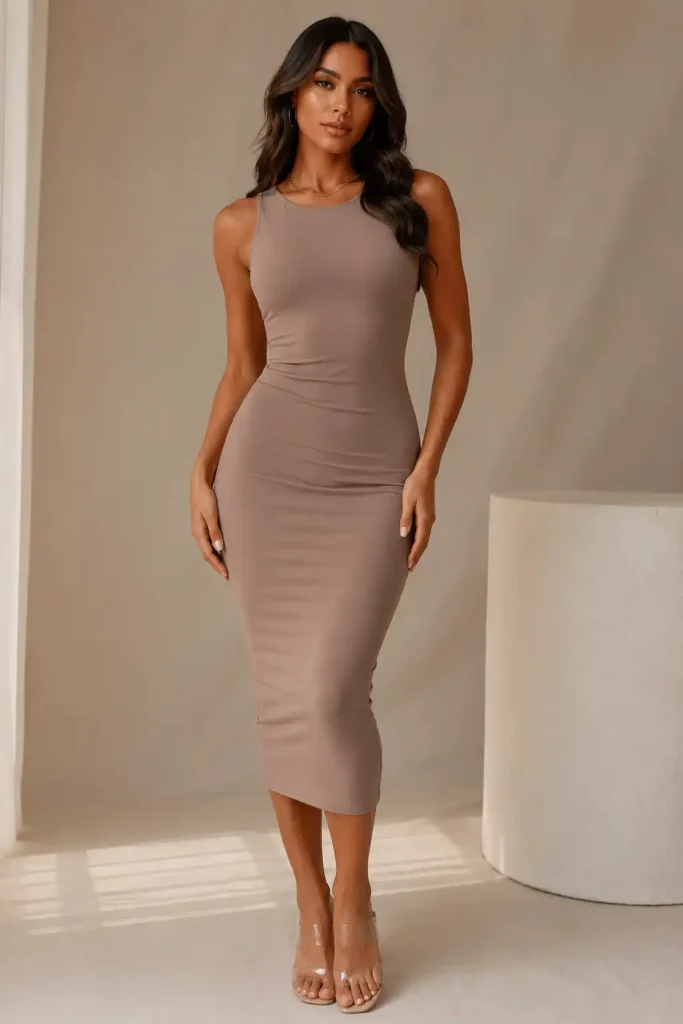
Bodycon Corset Dresses

Jumpsuits Matching Sets
Coordinate Multiple Styles Without Losing Control
Retail programs commonly contain 10-30 styles and 20,000-80,000 total pieces. Control comes from separating the range into workable development and production groups while keeping one commercial timeline.
Group the Range by Real Manufacturing Variables
A line sheet may look visually unified while hiding very different production needs. Jinfeng groups styles by shell fabric, lining, stretch behavior, pattern complexity, trim family, decoration method and finishing risk. Satin slip dresses are not managed through the same sample and sewing logic as boned corset dresses; stretch bodycon styles require different measurements and recovery checks from non-stretch woven midis. Grouping makes fabric booking, pattern allocation, sample sequencing and factory matching more accurate. It also shows which styles can share material, color standards, trims or packing components and which require separate control. A common aesthetic direction can therefore be preserved without forcing technically different styles into one process.
Set Priorities Around Launch and Commercial Importance
Not every style needs to reach approval on the same day. The sample plan should identify hero SKUs, campaign pieces, core volume styles, complicated statement pieces and styles waiting for special material. Priority is set by launch date, photo deadline, sales importance, material readiness and sample difficulty. First samples for core products can move while custom lace, printing or trims are still being developed for later styles. Approval status is tracked by style and version so revised comments do not overwrite earlier decisions. The goal is not to make every garment “fast”; it is to protect the range sequence that matters commercially.
Connect Approval Status to Factory Allocation
Bulk allocation begins only after the approved construction, material and packing standard is sufficiently clear. Styles are matched to production resources according to fabric, construction complexity, sewing stability, finishing requirements, quantity and required completion sequence. A production update should show material readiness, cutting status, sewing progress, inline findings, finishing progress, packing status and shipment preparation by style or production batch. When one style faces a material or approval delay, the team can evaluate reallocation, split shipment or revised sequence without losing visibility across the rest of the range.

From Range Brief to Production-Approved Samples
Sampling turns commercial direction into a controlled manufacturing standard. Jinfeng Apparel can begin with line sheets, tech packs, original samples, sketches or reference images, then build the information needed for PP approval.
Review Inputs Before Pattern Work Begins
The first review identifies silhouette, target fabric, lining, closures, support components, trims, decoration, size range, quantity, color plan and intended launch. Complete tech packs allow faster technical comparison, while reference-image programs require more discussion around construction, measurements and finishing. Questions are raised before pattern work where a proposed fabric cannot hold the shape, a neckline may not provide enough coverage, a trim has a separate MOQ or a target cost conflicts with the requested structure. An early feasibility review does not replace final quotation, but it prevents the sample room from developing an unworkable direction.
Use the Correct Sample for Each Decision
A first sample verifies design structure, fabric direction, pattern proportion and sewing feasibility; it is not automatically the bulk standard. Fit or revised samples resolve measurements, coverage, balance, trim placement and construction comments. Photo samples may prioritize campaign appearance, while salesman samples may follow presentation requirements. The PP sample locks the final production direction, including fabric, color, lining, trims, measurements, grade rules, workmanship, labels, packaging and QC points. Simple first samples commonly require 7-10 days, standard dresses 10-15 days, medium-complexity dresses, sets or jumpsuits 12-18 days, and corset, strapless, lace, mesh or sequin styles 15-25 days. Custom materials can extend the schedule to 20-35 days or the supplier cycle.
Translate Comments Into Controlled Revisions
Specific feedback produces faster, safer revisions. Useful comments identify the location, requested measurement, visual reference, wearing concern and whether the change may affect cost or bulk production. Jinfeng records pattern changes, measurement changes, fabric replacements, trim adjustments, sewing method changes and approval status. Revised samples commonly require 7-15 days, depending on the work involved. A change from one fabric to another may require pattern, lining, shrinkage, cost, MOQ and lead-time reassessment rather than a simple material swap. The approved revision is then transferred to the final pattern, size chart and PP standard.
Lock the Handover Before Bulk Production
The production handover connects the approved sample with final pattern files, grade rules, BOM, shell and lining references, trim cards, sewing instructions, label placement, packing instructions and measurement tolerances. PP approval should be treated as a production lock. Large changes after PP approval can affect material orders, pattern grading, cost, timing and consistency. A controlled handover makes it clear what production must reproduce and what QC must measure. It also gives future repeat orders a usable technical record rather than relying on memory or informal messages.
Control Fabric, Trims and Construction Performance
Premium fashion results depend on how fabric, support, closures, lining, decoration and construction work together. Material selection is reviewed against appearance, fit, cost, MOQ, production stability, care and packing.
Match Fabric Behavior to the Intended Silhouette
Fabric names alone do not define performance. Weight, width, stretch direction, recovery, surface, transparency, shrinkage, drape and color behavior determine whether a design can hold its intended shape. A soft satin may suit a bias slip but collapse in a corset bodice; a stiff satin may support structure but create unwanted bulk in ruching. Chiffon and lightweight woven fabrics require transparency, seam and hem planning. Jersey and ponte require recovery and twisting checks. Mesh needs stretch, coverage and lining review. Fabric decisions are therefore tied to pattern, construction, retail use and target cost rather than selected only from a photograph.
Engineer Support and Closures Around Wearing Risk
Closures and internal components affect both function and external appearance. Invisible zippers must lie flat without bubbling; metal zippers add weight and visual emphasis; hooks, snaps and buttons must align with the design and stress points. Corset and strapless dresses may require bra cups, boning, underwire, anti-slip tape or reinforced seams. Adjustable straps change fit flexibility but add hardware, attachment and QC points. Linings control opacity, comfort, structure and seam visibility. Each element is selected according to fabric, neckline, bust support, movement, target price and care instructions, then verified in sampling before bulk purchase.
Protect Decorative Surfaces Through Sewing and Finishing
Lace, sequins, rhinestones, bead chains and placement decoration need more than visual approval. Lace may require motif alignment, edge planning, seam concealment and controlled stretch. Sequins can create broken needles, rough seam allowances, missing areas and packing abrasion. Rhinestones and beadwork need adhesion or attachment checks and careful pressing. Satin surfaces can snag during cutting, sewing, pressing and packing. Production instructions should define handling, seam method, pressing limits, trimming, thread cleanup and protective packing. Final inspection then checks appearance, comfort, decoration security and consistency against the approved reference.

Protect Fit Across the Full Size Range
Fit approval should move beyond one attractive sample. Retail production needs a repeatable pattern and grade system that protects proportion, coverage, movement and measurement consistency across every ordered size.
Turn Fit Feedback Into Pattern Decisions
Fit comments are reviewed against the tech pack, size chart, reference image, original sample and intended market. Common issues include low neckline coverage, tight bust, gaping cups, misplaced waist, tight hips, excessive armhole opening, unstable straps, short hems, exposed lining, unsafe slits and uncomfortable jumpsuit crotch length. Pattern corrections may add or remove bust ease, change waist position, rebalance side seams, adjust hip ease, alter hem length, raise the back, reduce neckline depth, shorten straps, increase support or revise crotch length. The revised measurement and pattern change must be recorded so the next sample and final grade follow the same decision.
Build Grade Rules Around Product Structure
Bust, waist and hip cannot be enlarged by one universal percentage without considering the silhouette. Bodycon dresses rely on stretch and negative ease; woven corset dresses require controlled support and cup behavior; maxi dresses need length and sweep management; jumpsuits add torso and crotch balance. Grade rules should define how key points change between sizes, including bust, waist, hip, shoulder, armhole, neckline depth, strap length, dress length, slit height, hem width and inseam where relevant. Petite, tall or extended-size programs require separate evaluation rather than automatic extension of a standard block.
Measure Bulk by Risk, Not Only by Routine
Measurement inspection should focus on points that affect wearing, appearance and returns. Size bundles are kept identifiable through cutting, sewing, finishing and packing, with size labels and stickers matching the approved SKU plan. QC compares garments with the final size chart and allowed tolerance, investigates repeated deviations and checks whether sewing tension, fabric stretch, pressing or handling is changing the result. For fitted dresses, bust-waist-hip and length controls deserve greater inspection attention; for strapless and corset products, neckline security and support must also match the approved sample.
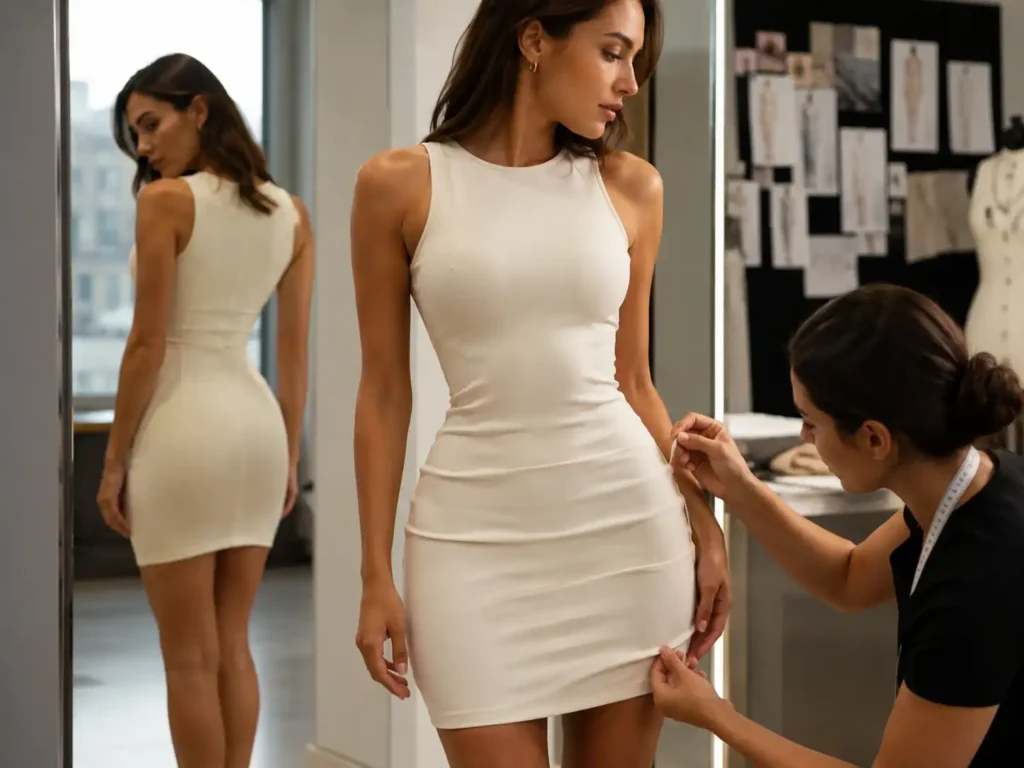
Control Target Cost Without Weakening Product Value
A workable cost plan separates features that create brand-level appearance from variables that can be adjusted. Final quotation is based on confirmed fabric, trims, construction, quantity, size-color structure, packing, testing and delivery terms.
| Cost Variable | Commercial Effect | Review Direction | Approval Needed |
| Shell fabric | Hand feel, drape, opacity, surface and perceived value | Compare weight, width, composition, stock availability and suitable alternatives | Fabric swatch, color and bulk reference |
| Lining and support | Coverage, comfort, structure and fit security | Review partial lining, full lining, cup, boning, anti-slip tape and reinforcement | Approved internal construction |
| Construction | Sewing time, pattern complexity and consistency | Simplify low-value panels or seams without removing essential fit and shape | Revised sketch or sample |
| Decoration | Visual impact and workmanship risk | Adjust placement area, density, attachment method or material choice | Approved decoration sample |
| Trims and labels | Function, durability and brand presentation | Use qualified standard components or confirm custom development MOQ | Trim card and label files |
| Color and size split | Material efficiency, handling and production planning | Consolidate colors, plan size ratios and avoid inefficient fragmentation | Quantity breakdown by style/color/size |
| Packing and testing | Retail readiness, warehouse compliance and market requirements | Define necessary labels, barcodes, packaging and test scope before final quote | Packing guide and compliance brief |
Plan MOQ by Style, Color and Material
Standard Structure
Material-Led MOQ
Efficient Quantity Planning
Repeat Order Review
Match Each Program to the Right Production Unit
Factory allocation is a product decision, not a marketing number. Jinfeng Apparel uses 6 owned women’s fashion factories and 10+ long-term satellite partners to match dress structure, material, volume, finishing and launch priority with suitable production resources.
Allocate by Fabric and Construction Complexity
Satin, mesh, lace, sequin, corset, stretch bodycon, jumpsuit and printed resort programs do not carry the same manufacturing risk. Allocation reviews pattern complexity, seam method, lining and support, decoration handling, pressing limits, finishing needs and expected output. Complex statement styles may need a more controlled route, while stable day dresses or repeat core styles may follow a different capacity plan. Allocation is confirmed after approved construction, material readiness and quantity are sufficiently clear, reducing the risk of choosing a production unit only because it appears available early in development.
Balance Core Volume and Flexible Fashion Styles
A retail range often combines core volume products with lower-volume fashion statements. Core styles need stable line planning and consistent repeatability; trend-led styles need close pattern, material and workmanship supervision. Production planning separates these demands while keeping one shipment strategy. Where appropriate, styles are grouped by shared fabric, trim or finishing needs. Where risks differ, they remain separately controlled. The objective is to protect product quality and launch timing across the range rather than force every SKU into the same production rhythm.
Maintain One Standard Across Production Resources
The approved pattern, size chart, BOM, material reference, trim card, sewing instruction, label file, packing guide and QC checklist define the order standard regardless of production allocation. Merchandising and QC updates follow material arrival, cutting, sewing, inline inspection, finishing, packing and shipment preparation. Long-term satellite resources are not presented as invisible extra capacity; the actual production arrangement, available documentation and inspection requirements should be reviewed for the program. Client or third-party inspection can be coordinated according to the order plan.

Manage Production by PO, Style, Color and SKU
Large retail orders need a data structure that follows the garment from approval to warehouse receiving. Jinfeng Apparel can align production and packing records with style, color, size, PO, barcode, carton and destination information supplied for the program.
| Control Field | Used During Development | Used During Bulk and Packing | Main Risk Prevented |
|---|---|---|---|
| Style number | Links tech pack, pattern, sample and approval status | Links cutting, sewing, QC and packing records | Wrong construction or mixed style files |
| Color code | Links lab dip, fabric and trim color approval | Controls shade batch, labels, stickers and carton separation | Shade or color identification errors |
| Size code | Links size chart and grade rule | Controls size bundles, measurement QC and packing | Mislabeled or mixed sizes |
| PO number | Links commercial order and approved quantity | Links production batch, packing list and shipment documents | Unclear order ownership or receiving mismatch |
| SKU and barcode | Links retail item data and artwork | Controls individual labels, scanning and warehouse receiving | Barcode rejection or inventory confusion |
| Carton number | Links packing ratio and quantity plan | Controls carton mark, contents and shipment reconciliation | Missing, duplicated or misrouted cartons |
| Destination | Links packing and document requirements | Controls warehouse labels, forwarder and shipment plan | Wrong receiving guide or delivery route |
Apply Quality Standards Through Bulk Production
Quality control is built around the approved product and retail delivery standard. Inspection points can incorporate the client’s quality manual, measurement tolerance, defect classification, AQL level, testing instruction and packing guide.
Inspect Materials Before Production Risk Multiplies
Fabric and trim inspection reviews identity, color, surface, width, hand feel, stretch, visible defects and suitability against the approved reference. Special attention is given to satin shade and snag risk, mesh stretch and transparency, lace motif and edge quality, sequin condition, zipper function, lining color and support components. Material problems found after cutting can affect the entire range, so discrepancies are reported before they become sewing or packing defects. Testing and certification documents are coordinated according to the confirmed market and order requirement.
Control Cutting, Sewing and Measurements Inline
Cutting checks confirm pattern version, grain or fabric direction, shade grouping, size bundles and visible defects. Inline sewing inspection focuses on high-risk points for each category: neckline stability, zipper flatness, side-seam balance, ruching distribution, boning and cup position, lace alignment, sequin handling, lining coverage, slit height and jumpsuit crotch construction. Measurement checks compare garments with the final size chart and tolerance. Repeated deviations are traced to pattern, cutting, sewing, pressing or fabric behavior so corrective action can occur before the full quantity is completed.
Review Finished Appearance and Retail Function
Final garment inspection covers workmanship, measurements, stains, thread cleanup, pressing, symmetry, decoration, closures, comfort-related details and appearance against the approved sample. Product-specific checks are emphasized rather than using one generic checklist. White graduation dresses require opacity and cleanliness control; satin requires surface and pressing checks; bodycon products require recovery and twisting review; corset products require support and neckline security; long dresses require hem balance and packing care. Findings are recorded and corrected according to the agreed inspection standard.
Complete Packing and AQL Verification
Packing QC verifies woven labels, size labels, care labels, hangtags, barcodes, SKU stickers, size-color stickers, folding, polybags, carton marks, carton quantity and packing-list consistency. Jinfeng can support internal final inspection, AQL sampling, client inspection and third-party pre-shipment inspection according to the project. Inspection scope, timing and acceptance criteria should be agreed before the shipment window. A passed garment inspection does not replace packing verification, because warehouse receiving errors can create commercial loss even when the sewing quality is acceptable.
Support Vendor Qualification and Design Protection
Vendor Qualification
Audit Coordination
NDA Protection

Prepare Dresses for Retail and Warehouse Receiving
A finished garment becomes a sellable SKU only after labels, barcode data, folding, individual packing, carton information and shipment records match the approved retail instructions. Packaging is treated as a controlled production stage.
- Build the Individual Garment Packing Standard
Individual packing can include woven labels, size labels, care labels, hangtags, hang strings, barcode stickers, SKU labels, size stickers, color stickers, polybags, tissue or other approved components. Placement, artwork, material, color and attachment method are confirmed before bulk packing. Folding must protect the product surface and retail presentation: satin and sequins may need abrasion control, long dresses need hem management, structured bodices need shape protection, and white products need clean handling. The garment, label and barcode combination is checked against the style-color-size record. - Align Cartons With PO and Warehouse Rules
Carton marks, carton numbers, quantity breakdowns, mixed-size ratios, gross and net weight, dimensions and destination labels must match the packing list and receiving guide. Some programs require single-SKU cartons; others use approved size ratios or store allocations. The packing method should be defined before production completion because carton quantity and label requirements affect materials, labor and shipment documents. Warehouse labels and shipping marks supplied late can create rework, so final files should be approved before the packing schedule is locked. - Reconcile Documents Before Goods Leave the Factory
The final shipment set can include commercial invoice, packing list, carton marks, style-color-size breakdown, gross and net weight, carton dimensions and forwarder information. Jinfeng can coordinate express courier for samples, air freight, sea freight, FOB, EXW, CIF, DAP, selected DDP solutions and client-appointed forwarders according to the destination and available logistics plan. Documents, carton counts and pickup timing are reconciled before dispatch so the physical shipment matches the commercial and warehouse records.
Support Reorders and Seasonal Retail Programs
Repeat Order Records
Bestseller Replenishment
Seasonal Extension
See How Dress Orders Move Through Production

Style Review
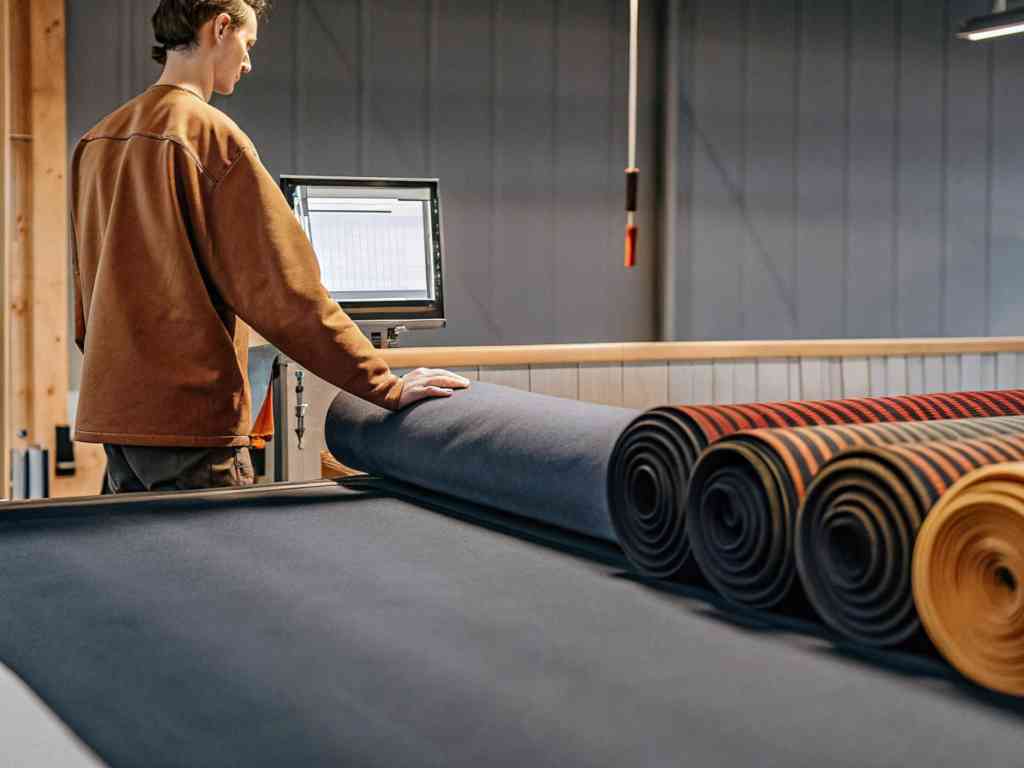
Fabric Checking

Pattern Development

Sample Fitting

Inline Inspection
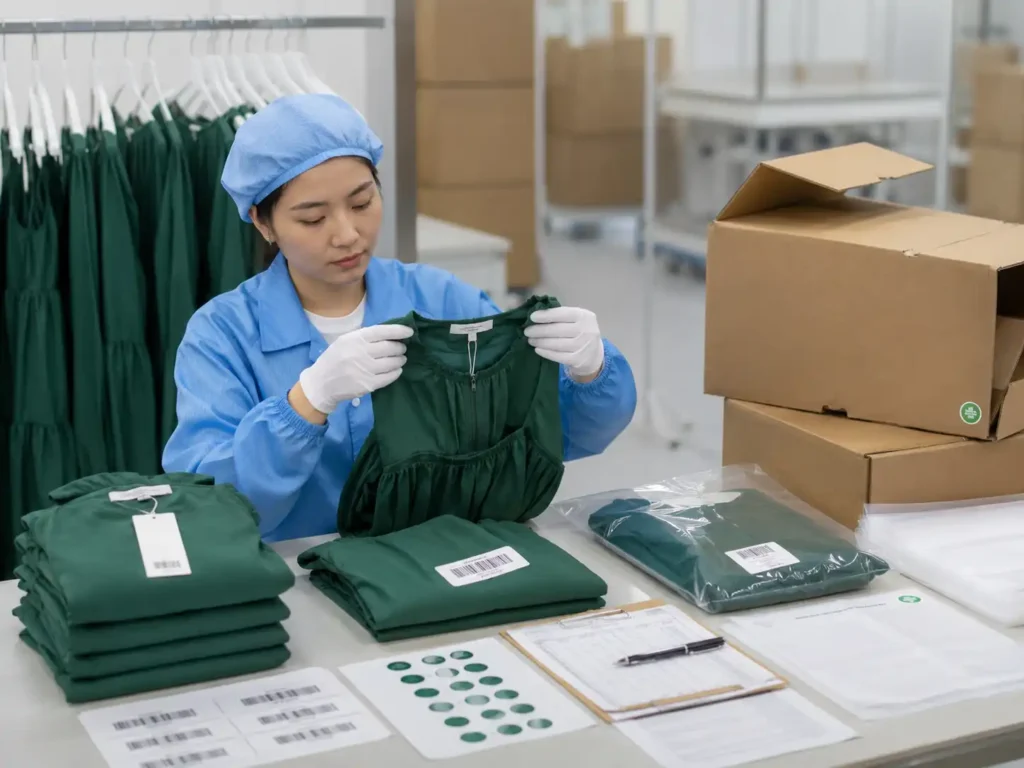
Packing Verification
Retail Fashion Buying Team Dress Manufacturing Case Studies
Retail buying teams require a manufacturing partner that can connect product development, target costing, sampling, bulk production, quality control, SKU accuracy and delivery planning. Jinfeng Apparel supports seasonal collections, private-label programs and repeat retail orders through structured production systems.
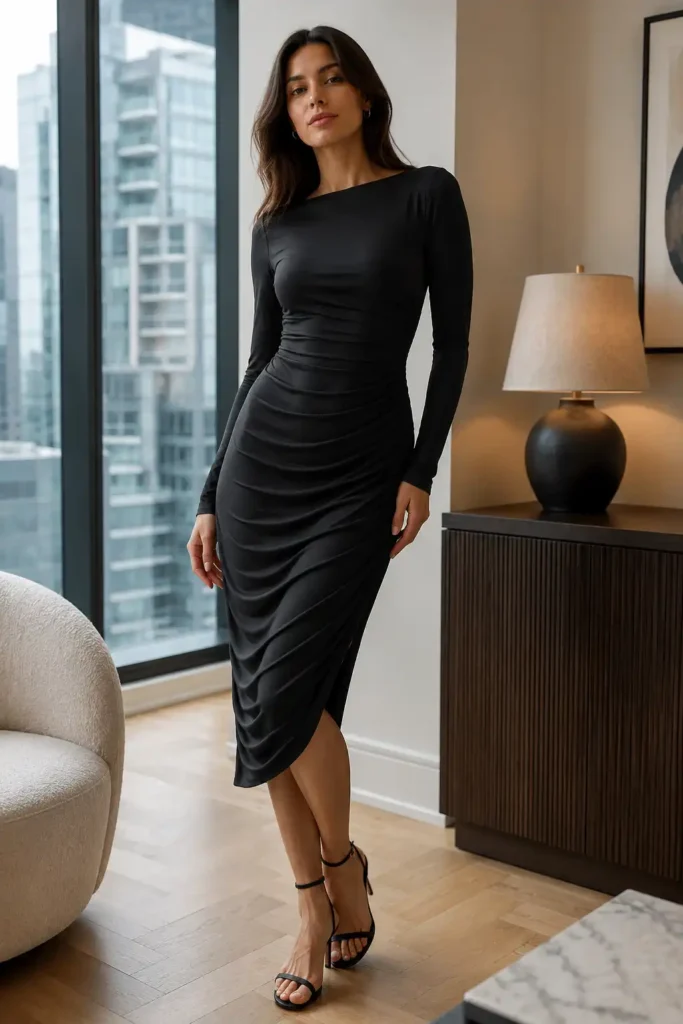
Case Study 1: US Retail Fashion Team Developing a Seasonal Dress Collection
Client Background
A US retail fashion team planned a seasonal womenswear collection focused on occasion, going-out and contemporary dress categories.
The internal team included:
- Buying managers
- Merchandisers
- Product developers
- Sourcing managers
- Quality specialists
The collection included:
- Party dresses
- Satin slip dresses
- Bodycon styles
- Corset dresses
- Resort maxi dresses
Program scope:
- 24 styles
- 58,000 pieces
- Multiple colors
- XS-XL size range
- Private-label packaging requirements
Development Challenge
The retail team needed to balance commercial appeal with production feasibility.
Main challenges:
Multiple Product Categories
Different styles required different manufacturing controls:
Satin dresses
Required:
- Surface protection
- Pressing control
- Shade consistency
Bodycon dresses
Required:
- Stretch recovery
- Size stability
- Seam control
Corset dresses
Required:
- Cup positioning
- Boning structure
- Support balance
Result
The retail team achieved:
- 24 styles developed
- 58,000 pieces delivered
- Multiple SKUs controlled
- Retail packing completed accurately
The approved patterns, BOM records and QC standards supported later seasonal extensions.

Case Study 2: Ecommerce Fashion Brand Improving Product Development Speed
Client Background
A growing ecommerce fashion brand needed a manufacturing partner to improve speed from product idea to online launch.
The brand developed:
- Weekly trend collections
- Social-media-driven styles
- Limited seasonal drops
Product categories included:
- Mini dresses
- Mesh dresses
- Ruched bodycon dresses
- Matching sets
Development Challenge
The brand received market trends quickly but lacked internal manufacturing resources.
Main difficulties:
- Turning images into production styles
- Selecting suitable fabrics
- Controlling target costs
- Reducing sample revisions
- Preparing ecommerce-ready packing
Jinfeng Solution
Jinfeng supported the complete product development cycle.
Concept Review
Reviewed:
- Reference images
- Silhouette
- Fabric direction
- Construction feasibility
Sample Development
Controlled:
- First samples
- Fit corrections
- Revised samples
- Photo samples
Commercial Optimization
Adjusted:
- Fabric alternatives
- Construction methods
- Trim selection
- Packaging solutions
while maintaining the intended retail appearance.
Result
The brand improved:
- Product launch efficiency
- Sample approval speed
- Cost visibility
- Repeat-order stability
Successful styles could move into replenishment programs using retained production records.
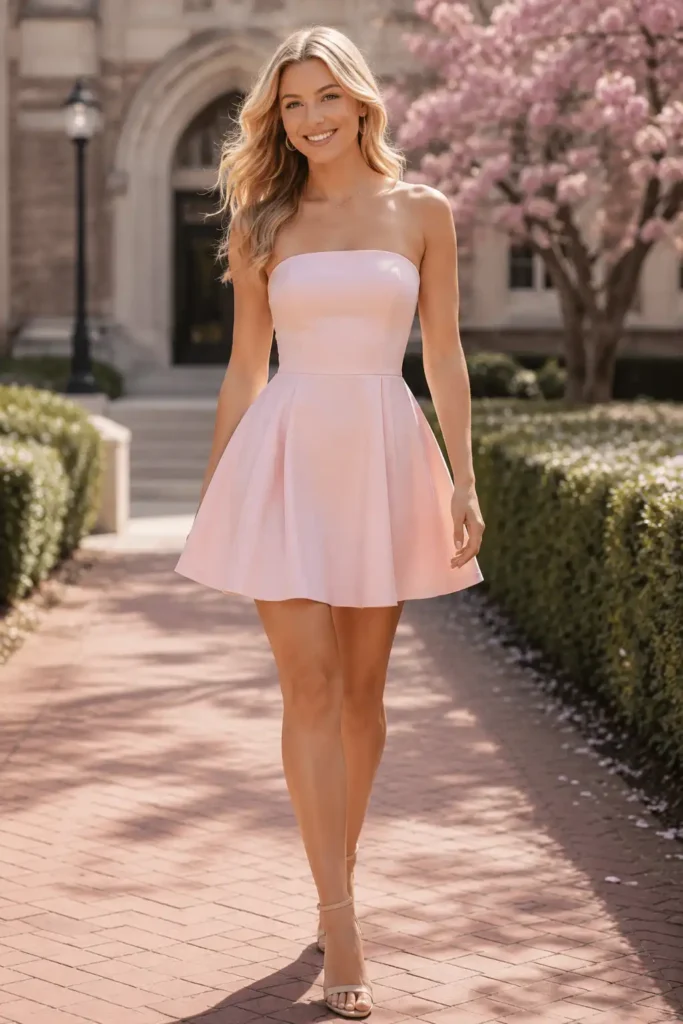
Case Study 3: Retail Brand Building a Repeat Order and Seasonal Expansion System
Client Background
A mature retail fashion brand wanted to improve repeat-order consistency and seasonal collection expansion.
The previous challenge was that every new season required rebuilding:
- Patterns
- Measurements
- Fabric information
- Packing standards
- QC requirements
Development Challenge
The brand experienced:
- Different suppliers producing different results
- Repeat colors changing between seasons
- Packaging inconsistencies
- Slow replenishment decisions
Jinfeng Solution
Jinfeng established a repeat-production system.
Product Records
Maintained:
- Final patterns
- Size charts
- BOM files
- Fabric references
- Trim details
- Sewing instructions
Repeat Order Management
Reviewed:
- Current fabric availability
- Color consistency
- Production capacity
- Delivery timing
Seasonal Expansion
Supported:
- New colors
- New fabrics
- Related silhouettes
- Collection extensions
Result
The retail team achieved:
- Faster replenishment planning
- More consistent repeat quality
- Reduced product-development time
- Stronger seasonal collection continuity
The cooperation developed from individual orders into an ongoing manufacturing partnership.
Frequently Asked Questions for Retail Dress Programs
Jinfeng Apparel works with fashion buying, merchandising, product development, sourcing, quality and vendor-management functions responsible for custom women’s dresses and related fashion categories. Programs can include seasonal collections, multi-style private-label ranges, repeat orders and retail-ready delivery. The strongest fit is a team with clear product direction, paid sampling requirements and a bulk plan.
Yes. Multi-style programs are grouped by fabric, pattern complexity, trim family, launch priority and approval status. Hero styles, core-volume styles and material-dependent statement styles can follow different sample sequences while remaining under one project calendar. Final production allocation and capacity are confirmed after PP approval, material readiness and quantity planning.
Standard MOQ starts from 200 pieces per style and color. MOQ is not calculated by combining unrelated styles. One style in two colors normally requires 200 pieces per color. Custom dyeing, printing, certified fabrics, special lace, sequin fabrics, custom trims, complex structures or custom packaging may create higher supplier minimums.
Yes. Jinfeng can begin with a line sheet, tech pack, original sample, sketch or reference image. A line sheet should be supported by quantity, fabric direction, color plan, size range, label and packing requirements, target date and available cost direction. More complete information improves the accuracy of feasibility review, sample planning and quotation.
Internal reference cycles are 7-10 days for simple first samples, 10-15 days for standard dresses, 12-18 days for medium-complexity dresses, sets or jumpsuits, and 15-25 days for corset, strapless, lace, mesh or sequin styles. Custom fabrics or special trims may require 20-35 days or the supplier cycle. Revised and PP samples commonly require 7-15 days, depending on changes and material readiness.
Cost review separates shell fabric, lining, support, trims, construction, decoration, size-color structure, packing, testing and delivery terms. Jinfeng can evaluate fabric alternatives, structural optimization, trim changes, cutting efficiency, color consolidation, size-ratio planning and shipment options. Final pricing is confirmed only after the product and commercial basis are sufficiently clear.
Yes. A quality manual, measurement tolerance, defect classification, AQL level, testing instruction and packing guide can be reviewed before bulk production. Inspection may cover materials, cutting, inline sewing, measurements, final appearance, labels, barcodes, polybags and cartons. Client or third-party pre-shipment inspection can be coordinated according to the project.
Yes. Private-label support can include woven labels, size labels, care labels, hangtags, barcode stickers, SKU labels, size and color stickers, polybags, carton marks and warehouse labels. Final artwork, placement, data, packing ratio and carton instructions should be approved before packing starts to reduce receiving errors and rework.
Jinfeng can support client factory audits, third-party inspections and project-specific documentation review according to the actual production unit and available records. NDA-based cooperation protects tech packs, patterns, samples, unpublished designs, labels, packaging files, pricing and order information. Brand identity and real project data are not disclosed without authorization.
Repeat orders use retained patterns, size charts, BOM information, fabric records, trims, sewing notes, packing requirements, QC records and approved references. Current fabric batch, color, trim availability, capacity and shipment timing are rechecked for every repeat. New colors, changed fabrics or revised structures are evaluated as new variables rather than assumed to match automatically.

Send Your Retail Dress Program for Review
Share the information your team already has, even if every style is not fully developed. Jinfeng Apparel will use the files to review product scope, fabric direction, pattern and sample complexity, MOQ fit, quantity structure, private-label requirements, QC expectations and timing risks.
A line sheet or image set can support an initial range review; a final quotation requires clearer fabric, trims, construction, quantity, size-color breakdown, packing and delivery terms. Kelly coordinates the first response and routes technical questions to the relevant development, merchandising, production or quality function.
Protected files can be handled under an NDA-based process.
For faster review, organize quantities by style and color rather than providing only one total figure.
- Line sheet, tech packs, sketches, original sample notes or reference images
- Number of styles and priority SKUs for campaign, launch or replenishment
- Quantity per style, color and size range; standard MOQ starts from 200 pieces per style/color
- Fabric, lining, trim, construction and decoration direction
- Target cost direction, when available, and required retail positioning
- Quality manual, measurement tolerance, AQL or testing requirements
- Woven labels, care labels, hangtags, barcodes, SKU and warehouse packing instructions
- Campaign date, required warehouse date, destination and preferred shipment method