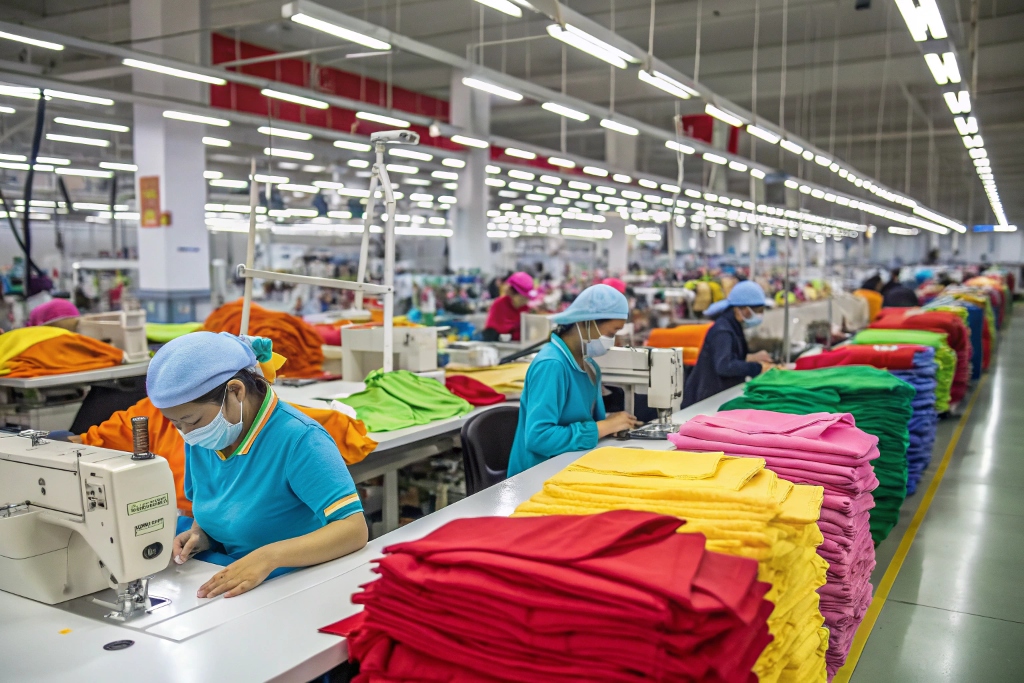
Dress Manufacturer for Regional Leading Womenswear Brands
Collection-level dress development, controlled bulk production, and repeat-order continuity for established womenswear brands serving defined regional markets.
- Structured for seasonal programs commonly spanning 10-30 styles and 20,000-80,000 total pieces, subject to fabric, construction and delivery planning.
- 6 owned women’s fashion factories, more than 10 long-term production partners and 100,000+ pieces of regular monthly capacity support multi-style allocation.
- 2 sample rooms, 7+ senior pattern makers, 20+ sample machinists and 15+ QC inspectors connect product development with production control.
- MOQ starts from 200 pieces per style/color, with project planning based on fabric availability, color count, trims, size range and packing requirements.
Manufacturing Resources for Established Regional Womenswear Programs
Since 2008
Six Owned Factories
Partner Capacity Network
100,000+ Monthly Capacity
Dedicated Sample Resources
Fifteen-Plus QC Inspectors
Womenswear Brands Best Suited to Our Production Model
Regional Occasionwear Labels
Premium Ecommerce Brands
Boutique and Retail Chains
Multi-Brand Fashion Groups
What Regional Market Leaders Need From Manufacturing
Fit Continuity
Multi-Style Development
Seasonal Timing
Bulk Consistency
Retail-Ready Delivery
Repeat-Order Continuity
When a Dress Supply Chain Stops Supporting Growth
Sample Fit Drift
Bulk Quality Variation
Uncontrolled Substitution
Collection Confusion
Launch Date Slippage
Repeat Order Drift
Confirming the Right Manufacturing Partnership Before Sampling
Strong Program Fit
Operating Boundaries
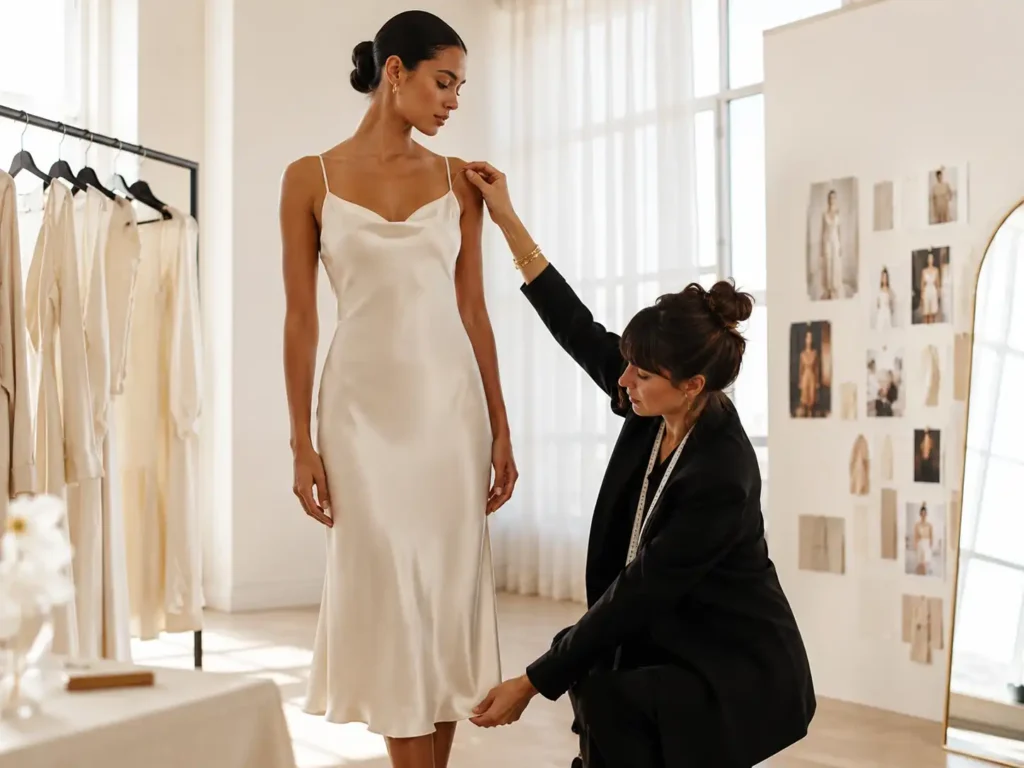
Dress Categories Built for Regional Collection Growth

Party and Going-Out

Occasion and Cocktail
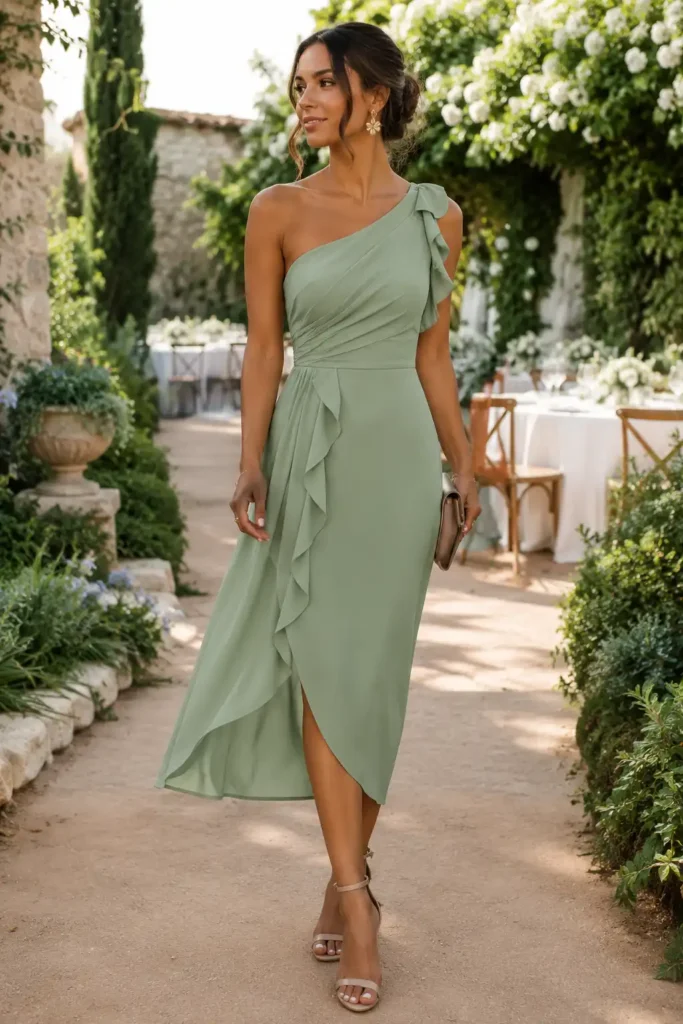
Wedding Guest

Graduation and Homecoming

Resort and Vacation
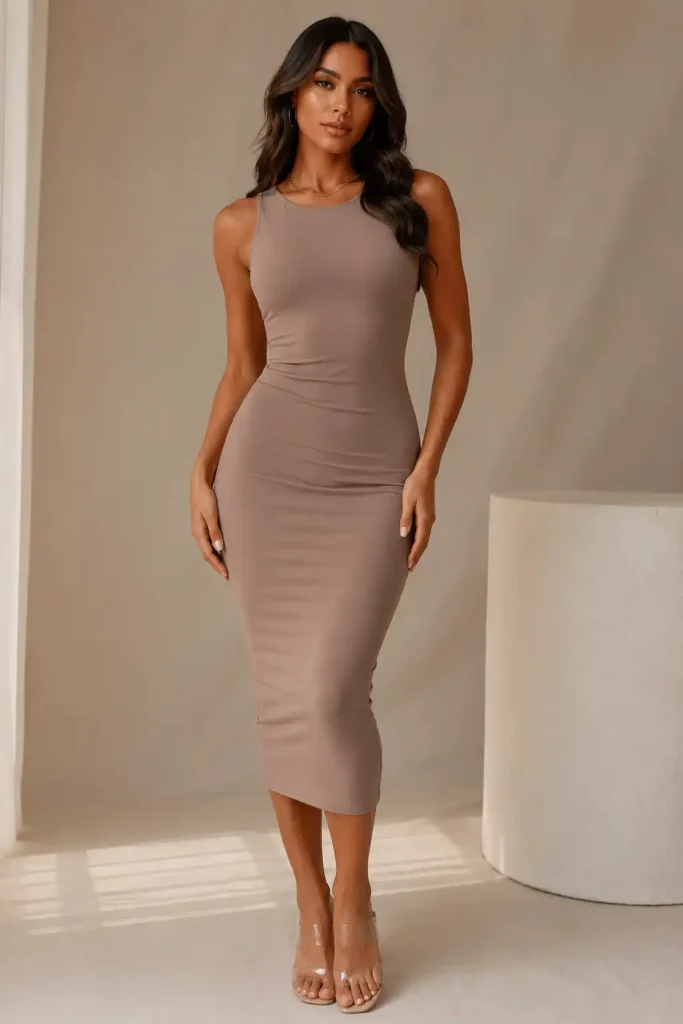
Bodycon and Club

Evening and Formal

Core Mini Midi Maxi
Adapting Dress Collections to Regional Market Expectations
Regional success depends on a product standard developed for a defined audience, climate, selling channel and launch season. Jinfeng Apparel uses brand files, approved garments and market direction as manufacturing references, then translates those references into measurable fit, material and construction decisions.
Size and Fit Direction
Regional brands usually arrive with an existing size chart, historical fit comments or best-selling garments. Those references are treated as a product asset rather than optional background. Development review covers bust, waist, hip, dress length, strap length, armhole, neckline depth and slit height; jumpsuit extensions also require crotch and inseam review. Measurement points are linked to pattern pieces, sample comments and final QC instructions. A fixed universal tolerance is not imposed because brand standards, fabric stretch and garment construction vary. Woven satin, stretch jersey and structured corset styles cannot use the same measurement logic. For stretch garments, recovery and wearing tension matter alongside flat measurements. For tailored or lined styles, seam allowance, internal support and lining behavior influence the final fit. When a brand supplies a proven garment, Jinfeng can compare its balance, proportion and construction with the new design before creating the first pattern. The result is a controlled starting point that respects existing consumer expectations while allowing new silhouettes to develop.
Length and Coverage Standards
Mini, midi and maxi labels are not sufficient production instructions. Regional collections often need precise rules for front length, back length, slit position, neckline depth, back coverage, armhole exposure and lining length. A graduation mini dress, a club mini and a wedding guest mini may have very different coverage expectations despite sharing the same commercial length category. Jinfeng translates visual direction into measurable reference points, then checks the sample on a mannequin, through internal fitting or against brand feedback. Strap length, cup position, underarm coverage and hem balance are especially important for satin, mesh, corset and backless styles. Coverage decisions also affect lining shape, cup placement, anti-slip details, zipper length and comfort. When one collection serves several regional channels, separate length or coverage variants can be reviewed as distinct SKUs rather than hidden production changes. Early confirmation prevents last-minute corrections after photo samples or PP samples are already approved.
Fabric Weight and Climate
Fabric selection influences seasonal suitability, shipping appearance, perceived value and repeat-order stability. Lightweight chiffon, rayon and viscose can support warm-weather or resort programs, but transparency, lining and wrinkle control must be addressed. Jersey at roughly 140-240 gsm can suit soft bodycon and casual dresses, while ponte at roughly 250-420 gsm provides firmer structure for bodycon, office and structured knit dresses. Mesh commonly ranges around 40-120 gsm and lace around 60-250 gsm, with wide variation in hand feel, stretch and density. Weight alone never determines suitability; drape, recovery, width, shrinkage, color performance and supplier stability also matter. Jinfeng reviews whether a fabric supports the desired silhouette and selling season, then identifies risks such as overheating, excessive transparency, crease retention, poor recovery or inconsistent dye lots. Material approval therefore connects commercial use with sample behavior and bulk QC rather than choosing fabric only from a swatch.
Color and Merchandising Logic
Regional leaders often build collections around core colors, seasonal colors, event colors and limited visual statements. A disciplined color plan can improve fabric purchasing, size-ratio planning, production allocation and repeat-order continuity. Satin requires attention to shade and shine direction; white and ivory require transparency and stain control; deep brown, black and rich jewel tones require dye-lot review; floral prints require print direction, color fastness and placement awareness. Jinfeng records approved swatches, fabric batches, lining matches and color references so multiple styles can share a coordinated color story without introducing uncontrolled material variation. Color count also affects MOQ, costing and production efficiency. Consolidating selected colors across compatible styles may improve purchasing and simplify the program, while special custom colors or printed fabrics may need independent supplier minimums and longer preparation. Merchandising decisions remain with the brand, while manufacturing guidance shows how color choices influence feasibility and delivery.
Protecting Brand Fit Across New Styles and Seasons
Recognizable fit is part of a brand identity. Pattern development must preserve the proportion and wearing experience associated with successful products while adapting to new fabrics, silhouettes, trims and internal structures. Jinfeng Apparel connects pattern work, sample review and bulk measurement control through one recorded process.
Building a Brand Fit Library
A mature label often owns valuable fit information across best-selling mini, midi, maxi, bodycon, slip, corset and occasion dresses. Jinfeng can organize approved patterns, size charts, grading logic, measurement points and sample comments into a working fit reference for future styles. The purpose is not to force every garment into one block. Instead, the library identifies recurring brand rules such as bust shape, waist position, hip ease, preferred neckline depth, standard strap placement and commercial length. New patterns can then begin from the closest relevant reference and document intentional changes. Seven or more senior pattern makers and two sample rooms support the transition from reference analysis to first sample, revised sample and PP confirmation. Version control is essential: only the final approved pattern, measurement file and construction direction should enter bulk production.
Mapping Critical Measurements
Measurement control begins by defining the points that truly affect appearance and wear. Bust, upper bust, underbust, waist, high waist, low waist, hip, front length, back length, strap length, armhole, neckline depth, slit height and hem width may all matter on dresses. Jumpsuit or romper extensions add crotch and inseam requirements. Jinfeng compares sample measurements with the brand size chart, original garment, fit comments and reference images. Out-of-tolerance results are not treated as isolated numbers; the pattern maker checks how seam shape, fabric stretch, cup placement, lining, zipper and internal support influence the discrepancy. Each approved change is recorded in the pattern and revision notes so later sizes and production checks use the same logic.
Controlling Structured and Stretch Fit
Structured corset dresses and stretch bodycon dresses can look equally fitted while requiring completely different engineering. Corset styles may depend on cup shape, boning length, lining, hook-and-eye placement, zipper behavior, waist shaping and anti-slip support. Bodycon styles depend on fabric stretch direction, recovery, seam tension, bust/waist/hip ratios and grade behavior. Satin can add zipper buckling and crease risk; mesh can add transparency and edge deformation; lace can restrict placement and seam options. Jinfeng reviews structure and fabric together before finalizing the pattern. Sample feedback may lead to bust release, waist adjustment, hip ease, strap shortening, neckline raising, armhole correction, slit reduction or added internal support. The approved result becomes a production standard rather than a visual suggestion.
Grading and Bulk Measurement
A well-fitted base size can still fail when grading is uneven. Regional brands often require a predictable relationship between adjacent sizes, particularly through bust, waist, hip, length and strap measurements. Jinfeng reviews the grade rule before bulk cutting and links it to the final size chart. Fabric relaxation, cutting control and in-line measurement help prevent size drift during production, especially for stretch garments. PP and Golden Samples provide physical references, while measurement records identify repeated deviations early enough for correction. Bulk QC examines both numeric measurements and garment balance because a piece can fall within one tolerance yet still twist, pull or sit unevenly. Final measurement decisions follow the agreed brand standard and product construction rather than a generic rule applied across every dress category.
Fabric and Trim Control for Commercial Dress Collections
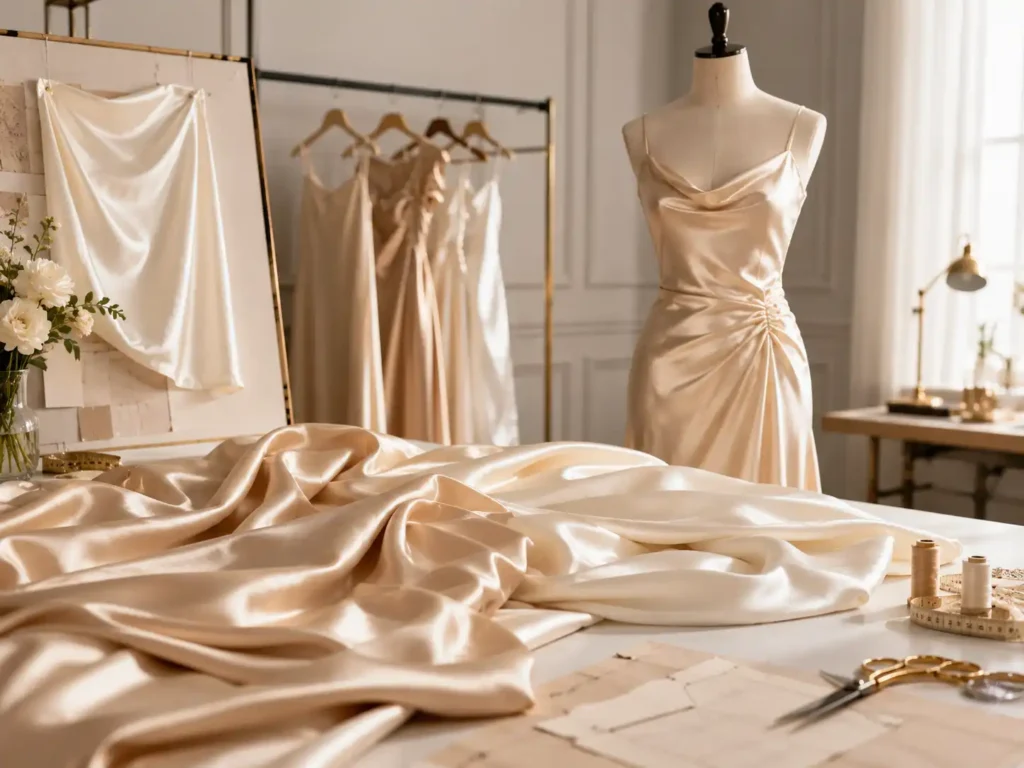
Satin Direction
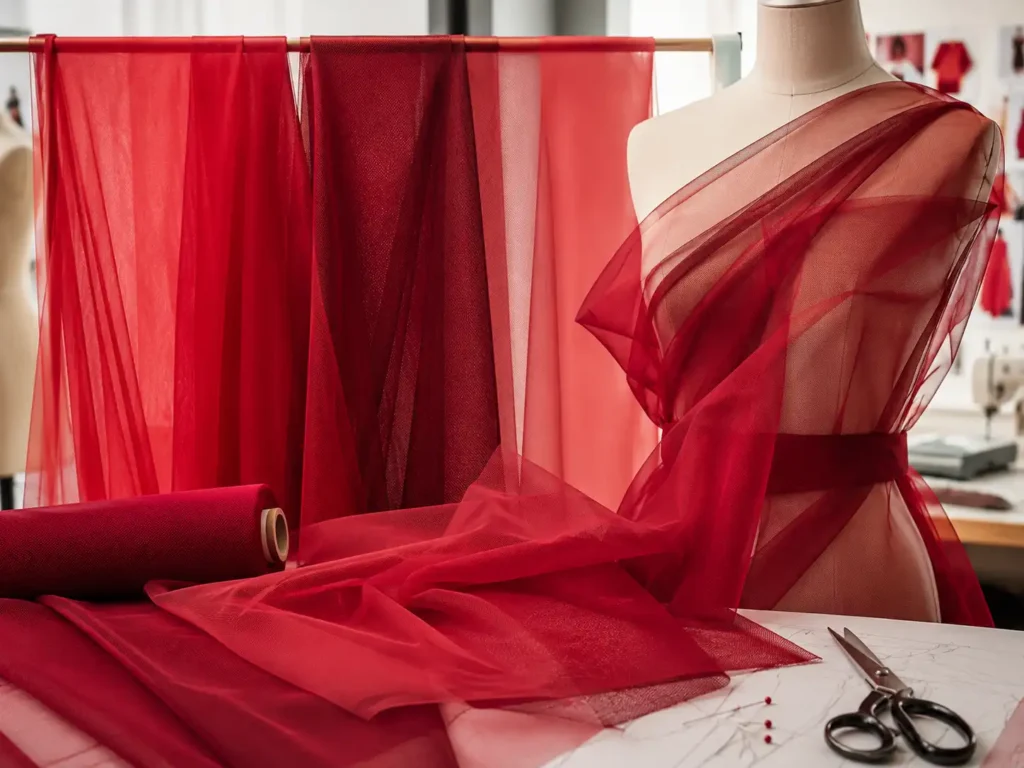
Mesh Transparency
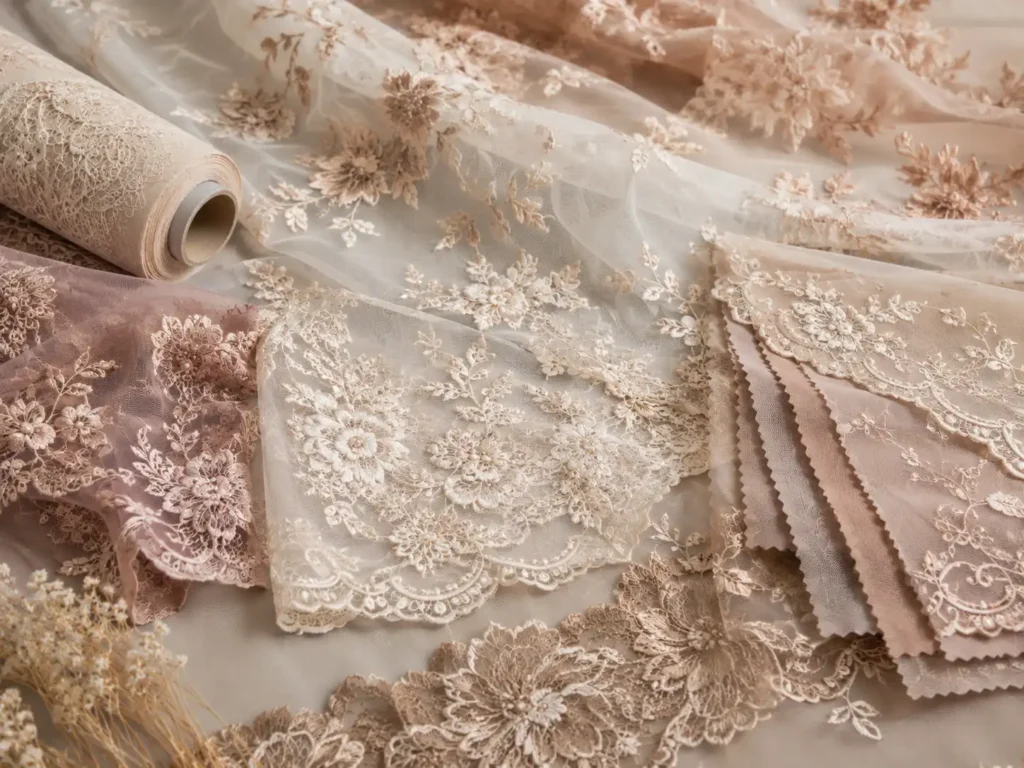
Lace Placement

Sequin Protection
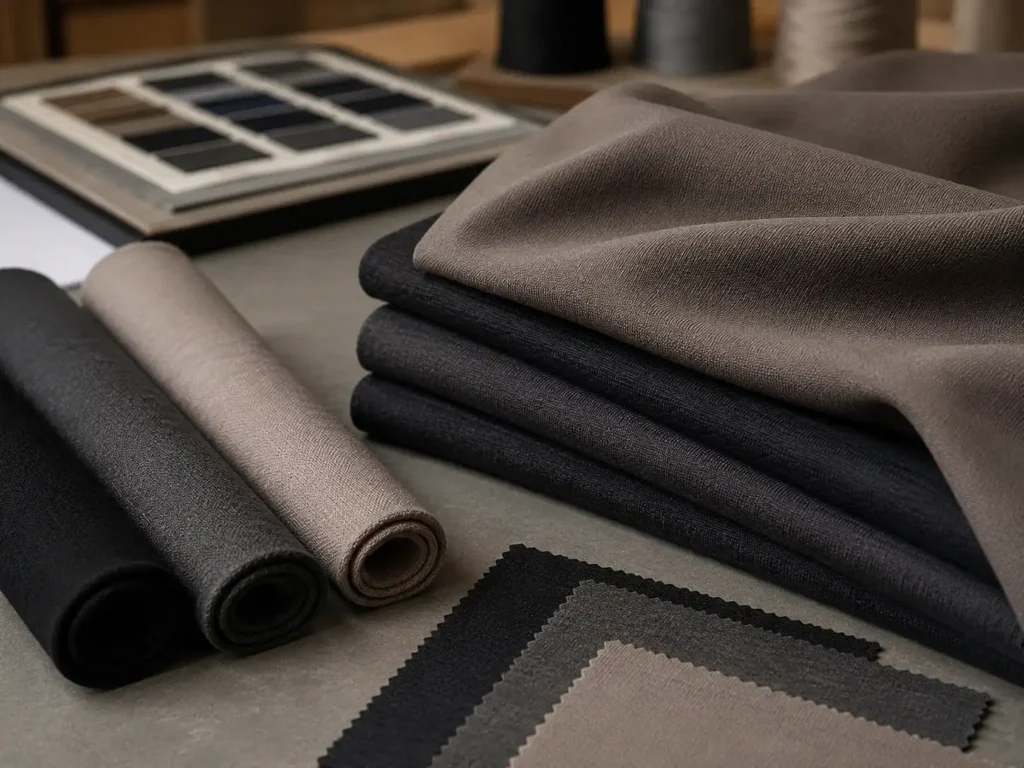
Jersey and Ponte

Chiffon and Crepe
Managing Multi-Style Collections as One Production Program
A line sheet containing ten, twenty or thirty styles cannot be managed as thirty unrelated conversations. Collection control begins by grouping shared materials, identifying critical launch pieces, sequencing samples and connecting every approval to a realistic bulk and packing plan.
Collection Architecture and Risk Tiers
The first review separates core commercial styles, image-led launch styles, complex development styles and likely repeat styles. A simple jersey mini does not need the same development path as a boned satin corset dress or a layered sequin evening dress. Risk tiers help allocate pattern resources, sample time and production teams. The line sheet is also reviewed for shared silhouettes, fabrics, linings, trims and color families. Grouping compatible materials can improve purchasing and color coordination, while incompatible structures remain separate to avoid false efficiency. A collection map should show style number, product type, fabric direction, construction level, target quantity, color count, size range, sample priority and launch role.
Sample Priority and Approval Flow
Photo-shoot pieces, hero styles and long-lead material styles usually need earlier sample priority. Jinfeng can coordinate first samples, fit samples, revised samples, photo-ready samples and PP samples in a sequence that reflects the launch calendar. Sample comments are recorded by style and version rather than mixed in one message stream.
When several styles share one base fit or material, lessons from the first approved sample can inform related styles without bypassing their own review. Priority control reduces sample-room congestion and gives brand teams clearer decision deadlines.
Material and Production Grouping
Bulk efficiency improves when material bookings, cutting requirements and production allocation are planned by compatible groups. Satin, mesh, lace, jersey, ponte, chiffon and sequin styles each require different handling and QC. Jinfeng assigns factories or teams according to product structure and process fit, then aligns material arrival, PP approval and line availability. Multi-style programs also need careful size-ratio and color planning. A total quantity can appear large while individual style/color combinations remain too fragmented for stable material purchasing or production. Planning therefore uses style-level and color-level data, not only the headline order volume.
Launch Gates and Reporting
A controlled program uses clear gates: source-file confirmation, material direction, costing, sample approval, PP approval, production booking, in-line QC, final inspection, packing confirmation and shipment release. Each gate should identify the responsible team, expected file or sample, approval status and next action. Jinfeng provides progress updates around fabric, samples, revisions, bulk production, QC, packing and shipment coordination. When a risk appears, the impact on cost, quality or timing is discussed before the program advances rather than hidden until the final delivery window.
Turning Brand References Into Approved Production Standards

Input and Feasibility Review

Fabric and Pattern Direction

First Sample Development

Fit and Revision Control

Photo and PP Approval

Golden Sample Handover
Capacity Planning Across Styles, Fabrics and Delivery Windows
Headline capacity does not show whether a factory is suitable for a specific collection. Jinfeng Apparel confirms usable capacity after reviewing style complexity, material readiness, production grouping, QC workload, packing needs and the required shipping sequence. The allocation logic below keeps volume decisions connected to execution risk.
| Planning Factor | Allocation Decision | Control Evidence |
|---|---|---|
| Style count and total quantity | Separate the collection by product family, complexity and expected volume rather than dividing total pieces evenly. | Line sheet, quantity matrix, style/color/size breakdown |
| Fabric and construction | Assign jersey, woven, satin, mesh, lace, sequin and structured styles to teams with relevant handling experience. | Fabric cards, sample approvals, process notes |
| Material readiness | Confirm stock fabric, custom colors, special trims and branded packing lead times before locking production windows. | Material schedule, approvals, supplier status |
| PP approval status | Only styles with approved PP standards and complete production files move into final bulk scheduling. | PP sample, final pattern, size chart, sewing instruction |
| QC and finishing load | Reserve time for measurement, surface inspection, pressing, embellishment checks, packing review and third-party inspection when required. | QC plan, inspection points, packing checklist |
| Launch and shipment priority | Prioritize hero styles, selling-window products, core colors or first warehouse deliveries through a controlled shipping sequence. | Launch calendar, freight plan, carton/SKU split |
Controlling Sample-to-Bulk Consistency Across Every Style
Bulk quality begins before sewing. Jinfeng Apparel links approved materials, patterns, measurements, construction and packing standards to inspections at each production stage. The goal is to find deviations while correction remains possible, not after cartons are ready for shipment.
Material and Cutting Control
Incoming fabric is reviewed for color, hand feel, weight, width, shade variation, stains, holes, snagging, transparency, stretch and shrinkage risk according to material type. Satin receives particular attention for shade and surface damage; mesh for holes and recovery; lace for motif and breakage; chiffon for transparency and slipping. Trims such as zippers, cups, boning, labels and packing materials are checked against approvals. Stretch fabrics may require relaxation before cutting. Cutting control covers final pattern version, grain or shine direction, stretch direction, print direction, motif placement, size bundling, panel quantity and visible defects. A cutting error multiplies across every later stage, so fabric and panel checks act as the first production gate.
First Piece and In-Line Control
The first completed units are compared with the PP and Golden Sample before full-line output continues. Inspectors check construction order, seam shape, zipper behavior, lining attachment, cup and boning position, ruching balance, lace placement, mesh edges, sequin handling and pressing method. In-line checks look for repeated problems while operators can still adjust the process. Satin zipper buckling, lining exposure, twisted side seams, uneven hems and unstable straps are examples of issues that should be corrected during sewing rather than accepted for final repair. Inspection records can connect with a brand’s defect classification and quality manual when supplied.
Measurement and Fit Control
Bulk measurement uses the approved size chart, grade rule and tolerance standard. Key points include bust, waist, hip, front and back length, strap, armhole, neckline, slit and hem; jumpsuits add crotch and inseam. Measurements are checked alongside garment balance because fabric tension, seam movement or poor pressing can distort fit even when one point remains within tolerance. Pattern version control, cutting accuracy and in-line measurement reduce variation between pieces and sizes. PP and Golden Sample comparison provides a physical reference for silhouette, while documented measurements provide numeric control. Stretch products also require attention to recovery and post-handling stability.
Final, Packing and Shipment Review
Final garment inspection covers workmanship, measurements, surface appearance, color, symmetry, closures, lining, embellishment security, pressing and cleanliness. Packing inspection then checks main labels, size labels, care labels, hangtags, barcodes, polybags, size/color stickers, carton ratios, carton marks and quantity breakdown. Internal AQL sampling or third-party pre-shipment inspection can be arranged according to the agreed standard. AQL is an inspection method, not the same as 100% inspection, and the sampling level plus critical, major and minor defect rules must be confirmed. Shipment release also checks packing data and documents against the physical goods.
Private Label Garments Ready for Retail and Warehousing
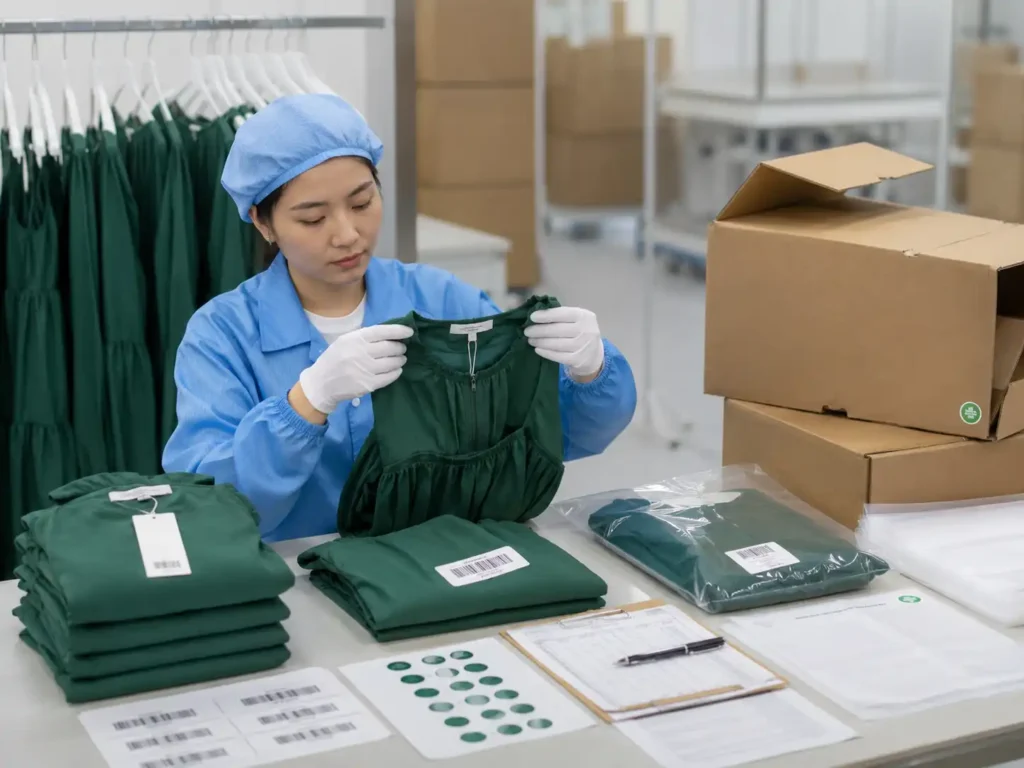
Main Brand Labels
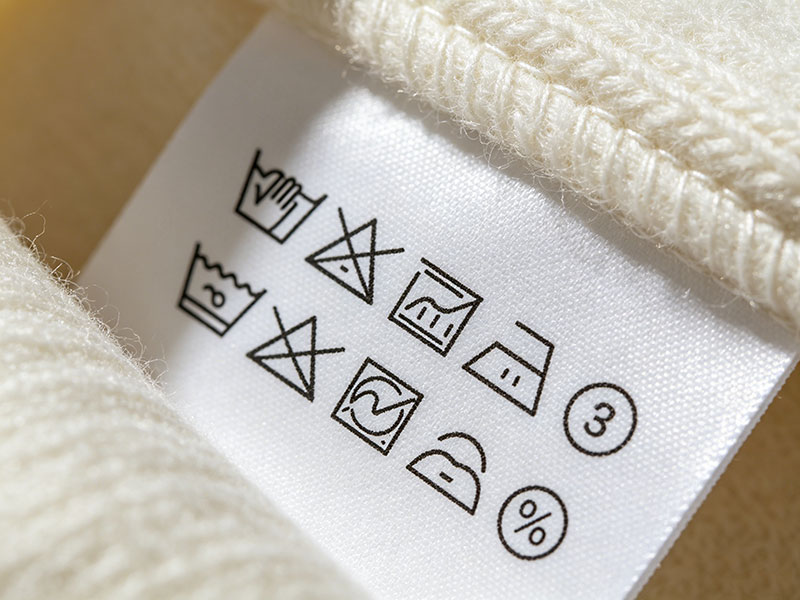
Size and Care Labels
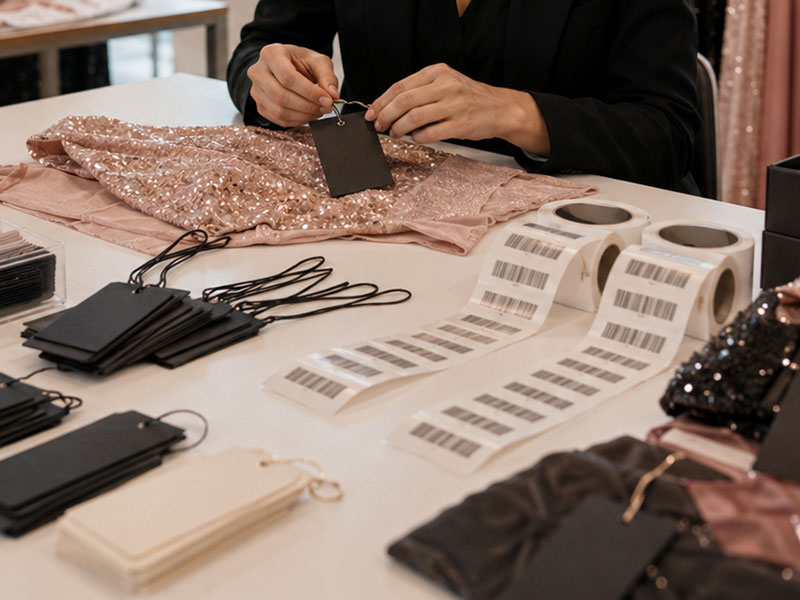
Hangtags and Barcodes
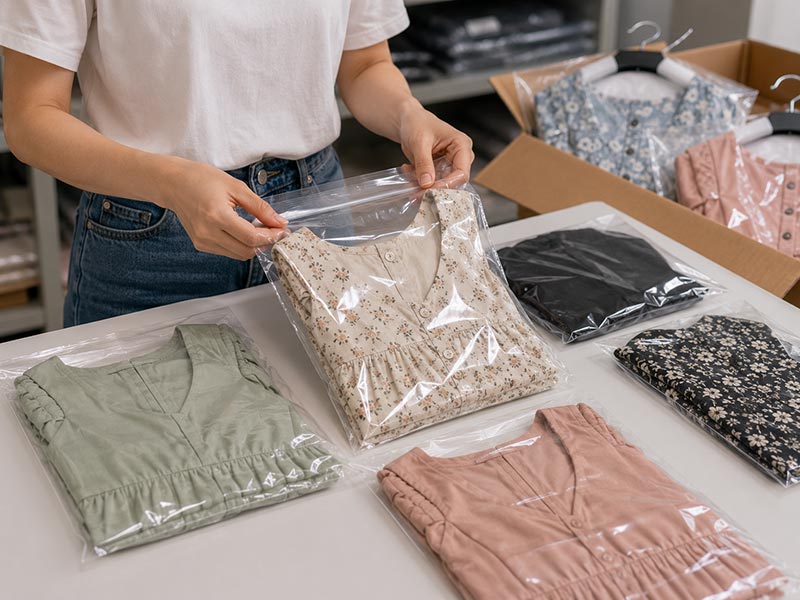
Polybags and Unit Packs

Carton Ratios and Marks
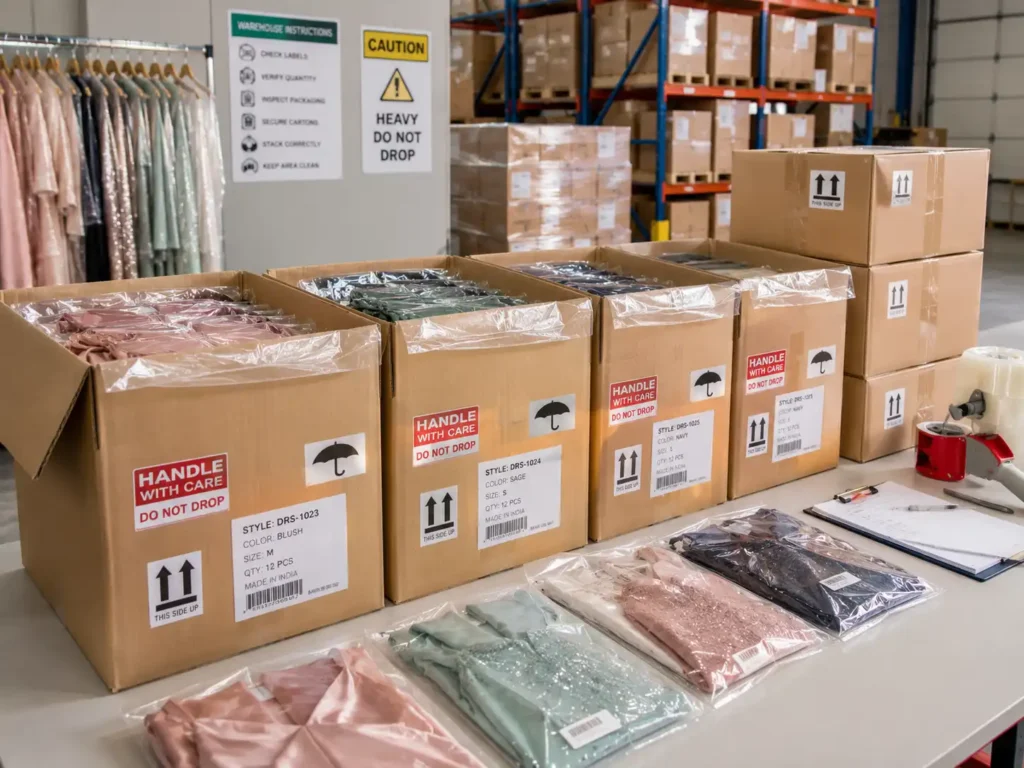
Warehouse Receiving Files
MOQ and Cost Planning Without Weakening Brand Positioning
MOQ starts from 200 pieces per style/color. Final feasibility and unit cost depend on material sourcing, construction, color and size breakdown, private-label content, production efficiency and timing. Cost control focuses on preserving the intended appearance and wearing performance rather than replacing every specification with the cheapest option.
| Cost or MOQ Driver | Why It Changes the Program | Controlled Optimization Direction |
|---|---|---|
| Fabric type and availability | Stock fabric, custom dyeing, custom weaving, print development and certified materials carry different minimums and lead times. | Compare suitable stock options, compatible blends, width, weight and supplier stability. |
| Color quantity | Every color can create separate dyeing, cutting, sewing, label and packing work. | Consolidate color stories across compatible styles or prioritize proven commercial colors. |
| Construction complexity | Corset structure, multilayer skirts, ruching, lace placement, sequins and handwork increase pattern, sewing and QC time. | Simplify hidden construction where appearance and support remain protected. |
| Size range and ratio | A broad or fragmented size curve changes cutting efficiency, grading work and packing ratios. | Plan a commercial size ratio from actual sales data and warehouse needs. |
| Trims and branded components | Custom zippers, cups, hardware, labels, hangtags and polybags may carry independent supplier minimums. | Use approved standard components where brand identity is not affected. |
| Packing requirements | Boxes, dust bags, special folding, barcode work and warehouse labels add material and labor. | Create tiered packing standards by sales channel or product value. |
| Launch timing | Urgent material booking, line changes, overtime or air shipment can increase total landed cost. | Lock approvals earlier and use planned split shipment only for priority SKUs. |
Planning Production and Delivery Around the Launch Calendar
Delivery control starts before bulk production. Material readiness, sample approvals, production windows, inspection, packing, freight booking and warehouse rules must connect to one launch calendar. Exact transport time depends on destination, season, customs, carrier schedules and the agreed shipping method.
Working Backward From Launch
The planning sequence begins with the required warehouse or launch date, then works backward through freight, packing, final inspection, bulk completion, production start, PP approval, sample approval and material booking. Event-driven collections such as graduation, wedding guest, resort and holiday dresses need earlier risk review because the selling window is difficult to recover after a delay. Jinfeng identifies which styles require long-lead fabric, complex sample work or additional inspection so the calendar reflects real dependencies.
Material and Approval Gates
Production timing cannot be separated from fabric and trim readiness. Custom dyeing, special lace, sequins, branded labels and printed polybags may need independent preparation periods. A style should not enter final scheduling until PP standards, quantities, colors, size ratios, labels and packing are confirmed. Late design changes after PP approval may alter material consumption, cost and sewing instructions. Clear gates keep urgent decisions from becoming uncontrolled production changes.
Air and Sea Split Shipment
For a large collection with a fixed launch, priority hero styles, core colors or first-selling sizes can be considered for air freight while the main volume travels by sea. The split must be planned by SKU and carton, with separate packing lists and consistent warehouse information. Air is faster but generally more expensive; sea supports cost efficiency but requires earlier booking and longer transit. The correct mix depends on sales priority, inventory plan, destination and freight conditions.
Forwarder and Export Coordination
Jinfeng can work with a brand-appointed forwarder or a factory-recommended option. Supporting data may include commercial invoice, packing list, carton marks, carton dimensions, gross and net weight, style/color/size breakdown, pickup coordination and shipment photographs. Terms such as EXW, FOB, CIF, DAP and DDP are evaluated by project. HS code support and label information can be provided from garment data, while final import classification and customs decisions remain with the importer, forwarder or clearance agent.
Protecting Brand Assets and Preserving Production Continuity
NDA-Based Protection
Production Record Retention
Repeat and Collection Extension
Regional Womenswear Brand Manufacturing Case Studies
Regional womenswear brands need a manufacturing partner that understands local market expectations, maintains brand fit standards, supports seasonal collections and delivers consistent products across multiple selling periods. Jinfeng Apparel helps established brands move from collection planning to approved production, retail delivery and repeat orders.
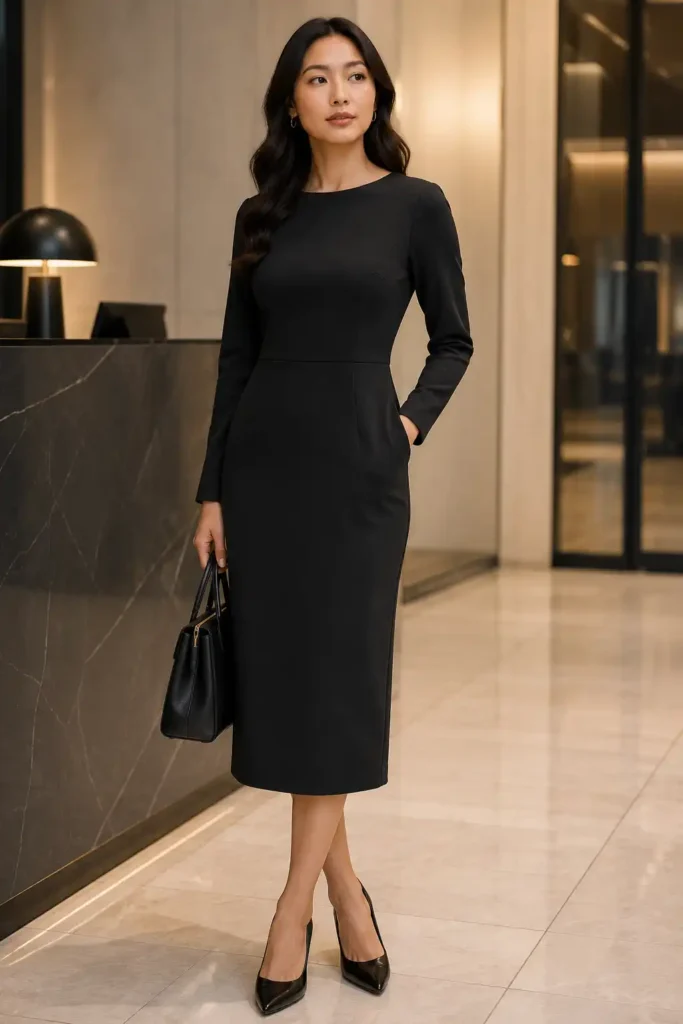
Case Study 1: Regional Occasionwear Brand Developing a Seasonal Event Collection
A regional womenswear brand specializing in occasion dresses planned a new seasonal collection targeting:
- Wedding guest occasions
- Graduation events
- Holiday parties
- Evening celebrations
The brand had an established customer base and required new designs while maintaining its existing fit identity.
Program scope:
- 22 dress styles
- 48,000 pieces
- Multiple seasonal colors
- XS-XXL size range
- Private-label packaging
Product categories:
- Satin cocktail dresses
- Lace midi dresses
- Chiffon maxi dresses
- Corset occasion dresses
- Sequin statement styles
Development Challenge
The brand needed to balance fashion updates with customer expectations.
Main challenges:
Maintaining Existing Fit Identity
Previous best-selling products had established:
- Bust proportion
- Waist position
- Length preference
- Coverage expectations
New styles needed to feel familiar while introducing new trends.
Seasonal Deadline Pressure
The collection needed:
- Campaign samples
- Retail launch timing
- Bulk availability
- Event-season delivery
Missing the selling window would reduce commercial value.
Result
The brand achieved:
- 22 approved styles
- 48,000 pieces produced
- Consistent brand fit standards
- Seasonal delivery completed
Approved patterns, fabric records and QC standards supported future collections.
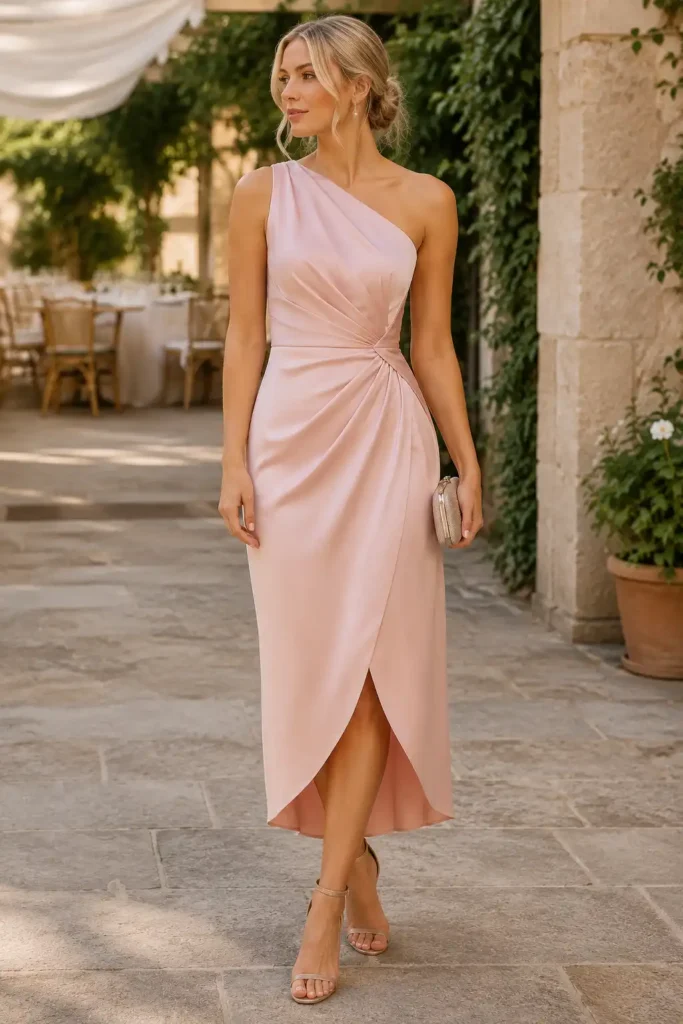
Case Study 2: Regional Ecommerce Womenswear Brand Scaling Online Growth
A regional ecommerce womenswear brand wanted to expand from several successful styles into a larger seasonal online assortment.
The brand focused on:
- Premium online presentation
- Social media marketing
- Fast product updates
- Repeat customer purchases
Collection included:
- Bodycon dresses
- Satin slip dresses
- Mesh party dresses
- Resort styles
- Matching sets
Development Challenge
The brand experienced growth but needed stronger manufacturing support.
Main challenges:
- Maintaining consistent fit between collections
- Reducing sample revisions
- Managing multiple SKUs
- Preparing ecommerce-ready packaging
Jinfeng Solution
Jinfeng supported the complete collection development process.
Product Development
Reviewed:
- Reference images
- Existing best sellers
- New silhouettes
- Fabric direction
Fit Control
Managed:
- Bust-waist-hip balance
- Size grading
- Length standards
- Stretch recovery
Ecommerce Preparation
Controlled:
- Brand labels
- Care labels
- Hangtags
- Barcodes
- SKU stickers
- Polybag packing
Result
The brand achieved:
- Faster seasonal development
- More consistent sizing
- Improved product launch preparation
- Better repeat-order efficiency
The manufacturing system supported continued online collection expansion.

Case Study 3: Boutique Retail Chain Building Reliable Repeat Production
A regional boutique retail chain needed a stable manufacturing partner for ongoing womenswear collections.
The retailer managed:
- Multiple store locations
- Seasonal buying plans
- Core product replenishment
- Regional customer preferences
Product categories:
- Mini dresses
- Midi dresses
- Resort dresses
- Occasionwear collections
Development Challenge
The retailer previously faced:
- Different suppliers producing different fits
- Repeat colors changing between seasons
- Packaging inconsistencies
- Difficult inventory planning
Jinfeng Solution
Jinfeng established a repeat-order management system.
Product Records
Maintained:
- Approved patterns
- Size charts
- Fabric references
- Trim details
- QC records
Replenishment Planning
Reviewed:
- Current fabric availability
- Color consistency
- Production capacity
- Delivery timing
Seasonal Extensions
Supported:
- New colors
- Updated fabrics
- Related silhouettes
- Collection expansion
Result
The retailer achieved:
- More stable repeat quality
- Faster replenishment planning
- Reduced supplier communication cost
- Stronger seasonal continuity
Successful styles became long-term commercial products instead of one-season items.
Frequently Asked Questions From Regional Womenswear Brands
Yes. Multi-style programs are reviewed by product family, fabric, construction risk, sample priority, quantity, color count, size range and launch role. Production allocation and approvals are planned by style rather than treating the total order as one undifferentiated volume.
Jinfeng reviews approved garments, patterns, size charts, grade rules and fit comments. Critical points such as bust, waist, hip, length, strap, armhole, neckline and slit are transferred into pattern and QC records. New silhouettes are developed from the closest relevant brand reference.
Development can begin from tech packs, line sheets, reference photographs, sketches, original samples, size charts or combined materials. More complete information improves costing and sample accuracy. Product direction, quantity, fabric preference, size range and target launch date should be included.
A standard dress sample commonly requires around 10-15 days after main materials and requirements are confirmed. Complex corset, sequin, lace or mesh styles commonly require around 15-25 days or a project-specific schedule. Custom materials and special trims can extend the timeline.
MOQ starts from 200 pieces per style/color. Fabric availability, custom colors, prints, lace, sequins, branded trims, size breakdown, packing and production scheduling may change the workable minimum. A large total collection does not remove material and production requirements at style/color level.
Bulk standards are built from approved fabric and trims, final pattern, size chart, grade rule, PP sample, Golden Sample, sewing instructions and packing files. Fabric inspection, cutting checks, first-piece review, in-line inspection, measurement, final garment inspection and packing verification connect production with the approved reference.
Jinfeng supports brand inspection and can cooperate with appointed third-party organizations such as SGS, Intertek, BV, ITS or another approved inspector by project. Inspection scope, timing, AQL level, defect classification and required records should be confirmed before the visit.
Yes. Programs can include main labels, size labels, care labels, hangtags, barcodes, polybags, size/color stickers, carton ratios, carton marks and warehouse information. Artwork, legal content, barcode data, packing instructions and warehouse guides require brand approval.
Jinfeng supports NDA-based cooperation and protects tech packs, samples, patterns, material directions, trims, labels, packaging, quantities, target prices and unpublished products. Protected brand files are not published or shared without authorization.
Yes. Patterns, measurement files, fabric references, trim records, labels, packing instructions and QC notes can be retained. New colors, alternate fabrics or changed size ratios still require confirmation because material behavior, dye lots, MOQ and fit can change.

Discuss Your Next Regional Dress Collection
A useful project review begins with enough information to evaluate product structure, material direction, MOQ, sampling, production allocation, quality control, packing and launch timing. Send a line sheet, tech pack, reference image or original-sample photographs together with the planned quantity by style/color. Include the target market, size range, fabric preference, color plan, private-label files, warehouse requirements and desired delivery window when available.
Kelly will coordinate the initial review with the relevant development and production teams. Files are used for feasibility, sampling, costing, bulk production, QC, packing and delivery coordination and can be handled under NDA-based cooperation. Clear source information allows the team to identify fabric or construction risks early, prioritize critical styles and prepare a more reliable next-step plan.
Programs begin from 200 pieces per style/color, subject to material, construction and packing requirements.
- Tech pack, line sheet, sketches, reference images or original-sample photos
- Target quantity per style/color, color plan and size range
- Fabric direction, trim requirements and target quality level
- Main labels, care labels, hangtags, barcodes and packing guide
- Launch date, delivery location and preferred freight arrangement