...

Dress Manufacturer for Production Risk Control Teams

Control dress production risk before isolated deviations become bulk quality, cost, timeline, or delivery failures.

Jinfeng Apparel supports global fashion brands with a structured path from technical review and material approval to pattern correction, PP release, bulk production, inspection, private-label packing, and shipment coordination.

  • 6 control gates covering material, pattern, PP release, line start, final inspection, and packing release.
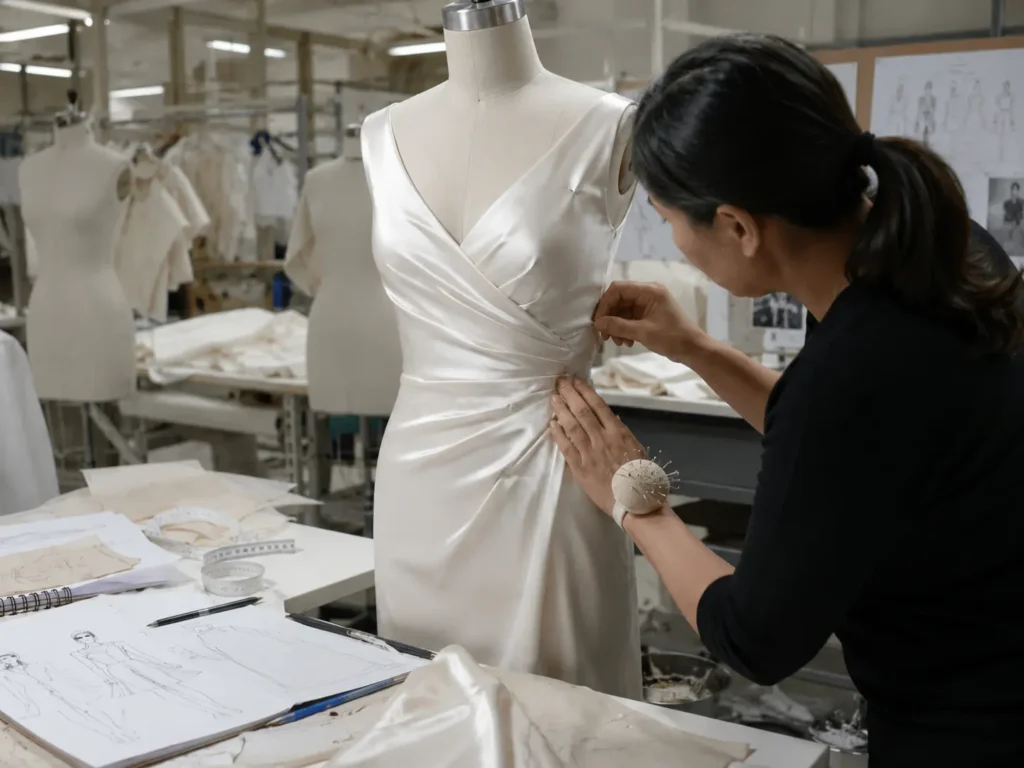
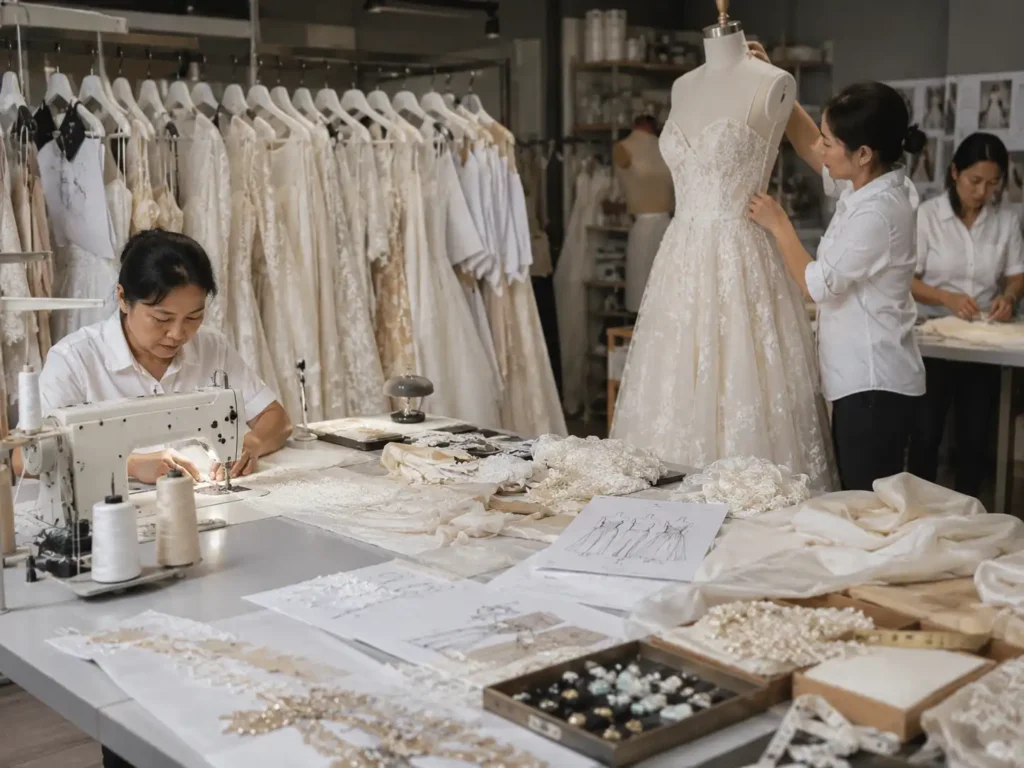
  • 2 sample rooms supported by 7+ senior pattern makers and 20+ sample machinists.
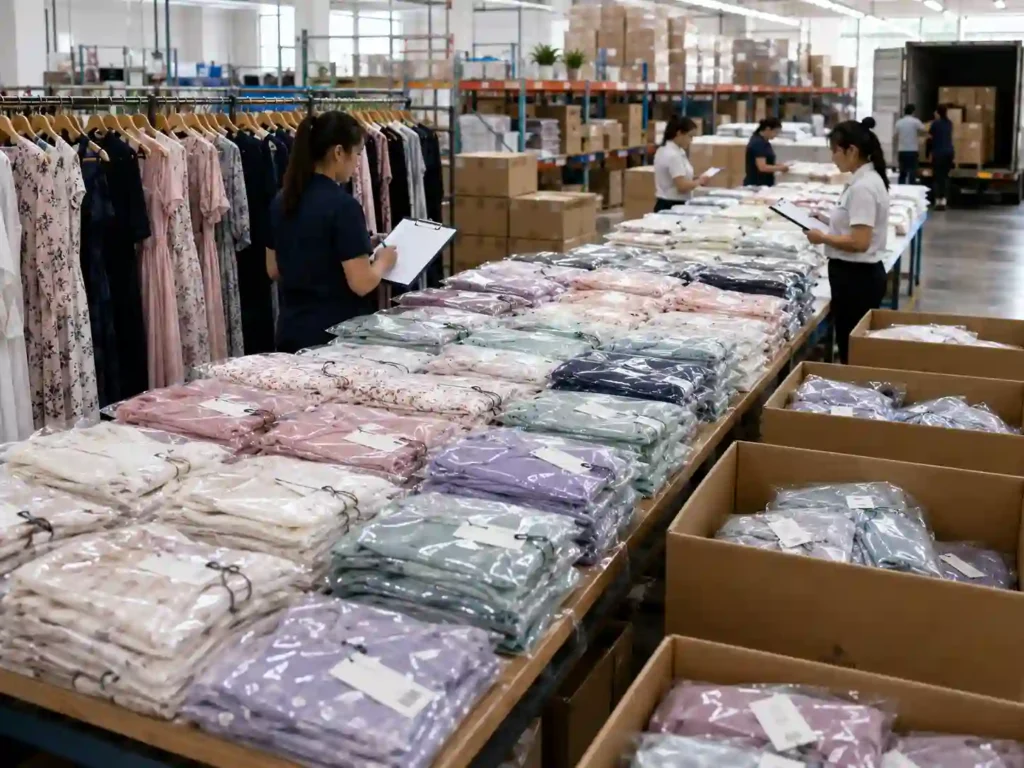
  • 15+ QC inspectors covering fabric, cutting, sewing, measurements, finished garments, and packing.
  • 6 owned women’s fashion factories plus 10+ long-term production partners allocated by product, fabric, construction, quantity, and schedule.
  • MOQ starts from 200 pcs per style/color, subject to fabric, trim, color, construction, and production requirements.

Built for Teams Managing Production Risk

Dress programs become easier to control when every department receives clear files, defined approval gates, visible production status, and fast escalation of unresolved issues. Jinfeng Apparel works across technical, quality, sourcing, production, and vendor-management functions without reducing the project to a final inspection exercise.

Risk Control Teams

Production risk control teams need early warning rather than late explanations. Jinfeng reviews product construction, material readiness, fit status, production allocation, inspection requirements, packing rules, and delivery dependencies before bulk release. Open items remain visible until approved, while material changes, pattern changes, trim substitutions, and timing risks are recorded instead of being absorbed informally by the factory floor.

Quality Assurance

Quality assurance teams need standards translated into operating controls. Jinfeng can work from quality manuals, defect classifications, measurement tolerances, inspection plans, PP samples, and Golden samples. Fabric, cutting, sewing, finished-garment, and packing checks are connected to the approved product standard, helping QA teams examine process evidence rather than relying only on a final pass-or-fail result.

Technical Teams

Technical teams focus on construction accuracy, fit, grade rules, measurements, seam methods, lining coverage, support components, and wear performance. Jinfeng translates fitting comments and measurement notes into pattern revisions, revised samples, final size specifications, and bulk control points. Bust, waist, hip, neckline, strap, armhole, slit, length, and jumpsuit-rise risks receive product-specific review.

Production Management

Production management teams need a realistic line plan supported by material readiness and approved standards. Jinfeng aligns factory allocation, sample status, fabric arrival, trim arrival, PP release, line start, in-line checks, finishing, packing, inspection, and shipment preparation. A delayed approval or unstable material is treated as a schedule dependency, not hidden behind an optimistic ex-factory date.

Sourcing Teams

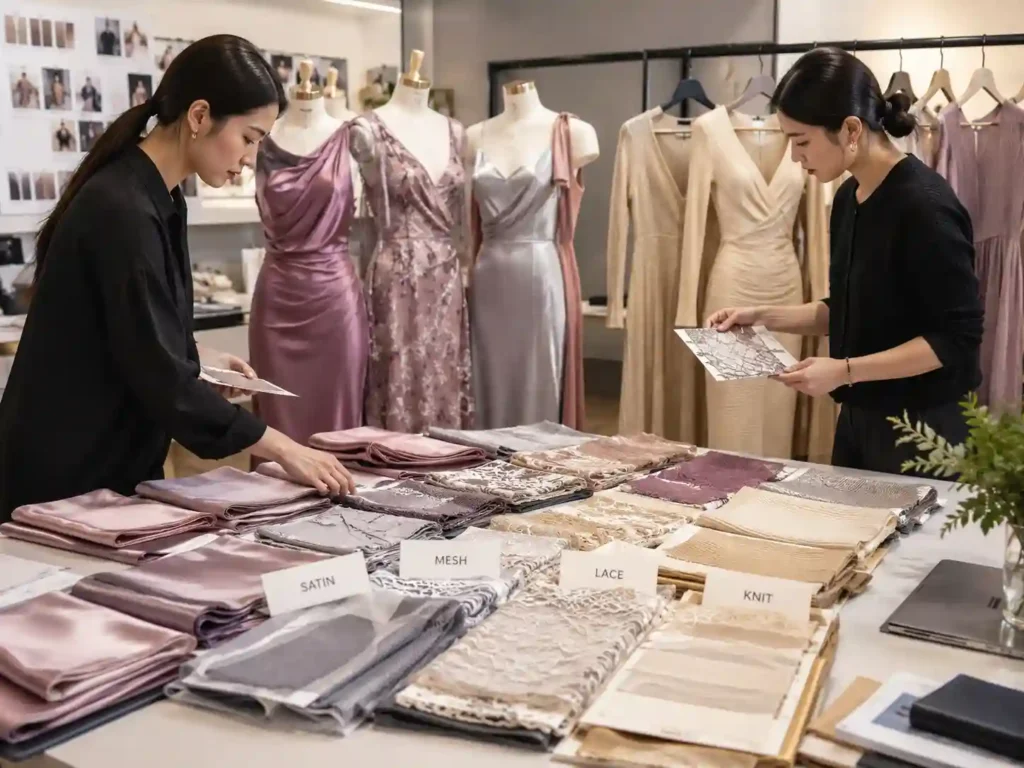
Sourcing teams evaluate capability, MOQ, cost structure, production capacity, material access, factory fit, quality control, and delivery reliability. Jinfeng provides project-based assessment rather than one universal promise. Complex satin, mesh, lace, sequin, corset, bodycon, maxi, and jumpsuit styles are allocated according to construction needs and production suitability.

Vendor Management

Vendor-management teams need traceability, accountability, and clear operating boundaries. Jinfeng supports factory-profile review, production-unit confirmation, inspection coordination, compliance-document review by project, NDA-based cooperation, private-label controls, and shipment documentation. Factory or material changes affecting approval, cost, quality, or timing are raised for review before implementation.

Production Risks That Damage Dress Programs

Dress failures rarely begin as one dramatic event. Small unresolved deviations in material, fit, construction, production, packing, or timing can spread across thousands of pieces. Early recognition protects launch dates, inspection results, retail acceptance, return rates, and brand margin.

Sample-to-Bulk Drift

A polished sample can hide a weak transfer process. Risk appears when bulk fabric differs from sample fabric, production workers receive incomplete construction notes, pattern versions remain unclear, or line output is compared against memory rather than an approved reference. The result may include different fit, seam shape, ruching density, zipper appearance, lining position, or hem balance across the order.

Fabric Batch Variation

Bulk fabric can vary in shade, hand feel, width, stretch, recovery, shrinkage, surface shine, transparency, print placement, or finish. Satin magnifies shade and directional-shine differences, while mesh and jersey expose stretch variation. Fabric approval must identify the relevant physical standard, batch, dye lot, lining relationship, and any testing requirement before cutting starts.

Unresolved Fit Issues

A fit comment left partially closed can affect every size. Common examples include incorrect bust coverage, unstable necklines, straps that move, waist seams sitting too high or low, hips pulling, slits opening excessively, maxi lengths varying, or jumpsuit rises restricting movement. Pattern correction and fit approval must occur before final grading and bulk release.

Repeated Sewing Defects

One sewing issue becomes a production risk when no one measures its frequency or stops repetition. Zipper waves, puckering, seam twisting, exposed lining, uneven topstitching, unstable gathers, lace misalignment, sequin loss, skipped stitches, or asymmetric construction can multiply quickly. First-piece and in-line checks are designed to find trends before finishing and packing conceal the original cause.

Timeline Escalation

Delivery failures often begin with late fabric booking, unresolved lab dips, repeated sample changes, missing trim approvals, delayed PP release, or unrealistic line assumptions. A smaller order is not automatically faster when special dyeing, printing, lace, sequins, custom hardware, private-label materials, or complex construction remain open. Milestone ownership matters more than a single promised date.

Packing and SKU Errors

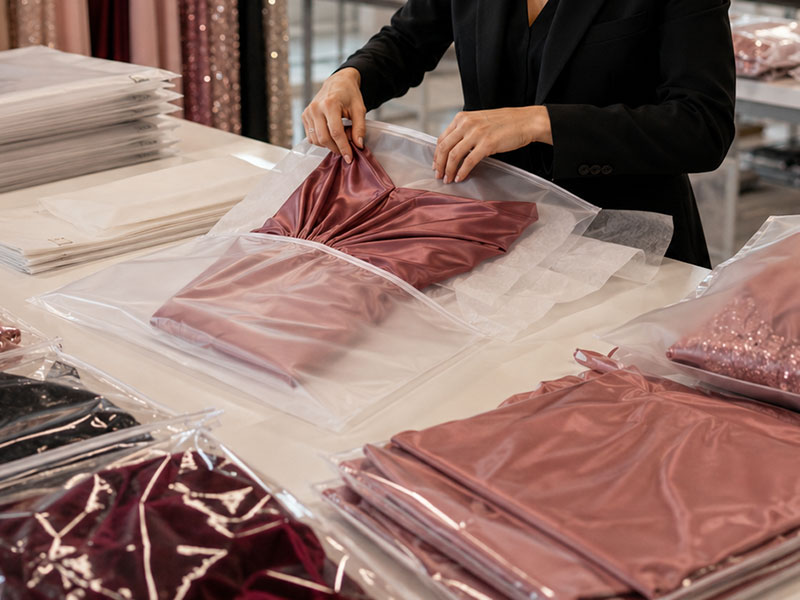
A sound garment can still fail at warehouse receipt. Incorrect size labels, duplicate barcodes, mixed colors, wrong carton ratios, missing carton marks, care-label mistakes, packing-list mismatches, or warehouse-label errors can delay receiving and trigger rework. Packing control therefore starts with approved artwork, SKU data, folding method, polybag rules, carton requirements, and pilot packing.

Dress Production Risk Control Matrix

A useful risk matrix connects every production stage with an observable warning sign, a control action, an approval record, and a release decision. Controls are adjusted by product type, material, order size, market requirement, private-label specification, and brand quality standard.

Production StageTypical RiskEarly WarningControl ActionApproval Evidence
Product ReviewDesign cannot scale into repeatable productionMissing construction, fit, or material informationStructure and feasibility reviewRisk notes and open-item list
Fabric and TrimsShade, stretch, shrinkage, transparency, or trim variationSwatch, lab dip, batch, or supplier inconsistencyMaterial approval and bulk reference confirmationApproved swatch, color, trim, and batch record
Pattern and FitIncorrect proportion or unstable gradingUnresolved measurements or fitting commentsPattern correction, fit review, and grade-rule confirmationFinal pattern version and approved size chart
SamplingChanges become mixed or lostConflicting comments or unclear sample purposeVersion tracking and revision controlSample tracker and approval status
PP ReleaseBulk standard remains incompleteFabric, trims, labels, measurements, or packing still openPP review and Golden sample lockApproved PP sample and production file
Bulk SewingDefects repeat across a lineFirst-piece or in-line deviationStop, correct, separate, and reinspect affected outputQC record and corrective action
Final and PackingGarment or SKU fails release criteriaMeasurement, appearance, label, barcode, or packing mismatchFinal inspection and packing verificationFinal inspection and packing-release record
ShipmentDelivery or documentation riskMissed inspection window, incomplete files, or booking issueEscalation, split-shipment review, and document checkShipment update and approved export documents

Risk Review Before Sampling Begins

Early review reduces avoidable sample rounds and prevents a promising design from entering development with unsuitable material, incomplete construction, unrealistic timing, or an unworkable trim plan. Complete files produce clearer decisions, while gaps are identified before pattern work begins.

Project File Review

Jinfeng can begin from a tech pack, original sample, reference image, sketch, line sheet, measurement chart, BOM, or construction notes. A stronger review includes target quantity, color plan, size range, market, private-label requirements, intended launch date, quality manual, and inspection expectations. Missing information is listed so the brand team can decide what must be supplied, developed, or confirmed.

Feasibility Advice

The development team evaluates silhouette, support structure, seam construction, fabric direction, lining need, trim compatibility, finishing method, size range, MOQ drivers, and production complexity. A corset dress may require cup, boning, zipper, lining, and support review. A mesh bodycon style may require transparency, stretch recovery, seam stability, and coverage review before a useful first sample can be made.

Quality Risks Vary by Dress Type

One generic checklist cannot control every dress. Fabric behavior, body contact, support structure, decorative work, garment length, stretch, and wearing movement create different failure modes. Product-specific controls help technical and quality teams focus on the points most likely to affect bulk results.

Dress TypeMain Production RisksCritical Control Focus
Satin DressSnagging, shade variation, seam show-through, zipper waves, pressing marksFabric direction, dye-lot approval, handling, seam tension, zipper flatness, controlled pressing
Mesh DressTransparency shifts, unstable stretch, seam distortion, lining exposureMesh and lining pairing, stretch recovery, coverage, seam reinforcement, measurement control
Lace DressMotif mismatch, holes, uneven placement, visible joiningLace mapping, cutting placement, seam protection, lining relation, visual balance
Sequin DressMissing sequins, skin scratching, broken needles, weight distortionSequin direction, seam clearing, protective lining, handling, repair standard, packing protection
Bodycon DressTightness variation, poor recovery, riding up, measurement driftFabric stretch, recovery, negative ease, pattern balance, size tolerance, movement review
Corset DressCup imbalance, boning distortion, zipper stress, restricted movementCup position, boning channel, support balance, closure strength, lining comfort, fit testing
Maxi DressLength inconsistency, hem distortion, packing creases, fabric dropHanging review, length measurement, hem balance, fabric relaxation, folding and packing method
JumpsuitIncorrect rise, waist position, torso length, restricted sitting or walkingRise measurement, torso balance, waist placement, movement testing, zipper and seam stress

Control Fabric and Trim Risks Early

Material approval is a production decision, not a styling note. Fabric and trims influence silhouette, comfort, fit, sewing method, MOQ, cost, sample timing, bulk consistency, inspection criteria, and delivery. Early confirmation protects later stages from repeated redevelopment.

Fabric Risk Control

Fabric direction is reviewed through drape, weight, width, hand feel, stretch, recovery, transparency, shrinkage, color, surface finish, print behavior, lining compatibility, and bulk availability. Satin requires attention to directional shine, dye-lot difference, snagging, seam visibility, zipper waves, and pressing. Mesh needs stable transparency, stretch recovery, seam strength, and lining coverage. Lace requires motif placement, joining strategy, hole control, edge use, and lining balance. Chiffon and lightweight rayon require shrinkage, transparency, seam slippage, print direction, and long-garment handling review.

A sample made from substitute fabric cannot automatically become a bulk standard. Any change in composition, weight, finish, stretch, width, color process, or supplier can change fit, construction, consumption, cutting layout, and cost. Bulk fabric therefore needs a defined approval reference. Custom dyeing, special printing, certified material, uncommon lace, or dedicated finishes may create separate supplier MOQ and longer material lead time.

Material records may include physical swatches, Pantone references, lab dips, fabric codes, supplier details, bulk-lot information, lining references, and project-specific test results. Testing can be arranged according to product, target market, brand standard, and nominated laboratory requirements. Certificate scope, validity, material category, color, batch, MOQ, and production timing require separate confirmation.
Trim and Structure Control

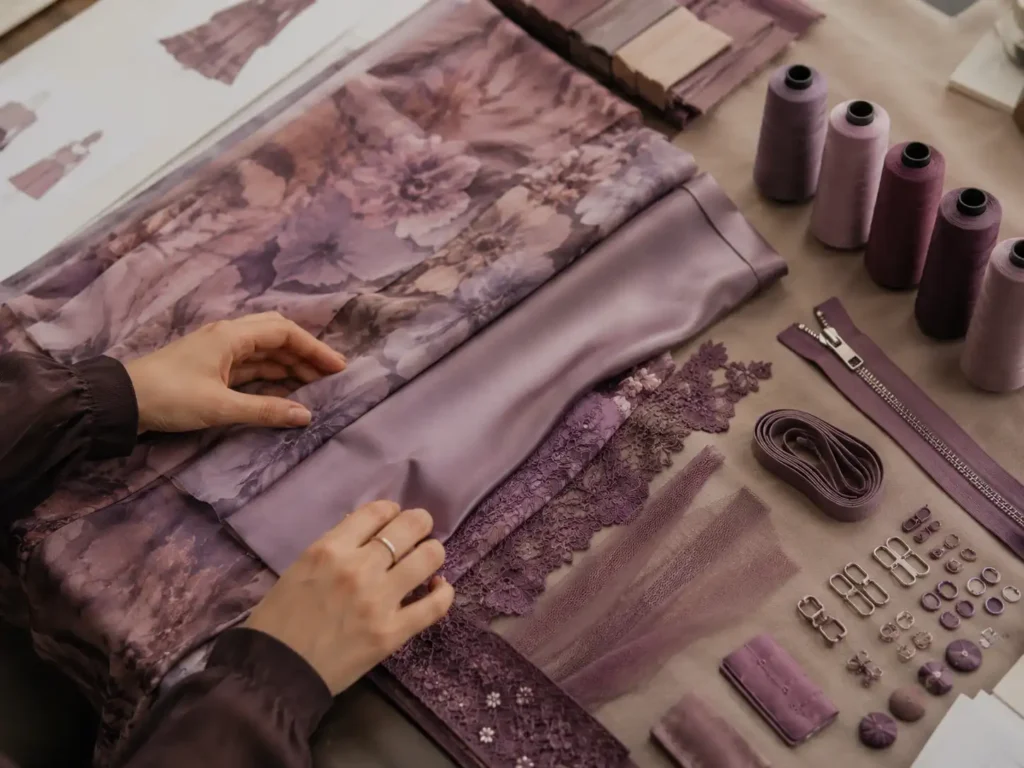
Trims are divided into closure, adjustment, support, decoration, branding, and packing groups.

Common elements include invisible zippers, metal zippers, hooks, strap sliders, elastic, bra cups, underwires, boning, anti-slip tape, lining, lace trim, rhinestones, sequins, labels, hangtags, polybags, and cartons. Each element is reviewed for material, size, color, quality level, comfort, strength, appearance, MOQ, development time, cost impact, and bulk supply stability.

A small trim change can create a large garment change. A harder boning grade may improve shape but reduce comfort. A different cup can alter neckline coverage and bust balance. A zipper with unsuitable tape or pull strength can ripple, jam, or fail under tension. A thicker lining may improve opacity while changing drape and seam bulk. Decorative chains, stones, or sequins can create scratch, weight, repair, inspection, and packing risks.

Special colors and custom hardware may require higher supplier quantities than the garment MOQ. Custom woven labels, care labels, hangtags, and printed packaging often have independent supplier minimums. Jinfeng reviews the garment quantity and the material quantity together, allowing brand teams to approve a realistic material plan rather than discovering mismatched MOQ after sample approval.

Close Fit Risks Before Bulk Production

Fit risk becomes expensive after grading, cutting, and line production begin. Pattern correction, measurement review, fabric behavior, and wearing movement must converge before PP approval. “Looks acceptable” is not a stable production instruction.

Critical Fit Control Points

Dress fit is reviewed around bust coverage, neckline stability, shoulder position, strap angle and length, armhole shape, waist placement, waist suppression, hip balance, skirt sweep, slit height, hem level, garment length, lining position, and movement allowance. Jumpsuits add torso length, front and back rise, crotch depth, thigh ease, waist position, and sitting movement. Corset dresses add cup position, support balance, boning direction, closure stress, and edge stability.

Fabric changes are considered during fitting. Stretch, recovery, thickness, drape, shrinkage, and lining can alter measurements and body balance even when the same paper pattern is used. Bodycon styles may require controlled negative ease and recovery checks. Satin and woven dresses need enough movement without creating excess drag lines. Mesh overlays require independent consideration of base-layer fit and outer-layer tension.

Fit comments should identify location, direction, amount, and intended result. “Make the waist better” is not enough. Useful comments specify whether the waist seam should move, whether circumference should change, whether shaping should be redistributed, or whether fabric tension is causing the visual issue. Photo notes, pinned samples, measurement data, and wearing feedback are translated into pattern actions.

Pattern and Size Control

Each approved change is reflected in a controlled pattern version and updated measurement file. Final pattern, size chart, grade rule, PP sample, and Golden sample must agree before bulk cutting.

Pattern names and revision dates reduce the risk of an old file entering production. Altered construction, fabric, cups, boning, lining, or closure may require renewed fit confirmation because structural changes can invalidate earlier measurements.

Size ranges such as XS-XL can be produced within an approved size ratio, while petite, tall, extended, or split fit blocks require separate evaluation.

Grading is not a simple uniform increase. Neckline, strap, armhole, cup, waist, hip, slit, and length proportions may need controlled grade rules. Measurement tolerances are agreed by garment area and brand standard rather than copied blindly across every product.

Bulk control includes fabric relaxation where required, cutting checks, first-piece measurement, in-line measurement sampling, finished-garment measurement, and comparison against the approved reference. Trend review matters: repeated deviation near one tolerance limit may indicate a line problem even when individual pieces technically remain within the permitted range.

Track Every Sample Change and Approval

A multi-style program can generate dozens of material, fit, construction, and packing decisions. Sample control keeps each decision connected to the correct style, version, material, pattern, comment round, and approval status.

First Sample

The first sample tests design structure, fabric direction, pattern proportion, construction feasibility, trim concept, and initial cost logic. Its purpose is discovery and validation, not automatic bulk release. Open issues are recorded by style, with clear notes on what is acceptable, what needs revision, and which decisions require the brand team’s input.

Fit Sample

A fit sample focuses on body proportion, movement, coverage, balance, and measurements. Bust, waist, hip, neckline, straps, armholes, length, slit, and lining are reviewed against the approved fit model or brand process. Jumpsuits receive added rise and torso checks. Fit comments are translated into pattern changes rather than treated as sewing-only adjustments.

Revised Sample

A revised sample verifies whether agreed changes have solved the original problem without creating a new one. Material substitutions, cup changes, zipper changes, revised lining, structural reinforcement, or major pattern corrections are identified clearly. A revision tracker separates closed comments from remaining issues and prevents old comments from reappearing in later versions.

Photo Sample

A photo-ready sample supports campaign, ecommerce, lookbook, or social content. Visual requirements may include approved color, clean construction, correct length, suitable pressing, camera-ready fit, and confirmed trims. A photo sample can serve a commercial purpose without replacing the PP sample, especially when bulk fabric, packing, grading, or final production construction remains unapproved.

PP Sample

The pre-production sample is reviewed against bulk material, final pattern, approved construction, trims, labels, measurements, finishing, and relevant packing details. Critical changes after PP approval can require a new review because the previous production reference no longer represents the intended bulk garment. Production should not start while release-critical items remain unresolved.
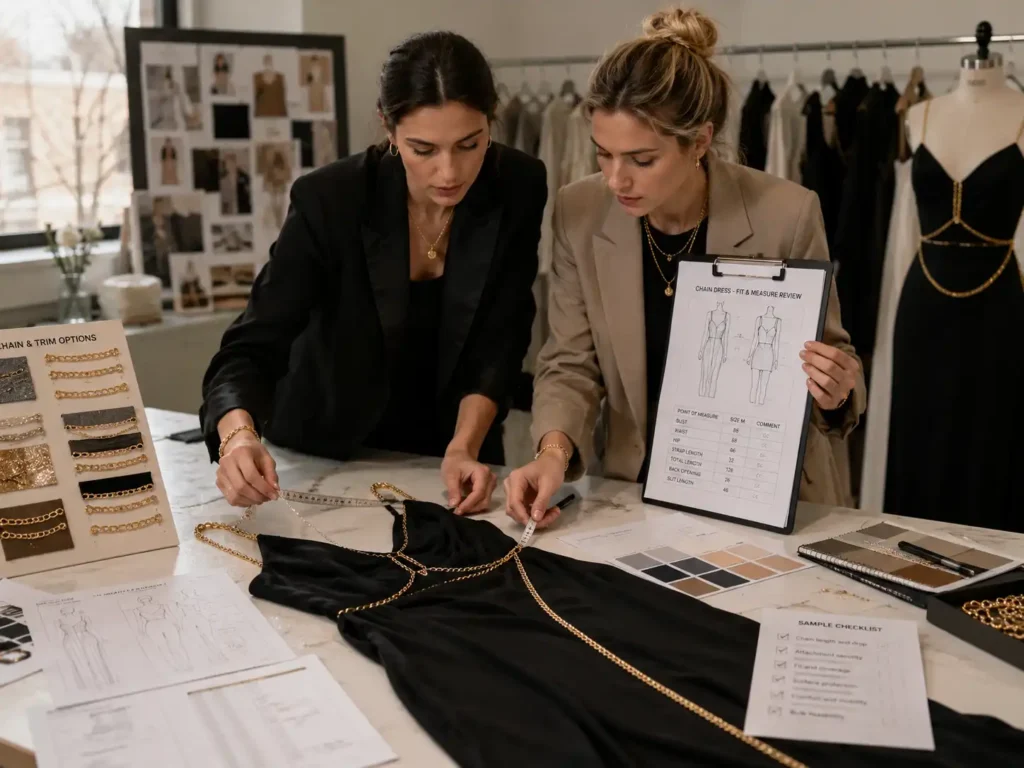
Golden Sample

The Golden sample provides a sealed visual and construction reference for production and inspection. It supports comparison during first-piece checks, in-line QC, finishing, final inspection, and packing review. A Golden sample is most effective when supported by the approved measurement file, BOM, construction notes, material references, label artwork, and packing instructions.

Transfer Approved Samples Into Bulk Standards

Sample approval only protects bulk production when every approved element is converted into a controlled production reference. Jinfeng connects material, pattern, construction, measurement, quality, packing, and release documents before line start.

Lock the Product Standard

Bulk release begins by confirming the approved fabric, color, dye lot or material reference, lining, trims, support components, pattern version, size chart, grade rule, construction method, seam allowance, stitch requirement, measurements, finishing, labels, packaging, and carton rules. Open substitutions remain visible. A verbal agreement or isolated chat message does not replace the final production file.

For complex dresses, the locked standard may include cup placement, boning channels, underwire, anti-slip tape, neckline reinforcement, cut-out dimensions, mesh-layer tension, lace placement, sequin seam clearing, slit reinforcement, zipper position, lining coverage, and pressing restrictions. Each point exists because a small uncontrolled variation can alter fit, appearance, comfort, or inspection results.

Release the Production File

The selected production unit receives the PP or Golden sample, final pattern, approved BOM, measurement specification, construction notes, material and trim references, quality checkpoints, label artwork, packing instruction, and project-specific approval record. Production management confirms line allocation and material readiness. QC receives the same approved basis used by pattern, merchandising, and production teams.

A production-readiness review checks whether critical inputs agree. Pattern code and size chart must match. Bulk fabric and approved sample fabric must be reconciled. Trim specifications and physical trims must match. Label content, barcode data, polybag markings, carton ratios, and warehouse requirements must be ready before mass packing begins.

Prevent Standard Drift

First-piece review compares early output with the approved reference before large quantities are produced. In-line checks monitor measurements, construction, appearance, and recurring defects while correction remains manageable. Defect trends are reviewed by operation and style. A repeated issue receives more attention than isolated acceptable variation because trend direction indicates whether the process is moving out of control.

Material or construction changes made during bulk production are not treated as harmless factory adjustments. Any change affecting appearance, fit, durability, comfort, cost, compliance, labeling, packing, or delivery is assessed and communicated. Affected pieces can be separated until the revised action is approved and verified.

Confirm Production Readiness Before Line Release

Bulk production should begin only when product, materials, factory allocation, quality criteria, packing requirements, and timing are aligned. A readiness review turns “everything is nearly ready” into a list of verifiable release conditions.

Product Readiness

PP approval, final pattern, size chart, grade rule, construction notes, sample version, and measurement tolerances must agree. Any unresolved fit, coverage, support, seam, length, or appearance issue remains open. Complex styles receive product-specific notes for cups, boning, mesh layers, lace placement, sequins, cut-outs, slits, closures, lining, and pressing.

Material Readiness

Bulk fabric, lining, trims, labels, and packaging materials are checked against approved references. Quantities, colors, batches, widths, shrinkage considerations, and supplier lead times are reviewed. Materials with different MOQ, custom dyeing, custom printing, uncommon lace, dedicated hardware, or certification requirements are not assumed ready until supplier and project conditions are confirmed.

Factory Readiness

The production unit is selected according to garment type, fabric, construction, quantity, quality requirement, and schedule. Line capacity, technical suitability, production management, and QC assignment are confirmed. A complex corset, sequin, lace, or mesh style is not assigned merely because a line has open capacity; product suitability remains the primary allocation criterion.

Quality Readiness

The team reviews the quality manual, defect classification, AQL or inspection requirement, measurement tolerances, critical checkpoints, final inspection plan, packing checks, and any third-party inspection arrangement. Approved samples and files must be available to the responsible production and quality personnel before line output begins.

Packing Readiness

Label artwork, care content, size labels, barcodes, SKU data, polybag markings, folding, carton ratios, carton marks, packing lists, and warehouse labels are confirmed. A pilot pack may be prepared before mass packing. Packing materials with separate supplier MOQ or printing lead time are planned early enough to avoid finished garments waiting without approved packaging.

Timeline Readiness

Material arrival, PP release, line start, in-line inspection, finishing, final inspection, packing, booking, and shipment milestones are reviewed together. Brand approval dates are included because late feedback changes the available production window. Buffer is allocated according to material, complexity, quantity, inspection, packing, and transport conditions rather than applied as one universal number.

Control Risk During Bulk Production

Bulk control follows the garment through material inspection, cutting, first output, line production, measurements, finished-garment review, and packing. Real process evidence should be photographed with client-sensitive information removed under NDA rules.

Fabric Inspection

Bulk fabric is reviewed for color, batch difference, surface defects, width, hand feel, stretch, recovery, transparency, print direction, and visible damage relevant to the style. Satin is protected from snagging and directional inconsistency. Lace and mesh are examined for holes, pattern variation, and unstable sections. Findings affecting usable quantity, cutting, or appearance are raised before widespread consumption.

Cutting Control

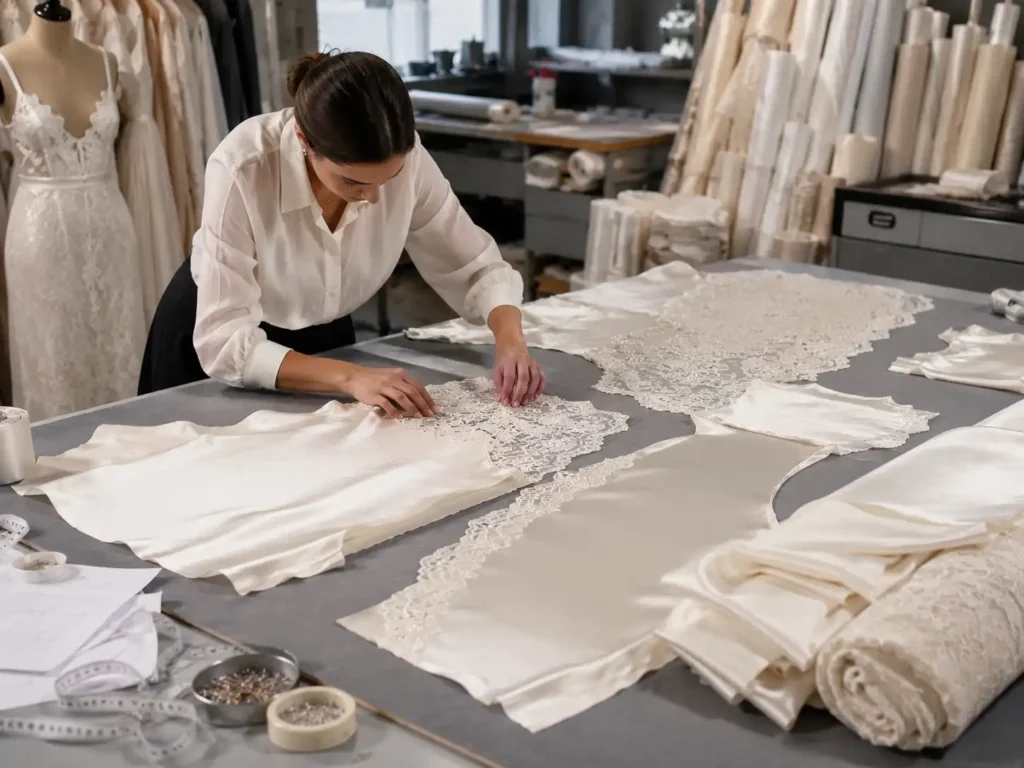
Cutting control checks fabric direction, pattern version, size identification, matching needs, placement, layer stability, and cut-part condition. Lace motifs, placement prints, stripes, directional satin, sequin direction, and asymmetric designs require additional attention. Cut-part bundles are identified to reduce size mixing and maintain traceability through sewing.

First-Piece Review

Early completed output is checked against the approved sample and production file. Fabric, shape, dimensions, construction, lining, closure, trims, seam appearance, symmetry, length, pressing, and key dress-specific controls are reviewed. A first piece is a release checkpoint, not a decorative sample kept beside the line without comparison.

In-Line Sewing Check

In-line inspection focuses on recurring process deviations while correction remains possible. Seam puckering, zipper waves, skipped stitches, uneven gathering, exposed lining, cup movement, boning position, mesh distortion, lace mismatch, sequin damage, slit construction, and measurement drift are tracked by style and operation. A trend can trigger correction, separation, retraining, or reinspection.

Garment Measurement

Measurements are sampled during production and checked again on finished garments according to the approved size chart and tolerance. Critical areas vary by style. Bodycon dresses emphasize bust, waist, hip, length, and recovery. Maxi dresses emphasize total length and hem balance. Jumpsuits add torso and rise measurements. Results are reviewed for direction as well as individual compliance.

Packing Verification

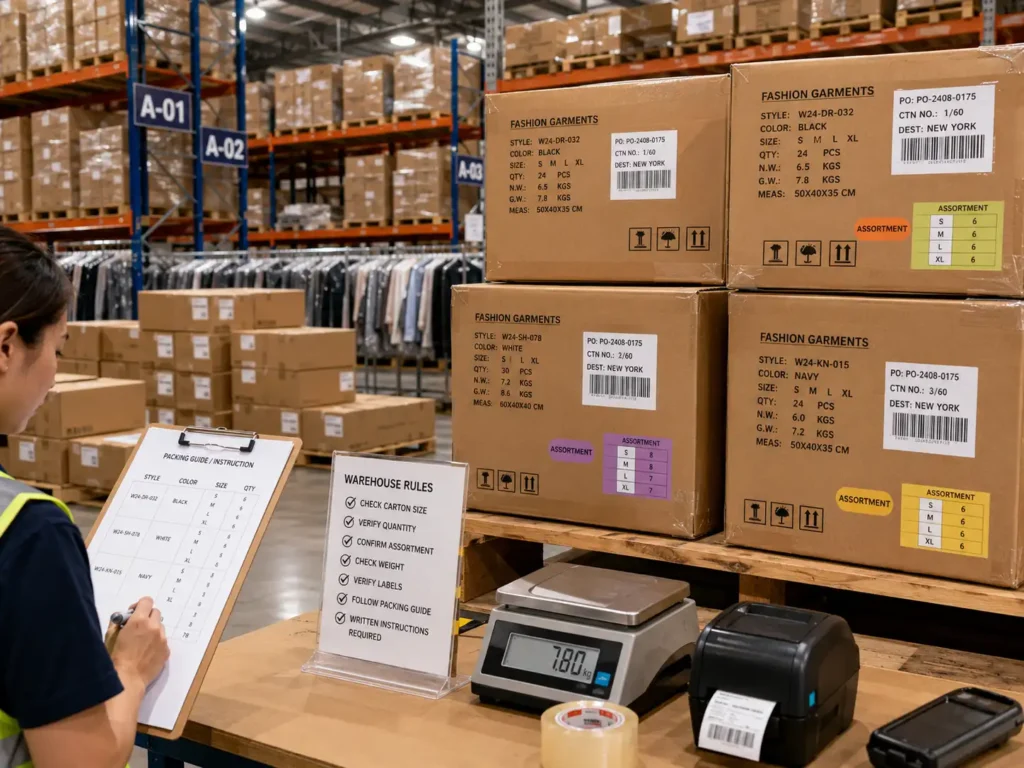
Packing checks connect the approved garment with the correct label, size, barcode, SKU, folding, polybag, carton ratio, carton mark, and packing list. Pilot packing verifies the method before volume packing. Mixed-size cartons, warehouse receiving labels, phased shipments, or retailer-specific requirements receive separate confirmation to prevent a good product from failing at delivery.

Correct Problems Before They Spread

Strong risk control does not depend on claiming that defects never occur. It depends on detecting deviations early, controlling affected output, finding the cause, verifying correction, and preventing repetition across the remaining order.

Detect and Classify

Problems are identified by location, type, severity, quantity, and production stage. Categories may include fabric defects, shade variation, measurement deviation, construction error, seam appearance, closure failure, lining exposure, trim issue, label error, barcode error, packing mismatch, or documentation gap. Classification follows the brand standard or agreed project criteria rather than an informal factory opinion.

  • Record the style, color, size, operation, quantity, and discovery point.
  • Separate suspected pieces when continued handling could hide or spread the issue.
  • Escalate critical safety, compliance, structural, labeling, or delivery concerns immediately.
  • Review defect frequency to determine whether the issue is isolated or systemic.

Correct and Reinspect

The responsible team defines a controlled action: repair, replace, recut, resew, adjust process, change handling, retrain an operation, or stop production while the cause is reviewed. Corrected pieces are not automatically returned to normal flow. Reinspection confirms whether the agreed action restored the garment to the approved standard.

  • Identify affected output produced before discovery.
  • Verify repairability without weakening appearance, fit, comfort, or durability.
  • Recheck measurements and construction where correction could alter fit.
  • Record completion status and remaining quantity requiring review.

Record and Prevent

A corrective record links the problem with root cause, action, responsible person, completion date, reinspection result, and preventive step. Root cause may involve material variation, wrong pattern version, unclear instruction, machine setting, operator method, handling, pressing, packing data, or approval gaps. Preventive action is carried into the remaining order and relevant repeat programs.

  • Update production instructions when the original standard was unclear.
  • Increase inspection frequency for high-risk operations.
  • Preserve approved pattern, material, trim, and packing records for repeat orders.
  • Review recurring issues during future production-readiness meetings.

Production Records Your Team Can Review

Traceable records allow brand teams to verify what was approved, what changed, when production was released, where a deviation occurred, and how the issue was closed. Records are organized around decisions rather than excessive paperwork.

Material Approval Record

The material record can include fabric code, supplier reference, composition, weight or specification where available, color standard, lab dip, physical swatch, lining relation, trim references, bulk batch, and relevant testing. The goal is to prevent an approved sample material from being replaced silently by a visually similar but technically different bulk option.

Pattern Version Record

Pattern records identify style code, version, revision date, approved sample link, measurement-file version, and major fit changes. Final patterns and grade rules are retained for approved production and repeat-order use. Old pattern versions are separated so production teams do not select an obsolete file during bulk preparation.

Sample Revision Record

Sample tracking connects each version with fabric, pattern, measurements, construction changes, trim changes, client comments, Jinfeng response, approval status, and next action. Multi-style programs can be grouped by fabric family, construction type, priority, and launch date to keep 10-30 concurrent styles from becoming one mixed development queue.

Production QC Record

QC records can cover fabric findings, cutting review, first-piece status, in-line defects, measurement sampling, finished-garment inspection, corrective actions, and packing verification. The level and format can be aligned with the project, brand manual, nominated inspection provider, or required approval gates.

Packing Release Record

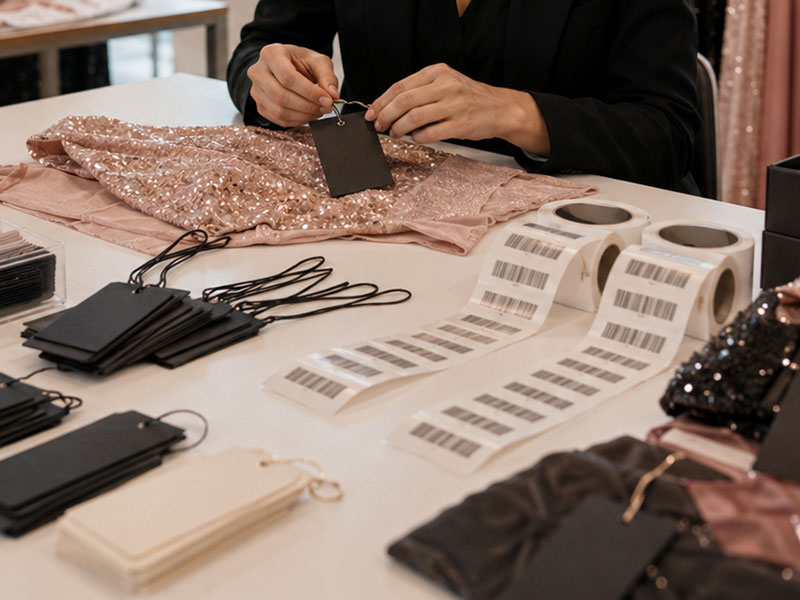
Packing records confirm label content, size label, barcode, SKU, folding, polybag, carton ratio, carton mark, packing list, and warehouse requirements. Pilot packing photographs or approved examples can support release. Sensitive artwork, barcodes, order numbers, and unreleased designs remain protected under agreed confidentiality rules.
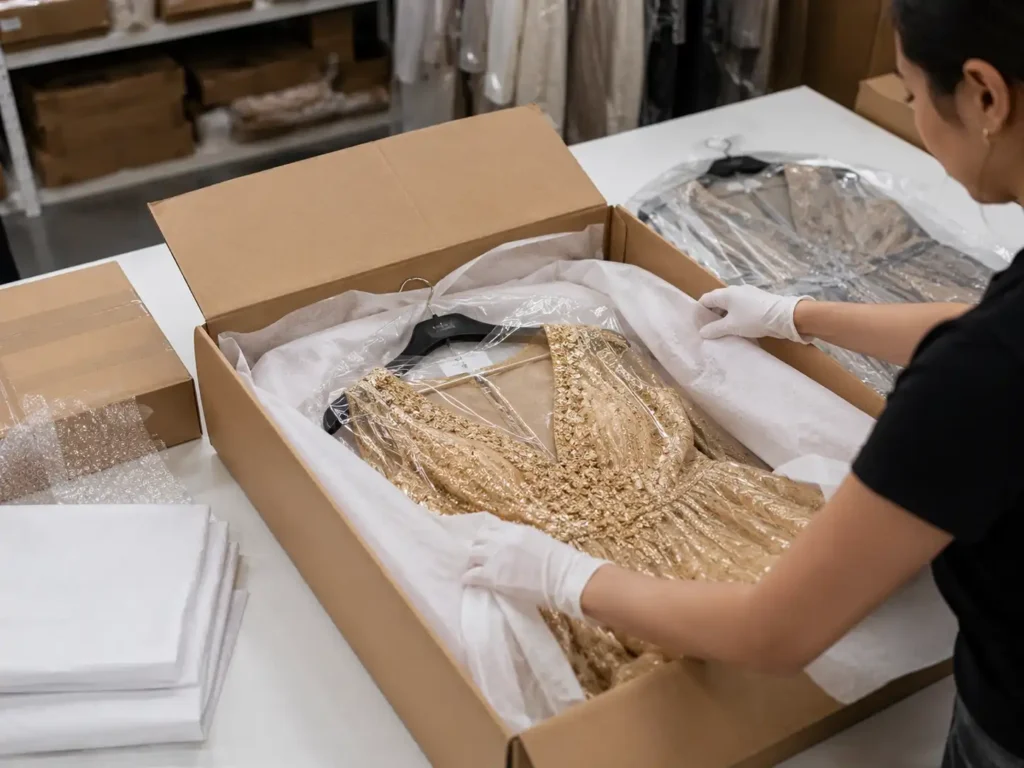
Escalation Record

Escalation records identify the issue, business impact, available options, decision owner, required response date, and final direction. A material delay, failed shade approval, trim shortage, late PP release, quality trend, packing issue, or shipping risk receives a visible path to resolution instead of being buried inside routine status updates.

Production Records Your Team Can Review

Traceable records allow brand teams to verify what was approved, what changed, when production was released, where a deviation occurred, and how the issue was closed. Records are organized around decisions rather than excessive paperwork.

Material Approval Record

The material record can include fabric code, supplier reference, composition, weight or specification where available, color standard, lab dip, physical swatch, lining relation, trim references, bulk batch, and relevant testing. The goal is to prevent an approved sample material from being replaced silently by a visually similar but technically different bulk option.

Pattern Version Record

Pattern records identify style code, version, revision date, approved sample link, measurement-file version, and major fit changes. Final patterns and grade rules are retained for approved production and repeat-order use. Old pattern versions are separated so production teams do not select an obsolete file during bulk preparation.

Sample Revision Record

Sample tracking connects each version with fabric, pattern, measurements, construction changes, trim changes, client comments, Jinfeng response, approval status, and next action. Multi-style programs can be grouped by fabric family, construction type, priority, and launch date to keep 10-30 concurrent styles from becoming one mixed development queue.

Production QC Record

QC records can cover fabric findings, cutting review, first-piece status, in-line defects, measurement sampling, finished-garment inspection, corrective actions, and packing verification. The level and format can be aligned with the project, brand manual, nominated inspection provider, or required approval gates.

Packing Release Record

Packing records confirm label content, size label, barcode, SKU, folding, polybag, carton ratio, carton mark, packing list, and warehouse requirements. Pilot packing photographs or approved examples can support release. Sensitive artwork, barcodes, order numbers, and unreleased designs remain protected under agreed confidentiality rules.

Protect Launch Dates With Milestone Control

Reliable delivery comes from controlled dependencies. Material approval, sample review, PP release, production allocation, inspection, packing, and transport must be planned together. One late decision can consume the buffer reserved for several later stages.

Material Booking

Stock fabric, custom dyeing, printing, special lace, sequins, custom hardware, and private-label materials follow different supplier lead times and MOQ. Material booking begins after the relevant specification, color, quantity, and commercial terms are clear. Late color changes or supplier substitutions can affect sample validity, cost, cutting date, and bulk delivery.

Sample Approval

Sample timing depends on file completeness, fabric readiness, construction complexity, trim development, fitting rounds, and feedback speed. A realistic plan identifies first sample, fit review, revision, photo sample where required, PP approval, and Golden sample. Key styles can be prioritized by launch date, hero status, fabric readiness, and production dependency.

PP Release

PP release is the point where product, material, fit, construction, labels, measurements, and relevant packing details become ready for production. An unresolved critical item shortens the remaining production window. Late PP changes can require pattern revision, material replacement, new samples, updated costing, or revised line scheduling.

Line Scheduling

Line start is confirmed against material arrival, approved files, production-unit suitability, active capacity, quality staffing, and order complexity. A smaller quantity may still require a long preparation cycle when the style uses special materials, intricate construction, many colors, extended size ranges, or customized packing.

Inspection Window

In-line and final inspection windows are planned before the expected ex-factory date. Third-party inspection requires booking, available goods, inspection space, approved standards, and time for correction when findings require action. A schedule without correction time exposes the brand to airfreight, missed booking, or shipment of unresolved defects.

Shipment Planning

Courier, air, sea, or air-and-sea split shipment can be evaluated by order size, urgency, destination, launch priority, cost, and warehouse plan. Transport time is affected by destination, season, customs, carrier capacity, flight or sailing schedule, and documentation. Commercial invoice, packing list, carton details, marks, weights, and forwarder instructions are prepared to match the physical goods.

Prevent Packing and SKU Release Errors
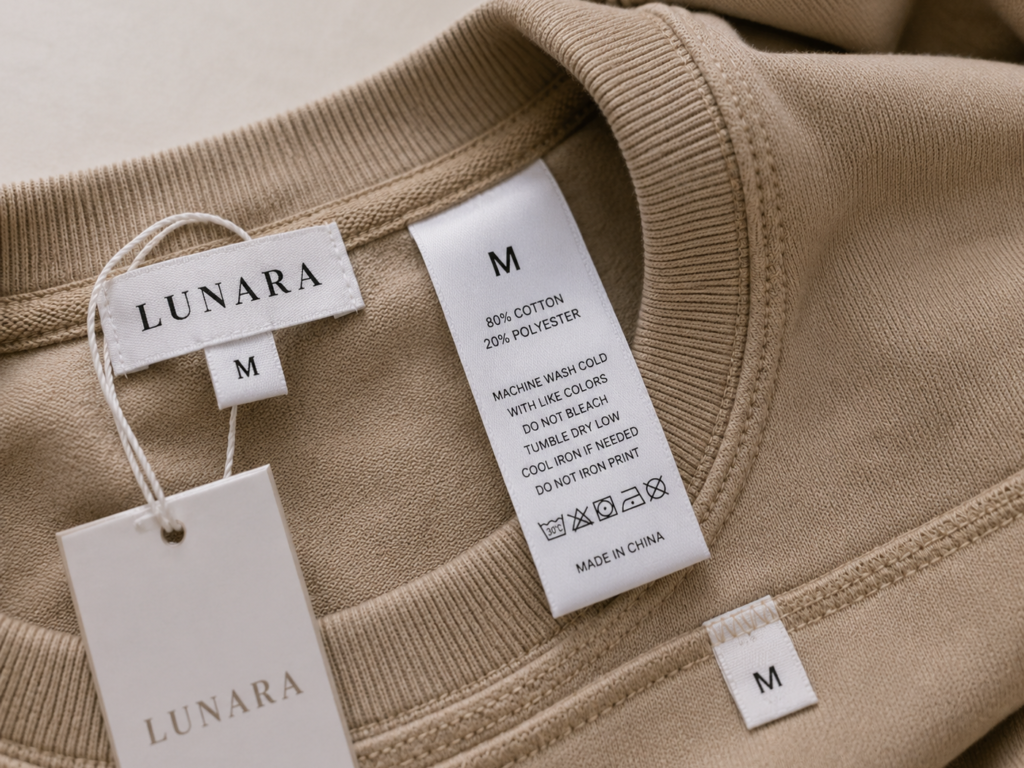
Private-label delivery requires the correct garment to reach the correct bag, carton, shipment, and warehouse record. Packing control begins before the garments are complete because artwork, barcode data, packaging materials, and supplier minimums need time for approval and production.

Main and Care Labels

Main labels, care labels, and legal content are checked against approved artwork and garment requirements. Fiber composition, care symbols, country-of-origin wording, brand presentation, label position, attachment method, and comfort are reviewed according to the project. Material or content changes are not accepted silently because incorrect care information can create compliance, return, and reputational risk.

Size and SKU Labels

Size labels, SKU labels, color identifiers, and internal codes must align with the approved size breakdown and packing plan. Multi-style orders require clear style-color-size mapping. Labels are checked before use, while packed garments are sampled to ensure the physical product, sewn label, sticker, and packing list identify the same SKU.

Barcode Verification

Barcode artwork and numbers are supplied or approved by the brand team. Verification covers readability, correct number, correct style, color, size, placement, and duplication risk. A pilot check before mass packing reduces the chance of thousands of garments carrying the wrong retail or warehouse identity.

Polybag Requirements

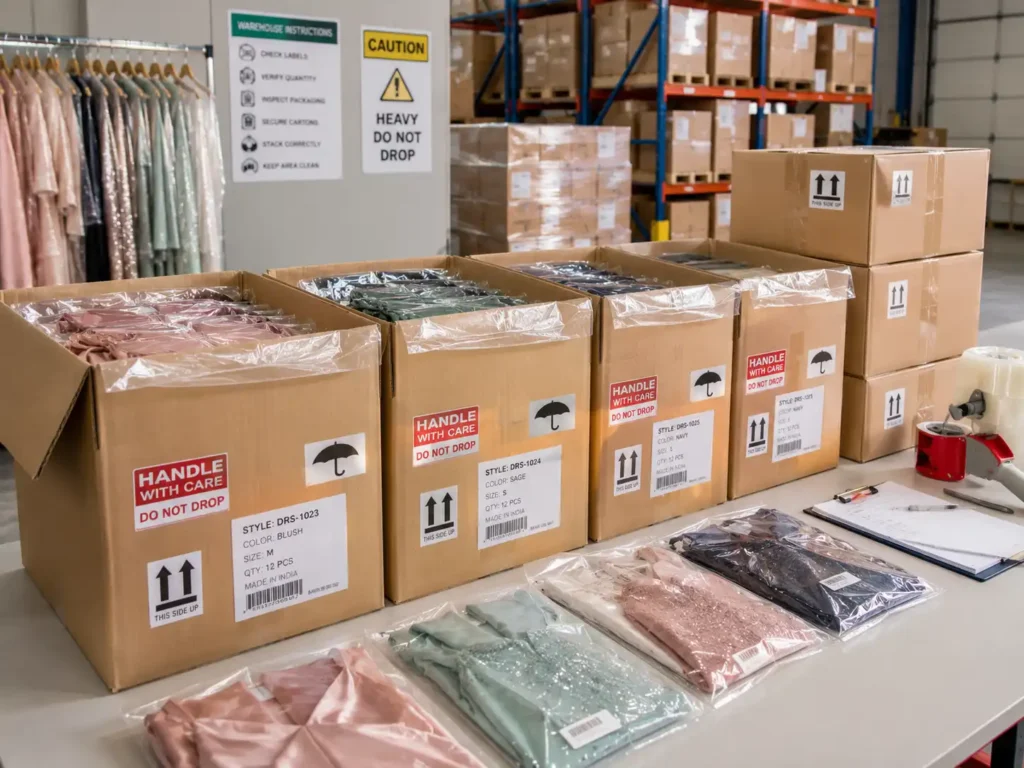
Polybags may require specified size, thickness, warning text, ventilation, recycled-material claim, adhesive position, printed information, or retailer format. Garment folding, decoration protection, hanger use, and anti-snag handling are considered. Satin, sequins, rhinestones, lace, long dresses, and structured garments may need special protection or packing methods.

Carton Marks

Carton marks connect physical cartons with style, color, size ratio, destination, purchase order, warehouse, and shipment documentation. Required marks, carton dimensions, gross and net weight, carton ratio, and mixed-size rules are confirmed before sealing. Incorrect marks can delay pickup, consolidation, customs processing, or warehouse receiving.

Warehouse Documents

Packing lists, commercial invoices, carton details, shipping marks, warehouse labels, booking instructions, and nominated-forwarder requirements are checked against the packed goods. Phased shipment or air-and-sea split plans require separate SKU and carton control. Document accuracy protects receiving, customs clearance, inventory posting, and later claim investigation.

Compliance Support Without Unverified Claims

Compliance work must be connected to the actual production unit, material source, document scope, validity period, product, market, and order requirement. Jinfeng supports project review and third-party coordination without treating every certificate as universal.

Factory and Quality Review

Jinfeng can support factory-profile review, production-process information, quality-control flow, packing-process review, client audit coordination, and available audit-related documentation. SMETA, Sedex, BSCI, ISO 9001-related quality management, or other requirements are discussed against the actual factory selected for the order. Validity, scope, and applicability require confirmation before any formal claim is used.

Material Testing Support

Fabric or garment testing can be arranged according to target market, product, brand manual, material, color, batch, and nominated laboratory. Possible areas include composition, shrinkage, color fastness, pH, formaldehyde, azo substances, pilling, strength, or project-specific performance. SGS, Intertek, Bureau Veritas, ITS, or another nominated provider can be coordinated by project where required.

NDA and Brand Protection

Jinfeng supports NDA-based cooperation covering brand identity, tech packs, line sheets, original samples, patterns, measurement files, materials, trims, labels, packaging, barcodes, quantities, target prices, launch plans, and unreleased designs. Public production proof and case material use anonymized or authorized content. Sensitive files, unreleased styles, order numbers, and brand-specific data are not used for marketing without permission.

Who Manages Each Production Risk

A controlled order is managed by connected roles rather than one salesperson passing messages. Jinfeng links project communication, merchandising, pattern, sampling, production, quality, finishing, packing, and logistics around the same approved product and timeline.

Project Contact

Kelly receives initial inquiries, collects files, clarifies product direction, target quantity, sampling needs, timeline, private-label requirements, and key risks. The project contact does not replace technical or quality responsibility. Relevant questions are routed to pattern, sampling, merchandising, production, QC, packing, or logistics teams for review and documented response.

Merchandising Team

The 12+ merchandisers coordinate style files, materials, sample status, revisions, order details, factory communication, production updates, packing requirements, inspection arrangements, and shipment preparation. Multi-style programs are tracked by style, material group, priority, approval status, and planned production stage so one urgent style does not obscure the status of the remaining collection.

Pattern Team

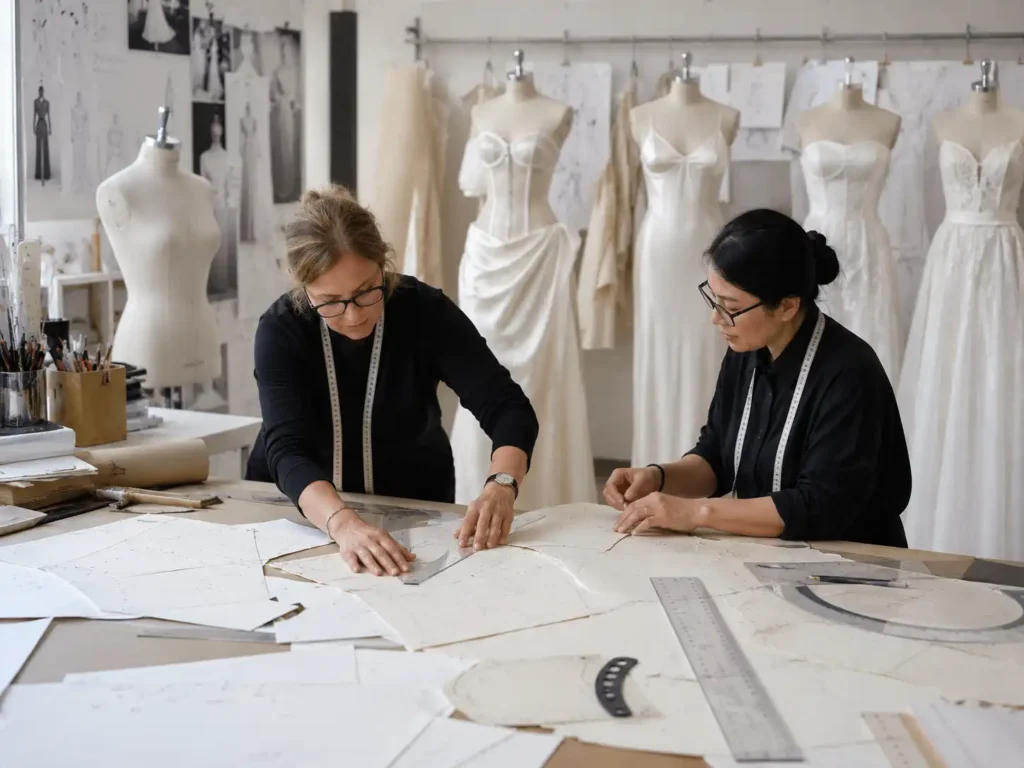
The 7+ senior pattern makers review silhouette, body proportion, measurements, fit comments, grade rules, fabric behavior, and structural changes. Pattern work covers dresses, skirts, jumpsuits, matching sets, and related fashion womenswear. Final patterns are connected to approved samples and measurement files before bulk cutting.

Sample Team

Two sample rooms and 20+ sample machinists support first samples, fit samples, revised samples, photo-ready samples, salesman samples, PP samples, and Golden samples. Complex mesh, lace, sequin, corset, cut-out, bodycon, jumpsuit, and evening styles are developed through product-specific construction and fitting review rather than one simplified sample method.

Production and QC

Production management confirms material readiness, factory allocation, line scheduling, approved standards, and progress. The 15+ QC inspectors cover fabric, cutting, sewing, measurements, finished garments, and packing. Findings are connected to corrective action and reinspection where needed, with project-specific coordination for client or third-party inspection.

Packing and Delivery

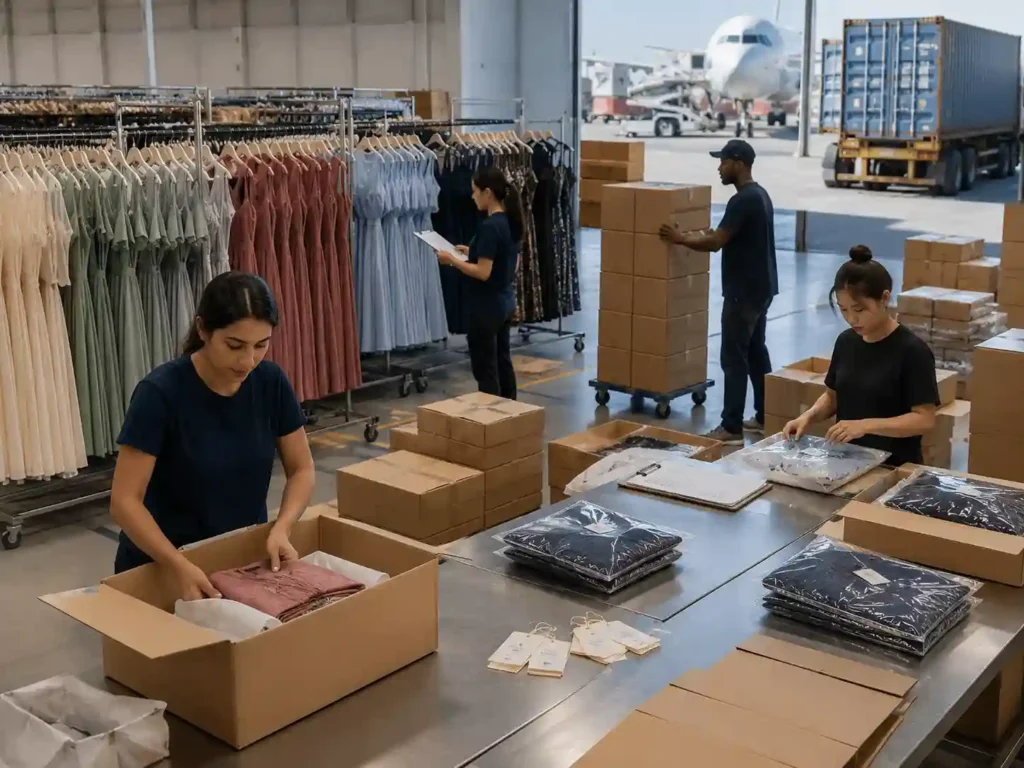
The 30+ finishing and packing workers support thread cleaning, appearance review, pressing, folding, labels, polybags, SKU checks, carton packing, carton marks, and shipment preparation. The logistics function coordinates packing data, commercial invoice, packing list, forwarder requirements, pickup, shipment documentation, tracking, and after-shipment communication.

Dress Programs Managed Through Risk Control

Anonymous case summaries show how product, material, fit, quality, SKU, packing, and delivery risks are managed across multi-style orders. Brand names, unreleased designs, technical files, prices, and confidential order details remain protected.

US Occasionwear Program

An anonymous US occasionwear brand developed 12 satin mini and midi dress styles with a total order of approximately 20,000 pieces. The collection included multiple colors and fitted silhouettes where small deviations in shade, zipper appearance, lining comfort, bust balance, and garment measurements could become visible across a large launch. Risk control began with satin direction, color reference, lining pairing, zipper choice, pattern review, and sample revisions. PP standards locked the approved fabric, construction, measurements, trims, finishing, and packing details. Bulk controls focused on dye-lot consistency, snag prevention, zipper flatness, lining position, measurements, pressing, and multi-color packing accuracy. The program moved through production with style-based records and coordinated inspection preparation.

US Private-Label Program

An anonymous US private-label apparel client placed an 18-style womenswear program of around 28,000 pieces covering satin, mesh, jersey, lace, and crepe dresses. The primary risk was not one garment defect; it was the interaction of many fabrics, sample versions, labels, barcodes, size-color SKUs, packing standards, client inspection requirements, and phased shipment dates. Jinfeng grouped the project by fabric and production status, tracked sample revisions and material progress by style, and standardized hangtags, barcodes, polybags, carton marks, and packing information. Production and packing status were coordinated against the inspection and shipment plan. Phased delivery reduced the need to hold every style until the full program was complete while preserving SKU and documentation accuracy.

Australian Partywear Program

An anonymous Australian partywear brand developed 14 mesh bodycon, cut-out, and lined party dress styles totaling approximately 24,000 pieces. Major risks included mesh transparency, stretch recovery, bust coverage, cut-out proportion, seam stability, lining exposure, measurement consistency, and the visual standard required for campaign imagery and ecommerce presentation. Development controls compared mesh and lining combinations, reviewed negative ease and recovery, corrected bust-waist-hip balance, stabilized cut-out edges, and checked movement and coverage. Sample revisions were separated from photo-sample needs, while PP approval established the bulk reference. In-line measurements and visual checks focused on tension, symmetry, lining position, seam distortion, and size stability before final packing.

Production Risk Control Frequently Asked Questions

Yes. Jinfeng can review quality manuals, defect classifications, measurement tolerances, inspection checkpoints, packing rules, and approval requirements before production. Any requirement affecting cost, testing, material, inspection resources, factory selection, or schedule is evaluated during project planning. The final operating plan is tied to the actual style and selected production unit.

Consistency is managed through approved bulk materials, final pattern versions, size charts, grade rules, PP samples, Golden samples, construction notes, first-piece review, in-line checks, measurement sampling, finished-garment inspection, and packing verification. A sample alone cannot control bulk production unless its approved details are transferred into production and QC files.

Jinfeng can work with an agreed AQL or inspection standard and coordinate client or third-party inspection by project. Inspection level, defect definitions, sample size, product readiness, booking, correction time, and reporting format should be confirmed before the final inspection window. Internal process control continues before final inspection rather than relying on AQL as the only quality activity.

Risks can be reported through project updates, open-item lists, sample trackers, material status, production status, QC findings, corrective actions, packing checks, and shipment updates. Urgent issues affecting safety, compliance, fit, critical construction, material approval, inspection, packing, or delivery are escalated separately with available options and a required decision date.

Jinfeng reviews the approved physical reference, color standard, lab dip where relevant, supplier information, bulk batch, dye lot, lining relation, surface direction, and visible bulk condition. Satin, mesh, lace, jersey, chiffon, prints, and special finishes receive product-specific checks. Testing or third-party verification can be arranged according to the project requirement.

Yes. PP and Golden sample approval can form part of the production release process. The PP sample should represent approved bulk fabric, pattern, measurements, construction, trims, labels, finishing, and relevant packing details. Major changes after approval may require updated review because the original reference no longer represents the planned bulk garment.

Production units are selected according to product, material, construction, quantity, quality requirement, and schedule. Planned factory allocation and relevant production arrangements are reviewed during project preparation. Changes affecting manufacturing location, technical suitability, QC coverage, or timing are communicated before implementation rather than treated as invisible internal adjustments.

Third-party inspection can be coordinated by project, subject to the selected factory, production status, inspection booking, confidentiality, access requirements, and agreed inspection standard. Brand-appointed providers may include SGS, Intertek, Bureau Veritas, ITS, or another nominated inspection company. Time for correction and reinspection should be included in the schedule.

MOQ starts from 200 pcs per style/color. MOQ is calculated by style and color rather than total order quantity. Special fabrics, custom dyeing, printing, uncommon trims, labels, hangtags, packaging, or certified materials may have separate supplier minimums. Final MOQ is confirmed after reviewing material, construction, color, size, and packing requirements.

Yes. NDA-based cooperation can protect tech packs, original samples, patterns, measurement files, material and trim information, labels, packaging, barcodes, quantities, prices, launch plans, and unreleased designs. Anonymous cases and process images are used only without protected brand information, or with authorization when identifiable content is involved.

Send Your Production Risk Requirements

A useful project review starts with enough information to identify product, material, fit, quality, capacity, packing, and delivery dependencies.

Send the available files even when every detail is not final. Jinfeng will separate confirmed requirements from open decisions and explain which items must be resolved before sampling, PP release, or bulk production.

Please include the most relevant materials:

  • Tech pack, original sample, reference image, sketch, or line sheet.
  • Product list with approximately 10-30 styles where a collection is under review.
  • Target quantity by style and color; standard MOQ starts from 200 pcs per style/color.
  • Fabric direction, color plan, trim requirements, and any nominated suppliers.
  • Size range, size breakdown, measurement chart, fit model, and tolerance standard.
  • Quality manual, defect classification, AQL or third-party inspection requirement.
  • Main label, care label, hangtag, barcode, SKU, polybag, carton, and warehouse guide.
  • Required sample stages, campaign dates, launch window, target ex-factory date, and shipment plan.
  • Known risks from an existing supplier, prior sample, previous production, returns, or warehouse feedback.
  • NDA, compliance-document, testing, audit, or factory-approval requirements.

Tell Us About Your Dress Project

Share your product details, estimated quantity and development requirements. Our team will review your project and provide practical OEM/ODM production feedback.

Premium Women’s Apparel Production for Fashion Brands

From dress sample development to bulk production, JF Apparel supports fashion brands with confidential OEM/ODM manufacturing, reliable quality control and scalable production support.

START YOUR DRESS PROJECT

Ready to Develop Your Next Dress Collection?

Share your design concept, product requirements or sourcing plans with our team. We’ll review your project and provide practical feedback on development, materials, MOQ and production.

7-10 Days

Sample Development

200 PCS

Starting MOQ

Fast Response

Professional Follow-Up