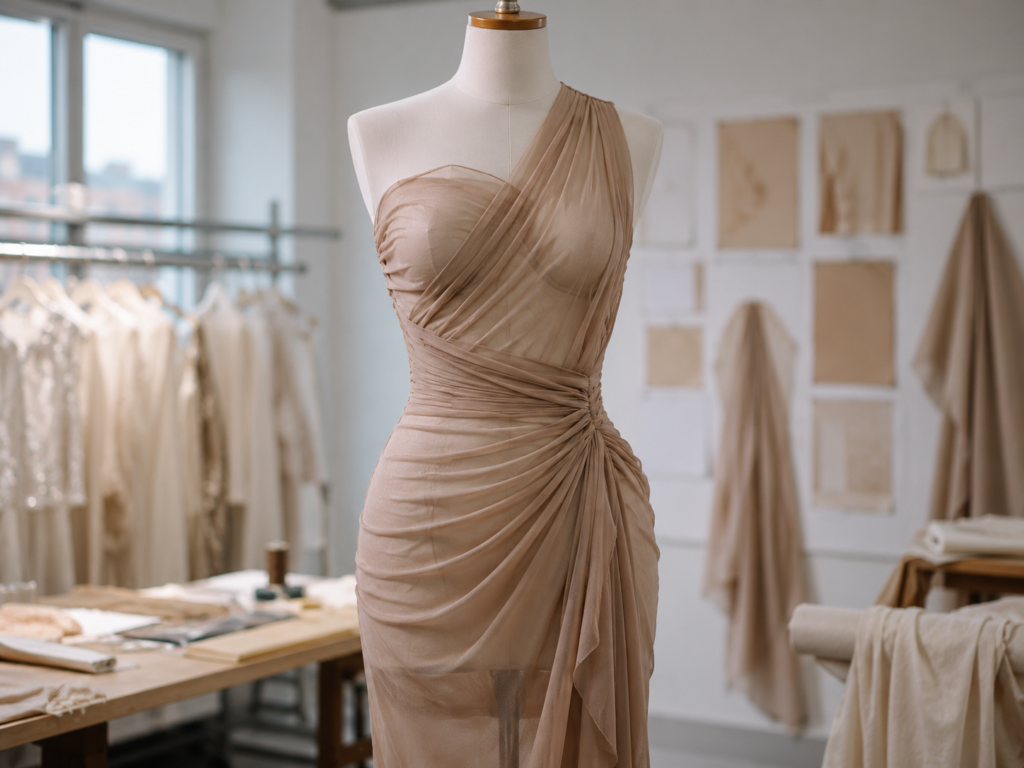
Dress Manufacturer for Product-Led Fashion Companies

Custom dress development built around product quality, fit, material behavior, launch timing, and repeatable bulk standards.

Jinfeng Apparel supports established fashion companies whose growth depends on stronger products rather than generic sourcing. Our team turns line sheets, tech packs, reference garments, sketches, and product feedback into approved samples and controlled bulk production.

  • 10-30 styles can be organized as one collection with grouped sampling and approvals.
  • Bulk programs can be planned across 20,000-80,000 pieces after style, material, and capacity review.
  • 2 sample rooms, 7+ senior pattern makers, and 20+ sample machinists support dress development.
  • 6 owned women’s fashion factories and 10+ long-term satellite partners support flexible allocation.
  • MOQ starts from 200 pcs per style/color, subject to fabric, trims, construction, and packing.

Manufacturing Facts Behind Product-Led Dress Programs

Product-led companies need more than a sewing quotation. They need development depth, accountable approvals, suitable production allocation, and records that remain useful when a winning style returns. Jinfeng Apparel combines dedicated womenswear development resources with a flexible manufacturing network for multi-style and repeat-order programs.

Since 2008

Jinfeng Apparel has focused on custom women’s fashion manufacturing since 2008. Long-term work covers dresses, skirts, jumpsuits, matching sets, tops, and private-label collections for the United States, United Kingdom, Europe, Australia, and Canada. Experience is applied to product structure, material selection, fit correction, sample approval, bulk execution, and export delivery.

6 Owned Factories

Six owned women’s fashion factories support woven dresses, stretch dresses, partywear, occasionwear, structured silhouettes, and coordinated womenswear collections. Allocation is based on fabric behavior, construction complexity, workmanship level, order quantity, delivery window, and packing requirements rather than assigning every style to the same production unit.

10+ Production Partners

More than ten long-term satellite production partners provide added capacity for peak seasons, repeat programs, and larger multi-style orders. Jinfeng merchandising, quality, packing, and shipment coordination remain connected to the approved product standard and project schedule.

2 Sample Rooms

Two dedicated sample rooms support first samples, fit samples, revised samples, photo-ready samples, salesman samples, PP samples, and Golden samples. Sampling is used to validate product decisions before fabric, trims, labels, and production capacity are committed.

7+ Pattern Makers

Seven or more senior womenswear pattern makers review bust shape, waist position, hip ease, neckline, strap length, armhole, back coverage, slit height, dress length, hem balance, and grading. Brand size charts and fit preferences guide the base pattern rather than a generic size template.

100,000+ Monthly Capacity

Monthly manufacturing capacity exceeds 100,000 pieces across the coordinated production structure. Capacity planning considers style count, fabric group, color count, size ratio, sewing complexity, inspection requirements, packing workload, and shipment dates before production slots are confirmed.

Built for Teams Competing Through Better Products

Strong product companies protect design intent while balancing speed, margin, quality, and repeatability. Jinfeng Apparel works with product, sourcing, merchandising, and quality teams through clear technical files, recorded approvals, and production controls suited to established fashion operations.

Product Development Teams

Product development teams need a manufacturer able to interpret references, identify missing technical information, compare fabric options, correct patterns, and turn fit comments into measurable changes. Jinfeng reviews construction, measurements, lining, closures, trims, finish, and production feasibility before the approved sample moves into bulk preparation.

Sourcing and Merchandising

Sourcing and merchandising teams need clear MOQ boundaries, cost logic, material status, capacity allocation, and delivery milestones. Quotations are built from fabric, trims, pattern work, construction, labor, pressing, QC, packing, wastage, testing, freight requirements, and quantity rather than an unsupported low starting price.

Quality and Operations

Quality and operations teams need approved standards that can be checked during production. Jinfeng connects final patterns, size charts, fabric references, trim cards, sewing instructions, label placement, packing instructions, PP samples, and Golden samples to in-line inspection, garment measurement, final inspection, and shipment preparation.

From Product Direction to Production-Ready Dresses

A dress concept becomes scalable only after design, material, fit, construction, cost, and approval decisions are converted into factory-ready standards. Jinfeng Apparel follows a connected development path so creative direction and manufacturing execution do not separate between sampling and bulk production.

Product Brief Review

The starting file may be a line sheet, tech pack, original garment, sketch, reference image set, or structured design brief. Our team reviews silhouette, target occasion, size range, fabric direction, trim requirements, quantity, target delivery, private-label needs, and missing information before development begins.

Fabric Direction

Fabric is reviewed for composition, weight, width, hand feel, stretch, recovery, drape, transparency, shine, shrinkage, wrinkle behavior, shade risk, MOQ, cost, and availability. Lining and interfacing requirements are considered together with the shell material.

Pattern Development

The base pattern translates the intended silhouette into measurable shape. Bust, waist, hip, neckline, shoulder, armhole, strap, back, slit, hem, and length are checked against the brand’s size chart and fit preference.

First Sample

The first sample tests silhouette, construction order, fabric behavior, proportion, support, coverage, movement, and finishing. Sample comments are converted into recorded pattern, measurement, material, trim, and workmanship actions.

Fit and Revision

Fit review focuses on the wearer rather than the flat garment. Corrections may include bust volume, waist position, hip ease, strap length, neckline depth, armhole coverage, back height, slit safety, lining length, and hem balance.

PP Approval

The PP sample becomes the production reference after fabric, color, trims, measurements, construction, labels, hangtags, packaging, and key QC points are approved. Late changes are reviewed for cost, material, and schedule impact before acceptance.

Bulk Production

Production begins after material readiness, factory allocation, cutting preparation, technical handover, and approval lock. In-line controls compare work against the approved pattern, measurements, workmanship, and reference sample.

Packing and Delivery

Finished garments are checked, pressed, folded, labeled, packed, counted, and separated by SKU, size, and color. Carton marks, packing lists, freight documents, and warehouse requirements are coordinated before shipment.

Dress Categories Developed Around Product Strategy

Product-led ranges need category knowledge, not a single factory method applied to every silhouette. Each dress group below carries different fit, fabric, construction, cost, and quality risks. Jinfeng Apparel matches development and production controls to the commercial role of each style.

Mini Dresses

Mini dresses depend on proportion and movement control. A small change in body length, waist position, slit, skirt sweep, or lining can affect coverage and visual balance. Development reviews hem placement, seat ease, zipper behavior, strap stability, lining length, and movement. Bodycon minis need recovery and negative-ease control, while woven minis need enough ease for sitting and walking without losing the intended fitted shape.

Midi Dresses

Midi dresses need balanced length, waist position, hem sweep, and fabric drape. Slip, wrap, A-line, corset, and occasion midi styles each require a different pattern approach. Cutting direction, side-seam balance, lining length, slit height, and hem evenness become important in satin, chiffon, rayon, and bias-influenced designs. Bulk checks focus on length consistency and front-to-back balance across sizes.

Maxi Dresses

Maxi dresses use more material and expose problems in drape, panel balance, print direction, side seams, hem leveling, and packing. Chiffon, satin, rayon, lace, and resort maxi styles may require controlled relaxation before hemming. Development reviews fabric width, marker efficiency, lining coverage, skirt volume, train or floor clearance, and carton packing so the garment arrives without avoidable distortion.

Party and Occasion

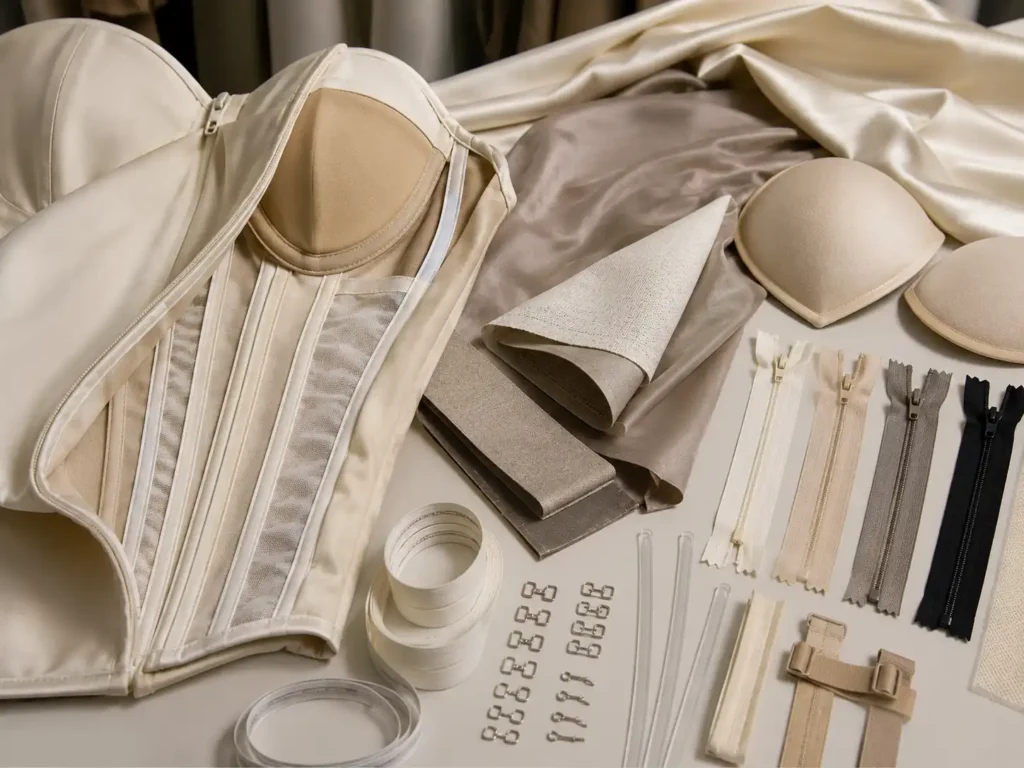
Party and occasion dresses combine visual impact with support, comfort, and reliable finishing. Structured bust areas, corset panels, boning, cups, mesh inserts, lace placement, sequins, rhinestone trims, ruching, and fitted skirts increase development and production risk. Sampling checks skin contact, support, coverage, zipper flatness, trim security, lining, and movement before decorative details are released for bulk.

Bodycon and Corset

Bodycon and corset dresses rely on controlled stretch, recovery, bust-waist-hip balance, and internal support. Power mesh, ponte, jersey, stretch satin, lining, bra cups, boning, elastic, and closures must work as one system. Pattern decisions include negative ease, cup position, waist suppression, hip contour, seam direction, and opening method. Bulk measurement alone is not enough; recovery and wearer movement also matter.

Satin and Slip

Satin highlights every construction decision. Shine direction, snagging, needle marks, seam puckering, zipper waves, pressing marks, and lining shadows can weaken a premium appearance. Slip dresses add strap length, neckline shape, bias behavior, bust coverage, and hem balance. Fabric batches, cutting direction, machine handling, seam allowance, pressing method, hanging time, and packing are controlled around satin’s visible surface.

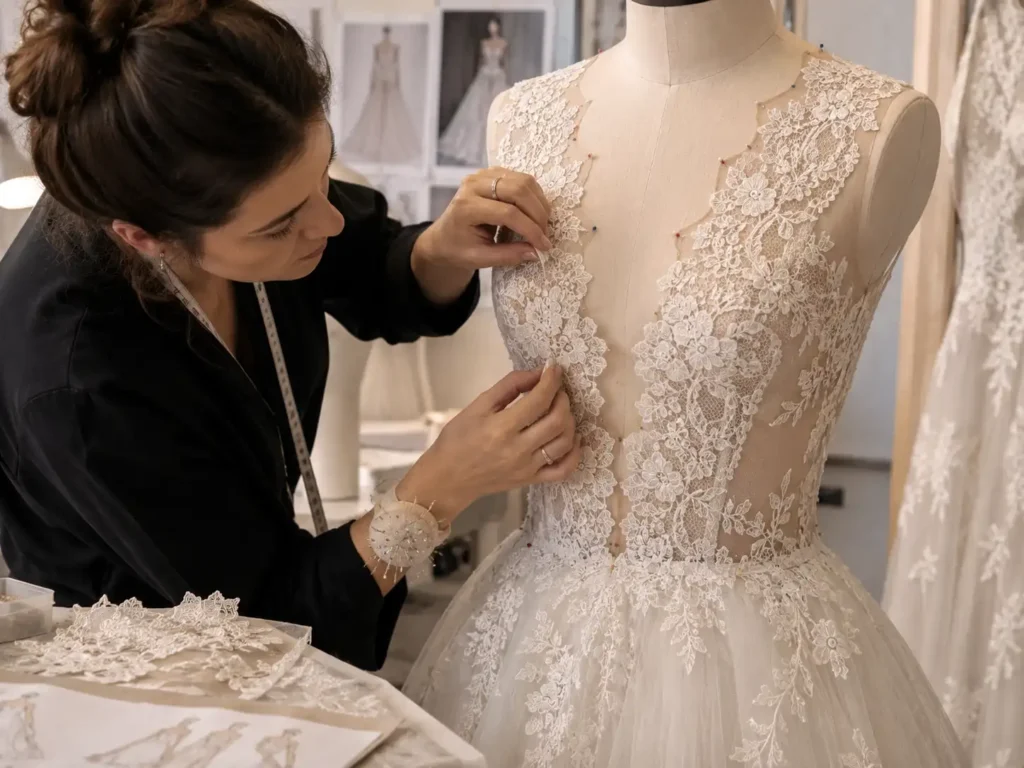
Mesh and Lace

Mesh and lace create transparency, placement, and edge-control challenges. Mesh may stretch differently by direction and can distort around necklines, armholes, cut-outs, and ruched areas.

Lace requires pattern placement, motif balance, joining, lining color, edge finish, and damage inspection. Both materials need clear coverage rules and sample approval under realistic lighting before bulk cutting.

Resort, Jumpsuits, and Sets

Resort dresses, jumpsuits, and matching sets support broader product stories but add coordination needs. Resort products require lightness, drape, print placement, opacity, packability, and seasonal timing. Jumpsuits need torso length, crotch depth, waist position, entry method, and movement control. Matching sets require color, fabric, fit, labels, and packing consistency across separate garments sold as one coordinated product.

Design Details Treated as Measurable Product Decisions

Design value often sits in small proportions: a neckline depth, strap position, waist seam, cut-out edge, ruching direction, or hem sweep. Jinfeng Apparel converts visual intent into measurable construction and inspection points so signature details remain stable from sample to bulk.

Bust and Neckline

Bust fit affects support, coverage, neckline shape, and wearer confidence. Development reviews upper bust, full bust, underbust, cup position, neckline depth, center-front stability, armhole coverage, lining, bra cups, boning, underwire, anti-slip support, and closure placement. Deep V, strapless, corset, halter, and slip styles require different support systems. Comments such as “more secure” or “less open” are translated into pattern and measurement changes.

Waist and Hip

Waist position determines visual proportion, while hip ease controls movement and surface smoothness. High waist, natural waist, dropped waist, corset waist, and elastic waist constructions cannot share one balance rule. Development checks waist seam level, side-seam direction, dart or panel shape, hip curve, negative ease, fabric recovery, zipper stress, lining allowance, and sitting comfort. Bulk checks connect waist and hip measurements with the approved silhouette.

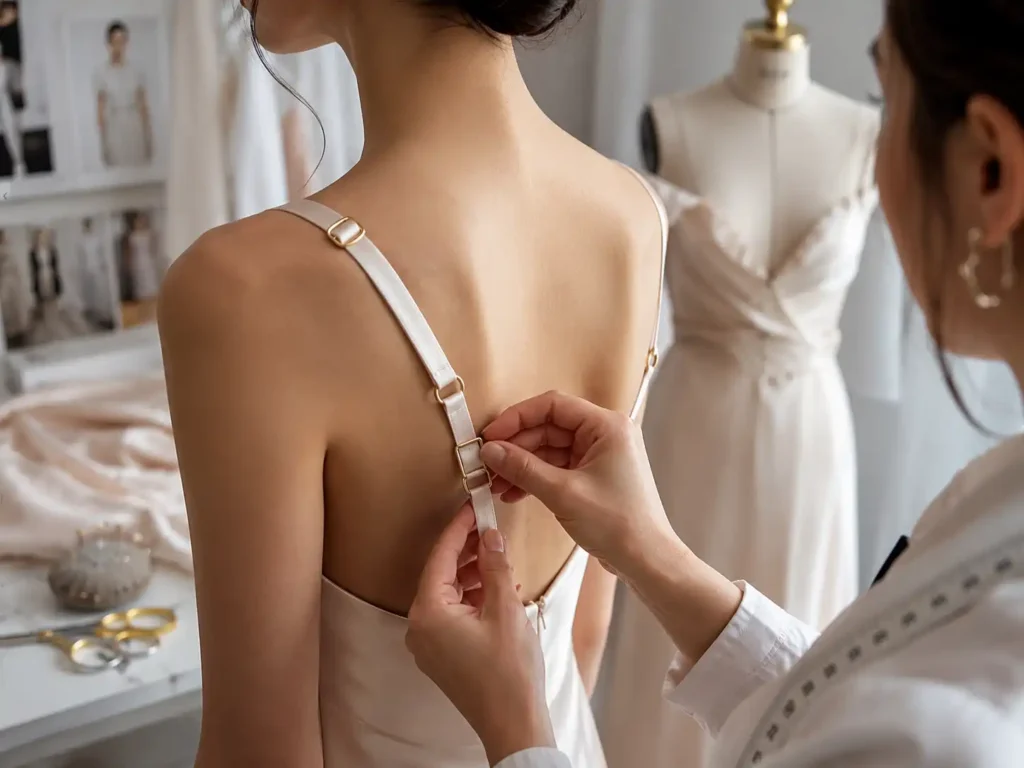
Straps and Backs

Strap width, length, spacing, sliders, attachment strength, and back height affect both appearance and safety. Backless, halter, cross-back, lace-up, and low-back dresses require careful force distribution so the front neckline and bust remain stable. Pattern and sample review cover strap angle, back opening, elastic support, tie length, hardware, seam reinforcement, skin comfort, and adjustability. Attachment points are treated as functional load areas rather than decorative details.

Cut-Outs and Ruching

Cut-outs require exact location, edge stability, lining decisions, and grading control. A position that works on the base size may shift poorly across a full size range without dedicated grade rules. Ruching requires controlled direction, density, stretch, gathering ratio, seam length, and visual symmetry. Jinfeng records placement references and construction methods so bulk operators reproduce the intended effect instead of improvising from a photo.

Skirts, Slits, and Hems

Skirt shape is controlled through panel direction, flare distribution, pleats, gathers, godets, ruffles, slit position, and hem sweep. Slit height must balance movement, styling, and coverage. Chiffon, satin, rayon, mesh, and bias-influenced dresses may require fabric relaxation before final hemming. Bulk quality review checks front-back balance, side seams, hem level, slit reinforcement, lining length, and consistent skirt volume.

Lining and Closures

Lining influences opacity, comfort, support, seam appearance, and product value. The correct lining depends on shell fabric, stretch, color, wearer contact, and silhouette. Closures may include invisible zippers, metal zippers, hooks, snaps, buttons, ties, elastic, or lace-up systems. Development checks zipper flatness, opening length, puller quality, hook placement, seam allowance, lining attachment, and ease of dressing before the closure is approved.

Core Fabric Control Matrix

Material selection changes the silhouette, sewing method, lining, pattern allowance, sample result, production risk, MOQ, cost, and lead time. Jinfeng Apparel evaluates fabric as a product engineering decision rather than a color-and-price choice.

Fabric Group

Typical Dress Use

Development Focus

Bulk Risk

Main QC Points

Satin / Stretch Satin

Slip, party, occasion, bridesmaid

Shine direction, ease, lining, zipper, bust shape

Snagging, shade variation, seam waves, pressing marks

Surface, color, seam flatness, zipper, hem

Chiffon

Maxi, wrap, occasion, resort

Transparency, lining, drape, panel direction, hem

Slippage, uneven hem, puckering, shade difference

Opacity, seams, hem level, lining, defects

Mesh / Power Mesh

Bodycon, cut-out, club, layered styles

Stretch direction, recovery, coverage, edge stability

Distortion, holes, transparency inconsistency

Stretch, recovery, edges, lining, damage

Lace

Cocktail, occasion, wedding guest

Motif placement, joining, lining color, edge finish

Misaligned motifs, holes, fraying, batch variation

Placement, joins, edges, lining, shade

Sequin Fabric

Party, evening, statement dresses

Sequin direction, seam clearing, lining, skin comfort

Sequin loss, scratching, heavy seams, zipper blockage

Attachment, comfort, surface, seams, packing

Jersey / Ponte

Bodycon, day-to-night, fitted dresses

Stretch, recovery, negative ease, seam stability

Torque, growth, measurement drift, shine

Recovery, seams, measurements, appearance

Rayon / Viscose

Resort, midi, maxi, casual dresses

Shrinkage, drape, ease, hem, print behavior

Wash shrinkage, twisting, length change

Shrinkage, measurements, print, hem, drape

Velvet / Crepe / Suiting

Occasion, structured, winter dresses

Nap direction, structure, pressing, seam bulk

Shade by direction, pressure marks, uneven surface

Direction, pressing, seams, shape, finish


A fabric change during sampling triggers a fresh review of pattern allowance, lining, stretch, drape, cost, MOQ, and delivery. Approval should record composition, weight, hand feel, stretch, recovery, transparency, color, supplier reference, and whether a new sample is needed.


Pattern Development for Brand-Specific Fit

Fit consistency begins with the brand’s own measurements and product preference. Jinfeng Apparel develops US, UK, EU, AU, alpha, extended, plus, petite, and tall ranges from supplied size standards rather than applying one universal chart.

Base Size Control

The base size sets silhouette, balance, and proportional logic for the full range. Pattern review considers bust, underbust, waist, hip, shoulder, armhole, neckline, strap, back, length, slit, hem, and crotch measurements where relevant. Fabric stretch, lining, support structure, target market, reference sample, and fit-model comments are recorded with the base-size decision.

Fit Correction

Fit comments need measurable actions. “Too loose at the bust” may involve cup volume, neckline shape, armhole, strap angle, side seam, or fabric recovery. “Waist looks low” may involve bodice length, shoulder slope, bust position, or skirt seam placement. Jinfeng converts visual comments into pattern and measurement changes, then records the revised points before a new sample is made.

Size Grading

Grading is reviewed by garment type and design detail. Cut-outs, corset panels, cup positions, strap spacing, neck drops, slit heights, and mini lengths may need controlled grade rules rather than equal increases at every size. Final production files connect the approved base size, grade rules, tolerance, labels, and measurement checkpoints to cutting and bulk QC.

Sampling Built Around Approval, Not Guesswork

Sampling provides decision gates for silhouette, fabric, construction, fit, finish, labels, and bulk readiness. Typical planning ranges below support schedule building, while final timing depends on material availability, style complexity, trim development, feedback speed, and revision scope.

File Review

A structured file review commonly takes 1-3 business days. The review covers construction, missing measurements, fabric direction, trim needs, MOQ fit, quantity, size range, packing, target delivery, and questions requiring confirmation before pattern work begins.

Fabric Shortlist

Available fabric resources can commonly be shortlisted in 3-7 business days. Timing changes when custom dyeing, printing, certified materials, special lace, sequins, or custom trims are required. Approval focuses on hand feel, weight, stretch, drape, opacity, color, cost, and availability.

First Sample

A first sample is commonly planned within 7-15 business days after required materials and technical information are ready. Complex corset, multi-layer, lace-placement, sequin, or hand-finished styles may need additional development time. Approval focuses on silhouette, construction, fit, and fabric behavior.

Fit Review

Fit comments are commonly coordinated within 2-5 business days after the brand receives photos, video, measurements, or the physical sample. Faster decisions depend on one consolidated feedback document and clear approval responsibility within the product team.

Revised Sample

A revised sample is commonly planned within 5-10 business days, depending on correction scope and material changes. Pattern corrections, measurement changes, construction updates, fabric replacement, trim adjustment, and finishing comments are recorded before the revised sample is cut.

PP and Bulk Planning

The PP sample is scheduled after final fabric, color, trims, labels, and packing are available. Bulk production is commonly planned around 25-45 days after PP approval and material readiness, with final timing based on style count, quantity, complexity, QC, packing, factory allocation, and launch schedule.

Multi-Style Collections Managed as One Product Program

A 10-30 style collection cannot be managed as a stack of unrelated samples. Jinfeng Apparel groups styles by material, silhouette, construction, priority, and production route so key products move first and shared decisions remain consistent across the range.

Line Sheet and Fabric Grouping

The line sheet is reviewed by style family, fabric group, color story, size range, construction level, target quantity, photo-sample need, and launch date. Shared satin, mesh, lace, lining, zipper, label, or packaging resources are grouped to improve approval consistency and material planning. High-risk styles are identified early rather than discovered after every sample has entered the room.

  • Group by shell fabric and lining system.
  • Separate structured, stretch, lightweight, and embellished construction.
  • Confirm hero SKUs, supporting SKUs, and repeat candidates.
  • Review quantity per style/color instead of total collection quantity alone.

Sample Priority and Tracking

Key styles are prioritized by launch date, photo shoot, fabric readiness, construction risk, sales importance, and bulk timing.

A shared tracker records file status, fabric status, pattern status, sample version, comments, approval responsibility, and next action. Product teams gain a clear view of which styles are moving, waiting, changing, or approved.

  • Prioritize hero SKUs and long-lead materials.
  • Consolidate comments by sample version.
  • Record pattern, fabric, trim, and construction changes.
  • Prevent outdated comments from entering later samples.

Approval and Production Grouping

Approved styles are grouped for PP confirmation, material ordering, factory allocation, cutting, sewing, QC, packing, and shipment.

A collection may use several factories or lines, but every group remains tied to final patterns, approved materials, measurements, workmanship standards, and packing instructions.

  • Lock approved specifications before bulk.
  • Allocate factories by product structure and material.
  • Plan inspection and packing by SKU group.
  • Coordinate phased deliveries around launch priorities.

Sample-to-Bulk Transfer Locks the Approved Product

A strong sample has limited value when production teams receive incomplete or outdated information. Jinfeng Apparel transfers approved product decisions into final technical references before cutting begins.

Technical Handover

The production handover includes the final pattern, approved size chart, grade rules, measurement tolerance, fabric reference, lining reference, trim card, sewing instruction, construction details, label placement, hangtag placement, barcode requirements, folding method, polybag requirements, carton marks, and QC checkpoints. Sample comments are checked against the final file set so rejected versions do not remain active.

PP Lock

PP approval locks fabric, color, construction, measurements, trims, labels, hangtags, packaging, and key visual details.
A requested change after lock is reviewed for pattern work, new sampling, material replacement, cost change, production delay, and approval responsibility. Production does not rely on verbal memory or scattered chat messages.

Golden Sample Reference

A Golden sample can be retained as the visual and construction reference for bulk production and final inspection.

The sample helps teams compare silhouette, drape, stitching, trim placement, lining, zipper behavior, label position, finish, and packing presentation alongside measurable specifications.

Factory Allocation by Fabric, Construction, and Volume

Flexible capacity only creates value when the right product reaches the right production team. Jinfeng Apparel allocates approved styles according to fabric behavior, construction method, workmanship level, quantity, schedule, and inspection requirements.

Owned Factory Structure

Six owned women’s fashion factories support core dress, skirt, jumpsuit, set, and private-label programs. Owned capacity provides a stable base for repeat styles, coordinated quality standards, production records, and long-term brand programs.

Satellite Capacity

More than ten long-term satellite partners provide added capacity during seasonal peaks, large collection launches, repeat-order surges, and mixed product programs. A partner is selected according to category capability and project requirements rather than used as anonymous overflow.

Allocation Criteria

Factory matching considers woven or stretch construction, satin handling, mesh or lace work, sequin handling, corset structure, lining method, order quantity, color count, size curve, packing complexity, launch date, inspection plan, and available production window. Material and approval readiness are checked before a slot is treated as confirmed.

Workmanship Standards for Complex Dress Construction

Premium appearance is built through controlled sewing, joining, support, edge finishing, pressing, and handling. Complex dresses require material-specific workmanship rather than a generic seam standard. Jinfeng Apparel reviews construction during sampling and carries approved methods into production instructions and quality checks.

Satin Seam Control

Satin can expose needle marks, tension imbalance, seam puckering, feed marks, zipper waves, and pressing damage. Workmanship planning covers needle and thread suitability, seam allowance, stitch density, handling direction, zipper insertion, lining attachment, pressing temperature, and protective packing. Operators must avoid dragging or stacking unprotected satin surfaces. Final review checks smooth seams, clean shine, stable hemlines, and no visible impressions.

Mesh and Lace Joining

Mesh needs controlled tension and edge stability; lace needs motif alignment and clean joining. Sewing methods are selected around stretch direction, transparency, seam visibility, lining, and wearer contact. Cut edges, neckline curves, armholes, cut-outs, and ruched joins are checked for distortion. Lace placement references are marked so motifs remain balanced between left and right sides and across repeat units.

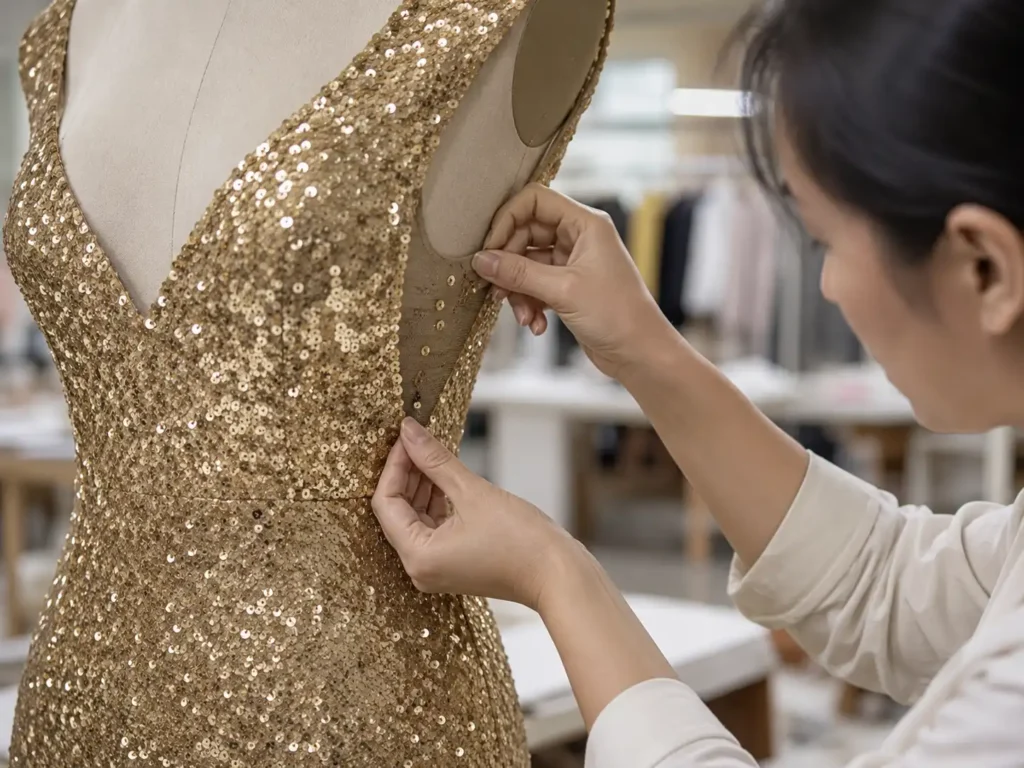
Sequin Handling

Sequin fabric adds weight, thickness, surface direction, needle risk, and skin-contact issues. Sequin clearing around seam allowances, zipper channels, darts, and hems may be required before joining. Loose or sharp areas are reviewed during sampling. Lining protects the wearer and can also stabilize the structure. Packing prevents crushing, abrasion, and trim entanglement during transport.

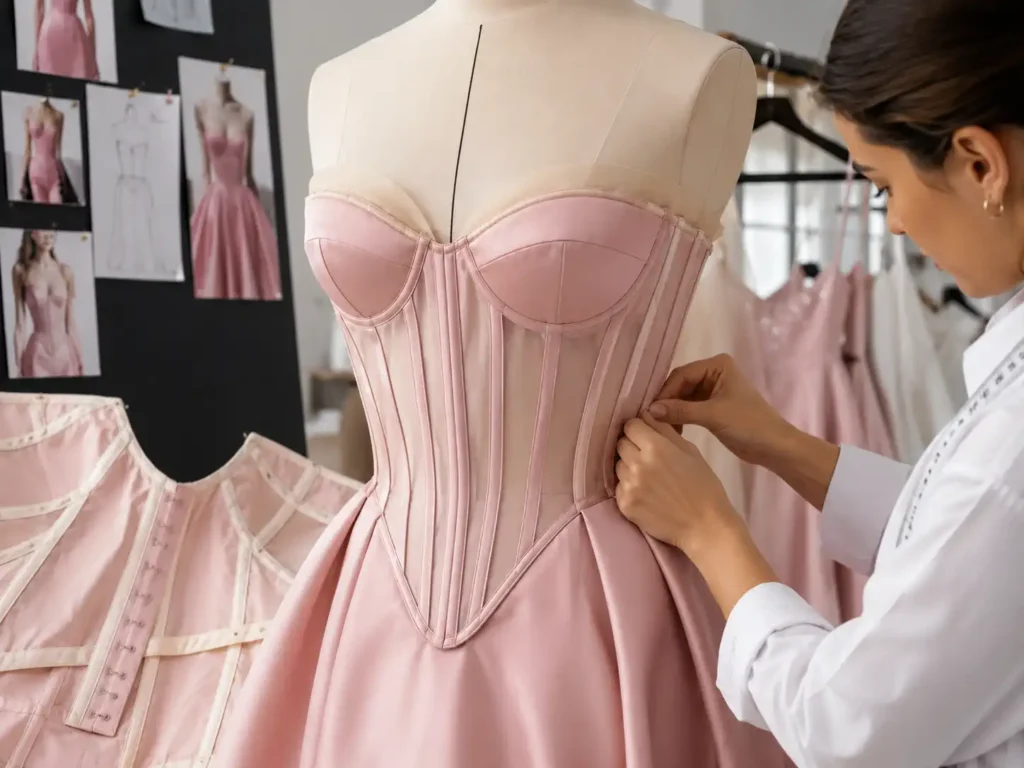
Corset Construction

Corset dresses combine pattern shape with cups, boning, channels, interfacing, lining, closure, and seam control. Workmanship must keep left-right symmetry, cup position, waist shape, panel smoothness, and opening stability. Boning ends need secure and comfortable finishing. Zippers or lace-up closures must sit flat without pulling the waist or changing the neckline shape.

Ruching and Draping

Ruching needs a controlled gathering ratio, direction, density, and attachment method. Uneven gathering can shift side seams, distort cut-outs, change length, or create bulk under a zipper. Approved samples provide placement and visual references. During production, operators follow section marks and seam lengths rather than estimating the effect by eye.

Lining and Zipper Finish

Lining should support opacity, comfort, structure, and clean internal finishing without pulling the shell. Zippers must open smoothly, remain flat, and match the approved length and color. Top and bottom stops, hooks, seam allowance, lining clearance, and puller finish are reviewed. Final pressing must not imprint zipper tape or internal seam allowance onto the outer fabric.

Eleven Production Stages Before Final Packing

Bulk quality depends on controlled preparation and follow-through, not only a final inspection. Jinfeng Apparel organizes production through eleven core stages, with approvals and records connected to material, cutting, sewing, finishing, and packing.

Materials and Preparation

  1. Fabric purchasing confirms shell, lining, contrast fabric, mesh, lace, sequin fabric, print, dyeing, and project-specific materials.
  2. Fabric inspection checks composition reference, weight, width, color, shade, hand feel, stretch, defects, shrinkage risk, and quantity.
  3. Fabric relaxation allows selected materials to settle before cutting where required.
  4. Cutting preparation confirms final pattern, shrinkage, width, direction, print or nap orientation, marker planning, and quantity.

Cutting and Sewing

  1. Cut-panel inspection checks size, direction, defects, matching, notches, quantity, and panel accuracy before sewing.
  2. Sewing follows the approved construction sequence, seam standard, trim method, lining method, label placement, and workmanship references.
  3. In-line inspection checks emerging measurements, seam quality, symmetry, construction, trims, and recurring defects while correction remains possible.

Finishing and Packing

  1. Pressing shapes the garment and removes process wrinkles without damaging shine, texture, print, embellishment, or seam appearance.
  2. Finishing removes loose threads, checks fastenings, cleans marks, secures trims, and prepares the garment for final review.
  3. Garment inspection checks appearance, measurements, construction, workmanship, labels, and approved product details.
  4. Packing confirms folding, hangtags, barcodes, size labels, polybags, SKU separation, carton quantity, carton marks, and shipment records.

Quality Controls That Protect Bulk Consistency

Quality control is divided across material, production, finished garment, packing, and shipment stages. Jinfeng Apparel uses approved files and reference samples to identify drift early, not only after the full order is complete.

Before Sewing Begins

Material and cutting control establish the base for every later stage. Fabric is reviewed for shade, weight, width, hand feel, stretch, recovery, surface defects, print direction, and shrinkage risk. Final patterns, size charts, marker plans, and cutting direction are checked before bulk cutting. Cut panels are inspected for defects, size, orientation, matching, and quantity. Special attention is given to satin shine direction, velvet nap, lace motifs, sequin direction, printed placement, mesh stretch direction, and bias-influenced panels.

Key controls include:

  • Approved fabric and lining references.
  • Shade grouping and defect identification.
  • Pattern version and size verification.
  • Cutting direction, print, motif, or nap control.
  • Cut-panel quantity and bundle accuracy.

During Sewing and Finishing

In-line inspection checks workmanship while teams can still correct the process. Inspectors review seam type, stitch quality, symmetry, measurements, neckline, armhole, strap, waist, hip, zipper, lining, slit, hem, trim placement, and recurring operator defects. For structured or embellished styles, control includes cups, boning, lace joins, sequin attachment, rhinestone trims, ruching, and skin-contact points. Pressing is reviewed for shape and surface protection, especially on satin, velvet, crepe, sequin, and bonded structures.

Key controls include:

  • First-piece and in-line workmanship review.
  • Measurement checks at selected operations.
  • Repeated-defect tracking and correction.
  • Trim security and wearer-comfort checks.
  • Pressing method and surface protection.

Final Garment and Packing

Final inspection compares garments with the approved PP or Golden sample, measurement chart, workmanship standard, label artwork, packing instruction, and order breakdown. AQL, client inspection, or third-party inspection can be coordinated by project. Jinfeng can cooperate with SGS, Intertek, BV, or ITS when requested and arranged for the assigned production site. Packing checks connect each garment to the correct style, color, size, barcode, SKU, polybag, carton, and carton mark.

Key controls include:

  • Appearance and measurement inspection.
  • Label, hangtag, barcode, and SKU verification.
  • Packing quantity and carton-level reconciliation.
  • Client or third-party inspection coordination.
  • Packing list and shipment document preparation.
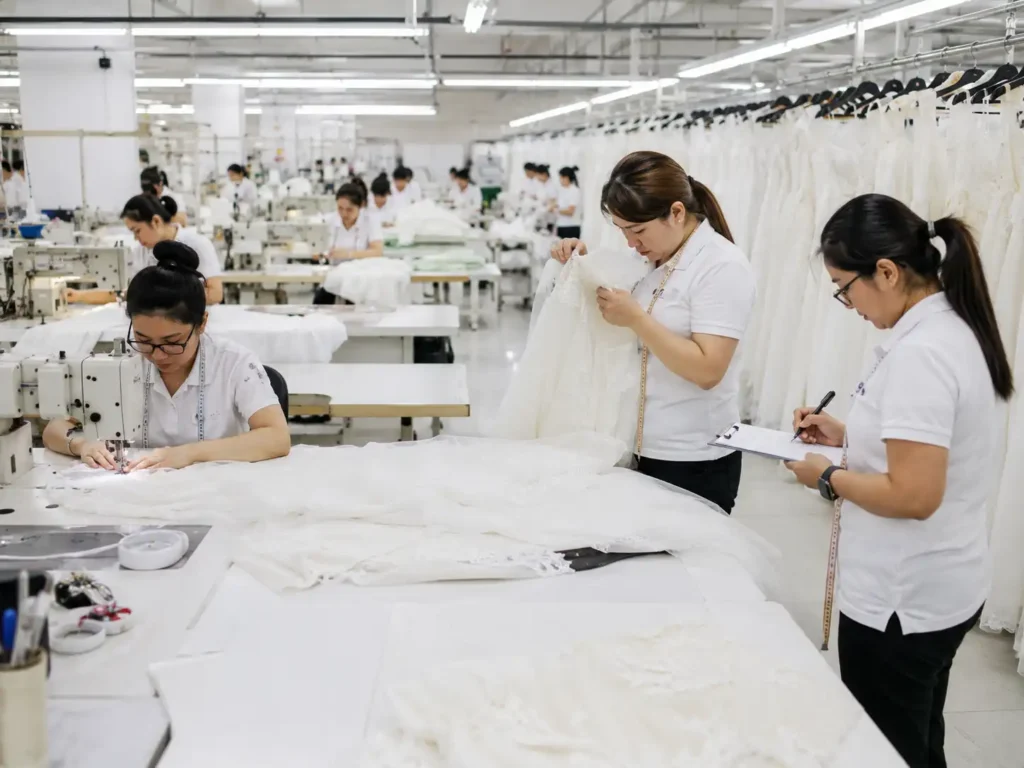
Size Systems for US, UK, EU, and AU Markets

Jinfeng Apparel develops patterns from the brand’s own size chart, fit preference, target market, fabric behavior, and product category. Generic conversions are not used as a substitute for an approved brand standard.

Size Development Inputs and Controls

Development Input

Required Decision

Dress-Specific Application

Bulk Control

Target market

US, UK, EU, AU, or defined regional fit

Ease, length, bust-waist-hip balance, coverage

Approved size chart by market

Base size

Selected sample and fit size

Silhouette, proportions, support, key design placement

Base pattern and fit sample

Grade rules

Increment by point of measure

Cup position, straps, cut-outs, neck drop, slit, mini length

Graded pattern review

Fabric stretch

Direction, percentage, recovery

Negative ease, lining, zipper, movement

Recovery and measurement checks

Fit preference

Close, regular, relaxed, structured

Bust support, waist shape, hip ease, skirt volume

PP sample comparison

Measurement tolerance

Allowed production variation

Bust, waist, hip, length, strap, armhole, slit

In-line and final measurement

Extended range

Plus, petite, tall, or custom

Proportional rules beyond standard grading

Dedicated samples where required

Size ratio

Quantity by size

Cutting, labels, packing, carton breakdown

SKU and carton reconciliation


Sample and bulk measurement points may include bust, underbust, waist, hip, shoulder, armhole, strap length, neckline depth, back height, dress length, slit height, hem width, sleeve, and jumpsuit crotch or inseam. The final set depends on the silhouette and construction.


Private-Label Packing for Retail and Ecommerce Delivery

A product program is not complete when sewing ends. Labels, barcodes, folding, polybags, cartons, and shipment records must match style, color, size, SKU, and destination requirements. Jinfeng Apparel manages private-label packing as part of production planning.

Brand Labels

Woven labels, satin labels, printed labels, heat-transfer labels, size labels, and care labels are reviewed for artwork, wording, fiber content, care information, size, color, placement, attachment, and quantity. Label production minimums and lead times are checked separately from garment MOQ.

Hangtags and Trims

Hangtags, hang strings, price tickets, stickers, thank-you cards, and promotional inserts are matched to the order and packing instruction. Hole position, print color, barcode, SKU, and attachment location are checked before packing begins.

Barcode and SKU

Barcode stickers, size stickers, color stickers, and warehouse labels are connected to style, color, size, and order data. Scan checks can be included where required. Packing teams follow SKU breakdowns rather than relying on garment appearance alone.

Individual Polybags

Each garment can be folded, tagged, labeled, and packed in an individual polybag according to retail or ecommerce requirements. Bag size, thickness, print, warning text, ventilation holes, sealing method, and garment presentation are confirmed before bulk packing.

Cartons and Marks

Carton size, quantity, weight, strength, inner arrangement, shipping mark, destination mark, purchase-order information, and warehouse label are coordinated with packing and freight requirements. Carton-level reconciliation checks quantity, SKU, color, size, barcode, and carton mark consistency.

Shipment Documents

Commercial invoice, packing list, bill of lading or air waybill, certificate of origin by request, HS code support, carton marks, label information, customs declaration details, and forwarder coordination can be arranged according to the selected trade and freight terms.

Cost Engineering Without Weakening Product Value

Cost control works best when design intent and production risk are understood before a style is quoted. Jinfeng Apparel reviews material, construction, labor, wastage, size and color planning, packing, testing, and delivery to identify savings that preserve the product’s commercial appearance.

Material Optimization

Alternative materials are compared by composition, weight, width, hand feel, stretch, recovery, drape, transparency, shine, shrinkage, availability, MOQ, and cost. A lower-cost fabric is not suitable when it changes silhouette, fit, opacity, photography, or durability beyond the approved product direction.

Construction Optimization

Cost can sometimes be reduced through cleaner panel construction, revised lining coverage, more efficient seam methods, trim substitution, adjusted ruching, simplified internal structure, improved marker use, or removal of details with limited visible value. Any change is reviewed through sampling or technical confirmation before entering the quotation.

Quantity and Delivery Planning

Color consolidation, balanced size ratios, material grouping, production allocation, phased shipment, and realistic approval timing can improve cost and reduce delay. Excessive color splits, fragmented size quantities, late artwork, and last-minute construction changes create avoidable cost across fabric, cutting, sewing, labels, packing, QC, and logistics.

MOQ and Quantity Planning for Multi-Style Collections

Jinfeng Apparel’s standard production model starts from 200 pcs per style/color. Final requirements depend on fabric availability, custom color, print, trims, construction, private-label materials, packing, and production schedule.

Style and Color Planning

MOQ is assessed by style and color rather than combining unrelated styles into one total. A dress in black and the same dress in red are normally treated as separate production units because fabric, cutting, labels, packing, SKU control, and quality records are separated. Custom-dyed, printed, certified, lace, sequin, or specialty materials may carry independent supplier minimums.

Collection Planning

A 10-30 style collection can be reviewed as one program while preserving quantity logic for each style/color. Jinfeng groups styles by fabric, construction, priority, and planned volume, then evaluates sample workload, material minimums, factory allocation, production sequence, packing, and shipment. Bulk programs commonly fall within 20,000-80,000 pieces across approved styles for established brand orders, subject to final scope and capacity review.

Project Timelines Built Backward From Launch Dates

Launch reliability depends on approval discipline and material readiness, not a single “fast delivery” promise. Jinfeng Apparel builds project schedules around product files, fabric, trims, samples, PP approval, production, inspection, packing, freight booking, and destination timing.

Development Window

The timeline records file review, fabric shortlist, pattern completion, first sample, fit comments, revised sample, PP sample, and approval responsibility. Available material can shorten the front end; custom dyeing, printing, special trims, certified resources, or multiple revision rounds add time. One consolidated comment set protects the schedule better than scattered feedback from several departments.

Production Window

Bulk production is commonly planned around 25-45 days after PP approval and material readiness. Final timing reflects style count, total quantity, sewing complexity, factory allocation, color and size breakdown, in-line QC, final inspection, pressing, labels, packing, and any client or third-party inspection. A production slot is not treated as secure until key materials and approvals are in place.

Freight and Delivery Window

Express courier, air freight, sea freight, and air-and-sea split shipment can be reviewed according to launch urgency, quantity, carton volume, destination, and cost. EXW, FOB, CIF, DAP, and DDP can be considered by project. Delivery planning includes freight booking, packing completion, inspection, shipping documents, customs information, and warehouse-label requirements.

Anonymous Product-Led Dress Program Example

A representative program handled under NDA involved 22 dress styles and a planned total of 54,800 pieces. The range covered party, occasion, satin slip, bodycon, mesh, lace-detail, and resort silhouettes in XS-XL. The work was managed as a collection rather than 22 separate purchase requests.

Program Structure

The line sheet contained five fabric groups, four color stories, several shared linings and trims, and different launch priorities. Some styles were photo-shoot priorities, while others depended on custom color, lace placement, corset structure, or bulk material confirmation. Quantity was assigned by style, color, and size ratio, with stronger volume placed on core commercial shapes.

  • 22 styles across 7 product families.
  • 54,800 pieces planned across approved styles.
  • XS-XL size range with brand-specific grade rules.
  • 5 main fabric groups and shared trim references.
  • 3 planned shipment windows aligned with launch priority.

Development Control

Styles were grouped by satin, stretch, mesh, lace, lightweight woven, and structured construction. Sample priority followed launch date, material readiness, fit risk, and photo requirements. Revision records separated pattern, measurement, fabric, trim, construction, and finish comments. High-risk styles received focused review for bust support, waist position, transparency, lace placement, zipper flatness, and hem balance before PP approval.

Bulk Preparation

Approved products moved into final patterns, size charts, fabric and trim references, sewing instructions, label placement, packing instructions, and QC checkpoints. Factory allocation followed material and construction capability. Production planning connected material arrival, cutting, sewing, in-line inspection, finishing, packing, and the three shipment windows.

Commercial Value

The operating value came from clear product priorities and reusable standards. Core patterns, measurement files, fabric references, trims, labels, packaging, and approval records remained available for repeat orders, color extensions, and related silhouettes. Brand identity and unreleased designs remained protected; public communication used only anonymized program data.

Product Records Support Repeat Orders and Seasonal Growth

Long-term product performance improves when approved information remains organized after shipment. Jinfeng Apparel keeps project records for repeat production, seasonal extensions, and multi-batch programs while protecting brand-specific design assets.

Pattern and Fit Records

Final patterns, size charts, grade rules, measurement tolerance, fit comments, and approved sample references can support repeat orders. Historical records reduce the risk of restarting from an outdated sample or relying on memory when a product returns months later.

Material and Packing Records

Fabric references, colors, lining, trims, labels, hangtags, barcodes, polybags, folding, carton arrangements, and carton marks can be retained for future review. Availability and supplier batches are rechecked because identical material names do not guarantee identical stock, shade, or hand feel.

Repeat and Extension Planning

A proven product can return as a repeat order, new color, adjusted length, related neckline, matching set, or seasonal fabric variation. Each extension is reviewed for pattern, material, fit, cost, MOQ, and schedule impact rather than assuming every change is cosmetic.

Frequently Asked Questions for Product-Led Dress Manufacturing
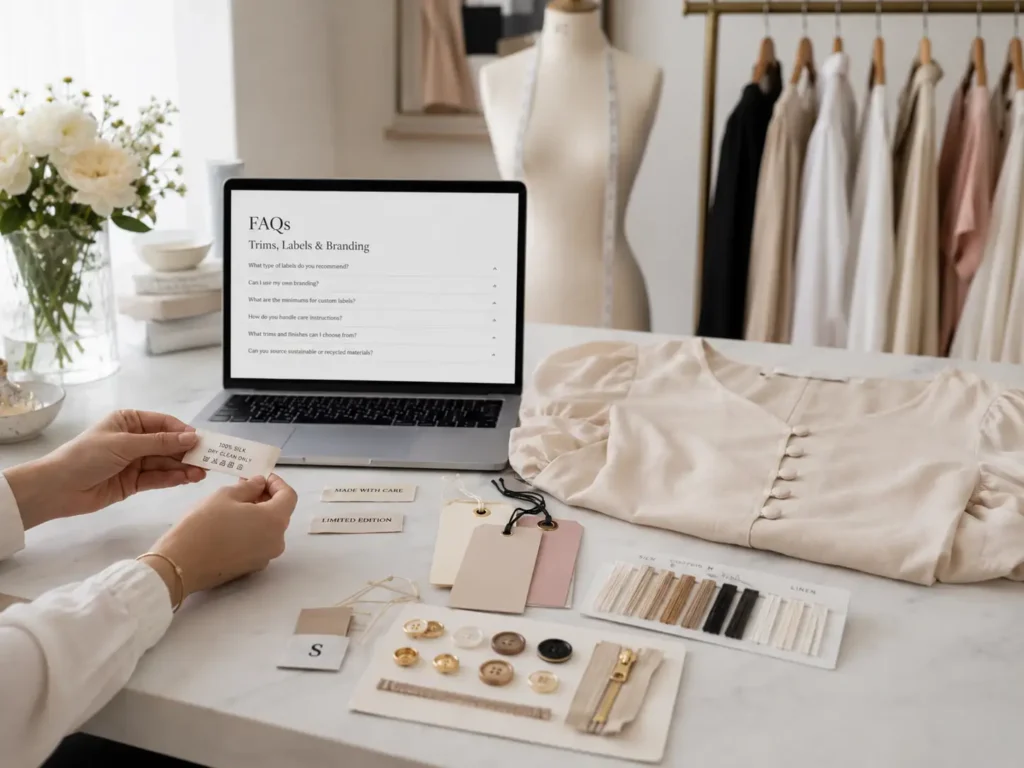
Yes. A line sheet can start collection review when it includes style images, product names, fabric direction, color plan, size range, target quantity, launch timing, and priority. Missing construction or measurement details are identified before pattern and sample work begins.
Yes. Jinfeng Apparel supports development from tech packs, original garments, sketches, reference images, fabric swatches, and structured briefs. The starting material is reviewed for construction, measurements, fabric, trims, labels, packing, and production feasibility.
MOQ starts from 200 pcs per style/color. Fabric, custom color, print, lace, sequins, special trims, labels, packaging, construction, and production schedule may create separate or higher minimum requirements.
Multi-style programs commonly contain 10-30 styles. Jinfeng groups styles by material, silhouette, construction, priority, sample status, and production route. Each style/color still needs a viable quantity and approved product standard.
File review commonly takes 1-3 business days, available fabric shortlisting 3-7 business days, first samples 7-15 business days after material readiness, and revised samples 5-10 business days depending on changes. Complex materials and structures need more time.
Bulk production is commonly planned around 25-45 days after PP approval and material readiness. Style count, volume, complexity, color and size breakdown, QC, packing, factory allocation, and delivery requirements determine the confirmed schedule.
Yes. Jinfeng develops US, UK, EU, AU, alpha, extended, plus, petite, and tall sizing from the supplied size chart, base size, grade rules, fabric stretch, target market, and fit preference.
Yes. Final inspection, AQL inspection, client inspection, and third-party inspection can be coordinated by project. SGS, Intertek, BV, or ITS involvement is arranged according to the assigned factory, scope, timing, and commercial agreement.
Yes. Jinfeng supports NDA-based cooperation and protects tech packs, samples, patterns, size charts, fabric and trim details, labels, packaging files, barcodes, quantities, pricing, and launch plans. Public use requires authorization.
Yes. Final patterns, measurement files, material references, trims, labels, packing requirements, and order records can support repeat and multi-batch production. Material availability, shade, and production timing are reconfirmed for every repeat order.

Start a Structured Dress Program With Jinfeng Apparel

Send your collection information to Kelly for an initial product and manufacturing review. A clear file set helps our team assess construction, material direction, pattern work, sample complexity, quantity structure, factory allocation, QC, packing, and delivery planning before a formal quotation or sample order is issued. Jinfeng Apparel can begin from a line sheet, tech pack, original garment, sketch, reference images, or an organized product brief. More complete information produces a more useful response and reduces avoidable revisions later.
Please include:

  • Style images, line sheet, tech packs, or original sample details.
  • Target quantity per style/color and planned size ratio.
  • Fabric direction, color plan, and required trims.
  • Target market, size chart, and fit preference.
  • Brand labels, hangtags, barcode, polybag, and carton requirements.
  • Photo date, launch date, required shipment window, and destination.
  • Inspection, testing, compliance-document, or NDA requirements.

Tell Us About Your Dress Project

Share your product details, estimated quantity and development requirements. Our team will review your project and provide practical OEM/ODM production feedback.

Premium Women’s Apparel Production for Fashion Brands

From dress sample development to bulk production, JF Apparel supports fashion brands with confidential OEM/ODM manufacturing, reliable quality control and scalable production support.

START YOUR DRESS PROJECT

Ready to Develop Your Next Dress Collection?

Share your design concept, product requirements or sourcing plans with our team. We’ll review your project and provide practical feedback on development, materials, MOQ and production.

7-10 Days

Sample Development

200 PCS

Starting MOQ

Fast Response

Professional Follow-Up