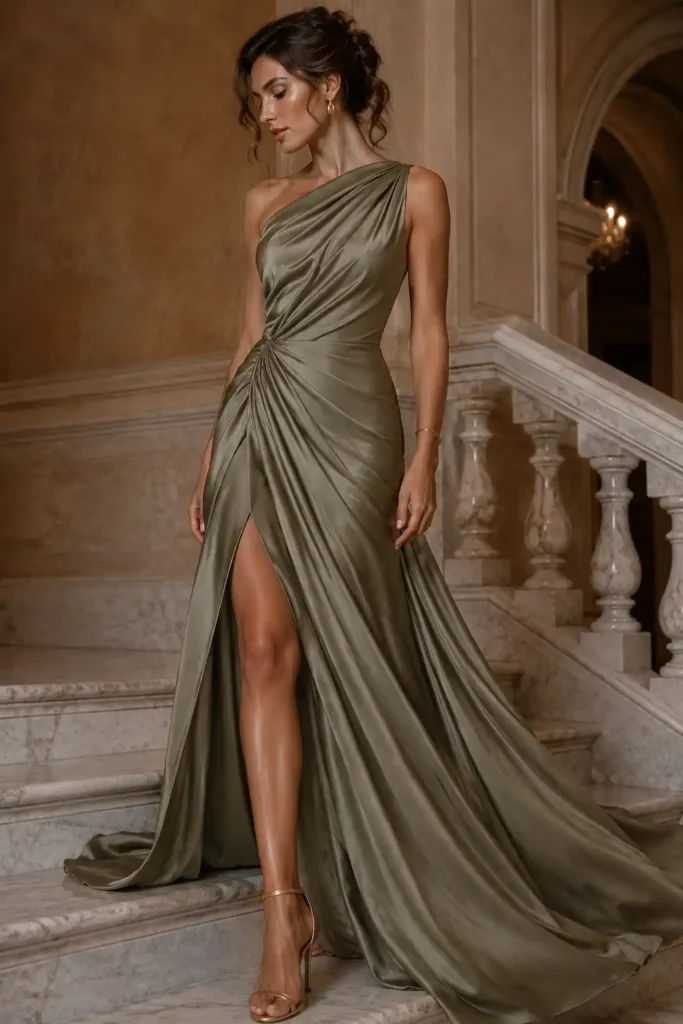
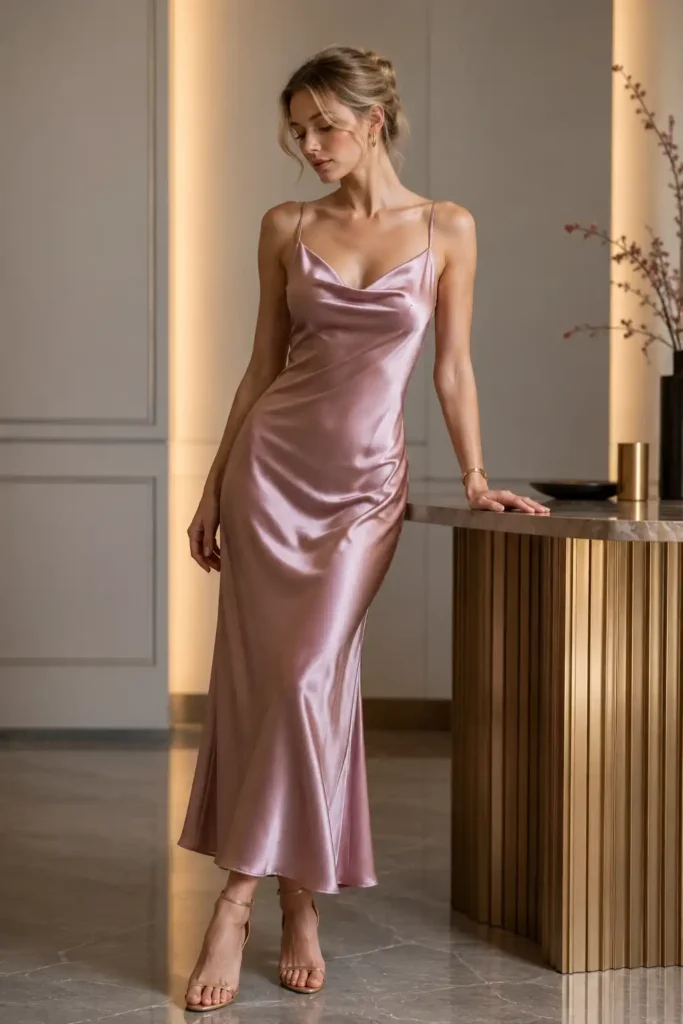
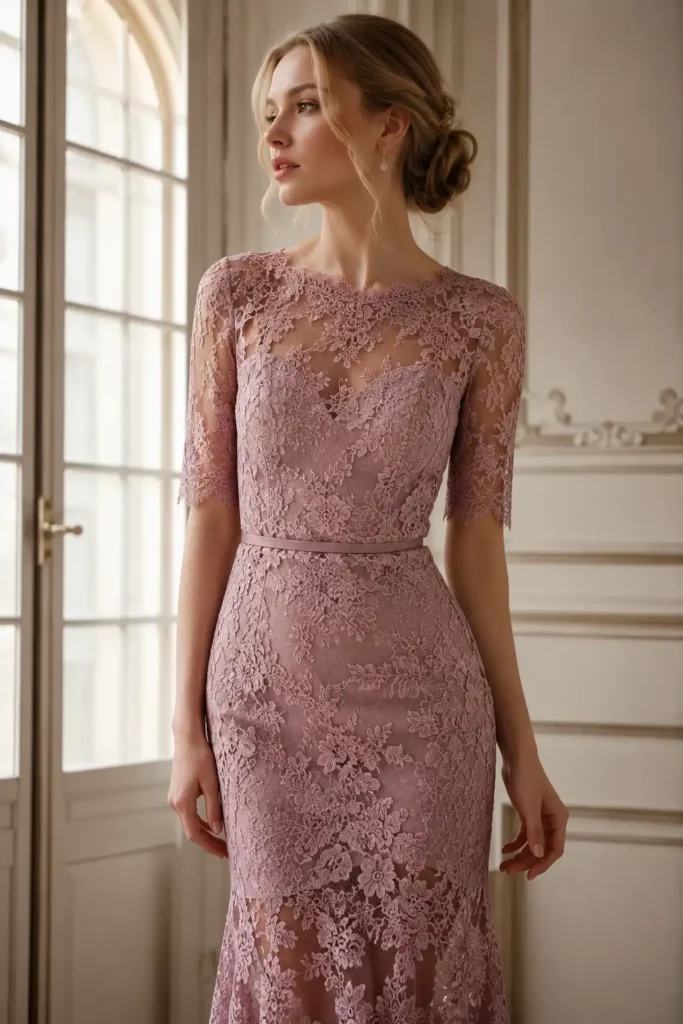
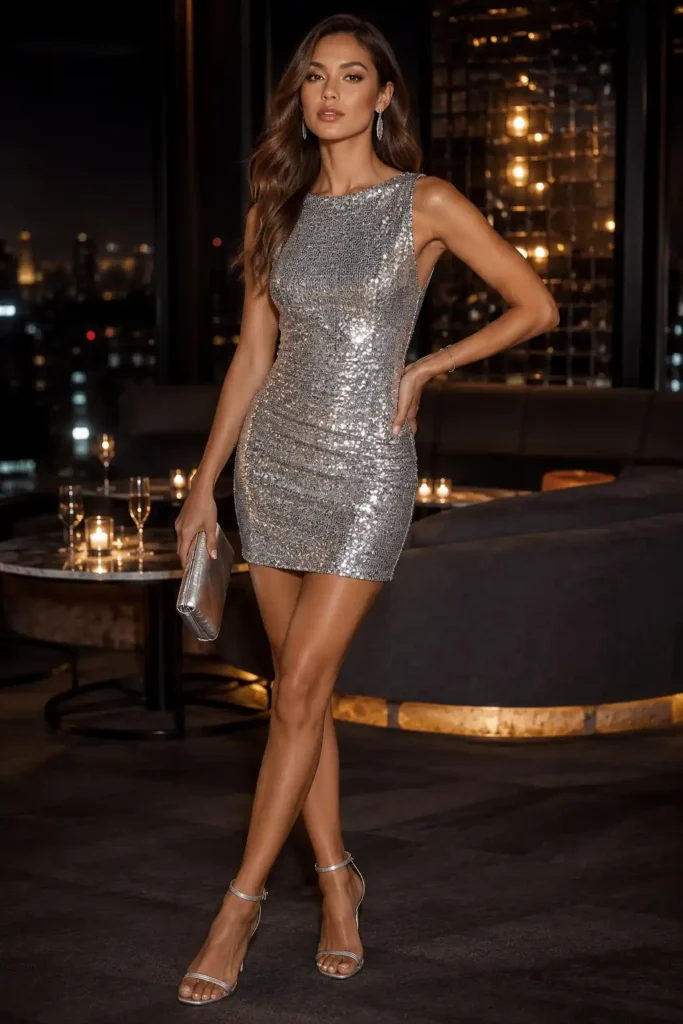
Dress Manufacturer for Premium Online Retailers

Premium online retailers need more than a sewing supplier. Strong collections depend on fabric appearance, controlled fit, consistent bulk execution, retail-ready labeling and a launch schedule that works across photography, merchandising, production and delivery. Jinfeng Apparel supports established fashion retailers with custom dress development from product brief to repeat production.

  • Collection programs commonly include 10-30 stylesacross coordinated fabrics, colors and size ranges.
  • Brand orders can be organized for 20,000-80,000 total garmentsthrough planned style, color and size allocation.
  • Development is supported by 2 sample rooms, 7+ senior pattern makers and 20+ sample machinists.
  • Standard production starts from 200 pcs per style/color, subject to fabric, trims and construction requirements.
  • Production resources include 6 owned women’s fashion factories, 10+ long-term satellite partners and 100,000+ pcs monthly capacity.

Manufacturing Scale Built for Online Retail Growth

A premium ecommerce program usually combines several product structures, multiple colors, broad size ranges, photography deadlines and staggered delivery needs. Jinfeng Apparel assigns development and production resources according to style complexity rather than placing every dress on the same line or forcing one standard process across the collection.

Since 2008

Long-term experience in women’s fashion manufacturing supports better judgment during early development. Fabric behavior, fit balance, construction difficulty, production risk and finishing requirements are reviewed before bulk planning, helping prevent avoidable changes after price and delivery dates have already been agreed.

6 Owned Factories

Owned production resources support woven dresses, stretch fashion styles, occasionwear, skirts, jumpsuits, coordinated sets and related private-label womenswear. Factory allocation is based on fabric type, sewing difficulty, embellishment level, order quantity and delivery sequence.

10+ Production Partners

Long-term satellite partners provide additional capacity and specialist support when a collection includes several constructions or when seasonal order volume requires parallel production. Work is assigned under agreed technical files, quality checkpoints and packing standards rather than unmanaged subcontracting.

2 Sample Rooms

Two development rooms allow multiple styles to move through pattern work, sample sewing, fitting review and revision without forcing all projects into one queue. Complex structures receive a different development route from straightforward fashion dresses.

7+ Pattern Makers

Senior pattern makers evaluate bust, waist, hip, neckline, shoulder, armhole, strap, torso and length relationships. Their role is not limited to copying measurements. Pattern decisions are made around fabric behavior, intended silhouette and the fit expectations of the target market.

15+ QC Inspectors

Quality control covers incoming materials, cutting, sewing, measurements, appearance, pressing and packing. Inspection points are adjusted for satin, mesh, lace, sequin, stretch bodycon and structured corset styles because each category creates a different risk profile.

Built for Premium Online Retailers With Clear Growth Plans

Jinfeng Apparel is structured for fashion businesses that develop branded collections, approve professional samples, place planned bulk orders and manage seasonal or continuous product launches. The manufacturing model is not based on ready-stock resale or single-piece fulfillment.

Best Fit for Jinfeng

Established online retailers usually arrive with a defined product direction, sales channel and launch calendar. Strong project alignment is created when the brand can provide a tech pack, reference sample, line sheet, target quantity, size range, fabric direction or clear merchandising brief. Jinfeng can then evaluate construction, material availability, development sequence, production allocation and delivery feasibility before commercial commitments are finalized. Suitable programs include:
  • Premium ecommerce womenswear collections
  • Established DTC fashion labels
  • Occasionwear, partywear and resortwear retailers
  • Multi-brand online stores developing private labels
  • Fashion groups managing several dress categories
  • Retailers planning seasonal drops and repeat orders

Not Designed for

Jinfeng does not operate as a dropshipping, no-MOQ or ready-stock supplier. Projects requiring one-piece fulfillment, personal tailoring, open-ended concept work without a production plan, or extremely small test quantities do not match the company’s manufacturing structure. Clear positioning protects development time, production resources and communication quality for brands with real sampling and bulk requirements. The production model is not designed for:
  • Single-piece dropshipping fulfillment
  • Ready-stock dress purchasing
  • One-off personal orders
  • No-MOQ requests
  • 1-50 piece trial orders
  • Lowest-price-only sourcing with no quality plan

Online Retail Risks Controlled Before They Reach Market

Online retail exposes manufacturing weaknesses quickly. Fabric appearance is enlarged in product photography, sizing problems become returns, finishing defects become reviews, and packing errors disrupt warehouse receiving. Jinfeng connects product development decisions with the commercial realities of online merchandising.

Image-to-Product Gap

A reference image can communicate silhouette and mood but may not reveal fabric weight, lining, internal support or finishing. Jinfeng reviews the visual target together with material behavior and construction requirements so the approved sample can be reproduced without depending on styling tricks or one-off sample-room workmanship.

Fit and Return Risk

Dress fit depends on the relationship between bust, waist, hip, torso length, neckline, straps and hem. Size charts alone do not solve proportion problems. Pattern balance, stretch recovery, seam placement and grading logic are reviewed before bulk production to reduce avoidable sizing and construction failures.

Sample-to-Bulk Drift

A polished sample loses value when bulk garments use a different fabric lot, altered seam allowance, inconsistent pressing or uncontrolled workmanship. Approved materials, pattern files, construction notes, measurement points and finishing standards are transferred into production checkpoints before the first bulk pieces are released.

Missed Launch Dates

Photography, product upload, campaign content, warehouse intake and product release often follow one connected calendar. Development priorities are organized around hero styles, fabric readiness, revision complexity and delivery sequence rather than treating every SKU as if it has the same urgency.

SKU Packing Errors

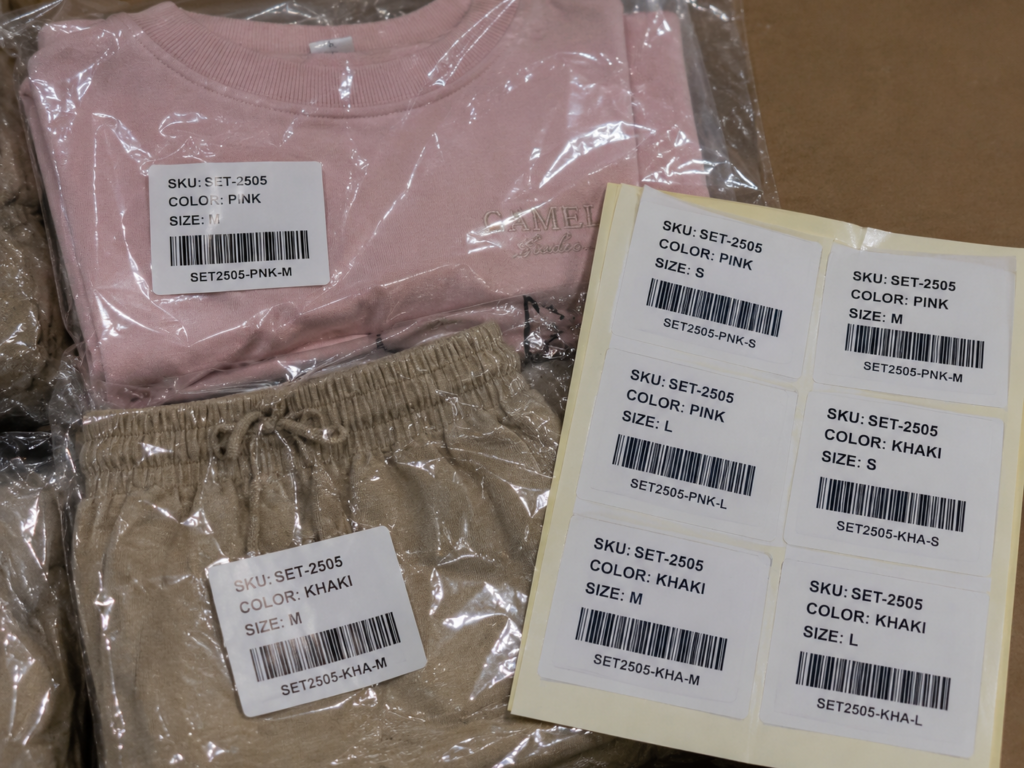
A correctly sewn garment can still fail operationally when the wrong size sticker, barcode, color code or carton mark is applied. Packing instructions are reviewed at style, color and size level, with labels and packaging matched against the final assortment and shipment plan.

Unstable Restocking

Repeat production requires more than reopening an old purchase order. Fabric dye lots, trim availability, pattern records, size specifications and approved finishing references are checked again. Changes are documented before production so a replenishment order does not quietly become a different product.

Dress Categories for Premium Online Assortments
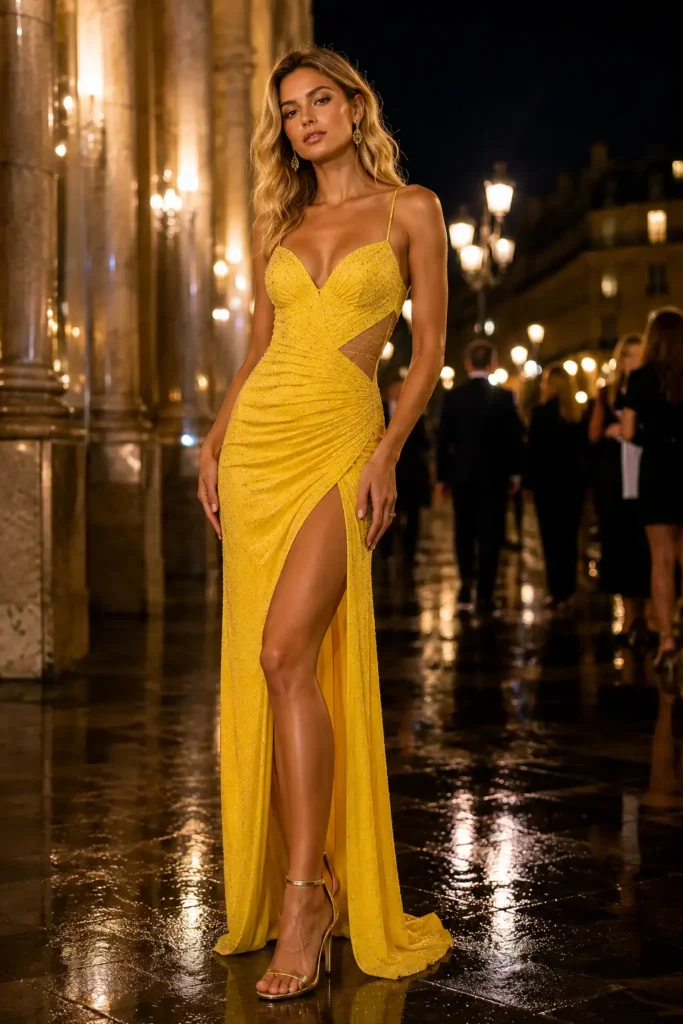
A strong online assortment needs clear product roles. Some styles create campaign attention, some drive reliable conversion, and others support seasonal depth or repeat sales. Jinfeng develops dress categories around fabric behavior, intended silhouette, wearing occasion and repeatability in bulk production.

Party Dresses

Party collections often combine body-shaping silhouettes, high-impact fabrics and close launch timing. Common materials include stretch satin, mesh, jersey, velvet and sequined textiles. Development focuses on visual balance, movement, skin comfort, secure trims and controlled fit through the bust, waist and hip. Bulk planning must also account for embellishment handling, pressing limits and protective packing so high-impact details remain presentable after transport.

Occasion Dresses

Occasionwear requires a more deliberate relationship between structure, fabric and finishing. Neckline shape, internal support, lining, zipper placement, hem level and pressing quality all influence perceived value. Jinfeng evaluates whether the design needs boning, cups, interfacing, layered skirts, clean internal seams or special hanger and folding arrangements before the quotation and sample route are confirmed.

Satin Dresses

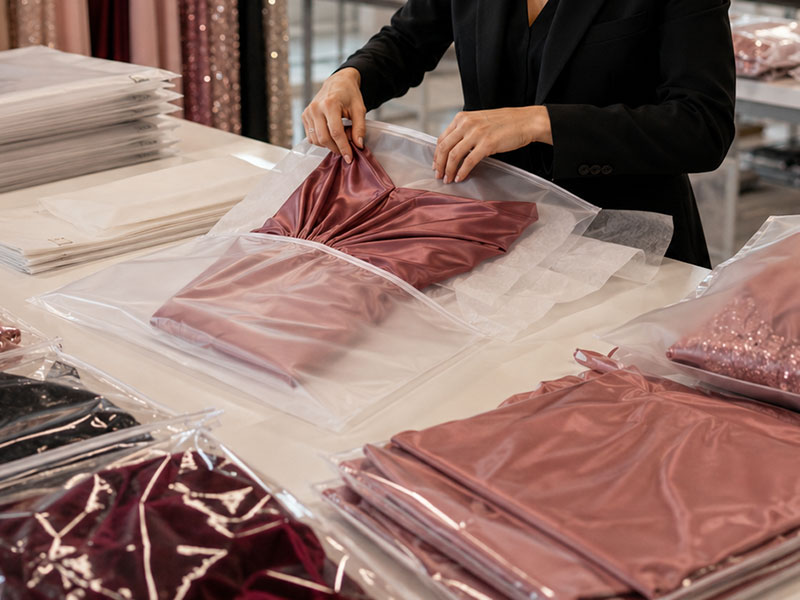
Satin creates strong online imagery but exposes material and production problems easily. Gloss direction, snagging, needle marks, seam puckering, color variation and pressing shine require early control. Fabric orientation is established during cutting, stitch and needle choices are tested, and finished garments are inspected under suitable lighting. Protective tissue or individual packing may be recommended for delicate surfaces.

Mesh Dresses

Mesh can provide transparency, shaping and layered visual depth, but success depends on stretch direction, recovery, seam stability and lining strategy. Jinfeng reviews where power mesh, soft mesh or decorative mesh should be used, how transparency changes across sizes, and how edges, zippers and body seams should be finished without creating distortion or discomfort.

Lace Dresses

Lace production requires attention to motif placement, symmetry, seam joining, edge finishing and underlying color. High-value appearance can be lost when flowers are cut randomly or important motifs are interrupted at the center front. Development may include pattern placement maps, selective appliqué, scallop use and matching between the lace, lining, zipper and thread.

Sequin Dresses

Sequined fabrics affect cutting, sewing, seam thickness, comfort and packing. Jinfeng assesses sequin direction, base fabric stretch, shedding, skin contact and edge treatment before sampling. Bulk production may require controlled removal of sequins from seam allowances, reinforced attachment areas and packing methods that reduce scratching or pressure damage.

Bodycon Dresses

Bodycon fit is governed by fabric stretch, recovery and negative ease rather than measurements alone. The pattern must support the intended contour without excessive tension, seam twisting or transparency. Bust, waist, hip, side seam and hem behavior are checked across the target size range, with extra attention to lining and power-mesh support where required.

Corset Dresses

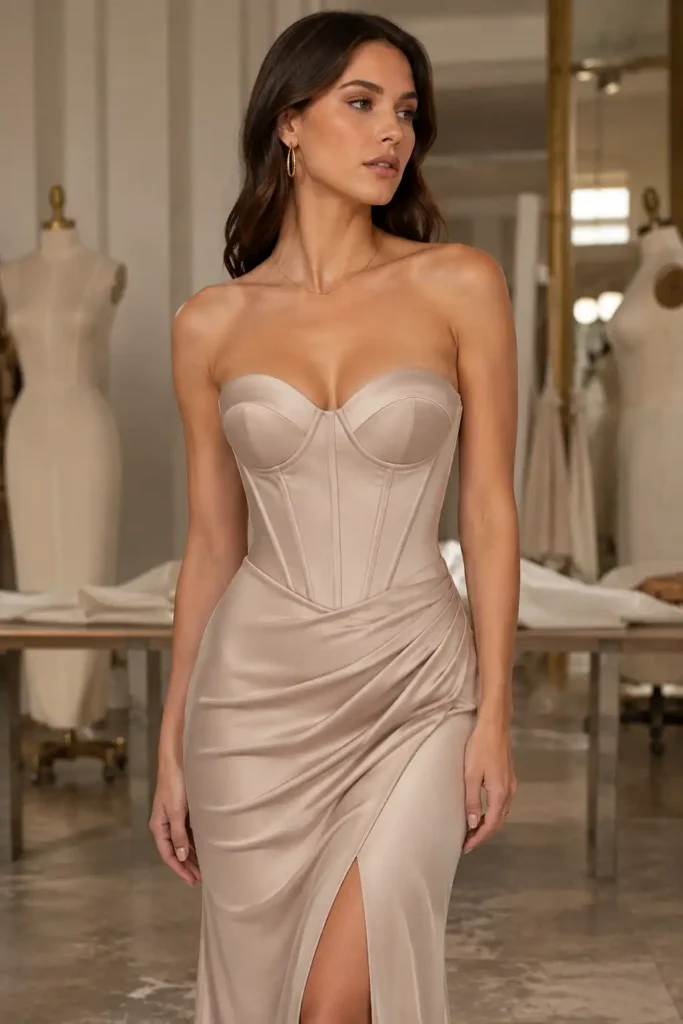
Corset-inspired dresses need coordinated development of cups, boning, panel seams, neckline, back closure and torso length. A visual sketch may not reveal the internal engineering required for stable wear. Jinfeng reviews support level, flexibility, seam construction, lining and size grading so the fitted effect remains wearable and repeatable in production.

Wedding Guest Dresses

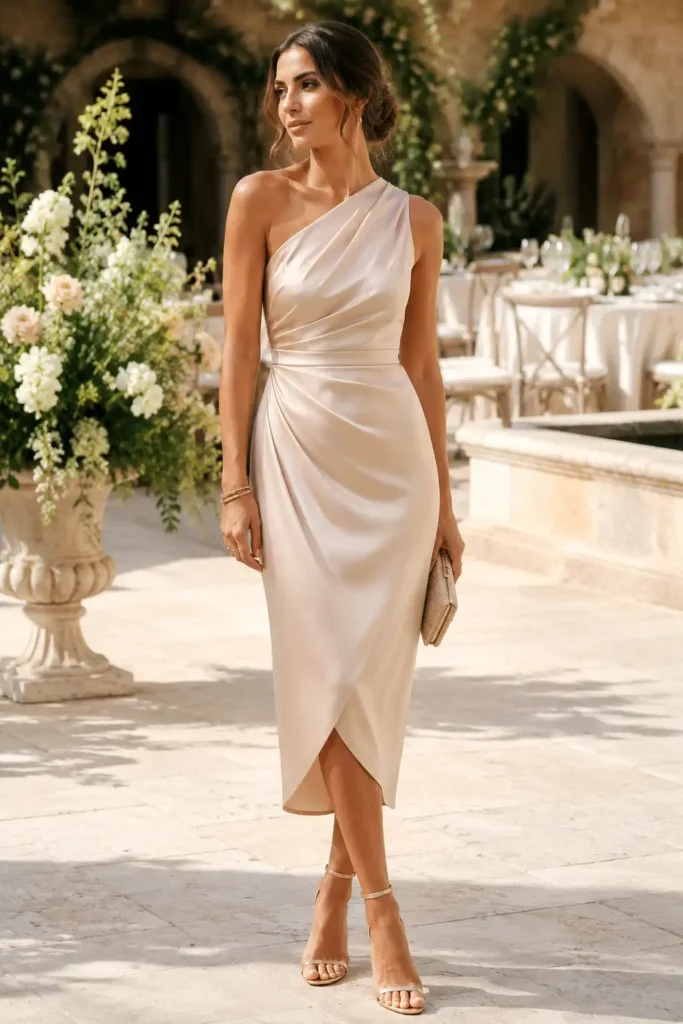
Wedding guest collections often need polished color, controlled fit and reliable presentation across midi and maxi lengths. Fabric drape, wrinkle behavior, lining coverage, slit stability and hem finish receive close attention. Assortments can be planned across coordinated colors or shared base patterns to create commercial depth without losing production consistency.

Graduation Dresses

Graduation programs are deadline-sensitive and commonly require broad size ranges, campaign samples and dependable bulk timing. White, pastel and bright colors may need transparency management and lining review. Mini and midi lengths require careful proportion control so the approved silhouette remains balanced as sizes increase.

Resort Dresses

Resort products benefit from breathable fabrics, movement, print control and travel-friendly finishing. Rayon, linen blends, lightweight cotton, chiffon and crepe can each create different shrinkage, wrinkling and seam behavior. Jinfeng considers print placement, opacity, packing folds and garment recovery so the final product remains visually strong after shipping and consumer travel.

Jumpsuits and Sets

Jumpsuits and coordinated sets extend a dress-led assortment while requiring their own pattern logic. Torso length, rise, waist placement, movement and component matching must be controlled. For sets, top and bottom color, fabric lot, labeling and packing must remain correctly paired across every size and SKU.

Fit Control That Protects the Wearing Experience

Fit is developed as a system, not a single list of measurements. The same bust, waist and hip values can produce very different results depending on shoulder balance, torso length, neckline shape, fabric stretch, seam position and internal support. Jinfeng reviews these relationships during pattern work, fitting and size grading.

Bust, Neckline and Shoulder Balance

The upper body controls how a dress sits, moves and photographs. Bust shaping may come from darts, princess seams, gathers, cups, stretch or internal panels. Neckline depth and width influence coverage and stability, while shoulder slope affects armhole position and strap behavior. For strapless or asymmetrical styles, support cannot rely on visual shape alone. Boning, elastic, grip tape, cups or internal mesh may be needed according to the fabric and intended wear.

Review points include:

  • Bust point position
  • Cup depth and seam shaping
  • Neckline opening and coverage
  • Shoulder slope and armhole balance
  • Strap length, angle and attachment
  • Underarm height and gaping
  • Internal support requirements

Waist, Hip and Torso Proportion

A fitted dress can look incorrect even when each circumference meets the specification. Waist placement, torso length and hip depth determine where the garment shapes the body. Bodycon and corset styles are especially sensitive because excessive negative ease can distort seams, expose lining or restrict movement. Woven occasion dresses require enough shaping to create definition without introducing drag lines or pressure at closures.

Review points include:

  • Natural and design waist positions
  • Front and back torso lengths
  • High-hip and full-hip levels
  • Side seam balance
  • Zipper strain and closure alignment
  • Sitting and walking ease
  • Lining movement relative to shell fabric

Length, Slits and Hem Balance

Mini, midi and maxi lengths require proportion control across sizes. A hem cannot always increase by the same amount as body measurements because the visual balance may change. Slit position and opening need to support movement while remaining stable during sitting and walking. Bias-cut fabrics, chiffon layers and stretch materials may drop after hanging, so final hem approval should consider resting time and production handling.

Review points include:

  • Center-front and center-back length
  • Side seam and high-low balance
  • Slit height and reinforcement
  • Layered hem alignment
  • Bias drop after hanging
  • Heel allowance for floor-length styles
  • Packing method to protect pressed hems

Size Grading and Measurement Tolerance

A strong medium-size sample does not guarantee a reliable size range.

Grading rules determine how neckline, straps, armholes, waist placement, cup depth and length change from one size to another.

Jinfeng reviews grading around garment structure and target-market proportions rather than increasing every measurement mechanically.

Critical points are selected for measurement inspection, with agreed tolerances based on fabric and construction.

Stretch garments, structured corset styles and long bias dresses require different control logic.

Finished garments are measured after appropriate resting and pressing conditions so results reflect the actual product state.

From Product Brief to Approved Sample

Development begins with a technical and commercial review. Product intention, fabric direction, target quantity, retail timing and packaging requirements are considered together. Early decisions are recorded so sample revisions lead toward a production-ready standard rather than an attractive one-off garment that cannot be repeated.

Project and Construction Review

Jinfeng can start from a tech pack, original sample, line sheet, sketch or detailed reference image. The development team identifies visible design features and hidden construction needs, including lining, interfacing, cups, boning, zippers, closures, seam finishes, embellishment placement and pressing limitations.

Questions raised before pattern work may include:

  • Is the intended fabric suitable for the silhouette?
  • Does the neckline need internal support?
  • Can the requested detail be repeated in bulk?
  • Will the design remain comfortable across the size range?
  • Are special trims or custom colors subject to supplier minimums?
  • Does the launch date allow enough time for testing and approval?
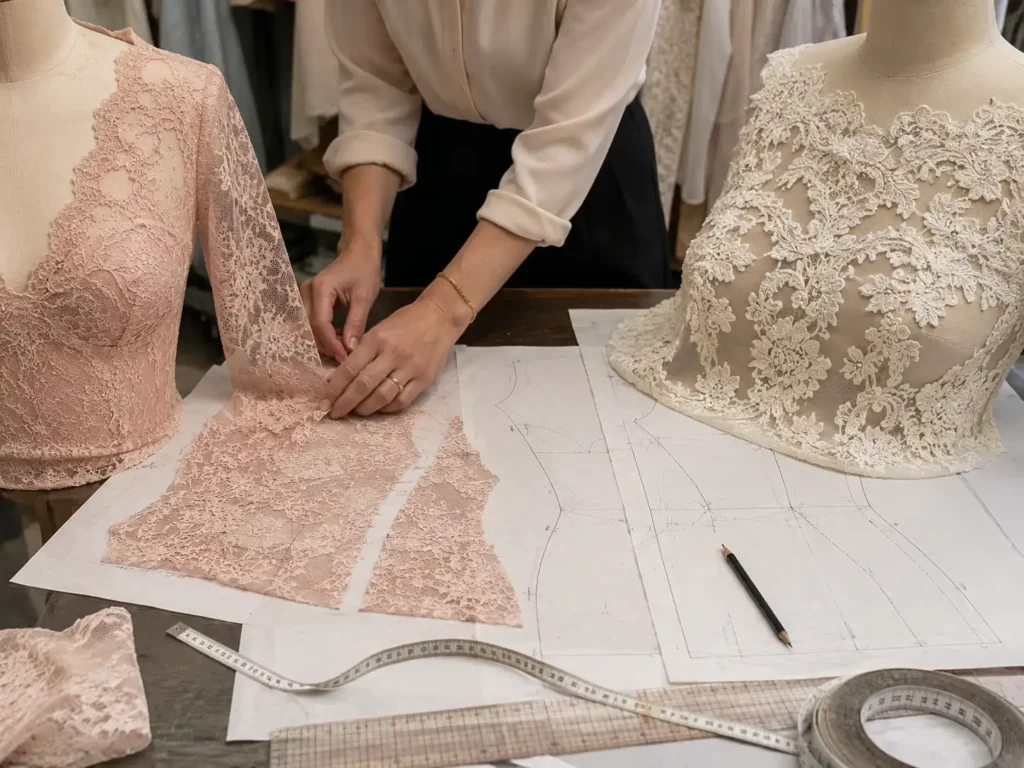
Pattern Development and First Sample

Pattern development translates design intent into garment structure. The first sample is used to evaluate silhouette, proportion, construction, fabric behavior and major fit relationships. It is not treated as a final commercial approval. Notes from the first review are converted into measurable changes, marked pattern corrections and updated construction instructions.

Indicative development timing:

  • Straightforward fashion dress: 7-10 days
  • Standard custom dress: 10-15 days
  • Medium-complexity dress, set or jumpsuit: 12-18 days
  • Corset, lace, mesh or sequin style: 15-25 days
  • Custom-developed material or trim: timing confirmed after supplier review

Revision and Photo-Ready Samples

Revision samples should solve defined issues rather than repeat the first sample with vague adjustments. Feedback is organized by fit, appearance, construction, material and workmanship. When a brand needs a sample for photography, Jinfeng can plan a photo-ready version after the major structure and fabric direction are stable. Campaign samples may receive extra finishing, but their approved construction must remain transferable to bulk production.
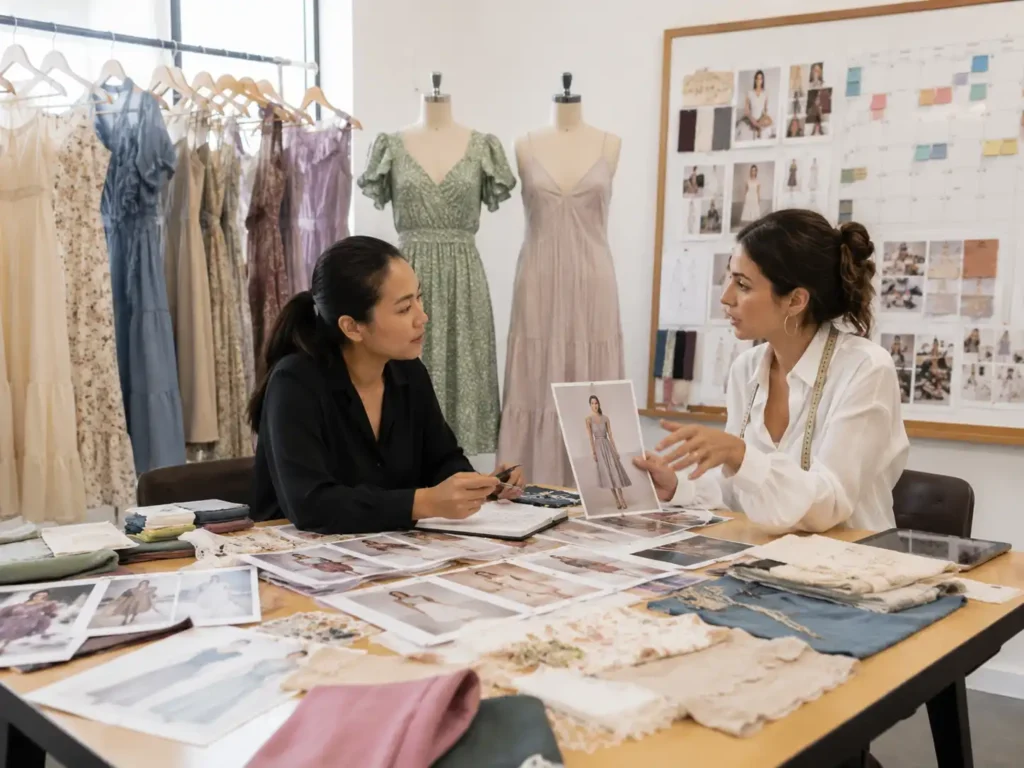
PP Sample and Golden Sample

The pre-production sample confirms the intended production material, construction, measurements, labels and finishing. Approval should occur before bulk cutting. A sealed golden sample provides a physical reference for sewing, inspection, pressing, packing and repeat orders. Changes after PP approval are documented because fabric, pattern, trim or packaging revisions can affect cost, timing and production consistency.

Multi-Style Development for Seasonal Product Drops

Collection development becomes difficult when every style is treated as an isolated order. Jinfeng organizes related products around fabric families, construction difficulty, photography needs, approval status and launch sequence so the development calendar supports merchandising priorities.

Line Sheet Review

The line sheet is reviewed as a complete assortment. Related silhouettes, shared fabrics, color stories, common trims and size ranges are identified. Grouping helps reduce inconsistent material decisions and makes quotation, sample planning and bulk allocation easier to manage.

Fabric Grouping

Styles using the same or related fabric are grouped where appropriate. Shared fabric planning can improve color coordination and purchasing efficiency, but only when the material genuinely suits each silhouette. A cost advantage is not accepted if it weakens drape, fit or opacity.

Complexity Mapping

Straightforward styles, fitted stretch styles, layered designs, corset structures and embellished garments are given different development expectations. Complexity mapping helps schedule pattern work, specialist sewing, fitting and revision time without creating unrealistic promises across the entire line.

Hero Style Priority

Campaign or hero products may need earlier fabric approval, faster pattern review and photo-ready samples. Prioritization is agreed at the start so high-visibility SKUs do not compete with lower-priority styles for the same development resources.

Revision Tracking

Feedback is recorded by sample version and issue category. Pattern, fabric, color, measurement and workmanship changes remain traceable, reducing confusion when several styles are revised at the same time by different people.

Approval Status Control

Each style is tracked through material approval, sample approval, PP approval, label approval and packing approval. Bulk release depends on the required approvals rather than informal messages or mixed feedback across several communication channels.

Capacity Planned Around Style Complexity and Timing

Production scale is useful only when the right garment is assigned to the right team. Jinfeng combines owned factories, long-term satellite capacity, sample rooms, sewing lines and quality staff to manage multi-style women’s fashion programs without treating every product as identical.

100,000+ Monthly Capacity

The published monthly capacity covers the broader women’s fashion manufacturing system. Actual availability depends on construction complexity, fabric readiness, size range, quality requirements and current production loading. Capacity is confirmed against the specific collection rather than offered as an unlimited number.

18+ Sewing Lines

Multiple sewing lines support parallel orders and differentiated product allocation. A straightforward woven dress, fitted stretch style and boned occasion dress may require different operator skills, machine setup and inspection focus. Line assignment follows technical suitability and delivery needs.

6+ Flexible Lines

Flexible lines help manage complex styles, smaller style splits within a larger collection and controlled replenishment. They are useful when fashion programs include varied operations, but production scheduling still depends on approved samples, material arrival and operator availability.

Multi-Factory Allocation

A 10-30 style program may be divided by fabric category, construction type, order quantity or delivery phase. Allocation is planned centrally so quality references, measurements, labels and packing instructions remain aligned even when more than one production unit is involved.

12+ Merchandising Staff

Merchandising and order follow-up staff coordinate development files, material status, sample feedback, approvals, production progress and delivery information. Their work connects the external brief with internal production teams and helps keep style-level details traceable.

30+ Finishing Staff

Finishing and packing teams support pressing, appearance review, label verification, folding, polybagging, barcode application and carton packing. Staffing at the final stage matters because premium presentation can be damaged even after sewing quality has been achieved.

Quality Control for Ecommerce-Ready Dresses

Quality checks are designed around the risks consumers can see, feel or report. Different fabrics and structures receive different inspection priorities. A single generic checklist cannot control satin, mesh, lace, sequin, stretch bodycon and corset dresses equally well.

Fabric and Color Control

Fabric is reviewed for visible defects, shade consistency, directional surface, width and agreed performance points.

Rolls or dye lots are identified to reduce uncontrolled shade mixing.

Delicate materials are handled according to snagging, pressure and pressing sensitivity.

Construction and Workmanship

Sewing inspection focuses on the operations that influence appearance, strength and comfort. Critical areas include neckline support, straps, underarms, zippers, boning, cups, side seams, slits, hems and lining attachment. Seam allowance and stitch selection are checked where fabric behavior makes them important.

Measurement and Fit Points

Finished measurements are checked at agreed critical points. Bust, waist, hip, length, armhole, strap, neckline, slit and torso measurements may be selected according to the style.

Stretch garments are allowed to rest before final measuring when needed, and tolerances are set according to construction and material behavior.

Appearance and Pressing
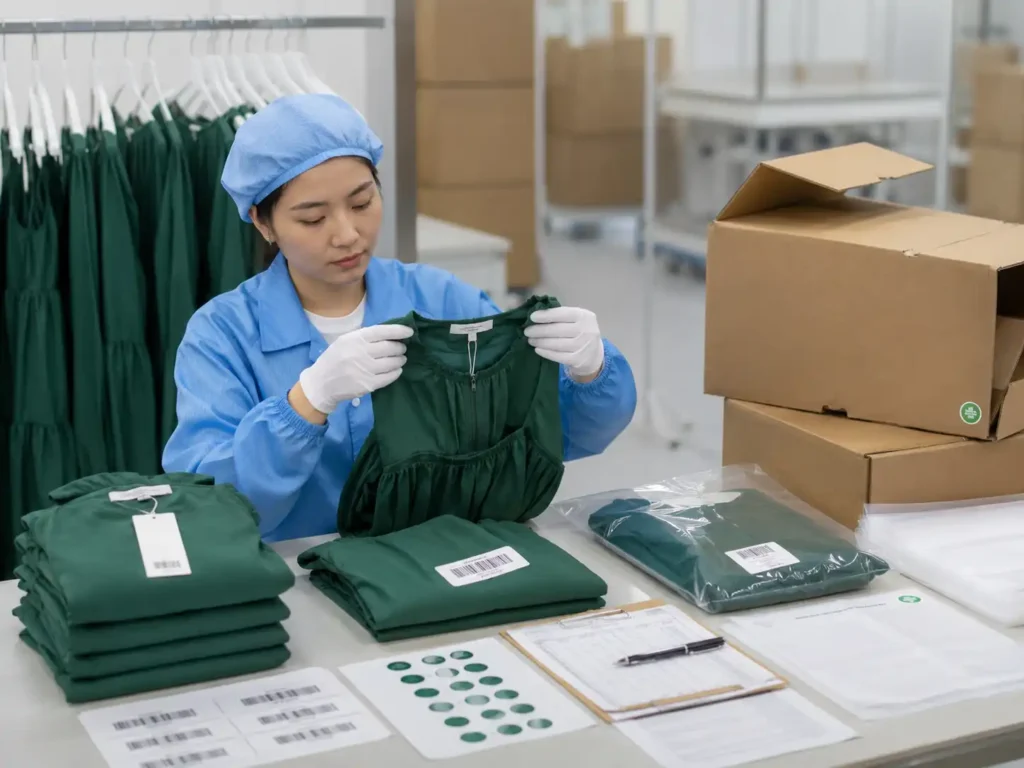
Online photography and product reviews expose stains, shine marks, puckering, poor symmetry, uneven hems and visible lining problems. Final appearance inspection reviews the garment in a presentation-ready state. Pressing temperature, pressure and method are selected for the fabric rather than using one process across every style.

Label and Packaging Accuracy

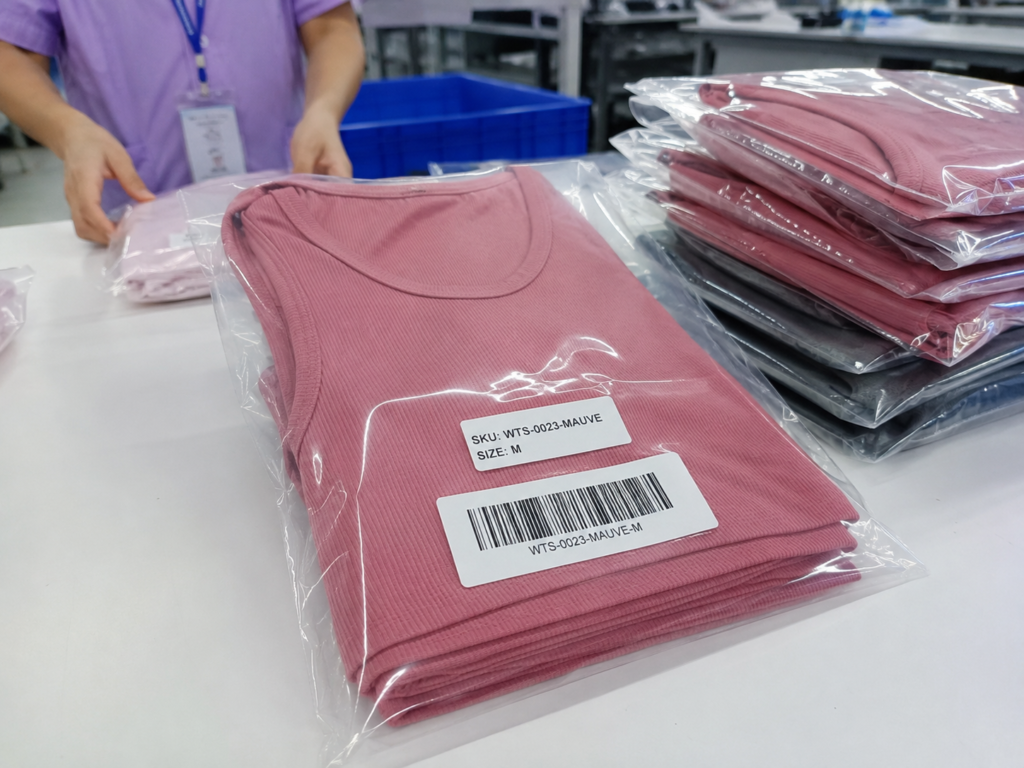
Brand label, care label, size label, hangtag, barcode, color code, SKU sticker and carton mark are checked against the assortment plan. Packing samples can be approved before volume packing. Mixed sizes or colors are controlled through bundle and carton identification.

Final Inspection Support

Internal final inspection can be combined with agreed AQL sampling, brand inspection or third-party inspection. Scope, inspection level, acceptance criteria and documentation are confirmed by project. Inspection support is presented accurately and does not imply that every order or factory carries the same certification automatically.

Private Label and Ecommerce-Ready Packaging

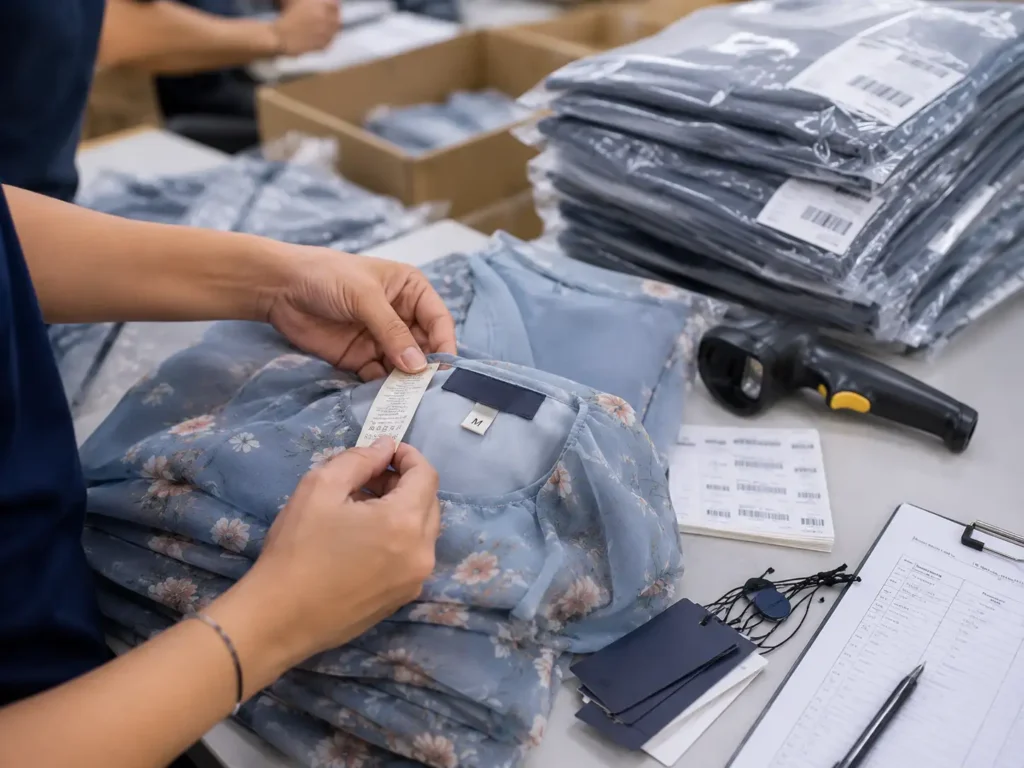
Retail-ready delivery requires accurate identification at every level. Labels, barcodes, SKU stickers and carton marks must match the final product assortment. Jinfeng integrates private-label and packing requirements into the development and production process instead of treating them as last-minute decoration.

Woven Brand Labels

Brand labels are developed from approved artwork, dimensions, color and fold type. Placement is confirmed during sample or PP approval. The label must remain aligned, secure and comfortable while matching the brand’s visual standard.

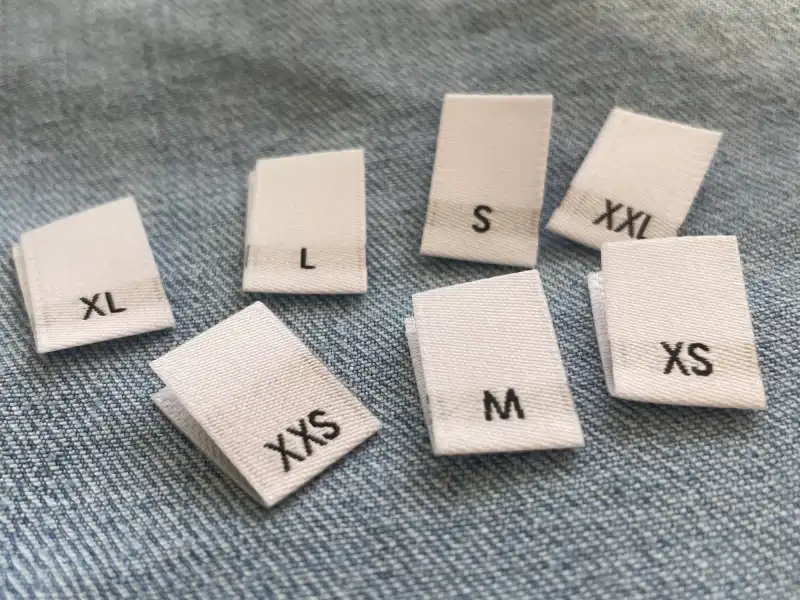
Size Labels

Size labels are matched to the approved size range and positioned according to the label set or brand manual. Separate size identification can also be applied to polybags or hangtags to support warehouse and picking operations.

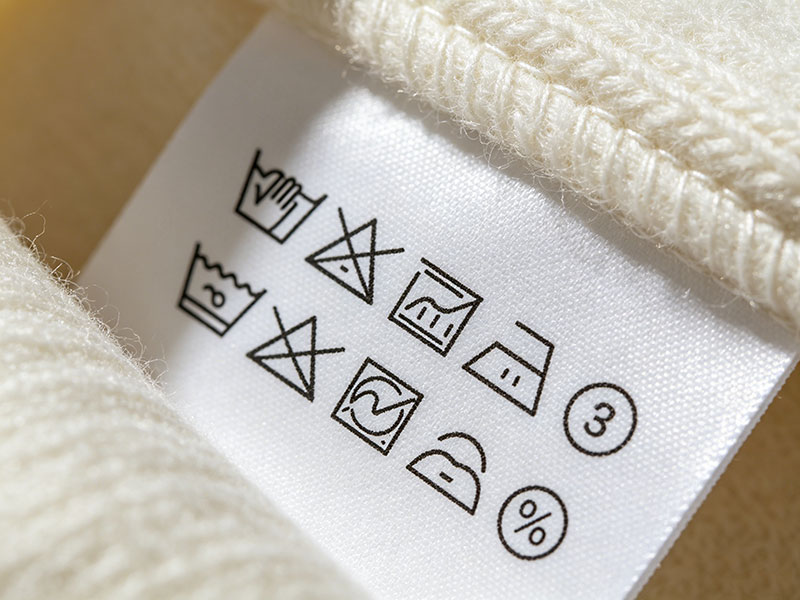
Care and Content Labels

Care labels require accurate fiber content, care symbols, country-of-origin information and market-specific wording supplied or approved by the brand. Final responsibility for legal text remains with the brand, while Jinfeng supports layout, sampling, placement and production coordination.

Hangtags

Hangtags can include brand information, style code, size, retail price, barcode or campaign content. String, pin, seal and attachment position are confirmed so the tag presents well without damaging delicate fabrics.

Barcode Stickers

Barcode data must connect the correct style, color and size. Artwork or data files are checked before printing, and scanning tests may be arranged when required. Sticker placement is confirmed for hangtags, polybags or other packaging.

SKU and Color Labels

SKU labels support warehouse receiving and inventory control. Style, color and size naming must remain consistent across purchase order, packing list, labels and cartons. Clear data approval reduces relabeling and receiving delays.

Individual Polybags

Polybags can include size warnings, ventilation holes, recycled-content requirements or custom printing according to the brief. Folding methods are selected around garment structure, surface sensitivity and presentation. Tissue or protective layers may be used for satin, embellishment or long hems.

Carton Marks

Carton marks identify destination, purchase order, style, color, size assortment, carton number and handling requirements. Packing ratios and carton dimensions are checked against shipment plans. Mixed-SKU cartons are clearly documented where required.

MOQ and Cost Planning by Style and Material

The standard MOQ starts from 200 pcs per style/color. Final minimums and pricing depend on fabric availability, color development, trims, construction difficulty, size breakdown, packaging and production timing. Clear quantity planning helps protect both product quality and commercial cost.

Order ConditionManufacturing ImpactPlanning Guidance
Stock fabric in standard colorLower material setup and faster sourcingBest route for meeting the standard MOQ when the selected quality is suitable
Custom-dyed fabricDye-house minimum, lab dips and extra approval timeGroup styles by shared fabric and color where commercially appropriate
Custom printArtwork, strike-off, printing minimum and placement riskConfirm repeat size, color standard and production quantity before sampling
Special lace or sequinHigher material waste and more complex workmanshipApprove motif placement, seam treatment and packing protection early
Corset constructionCups, boning, panels, lining and skilled sewing timeFinal price should follow approved internal structure rather than appearance alone
Multi-color style splitLower quantity per color can raise material and production costPrioritize core colors and use planned replenishment for secondary colors
Extended size rangeGrading, marker efficiency and fit review become more complexConfirm size ratios and critical measurements before quotation is finalized
Custom labels and packagingArtwork, printing minimum, packing labor and data controlApprove all files before bulk packing materials are ordered
Rush production or air freightCapacity pressure and higher logistics costIdentify hero SKUs and split delivery rather than rushing every style

Project Management Across Every Order Stage

Large online retail programs require coordinated communication between development, production, quality and packing teams. Kelly acts as the primary business contact for initial review and internal coordination, while specialist teams manage the technical and operational work behind each approval.

Development Coordination

Development coordination organizes style files, material options, sample requests, revision comments and approval status. The team checks whether the information required for pattern and sample work is complete and keeps changes connected to the correct style and version. Core responsibilities include:
  • Tech pack and reference review
  • Fabric and trim follow-up
  • Sample calendar control
  • Revision records
  • PP approval tracking
  • Development risk communication

Production and Quality

Production and QC teams convert approved standards into factory allocation, line instructions and inspection checkpoints. Progress reporting is connected to material readiness, cutting, sewing, finishing and packing rather than expressed only as a general completion percentage. Core responsibilities include:
  • Factory and line allocation
  • Pre-production review
  • First-piece approval
  • In-line and end-line inspection
  • Measurement and appearance checks
  • Issue correction and follow-up

Packing and Delivery

Packing and delivery coordination checks labels, barcodes, SKU stickers, folding, polybags, carton marks, assortment and shipping documents. Forwarder details, warehouse requirements and shipment splits are confirmed before the final packing stage. Core responsibilities include:
  • Label and packaging approval
  • Barcode and SKU control
  • Carton planning
  • Packing-list accuracy
  • Forwarder coordination
  • Shipment-document support

Premium Online Retail Dress Manufacturing Case Studies

Premium online retailers require more than garment production. Successful collections depend on strong product presentation, accurate fit, consistent bulk quality, retail-ready packaging and reliable delivery. Jinfeng Apparel supports ecommerce brands from initial concept development to repeat production.

Development CoordinatioCase Study 1: Premium DTC Fashion Brand Launching an Occasion Dress Collectionn

A premium direct-to-consumer fashion brand planned a new occasionwear collection for online launch.

The brand focused on:

  • Elevated womenswear
  • Social-media-driven fashion
  • Premium visual presentation
  • Repeat seasonal drops

The collection included:

  • Satin dresses
  • Corset dresses
  • Mesh occasion dresses
  • Lace midi dresses
  • Bodycon styles

Program scope:

  • 20 styles
  • 45,000 pieces
  • XS-XXL size range
  • Multiple colors
  • Private-label packaging

Development Challenge

The brand needed products that looked strong online while maintaining production stability.

Main challenges:

Photography Requirements

Online images highlighted every detail:

  • Fabric shine
  • Silhouette shape
  • Neckline balance
  • Draping effect
  • Surface finishing

Return Risk

The brand needed to reduce issues related to:

  • Incorrect fit
  • Poor sizing
  • Transparency
  • Uncomfortable structures

Jinfeng Solution

Jinfeng supported the complete product development process.

Result

The brand successfully launched:

  • 20 premium dress styles
  • 45,000 units production
  • Stable size performance
  • Retail-ready packaging

Approved patterns and production records supported future seasonal collections.

Case Study 2: Online Retailer Building a Seasonal Fashion Drop System

A growing online fashion retailer needed a manufacturing partner to support frequent seasonal launches.

The business model required:

  • New styles every season
  • Fast trend response
  • Multiple product categories
  • Controlled inventory planning

The collection included:

  • Mini dresses
  • Midi dresses
  • Resort dresses
  • Matching sets
  • Jumpsuits

Development Challenge

The retailer faced challenges:

  • Too many styles competing for development resources
  • Different fabric requirements
  • Limited approval time
  • Need for campaign samples before launch

Jinfeng Solution

Jinfeng organized the collection through a structured development system.

Style Prioritization

Styles were divided into:

Hero Products

Used for:

  • Campaign photography
  • Homepage promotion
  • Social media launch

Core Products

Used for:

  • Main sales volume
  • Repeat potential

Trend Products

Used for:

  • Fashion testing
  • Limited releases

Result

The retailer achieved:

  • Faster seasonal development
  • Better launch timing
  • Reduced approval confusion
  • More predictable inventory arrival

The collection system became a repeatable model for future drops.
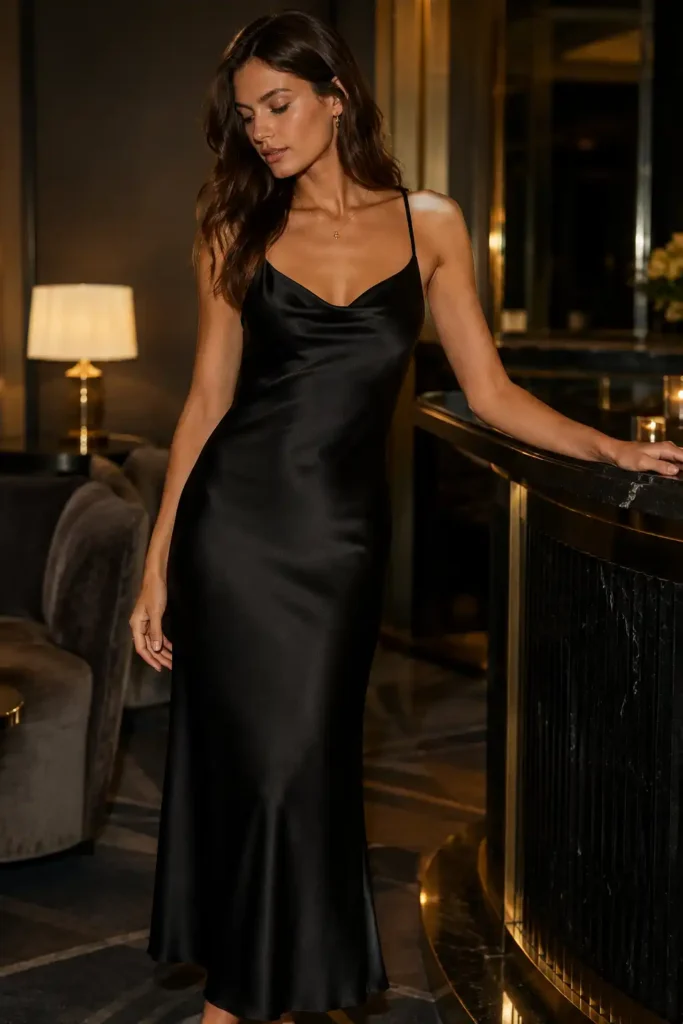
Case Study 3: Ecommerce Brand Scaling Bestseller Dresses Into Repeat Production

An established ecommerce womenswear brand identified several bestselling dress silhouettes and wanted to expand them into long-term commercial products.

The focus included:

  • Bestseller replenishment
  • New color launches
  • Seasonal variations
  • Improved production consistency

Development Challenge

Previous suppliers created problems:

  • Different fit between batches
  • Fabric changes without approval
  • Packaging inconsistencies
  • Slow repeat development

The brand needed a manufacturing partner that could preserve product standards.

Jinfeng Solution

Jinfeng created a repeat-production system.

Technical Records

Maintained:

  • Final patterns
  • Size charts
  • BOM files
  • Fabric references
  • Trim details
  • QC standards

Repeat Order Control

Reviewed:

  • Fabric availability
  • Dye-lot consistency
  • Production capacity
  • Updated quantities

Product Extension

Supported:

  • New colors
  • New fabrics
  • Updated lengths
  • Related styles

Result

The brand achieved:

  • Faster replenishment
  • Stable product quality
  • Reduced development time
  • Stronger seasonal expansion capability

Successful styles became long-term commercial assets instead of one-season products.

Brand Protection, Testing and Inspection Support

Premium retailers often share unreleased product plans, technical files, samples, sales timing and private-label information. Jinfeng supports confidential cooperation and project-specific quality documentation without making broad certification claims that cannot be verified for every material or production unit.

NDA and Design Protection

NDA-based cooperation can protect tech packs, original samples, patterns, measurements, fabric directions, trims, labels, packaging artwork, order quantities and launch information. Unreleased designs are not published without authorization. Anonymous process or case content is used only when brand identity and proprietary details remain protected.

Product Testing Support

Testing can be coordinated according to material, product and destination requirements. Possible areas include fiber composition, colorfastness, shrinkage, fabric performance and other agreed market-specific checks. Test scope, laboratory, sample quantity, cost and acceptance criteria are confirmed for the project.

Inspection Support

Jinfeng supports internal final inspection, agreed AQL inspection, brand-appointed inspection and third-party inspection. Inspection level, defect classification, measurement method, sampling plan and documentation are agreed before the final stage. Support is described accurately and does not imply that every order follows an identical audit or certification route.

Frequently Asked Questions for Online Retailers

The standard MOQ starts from 200 pcs per style/color. Final minimums depend on fabric availability, custom dyeing or printing, special trims, construction difficulty, size breakdown, packaging and production schedule. A multi-style collection can be reviewed as one program, but each style and color must still meet workable material and production conditions.
Yes. Development can begin from a tech pack, original sample, line sheet, sketch or detailed reference image. A complete tech pack usually improves quotation and sample accuracy. When information is incomplete, the team identifies missing construction, material, measurement and packing details before pattern work begins.
Straightforward styles may require 7-10 days, standard custom dresses commonly require 10-15 days, and medium-complexity products may require 12-18 days. Corset, lace, mesh, sequin or special-material styles may require 15-25 days or longer. Timing begins after required files, fabric direction and sample arrangements are confirmed.
Yes. Jinfeng works with fabric and trim resources across the Guangdong supply region and can support satin, chiffon, crepe, mesh, lace, jersey, ponte, velvet, sequin, rayon, linen blends and other womenswear materials. Options are evaluated by appearance, hand feel, weight, stretch, drape, opacity, performance, availability and supplier minimum.
Yes. Multi-style programs are organized through line-sheet review, fabric grouping, complexity mapping, hero-style priority and approval tracking. Related styles can move in parallel, while complex products receive additional development time. A clear launch calendar and priority list help allocate pattern, sample and material resources effectively.
Fit review covers bust, waist, hip, torso, shoulder, neckline, armhole, straps, length and movement according to the style. Grading rules are reviewed around construction and target-market proportions rather than increasing every measurement equally. Critical measurement points and tolerances are confirmed before bulk inspection.
The approved PP sample, golden sample, final pattern, bill of materials, size specification, construction notes and finishing requirements are transferred into pre-production control. First bulk pieces are reviewed before full output, followed by in-line, end-line, measurement, appearance and packing checks.
Yes. Jinfeng supports woven labels, size labels, care labels, hangtags, barcode stickers, SKU labels, individual polybags and carton marks. Artwork, data, placement and assortment must be approved before bulk printing and packing. Legal label content remains subject to the brand’s market requirements and approval.
Yes. Shipments can be coordinated with a nominated forwarder or agreed logistics arrangement. Air, sea and split shipments can be planned according to launch timing and cost. Destination, trade term, warehouse requirements, carton marks and shipping documents must be confirmed for the specific order.
Yes. NDA-based cooperation protects product and brand information. Jinfeng also retains approved patterns, size files, fabric references, trims, construction records, labels and packing instructions to support repeat orders, new colors and seasonal extensions. Materials and colors are rechecked for every new production batch.

Start Your Premium Dress Manufacturing Project

Send the product information available for your collection, and Jinfeng Apparel will review the development route, material direction, production fit and key timing requirements.

A useful first review does not require every detail to be finished, but clearer files allow more accurate advice on sampling, MOQ, cost and delivery planning.

Please include as many of the following items as possible:

  • Tech pack, original sample, sketch or reference images
  • Line sheet and priority styles
  • Target quantity by style and color
  • Preferred fabric, hand feel or performance direction
  • Color plan and size range
  • Required labels, hangtags, barcodes and packaging
  • Target retail market and destination country
  • Photography, launch and warehouse deadlines
  • Inspection, testing or compliance requirements
  • Expected repeat-order or seasonal program needs
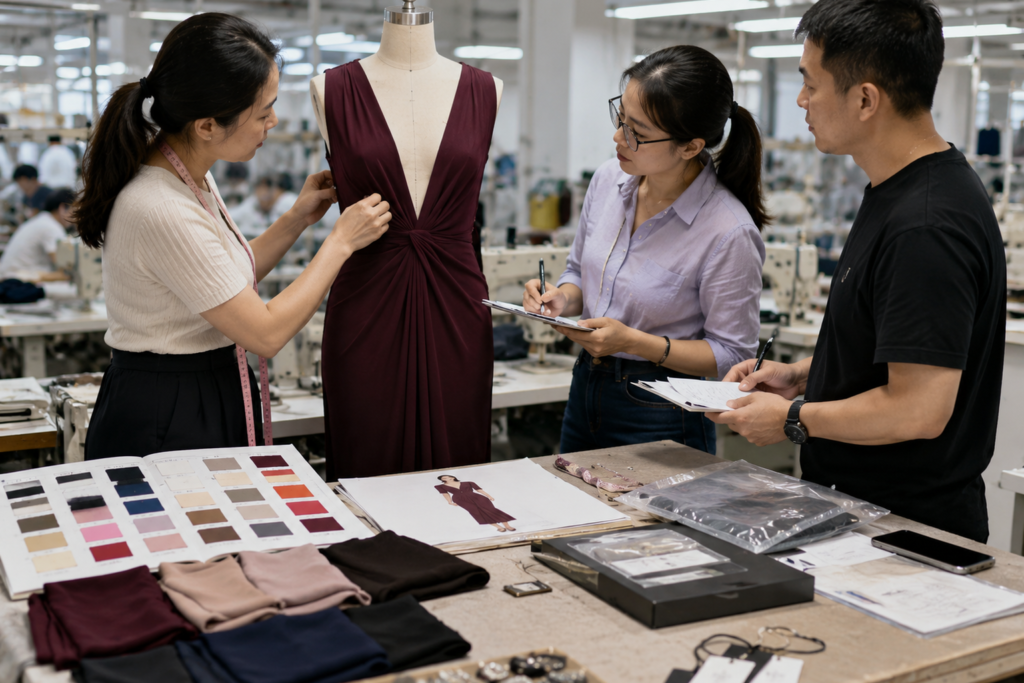
Tell Us About Your Dress Project

Share your product details, estimated quantity and development requirements. Our team will review your project and provide practical OEM/ODM production feedback.

Premium Women’s Apparel Production for Fashion Brands

From dress sample development to bulk production, JF Apparel supports fashion brands with confidential OEM/ODM manufacturing, reliable quality control and scalable production support.

START YOUR DRESS PROJECT

Ready to Develop Your Next Dress Collection?

Share your design concept, product requirements or sourcing plans with our team. We’ll review your project and provide practical feedback on development, materials, MOQ and production.

7-10 Days

Sample Development

200 PCS

Starting MOQ

Fast Response

Professional Follow-Up