Dress Manufacturer for Premium Ecommerce Fashion Brands

A dress-focused manufacturing partner for established online fashion labels managing fast launches, broad assortments, controlled quality and repeatable growth.

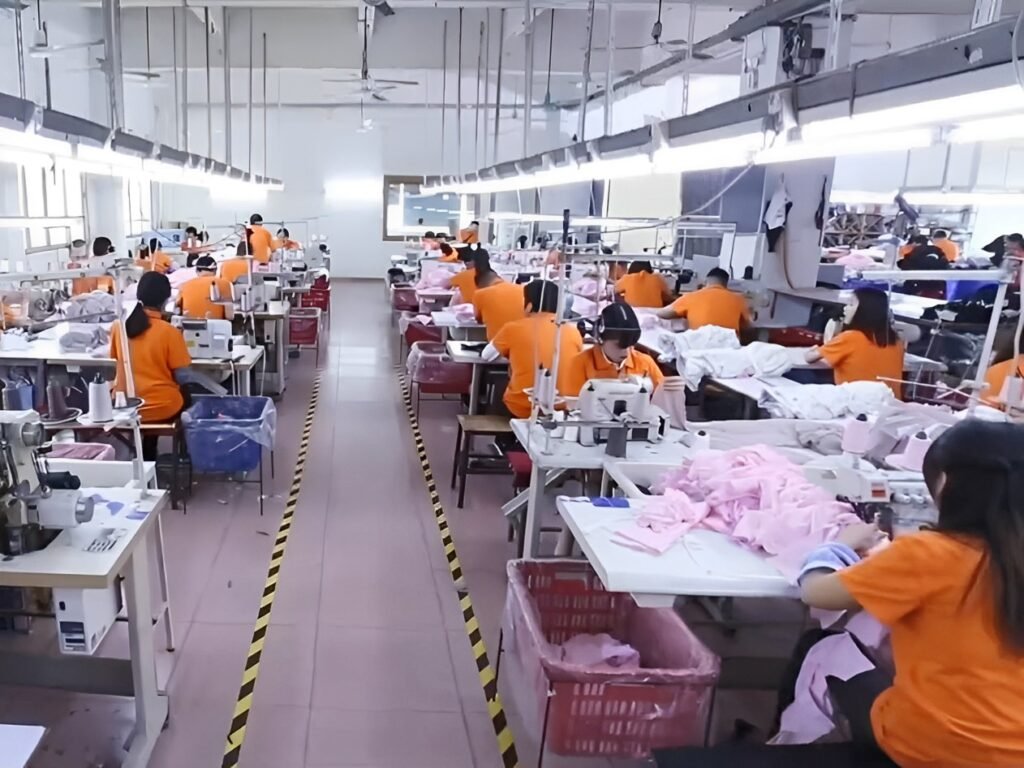
  • Since 2008, with 6 owned womenswear factories and 10+ long-term satellite production partners in Guangdong, China.
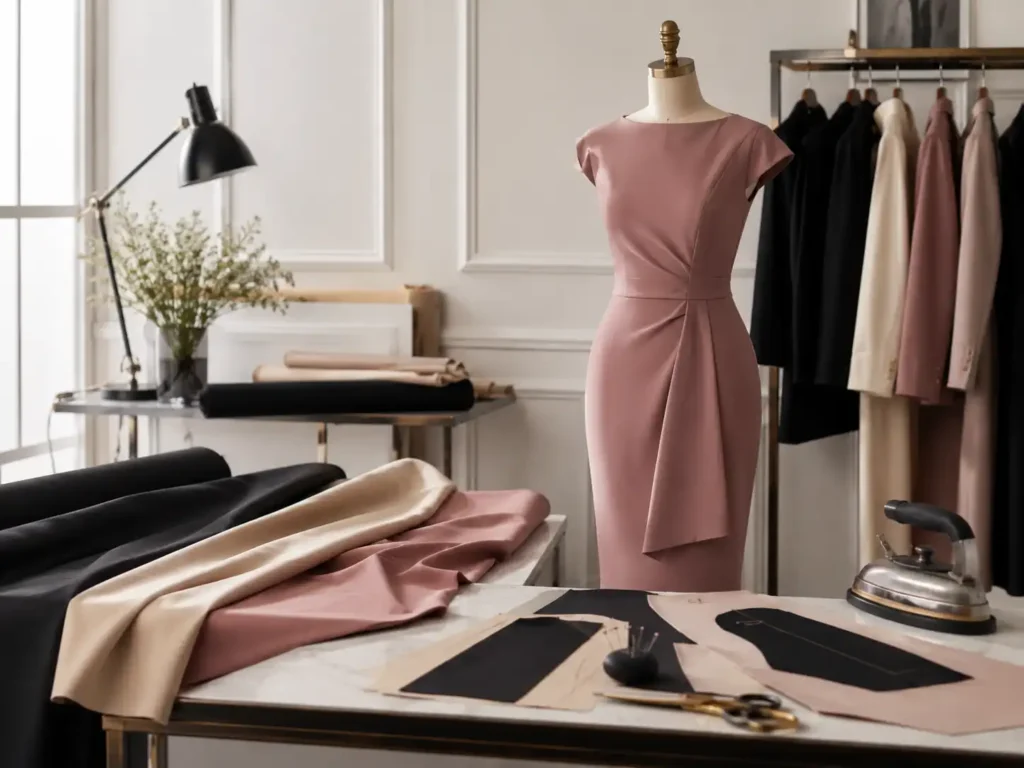
  • 2 sample rooms, 7+ senior pattern makers and 20+ sample machinists support fit-led dress development before bulk production.
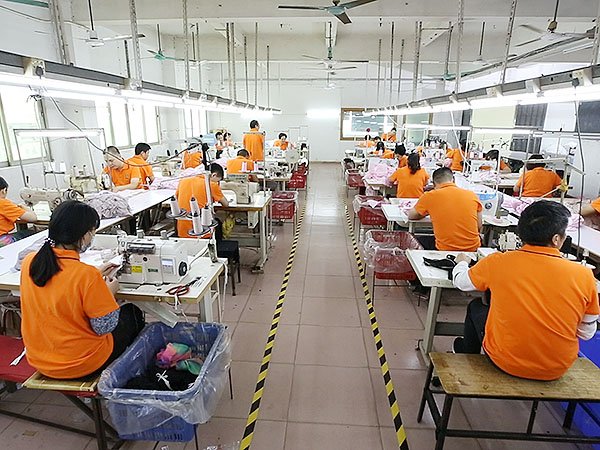
  • Regular monthly capacity exceeds 100,000 pieces across 18+ sewing lines, with production resources allocated by fabric, structure, volume and launch priority.
  • MOQ starts from 200 pieces per style and color, with project review for special fabrics, custom colors, trims and packaging.

Production Capacity Built for Ecommerce Dress Collections

Mature online labels need more than nominal factory capacity. Development resources, pattern control, line allocation, quality staffing and packing coordination must work together across multiple styles, colors, sizes and launch dates.

Since 2008

Jinfeng Apparel has focused on custom womenswear manufacturing since 2008. Long-term experience covers dress development, fabric sourcing, pattern correction, sampling, bulk production, private-label packing and export coordination for fashion programs sold across the United States, United Kingdom, Europe, Australia and Canada.

Six Owned Factories

Six owned womenswear factories provide a stable base for woven dresses, knit dresses, partywear, occasionwear, skirts, jumpsuits and matching sets. Style allocation follows construction, fabric behavior, order volume, finishing requirements and delivery sequence rather than sending every garment through one generic production route.

Ten Plus Partners

More than 10 long-term satellite production partners extend capacity for seasonal peaks, specialist workmanship and multi-style programs. Allocation remains tied to approved specifications, production records, QC checkpoints and project management instead of uncontrolled short-term subcontracting.

Two Sample Rooms

Two sample rooms support parallel development, priority photo samples, fit revisions and PP samples. Separate development capacity helps merchandising teams move hero styles first while lower-priority styles continue through fabric confirmation, pattern review and sample correction.

Seven Pattern Makers

Seven or more senior womenswear pattern makers work on bust, waist, hip, neckline, armhole, strap, slit, torso and length balance. Pattern decisions are recorded through revised patterns, updated size charts and approved sample comments before bulk cutting begins.

Fifteen QC Inspectors

A team of 15+ QC inspectors supports incoming material checks, cutting review, sewing checks, measurement inspection, final garment review, pressing review and packing inspection. Inspection focus changes by product, including satin surface protection, mesh holes, lace placement, sequin loss, corset symmetry and SKU accuracy.

Built for Established Online Fashion Programs

Jinfeng Apparel is structured for brands with defined product direction, professional development files, planned assortment volume and recurring production needs across seasonal drops, core ranges and bestseller replenishment.

Strong Program Fit

The strongest fit includes established online womenswear labels, premium DTC fashion businesses, occasionwear specialists, partywear labels, sourcing offices and brand groups managing several dress styles at once. Projects may begin from tech packs, original samples, reference images, line sheets or approved design sketches, followed by structured sampling and bulk planning.
  • Clear style direction and target market
  • Planned quantity by style and color
  • Defined size range and fit standard
  • Private-label and warehouse requirements
  • Launch dates or seasonal delivery windows
  • Potential for repeat orders and collection growth

Manufacturing Model

Jinfeng Apparel operates as a custom development and bulk manufacturing partner rather than a ready-stock platform. Production begins with product review, material direction, pattern development, paid sampling and approval records. The model is designed for retail-ready or ecommerce-ready garments carrying brand labels, size identification, care information, barcodes, SKU references and packing instructions.
  • OEM and ODM womenswear development
  • MOQ from 200 pieces per style and color
  • Paid sample development by complexity
  • PP approval before bulk production
  • Private-label packing and export support
  • NDA-based cooperation and design protection

Manufacturing Risks Behind Online Dress Collections

Online sales magnify small manufacturing failures. Product photography exposes surface defects, fit inconsistency drives returns, late approvals disrupt launch calendars, and packing errors can stop otherwise saleable stock at the warehouse.

Photo Sample Failure

A sample may match a flat sketch yet fail under studio lighting or on-model photography. Neckline shape, waist placement, lining shadow, hem balance, strap angle, ruching direction and pressing quality can change the perceived value of a dress. Jinfeng reviews visual balance together with construction so photo samples support product imagery rather than only technical approval.

Fit-Related Returns

Return risk often begins at bust, waist, hip, armhole, strap, neckline, back coverage, slit height and total length. One sample size cannot prove the full size run. Pattern correction, grade rules, size-set measurements and bulk tolerance checks are used to protect consistency across the selected size range.

Fabric Mismatch

Premium positioning weakens when fabric weight, hand feel, drape, stretch, transparency or shine conflicts with the selling price and product imagery. Fabric approval records cover composition, weight, width, color, stretch, recovery, lining need, MOQ, cost and lead-time impact before the selected material enters bulk purchasing.

Bulk Inconsistency

A strong sample can still fail in production when fabric batches change, trims are substituted, sewing methods drift or pressing standards are unclear. Final patterns, approved BOMs, trim cards, sewing instructions, PP comments, QC checklists and Golden samples create a repeatable reference for production teams and inspectors.

Launch Delays

Late fabric approval, delayed trims, unresolved PP comments, label changes or incomplete warehouse rules can compress production and inspection windows. Jinfeng tracks material readiness, sample status, client approval, production allocation, QC timing, packing preparation and forwarder cut-off requirements before launch dates become exposed.

SKU Packing Errors

A correct garment can still become unsellable when the size label, barcode, color sticker, polybag, carton mark or packing list is wrong. SKU files are checked against style, color, size and carton breakdowns so receiving teams can scan, count and store goods without avoidable relabeling or rework.

Dress Categories for High-Impact Online Collections

Jinfeng Apparel develops dress categories around wearing occasion, fabric behavior, fit focus, sample revision points, bulk risks and product-specific inspection rather than treating every silhouette as the same sewing program.

Party Cocktail Dresses

Party and cocktail dresses depend on immediate visual impact, secure fit and movement comfort. Common directions include satin, crepe, jersey, mesh, lace, velvet and sequins. Development focuses on neckline stability, bust coverage, waist definition, slit safety, lining placement and surface protection. Bulk checks cover color consistency, embellishment security, zipper smoothness, hem balance and pressing marks.

Occasion Evening Dresses

Occasion and evening dresses require controlled drape, refined finishing and reliable structure across longer lengths. Satin shine, chiffon layers, lace placement, inner support and clean pressing strongly influence perceived value. Pattern work addresses bust shape, waist position, skirt sweep, train length and walking movement. Production control emphasizes hanging balance, lining length, seam appearance and protective packing.

Bodycon Club Dresses

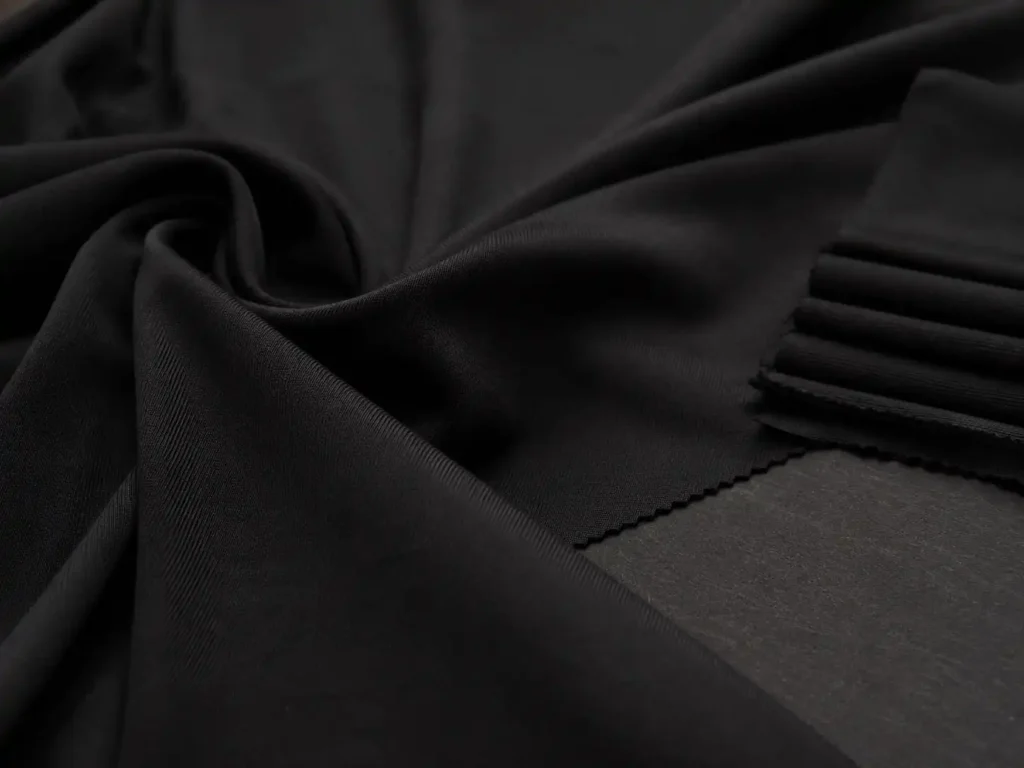
Bodycon and club dresses need stretch behavior to work with the pattern rather than against it. Jersey, rib knit, ponte and power mesh are reviewed for stretch percentage, recovery, opacity and wash-related size change.
Bust-waist-hip balance, side-seam position, neckline recovery and hem stability are checked during sampling and measurement QC to reduce fit complaints.

Corset Structured Dresses

Corset and structured dresses combine visual shape with functional support. Pattern development considers cup placement, boning channels, under-bust position, back opening, waist compression and strap or anti-slip support. Bra cups, boning, underwire, hooks and lining must work as one system. Bulk inspection checks symmetry, support, comfort, closure alignment and clean internal finishing.

Satin Slip Dresses

Satin and slip dresses rely on fabric direction, fluid drape and precise sewing. Bias or semi-bias structures can twist when grain direction, cutting relaxation or hanging time is ignored. Development covers neckline shape, strap length, bust ease, side-seam balance and lining choice. Bulk production controls shade, shine direction, snags, needle marks, puckering, pressing and anti-crease packing.

Mesh Lace Sequins

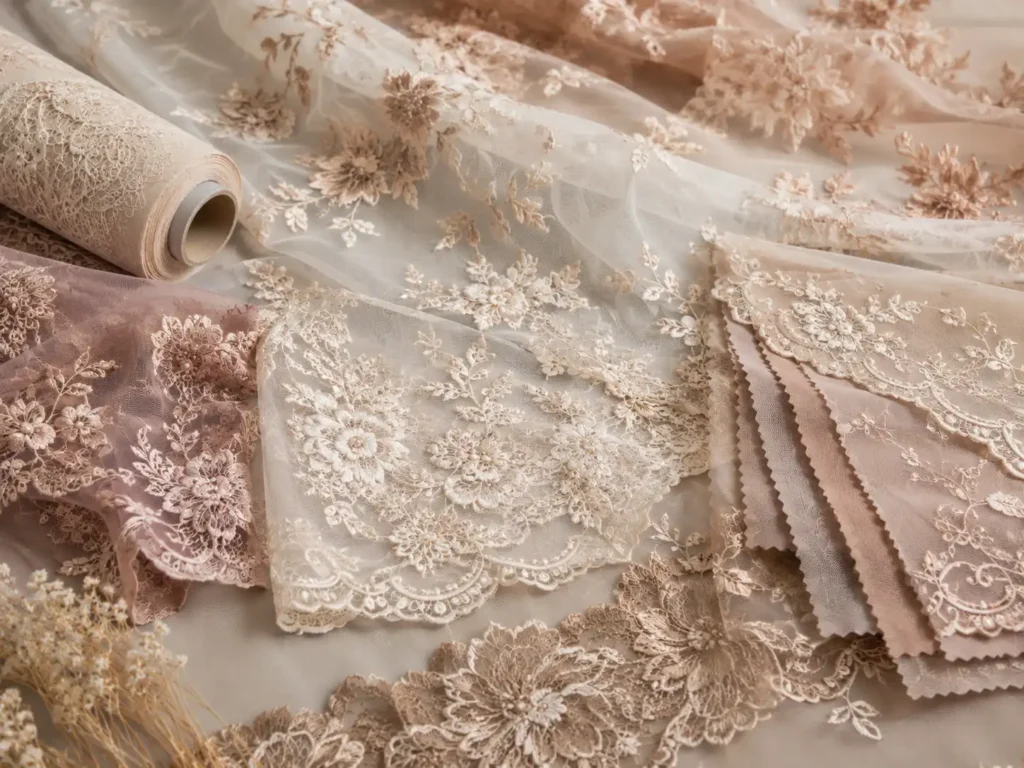
Mesh, lace and sequin dresses offer strong digital merchandising value but require specialist control. Mesh needs transparency, stretch direction and hole inspection. Lace needs motif placement, edge treatment and lining coordination. Sequins need seam preparation, needle management, skin-contact protection and loss checks. Packaging must prevent friction, snagging and surface crushing during transport.

Resort Vacation Dresses

Resort and vacation dresses combine lightness, movement, print appeal and travel-friendly handling. Chiffon, rayon, viscose, linen blends and printed wovens are common choices. Pattern priorities include waist comfort, skirt movement, neckline security and bra compatibility. Production checks include print direction, shrinkage, seam slippage, lining coverage, wrinkle behavior and compact packing.

Graduation Guest Dresses

Graduation and wedding guest dresses serve defined event calendars where photography, comfort and timely delivery matter. Light colors require transparency and stain control, while satin, lace, chiffon and structured silhouettes need careful balance between appearance and wearability. Sample review covers dress length, bust coverage, lining, support and movement before seasonal bulk planning begins.

What Makes a Dress Ready for Premium Ecommerce

A premium ecommerce dress must perform across photography, fit, material feel, repeatable production and fulfillment. Attractive styling alone cannot protect conversion, reviews or replenishment when manufacturing controls are incomplete.

Photo-Ready Appearance

Studio lights and high-resolution imagery reveal puckering, shade variation, uneven hems, lining shadows, twisted seams and pressing marks. Photo samples are reviewed for silhouette balance, neckline shape, waist placement, fabric shine, drape, ruching and surface cleanliness. Construction details are adjusted where visual quality cannot be achieved reliably in bulk.
  • Clean front, back and side views
  • Controlled shine and transparency
  • Balanced hem and slit position
  • Stable neckline and straps
  • Pressing suited to fabric behavior

Fit Confidence

Fit needs a defined base size, approved measurements and grade rules. Bust, waist and hip cannot always grow at the same rate, while straps, armholes, necklines, slit height and total length need category-specific grading. Size-set reviews and measurement checks help protect consistency across XS-XL, extended sizes or brand-specific ranges.
  • Base-size fit approval
  • Updated measurement chart
  • Grade-rule confirmation
  • Size-set review where required
  • Bulk tolerance measurement

Brand-Level Materials

Fabric is judged by more than fiber content. Weight, width, hand feel, drape, stretch, recovery, opacity, wrinkle response, shrinkage and color behavior all shape the final garment. Linings, zippers, bra cups, boning, elastic, trims and labels must also match garment structure and brand positioning.
  • Fabric approval by style
  • Lining and trim coordination
  • Surface and color controls
  • Cost impact recorded early
  • Bulk source linked to PP sample

Repeatable Bulk Quality

Premium results depend on a production standard repeatable across thousands of pieces, not a single carefully handled sample. Final patterns, BOMs, trim cards, approved sewing methods, PP comments, QC checkpoints, packing instructions and Golden samples convert design approval into measurable production instructions.
  • Locked reference sample
  • Documented construction method
  • Product-specific QC checklist
  • Approved packing method
  • Records retained for reorder review

Fit Engineering Across Key Dress Silhouettes

Fit control begins with the silhouette, fabric and wearing occasion. Pattern development and grading focus on the points most likely to affect appearance, comfort, size consistency and online returns.

SilhouetteMain Fit FocusFabric DirectionSample RiskBulk Control
BodyconBust-waist-hip ratio, neckline, hemJersey, rib, ponte, power meshPoor recovery, transparency, side-seam twistingStretch check, measurements, side-seam balance
CorsetCup, under-bust, waist, back openingStructured woven, satin, mesh combinationsWeak support, asymmetric cups, boning pressureSymmetry, support, boning, closure alignment
SlipBust ease, strap length, bias balanceSatin, crepe, fluid wovenTwisting, neckline gaping, seam puckeringGrain direction, hanging balance, pressing
StraplessBust security, top edge, waist placementStructured woven, stretch wovenSlippage, top-edge distortionAnti-slip support, symmetry, wearing test
HalterNeck angle, armhole, bust coverageJersey, satin, chiffon, crepeArmhole gaping, neck pressureStrap angle, neckline reinforcement, measurements
BacklessBust support, back opening, waist stabilitySatin, jersey, mesh, laceDistortion, poor support, lining exposureReinforcement, closure, back-edge stability
MaxiWaist, skirt sweep, slit, total lengthChiffon, rayon, satin, crepeUneven hem, dragging, lining imbalanceHanging review, hem measure, slit and lining check
JumpsuitTorso, rise, waist, hip, leg lengthWoven, crepe, jersey, satinShort torso, poor sitting comfort, crotch pullTorso and rise measurements, movement review

Fabric Direction for Premium Dress Development
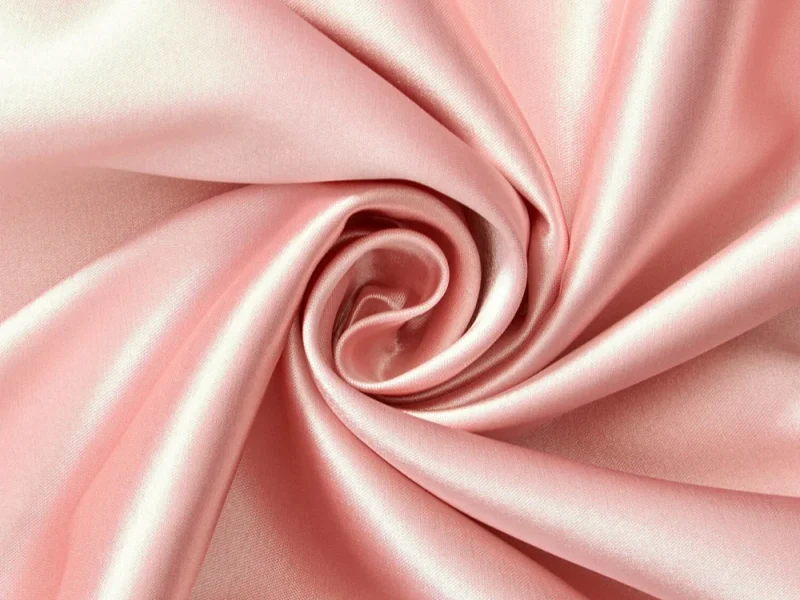
Material selection connects visual identity, fit, cost, production stability and return risk. Jinfeng evaluates each fabric through garment use, approved sample behavior and bulk control requirements.

Satin Control

Satin can create strong visual value, yet shine exposes small production defects. Review covers composition, weight, stretch, hand feel, drape, opacity, shade and snag risk. Cutting direction is controlled so panels reflect light consistently. Sewing checks focus on puckering, needle marks and seam slippage. Pressing temperature, protective handling and anti-crease packing are confirmed before bulk finishing.
  • Shine direction and shade band
  • Snag and needle-mark risk
  • Seam puckering and zipper flatness
  • Bias balance where used
  • Pressing and packing protection

Mesh Lace Control

Mesh and lace need coordinated decisions on transparency, lining, stretch, motif position and seam treatment. Stretch mesh may grow during cutting, while fine mesh can develop holes at handling points. Lace requires motif alignment, clean edges and color matching with lining and trims. Inspection focuses on holes, broken motifs, uneven placement, exposed lining and deformed necklines or armholes.
  • Mesh density and stretch direction
  • Lace motif placement
  • Lining color and length
  • Edge finishing and seam allowance
  • Hole and damage inspection

Sequin Surface Control

Sequin fabrics create holiday and party impact but add cutting, sewing, comfort and packing risks. Seam zones may require sequin removal or controlled stitching to prevent broken needles and bulky seams. Inner seam contact is checked for scratching, while replacement or securing methods are set for missing decoration. Finished garments receive surface inspection and protective packing to reduce friction during transport.
  • Sequin direction and density
  • Seam preparation
  • Skin-contact comfort
  • Loss and damage checks
  • Protective folding and packing

Jersey Ponte Control

Jersey and ponte are selected according to stretch, recovery, thickness, opacity and shape retention. Bodycon silhouettes require enough recovery to hold measurements without overstretching. Cutting and sewing control side-seam twisting, neckline growth, wavy seams and hem distortion. Wash-related shrinkage or growth may need testing when brand care requirements or product use make dimensional stability critical.
  • Stretch and recovery
  • Weight and opacity
  • Side-seam and neckline stability
  • Grade-rule compatibility
  • Wash-related dimension risk

Chiffon Rayon Control

Chiffon, rayon and viscose support movement and resort styling but can shift during cutting, stretch on the bias or change after relaxation. Fabric direction, print orientation, shrinkage, seam slippage and hem balance are reviewed before bulk. Layered styles also need lining-length and transparency decisions. Hanging or resting time may be required before final hemming on fluid longer dresses.
  • Cutting stability
  • Print and grain direction
  • Shrinkage and seam slippage
  • Layer and lining balance
  • Hem relaxation before finishing

Crepe Suiting Control

Crepe and suiting fabrics support structured mini, midi, cocktail and office-to-evening dresses. Selection considers body, recovery, wrinkle response and seam definition. Pattern shapes must respect fabric firmness so armholes, waist seams, darts and zippers remain clean. Bulk checks focus on pressing, seam impressions, puckering, dimensional consistency and the relationship between shell fabric, fusible support and lining.
  • Structure and wrinkle response
  • Dart and waist-seam shape
  • Zipper and seam flatness
  • Fusible and lining compatibility
  • Pressing without shine marks

From Design Direction to Production-Ready Dresses

Design files become reliable bulk garments only after structure, materials, fit, workmanship, cost and production risks are translated into an approved development package.

Product Inputs and Feasibility Review

Jinfeng Apparel can begin from a tech pack, original garment, reference image, line sheet or design sketch. Initial review separates visual features from structural requirements so the team can identify where more information is needed before quoting or sampling.

  • Style structure: neckline, bust, waist, hip, opening, sleeve, slit, lining, drape and internal support are mapped before pattern work.
  • Material direction: shell, lining, contrast fabrics, zippers, bra cups, boning, elastic, labels and decorative trims are reviewed as a connected system.
  • Production feasibility: difficult seams, fabric instability, handwork, placement decoration, expected wastage and repeatability are assessed before commitments are made.
  • Commercial fit: planned quantity, color count, size range, target market, launch date, packing rules and expected quality level are considered together.

Incomplete files do not stop discussion, but they limit quotation accuracy. A reference image without fabric, measurements or construction details can support an initial range only. Final costing depends on clarified materials, approved construction and production conditions.

Pattern, Construction and Trim Decisions

Pattern development transforms design proportions into a wearable and gradeable garment. For dresses, connected points include bust shape, waist position, hip ease, neckline depth, armhole contour, strap length, back coverage, slit height, lining length and overall balance. Corset, strapless and backless styles also require support decisions before the outer silhouette can be approved.

  • Pattern corrections are linked to sample comments rather than kept only in chat messages.
  • Construction changes are recorded when they affect seam type, lining method, closure, support, ruching, drape or internal finish.
  • Trim specifications cover size, color, material, position, strength, comfort and bulk availability.
  • Fabric substitutions trigger a review of pattern, lining, cost and lead time because different weight or stretch can change fit.

The development goal is not blind execution. Recommendations may include fabric substitution, lining revision, structure simplification, trim replacement or seam-method changes when the original direction creates avoidable cost, wearability or production risk.

Approved Development Package for Bulk

Bulk readiness requires more than sample approval by appearance. Production teams need an aligned set of references so material purchasing, cutting, sewing, inspection and packing work from the same standard.

  • Final pattern and graded size set
  • Approved measurement chart and tolerance requirements
  • BOM covering shell, lining, trims, labels and packaging
  • Fabric and trim approvals linked to source and color
  • Sewing and finishing instructions
  • PP sample comments and approved reference sample
  • Product-specific QC checklist
  • Barcode, SKU and packing files

Any major change after PP approval can affect material purchasing, unit cost, line scheduling and delivery. Change control therefore records the requested revision, cost impact, lead-time impact, affected documents and need for a new approval sample before production continues.

A Sampling System Built Around Launch Decisions

Samples answer different questions at different stages. Jinfeng separates fit, visual, production and bulk-approval purposes so brand teams know what each version must prove before moving forward.

First Sample

A first sample tests the initial pattern, construction and material direction. Simple styles usually require 7-10 days, standard dresses commonly require 10-15 days, and medium-complexity dresses, sets or jumpsuits often require 12-18 days. Timing begins after usable files and available materials are confirmed.

Fit Sample

A fit sample focuses on body measurements, proportions, support, coverage and movement. Bust, waist, hip, neckline, armhole, strap, back, slit and length comments are recorded against the size chart. Fit approval may use the first sample or a separate version depending on complexity and review requirements.

Revised Sample

A revised sample confirms agreed changes after the first review. Standard revisions commonly require 7-15 days, while complex changes are assessed by pattern impact, material changes and new trims. Factory execution issues are corrected internally; new design directions or added requirements are evaluated as fresh development work.

Photo-Ready Sample

A photo-ready sample supports campaign imagery, product listings, wholesale appointments or launch content. Appearance, color, surface condition, pressing, label status and styling details receive extra attention. Quantity, fabric source and delivery timing are confirmed separately because several photo samples can require different planning from one fit sample.

PP Sample

A PP sample verifies the final bulk standard after approved fabric, trims, labels, measurements, construction and packing directions are available. Typical timing is 7-15 days when final materials are ready. Bulk cutting should not begin while core PP comments remain unresolved.

Golden Sample

A Golden sample serves as a retained reference for production inspection, final review and repeat orders. It supports comparison of workmanship, measurements, fabric, trims, labels and packing. Reorders still require material-batch and file review because availability, color and cost may change between production runs.

Managing Multi-Style Collections Around Launch Calendars

Collections containing 10-30 styles need priority rules, shared material planning, approval tracking and coordinated factory allocation. Running every style through one identical calendar creates unnecessary bottlenecks.

Group Styles by Manufacturing Logic

A collection is first separated by fabric family, silhouette, construction complexity, trim group, color group and launch priority. Satin slips, structured corsets, stretch bodycon dresses and sequin party styles do not share the same development or production risk profile.

  • Fabric grouping helps coordinate mill availability, color approvals and bulk purchasing.
  • Pattern grouping identifies styles sharing blocks, grade rules or fit concerns.
  • Trim grouping reduces late surprises around zippers, boning, cups, labels or decorative items.
  • Complexity grouping protects line allocation and realistic sample review.
  • Priority grouping moves hero styles, campaign samples and early launch SKUs first.

Shared components can create efficiency, but only when specifications remain controlled. Similar-looking satin, lace or mesh materials cannot be combined without checking weight, shade, stretch, width and garment performance.

Build an Approval and Risk Calendar

A collection calendar should track more than a single final shipment date. Development and production depend on a chain of approvals, each with consequences for the next stage.

  • Tech pack and quantity confirmation
  • Fabric and trim direction
  • First sample review
  • Revised sample comments
  • Photo sample priority
  • PP sample approval
  • Bulk material arrival
  • Production allocation
  • Inline and final inspection windows
  • Packing-file lock and forwarder cut-off

Status records show which styles are approved, blocked or exposed. Late changes are linked to the affected material, sample, cost, line schedule or packing requirement rather than absorbed silently until final delivery becomes impossible.

Coordinate Launch and Shipment Priorities

Not every style or quantity needs to move on the same date. Mature online programs often protect launch timing through phased production or split shipment planning. Hero styles, bestselling colors or priority sizes may move first, while the remaining bulk follows under a cost-controlled method.

Jinfeng can coordinate express for samples, air freight for urgent launch quantities, sea freight for planned bulk, or a split shipment where roughly 10-30% of selected stock moves by air and the balance moves by sea. SKU separation, carton marks, invoices and packing lists must remain aligned whenever an order is divided.

Keeping Neckline Shape Consistent in Bulk Production​

Production Resources Matched to Each Dress Program
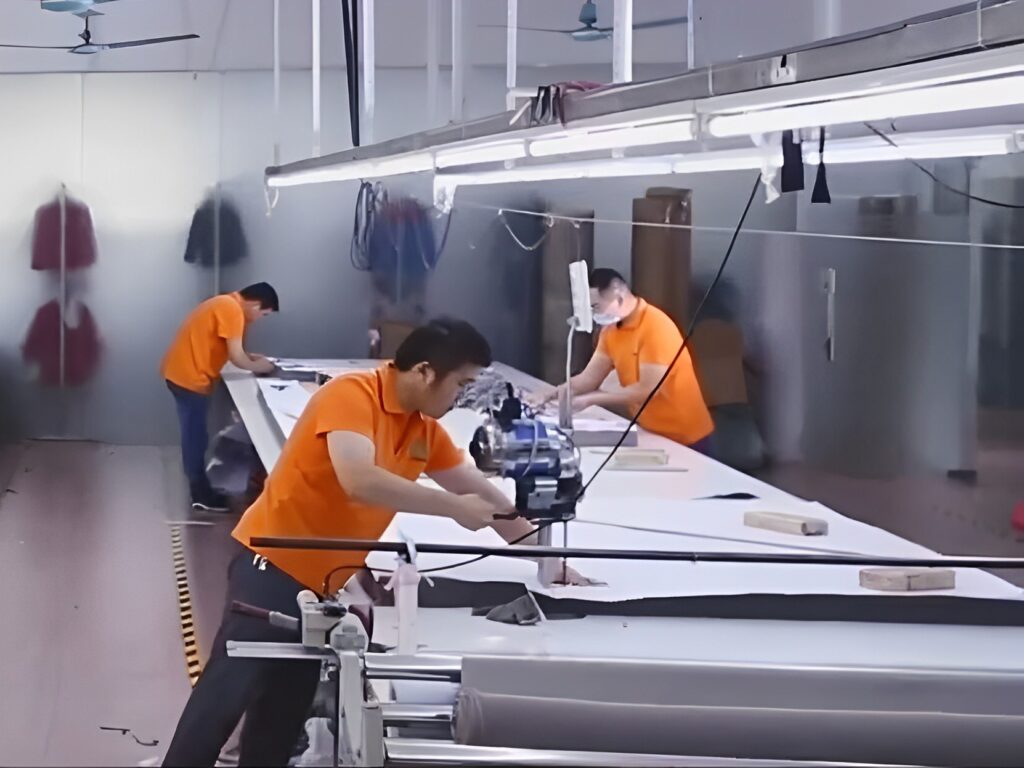
Production capacity becomes useful only when the right development, sewing, finishing and inspection resources are matched to garment structure and launch requirements.
jinfengapparel

Sample Development Resources

Two sample rooms, 7+ senior pattern makers and 20+ sample machinists support parallel style development. Complex structures such as corset, strapless, backless, deep-V, ruched, mesh-panel, lace-placement, satin and sequin dresses receive early construction checks before a method is transferred to bulk production.
jinfengapparel

Flexible Production Lines

Six or more flexible production lines support priority styles, controlled runs and programs requiring closer coordination across several silhouettes. Line assignment considers sewing sequence, fabric sensitivity, operator skill, finishing method, quantity and approved delivery order instead of assigning work by available space alone.
jinfengapparel

Bulk Production Capacity

Regular monthly capacity exceeds 100,000 pieces across 18+ sewing lines. Capacity planning accounts for material arrival, approved PP status, style complexity, color changes, size ratios, QC windows and packing requirements. Nominal volume is never treated as a substitute for realistic project scheduling.
jinfengapparel

Long-Term Factory Network

Six owned factories provide core control, while 10+ long-term satellite partners support specialist workmanship and seasonal capacity. Partner allocation follows product category and documented standards. Project records, approved references, inspection points and packing instructions remain part of the management process across the production network.

How Approved Samples Become Repeatable Bulk Production

The transition from sampling to bulk is a controlled technical handoff. Each approved element needs a written, measurable or visual reference before material purchasing and cutting are released.

Final Pattern

The final pattern includes approved fit changes, seam allowances, construction marks, notches, grain direction and style-specific balance. Pattern versions are controlled so production does not cut from an earlier sample file after later modifications have been approved.

Graded Size Set

Grade rules translate the approved base size into the full range. Bust, waist, hip, neckline, armhole, strap, slit and length may require different increments. Size identification and bundle control begin at cutting so panels, labels and measurements remain aligned.

Approved BOM

The BOM records shell fabric, lining, contrast materials, zipper, buttons, elastic, bra cups, boning, hooks, decorative trims, labels, hangtags, polybags and cartons. Color, size, source and placement details reduce substitution and packing errors.

Fabric Trim Card

Approved fabric and trim references connect the PP sample to bulk sourcing. Composition, weight, width, stretch, shade, hand feel, lining, zipper, thread and decorative components are checked against the confirmed specification before production use.

Sewing Instructions

Sewing instructions define seam methods, internal support, lining construction, ruching, binding, zipper installation, hem treatment, reinforcement and finishing. Special notes are added where fabric handling or appearance can drift during repeated production.

QC Packing Standard

Measurement points, visual defects, surface protection, pressing, label placement, barcode checks, folding, polybagging, carton ratios and warehouse marks are set before final inspection. Approved references and checklists give inspectors a consistent basis for acceptance.

Quality Control Protecting Fit Reviews and Returns

QC for online fashion must connect factory defects with commercial consequences. Measurements, surface condition, comfort, labels and packing all influence product reviews, returns, warehouse acceptance and repeat sales.

Material Inspection

Incoming checks compare fabric and trims with approved references for color, weight, width, stretch, hand feel, surface, damage and relevant construction needs. Satin shade, mesh holes, lace damage, sequin loss, zipper function and lining color are reviewed before bulk cutting creates a larger exposure.
  • Approved source and color
  • Visible surface defects
  • Stretch or weight variance
  • Trim specification and function
  • Batch identification where needed

Cutting Control

Cutting control protects grain direction, print placement, panel symmetry, fabric relaxation, size bundles and shade separation. Fluid fabrics can shift; stretch fabrics can distort; sequins and lace require placement planning. Cut-panel inspection catches missing notches, damaged surfaces and incorrect orientation before sewing adds cost.
  • Grain and shine direction
  • Print or motif placement
  • Size and shade bundling
  • Panel symmetry
  • Cut-edge and surface condition

Sewing Inline Checks

Inline inspection focuses on repeated operations before defects spread across a full line. Areas include neckline shape, strap attachment, zipper flatness, seam puckering, ruching symmetry, boning channels, lining attachment, slit reinforcement and internal cleanliness. Findings are fed back during production so correction occurs close to the source.
  • Construction against PP standard
  • Seam appearance and strength
  • Symmetry and placement
  • Support components
  • Early rework control

Measurement Inspection

Measurements are checked against approved size charts and tolerance requirements. High-risk points include bust, waist, hip, length, strap, armhole, neckline, back coverage, slit and jumpsuit rise or torso. Inspection plans can be adjusted by silhouette, fabric stretch, size range and known sample risks.
  • Correct size identification
  • Defined measurement points
  • Grade-rule consistency
  • Tolerance review
  • Records for issue analysis

Final Garment Review

Final review combines workmanship, appearance, fit-related construction, surface condition, pressing and cleanliness. Satin snags, mesh holes, lace mismatch, loose sequins, twisted seams, uneven hems, exposed lining, poor closures and pressing shine are evaluated according to product type rather than a generic checklist.
  • Front, back and side appearance
  • Fabric-specific defect review
  • Closure and comfort checks
  • Hem, lining and slit balance
  • Clean finishing and pressing

Packing Inspection

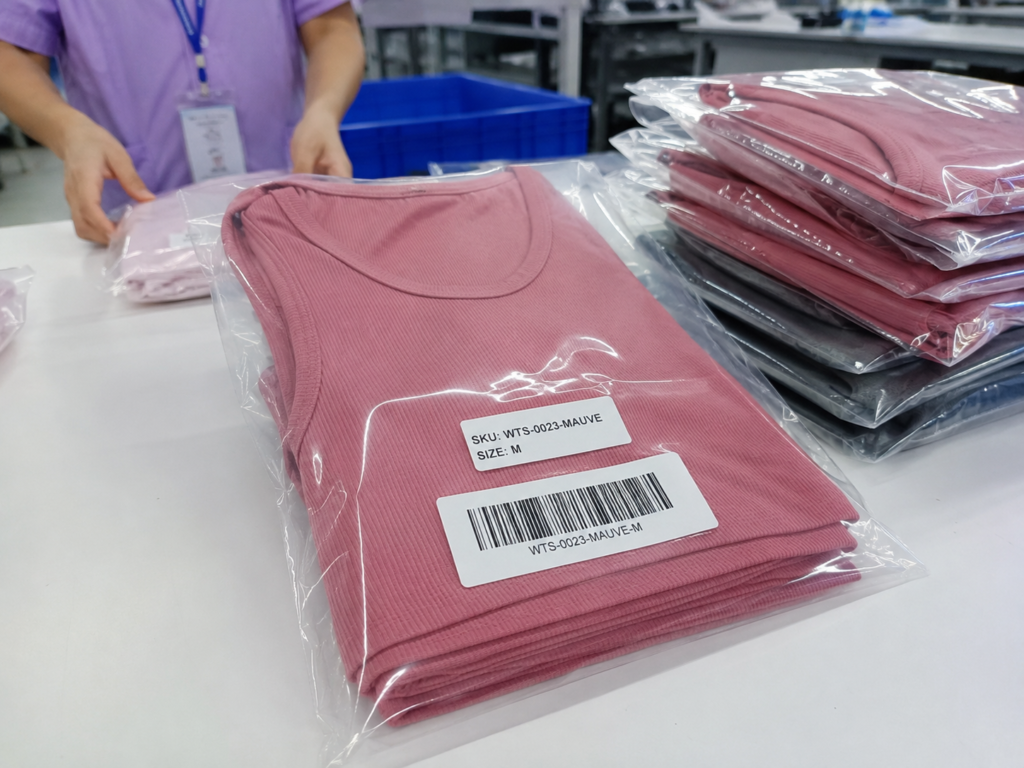
Packing QC verifies label content and placement, size stickers, barcodes, SKU references, folding, polybags, inserts, carton ratios, carton marks and packing-list consistency. Barcode scanning and size-color matching reduce relabeling, warehouse rejection and inventory errors after goods leave the factory.
  • Style-color-size match
  • Barcode and SKU accuracy
  • Polybag and insert requirements
  • Carton breakdown
  • Packing-list reconciliation

Controlling Colors Sizes and SKUs Across Orders

Multi-color and multi-size programs require linked control from fabric batch and grading through cutting bundles, garment measurements, labels, barcodes and carton breakdowns.

Size Grading Control

An approved sample size is converted into a full size range through brand-specific grade rules. Bust, waist, hip, neckline, armhole, strap, slit and length are reviewed by silhouette rather than enlarged mechanically. Extended, petite or tall ranges may require proportion changes beyond simple length adjustment.
  • Brand measurement chart
  • Approved base size
  • Grade rules by point
  • Size-set review where needed
  • Bulk measurement records

Color Batch Control

Color consistency depends on fabric supplier, dye lot, fiber, finish and production timing. Shade bands or approved swatches help separate acceptable variation from visible mismatch. Shell, lining, zippers, thread and trims are coordinated so one colorway does not contain conflicting undertones or batches.
  • Fabric batch identification
  • Shade approval
  • Matching lining and trims
  • Separation by color
  • Carton and SKU identification

SKU Identification

Every garment needs the correct relationship between style number, color, size, barcode and packing instruction. Label files are confirmed before production, while stickers and barcodes are checked during packing. A correct dress carrying the wrong size or SKU reference creates inventory errors equal to a product defect.
  • Style and color code
  • Size label and sticker
  • Barcode readability
  • SKU file match
  • Version-controlled artwork

Carton Breakdown

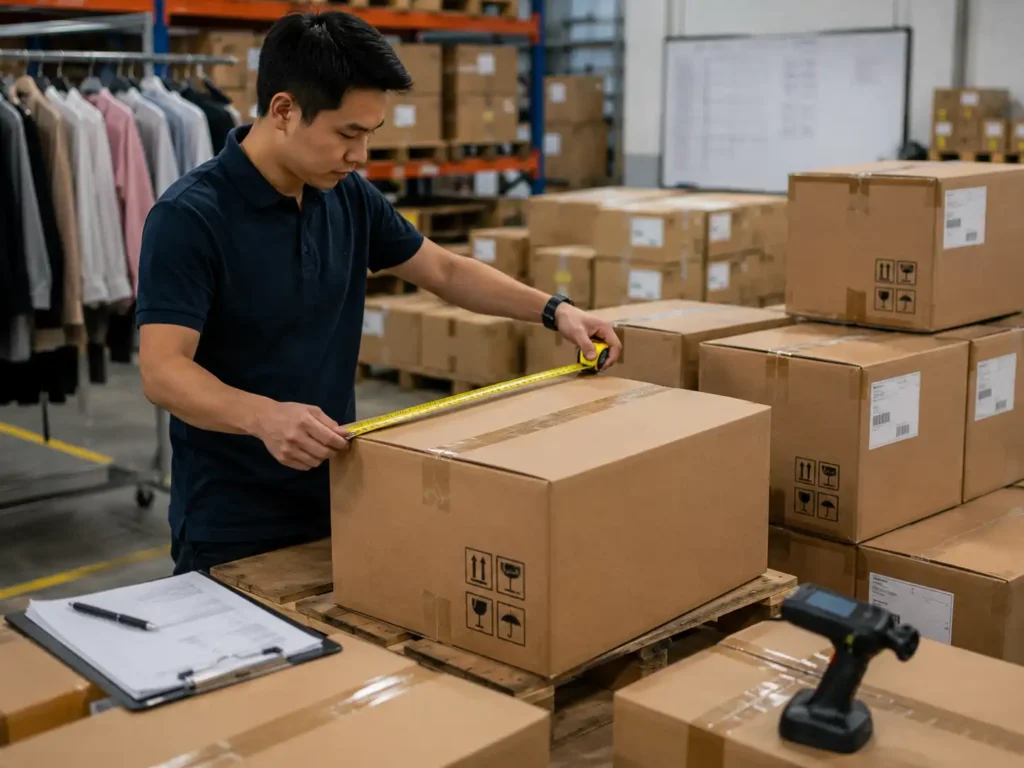
Carton planning follows style, color, size ratio, warehouse rules and shipment method. Mixed cartons, solid-size cartons or ratio packs are confirmed before packing. Carton number, quantity, dimensions, gross weight, net weight and marks feed the packing list and freight planning.
  • Pieces per carton
  • Size-color ratio
  • Carton numbering
  • Marks and warehouse labels
  • Packing-list accuracy

Private-Label Packing Ready for Ecommerce Fulfillment
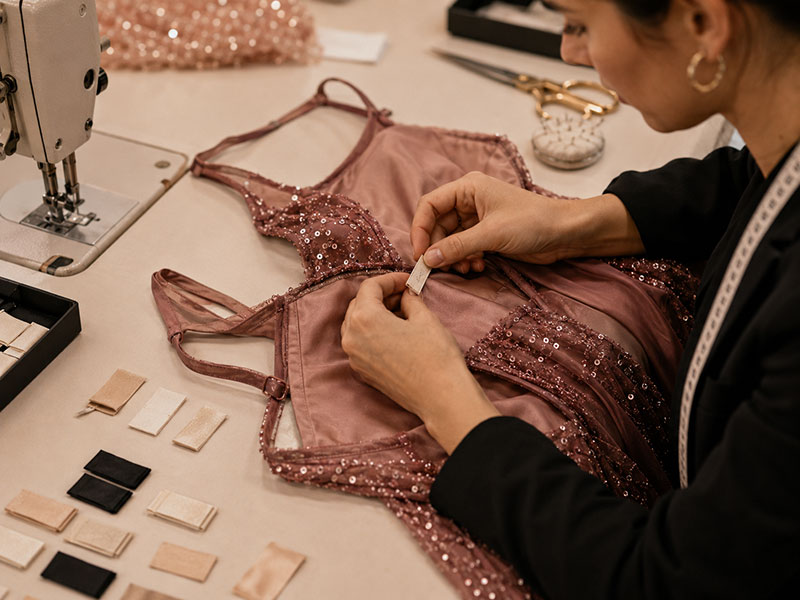
Brand presentation continues after sewing. Labels, barcodes, polybags, cartons and warehouse information must identify each garment correctly and protect it through receiving, storage and fulfillment.

Woven Size Labels

Woven labels and size labels are confirmed for artwork, color, dimensions, fold, placement and sewing method. Placement must avoid discomfort, visible distortion or conflict with lining and closures. Size labels are checked against garment measurements and SKU records.

Care Labels

Care labels can include fiber content, care instructions, country of origin, brand information, RN number where required, style number or batch references. Final wording remains subject to brand and market compliance review. Label content must align with fabric composition and shipping documents.

Hangtags Strings

Hangtags, hang strings and attachments are controlled for artwork version, size, material, placement and security. Finishing teams verify the right tag belongs to the right style, color and size. Decorative attachment methods are selected to avoid fabric holes or surface damage.

Barcode SKU Labels

Barcode stickers and SKU labels connect the garment to inventory and fulfillment systems. Files are checked for style, color, size and readable code quality. Scanning can be included during packing where required, followed by reconciliation against the packing breakdown.

Polybags Inserts

Polybags, warning text, ventilation, stickers, tissue, cards and protective inserts are selected according to garment surface and warehouse rules. Satin and sequins may require protection from friction or crushing, while structured dresses need folding methods preserving cups, boning and shape.

Cartons Warehouse Marks

Carton marks, warehouse labels, PO references, carton numbers, quantity, style-color-size breakdown, dimensions and weights support freight and receiving. Jinfeng can coordinate with client-appointed or factory-recommended forwarders and prepare commercial invoices, packing lists and shipment data according to the agreed trade terms.

MOQ and Cost Planning for Dress Collections

MOQ begins at 200 pieces per style and color. Final costing depends on approved materials, construction, quantity, color count, size range, finishing, QC, packing and delivery requirements.

Program StructureStandard FitMain Cost or Planning Effect
1 style, 1 color, 200 piecesCan be assessedMeets the base style-color quantity; fabric and trim availability still apply
1 style, 2 colors, 200 pieces eachCan be assessedSeparate color purchasing, cutting, labels, SKU and packing controls
1 style, 2 colors, 100 pieces eachUsually outside the base ruleQuantities are not combined across colors for the standard MOQ
10 styles, 200 pieces eachSuitable for a structured collectionRequires multi-style sample, material, PP and line-allocation planning
20 styles, 1,000 pieces eachSuitable for a scaled programCapacity, launch sequence, QC windows and shipment planning become central
Custom-dyed or custom-woven fabricProject reviewFabric-mill MOQ, lab dips, approval time and bulk lead time may exceed garment MOQ
Special lace, sequins or custom trimsProject reviewSupplier availability, minimum purchase, wastage and replacement risk affect cost
Custom packing or warehouse labelsProject reviewArtwork, print quantity, barcode files and carton rules add preparation and QC steps

Repeat Orders Built on Controlled Product Records

Reorders move faster when approved files and production knowledge remain usable, yet every repeat still needs material, color, quantity, packing and schedule confirmation.

Approved Product Records

Jinfeng retains relevant patterns, size charts, BOMs, fabric references, color records, trim details, sewing instructions, PP comments and Golden samples. Records reduce repeated interpretation and help preserve fit, construction and workmanship across later production runs.

Packing QC Continuity

Private-label files, barcode rules, SKU matrices, polybag instructions, carton breakdowns and quality checkpoints are kept with the product record. Reorder review verifies whether any artwork, warehouse rule, care information or packing specification has changed since the previous shipment.

Reorder Readiness Review

Before a reorder is released, fabric and trim availability, dye-lot conditions, color additions, quantity, size ratio, price, line schedule and required delivery window are reconfirmed. A new fabric, changed color or revised size chart may require updated sampling or pattern review.

Compliance Support and Protected Brand Assets

Brand protection and compliance coordination are handled through controlled documents, verified project scope and support for audits, testing or inspections where required.

NDA Design Protection

Jinfeng supports NDA-based cooperation and protects tech packs, original samples, patterns, unpublished designs, label files, packaging files, pricing and order information. Client names, logos, style images, real quantities and commercial details are not published without authorization.

Fabric Document Support

OEKO-TEX, GOTS, GRS or other certified fabric resources can be reviewed by fabric type, supplier, color, batch, certificate scope, MOQ, price and lead time. Certification is not assumed to cover every material, color, factory or order automatically.

Audit Inspection Support

Factory profiles, production-process information, QC procedures, packing records and available audit-related documents can be coordinated according to the factory assigned to the program. Third-party inspection by SGS, Intertek, Bureau Veritas or another nominated party can be supported by project arrangement.

A 24-Style Ecommerce Dress Program in Production

A representative program shows how Jinfeng can coordinate a substantial online dress collection without forcing every style into the same development, production or delivery path. Figures below reflect a realistic anonymous order profile within the company’s normal large-program range.

Program Scope and Commercial Priorities

An established US online womenswear label planned a 24-style seasonal dress program totaling 48,600 pieces. Styles covered party, bodycon, satin slip, mesh, lace, corset and resort directions. The assortment contained 11 core colors, 6 fabric families and a five-size range from XS to XL.

The brand identified 6 hero styles for campaign photography and early launch, 10 commercial styles for the main release, and 8 follow-on styles scheduled for a later drop. Quantity ranged from 1,200 to 3,600 pieces per style, with color splits built around forecast demand rather than equal division.

Key project data:

  • 24 dress styles
  • 48,600 total pieces
  • 11 core colors
  • XS-XL size range
  • 6 hero photo styles
  • 3 planned shipment waves

Development and Material Grouping

The program was divided into four development groups: stretch bodycon, fluid satin and crepe,
structured corset and occasionwear, plus mesh-lace-sequin surface styles. Each group received its own fabric, pattern and QC risk list.

Hero styles moved first through pattern review and sample scheduling. Standard first samples followed the 10-15 day reference range where materials were available, while corset, lace, mesh and sequin styles were planned within the 15-25 day complex-sample range. Revised samples were scheduled according to change volume, with fit, fabric and construction comments separated in the sample record.

Shared linings, zippers, labels and packaging materials were consolidated where specifications allowed, while shell fabrics remained separated by weight, stretch, shine and approved source. The approach protected visual consistency without creating false efficiency through unsuitable material substitution.

Bulk Allocation and Quality Control

After PP approval, styles were allocated by construction and fabric behavior. Stretch products moved to teams familiar with recovery and measurement control. Satin products followed grain, surface and pressing requirements. Structured styles used approved support and boning methods. Mesh, lace and sequin products received surface-specific sewing and inspection points.

Quality records covered incoming materials, cutting, inline sewing, critical measurements, final appearance, pressing, labels, barcodes and packing. High-risk measurements included bust, waist, hip, total length, straps, neckline, slit height and corset symmetry. SKU checks connected 24 styles, 11 colors and five sizes to the final carton breakdown.

The production risk board highlighted material arrival, PP status, artwork lock, line allocation, inspection windows and forwarder cut-offs. Issues were managed by affected style group rather than delaying the entire 24-style program.

Phased Delivery and Reorder Readiness

The brand used three shipment waves. Hero styles and priority sizes moved first for campaign and launch inventory. Main commercial quantities followed under the agreed bulk plan, while later-drop styles moved after final release timing was confirmed. Selected urgent quantities were separated for air freight and the remaining volume was prepared for sea freight, with invoices, packing lists and carton marks split accordingly.

After shipment, approved patterns, measurements, BOMs, fabric references, trim details, QC notes, SKU files and packing requirements were retained for repeat review. Bestseller replenishment could then begin from controlled product records while still reconfirming fabric batch, price, quantity and delivery conditions.

Program value came from coordinated priorities, not a single compressed deadline: campaign readiness, stable bulk execution, accurate SKU packing and a usable foundation for repeat orders.

Frequently Asked Questions for Ecommerce Fashion Brands

Jinfeng Apparel manufactures premium custom womenswear with a strong focus on party, cocktail, occasion, evening, bodycon, corset, satin, slip, mesh, lace, sequin, resort, vacation, graduation and wedding guest dresses. Skirts, jumpsuits, matching sets and related women’s fashion pieces can also be developed within a collection.
The base MOQ starts from 200 pieces per style and color. Special fabrics, custom dyeing, custom weaving, printing, certified fabrics, special trims and custom packaging may carry separate supplier minimums. Multi-style programs are welcome, but quantities are still reviewed by style and color.
Yes. Development can begin from reference images, sketches, line sheets, original garments or tech packs. Better files produce faster and more accurate review. A reference image without fabric, measurements or construction details can support an initial assessment, while final sampling and costing require clarified specifications.
Simple first samples commonly require 7-10 days, standard dresses 10-15 days, medium-complexity styles 12-18 days, and complex corset, strapless, lace, mesh or sequin styles 15-25 days. Custom fabrics or special trims may extend the schedule. Revised and PP samples commonly require 7-15 days when materials are ready.
Yes. Photo-ready or salesman samples can be planned according to style quantity, fabric availability, label status, visual standard and campaign deadline. Photo samples focus on surface condition, pressing, silhouette balance, color, finishing and styling details in addition to basic construction.
Fit begins with an approved base size, updated measurement chart and grade rules. Bust, waist, hip, neckline, armhole, strap, slit and length are reviewed by silhouette. Size sets and bulk measurements can be used according to the product risk and selected range.
Yes. Multi-style programs are grouped by fabric, pattern logic, construction complexity, trims, color and launch priority. Hero styles, photo samples, PP approvals, bulk allocation, QC windows and shipment waves are tracked separately so one delayed style does not automatically block the full collection.
Final patterns, graded measurements, approved BOMs, fabric and trim cards, sewing instructions, PP comments, QC checklists, packing files and Golden samples form the bulk standard. Incoming materials, cutting, inline sewing, measurements, final garments, pressing and packing are checked against the approved references.
Yes. Fabric sourcing covers satin, stretch satin, mesh, power mesh, lace, sequins, chiffon, jersey, ponte, crepe, velvet, organza, tulle, rayon, viscose, linen, denim and blended fabrics. Selection depends on hand feel, drape, stretch, opacity, color, MOQ, cost and bulk stability.
Yes. Support includes woven labels, size labels, care labels, hangtags, hang strings, barcode stickers, SKU labels, polybags, stickers, inserts, cartons, carton marks and warehouse labels. Artwork and data must be approved before bulk packing.
Yes. Jinfeng can work with a client-appointed or factory-recommended forwarder and support express, air, sea, split shipment, EXW, FOB, CIF, DAP and DDP by project. Packing lists, commercial invoices, carton marks, dimensions, weights and pickup coordination can be prepared according to agreed requirements.
Yes. NDA-based cooperation is available. Tech packs, original samples, patterns, unpublished designs, labels, packaging, prices and order information are treated as confidential. Public case studies remain anonymous unless written authorization is provided.
Repeat orders use retained patterns, measurements, BOMs, fabric references, trim details, QC notes, Golden samples and packing files. Fabric batch, color, quantity, price, labels and delivery timing are reconfirmed before release because market conditions and material availability can change.

Send Your Dress Collection for Project Review

Share enough project information for Kelly and the development team to assess construction, fabric direction, sampling needs, MOQ fit, production planning and delivery risk. A complete brief produces a more accurate response than a single image and an open price request. Files remain protected under Jinfeng Apparel’s confidentiality process, and unpublished designs are not shown publicly without permission.
Please include:

  • Tech packs, reference images, original-sample photos or line sheets
  • Target quantity for every style and color
  • Preferred fabrics, colors and trim requirements
  • Size range, measurement chart and fit comments
  • Private-label, barcode, SKU and packing instructions
  • Target launch date, delivery window and destination country
  • Testing, audit, inspection or warehouse requirements
  • Preferred trade term or forwarder details where available

Tell Us About Your Dress Project

Share your product details, estimated quantity and development requirements. Our team will review your project and provide practical OEM/ODM production feedback.

Premium Women’s Apparel Production for Fashion Brands

From dress sample development to bulk production, JF Apparel supports fashion brands with confidential OEM/ODM manufacturing, reliable quality control and scalable production support.

START YOUR DRESS PROJECT

Ready to Develop Your Next Dress Collection?

Share your design concept, product requirements or sourcing plans with our team. We’ll review your project and provide practical feedback on development, materials, MOQ and production.

7-10 Days

Sample Development

200 PCS

Starting MOQ

Fast Response

Professional Follow-Up