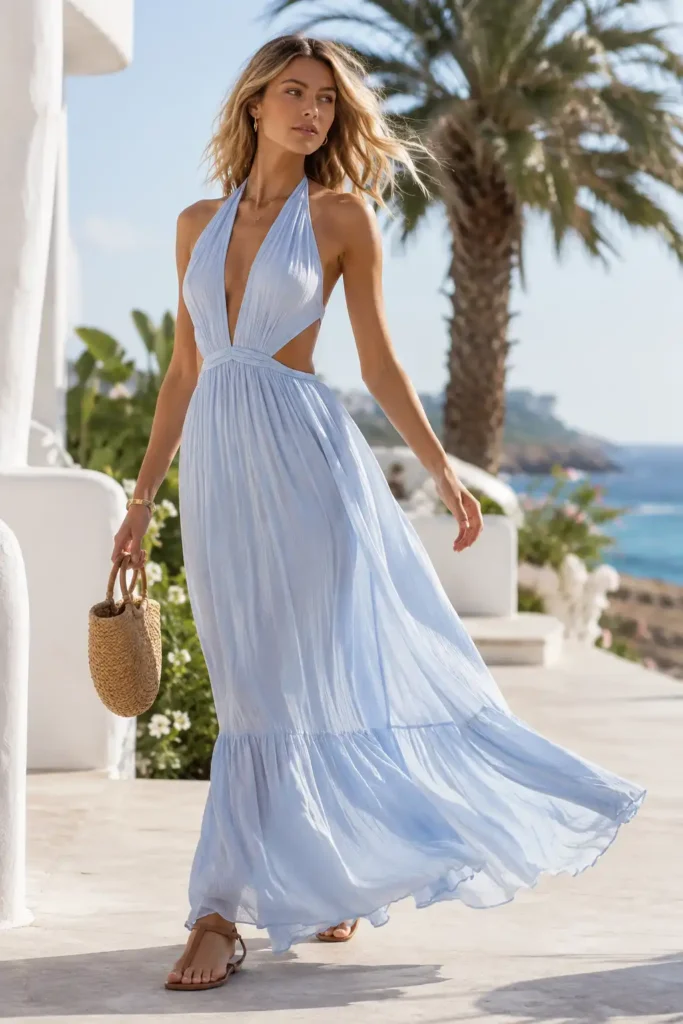
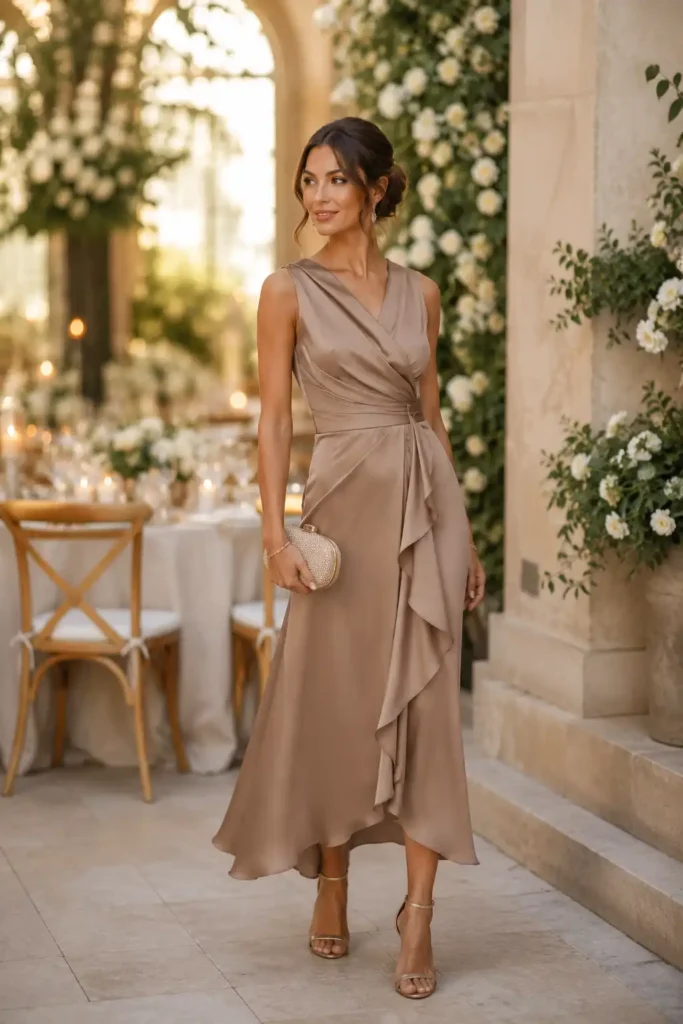
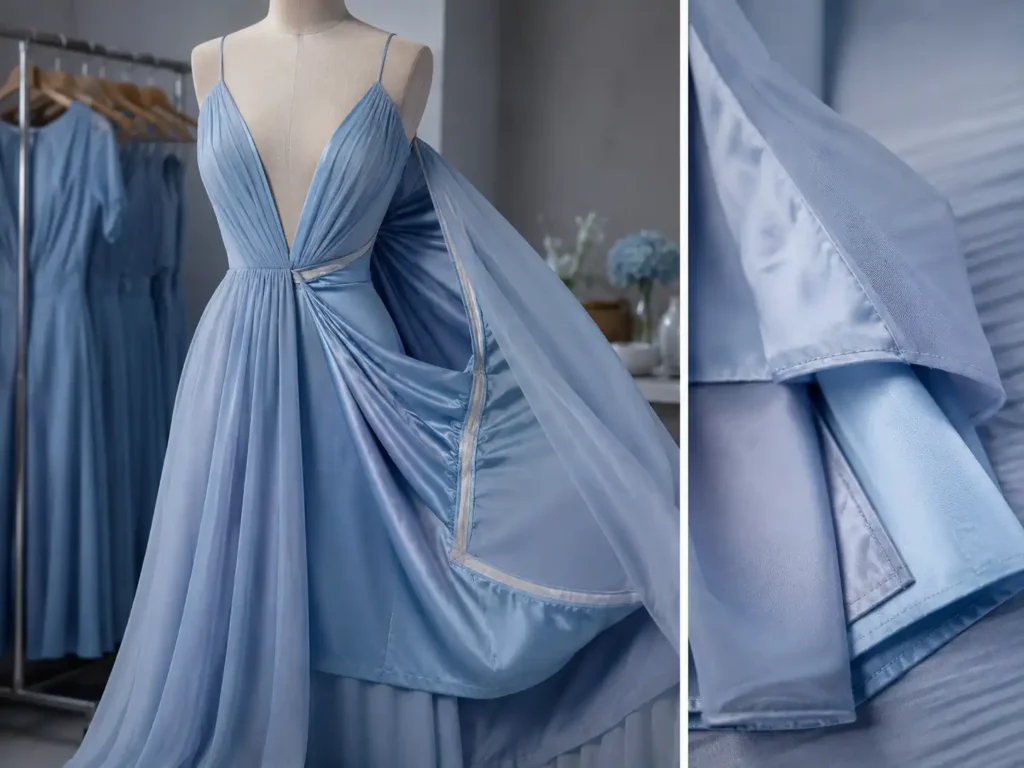
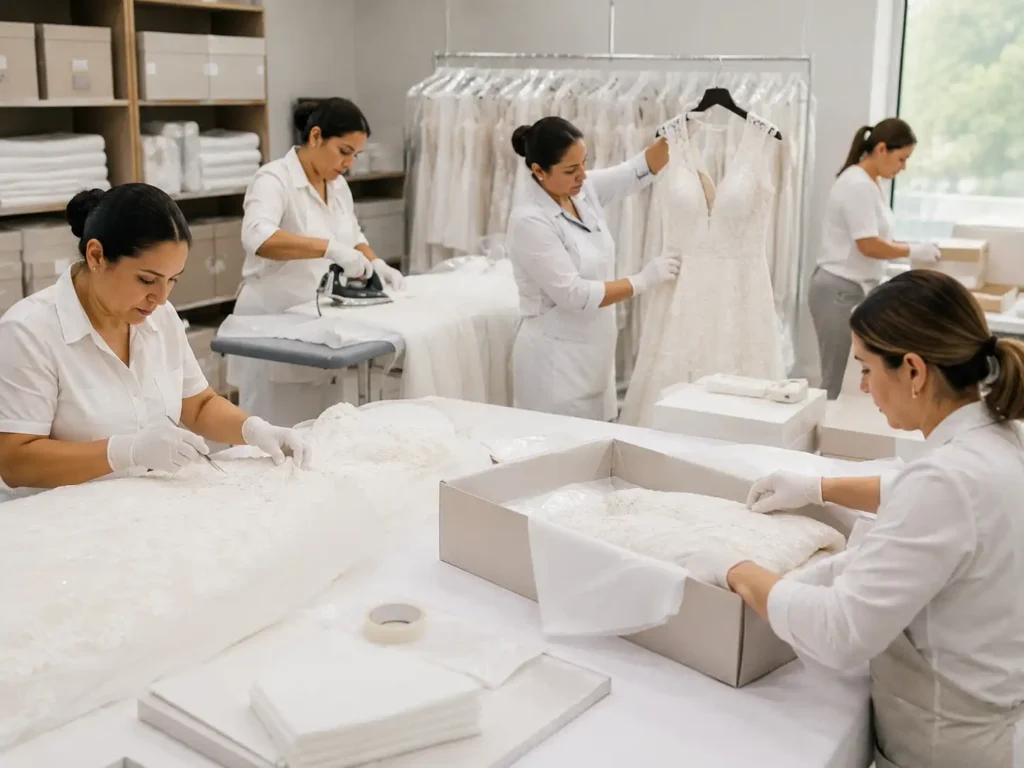
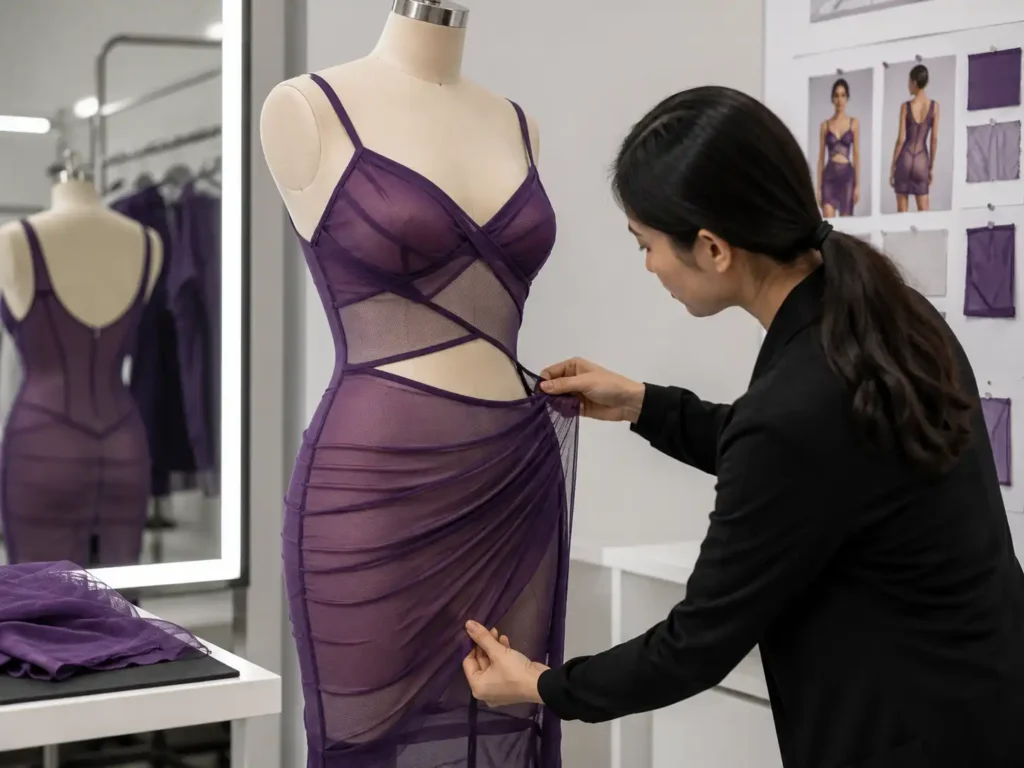
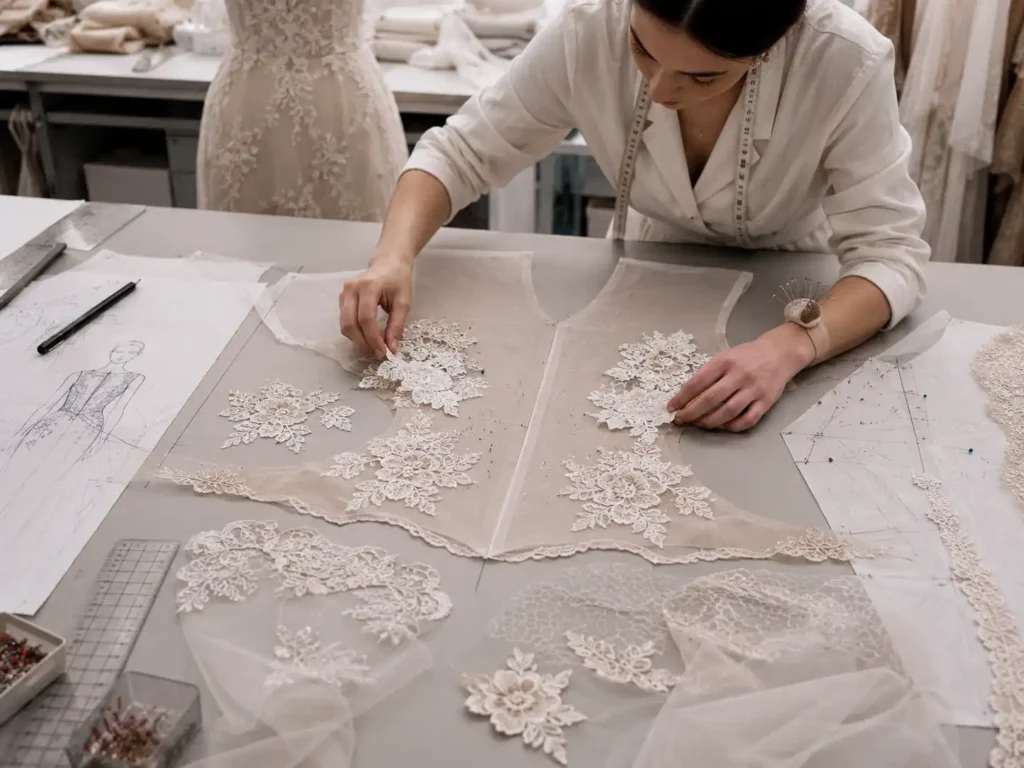
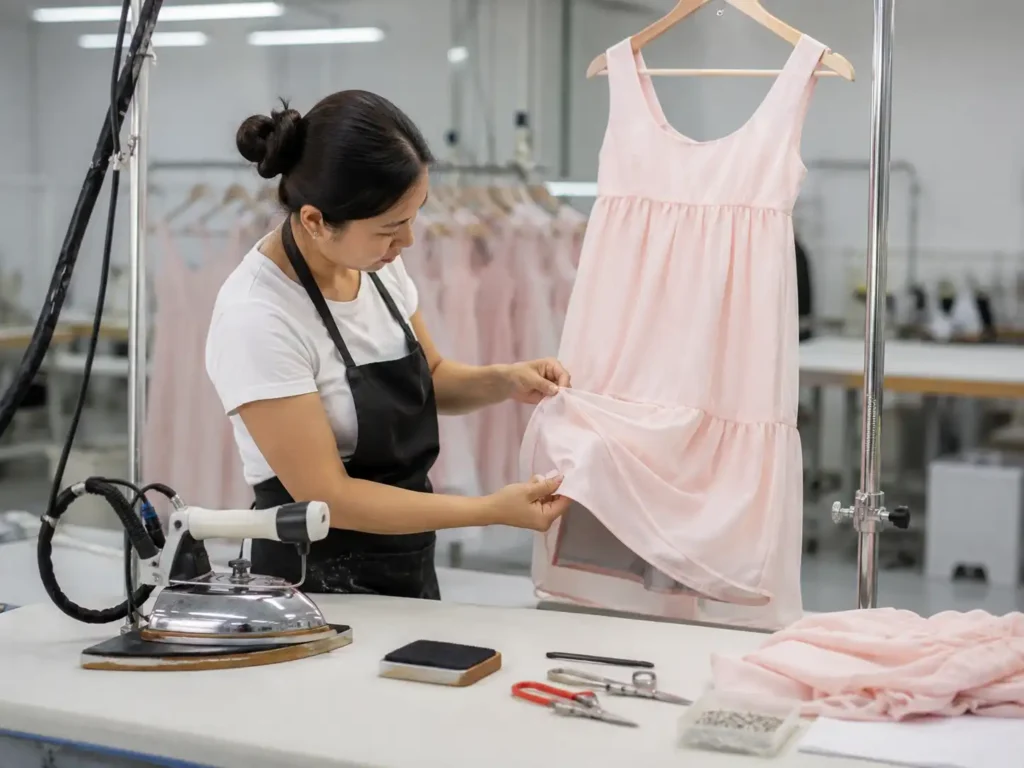
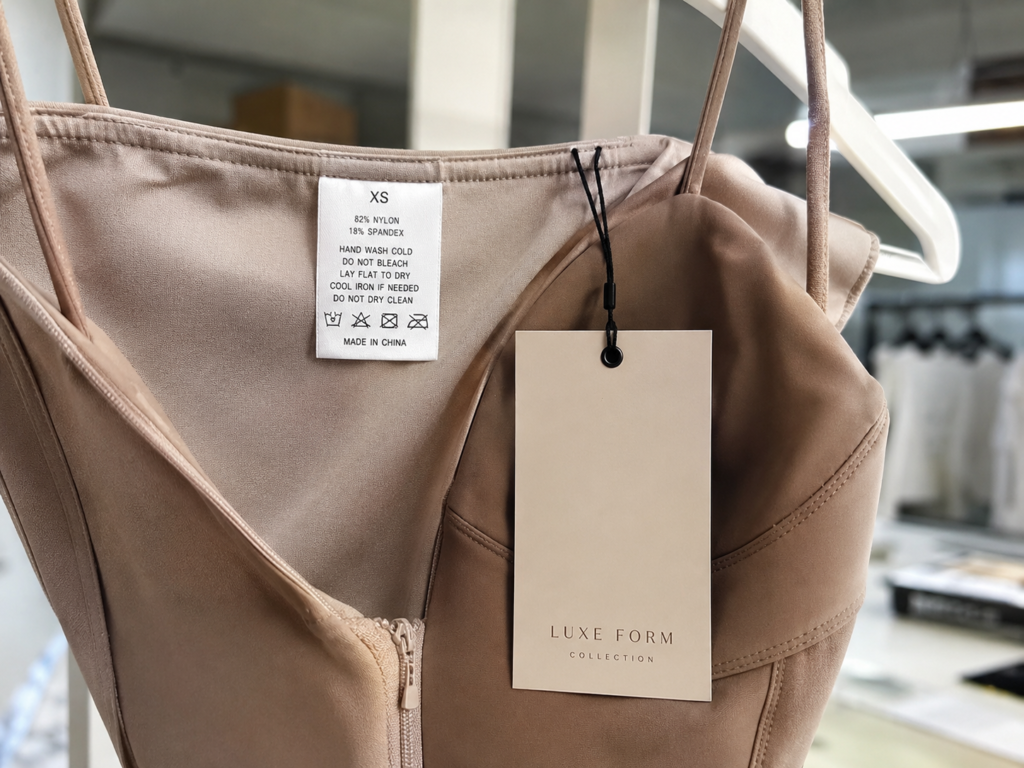
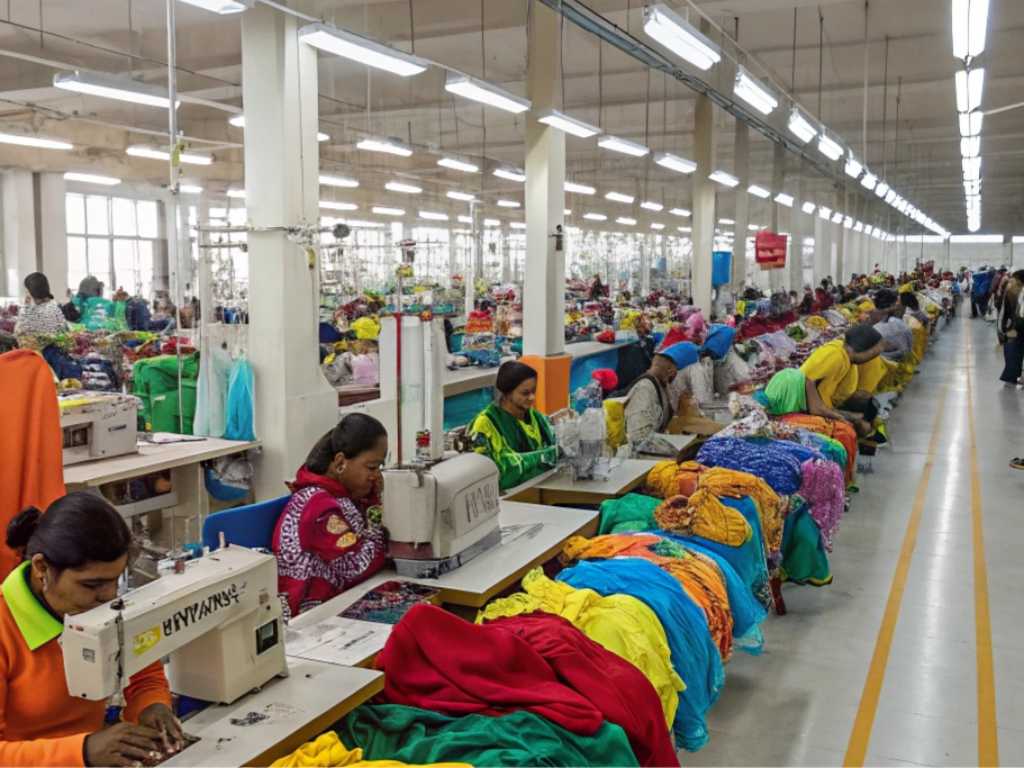
Dress Manufacturer for Multi-Brand Fashion Groups

A structured dress manufacturing system for groups managing several labels, product teams, price positions and seasonal launch calendars.

  • 10-30 styles can be grouped by brand, fabric, construction risk and launch priority.
  • Brand programs commonly range from 20,000 to 80,000 pieces per order, depending on style count and complexity.
  • 6 owned women’s fashion factories and 10+ long-term production partners support category-based allocation.
  • 2 sample rooms, 7+ senior pattern makers and 20+ sample machinists support parallel development and revision control.

Production Capacity Built for Multi-Brand Fashion Portfolios

A multi-brand program needs more than headline capacity. Development resources, production allocation, merchandising, inspection and packing must work as one system while each label keeps separate files, standards and delivery priorities.

Since 2008

Jinfeng Apparel has focused on custom women’s fashion manufacturing since 2008. Long-term experience covers dress development, fabric sourcing, pattern correction, sample revision, bulk production, private-label packing and export coordination for overseas fashion companies with recurring seasonal programs.

Six Owned Factories

Six owned women’s fashion factories allow production to be allocated by product category, construction level, fabric type and delivery schedule. Structured occasion dresses, stretch bodycon styles, resort programs and repeat orders do not enter one undifferentiated production route.

Ten Plus Partners

More than 10 long-term satellite production partners provide planned capacity support, category specialization and repeat-order continuity. Allocation remains under Jinfeng Apparel’s project, quality and packing requirements rather than being treated as uncontrolled short-term outsourcing.

Two Sample Rooms

Two sample rooms separate development work from bulk production. Pattern review, sample sewing, fitting feedback, revisions, photo samples, PP samples and Golden Sample records can move in parallel across several brand calendars without mixing style versions.

Fifteen Plus QC

A team of 15+ QC inspectors covers incoming materials, cutting, in-line sewing, measurements, finished garments, pressing, packing and pre-shipment checks. Brand-specific checklists are linked to each approved style rather than relying on one generic inspection sheet.

One Hundred Thousand Plus

Regular monthly capacity exceeds 100,000 pieces across the established production system. Final allocation depends on fabric availability, product complexity, sewing time, color count, size range, private-label requirements and the confirmed production window.

Built for Groups Managing Distinct Women’s Fashion Labels

The strongest fit is a fashion organization that needs one accountable manufacturing partner while preserving separate design language, size standards, product margins, labels, packaging files and launch dates for each brand in the portfolio.

Brand Portfolio Owners

A group operating several owned labels may centralize sourcing, quality and commercial approval while separate creative teams control product identity. Jinfeng Apparel can structure projects by brand code, collection, style number, target price, fit standard and delivery batch so shared manufacturing resources do not flatten brand differences. Occasionwear, partywear, contemporary womenswear, resort lines and premium ecommerce collections can follow separate product rules within one coordinated relationship.

Group Sourcing Teams

Sourcing, production, merchandising and quality teams often need consolidated communication without losing visibility at style level. Jinfeng Apparel can receive line sheets, tech packs, quantity plans and packaging requirements through one main project window, then separate work by brand, factory, sample status, PP approval, bulk stage and shipment destination. Reporting can be organized around the group’s internal approval structure rather than a factory-only workflow.

Where Multi-Brand Dress Programs Commonly Lose Control

Problems usually begin at the handover points between design, development, fabric sourcing, sample approval, production, quality and packing. Small errors become expensive when several labels and dozens of styles move at the same time.

Mixed Brand Standards

Two brands may use similar dresses but require different neckline depth, lining coverage, size grading, seam appearance, label placement and packing method. When files are not separated by brand and version, one approved standard can be applied to the wrong program. Jinfeng uses brand codes, style numbers, dated revisions, separate size charts and approved reference records to keep execution aligned.

Competing Sample Priorities

A 20-style collection rarely has 20 equal priorities. Photo-shoot pieces, campaign looks, commercial core styles and later line extensions need different deadlines. Without a ranked sample plan, complex styles block fast approvals and launch-critical pieces arrive too late. Jinfeng groups samples by launch date, fabric readiness, construction risk and approval role before pattern and sample-room allocation.

Poor Factory Matching

Satin occasion dresses, stretch bodycon styles, sequin party dresses and rayon resort maxis demand different production experience. Placing every style with the same unit may improve scheduling convenience while increasing garment risk. Jinfeng reviews fabric, silhouette, trims, sewing difficulty, volume and repeat potential before factory allocation, then applies shared project and QC documentation.

Bulk Drift After Approval

A strong first sample does not guarantee stable bulk production. Problems appear when final patterns, BOM details, grading, seam instructions, lining lengths or label positions are not transferred correctly. Jinfeng links PP approval to a production handover pack containing the final pattern, size chart, fabric reference, trim card, sewing notes, QC checklist and packing instruction.

Packaging File Confusion

Multi-brand groups may use separate woven labels, care labels, hangtags, barcodes, SKU stickers, polybags, carton marks and warehouse labels. Similar style names or shared colors create picking and packing risk. Jinfeng separates packaging files by brand, style, color and size, then checks placement, scanning logic, pack ratio and carton identification before shipment preparation.

Launch Calendar Misalignment

A late photo sample, delayed custom trim or unapproved PP sample can shift cutting, sewing, QC and warehouse delivery. Jinfeng builds the timeline backward from the required launch or receiving date, identifies material and approval dependencies, and evaluates air, sea or split-shipment options when selected SKUs need earlier arrival.

One Manufacturing System, Separate Brand-Level Execution

Group-level coordination should simplify communication without merging brand identities. Jinfeng Apparel organizes work at three connected levels: group governance, brand control and style execution.

Group-Level Coordination and Reporting

A central sourcing or production office may need one accountable contact, one commercial framework and one consolidated view across several labels. Jinfeng Apparel can organize the portfolio around a group master schedule covering collection intake, sample priorities, fabric progress, factory allocation, PP approvals, production status, QC milestones, packing confirmation and shipment planning.

Group reporting can show which styles are awaiting fabric, which patterns are under revision, which samples are ready for fitting, which PP samples are locked, which units have started cutting and which shipments require warehouse documents. The objective is not to create more reports. The objective is to ensure the group team can see dependencies before a missed approval becomes a missed launch.

Commercial control also remains visible. Quotation lines can be arranged by brand, style, color, fabric, trim package, size range, packing method and delivery term. Changes affecting cost or schedule are recorded against the relevant style rather than absorbed into an unclear overall total. A single communication route can therefore support internal group approval while keeping execution traceable.

Brand-Level Separation and Protection

Each label keeps its own product direction. Brand A may require structured satin occasion dresses with matte finish, conservative lining and premium hangtags. Brand B may focus on stretch mesh party styles with stronger visual impact and ecommerce packing. Brand C may need lightweight resort dresses with print placement, soft handfeel and travel-friendly folding. Shared ownership does not mean shared garment standards.

Jinfeng Apparel can create separate brand folders for tech packs, line sheets, size charts, target prices, fabric directions, trim specifications, label artwork, barcodes, carton marks and launch dates. Access is limited to the project roles involved in pattern, sampling, production, QC, packing and logistics. Confidential designs and unpublished collections are handled under NDA-based cooperation when required.

Brand-level control also protects consistency. Historical patterns, measurement files, fabric references, trim details, QC notes and packing records can be retained for repeat orders. New colors, replacement fabrics or revised packaging still require review, but the group does not need to rebuild every technical file from the beginning.

Style-Level Production Control

Every dress enters production as an individual technical unit. A style number connects the approved pattern, size chart, grade rules, shell fabric, lining, zipper, support trims, decorative trims, labels, packaging and inspection points. Sample versions are identified clearly so a first sample, revised sample, photo sample, PP sample and Golden Sample are not treated as interchangeable.

Before bulk release, the production team receives a controlled handover pack. Fabric shade, direction and usable width are checked; trim references are confirmed; construction notes show seam type, lining attachment, zipper application, boning position or special detail sequence; measurements and tolerances are defined; brand labels and packing placement are locked.

Style-level control is especially important when a group orders 10-30 styles at once. One collection can contain satin, mesh, lace, jersey, sequins and printed woven fabrics, each with different cutting, sewing, pressing and packing risks. Separate technical execution prevents the group-level schedule from becoming a generic production shortcut.

Protecting Distinct Brand DNA Across One Fashion Group
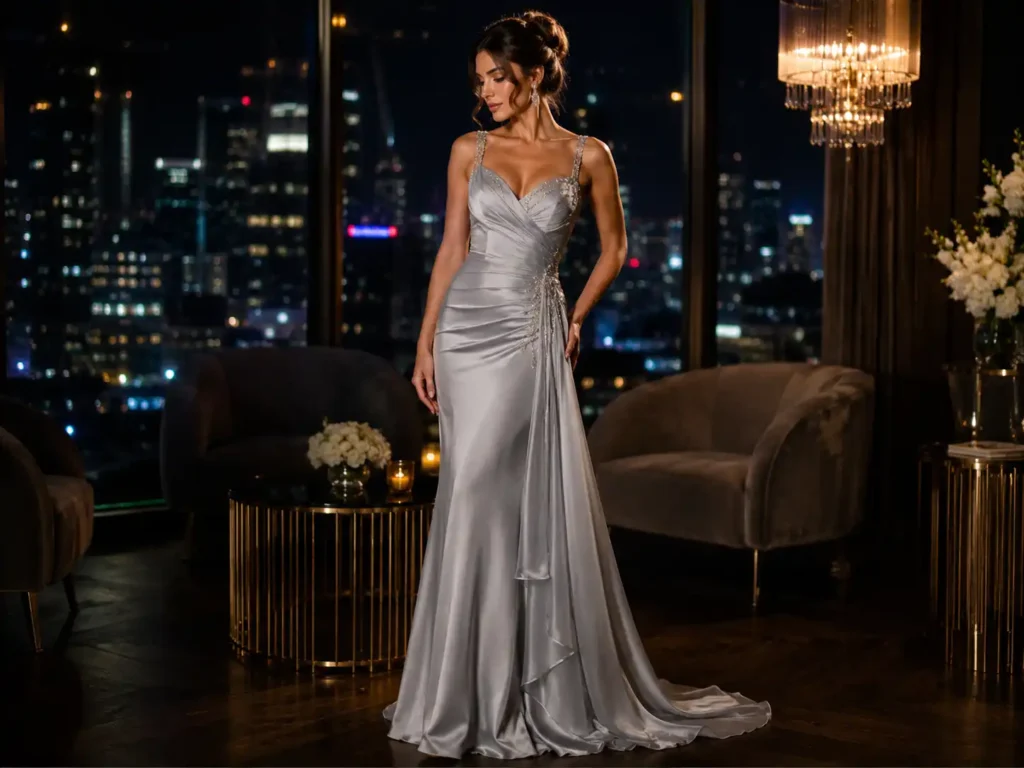
A shared manufacturing partner should improve control while preserving different visual identities, price positions and wearing occasions. Product direction is separated before fabric, pattern and production decisions begin.

Premium Occasionwear

Premium occasion labels often need satin, lace, chiffon, crepe, velvet or refined mesh with controlled drape, lining, bust support, slit height, hem balance, pressing and protective packing. Development emphasizes polished appearance, stable construction and consistent shade rather than only fast sewing output.
  • Structured or fluid silhouette by collection
  • Brand-specific fit and coverage standard
  • PP approval for finish and presentation
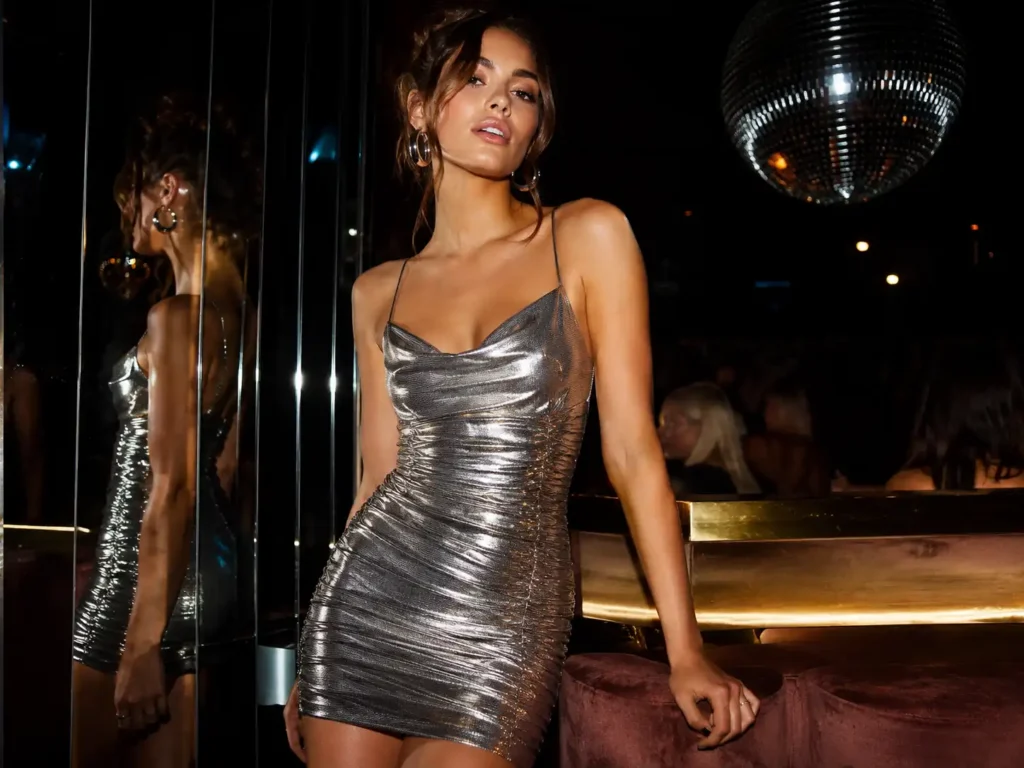
Young Partywear

Partywear collections depend on visual impact, body shape and camera performance. Stretch mesh, sequins, cut-outs, ruching, corset details and fitted proportions require careful transparency, support, skin-contact comfort, zipper behavior and movement checks. Photo-ready samples can be prioritized around campaign and social launch dates.
  • High-impact details with production control
  • XS-XXL grading by approved size chart
  • Packing designed to protect surface decoration

Resort and Vacation

Resort lines need lightness, movement, print direction, soft handfeel and travel-ready presentation. Rayon, chiffon, linen blends, printed woven fabrics and lighter satins are matched to maxi, midi, wrap, halter and relaxed silhouettes. Shrinkage, transparency, hem balance and crease behavior are reviewed before bulk planning.
  • Seasonal color and print stories
  • Lightweight lining where needed
  • Multi-batch delivery around resort drops
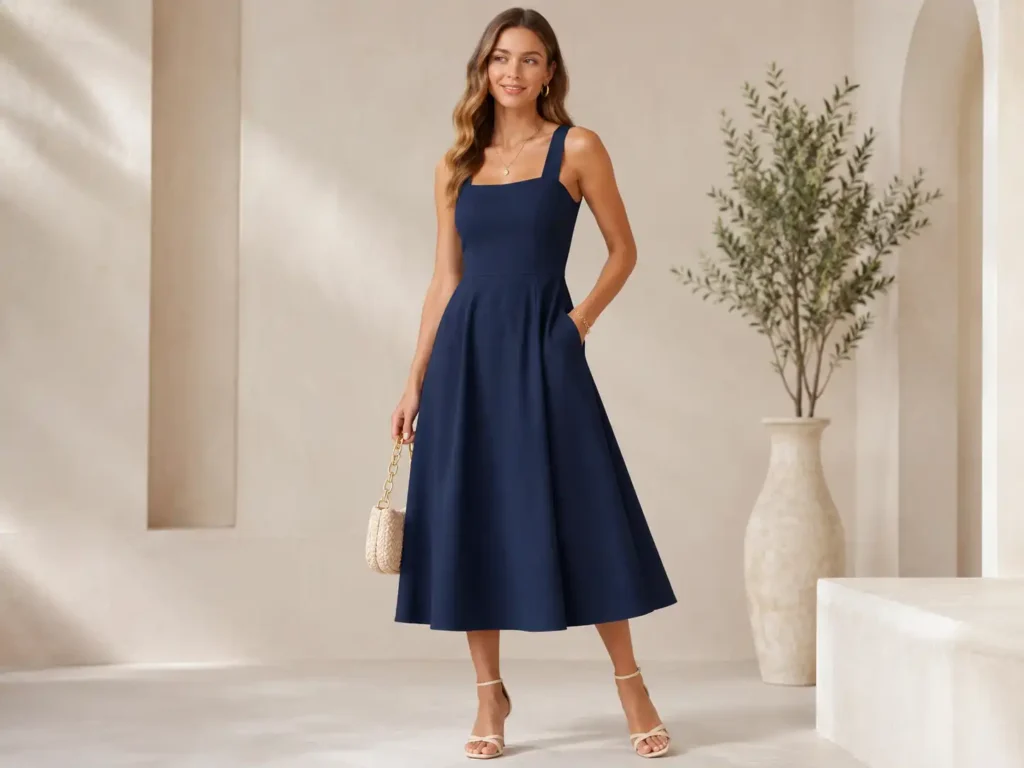
Premium Ecommerce

Premium online labels depend on photo accuracy, size stability and packaging consistency because fit issues and presentation defects directly influence returns. Jinfeng reviews bust-waist-hip balance, neckline coverage, zipper flatness, garment measurements, folding method, barcode placement and SKU accuracy before warehouse delivery.
  • Photo sample separated from PP sample
  • Measurement checkpoints tied to fit risk
  • Ecommerce-ready private-label packing

Contemporary Womenswear

Contemporary collections often combine dresses, skirts, tops, jumpsuits and matching sets across woven and knit fabrics. The challenge is keeping a clear design language while controlling varied construction. Jinfeng groups related styles by fabric, trim and pattern logic, then assigns appropriate production units and QC points.
  • Coordinated collection development
  • Shared fabric families where suitable
  • Separate construction files by style

Retail Private Label

Retail private-label programs require dependable specification execution, barcode control, pack ratios, carton marks and receiving documents. Product teams may set the design while central operations manage compliance and warehouse rules. Jinfeng links garment approval with packaging approval so finished goods arrive ready for the intended channel.
  • Brand-specific labels and care content
  • SKU and carton-level verification
  • Multi-warehouse packing instructions

Factory Allocation by Dress Category and Fabric Risk

Jinfeng Apparel does not place every dress in the same production unit. Allocation considers fabric behavior, silhouette, structure, sewing time, decoration, order quantity, launch priority and repeat-order history.

Production GroupProduct FocusFabric DirectionMain Control PointsSuitable Portfolio Role
Development FactoryFirst samples, revised samples, PP samples, woven dressesSatin, chiffon, lace, mesh, crepePattern correction, sample version, construction feasibilityNew collection development
Occasionwear FactoryParty, cocktail, evening and wedding-guest dressesSatin, lace, velvet, sequins, structured meshBust support, lining, slit, surface protection, pressingPremium occasion label
Stretch FactoryBodycon, jersey, ponte, rib and stretch jumpsuitsJersey, ponte, rib, stretch satin, power meshStretch direction, recovery, twisting, measurementsFitted and clubwear label
Resort FactoryMaxi, midi, vacation, wrap and printed dressesRayon, chiffon, linen blends, printed woven fabricsShrinkage, print direction, transparency, hem balanceResort and summer label
Collection FactorySets, skirts, tops, jumpsuits and mixed programsCoordinated woven and knit fabric groupsStyle grouping, trim sharing, color control, pack ratiosCross-category collection
Repeat Production UnitApproved bestsellers and replenishmentConfirmed production fabrics and trimsRecord matching, batch review, production consistencyReorder and multi-batch supply

Parallel Sampling Without Losing Collection Priorities

Two sample rooms, 7+ senior pattern makers and 20+ sample machinists support structured development. The focus is controlled priority, clear version history and timely technical decisions rather than pushing every style through the same queue.

Collection Intake

Development begins with brand code, style list, reference image or tech pack, target quantity, color direction, size range, fabric preference, sample purpose and launch date. Styles are not released blindly. Jinfeng first identifies missing measurements, uncertain fabric, complex trims, structural risk and items requiring supplier development. A complete intake helps distinguish a campaign sample from an exploratory sample. It also shows whether a style is suitable for a normal 10-15 day first-sample cycle or needs the 15-25 day range commonly required for corset, strapless, lace, mesh, sequin, evening or other complex constructions.

Priority Tiers

Sampling priority is ranked around commercial use. Tier 1 covers campaign, lookbook or launch-critical styles. Tier 2 covers core commercial styles expected to drive the main order. Tier 3 covers color extensions, secondary silhouettes or coordinated pieces. Tier 4 covers later additions and concepts that still need fabric or construction decisions. Priority is reviewed when materials are delayed or sample feedback creates a new revision. A fully prepared Tier 2 style may move before a Tier 1 style waiting for custom lace, preventing idle development time while protecting the overall launch plan.

Version Control

First sample, fit sample, revised sample, photo sample, salesman sample, PP sample and Golden Sample serve different roles. Each version records the date, fabric, measurements, construction changes, fit comments, cost effect and next approval action. Feedback is transferred into the updated pattern, size chart, BOM, sewing instruction and QC checklist rather than remaining in message history.

Simple styles may require around 7-10 days for a first sample. A normal dress commonly needs 10-15 days. Complex structures generally require 15-25 days, while special fabric and trim development follows supplier lead time.

Approval Discipline

A photo sample is optimized for visual presentation and may not yet represent the final production standard. PP approval locks fabric, color, measurements, construction, trims, labels and packing before bulk release. The Golden Sample becomes the reference for production, QC, repeat orders and dispute review.

Changes after PP lock are reviewed for material, pattern, cost, schedule and packing impact. Clear approval discipline prevents one label’s late change from creating uncontrolled risk across the wider group program.

Dress Categories for Diverse Brand Portfolios
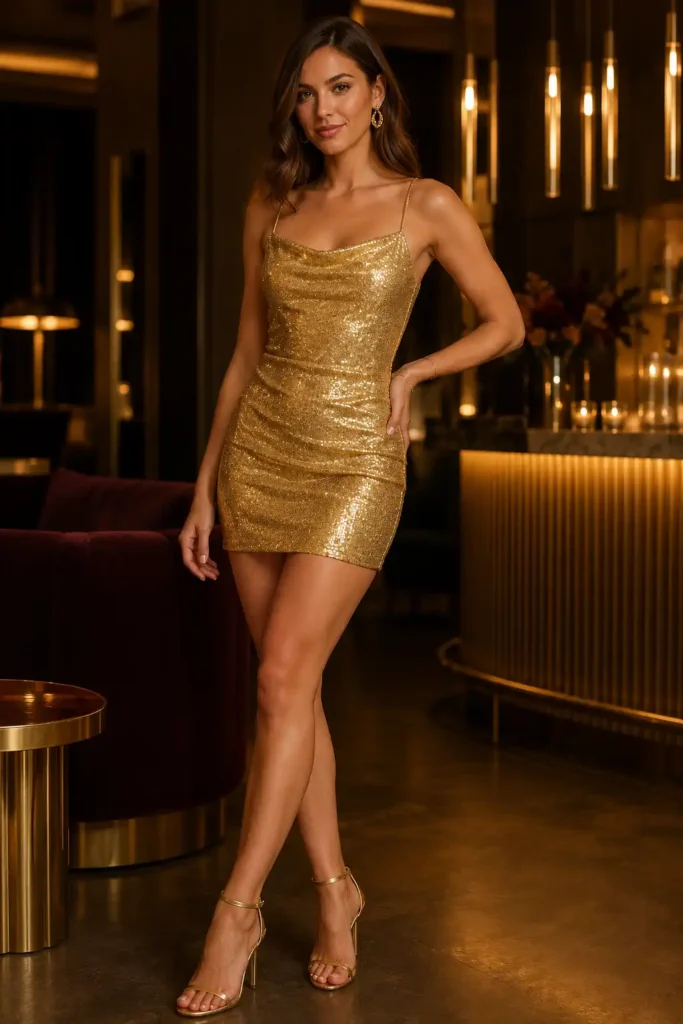
Jinfeng Apparel supports a portfolio approach rather than a single generic dress category. Each product direction is linked to its wearing occasion, fabric behavior, fit risks, production controls and packaging needs.

Mini Dresses

Mini dresses serve party, graduation, date-night and young-fashion lines. Development focuses on front and back length, hip ease, lining coverage, movement safety, zipper flatness and visual proportion. Satin, mesh, jersey, lace and sequin options require different pattern and finishing decisions.

Midi Dresses

Midi dresses suit contemporary, occasion, work-to-evening and premium ecommerce collections. Key controls include waist placement, skirt balance, slit height, lining length and walking comfort. Satin, crepe, ponte, jersey, chiffon and printed woven fabrics can be selected by brand position.

Maxi Dresses

Maxi dresses support resort, bridesmaid, wedding-guest and evening programs. Hem balance, fabric drape, lining length, side-seam stability and packing creases matter across large size ranges. Chiffon, satin, rayon, lace, crepe and soft printed fabrics are common directions.

Party Dresses

Party dresses combine body shape, surface effect and comfort. Mesh, sequins, rhinestones, cut-outs, ruching and corset construction can create strong visual value, but bulk control must cover transparency, support, decoration loss, skin contact, zipper movement and protective packing.

Occasion Dresses

Occasion collections require polished finish, controlled structure and reliable color presentation. Bust coverage, waistline, slit, lining, fabric sheen, hem balance, pressing and hanging or folding method are reviewed from sample to shipment. Satin, lace, chiffon, crepe and velvet are common options.

Bodycon Dresses

Bodycon styles depend on stretch direction, recovery and accurate bust-waist-hip measurements. Jersey, ponte, rib, stretch satin and power mesh need stable cutting direction, controlled seam stretch, neckline reinforcement and measurement checks after sewing and finishing.

Resort Dresses

Resort dresses emphasize movement, breathable handfeel, print direction and travel-friendly presentation. Rayon, chiffon, linen blends and lightweight woven fabrics are reviewed for shrinkage, transparency, colorfastness, hem movement and crease behavior before production booking.

Private-Label Collections

Private-label programs may combine dresses, skirts, jumpsuits, tops and matching sets. Product development is connected to brand labels, care content, hangtags, SKU stickers, polybags, carton marks and warehouse requirements so garment and packaging approvals remain aligned.

Fabric and Trim Planning Across Multiple Brand Lines
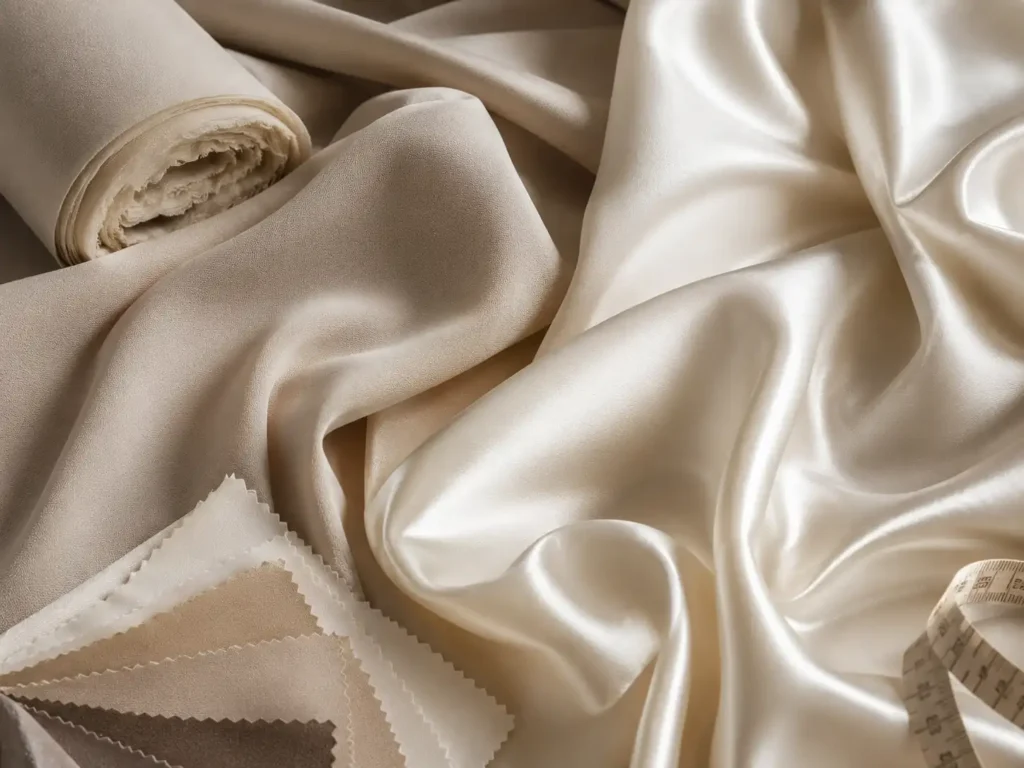
Fabric direction determines silhouette, fit, risk, cost and production route. Jinfeng Apparel reviews composition, weight, stretch, transparency, drape, color behavior, supplier MOQ, development time and trim compatibility before sample approval.

Satin Programs

Satin commonly ranges from 80-220 gsm and can move from light slip dresses to heavier structured occasion styles. The main controls are shine direction, shade difference, snagging, seam marking, zipper bulging, lining movement, pressing and transport creases. Matte satin, stretch satin, heavy satin, crepe satin and silk-like polyester satin should not be treated as one interchangeable material.
  • Light colors may need lining
  • Direction must remain consistent through cutting
  • Sharp trims require surface protection
Mesh Programs

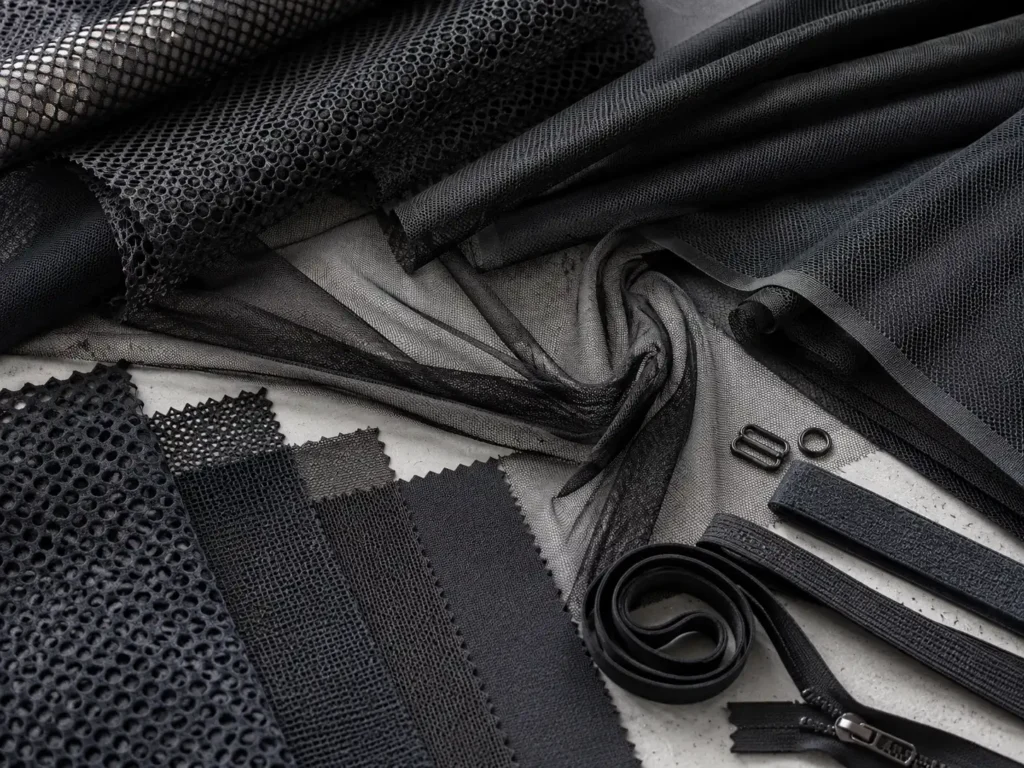
Mesh commonly ranges from 40-120 gsm. Regular mesh, stretch mesh, power mesh, printed mesh and double-layer mesh create different transparency and recovery. Pattern dimensions must consider stretch after wearing; necklines and armholes may need stabilization; printed placement and lining coverage must be checked in the approved sample.
  • Hole inspection before cutting
  • Transparency checked on-body
  • Stretch direction recorded in production files
Lace Programs

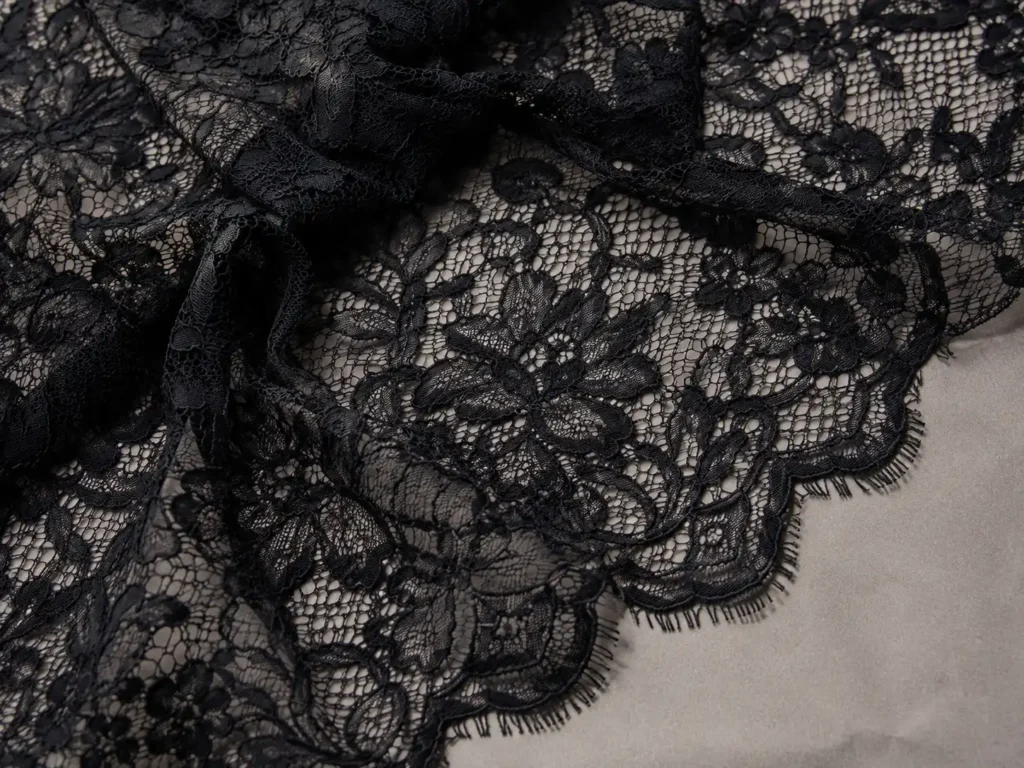
Lace commonly ranges from 60-250 gsm and varies widely in motif, density, softness and stretch. Occasion and wedding-guest styles often need lining, motif positioning, symmetric cutting, controlled seam placement and protected edges. Dye lots can affect both color and pattern appearance, especially where shell and lace trim must match.
  • Motif and direction approval
  • Hole and fraying inspection
  • Lining color tested under actual lighting

Sequin and Tulle

Sequin fabrics introduce cutting loss, missing pieces, scratch risk, thick seam allowance, zipper obstruction and packing pressure. Tulle creates layer, volume and movement but needs hole inspection, balanced layers and controlled hems. Both materials need sample validation before commercial quantity and should be assigned to teams familiar with surface-sensitive construction.
  • Sequin direction and edge comfort
  • Tulle layer count and hem shape
  • Protective packing around decorated areas
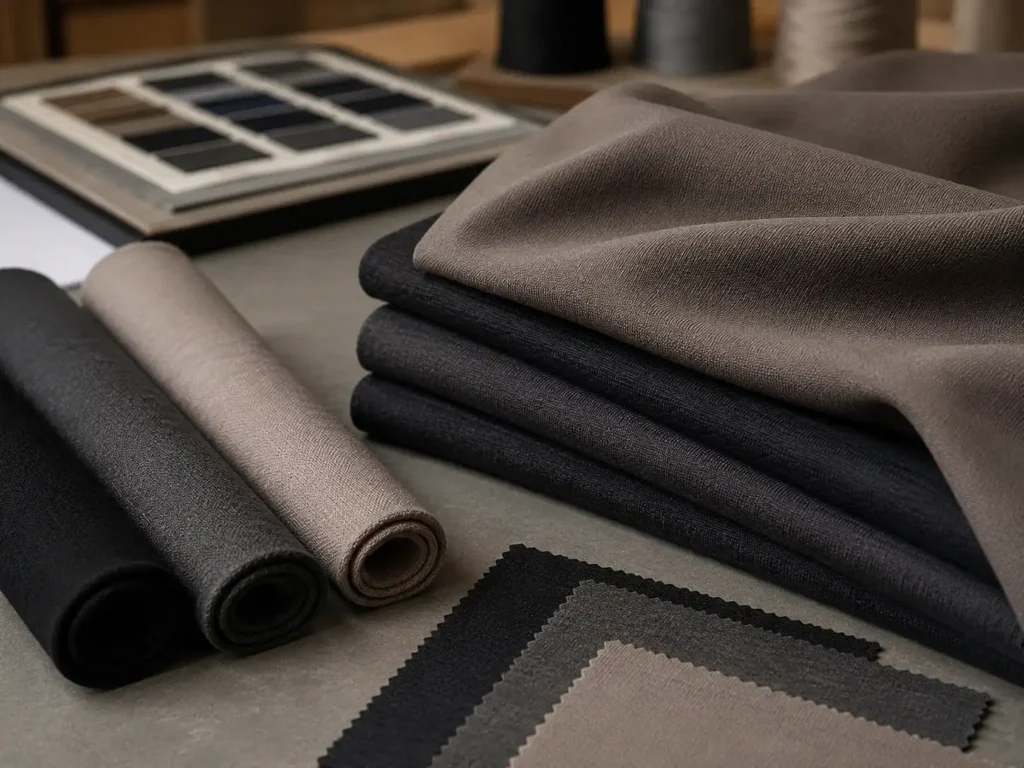
Jersey and Ponte

Stretch fabrics are selected by weight, stretch percentage, recovery, compression, shrinkage and intended season. A bodycon dress needs different recovery from a relaxed knit midi. Side-seam twisting, neckline deformation, hem wave and size change after finishing are checked through pattern, sewing and garment measurement.
  • Stretch and recovery tested by direction
  • Bust-waist-hip tolerances linked to fit
  • Size range graded from approved base pattern
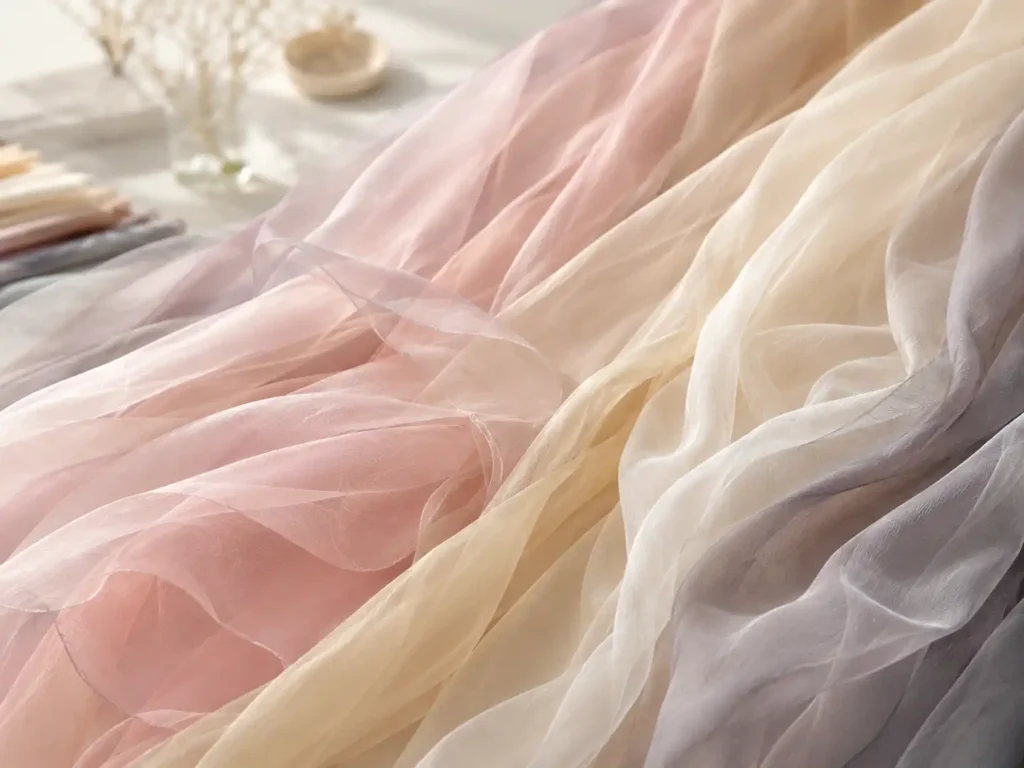
Resort Wovens

Rayon, chiffon, linen blends and printed woven fabrics support soft resort and summer silhouettes. Shrinkage, transparency, print direction, colorfastness, usable width and crease behavior affect both pattern and cost. Print placement and fabric repeat need early review when several labels share a seasonal color story but use different silhouettes.
  • Pre-production shrinkage review
  • Print direction marked for cutting
  • Lining selected by opacity and handfeel

Separate Fit Standards for Every Brand and Market

Fit cannot be standardized across an entire fashion group without considering label identity, target market, silhouette and fabric stretch. Jinfeng Apparel connects fitting feedback to updated patterns, size charts, grade rules and production measurements.

Bust and Neckline Control

Bust fit includes upper bust, full bust, under bust, neckline depth, cup position, strap tension and side coverage. A young party label may accept a lower neckline than a premium occasion label, but both require secure wear. Corset, halter, strapless, deep-V and backless styles are checked for support, movement and exposure before grading.
  • Fit comments converted into pattern changes
  • Bra cup and boning position recorded
  • Neckline and underarm measured during QC
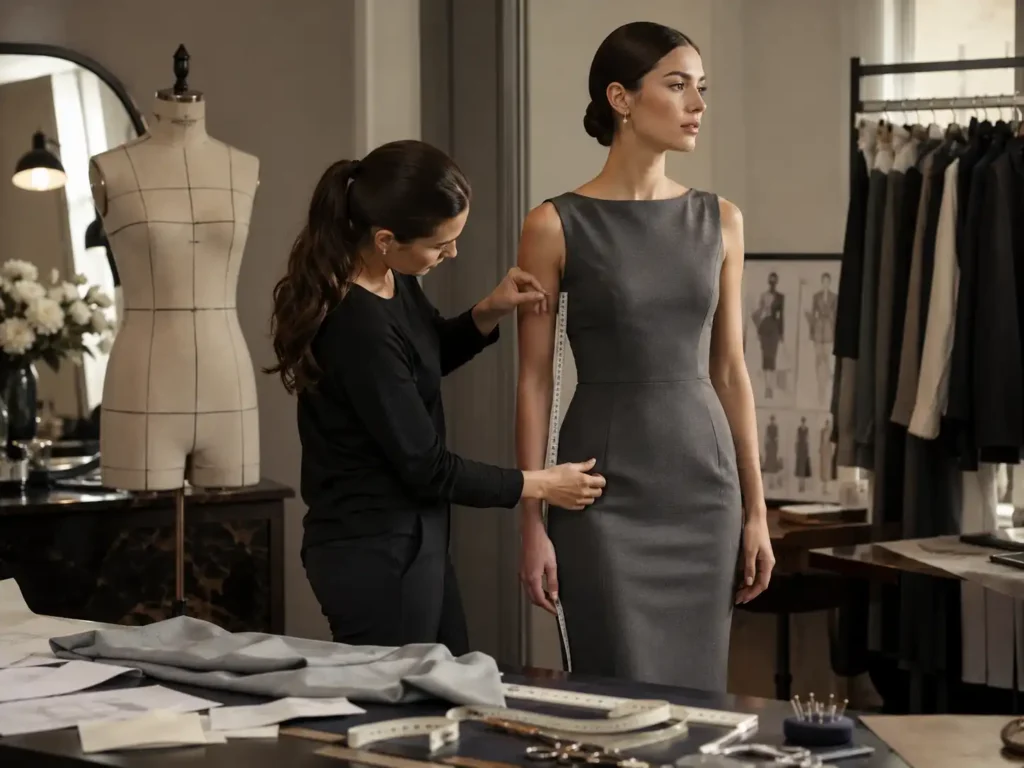
Waist and Hip Balance

Waist placement changes the visual proportion of mini, midi, maxi and jumpsuit styles. Bodycon and low-waist designs also depend on hip ease, stretch and recovery. Jinfeng reviews waist height, side-seam shape, front and back balance and sitting comfort so the approved silhouette remains stable across the selected size range.
  • High-waist and low-waist rules separated
  • Hip fit reviewed with fabric stretch
  • Grade increments confirmed before bulk

Length and Slit Safety

Front length, back length, hem sweep and slit height influence appearance and movement. Mini dresses require sitting and walking safety; maxis need even hems and correct shoe clearance; occasion styles need slit control without distortion. Measurements are taken from defined points so different factories and QC inspectors read the specification consistently.
  • Front and back length listed separately
  • Slit position tied to size grading
  • Lining length checked against shell

Lining and Coverage

Lining affects transparency, comfort, static, drape and garment weight. Mesh, lace, chiffon, white satin and cut-out styles may need full, partial, stretch or skin-tone lining. Length and attachment method are confirmed during sampling because a lining that looks correct on a hanger may shift, ride up or become visible during wear.
  • Color tested under shell fabric
  • Attachment points recorded
  • Coverage checked through movement

Transferring Approved Samples Into Controlled Bulk Production

The gap between sample room and production line is where approved details are often lost. Jinfeng Apparel uses a defined technical handover before material release, cutting and sewing begin.

Final Pattern and Grading

Fit feedback is translated into the final pattern rather than stored only as comments. Bust, waist, hip, length, neckline, strap, armhole, slit, lining and other corrected points are checked against the approved sample. Grade rules are reviewed for the required size range, including any label-specific tolerance or proportion requirement.

Fabric and Trim Lock

Shell fabric, lining, zipper, buttons, cups, boning, elastic, anti-slip tape, lace trim, sequins, labels and packaging items are listed in the BOM. Color, supplier reference, dimension, handfeel and placement are confirmed. Substitution requires review because a small change in stretch, thickness or trim stiffness can alter fit and sewing behavior.

Construction Standard

Sewing notes explain seam, stitch, reinforcement, lining attachment, zipper application, boning channel, ruching distribution, edge finish and decorative placement. A complex detail is broken into production steps so repeatability does not depend on a single operator remembering the sample.

PP Sample Lock

The PP sample confirms production fabric, measurements, construction, trims, labels and packing. Major changes after approval can affect material quantity, pattern, price, schedule and quality. Any approved change must update the related technical files before bulk release.

Golden Sample Reference

The Golden Sample remains the physical standard for production, QC, repeat-order review and dispute handling. It is identified and stored with the relevant pattern, measurement and packing records. A photo sample or salesman sample is not automatically used as the Golden Sample.

Production Handover

Merchandising, production, QC and packing teams receive the same approved information. Start-up review checks material readiness, pattern version, color-size breakdown, special workmanship, measurement points, label placement, packing method and delivery priority before the first bulk pieces progress.

Coordinated Production Across Styles, Factories and Launch Dates

Multi-style production is managed by grouping work around common risks while keeping each style traceable. A 10-30 style order is not treated as one undifferentiated bulk quantity.

Material Arrival

Fabric and trims are checked against approved references before cutting. The project team records missing items, shade concerns, supplier delays and special handling. Styles with complete materials can move forward while affected styles receive a revised risk note rather than holding the whole portfolio without explanation.

Cutting

Cutting plans follow fabric direction, print placement, stretch orientation, shade grouping, usable width and size ratio. Satin, mesh, lace, sequins and printed fabrics require separate controls. Bundles are identified by brand, style, color and size to reduce mixing during sewing.

Sewing

Production units follow the approved construction pack and Golden Sample. Key operations such as zipper setting, boning, cup placement, lining attachment, ruching, slit reinforcement or sequin seam preparation are reviewed early so repeated errors are stopped before full-volume sewing.

In-Line QC

In-line inspection looks for seam, measurement, assembly and workmanship problems while correction is still possible. Findings are communicated to the production and merchandising teams, and recurring issues trigger line-level action rather than being left for final inspection.

Finishing and Packing

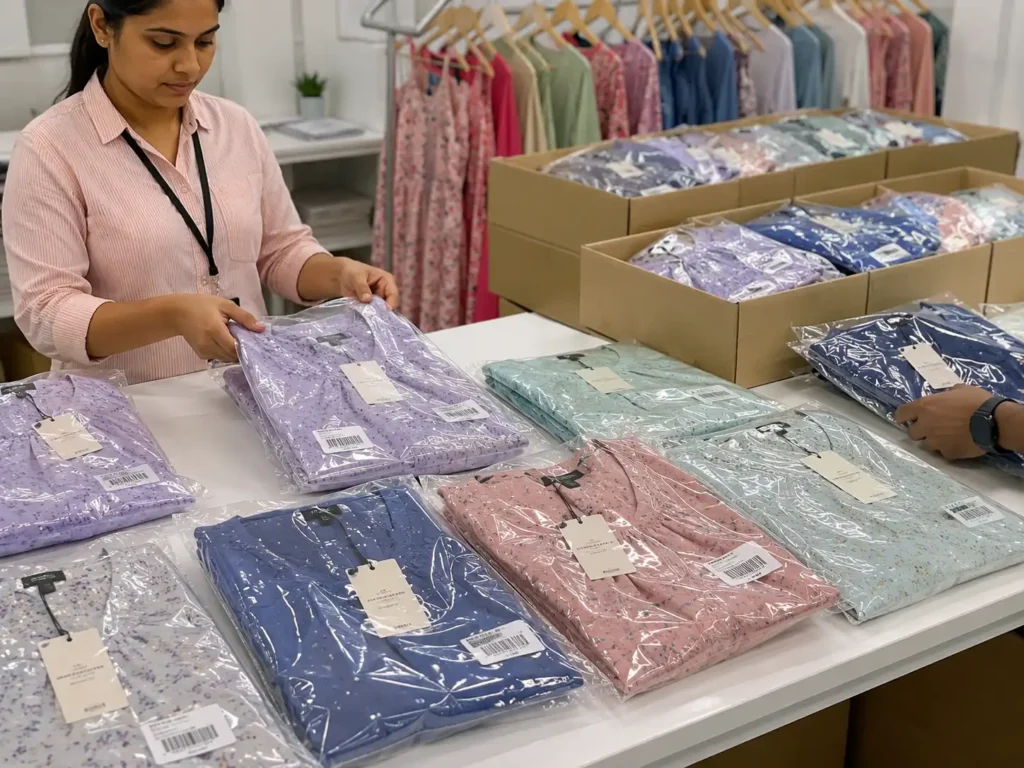
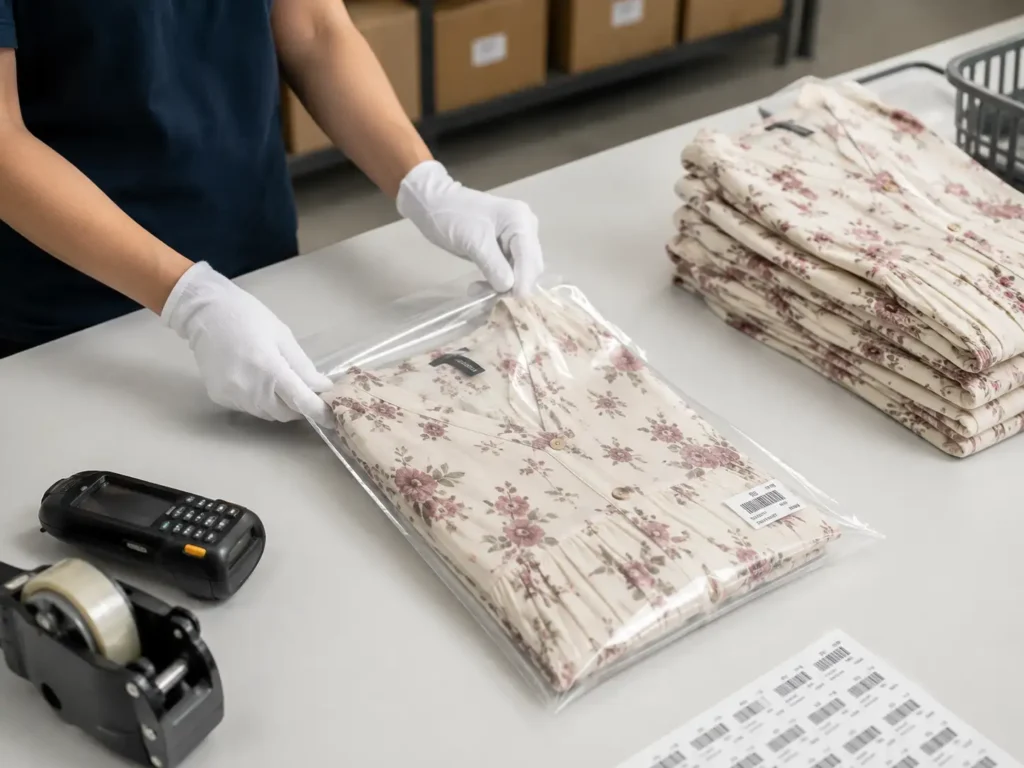
Garments move through thread trimming, pressing, appearance review, label verification, measurement checks and packing. Surface-sensitive styles receive protective handling. SKU, barcode, polybag and carton requirements are checked against the brand packing file before final sealing.

Shipment Preparation

Packing lists, carton marks, gross and net weights, carton dimensions, CBM and destination instructions are prepared around the confirmed shipment plan. Selected SKUs can be separated for urgent air freight while the remaining bulk quantity moves by sea when the launch calendar and cost structure support a split shipment.

Group-Level Quality Governance With Brand-Specific Checklists

A shared quality system provides common discipline, while brand-level checklists preserve different fit, appearance and packing expectations. Jinfeng Apparel connects material inspection, production checks and finished-garment review to the approved product standard.

Group Quality Framework

The group may define common rules for material traceability, measurement reporting, workmanship classification, AQL inspection, packaging verification and pre-shipment documentation. Jinfeng’s 15+ QC inspectors cover incoming fabric and trims, cutting, in-line sewing, final garment, pressing, packing and pre-shipment stages.

Quality control begins before sewing. Satin is checked for shade, shine direction, snagging and stains. Mesh is checked for holes, stretch and transparency. Lace is checked for motif, damage and color. Stretch fabrics are reviewed for weight, recovery, shrinkage and twisting risk. Defects found before cutting are less expensive and less disruptive than defects found after packing.

Production checks focus on the operations that create repeated bulk risk. Early pieces are reviewed for measurements, seam shape, zipper application, lining attachment, neckline stability and special details. Recurring findings are addressed with the production team before volume advances.

Brand-Specific Standards

Different labels may define different acceptable appearance. A premium occasion brand may require stricter pressing, seam visibility and lining coverage. A young party label may prioritize visual impact, stretch and camera appearance. A resort label may focus on print placement, soft handfeel and hem movement. Jinfeng converts those priorities into separate checklists linked to the approved style.

Measurement tolerance, fit points, stitch appearance, decoration placement, label position, folding method and carton pack ratio can therefore vary by brand without weakening the group’s overall control structure. Brand teams can also request AQL or third-party inspection support based on project and market requirements.

Quality language remains measurable. Jinfeng does not promise zero defects or identical behavior across every material. The control goal is to define risk, inspect at the correct stage, correct recurring problems early and release goods against the approved commercial standard.

Style-Specific Risk Checks

Every style receives its own critical points. Satin styles need shine direction, zipper flatness, snag and crease checks. Mesh styles need transparency, lining, stretch, neckline and hole checks. Lace styles need motif placement, seam matching, edge finish and damage checks. Sequin styles need missing-piece, scratch, seam-thickness and packing protection checks.

Fit-led styles add bust, waist, hip, length, strap and slit measurements. Corset and strapless designs add cup position, boning, anti-slip support and top-edge stability. Resort maxis add shrinkage, print direction, hem balance and packing creases. Private-label orders add label, barcode, SKU, polybag, carton mark and warehouse verification.

Inspection therefore follows the product’s failure points rather than a broad statement of “high quality.” Reports and corrective action are most valuable when they show what was checked, where risk was found and how production was adjusted.

Design Details Engineered for Stable Bulk Production
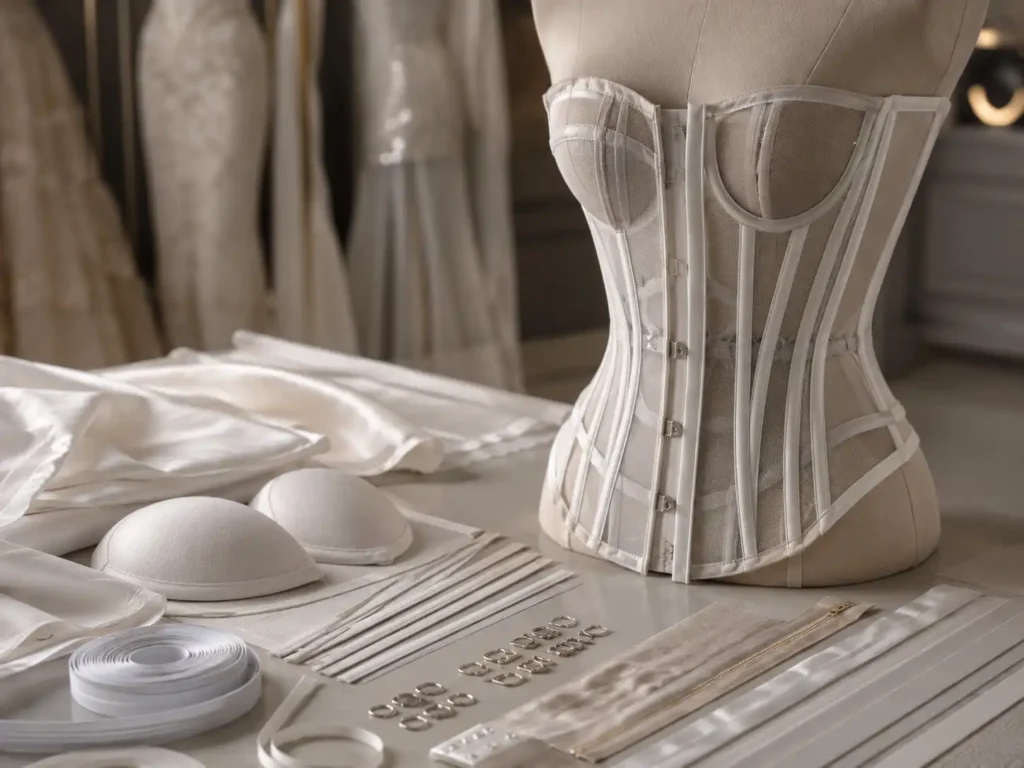
Design-led dresses gain commercial value from details, but those same details introduce fit, comfort and repeatability risk. Jinfeng Apparel reviews support, stress points, exposure, fabric behavior, sewing sequence and QC before releasing complex features into volume production.

Corset Structure

Corset dresses require coordinated control of cup shape, boning position, lining, zipper, top-edge stability and waist shaping. Boning ends must be protected; channels must remain smooth; cups must align with the approved bust shape; the outer fabric must not collapse or show unwanted ridges. Pattern grading is reviewed so support does not disappear in larger sizes.

Mesh Transparency

Mesh design is controlled through density, color, layer count, lining shade, lining length and placement. Stretch mesh also changes dimension under tension, so neckline, armhole and body measurements need reinforcement and fit review. Printed mesh adds placement control, while power mesh may be used for support rather than visual transparency.

Satin Drape

Satin needs the correct weight and construction for the intended silhouette. An 80 gsm slip dress behaves differently from a 220 gsm structured evening dress. Bias direction, shine direction, seam pull, zipper bulging, lining movement and pressing marks are reviewed during sampling so the approved drape can be repeated in bulk.

Lace Placement

Lace quality depends on motif direction, symmetry, seam location, lining color and edge treatment. Cutting plans may position motifs at the bust, waist or neckline. Poor placement can make left and right panels look unrelated even when the measurements are correct. Bulk checks include holes, fraying, broken motifs and lining exposure.

Sequin Protection

Sequin dresses require surface inspection, seam preparation, missing-piece control, lining comfort and protective packing. Sequins at the underarm, neckline or side seam can scratch skin. Thick seams can block an invisible zipper. Cutting loss and repair time must be considered in both quotation and production planning.

Ruching and Cut-Outs

Ruching needs controlled direction, fullness and anchor points so bulk garments do not look uneven or add unwanted volume. Cut-outs require stable edges, correct exposure and size grading. A cut-out placed correctly in the base size can shift too high, too wide or too low when grade rules are not tested.

Workmanship Controls From Cutting Through Final Pressing

Clean workmanship is created through controlled preparation and repeated checks, not by final inspection alone. Each stage protects the approved fit, surface appearance and brand presentation.

Directional Cutting

Fabric direction influences shine, stretch, print, pile and drape. Satin panels are laid consistently to prevent light differences. Stretch fabrics follow approved stretch direction. Printed fabrics follow motif and repeat. Lace and sequins may need placement cutting. Bundle identification keeps brand, style, color and size separated after cutting.

Stable Seams

Seam choice depends on fabric thickness, transparency, stretch and wearing stress. Lightweight chiffon and mesh need clean narrow handling; jersey needs controlled stretch; satin needs seam tension that does not mark the surface; corset and fitted styles need reinforcement at load points. Seam allowance and pressing are checked for shape and comfort.

Lining Integration

Lining must support opacity, comfort and drape without pulling the shell. Attachment points, seam alignment, hem length and stretch compatibility are confirmed in the sample. Lining that is too short can lift the shell; lining that is too heavy can change drape; mismatched stretch can distort a bodycon or mesh dress.

Zipper Application

Invisible zippers, metal zippers and exposed zippers affect both appearance and fit. Jinfeng checks zipper length, tape color, top-stop position, seam balance and opening smoothness. Satin and bodycon styles are especially sensitive to zipper bulging, while thick sequin or corset seams need preparation before zipper setting.

Pressing Discipline

Pressing temperature, pressure and sequence change fabric appearance. Satin may show shine marks, impressions or water spots. Lace and sequins need protected handling. Structured dresses require shape control without flattening support. Final pressing standards are matched to the fabric and packing method rather than one universal temperature.

Final Finishing

Thread trimming, surface cleaning, decoration repair, measurement review, label checking and folding or hanging complete the garment. White and light-color styles receive extra stain attention. Surface-sensitive dresses are separated from sharp hardware. Packing protects the garment while meeting SKU, barcode, carton and warehouse requirements.

Protecting Designs Across Multiple Brands Under One Group

NDA-based cooperation and separate file control protect unpublished styles, commercial plans and brand assets. Confidentiality is treated as an operating process rather than a footer statement.

Product File Protection

Tech packs, line sheets, original samples, reference images, patterns, size charts, BOM files, target prices and sample comments are stored by brand and style. Unpublished designs are not used in public content without written approval. Anonymous process examples can be shown without exposing brand identity, logo or proprietary technical details.

  • Brand and style coding
  • Dated version records
  • Restricted project access

Packaging File Protection

Woven-label artwork, care content, hangtags, barcode lists, SKU maps, polybag graphics, carton marks, warehouse addresses and order quantities are commercially sensitive. Jinfeng separates files by brand, market and delivery destination and checks the approved version before production and packing.

  • Separate artwork approval
  • Controlled barcode and SKU list
  • Warehouse files linked to shipment batch

Internal Access Control

Only the roles involved in development, pattern, sampling, merchandising, production, QC, packing and logistics receive relevant information. A pattern maker does not need a full commercial order file; a packing team does not need unpublished concept decks. Limiting access reduces accidental disclosure and file confusion across brands.

  • Need-based file distribution
  • Production files separated from commercial files
  • Confidential images removed from public use

Private-Label Packaging for Separate Brands and Sales Channels
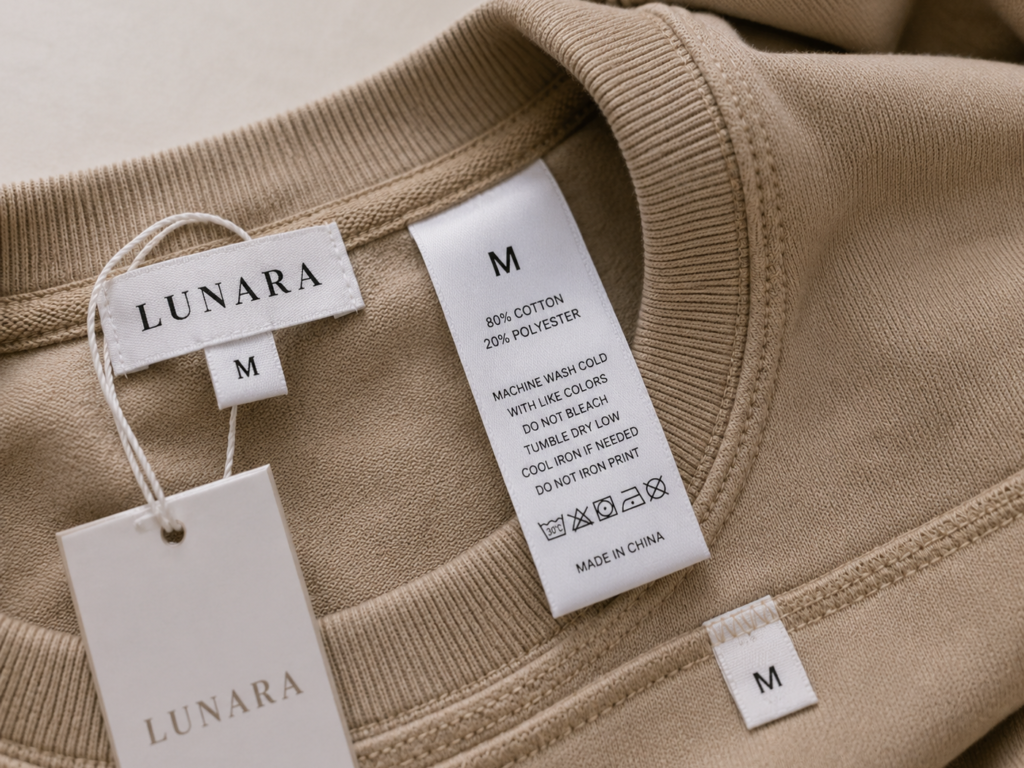
Private-label execution is managed as part of garment production. Label, barcode, SKU, polybag and carton requirements are approved before bulk packing so each brand reaches its sales channel with the correct identity and receiving information.

Woven Labels

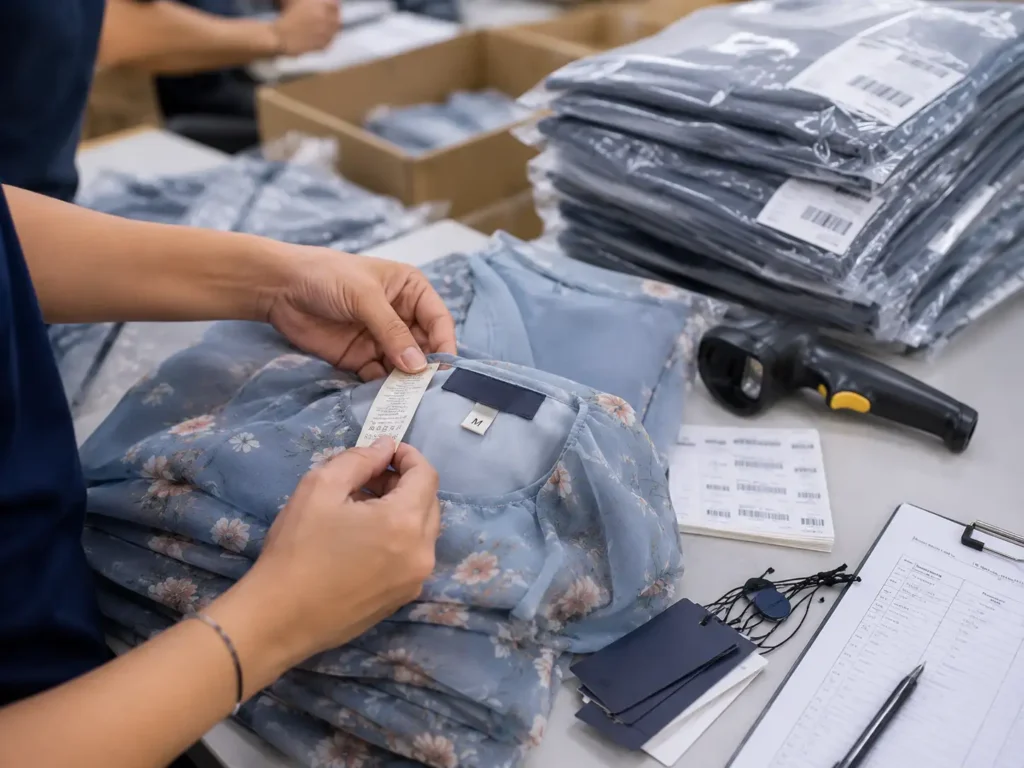
Brand labels are checked for artwork, dimensions, fold type, color, edge comfort and placement. Similar labels across a group are stored under separate brand codes. Sewing position is included in the sample or packing approval so bulk placement is not interpreted differently by separate production units.

Care and Size Labels

Care content, fiber information, country-of-origin wording and size presentation follow the approved brand file and target-market requirements. Labels are checked for content version, readability, attachment position and size-color match. Changes after production starts require controlled replacement and rechecking.

Hangtags

Hangtags may include brand story, pricing, collection name, QR code or retail information. String, pin, placement and orientation are confirmed. Premium occasionwear may use presentation-focused tags, while ecommerce lines may prioritize scanning and fast warehouse handling.

Barcode and SKU

Style, color and size must map correctly to barcode and SKU data. Jinfeng checks barcode artwork, sticker placement, pack ratio and carton summary. Sample scans or group verification may be arranged when required by the receiving system.

Polybags

Polybags are selected by garment size, folding method, warning text, ventilation and printed or sticker identification. Satin, sequins and structured dresses may require additional surface or shape protection. One group can use different polybag standards for retail, ecommerce and regional distribution.

Cartons and Marks

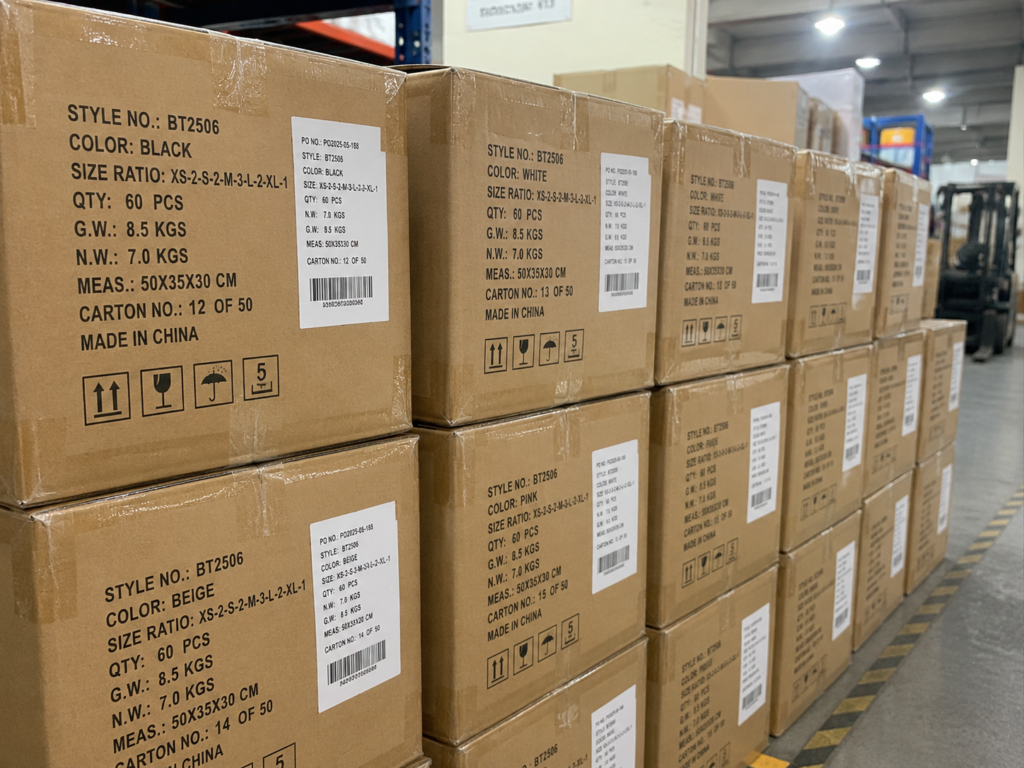
Carton size, pack ratio, gross weight, net weight, style-color-size breakdown, shipping marks and warehouse labels are reviewed before shipment. Multi-warehouse orders use separate carton identification and packing lists to reduce receiving delays and cross-destination errors.

Planning MOQ, Capacity and Cost Across Brand Portfolios

MOQ, price and schedule are calculated by style and color, not by the group’s total annual volume alone. Clear quantity planning allows fabric, production and packing decisions to be evaluated before samples or bulk commitments are made.

Planning FactorJinfeng StandardPortfolio Planning GuidanceCost or Timing Effect
Standard MOQFrom 200 pcs per style/colorSizes can be distributed within the confirmed style/color quantityLower quantities carry less material and production efficiency
Multiple ColorsNormally 200 pcs per colorBuild color depth around forecast demand; do not combine unrelated colorsMore colors increase fabric, cutting, labeling and packing control
Custom FabricSupplier MOQ appliesConsolidate only when composition, weight, color and finish truly matchDyeing, printing and special development extend material lead time
Complex ConstructionReviewed by sewing time and riskCorset, lace, mesh, sequin and evening styles need earlier bookingMore operations, lining, support and repair raise cost and schedule needs
Size RangeBased on approved size chart and ratioXS-XXL or other ranges can be planned inside the orderBroad grading and uneven size ratios affect pattern, cutting and QC
Private LabelBasic support can be arrangedWoven labels, hangtags, printed bags and special cartons may have separate MOQArtwork, supplier lead time and verification influence launch timing
Repeat OrdersRecords improve restart efficiencyReconfirm fabric availability, shade, trim and production slotPattern and packing records reduce redevelopment but not market changes
Split ShipmentReviewed by launch and freight planUrgent SKUs may move by air; balance can move by seaImproves launch timing while separating freight and packing documents

Multi-Batch Delivery Aligned With Brand Launch Calendars
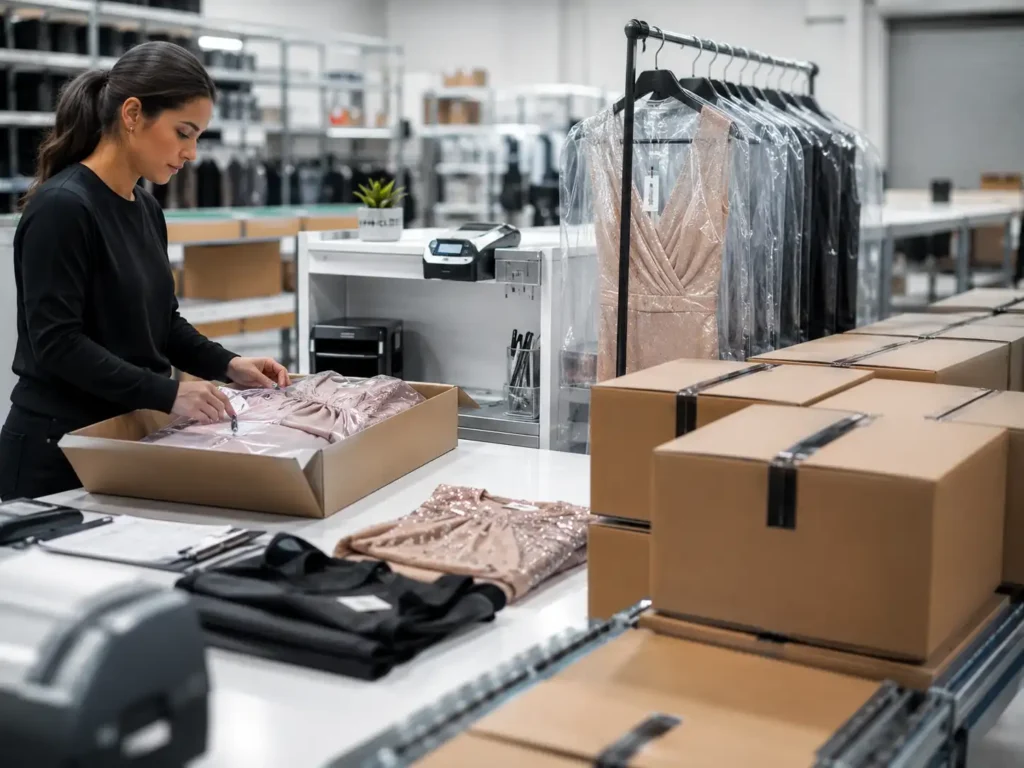
Delivery planning starts from launch and warehouse requirements, then works backward through approval, production, QC, packing and freight. Separate batches can protect launch timing without losing SKU and document control.

Launch Priority Delivery

Campaign styles, hero colors or photo-shoot quantities may need earlier release than the full order. Jinfeng can review whether selected SKUs are ready for separate packing and shipment after required QC. Early delivery is based on actual material, production and approval status rather than a blanket rush promise.
  • Priority SKU and size breakdown
  • Separate packing list and invoice lines
  • Clear carton marks for urgent goods

Warehouse Split

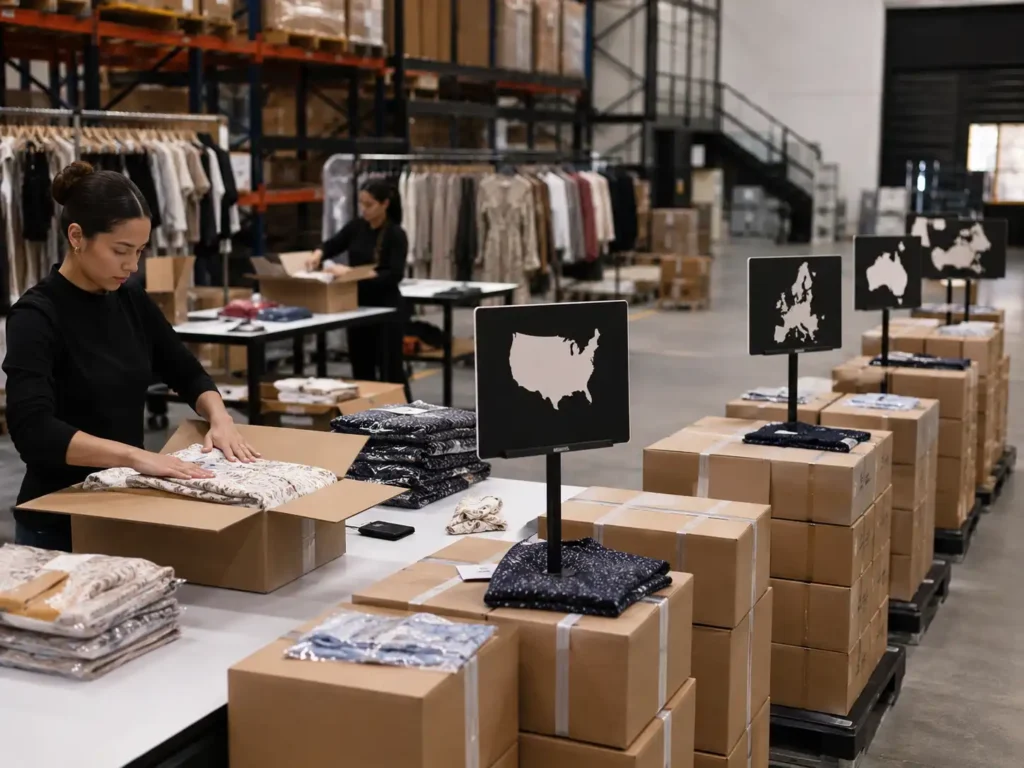
A group may ship different brands or SKUs to US, UK, European, Australian or Canadian warehouses. Each destination needs the correct consignee, address, carton labels, pack ratio and documents. Jinfeng organizes packing and carton identification by shipment batch to reduce cross-warehouse receiving errors.
  • Destination-specific carton marks
  • Separate warehouse labels
  • Batch-level document review

Air and Sea Planning

For launch-sensitive programs, 10-30% of urgent goods may be evaluated for air freight while the remaining quantity moves by sea. Hot colors, core sizes or campaign styles can be prioritized. SKU, invoice, packing list and carton records are separated so freight speed does not create inventory confusion.
  • Air freight for selected urgent quantities
  • LCL or FCL planning for regular bulk
  • Forwarder coordination based on agreed terms

Multi-Brand Dress Manufacturing Case Studies

Fashion groups require different manufacturing strategies depending on brand positioning, product category, volume and launch schedule. Jinfeng Apparel supports multi-label programs through separate brand execution, factory allocation, sampling control, quality management and coordinated delivery.
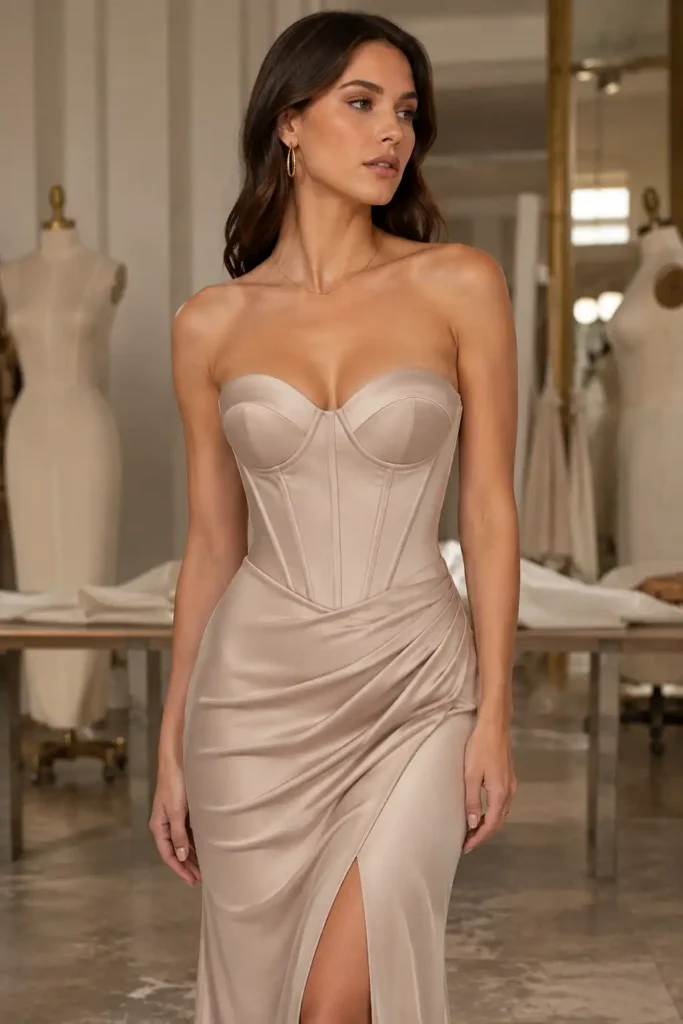
Case Study 1: North American Fashion Group Managing Three Womenswear Labels

Brand Background

A North American fashion group operated three independent womenswear labels with different market positions:

  • Premium occasionwear
  • Young partywear
  • Resort and ecommerce collections

The group wanted to consolidate manufacturing management while keeping each brand’s:

  • Product identity
  • Fit standards
  • Packaging requirements
  • Launch calendar
  • Commercial strategy

separate.

The program included:

  • 27 dress styles
  • 76,800 pieces total
  • 14 color directions
  • XS-XXL size range
  • Multiple warehouse destinations

Development Challenge

Although all three labels sold womenswear dresses, each brand required different production standards.

Main challenges:

Brand A – Premium Occasionwear

Focused on:

  • Satin evening dresses
  • Lace occasion dresses
  • Structured silhouettes

Required:

  • Refined finishing
  • Controlled lining
  • Premium packing

Brand B – Young Partywear

Focused on:

  • Mesh bodycon dresses
  • Corset minis
  • Sequin styles

Required:

  • Strong visual impact
  • Stretch recovery
  • Camera-ready appearance

Brand C – Resort Collection

Focused on:

  • Chiffon dresses
  • Printed maxis
  • Lightweight silhouettes

Result

The project achieved:

  • 27 styles completed
  • 76,800 pieces delivered
  • Three independent brand standards maintained
  • Multiple shipment batches coordinated

The group retained approved technical files for future seasonal collections and replenishment programs.
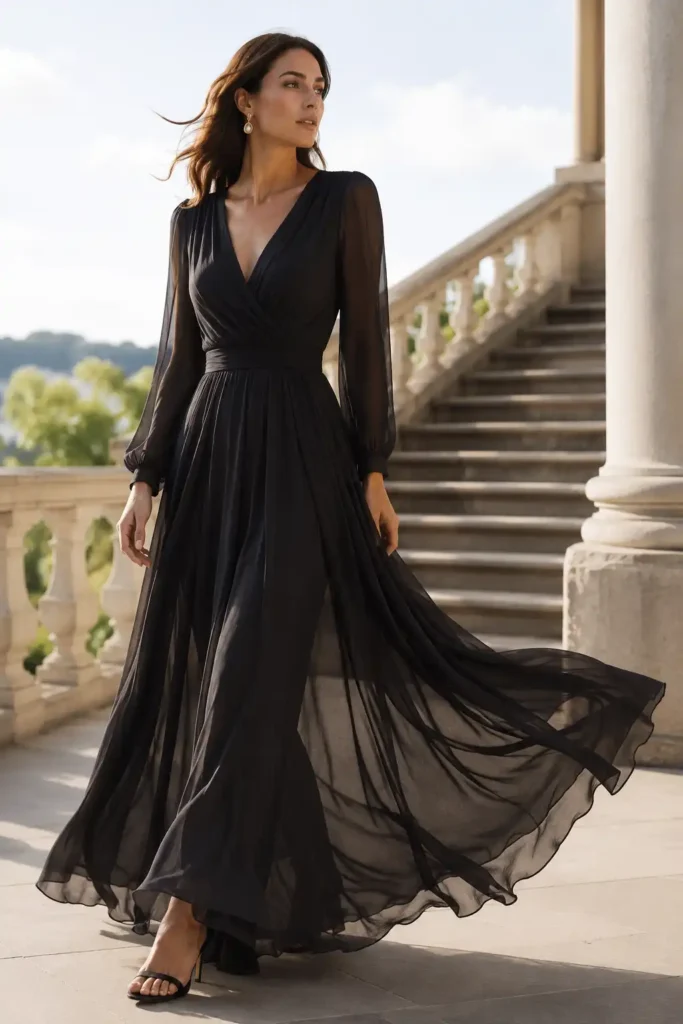
Case Study 2: Premium Occasionwear Brand Developing Luxury Dress Collections

Brand Background

A European premium womenswear label needed a manufacturing partner capable of developing high-end occasion dresses with consistent craftsmanship.

The collection included:

  • Satin evening gowns
  • Wedding guest dresses
  • Lace dresses
  • Corset silhouettes
  • Draped midi dresses

Main materials:

  • Satin
  • Lace
  • Chiffon
  • Crepe
  • Velvet

Development Challenge

The brand’s biggest concern was maintaining luxury appearance during bulk production.

Key risks included:

  • Satin pressing marks
  • Uneven draping
  • Incorrect lining shades
  • Corset structure instability
  • Zipper distortion
  • Inconsistent finishing

Because the collection used simple colors and clean silhouettes, every construction detail became visible.

Jinfeng Solution

The development process focused on:

Fabric Engineering

Reviewed:

  • Fabric weight
  • Surface finish
  • Drape
  • Transparency
  • Color consistency

Pattern Development

Controlled:

  • Bust shaping
  • Waist position
  • Skirt balance
  • Size grading
  • Structural support

Result

The brand achieved:

  • Stable premium quality production
  • Consistent fit across size ranges
  • Controlled luxury finishing
  • Repeat-order capability

The developed patterns and production standards became the foundation for future seasonal drops.
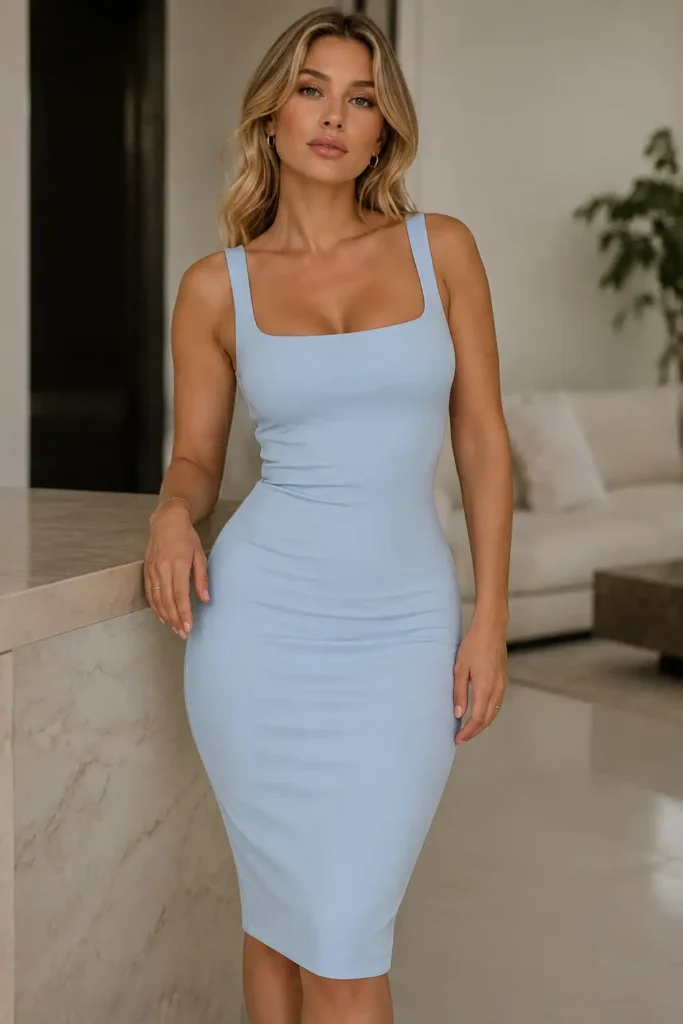
Case Study 3: Growing Ecommerce Brand Scaling From Small Collections to Bulk Production

Brand Background

A fast-growing online fashion brand wanted to expand from small seasonal drops into a structured dress collection.

The initial range included:

  • Mini dresses
  • Midi dresses
  • Bodycon styles
  • Resort dresses

The brand provided:

  • Reference images
  • Product ideas
  • Market feedback
  • Basic style direction

Development Challenge

The brand had strong sales data but limited internal product development resources.

Main challenges:

  • Selecting commercial fabrics
  • Converting ideas into production files
  • Controlling cost targets
  • Creating repeatable sizing
  • Preparing private-label packaging

Jinfeng Solution

Jinfeng supported the complete product development process.

Product Development

Reviewed:

  • Style feasibility
  • Fabric selection
  • Construction method
  • Production risks

Sampling Process

Managed:

  • First samples
  • Fit revisions
  • Photo samples
  • PP approval

Commercial Optimization

Improved:

  • Fabric alternatives
  • Construction efficiency
  • Trim selection
  • Packaging solutions

Result

The brand successfully moved from concept development into commercial production with:

  • Production-ready patterns
  • Approved samples
  • Stable size standards
  • Private-label packaging
  • Repeat-order foundation

The cooperation expanded from seasonal orders into ongoing collection development.

Frequently Asked Questions for Multi-Brand Fashion Groups

Yes. Projects can be organized by group, brand, collection, style, color, size range, sample status, factory, packing method and shipment batch. Each brand keeps separate technical, fit, label and packaging files while the group can receive consolidated project coordination and reporting.
Tech packs, line sheets, patterns, size charts, BOM files, prices, launch plans, labels, barcodes and warehouse files can be stored under separate brand and style codes. NDA-based cooperation is supported. Unpublished designs and commercial information are not used publicly without written permission.
Yes. Each label can follow its own measurement chart, base size, grade rules, fit comments and tolerances. Sizes are distributed within the confirmed style/color quantity. Fit standards are linked to the approved pattern, PP sample and bulk QC measurements.
Simple styles may take around 7-10 days. A regular dress commonly needs around 10-15 days. Corset, strapless, lace, mesh, sequin, evening and other complex styles commonly need 15-25 days. Special fabric and trim development follows supplier lead time.
Styles are ranked by launch date, campaign use, fabric readiness, structural risk and commercial priority. Photo-shoot pieces and core commercial styles can receive earlier slots, while concepts waiting for custom materials follow a separate development path. Priority changes are recorded rather than handled informally.
Yes. Factory allocation considers fabric, stretch, structure, decoration, sewing time, quantity, schedule and repeat history. Occasionwear, stretch bodycon, resort, mixed collection and repeat-order styles can enter different production units under shared project and QC controls.
MOQ starts from 200 pieces per style/color, depending on fabric, trims, color development, construction, packaging and production schedule. Different styles cannot normally be combined to reach 200 pieces. Two colors usually require 200 pieces per color.
Yes. Woven labels, size labels, care labels, hangtags, barcodes, SKU stickers, polybags, carton marks and warehouse labels can be managed separately by brand, style, color, size and destination. Packaging supplier MOQ and development time may apply.
Yes. Packing and shipment can be separated by destination, brand or delivery phase. Each batch requires confirmed carton marks, warehouse labels, packing list, consignee details and freight plan. Urgent quantities may be reviewed for air freight while regular bulk moves by sea.
Jinfeng can retain patterns, measurements, fabric references, trim records, sewing notes, QC findings and packing instructions. Repeat orders often restart more efficiently, but fabric availability, shade, new colors, size changes, packaging updates and production schedule must still be reconfirmed.

Plan Your Multi-Brand Dress Program With Jinfeng

A useful project review begins with enough detail to separate brand requirements and identify fabric, pattern, sample, production and delivery dependencies. Send the group structure, brand names or internal codes, line sheets, tech packs or reference images, target quantities per style and color, color plan, size charts, fabric direction, sample priorities, private-label files, launch dates and delivery destinations.

Jinfeng Apparel will review product category, construction complexity, fabric and trim requirements, first-sample route, factory allocation, MOQ fit, production risks, QC priorities, packing needs and shipment options. Normal first samples commonly take 10-15 days, while simple or complex styles may fall outside that range.

Final production and delivery timing is confirmed after fabric, trims, PP approval, quantity, packing and production schedule are locked.

  • Group and brand structure
  • Line sheet and style count
  • Quantity per style/color
  • Size chart and size ratio
  • Fabric and trim direction
  • Sample priority and launch date
  • Labels, barcodes and packaging
  • Warehouse and shipment information
Textile factory workers sewing multicolored fabrics on machines.

Tell Us About Your Dress Project

Share your product details, estimated quantity and development requirements. Our team will review your project and provide practical OEM/ODM production feedback.

Premium Women’s Apparel Production for Fashion Brands

From dress sample development to bulk production, JF Apparel supports fashion brands with confidential OEM/ODM manufacturing, reliable quality control and scalable production support.

START YOUR DRESS PROJECT

Ready to Develop Your Next Dress Collection?

Share your design concept, product requirements or sourcing plans with our team. We’ll review your project and provide practical feedback on development, materials, MOQ and production.

7-10 Days

Sample Development

200 PCS

Starting MOQ

Fast Response

Professional Follow-Up