
Dress Manufacturer for Merchandising Directors
Turn seasonal dress assortments into costed, approved and production-ready collections with one coordinated womenswear manufacturing team.
- 10-30 styles commonly managed within one branded seasonal program, with style-level priorities, sample versions and launch groups tracked separately.
- 20,000-80,000 pieces is a realistic program scale for established brand orders, depending on style mix, color count, fabric availability and delivery structure.
- 100,000+ pieces of regular monthly capacity across 6 owned women’s fashion factories, 10+ long-term production partners and 18+ sewing lines.
- 2 sample rooms, 7+ senior pattern makers, 20+ sample machinists, 12+ merchandisers and 15+ QC inspectors support development through shipment.
Manufacturing Support Built Around Merchandising Results
Assortment Execution
Margin Protection
Launch Reliability
A Clear Working Model for Merchandising Teams
What Your Team Provides
- Style role: hero, core, seasonal or extension
- Quantity by style, color and delivery group
- Fit standard, size chart and grade rules
- Label, barcode, polybag and carton requirements
What Jinfeng Controls
- Fabric, trim and construction feasibility
- Sample priority and revision status
- Production allocation and quality checkpoints
- Packing, SKU and shipment file control
Six Risks That Disrupt Dress Programs
Unbalanced Style Mix
Late Cost Escalation
Sample Bottlenecks
Fit Inconsistency
Bulk Standard Drift
SKU Delivery Errors
Build a Dress Assortment That Can Be Produced
Merchandising direction becomes useful to a manufacturer only when every style has a defined commercial role, target price position, material route, fit priority and approval deadline. Jinfeng does not replace the brand’s merchandising judgment. The manufacturing team tests whether the planned assortment can be sampled, costed, produced and repeated without losing the intended visual hierarchy.
Define Product Roles Before Sampling
Hero styles deserve early structure review because corsetry, sequins, cut-outs, mesh placement or dramatic drape can create longer sample and material paths. Core styles need repeatable fit, stable fabric and efficient grading. Seasonal styles need timing discipline. Extension products should reuse approved fabrics, colors or silhouettes where commercially appropriate, reducing unnecessary material fragmentation.
Connect Price Tier to Construction
A premium occasion dress cannot be costed like a basic jersey mini, and a high-volume bodycon style should not carry decorative processes that prevent stable replenishment. Jinfeng reviews shell fabric, lining, trims, seam construction, finishing, packaging and expected quantities against the role of each SKU, then identifies where appearance can be protected through smarter fabric or construction choices.
Plan Color and Size Breadth
Every added color creates fabric, trim, thread, label, barcode, cutting and packing decisions. A six-size run such as XS-XXL also requires grade-rule review and a planned quantity ratio rather than equal quantities by default. Jinfeng separates style-color-size combinations at the file level, allowing the brand to see where assortment breadth improves selling potential and where it creates avoidable production complexity.
Assortment Role | Typical Dress Direction | Manufacturing Priority | Commercial Purpose |
Hero Styles | Corset, sequin, mesh, sculpted satin, statement evening | Early structure sample, premium material review, visual-detail control | Campaign impact and brand identity |
Core Commercial | Bodycon, slip, ruched mini, midi, fitted woven | Repeatable fit, stable fabric, efficient grading and sewing | Volume sales and replenishment |
Occasion | Cocktail, wedding guest, graduation, formal | Color, lining, support, drape, pressing and delivery window | Higher retail value and event demand |
Seasonal | Resort, vacation, printed maxi, holiday party | Launch timing, color story, print direction and packing | Seasonal drops and promotional calendars |
Extensions | Skirts, matching sets, jumpsuits, alternate lengths | Shared fabrics, coordinated colors, fit continuity | Broader outfit building and basket value |
Dress Categories for Commercial Collection Planning

Fast Commercial Dresses
- Common materials: stretch jersey, rib, ponte, stretch satin and mesh combinations
- Fit priorities: bust-to-waist ratio, hip tension, neckline security and garment ride-up
- Production focus: stretch direction, seam recovery, lining coverage and measurement tolerance

Occasion and Event Dresses
- Common materials: satin, chiffon, lace, mesh, tulle, organza, velvet and sequins
- Fit priorities: cup position, under-bust support, waist proportion, slit height and hem balance
- Production focus: shade control, surface protection, seam quality and final presentation

Seasonal Lifestyle Dresses
- Common materials: chiffon, rayon, viscose, linen blends, cotton blends and printed woven fabrics
- Fit priorities: ease, waist position, length balance, lining and movement
- Production focus: print direction, panel matching, color grouping and multi-style packing
Fabric Decisions That Protect Margin and Appearance
Fabric is rarely a simple material choice. Weight, width, stretch, recovery, transparency, drape, surface sensitivity, dye lot and supplier MOQ affect fit, cutting yield, sewing method, pressing, packing and final cost. Jinfeng reviews fabric direction against the commercial role of each dress before the assortment enters bulk preparation.
Costing Begins With the Full Construction
Dress quotations include shell fabric, lining, trims, pattern work, sampling, cutting, sewing time, pressing, QC, packing, wastage, logistics and any required testing or certification. A lower fabric price does not automatically produce a lower garment cost if narrow width increases consumption, unstable stretch creates rework, or a delicate surface requires slower handling and protective packing.
Substitution Must Preserve Brand-Level Appearance
Fabric alternatives are compared by handfeel, drape, opacity, recovery, shine, color depth and construction compatibility. For example, replacing heavy satin with a lighter option may reduce cost but create seam show-through or weaker drape. A mesh substitution may change transparency and support. Recommendations therefore include the visual and production consequences, not only a price difference.
Fabric Direction | Suitable Dress Roles | Main Cost Drivers | Control Points |
Commercial Stretch | Bodycon, ruched mini, fitted core styles | GSM, stretch ratio, recovery, width, color count | Relaxation, cutting direction, seam recovery, measurement |
Satin and Crepe | Slip, cocktail, bridesmaid, occasion, evening | Weight, width, lining, shade, snag risk, pressing | Shine direction, needle marks, seam puckering, anti-crease packing |
Chiffon and Rayon | Resort, maxi, layered midi, seasonal styles | Layers, lining, print, shrinkage, cutting yield | Panel direction, transparency, edge finish, hem balance |
Lace and Mesh | Wedding guest, corset, bodycon, cut-out, party | Motif, width, lining, placement, handwork | Transparency, pattern matching, holes, fraying, recovery |
Sequin and Velvet | Hero party, event and statement dresses | Surface waste, sewing speed, protection, packing | Sequin loss, skin comfort, nap direction, pressure marks |
Pattern and Fit Development for Repeatable Sizes
A strong dress silhouette must look balanced on the body, remain secure during movement and reproduce consistently across the approved size range. Jinfeng’s 7+ senior womenswear pattern makers, 2 sample rooms and 20+ sample machinists convert fitting comments into controlled pattern, measurement and construction updates.
Control the High-Risk Measurement Areas
Fit review covers bust, upper bust, under bust, natural waist, high or low waist, hip, front length, back length, shoulder width, armhole, neckline depth, strap length, slit height, lining length and hem balance. Jumpsuits also require rise and torso-length control. Each measurement is connected to a garment function: coverage, support, proportion, movement or size consistency.
Turn Fitting Comments Into File Changes
Comments such as “the neckline feels low” or “the skirt rides up” are not sufficient production instructions. The pattern team identifies the cause, adjusts the relevant pattern pieces, updates the measurement chart and records construction changes. Revised samples are checked against the updated file so approved corrections do not disappear when a new sample or bulk pattern is prepared.
Plan Grading for the Brand’s Size Architecture
A six-size range does not mean every body point increases by the same amount. Bust, waist, hip, neckline, strap, armhole and length rules may require different grade behavior according to silhouette and target market. Jinfeng reviews the supplied grade rules or develops a project-specific proposal, then uses measurement tolerances and bulk checks to monitor consistency across the run.
Fit Controls With Commercial Value
- Strapless dresses: cup position, anti-slip support, upper-bust tension and zip stability
- Bodycon dresses: stretch recovery, waist shaping, hip ease and ride-up control
- Slip dresses: neckline height, strap range, bias behavior and side-seam balance
- Maxi dresses: front-to-back length, hem level, slit safety and movement
Sample Types Matched to Merchandising Decisions

Line-Review Samples

Fit and Campaign Samples
Fit samples are built to test measurements, balance, support and movement. Campaign or photo-ready samples place greater emphasis on appearance, pressing, color and camera-facing details.
A photo-ready garment can support marketing preparation but does not replace PP approval when final fabric, trims, construction, labels or packing are still changing.

PP and Golden Samples

Plan Samples and Production Back From Launch
Launch planning works best when approvals are organized around business deadlines rather than a single promised lead time. Fabric availability, style complexity, revision rounds, color development, private-label materials and inspection requirements can change the schedule. Jinfeng creates a project calendar after the line plan and files are reviewed.
Illustrative Calendar for a Confirmed 16-Style Program
The following sequence shows how a program may be organized when fabrics are available and feedback is returned on schedule. It is a planning example, not a universal promise for every material or construction.
- Days 1-3: Program review, style grouping, target-cost check, sample priority and missing-file list.
- Days 4-15: First-wave development for 5 hero and core styles; parallel fabric and trim confirmation for later waves.
- Days 16-24: Fit review, pattern corrections and revised samples for the first wave; first samples for the second wave.
- Days 25-34: Line-review or photo-ready samples, cost confirmation and PP preparation by approved priority.
- Days 35-42: PP lock for the earliest production group; final BOM, size chart, labels, packing and QC checklist.
- Days 43-74: Material receipt, bulk production, in-line inspection, finishing, packing and first delivery group.
- After Day 74: Remaining delivery groups, final inspection, client inspection support and shipment coordination.
Decisions That Move the Calendar
Late color approval, new trims, changes after PP lock, unavailable fabric, added sizes, revised packaging or delayed fitting feedback can move production. Jinfeng records those dependencies in the project timeline so the merchandising team can choose whether to change the launch group, replace a material, split delivery or keep the original specification with a later date.
Multi-Style Programs Need Structured Project Control
Style Grouping
Sample Priority
Revision Records
Factory Allocation
QC Planning
Delivery Grouping
Production Capacity Matched to Dress Complexity
Woven Dress Units
Occasionwear Units
Flexible Program Lines

Lock the Approved Sample Into Bulk Production
The greatest risk between development and bulk is information loss. Jinfeng uses a formal handover so the production team receives the same pattern, materials, measurements, construction, labels and packing standards approved during sampling.
- Final Pattern and Size Files
The approved pattern version is identified and linked to the final measurement chart, grade rules and tolerance requirements. Critical points such as upper bust, under bust, waist, hip, strap, neckline, slit, lining and length are highlighted according to the silhouette. Old pattern versions are not used for bulk once a revision is approved. - BOM, Fabric and Trim References
The bulk file includes shell and lining specifications, zipper, hook, button, bra cup, boning, strap hardware, elastic, lace, embellishment, labels, hangtags, polybags and other required components. Color, size, placement and supplier references are recorded so substitutions do not enter production without review. - Construction and QC Instructions
Seam methods, stitch requirements, lining coverage, support details, motif placement, pressing precautions, measurement checkpoints and product-specific defect risks are added to production and QC instructions. The Golden Sample remains the visual reference, while written files provide measurable standards that can be checked throughout the line. - PP Lock and Change Control
PP approval locks fabric, color, trims, measurements, construction, labels and packing for the confirmed production group. Later changes are evaluated for material impact, cost, rework and schedule. A change is not treated as a casual message; the affected files and approvals are updated before production continues.
Workmanship Details That Define Dress Quality
[CTA: Review Construction Details] [CTA: Send Complex Styles]
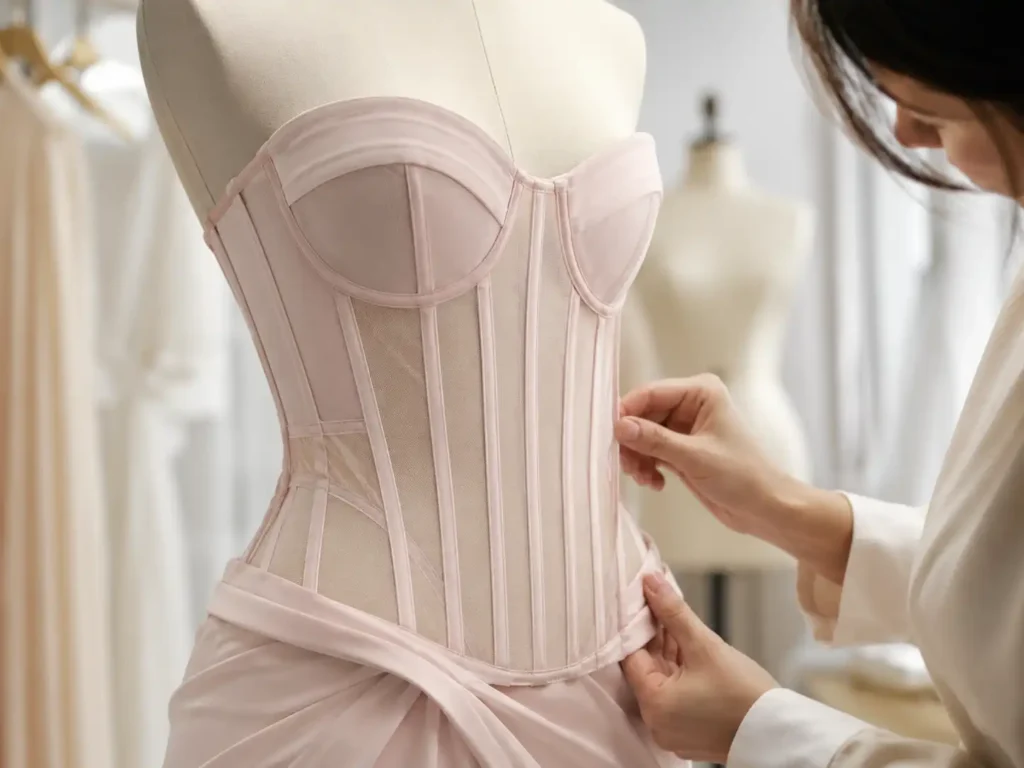
Corset Structure
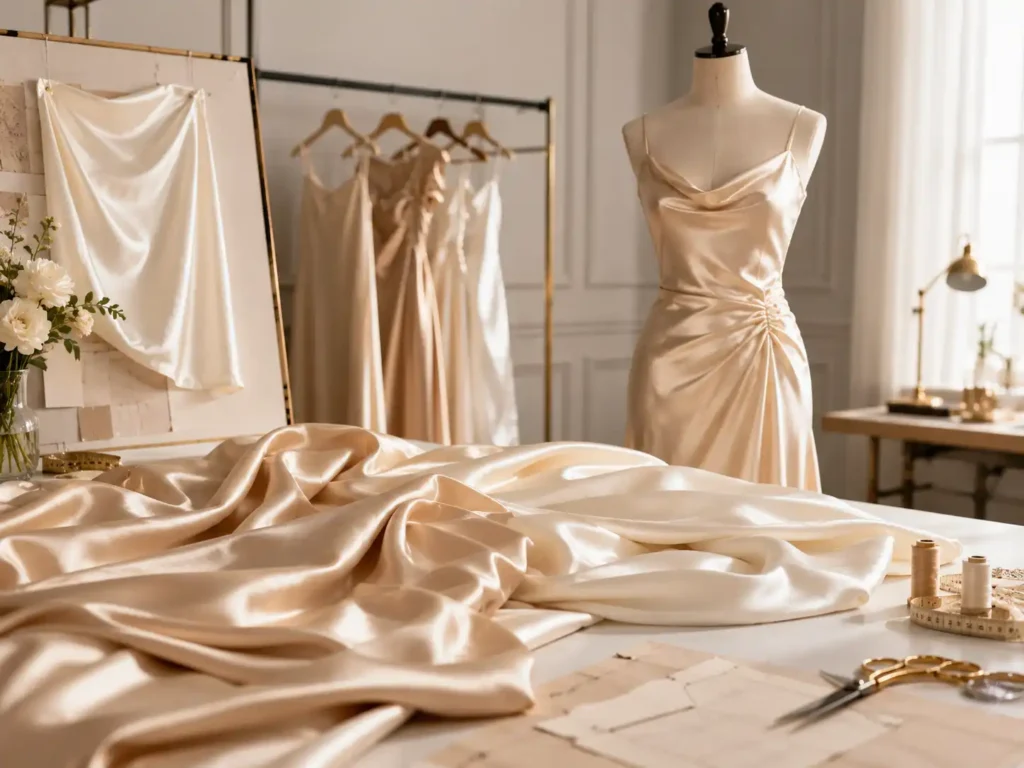
Satin Handling
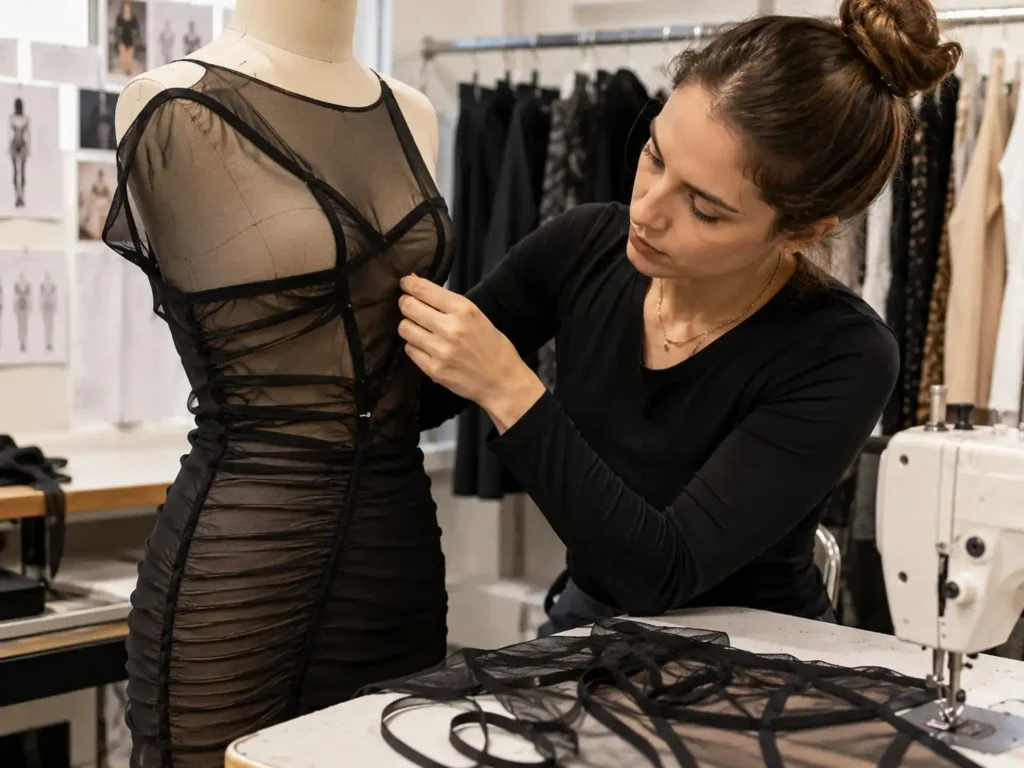
Mesh Construction
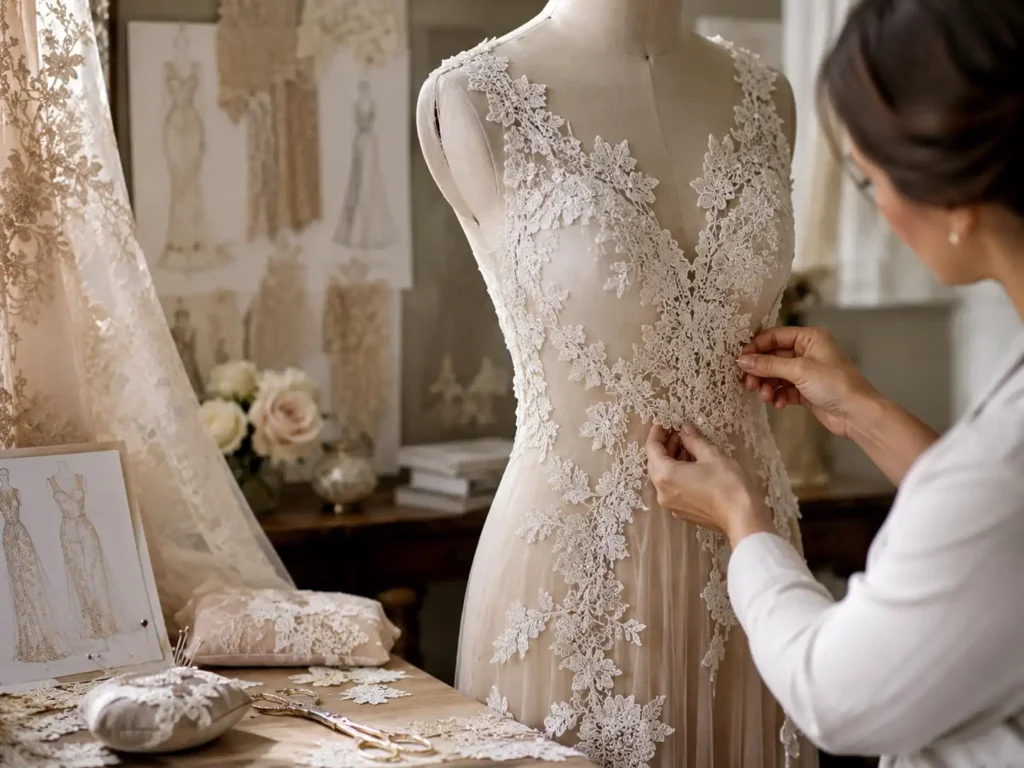
Lace Placement

Sequin Protection
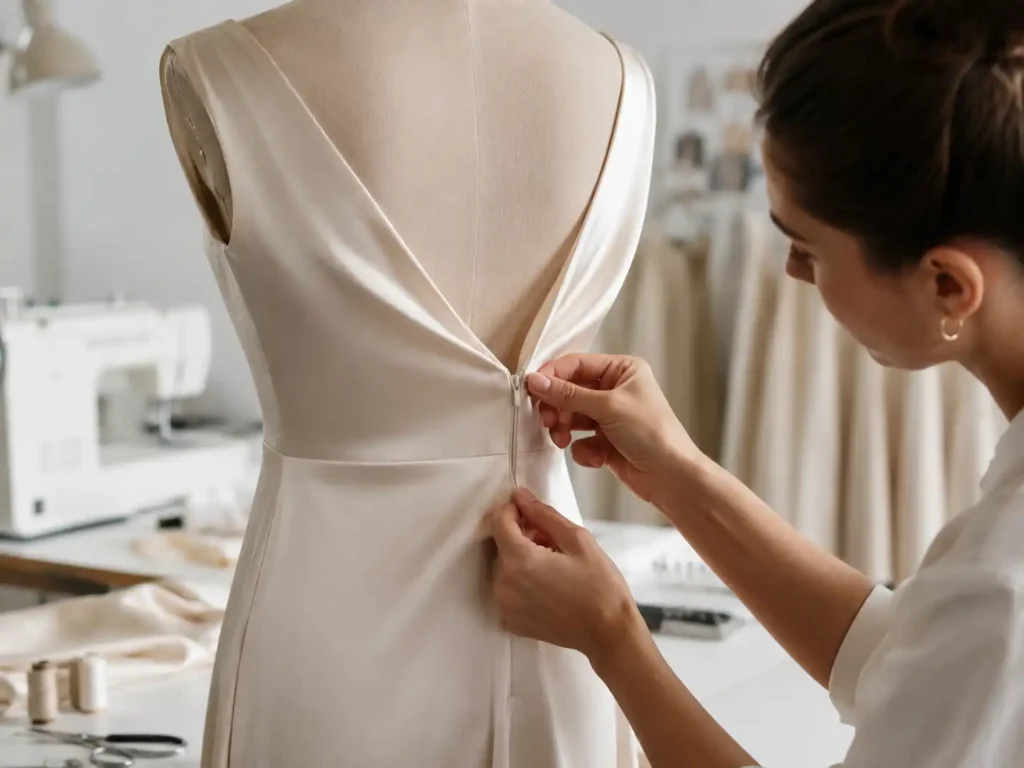
Zips and Hems
Quality Control From Material Receipt to Packing
Incoming Material QC
Cutting Control
Sewing and Inline Checks
Measurement Inspection
Finishing and Pressing
Packing and Final Review
Retail-Ready Packing for Multi-SKU Dress Programs
Brand Presentation
SKU Accuracy
Delivery Coordination
Turn Approved Styles Into Repeatable Commercial Assets
A successful dress should not restart from zero every season. Jinfeng keeps project records so repeat orders, new colors and related extensions can begin from the approved product history while still accounting for new fabric batches, quantity changes and updated market requirements.
Records Kept for Reorders
- Approved pattern and size chart
- Grade rules and measurement tolerances
- BOM, fabric, color and trim references
- Construction instructions and QC notes
- Golden Sample record
- Labels, packing and carton requirements
Same Style, New Color
A new color can reuse the approved pattern and construction, but fabric shade, lining, zipper, thread, labels and color-related MOQ still require confirmation.
Satin shine, lace availability, mesh transparency and sequin tone may change the visual result, so new color approval is treated as a controlled extension rather than an automatic copy.
Same Pattern, New Fabric
Changing from jersey to mesh, regular satin to stretch satin, or rayon to chiffon can change fit, drape, opacity and seam behavior. Jinfeng reviews whether the pattern remains suitable and may recommend a revised sample before bulk. Preserving the silhouette is more important than assuming every fabric can use the same construction unchanged.
Bestseller Replenishment
Replenishment can be prioritized when the production file is complete and original materials remain available. Quantity, color, factory loading, packaging and logistics are rechecked before a new schedule is confirmed. High-priority quantities may be split from the main replenishment when launch timing and freight economics justify a separate delivery group.
Anonymous 18-Style Dress Program Case
A North American fashion brand planned a seasonal dress program containing 18 styles and 42,600 pieces. The line included fitted commercial dresses, satin occasion styles, mesh and lace statement products, two jumpsuits and coordinated skirt extensions. Brand identity and unpublished design files remained protected under project confidentiality.
Program Structure

The assortment was divided into 5 hero styles, 8 core commercial styles and 5 extensions. Three color stories and a six-size range created more than 180 style-color-size combinations. Jinfeng separated the program into four development waves so the hero and core fits could reach line review before later color and extension decisions were finalized.
Development and Cost Control

The first sample wave covered 6 styles and was completed in 12 working days after materials and files were confirmed. Fit and construction comments were returned within two days, allowing revised samples to be prepared over the following 8 working days. Two satin styles changed lining and seam construction, while one mesh dress used a more stable lining layout to preserve coverage without weakening the intended look.
Bulk and Delivery Plan

After PP lock, the first production group was completed in 32 working days. The remaining styles followed according to material readiness and factory allocation. Twenty percent of the first launch group was prepared for air shipment, while the balance and later groups moved by sea. Separate packing lists, invoices and carton marks were prepared for the split.
Result

The four delivery groups reached the brand’s planned receiving sequence, while approved patterns, BOMs, color records, QC notes and packaging files were archived for repeat orders. The brand later evaluated two core styles for replenishment and three hero silhouettes for new-color development. No brand name, protected design or unsupported sales result is disclosed.
Frequently Asked Questions for Merchandising Directors

Send Your Dress Program for Manufacturing Review
Share the information your merchandising team already uses to control the range. Jinfeng Apparel will review the style mix, product roles, fabric and trim direction, construction risk, target quantities, size range, sample priorities, private-label requirements and launch dates. The first response focuses on missing files, feasibility, MOQ fit, likely cost drivers, sample sequencing and the information required before a firm quotation or production calendar can be issued. Complex styles are not approved through a quick visual estimate; corset structure, mesh transparency, lace placement, satin handling, embellishment, lining and fit-sensitive details need product-level review. Kelly coordinates the initial discussion and routes the project to development, merchandising, pattern, production or QC teams according to the program stage.
- Line plan, style list or seasonal range overview
- Tech packs, reference images, original samples or sketches
- Quantity by style and color, plus planned size range
- Target cost or retail band and priority launch dates
- Fabric, trim, label, barcode, packing and warehouse requirements
- Sample needs: line review, fit, campaign, PP or Golden Sample


