 Skip to content
Dress Manufacturer for Mature DTC Fashion Brands
Scale custom dress collections with a manufacturing system built for established direct-to-consumer fashion operations.
- Built for coordinated 10-30 style collection programs, phased launches and repeat-order planning.
- MOQ starts from 200 pcs per style/color, subject to fabric, trim, construction and packing requirements.
- 2 sample rooms, 7+ senior pattern makers and 20+ sample machinists support structured development.
- 6 owned women’s fashion factories and 10+ long-term production partners support multi-style production.
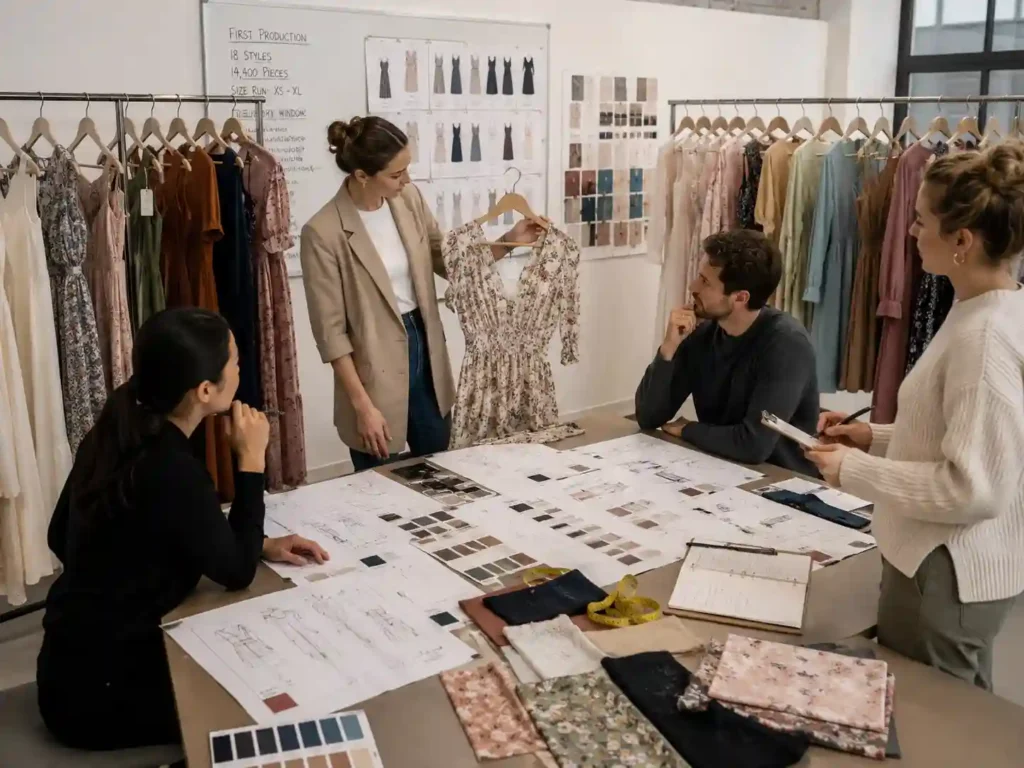
Jinfeng Apparel develops premium dresses for fashion labels with established sales channels, active launch calendars and clear product direction. Support covers fabric sourcing, pattern development, fit correction, photo-ready samples, PP approval, bulk production, quality control, private-label packing and export coordination. Each collection is managed by style, color, size, material, sample version and delivery priority so design decisions remain traceable from the first sample through repeat production.
Manufacturing Scale for Established Fashion Operations
Development Infrastructure
Production Infrastructure
Project and Quality Teams
Built for Mature DTC Fashion Brands
Strong Operational Fit
- Established ecommerce and direct sales channels
- Seasonal or monthly launch calendars
- Multiple colors, sizes and dress silhouettes
- Photo, campaign or showroom sample requirements
- Private-label and warehouse packing standards
- Repeat orders based on sell-through data
Clear Production Boundaries
Jinfeng Apparel focuses on custom development and batch manufacturing rather than inventory resale or single-order fulfillment. MOQ starts from 200 pcs per style/color. Fabric mills, trim suppliers, custom dyeing, printing, hardware and branded packaging may carry separate minimums. A useful first review includes a tech pack, line sheet, reference garment, sketch or clear image set plus quantity and delivery priorities.
- Custom development and private-label production
- Sample approval before bulk manufacturing
- Project-based pricing by material and construction
- Defined fabric, color, size and packing requirements
- Production planning around launch and delivery dates
Manufacturing Risks That Slow DTC Growth
Slow Sample Response
Photo-to-Bulk Gaps
Fit-Driven Returns
Multi-SKU Confusion
Missed Launch Windows
Unstable Repeat Orders
Dress Categories for High-Velocity Collections

Party Dresses

Occasion Dresses

Bodycon Dresses

Corset Dresses

Satin Dresses

Mesh and Lace Dresses

Resort Dresses

Mini to Maxi Dresses
Building a Commercial Dress Collection

Hero Styles

Core Volume Styles
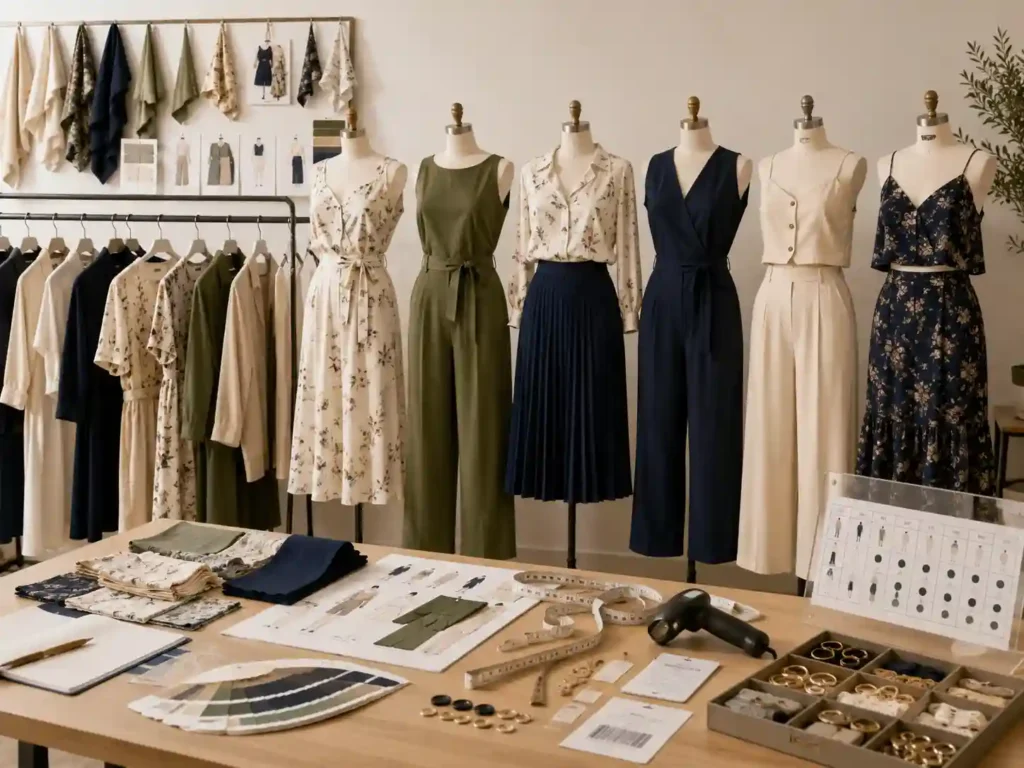
Collection Extensions
Fabric Direction Before Pattern Development
Fabric choice controls silhouette, fit, transparency, comfort, sewing behavior, price and repeatability. Jinfeng Apparel reviews materials as production components, not only as swatches with attractive color and hand feel.
Woven Fabrics for Shape and Drape
Satin, chiffon, crepe, rayon, viscose, linen blends, cotton blends, suiting and printed woven fabrics support very different dress outcomes.
Fabric behavior:
- Satin creates shine and fluidity but exposes puckering, grain errors and pressing marks.
- Chiffon creates light movement but requires layer control, stable cutting and precise hems.
- Crepe offers drape with a more forgiving surface and suits cocktail or office-to-evening styles.
- Rayon and viscose create softness but require shrinkage, wrinkle and wash-care review.
- Linen blends add natural texture but need agreement on acceptable wrinkling and transparency.
Pattern impact:
- Bias, cowl and slip styles require controlled grain direction.
- Structured dresses need enough body or internal support.
- Full skirts require realistic fabric consumption and hem planning.
- Printed styles may require motif direction, placement or matching.
Bulk control:
- Fabric name, composition, weight, width, color, dye lot, shrinkage and approved swatch are recorded.
- Lining color and behavior are checked with the outer fabric.
- Replacement materials are re-evaluated for pattern, cost, MOQ and delivery impact.
Stretch Fabrics for Fit and Recovery
Jersey, rib knit, ponte, power mesh, stretch satin, scuba and spandex blends need more than a stretch percentage on a specification sheet.
Fit engineering:
- Stretch direction must match the pattern requirement.
- Recovery determines whether a dress holds shape after sitting, movement and wear.
- Fabric weight changes bust, waist and hip compression.
- Necklines, armholes and straps may require stabilization.
- Bodycon lengths can rise when negative ease is too aggressive.
Testing and approval:
- Sample measurements are reviewed after the fabric has relaxed.
- Wash-related shrinkage or growth is checked where required.
- Side seams, neckline shape and hem position are observed during fitting.
- Power mesh and outer stretch fabrics are tested together when layered.
Production control:
- Rolls are separated by lot where needed.
- Cutting direction remains consistent.
- Sewing methods and needle choices are matched to the fabric.
- Measurement tolerances reflect the approved material and garment type.
Surface and Layered Materials
Lace, mesh, sequins, velvet, organza and tulle create strong visual value but increase cutting, comfort and finishing risk.
Material planning:
- Lace motif size and direction influence pattern placement and yield.
- Sequins may need clearing from seam allowances, lining protection and secure edge finishing.
- Velvet requires nap direction control and careful pressing.
- Organza and tulle require layer-count and volume approval.
- Transparent mesh needs deliberate lining or coverage mapping.
Comfort planning:
- Scratchy edges, exposed sequins, stiff boning or rough labels can damage wearability.
- Inner layers, binding and seam finishing are chosen around skin-contact areas.
- Weight distribution matters when heavy embellishment is used on a light base.
Commercial planning:
- Special materials may carry separate supplier minimums and longer sourcing windows.
- Material reservations should align with campaign quantities and expected repeats.
- A visually similar alternative may reduce cost without weakening the intended brand appearance.

Pattern Engineering for Online Fit Performance
A dress can match a sketch and still fail after try-on. Jinfeng Apparel develops patterns around body balance, intended exposure, movement and the selected material so fit can remain stable across a commercial size range.
Bust, Neckline and Upper Body Control
Upper-body fit has a direct effect on product photography, comfort and returns. Strapless, corset, halter, deep-V, cowl, one-shoulder and backless dresses each require different support logic.
Key controls:
- Upper bust, full bust and under-bust balance
- Cup position, dart direction and shaping seams
- Neckline depth and gaping risk
- Armhole exposure and side coverage
- Strap length, angle and adjustability
- Boning position, padding and non-slip support
- Back opening, zipper length and closure access
Fit review goes beyond flat measurements. The sample is checked for movement, sitting, raising the arms and natural body posture. Any correction is transferred to the pattern and measurement chart, not left as an informal sewing-room note.
Waist, Hip and Dress Length Balance
Waist placement changes the entire silhouette. A high waist, natural waist, dropped waist or low waist must align with the intended body proportion and fabric behavior.
Key controls:
- Front and back waist level
- Waist-to-hip distance
- Hip ease or negative ease
- Side-seam position
- Front and back dress length
- Hem sweep and balance
- Slit height and opening security
- Lining length and movement
Bodycon pieces require recovery and compression control. Woven silhouettes require enough wearing ease and clean zipper closure. Maxi styles are checked for uneven hanging caused by bias, drape, seam weight or inconsistent panel length.
Size Range and Grade Logic
Grading is not a simple enlargement around every edge. Bust shaping, strap position, neckline depth, armhole, waist placement, hip curve, slit height and overall length may need controlled rules.
Size planning:
- Confirm the target market and base size before pattern development.
- Define the commercial size range and expected sales ratio.
- Review whether extended sizes need separate fit validation.
- Check plus-size fabric consumption and support requirements.
- Preserve the intended mini, midi or maxi proportion across sizes.
Bulk preparation:
- Final grade rules are linked to the approved size chart.
- Critical measurements are identified for inspection.
- Tolerances are agreed according to fabric and construction.
- Size labels, barcode data and packing ratios follow the final range.
Jumpsuits and Coordinated Pieces
Jumpsuits and matching sets are valuable collection extensions, but they introduce proportion and pairing risks beyond a single dress.
Jumpsuit controls:
- Torso length and crotch depth
- Bust-to-waist and waist-to-hip balance
- Sitting and walking comfort
- Opening length and dressing access
- Inseam, rise and leg proportion
Matching-set controls:
- Top and skirt length relationship
- Waistline alignment
- Fabric and color batch consistency
- Separate size pairing rules
- Individual and set packing options
Fit comments are recorded by component so one correction does not unintentionally alter the other piece.
Construction Details That Protect Brand Appearance
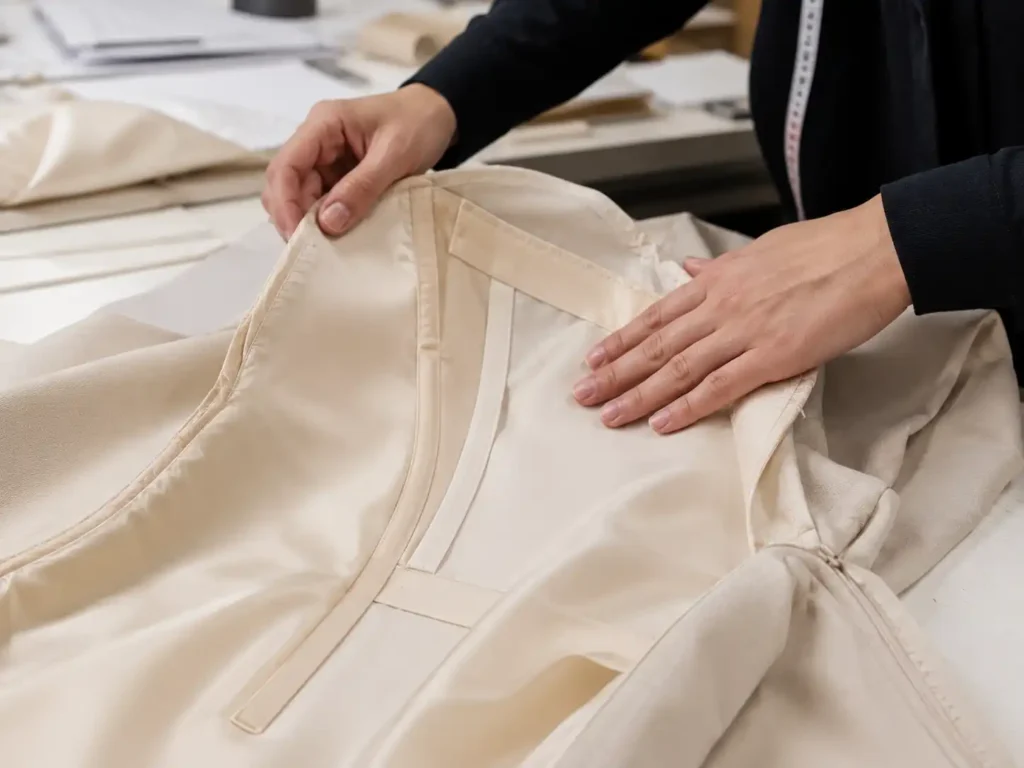
Internal Support

Closures and Openings

Lining Systems
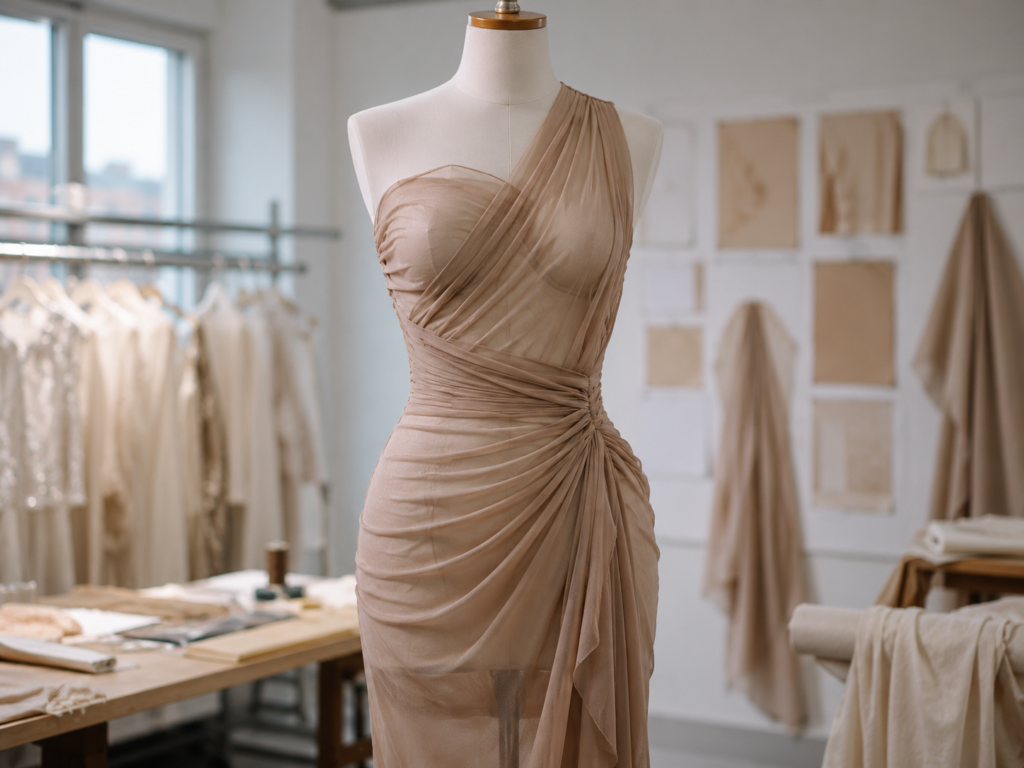
Ruching and Draping
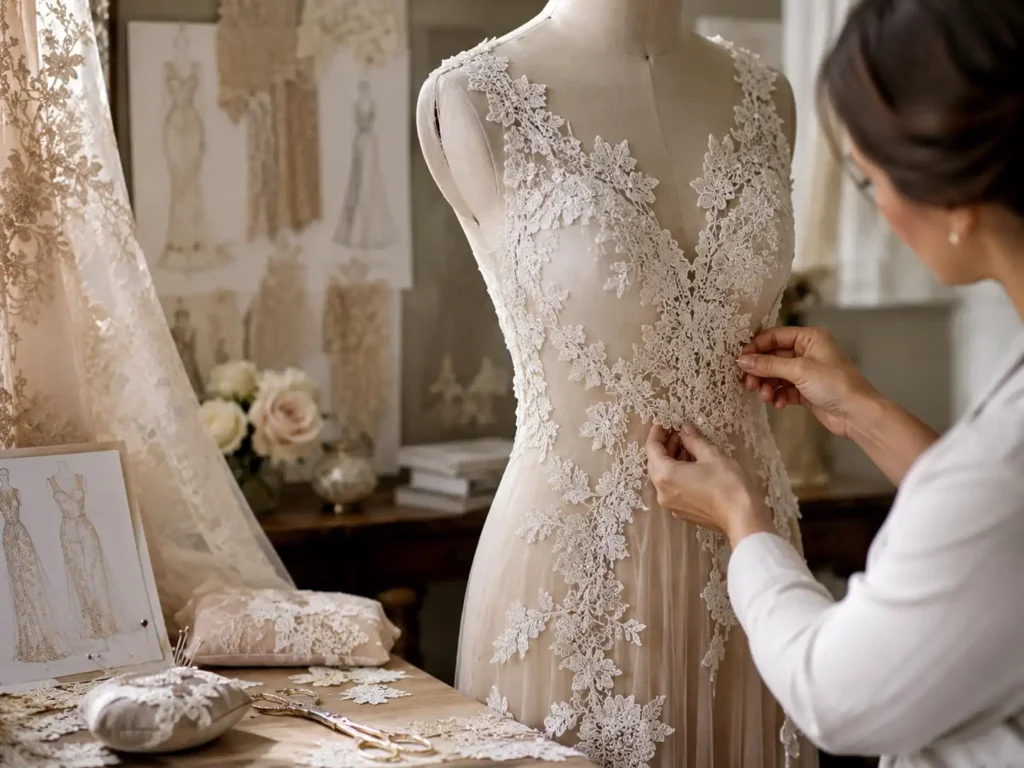
Lace and Embellishment

Pressing and Finishing
Sampling Timelines by Dress Complexity
Sample timing is confirmed after reviewing pattern difficulty, material availability, custom trims and feedback speed. The ranges below are planning references, not fixed promises for every style.
| Sample Stage | Typical Planning Range | Main Conditions |
|---|---|---|
| Simple first sample | 7-10 days | Available fabric, basic construction, complete specifications |
| Standard dress first sample | 10-15 days | Common woven or knit fabric, normal trims, clear fit direction |
| Medium-complex dress, set or jumpsuit | 12-18 days | Multiple panels, lining, fit work or coordinated components |
| Corset, strapless, lace, mesh or sequin style | 15-25 days | Structural support, placement work, layered construction or specialty finishing |
| Custom fabric or special trim sample | 20-35 days or supplier schedule | Dyeing, printing, custom hardware, specialty lace or imported material |
| Revised sample | Usually 7-15 days | Scope of pattern, material, trim and construction changes |
| PP sample | Usually 7-15 days | Final bulk materials, labels and production requirements available |
Different Samples Serve Different Decisions
Photo-Ready Sample
PP Sample
Golden Sample
From Approved Sample to Controlled Bulk
Final Pattern
Size Chart
Fabric Approval
Trim Card
Sewing Instruction
QC Checklist
Packing Instruction
Production Handover
Production Allocation by Product and Material
Manufacturing capacity has value only when each style reaches the right production unit. Jinfeng Apparel allocates orders by fabric behavior, silhouette, construction difficulty, volume and required timing.
Woven Dress Production
Woven dress lines handle satin, chiffon, crepe, rayon, viscose, linen blends, cotton blends, suiting, denim and printed fabrics. Production planning considers grain direction, fabric slippage, lining, zipper insertion, seam puckering, print direction and hem balance.
Line preparation:
- Review the approved sample, pattern and sewing instruction.
- Confirm fabric relaxation, shade separation and cutting direction.
- Identify critical operations such as invisible zippers, bias panels, cowl drapes or narrow hems.
- Establish in-line checkpoints before output increases.
Bulk control:
- Waist level, dress length, lining length and zipper flatness are checked during sewing.
- Long hems and bias sections are allowed to settle where required.
- Satin and delicate woven garments receive suitable pressing and packing protection.
Knit and Stretch Production
Knit and stretch lines handle bodycon dresses, jersey dresses, ponte styles, bodysuits, fitted jumpsuits and coordinated sets. Fabric recovery, stretch direction and dimensional stability guide the method.
Line preparation:
- Confirm fabric lot, stretch behavior and approved sample measurements.
- Select suitable seam and stabilization methods for neckline, armhole and hem.
- Review negative ease, length behavior and side-seam balance.
- Set critical measurement checkpoints after sewing and finishing.
Bulk control:
- Finished garments are checked for twisting, rippling, neckline growth and hem movement.
- Fabric is relaxed before measurement where required.
- Stretch lining, elastic and power mesh are matched to the outer fabric.
Complex Occasion Production
Corset, strapless, lace, mesh, sequin, layered and embellished styles require experienced operators and more detailed production control. Construction sequence matters because support, surface material and lining must be assembled without damaging the appearance.
Line preparation:
- Review boning, cup position, lace placement, sequin clearing, layer order and closure access.
- Approve operator samples for critical steps before volume production.
- Define acceptable placement variation and handwork references.
- Reserve enough QC and finishing time for delicate garments.
Bulk control:
- Support components, embellishment strength, skin comfort and symmetry are checked.
- Delicate surfaces are protected through pressing, handling and packing.
- Complex styles are scheduled early rather than forced into an unrealistic rush window.
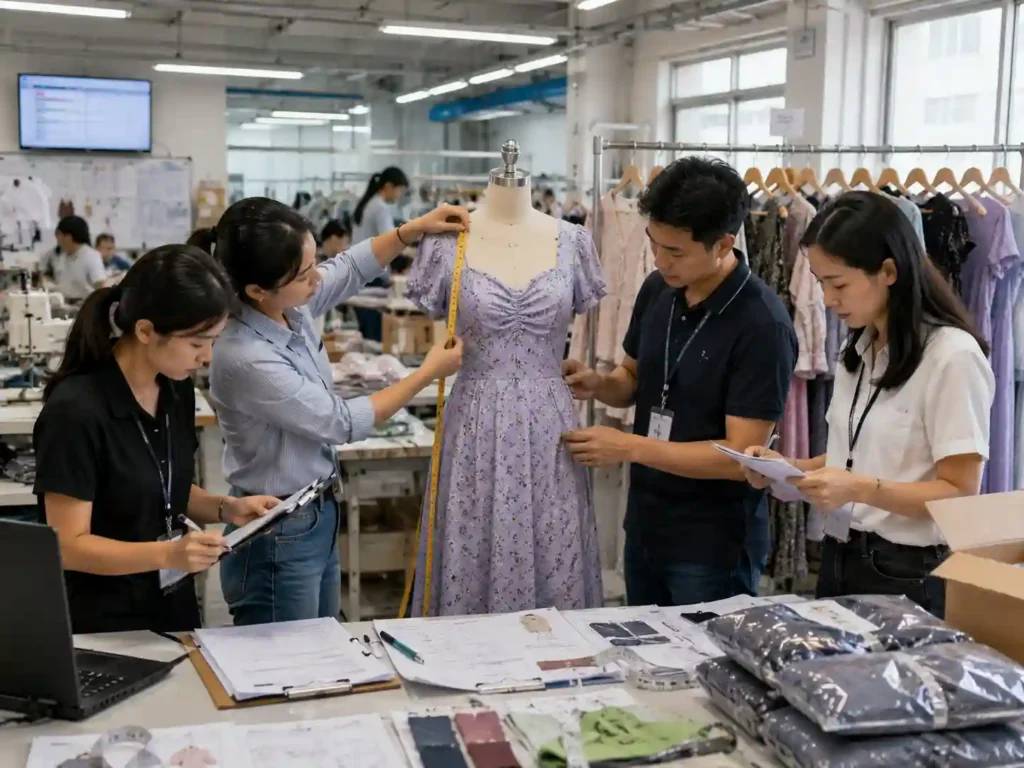
Multi-Style Orders Need Style-Level Control
Style and Version Control
Color and Material Control
Size and Quantity Control
Milestone and Exception Control
Quality Control Across the Dress Lifecycle
Incoming Material QC
Cutting QC
Sewing and In-Line QC
Finished Garment QC
Pressing and Packing QC
AQL and Inspection Support
Product-Specific Quality Risk Matrix
Different dress types fail in different ways. Inspection plans should follow the product rather than use one checklist for every SKU.
| Product Type | Common Risk | Main Control Points | Bulk Review Focus |
|---|---|---|---|
| Mini dress | Exposure, hem variation, riding up | Dress length, lining coverage, hip fit, slit height | Size consistency and movement coverage |
| Maxi dress | Uneven hem, dragging, lining exposure | Front/back length, bias settling, hem sweep, lining length | Hanging balance and final pressing |
| Bodycon dress | Over-tight fit, seam twisting, neckline growth | Stretch recovery, bust/waist/hip, side seams, hem rise | Measurement after relaxation and wash-related change where required |
| Corset dress | Cup mismatch, weak support, discomfort | Cup position, under-bust, boning, padding, closure | Symmetry, movement and internal finishing |
| Satin dress | Puckering, shade shift, pressing marks | Grain, needle choice, zipper, seam tension, dye lot | Surface appearance under light and packing protection |
| Lace dress | Motif mismatch, tearing, rough edges | Placement, seam allowance, lining, edge finish | Repeat placement and damage checks |
| Mesh dress | Excess transparency, stretching, weak seams | Coverage map, power mesh, lining, seam reinforcement | Opacity, recovery and comfort |
| Sequin dress | Missing sequins, scratchy seams, shedding | Sequin direction, seam clearing, lining, attachment | Surface consistency and skin-contact protection |
| Jumpsuit | Short torso, tight rise, difficult dressing | Torso length, crotch depth, opening, waist/hip balance | Sitting, walking and closure function |
| Matching set | Color mismatch, wrong size pairing | Dye lot, top/bottom ratio, SKU pairing, packing | Set completeness and barcode accuracy |
Private-Label Packing for Ecommerce Operations

Brand Labels

Hangtags and Branding
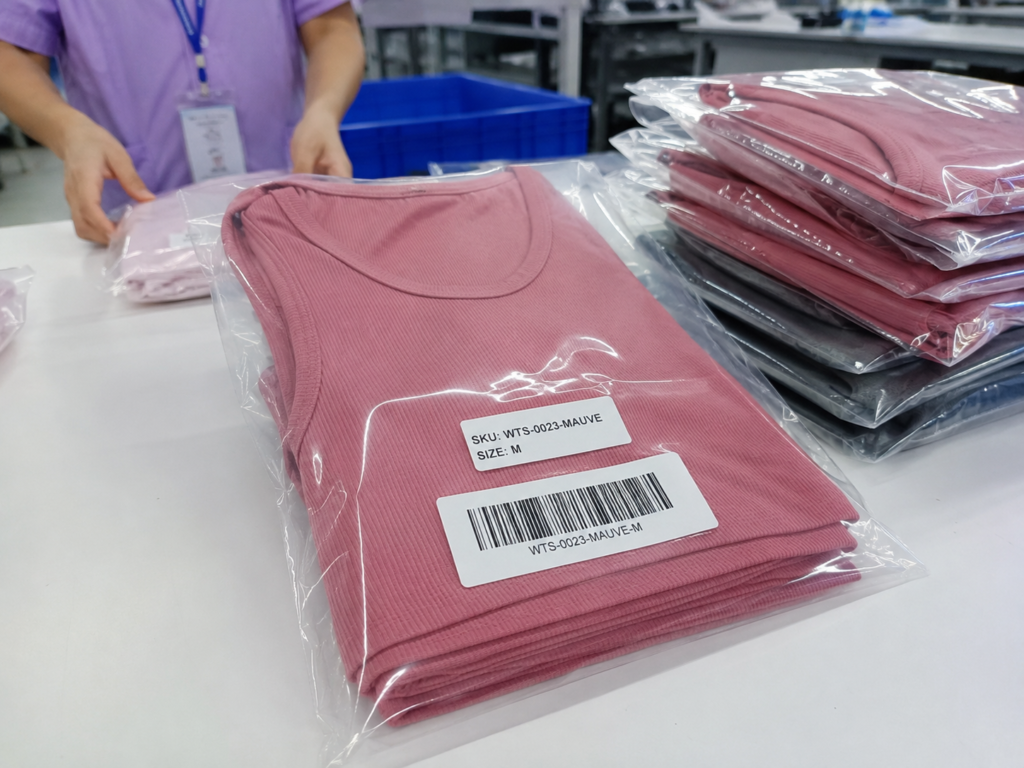
Barcode and SKU Control
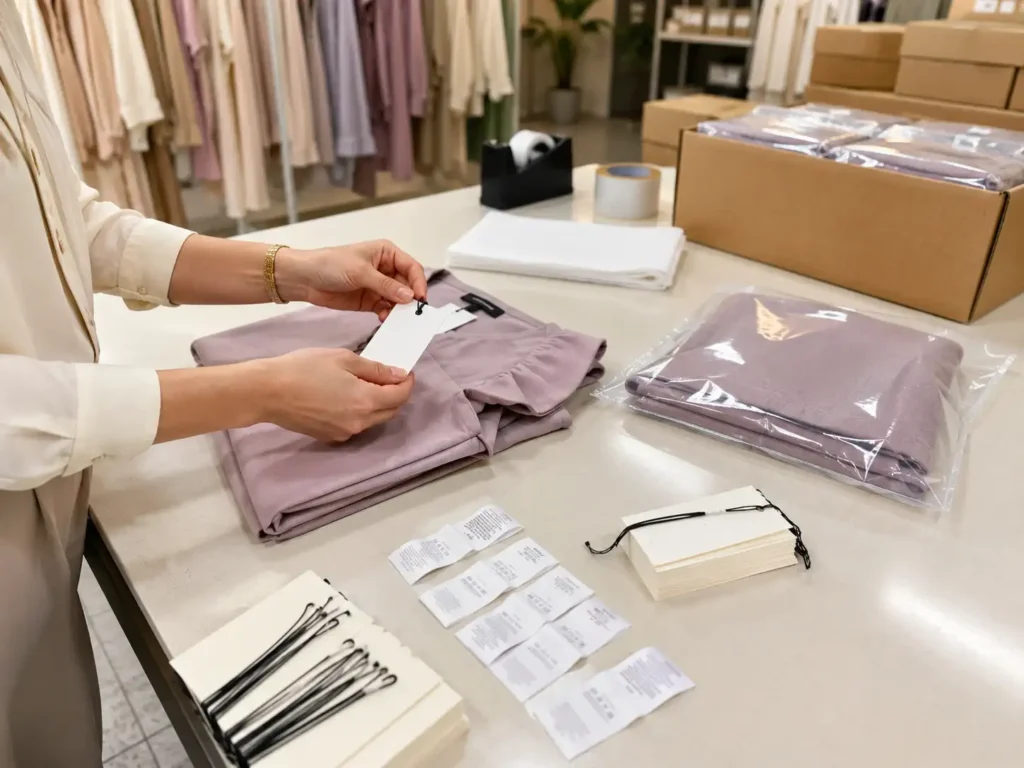
Individual Garment Packing
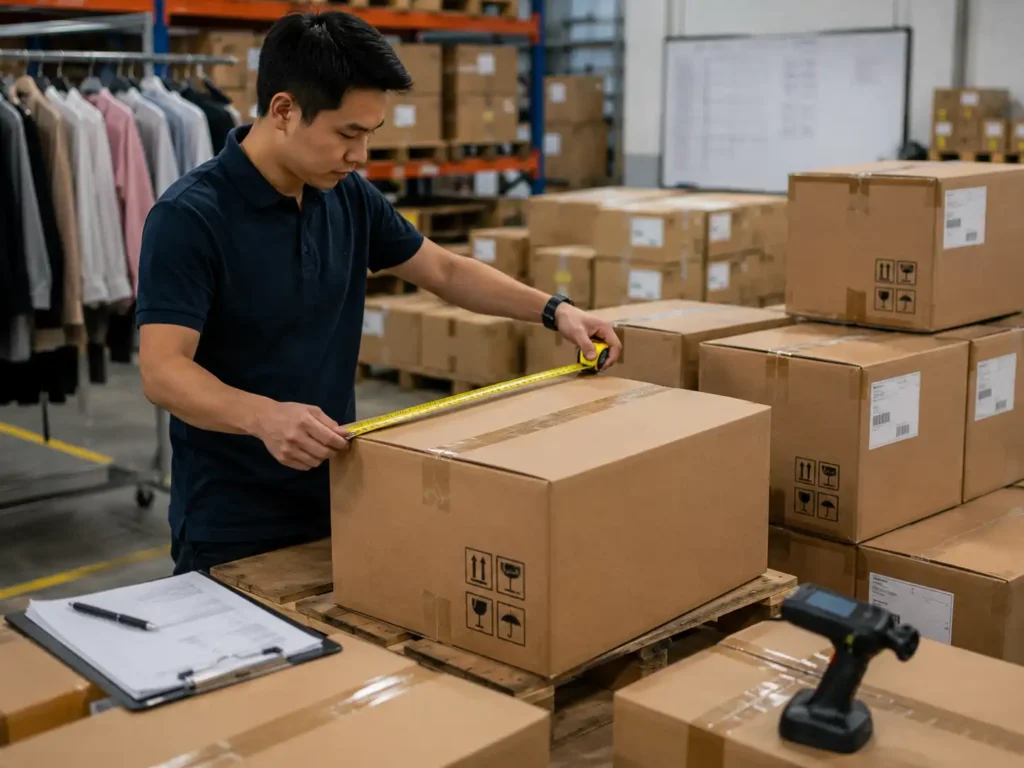
Carton and Ratio Packing

Warehouse-Ready Documents
Launch Calendar and Split-Shipment Planning
Plan Backward from Launch
Prioritize Commercial SKUs
Hero styles, proven colors or high-forecast sizes may be scheduled earlier when material and construction allow. A delayed specialty style does not need to block the entire collection. Style-level milestones make partial readiness visible and support informed release decisions.
Combine Air and Sea Freight
Repeat Orders Without Rebuilding Every Detail
Pattern and Measurement Records
Material and Color Records
Workmanship and Packing Records
Sales-Led Replenishment
Brand Protection and Compliance Coordination
NDA and Design Protection
Factory and Material Documents
Third-Party Inspection Support
Cost Engineering Without Weakening Brand Appearance
Material and Consumption Choices
Construction and Workmanship Choices
Quantity and Assortment Choices
Packing and Delivery Choices
Representative Mature DTC Collection Program
An anonymized program model below reflects the scale and complexity commonly seen in established fashion-label orders. Commercial figures are presented without brand identity, proprietary designs or confidential pricing.
Collection Scope and Commercial Plan
The program covered 24 dress styles across party, occasion, bodycon, satin, mesh and corset categories. Total planned volume reached 52,800 pieces, positioned between campaign-driving hero styles and repeatable commercial silhouettes.
Program structure:
- 24 styles across 6 product families
- 13 colors, including shared collection colors
- XS-XL core range with selected extended sizes
- 5 main fabric families plus lining and specialty trims
- 18 core styles planned for main launch
- 6 complex styles scheduled with longer development windows
The merchandising team divided the launch into campaign, core-volume and replenishment priorities. Shared satin, mesh and lining standards reduced material fragmentation without forcing unrelated styles into the same construction.
Development and Risk Resolution
The sample team created separate development records for each style. Standard woven dresses moved through first-sample and fit review, while corset, lace and sequin styles received additional structure and placement checks.
Key corrections included:
- Raising underarm coverage on two corset minis
- Adjusting cup position and boning length on three structured styles
- Reducing negative ease on four bodycon dresses
- Rebalancing front and back hems on two bias maxi dresses
- Changing lining stretch on three mesh styles
- Replacing one specialty trim with a more stable alternative
Photo-ready samples were completed for campaign use, while PP samples were approved separately with final materials, labels and packing requirements. Approved comments were transferred into patterns, size charts, BOMs, sewing instructions and QC checklists.
Bulk, Packing and Delivery Control
Production was allocated by fabric and construction rather than by one combined order list. Woven satin and chiffon styles, stretch bodycon styles and complex corset or embellished styles entered suitable production units with separate milestone tracking.
Bulk controls included:
- Style-level production orders and sample-version checks
- Dye-lot and lining-color confirmation
- In-line measurement and workmanship review
- Product-specific final inspection points
- Individual garment barcodes and SKU labels
- Carton ratios by style, color and size
- Two planned shipping waves based on launch priority
Six stronger styles generated a later replenishment plan totaling 21,600 pieces. Reorder preparation used retained patterns, material references, trim cards and packing records, while new fabric batches were approved before cutting.
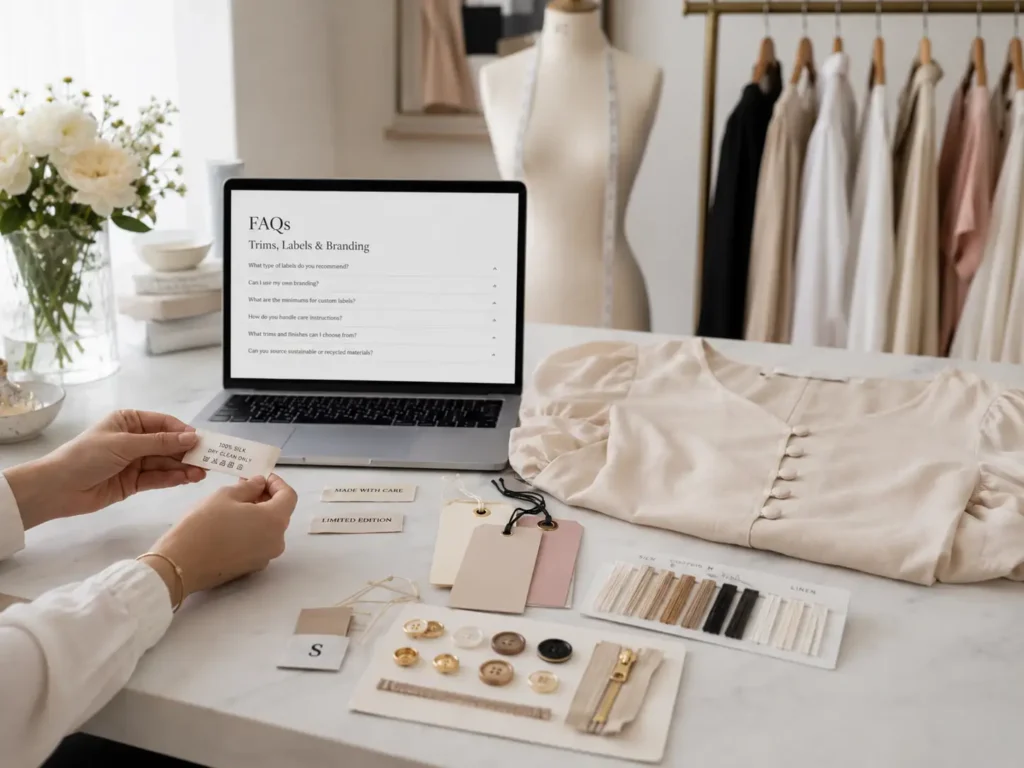
Frequently Asked Questions for DTC Dress Production
Start Your Next Dress Collection
Send Kelly a line sheet, tech pack, reference garment or image set for a structured project review. Include the planned quantity by style and color, target size range, preferred fabrics, key trims, private-label requirements, campaign or delivery date, destination country and any quality or compliance manual. Jinfeng Apparel will review product structure, material direction, pattern and fit risk, sample route, MOQ compatibility, production allocation, packing requirements and delivery priorities before confirming the next step.
For a 10-30 style program, a simple style matrix is especially useful. List the style number, category, color, quantity, size range, material, sample priority and launch priority. The information allows the development, merchandising and production teams to identify shared materials, complex constructions, early campaign samples and styles requiring longer preparation.


