Dress Manufacturer for Margin-Conscious Fashion Brands

Control manufacturing cost without weakening fit, visual impact, fabric character, or repeatable bulk quality.

Jinfeng Apparel supports established fashion brands with target-cost review, fabric and trim alternatives, pattern development, sampling, bulk production, quality control, private-label packing, and export delivery. Each proposal is reviewed against product structure, order mix, launch timing, and the brand-level appearance expected at retail.

  • MOQ starts from 200 pieces per style and color for structured custom production.
  • 6 owned women’s fashion factories and 10+ long-term production partners support multi-style programs.
  • 2 sample rooms, 7+ senior pattern makers, and 20+ sample machinists support development and PP approval.
  • 100,000+ pieces of regular monthly womenswear capacity across mixed programs, subject to style complexity, material readiness, and current loading.

Margin Control Starts With a Capable Production System

A credible cost plan needs more than a low opening quote. Development depth, production scale, quality checkpoints, and repeat-order records determine whether an approved price can move into stable production without late additions or avoidable rework.

Since 2008

Long-term womenswear manufacturing experience supports clearer judgment on fabric behavior, pattern risk, trim feasibility, and bulk execution. Cost review begins with product reality rather than a promotional unit price.

6 Owned Factories

Owned production capacity allows product-to-factory matching across woven dresses, stretch styles, partywear, jumpsuits, sets, and related women’s fashion. Complex products are allocated according to skill, construction, fabric, and schedule.

100,000+ PCS Monthly

Regular monthly capacity reflects a mixed womenswear program rather than a universal promise for every style. Order-specific output is reviewed by sewing minutes, materials, quality requirements, packing, and delivery window.

2 Sample Rooms

Dedicated sample rooms handle first samples, fit samples, revised samples, photo-ready samples, salesman samples, PP samples, and golden-sample records before bulk production begins.

7+ Pattern Makers

Senior pattern makers evaluate bust, waist, hip, neckline, armhole, strap, length, slit, lining, stretch, and balance. Pattern correction reduces fit-related rework and protects the approved silhouette.

15+ QC Inspectors

Quality control covers incoming materials, cutting, sewing, inline review, finished garments, pressing, packing, and final inspection. The goal is early detection before a small deviation spreads through a large run.

Built for Teams Managing Product, Cost, and Delivery

The manufacturing model is designed for established fashion organizations managing seasonal assortments, margin targets, quality standards, launch dates, and repeat orders across several styles rather than isolated garment production.

Merchandising and Sourcing Teams

Merchandising and sourcing teams often work backward from retail price, channel margin, promotional allowance, freight, duty, and target landed cost. Jinfeng Apparel reviews style mix, quantity by color, fabric platform, trim standardization, order timing, and production allocation so manufacturing decisions support the commercial plan. A strong program may include high-visual hero dresses, reliable volume styles, controlled color depth, and replenishment-ready patterns rather than treating every design as an unrelated purchase.

Development and Operations Teams

Product development and operations teams need clear technical decisions before production. Reference images, tech packs, original samples, line sheets, size charts, target fabrics, packaging instructions, and delivery milestones are reviewed as one connected brief. Pattern balance, material behavior, fit feedback, sample revisions, PP approval, bulk allocation, inspection, packing, and shipment readiness are tracked so commercial choices remain visible through execution.

Where Dress Margins Are Commonly Lost

Margin pressure often appears after the opening quotation. Hidden material minimums, over-engineered construction, fragmented order plans, weak sample control, and inconsistent bulk execution can cost more than a transparent quote built on accurate assumptions.

Opaque Cost Conditions

A unit price has little value when fabric grade, lining, trims, testing, packaging, inspection, freight terms, and quotation validity remain unclear. Late additions may change the commercial model after development has already consumed time. A reliable quotation states what is included, what remains provisional, and which decisions can change price or lead time.

Over-Engineered Styling

Extra layers, excessive ruching, unnecessary panels, difficult handwork, specialized trim, and complex internal support can raise sewing minutes and quality risk without improving the main retail-facing detail. Cost engineering should identify the feature creating visual value and simplify hidden complexity only after fit, drape, comfort, and appearance are reviewed.

Bulk Execution Losses

Sample-to-bulk differences, shade variation, measurement drift, uneven pressing, incorrect labels, mixed SKU packing, rework, and missed shipment windows consume margin through returns, discounting, replacement freight, and delayed sales. Strong production control treats quality and delivery as cost factors rather than separate factory topics.

What Really Determines Dress Manufacturing Cost?

Dress cost is built from connected decisions. Fabric, construction, trims, quantity, color, size, quality, packing, and timing must be reviewed together because a change in one area can alter consumption, sewing minutes, supplier minimums, inspection, and delivery.

Cost FactorHow It Affects CostInformation NeededControl Direction
FabricWeight, width, consumption, finish, stock status, dyeing, printing, certification, shrinkage, shade risk, and cutting loss.Composition, hand feel, weight or swatch, color standard, performance needs.Stock or shared fabrics, approved alternatives, width and marker review, early color approval.
LiningFull lining, partial lining, double layers, opacity, comfort, and color matching add material and sewing operations.Transparency target, skin contact, coverage areas, color, and stretch.Partial coverage, compatible weight, shared lining colors, fit recheck after change.
ConstructionCorsetry, ruching, draping, pleats, cut-outs, layered hems, shaped cups, and difficult seams increase sewing time and revision risk.Tech pack, original sample, inside photos, construction callouts, fit priority.Preserve selling details, simplify hidden structure, standardize methods where safe.
TrimsZippers, cups, boning, underwire, hooks, sliders, rhinestones, lace trims, labels, and packaging may carry separate minimums.Trim card, quality grade, color, size, comfort, branding, and approval standard.Use stable specifications, standardize across styles, confirm supplier lead time early.
Order MixSmall quantities per color, many SKUs, irregular size ratios, and separate destinations increase handling and allocation complexity.Quantity by style, color, size, market, and shipment batch.Consolidate core colors, use evidence-based size ratios, group fabrics and trims.
Quality StandardMeasurement tolerance, testing, inspection level, approved samples, packaging checks, and retail compliance affect control time.Quality manual, AQL requirement, test list, measurement spec, defect rules.Agree checkpoints before sampling, identify product-specific risk, reserve inspection time.
PackingLabels, hangtags, barcodes, inserts, polybags, boxes, ratio packing, carton marks, and warehouse labels add material and handling.Artwork, SKU table, packing method, warehouse guide, carton requirements.Standardize materials, lock artwork early, verify barcode and packing files before bulk.
Lead TimeRush material sourcing, line changes, air freight, split delivery, and late revisions can raise cost or create lost-time risk.Launch date, warehouse date, transport plan, approval calendar.Plan backward from launch, freeze production details, separate sample, bulk, and shipping time.

Cost Control Across High-Impact Dress Categories

Different dress categories create different cost and quality risks. Accurate planning depends on fabric behavior, internal structure, fit sensitivity, finishing, packaging, and the ability to repeat an approved result across colors and sizes.

Satin and Slip Dresses

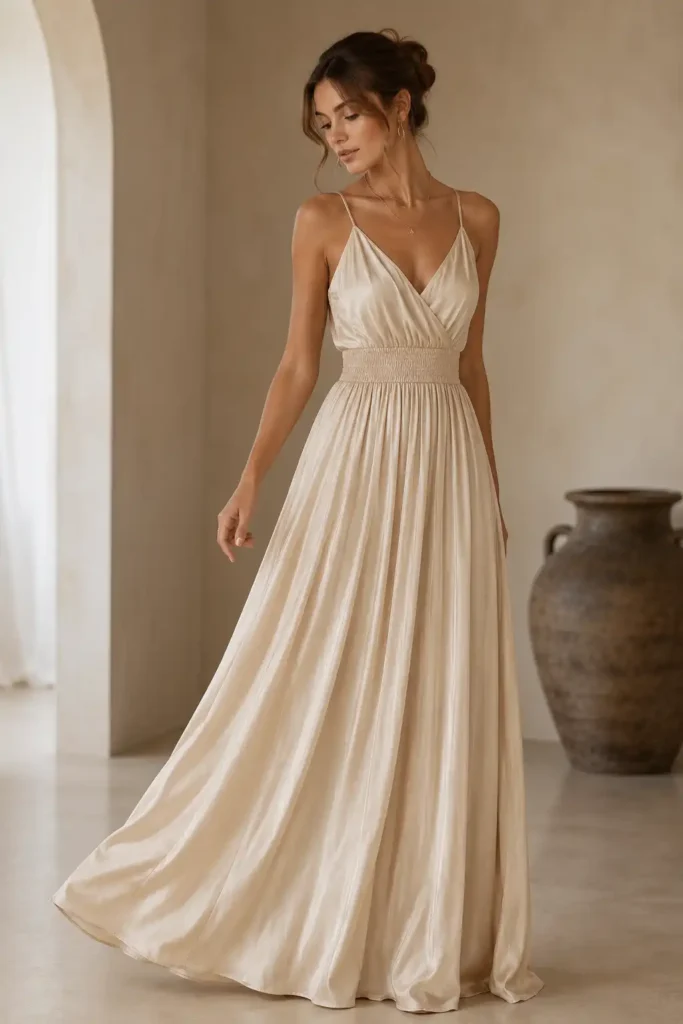
Satin cost is influenced by weight, width, surface quality, shine, snag resistance, color consistency, bias cutting, lining, seam construction, pressing, and protective packing. A lower-cost satin can look acceptable in a swatch yet fail after cutting or photography. Jinfeng Apparel compares drape, opacity, reflection, seam puckering, recovery, and shade behavior before proposing an alternative. Cost control may come from a shared satin base across several styles, fewer custom colors, optimized markers, or a lining adjustment rather than choosing the lightest fabric available.

Mesh and Lace Dresses

Mesh and lace programs require decisions on transparency, stretch direction, lining coverage, edge treatment, motif placement, seam stability, skin comfort, and cutting loss. Allover lace, engineered placement, scalloped edges, and mixed stretch behavior can create high material waste and sewing risk. More efficient options may include using premium lace only in visible zones, selecting a stable stock lace, matching lining across styles, or simplifying hidden joins. Swatch and fit approval remain essential because a similar-looking replacement can change stretch, recovery, coverage, and pattern balance.

Sequin and Embellished Dresses

Sequin direction, base fabric, cutting clearance, needle breakage, seam bulk, skin protection, pressing limitations, loose embellishment, and individual packing all affect cost. Full-surface sequin can be visually powerful but difficult to reproduce consistently at scale. Margin control may come from concentrating embellishment on the front body or focal panels, selecting a more stable sequin base, reducing manual attachment, or redesigning seam placement. QC must check missing sequins, sharp edges, scratching, color direction, lining protection, and packing methods that prevent abrasion during transport.

Corset and Bodycon Dresses

Corset and bodycon styles depend on bust, waist, hip, stretch, recovery, cup shape, boning, underwire, anti-slip tape, zipper stability, and graded fit. Standardizing internal support across a collection can reduce development complexity without weakening the silhouette. Special bra cups often require about 5-15 working days, while underwire selection or development may require 7-15 working days depending on specification and supplier readiness. Every substitution must be checked for support, symmetry, comfort, neckline security, washing behavior, and fit across the planned size range.

Resort and Printed Dresses

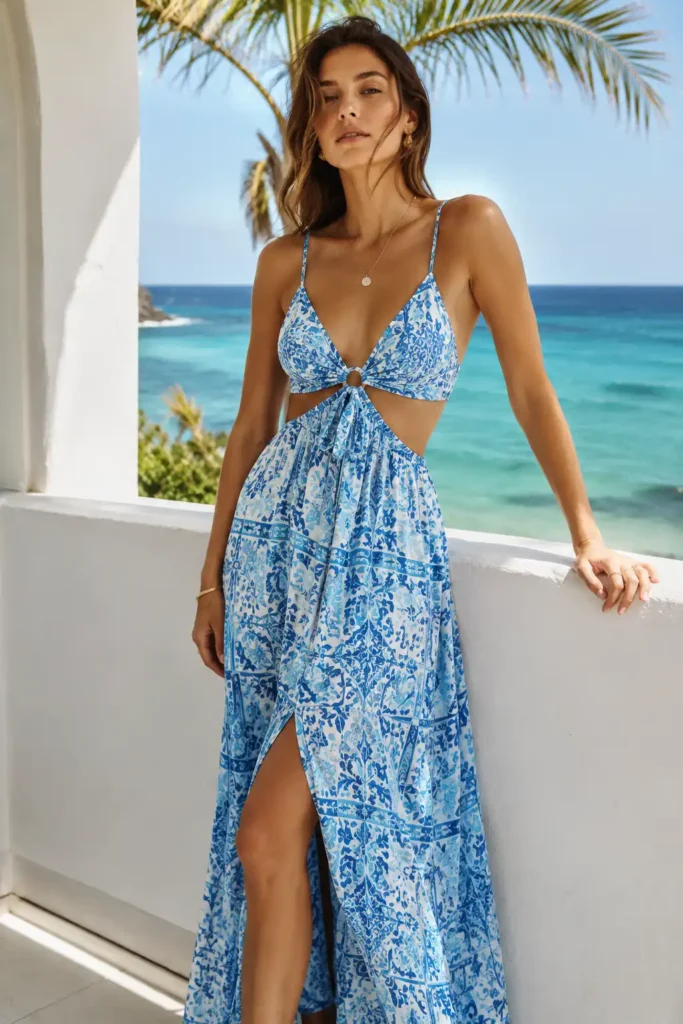
Resort programs often combine wide hems, gathered skirts, placement prints, border prints, lightweight fabrics, partial lining, and travel-friendly packing. Fabric consumption can dominate cost, especially when the style uses large panels or directional artwork. Jinfeng Apparel reviews print repeat, fabric width, marker direction, skirt volume, opacity, wrinkle behavior, and packing volume. Cost improvements may come from shared print bases, adjusted panel placement, reduced unused sweep, controlled lining zones, or consolidating colorways around commercially stronger options.

Jumpsuits and Matching Sets

Jumpsuits and coordinated sets add fit and packing variables beyond a single dress. Crotch length, rise, torso balance, waist position, movement allowance, top-to-bottom shade, paired size logic, and set packing must remain consistent. Matching sets can also fragment inventory when separate-size combinations are offered without a clear plan. Cost control begins with agreed pairing rules, shared fabrics and trims, stable color batches, efficient size ratios, and clear SKU packing. Samples should test standing, sitting, walking, reaching, zipper operation, and alignment between the upper and lower pieces.

How Jinfeng Reviews a Target Cost

A target cost is treated as a commercial boundary, not an instruction to remove quality blindly. The review compares the intended appearance, product structure, quantities, materials, quality level, packing, and delivery plan before a feasible route is proposed.

Inputs for a Useful Review

  • Reference image, tech pack, original sample, sketch, or line sheet.
  • Target quantity by style and color, plus planned size range and ratio.
  • Target fabric, lining, trims, finish, color, and quality direction.
  • Target FOB or manufacturing cost range and the required trade term.
  • Private-label, barcode, packaging, inspection, and testing requirements.
  • Launch date, warehouse date, destination, and preferred shipment route.

Technical and Commercial Assessment

The team evaluates probable fabric consumption, supplier minimums, marker efficiency, sewing operations, pattern difficulty, fit sensitivity, trim development, quality checkpoints, packing labor, production loading, and schedule risk.

A reference image can support an initial range, but a final bulk quote requires enough information to define the product and order conditions.

Three Clear Outcomes

  • Feasible as specified – the target is compatible with the selected materials, construction, quantity, quality, and timing.
  • Feasible with reviewed alternatives – the target may be reached after approved changes to fabric, lining, trim, construction, color plan, size ratio, packing, or shipment structure.
  • Not feasible under the current brief – the gap is explained before sampling or bulk commitments create further cost.

Fabric Alternatives Without Cheapening the Product

Fabric substitution works only when appearance, drape, stretch, opacity, comfort, durability, color, MOQ, and bulk availability are reviewed together. Similar fabrics are not identical, so every proposal requires swatch and sample approval.
Satin Direction by Product Tier

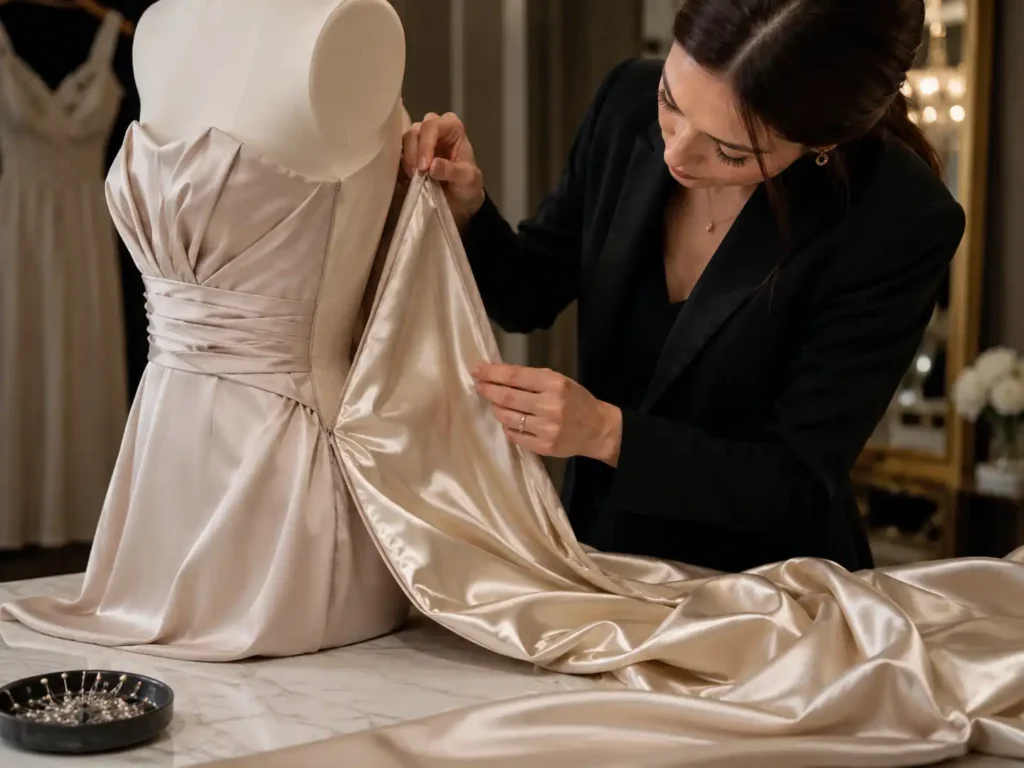
Satin should be selected according to the intended retail presentation, not by price per meter alone. The review compares weight, shine, face quality, snag resistance, drape, opacity, stretch, seam response, pressing, and color behavior. A premium polyester satin may support a silk-like visual direction more reliably than a lightweight option that puckers, marks, or requires heavier lining. Collection planning can also reduce cost by using one approved satin platform across multiple silhouettes and differentiating the range through color, cut, drape, and trim.

Lace and Mesh Availability

Custom lace, engineered motifs, rare colors, and unusual mesh structures can bring high supplier minimums or extended development time. Alternatives may include stock lace, a close motif family, shared base colors, premium lace only in visible areas, or a stable power mesh paired with selected lining. Every option must be checked for stretch direction, recovery, skin feel, edge finish, transparency, color matching, cutting loss, and bulk continuity. A swatch approval without garment testing is not enough for fit-sensitive products.
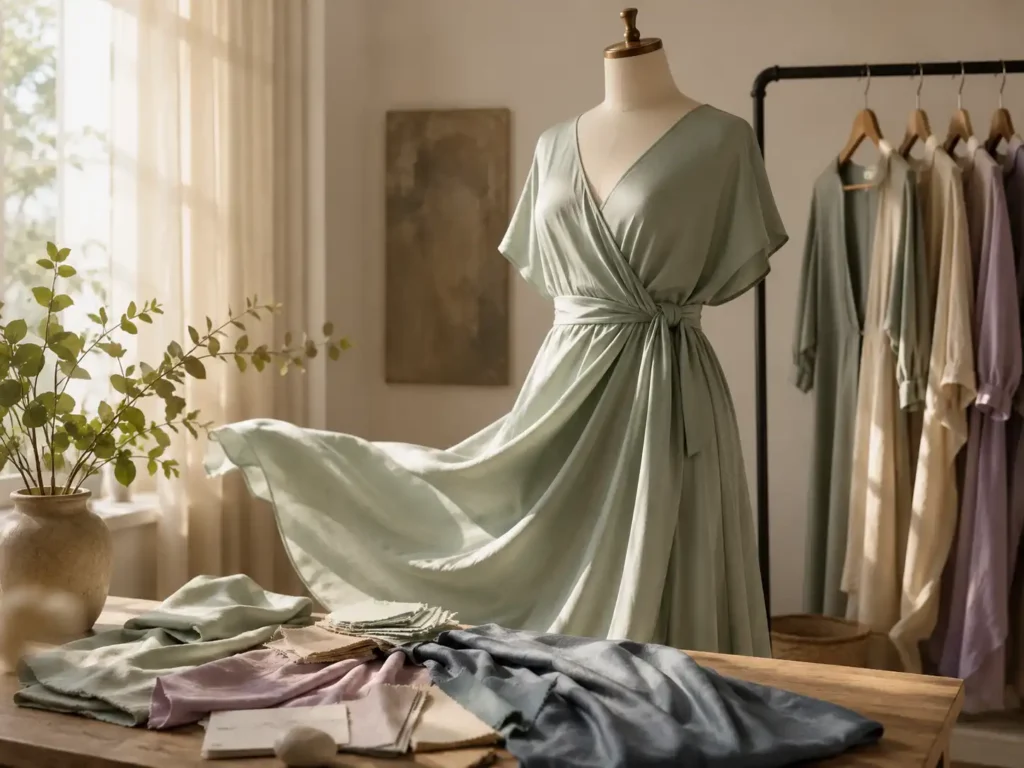
Wrinkle, Drape, and Care

A lower fabric cost can be offset by pressing difficulty, high wrinkle recovery time, unstable shrinkage, excessive returns, or poor appearance after packing. Crepe, rayon, viscose, linen blends, chiffon, jersey, and polyester blends each respond differently to handling and transport. Jinfeng Apparel reviews the product occasion, care expectation, travel use, lining, seam construction, and packing. A more stable blend may provide better commercial performance when the visual and hand-feel direction remains acceptable.

Shared Fabric Planning

Collections with 10-30 styles often gain more from shared material planning than from negotiating each style independently. A fabric platform can support several silhouettes, reduce fragmented purchase quantities, simplify shade control, and improve reorder continuity. The plan may group styles by woven satin, stretch bodycon, lightweight resort fabric, mesh, lace, or structured crepe. Design identity is preserved through pattern, color, print, trim, and styling while the supply base becomes easier to manage.

Construction and Trim Value Engineering

Construction engineering should protect the silhouette and retail-facing detail while reducing hidden operations, unstable methods, unnecessary material layers, and trim variation. Every change is reviewed against fit, comfort, durability, appearance, and repeatability.

Protect the Hero Detail

The first decision is identifying the feature carrying the product: a sculpted corset line, exposed back, draped neckline, gathered waist, high slit, dramatic skirt, lace placement, or embellished focal area. Cost reduction should not flatten the feature the shopper notices first. The team separates visible value from hidden complexity and reviews which seams, layers, internal support, or finishing methods can be revised without weakening the main concept.

Simplify Hidden Layers

Full lining, double self-fabric, multiple ruffle layers, excess ruching, and complicated internal panels can raise consumption and sewing minutes. Alternatives may include partial lining, cleaner facing, controlled ruching volume, fewer hidden panels, or a more stable internal support method. Changes affecting transparency, comfort, drape, stretch, or fit require a new sample review. A lower operation count is useful only when the garment still performs correctly on the body.

Standardize Critical Trims

Invisible zippers, strap sliders, hooks, elastic, bra cups, boning, underwire, anti-slip tape, labels, hangtags, and packaging can be standardized across a collection where design permits. Standardization improves purchasing visibility, color consistency, inspection, and reorder availability. The selected quality grade must still match the product tier. Zipper smoothness, cup symmetry, boning comfort, strap security, trim color, label placement, and packing durability remain part of sample and bulk approval.

Optimize Cutting and Placement

Directional shine, print repeat, border artwork, lace motifs, velvet nap, sequin direction, bias cutting, and large skirt panels can increase cutting loss. Marker planning reviews grain, orientation, size ratio, seam position, print matching, and acceptable placement variation. A small pattern or artwork adjustment may improve yield without changing the visible design. Such decisions must be made before fabric is purchased or the apparent saving can arrive too late to influence cost.

Reconfirm Fit After Changes

Fabric, lining, cup, boning, elastic, zipper, seam, and construction changes can alter fit even when the outer silhouette appears unchanged. Bust, waist, hip, strap length, neckline depth, armhole, dress length, slit height, hem balance, and movement must be rechecked. Revised measurements and sewing instructions should transfer into the PP sample and production file rather than remaining only in email or chat comments.
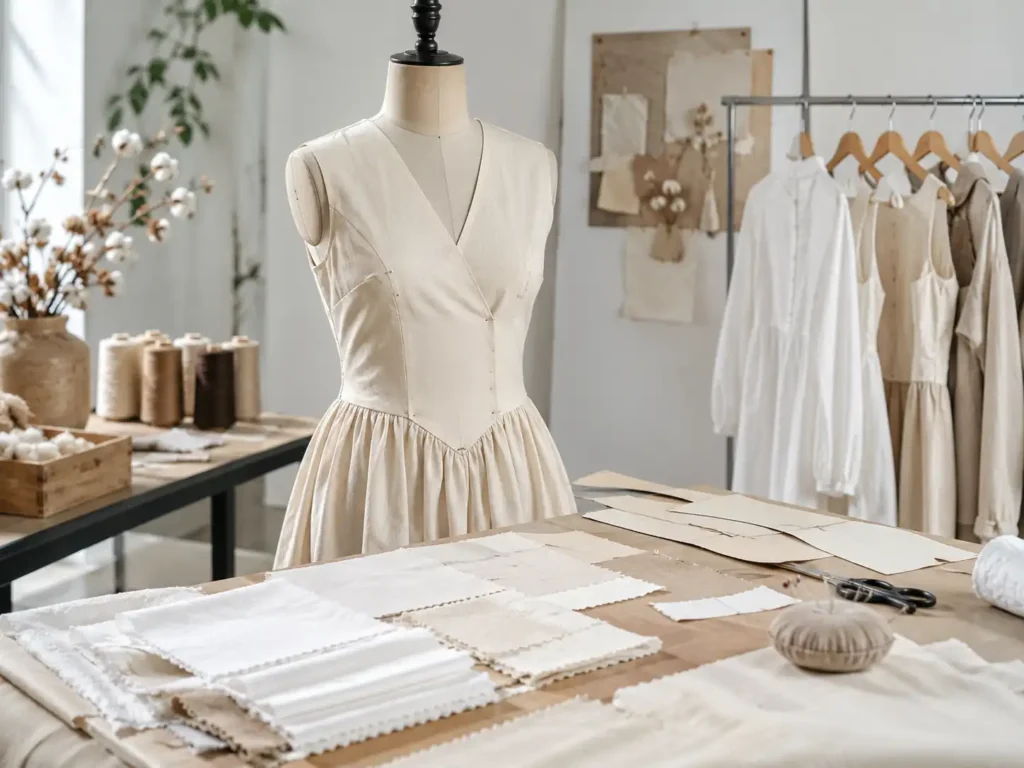
Plan MOQ, Colors, and Sizes Around Margin

Order architecture affects material purchasing, cutting, sewing, SKU handling, packing, freight, and inventory risk. A strong assortment uses quantity deliberately across core colors, size demand, hero styles, and replenishment potential.

MOQ by Style and Color

Standard MOQ starts from 200 pieces per style and color. MOQ is calculated by style and color, not by combining unrelated styles. Special fabrics, dyeing, weaving, prints, trims, certified materials, or custom packing may have separate supplier minimums. Clear quantities allow material and unit-cost review to begin accurately.

Core Colors First

Each color adds fabric approval, shade control, cutting separation, labels, SKU records, packing, QC, and carton allocation. A disciplined launch often gives deeper quantities to the commercially strongest colors and adds secondary colors after demand becomes visible. The right plan depends on channel, season, historical performance, and replenishment strategy.

Evidence-Based Size Ratio

A size range such as XS-XL can be divided within the style-color quantity using an agreed ratio. An illustrative ratio might be XS 10%, S 25%, M 30%, L 25%, and XL 10%, but actual allocation should follow sales and return data. Fit-sensitive styles may need a different curve from relaxed resort dresses.

Shared Collection Materials

Several styles can use one fabric platform, lining family, zipper grade, label set, or packaging standard. Shared planning reduces fragmented purchasing and makes shade, inspection, and replenishment easier. Design variety can still come from silhouette, print, color, trim placement, drape, and finishing.

Hero and Support Styles

A collection does not need equal volume for every design. Hero styles may receive deeper inventory, stronger sample priority, and earlier material booking, while supporting styles complete the range with controlled quantities. The structure helps align development resources with commercial importance and reduces delays caused by treating every style identically.

Split Delivery Planning

For a large launch, key styles, leading colors, or priority sizes may move first while the remaining bulk follows by a more economical route. Split delivery affects freight, cartons, warehouse receiving, SKU allocation, and documents, so it should be planned before packing rather than used as a last-minute response.

What a Transparent Dress Quotation Should Include

A useful quotation defines the product and the commercial assumptions behind the price. Every line should help the brand compare suppliers, understand variables, and identify decisions still open before sampling or bulk production.

Quotation FieldWhat Should Be ClearWhy It Matters
Style and VersionProduct name, style number, sample version, and reference date.Prevents an old construction or comment set from being priced as the current style.
Fabric and LiningComposition, approved quality, color status, lining, width or weight where relevant.Material changes can alter consumption, construction, fit, MOQ, and lead time.
Trims and SupportZippers, cups, boning, underwire, sliders, hooks, decorations, labels, and packaging.Special trims may carry separate development time, minimums, and inspection risk.
Quantity StructurePieces by style and color, size range, ratio, destination, and shipment batch.Unit price depends on how production and materials are divided, not only total pieces.
Sample FeesPattern, material preparation, sample making, review, and shipping terms.Sample fees are separate from bulk unit price and are not automatically refundable.
Bulk Unit PriceThe quantity tier, included materials, quality level, packing, and production terms.A unit price without scope cannot be compared accurately or managed later.
MOQ and Supplier MinimumsGarment MOQ plus separate fabric, color, print, trim, or packing minimums.Identifies whether the planned assortment supports the chosen materials.
Trade TermsEXW, FOB, CIF, or another confirmed arrangement, plus named port or destination.Clarifies which freight, customs, insurance, and handling costs are outside the quote.
Lead-Time BasisStarting conditions, sample status, material readiness, production window, and packing.Prevents counting from inquiry or PO date when approvals remain incomplete.
Quality and TestingInspection method, quality manual, AQL level, testing, third-party inspection, and exclusions.Quality work and compliance can affect cost, timing, and shipment release.
Validity and ExclusionsQuote validity, currency, tax, freight, test, mold, artwork, or special-handling exclusions.Makes later price changes traceable to a changed condition rather than a hidden addition.

Quality Control Is Part of Margin Protection

Quality failures create commercial cost through rework, replacement freight, returns, delayed launches, markdowns, and damaged brand trust. Jinfeng Apparel uses stage-specific checks so issues can be corrected before they spread across a multi-style order.

Incoming Material Check

Fabric, lining, trims, labels, and packing materials are reviewed against approved references. The team checks visible defects, color, shade, width, quantity, stretch, hand feel, print direction, trim specification, and packing artwork where relevant. Material risk found before cutting is cheaper to solve than a garment-level defect found after thousands of pieces are sewn.

Cutting and Bundle Check

Fabric relaxation, grain, nap, shine direction, print repeat, shade grouping, marker direction, size identification, and cut-part quality affect bulk consistency. Cutting control prevents mixed shades, reversed satin shine, misplaced prints, inaccurate notches, or size confusion from entering the line. Sensitive lace, mesh, sequin, and directional fabrics require product-specific handling.

First-Piece Approval

Before full output stabilizes, the first completed pieces are compared with the approved sample, measurements, construction, and finishing standard. Seam type, lining, zipper, cup, boning, neckline, gathering, slit, hem, trim placement, label position, and pressing are reviewed. Early approval helps prevent one incorrect method from becoming a full-line habit.

Inline Sewing Control

Inline checks focus on workmanship and process drift while corrective action is still possible. Inspectors review seam quality, puckering, skipped stitches, tension, symmetry, stretch handling, attachment security, measurement, and operation sequence. Findings can be isolated by line, operator, bundle, color, or size so the response is targeted rather than delayed until final inspection.

Finished Garment Review

Completed garments are checked for appearance, measurements, workmanship, fit-related points, pressing, cleanliness, function, trims, labels, and consistency with the approved standard. Product-specific risks receive extra attention: satin puckering, mesh transparency, lace placement, sequin loss, corset symmetry, zipper waviness, bodycon recovery, jumpsuit torso balance, or printed-panel alignment.

Packing and Final Release

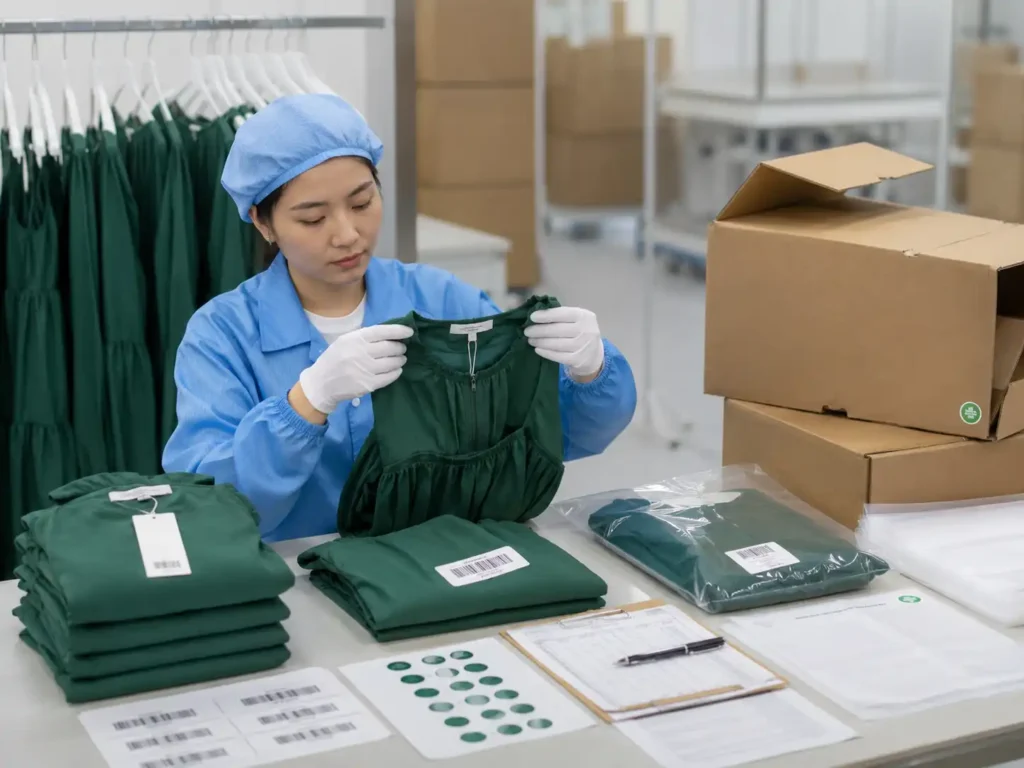
Private-label packing is checked against the SKU table and warehouse instructions. Size labels, care labels, hangtags, barcodes, polybags, inserts, folding, color stickers, carton ratio, carton marks, and quantities must match approved files. Final inspection or client-appointed inspection is scheduled before shipment release, with commercial invoice, packing list, carton details, and forwarder coordination prepared as required.

The Production System Behind Cost-Controlled Dresses

Stable cost depends on assigning each style to the right development and production resources. Jinfeng Apparel combines owned factories, long-term production partners, sample rooms, pattern, merchandising, QC, finishing, packing, and logistics coordination.

Factory Matching

Six owned women’s fashion factories and 10+ long-term production partners support product allocation by fabric, construction, complexity, quantity, quality level, and schedule. Woven satin dresses, stretch bodycon products, lace or mesh occasionwear, jumpsuits, sets, and related women’s fashion do not use one identical production logic.

Line Planning

The documented system includes 18+ sewing lines and 6+ flexible production lines. Available capacity is reviewed against the actual order rather than the total monthly claim. Sewing minutes, special operations, material dates, size and color mix, quality requirements, current loading, and packing must fit the requested shipment window.

Development Team

Two sample rooms, 7+ senior pattern makers, and 20+ sample machinists support first samples, fit correction, revised samples, photo-ready samples, PP samples, and golden-sample records. Development is connected to bulk feasibility so a visually attractive sample does not rely on a method that is unstable at scale.

Merchandising Control

A team of 12+ merchandisers coordinates materials, trims, sample comments, quotation changes, approvals, production files, factory allocation, quality checkpoints, packing, and shipment milestones. Structured tracking is especially important for 10-30 style collections where each style follows a different critical path.

Quality and Packing

A team of 15+ QC inspectors and 30+ finishing and packing workers supports material checks, cutting, inline review, finished garments, pressing, private-label packing, carton preparation, and final release. Inspection expectations should be agreed before production and adjusted to the product risk and brand quality manual.

Repeat-Order Records

Pattern files, measurement charts, fabric references, trim details, sewing instructions, labels, packing files, QC notes, and shipment feedback can support repeat orders. Reorders still require confirmation of current material availability, new colors, quantities, pricing, production loading, quality requirements, and delivery dates.

A Cost-Controlled Path From Brief to Delivery

A schedule becomes dependable when each stage has a clear input, output, owner, and approval date. The planning ranges below support early discussion; stock materials and simple styles may move faster, while custom colors, complex corsetry, placement prints, embellishment, repeated fittings, or retail-specific packing may require more time.

Requirement Review

Indicative range: 2-5 working days. The team reviews tech packs, reference images, original samples, quantities, target cost, size range, color plan, private-label needs, quality standards, trade term, and required delivery. Missing product information is listed before a dependable quotation or schedule is confirmed.

Fabric and Trim Approval

Indicative range: 5-20 working days. Timing depends on stock, lab dips, custom color, printing, supplier minimums, testing, and trim development. Swatches, lining, stretch, color, shine, hardware, support, and branding materials must be approved in a form suitable for sample and bulk reference.

Sample Development

Indicative range: 7-25 working days per round. Pattern difficulty, fabric behavior, fit, corsetry, lace, mesh, sequin, drape, or embellishment influence timing. The output may be a first sample, fit sample, revised sample, photo-ready sample, salesman sample, PP sample, or golden-sample record.

Bulk Material Preparation

Indicative range: 7-25 working days. Dyeing, printing, knitting, weaving, trim production, labels, barcodes, polybags, and cartons may run on separate schedules. Bulk purchasing should follow approved standards, confirmed quantities, payment conditions, and an agreed production plan.

Cutting and Line Setup

Indicative range: 3-8 working days. Fabric inspection, relaxation, shade grouping, marker planning, size ratio, print or nap direction, bundling, production files, and first-piece preparation occur before stable line output is expected. Complex materials need more controlled handling.

Sewing and Finishing

Indicative range: 15-35 working days. Actual time depends on quantity, product mix, sewing minutes, learning curve, manual operations, line efficiency, quality level, color and size fragmentation, finishing, and current loading. Each style in a multi-style collection should have an individual production path.

QC and Packing

Indicative range: 3-8 working days. Finished inspection, rework, pressing, labels, barcodes, SKU packing, folding, polybags, cartons, carton marks, ratio checks, and final inspection must be completed before shipment release. Client or third-party inspection should be booked within the schedule.

International Delivery

Transit is route-dependent. Express, air, LCL sea, FCL sea, customs, destination handling, and warehouse receiving follow different calendars and costs. Shipping time is separate from sample and manufacturing time. Air-plus-sea or phased delivery can be evaluated when launch priorities and carton separation are planned early.

Margin-Focused Collection Programs in Real Order Scale

The following anonymized composite examples reflect recurring order structures handled in large multi-style womenswear programs. Brand identities, original tech packs, confidential prices, and unpublished designs remain protected. Every collection requires its own commercial and technical review. Order size alone does not determine price, timing, or production route; style complexity, fabric, color, size, approval speed, quality, packing, and factory loading remain decisive.

US Occasionwear Collection

Order structure: 22 styles, 48,600 pieces, 2-4 colors per style, XS-XL. The original brief used many separate satin qualities, lining colors, zipper specifications, and custom shades. The review grouped the collection around four approved satin platforms, reduced unnecessary lining variation, standardized invisible zipper grades, and prioritized six hero styles for early sampling. The approved assortment preserved drape, shine, corset support, and visual distinction while simplifying material control. Styles were allocated by structure across suitable production units, with PP approval, shade records, packing files, and two planned shipment windows.

Bodycon and Corset Program

Order structure: 16 styles, 28,800 pieces, core black plus selected seasonal colors, XS-XL. Cost and fit risk came from multiple cup shapes, boning methods, elastics, and color-specific trim. Development organized three cup platforms, two support levels, shared zipper and label standards, and a size-ratio plan based on prior sell-through. Complex strapless and corset styles received longer sample paths than jersey bodycon styles. Measurement, recovery, neckline security, cup symmetry, boning comfort, and zipper stability were locked through revised and PP samples before production allocation.
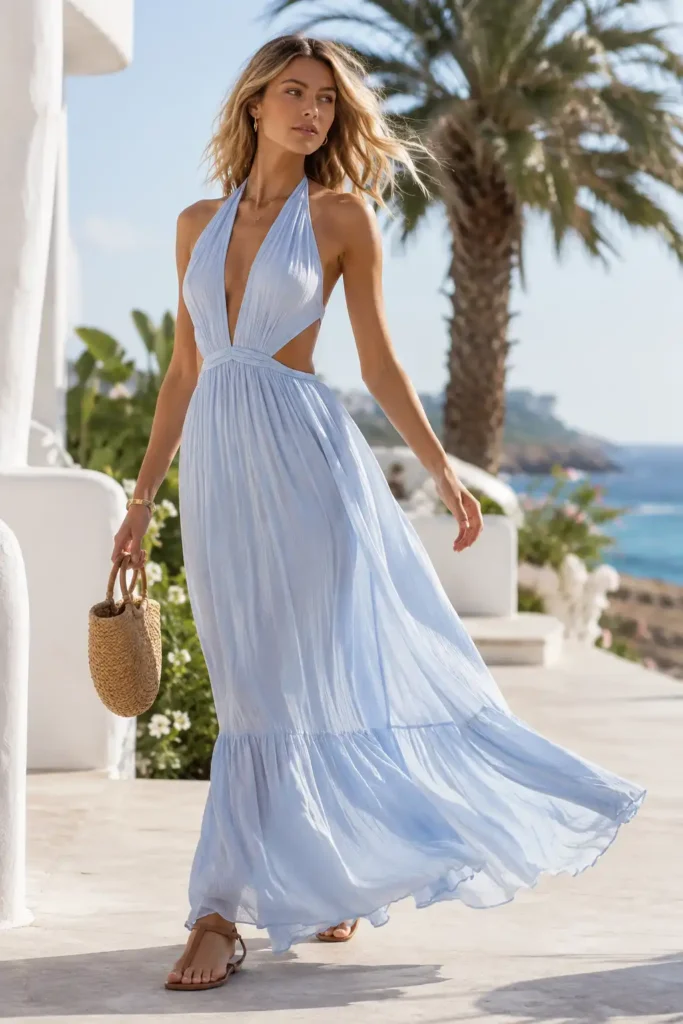
Resort and Matching-Set Launch

Order structure: 27 styles, 72,000 pieces, printed dresses, solid resort dresses, jumpsuits, and matching sets. The main risk was launch timing across print approval, lightweight fabrics, wide hems, set packing, and two destination channels. The plan grouped prints by base fabric, shared lining and trim families, separated hero styles from support styles, and scheduled 14,400 priority pieces for an earlier air shipment. The remaining 57,600 pieces followed by sea with separate carton plans, SKU packing lists, and warehouse instructions. Material booking, sample priority, QC windows, and delivery milestones were tracked by style.

What Margin-Conscious Brands Should Expect From a Manufacturer

A strong manufacturing partner should protect both the cost model and the approved product. Supplier evaluation becomes clearer when commercial discipline and execution discipline are reviewed together.

Commercial Discipline

  • Explains cost drivers rather than presenting an unexplained unit price.
  • Separates confirmed cost from provisional materials, tests, packing, and freight.
  • Reviews target cost against product structure, quality, quantity, and delivery.
  • Proposes alternatives with visible trade-offs in appearance, fit, MOQ, and timing.
  • Treats color count, size ratio, packaging, and split shipment as commercial decisions.
  • Keeps quotation versions, approvals, and changed assumptions traceable.

Commercial awareness does not mean accepting every target.

A credible supplier can explain when a price is feasible, when an alternative is required, and when the brief cannot reach the requested cost without changing the product or order conditions.

Execution Discipline

  • Uses pattern, sampling, measurement, revision, and PP approval before bulk.
  • Matches products with suitable production resources rather than one universal line.
  • Checks incoming materials, cutting, sewing, finishing, packing, and final release.
  • Controls labels, barcodes, SKU packing, cartons, and warehouse instructions.
  • Protects tech packs, samples, patterns, labels, packaging, and unpublished designs.
  • Retains records for new colors, repeat orders, and multi-batch production.

Reliable execution protects margin by reducing avoidable rework, returns, shipment changes, and repeat-order inconsistency. The right manufacturer should be able to show the development path, production controls, and records used to move from an approved sample to bulk delivery.

Prepare a Stronger Cost and Supplier Review

Clear project files improve quotation accuracy and make supplier comparison more useful. Two focused checklists can help internal teams align product, commercial, quality, and delivery information before sending an RFQ.

Dress Cost Review Checklist

Prepare style image or tech pack, target quantity by style and color, target cost range, fabric and lining direction, size range and ratio, color plan, trims, private-label requirements, inspection standard, testing, packing, destination, trade term, launch date, and warehouse deadline. Add any current supplier concern, such as unstable fit, shade difference, late cost additions, MOQ conflict, or inconsistent bulk. A complete brief makes it easier to separate fixed requirements from areas open to value engineering.

Supplier Qualification Checklist

Review factory structure, product specialization, sample rooms, pattern team, sample process, PP approval, material control, quotation detail, MOQ logic, quality checkpoints, AQL support, private-label packing, document control, NDA, production photos, shipment files, forwarder coordination, capacity allocation, repeat-order records, and issue escalation. The checklist should be used with a comparable RFQ, sample assessment, certificate verification where required, and an audit or visit appropriate to the program.

Supplier Qualification Checklist

Review factory structure, product specialization, sample rooms, pattern team, sample process, PP approval, material control, quotation detail, MOQ logic, quality checkpoints, AQL support, private-label packing, document control, NDA, production photos, shipment files, forwarder coordination, capacity allocation, repeat-order records, and issue escalation. The checklist should be used with a comparable RFQ, sample assessment, certificate verification where required, and an audit or visit appropriate to the program.

Frequently Asked Questions for Margin-Conscious Fashion Brands

Yes, a target cost can guide the review, but feasibility depends on fabric, lining, construction, trims, quantity, color, size range, quality, packing, trade term, and delivery. The team may confirm the style as specified, recommend approved alternatives, or explain why the current brief cannot reach the target. A target should never be reached by silently changing material or workmanship.

A reference image can support an initial feasibility and price-range review. It rarely provides enough information for a final bulk quotation because fabric, lining, measurements, internal structure, trims, size range, quantity, labels, packing, quality, and delivery remain unknown. A tech pack, original sample, line sheet, size chart, swatch, or trim card improves accuracy.

Reference timing is about 7-10 working days for a simple first sample, 10-15 days for a regular dress, 12-18 days for a medium-complexity dress, set, or jumpsuit, and 15-25 days for corset, strapless, lace, mesh, or sequin styles. Custom fabric or special trims may require 20-35 days. Revised and PP samples commonly require 7-15 days, depending on changes and material readiness.

Standard MOQ starts from 200 pieces per style and color. Multiple colors normally need to meet the quantity separately. Special fabrics, custom dyeing, weaving, printing, certified materials, unusual trims, and custom packaging may have separate supplier minimums. Sizes such as XS-XL can be divided within the style-color quantity using an efficient agreed ratio.

Often, but not through every method. Cost may be improved through fabric platforms, approved alternatives, construction simplification, trim standardization, cutting optimization, core-color planning, size-ratio planning, packaging review, or split shipment. Appearance, fit, comfort, durability, quality standard, and bulk repeatability must be checked after any change. Some premium details are essential to the product and should remain.

Yes. Styles can be grouped by fabric, construction, trim, complexity, factory suitability, sample priority, quality risk, and delivery window. A project tracker can record quotation version, sample status, revision, PP approval, material readiness, bulk allocation, QC, packing, and shipment for each style. Hero styles may receive earlier development and production priority when the launch plan requires it.

Yes. The size chart, grade rules, measurement method, tolerance, defect classification, quality manual, AQL requirement, inspection plan, label placement, packing standard, and warehouse rules should be supplied before production. Jinfeng Apparel reviews whether the requirements are compatible with the product and schedule, then links approved standards with sample, production, QC, and packing files.

Yes. NDA-based cooperation can protect tech packs, line sheets, original samples, patterns, measurements, fabric direction, trims, labels, packaging, order information, launch plans, and unpublished designs. Brand names, confidential order details, and unreleased products are not disclosed without authorization. Production and inspection photos can be anonymized or limited according to the agreed confidentiality rules.

Yes, depending on the project. Key styles, leading colors, or priority sizes may be separated for air shipment while the remaining bulk moves by sea. Jinfeng Apparel can also coordinate with a nominated forwarder using cargo details, commercial invoice, packing list, carton marks, carton measurements, gross and net weight, pickup instructions, and shipment photos. The plan should be confirmed before packing.

Repeat orders use retained patterns, measurement files, fabric references, trim details, sewing instructions, labels, packing records, golden-sample references, and QC notes. Current fabric and trim availability, new color, quantity, size ratio, price, production loading, quality, packing, and delivery are reconfirmed. New colors or replacement fabrics may still require swatches, lab dips, or samples before bulk production.

Build a Stronger Margin Into Your Next Dress Collection

Jinfeng Apparel works with established fashion brands and large apparel programs that need more than a factory price. The review connects target cost with fabric, construction, pattern, fit, sampling, quantity, color, size, quality, packing, production allocation, and delivery.

Send the available project files and identify which requirements are fixed and which areas can be reviewed. Kelly will coordinate the initial assessment and return the key feasibility questions, material or construction options, sample direction, MOQ considerations, and quotation path.

NDA-based cooperation is available for confidential tech packs, unpublished styles, labels, packaging, and launch information.

  • Send reference images, tech packs, original samples, line sheets, or sketches.
  • Include quantity by style and color, size range, target cost, and delivery window.
  • Add fabric, lining, trim, quality, testing, label, barcode, and packing requirements.
  • State the destination, trade term, warehouse deadline, and appointed forwarder details when available.
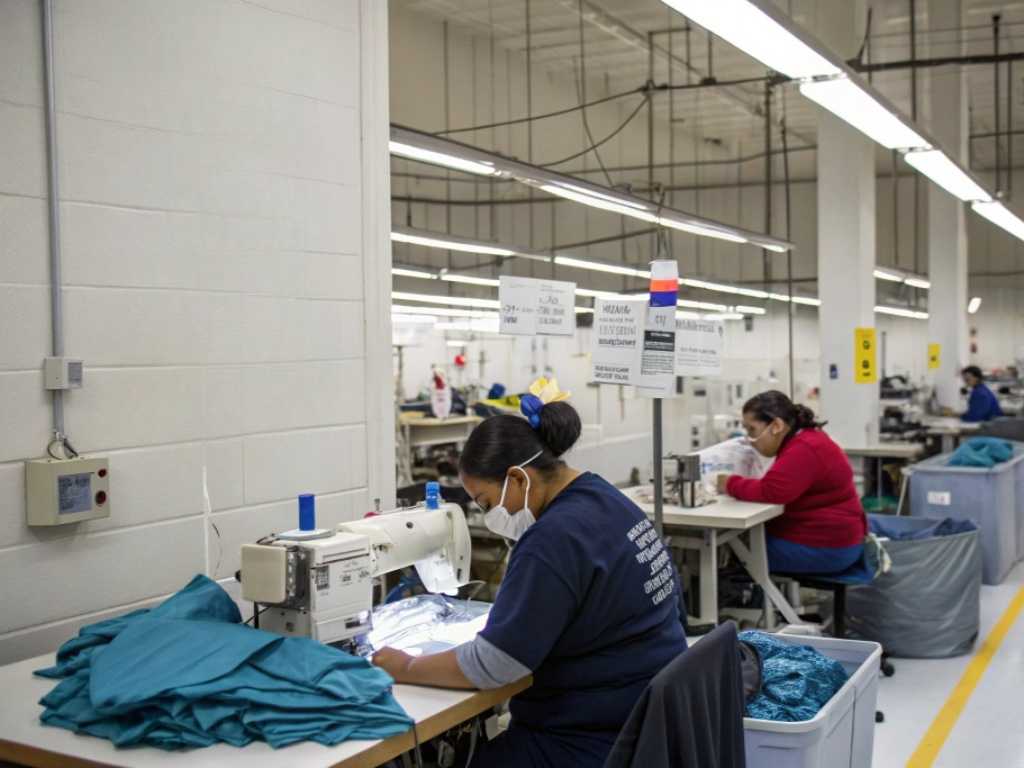
Female garment workers sewing blue fabric at industrial sewing machines.

Tell Us About Your Dress Project

Share your product details, estimated quantity and development requirements. Our team will review your project and provide practical OEM/ODM production feedback.

Premium Women’s Apparel Production for Fashion Brands

From dress sample development to bulk production, JF Apparel supports fashion brands with confidential OEM/ODM manufacturing, reliable quality control and scalable production support.

START YOUR DRESS PROJECT

Ready to Develop Your Next Dress Collection?

Share your design concept, product requirements or sourcing plans with our team. We’ll review your project and provide practical feedback on development, materials, MOQ and production.

7-10 Days

Sample Development

200 PCS

Starting MOQ

Fast Response

Professional Follow-Up