Dress Manufacturer for Inventory Planning Teams

Production planning built around approved assortments, SKU quantities, launch dates, replenishment signals and warehouse receiving requirements.

  • 10-30 styles can be organized as one seasonal or monthly dress program, with every style separated by color, size, material, approval status and delivery batch.
  • Typical brand programs can range from 20,000 to 80,000 garments, allocated according to product complexity, material readiness, launch priority and confirmed production windows.
  • MOQ starts from 200 pcs per style/color; color count, fabric supplier minimums, trims, packaging and production schedule are reviewed before quantities are locked.
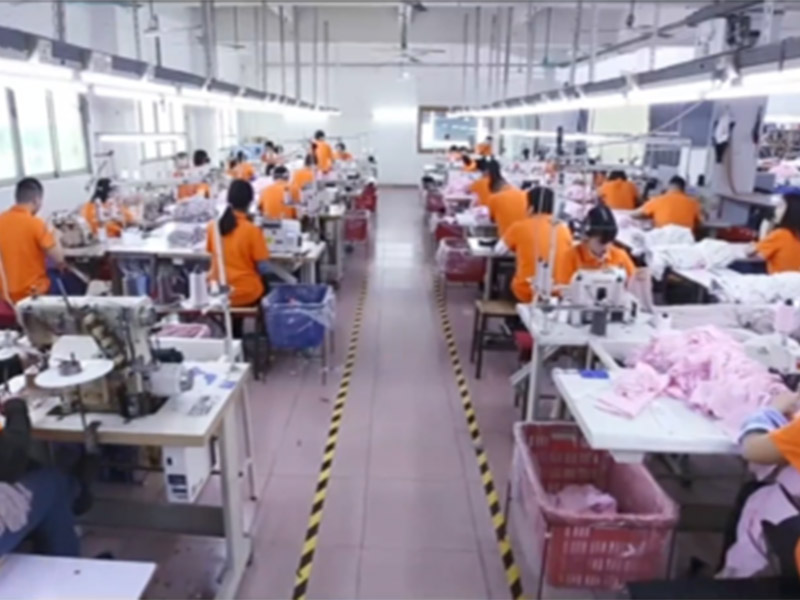
  • 6 owned women’s fashion factories, 10+ long-term production partners, 18+ sewing lines and 100,000+ pcs monthly capacity support multi-style development, bulk production and repeat-order planning.

Production Facts Inventory Teams Can Plan Around

Reliable planning begins with verifiable manufacturing capacity, clear quantity rules and dedicated teams. Jinfeng Apparel combines owned production, long-term factory partners, pattern development, merchandising, QC and packing resources so each approved dress program can be assigned according to product type and delivery requirement.

Since 2008

Long-term experience in custom women’s fashion development, sampling, production and export coordination.

6 Owned Factories

Production units for structured dress development, woven fashion, stretch products, occasionwear and repeat programs.

10+ Partner Factories

Long-term satellite capacity used according to product structure, fabric, order volume and confirmed delivery window.

18+ Sewing Lines

Production lines allocated by construction difficulty instead of treating every dress as the same sewing program.

100,000+ Pcs Monthly

Regular aggregate capacity across the production system; complex styles are evaluated separately before allocation.

MOQ 200 Pcs

The standard starting point per style/color, subject to fabric, color, trim, packaging and schedule conditions.

Manufacturing Support for Connected Planning Teams

Inventory decisions move through merchandise, demand, supply, sourcing, production and warehouse functions. Jinfeng Apparel receives the approved commercial plan and converts it into manufacturing files, material actions, sample gates, bulk milestones, packing controls and delivery arrangements.

Inventory Planning

Style, color and size quantities are converted into a controlled SKU breakdown. The team receives feedback on MOQ fit, material constraints, repeat-order feasibility, carton allocation and delivery sequence before production is confirmed.

Demand Planning

Forecasts remain a brand responsibility, while manufacturing feasibility is checked against fabric availability, trims, factory allocation and production timing. Changes are assessed before they affect approved quantities or warehouse dates.

Merchandise Planning

Assortment structure, hero styles, commercial colors and seasonal priorities are translated into sample and production priorities. High-visibility styles can move through photo sample and PP approval earlier than lower-priority extensions.

Supply Planning

Material arrival, production slots, QC windows, packing completion and shipment readiness are organized as linked milestones. Any delayed input is flagged against the planned warehouse receiving date.

Sourcing Teams

Supplier qualification, costing, style feasibility, factory matching and private-label requirements are consolidated into one program view. Each style keeps its own BOM, sample version, quantity and approval status.

Warehouse Operations

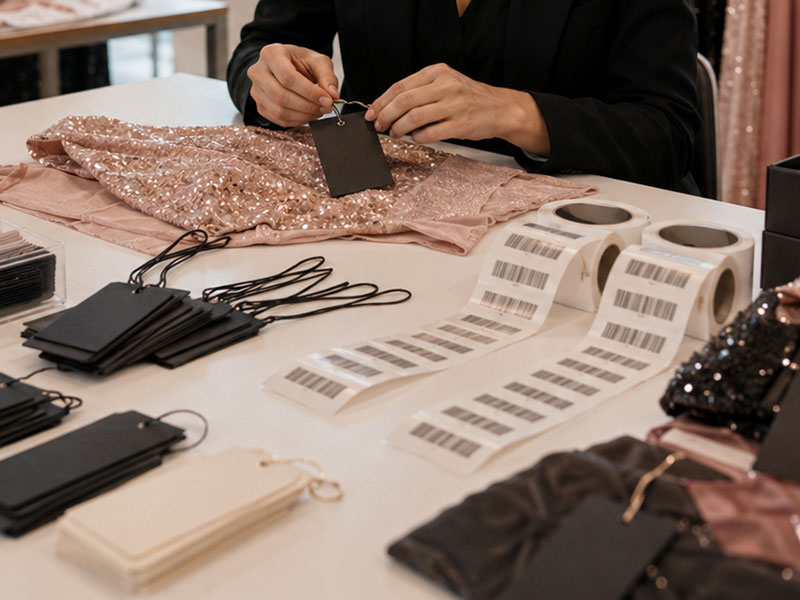
SKU labels, barcodes, PO references, carton marks, packing ratios and shipment documents are checked before release. Split deliveries can be prepared as separate, traceable batches.

Where Inventory Plans Commonly Break in Production

Inventory risk is often created after the commercial plan has already been approved. Unclear quantity rules, late material decisions, unstable measurements, mixed SKU labels or delayed replenishment can turn a strong assortment into excess stock, missed sales or warehouse receiving problems.

Unclear MOQ Logic

A total order quantity may look sufficient while individual style/color combinations remain below workable production levels. Fabric supplier minimums, custom color requirements and trim quantities can create hidden excess before a purchase order is placed.

Late Material Lock

Satin, lace, mesh, sequin fabric, custom colors and private-label trims require different sourcing windows. A production slot cannot protect the launch date when fabric or packaging has not been approved and booked.

SKU Breakdown Errors

Incorrect color codes, size quantities, labels or carton allocations can leave stock in the wrong warehouse or create gaps in selling sizes even when the total garment count is correct.

Unstable Lead Milestones

A single promised completion date gives little control. Sample approval, material arrival, cutting, sewing, QC, packing and cargo readiness need separate checkpoints against the receiving calendar.

Slow Reorder Restart

Repeat orders lose time when patterns, BOMs, fabric references, trim records and packing instructions are not retained. Material continuity must also be checked before a bestseller can return to production.

Packing Mismatch

Finished garments can still fail at receiving when barcodes, SKU stickers, carton marks, PO numbers or packing lists do not match the warehouse specification. Packing control is part of inventory accuracy, not a final cosmetic step.

From Inventory Inputs to Manufacturing Outputs

A workable production plan starts with defined commercial inputs. Jinfeng Apparel reviews the approved assortment and identifies where material, MOQ, construction, sample approval or delivery constraints require adjustment before a purchase order enters bulk production.

Planning InputManufacturing ReviewConfirmed Output
Style list or line sheetConstruction, fabric direction, factory fit and sample priorityStyle-level development and production plan
Quantity by style/colorMOQ per style/color, material minimums and cutting efficiencyConfirmed quantity structure and cost basis
Size range and ratioGrade rules, measurements, stretch and SKU distributionSize-level quantity sheet and packing ratio
Launch or warehouse dateSample gates, material arrival, production, QC and freight timingReverse milestone plan with decision deadlines
Color planStock shades, lab dips, dye lots, lining, zipper and thread matchingApproved color list and material action plan
Packaging specificationLabels, hangtags, barcodes, polybags, carton marks and supplier MOQRetail-ready packing file and carton instructions
Replenishment requestPattern version, BOM, fabric continuity, trims, capacity and freight optionRepeat-order feasibility, quantity and delivery plan
Split delivery requestPriority SKUs, warehouse routing, air/sea mix and document separationBatch-specific packing lists, carton data and cargo dates

Dress Programs Built for Different Inventory Behaviors

Dress categories do not carry the same inventory risk. Core silhouettes can support steady repeats, trend-led styles require tighter launch timing, and fabric-sensitive occasionwear needs earlier material commitment. Jinfeng Apparel organizes product development around the commercial behavior of each group.

Core Repeat Dresses

Mini, midi, maxi, A-line, slip and clean day-to-evening silhouettes can be developed as dependable commercial lines. Stable patterns, repeatable materials and controlled trims make these styles suitable for planned seasonal carryover, color extension and selected size replenishment.
  • Best for core color continuity
  • Suitable for repeat-order records
  • Focus on fit and measurement stability

Fashion-Led Dresses

Bodycon, corset, ruched, cut-out, low-waist, backless and halter dresses carry more construction risk and stronger trend exposure. Sample priority should be linked to launch importance, while stretch, support, neckline security, seam balance and visual proportion are locked before quantity commitment.
  • Use photo and fit samples early
  • Control hero SKU approval first
  • Confirm complex trim availability

Occasion Dresses

Party, cocktail, evening, wedding guest, graduation and homecoming dresses depend on event windows and photo-ready appearance. Satin shine, mesh transparency, lace placement, lining, slit height, bust support and final pressing must be planned alongside the launch calendar.
  • Schedule around selling season
  • Protect PP and Golden sample standards
  • Plan air/sea options by urgency

Fabric-Sensitive Dresses

Satin, chiffon, mesh, lace, velvet, sequin, organza and tulle dresses require fabric-specific cutting, sewing, inspection and packing. Material direction, dye lot, snagging, transparency, stretch, pile direction, embellishment protection and hem behavior influence production timing and reorder continuity.
  • Book materials before bulk
  • Separate dye lots and color records
  • Use product-specific QC points

Seasonal Dress Lines

Resort, vacation, summer, holiday party and event-season collections need a clear warehouse date and a realistic final selling window. Lightweight fabrics, prints, pale colors, packing volume and regional delivery splits can change both production and stock allocation.
  • Prioritize seasonal colors
  • Reserve packing and freight windows
  • Avoid late design changes

Collection Extensions

Skirts, jumpsuits, matching sets and fashion tops can extend a dress assortment without losing brand direction. Shared fabrics, colors or trims may improve sourcing efficiency, but each product still needs separate patterns, measurements, SKU codes and packing instructions.
  • Coordinate matching color batches
  • Maintain separate size ratios
  • Use one collection-level status file

MOQ Planning by Style, Color and Material

Planned QuantityProduction ReadingPlanning Action
Satin midi: 300 blackOne style and one color above the standard starting levelReview fabric availability, size ratio, packing and schedule
Satin midi: 200 burgundyNormally aligns with the standard style/color quantityConfirm shade, lining, zipper, thread and barcode details
Mesh mini: 200 blackQuantity may work, subject to mesh and lining supplier conditionsApprove transparency, stretch, lining and trim supply
One style: 100 black + 100 ivoryTwo colors do not normally combine into one 200-piece MOQIncrease each color, reduce the color count or review stock material
Four styles: 50 pcs eachTotal 200 pcs does not meet the standard by style/colorConcentrate the buy into fewer styles with commercial depth
Custom print: 400 pcsGarment quantity may still be below the print supplier minimumCheck print method, fabric base, repeat size, strike-off and wastage
Repeat style: 500 same colorPattern and production records improve restart efficiencyRecheck fabric batch, trims, packing material and line availability
Same style: new colorNew color requires fresh color, lining, trim and SKU confirmationApprove lab dip or swatch and apply MOQ per new color

MOQ starts from 200 pcs per style/color. The number is not calculated across unrelated styles or divided freely among several colors. Material supplier minimums, custom dyeing, printing, trims, certified fabric, packaging and production schedule may require a higher quantity or a different commercial arrangement.

Style, Color and Size Control at SKU Level

A dress order is not managed as one total quantity. Every style, color and size combination needs a clear identity from production order through final carton. Jinfeng Apparel separates product records so quantity, measurement, label and delivery data remain traceable.

Style Identity

Each product carries its own style number, sample version, pattern record, BOM, construction notes and packing instruction. Similar silhouettes are not merged when measurements, fabrics or trims differ.
  • Style code
  • Approved version
  • Production file

Color Control

Color names are linked to fabric batches, lining shades, zipper colors, thread colors, labels and barcode records. Dye lots are separated to reduce visual mixing within the same SKU.
  • Color code
  • Bulk shade approval
  • Dye-lot separation

Size Breakdown

Approved size ratios are converted into cut quantities and bundle records. Grade rules and tolerances cover bust, waist, hip, dress length, strap, neckline, slit and product-specific measurements.
  • Size chart
  • Grade rule
  • Cut quantity

Label Accuracy

Main labels, care labels, size labels, hangtags, price tickets and SKU stickers are checked against the final assortment. Incorrect components are isolated before packing.
  • Label artwork
  • Size identification
  • SKU sticker

Carton Structure

Solid-size, mixed-size, solid-color or mixed-color cartons can be prepared according to the receiving requirement. Every carton needs a defined quantity and matching packing record.
  • Packing ratio
  • Carton number
  • Quantity check

Delivery Batch

A SKU can be assigned to a first shipment, regional shipment, warehouse-specific batch or replenishment batch. Separate carton data and documents prevent cross-batch confusion.
  • Batch code
  • Warehouse route
  • Shipment file

Managing 10-30 Styles Without Losing Control

Seasonal and monthly programs require structured grouping. Jinfeng Apparel separates styles by fabric, construction, trim readiness, approval stage and launch priority so development and production do not become one mixed queue.

Style Grouping

The first management layer separates woven, stretch, occasionwear and complex-fabric products. A satin slip dress, corset mini and sequin party dress should not share the same development assumptions or production line simply because all three belong to one collection.
  • Fabric group
  • Pattern complexity
  • Trim family
  • Pressing and packing risk

Priority Sequencing

Hero styles, campaign samples, early warehouse needs and material-ready products move first.

Lower-priority color extensions or products waiting for custom fabric are kept visible without blocking key approvals.

  • Launch date
  • Photo sample need
  • Fabric readiness
  • Commercial priority

Program Tracking

Each style keeps a separate row for sample version, client comments, PP status, material status, bulk quantity, factory allocation, QC stage, packing stage and shipment batch. Program-level communication focuses on exceptions and upcoming decisions rather than repeating every detail.
  • Approval tracker
  • Material tracker
  • Production tracker
  • Shipment tracker

Sample Gates Before Inventory Is Committed

Sample approval protects commercial quantities from fit, fabric and construction errors. The required sample sequence depends on product complexity, shooting schedule and internal approval workflow; not every sample serves the same purpose.

First Sample

Translates the reference image, sample, sketch or tech pack into a physical garment. It tests the initial silhouette, material direction, construction logic and feasibility before detailed commercial approval.

Fit Sample

Checks bust, waist, hip, length, strap, neckline, armhole, slit, support and movement against the approved size chart. Comments are converted into pattern and measurement changes, not left only in messages.

Revised Sample

Confirms agreed corrections in pattern, fabric, trim, sewing method or appearance. Every revision should have a clear version and a written approval status before later samples proceed.

Photo Sample

Supports campaign, ecommerce or line-sheet photography when appearance and schedule are critical. A photo sample can be visually approved while still remaining separate from the final production standard.

PP Sample

Locks the production method, approved material, measurements, trims, labels, packaging direction and workmanship before bulk starts. Major changes after PP approval require cost and schedule reassessment.

Golden Sample

Serves as the physical reference for production and QC. Measurement, appearance, construction, trim placement and finishing are compared against the sealed standard during bulk production and repeat orders.

Reverse Planning From the Warehouse Receiving Date

The receiving date should be translated into decision deadlines. Jinfeng Apparel builds a milestone sequence around approval, materials, production, QC, packing and cargo release, while allowing contingency for product complexity and transport choice.

Receiving Requirement

Confirm warehouse location, required arrival date, booking rules, delivery appointment, routing guide and penalty-sensitive requirements before the production calendar is finalized.

Freight Decision

Select express, air, sea or a split route according to urgency, cargo volume, selling window and cost. Final transit time depends on route, booking, customs and destination conditions.

Cargo Ready Date

Set the latest acceptable factory release date after allowing time for final inspection, documentation, forwarder booking, pickup and any client-appointed inspection.

Packing Window

Reserve time for labels, barcodes, polybags, carton marks, carton measurement, quantity verification and batch separation. Complex retail packing is not added at the last minute without schedule impact.

Bulk Production

Allocate cutting, sewing, inline QC, finishing and output according to style complexity and factory fit. Multi-style programs may use staggered starts rather than one common production date.

Material Arrival

Fabric, lining, zippers, labels, hangtags and packaging must arrive before their production step. A confirmed sewing slot cannot compensate for missing material.

PP Approval

Lock the production standard before bulk. Late fit, color, trim or construction changes can move the material and production calendar.

Sample Deadline

Prioritize key styles and photo needs early enough to allow revision. The faster the brand confirms comments, material and payment steps, the more reliable the downstream window becomes.

Fabric and Trim Continuity for Repeat Orders

Repeatability depends on records and supply continuity. Jinfeng Apparel retains product references, while every reorder still requires material, color, trim and capacity checks before a delivery date is confirmed.

Fabric Record

The retained record can include supplier reference, fiber content, weight, width, stretch, recovery, drape, hand feel, transparency, shrinkage risk, lining requirement, approved color and previous batch information. These details help identify the closest repeat source.

  • Satin: shine, snagging and dye lot
  • Mesh: stretch, recovery and transparency
  • Lace: placement, damage and supplier continuity
  • Jersey: weight, shrinkage and torque

Trim Record

Zippers, hooks, strap sliders, elastic, bra cups, boning, anti-slip tape, lace trim, labels, hangtags and packaging materials influence both continuity and lead time. Supplier codes and approved positions are retained for repeat review.

  • Color and finish
  • Size or specification
  • Placement and sewing method
  • Supplier MOQ and lead status

Reorder Recheck

A repeat order is released only after the current source is compared with the approved product. The same style in a new color or new fabric may need a swatch, lab dip, trim match, measurement adjustment or new sample because material behavior can change the fit and appearance.

  • Confirm current stock
  • Compare new batch
  • Update cost and MOQ
  • Reconfirm production slot

Capacity Allocation by Product and Delivery Priority

Capacity is assigned according to construction, fabric, quantity, approval status and delivery need. The production system is not treated as interchangeable space; each program is matched to units able to execute the required dress category and quality controls.

Product Matching

Woven fashion, stretch bodycon, corset construction, satin occasionwear, lace or sequin products require different skills and risk controls. Factory selection begins with product suitability, not only an open line.
  • Fabric behavior
  • Construction difficulty
  • Finishing requirement

Capacity Planning

Six owned women’s fashion factories, 10+ long-term production partners, 18+ sewing lines and 6+ flexible lines provide aggregate capacity. Final allocation depends on confirmed PP approval, material arrival and the active schedule.
  • Style quantity
  • Launch priority
  • Material readiness

Unified Controls

Production orders, BOMs, measurement charts, sewing instructions, QC checklists and packing instructions maintain one approved standard across assigned units. Sensitive client details remain protected under NDA-based cooperation.
  • Document control
  • QC checkpoints
  • Private-label protection

Production Milestones Reported at Decision-Relevant Points

Inventory teams need status changes that affect arrival, not daily activity with no commercial meaning. Key programs can be updated by email or WhatsApp at defined milestones, with photos and issue alerts where appropriate. CTA: Define Update Points | CTA: Share Reporting Format

Material Arrival

Confirms whether fabric, lining, trims, labels and packaging are complete, partially received or delayed. Missing items are linked to the affected style and next action.

Cutting Start

Shows that approved fabric has entered cutting under the required direction, size ratio and bundle control. Print, lace or pile direction risks are checked before sewing.

Sewing Start

Confirms the allocated line and active production stage. Sewing instructions, PP sample, thread, trims and label placement are available to the line team.
3.-Inline-QC-During-Sewing(车缝过程质检)

Inline QC

Reports issues found during production before they spread across the full quantity. Corrective action can include operation adjustment, rework, measurement correction or material segregation.

Finishing

Covers thread trimming, pressing, shape recovery, stain control, embellishment protection and product-specific appearance checks before final inspection.

Packing

Confirms label, barcode, polybag, SKU and carton requirements are being applied according to the approved packing instruction and shipment batch.

Cargo Preparation

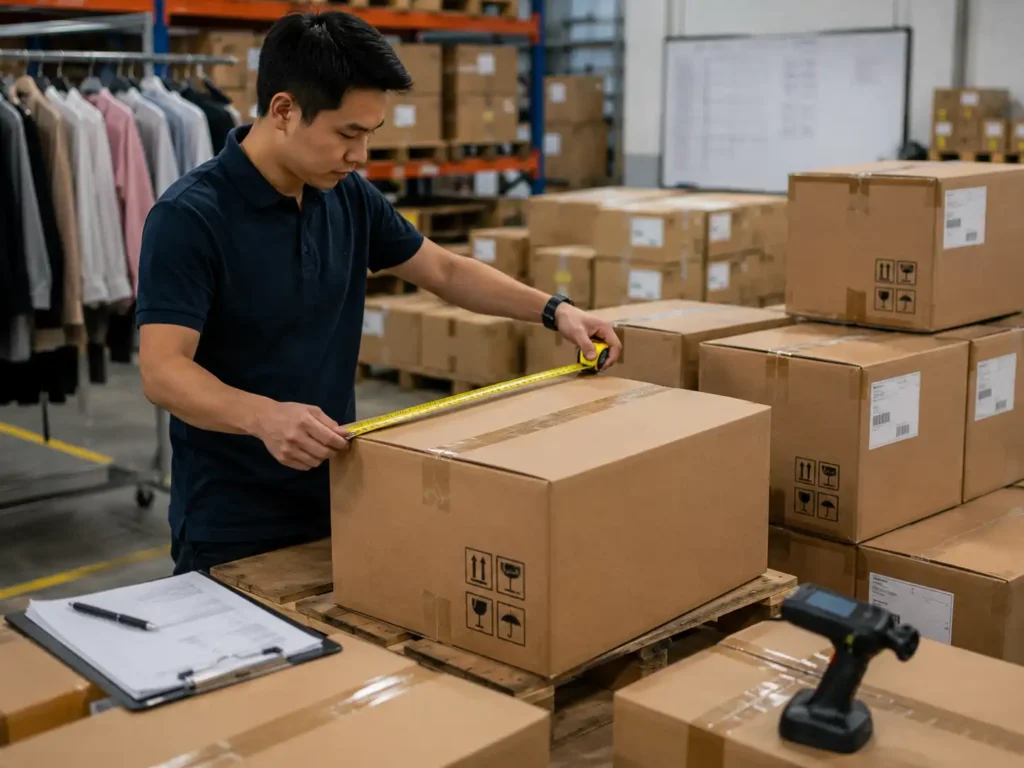
Provides final carton count, measurement, gross and net weight, packing list readiness, shipment photos and pickup coordination with the appointed forwarder.

Quality Control Protecting Sellable Inventory

Quality control is connected to inventory value. Measurement drift, shade difference, unstable trims, stains, incorrect labels or packing errors can make stock unsellable even when production quantity is complete. Jinfeng Apparel applies product-specific checks through the production sequence.

Incoming Materials

Fabric, lining, zippers, labels, trims and packaging are checked against approved references. Width, weight, color, defects, hand feel, stretch, transparency and supplier quantity are reviewed according to product needs.

Fabric Preparation

Stretch and knit materials may require relaxing before cutting. Satin direction, velvet pile, prints, lace placement, sequin direction and fabric batch separation are controlled before markers are released.

Cutting Inspection

Cut panels are checked for front/back orientation, size bundle, cut quantity, damage, holes, print matching, lace defects and direction. Errors are stopped before entering sewing.

Sewing Instructions

The line receives stitch type, stitch density, seam allowance, zipper position, lining method, ruching instruction, label position and trim placement linked to the PP and Golden samples.

Inline Inspection

Necklines, straps, zippers, waist seams, ruching, lining, slits, symmetry, stitching and fabric damage are reviewed during sewing. Batch-level issues are corrected before they multiply.

Measurement Control

Bust, waist, hip, length, strap, armhole, neckline, slit and other product-specific measurements are compared with the size chart and tolerance. Grade consistency is checked across key sizes.

Finished Garments

Appearance, fit-related construction, seam security, stains, pressing, color, trim function, embellishment protection, lining coverage and hem balance are checked before packing.

Packing and AQL

Labels, barcodes, SKU identification, polybags, carton quantities and marks are verified. AQL sampling or client-appointed inspection can be arranged according to the agreed quality plan.

Repeat Orders Organized Around Bestseller Signals

A replenishment request becomes actionable after the exact SKU need, material continuity and production window are confirmed. Historical files reduce redevelopment, while new colors, new fabrics or partial size replenishment still require controlled review.

Same Style Repeat

The original pattern, measurement chart, BOM, approved sample, sewing method and packing instruction can be recalled. Fabric batch, trim availability, quantity, cost and line capacity are checked again.

Selected Size Refill

A size-level replenishment request is reviewed against cutting efficiency, material availability and packing rules. It is not automatically treated as a separate small production run without a workable quantity.

Selected Color Refill

The requested color is checked for current fabric stock, dye-lot continuity, lining, zipper, thread, labels and barcode details. Replacement material may require a shade approval.

Same Style New Color

Pattern work may be reused, but the new color needs its own MOQ, lab dip or swatch, lining and trim match, SKU identification and packaging records.

Same Pattern New Fabric

Drape, stretch, weight, transparency, shrinkage and seam behavior are reassessed. The same paper pattern may need adjustment, and a new sample may be required before bulk.

Priority Production

Bestseller SKUs can be reviewed for an earlier slot when materials and approved files are ready. Priority remains subject to existing production commitments and product complexity.

Air-Sea Split

Urgent units can be allocated to air while the main replenishment volume moves by sea. Each batch receives separate carton data, packing list and cargo readiness confirmation.

Record Update

The final reorder quantity, material batch, revised cost, production unit, QC result, packing details and shipment outcome are added to the product history for later planning.

Multi-Batch Delivery for Launch and Replenishment

Split delivery can reduce the risk of missing a selling window, but it requires production, packing and document control. Jinfeng Apparel can evaluate delivery by launch priority, SKU group, warehouse, market region or freight method.

Priority Batch

Hero styles, core colors or urgent selling sizes can be packed and released first when their production and QC are complete. A priority batch must be identified before final packing so barcodes, carton marks and documents remain independent.
  • Define SKU list
  • Confirm carton structure
  • Issue batch packing list

Air Shipment

Air freight can support campaign launch, urgent stock or selected replenishment. Freight cost, carton volume, chargeable weight, customs, route and warehouse needs are reviewed before quantity is assigned.

  • Use for time-sensitive units
  • Calculate real packed volume
  • Confirm forwarder cutoff

Sea Shipment

The main inventory volume can move by sea for better unit freight economics. Cargo-ready date, booking, port cutoff, destination clearance and warehouse appointment must be linked to the receiving calendar.
  • Use for planned stock depth
  • Prepare full carton data
  • Coordinate with appointed forwarder

Retail-Ready Packing With Warehouse-Level Accuracy
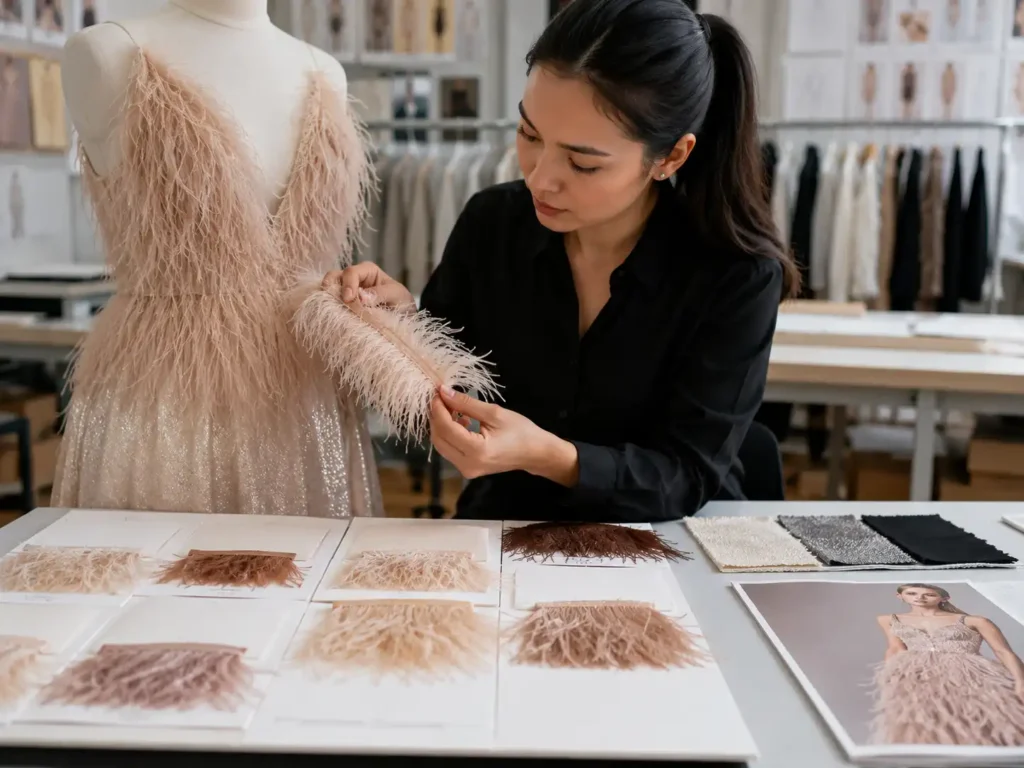
Packing is the final inventory control layer. Every garment and carton must preserve the approved relationship among style, color, size, PO, barcode, warehouse route and shipment batch.

Garment Identity

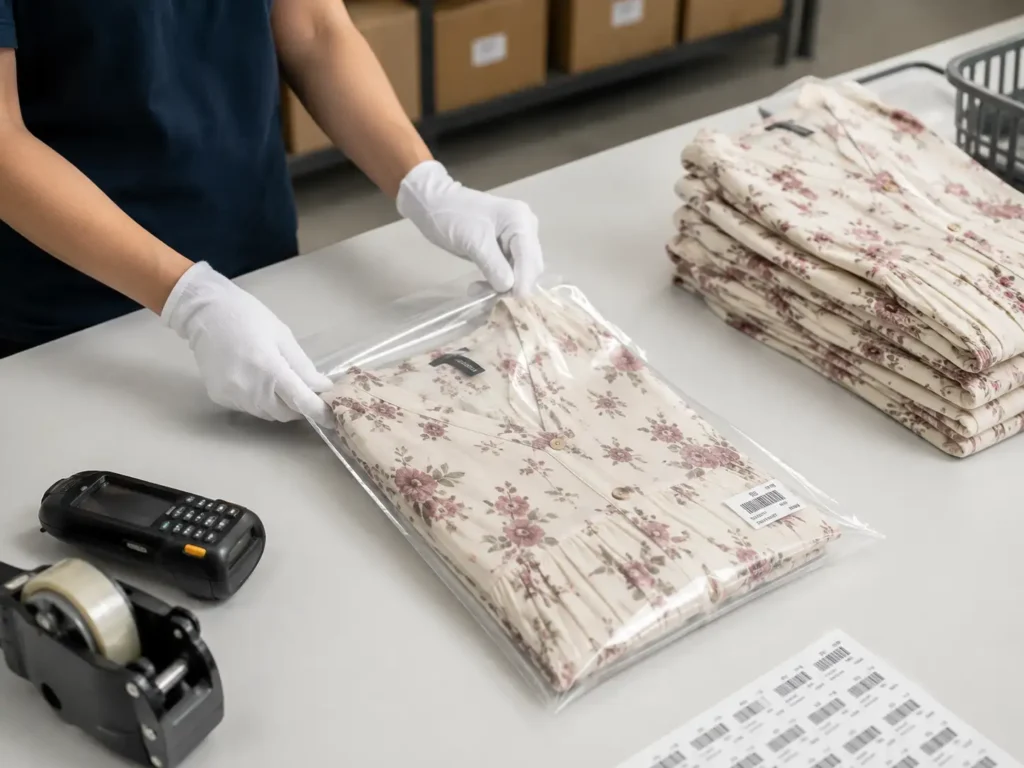
Main label, size label, care label, hangtag and SKU sticker are matched to the approved style/color/size record before the garment enters its polybag.
  • Style code
  • Color code
  • Size code

Barcode Control

UPC, EAN or brand barcode artwork is applied according to the approved file. Scan checks can be included where required by the packing specification.
  • Barcode file
  • Placement
  • Scan verification

Polybag Packing

Bag size, warning text, ventilation holes, sealing method and sticker placement are confirmed according to market and warehouse rules. Delicate products may require tissue or protection.
  • Bag specification
  • Product protection
  • Sticker position

Carton Ratio

Solid-size, mixed-size or mixed-color packing is prepared against the approved ratio. Every carton receives a controlled quantity before sealing.
  • Units per carton
  • Size mix
  • Color mix

Carton Marks

PO, style, color, size, carton number, destination, gross/net weight and measurement fields are printed according to the shipping instruction.
  • PO reference
  • Carton sequence
  • Destination mark

Document Match

Packing list totals are checked against carton quantities and shipment batches. Commercial invoice, cargo details and forwarder information are coordinated for pickup and export.
  • Packing list
  • Invoice data
  • Cargo summary

Cost Control Without Increasing Inventory Risk

The lowest unit price is not always the lowest inventory cost. Jinfeng Apparel reviews fabric, construction, color count, size ratio, packing and shipment structure to protect the commercial appearance while reducing avoidable complexity, excess material and late-stage rework.

Product Cost

Fabric, lining, trims, pattern work, cutting, sewing time, pressing, QC, packaging, wastage and testing requirements form the production cost. Corset structures, built-in support, ruching, lace placement, sequin sewing and complex hems require additional labor and control.
  • Compare material alternatives
  • Remove non-selling complexity
  • Keep key visual features

SKU Complexity

Every additional color creates material, label, barcode, cutting, QC and packing work, while each color normally follows its own MOQ. Overly fragmented size ratios can also reduce cutting and packing efficiency.
  • Concentrate core colors
  • Use sales-based size ratios
  • Add extensions after evidence

Delivery Cost

Air freight protects time but raises landed cost; sea freight reduces unit freight cost but needs earlier cargo readiness. A split shipment can protect launch-critical stock without sending the full order by air.
  • Prioritize urgent SKUs
  • Use actual carton volume
  • Separate launch and replenishment

Inventory-Led Dress Programs Delivered at Scale

The following anonymized program examples reflect the order structures Jinfeng Apparel is built to manage: 10-30 styles, multi-color and multi-size assortments, total quantities between 20,000 and 80,000 garments, staged approvals and more than one delivery requirement. Brand identities and unreleased products remain protected.

US Premium Ecommerce Dress Program

A US premium ecommerce label planned 16 party and occasion dress styles across satin, stretch mesh and lace. The approved buy totaled 32,400 garments in 54 style-color combinations and seven sizes from XS to 3XL. Six hero styles required photo samples before the remainder of the assortment, while the first warehouse batch had to arrive ahead of a seasonal campaign.

  • Development control: styles were grouped into satin, stretch and lace programs; six campaign styles received priority pattern, fit and photo-sample review.
  • Inventory structure: size ratios were confirmed per style/color rather than applying one ratio across the entire line; fast-moving M-L quantities were deeper in core colors.
  • Production control: approved styles moved into three production groups according to material readiness and construction; inline measurement focused on bodycon fit, strap length and neckline security.
  • Delivery result: 7,800 campaign-critical garments were prepared as the first air/sea priority batch, followed by 24,600 garments in the main shipment after final QC and retail packing.
  • Replenishment: 5,400 units across two black styles and one burgundy style were reordered after launch. Pattern, BOM and packing records reduced redevelopment, while the new fabric batch was compared before release.

Regional Retail Seasonal Collection

A regional retail group developed 24 dress styles for wedding guest, graduation and summer event selling.

The total program covered 61,200 garments, 83 style-color combinations and six sizes.
Warehouse receiving was divided into three windows because stores in warmer regions required selected summer styles earlier than the complete seasonal assortment.

  • Development control: lightweight woven, chiffon, satin and structured occasion styles were assigned separate sample and production paths; pale colors received added transparency and stain checks.
  • Quantity planning: core black, navy, ivory and floral options carried deeper quantities, while fashion colors remained controlled by the 200 pcs per style/color rule and material availability.
  • Warehouse accuracy: each receiving window used independent carton numbering, barcode files, PO references, packing lists and routing labels to prevent mixed deliveries.
  • Delivery result: 18,000 garments moved in the early regional batch, 34,800 in the main national delivery and 8,400 in a later replenishment batch after selected size gaps were identified.
  • Quality focus: length consistency, lining coverage, neckline security, color separation and carton-level SKU counts were checked against the approved assortment files.

Occasionwear Reorder and Color Extension

An established occasionwear label placed an initial 12-style program totaling 27,600 garments in satin, mesh and sequin constructions.

After two styles outperformed the forecast, the label requested a 9,200-piece replenishment and added two new colors for the following selling window.

The reorder required speed without assuming the previous material could be reproduced automatically.

  • Record retrieval: approved patterns, measurements, BOMs, Golden samples, sewing instructions, labels and packing files were reopened for the two repeat styles.
  • Material review: the original black satin remained available, while the new emerald and wine shades required lab-dip approval, matching lining, zipper, thread and barcode creation.
  • Production decision: 5,600 same-color replenishment units entered the repeat path first; 3,600 new-color units followed after color and trim approval.
  • Freight plan: the fastest-selling black SKUs were packed as an air-priority batch, while the new-color extension moved with the later sea shipment.
  • Risk control: PP confirmation remained mandatory for the new colors because shade, shine direction, lining and pressing appearance could differ from the original order.

Protected Cooperation With Clear Operating Boundaries

Inventory plans contain sensitive information about unreleased styles, launch timing, volume, pricing and market direction. Jinfeng Apparel supports NDA-based cooperation and keeps manufacturing responsibilities clearly separated from brand forecasting and commercial decisions.

NDA Protection

Tech packs, line sheets, original samples, patterns, measurements, quantity plans, private-label artwork, packaging files, order values and unreleased launch information can be protected throughout development and production.
  • No public brand disclosure without approval
  • No release of unreleased product files
  • Anonymous process evidence when authorized

Best Project Fit

The production model is built for established fashion brands, retail groups, premium ecommerce labels, sourcing offices and apparel teams with clear product direction, sample development needs and planned bulk programs.
  • Defined assortment or tech pack
  • Commercial quantity plan
  • Professional approval workflow

Service Boundary

Jinfeng Apparel is a custom development and bulk manufacturing partner rather than an inventory software provider, ready-stock wholesaler or single-piece fulfillment service. Demand forecasts and final buy quantities remain under brand control.
  • Manufacturing feasibility support
  • No automatic demand forecasting
  • No unapproved quantity decisions

Frequently Asked Questions

Yes. Jinfeng Apparel can receive an approved style list, line sheet, quantity by style/color, size ratio, launch date, warehouse requirements and replenishment priorities. The team reviews manufacturing feasibility, MOQ, materials, sample gates, capacity, packing and delivery. Sales forecasting and final purchasing decisions remain the responsibility of the brand.
No. Jinfeng Apparel is a custom women’s fashion manufacturer. The role is to translate approved assortment and quantity decisions into sampling, material sourcing, production, QC, packing and shipment plans. Existing ERP, PLM or inventory files can be used as project inputs when exported in a clear format.
MOQ starts from 200 pcs per style/color. The total quantity across several styles does not replace the style/color minimum. Custom-dyed, printed, certified, lace, sequin or specially developed materials may have higher supplier minimums. Trims, labels and packaging can also affect the final workable quantity.
Sizes can be divided according to an approved ratio within a workable style/color quantity. Colors are treated separately because each color affects fabric procurement, cutting, labels, barcodes, QC and packing. A plan such as 100 black plus 100 ivory normally does not equal the standard 200 pcs per color.
Multi-batch delivery can be evaluated by launch priority, style group, color group, warehouse address, market region or air/sea split. Each batch needs separate carton data, packing list, cargo readiness date and routing instruction. Production and material readiness determine whether the requested split is workable.
Key projects can receive milestone updates covering material arrival, cutting, sewing, inline QC, finishing, packing and cargo preparation. Email or WhatsApp updates may include production photos, issue alerts and revised timing where necessary. Reporting frequency is agreed according to program size and complexity.
Selected style, color or size replenishment can be reviewed. Final feasibility depends on per-style/color quantity, material and trim availability, cutting efficiency, production slot and packing requirement. Existing patterns, BOMs, Golden samples and historical files reduce redevelopment, but current supply conditions still require confirmation.
Jinfeng Apparel retains pattern versions, measurement charts, BOMs, fabric and color references, trim details, sewing instructions, packing requirements, QC records and approved samples. New material batches are compared with the previous standard, while measurements, color, workmanship and packing are rechecked during production.
Yes. Main labels, care labels, size labels, hangtags, SKU stickers, barcodes, PO references, carton marks and routing labels can be managed according to the approved packing file. Artwork, placement, carton ratio and scanning requirements should be supplied before packing materials are ordered.
Yes. NDA-based cooperation can cover tech packs, line sheets, patterns, samples, material directions, quantity plans, labels, packaging artwork, prices and launch information. Brand names and unreleased products are not used publicly without authorization. Case material can remain anonymous and visually de-identified.

Build Production Around Your Inventory Plan

Send the documents used by your inventory, merchandise and sourcing teams so Jinfeng Apparel can review the dress program as a complete manufacturing plan. A useful inquiry includes enough detail to evaluate product construction, MOQ, material supply, sample priorities, size ratios, retail packing and delivery windows before pricing and capacity are confirmed.

  • Tech packs, reference images, original samples or line sheets
  • Style list with target quantity per style and color
  • Size range and planned size ratio
  • Fabric preference, color direction and trim requirements
  • Launch date, warehouse receiving date and requested delivery batches
  • Private-label, barcode, polybag, carton and routing-guide requirements
  • Expected repeat-order or replenishment structure
  • Destination country, appointed forwarder or preferred trade term

Tell Us About Your Dress Project

Share your product details, estimated quantity and development requirements. Our team will review your project and provide practical OEM/ODM production feedback.

Premium Women’s Apparel Production for Fashion Brands

From dress sample development to bulk production, JF Apparel supports fashion brands with confidential OEM/ODM manufacturing, reliable quality control and scalable production support.

START YOUR DRESS PROJECT

Ready to Develop Your Next Dress Collection?

Share your design concept, product requirements or sourcing plans with our team. We’ll review your project and provide practical feedback on development, materials, MOQ and production.

7-10 Days

Sample Development

200 PCS

Starting MOQ

Fast Response

Professional Follow-Up